Crafting Compelling Content For A Personalized Audience
By Tom Seest
At WebsiteBloggers, we help website bloggers develop strategies to create content, traffic, and revenue from website blogs based on our experiences and experimentation.
Be sure to read our other related stories at WebsiteBloggers and share this article with your friends, family, or business associates who run website blogs.
10 Ways User Experience Personalization In Blogging
When it comes to blogging, the human touch isn’t just a nice addition; it’s the lifeblood of connection. Let’s explore how you can elevate your website blog through user experience personalization that resonates in the heart, head, and gut.
First, understand your audience as if they were friends at a gathering. Who are they? What do they care about? This is the beauty of research: it allows you to personalize your content to address your readers’ needs and dreams directly. Utilize analytics to learn not just what draws them to your site but also when they lose interest. This data isn’t just numbers; it’s the voice of your audience, speaking to you through their clicks and scrolls.
Next, storytelling is your ally. Weave narratives into your blog that echo the experiences of your readers. When people see themselves in your stories, they don’t just read; they feel, they laugh, they connect. Share real-life examples that span from joyful triumphs to eye-opening failures, encapsulating lessons learned along the way. This creates authenticity and trust, showing you’re not just some blog in cyberspace but a guide in their journey.
Don’t forget the power of aesthetics. A clean, intuitive design doesn’t just make your website blog pretty; it serves as a welcoming mat for your readers. If users feel comfortable navigating your site, they’ll spend more time immersed in your content. Use images, colors, and layouts that resonate emotionally, inviting readers to stay longer and engage deeper.
Incorporate methods for interaction. Polls, comment sections, and social sharing buttons create a dialogue, fostering a sense of community. When your readers participate, they become part of the narrative, transforming a one-way conversation into a shared experience. This builds loyalty and encourages others to join the discussion as well.
Don’t shy away from offering recommendations tailored to individual user preferences. Personalized content suggestions show readers that you understand their unique interests, proving you’re not just another voice shouting into the void. Use emails to check back in, providing updates or special content based on what they’ve engaged with before.
Personalizing your user experience isn’t just about making your website blog stand out; it’s about creating a warm environment where readers feel valued, understood, and part of a larger mission. It’s a commitment to honor and nurture the bond between you and your audience—one story, one interaction at a time. Embrace this journey, and you’ll cultivate not just readers, but a community.

10 Ways User Experience Personalization In Blogging
10 Ways User Experience Personalization In Blogging
- The human touch is essential for building connections in blogging.
- Understand your audience to personalize content that meets their needs and dreams.
- Utilize analytics to gauge audience interests and disengagement patterns.
- Storytelling engages readers emotionally, fostering a deeper connection through shared experiences.
- Aesthetics matter; a clean design enhances user comfort and encourages longer visits.
- Encourage interaction through polls and comments to create a sense of community.
- Personalized recommendations and follow-up emails show readers their interests are valued, nurturing loyalty.

10 Ways User Experience Personalization In Blogging
Table Of Contents
- 10 Ways User Experience Personalization In Blogging
- How Can Personalized Content Enhance Your Blogging Impact?
- What Emotions Drive Your Audience To Engage With Your Blog?
- How Can Data Analytics Shape A More Personalized Reading Experience?
- What Ethical Considerations Arise When Personalizing Blog Content?
- How Does Storytelling Enhance The Personalization Of Your Blog?
- How Can You Build Trust Through Personalized Interactions In Blogging?
- Conclusion
- Other Resources
- Glossary Of Terms
- Other Questions
- Haiku
- Poem
- Checklist
How Can Personalized Content Enhance Your Blogging Impact?
Personalized content is more than a marketing strategy; it’s a bridge connecting you to your reader, creating a shared space where ideas and experiences can intertwine. Imagine visiting a website blog that not only speaks to your interests but feels like it understands your joys, your struggles, your aspirations. This isn’t just content; it’s a conversation. That’s the heart of personalized blogging—the emotional pulse that resonates with your audience.
When you craft content that reflects the unique needs and desires of your readers, you tap into a wellspring of trust. People instinctively gravitate toward authenticity. They’re not just looking for information; they’re searching for validation and connection. Think about it: how often do you click away from a generic article, only to linger on that one piece that feels tailor-made for you? This isn’t magic; it’s using insights and data to shape narratives that engage and inspire. When your audience feels heard, they’re more likely to return, share, and advocate for your message—relying on you as a source of authority.
Now, let’s consider the rational aspect. Why waste your time casting a wide net for a scattering of clicks when you can invest your efforts in targeted content that speaks with purpose? Remember, every word you write has the potential to ignite a spark of action. Personalized content can enhance conversion rates, driving readers not just to stay but to engage deeply with your brand. When they see themselves in your stories, they’re more likely to follow through on recommendations or share your ideas with their own networks. It’s a ripple effect of influence.
Ethically, there’s a responsibility that comes with personalization. As creators, you have the power to shape narratives that can either uplift or mislead. Strive to weave genuine stories that respect and reflect the lives of those you write for. This can counteract the cynicism of today’s oversaturated digital marketplace.
Ultimately, your website blog can become a vibrant community hub—a place where people feel welcome, valued, and understood. Be the voice that champions their interests, one post at a time. Write not just to be read, but to create a lasting impact. It’s about connection, purpose, and a shared journey toward understanding. Let the words you choose become the thread that binds you with your readers, and together, you’ll carve out a space that’s truly remarkable.

How Can Personalized Content Enhance Your Blogging Impact?
How Can Personalized Content Enhance Your Blogging Impact?
- Personalized content connects creators with readers, fostering a shared space for ideas and experiences.
- It enhances trust and authenticity, as readers seek validation and connection rather than generic information.
- Crafting tailored content leads to deeper engagement, encouraging readers to return, share, and advocate for your message.
- Targeted content improves conversion rates by resonating with readers, prompting them to take action.
- There is an ethical responsibility in personalization to create narratives that uplift and reflect the lives of your audience.
- A successful blog can become a vibrant community hub, making readers feel welcome, valued, and understood.
- Writing with purpose fosters a lasting impact, transforming your words into a bond with your readers on a shared journey.

How Can Personalized Content Enhance Your Blogging Impact?
What Emotions Drive Your Audience To Engage With Your Blog?
What drives your audience to engage with your website blog? Let’s dig deeper than just clicks and shares. It’s about emotions that resonate, the very currents that run through our everyday lives. When a reader stumbles onto your blog, they’re seeking more than information; they want connection, inspiration, and, dare I say, a touch of transformation.
Think about it: how many times have you felt a rush of excitement when discovering a story that made you chuckle or an insight that resonated with your own struggles? That’s the heart of engagement—empathy woven into every word. You’re not just another website blog; you’re a confidant, a source of solace in a world often full of noise. By sharing genuine stories that reflect the highs and lows of everyday experiences, you forge bonds that keep readers coming back.
Now, let’s break this down further. Rationally, people crave information that adds value to their lives. If your blog offers practical tips, thought-provoking insights, or even a solution to a pesky problem, you’re engaging the head. But remember, you have to match that with ethical storytelling that gives a nod to accuracy and fairness. Readers want authenticity, and they can spot a cotton job from a mile away. Be the authority your audience can trust.
Then there’s the gut—raw intuition. It’s what stirs emotion and action. Have you ever read something so powerful that it brought a tear to your eye or made your heart race? Those narratives are gold. Whether it’s a tale of overcoming adversity or a simple narrative of daily triumphs, it elicits a visceral reaction that compels action. The stories that resonate connect us on a deeper level, creating an invisible thread of shared experience.
Finally, consider the social aspect. In today’s interconnected world, people are drawn to communities where they feel seen and heard. Your space can be that sanctuary, a place where comments and discussions flourish. When readers feel like they’re part of something bigger, their engagement dives off the charts.
So, as you craft your website blog, remember this: it’s not just about filling pages with words; it’s about weaving together the threads of heart, head, and gut. It’s about creating an emotional landscape where readers feel engaged, empowered, and inspired to take action. Your blog isn’t just a platform; it’s a lifeline.

What Emotions Drive Your Audience To Engage With Your Blog?
What Emotions Drive Your Audience To Engage With Your Blog?
- Engagement with a blog goes beyond clicks; it revolves around emotional connections and resonating experiences.
- Readers seek more than information; they desire connection, inspiration, and transformation.
- Effective storytelling invokes empathy and forms bonds, making the blog a source of solace.
- Providing practical tips and insights adds value, engaging the rational side of the audience as long as authenticity is maintained.
- Emotionally powerful narratives elicit strong reactions, creating a deeper connection with readers.
- Community and dialogue are vital; creating a space where readers feel heard enhances engagement.
- Ultimately, a successful blog weaves together heart, head, and gut, creating an inspiring emotional landscape.

What Emotions Drive Your Audience To Engage With Your Blog?
How Can Data Analytics Shape A More Personalized Reading Experience?
Imagine sitting down with a book that feels like it was written just for you, its pages echoing the whispers of your interests, dreams, and fears. This isn’t a fantasy—it’s the future of reading, crafted through the power of data analytics.
Think about it: We live in an age where every click, every scroll, and every reading choice we make sends ripples through the vast ocean of data. It’s a treasure trove for publishers and authors who want to engage deeply with their readers. By analyzing patterns and preferences, they can curate recommendations that resonate with our souls. And that’s not just a stat—they’re reaching out to the core of who we are, appealing to our emotional selves and making reading a profoundly personal experience.
Now, let’s get a bit heady for a moment. The rational side of this is undeniably appealing. Data analytics can help publishers understand trends in literature or identify the next big genre. With insights into what resonates with readers, they can invest in stories that not only meet the market but also challenge it. This isn’t just about profits; it’s about nurturing creativity and sparking innovation. When you pick up a book that feels like your own story, you’re part of a wider narrative—a community shaped by shared experiences, interests, and dreams.
And there’s an ethical component to this, too. Authors and publishers can focus on fostering a diverse range of voices by pinpointing what stories have been overlooked. It’s a chance to uplift underrepresented authors, weaving their narratives into the fabric of our reading culture. As readers, we’re not just consumers; we’re participants in a collective movement aimed at inclusivity and representation.
Moreover, project your mind into the future. Picture a world where readers thrive on interaction—sharing thoughts on forums, engaging through social media with writers, and creating a community around their favorite genres. This interactivity, supported by data-driven insights, promotes trust and connection, making reading not just a solitary experience but a communal journey.
In every turn of the page, with every new recommendation tailored just for you, data analytics is paving the way for a richer, more personalized reading experience. It invites us all to pick up a book that speaks to us personally and to come together as part of a community bound by stories that matter. Are you ready to dive in?

How Can Data Analytics Shape A More Personalized Reading Experience?
How Can Data Analytics Shape A More Personalized Reading Experience?
- The future of reading is personalized, driven by data analytics that reflect individual interests and emotions.
- Every reading choice generates data, enabling publishers and authors to craft deep connections with readers.
- Data analytics helps identify literary trends and informs investments in innovative storytelling.
- This approach promotes creativity and nurtures a reading community united by shared experiences and dreams.
- There is an ethical aspect, as it ensures diverse voices are highlighted and underrepresented authors gain visibility.
- Future reading experiences will emphasize interactivity, fostering a communal space for sharing and engagement.
- Data analytics enhances the reading journey, inviting readers into stories that resonate deeply and build community.

How Can Data Analytics Shape A More Personalized Reading Experience?
What Ethical Considerations Arise When Personalizing Blog Content?
Personalizing blog content can feel like a dance—one where you’re trying to match the rhythm of your reader’s heart, mind, and gut. But as you step into this engaging choreography, it’s essential to consider the ethical implications that come with it. Imagine crafting a website blog experience that resonates with individuals, making them feel seen and valued. It’s powerful, but with great power comes great responsibility.
When you tweak content to fit personal tastes or preferences, it can be tempting to delve into data, targeting likes, interests, and behaviors. However, this is where the first ethical consideration kicks in: privacy. At what point does personalizing content cross the line from amiable engagement into invasive surveillance? Readers want to feel they’re in control, not that they’re constantly being monitored like a hawk on a perch. Striking the right balance builds trust and fosters a connection that’s genuine, not transactional.
Then there’s the narrative aspect. While sharing relatable stories creates a sense of community, it’s vital to remember that not all experiences are universal. Personalization can easily lead to echo chambers, where only one voice is heard. It’s important to broaden the narrative, ensuring underrepresented voices are included. This isn’t just ethical; it’s also wise. Diverse perspectives enrich content, making for an authentic experience that invites different readers into the fold.
Consider also how personalization can inadvertently perpetuate biases. When algorithms dictate what individuals see, they might only receive insights that reinforce their existing beliefs. This can create division rather than connection. The responsibility falls on creators to actively seek out a range of perspectives to create a more holistic experience. It’s about being conscientious and reflecting on the potential societal impacts.
Finally, there’s authority. When you personalize content, you have the ability to influence opinion and action. With that influence, however, comes the duty to be honest and transparent. Readers appreciate and respect integrity. If you’re endorsing a product, be straightforward about any affiliations. Authenticity fosters a bond—they trust you, and they’re more likely to engage with your website blog anew.
Through vigilant attention to these ethical threads, personalization can transform from a mere tool into a bridge, connecting hearts, opening minds, and nourishing societal unity. When you get it right, you don’t just reach readers; you transform their entire experience, inviting them to join you not just in content consumption, but in a shared journey.

What Ethical Considerations Arise When Personalizing Blog Content?
What Ethical Considerations Arise When Personalizing Blog Content?
- Personalizing blog content is akin to a dance that requires understanding the reader’s emotions.
- Ethical implications of personalization must be considered, particularly regarding reader privacy.
- Content should make readers feel valued without crossing into invasive monitoring.
- Diverse narratives are essential to avoid echo chambers and include underrepresented voices.
- Personalization can reinforce biases if algorithms limit the perspectives offered.
- Creativity and ethical responsibility demand a commitment to honest and transparent content.
- Effective personalization can enrich the reader experience and foster community engagement.

What Ethical Considerations Arise When Personalizing Blog Content?
How Does Storytelling Enhance The Personalization Of Your Blog?
When you sit down to pen a blog post, you’re not just stringing words together; you’re weaving a tapestry of experiences, emotions, and insights. Storytelling is not merely an artistic flourish—it’s the beating heart of personalization on your website blog. Every story you share is an invitation for your readers to step inside your world, to experience the highs and lows, the triumphs and failures that have shaped you. Think of it this way: the next time someone lands on your blog, they’re not just looking for information; they’re searching for connection.
Humans are wired to respond to stories. Our ancestors gathered around fires, swapping tales that held lessons, values, and truths about the human experience. When you craft your blog entries with narrative elements, you tap into this primal instinct—a yearning for relatable moments. A well-told tale can bridge the gap between you and your reader, allowing them to see parts of themselves reflected in your narrative. This is where trust is born. The more authentic and relatable your story, the stronger the emotional bond you foster.
Let’s shift to the rational side. Personalized storytelling provides context, turning abstract concepts into tangible takeaways. When you share a personal anecdote related to a subject you’re passionate about, you’re not just sharing knowledge; you’re providing a roadmap. Readers appreciate practical insights, but they also crave the “why” behind those insights. Your experiences lend you authority, making your advice not just credible but compelling. This connection deepens their engagement, encouraging them to return to your website blog for more.
Ethically, sharing vulnerability shows integrity. It says, “I’m human, just like you.” When you speak candidly about your failures or challenges, it removes the pedestal that many bloggers inadvertently place themselves upon. Instead of a distant guru, you become a relatable guide. This alignment builds a community where readers feel safe to explore their own struggles and triumphs.
Finally, consider the social implications. When readers connect with your story, they’re more likely to share it. This amplifies your voice across networks, drawing in others who resonate with your message. It’s a ripple effect, where one authentic story has the power to touch many lives, fostering a collective narrative that enriches your community.
In short, when you embrace storytelling in your blogging, you’re not just sharing information; you’re creating a movement—a heartfelt invitation to engage, connect, and inspire action. Your website blog becomes a living, breathing entity, ready to resonate with the very pulse of humanity.

How Does Storytelling Enhance The Personalization Of Your Blog?
How Does Storytelling Enhance The Personalization Of Your Blog?
- Blogging involves more than just writing; it’s about creating a tapestry of experiences, emotions, and insights.
- Storytelling is essential for personalization and invites readers to connect with your experiences.
- Humans are innately drawn to stories, making narrative elements crucial for engagement.
- Well-told tales can create trust and foster emotional bonds between you and your readers.
- Personal anecdotes provide context, transforming abstract ideas into relatable takeaways and establishing authority.
- Sharing vulnerability builds integrity, making you a relatable guide rather than a distant authority.
- Authentic storytelling can have social benefits, encouraging readers to share your message and grow your community.

How Does Storytelling Enhance The Personalization Of Your Blog?
How Can You Build Trust Through Personalized Interactions In Blogging?
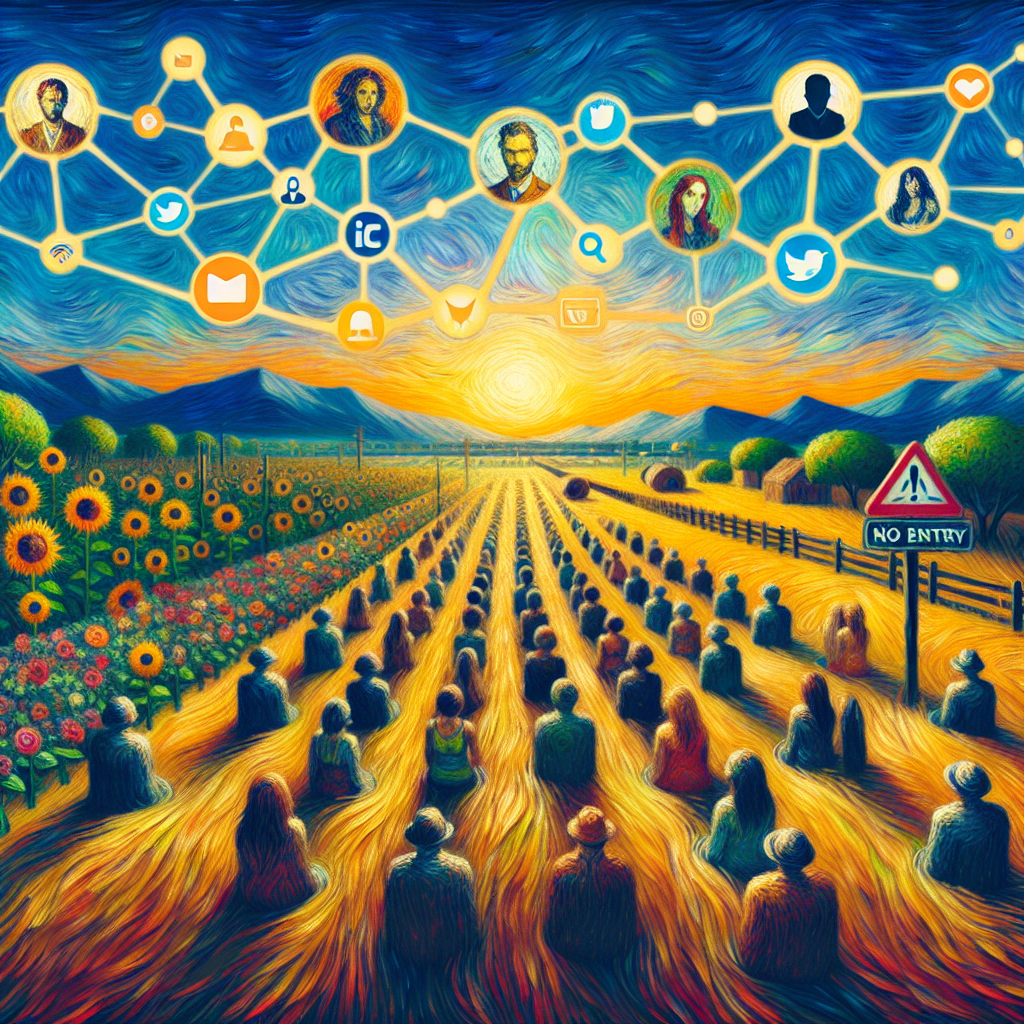
Building trust through personalized interactions in your blog isn’t just a strategy; it’s a commitment. Imagine for a moment your favorite place on the web, a blog that feels like a warm conversation with an old friend. That’s the goal—a digital camaraderie that invites readers in, making them feel seen and valued.
When you craft your content, think about stories that resonate on a human level. Share your journey, your missteps, and those little triumphs that make you relatable. Each post becomes a slice of your life, stitched together with honesty and authenticity. Readers are drawn not just to the information, though that’s vital too, but to the person behind the words. Your experiences create a connection, transforming your website into a refuge where people feel they belong.
Now, let’s get to the nitty-gritty. Rationally speaking, people crave tailored experiences. Utilize analytics to understand your audience better. What do they care about? What challenges do they face? Use this data to shape your blog’s direction. When readers see you addressing their specific needs, it builds a foundation of trust. They’re not just another visitor; they’re part of a community—a tribe that relies on your insights.
Ethically, it’s about being transparent. Own your opinions and disclose partnerships or sponsorships. This honesty breeds trust like nothing else. When readers know you’re not hiding anything, they’re more likely to engage and share your content. And let’s not forget the power of authority. If you have expertise in a certain area, flaunt it! Share your knowledge generously, but always with a personal touch. When you combine wisdom with warmth, readers recognize your credibility and feel comfortable turning to you as a resource.
Finally, don’t underestimate the social aspect. Encourage comments and discussions on your blog. Respond to readers as if they were in your living room, not just anonymous usernames. This engagement fosters a sense of belonging and establishes loyalty. You’re not just a voice in the void; you’re part of a vibrant community.
At the end of the day, trust isn’t given lightly. It’s earned, cultivated through genuine, personalized interactions every step of the way. And when readers feel it, they’ll come back—time and again—to your blog, because it’s where they feel truly understood.

How Can You Build Trust Through Personalized Interactions In Blogging?
How Can You Build Trust Through Personalized Interactions In Blogging?
- Building trust through personalized blog interactions is a commitment.
- Aim for a digital camaraderie that makes readers feel valued and recognized.
- Share relatable stories from your life to create genuine connections.
- Utilize analytics to understand your audience’s needs and interests.
- Be transparent about partnerships and opinions to foster trust.
- Engage with readers in a personal manner to create a sense of community.
- Trust is earned through consistent, authentic interactions that resonate with your audience.
How Can You Build Trust Through Personalized Interactions In Blogging?
Conclusion
User experience personalization in blogging is more than just a trendy buzzword; it’s fundamentally about weaving a human connection through tailored content that resonates deeply with your audience. In a world overflowing with information, the voice that stands apart is the one that genuinely understands its readers—their dreams, struggles, and journeys. By delving into analytics, you gather the unfiltered expressions of your audience’s needs, turning raw data into rich narratives that invite connection. This is where the heart beats strongest; when readers can see themselves in your stories, they are not just passive observers but active participants in an emotional exchange.
As seasoned bloggers, adopting storytelling is key. Often, it’s our real-life experiences—both the triumphant highs and the humbling lows—that make us relatable. This creates trust, a powerful currency in a digital landscape cluttered with faceless content. Sharing personal tales, challenges, or even fears opens up a shared space where readers feel safe to explore their own lives and engage more deeply with your insights. It’s not merely about informing; it’s about creating a bond that transcends the screen.
It’s equally vital to ensure that our efforts towards personalization don’t veer into ethical ambiguity. As we tailor experiences using personal data, we must prioritize privacy and inclusivity, steering clear of reinforcing biases. Authentic engagement requires transparency, and readers appreciate honesty—especially when it comes to our influences and motivations. Acknowledging the diverse voices and stories that exist outside of our own enriches the narrative, making it more inclusive and relatable for all.
Moreover, crafting a welcoming atmosphere goes beyond content; it encompasses design and interactivity as well. A user-friendly blog, coupled with inviting engagement tools—like polls and comment sections—creates a sense of community. This ensures readers feel not just welcome but valued as participants in a larger conversation, reflecting shared interests and experiences.
In embracing these principles, we’re not merely becoming bloggers—we’re fostering a thriving community, built on trust, empathy, and a shared mission. When readers feel genuinely understood and valued, they’re more likely to return, share, and advocate for the content that resonates with them. This commitment to personalization stands to cultivate not just a loyal readership but a vibrant community, coming together one story at a time. The journey is just as important as the destination, and together we can carve out a space that truly resonates, and one that endures.
Conclusion
Conclusion:
- User experience personalization in blogging creates a human connection through tailored content.
- Understanding readers’ dreams and struggles transforms analytics into compelling narratives.
- Storytelling fosters relatability, building trust in a crowded digital landscape.
- Sharing personal experiences invites readers to engage more deeply with the content.
- Maintaining ethical standards is essential; prioritize privacy and inclusivity in personalization efforts.
- A user-friendly blog design and interactive tools promote a sense of community among readers.
- Prioritizing personalization fosters a vibrant community, encouraging reader loyalty and advocacy.
Conclusion
Other Resources

Other Resources
Here is a list of other resources you can review online to learn more:
- Huemint.com
- Writesonic
- The Joe Rogan Experience
- Vana.com
- Snappr.com
- Tensorflow.org
- Shopify
- Instantly.ai
- Eleuther.ai
- Iamfy.co
- Slite.com
- Vanceai.com
- The Tim Ferriss Show
- Splitter.ai
- Artbreeder.com
- Mygoodtape.com
- Rewind.ai
- Click To Tweet
- Personal.ai
- Vondy.com
Use This Prompt To Get More Resources With Your Favorite Online AI Tool: Please provide me with a list of online articles with their URLs in a bulleted list that I can read regarding 10 Ways User Experience Personalization In Blogging

Other Resources
Glossary Terms
10 Ways User Experience Personalization In Blogging – Glossary Of Terms
1. Personalization: Tailoring content and experiences to individual users’ preferences and behaviors.
2. User Interface (UI): The means by which a user interacts with a digital product, such as a blog.
3. User Experience (UX): The overall experience of a user when interacting with a website or application, encompassing usability, design, and pleasure.
4. Segmentation: The process of dividing a user base into distinct groups based on specific criteria to deliver targeted content.
5. Cookies: Small pieces of data stored on a user’s device by a web browser, used to remember information about the user.
6. Dynamic Content: Content that changes based on user interactions, preferences, or behavior, providing a more tailored experience.
7. A/B Testing: Comparing two versions of a webpage or blog post to determine which performs better in terms of user engagement.
8. User Profiles: Data collections that summarize individual user preferences and behaviors to enhance personalization.
9. Recommendations: Suggestions for content or products based on user history, preferences, or similar users’ behaviors.
10. User Journey: The path a user takes while interacting with a blog or website, including touchpoints and transitions.
11. Analytics: The systematic computational analysis of user data to understand behaviors and improve personalization efforts.
12. Feedback Loop: The process of using user feedback to refine and improve content and user experiences continuously.
13. Call to Action (CTA): Prompts designed to encourage users to take a specific action, such as signing up for a newsletter or reading more articles.
14. Content Curation: The process of gathering and presenting relevant content tailored to specific user interests.
15. Email Marketing: The use of email to promote content, products, or services, often personalized based on user preferences.
16. Behavioral Targeting: Delivering personalized content based on users’ past online behavior and interactions.
17. User Surveys: Tools for gathering direct feedback from users about their preferences, needs, and satisfaction levels.
18. Retargeting: The practice of displaying ads to users who previously visited a blog or website to encourage their return.
19. Responsive Design: A web design approach that ensures optimal viewing experiences across a variety of devices and screen sizes.
20. Onboarding: The process of introducing new users to a product or service, enhancing their initial experience through tailored guidance.
21. Multichannel Engagement: Interacting with users through various channels like social media, email, and the blog itself for a cohesive experience.
22. Personalized Landing Pages: Specific webpages designed to address individual user interests or demographics, increasing relevance.
23. Content Strategy: A plan that outlines how content will be created, delivered, and managed to meet user needs.
24. Social Proof: Using testimonials, reviews, or user-generated content to build trust and encourage user engagement.
25. Gamification: Incorporating game-like elements such as points, badges, or challenges to encourage interaction and enhance user experience.
26. User Experience Design (UXD): The process of enhancing user satisfaction by improving the usability, accessibility, and pleasure provided in the interaction with a product.
27. Content Management System (CMS): A software platform that allows users to create, manage, and modify digital content.
28. Heatmaps: Visual representations of user interactions on a webpage, showing where users click, scroll, or hover.
29. Microsites: Small, targeted websites created for specific campaigns or content themes, often enhancing personalization.
30. Engagement Metrics: Measurements that reflect how users interact with content, such as time spent on a page, clicks, and shares.

Glossary Of Terms
Other Questions
10 Ways User Experience Personalization In Blogging – Other Questions
If you wish to explore and discover more, consider looking for answers to these questions:
- What specific techniques can I use to gather insights about my audience’s preferences?
- How can I effectively utilize data analytics to personalize content without invading privacy?
- What are some examples of storytelling methods that enhance engagement in blogs?
- How does personalized content impact SEO and discoverability for blogs?
- What are the potential downsides of over-personalization in blogging?
- How can I ensure inclusivity and diversity in personalized content?
- What metrics should I track to measure the success of personalized blogging strategies?
- How do different demographics (age, gender, location) influence personalization strategies?
- What tools or platforms can assist in implementing user experience personalization?
- How can I balance authentic storytelling with professional standards in blogging?

Other Questions
Haiku
10 Ways User Experience Personalization In Blogging – A Haiku
Craft with heart and care,
Stories woven, voices join—
A community.

Haiku
Poem
10 Ways User Experience Personalization In Blogging – A Poem
In the digital realm where voices merge,
A blog can spark, connect, and urge,
Crafting content, not just to inform,
But to create a space, a welcoming norm.
Picture your audience, a curious friend,
Understanding their hearts, their hopes to amend.
Dive deep in data, let numbers unfold,
The stories they share, more precious than gold.
With narratives rich, let experiences flow,
Reflecting their lives, the struggles they know.
In laughter and tears, find threads tightly spun,
A tapestry woven, a community begun.
Design matters too; let aesthetics entice,
A sanctuary inviting, soothing, and nice.
Color and layout, a visual embrace,
Where comfort and warmth set the pace.
Interactions blossom—polls, shares, and replies,
Turn a one-way street into caring ties.
When readers engage, they become part of the tale,
Building loyalty stronger than mere detail.
Ethics entwined in every line drawn,
Respecting their privacy from dusk until dawn.
Challenge the norms, let diverse voices rise,
Creating a canvas where all can surmise.
Trust isn’t given, it’s earned through the care,
In every shared moment, in every blog prayer.
With sincerity guiding and warmth in your prose,
You’re not just a voice—you’re a friend that one knows.
So write with intent, with passion and heart,
Each post, a new journey, a meaningful start.
Transforming the web into a thriving expanse,
A lifeline of stories, a shared cosmic dance.

Poem
Checklist
10 Ways User Experience Personalization In Blogging – A Checklist
Checklist for Personalized User Experience in Blogging
Emotional Appeals (Heart)
_____ Know Your Audience:
_____ Research and empathize with your readers’ interests and dreams.
_____ Craft Relatable Stories:
_____ Share personal anecdotes and experiences that resonate emotionally.
_____ Create a Welcoming Atmosphere:
_____ Ensure your site design is inviting and comfortable for readers.
Rational Appeals (Head)
_____ Utilize Data Analytics:
_____ Analyze user behavior to tailor content to their preferences.
_____ Provide Practical Insights:
_____ Offer tips and solutions that add value to your readers’ lives.
_____ Focus on Authority:
_____ Share your expertise and insights consistently to build credibility.
Ethical Appeals
_____ Respect Privacy:
_____ Be transparent about data collection and ensure readers feel in control.
_____ Include Diverse Perspectives:
_____ Broaden narratives to encompass underrepresented voices.
_____ Be Honest and Transparent:
_____ Disclose partnerships and sponsorships to foster trust.
Authority Appeals
_____ Showcase Your Expertise:
_____ Use your knowledge to guide readers through complex topics with confidence.
_____ Build a Community:
_____ Encourage interactions through comments and discussions to establish rapport.
Narrative Appeals
_____ Tell Compelling Stories:
_____ Weave narratives that draw readers in and encourage them to see themselves in your experiences.
_____ Highlight Lessons Learned:
_____ Share your failures and triumphs to create a deeper connection.
Social Appeals (Gut)
_____ Encourage Engagement:
_____ Integrate interactive elements like polls and comments to foster community involvement.
_____ Promote Shared Experiences:
_____ Use content that invites readers to share their own stories and experiences.
Overall Engagement
_____ Stay Consistent:
_____ Regularly check back with readers through personalized emails or content updates.
_____ Strive for Connection:
_____ Focus on creating a blog that serves as a lifeline, not just a platform for information.
Utilize this checklist to enhance your blogging strategy, fostering deeper connections with your audience while promoting an engaging and ethical user experience.

Checklist
At WebsiteBloggers, we help website bloggers develop strategies to create content, traffic, and revenue from website blogs based on our experiences and experimentation.
Be sure to read our other related stories at WebsiteBloggers and share this article with your friends, family, or business associates who run website blogs.