Transform Your Strategy: Unleash Ai For Impactful Advertising Success
By Tom Seest
At WebsiteBloggers, we help website bloggers develop strategies to create content, traffic, and revenue from website blogs based on our experiences and experimentation.
Be sure to read our other related stories at WebsiteBloggers and share this article with your friends, family, or business associates who run website blogs.
A Complete AI Advertising Workflow From Customer Research to Testing and Performance Analysis
In the dynamic world of advertising, the gap between a product and its audience often feels as wide as a chasm. Yet, with the right AI tools, that gap can become a mere hop. Imagine a website working tirelessly behind the scenes, learning, adapting, and connecting with your audience in ways that evoke genuine emotion. This is where the journey begins—customer research.
By delving into the lives and aspirations of your customers, you uncover the nuances of their desires. Think of it as a personal blog where you’re not just sharing content, but creating a conversation that matters—the kind of conversation that resonates deeply. Remember, every click tells a story, and every interaction is a breadcrumb leading you to build a richer narrative about who your customers really are.
Next, you transition from research to crafting powerful messaging that speaks directly to your audience’s heart and guts. This isn’t just marketing jargon; it’s about connecting on a level that inspires trust and action. When you frame your product like a trusty tool that addresses a common pain point—a leaky faucet, an unexpected car repair—you show your audience that you understand their struggle. This approach defines the ethical responsibility of advertising in today’s world: to solve problems, not just sell products.
Then comes the high-stakes game of testing. This is where the rubber meets the road—where ideas are actualized into campaigns, and their performance analyzed with the precision of a surgeon. Here, you harness AI’s capabilities to swiftly sift through data; you see what resonates and what falls flat. It’s a dance between creativity and analytics, flowing seamlessly together like a well-rehearsed duet.
Finally, the performance analysis transforms these insights into actionable strategies, creating a feedback loop that only strengthens the bond between your brand and its audience. Embrace the idea that every campaign isn’t just about numbers; it’s a living story unfolding with every interaction.
Ultimately, the cornerstone of effective AI advertising is the authentic connection it fosters. We are all storytellers, piecing together elements of empathy, innovation, and authority to create an experience that feels distinctly human. That’s the unique promise of AI—it brings our advertising aspirations closer to the heart, head, and gut of what truly matters.

A Complete AI Advertising Workflow From Customer Research to Testing and Performance Analysis
A Complete AI Advertising Workflow From Customer Research to Testing and Performance Analysis
- The gap between products and audiences in advertising can be bridged with effective AI tools.
- Customer research uncovers desires and creates meaningful conversations with potential buyers.
- Powerful messaging connects with audiences on emotional levels, fostering trust and action.
- Advertising should focus on solving problems, not merely selling products.
- Testing is crucial for refining creative ideas and analyzing campaign performance.
- Performance analysis creates actionable strategies, enhancing brand-audience relationships.
- Effective AI advertising emphasizes authentic connections, integrating empathy, innovation, and authority.

A Complete AI Advertising Workflow From Customer Research to Testing and Performance Analysis
Table Of Contents
- A Complete AI Advertising Workflow From Customer Research to Testing and Performance Analysis
- What Emotions Drive Your Customers’ Purchasing Decisions?
- How Do You Validate Your Advertising Choices with Data?
- What Ethical Considerations Guide Your Ad Strategies?
- Who Do You Trust Most for Insights on Effective Advertising?
- How Can Sharing Customer Stories Enhance Your Advertising Impact?
- How Can Emotional Appeals Improve Your Ad Conversion Rates?
- What Rational Arguments Resonate with Your Buyer Personas?
- Conclusion
- Other Resources
- Glossary Of Terms
- Other Questions
- Haiku
- Poem
- Checklist
What Emotions Drive Your Customers’ Purchasing Decisions?
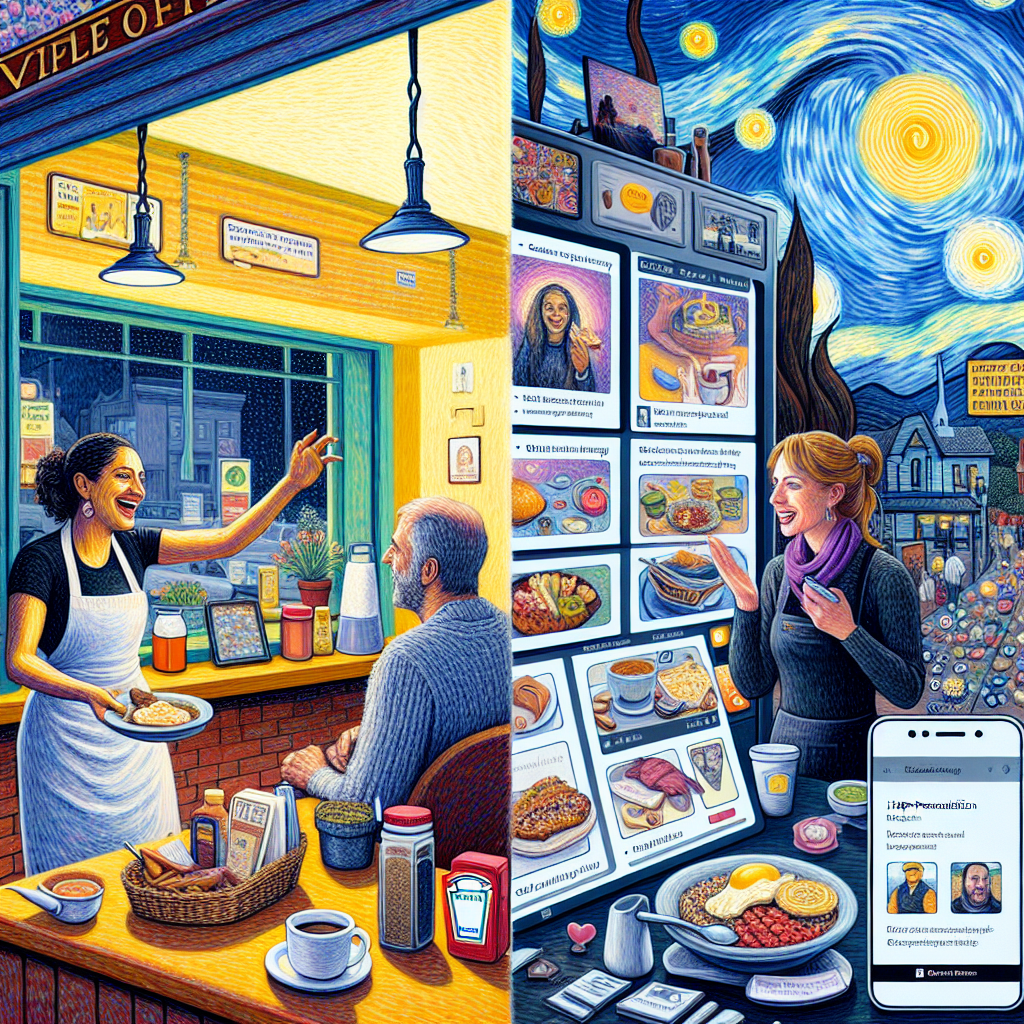
Understanding what emotions drive your customers’ purchasing decisions is akin to deciphering the complex wiring of a machine—one that operates not only on logic but on the very fabric of what it means to be human. Each time we step onto a website or scroll through a blog, we find ourselves engaged in a dance of emotions and intellect, where our hearts, heads, and guts collide.
Think about that feeling you get when you’re amidst a bustling market. It’s not just the bright colors or the enticing aromas drawing you in; it’s the stories—each vendor has one, each product whispers a narrative. When customers are greeted with a story that resonates, they feel a connection that transcends mere commerce. A purchase becomes more than an exchange of goods; it transforms into a choice laden with memories, values, and aspirations. Let’s not forget that consumers are not just buying products—they’re investing in a part of their identity.
Take a moment to reflect on your own buying behaviors. What prompted that impulse buy of the latest gadget? Perhaps it was the image of a confident friend who effortlessly integrated it into their life, generating feelings of excitement and envy. This social pull taps into our primal instincts, urging us to align our choices with our circle. It’s an ethical allure too; we want to support brands that mirror our values, enhancing trust and loyalty.
In today’s digital landscape, where choices abound, emotional triggers are critical. Consider how advertising often appeals to vulnerability. A brand showcasing a family reunion—emphasizing love, connection, and nostalgia—does more than sell a product; it crafts a vision of what life could look like, stirring an emotional yearning that often tips the balance toward purchase.
Now, let’s introduce a fresh perspective. Imagine if businesses shifted their approach from merely marketing products to marketing feelings. Instead of advertising a new coffee blend, invite your customers to experience the quiet moments of life it can enhance—a cozy morning, a shared laugh over cups, the comfort of routine. This narrative engages the heart, connecting on a personal level while inviting customers to align their choices with their inner values.
Your customers are on a quest for meaning in their purchases. When you tap into those emotional veins, you don’t just make a sale; you build a relationship—a connection grounded in empathy and respect, fostering not only trust but a sense of belonging that transcends individual transactions.

What Emotions Drive Your Customers’ Purchasing Decisions?
What Emotions Drive Your Customers’ Purchasing Decisions?
- Emotions play a crucial role in driving customers’ purchasing decisions, influencing both logic and human experiences.
- Shopping experiences are enhanced by storytelling, creating connections beyond simple commerce.
- Consumers seek products that reflect their identity and values during the purchase process.
- Social influences, such as observing friends’ choices, can trigger impulse buys and align consumer behavior with social circles.
- Emotional advertising, like imagery of family togetherness, evokes nostalgia and can encourage purchases.
- Businesses should focus on marketing feelings rather than just products, enhancing customer connections through shared experiences.
- Building relationships with customers by tapping into their emotional needs fosters loyalty and a sense of belonging.
What Emotions Drive Your Customers’ Purchasing Decisions?
How Do You Validate Your Advertising Choices with Data?
Imagine standing in front of a vast, open field—endless potential stretching out before you. It’s the same feeling many experience when setting out on an advertising campaign. But just like that field, without the right data to guide you, that potential can turn into a barren wasteland. Each decision, rooted in gut instinct or fleeting trends, can easily lead you astray. So, how do you ensure that your advertising choices are not just shots in the dark but rather, calculated moves toward success?
To validate your decisions, start with your website and blog. These platforms serve as your ears to the ground, amplifying the voices of your audience. By analyzing traffic patterns, engagement rates, and conversion metrics, you harness the power of data. It’s not just numbers—it’s conversations waiting to be uncovered. Picture a gathering of friends sharing stories around a fire; those stories reveal what resonates, what compels, and, ultimately, what drives action. Each visit to your site is a vote in favor of your narrative, giving you insights into what truly matters to your audience.
Then there’s the need for emotional intelligence—understanding the ‘why’ behind the decisions of your audience. If your campaign isn’t hitting the mark, it’s essential to dig deeper. Analyze customer feedback and social interactions; these are the breadcrumbs leading you to your target’s heart. One conversation with an avid customer can unveil sentiments that data alone might not express. In my experience, these one-on-one interactions often yield the richest insights.
But the journey doesn’t end there. Ethically validating your choices means leaning into authority—aligning with trusted voices in your industry. Collaborate with influencers or seek testimonials from your audience. Their endorsement not only lends credibility but also reflects the values you uphold.
Finally, let’s talk about the gut. Data should inform decisions, but intuition plays a critical role in storytelling. Craft an authentic narrative that echoes your brand values. Relate real-life stories to create emotional hooks that resonate with your audience. Just like a powerful film that leaves you reflective, your campaign should stir emotions and inspire action.
Through careful analysis of relevant data on your website and blog, genuine connections with your audience, and ethically aligning with trusted figures, you can steer your advertising strategy with purpose. Each click, share, and comment becomes not just a metric, but a testament to the trust you’ve built. Transform that field of potential into a thriving landscape, cultivated with intention and authenticity.

How Do You Validate Your Advertising Choices with Data?
How Do You Validate Your Advertising Choices with Data?
- Advertising campaigns require data to avoid misguided decisions.
- Websites and blogs are vital for understanding audience engagement and metrics.
- Emotional intelligence is key to grasping the motivations behind audience choices.
- Direct customer interactions provide valuable insights beyond data analysis.
- Collaborating with industry influencers enhances credibility and reflects brand values.
- Intuition complements data in crafting compelling narratives that resonate emotionally.
- Effective advertising transforms potential into success through informed and authentic strategies.

How Do You Validate Your Advertising Choices with Data?
What Ethical Considerations Guide Your Ad Strategies?
When crafting an advertising strategy, the path should be illuminated by ethical considerations that resonate far beyond mere profit. Picture this: a local bakery that pours its heart into every loaf. When they market their artisanal bread, they’re not just selling pastries; they’re sharing a piece of their community spirit. That’s the essence of an effective ad strategy—connect with the heart of your audience while maintaining integrity.
In today’s digital landscape, a brand’s website and blog serve as its foundation. These platforms are not just marketing tools; they are stages for storytelling. Customers crave authenticity, and when they sense that a brand values honesty over hype, trust is built. Just like a father who teaches his children the importance of hard work by sharing his own struggles, brands can evoke emotional responses by narrating their journeys. An ad that highlights hurdles faced, lessons learned, and triumphs achieved strikes a chord, resonating not just with the head but with the gut.
Think about it: each time a consumer sees an ad, they gauge it against their personal values. Rely solely on exaggerated claims or consumer manipulation, and you risk losing more than sales; you lose credibility. Ethical ads should inspire confidence. A narrative that acknowledges challenges—like a company that faced a product recall and emerged more committed to quality—shows resilience and fosters a stronger bond with customers.
Consider a real-world example: a tech company pivoting towards greener practices. By weaving sustainability into its advertising narrative, they’re not just promoting new features; they’re championing a cause that resonates deeply with environmentally conscious consumers. This is where social proof comes into play. When customers see others sharing their positive experiences through genuine testimonials, it further solidifies trust in the brand.
Above all, a unique perspective that can redefine ad strategies is the proactive approach of creating community rather than merely targeting consumers. Design your campaign to be a conversation starter, inviting your audience to be part of something bigger. Whether through social media interactions or live events, the goal should be to foster genuine connections.
By embedding ethical considerations into your advertising strategies, you not only safeguard your brand’s reputation but also empower your customers with meaningful choices. It’s about building relationships that last, much like the bakery that turns a simple loaf into a symbol of togetherness. Embrace this approach, and your ads will resonate long after the campaign has ended.

What Ethical Considerations Guide Your Ad Strategies?
What Ethical Considerations Guide Your Ad Strategies?
- Advertising strategies should prioritize ethical considerations over mere profit.
- Effective advertisements connect with the audience’s heart while upholding integrity.
- Websites and blogs act as storytelling platforms that foster customer trust through authenticity.
- Brands should share their struggles and successes to evoke emotional responses in consumers.
- Credibility can be lost through exaggerated claims; ethical narratives inspire confidence and resilience.
- Social proof, such as genuine testimonials, reinforces brand trust among consumers.
- Campaigns should create community engagement and foster genuine connections beyond targeting consumers.

What Ethical Considerations Guide Your Ad Strategies?
Who Do You Trust Most for Insights on Effective Advertising?
In a world overflowing with advertisements, the real question is, who do you turn to for insights that rise above the noise? It’s not just about the glossy images or clever taglines; it’s about authenticity. We’ve all encountered campaigns that felt disingenuous, leaving us wondering if the brand truly understands us or if they’re just chasing dollars. Trust is the currency of effective advertising.
Consider the last time you engaged with a website or blog that resonated deeply. Was it a celebrity endorsement, or a story from someone like you? More often than not, we find ourselves captivated by those who share their experiences, raw and unfiltered. These are the voices that connect on a personal level. It’s when someone narrates their struggle with a product or service—what they hoped for and what they received—that we feel a kinship. Here’s the twist: it’s not the brand’s promises, but the genuine testimonials that often guide our choices.
Trust is built not just on facts but also on the emotional warmth of shared experiences. Think about a time when you turned to a friend for recommendations. You weren’t looking for data; you wanted stories and insights that felt real. This is how effective advertising should work. Brands need to cultivate relationships, understanding the human emotions driving purchases. A memorable campaign doesn’t just sell; it connects by converting a brand into a part of your life’s narrative.
Furthermore, there’s an ethical dimension to consider. In this digital age, where misinformation can spread like wildfire, transparency is paramount. The brands that lay bare their practices—and even their mistakes—earn a place in our hearts. They teach us that behind every product, there’s a story, a journey. Imagine a blog that doesn’t just sell but shares, discussing the trials and triumphs of creating their best offerings. It’s this willingness to be vulnerable that builds authority and inspires advocacy.
It’s not just about who can shout the loudest but who can speak the truest. Do you trust your neighbor, the expert down the street, or perhaps that independent blog which unearthed an angle you never considered? When insights come from voices that resonate, we are compelled to act—not out of obligation, but out of a shared vision, a common goal, or a heartfelt story that sparked something within us. An invitation to the conversation creates bonds that transcend traditional marketing, forging connections that last long after the ad fades.

Who Do You Trust Most for Insights on Effective Advertising?
Who Do You Trust Most for Insights on Effective Advertising?
- In a saturated advertising world, authenticity is crucial for effective marketing.
- Trust is the main currency; genuine testimonials and personal stories resonate more than celebrity endorsements.
- Effective advertising should focus on building emotional connections and understanding consumer experiences.
- A memorable campaign integrates a brand into personal narratives, enhancing consumer relationships.
- Transparency and willingness to share challenges help brands build authority and foster loyalty.
- Insights from relatable sources create a compelling call to action driven by shared values and stories.
- True connection transcends traditional marketing, forging lasting bonds between brands and consumers.

Who Do You Trust Most for Insights on Effective Advertising?
How Can Sharing Customer Stories Enhance Your Advertising Impact?
Sharing customer stories can significantly enhance your advertising impact by weaving together an emotional tapestry that resonates with your audience. It’s not just about promoting a product; it’s about creating a narrative that people can connect with on a personal level. When customers share their experiences, they transform into relatable heroes, each with a journey that mirrors the challenges and triumphs we all face. Whether it’s a small business owner who turned their dreams into a reality or a parent finding a solution that simplifies life, these stories humanize the brand, making it more than just a logo or a catchy tagline.
Think of it this way: a customer’s journey is like the plot of a gripping novel. It has conflicts, resolutions, and ultimately, a transformation. When you highlight these journeys on your website or blog, you provide your audience with an invitation into a shared experience—one where they can see their struggles reflected. Imagine reading about a family who found joy and connection through a product you offer; it stirs something deep within, doesn’t it? That emotional pull not only captures attention but also builds a bridge of trust.
On a rational level, stories act as testimonials—real evidence of value. Statistics can be persuasive, but personal stories ignite a relatable spark that numbers simply can’t match. When potential customers see others like themselves achieving positive outcomes, they are more likely to envision themselves in those success stories. This is where ethical storytelling comes into play. It’s not about embellishment or manipulation; it’s about authenticity. Sharing genuine experiences encourages customers to see how they, too, can benefit, appealing to their logical side while tugging at their heartstrings.
Moreover, fostering a sense of community through shared stories creates a social bond among customers. When one person shares their experience, it encourages others to step forward. This not only amplifies your reach but also positions your brand as an authority in the space—a trusted confidant amidst the noise of advertisements.
Let’s not forget the gut instinct that comes into play. People crave connection and often rely on their instincts when making decisions. By encapsulating the essence of human experience in your advertising through customer stories, you tap into an invaluable reservoir of trust and credibility. This balance of emotion, logic, ethics, and authority can transform your advertising from mere promotion into a meaningful dialogue, inviting potential customers to not just see your product but to feel it and ultimately embrace it as part of their own story.

How Can Sharing Customer Stories Enhance Your Advertising Impact?
How Can Sharing Customer Stories Enhance Your Advertising Impact?
- Sharing customer stories enhances advertising by creating emotional connections with the audience.
- Customers become relatable heroes, sharing journeys that reflect common challenges and triumphs.
- Highlighting customer experiences invites audiences into a shared narrative, fostering trust.
- Personal stories act as powerful testimonials that resonate more than statistics.
- Authenticity in storytelling encourages customers to envision their own success through the brand.
- Shared experiences create community and position the brand as a trusted authority.
- Emotional storytelling taps into instinctive decision-making, enhancing credibility and connection.

How Can Sharing Customer Stories Enhance Your Advertising Impact?
How Can Emotional Appeals Improve Your Ad Conversion Rates?
In the world of advertising, where every click matters, tapping into the emotional core of your audience can be the game-changer you didn’t know you needed. Let’s face it—people aren’t just looking at a website or scrolling through a blog; they’re hunting for something that resonates. When we think about conversion rates, it’s crucial to understand that buying decisions often stem from feelings rather than logic. A well-crafted emotional appeal can ignite a spark in your audience’s heart, head, and gut, converting mere viewers into loyal customers.
Picture this: you’re reading a blog post about a nonprofit that helps veterans. The narrative unfolds with a story of a soldier returning home, haunted by memories of war but finding solace in a community program. This engaging personal story pulls at your heartstrings, creating empathy and connection. Suddenly, that nonprofit’s mission isn’t just a noble cause—it becomes a personal call to action. This type of storytelling can be incredibly powerful, urging your audience to contribute, share, or engage, because it feels like they’re part of something bigger than themselves.
Now, let’s layer in the rational appeal. When you blend emotional narratives with solid stats—like how many lives were transformed by donations—you create a compelling case that reaches the head, not just the heart. Your audience starts to feel that their contribution isn’t merely charity; it’s an investment in change. This approach builds trust, as people appreciate transparency and data supporting their emotional connection.
But it doesn’t stop there. Ethical appeal comes into play when you align your brand with values that matter. By showcasing how your business practices uplift communities, foster sustainability, or promote inclusivity, you establish your authority in an ethical space, inviting customers to be a part of your journey—one they can feel proud to join.
By integrating a social appeal, you tap into the nature of human relationships. People want to belong, and when your ad conveys a message that “you’re not just buying a product; you’re joining a tribe,” you foster a sense of belonging that resonates deeply.
The original twist here? Consider harnessing user-generated content that tells real stories about your brand’s impact. Invite your customers to share their experiences—create a ripple effect where emotions flow freely, fostering authentic connections that can drive conversions in unexpected ways. It’s about crafting an experience that speaks to every facet of what makes us human. When emotions, logic, and values come together, conversion rates can soar, transforming a simple website or blog into a living, breathing entity that inspires trust, confidence, and action.

How Can Emotional Appeals Improve Your Ad Conversion Rates?
How Can Emotional Appeals Improve Your Ad Conversion Rates?
- Emotional engagement is crucial for advertising to resonate with audiences.
- Buying decisions are often driven by feelings rather than logic.
- Storytelling, like personal narratives, creates empathy and drives action.
- Blending emotional appeals with data enhances trust and perceived value of contributions.
- Ethical branding aligns with audience values and promotes community involvement.
- Social appeals create a sense of belonging, encouraging consumers to engage with the brand.
- User-generated content fosters authentic connections and enhances conversion rates.

How Can Emotional Appeals Improve Your Ad Conversion Rates?
What Rational Arguments Resonate with Your Buyer Personas?
In the world of marketing, knowing your buyer personas isn’t just about demographics or purchasing habits; it’s about connecting with their core values and beliefs. When you step into their shoes, it becomes clear that rational arguments are just the tip of the iceberg. Successful engagement goes deeper, cutting through the noise with a balanced blend of emotional, rational, and ethical appeals.
Imagine a website dedicated to helping working-class parents. They wake up before dawn, juggling multiple responsibilities as they strive to provide a better life for their families. This is where emotional appeal comes in—share stories of individuals who have transformed their lives with your product or service. A mother who discovered that a simple tool saved her time and helped her attend her son’s soccer games creates an emotional bond. These stories resonate because they reflect real struggles and triumphs, making your message relatable.
Then, shift gears to rational arguments. Your buyers want to know the “why” behind your offerings. Showcase the solid data that backs your claims, making it simple to digest. Use statistics demonstrating how your product leads to notable savings or increased productivity. Rational arguments combined with storytelling create a powerful narrative that lingers long after they’ve read your content.
Yet, ethics cannot be ignored. In a world where consumers are increasingly skeptical, demonstrating moral integrity builds trust instantly. Are you honest about what your product can or cannot do? This transparency cultivates confidence, making buyers feel safe in their choice. Share your company’s mission, the values that drive you, and how they align with those of your audience.
Social appeal can’t be overlooked either. People thrive in communities and seek validation from their peers. Highlight testimonials from other satisfied customers, showing that they aren’t alone in their decision. When others sing your praises, it enriches your credibility and demonstrates that your offerings are socially validated.
Lastly, there’s a unique angle often missed: the power of aspirational identity. Rather than just addressing their current needs, invite them to envision who they want to become. Encourage them to see themselves thriving, not just surviving. Position your product as the stepping stone for that transformation. This creates an emotional resonance that stirs the gut instinct to act, empowering them to take the leap.
By intertwining these appeals—emotional, rational, ethical, authority, narrative, and social—you don’t just market a product; you forge connections that inspire trust and action. Whether showcased on a website or a blog, these multi-faceted arguments resonate, fostering deeper relationships with your buyer personas that lead to lasting engagement.

What Rational Arguments Resonate with Your Buyer Personas?
What Rational Arguments Resonate with Your Buyer Personas?
- Understanding buyer personas involves connecting with their core values and beliefs, not just demographics.
- Emotional appeal is crucial; sharing transformative stories fosters relatability with your audience.
- Rational arguments are important; provide clear data supporting your offerings and their benefits.
- Ethical considerations build trust; transparency about product capabilities is essential.
- Social validation enhances credibility; use testimonials from satisfied customers to demonstrate approval.
- Aspirational identity invites buyers to envision their future, positioning your product as a means to achieve it.
- Combining emotional, rational, ethical, and social appeals creates deeper connections and fosters lasting engagement.

What Rational Arguments Resonate with Your Buyer Personas?
Conclusion
In an age where advertising often comes across as mere noise, the successful integration of AI into marketing strategies provides a rich opportunity to bridge the gap between brands and their audiences. By harnessing AI tools, we can change the landscape of advertising, transforming the journey from customer research to performance analysis into a cohesive and impactful narrative.
Understanding our customers’ emotions is paramount. Each click on a website embodies a story, a longing, or a desire. As brands, when we delve into these emotional layers, we create a conversation that resonates deeply. Crafting messaging that speaks to buyers’ hearts and instincts doesn’t just build trust; it establishes an ethical responsibility to address their needs with empathy and authenticity. This connection is crucial in a world teeming with distractions—where consumers seek products that genuinely enhance their lives rather than simply fulfilling a transaction.
The testing phase of campaigns, powered by AI, reveals what resonates and what doesn’t—a critical dance of creativity and analytics. It’s during this phase that the real impact of a campaign is discerned, as insights gleaned shape future strategies, ensuring the narrative remains alive and responsive. Each campaign becomes a living entity, evolving as it learns from its interactions, reinforcing the relationship between brand and consumer.
However, transparency and ethical considerations must guide every advertising decision. Brands that genuinely share their journey, including failures and successes, foster a deeper bond with their customers. This honesty builds trust and cultivates loyalty, enabling consumers to view themselves not just as buyers but as part of a shared mission or community.
Finally, the power of storytelling cannot be overstated. When customers see their experiences reflected in a brand’s narrative, it validates their choices and establishes a common ground. These shared stories enhance authenticity, transforming the consumer from a faceless entity into a relatable protagonist in an unfolding journey together.
Incorporating emotional, rational, and ethical appeals throughout the advertising process invites customers to become invested in a brand’s narrative. This approach not only drives conversion rates but also ensures that consumers feel a sense of belonging—turning fleeting interactions into enduring relationships. Ultimately, leveraging AI in advertising isn’t just about executing campaigns effectively; it’s about forging connections that enrich lives and inspire trust—a fundamental principle in building a successful brand for the future.

Conclusion
Conclusion:
- AI integration in marketing transforms advertising from mere noise to impactful narratives.
- Understanding customer emotions creates deeper brand-audience connections.
- Crafting empathetic messaging builds trust and meets consumers’ needs authentically.
- AI-driven campaign testing reveals insights that shape future marketing strategies.
- Transparency and ethical considerations foster customer loyalty and build trust.
- Storytelling allows customers to see themselves in a brand’s journey, enhancing authenticity.
- Incorporating emotional, rational, and ethical appeals drives conversions and fosters lasting relationships.

Conclusion
Other Resources
Other Resources
Here is a list of other resources you can review online to learn more:
- Studio.design
- Facetuneapp.com
- Blockadelabs.com
- Drinkwater.ai
- Harpa.ai
- Maket.ai
- The Tim Ferriss Show
- Sincode.ai
- Smodin.io
- Zaplingo.com
- Autodraw.com
- Trinka.ai
- Bitrix24
- Quickchat.ai
- Deepmotion.com
- Autoresponder.ai
- Hellotars.com
- Rezi.ai
- Uizard.io
- Kaiber.ai
Use This Prompt To Get More Resources With Your Favorite Online AI Tool: Please provide me with a list of online articles with their URLs in a bulleted list that I can read regarding A Complete AI Advertising Workflow From Customer Research to Testing and Performance Analysis

Other Resources
Glossary Terms
A Complete AI Advertising Workflow From Customer Research to Testing and Performance Analysis – Glossary Of Terms
1. Customer research — Systematic collection of qualitative and quantitative insights (surveys, interviews, social listening, analytics) to define needs, behaviors, motivations and guide targeting and creative strategy.
2. Qualitative research — Open-ended methods (interviews, focus groups, ethnography) used to uncover motivations, language, and contextual use that inform messaging and persona development.
3. Quantitative research — Statistical data collection (surveys, web analytics, experiments) that measures audience size, behavior patterns, and validates hypotheses for modeling and segmentation.
4. First-party data — Customer data owned by the brand (CRM, onsite behavior, purchase history) used as the primary training and targeting source for AI models and personalization.
5. Zero-party data — Data intentionally provided by customers (preferences, intents, self-reported interests) used for precise personalization and consent-forward modeling.
6. Third-party data — Externally sourced audience or behavioral data bought or licensed to enrich targeting; often used when first-party coverage is limited.
7. Data labeling — Annotating raw data (labels for intents, outcomes, creative categories) to create supervised training datasets for AI models used in targeting, creative, or measurement.
8. Feature engineering — Creating, selecting, and transforming input variables from raw data (recency, frequency, content features) to improve model performance and relevance.
9. Behavioral data — Signals from user actions (clicks, views, dwell time, conversions) used to infer intent and feed predictive models for targeting and personalization.
10. Audience segmentation — Grouping users into meaningful cohorts based on attributes or behaviors to tailor messaging, bidding, and creative strategies.
11. Buyer persona — Composite profiles representing typical customer segments, including motivations, channels, and language, used to guide creative and targeting choices.
12. Lookalike modeling — Creating new audience segments by finding users with similar attributes/behaviors to high-value customers using machine learning.
13. Predictive modeling — Using historical data and algorithms to forecast outcomes (conversion probability, CLTV, churn) to prioritize targeting and budget allocation.
14. Propensity modeling — Predicting the likelihood a user will take a specific action (purchase, subscribe) to enable value-based bidding and personalized offers.
15. Model training — The process of fitting machine learning algorithms on labeled or historical data to produce models for scoring users or creatives.
16. Model validation — Evaluating model performance (holdout tests, cross-validation, ROC/AUC) to ensure predictive accuracy and generalization before deployment.
17. Bias mitigation — Techniques (reweighting, fairness constraints, diverse training data) applied to reduce unwanted demographic or systemic biases in AI-driven decisions.
18. Creative AI — Generative and optimization techniques (image/video synthesis, headline generation) that produce or iterate ad creatives at scale.
19. Natural Language Generation (NLG) — Automated creation of ad copy, subject lines, and messages tailored to segments or individual users using language models.
20. Computer vision for ads — Using image/video analysis (object detection, scene classification, aesthetic scoring) to select or generate visual creatives and measure engagement drivers.
21. Dynamic Creative Optimization (DCO) — Real-time assembly and testing of creative elements (images, headlines, CTAs) personalized per user or segment to maximize relevance and conversion.
22. Personalization — Delivering tailored messaging, offers, and creative to individual users or segments based on profiles, behavior, and model scores.
23. Programmatic buying — Automated purchase of ad inventory using algorithms and platforms to execute bids, targeting, and creative delivery at scale.
24. Real-time bidding (RTB) — Auction-based buying of individual ad impressions in milliseconds, enabling dynamic targeting and personalized creative delivery.
25. Demand-side platform (DSP) — Technology platform advertisers use to buy programmatic inventory, manage targeting, bidding strategies, and integrate model outputs.
26. A/B and multivariate testing — Controlled experiments that compare creative, messaging, or targeting variants to determine causal impact on KPIs and optimize performance.
27. Holdout and lift testing — Testing methodology that withholds treatment from a randomized control group to measure incremental impact of campaigns or model-driven personalization.
28. Attribution modeling — Methods (last-click, multi-touch, data-driven) for assigning credit to touchpoints across the customer journey to inform budget and channel decisions.
29. Conversion rate optimization (CRO) — Systematic improvement of landing pages, flows, and creative to raise conversion rates through testing, heuristics, and behavioral insights.
30. Monitoring and performance analysis — Continuous tracking of KPIs (impressions, CTR, conversion, ROAS, LTV), model drift, and creative effectiveness to iterate strategy, retrain models, and optimize spend. Glossary Of Terms
Other Questions
A Complete AI Advertising Workflow From Customer Research to Testing and Performance Analysis – Other Questions
If you wish to explore and discover more, consider looking for answers to these questions:
- Which AI tools and platforms are best for each stage of this advertising workflow?
- How do I prioritize which customer segments to research first with AI?
- What data sources should I connect (website, CRM, social, third‑party) for robust customer research?
- How do I ensure customer data collection complies with privacy laws (GDPR, CCPA) and consent requirements?
- What are practical steps to extract emotional insights from customer data?
- How do I translate emotional insights into concrete messaging and creative briefs?
- Which AI models are best for generating creative copy, images, and video for ads?
- How do I maintain brand voice and authenticity when using AI‑generated creative?
- What human review and editorial processes should be in place for AI outputs?
- How do I design A/B tests and multivariate tests for AI‑driven creatives?
- What sample sizes and statistical thresholds are required to trust test results?
- How frequently should I run creative tests to avoid creative fatigue?
- How do I measure incremental lift versus baseline conversions?
- Which KPIs should I track for short‑term performance and long‑term brand health?
- How do I attribute conversions across channels in an AI‑driven campaign?
- What tools and dashboards are recommended for ongoing performance analysis?
- How do I set up meaningful feedback loops from performance data back into creative and targeting?
- How do I balance data‑driven decisions with intuition and storytelling?
- What methods reveal the emotional cause behind observed conversion changes?
- How can I ethically collect and use customer stories and testimonials?
- How do I verify authenticity of customer stories and avoid staged or fabricated testimonials?
- How can user‑generated content be incorporated into AI workflows safely and effectively?
- What moderation and legal checks are necessary for publishing UGC and AI‑generated media?
- How do I detect and mitigate bias in AI models that inform targeting and messaging?
- What guardrails prevent manipulative or exploitative emotional targeting?
- How do I explain AI‑driven advertising decisions to stakeholders and regulators?
- How often should predictive and personalization models be retrained to avoid model drift?
- What metrics indicate model degradation or data drift in production?
- How do I handle cold‑start problems for new products or audiences?
- What segmentation strategies (demographic, psychographic, behavioral) work best with AI?
- How can I measure lifetime value (LTV) and incorporate it into optimization objectives?
- How do I define an ROI framework for AI‑enhanced ad campaigns?
- What budget and resourcing considerations are required to run an AI advertising program?
- Should AI advertising be kept in‑house or outsourced to agencies, and what are tradeoffs?
- How do I integrate AI tools with existing martech stack (CDP, DSP, analytics)?
- Which attribution models are most reliable with cross‑device and cross‑channel data?
- How can sentiment analysis be used to refine messaging and predict conversion trends?
- What are best practices for localizing AI‑generated creative across languages and cultures?
- How do I measure emotional resonance objectively (biometrics, surveys, behavioral proxies)?
- How do I design experiments that measure both emotional impact and behavioral outcomes?
- What legal risks exist with AI‑generated images, voices, or likenesses (copyright, deepfakes)?
- How can influencer or authority endorsements be validated and measured for impact?
- How do I prevent over-personalization that makes customers uncomfortable or invades privacy?
- What contingency plans should be in place if an AI campaign produces harmful or off‑brand content?
- How do I document and scale successful AI advertising workflows across teams and brands?

Other Questions
Haiku
A Complete AI Advertising Workflow From Customer Research to Testing and Performance Analysis – A Haiku
AI guides the path,
Stories of hearts intertwined,
Trust fuels every choice.

Haiku
Poem
A Complete AI Advertising Workflow From Customer Research to Testing and Performance Analysis – A Poem
In the chasm between product and crowd,
Where hearts and minds must speak aloud,
AI weaves the stories that ignite our trust,
Bridging the gap, it’s more than just a must.
From customer insights gleaned with care,
To messages crafted with a hopeful flair,
Every click unveils a tale that is real,
A connection so profound, it’s easy to feel.
In testing, analytics dance with creative grace,
As ideas transform in this bustling space.
Performance reveals what resonates true,
A bond of authenticity, a narrative anew.
Emotions drive choices, complex and deep,
Transforming mere shopping into memories we keep.
A well-told story transcends simple exchange,
Turning purchases into pieces of change.
Ethics anchor our strategies, guiding the way,
As brands share their journeys, authentic display.
Trust built on values, experiences shared,
In community we flourish, in integrity bared.
User stories light the path, showing what’s right,
Turning commerce to connection, igniting the night.
In the tapestry of lives, we find what we seek,
A tribe formed in empathy, we’re never weak.
So let emotions flow freely, let reason align,
With ethical foundations, let your brand shine.
In this dance of engagement, where all truths mesh,
Your advertising becomes not just a call, but a flesh.

Poem
Checklist
A Complete AI Advertising Workflow From Customer Research to Testing and Performance Analysis – A Checklist
Emotional Appeals
✅______ Identify core emotions driving your audience’s purchasing decisions.
✅______ Craft narratives that resonate with personal experiences and values.
✅______ Share customer stories that evoke empathy and connection.
Rational Appeals
✅______ Present clear data supporting your product claims.
✅______ Use statistics to demonstrate value (savings, efficiency).
✅______ Ensure clarity and simplicity in messaging to aid understanding.
Ethical Appeals
✅______ Maintain transparency about product capabilities and limitations.
✅______ Align your advertising with values that resonate with your audience.
✅______ Share your brand’s mission and commitment to ethical practices.
Authority Appeals
✅______ Incorporate testimonials and endorsements from credible figures.
✅______ Highlight industry expertise and success stories.
✅______ Collaborate with influencers who align with your brand values.
Narrative Appeals
✅______ Weave compelling stories into your advertising campaigns.
✅______ Focus on the journey of customers as relatable protagonists.
✅______ Use storytelling techniques to create a memorable brand experience.
Social Appeals
✅______ Encourage user-generated content showcasing real customer experiences.
✅______ Highlight community involvement and the social impact of your brand.
✅______ Create a sense of belonging through inclusive messaging.
Gut Appeals
✅______ Engage the audience’s instincts by addressing their unspoken needs.
✅______ Position your product as a solution to common pain points.
✅______ Foster a community feel that resonates with shared aspirations and identities.

Checklist
At WebsiteBloggers, we help website bloggers develop strategies to create content, traffic, and revenue from website blogs based on our experiences and experimentation.
Be sure to read our other related stories at WebsiteBloggers and share this article with your friends, family, or business associates who run website blogs.