Unraveling The Heart: The True Power Of Words In Ai And Humanity
By Tom Seest
At WebsiteBloggers, we help website bloggers develop strategies to create content, traffic, and revenue from website blogs based on our experiences and experimentation.
Be sure to read our other related stories at WebsiteBloggers and share this article with your friends, family, or business associates who run website blogs.
AI Writing Vs. Human Writing – Comparing Speed, Creativity, Judgment, Accuracy and Emotional Understanding
In the ongoing debate of AI writing versus human writing, it’s easy to get lost in the numbers and algorithms that dominate discussions about speed and accuracy. Yet, there’s a pulsating heart beneath those binary codes. Human writers bring an intricacy to the table that transcends mere data; they inject lifeblood into their words. Imagine a seasoned storyteller sharing tales by a crackling fire. Each anecdote resonates not just through the craft of writing but through the essence of lived experiences, a depth of understanding that no machine can replicate.
AI excels in speed—churning out content at a pace that leaves human counterparts in the dust. It’s a marvel of modern technology when a well-crafted blog post emerges in seconds, ready to engage readers. But let’s consider the emotional pulse of writing. Human writers tap into feelings—fear, joy, nostalgia—that tug at the reader’s heart. There’s a story about a teacher who once took a group of unruly students on a field trip. Armed only with a notebook and a passion for storytelling, she transformed their scattered energies into powerful narratives. Those stories forged connections that an AI-generated list of facts could never achieve.
When it comes to creativity, AI can mimic styles and generate ideas, but it lacks the spontaneous spark of human imagination. Think of creativity as a dance rather than a mere performance; it’s about the rhythm, the unexpected twirl that leaves an audience breathless. For instance, during a writers’ retreat, someone shared a moment of vulnerability—a late-night revelation under a starry sky that became the centerpiece of their story. That is a moment of breath and pulse that no algorithm can create.
Judgment also plays a critical role. When discussions become contentious or issues morally ambiguous, human writers employ a nuanced perspective that reflects societal ethics and cultural sensitivities. They draw from their own backgrounds, experiences, and the collective wisdom of their communities. This authority echoes across blog posts and articles, lending weight to their words.
In truth, both AI and human writing have their merits. Yet, the truly compelling narratives—the ones that linger in our minds and move us to action—derive from the heart, where complexity and emotion reside. Readers crave connection, a sense of presence that can only be crafted through genuine human experience and storytelling. In the world of words, let’s remember that it isn’t just about what is written; it’s about the human touch that makes it resonate. If we can bridge that gap, perhaps we can foster writing that not only informs but truly inspires.

AI Writing Vs. Human Writing – Comparing Speed, Creativity, Judgment, Accuracy and Emotional Understanding
AI Writing Vs. Human Writing – Comparing Speed, Creativity, Judgment, Accuracy and Emotional Understanding
- The debate between AI and human writing centers on speed, accuracy, and the intrinsic value of emotional depth.
- Human writers infuse their work with lived experiences, creating narratives that resonate deeply with readers.
- While AI excels in generating content quickly, it lacks the emotional connection that human writers can evoke.
- Creativity thrives on spontaneity and imagination, qualities that AI mimics but cannot authentically produce.
- Human judgment and cultural sensitivity inform writing, adding layers of meaning that are vital in contentious discussions.
- Both AI and human writing have strengths, but compelling narratives arise from genuine human experience and emotion.
- Successful writing must connect with readers on a personal level, emphasizing the importance of the human touch.

AI Writing Vs. Human Writing – Comparing Speed, Creativity, Judgment, Accuracy and Emotional Understanding
Table Of Contents
- AI Writing Vs. Human Writing – Comparing Speed, Creativity, Judgment, Accuracy and Emotional Understanding
- What Makes Creativity Truly Human In a World Of AI Writing?
- How Does AI Challenge Our Expectations Of Speed In Writing?
- Can a Machine Genuinely Understand and Convey Human Emotions?
- In What Ways Does Human Judgment Enhance the Writing Process?
- What Ethical Considerations Arise From Using AI for Writing?
- How Do Social Norms Shape Our Trust In Human Versus AI Writing?
- Should We Rely on AI to Craft Narratives That Resonate with Us?
- Conclusion
- Other Resources
- Glossary Of Terms
- Other Questions
- Haiku
- Poem
- Checklist
What Makes Creativity Truly Human In a World Of AI Writing?
In a world where AI can generate text faster than you can blink, one must ponder what creativity really means. The heart, the head, and the gut each tell a different story about the essence of human creativity. It’s not merely about producing an impressive piece of writing; it’s about the experiences and emotions that shape our words.
Imagine sitting by a campfire, the warmth of the flames casting flickering shadows, as stories unfold. These tales aren’t just a jumble of words; they are woven with the fabric of our lives—laughter, sorrow, triumph, and failure. These are the moments that forge our creativity. An AI can replicate patterns, but it lacks the human touch that resonates with deep emotion. When you read something penned by a real person, you feel the pulse of their experiences intertwined with each sentence, a tapestry of meaning that no algorithm can replicate.
Rationally, we recognize that human creativity stems from imperfection. It’s in the stumbles and the unexpected turns that genuine genius often emerges. Consider an artist working on a piece. Each brushstroke is laden with intention, each misstep becomes a stepping stone to something magnificent. A computer might produce a flawless imitation, but it’s in our flaws that we find authenticity. This authenticity fosters connection and trust, alluring readers to engage with our narratives like friends gathered around that metaphorical campfire.
Ethically, we must ask ourselves what it means to create in this new landscape. Should we relinquish our stories to machines or guard them fiercely, knowing that they capture what it means to be human? We are the gatekeepers of our narratives, shaping them with cultural contexts, ethical dilemmas, and social justice themes. This is where our authority lies—our life experiences give us a perspective that is irreplaceable.
Let’s also not overlook the power of shared stories. They create communities and forge bonds. Through blogs, websites, and social platforms, people connect over their narratives, rallying discussions that go beyond the written word. A simple blog post can ignite a movement, showing the undeniable impact of human creativity in a digital age.
In a world increasingly dominated by AI writing, the most compelling stories will always be those that embrace the messiness of life. They invite us to reflect, to laugh, and sometimes to cry. These stories remind us that while machines may craft sentences, only humans can pour their souls into them.

What Makes Creativity Truly Human In a World Of AI Writing?
What Makes Creativity Truly Human In a World Of AI Writing?
- The nature of human creativity goes beyond mere text production, rooted in personal experiences and emotions.
- Authentic stories are woven from life’s fabric—laughter, sorrow, triumph, and failure.
- AI can replicate writing patterns but lacks the emotional depth found in human-created narratives.
- Genuine creativity often arises from imperfection and unexpected turns in the creative process.
- Ethical considerations arise around the role of AI in storytelling and the preservation of human narratives.
- Shared stories foster community and connection, expanding discussions beyond the text itself.
- Only human storytellers can infuse their work with soul, making their narratives resonate deeply.

What Makes Creativity Truly Human In a World Of AI Writing?
How Does AI Challenge Our Expectations Of Speed In Writing?
How does AI challenge our expectations of speed in writing? In an age where we crave immediacy, AI has turned the writing process inside out. Let’s face it: we live in a world driven by a relentless push for faster results. A quick search can yield hundreds of thousands of articles, opinions, and insights in a matter of seconds. But at what cost?
Imagine sitting down to write an article for your website or blog. You might find yourself juggling ideas, emotions, and a relentless urge to produce content that’s not just fast, but also impactful. As you’re typing away, your inner voice might whisper, “What will people think?” or “Is this worth their time?” These doubts can impede creativity and slow down the very process we seek to expedite.
Now, consider AI as a tool—not just a speed demon but a collaborator. In the blink of an eye, it can digest data, analyze trends, and even suggest content structures that resonate with current reader moods. This immediacy forces us to reevaluate what writing means. It’s about connection. It’s about telling stories that matter, not just churning out words.
Here’s where the gut comes in. The heart of writing lies in its vulnerability. When we rely on AI to do the heavy lifting, there’s a risk of diluting our unique voice. The ethical dilemma arises: how much of your personal touch are you willing to sacrifice for speed? A quick piece can grab attention, but a well-crafted story builds loyalty. Think about that one time you read an article that made you feel seen—was it the speed with which it was produced that struck you, or the authenticity in its words?
With AI’s capabilities, we have a newfound authority in our hands. Yet, there lies the paradox; while we can produce content rapidly, the challenge is ensuring our writing reflects our true selves. It becomes essential to strike a balance—to harness AI’s power while infusing our narratives with raw, human emotion.
It’s not just about speed; it’s about substance. By embracing AI as an ally, we can share authentic experiences that resonate with others—building a community around stories that foster connection and inspire change. As we navigate this rapidly evolving landscape, may we use our voices to not only inform but to touch the hearts of our readers, crafting narratives that endure beyond the instant gratification of the digital world. Writing is still a journey worth taking, one where every word counts.

How Does AI Challenge Our Expectations Of Speed In Writing?
How Does AI Challenge Our Expectations Of Speed In Writing?
- AI challenges traditional expectations of speed in writing by promoting immediacy in content creation.
- The quest for faster results can hinder creativity and provoke self-doubt during the writing process.
- AI serves as a collaborator, capable of analyzing data and trends to enhance writing.
- Connection and storytelling are emphasized as critical aspects of writing beyond mere speed.
- Relying on AI risks diluting a writer’s unique voice and personal touch.
- A balance is necessary to utilize AI’s efficiency while maintaining human emotion in narratives.
- Authenticity and substance are key to crafting lasting connections with readers in a fast-paced digital landscape.

How Does AI Challenge Our Expectations Of Speed In Writing?
Can a Machine Genuinely Understand and Convey Human Emotions?
In an age where technology pervades every facet of our lives, the question of whether a machine can truly grasp human emotions becomes both profound and pressing. Picture a humble robot, programmed to recognize sadness in a friend’s face. It can analyze the curvature of the mouth, the tension in the forehead, and perhaps even the quiver in a voice. But as it processes this information, can it really *feel*?
Consider the story of a teacher who uses an AI tool to supplement their lessons. One day, the program detected a student struggling with anxiety over an upcoming exam. The machine promptly offered a comforting message, a practiced cheerfulness that would coax any student’s fear, if only momentarily. The teacher, witnessing this exchange, couldn’t help but feel a twinge of awe. Yet, there was a nagging thought—could a machine, with all its data points and algorithms, ever truly grasp the weight of that young student’s anxiety? Or was the machine merely mimicking human responsiveness, painting over emotions with a digital brush?
This begs a critical reflection on our relationship with technology. While a machine might mimic empathy, can it truly embody the pain, joy, or confusion we so often experience? Human emotions are a complex tapestry woven from experiences, history, and vulnerability—elements that guide us through life’s ups and downs. In our quest for efficiency and convenience, we must ask ourselves: is something lost when we hand over our emotional connections to circuits and code?
Ethically, it’s vital that we consider the implications of our dependency on machines for emotional support. Although technology offers us connectivity, it may lack the warmth that comes from human touch—a reassuring hand on a shoulder, a shared laugh over an inside joke. Our faces light up in ways that no screen could ever replicate. We crave connection—the raw, unfiltered exchanges that make us who we are.
So, can a machine genuinely understand and convey human emotions? The reality may lie not in the machine’s ability to feel but rather in our decision to allow it into our emotional lives. If we can embrace technology as a supplement rather than a replacement for genuine connection, we might find a balance that allows both human warmth and digital efficiency to coexist. After all, in a world of ones and zeros, we still have the power to put our feelings into words that resonate, cultivating relationships that endure.
This exploration invites us to navigate this digital landscape thoughtfully, reminding us to cherish the irreplaceable essence of human connection, even amidst advancing technology.

Can a Machine Genuinely Understand and Convey Human Emotions?
Can a Machine Genuinely Understand and Convey Human Emotions?
- Technology’s ability to recognize human emotions raises questions about true understanding.
- A teacher experiences awe as an AI tool comforts a student with anxiety, prompting reflection on machine empathy.
- Human emotions are complex, shaped by experiences, history, and vulnerability.
- Dependency on machines for emotional support may lack the warmth of human interaction.
- The challenge lies in balancing digital efficiency with genuine human connection.
- Machines might mimic empathy but may never embody true emotional experiences.
- Embracing technology as a supplement can help preserve the essence of human relationships.

Can a Machine Genuinely Understand and Convey Human Emotions?
In What Ways Does Human Judgment Enhance the Writing Process?
In what ways does human judgment enhance the writing process? Writing isn’t merely a mechanical act of putting words on a page; it’s a deeply human endeavor, intricately tied to our experiences, emotions, and connections. Take a moment to envision this: you’re sitting at your desk, staring at a blank screen. The cursor blinks back at you, rhythmic and demanding. What fills that void is the powerful engine of human judgment, steering you toward a narrative that resonates, captivates, and ultimately moves an audience.
Consider for a moment the power of storytelling. Each word, each sentence crafted with intention, is steeped in the writer’s personal journey. When we inject our own experiences—our struggles, triumphs, moments of laughter and tears—into our writing, it becomes a bridge, connecting us with readers on an intimate level. A blog post about gardening transforms from mere instructions to a heartfelt account of nurturing a life, reflecting resilience and patience. It’s these relatable threads that pull the reader in, creating a bond that transcends the screen.
Now, think about the choices we make—every edit, every revision—as reflections of our judgment in action. A seasoned writer knows the value of pausing, reflecting, and considering the impact of their words. This isn’t just about grammar or structure; it’s a moral compass guiding us through the narrative choices we face. Crafting a blog isn’t just about informing; it requires an ethical responsibility to approach topics with sensitivity and insight. Your words have the power to uplift, inspire, and evoke change in others, and that’s where judgment plays a pivotal role.
Moreover, the authority of lived experience lends credibility. When you share your authentic voice—whether it’s tackling a personal challenge or illuminating a social issue—your words carry weight. This authenticity invites readers to trust your insights, creating an inspiring ripple effect. It’s not just what you write; it’s the heart you pour into each piece that ignites action in others.
At the core, every writer faces a choice: to create something that’s merely an assembly of words or to engage in a transformative process where human judgment shapes their narrative. The difference is profound. Embrace the messiness of human judgment—the doubts, the struggles, the victories. In this complex dance, you’re not just crafting a blog; you’re sharing a piece of your soul, inviting others into your journey, making them feel seen, heard, and inspired. In this way, writing becomes not just an act of communication but a shared experience, a communal exploration of what it means to be human.

In What Ways Does Human Judgment Enhance the Writing Process?
In What Ways Does Human Judgment Enhance the Writing Process?
- Writing is a deeply human endeavor, influenced by experiences, emotions, and connections.
- Human judgment guides the creation of narratives that resonate and engage readers.
- Storytelling transforms personal experiences into relatable content, fostering connections.
- Every choice in writing reflects judgment, emphasizing the importance of reflection and consideration.
- Authenticity and lived experience enhance credibility and inspire trust in writers.
- Writers face a choice between mere word assembly and creating a transformative narrative through judgment.
- Writing becomes a communal exploration, inviting others into the writer’s journey and shared human experience.

In What Ways Does Human Judgment Enhance the Writing Process?
What Ethical Considerations Arise From Using AI for Writing?
In our ever-evolving digital landscape, the introduction of AI in writing brings a whirlwind of excitement, yet it stirs up a pot of ethical dilemmas that deserve our attention. Imagine sitting around a campfire, sharing stories—the flames dancing, illuminating our faces with a warmth that speaks of connection and authenticity. Now, think about how AI writes—effortlessly, quickly, but often devoid of the human touch that makes those stories resonate.
Let’s start with the emotional implications. When we rely on AI to craft our words, we risk losing the deeply personal connection that comes from genuine expression. We share our struggles, our victories, and our humanity through writing; stripping that away for convenience might serve efficiency, but what about the soul? The stories that truly matter are often those tinged with raw emotion—those that echo our shared experiences. Have we considered the void that could emerge if we let machines tell our tales?
On a rational level, the potential for misinformation and lack of accountability leaps to the forefront. Who’s responsible if an AI-generated piece spreads falsehoods? Unlike a dedicated writer who meticulously checks facts, AI operates on algorithms that can generate content at lightning speed, but it lacks the moral compass guiding human authors. Our society thrives on trust, and if we undermine that through negligence, we risk damaging the very foundation of communication.
Ethically, the question of authorship and authenticity looms large. If a machine writes a poignant piece that moves readers to action, who should rightfully receive the credit? It’s not just about recognition; it touches on deeper principles of integrity and ownership in creativity. Authentic voices must not become overshadowed by automated convenience.
Now, pivot to the social aspect. We live in a time of connection, where sharing our stories can unite us across divides. AI has the potential to enhance this connectivity, but only if we wield it thoughtfully. It’s crucial to engage with technology in a way that reinforces our values rather than diminishes them. Our stories are uniquely human and cannot be replicated by lines of code. Each blog, each website, should echo the experiences that bind us together, telling tales only we can tell.
As we embrace this new frontier, let’s do so with an eye on the horizon—a view that values both innovation and tradition. Let’s carry the torch of our narratives forward, blending the precision of technology with the irreplaceable warmth of the human experience. That’s a balance worth striving for.

What Ethical Considerations Arise From Using AI for Writing?
What Ethical Considerations Arise From Using AI for Writing?
- The introduction of AI in writing presents excitement along with significant ethical dilemmas.
- Reliance on AI may strip away the personal connection inherent in genuine human expression.
- AI’s potential for misinformation highlights the lack of accountability compared to human writers.
- The question of authorship arises; who receives credit for AI-generated content?
- AI can enhance social connectivity, but it must be used thoughtfully to uphold human values.
- Each piece of writing should reflect unique human experiences, not be reduced to automated outputs.
- A balance between technological innovation and the warmth of human narratives is essential.
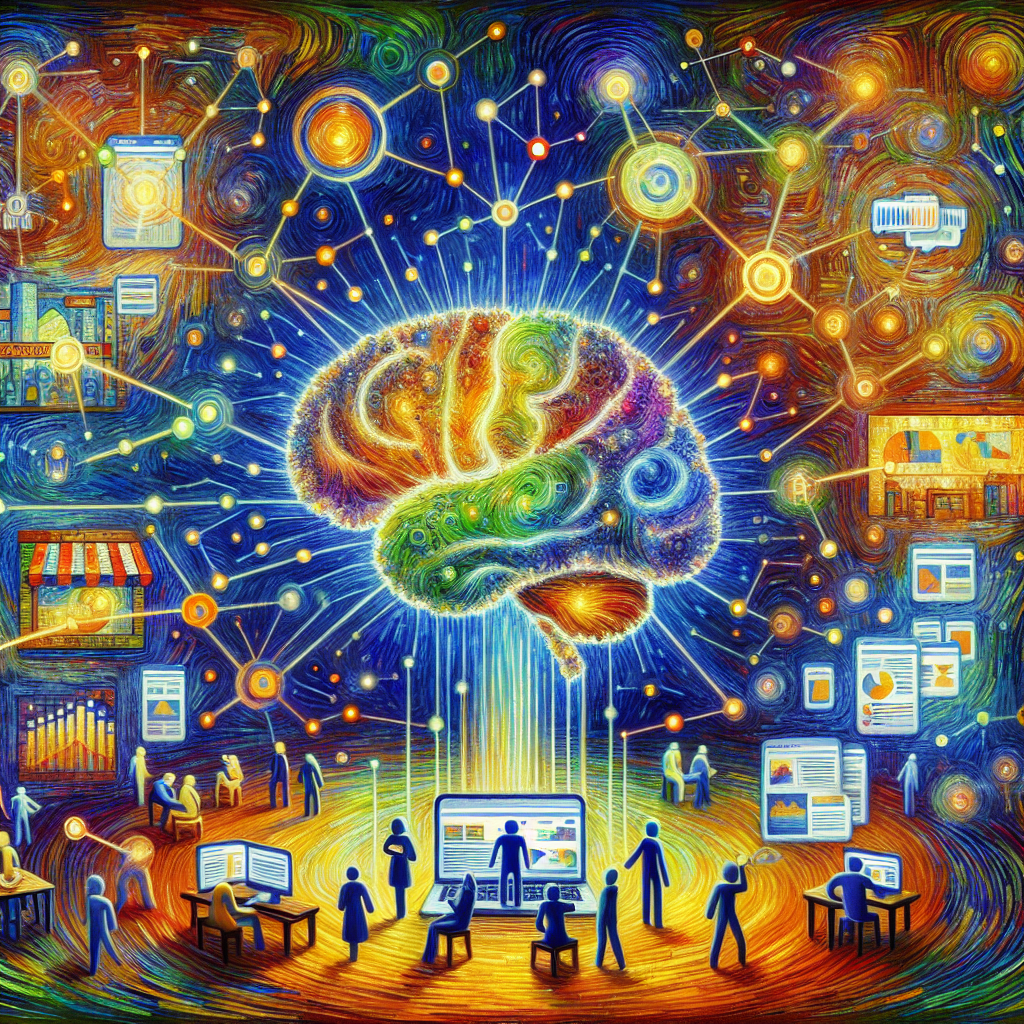
What Ethical Considerations Arise From Using AI for Writing?
How Do Social Norms Shape Our Trust In Human Versus AI Writing?
In a world buzzing with digital chatter, we often find ourselves wrestling with an unsettling question: Can we trust what we read? Whether it’s the heartfelt story on a personal blog or the clinical precision of AI-generated content, social norms play a pivotal role in framing our perceptions. With every click, we calibrate our reactions based on learned experiences and societal signals, deciding who—or what—to believe.
Imagine walking into a cozy café where the barista shares stories while brewing your coffee. The warmth of her voice, the authenticity in her anecdotes, creates a bond that makes every sip taste richer. That’s the essence of human writing—it resonates on a personal, emotional level. When we engage with a blog post from a passionate writer detailing their journey through loss or triumph, we connect with their humanity. It’s like sharing a campfire with a friend, where every flicker of the flame illuminates our shared experiences. This narrative thread weaves trust into the fabric of their words.
Now, think about AI—crafted by lines of code, spitting out phrases that can mimic warmth but often miss the heartbeat of genuine interaction. Despite its prowess, this form of writing can feel like a conversation with a well-read robot. We admire its efficiency, but can we relate? When assessing trust, we naturally lean towards the familiar, favoring warmth and authenticity over cold logic, even when the machine may present flawless grammar and infinite knowledge.
Yet here lies the unique twist: the evolving nature of social norms is beginning to bridge this gap. As we grow accustomed to AI’s role in our lives, we’re starting to reassess our definitions of trust. The ethical responsibilities of those deploying AI in writing are now under scrutiny. Are they transparent about AI’s involvement? The expectation of honesty from both machines and humans creates a new paradigm where collaboration might foster trust. Imagine a website that combines the professional polish of AI writing with the emotional resonance of human stories, working together to create a richer tapestry of content—inviting, engaging, and relatable.
In this new landscape, trust becomes less about who wrote it and more about how we relate to the content itself. The stories might now flow from diverse sources—human or machine—but as long as they echo our shared human experience, they can inspire action, foster connection, and encourage informed dialogue. The key lies in embracing this evolution, uncovering the shared threads that bind us, even across lines of code and digital screens.

How Do Social Norms Shape Our Trust In Human Versus AI Writing?
How Do Social Norms Shape Our Trust In Human Versus AI Writing?
- The digital age raises questions about the trustworthiness of content, whether from personal blogs or AI.
- Human writing connects on an emotional level, creating trust through shared experiences.
- AI-generated content, while efficient, often lacks the warmth and authenticity of human interaction.
- Trust is increasingly associated with familiarity and emotional resonance over technical accuracy.
- Social norms are evolving, prompting a reassessment of what constitutes trust in AI-generated content.
- Transparency about AI’s role in writing is essential for building trust and ethical responsibility.
- Content should resonate with shared human experiences to foster connection and encourage dialogue, regardless of source.

How Do Social Norms Shape Our Trust In Human Versus AI Writing?
Should We Rely on AI to Craft Narratives That Resonate with Us?
In a world where technology often seems to outpace our ability to keep up, it’s worth pondering: should we trust AI to weave our stories? The internet is brimming with blogs and websites infused with computer-generated narratives, but where does that leave the human touch? Stories are the lifeblood of our experiences, shaping our values, beliefs, and even our dreams. They define us, reflecting not just our individual lives but also the cultures we inhabit.
Think about the last time a story truly moved you. Was it a heartfelt blog post, an article about an unsung hero, or perhaps a simple tale shared among friends? Those narratives resonate because they emerge from genuine human experience. They touch the heart, the head, and the gut. Emotional appeal connects us. Rationality grounds us, providing context that helps us understand our place in the world. Ethical considerations urge us to think about whose stories we value and why.
AI, for all its advancements, may lack the nuanced understanding of what it means to be human. It can crunch numbers and predict patterns, but can it grasp the raw emotion of a parent’s love or the gut-wrenching pain of loss? Sure, AI can assemble impressive narratives, but can it inspire trust and confidence like a lived experience? Imagine a blog that tells the story of a hard worker, someone who wakes up before dawn to provide for their family. An algorithm could replicate the structure, but it might miss the spark that breathes life into that reality.
The connection forged through storytelling is vital. It’s social, thriving on shared experiences and collective understanding. When we allow AI to tell our stories, are we not delegating a part of our humanity? Are we risking authenticity for efficiency? It’s an ethical crossroads. How do we draw the line between embracing innovation and preserving our narrative voice?
We must play an active role in shaping the stories we want to tell. The narratives crafted by machines may have their place, but we must not let them overshadow the rich tapestry of human experience. Seek out those raw, unfiltered tales that speak to you. Engage with the narratives that are imperfect, messy, and real. They are the stories that will resonate deeply, inspire change, and remind us of our shared humanity. Finding that balance between innovation and authenticity might just hold the key to crafting narratives that resonate with us all.

Should We Rely on AI to Craft Narratives That Resonate with Us?
Should We Rely on AI to Craft Narratives That Resonate with Us?
- The rise of AI in storytelling raises questions about the importance of the human touch in narratives.
- Stories shape our values, beliefs, and cultural identities, reflecting individual and collective experiences.
- Emotional and rational aspects of stories create connections, grounding us in our understanding of the world.
- AI lacks the nuanced understanding of human emotions, which are essential for truly resonant storytelling.
- Relying on AI for narratives risks sacrificing authenticity for efficiency, leading to ethical dilemmas.
- Active participation is necessary in shaping narratives, ensuring human experiences remain at the forefront.
- Balancing innovation with authenticity is key to crafting impactful stories that resonate with our shared humanity.

Should We Rely on AI to Craft Narratives That Resonate with Us?
Conclusion
In the evolving landscape of writing, the interplay between AI-generated content and human creativity raises essential questions about trust, emotion, and authenticity. As we navigate this digital frontier, it becomes clear that writing is not just a mechanical task but a heartfelt exchange that captures what it means to be human. The allure of AI lies in its speed and efficiency, churning out articles at a staggering rate, but the true power of a narrative rests in the human experience behind it.
Consider the campfire storytelling tradition; these are tales rich with laughter, sorrow, and the vulnerability of life. Human writers draw from a well of emotions and personal stories that resonate deeply, creating connections that AI can mimic but never truly share. The warmth of a lived experience breathes life into words, crafting narratives that not only inform but also inspire and unite. This emotional connection fosters trust, allowing readers to feel seen and understood, which is a core element of effective storytelling.
Moreover, the ethical considerations in employing AI for writing cannot be overlooked. While machines can generate texts, they lack the moral compass that guides human judgment. Writing entails choices steeped in personal experience and societal context—elements that AI simply cannot replicate. Are we willing to sacrifice our unique voices and narratives for the sake of convenience? This is an ethical crossroads demanding reflection as we decide how much we allow technology to shape our stories.
Moreover, as social norms shift, so does our perception of trust in writing. We increasingly recognize the value of authenticity over perfection. When we consume narratives crafted by algorithms, we must remain conscious of the emotional void that might accompany them. In the end, while AI can enhance the writing process, it should serve as a tool rather than a substitute for the irreplaceable human touch.
As stewards of our narratives, we must celebrate the diversity of human stories. They hold the power to unite us across differences, echoing shared experiences and truths. In this age of rapid change, let’s embrace the challenge of fusing technology with our intrinsic humanity, crafting narratives that resonate deeply and inspire genuine connection. True storytelling remains an art form that thrives on the messiness of life—a pursuit worth cherishing as we forge ahead.

Conclusion
Conclusion:
- The relationship between AI-generated content and human creativity raises questions of trust, emotion, and authenticity.
- Writing is described as a heartfelt exchange, capturing the essence of human experience.
- Human storytellers draw from emotions and personal stories, fostering deep connections that AI cannot replicate.
- Ethical considerations of using AI in writing highlight the importance of human judgment and personal experience.
- Societal shifts are changing perceptions of trust in writing, favoring authenticity over perfection.
- AI should enhance the writing process but not replace the unique human touch in storytelling.
- Celebrating diverse human stories fosters unity and shared experiences amidst rapid technological change.

Conclusion
Other Resources

Other Resources
Here is a list of other resources you can review online to learn more:
- Beatbot.fm
- Builder.ai
- Dreaminterpreter.ai
- Speechelo.com
- Watchnowai.com
- Tumblr
- Pinegraph.com
- Pinecone.io
- Stockai.com
- Textcortex.com
- Roast.dating
- Flickr
- Octoeverywhere.com
- Perplexity.ai
- Steve.ai
- Vistasocial.com
- Adept.ai
- Usemotion.com
- Deepai.org
- Leiapix.com
Use This Prompt To Get More Resources With Your Favorite Online AI Tool: Please provide me with a list of online articles with their URLs in a bulleted list that I can read regarding AI Writing Vs. Human Writing – Comparing Speed, Creativity, Judgment, Accuracy and Emotional Understanding

Other Resources
Glossary Terms
AI Writing Vs. Human Writing – Comparing Speed, Creativity, Judgment, Accuracy and Emotional Understanding – Glossary Of Terms
1. AI writing: Text produced by algorithms (often LLMs) using learned patterns from data rather than conscious intent or lived experience.
2. Human writing: Text produced by people using lived experience, intentions, values and reflective judgment.
3. Large language model (LLM): A neural network trained on vast text corpora to predict and generate language patterns.
4. Generative model: A system that produces new text by sampling learned distributions of words and phrases.
5. Prompt engineering: Crafting inputs to steer an AI’s output toward a desired content, style, or constraint.
6. Fine-tuning: Post-training adjustment of a model on a targeted dataset to specialize behavior or tone.
7. Inference speed: Time an AI takes to generate text once prompted; a measure of responsiveness.
8. Latency: Delay between user input and model output; critical for real-time applications.
9. Throughput: Volume of text or number of requests an AI system can process per unit time.
10. Creativity (divergent thinking): Ability to produce varied, unexpected ideas; measurable in novelty and associative breadth.
11. Originality: Degree to which output is novel and not derivative of existing sources.
12. Novelty: Freshness or uniqueness of expressions, concepts, or approaches in a piece of writing.
13. Hallucination: Confident but incorrect or fabricated statements generated by AI absent factual basis.
14. Factuality: Alignment of content with verifiable facts and evidence.
15. Accuracy: Correctness of claims, data, and representations in writing.
16. Semantic coherence: Logical consistency and meaningful connections across sentences and paragraphs.
17. Syntactic correctness: Proper grammar, punctuation, and sentence structure.
18. Style: Characteristic choices in diction, rhythm, and structure that give writing its recognizable form.
19. Voice: Distinctive personality or perspective conveyed through word choice and sentence patterns.
20. Tone: Emotional stance or attitude expressed in writing (e. g. , formal, conversational, urgent).
21. Emotional understanding: Capacity to recognize, represent, and respond to human feelings in text.
22. Empathy: Writing that reflects understanding of and sensitivity to a reader’s emotions and context.
23. Common-sense reasoning: Use of everyday world knowledge to make plausible inferences and avoid absurdities.
24. Judgment (editorial judgment): Selection and shaping of content based on priorities, ethics, relevance, and audience.
25. Human-in-the-loop: Workflows where people review, correct, or guide AI output to ensure quality and responsibility.
26. Explainability: Degree to which the rationale behind an AI’s output can be articulated or traced.
27. Bias (training-data bias): Systematic skew in outputs caused by imbalances or prejudices in training data.
28. Plagiarism risk: Likelihood that generated text reproduces copyrighted or previously published material too closely.
29. Evaluation metrics: Quantitative and qualitative measures (BLEU, ROUGE, human ratings) used to assess writing quality.
30. Authorship attribution: Methods and challenges of determining whether a human or an AI produced a given text.

Glossary Of Terms
Other Questions
AI Writing Vs. Human Writing – Comparing Speed, Creativity, Judgment, Accuracy and Emotional Understanding – Other Questions
If you wish to explore and discover more, consider looking for answers to these questions:
- How do we measure “quality” when comparing AI-generated and human-written content?
- What specific types of writing are AI systems best and worst at?
- How do creativity and originality differ between AI outputs and human authors?
- Can AI produce genuinely novel ideas or only recombine existing patterns?
- How do AI and humans differ in handling ambiguity, nuance, and subtext?
- How reliable is AI at fact-checking and avoiding hallucinations?
- Who is legally and ethically responsible for misinformation produced by AI-written content?
- How can readers detect whether a piece was written by AI or a human?
- What standards or disclosures should platforms adopt about AI involvement in writing?
- How does using AI affect authorship, credit, and intellectual property?
- What biases might be embedded in AI writing, and how can they be mitigated?
- How well can AI capture cultural context, regional idioms, and marginalized perspectives?
- Can AI appropriately handle sensitive or traumatic subject matter?
- How do emotional resonance and empathy in writing differ between AI and human authors?
- Should AI ever be used to craft emotionally persuasive or therapeutic content?
- How does speed gained by AI impact the depth, research, and reflective quality of writing?
- What are best practices for humans and AI to collaborate on a single piece?
- How does AI influence the economics of professional writing and journalism?
- What skills should writers develop to remain relevant alongside AI tools?
- How do social norms and trust change as audiences become more familiar with AI-generated content?
- How transparent should organizations be about editorial oversight of AI-produced materials?
- What ethical frameworks should guide the deployment of AI in storytelling and reporting?
- How does training data quality and provenance affect the outputs of writing AIs?
- What privacy concerns arise when AI models are trained on private or copyrighted text?
- How do long-form narrative and investigative journalism compare when produced by AI versus humans?
- What metrics can publishers use to evaluate engagement, trust, and impact of AI-assisted pieces?
- How might AI change the educational approach to teaching writing and critical reading?
- What future developments could close the gap between AI and human emotional understanding?

Other Questions
Haiku
AI Writing Vs. Human Writing – Comparing Speed, Creativity, Judgment, Accuracy and Emotional Understanding – A Haiku
Words woven with life,
Machines speak but lack true heart—
Stories pulse with us.

Haiku
Poem
AI Writing Vs. Human Writing – Comparing Speed, Creativity, Judgment, Accuracy and Emotional Understanding – A Poem
In the realm where words take flight,
A clash unfolds, both day and night;
Machines churn out with dazzling speed,
Yet the heart of writing plants a seed.
AI, a marvel of our age,
Crafts sentences, fills the page;
But can it weave the threads of pain,
Or capture laughter amidst the rain?
Human souls, with tales to tell,
Draw deep from wells where feelings dwell;
Through shards of life, their truths entwined,
In every story, a heartbeat finds.
With judgment sharp and ethics clear,
They navigate what we hold dear;
Numbers only skim the surface deep,
But lived experience makes us weep.
Machines may mimic, echo, and frame,
Yet in the dance, miss the flame;
For creativity’s spark demands a pause,
In flaws and stumbles, we find the cause.
Trust blossoms where connection breathes,
In shared moments, the heart believes;
A story shared around the fire,
Stirs within a lasting desire.
So let us wield tech as a tool,
But never let its coldness rule;
For in our hands, the stories sing,
Resounding truths of everything.
In this age of rapid flow,
Let’s honor what makes our spirits grow;
With every word, let our voices blend,
Crafted with love, until the end.

Poem
Checklist
AI Writing Vs. Human Writing – Comparing Speed, Creativity, Judgment, Accuracy and Emotional Understanding – A Checklist
Checklist for Engaging with AI and Human Writing
✅______ Reflect on personal experiences that shaped your perspective on writing.
✅______ Identify key emotions in your writing that resonate with readers (e.g., joy, sadness, nostalgia).
✅______ Consider storytelling techniques that evoke empathy and connection.
✅______ Analyze the strengths and weaknesses of AI writing in terms of speed and accuracy.
✅______ Examine how human judgment enhances the writing process through ethical considerations and creativity.
✅______ Evaluate the clarity and coherence of arguments presented in your writing.
✅______ Contemplate the ownership of narratives produced by AI versus human authors.
✅______ Reflect on the moral implications of using AI in storytelling.
✅______ Discuss the role of ethics in content creation and the potential for misinformation.
✅______ Establish credibility by sharing personal experiences and insights that inform your writing.
✅______ Acknowledge sources and research that support your claims.
✅______ Be transparent about AI’s involvement in your writing process, if applicable.
✅______ Craft stories that weave personal anecdotes with broader societal themes.
✅______ Use descriptive language to create vivid imagery and enhance reader engagement.
✅______ Share relatable experiences that build connections with your audience.
✅______ Foster community by encouraging discussions around your writing topics.
✅______ Highlight shared human experiences and encourage readers to share their own stories.
✅______ Utilize social platforms to amplify human narratives and promote interaction.
✅______ Assess when and how to use AI tools effectively without compromising your voice.
✅______ Explore collaborative opportunities where AI enhances creativity rather than replaces it.
✅______ Maintain a balance between technological efficiency and emotional authenticity in your narratives.

Checklist
At WebsiteBloggers, we help website bloggers develop strategies to create content, traffic, and revenue from website blogs based on our experiences and experimentation.
Be sure to read our other related stories at WebsiteBloggers and share this article with your friends, family, or business associates who run website blogs.