Reviving Interiors: Embracing The Messy Beauty
By Tom Seest
At WebsiteBloggers, we help website bloggers develop strategies to create content, traffic, and revenue from website blogs based on our experiences and experimentation.
Be sure to read our other related stories at WebsiteBloggers and share this article with your friends, family, or business associates who run website blogs.
Anti-Design – When Clean Gets Boring
In the world of design, there’s an unspoken oath we often take: the commitment to simplicity, to clean lines and minimalist aesthetics. There’s beauty in that, no doubt. Browsing through an impeccably designed website or an inspiring blog can feel like a moment of clarity in a world filled with chaos. But let’s confront the elephant in the room—can the pursuit of minimalism ever lead to a creative dead end? Is clean design morphing into a bland sameness that doesn’t speak to our hearts?
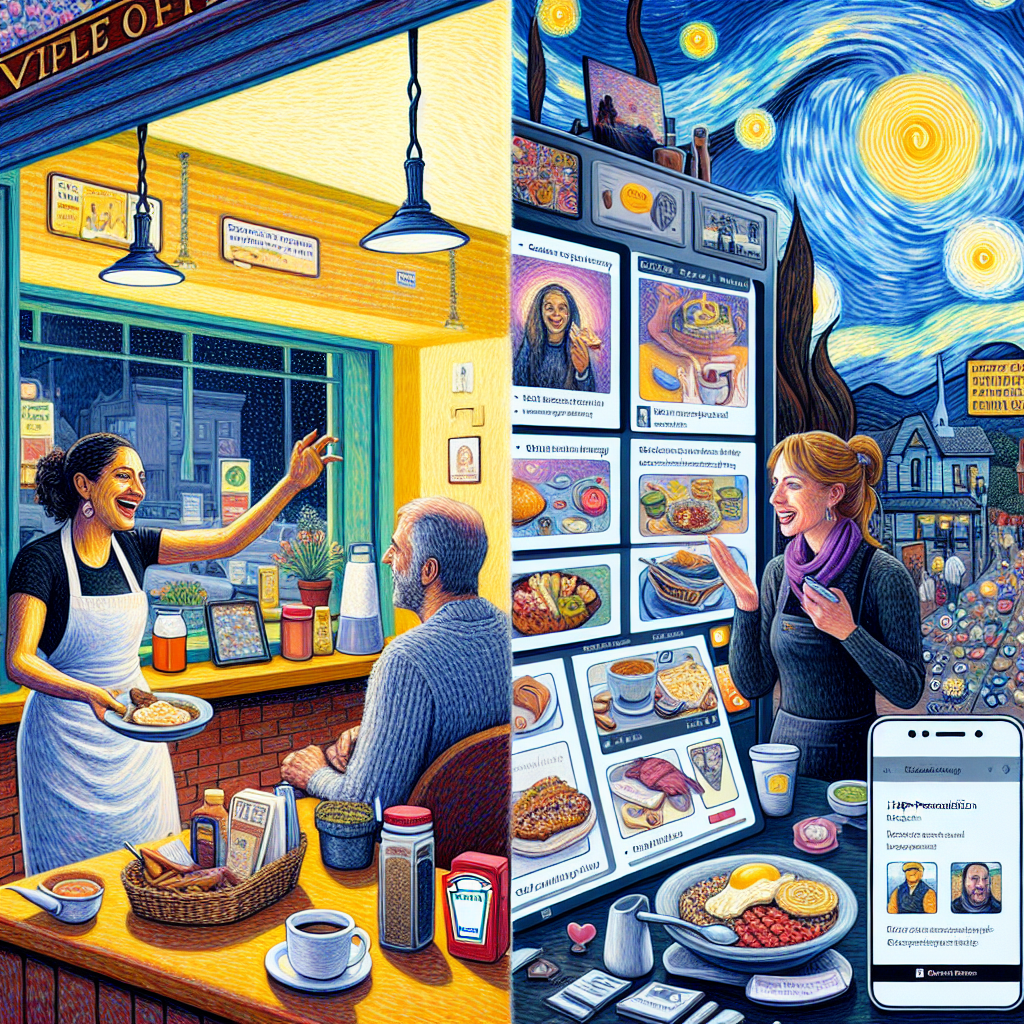
Let’s visualize a bustling café, where the coffee is rich and aromatic, and the conversations crackle with life. Now, take that same space, strip away its character, and what do you have? A pale imitation devoid of warmth. This is what we risk when we adhere too rigidly to the clean aesthetic. Design should reflect the vibrancy of human experience, and when we sacrifice that in the name of simplicity, we risk creating spaces—or websites and blogs—that feel lifeless, even sterile.
It’s a fine line we walk. On one hand, we want a design that’s inviting and engaging, guiding users through a seamless experience. On the other, we must infuse a sense of narrative, a heartbeat that resonates. The gut instinct tells us when something feels right; it craves stimulation, a connection that goes beyond what the eye can see. Emotional appeal in design isn’t just about color and shape; it’s about what those elements evoke within us.
Ethically, we’re compelled to consider our audience. People engage with ideas and communities that reflect their identities—not just a pixel-perfect layout. In a society craving authenticity, the slick, ubiquitous design might just drive people away rather than draw them in. We trust the brands, the websites, and the blogs that dare to tell a story, that dare to break the mold, becoming ambassadors of innovation rather than mere purveyors of trend.
So, the next time you find yourself caught in the allure of clean design, ask yourself: does it resonate? Does it invite conversation, foster community, and inspire action? Remember, true design flourishes at the intersection of creativity and connection—where clean meets compelling, and plain gives way to profound. Embrace the chaos; let it breathe life into your creative journey.

Anti-Design – When Clean Gets Boring
Anti-Design – When Clean Gets Boring
- The design community often values simplicity, clean lines, and minimal aesthetics.
- There’s a risk that the pursuit of minimalism can lead to blandness, lacking emotional resonance.
- Life and character in design are crucial; overemphasis on simplicity can create lifeless spaces.
- Effective design should invite engagement and convey a narrative that resonates emotionally with users.
- Consideration for the audience is essential; designs should reflect identities, not just perfection.
- Authentic storytelling in design can foster trust and drive connections, instead of relying solely on trendy aesthetics.
- True design thrives at the intersection of creativity and connection, embracing both simplicity and depth.
Anti-Design – When Clean Gets Boring
Table Of Contents
- Anti-Design – When Clean Gets Boring
- What Emotions Drive Your Reaction to Minimalist Design?
- How Can We Balance Aesthetics and Usability In Design?
- Is Clean Design Compromising Our Creative Expression?
- What Ethical Responsibilities Do Designers Have to Evoke Joy?
- How Does Design Influence Our Daily Decision-Making Processes?
- Who Are the Authorities Shaping the Next Wave Of Anti-Design Trends?
- Can Storytelling In Design Reignite Our Passion for Creativity?
- Conclusion
- Other Resources
- Glossary Of Terms
- Other Questions
- Haiku
- Poem
- Checklist
What Emotions Drive Your Reaction to Minimalist Design?
When you walk into a room adorned with minimalist design, what hits you first? The overwhelming absence of clutter can spark a wave of emotions. It’s not just about aesthetics; it’s about feeling a sense of calm in an unruly world. Our homes should cradle us like an old friend, and minimalism offers that hug—removing distractions so we can focus on what truly matters.
At the heart of it, we crave simplicity. Each piece in a minimalist space has a purpose, a story waiting to be told. Think about it: every time you place your hand on a beautifully crafted table or gaze upon a piece of art hanging on the wall, you’re engaging with an experience, not just an object. This connection fosters a deeper appreciation for our surroundings and, ultimately, ourselves.
Rationally speaking, a minimalist space can enhance productivity. Studies show that removing excess visual stimuli can sharpen our focus. Picture trying to write a blog post—or crafting a business plan—with distractions fluttering around you. Imagine the peace of a clean slate, where ideas can flow freely like a river. It’s not mindless living; it’s living with intention, where every choice is deliberate and meaningful.
Ethically, embracing minimalism can encourage mindfulness and sustainability. In a consumer-driven society, choosing wellness over materialism is an act of rebellion against societal norms. It’s about valuing quality over quantity—a practice that resonates deeply in our hearts and echoes in our actions. Imagine sharing this perspective with friends, shifting the focus from acquiring to appreciating.
And let’s not overlook the community aspect. Minimalism isn’t just an individual choice; it’s a movement. When you embark on this journey, you’re joining ranks with others eager to cultivate a more meaningful existence. Sharing insights, ideas, and even those “aha” moments fosters a bond, a shared understanding that goes beyond simple design.
So, take a moment to ponder: how does minimalism speak to you? Is it a call for tranquility in your hectic life? An invitation to reflect on your values? Trust that you’re not alone in this journey; there’s a whole community ready to support you. Embrace the challenge, share your story, and let the pursuit of simplicity shape not just your spaces, but your life.

What Emotions Drive Your Reaction to Minimalist Design?
What Emotions Drive Your Reaction to Minimalist Design?
- The absence of clutter in minimalist design evokes feelings of calm and tranquility.
- Each item in a minimalist space serves a purpose and enhances appreciation for surroundings.
- Minimalism can boost productivity by reducing visual distractions.
- Living minimally promotes intentionality, where every choice is meaningful.
- Embracing minimalism supports mindfulness and sustainability against consumerism.
- Minimalism fosters a sense of community among individuals seeking a meaningful existence.
- Engaging with minimalism invites reflection on personal values and shared experiences.

What Emotions Drive Your Reaction to Minimalist Design?
How Can We Balance Aesthetics and Usability In Design?
When we think about design, we often get lost in a sea of colors, fonts, and layouts, as if the aesthetics alone can carry the day. But let’s pause and consider that every beautifully crafted website or blog has a heartbeat—the users who navigate through it. Balancing aesthetics and usability isn’t just a design challenge; it’s an invitation to connect with our audience on a deeper level.
Imagine a stunning website that captivates with breathtaking visuals. You’re drawn in, and then—bam! You hit a wall of confusion. Menus that lead nowhere, buttons that blend into the background. You might have designed a masterpiece, but if it doesn’t serve its purpose, it’s just art hanging in an empty gallery. This is where the heart of design comes in. Every color choice or font selection should whisper a promise to the user: “I understand you; I’m here to make your experience smooth.” That promise starts with usability.
Think about it. Every click matters, every interaction shapes perceptions. Users feel seen when they can easily find what they need, fostering trust and confidence that resonates far beyond a single visit. They share their positive experiences, creating a ripple effect that can enhance your reputation in a crowded space. That’s the kind of social impact we should aim for.
Now, let’s get rational for a moment. Usability and aesthetics do not stand opposed to one another; they can—and should—dance together. Research has shown that users are more likely to engage with a visually appealing design, yet that beauty shouldn’t blind them to function. Effective design strikes a balance, ensuring that form doesn’t overshadow function. This isn’t just smart; it’s ethical. When we create with the user in mind, we uplift the entire community, honoring the value of their time and attention.
As we venture deeper into the world of design, let’s carry this ethos with us. We’re not just creating a website or blog; we’re crafting an experience, a relationship. Each button, each image is a conversation, an opportunity to connect. So, let’s listen to our users, learn from them, and elevate our designs. Make beauty and usability your allies. Embrace them, and watch as they transform not just your projects, but also the impact they have on the lives of those who interact with them.
How Can We Balance Aesthetics and Usability In Design?
How Can We Balance Aesthetics and Usability In Design?
- Design involves more than just aesthetics; it requires understanding the user experience.
- Beautiful websites need to balance stunning visuals with usability to be truly effective.
- Confusing design elements can lead to user frustration, rendering the work ineffective.
- Each design choice should enhance usability, making users feel understood and supported.
- Positive user experiences lead to trust and can amplify a brand’s reputation.
- Aesthetics and usability should work together, ensuring that visual appeal enhances rather than detracts from function.
- Effective design is about crafting an experience and relationship with users, creating meaningful connections.

How Can We Balance Aesthetics and Usability In Design?
Is Clean Design Compromising Our Creative Expression?
In the world of design, clean lines and minimalism have become the gold standard, but at what cost? Our screens are awash in a sea of white space, muted colors, and straightforward fonts, each choice declaring, “Less is more.” But while this aesthetic exudes a calm sophistication, one can’t help but wonder if we’re sacrificing the heart and soul of creative expression on the altar of simplicity.
Think for a moment about the websites we visit daily. They’re polished, streamlined, and undeniably easy to navigate. But that ease often comes at the expense of uniqueness, leaving us to sift through a monotony that can feel cold and impersonal. Imagine walking into a gallery filled with sterile canvases, or scrolling through a blog that lacks character—a space stripped bare of creativity’s vibrant pulse. Such scenarios make the mind question: have we traded authenticity for aesthetics?
Let’s get real here. Clean design, with its relentless pursuit of uniformity, creates a sort of ethical dilemma. It whispers to designers—“Don’t make waves; conform.” This unwritten rule can stifle innovation, turning audacious creators into reluctant followers. Society craves connection, and connections thrive on stories; they thrive on the imperfect, the messy, and the raw. When design becomes a mere formula to replicate, we risk losing the very fabric that stitches our experiences together.
We find ourselves at a crossroads, where the drive for respectability overshadows the courage to push boundaries. Trust in boldness can unlock fresh perspectives that clean design often overlooks. Just think about the color splashes that make a space your own or the typographic quirks that transform a mundane message into a resounding declaration. These details breathe life into our work, connecting us with others who feel the same passion.
So, let’s not shy away from letting our work reflect our truest selves. Instead of settling for cookie-cutter standards, let’s redefine what clean can mean—balancing clarity with creativity. Let’s invite more textured experiences into our designs, allowing our individual stories to shine through. As we embark on this journey together, we can inspire others to break free from the constraints of a sanitized ideal, proving that authenticity and aesthetics are not mutually exclusive—they are, in fact, the same vibrant thread woven into the tapestry of human creativity.

Is Clean Design Compromising Our Creative Expression?
Is Clean Design Compromising Our Creative Expression?
- Clean lines and minimalism are prevalent in design, often prioritizing simplicity over creative expression.
- Websites reflect a polished aesthetic but risk losing uniqueness and warmth, resulting in monotony.
- This trend can create an ethical dilemma, encouraging conformity and stifling innovation among designers.
- Connection in design thrives on imperfection and storytelling, which uniformity often suppresses.
- Boldness and creativity can enhance design, adding personal touches that resonate with audiences.
- Redefining “clean” in design can foster a balance between clarity and creativity.
- Authenticity and aesthetics can coexist, enriching the tapestry of human creativity.
Is Clean Design Compromising Our Creative Expression?
What Ethical Responsibilities Do Designers Have to Evoke Joy?
Designers wield a remarkable power: the ability to evoke joy through their creations. Yet with that power comes significant ethical responsibilities. We live in a world awash in visual stimuli, where each design decision can sway emotions, influence behaviors, and inspire actions. Designers need to recognize that every line drawn and every color chosen is not just an aesthetic choice but a chance to connect on a deeply human level.
Joy is a universal language; it transcends barriers and speaks to our shared experiences. When a designer envisions a product or experience, they have the opportunity to spark happiness, foster nostalgia, or even ignite a feeling of belonging. Consider the joy one experiences upon unboxing a beautifully designed product, the way it can lighten your mood and rekindle memories of crisp autumn days or family gatherings. These moments resonate, reminding us that design isn’t merely transactional; it’s about creating meaningful interactions that deepen our connections to ourselves and others.
This requires more than creativity—it requires courage. Designers must ask themselves tough questions. Are they promoting values that uplift and empower? Are they navigating the fine line between playfulness and exploitation? Designers hold immense authority in shaping our perspectives. With that comes the moral imperative to uplift, to encourage joy without manipulation or deceit. A design that evokes joy should be crafted with intention; it should not just serve a purpose but enrich lives by reminding us of the beauty in the ordinary.
On a rational level, joyful designs can drive consumer loyalty and create communities around shared experiences. Companies that prioritize joy in their mission often find that their audiences respond in kind, converting into committed advocates. But beyond the bottom line, invoking joy opens the door to social change and connection. An ethical framework for design isn’t just about what’s right; it’s about what’s human.
Like a well-crafted story, each design can weave a narrative that resonates. When designers infuse their work with joy, they can inspire not just confidence in their products but a movement towards a better, brighter world. The commitment to evoke joy is a call to action for all designers—one that invites everyone to join a collective pursuit of beauty, happiness, and connection through purposeful design. Each joyful creation is an invitation to experience life in full color, reminding us that, fundamentally, we are all in this together.

What Ethical Responsibilities Do Designers Have to Evoke Joy?
What Ethical Responsibilities Do Designers Have to Evoke Joy?
- Designers have the power to evoke joy through their creations, carrying significant ethical responsibilities.
- Every design decision influences emotions, behaviors, and inspires actions, highlighting the human connection in design.
- Joy transcends barriers and fosters shared experiences, adding meaning to interactions beyond transactional design.
- Beautifully designed products can spark happiness, evoke nostalgia, and create a sense of belonging.
- Designers must evaluate their values and maintain a balance between playfulness and exploitation to uplift and empower users.
- Joyful designs promote consumer loyalty and community, driving social change and connections while emphasizing ethical practices.
- The commitment to evoke joy through design invites a collective pursuit of beauty, happiness, and meaningful connections.

What Ethical Responsibilities Do Designers Have to Evoke Joy?
How Does Design Influence Our Daily Decision-Making Processes?
Every day, we’re faced with countless decisions—from what brand of coffee to buy in the morning to which route we take to work. It’s easy to think of our choices as purely personal, but the truth is, the design surrounding us shapes our decision-making more than we often realize. Consider how a simple website blog can guide us, crafting narratives that pull our heartstrings, tickle our fancy, or even challenge our beliefs. When you step into a store, the layout, colors, and signage are intentionally designed to influence what you feel and ultimately, what you choose.
The heart of the matter lies in emotions. Beautifully crafted design can create a sense of belonging or nostalgia, drawing us into a story that resonates with our own lives. Have you ever found yourself scrolling through an eye-catching blog post, feeling a connection to the author’s journey? That’s design at work—pulling you in, making you think, “Hey, that’s like me.” It fosters a bond that feels authentic and relatable, sparking curiosity and inspiring trust.
Now let’s engage the head. Rationality plays a critical role in our choices, often rooted in ethics and authority. We seek out products that are not just appealing but also trustworthy. A well-designed packaging, for instance, clearly communicates values like sustainability or local sourcing, inviting us to consider the impact of our decisions. We not only make choices based on what’s in front of us but also on what aligns with our principles and the beliefs that we hold dear.
And let’s not forget the gut. That instinctive reaction to design, the immediate pull or push, guides decisions in ways we may not be fully aware of. Think about the last time you were drawn to a product because of its striking design—the way it said, “Pick me!” in a crowded marketplace. In those moments, the visual allure speaks directly to our instincts, compelling us to act before we analyze.
As we navigate this decision-making dance, we find ourselves connected and influenced by the well-thought-out designs around us. It’s a reminder that design isn’t just about aesthetics; it’s about crafting experiences that echo our lives, shaping not only the choices we make but who we are as individuals within a community. So, the next time you reach for that cup of coffee or click on a blog that piqued your interest, pause and consider the invisible threads of design that guide you.

How Does Design Influence Our Daily Decision-Making Processes?
How Does Design Influence Our Daily Decision-Making Processes?
- Every day, we face numerous decisions influenced by our surroundings.
- The design around us, such as websites and store layouts, significantly shapes our decision-making.
- Emotional connections created through design foster a sense of belonging and nostalgia.
- Effective design can evoke relatability and trust, pulling us into shared narratives.
- Rational decision-making considers ethics and authority, driven by trust in products and their values.
- Instinctive reactions to design, like visual appeal, influence choices before rational analysis occurs.
- Design goes beyond aesthetics; it crafts experiences that reflect our values and identities within the community.

How Does Design Influence Our Daily Decision-Making Processes?
Who Are the Authorities Shaping the Next Wave Of Anti-Design Trends?
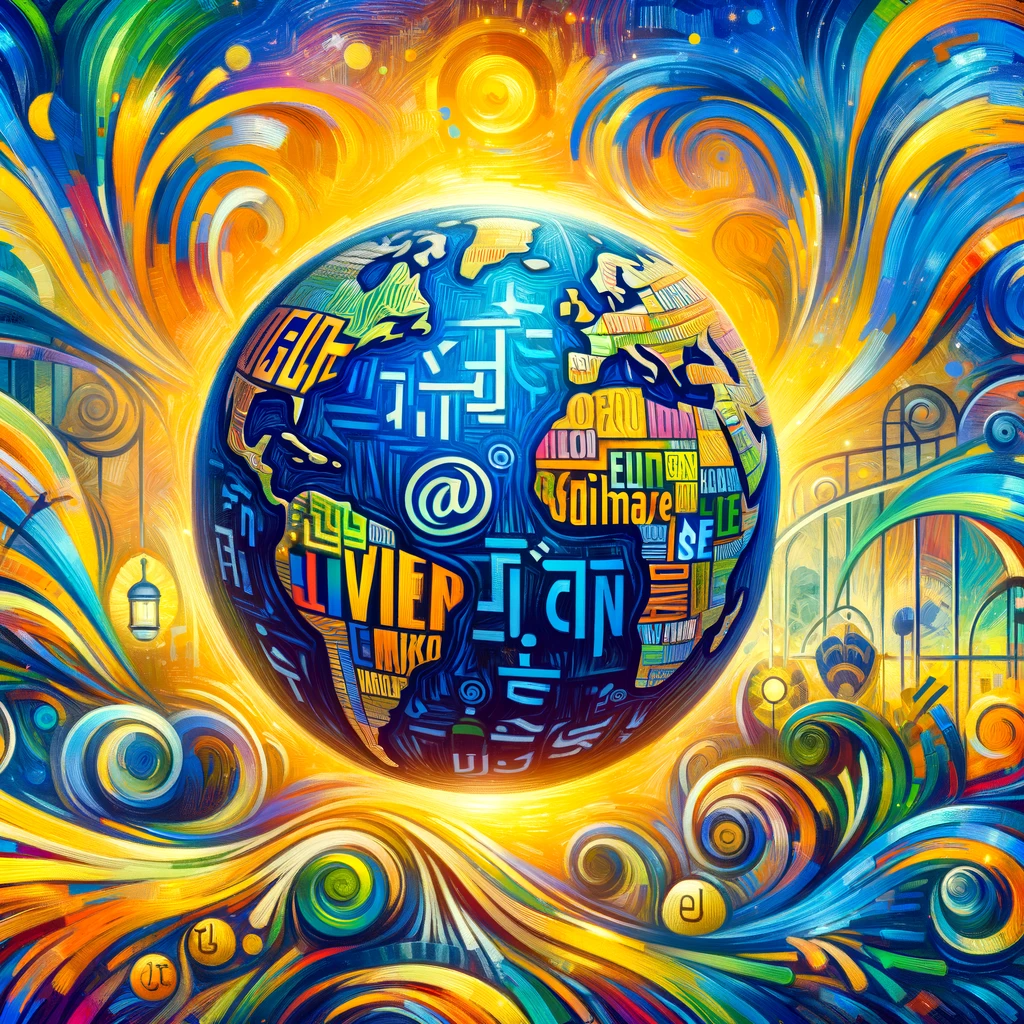
In a world where design sheets are filled to the brim with cookie-cutter templates and sterile interfaces, a new cadre of creative rebels is rising, ready to shatter the mold of conventional aesthetics. Who are these authorities shaping the next wave of anti-design trends? They’re the storytellers, the tinkers, and those who refuse to adhere to the expected. They are not just designers; they are visionaries, sparked by the desire to evoke emotion and challenge the status quo.
Take a moment to consider why you invest time browsing a website or engaging with a blog. It’s not merely for information; it’s for connection—connection that ignites curiosity and resonates with your very soul. It’s about authenticity, and that’s precisely the heartbeat of this new wave. These authorities understand that design is more than line and color; it’s a living narrative that reflects the complexities of our emotions, our dreams, and even our struggles. They know that imperfections can be beautiful, that a splash of chaos can invigorate creativity, and that true innovation often arises from the most unexpected places.
Echoing the very essence of human nature, these creators embrace a rawness that feels both relatable and deeply human. One glance at their work—a wildly contrasting color palette here, a child-like scrawl there—reminds us that amid the frenzy of sleek, polished brands, it’s the rough edges that invite us in, echoing our own messy realities. We don’t want perfection; we crave authenticity.
Moreover, the rise of anti-design is driven by an ethical imperative—it challenges the over-commercialization that can siphon away individual voices in an overcrowded marketplace. These diverse perspectives foster an inclusive platform that respects varied narratives and encourages a culture where everyone can belong. Informed by social consciousness, they leverage their authority to redesign our collective experience, craft messaging that matters, and inspire meaningful dialogues.
When you engage with these innovative minds, you’re not just consuming another trend—you’re joining a movement. A movement driven by passion and propelled by a deep desire for genuine connection. As you navigate through this evolving landscape, remember that the next time you feel the urge to click on a website or read a blog, you’re participating in something much larger than mere design—you’re part of a revolution that values the raw, the real, and the revolutionary.
Who Are the Authorities Shaping the Next Wave Of Anti-Design Trends?
Who Are the Authorities Shaping the Next Wave Of Anti-Design Trends?
- A new wave of creative rebels is emerging to challenge conventional design aesthetics.
- These innovators prioritize storytelling and emotional connection over standard templates.
- Design is seen as a living narrative reflecting human emotions, dreams, and struggles.
- Imperfections and chaos are embraced as sources of beauty and creativity.
- Anti-design challenges over-commercialization and promotes individual voices in design.
- This movement fosters inclusivity and encourages diverse narratives in design.
- Engaging with this wave of designers means participating in a broader revolution for authenticity and connection.
Who Are the Authorities Shaping the Next Wave Of Anti-Design Trends?
Can Storytelling In Design Reignite Our Passion for Creativity?
Imagine walking into a room bustling with creativity, where ideas are born not from the sterile hum of algorithms but from the warm, living pulse of human experience. This is what happens when storytelling intertwines with design. The heart, head, and gut responses that arise from compelling narratives can transform a simple idea into a catalyst for innovation. It’s a reminder that creativity isn’t just a skill; it’s a profoundly human attribute.
When we tell stories through our designs, we engage the heart. Think about it: a design doesn’t just exist to look good or function smoothly; it exists to resonate with our experiences, to capture the essence of who we are and what we value. There’s a gut reaction—an instinctive pull—when we see something that reflects our own story or the stories of those around us. This connection isn’t mere coincidence; it’s the power of narrative drawing us in, inviting us to become part of a larger collective experience.
On a rational level, consider this: great design elements are often born from the stories we live and share. They allow us to solve real problems grounded in our day-to-day lives. Ethical design prioritizes the user’s experience, crafting solutions that are not merely functional but also meaningful. When designers adopt the role of storytellers, they bear a responsibility. They carry the weight of their audience’s narratives, ensuring that every line, every color, resonates not just aesthetically, but also ethically.
When we create together as a community, sharing our unique narratives, we strengthen our social bonds. A well-crafted website or blog that embraces storytelling invites conversation and fosters connection. People crave authenticity, and beautifully designed work that tells a story encourages dialogue, sparking the imaginations of others. By engaging in this exchange, we can inspire one another to dig deeper and unleash our creative potential.
Through storytelling in design, we can reclaim our passion for creativity. We can transcend the mundane, fuel our imaginations, and kickstart a movement that taps into the collective human experience. It’s time to pick up our pens, sketch our ideas, and tell our stories—because within those stories lies the key to transforming our world, one inspired design at a time.

Can Storytelling In Design Reignite Our Passion for Creativity?
Can Storytelling In Design Reignite Our Passion for Creativity?
- Storytelling and design create a vibrant space for human creativity.
- Compelling narratives can transform simple ideas into catalysts for innovation.
- Designs should resonate with human experiences, reflecting our values and identity.
- Great design is rooted in the stories we live, solving real-world problems.
- Designers act as storytellers, holding the responsibility of ethically resonating with their audience’s narratives.
- Community and shared storytelling strengthen social bonds and foster connection.
- By embracing storytelling, we can reclaim our passion for creativity and transform the world through inspired design.

Can Storytelling In Design Reignite Our Passion for Creativity?
Conclusion
In an age where our screens often feel like halls lined with sterile white walls, there’s a shift brewing—an awakening to the power of imperfection, story, and authenticity in design. The beauty of anti-design lies not in chaotic clutter, but in the courageous messiness of real life. When we walk into spaces or engage with designs that reflect our humanity—flawed, vibrant, textured—we feel something. It’s an emotional connection, a resonance that speaks directly to our hearts, pulling us into narratives that mirror our own experiences.
This exploration of design goes beyond aesthetics; it dares to challenge our rational minds too. Consider how user-friendly interfaces guide us effortlessly, enhancing our interactions without overwhelming us. A successful design invites us in, fosters trust, and transforms visitors into advocates. It’s a dance between function and artistry that engages the gut instinct—those visceral reactions that prompt us to choose one option over another before our logical mind has had its say.
Yet, beneath this beautiful chaos lies an ethical responsibility we, as designers, must acknowledge. Our designs wield the power to influence, uplift, and connect. As we navigate this space, we have to ask: Are we promoting values that resonate? Are we crafting stories that illuminate the joy of shared experiences without veering into exploitation? With great authority comes the duty to be conscious of our choices and their impact on the communities around us.
The new wave of anti-design invites us all to participate in this movement. It champions creators who embrace the delight found in raw and unapologetic expressions of our shared human story. It’s not just about reimagining our spaces and websites; it’s about reveling in the imperfections that make them truly ours. These design choices bring with them an invitation to engage, to converse, and to reflect on what we value most deeply.
So, the next time you find yourself drawn to a beautifully chaotic design or an authentic narrative, remember you’re not just witnessing it—you’re part of a collective effort to reclaim creativity, warmth, and connection in our increasingly sanitized world. Embrace the complexity, let it stir your gut, evoke your heart, and ignite your spirit. The future of design is a rich tapestry woven from the messy threads of our lives, urging us to dive in and celebrate their beauty.
Conclusion
Conclusion:
- There’s a growing appreciation for imperfection, storytelling, and authenticity in design.
- Anti-design celebrates the beauty found in real-life messiness, fostering emotional connections.
- Design goes beyond aesthetics, engaging users and enhancing interactions through user-friendly interfaces.
- Successful design builds trust and transforms visitors into advocates through a balance of function and artistry.
- Designers must acknowledge their ethical responsibility and the impact of their choices on communities.
- The anti-design movement encourages creators to embrace raw expressions of the shared human experience.
- Participating in this design philosophy allows us to reclaim creativity and connection in a sanitized world.

Conclusion
Other Resources

Other Resources
Here is a list of other resources you can review online to learn more:
- Contentful
- Godinabox.co
- Cowriter.org
- Elsaspeak.com
- Runwayml.com
- Tattoosai.com
- Myscript.com
- Survey Monkey
- Audo.ai
- LiveJournal
- Sprout Social
- Analisa.io
- Picsart.com
- GDPR
- Neuroflash.com
- Artifact.news
- Affinity.co
- Topazlabs.com
- Jasper.ai
- Plurk
Use This Prompt To Get More Resources With Your Favorite Online AI Tool: Please provide me with a list of online articles with their URLs in a bulleted list that I can read regarding Anti-Design – When Clean Gets Boring

Other Resources
Glossary Terms
Anti-Design – When Clean Gets Boring – Glossary Of Terms
1. Anti-Design: A movement that challenges traditional design principles, emphasizing chaos and non-conformity.
2. Aesthetic: A set of principles concerned with the nature and appreciation of beauty in art and design.
3. Chaos: A lack of order or predictability in design, often valued in Anti-Design for its rawness.
4. Minimalism: A design philosophy that advocates for simplicity and the removal of excess elements.
5. Maximalism: The opposite of minimalism, characterized by excess, bold colors, and elaborate details.
6. Subversion: A tactic employed in Anti-Design to overturn conventional design norms and expectations.
7. Dissonance: The deliberate use of contrasting elements to create tension and provoke thought.
8. Irregularity: Uneven or asymmetrical design features that challenge traditional notions of balance and harmony.
9. Kitsch: Art or design that is considered lowbrow or tacky, often celebrated in Anti-Design for its irony.
10. Functionality: The practical use of a design, often questioned or deliberately ignored in Anti-Design.
11. User Experience (UX): The overall experience of an individual using a product or service, often downplayed in Anti-Design.
12. Visual Noise: The intentional inclusion of cluttered or busy elements that defy legibility and order.
13. Authenticity: The quality of being genuine, often emphasized in Anti-Design as a response to mass-produced aesthetics.
14. Rebellion: An act of resistance against established design conventions, embraced by Anti-Design advocates.
15. Fragmentation: The use of disjointed elements that create a sense of disruption in design.
16. Typography: The style and appearance of printed matter, often manipulated in Anti-Design for creative effect.
17. Color Theory: Principles that explain how colors interact and affect design, often subverted in Anti-Design.
18. Clutter: The inclusion of multiple design elements that create a sense of overwhelm, often seen in Anti-Design.
19. Cultural References: Allusions to popular culture or historical elements used to provoke thought and discussion.
20. Subtlety: The quality of being understated, often contrasted with the overt expressions of Anti-Design.
21. Provocation: The act of stimulating a reaction or thought through unconventional design choices.
22. Contradiction: The use of opposing elements in design to create complexity and depth.
23. Visual Hierarchy: The arrangement of elements to show importance, often challenged in Anti-Design.
24. Identity: A design’s ability to represent or convey the characteristics of a person or brand.
25. Cacophony: A harsh, discordant mixture of sounds or visuals, embraced in Anti-Design for its shock value.
26. Empathy: Understanding users’ needs and experiences, often considered secondary in Anti-Design.
27. Context: The environment or situation in which a design exists, which can influence its reception and meaning.
28. Nostalgia: Evoking a sense of longing for the past through design elements, often used in Anti-Design.
29. Exploration: The pursuit of new ideas or styles in design, essential in the Anti-Design movement.
30. Oxymoron: A figure of speech that juxtaposes contradictory terms, relevant in discussing the paradoxes found in Anti-Design.

Glossary Of Terms
Other Questions
Anti-Design – When Clean Gets Boring – Other Questions
If you wish to explore and discover more, consider looking for answers to these questions:
- What are some practical examples of anti-design in today’s market?
- How can individuals incorporate anti-design principles into their own projects?
- What are the psychological effects of minimalist versus anti-design on users?
- What tools and resources are available for aspiring designers interested in anti-design?
- How do trends in anti-design vary across different cultures or regions?
- Who are some notable designers or brands leading the anti-design movement?
- What role does social media play in the popularity of anti-design trends?
- Can anti-design improve user engagement, and if so, how?
- What are the potential downsides or criticisms of embracing anti-design?
- How can brands measure the impact of their design choices on audience engagement?
- In what ways can storytelling in design be effectively implemented?
- What ethical dilemmas might arise from using design to influence emotions?
- How can designers ensure their work remains authentic while still appealing to a broad audience?
- What is the future of design trends beyond minimalism and anti-design?

Other Questions
Haiku
Anti-Design – When Clean Gets Boring – A Haiku
Simplicity’s lure,
Hides the soul of design,
Chaos breathes life in.

Haiku
Poem
Anti-Design – When Clean Gets Boring – A Poem
In a world where clean lines often reign,
We find ourselves wondering, is simplicity a chain?
A polished facade can hide a soul so bare,
In pursuit of minimalism, have we forgotten to care?
Amidst sterile spaces, warmth fades away,
Like a lifeless café where the laughter won’t play.
Yet, within the mess lies the beauty we seek,
A tapestry of stories, vibrant and unique.
We crave connection, a heartbeat that sings,
Design should invite us, not clip our wings.
When every choice reflects the essence we hold,
Even the mundane can be beautifully bold.
Let chaos breathe life into crafted spaces,
Where art meets humanity, and heart embraces.
For design isn’t mere structure, a fleeting delight,
It’s a bridge to our truths, igniting our light.
With every color, every font, we evoke the deep joy,
A reminder of stories that no one can destroy.
As we weave narratives into the fabric we share,
We paint a world vibrant, full of love and care.
So rise up, the rebels, the creators of dreams,
Let’s challenge the norms, unraveling seams.
For in the world of design, let authenticity shine,
Embrace the messy, the raw—and let our spirits align.

Poem
Checklist
Anti-Design – When Clean Gets Boring – A Checklist
Design Introspection Checklist: Reviving Creativity and Connection
Emotional Connection
_____ Reflect on how your design choices evoke emotions.
_____ Does your design tell a story that resonates with your audience?
_____ Consider incorporating elements that reflect shared human experiences.
Rational Considerations
_____ Evaluate the balance between aesthetics and usability in your work.
_____ Are your designs enhancing user productivity and focus?
_____ Assess whether your choices prioritize clarity and functionality.
Ethical Reflection
_____ Analyze if your design promotes authenticity and inclusivity.
_____ Are you providing value and fostering community through your designs?
_____ Reflect on how your work encourages sustainability and mindfulness.
Authority and Influence
_____ Identify thought leaders or trendsetters in the anti-design movement you admire.
_____ Consider how you can infuse your unique voice into your design projects.
_____ Explore narratives that challenge the norm and invite engagement.
Narrative Engagement
_____ Create designs that invite storytelling—how does your work contribute to the narrative?
_____ Encourage users to share their experiences connected to your designs.
_____ Use storytelling to fuel your creative process and connect with your audience meaningfully.
Social Interaction
_____ Foster community discussions around your designs. How can you encourage dialogue?
_____ Engage with others to gather insights and perspectives on design critiques.
_____ Share your design journey and invite others to share theirs, creating a reciprocal learning experience.
Gut Instinct
_____ Trust your intuitive reactions to design elements. Does it feel right?
_____ Pay attention to what details draw you in or repel you—use this feedback constructively.
_____ Reflect on how your personal preferences can guide others in their design experiences.
Use this checklist to deepen your understanding of your design principles and practices, ensuring they evoke emotional connections, are grounded in ethical responsibility, and challenge the status quo in meaningful ways.

Checklist
At WebsiteBloggers, we help website bloggers develop strategies to create content, traffic, and revenue from website blogs based on our experiences and experimentation.
Be sure to read our other related stories at WebsiteBloggers and share this article with your friends, family, or business associates who run website blogs.