Nurturing Integrity In Young Designers
By Tom Seest
At WebsiteBloggers, we help website bloggers develop strategies to create content, traffic, and revenue from website blogs based on our experiences and experimentation.
Be sure to read our other related stories at WebsiteBloggers and share this article with your friends, family, or business associates who run website blogs.
Building Ethical Design Habits As a Young Creator
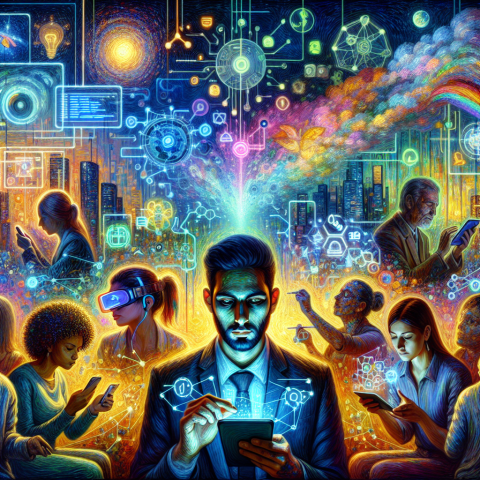
As a young creator, you stand at the crossroads of imagination and impact. Your work has the power not just to entertain, but to educate, uplift, and inspire change. It’s like holding a paintbrush over a blank canvas; your choices shape what the world sees. When you choose to build ethical design habits, you’re not just sketching lines—you’re weaving a narrative that resonates deeply with others.
Think about it: every piece of content you create carries a message. It might be a blog post, an app, or a video, but at the heart of it all is your intention. Are you crafting a story that seeks to elevate, inform, and enrich the lives of others? Or are you chasing the latest fleeting trend, distracted by the glimmer of likes and shares? Rushing blindly for that digital gold rush might give you a momentary high, but it risks compromising your integrity—a trade-off that nobody walks away from unscathed.
Now, let’s engage the rational mind. Ethical design isn’t just a lofty ideal; it’s a smart strategy. Consumers today are savvy and informed, and they reward authenticity. When you build trust with your audience by sharing truths, respecting their time, and championing inclusivity, you find yourself part of a larger community. This kind of connection doesn’t just foster loyalty; it cultivates a movement.
However, let’s not forget the gut. Every time you hesitate to choose the easy path, every time you decide to speak up when silence might be simpler, you’re reinforcing a habit—a code, if you will. It’s the grit in your character that will define you as a creator, not just the accolades you might accrue. When faced with tough choices, remember this: the impact you make can ripple far beyond your immediate circle, and those ripples can become waves of change.
So, as you design, whether it’s a website, a blog, or something entirely new, consider the ethical footprint of your creation. What legacy do you want to leave? The road of an ethical creator may not always glimmer, but it is the one that leads to a brighter future—for you and those who engage with your work. Embrace it. Your journey starts now.

Building Ethical Design Habits As a Young Creator
Building Ethical Design Habits As a Young Creator
- Young creators have the power to entertain, educate, uplift, and inspire change.
- Building ethical design habits shapes the narratives that resonate with others.
- Every piece of content reflects the creator’s intention—either to elevate or chase fleeting trends.
- Ethical design is a smart strategy, appealing to savvy consumers who value authenticity.
- Trust and connection with the audience can cultivate community and foster loyalty.
- Every tough choice reinforces character and defines a creator beyond mere accolades.
- Consider the ethical footprint of your creations to leave a positive legacy for the future.

Building Ethical Design Habits As a Young Creator
Table Of Contents
- Building Ethical Design Habits As a Young Creator
- What Does It Mean to Create Designs That Reflect Your Values?
- How Can Ethical Design Choices Impact Your Future Career?
- In What Ways Can We Balance Creativity with Responsibility In Design?
- How Do Ethical Dilemmas In Design Affect Your Decision-Making Process?
- What Stories Shape Your Understanding Of Ethical Design Principles?
- How Can Your Design Work Contribute to a More Just Society?
- Are You Aware Of the Social Implications Of Your Design Decisions?
- Conclusion
- Other Resources
- Glossary Of Terms
- Other Questions
- Haiku
- Poem
- Checklist
What Does It Mean to Create Designs That Reflect Your Values?
Creating designs that reflect your values is more than just an aesthetic choice; it’s a declaration of who you are and what you stand for. Imagine walking into a room filled with people and seeing a wall adorned with artwork that resonates deeply with your beliefs. It evokes pride, a sense of belonging, and a stirring inside that makes your heartbeat a little faster. This is the power of design.
In today’s world, we often rush through life, prioritizing what’s popular over what’s meaningful. When you take the time to create designs that reflect your values, you’re not just bridging the gap between function and beauty – you’re inviting others into a narrative that matters. It’s the stories woven into each piece, the ethos behind every color choice, that stir emotions and spark conversations. When you embrace authenticity in your designs, you forge connections that transcend the superficiality of trendy fads.
On a practical level, consider the ethics of your choices: what materials are you using? Are they sustainable? Who made them? By grounding your design in your values, you not only create something visually compelling but also reinforce a commitment to responsible craftsmanship. This approach resonates with those who share your beliefs and fosters a sense of community; it creates a tribe around a shared vision.
Let’s not forget the impact of social appeal. When others see designs that reflect genuine values, they too are drawn into the mix. It influences their perception and inspires them to reflect on their own beliefs. Just think about the last time you came across a piece of design that struck a chord with you. It’s a shared experience that ignites passion and can prompt action – whether that’s rethinking your own designs or simply engaging more deeply with your surroundings.
What does it mean to create designs that reflect your values? It means taking a stand, forging connections, and telling a story that is deeply your own. It’s an expression that invites others in, challenging them to think critically and feel deeply about the world around them. So, let’s put pen to paper, brush to canvas, or cursor to screen with intention. Because in the end, it’s not just about what you create; it’s about what you believe and how that belief colors every decision you make.

What Does It Mean to Create Designs That Reflect Your Values?
What Does It Mean to Create Designs That Reflect Your Values?
- Designs reflecting your values declare your identity and beliefs.
- Authentic designs evoke emotions, pride, and belonging.
- Meaningful designs bridge the gap between function and beauty.
- Creating from values fosters connections beyond superficial trends.
- Consider ethical choices in materials to ensure responsible craftsmanship.
- Genuine values in design inspire others to reflect on their own beliefs.
- Creating with intention is about expressing beliefs and influencing decisions.

What Does It Mean to Create Designs That Reflect Your Values?
How Can Ethical Design Choices Impact Your Future Career?
Ethical design choices are not just a footnote in the grand narrative of your career; they are the bold print that defines the story. Think about it: every app you download, every website you visit, every product you use has been carefully crafted. Behind each of those interfaces and experiences are designers who made decisions that align with their values—or didn’t. And those choices ripple outward, shaping not just what we see but how society moves forward.
When you prioritize ethics, you elevate your work from mere transactions to meaningful interactions. Users are not just data points; they’re people. They come with hopes, dreams, and the desire for connection. By making ethical decisions—like prioritizing accessibility or ensuring user privacy—you’re not just ticking off a box. You’re showing respect for your audience. That respect fosters trust, and trust is the foundation of any successful relationship, personal or professional.
Let’s pull out the magnifying glass and focus on the gut. Remember that feeling of pride when you supported a worthy cause or helped someone in need? Now imagine translating that into your career. When you incorporate ethical practices into your design work, you can wake up each morning knowing you’re contributing positively to the world. That sense of purpose can fuel your fire in ways a paycheck never could. Your resume becomes more than a list of skills; it transforms into a testament of impact.
And let’s not overlook the rational side. In a competitive job market, companies are increasingly looking for team members who understand the importance of ethics in design. As a workforce driven by social responsibility begins to take shape, you’ll position yourself as a forward-thinker—a leader. Instead of blending into anonymity, you become the go-to person, someone others look to for direction. This is your moment to shine.
Sharing your narrative can ignite inspiration in others. When clients see that you’re committed to ethical principles, they’ll want to align with you. It’s not just a good strategy; it’s a movement towards a better, more equitable future. So get out there and make your mark—one ethical design choice at a time. The future of your career awaits, and it’s calling for authenticity and integrity.

How Can Ethical Design Choices Impact Your Future Career?
How Can Ethical Design Choices Impact Your Future Career?
- Ethical design choices are essential in defining your career narrative and impact.
- Every product and interface is the result of designers’ decisions, reflecting their values.
- Prioritizing ethics transforms work from mere transactions into meaningful interactions.
- Making ethical decisions fosters respect and trust between designers and users.
- Incorporating ethical practices enhances personal fulfillment and career purpose.
- Understanding ethics in design can make you a desirable candidate in a competitive job market.
- Sharing your commitment to ethics can inspire clients and contribute to a more equitable future.

How Can Ethical Design Choices Impact Your Future Career?
In What Ways Can We Balance Creativity with Responsibility In Design?
In the vibrant landscape of design, creativity often takes the lead, acting as the beacon guiding us through the vast expanse of ideas and innovation. Yet, as we unleash these creative sparks, we must also weave in a thread of responsibility. Striking this balance isn’t merely an exercise in aesthetics; it’s a commitment that involves our hearts, heads, and gut feelings.
Think about it. Every design has a story, and every story carries weight. When we prioritize creativity over responsibility, we risk losing touch with the human experiences that our designs are meant to serve. A designer’s duty extends beyond creating something visually stunning. It includes understanding the broader implications of their work. The website we craft for a nonprofit, the app that helps people connect, or even the packaging of a beloved product — these all hold the potential to affect lives. If we embrace this responsibility, we begin to forge a deeper connection with our audience and ourselves.
Reflect on those moments when you’ve stumbled upon a blog that resonated with your own experiences. The stories shared, the values articulated — they draw us in, inviting us to engage more fully. Yet, behind that engagement lies a foundation of ethical considerations. Are we upholding the values we claim to support? Are we considering the environment or the communities affected by our designs? These questions aren’t mere box-tickers; they’re crucial to maintaining integrity and trust.
Navigating this creative landscape, we must also engage our rational side. Are we merely following trends, or are we creating something that has a lasting purpose? Design shouldn’t be a fleeting fancy. When we invest thought into how our creations impact society, we foster trust not just in our work, but within ourselves. It’s a call for accountability that should shape how we collaborate and innovate.
Creating responsibly doesn’t mean dimming our creative fire; in fact, it enhances it. It allows us to be pioneers in our fields, using our skills to uplift rather than undermine. We stand on the shoulders of giants, and it’s our responsibility to ensure the next generation has a stable foundation to build upon.
Let’s lean into this responsibility with our whole selves, igniting our creativity while keeping our mission clear. We’re not just designers; we are storytellers, advocates, and innovators. By embodying this balance, we create a design narrative filled with purpose and impact, resonating with our audience on the deepest levels.

In What Ways Can We Balance Creativity with Responsibility In Design?
In What Ways Can We Balance Creativity with Responsibility In Design?
- Creativity guides design amidst a sea of ideas and innovation.
- Designers must weave responsibility into their creative processes.
- Every design carries a story that needs human connection.
- Design has broader implications and can affect lives positively.
- Ethical considerations are crucial to maintaining integrity in design.
- Thoughtful designs should aim for lasting impact rather than fleeting trends.
- Responsible creativity enhances our work and supports future generations.

In What Ways Can We Balance Creativity with Responsibility In Design?
How Do Ethical Dilemmas In Design Affect Your Decision-Making Process?
When you step into the world of design, it’s easy to get lost in the pixels and palettes, the lines and layouts. Yet, beneath the surface of every choice lies a labyrinth of ethical dilemmas that can weigh heavily on your decision-making process. Picture this: You’re crafting a website blog meant to connect people, to inspire thought, and to foster community. Yet, how often do we stop and consider the implications of our decisions beyond aesthetics?
Take a moment to reflect. Every design choice, from color to content, carries meaning. It can uplift or alienate, inspire trust or spark doubt. What happens to that heartfelt message when it’s obscured by a flashy design that prioritizes clicks over clarity? The gut response is one of discomfort, stirring the conscience and prompting us to ask, “What am I really promoting here?”
This is where ethics step into the fray. Good design isn’t just about looking good; it’s about doing good. By grounding your work in ethical considerations, you not only navigate the turbulent waters of decision-making with a clearer head, but you also enrich the very fabric of your creations. Think of the authority behind your decisions. When you prioritize honesty and transparency, your audience senses that authenticity—it inspires connection and trust.
Engaging your audience isn’t just about statistics; it’s about stories. Share the narrative of your design process, the dilemmas you faced, and how you resolved them while maintaining integrity. Every design is a chapter in a larger story; we all want to be protagonists in tales that matter. When you approach your work with empathy, your designs resonate with the community, reflecting shared values and experiences, reinforcing social bonds that transcend mere visuals.
The responsibility of a designer extends beyond the screen. Ethical dilemmas challenge us to view our work through a lens of accountability. Are we empowering our audience or inadvertently misleading them? These questions tug at the heart and compel us to act. The act of making ethical choices isn’t just good design; it’s a powerful testament to our commitment to improving human connections. When you remember that each decision you make carries weight and consequence, the designs you create become not just products, but offerings that uplift and inspire. Embrace that responsibility; let it guide your hand and feed your soul.

How Do Ethical Dilemmas In Design Affect Your Decision-Making Process?
How Do Ethical Dilemmas In Design Affect Your Decision-Making Process?
- Design encompasses more than aesthetics; it involves ethical dilemmas that impact decision-making.
- Every design choice, from color to content, carries significant meaning and can influence audience perception.
- Good design should prioritize clarity and ethical considerations over mere visual appeal.
- Honesty and transparency in design foster authenticity, building trust and connection with the audience.
- Engaging with the audience involves storytelling about the design process and dilemmas faced.
- Designers have a responsibility to empower audiences and be accountable for their choices.
- Ethical design transforms creations into meaningful offerings that uplift and inspire human connections.

How Do Ethical Dilemmas In Design Affect Your Decision-Making Process?
What Stories Shape Your Understanding Of Ethical Design Principles?
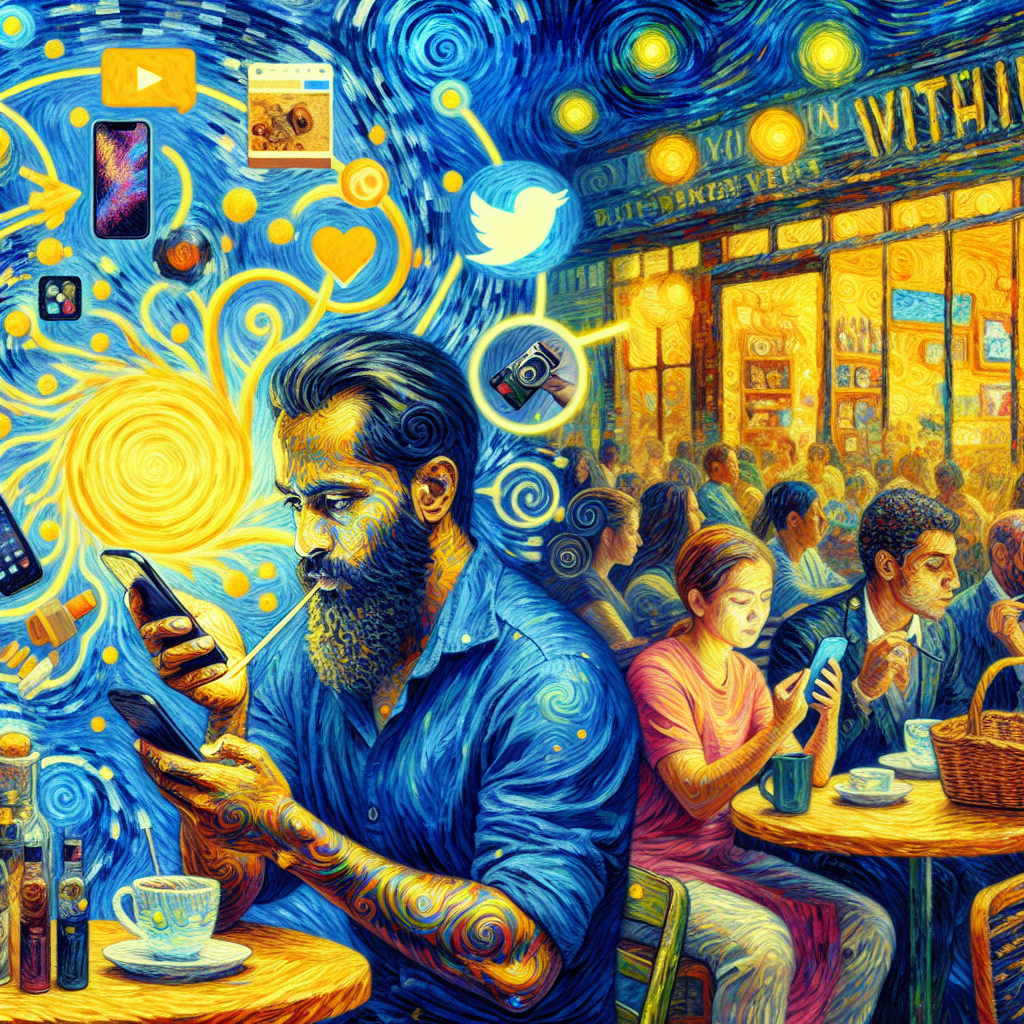
Imagine standing on the edge of a cliff, staring into the vast expanse below. It’s breathtaking and terrifying all at once. This dizzying sense of possibility mirrors the choice we face in design: create something that simply looks good, or carve out a path that resonates with our values. This choice can make or break the world we inhabit today, and the stories we tell become the threads that weave our understanding of ethical design principles.
Every time we craft a website or blog, we’re not just slapping together fonts and colors; we’re making a promise. A promise to our users, our communities, and ourselves. Think back to the moment when a piece of design left you feeling inspired. Maybe it was a nonprofit’s website that ignited hope, or a simple app that made life a bit easier during tough times. These stories aren’t just about aesthetics; they’re about empathy. They remind us that ethical design is not a lofty ideal but a practical framework, one that holds us accountable and encourages us to listen.
Perhaps you’ve felt the weight of a decision that didn’t quite sit right. The allure of shortcuts and flashy features can be powerful, but it pales in comparison to the gut feeling you get when something resonates ethically. This is where the heart of design lies—not in following trends, but in staying true to values that resonate with those we serve. As designers, we have the authority to shape experiences that uplift rather than exploit.
When we share our struggles and successes, we build a community anchored in real-world experiences. We find a connection that transcends principles, encouraging us to foster an environment where ethical design thrives. Each story serves as a beacon, guiding future creators toward practices that respect user dignity and promote inclusivity.
Let’s foster a culture where ethical design principles aren’t just afterthoughts. Let’s commit to telling our stories, digging into our failures, and celebrating our victories. In doing so, we’ll inspire trust and foster confidence—all while making a tangible impact. It’s time to lean into those narratives that shape our understanding; time to craft a future where we celebrate ethical design as not just a principle but a shared mission.
What Stories Shape Your Understanding Of Ethical Design Principles?
What Stories Shape Your Understanding Of Ethical Design Principles?
- Design represents a choice between aesthetics and values, influencing our world and ethical standards.
- Every design project involves a promise to users, communities, and designers themselves.
- Inspirational design evokes empathy, showcasing that ethical design is a practical responsibility.
- Making design decisions requires prioritizing ethical resonance over shortcuts and trends.
- Sharing experiences builds a community committed to ethical design, promoting user dignity and inclusivity.
- Storytelling about struggles and successes inspires trust and encourages ethical practices in design.
- Emphasizing ethical design as a shared mission enhances impact and fosters a culture of accountability.

What Stories Shape Your Understanding Of Ethical Design Principles?
How Can Your Design Work Contribute to a More Just Society?
Design is more than aesthetics; it’s about purpose. When we think of design, we often imagine sleek lines, vibrant colors, or flawless layouts. But let’s peel back that surface. At its core, design is a language—a powerful tool that, if wielded wisely, can articulate the needs of communities, amplify voices that often go unheard, and pave the way for a more just society.
Picture this: a community grappling with food insecurity. Now imagine a design initiative focused not just on creating a visually appealing community garden layout, but on ensuring equitable access to fresh produce for all its residents. The choice of materials, the placement of pathways, and even the signage can make a difference in who feels welcomed and who feels marginalized. This is design in action—intentionally crafted with a sense of justice that fosters connection and inspires trust.
Your design work can become a catalyst for change. By leveraging your skills, you address social issues head-on. Are you designing a website or a blog? Consider how accessibility can be woven into your creations. A website that is thoughtful in design doesn’t just reach more users; it opens up a world of information and resources to those who may face barriers. It’s a call to action that resonates deeply, promoting inclusion and equality in an increasingly digital world.
When we engage in ethical design, we create work that reflects our values. Are you thinking about the environmental impact of your materials? Are you considering fair labor practices among your suppliers? Each decision carries weight—a ripple effect that extends beyond the project and into the community. This is where authority comes into play. Design is a position of influence; using it wisely can align your vision with the greater good.
The narrative we create around design often shapes our collective consciousness. Your projects are not just products—they are stories waiting to unfold. Sharing your experiences, challenges, and triumphs fosters a community spirit, inviting others to join the cause.
Ultimately, it boils down to this: when your design work embraces social responsibility, you’re not just creating visually appealing spaces; you’re paving a path for a more just society. So, let’s roll up our sleeves, dig in, and craft designs that resonate with purpose, compassion, and unwavering integrity.

How Can Your Design Work Contribute to a More Just Society?
How Can Your Design Work Contribute to a More Just Society?
- Design transcends aesthetics; it serves a greater purpose beyond visual appeal.
- At its core, design is a language that can address community needs and amplify marginalized voices.
- Intentional design can foster connections and inspire trust within communities, as illustrated by equitable garden initiatives.
- Designers can catalyze change by addressing social issues through accessible and inclusive web design.
- Ethical design reflects personal and community values, considering environmental impact and fair labor practices.
- The narratives created around design shape collective consciousness, turning projects into stories that build community.
- Responsible design promotes a just society, encouraging designers to act with purpose, compassion, and integrity.

How Can Your Design Work Contribute to a More Just Society?
Are You Aware Of the Social Implications Of Your Design Decisions?
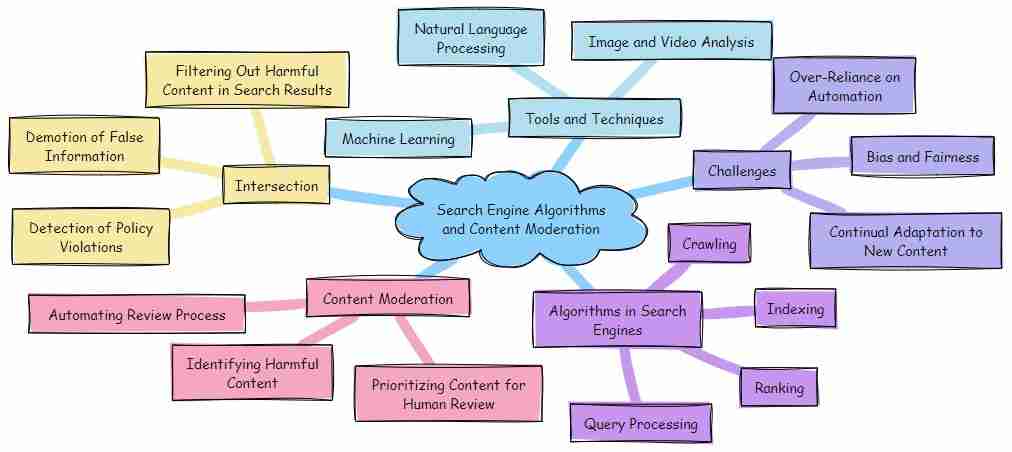
When you sit down to sketch the next big thing for your website or blog, it’s easy to get lost in the aesthetics. The colors pop, the layouts inspire—it’s all about that clean, modern feel. But let’s not kid ourselves: behind every pixel, behind every choice, lies a deeper responsibility. Are you genuinely aware of the social implications of your design decisions?
Think about it. Each button you create isn’t just an invitation to click; it’s a choice that can facilitate connection or alienate users. A visually appealing interface can only take you so far if it excludes a segment of your audience. Imagine a visually stunning blog that fails to consider accessibility. Those beautiful design decisions may turn out to be barriers for some, effectively shutting doors instead of opening them. This isn’t just about being nice; it’s about being ethical.
Consider the power of storytelling in your designs. Every layout you select can speak volumes about your values. When users feel represented and empowered by your choices, they’re not just passive observers; they become part of a narrative that resonates with them. It’s your responsibility to ensure that this narrative is inclusive, relatable, and mindful of different perspectives. Great design should foster a sense of belonging, not division.
Now, let’s get real for a moment. Your audience comes from all walks of life. When they visit your website or blog, they may carry their own experiences, challenges, or triumphs. As a designer, you’re not merely crafting a digital space; you are creating an environment that welcomes or repels, encourages or discourages. If your design doesn’t consider social implications, you risk losing the very trust you’re trying to build. We’re talking about credibility here. When users feel that their voice isn’t just heard but reflected in your design, they’ll trust you—and that can turn visitors into loyal followers.
This isn’t just design; it’s a chance to make a meaningful impact. So the next time you dive into a project, pause for a moment. Ask yourself: “How will my choices shape the social landscape of this digital space?” The answer may just inspire you to create something that not only looks great but feels great—an effort that connects deeply and responsibly with your audience.
Are You Aware Of the Social Implications Of Your Design Decisions?
Are You Aware Of the Social Implications Of Your Design Decisions?
- Focus on the aesthetics of design can overshadow deeper responsibilities.
- Design choices impact user experience and can either connect or alienate users.
- Accessibility must be considered to prevent exclusion of audience segments.
- Storytelling in design reflects values and should promote inclusivity.
- Design impacts users’ experiences and can either welcome or repel them.
- Trust and credibility are built when users see their voices reflected in design.
- Design choices can shape the social landscape and create meaningful connections.

Are You Aware Of the Social Implications Of Your Design Decisions?
Conclusion
Young creators today find themselves armed with incredible power—the power to shape ideas, connect communities, and foster change. Every design decision you make holds not just aesthetic value, but a profound responsibility. It’s essential to recognize that the tools at your disposal can either uplift or undermine the fabric of society. Think about the message your creations send. Are you crafting an engaging narrative aimed at elevating others? Or are you simply chasing clicks and likes, risking your integrity in the process?
Embracing ethical design routines is not only a noble choice; it’s a strategic advantage in a world where consumers demand authenticity more than ever. When you build trust through transparency, inclusivity, and respect, you invite your audience into a meaningful relationship that goes beyond mere transactions—it’s a shared journey towards a common goal.
Yet, the ethical path isn’t always easy. It calls for a resilience that spills over into your character—every difficult choice you make adds grit to your design identity. It’s not about fame or fortune; it’s about dedication to a cause greater than yourself. The impact of your work can create ripples that extend far beyond your immediate sphere, fostering community and sparking waves of change.
Creating designs that showcase your values is a declaration of purpose. It’s an invitation for others to join in a narrative that matters. Take the time to reflect on your choices: Are the materials you use sustainable? Are you considering the implications of your designs on different communities? By grounding your work in your values, you empower not just yourself but those around you.
Remember, ethical dilemmas will invariably surface in your creative journey. The way you navigate them determines not only the integrity of your designs but also the legacy you leave behind. As you grapple with decisions, ask yourself how they impact social issues and what they convey about your commitment to a just society. Every careful choice sends a message.
Ultimately, your work as a designer transcends aesthetics; it becomes a tool for storytelling and connection. Lean into the responsibilities that come with your craft, and use your voice to create an inclusive and resonant narrative. Embrace this journey with intention, for the future is yours to shape—one ethical design at a time.

Conclusion
Conclusion:
- Young creators have the power to shape ideas, connect communities, and foster change through their designs.
- Design decisions carry aesthetic value and a profound responsibility; it’s essential to consider the messages sent by creations.
- Embracing ethical design provides a strategic advantage as consumers increasingly value authenticity and trust.
- Building trust through transparency, inclusivity, and respect fosters meaningful relationships beyond mere transactions.
- Choosing the ethical path requires resilience and dedication to a cause greater than oneself, impacting communities and sparking change.
- Designing with values encourages reflection on choices regarding sustainability and community implications, empowering both creators and audiences.
- As designers face ethical dilemmas, their navigation of these challenges defines their legacy and commitment to social issues.

Conclusion
Other Resources

Other Resources
Here is a list of other resources you can review online to learn more:
- Beatbot.fm
- Colossyan.com
- SlideShare
- Scribe
- pixabay
- Sapling.ai
- Namify.tech
- Dreamily.ai
- chatpdf.com
- Rezi.ai
- Sassy Social Share
- Raycast.com
- Remini.ai
- Scalenut.com
- Rephrase.info
- Lightning.ai
- Godinabox.co
- Leadpages
- Rewriteguru.com
Use This Prompt To Get More Resources With Your Favorite Online AI Tool: Please provide me with a list of online articles with their URLs in a bulleted list that I can read regarding Building Ethical Design Habits As a Young Creator

Other Resources
Glossary Terms
Building Ethical Design Habits As a Young Creator – Glossary Of Terms
1. Ethics: Moral principles that govern a person’s behavior or the conducting of an activity, particularly in design.
2. Design Thinking: A problem-solving approach that emphasizes understanding user needs, ideation, prototyping, and testing.
3. User-Centered Design: A design philosophy focused on creating products that meet the needs and preferences of the end user.
4. Accessibility: The practice of ensuring that designs are usable by people of all abilities, including those with disabilities.
5. Sustainability: The creation of products and designs that are environmentally friendly and aim to minimize ecological impact.
6. Inclusivity: Designing with the intent to create products that cater to diverse groups of people, regardless of their backgrounds or abilities.
7. Transparency: The practice of being open about design processes, methodologies, and decision-making to foster trust and accountability.
8. Fairness: The principle of treating all users equitably and ensuring that design solutions do not discriminate against any group.
9. Privacy: The right of individuals to keep their personal information secure and to control how it is used.
10. Responsibility: The obligation of designers to consider the social, ethical, and environmental implications of their work.
11. Mockup: A visual representation or prototype of a design used to convey ideas and gather feedback.
12. Feedback Loops: Processes by which designers receive input from users or stakeholders and incorporate it into future iterations of a design.
13. Iteration: The process of refining and improving designs through repeated cycles of prototyping, testing, and analysis.
14. Prototyping: Creating early models of a product to explore design ideas and test functionality before final production.
15. Cultural Sensitivity: Awareness and respect for different cultural values and practices in the design process.
16. Usability: The measure of how easily and effectively users can interact with a product or design.
17. Visual Hierarchy: The arrangement of design elements to guide users’ attention and emphasize important information.
18. Emotional Design: Creating products that evoke positive feelings and foster an emotional connection with users.
19. Behavioral Design: The practice of designing products to influence user behavior, such as promoting healthy habits or responsible usage.
20. A/B Testing: A method of comparing two versions of a design to determine which performs better based on user response.
21. Brand Ethics: The principles that guide a brand’s actions and decisions, particularly regarding social responsibility and ethical practices.
22. Intentionality: The quality of consciously designing with purpose and consideration for the outcomes of one’s choices.
23. Human-Centered Design: A creative approach that prioritizes the human experience in the design process.
24. Digital Wellbeing: The concept of ensuring that technology supports a healthy balance in users’ lives, promoting positive engagement with digital tools.
25. Social Impact: The effect that a design or product has on the social fabric of communities and society as a whole.
26. Contextual Design: The practice of designing based on the specific environment or situation in which a product will be used.
27. Design Principles: Fundamental rules that guide the design process to ensure clarity, aesthetics, and functionality.
28. Collaboration: Working together with others, including users and stakeholders, to develop and refine design solutions.
29. Iterative Design Process: A cyclical approach to design that involves repeated prototyping and testing to improve the final outcome.
30. Ethical Responsibility: A designer’s duty to make decisions that consider the welfare of users, society, and the environment in their work.

Glossary Of Terms
Other Questions
Building Ethical Design Habits As a Young Creator – Other Questions
If you wish to explore and discover more, consider looking for answers to these questions:
- What are some examples of ethical design in practice?
- How can young creators develop their ethical design habits?
- What role do consumers play in demanding ethical design choices?
- What resources are available for learning about ethical design principles?
- How can collaboration among designers enhance ethical practices in design?
- What challenges do designers face when trying to create ethically?
- How can designers measure the impact of their ethical choices?
- What are the consequences of unethical design in the long run?
- How can feedback from users inform ethical design decisions?
- What future trends in design are emerging regarding ethics and responsibility?

Other Questions
Haiku
Building Ethical Design Habits As a Young Creator – A Haiku
Design speaks with heart,
Crafting values into form,
Mindful choices spark change.

Haiku
Poem
Building Ethical Design Habits As a Young Creator – A Poem
In the heart of creative sanctuary, where visions take their flight,
Young creators stand enchanted, with a canvas pure and bright.
With the brush of their intentions, they wield a mighty power,
To educate, uplift, and inspire in every waking hour.
Yet in pursuit of fleeting trends, the soul may wear away,
Chasing likes like sirens singing, turning brilliance into gray.
Integrity is a beacon, lighting paths through shadows thick,
While ethical choices weave a fabric, strong and ever slick.
What story will you tell, dear artist, as you construct your frame?
Will it radiate with values, or succumb to shallow fame?
For every design decision echoes, ripples stretching far and wide,
A design that holds our truths, where empathy can abide.
Consider the legacy you’ll carve, the impact on the tide,
In a world that seeks connection, where authenticity won’t hide.
In the marketplace of trust built on profound, meaningful exchanges,
You’ll find your worth, your valued place, where purpose rearranges.
In the dance of gut and reason, where responsibility is key,
Every choice that shapes our dialogue reflects the best of thee.
Design is not mere decoration; it’s a cry for justice made,
A story for the silent, a bridge where dreams aren’t stuck in shade.
So step forth with your courage, let your creative spirit soar,
Craft designs that build and nurture — walls that open every door.
For you’re not just a creator; you’re a voice for those unheard,
Each line and pixel whispers hope, each canvas hums a word.
Through this journey of integrity, let your heart and mind align,
For a brighter future beckons, a legacy that’s truly thine.
With every stroke, every pixel, let sincerity ignite,
As young creators shape a world that dances in the light.
Poem
Checklist
Building Ethical Design Habits As a Young Creator – A Checklist
Ethical Design Checklist for Young Creators
Heart Appeals
1. Reflect on Your Values: What personal values guide your design choices?
2. Emotional Connection: Does your design resonate emotionally with your audience?
3. Encourage Empathy: How can your design foster understanding and connection within your community?
4. Inspiration: Are you using your design skills to inspire change or uplift others?
Head Appeals
1. Rational Choices: Are your design decisions grounded in ethical considerations (e. g. , accessibility, sustainability)?
2. User-Centric Approach: Do you prioritize user needs and experiences in your designs?
3. Transparency: Are you being honest about the materials and methods you use in your projects?
Gut Appeals
1. Intuition Check: How does your gut feel about the ethical implications of your design choices?
2. Accountability: Are you prepared to stand by your design decisions and their impact?
3. Pride in Work: Does your design make you feel proud, knowing it contributes positively to society?
Ethical Considerations
1. Social Responsibility: How does your design promote inclusivity and equity?
2. Community Impact: Have you considered the societal implications of your design decisions?
3. Sustainable Practices: Are you using eco-friendly materials and processes in your designs?
Authority and Narrative
1. Empower Through Design: Are you creating designs that empower marginalized voices?
2. Authenticity: Is your work authentic, reflecting true intent rather than following fleeting trends?
3. Storytelling: How does your design tell a story that resonates with the community?
Social Engagement
1. Build Relationships: Are your designs fostering a sense of community and trust with users?
2. Reflect Current Issues: Does your design address prevalent social issues such as mental health, inequality, or environmental concerns?
3. Invite Feedback: Are you open to feedback from your audience, encouraging engagement and dialogue?
Using this checklist can help young creators align their design practices with ethical standards, nurturing integrity and social responsibility in their work.

Checklist
At WebsiteBloggers, we help website bloggers develop strategies to create content, traffic, and revenue from website blogs based on our experiences and experimentation.
Be sure to read our other related stories at WebsiteBloggers and share this article with your friends, family, or business associates who run website blogs.