Unlock Your Potential: The Power Of Blogging For Public Speaking
By Tom Seest
At WebsiteBloggers, we help website bloggers develop strategies to create content, traffic, and revenue from website blogs based on our experiences and experimentation.
Be sure to read our other related stories at WebsiteBloggers and share this article with your friends, family, or business associates who run website blogs.
Can a Blog Make You a Better Public Speaker?
When you consider the art of public speaking, the first things that come to mind are usually a towering stage, bright lights, and a captivated audience hanging on your every word. But just for a moment, let’s step back and look at it from a different angle. Picture your words, instead, seeping into a wider landscape—one that lives on the pages of a website blog. That’s right, much like scaffolding that supports a grand structure, a blog can lay a solid foundation for your speaking prowess.
Now, you may wonder how typing away at your keyboard can translate into charismatic public performances. Well, here’s the kicker: writing is a powerful tool. When you commit your thoughts to a website blog, you’re not just pouring out prose; you’re honing skills that are vital for effective communication. Each time you craft a post, you’re training your brain to organize ideas, structure arguments, and articulate your message with clarity and precision. This is no small feat, and it’s something that’s often overlooked.
Imagine crafting a post about a passionate issue—maybe it’s a cause you care deeply about or a hobby you can’t stop raving about. The process forces you to dive deeper into your subject matter. You research, reflect, and refine your point of view. With each iteration, you’re practicing how to engage an audience, the same way you would in a public speaking scenario. And guess what? The more you practice, the more confident you become.
Let’s not forget about feedback, either. When your thoughts land on a website blog, they’re not just sitting in a vacuum. Readers comment, discuss, or challenge your ideas. This interaction is akin to speaking to an audience; it forces you to think on your feet, respond to inquiries, and adjust your approach based on real-time feedback.
And let’s face it: nothing beats the thrill of sharing your insights. Whether you’re standing behind a podium or updating your blog, communicating your passion is exhilarating. So, can a blog make you a better public speaker? You bet it can. By sharpening your writing skills, honing your arguments, and learning to embrace feedback, you’re not merely writing—you’re preparing yourself for the stage of life. The connection between the written word and spoken expression is as deep as it is rewarding, and both can lead to a well-rounded skill set that commands attention.

Can a Blog Make You a Better Public Speaker?
Can a Blog Make You a Better Public Speaker?
- Public speaking often conjures images of a stage and a live audience.
- A blog serves as a foundational tool for enhancing speaking skills.
- Writing improves communication by helping organize ideas and articulate messages.
- Writing about passionate subjects deepens understanding and engages potential audiences.
- Feedback from blog readers simulates audience interaction, promoting adaptability.
- Both blogging and public speaking are thrilling ways to share insights and passions.
- Mastering writing and feedback leads to improved public speaking abilities and a well-rounded skill set.

Can a Blog Make You a Better Public Speaker?
Table Of Contents
- Can a Blog Make You a Better Public Speaker?
- How Does Writing Help My Speaking?
- What Topics Should I Blog About To Improve Speaking?
- Can Blogging Build My Confidence For Presentations?
- Will My Audience Engage With My Blog Content?
- How Can I Use Feedback From My Blog To Improve?
- What Are Effective Blogging Techniques For Speakers?
- How Often Should I Blog To See Results In Speaking?
- Conclusion
- Other Resources
- Glossary Of Terms
- Other Questions
- Haiku
- Poem
- Checklist
How Does Writing Help My Speaking?
When it comes to learning new skills, many people overlook the power of writing. You might wonder how putting pen to paper can improve your speaking abilities. Well, let me break it down for you in a way that feels as down-to-earth as it gets.
First off, writing gives you the chance to organize your thoughts. Imagine standing in front of a room full of people, trying to articulate a brilliant idea. If your thoughts are scattered, you’re going to trip over your words. But when you write, you’re forced to structure your ideas coherently. You can’t just ramble on like a squirrel on caffeine; you’ve got to make sense. When you organize your thoughts on a website blog, you’re essentially practicing for your next spoken presentation. You see, the more you write, the clearer your message becomes, and clarity is key when speaking.
Now, let’s talk about vocabulary. When you write, you’re expanding your word bank. You can explore new phrases and terms, learning how to use them effectively in sentences. If you’re penning an article for a blog, you want it to resonate with your audience. You’ll find yourself experimenting with language—learning the nuances of tone, formality, and rhythm. This knowledge translates seamlessly when it’s time to open your mouth. Instead of having a limited vocabulary at your disposal, you’ll have a treasure trove of words to draw from, making your speaking more dynamic and engaging.
Another gem that writing offers is the opportunity for self-reflection. Writing is a solitary endeavor, and during those moments of solitude, you can really mull over what you want to say and why it matters. This reflective process encourages you to consider your audience’s perspective. Are they going to connect with your message? What do they need to hear? By putting your thoughts into written language, you learn to cater your speaking style to match the audience’s expectations—whether it’s a formal presentation or a casual conversation.
Lastly, practice makes perfect. Just like learning to hammer a nail or change a tire, the more you write, the more you refine your ability to articulate your thoughts. What seems daunting at first—speaking clearly and confidently—becomes second nature. So grab that notebook, start a website blog, or jot down musings. Writing might seem like a solo activity, but trust me, it’s a secret weapon in your speaking arsenal. Now, go ahead and put those skills to the test!

How Does Writing Help My Speaking?
How Does Writing Help My Speaking?
- Writing helps organize thoughts, improving articulation and coherence in speech.
- It allows for the structured presentation of ideas, reducing scattered thoughts during speaking.
- Writing expands vocabulary by encouraging exploration of new phrases and terms.
- Experimentation with language in writing enhances tone, formality, and rhythm, benefiting spoken communication.
- Writing promotes self-reflection, allowing consideration of the audience’s perspective and needs.
- It encourages the adaptation of speaking style to match the audience and context.
- Regular writing practice refines the ability to articulate thoughts, making confident speaking easier.

How Does Writing Help My Speaking?
What Topics Should I Blog About To Improve Speaking?
When it comes to improving your speaking skills, the topics you choose to blog about can make all the difference. The process can seem daunting at first, but let’s break it down. You inject your personality into writing, allowing you to find your voice—a crucial step on the road to becoming a more confident speaker.
First off, consider writing about your personal experiences. Whether it’s a job, a hobby, or an unforgettable road trip, sharing stories from your life not only engages your readers but also forces you to articulate your thoughts clearly. Remember, you’re crafting a Website Blog that reflects who you are. Authenticity captivates audiences, making your voice resonate both in print and in person.
Next, delve into topics that spark your curiosity or passion. These could include historical figures, current events, or trends in technology. Engaging with these subjects requires a bit of research, compelling you to gather facts, analyze, and present your findings coherently. The more you practice this, the better your speaking skills will become. Prepare to find your rhythm as you voice your newfound insights. A well-informed speaker has authority, and authority breeds confidence.
Additionally, consider blogging about challenges you face—be it work-life balance, overcoming fears, or tackling time management. Addressing these topics provides an opportunity for self-reflection. As you explore solutions, you’ll not only help others but also improve your own problem-solving and speaking abilities. A good speaker can dissect a complex issue into digestible pieces that others can understand.
If you want to stretch your verbal muscles even further, think about interviewing local experts or friends on subjects you’re interested in. Craft questions, conduct interviews, and then compose your blog posts. This not only enriches your content but also helps you learn the art of conversation—a vital skill for any speaker in the making.
Finally, experiment with different writing styles and formats. Whether you choose to write lists, in-depth articles, or personal essays, each style challenges you to express your ideas differently. Remember, this is all part of the journey to enhance your speaking prowess.
So, roll up your sleeves and get to it. Discover topics that light a fire in you and let your Website Blog be the launchpad for your speaking adventures!

What Topics Should I Blog About To Improve Speaking?
What Topics Should I Blog About To Improve Speaking?
- Choose engaging blog topics to enhance speaking skills and find your voice.
- Share personal experiences to articulate thoughts clearly and connect with readers.
- Explore topics of curiosity or passion to improve research and presentation skills.
- Blog about challenges faced for self-reflection and to develop problem-solving abilities.
- Conduct interviews with experts or friends to practice conversation and enrich content.
- Experiment with various writing styles and formats to express ideas creatively.
- Use your blog as a launchpad for speaking adventures and personal growth.

What Topics Should I Blog About To Improve Speaking?
Can Blogging Build My Confidence For Presentations?
Let’s face it: standing in front of a group, whether it’s a handful of colleagues or a theater full of strangers, can feel like being thrown into the deep end of the pool without a life preserver. It’s intimidating, to say the least. But here’s the kicker—if you want to ramp up your confidence levels, starting a Website Blog might just be the most effective way to do it.
Picture this: when you craft a blog post, you’re taking your thoughts, refining them, and putting them out into the world. This is practice, folks. Every time you hit that “publish” button, you’re not just sharing your ideas; you’re mastering the art of communication. You learn how to articulate your thoughts clearly, making it easier to express those same ideas in a live setting. Just like practicing the same line for a play or rehearsing a speech, blogging allows you to refine your message until it resonates—that’s pure gold when you find yourself in front of an audience.
Now, why does this matter for your confidence? Think of your blog as a personal sandbox. You can play around with different writing styles, tones, and formats without the pressure of instant judgment. If you write something that flops or misses the mark, no big deal! You’re learning, evolving, and honing your skills right from the comfort of your home. This is crucial because the more you experiment and write, the more accustomed you become to the idea of putting yourself out there. Suddenly, facing an audience doesn’t feel like climbing Everest; it feels more like going for a jog.
Moreover, your blog can serve as an invaluable tool for reflecting on your ideas and experiences. Re-reading your posts highlights your growth over time, showcasing how your thoughts have developed. This realization can empower you when stepping up to deliver a presentation. Knowing you’ve built a portfolio of work that reflects your growth can make that crowd look a little less intimidating.
So, the answer is yes. Blogging can absolutely build your confidence for presentations. It’s about practice, refinement, and embracing the process of sharing your voice. So pick up your pen—or, more aptly, your keyboard—and start that blog. You’ll be strutting your stuff on stage before you know it!

Can Blogging Build My Confidence For Presentations?
Can Blogging Build My Confidence For Presentations?
- Public speaking can be intimidating, similar to being thrown into deep water without support.
- Starting a website blog is an effective way to enhance confidence levels.
- Blogging allows you to refine thoughts and communicate ideas clearly, improving articulation in live settings.
- The blog serves as a personal sandbox for experimenting with writing styles and formats without immediate judgment.
- Through trial and error in blogging, you become more comfortable with putting yourself out there.
- Your blog acts as a reflection tool, showcasing your growth and development over time.
- Ultimately, blogging equips you with practice and confidence needed for effective presentations.

Can Blogging Build My Confidence For Presentations?
Will My Audience Engage With My Blog Content?
When you sit down to craft a post for your website blog, the question looms larger than any headline you might conjure up: Will anybody actually give a hoot about what I’m putting down? You can write til your fingers ache, but at the heart of it all, it’s about connection. People are busy. They’ve got jobs, obligations, and a million distractions fighting for their attention. So how do you ensure your blog content cuts through the noise?
First things first, you need to know your audience better than they know themselves. That might sound like a lofty goal, but it’s simpler than it seems. Dig into data, listen to feedback, and read between the lines of your past posts. What captured their attention? What made them hit the back button faster than you can say “SEO”? Once you have a handle on what resonates with your readers, you can tailor your content to meet the demand.
Let’s get into the nitty-gritty. People engage when they find something relatable, whether it’s a personal story, a shared experience, or even a candid opinion on a topic they care about. Authenticity sells, folks. A blog that reads like a textbook will put anyone to sleep faster than a lullaby. Instead, let your personality shine through. Give readers a glimpse of your world, your thoughts, your quirky sense of humor. Build trust, and they’ll keep coming back for more.
Now, let’s talk about visuals. A wall of text can be intimidating, and let’s be honest here—no one enjoys scrolling endlessly through a sea of unbroken paragraphs. Break it up! Use headings, bullet points, and images. Infographics can be golden here, too. They don’t just communicate your point; they do it in a visually engaging way that keeps eyes glued to the screen.
Also, don’t underestimate the power of a strong call to action. What do you want your readers to do after they’ve finished reading your latest piece? Share it? Leave a comment? Subscribe to your newsletter? Be clear about it! When you make it easy for people to engage, they often will.
So, as you sit down to write that next piece for your website blog, remember: engagement isn’t just about what you say. It’s about how you say it, who you’re saying it to, and ultimately, how you invite your audience into the conversation. Get it right, and you’ll have them coming back time and time again.

Will My Audience Engage With My Blog Content?
Will My Audience Engage With My Blog Content?
- Creating engaging blog content hinges on making a connection with the audience.
- Understand your audience deeply by analyzing data, feedback, and past post performance.
- People are drawn to relatable content such as personal stories and candid opinions.
- Authenticity and personality in writing are crucial to engage readers.
- Utilize visuals, headings, bullet points, and infographics to break up text and enhance readability.
- Include a strong call to action to encourage reader interaction and engagement.
- Engagement is about effective communication, knowing your audience, and inviting them into the conversation.

Will My Audience Engage With My Blog Content?
How Can I Use Feedback From My Blog To Improve?
When it comes to running a successful website blog, feedback is your trusty compass. It doesn’t matter if you’re writing about the latest trends, sharing personal stories, or offering expert advice; tapping into what your readers think is crucial. So how can you harness that feedback to improve? Let’s dig into it.
First off, don’t just collect feedback and stuff it in a digital drawer. No, sir! Treat it like a treasure map leading you straight to improvement. Check the comments section regularly. You’ll find nuggets of wisdom, questions that reveal what your audience is curious about, and, let’s be honest, sometimes some constructive criticism that stings a bit. Use these insights to tailor your content. If your readers are clamoring for more how-to guides or specific topics, give the people what they want! Just remember to keep your voice authentic; your readers appreciate the real you.
Surveys are another goldmine. Send out a quick questionnaire once in a while. Ask your audience what they love about your website blog and what they think could improve. Keep it simple; nobody wants to fill out a novel. A few targeted questions can yield meaningful insights. This direct line to your audience will help you understand their interests, preferences, and pain points, enabling you to refine your content strategy.
Don’t forget about social media! Use those platforms to engage with your readers and solicit their opinions. Ask them questions, post polls, and spark conversations. You’ll find out what resonates and what leaves them scratching their heads. This two-way communication will keep your audience invested and often leads to fresh ideas for your next blog post.
Now, if you receive any negative feedback, don’t take it personally. Instead, look at it as an opportunity for growth. Constructive criticism can guide you to strengthen your writing and make your content more impactful. Figure out if there’s a pattern in the criticism—maybe it’s a particular topic or writing style that needs work. Embrace the uncomfortable as a chance to refine your skills.
Lastly, analyze your metrics. See which posts have the most engagement. Was it a heartfelt story, an expert opinion, or a technical how-to? Let the data inform your future projects. By consistently seeking and utilizing feedback, your website blog can evolve into a dynamic space that genuinely connects with your readers. Get out there, listen, and improve!

How Can I Use Feedback From My Blog To Improve?
How Can I Use Feedback From My Blog To Improve?
- Feedback is essential for running a successful website blog, regardless of the content type.
- Regularly check the comments section for insights, questions, and constructive criticism to tailor your content.
- Utilize surveys to gain meaningful insights into what your audience loves and areas for improvement.
- Engage with readers on social media through polls and conversations to understand their preferences and generate new ideas.
- View negative feedback as an opportunity for growth and refine your writing based on constructive criticism.
- Analyze blog metrics to identify which posts resonate most with your audience and inform future content.
- Consistently seek and utilize feedback to evolve your blog into a space that connects genuinely with your readers.

How Can I Use Feedback From My Blog To Improve?
What Are Effective Blogging Techniques For Speakers?
Alright folks, let’s get down to brass tacks. As a speaker, your voice is your currency, but in the digital age, your website blog is just as important. It’s where you can share ideas, showcase your expertise, and connect with an audience that hasn’t yet heard you speak. So, how do you effectively make that virtual stage shine?
First off, let’s talk about content. You want to create posts that resonate, educate, and entertain. Think of your blog as more of a conversation than a lecture. Share stories. Personal anecdotes that highlight your journey as a speaker — those will draw in readers like moths to a flame. When you weave in your experiences, you build personal connection; that’s the kind of stuff people remember.
Next up, consistency is key. This means setting a posting schedule and sticking to it like glue. Regular updates keep your audience engaged and coming back for more. Whether it’s weekly, bi-weekly, or monthly, be transparent about your rhythm so your readers know when to expect your next dose of wisdom.
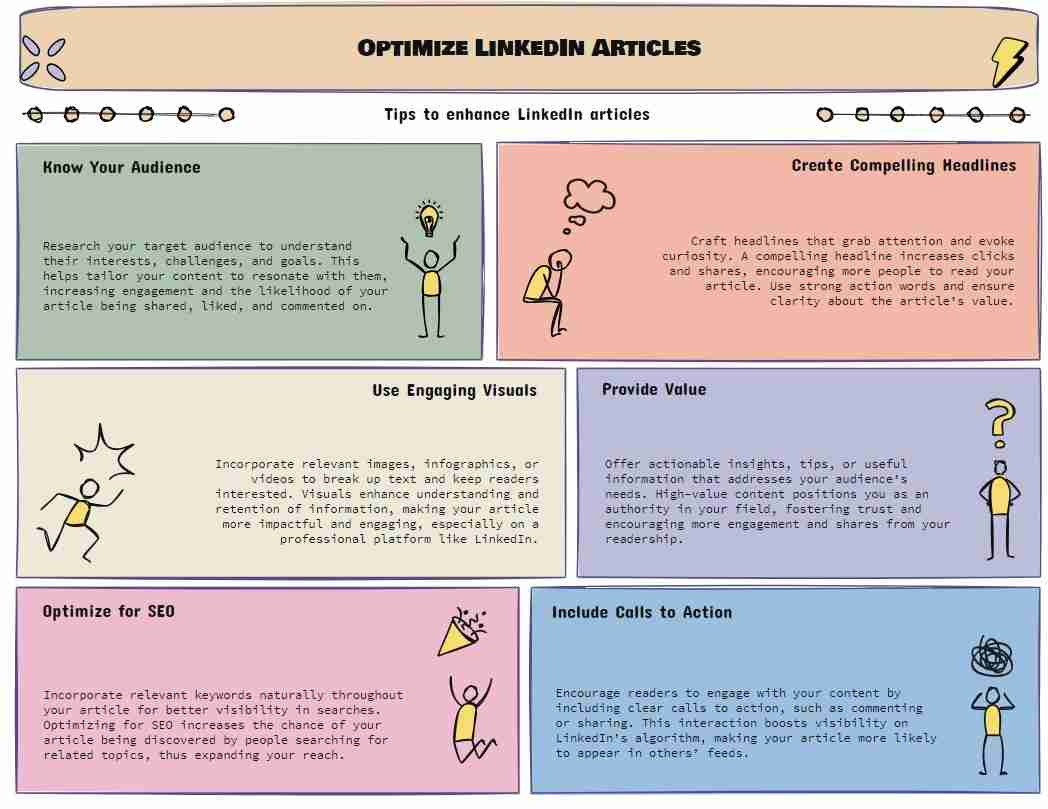
Now, don’t hide your light under a bushel. Use SEO—a fancy way of saying “getting found on the internet.” Incorporate keywords relevant to your speaking topics naturally into your posts. A well-crafted title can be the difference between your blog getting lost in the shuffle or hitting the first page of search results. It’s not about stuffing words in but about writing in a way that helps new readers stumble upon your work.
Also, welcome dialogue. Encourage comments and engage with your readers. This not only builds community but also gives you insights into what your audience is curious about. Responding to comments invites discussion and makes your blog feel alive. If your readers feel like they’re part of the conversation, they’re more likely to stick around.
Lastly, don’t shy away from visuals! A well-placed image, video, or infographic can break up text and make your content more appealing. Remember, we live in a world of short attention spans; eye-catching visuals can grab attention and keep it.
Your website blog should reflect who you are as a speaker while serving your audience. Put out material that strikes a chord, and you’ll find your voice echoing beyond that digital stage.

What Are Effective Blogging Techniques For Speakers?
What Are Effective Blogging Techniques For Speakers?
- Your voice is essential as a speaker, and a website blog is crucial for sharing ideas and connecting with new audiences.
- Create engaging content that resonates, educates, and entertains—think of your blog as a conversation rather than a lecture.
- Share personal anecdotes to build a connection with your readers and make your content memorable.
- Maintain consistency by setting and adhering to a regular posting schedule to keep your audience engaged.
- Utilize SEO techniques by incorporating relevant keywords naturally to improve your blog’s visibility in search results.
- Encourage dialogue by inviting comments and engaging with your audience, fostering a sense of community.
- Incorporate visuals such as images, videos, or infographics to enhance content appeal and capture attention.
What Are Effective Blogging Techniques For Speakers?
How Often Should I Blog To See Results In Speaking?
When it comes to building your speaking career, you might be wondering: how often should I blog to see results? Well, strap yourself in because the answer isn’t as straightforward as you might think. Just like the age-old debate about the best way to prepare a hot dog—some like it grilled, others steamed—there’s also plenty of room for personal preference when it comes to blogging.
First off, let’s get one thing straight: consistency is king. Just like a well-oiled machine, your blog needs regular maintenance to keep those gears turning. A neglected Website Blog won’t just gather dust; it will also gather crickets, leaving you with an audience that’s about as lively as a log. Aim for at least one post a week. This frequency allows you to develop a rhythm and keeps your audience engaged without overwhelming yourself.
Now, you might ask, “What if I have a lot to say?” Well, that’s excellent! In fact, a flurry of posts can help establish your authority in the speaking world, signaling to your audience that you’re not just a one-hit wonder. But remember, it’s better to have fewer, high-quality posts than to flood your followers’ feeds with subpar content. Quality and clarity matter, just as much as frequency.
On the other hand, if writing a weekly post seems like sprinting a marathon, consider a bi-weekly schedule. This rhythm can leave you with more time to craft thoughtful content without compromising your message. Plus, it gives your audience something to look forward to every two weeks, which can build anticipation and keep their interest piqued.
Regardless of how often you choose to write, make sure to engage with your readers. Responding to comments, asking for feedback, or even encouraging discussions can create a community around your Website Blog. People love to connect—just like we do over a shared love for a good story or a hearty laugh.
The magic number for blogging isn’t so much about finding the perfect frequency but rather creating a sustainable habit that complements your speaking career. Understand your own pace, keep it consistent, and deliver content that resonates with your audience. And just like that, you’ll start to see results rolling in, even if they take a bit of time.

How Often Should I Blog To See Results In Speaking?
How Often Should I Blog To See Results In Speaking?
- Consistency is key to maintaining an engaging blog.
- Aim for at least one post per week to develop a rhythm without overwhelming yourself.
- High-quality posts are more valuable than frequent but subpar content.
- Consider a bi-weekly schedule if weekly posts feel too demanding.
- Engage with your readers through comments, feedback, and discussions.
- Create a sustainable blogging habit that complements your speaking career.
- Focus on delivering content that resonates with your audience to see results over time.

How Often Should I Blog To See Results In Speaking?
Conclusion
Alright, folks, let’s wrap this up with a dose of hard-won wisdom. When you think about becoming a better public speaker, it’s easy to picture podiums and bright lights. But what if I told you that the real stage—the one that can transform your voice and your message—exists right behind your keyboard? That’s where blogging comes into play, and let me tell you, it’s a game changer.
Writing isn’t just about words on a screen. It’s the scaffolding for structured thought. When you put pen to paper—or fingers to keys—you learn to organize your ideas, articulate them clearly, and present arguments that resonate. Each blog post is practice for your live audiences. You’re diving deep into topics that ignite your passion, doing the research, and refining your perspective. Over time, this builds not only your skills, but also your confidence. Each time you share your thoughts online, it’s a rehearsal for speaking engagements—an opportunity to refine your craft without the immediate pressure of an audience.
And let’s not forget about the power of feedback. Unlike the isolated world of public speaking, a blog interacts with readers. Comments and discussions offer direct insights into what captures attention and what hits the mark. This ongoing dialogue sharpens your ability to think on your feet, respond to audiences, and adjust your message. It’s a learning experience that enhances your capacity to connect with others—whether in front of a crowd or through your screen.
Your blog also reflects who you are. So, write about your experiences, interests, and even your challenges. Authenticity is magnetic, folks. People connect with real stories, personal journeys, and shared struggles. This not only strengthens your writing but also elevates your speaking. The topics you choose to explore help shape your voice and make you more relatable both in print and in person.
So, to answer the burning question: can a blog make you a better public speaker? You bet it can. By honing your writing, mastering the art of self-reflection, and creating relatable content, you’re equipping yourself for the grand stage of life, and turning everyday conversations into compelling narratives. Dive in, get writing, and before you know it, you’ll be strutting your stuff with newfound confidence, commanding attention, and leaving audiences hungry for more. Go ahead, hit that publish button, and let your voice be heard!

Conclusion
Conclusion:
- Blogging serves as a transformative stage for developing public speaking skills, beyond traditional podiums.
- Writing helps organize thoughts, articulate ideas clearly, and present compelling arguments, acting as practice for live audiences.
- Creating blog posts fosters passion-driven research and perspective refinement, building both skill and confidence over time.
- Blogs provide valuable feedback through reader interaction, improving responsiveness and audience connection.
- Authentic storytelling enhances writing and speaking, making the author more relatable and engaging to audiences.
- Blogging helps in honing self-reflection and creating relatable content, essential for effective public speaking.
- Embracing the blogging journey can lead to greater confidence and skill in captivating audiences in any setting.

Conclusion
Other Resources

Other Resources
Here is a list of other resources you can review online to learn more:
- Decktopus.com
- Upword.ai
- Simplified AI Blog Writer
- Raycast.com
- Chatspot.ai
- Trinka.ai
- Andisearch.com
- Aiseo.ai
- Bit.ai
- SoundCloud
Use This Prompt To Get More Resources With Your Favorite Online AI Tool: Please provide me with a list of online articles with their URLs in a bulleted list that I can read regarding Can a Blog Make You a Better Public Speaker?

Other Resources
Glossary Terms
Can a Blog Make You a Better Public Speaker? – Glossary Of Terms
1. Blog: A regularly updated website or webpage, typically run by an individual or small group, that discusses various topics or shares personal insights.
2. Public Speaking: The act of performing a speech to a live audience, often for the purpose of informing, persuading, or entertaining.
3. Engagement: The interaction between the speaker and the audience, characterized by feedback, attention, and emotional connection.
4. Content Creation: The process of generating ideas and producing written, visual, or audio material for online platforms, including blogs.
5. Audience Awareness: Understanding the needs, interests, and demographics of the audience, which helps tailor messages effectively.
6. Feedback: Responses from the audience or readers that provide insight into how a message was received, helping to improve future presentations.
7. Writing Skills: The ability to articulate ideas clearly and effectively in written form, which is crucial for both blogging and public speaking.
8. Narrative: A structured story that helps convey a message, making it more relatable and memorable for the audience.
9. Clarity: The quality of being clear and easily understood, essential for effective communication in both writing and speaking.
10. Practice: Repeatedly rehearsing a speech or presentation to improve delivery and confidence, often enhanced by writing and refining blog content.
11. Authenticity: Demonstrating genuineness and sincerity in both blogging and public speaking, fostering trust and connection with the audience.
12. Rhetoric: The art of persuasive speaking or writing, which involves strategic use of language to influence an audience.
13. Visual Aids: Tools like slides, charts, or videos used during presentations to enhance understanding and engagement.
14. Body Language: Non-verbal communication, including gestures, posture, and facial expressions, which significantly impacts public speaking effectiveness.
15. Tone: The emotional quality of a voice or writing style that influences audience perception and engagement.
16. Editing: The process of refining written content to enhance clarity, coherence, and overall quality before publication.
17. Networking: Building and maintaining professional relationships, which can enhance both blogging visibility and speaking opportunities.
18. SEO (Search Engine Optimization): Techniques used to improve a blog’s visibility in search engine results, allowing the content to reach a wider audience.
19. Voice Modulation: Varying pitch, tone, and volume during speaking to maintain audience interest and emphasize key points.
20. Storytelling: The skill of presenting information in the form of a narrative, which helps captivate and engage audiences.
21. Persuasion: The ability to convince or influence an audience’s beliefs, opinions, or behaviors through effective communication.
22. Vocal Variety: The use of different vocal qualities and rhythms to make speech more dynamic and engaging.
23. Preparation: The act of gathering information and organizing thoughts for an effective presentation or blog post.
24. Confidence: A self-assured demeanor that enhances both speaking abilities and the quality of content produced in a blog.
25. Feedback Loop: The process of receiving and implementing audience input to continuously improve both blogging and public speaking skills.
26. Branding: Creating a unique image or identity through consistent messaging in both blog content and speaking engagements.
27. Topic Selection: The choice of subjects to write about or speak on, which can influence audience interest and engagement.
28. Influence: The capacity to have an effect on the character, development, or behavior of someone through effective communication.
29. Audience Interaction: Engaging the audience through questions, polls, or discussions during presentations to enhance participation.
30. Personal Development: The ongoing process of improving skills, knowledge, and personal attributes, significantly impacted by writing and public speaking experiences.

Glossary Of Terms
Other Questions
Can a Blog Make You a Better Public Speaker? – Other Questions
If you wish to explore and discover more, consider looking for answers to these questions:
- How long does it take to see improvements in public speaking after starting a blog?
- What writing strategies can help enhance my public speaking skills?
- Can I use social media to complement my blog and improve my speaking?
- What are some common pitfalls to avoid while blogging for public speaking?
- How can I measure the effectiveness of my blog on my speaking engagements?
- Should I focus on a specific niche for my blog to improve my speaking?
- What are some examples of successful speakers who have used blogging to enhance their skills?
- How can I keep my content fresh and engaging for my readers?
- What role does storytelling play in both blogging and public speaking?
- How can I network through my blog to find speaking opportunities?

Other Questions
Haiku
Can a Blog Make You a Better Public Speaker? – A Haiku
Words crafted with care,
Blogging shapes a speaker’s voice—
Confidence takes flight.

Haiku
Poem
Can a Blog Make You a Better Public Speaker? – A Poem
On stages bright, we fear to stand,
As words elude, like grains of sand.
Yet in a world of typed delight,
A blog emerges, casting light.
With every post, our thoughts we frame,
Each crafted line, a step to fame.
Writing whispers clarity’s call,
Organizing chaos, lest we fall.
From passions shared to tales of old,
We strengthen voices, brave and bold.
Curiosities ignite the spark,
In research deep, we find our mark.
Reflections bloom in solitary night,
Our audience grows; we learn to write.
Feedback flows, a guiding breeze,
Constructive words, we accept with ease.
Personal stories weave their charm,
Authentic tones that raise the alarm.
Visuals dance, engaging the eye,
In every post, our spirits fly.
So blog with purpose, share your dreams,
In digital realms, or so it seems.
Consistency brings the audience near,
As confidence builds, we shed our fear.
Each keystroke prepares the stage,
For moments bright, we feel the rage,
To speak with passion, with heart so wild,
A blog transforms the timid child.
So write, dear friend, let your voice resound,
In written words, true power is found.
For in the realm of clicks and scrolls,
A public speaker finds their goals.

Poem
Checklist
Can a Blog Make You a Better Public Speaker? – A Checklist
1. Identify Your Blogging Goals
_____ What specific aspects of public speaking do you want to improve?
_____ How can blogging support these goals?
2. Choose Engaging Topics
_____ Write about personal experiences relevant to your speaking.
_____ Explore subjects that ignite your passion and curiosity.
_____ Consider challenges you’re facing and how they relate to communication.
_____ Interview experts or friends on topics of interest.
3. Practice Structured Writing
_____ Organize thoughts clearly within each blog post.
_____ Ensure each post has a clear introduction, body, and conclusion.
_____ Use headings and bullet points to enhance readability.
4. Expand Your Vocabulary
_____ Use diverse language and experiment with tones and styles.
_____ Familiarize yourself with industry jargon related to your speaking topics.
5. Engage with Your Audience
_____ Encourage comments and feedback on your posts.
_____ Use social media to promote interaction and gauge reader interest.
_____ Create surveys to gather insights on what your audience wants to read.
6. Utilize Feedback Constructively
_____ Regularly review feedback in comments and surveys.
_____ Adjust future content based on audience interests and suggestions.
_____ Embrace both positive and negative feedback for continuous improvement.
7. Incorporate Visual Elements
_____ Use images, infographics, or videos to complement your text.
_____ Break up large blocks of text to maintain reader engagement.
8. Maintain a Consistent Posting Schedule
_____ Aim for at least one post per week for consistency.
_____ If weekly is too much, consider bi-weekly or monthly posting.
_____ Track your posting schedule to develop a routine.
9. Reflect on Your Growth
_____ Periodically review past blog posts to see how your thoughts and writing have evolved.
_____ Assess how your writing has influenced your speaking abilities over time.
10. Prepare for Real-world Speaking Opportunities
_____ Utilize blog content to craft speeches or presentations.
_____ Rehearse speaking points based on your written materials.
_____ Seek opportunities to present your blog topics in public settings.
Regularly blogging not only enhances your writing skills but also lays the foundation for confident public speaking. By following this checklist, you’ll be well on your way to becoming a more effective communicator. Happy blogging!

Checklist
At WebsiteBloggers, we help website bloggers develop strategies to create content, traffic, and revenue from website blogs based on our experiences and experimentation.
Be sure to read our other related stories at WebsiteBloggers and share this article with your friends, family, or business associates who run website blogs.