Uniting Generations Through The Power Of Storytelling
By Tom Seest
At WebsiteBloggers, we help website bloggers develop strategies to create content, traffic, and revenue from website blogs based on our experiences and experimentation.
Be sure to read our other related stories at WebsiteBloggers and share this article with your friends, family, or business associates who run website blogs.
Can Storytelling Bring Generations Together In Unexpected Ways?
In a world dominated by screens and hashtags, one might think that storytelling has lost its power to connect us, but let me tell you, that couldn’t be further from the truth. Whether it’s around a campfire or a dinner table, the art of storytelling remains a timeless bridge between generations. So, can storytelling bring generations together in unexpected ways? Absolutely, and here’s how.
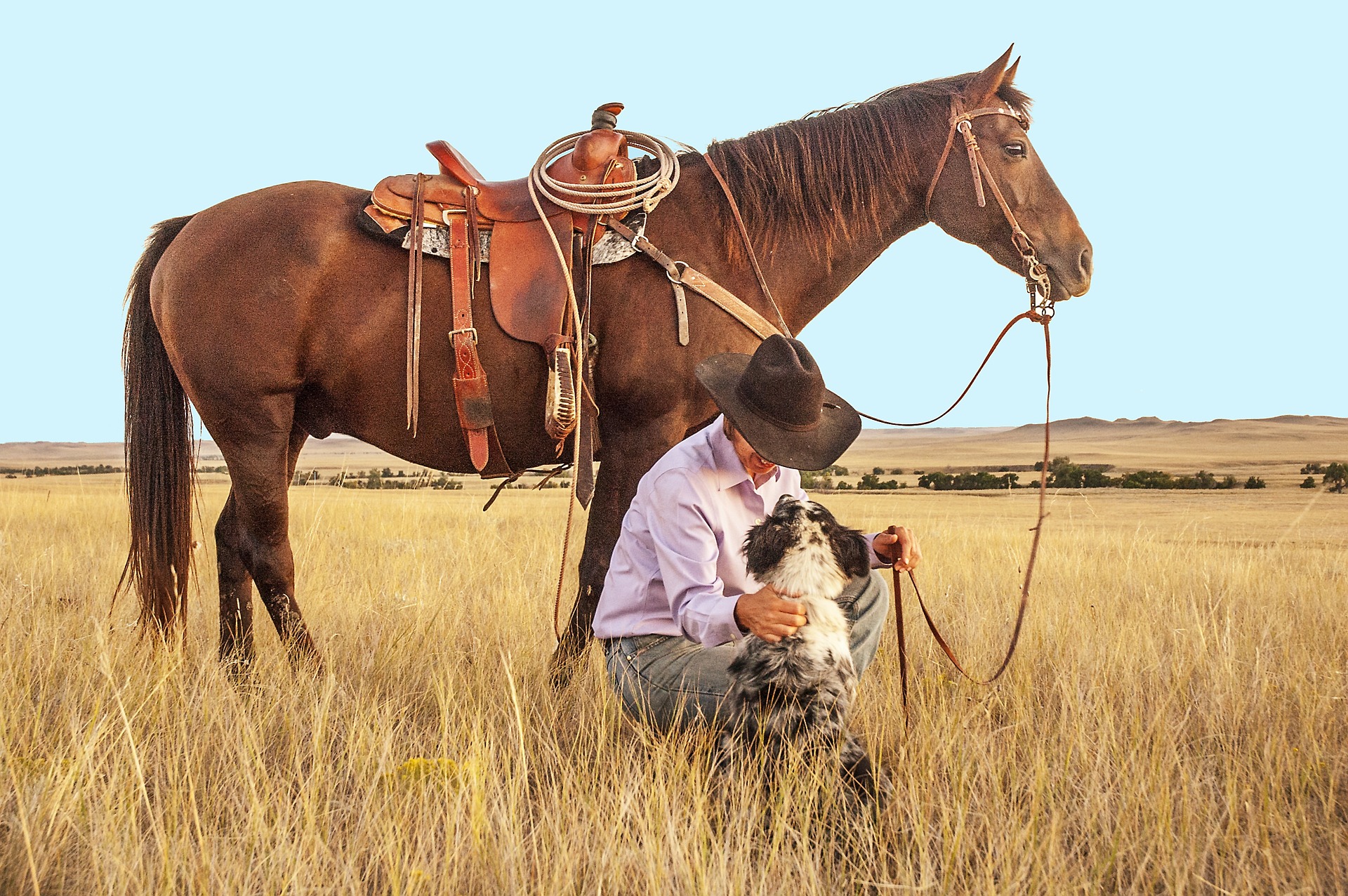
Imagine a teenager, absorbed in their smartphone, scrolling through a feed that feels more like a distant galaxy than a community. Now, pluck them from that digital echo chamber and place them next to their grandparent—who likely remembers the world before the internet. At first, it looks like a mismatched puzzle. However, toss in a story—perhaps a tale about the grandparent’s first job or a holiday tradition—and watch as the barriers begin to crumble. Suddenly, the teenager is leaning in, engaged and interested in something that isn’t a TikTok video. It’s a beautiful moment, a revelation that common ground can be found in shared experiences.
Websites and blogs extoll the virtues of storytelling, but it’s in these spontaneous interactions that the magic truly happens. Taking the time to share personal anecdotes can illuminate the past and help younger generations relate to the struggles and triumphs of their ancestors. When a grandmother recounts her experiences during tough times, whether it’s a childhood without luxuries or the challenges of raising a family, it allows the younger listener to see resilience in a new light. It transforms history into something vibrant and tangible, instilling across generations a little more empathy and understanding.
Now, it’s not just about the words spoken. The delivery, the gestures, the laughter shared—these nuances enrich the narrative, making it an event rather than just a lesson. Storytelling fosters a safe space for questions and curiosity, encouraging dialogue that breaks through the barriers of age. It’s not just what is said, but how it’s received that matters. And let me tell you, when a kid hears something that resonates, that’s where the unexpected connections truly spark.
Storytelling isn’t just a way to preserve history; it’s a living, breathing mechanism for bonding. So the next time you find yourself in the company of someone from a different generation, try sharing a story. You might just discover a shared path in unexpected places, and that, my friends, is worth the effort.
Can Storytelling Bring Generations Together In Unexpected Ways?
Can Storytelling Bring Generations Together In Unexpected Ways?
- Storytelling remains a powerful way to connect across generations, even in a digital age.
- Engaging a teenager with a grandparent’s story can break down barriers and foster connection.
- Personal anecdotes can illuminate the past and relate struggles and triumphs of ancestors.
- Sharing experiences cultivates empathy and understanding between generations.
- The nuances of storytelling, such as delivery and gestures, enhance the narrative experience.
- Storytelling encourages dialogue and curiosity, bridging the gap between different age groups.
- It’s a living mechanism for bonding; sharing stories can lead to unexpected connections.

Can Storytelling Bring Generations Together In Unexpected Ways?
Table Of Contents
- Can Storytelling Bring Generations Together In Unexpected Ways?
- What Is The Impact Of Storytelling On Generational Relationships?
- How Can Storytelling Foster Empathy Between Age Groups?
- What Are Effective Storytelling Techniques For Diverse Audiences?
- How Does Technology Influence Intergenerational Storytelling?
- What Challenges Do Storytellers Face When Bridging Generational Gaps?
- How Can Community Events Promote Intergenerational Storytelling?
- What Stories Resonate Most With Different Age Groups?
- Conclusion
- Other Resources
- Glossary Of Terms
- Other Questions
- Haiku
- Poem
- Checklist
What Is The Impact Of Storytelling On Generational Relationships?
In a world teeming with flashy gadgets and rapid-fire communication, it’s easy to forget about the humble power of a good story. But let’s step back for a moment and consider how storytelling nurtures connections across generations. At its core, storytelling transcends age groups. Whether it’s gathered around a campfire, huddled over a dinner table, or during family road trips, stories bridge the gap between youthful curiosity and the richer tapestry of experience.
Take the grandparent-grandchild dynamic as a prime example. Often, these relationships can feel like they wander in two different worlds—one filled with TikTok dances and YouTube tutorials, the other wrapped in memories of rotary phones and black-and-white television. Yet, when the older generation talks about their life experiences—tales of hardship, triumph, or even humor—those narratives create a shared understanding that fosters empathy. It’s like casting a lifeline across the generational divide, allowing younger folks to grasp the values and lessons that shape their family history.
And let’s not overlook the role of storytelling in family traditions. Each Thanksgiving gathering or holiday celebration is a canvas painted with the colors of past stories. Grandma’s famous macaroni and cheese comes with a side of nostalgia about family reunions gone wrong, sparking laughter and a sense of belonging. In these moments, every family member contributes their own anecdotes, transforming individual experiences into a collective heritage. Suddenly, that family recipe isn’t just about food; it’s imbued with history, emotion, and unity.
Moreover, in the context of our modern digital landscape, storytelling has found new platforms. Blogs, vlogs, and social media are chock-full of generational narratives. Young adults sharing their trials and triumphs can encourage elder family members to open up about their formative years. This exchange cultivates respect and understanding, fostering intergenerational relationships that are not only meaningful but also dynamic.
Let’s face it; we’re all part of the same narrative thread. Whether we’re spinning yarns from the past or dreaming up future adventures, storytelling shapes our identities and strengthens our bonds. So the next time you’re hanging out with the family—put down the phone, lean in, and dive into those stories. After all, it might just be the most important thing we can do to connect across the ages.
What Is The Impact Of Storytelling On Generational Relationships?
What Is The Impact Of Storytelling On Generational Relationships?
- Storytelling fosters connections across generations, transcending age groups.
- The grandparent-grandchild dynamic illustrates how storytelling bridges generational divides.
- Tales of hardship, triumph, and humor cultivate empathy and shared understanding.
- Family traditions are enriched through storytelling, creating a sense of belonging.
- Every family gathering is an opportunity to transform individual experiences into collective heritage.
- Modern digital platforms allow for new forms of storytelling, encouraging dialogue between generations.
- Engaging in storytelling can strengthen familial bonds and shape individual identities.

What Is The Impact Of Storytelling On Generational Relationships?
How Can Storytelling Foster Empathy Between Age Groups?
In our fast-paced, tech-driven world, it’s easy to forget the power of a good story. But storytelling is more than just a way to entertain; it’s a bridge that connects disparate age groups, fostering empathy and understanding. Let’s take a moment to unpack how storytelling can weave together generations and create meaningful connections.
First off, consider the innate human love for stories. We’ve been sharing tales since we first figured out how to draw in the dirt. Stories shape our identities and inform our understanding of others. When we listen to a grandparent recount a hardship or watch a teenager share their triumphs online, we’re not just passively absorbing information; we’re immersing ourselves in another person’s experience. This immersion allows us to step outside our own shoes, enabling us to see the world from another’s perspective. It’s this shift in viewpoint that builds empathy between age groups.
Moreover, storytelling can highlight common themes that resonate across generations. Love, loss, resilience, and hope are universal experiences. When an older adult shares a poignant story about their first love, for instance, a young person can find echoes of their own life in that tale, creating a deep sense of connection. It’s through these shared experiences that barriers break down, and the feeling of “me versus them” morphs into “us.”
Additionally, we live in an age where digital platforms have revolutionized how we share stories. Young people craft blogs, create videos, or even write posts on social media that encapsulate their experiences, while older folks might find joy in capturing their tales on personal websites or community forums. Each medium offers a unique way to engage and inspire across age divides—traditional storytelling rooted in experience meets contemporary narrative forms brimming with creativity.
The beauty of storytelling lies in its ability to transcend age. There’s something magical about gathering around a fire, sharing stories, or diving into a blog where memories come to life. Each tale told not only preserves the past but also lights a path to understanding the present. By fostering a culture of storytelling, we can nurture empathy between age groups, ultimately weaving a richer, more colorful societal tapestry.
So, whether you’re sharing stories over coffee or reading a heartfelt blog post from another generation, remember that each word is a step toward connection. Embrace the narratives—old or new—and let them shape a world filled with understanding and shared humanity.
How Can Storytelling Foster Empathy Between Age Groups?
How Can Storytelling Foster Empathy Between Age Groups?
- Storytelling is a powerful tool that connects different age groups and fosters empathy.
- Humans have a natural inclination for storytelling, which shapes our identities and perspectives.
- Listening to stories from others allows for immersion in diverse experiences, promoting understanding.
- Common themes such as love, loss, resilience, and hope resonate across generations.
- Digital platforms have transformed how stories are shared, bridging gaps between young and older generations.
- Storytelling not only preserves the past but also enhances understanding of the present.
- Embracing narratives fosters connections, creating a more empathetic and cohesive society.

How Can Storytelling Foster Empathy Between Age Groups?
What Are Effective Storytelling Techniques For Diverse Audiences?
When it comes to effective storytelling for diverse audiences, the secret sauce lies in the art of connection. Every audience is a tapestry of backgrounds, experiences, and perspectives. To weave your narrative into something that resonates, you need to understand the threads you’re working with.
First and foremost, consider your audience. Who are they? What are their hopes, dreams, and struggles? This is where research comes into play. Leveraging a website blog to gather insights can be incredibly useful. Look for common themes in the comments sections, social media posts, or even surveys. This groundwork sets the tone and direction of your storytelling.
Next, embrace the power of relatability. Your story should be a bridge, not a wall. Use language and examples that speak to the experiences shared among your audience. A story about overcoming adversity, for instance, can apply universally—whether someone is from a big city or a small town. It’s all about finding those shared emotions and experiences that bind us together.
Visual storytelling is another technique that transcends cultural and generational boundaries. A well-placed image, video, or compelling graphic can evoke emotions more powerfully than words alone. Use visuals to enhance your narrative and speak to your audience’s imagination. Remember: a picture is worth a thousand words, and for a diverse audience, it can mean a thousand different interpretations.
Incorporating humor can also be a game-changer. Laughter is a language all its own—one that can break down barriers and create bonds among people from various walks of life. Just be mindful of the context; what tickles one audience’s funny bone might leave another scratching their head. A little sensitivity goes a long way.
Lastly, don’t shy away from authenticity. Today’s audiences can sniff out inauthenticity faster than you can say “clickbait.” Share your own stories, with all your flaws and victories. Show vulnerability. When you are genuine in your storytelling, people are more likely to connect with you—and what’s better than a strong emotional connection?
So, whether you’re presenting on a stage, creating a website blog, or sharing at a community gathering, remember that effective storytelling for diverse audiences takes a little research, a dash of relatability, a sprinkle of visual flair, and a generous helping of authenticity. If you can master that recipe, your narratives will not just be heard—they’ll resonate deeply with those who hear them.

What Are Effective Storytelling Techniques For Diverse Audiences?
What Are Effective Storytelling Techniques For Diverse Audiences?
- Effective storytelling hinges on creating connections with diverse audiences.
- Understanding your audience’s backgrounds, hopes, and struggles is essential.
- Utilize research tools such as blogs and social media to gain audience insights.
- Relatable stories bridge differences; shared emotions can resonate widely.
- Visual storytelling enhances narratives and can evoke strong emotions across cultures.
- Incorporating humor can foster connections but requires sensitivity to context.
- Authenticity in storytelling builds trust; sharing personal flaws and victories fosters deeper connections.

What Are Effective Storytelling Techniques For Diverse Audiences?
How Does Technology Influence Intergenerational Storytelling?
In a world marked by screen time and social media, one might think that technology has replaced face-to-face interaction, but the truth is often more nuanced. The age-old tradition of storytelling, particularly intergenerational storytelling, is being transformed rather than extinguished by our digital tools. So, what does that look like in practice?
Take a moment and think about how a story was told once upon a time. You’ll likely imagine a grandmother sitting by the fireplace, recounting tales of her youth to wide-eyed grandchildren. While that image hasn’t vanished entirely, it’s been retooled. Today, the setting might be a family video call, with the same grandmother using her smartphone to share a touching tale, perhaps slightly edited for her audience of digital natives. It’s not just about the stories themselves; it’s about how they’re delivered—and the technology at hand makes it easier than ever to connect across generations.
Thanks to modern technology, we have a plethora of platforms at our disposal. Websites and blogs are no longer just for the tech-savvy. They’re accessible and user-friendly, turning storytelling into a rich tapestry woven with shared family experiences. Imagine a family website dedicated to posting stories and photographs. A distant relative can read about the family’s history, real-time adventures, or whimsical moments that capture the essence of who we are. This not only preserves memories but also invites everyone—young and old—to engage in the narrative-building process.
Moreover, those well-worn stories don’t fade away. Instead, they’re preserved through social media. On platforms like Facebook or Instagram, snippets of life are uploaded in real-time, capturing poignant moments that can later be revisited or added to in the comments. These dynamic interactions bolster relationships, allowing everyone to become co-authors of the family history.
Let’s not overlook the role of multimedia. The ability to pair audio recordings with a compelling visual story adds an entirely new dimension, transforming the way tales are shared. Imagine a grandchild listening to a recorded interview with their elder, completely immersing themselves in the sound of their voice, the inflections, and the emotions behind the words. They may even find the experience alluring enough to archive or share those narratives far and wide.
Technology is not merely a facilitator for storytelling; instead, it’s essentially a bridge that spans the generational divide. It invites our families into meaningful dialogues and encourages us to keep our stories alive for everyone to hear, no matter where they might be. So, rather than viewing technology as a barrier, it might be time to recognize it as the remarkable tool it truly is.

How Does Technology Influence Intergenerational Storytelling?
How Does Technology Influence Intergenerational Storytelling?
- Technology is transforming, not replacing, intergenerational storytelling.
- Storytelling has adapted to digital tools, allowing for connection across generations.
- Modern storytelling can occur through video calls, enhancing accessibility.
- Family websites and blogs serve as platforms for sharing stories and memories.
- Social media captures and preserves family stories in real-time, inviting dynamic engagement.
- Multimedia enhances storytelling by combining audio and visual elements.
- Technology acts as a bridge for meaningful family dialogues and storytelling preservation.

How Does Technology Influence Intergenerational Storytelling?
What Challenges Do Storytellers Face When Bridging Generational Gaps?
Let’s face it: storytelling is an art, a craft that transcends time, but for some reason, it often feels like a game of telephone played between generations. The challenges that storytellers face in bridging these generational divides are as varied as the tales themselves.
First, there’s the language barrier. Not in the literal sense, but in the way that words morph over time. What was once a popular phrase can quickly become the subject of eye rolls or bewildered glances from the younger crowd. Think about it. If you drop a reference to your favorite 80s sitcom, don’t be surprised when you’re met with a blank stare. The challenge here lies in translating old references into relatable terms that resonate with today’s audience. In a world saturated with digital content, engaging a generation wired for memes and quick bites requires a deft hand.
Then comes the format dilemma. I mean, when was the last time you sat down with someone to share a story that wasn’t delivered through a screen? Storytelling used to be about campfires and coffee shops; now, it’s all about captivating videos and social media posts. Storytellers in today’s world must adapt their methods to fit the platforms that dominate communication—all while juggling the expectations of who they’re trying to engage.
Another hurdle is the depth of experience. Older generations often pull from rich histories filled with trials and triumphs that have shaped their lives. Meanwhile, the younger folks might lean more towards what’s trending, with little patience for the lessons hidden beneath the surface. How does one convey the weight of lived experience to an audience that prefers their narratives to be snappy and immediate? The challenge lies in creating a bridge that recognizes the value of both perspectives without losing the essence of the story itself.
And let’s not forget the pace of change. Generations evolve rapidly, and with that evolution comes new societal norms and values. What may have been a robust and accepted storyline years ago can quickly become outdated or irrelevant in today’s context. The storyteller must tread carefully to avoid the pitfalls of antiquated morals, ensuring that their narratives resonate without feeling forced or artificial.
Ultimately, bridging these generational gaps calls for a blend of creativity, adaptability, and a genuine understanding of who your audience is. It’s not just about telling a story; it’s about crafting a connection that speaks across the chasms of time and experience, igniting curiosity and sparking conversation in the process.

What Challenges Do Storytellers Face When Bridging Generational Gaps?
What Challenges Do Storytellers Face When Bridging Generational Gaps?
- Storytelling is a timeless art but often faces generational challenges.
- Language barriers exist as words and references change over time, making it hard to connect with younger audiences.
- The shift from traditional storytelling (like campfires) to digital formats (like videos and social media) complicates engagement.
- Older generations draw from rich experiences, while younger audiences prefer quick, trendy narratives, challenging depth of storytelling.
- Pace of societal change can render old stories outdated, requiring storytellers to adapt to new norms and values.
- Successful storytelling across generations needs creativity, adaptability, and a clear understanding of the audience.
- Connecting different generations through storytelling can spark curiosity and conversation.

What Challenges Do Storytellers Face When Bridging Generational Gaps?
How Can Community Events Promote Intergenerational Storytelling?
Community events have a knack for bringing people together, and when it comes to intergenerational storytelling, they can work wonders. Picture this: a school gym buzzing with elders sharing tales of a time before smartphones and social media, while young folks hang on their every word. It’s like a live-action history lesson, but instead of textbooks, we’ve got the rich tapestry of life experiences woven together over cups of coffee and homemade cookies.
So, why is this important? Well, storytelling is a powerful connector. In a world that feels increasingly divisive, community events turn the spotlight on our shared humanity. When younger generations hear the tales of their elders—the challenges they faced, the victories they celebrated—they gain insights that knowledge from a Book or a Website Blog just can’t convey. It’s these narratives that paint vivid pictures of resilience, love, hardship, and humor—the stuff that binds us.
Imagine hosting a “Story Swap” at your local library or community center. Picture grandpas and grandmas sitting in a circle with students, sharing their adventures from way back when. That setting isn’t just about recounting events; it’s about creating a safe space where wisdom can flow freely, fostering mutual respect and understanding. It’s the kind of thing that makes you realize that the differences in age are simply markers on a timeline that should bring us closer together rather than divide us.
Technology can play a part too. What if we recorded these sessions? A blog showcasing the stories would serve as a decade-spanning archive, letting future generations access these tales at the click of a button. The beauty of our narratives is that they deserve to be preserved, honored, and celebrated. They can live on far beyond the moments they were born in, providing a road map for younger folks navigating life’s complexities.
Community events not only facilitate these delightful exchanges; they also encourage creativity. Crafts can be incorporated where stories are illustrated through art or performance, empowering participants to express their narratives in multiple ways.
The end goal here is simple: bridge generations, spark conversations, and remind everyone that, at our core, we are all storytellers. By fostering an environment where tales flow free, community events can transform ordinary gatherings into extraordinary lessons in living history, reminding us that every life is a story waiting to be told.

How Can Community Events Promote Intergenerational Storytelling?
How Can Community Events Promote Intergenerational Storytelling?
- Community events foster intergenerational storytelling, bringing people together.
- Elders share life experiences, creating a live-action history lesson for younger generations.
- Storytelling connects people and highlights shared humanity, countering divisiveness.
- Younger generations gain insights from elders that traditional knowledge sources can’t provide.
- Events like “Story Swaps” create safe spaces for sharing, fostering respect and understanding.
- Technology can preserve stories through recordings and blogs, creating an accessible archive for future generations.
- Community events encourage creativity by allowing participants to express stories through various art forms.

How Can Community Events Promote Intergenerational Storytelling?
What Stories Resonate Most With Different Age Groups?
When it comes to storytelling, it’s not just the narrative that matters; it’s the audience. Each age group brings its unique perspective, shaped by experiences and cultural contexts. Let’s dive into the stories that seem to hit home the hardest with different generations.
For the younger crowd, particularly those in their teens and early twenties, stories of self-discovery and empowerment reign supreme. This is the age of formative experiences, steeped in a quest for identity. They crave narratives that tackle social justice, adventure, and personal growth. Think about it: their lives are often spent navigating the complexities of a rapidly changing world, and they find solace in tales that reflect their struggles and aspirations. Whether it’s through social media or a compelling website blog, stories that resonate with this group often incorporate themes of resilience, friendship, and the journey of self-acceptance.
Moving on to the thirty-somethings, this group tends to appreciate stories that feature the balancing act of adult responsibilities. They’re deep in the trenches of career building, relationships, and oftentimes, parenthood. Here, narratives that explore the triumphs and trials of everyday life strike a chord. Real-life experiences that dive into themes of work-life balance, personal sacrifice, and the quest for fulfillment make for captivating content. They likely turn to relatable blogs that share honest experiences, offering insights into relatable predicaments—those moments that say, “Hey, you’re not alone in this.”
As we shift our focus to the middle-aged—those in their forties and fifties—storytelling often takes a reflective turn. They’re more inclined to seek out tales of legacy, wisdom, and the peppering of life lessons learned over the years. Stories that explore familial bonds, career reflections, and the pursuit of passion often resonate deeply. This generation appreciates depth, nostalgia, and an honest sharing of life’s complexities. Their storytelling landscape is often enriched by narratives that allow for connection, whether through a heartfelt blog post or an engaging community discussion.
Finally, the older generations tend to gravitate towards stories that embrace nostalgia and continuity. They cherish tales that remind them of shared history, values, and the richness of familial traditions. Whether through books, films, or heartwarming website blogs, stories that promote intergenerational dialogue and celebrate legacies can profoundly impact their worldview.
In essence, understanding how different stories resonate across age groups isn’t just a matter of age; it’s about where they are in life’s journey and what experiences shape their understanding of the world. And that, my friends, is the beauty of storytelling.

What Stories Resonate Most With Different Age Groups?
What Stories Resonate Most With Different Age Groups?
- Storytelling resonates differently across age groups, influenced by unique experiences and cultural contexts.
- Teens and young adults favor narratives of self-discovery and empowerment, often involving themes of social justice and personal growth.
- Individuals in their thirties appreciate stories about balancing adult responsibilities, career, relationships, and parenthood.
- Middle-aged audiences seek reflective stories about legacy, wisdom, and familial bonds, often valuing depth and nostalgia.
- The older generation gravitate towards nostalgic tales that celebrate shared history and values, enhancing intergenerational dialogue.
- Effective storytelling captures the struggles and aspirations reflective of each generation’s current life stage.
- Understanding these narrative preferences enriches the storytelling landscape, highlighting its emotional and cultural significance.

What Stories Resonate Most With Different Age Groups?
Conclusion
In an age where technology often puts up walls instead of breaking down barriers, storytelling emerges as one of the most potent tools we have for uniting generations. It’s not just a whimsical notion; it’s a real, transformative experience that can spark connections and foster understanding across age divides. Think about it: when a teenager engrossed in their smartphone is invited to listen to their grandparent recount tales of yesteryears, something magical occurs. Those barriers that seem insurmountable at first slowly give way to shared laughter, empathy, and camaraderie.
Storytelling breathes life into experiences that might otherwise feel distant or irrelevant. A grandparent’s narrative about their first job, or a family’s quirky holiday mishap becomes more than mere entertainment; it transforms into a powerful bridge that links past and present. Those moments spent sharing stories around a dinner table aren’t just passing time—they’re illuminating paths toward deeper understanding and respect.
As we navigate the complexities of modern life, full of rapid changes, it’s easy to overlook the magnetic pull of a good story. Yet, even in the digital realm, storytelling thrives—it’s been redefined, not discarded. Blogs, vlogs, and social media amplify unique voices, allowing generations to engage with one another’s experiences like never before. The digital landscape isn’t a barrier; it’s an expansive canvas, enabling shared experiences to garner newfound appreciation.
Intergenerational storytelling promotes empathy in a way that textbooks and lectures simply can’t. It’s rich, immersive, and offers a glimpse into the lived experiences of others. The struggles of yesteryear come alive when a grandparent’s voice fills the room, resonating with today’s youth navigating their own challenges. It fosters resilience and clarity, instilling a sense of shared heritage that binds families together.
So here’s the takeaway: storytelling is not just about preserving history; it’s about celebrating our humanity. It invites dialogue and reduces the distance between us, transcending language, culture, and time. Next time you find yourself in a multi-generational setting, seize the opportunity. Share a story or two; it might just be the key to connecting worlds that seem miles apart. You never know what unexpected commonalities might emerge from a simple narrative, and in that revelation, we cultivate understanding and connection across the ages. That, my friends, is truly the beauty of storytelling.

Conclusion
Conclusion:
- Storytelling serves as a powerful tool for uniting generations despite technological barriers.
- Engaging intergenerational storytelling fosters shared laughter, empathy, and camaraderie.
- Personal narratives, like those of grandparents, create connections between past and present experiences.
- Storytelling around meal times illuminates paths toward deeper understanding and respect.
- The digital age has redefined storytelling, enhancing engagement through blogs, vlogs, and social media.
- Intergenerational storytelling promotes empathy, offering immersive glimpses into lived experiences that textbooks cannot.
- Sharing stories cultivates understanding and connection across ages, celebrating our shared humanity.

Conclusion
Other Resources
Other Resources
Here is a list of other resources you can review online to learn more:
- Faceapp.com
- Uwu.ai
- Googpt.ai
- Retoucher.online
- Airdev.co
- Kuki.ai
- Letsenhance.io
- Midjourney.com
- Ahrefs
- Writesonic.com
Use This Prompt To Get More Resources With Your Favorite Online AI Tool: Please provide me with a list of online articles with their URLs in a bulleted list that I can read regarding Can Storytelling Bring Generations Together In Unexpected Ways?

Other Resources
Glossary Terms
Can Storytelling Bring Generations Together In Unexpected Ways? – Glossary Of Terms
1. Storytelling: The art of sharing narratives through spoken, written, or visual means to convey messages, emotions, or cultural values.
2. Generational Gap: The differences in attitudes, values, and behaviors between people of different generations, often leading to misunderstandings.
3. Cultural Heritage: The traditions, customs, and practices that are passed down from one generation to another, often conveyed through storytelling.
4. Empathy: The ability to understand and share the feelings of another, often fostered through shared stories.
5. Narrative: A structured account of a series of events or experiences that can be fictional or factual.
6. Intergenerational Dialogue: Conversations between individuals from different age groups that promote understanding and exchange of knowledge.
7. Folklore: The traditional beliefs, legends, and stories of a people, typically passed through oral storytelling.
8. Mythology: A collection of myths assigned to a particular group that conveys their beliefs and values through storytelling.
9. Digital Storytelling: The use of digital tools and media to tell stories, allowing for broader sharing across generations.
10. Oral Tradition: The practice of passing down stories orally, preserving cultural narratives that connect generations.
11. Personal Narrative: A story that recounts an individual’s experiences, highlighting the unique perspectives of various age groups.
12. Community Building: The process of creating strong ties among individuals, often enhanced through shared storytelling experiences.
13. Listening Skills: The ability to fully comprehend and engage with another person’s story, fostering deeper connections.
14. Shared Memories: Experiences recalled by multiple people, often strengthening bonds between generations when told.
15. Cognitive Development: The ways storytelling can enhance understanding, critical thinking, and memory in both young and older individuals.
16. Relatable Characters: Figures in stories that resonate with audience members from different generations, promoting connection.
17. Experiential Learning: Gaining knowledge or skills through experiences, which can be enriched through storytelling across ages.
18. Symbolism: The use of symbols in stories that can evoke different interpretations among various generations.
19. Nostalgia: A sentimental longing for the past, often invoked through shared stories that connect different age groups.
20. Diversity of Perspective: The variety of viewpoints offered by different generations that enrich the story and its impact.
21. Legacy: Something handed down from the past, such as stories that continue to shape future generations.
22. Conflict Resolution: Using storytelling as a means to work through misunderstandings or disagreements between generations.
23. Curation: The careful selection and presentation of stories that represent diverse generational experiences.
24. Meaning-Making: The process through which people derive significance from stories, often varying between generations.
25. Playfulness: An engaging, light-hearted approach to storytelling that can make connections between different age groups more enjoyable.
26. Interpersonal Skills: Skills that facilitate effective communication and relationship-building through shared storytelling moments.
27. Adaptation: Modifying stories to resonate with different generations, ensuring relevance and interest.
28. Visual Storytelling: Using images, video, and other visual media as a method for narrating experiences and connecting across generational lines.
29. Tradition: The established customs and practices in storytelling that can play a role in bridging generational divides.
30. Transformational Learning: A process in which storytelling induces change in perspectives, attitudes, or behaviors across generations.
Glossary Of Terms
Other Questions
Can Storytelling Bring Generations Together In Unexpected Ways? – Other Questions
If you wish to explore and discover more, consider looking for answers to these questions:
- What are the key themes that resonate between generations when storytelling?
- How can modern technology enhance the storytelling experience?
- What role do cultural differences play in intergenerational storytelling?
- How can families encourage more storytelling at home?
- What are some practical tips for effective storytelling with children?
- What types of storytelling formats are most engaging for different age groups?
- How can storytelling be used as a tool for conflict resolution among generations?
- What are some notable examples of successful intergenerational storytelling programs?
- How can schools incorporate storytelling into their curriculum to foster connection between students and elders?
- What challenges do elders face in sharing their stories with younger generations?

Other Questions
Haiku
Can Storytelling Bring Generations Together In Unexpected Ways? – A Haiku
Stories shared ignite,
Bridging the age-old gaps wide—
Hearts bond, wisdom flows.
Haiku
Poem
Can Storytelling Bring Generations Together In Unexpected Ways? – A Poem
In a world awash with glowing screens,
Where likes and hashtags rule our dreams,
Lies a bridge, though old, yet true,
Storytelling, a thread that weaves us through.
Picture youth lost in digital tides,
Scrolling through feeds where connection hides,
But place them near where stories unfold,
And watch as the barriers crumble, bold.
Grandparents speak of days long gone,
Of first jobs, of war, and love’s sweet song,
And suddenly eyes that once seemed aloof,
Lean in, engaged, seeking the truth.
From campfires warm to kitchens bright,
Each tale shared sparks flickers of light,
Their laughter and tears merge, intertwine,
Crafting a tapestry, rich and divine.
With every anecdote, history flows,
Resilience shines, and empathy grows,
Each voice a thread, strong and unique,
In the fabric of life, it’s connection we seek.
Though the language may shift and time may bend,
Our hearts remain open, longing to mend,
When stories cross generations wide,
We find in each other, a shared human tide.
So gather around, let the narratives fly,
In community circles, let the laughter sigh,
For every moment shared is history spun,
In the grand tale of life, we’re never alone, but one.
Through whispers of past and aspirations bright,
With storytelling, we bridge the night,
Embrace the old, the young, the wise,
In the power of stories, our spirits rise.
Poem
Checklist
Can Storytelling Bring Generations Together In Unexpected Ways? – A Checklist
Preparing for Storytelling
1. Identify Your Audience:
_____ Consider the age groups involved (e. g. , kids, teens, adults, seniors).
_____ Reflect on their interests and preferences.
2. Choose Relatable Stories:
_____ Select anecdotes that resonate across generations.
_____ Incorporate universal themes like love, loss, resilience, and humor.
3. Understand Cultural Contexts:
_____ Be aware of any generational or cultural references that may be unfamiliar.
_____ Simplify complex or outdated vernacular for clarity.
4. Adapt Your Format:
_____ Decide how you’re delivering your story (e. g. , verbally, in writing, through visuals).
_____ Choose the appropriate medium (social media, video call, in-person gathering).
Delivering Your Story
5. Embrace Visual Elements:
_____ Use photos, videos, or illustrations to enhance storytelling.
_____ Consider creating multimedia presentations.
6. Utilize Humor:
_____ Incorporate relatable humor to break down barriers.
_____ Ensure that humor is appropriate and sensitive to the audience.
7. Be Authentic:
_____ Share your personal experiences, including failures and triumphs.
_____ Narrate with vulnerability to foster genuine connections.
Encouraging Interaction
8. Create a Safe Space:
_____ Foster an environment where questions and discussions are welcome.
_____ Encourage dialogue to break down generational barriers.
9. Use Interactive Techniques:
_____ Incorporate storytelling prompts or themes for group participation.
_____ Organize activities or crafts related to shared stories (e. g. , “Story Swap” events).
10. Record and Share Stories:
_____ Document storytelling sessions for future reference and to share with others.
_____ Create a family website or social media page to archive memories.
Promoting Empathy through Storytelling
11. Highlight Common Experiences:
_____ Focus on shared life events and feelings.
_____ Facilitate understanding by drawing connections between different life stages.
12. Encourage Reflection:
_____ Prompt audience members to share their perspectives or related stories.
_____ Discuss the lessons learned from shared experiences.
Maintaining the Connection
13. Follow Up:
_____ After storytelling sessions, engage in further discussions about the themes and anecdotes.
_____ Check in with audience members to maintain relationships.
14. Encourage Story Sharing:
_____ Invite others to share their own stories to create a two-way connection.
_____ Foster a culture of storytelling within families and communities.
15. Celebrate Family Traditions:
_____ Integrate stories into family gatherings and celebrations to strengthen ties.
_____ Use storytelling to reinforce values and traditions passed down through generations.
By following this checklist, you can effectively leverage storytelling as a means to connect with and bridge generational divides, fostering empathy and understanding. Enjoy creating meaningful dialogues that will resonate across ages!
Checklist
At WebsiteBloggers, we help website bloggers develop strategies to create content, traffic, and revenue from website blogs based on our experiences and experimentation.
Be sure to read our other related stories at WebsiteBloggers and share this article with your friends, family, or business associates who run website blogs.