Unveiling The Future Of Augmented Reality: 2025 And Beyond
By Tom Seest
At WebsiteBloggers, we help website bloggers develop strategies to create content, traffic, and revenue from website blogs based on our experiences and experimentation.
Be sure to read our other related stories at WebsiteBloggers and share this article with your friends, family, or business associates who run website blogs.
Can The Marketing Term Augmented Reality Survive 2025?
Let’s face it: marketing terms come and go like fashion trends. One minute, everyone’s raving about the “next big thing,” and the next minute, it’s old news, gathering dust on a virtual shelf. Take “augmented reality,” or AR—a term that once promised to change the world, energizing tech enthusiasts and marketers alike. But as we zoom toward 2025, the real question emerges: can it survive, or will it fade into the realm of overhyped jargon?
Imagine walking down the street and seeing advertisements pop up, tailored just for you. Sounds magical, right? Well, that’s AR in a nutshell—melding the virtual with our tangible world. It’s the tech that allows us to blend real experiences with a sprinkle of digital delight, enriching our daily lives. But here’s the rub: for AR to stick around, it needs to transcend the marketing buzz and prove its worth as an everyday tool.
Think about your favorite website or blog that seamlessly integrates AR into its content. Maybe it’s a game that lets you crush candy while interacting with your living room, or perhaps it’s a home design app that lets you visualize that new couch sitting snugly in your space before you whip out your credit card. Engaging content like that keeps people coming back, building a community around shared experiences. But if AR simply serves as a gimmick—an eye-catching way to distract us from real-life interactions—it risks becoming just another buzzword.
AR’s future hinges on how well it addresses real needs. Will businesses adopt it in ways that enhance our lives, transforming everything from how we shop to how we learn? Or will it be relegated to the “cool but unnecessary” category of tech? The key is to harness AR’s potential wisely, making it useful, engaging, and honest. The much-coveted user experience is what keeps people invested, and when they feel connected, they’ll champion its survival.
So, as we approach 2025, let’s root for augmented reality—not just as a trendy marketing term, but as a meaningful bridge between our world and the digital realm. Striving for genuine connections and substantial improvements is the way forward. Embrace the change, get involved, and use AR to enhance your day-to-day. In doing so, we turn the question of survival into an opportunity for growth.

Can The Marketing Term Augmented Reality Survive 2025?
Can The Marketing Term Augmented Reality Survive 2025?
- Marketing terms often rise and fall in popularity, similar to fashion trends.
- Augmented reality (AR) has potential to enhance our experiences but risks becoming overhyped jargon.
- AR blends the virtual and tangible worlds, offering personalized advertisements and enriched experiences.
- Successful AR implementation requires it to go beyond gimmicks and serve as a valuable everyday tool.
- Engaging content that leverages AR can foster community and keep users returning.
- The future of AR depends on its ability to meet real needs and prove its practicality across various sectors.
- To ensure AR thrives, it must focus on enhancing user experience and building genuine connections.

Can The Marketing Term Augmented Reality Survive 2025?
Table Of Contents
- Can The Marketing Term Augmented Reality Survive 2025?
- What Challenges Does Augmented Reality Face In Marketing?
- Will Consumer Adoption Of Augmented Reality Increase By 2025?
- How Can Brands Effectively Leverage Augmented Reality In Campaigns?
- What Industries Are Most Likely To Use Augmented Reality?
- Are There Ethical Concerns Related To Augmented Reality In Marketing?
- Conclusion
- Other Resources
- Glossary Of Terms
- Other Questions
- Haiku
- Poem
- Checklist
What Challenges Does Augmented Reality Face In Marketing?
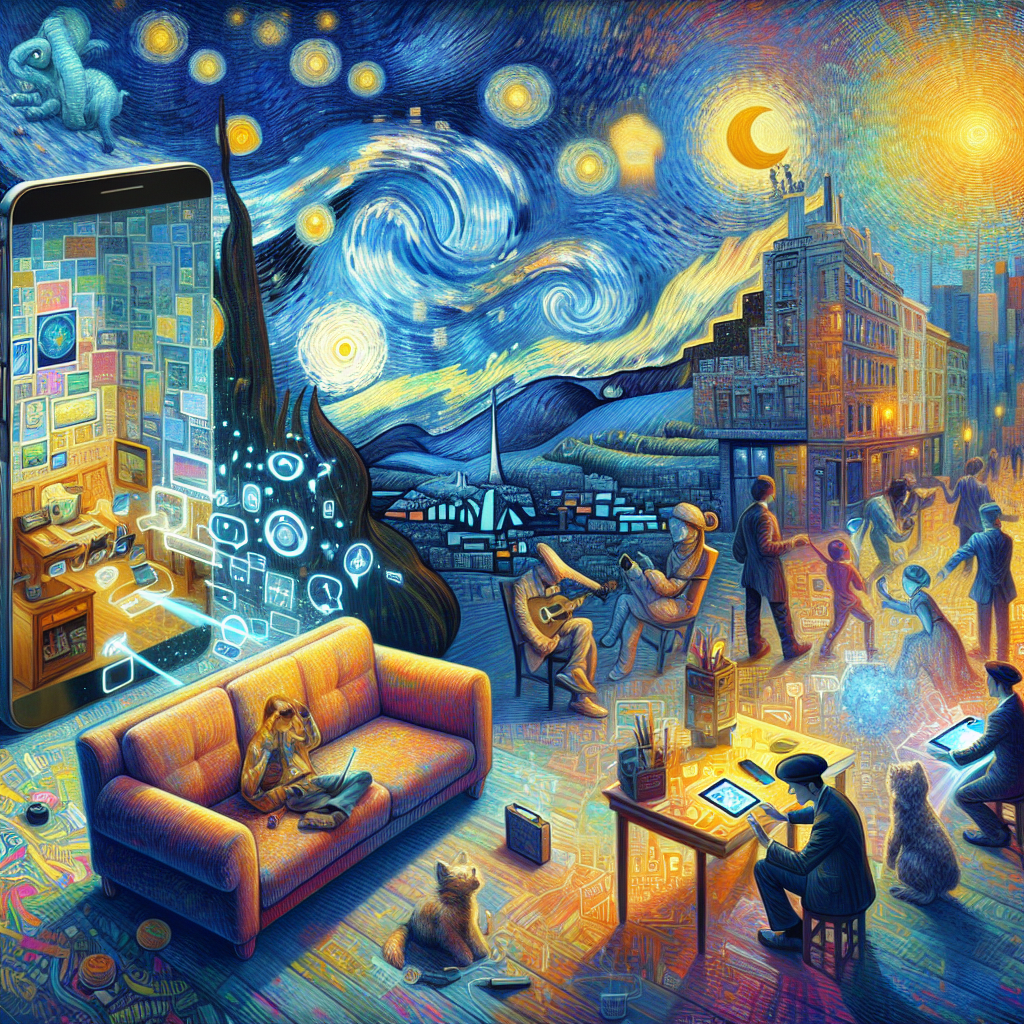
Let’s dive right into the intriguing world of augmented reality (AR) in marketing. Believe it or not, this isn’t just about flashy ads or high-tech gimmicks; it’s about the everyday struggle to connect with people in a meaningful way. While AR brings a plethora of opportunities to the table, it still faces some daunting challenges worthy of our attention.
First off, let’s talk about accessibility. Imagine a world where everyone can experience AR seamlessly, yet we are still at a point where not everyone has the top-tier gadgets needed to access this technology. If your audience can’t interact with your AR content, then it’s like throwing an extravagant party and forgetting to send out the invitations. Marketers must consider the devices their audience uses, ensuring that their AR experiences are available across a range of platforms.
Then there’s the learning curve. Picture this: you’re excited to try a new app, but after fumbling with buttons and instructions, you find yourself more confused than thrilled. That’s the risk AR faces. If the experience is clunky or complicated, users are likely to walk away unimpressed. The objective should be user-friendly interactions. Brands need to prioritize straightforward onboarding processes, making the introduction to AR as delightful as the experience itself.
And let’s not overlook content relevance. While immersive experiences are nice, if they don’t resonate with your audience, their shine begins to fade quickly. People engage deeply with stories and messages that reflect their interests and values. Marketers are tasked with weaving personalization into their AR strategies—essentially crafting virtual narratives that speak directly to the heart of their audience.
While these challenges may seem daunting, the beauty lies in the potential solutions. Companies that approach AR marketing with trust and transparency can turn these obstacles into opportunities. Fostering a culture of experimentation and learning can lead to groundbreaking innovation. The best marketers are those willing to sweat it out in the trenches, understanding the challenges but refusing to let them dictate the journey.
So, as we move forward in this exciting digital landscape, let’s remember that overcoming these hurdles will shape the future of AR in marketing. With thoughtful strategies and a commitment to enhancing user experience, we can turn these challenges into stepping stones toward connection and inspiration. The journey with augmented reality is just beginning—are you ready to take the leap?
What Challenges Does Augmented Reality Face In Marketing?
What Challenges Does Augmented Reality Face In Marketing?
- Augmented reality (AR) in marketing is not just about flashy ads, but about meaningful connections with audiences.
- Accessibility remains a challenge, as not everyone has the necessary devices to experience AR content.
- The learning curve for AR experiences can deter users; brands must aim for user-friendly interactions.
- Content relevance is critical; AR experiences should resonate with the audience’s interests and values.
- Marketers should focus on personalization to create compelling virtual narratives for their audience.
- Trust, transparency, and a culture of experimentation can transform AR marketing challenges into opportunities for innovation.
- By enhancing user experience and developing thoughtful strategies, marketers can shape the future of AR in marketing.

What Challenges Does Augmented Reality Face In Marketing?
Will Consumer Adoption Of Augmented Reality Increase By 2025?
Let’s take a moment to talk about augmented reality—or AR, as the techies like to call it. Here’s the deal: AR isn’t just a fancy buzzword anymore. It’s working its way into our everyday lives, kind of like that neighbor who brings over a baked pie but never leaves. Before you know it, you’re inviting them in for coffee, and somehow you’ve become best buds. That’s AR for you.
But why should we care? Simply put, AR has the power to change the way we interact with the world. Imagine pointing your smartphone at a room in your house, and voilà! You’re rearranging your furniture in real-time as if you’re living in a digital design studio. Or think about shopping; no longer will you need to guess if that new couch will fit in your space. You can visualize it from the comfort of your couch—how’s that for convenience?
The road to consumer adoption looks promising as we head toward 2025. Trends suggest that as technology becomes more user-friendly, we are more likely to embrace it. Remember those clunky smartphones we started with? Today, devices fit in our pockets and do wonders that even our grandparents wouldn’t believe. Similarly, as AR applications become more seamless and intuitive, we’ll start to see them integrated into our daily routines, not just in gaming or niche industries but everywhere—from education to healthcare.
But let’s be real: it’s not just about shiny new tech. It’s about trust. Consumers are savvier than ever, and if you want them to adopt something new, you better have a good reason. If AR can enhance our lives—help us learn better, create more efficiently, or connect with loved ones across distances—people will start to open up to the idea.
No one wants to feel overwhelmed by change, but when we see something beneficial, there’s a natural inclination to jump on board. And the beauty of AR is that it’s not just a gimmick; it’s a tool. It’s about adding layers to our experiences and making life a little easier, a little more fun, and a lot more connected.
So, as we look ahead, the ball is in our court. Consumer adoption of augmented reality isn’t a matter of if, but rather when. And if we play our cards right, by 2025, we might just find ourselves immersed in a world that’s richer, more interactive, and incredibly inviting. Now, who wouldn’t want a slice of that pie?

Will Consumer Adoption Of Augmented Reality Increase By 2025?
Will Consumer Adoption Of Augmented Reality Increase By 2025?
- Augmented Reality (AR) is increasingly integrated into daily life, transforming interactions.
- AR allows for real-time visualization of spaces, such as rearranging furniture or shopping for home goods.
- The outlook for consumer adoption of AR is positive as technology becomes more user-friendly by 2025.
- Similar to the evolution of smartphones, AR applications are becoming more seamless and intuitive.
- Trust is essential for consumer acceptance; AR must demonstrate tangible benefits for everyday life.
- AR is viewed not just as a novelty, but as a functional tool enhancing experiences and connections.
- By 2025, AR could significantly enrich our interactions, making the future more engaging and interactive.

Will Consumer Adoption Of Augmented Reality Increase By 2025?
How Can Brands Effectively Leverage Augmented Reality In Campaigns?
Imagine walking into your favorite store, and instead of just browsing, you can summon products right before your eyes. That’s not some high-tech fantasy—it’s the magic of Augmented Reality (AR). This technology isn’t just for techies or science fiction anymore; it’s becoming a vital tool for brands that want to connect with their audience in a genuine way. So, how can brands effectively use AR in their campaigns? Let’s dig in.
First, let’s talk about the experience. Effective campaigns embrace AR by creating engaging, interactive experiences that resonate with the audience. For example, consider a cosmetics brand that allows customers to see how a lipstick shade looks on their own lips through an app. This not only informs the shopping decision but also fosters a personal connection between the consumer and the brand. It’s about making the customer feel seen and understood, and that’s where trust begins to form.
Next up, think about the storytelling element. Brands can elevate their messaging by utilizing AR to weave a narrative that captivates the user. Imagine a furniture store that lets you visualize a couch in your living room using your smartphone. The couch might look great in the showroom, but put it in your space, and it suddenly feels like a member of the family. This not only drives sales but also creates a lasting bond between the brand and the consumer, turning a simple purchase into an emotional experience.
Then, there’s the importance of education. Brands can leverage AR to educate consumers about their products in a fun, interactive way. For a tech gadget, for instance, an AR app could demonstrate its features right in your hand. When customers feel informed, they’re more likely to trust the brand, leading to increased loyalty and word-of-mouth marketing.
Lastly, consistency is key. When AR campaigns are well-integrated across various channels—your website, blog, and social media—they create a seamless brand experience. That familiarity builds confidence. A well-developed AR campaign can make potential customers feel like they already know you, even before they set foot in your store or hit that “buy” button.
In a world that often feels disconnected, AR offers brands a powerful tool to bridge the gap. By creating immersive experiences, sharing engaging stories, educating consumers, and maintaining consistency, brands can foster authentic connections that inspire trust and loyalty. The future is here, and it’s time to embrace it!

How Can Brands Effectively Leverage Augmented Reality In Campaigns?
How Can Brands Effectively Leverage Augmented Reality In Campaigns?
- Augmented Reality (AR) is transforming the shopping experience, allowing customers to summon products visually.
- Effective AR campaigns create engaging, interactive experiences that resonate with consumers, fostering personal connections.
- AR storytelling enhances brand messaging, enabling customers to visualize products in their own spaces, enhancing emotional connections.
- Brands can use AR to educate consumers interactively, increasing product knowledge and building trust.
- Consistency across various channels (website, blog, social media) in AR campaigns creates a seamless brand experience.
- AR helps bridge the gap in an often disconnected world by creating immersive experiences that inspire trust and loyalty.
- Embracing AR is essential for brands looking to connect authentically with their audience in the modern marketplace.

How Can Brands Effectively Leverage Augmented Reality In Campaigns?
What Industries Are Most Likely To Use Augmented Reality?
When you think about augmented reality (AR), you might picture futuristic video games or high-tech gadgets that belong in sci-fi movies. But the reality is, AR is already here, weaving its way through industries in ways that are practical, exciting, and downright impactful. Let’s take a moment to explore which industries are harnessing this innovative technology and how it’s changing the landscape of their operations.
First up, let’s talk about retail. Imagine walking into a store, holding up your phone, and instantly seeing how a piece of furniture would look in your living room or how a shirt fits you without even trying it on. Retailers are embracing AR to create immersive shopping experiences that make customers feel more connected to their purchases. It’s all about enhancing the shopping journey, making it not just about buying, but about experiencing.
Next, we have the healthcare sector. Medical professionals are using AR for training, diagnostics, and even during surgeries. Picture this: a surgeon putting on AR glasses that overlay critical patient data during an operation, helping them to see both the anatomy and the augmented information. It’s a game-changer that can lead to better patient outcomes and safer procedures. This isn’t just innovation for the sake of it; this is about saving lives and improving care.
Then there’s manufacturing and maintenance. AR is streamlining processes, from assembly lines to repairs. Workers can access schematics and instructions overlaid onto the machinery they are working on, minimizing errors and boosting efficiency. They’re no longer flipping through binders or scrolling through pages of manuals; they’re equipped with real-time, on-the-job guidance that makes their work smoother and more reliable.
Don’t overlook the education sector, where AR is helping to bring subjects to life. Instead of static diagrams in textbooks, students can walk through historical sites or visualize complex scientific processes right in their classrooms. This enduring engagement breeds a deeper understanding and passion for learning.
From retail to healthcare, manufacturing to education, industries are tapping into augmented reality in ways that are not only innovative but also essential. So, whether you’re a curious mind looking to learn more or a business trying to get ahead, the message is clear: embrace AR. It’s not just a flashy feature; it’s a foundational technology poised to transform the way we work, live, and connect. The future is here, and it’s time we step into it. Want to explore more insights? Check out our website blog for the latest trends and stories in augmented reality!

What Industries Are Most Likely To Use Augmented Reality?
What Industries Are Most Likely To Use Augmented Reality?
- Augmented Reality (AR) is already being integrated into various industries, not just limited to gaming or gadgets.
- In retail, AR enhances the shopping experience by allowing customers to visualize products, such as furniture or clothing, in their own spaces.
- The healthcare sector utilizes AR for training, diagnostics, and during surgeries, improving patient outcomes and safety.
- Manufacturing and maintenance benefit from AR by providing real-time guidance through schematics and instructions, increasing efficiency and reducing errors.
- In education, AR makes learning more engaging by allowing students to interact with historical sites or complex scientific concepts.
- Industries are adopting AR as a foundational technology that transforms operations and enhances the connection between consumers and businesses.
- The future of work, life, and connection is being shaped by AR technology, signaling a pivotal time for exploration and adaptation.

What Industries Are Most Likely To Use Augmented Reality?
Are There Ethical Concerns Related To Augmented Reality In Marketing?
Let’s take a moment to step back and think about this evolving landscape of augmented reality (AR) in marketing. As marketers weave mesmerizing layers of digitally infused experiences, it’s crucial to peel back those layers and examine what’s underneath. Sure, AR can transform a dull shopping trip into a riveting adventure, but at what cost? The possibilities are tantalizing—virtual fitting rooms, interactive advertisements, and immersive brand storytelling—but they come packed with ethical baggage that can’t be ignored.
One of the biggest concerns is the potential for manipulation. AR technology can create hyper-realistic environments that can sway a consumer’s perception far beyond traditional advertising. Picture this: You’re scrolling through a Website Blog and suddenly a virtual coffee cup floats right in front of you, coaxing you toward a decision you didn’t even know you were making. It’s a fine line between innovative marketing and psychological manipulation. We must ask ourselves: are we empowering consumers, or are we playing puppet master with their desires?
Then, there’s the growing concern around privacy. Just how much data are companies capturing when you engage with their AR content? Every tap, every gaze could be meticulously tracked, creating a profile so intricate it feels like an invasion of personal space. In a world already rife with data breaches and privacy scandals, the idea of augmented interactions raises a red flag. Trust is not given lightly; for brands to thrive, they’ll need to earn that trust through transparency and ethical practices.
Moreover, inclusion is essential. AR should not cater solely to a narrow demographic. If marketers can create experiences that feel like an exclusive club of shiny people, then they’ve missed the mark. The power of AR lies in its ability to bring the world closer, making experiences accessible for everyone—regardless of age, ability, or background.
Ultimately, the ethical concerns surrounding AR in marketing come down to respect—respect for the consumer and respect for the experience. So, as we continue to march forward into this brave new world, let’s do so with a mind toward responsibility. Engaging and immersive? Absolutely. But let’s also foster a relationship rooted in integrity. It’s not just good business; it’s what we owe to each other as we navigate this thrilling terrain together.

Are There Ethical Concerns Related To Augmented Reality In Marketing?
Are There Ethical Concerns Related To Augmented Reality In Marketing?
- Augmented Reality (AR) in marketing offers immersive experiences but raises ethical concerns.
- AR can manipulate consumer perception, blurring the line between innovative marketing and psychological manipulation.
- Privacy issues arise from extensive data capture through AR interactions, which can feel intrusive.
- Brands need to build trust through transparency and ethical practices amidst data security concerns.
- Inclusion is essential; AR experiences should cater to diverse demographics, not just an exclusive group.
- The ethical use of AR involves respecting consumers and their experiences.
- Responsible marketing in AR is not only beneficial but necessary for fostering integrity in consumer relationships.

Are There Ethical Concerns Related To Augmented Reality In Marketing?
Conclusion
As we stand on the precipice of 2025, it’s clear that augmented reality (AR) isn’t just a fleeting trend in the marketing lexicon—it’s a transformative technology that has the potential to redefine our interactions with the world around us. Much like the trusty overalls I’ve donned through my own adventures, AR can be practical, engaging, and even fun, but it requires us to be intentional about how we engage with it.
The future of AR hinges on more than just flashy graphics and virtual gimmicks; it’s about meaningful connections in our everyday lives. Whether it’s visualizing that perfect piece of furniture in your living room before you buy it or immersing yourself in interactive educational experiences, AR is finding ways to enhance our experiences and break down barriers. Yet, its survival depends on an honest assessment of its value—not just to marketers, but to consumers craving a richer and more connected existence.
Of course, no path is without its challenges. Accessibility issues and user-friendliness remain paramount. If AR experiences are difficult to engage with or limited to those with cutting-edge gadgets, we risk alienating the very audience we aim to captivate. Simplifying onboarding processes and ensuring compatibility across devices will be crucial in unlocking AR’s full potential for the masses.
And let’s not forget the importance of storytelling and relevance. AR works best when it resonates with our interests and values, making consumers feel seen and understood. When brands weave personalization into their AR experiences, they create not just transactions but lasting bonds.
Looking ahead, the opportunities are ripe for the picking across various industries—from retail to education to healthcare. AR is no longer just a toolkit for the niche; it’s becoming an integral part of our daily operations and interactions. But with great power comes great responsibility. The ethical dimensions surrounding AR, particularly in marketing, raise significant concerns about manipulation, privacy, and inclusion. It’s imperative that we tread thoughtfully, prioritizing transparency and respect for the consumer.
So, here’s the thing: Let’s embrace the challenge of making AR more than a buzzword. Let’s rally behind it as a genuine tool for connection and innovation that respects the diverse tapestry of our society. As we venture into 2025, the question isn’t merely whether augmented reality will survive—it’s whether we will harness its potential wisely to create a future that invites everyone into the fold. The digital realm is laying itself bare, and it’s up to us to step forward, roll up our sleeves, and make something meaningful out of this exciting journey. The virtual world awaits, and together, we can make it a place worth experiencing.

Conclusion
Conclusion:
- Augmented reality (AR) is a transformative technology poised to redefine interactions with our environment.
- The future of AR should focus on meaningful connections and enhancing everyday experiences.
- Accessibility and user-friendliness are critical for engaging a broad audience.
- Storytelling and personalization in AR can foster lasting bonds between brands and consumers.
- AR is expanding beyond niche markets into essential roles across various industries like retail, education, and healthcare.
- Ethical concerns in AR, especially in marketing, surrounding manipulation, privacy, and inclusion must be prioritized.
- There’s a call to action to utilize AR as a tool for connection and innovation, ensuring it invites everyone into the digital experience.

Conclusion
Other Resources

Other Resources
Here is a list of other resources you can review online to learn more:
- Senpai.gg
- Taskade.com
- Neuroflash.com
- 6pen.art
- Hotpot.ai
- Leadpages
- Stability.ai
- Getconch.ai
- Chorus.ai
- Sincode.ai
Use This Prompt To Get More Resources With Your Favorite Online AI Tool: Please provide me with a list of online articles with their URLs in a bulleted list that I can read regarding Can The Marketing Term Augmented Reality Survive 2025?

Other Resources
Glossary Terms
Can The Marketing Term Augmented Reality Survive 2025? – Glossary Of Terms
1. Augmented Reality (AR): A technology that overlays digital information, such as images or sounds, onto the real world, enhancing the user’s perception of their environment.
2. Virtual Reality (VR): A computer-generated environment that immerses users into a fully digital space, different from the real world.
3. Mixed Reality (MR): A blend of physical and digital worlds where real and virtual objects co-exist and interact in real-time.
4. 3D Modeling: The process of creating a three-dimensional representation of an object or environment, often used in AR applications for realistic overlays.
5. User Experience (UX): The overall experience a user has when interacting with a product or service, emphasizing usability and satisfaction.
6. Interface Design: The creation of interfaces in software or machines that facilitate user interaction, particularly important in AR applications.
7. Mobile AR: Augmented reality applications designed for mobile devices, allowing users to experience AR via smartphones and tablets.
8. Head-Mounted Displays (HMD): Wearable devices that place a screen in front of the user’s eyes, frequently used in both AR and VR applications.
9. Augmented Reality Markers: Physical objects or images that AR applications recognize to trigger the display of digital content.
10. Tracking Technology: Techniques used to identify the user’s position and orientation in the real world, crucial for accurate AR experiences.
11. Digital Twins: A digital replica of a physical object or system that allows for monitoring and analysis through AR interfaces.
12. Gamification: The application of game-design elements in non-game contexts to enhance user engagement and motivation, often used in AR marketing.
13. Interactive Marketing: Marketing strategies that engage consumers through interactive content and campaigns, including AR experiences.
14. Augmented Retail: The use of AR technology in retail to improve customer shopping experiences, such as virtual try-ons and product visualization.
15. Brand Engagement: The emotional connection and interaction a customer has with a brand, which AR can enhance by providing immersive experiences.
16. Content Creation: The process of generating and producing digital content for AR experiences, such as graphics, animations, and sounds.
17. Data Analytics: The collection and analysis of data to inform marketing strategies and AR implementations, crucial for measuring success.
18. Consumer Behavior: The study of how individuals select, purchase, and use products, important for understanding AR’s marketing impact.
19. Social Media Integration: The practice of incorporating AR experiences within social media platforms to enhance user engagement and sharing.
20. Advertising ROI: Return on investment for advertising campaigns, a key metric to analyze the effectiveness of AR marketing efforts.
21. Technological Adoption: The acceptance and integration of new technologies by consumers, critical for the survival of AR marketing strategies.
22. Market Trends: Patterns and movements within a market that indicate shifts in consumer preferences, impacting the future of AR.
23. Immersive Experience: A fully engaging encounter that captures the user’s senses, often a goal for AR marketing campaigns.
24. User-Centered Design: An approach that prioritizes the user’s needs and experiences during the design process of AR applications.
25. Cross-Platform Development: The practice of creating software applications that can run on multiple operating systems and devices, enhancing AR accessibility.
26. Stakeholder Collaboration: Working with all parties involved—brands, developers, and consumers—to ensure a successful AR marketing strategy.
27. Sustainability in Tech: The responsibility to create technology that is environmentally and socially sustainable, shaping future AR developments.
28. Artificial Intelligence (AI): Technology that simulates human intelligence, potentially enhancing AR experiences through personalized content and interactivity.
29. Consumer Education: Efforts to inform consumers about AR technologies and applications, crucial for overcoming adoption barriers.
30. Future-Proofing: The process of anticipating and preparing for future changes in technology and consumer behavior, ensuring the longevity of AR marketing.

Glossary Of Terms
Other Questions
Can The Marketing Term Augmented Reality Survive 2025? – Other Questions
If you wish to explore and discover more, consider looking for answers to these questions:
- What are some successful examples of augmented reality in marketing today?
- How do consumers perceive augmented reality in their everyday lives?
- What advancements in technology could further enhance augmented reality experiences?
- How does augmented reality compare to virtual reality in terms of user engagement?
- What role does user feedback play in the development of AR applications?
- How can small businesses leverage augmented reality effectively?
- Are there specific demographics that are more likely to adopt augmented reality?
- What potential risks are associated with augmented reality technology?
- How can brands measure the success of their augmented reality campaigns?
- What future trends in augmented reality should businesses be aware of?

Other Questions
Haiku
Can The Marketing Term Augmented Reality Survive 2025? – A Haiku
Digital worlds collide,
Augmented truth and trust grow—
Future’s touch awaits.

Haiku
Poem
Can The Marketing Term Augmented Reality Survive 2025? – A Poem
In the bustling streets of a digital age,
Where magic melds with the real,
Augmented Reality, so bright on the stage,
Awaits to reveal, to enchant, to heal.
Once a mere buzzword, a passing whim,
Now it offers a glimpse of what’s truly profound,
A fusion of wonder, a life on the brim,
Yet questions arise in its echoing sound.
Can it stand the test as trends come and go?
Or will it fade like the whispers of yore?
To thrive, it must offer what hearts truly know,
Connecting our lives and enriching the core.
From shopping adventures that seamlessly blend,
To classrooms where lessons dance alive,
Through healthcare’s embrace, where futures extend,
In every routine, let innovation thrive.
But challenges loom o’er this promising path,
Accessibility and trust are keys to unlock,
With user-friendly hands, we could ward off the wrath—
Let’s tie our connections, let’s break down the block.
Industries rise, from retail to care,
Crafting experiences that spark and ignite,
Yet ethical shadows linger in air,
Are we nurturing minds, or just chasing the light?
As we dive into realms of the virtual embrace,
Let’s cherish our pathway with wisdom and grace,
For AR can uplift, expand, and inspire,
If we tread with respect, in a world we admire.
So let hearts open wide, let minds intertwine,
In this wondrous journey through pixels and beams,
Together we’ll shape what the future can find,
In a world of augmented, harmonizing dreams.

Poem
Checklist
Can The Marketing Term Augmented Reality Survive 2025? – A Checklist
Understanding Augmented Reality (AR)
_____ Understand the definition of augmented reality (AR) and its applications.
_____ Analyze how AR blends virtual elements with real-world experiences.
Assessing AR’s Current and Future Value
_____ Evaluate examples of effective AR usage in daily activities (e. g. , home design, shopping).
_____ Identify the potential benefits of AR for both consumers and businesses.
_____ Explore how AR can enhance user experiences and engagement.
Overcoming Challenges in AR Marketing
_____ Recognize the barriers to accessibility and ensure inclusivity in AR experiences.
_____ Prioritize user-friendly design and straightforward onboarding processes to minimize learning curves.
_____ Craft relevant and personalized content that resonates with target audiences.
Utilizing AR in Marketing Campaigns
_____ Develop engaging and interactive AR experiences tailored to consumer needs.
_____ Integrate storytelling into AR campaigns to foster emotional connections.
_____ Leverage AR as an educational tool to enhance consumer understanding and build trust.
Industry Applications of AR
_____ Investigate which industries (retail, healthcare, manufacturing, education) are best positioned to benefit from AR.
_____ Consider the practical implications of AR technology on standard industry practices.
Addressing Ethical Concerns
_____ Analyze the potential for consumer manipulation through overly immersive AR experiences.
_____ Ensure transparency in data collection and uphold consumer privacy.
_____ Foster inclusivity in AR marketing to avoid exclusivity based on demographics.
Preparing for Consumer Adoption
_____ Stay informed on trends indicating increasing consumer adoption of AR technologies.
_____ Encourage open dialogue about the benefits and usability of AR in everyday life.
_____ Advocate for a streamlined, user-friendly integration of AR into personal and retail environments.
Embracing the Future of AR
_____ Stay updated on advancements in AR technology and its applications.
_____ Support continuous exploration and experimentation with innovative AR strategies.
_____ Engage with community discussions about the ethical implications of AR in marketing.
This checklist can be used as a guide to navigate the evolving world of augmented reality, ensuring a comprehensive understanding and responsible implementation of this exciting technology as we approach 2025.

Checklist
At WebsiteBloggers, we help website bloggers develop strategies to create content, traffic, and revenue from website blogs based on our experiences and experimentation.
Be sure to read our other related stories at WebsiteBloggers and share this article with your friends, family, or business associates who run website blogs.