Future Of Gamification: 2025 And Beyond
By Tom Seest
At WebsiteBloggers, we help website bloggers develop strategies to create content, traffic, and revenue from website blogs based on our experiences and experimentation.
Be sure to read our other related stories at WebsiteBloggers and share this article with your friends, family, or business associates who run website blogs.
Can The Marketing Term Gamification Survive 2025?
Let’s talk about gamification. It’s a term that rolls off the tongue and often raises a few eyebrows. You know it’s good marketing when it grabs your attention, but let’s strip it down for a moment. What really goes on behind the curtain when businesses sprinkle a little game-like magic on their offerings? In a world where consumers are bombarded with choices, gamification has emerged as a powerful tool to engage and retain customers. However, its longevity rests on whether it can evolve past the gimmick stage.
Picture this: you’re scrolling through a Website Blog late at night, coffee in hand, and what do you stumble across? A shiny new app promising a “game-changing” experience. You’re intrigued! But what keeps you coming back after the novelty wears off? Here’s the kicker—it’s not just about points and badges. Consumers crave genuine connections and authentic experiences. They want to feel involved, challenged, and ultimately rewarded, whether that’s through loyalty programs, social interactions, or real-time feedback.
So, as we inch closer to 2025, companies need to ask themselves: Are we serving up a mere facade of gamification, or are we fostering a genuine sense of community and meaningful engagement? It’s tempting to rely on flashy visuals and superficial incentives, but if marketers want to keep the gamification train rolling, they’ll need to lean into deeper motivations—trust, commitment, and shared values.
Imagine a world where your loyalty is recognized not through a mindless click but through tangible interactions that resonate with your life. That’s the future consumers will demand, and ultimately, it is those who meet this challenge head-on who will thrive. In essence, gamification can’t just survive; it must grow up. It must contribute to something larger—think of it as the bridge between idle distraction and purposeful engagement.
In a digital landscape where the next shiny object is always a click away, let’s choose substance over superficiality. Let’s cultivate a culture where gamification is a means to connect rather than a trick to distract. If we can master that balance, then yes, gamification can not only survive but flourish well beyond 2025. Now, doesn’t that sound like a game worth playing?

Can The Marketing Term Gamification Survive 2025?
Can The Marketing Term Gamification Survive 2025?
- Gamification captures attention but requires substance to sustain interest.
- Consumers desire authentic experiences beyond just points and badges.
- Key motivations include trust, commitment, and shared values among users.
- Companies must foster genuine community and meaningful engagement.
- Loyalty should be recognized through impactful interactions, not trivial actions.
- Gamification needs to evolve from superficial gimmicks to purposeful engagement.
- A balance between engagement and substance is crucial for gamification’s future success.

Can The Marketing Term Gamification Survive 2025?
Table Of Contents
- Can The Marketing Term Gamification Survive 2025?
- What Is Gamification And Why Does It Matter In Marketing?
- How Has Gamification Evolved In Recent Years?
- What Are The Benefits Of Using Gamification In Marketing?
- How Do Consumers Respond To Gamified Marketing Strategies?
- What Are Common Pitfalls In Implementing Gamification?
- Which Industries Are Successfully Using Gamification?
- Conclusion
- Other Resources
- Glossary Of Terms
- Other Questions
- Haiku
- Poem
- Checklist
What Is Gamification And Why Does It Matter In Marketing?
Picture this: you’re scrolling through your favorite website blog, sipping on your morning coffee, when suddenly a little notification pops up. It’s an invitation to play a quick game. You lean in, your interest piqued. It’s not just another mundane marketing ploy; it’s a chance for you to engage, to push some buttons, to earn points—maybe even snag a discount. Welcome to the world of gamification—a strategy where playfulness meets purpose, and it’s changing the way businesses connect with their customers.
At its core, gamification is about infusing the elements of game design into everyday experiences. We’re talking leaderboards, badges, challenges, and rewards—those delightful little nudges that kick our competitive instincts into gear. But it’s not just for kids or casual gamers. Think about it: adults crave acknowledgment and accomplishment just as much as the next guy. A well-timed game can turn a tedious task—like filling out a survey or signing up for a newsletter—into an engaging adventure.
So why does this matter in marketing? The answer lies in human psychology. When we experience motivation, engagement, and a bit of fun, we’re more likely to stick around. Gamification transforms passive viewers into active participants, turning what could be a drab sales pitch into a dynamic and interactive experience. Imagine your customers not just reading about your product, but actually playing with it, exploring its features in a way that feels less like work and more like play. This engagement drives loyalty, sparks word-of-mouth, and ultimately, converts curiosity into sales.
Here’s a little secret: people love feeling like they’re in control. Gamification leverages this by providing clear paths to achievement. You complete a challenge, earn a reward, and suddenly, your attachment to that brand strengthens. Before you know it, you’re not just a customer; you’ve become a champion for that brand.
In today’s competitive landscape, you can’t afford to be just another business shouting into the void. Embrace gamification, and you’ll not only capture your audience’s attention but also their loyalty. Dare to step away from the traditional marketing playbook, and invite your customers on a journey that combines purpose with play. It’s not just about selling anymore; it’s about creating an experience that resonates and inspires trust.

What Is Gamification And Why Does It Matter In Marketing?
What Is Gamification And Why Does It Matter In Marketing?
- Gamification combines playfulness and purpose to enhance customer engagement.
- It incorporates elements of game design like leaderboards, badges, challenges, and rewards.
- Effective for all ages; adults appreciate acknowledgment and accomplishment.
- Transforms passive interactions into active participation, boosting customer interest.
- Encourages brand loyalty and word-of-mouth promotion through enjoyable experiences.
- Enables customers to feel in control, enhancing their connection to the brand.
- Embracing gamification helps businesses stand out and inspire trust in a competitive market.

What Is Gamification And Why Does It Matter In Marketing?
How Has Gamification Evolved In Recent Years?
Let’s take a moment to ponder the world of gamification—a term that has morphed, grown, and transformed in incredibly dynamic ways over the past few years. At its core, gamification is about integrating game-like elements into everyday activities to boost engagement and motivation. Sounds straightforward, doesn’t it? But if you’ve been paying attention, you’ll know that it’s so much more than just points and badges anymore.
Think back to the humble beginnings of gamification. Remember those early attempts that felt more like a chore than a reward? You’d log onto a website or app, earn some points, and feel good for about a second—right before you went back to your routine. Fast forward to today, and the landscape is radically different. Now, engaging experiences are custom-tailored to challenge our creativity, foster collaboration, and genuinely connect with us.
Websites and apps are tapping into cutting-edge technology and psychological insights. Users are diving headfirst into captivating narratives and challenges that resonate deeply with their aspirations. It’s not merely about playing a game but about crafting an experience that speaks to who we are. We’re no longer following a checklist; we’re enlisted in a quest that transforms mundane tasks into adventures worth embarking on.
Take a look at the corporate world, for instance. Companies are harnessing gamification not just to improve productivity but to cultivate a culture of teamwork and innovation. Employees become part of an engaging narrative that encourages them to contribute ideas and solutions. It’s more than just a numbers game; it’s about fostering loyalty and a sense of pride in one’s work.
One of the most exciting developments has been the rise of social elements in gamification. The community aspect bridges gaps, forging connections among individuals from various backgrounds. Picture yourself in an online learning platform where you’re not just competing against a leaderboard, but you’re in a community working to uplift each other, share victories, and learn from setbacks. That’s where real magic happens.
So, whether you’re in education, business, or even wellness, the evolution of gamification is an invitation to explore, connect, and engage with purpose. The opportunities are vast, and the sky’s the limit—let’s get out there and start playing!
How Has Gamification Evolved In Recent Years?
How Has Gamification Evolved In Recent Years?
- Gamification integrates game-like elements into everyday activities to enhance engagement and motivation.
- The concept has evolved beyond simple rewards like points and badges to include complex, engaging experiences.
- Modern gamification involves technology and psychological insights to create captivating narratives and challenges.
- It transforms mundane tasks into meaningful adventures that resonate with users’ aspirations.
- In the corporate world, gamification is used to improve productivity and foster a culture of teamwork and innovation.
- Social elements in gamification encourage community building, where individuals support and uplift each other.
- The evolution of gamification offers vast opportunities in various sectors such as education, business, and wellness.
How Has Gamification Evolved In Recent Years?
What Are The Benefits Of Using Gamification In Marketing?
Now, let’s talk about something that ignites a spark in the weary world of marketing: gamification. When you hear that chunky word, you might be tempted to picture video game controllers and cartoon graphics. But hold up—gamification is so much more than just fun and games. It’s a powerhouse strategy that can make your marketing efforts not just effective, but downright irresistible.
First off, let’s get real. Traditional marketing can feel a bit like trying to swim through molasses. You’re splashing around, trying to keep the audience engaged, but it often feels like you’re shouting into the void. Enter gamification, which turns that molasses into a slick, fast-moving river. By integrating game elements—think points, badges, leaderboards, or challenges—marketers invite their audiences to engage in a way that feels rewarding. You’re not just selling a product; you’re creating an experience, making people actively participate in your brand’s story.
And participation? That’s the golden ticket. When your audience gets to earn achievements or engage in friendly competition, they develop a connection that’s hard to shake. This means they’re more likely to return to your website blog for updates, not because they have to, but because they want to. It taps into something fundamental—our need for achievement and recognition. Who doesn’t like scoring a few points or receiving a shiny badge for their efforts? It’s the kind of simple joy that builds brand loyalty like no other.
Moreover, gamified experiences often lead to richer data. You’re not just collecting demographic info; you’re gathering insights into what makes your audience tick—what challenges they embrace, what rewards they crave. This invaluable data can help tailor your strategies, making your marketing efforts sharper and more targeted. Talk about a win-win!
Finally, let’s not overlook the social aspect. When people engage with your gamified content, they’re more likely to share it. This organic marketing means referrals and recommendations start rolling in, as they invite their friends to join the fun. It’s marketing that builds community, and community is a powerful thing.
So, if you’ve been feeling stuck in the rut of traditional marketing, consider leaning into gamification. It’s a chance not just to inform, but to inspire, engage, and build relationships that stand the test of time. Let’s turn that engine of connection on full throttle!

What Are The Benefits Of Using Gamification In Marketing?
What Are The Benefits Of Using Gamification In Marketing?
- Gamification is a powerful marketing strategy that enhances engagement beyond traditional methods.
- Integrating game elements like points, badges, and challenges transforms marketing into an interactive experience.
- Participation through gamification helps build a stronger connection between the audience and the brand.
- Gamified experiences tap into people’s need for achievement and recognition, fostering brand loyalty.
- This approach generates richer data on audience preferences and behaviors, allowing for more tailored marketing strategies.
- Gamification encourages social sharing, leading to organic community-building and referrals.
- Embracing gamification can help relieve the stagnation of traditional marketing, inspiring deeper engagement and lasting relationships.

What Are The Benefits Of Using Gamification In Marketing?
How Do Consumers Respond To Gamified Marketing Strategies?
Let’s face it, in today’s fast-paced world, grabbing a consumer’s attention is tougher than ever. Marketing isn’t just about pushing products anymore; it’s about creating experiences. Enter gamified marketing strategies. They’re like the secret ingredient in your grandma’s famous cookie recipe—unexpected yet oh so delightful.
When brands introduce gamification to their website or blog, something magical happens. People engage. They don’t just skim through the content; they take part in it, rolling up their sleeves and diving into challenges, quizzes, or competitions. It’s as if the brand invites consumers to join a game, and who doesn’t love a good game? It transforms the mundane act of browsing into an exciting adventure, turning potential customers into active participants.
Take loyalty programs, for example. Through points systems or badges achieved for completing certain tasks, consumers start to feel a sense of accomplishment as they progress through levels, just like in their favorite video games. This connection doesn’t just bring a smile—it builds a deeper emotional bond. The result? Higher engagement, increased retention, and more shares across social media platforms. Think about it: when was the last time you talked about a brand that simply sold you a product versus one that made you feel like you were part of something bigger?
But let’s not put on rose-colored glasses. Not all gamified experiences resonate equally. It’s always crucial to know your audience and tailor the experience accordingly. A game designed for millennials might not appeal to a baby boomer demographic. Failing to understand your consumer can lead to disengagement quicker than you can say “abandon cart.”
Plus, authenticity matters. Consumers are savvy; they can smell a half-baked gimmick from a mile away. They want the game to enhance their interaction with the brand rather than distract from it. The key lies in striking the perfect balance: engaging content that aligns seamlessly with the brand’s values and message.
Gamified marketing strategies offer more than just shiny bells and whistles; they build trust and loyalty. They inspire action, making consumers feel valued and eager to return for more. So if you’re considering spicing up your website or blog, tapping into the power of gamification might just be your ticket to forging lasting connections with your audience. And isn’t that what it’s all about?

How Do Consumers Respond To Gamified Marketing Strategies?
How Do Consumers Respond To Gamified Marketing Strategies?
- In today’s competitive environment, capturing consumer attention requires innovative experiences.
- Gamified marketing transforms browsing into engaging adventures through challenges and competitions.
- Loyalty programs utilizing points and badges enhance consumer accomplishment and emotional bonds.
- Higher engagement and retention rates are achieved when consumers feel part of a larger experience.
- A deep understanding of the target audience is crucial for effective gamification; appeals vary by demographic.
- Authenticity is essential; consumers prefer meaningful games that align with brand values over gimmicks.
- Successful gamification builds trust, inspires action, and enhances customer loyalty.

How Do Consumers Respond To Gamified Marketing Strategies?
What Are Common Pitfalls In Implementing Gamification?
When it comes to gamification, the road to success is paved with good intentions. You’ve got a brilliant idea to boost engagement, a shiny new website, and a blog full of enthusiasm. But let’s hit the brakes for a moment and consider the potholes that can trip you up. Because, let’s face it, nobody wants to be the roadkill on the journey to enlightenment.
First off, one of the biggest mistakes people make is underestimating their audience. Sure, who wouldn’t want to level up their skills while racking up points? But if you don’t take the time to understand what motivates your users, your game may just sound good on paper but flop in reality. Think about it: not everyone is driven by competition. Some folks thrive on collaboration, while others are in it for the sheer love of learning. A generic approach is a recipe for failure.
Next, we have the trap of over-complication. Gamification should enhance the experience, not create brain overload. If your system feels more like deciphering ancient hieroglyphics than a fun challenge, you’ll lose interest faster than a cat at a dog show. Simplicity and clarity are key. A few well-designed elements can lead to higher engagement than a convoluted mess of badges, points, and leaderboards.
You also want to steer clear of the “one-size-fits-all” mentality. Perhaps you’ve got a fantastic website packed with engaging games, but if they don’t cater to the diverse needs and preferences of your audience, you’re just spinning your wheels. Customizing your approach, based on what different user segments seek, fosters a sense of belonging that keeps people coming back for more.
Finally, let’s talk about sustainability. Gamification isn’t a set-it-and-forget-it initiative. If your program doesn’t evolve, users will eventually tire of the repetitive rewards. Think of it like a long-term relationship—you can’t just woo and win someone over, then go back to being bland. Keep the engagement fresh, introducing new challenges and prizes as users master existing ones.
So, as you forge ahead into the exciting world of gamification, remember these guiding principles. Avoid the pitfalls, stay connected with your audience, and keep the experience enjoyable. When done right, you won’t just add a game; you’ll create a community where everyone thrives. Happy journeying!
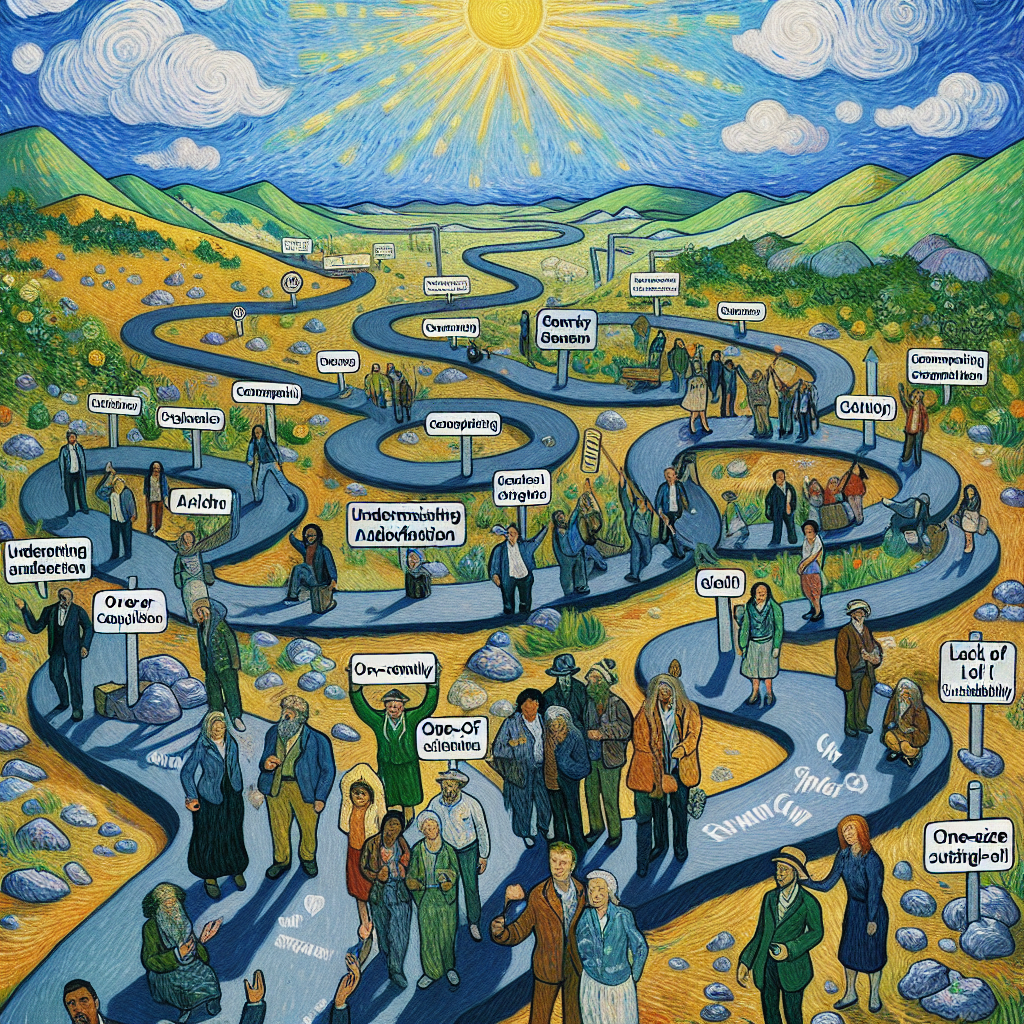
What Are Common Pitfalls In Implementing Gamification?
What Are Common Pitfalls In Implementing Gamification?
- Understanding the audience is crucial; different users are motivated by various factors such as collaboration or learning.
- Over-complicating the gamification experience can lead to disengagement; simplicity and clarity are essential.
- Avoid a one-size-fits-all approach; customize experiences to meet the diverse needs of your audience.
- Gamification should not be a static initiative; it requires ongoing evolution to maintain user interest.
- Introduce new challenges and rewards periodically to keep the engagement fresh and exciting.
- Focus on creating a community rather than just adding games; this fosters user loyalty and participation.
- Stay connected with your audience to continuously improve and enhance their experience.
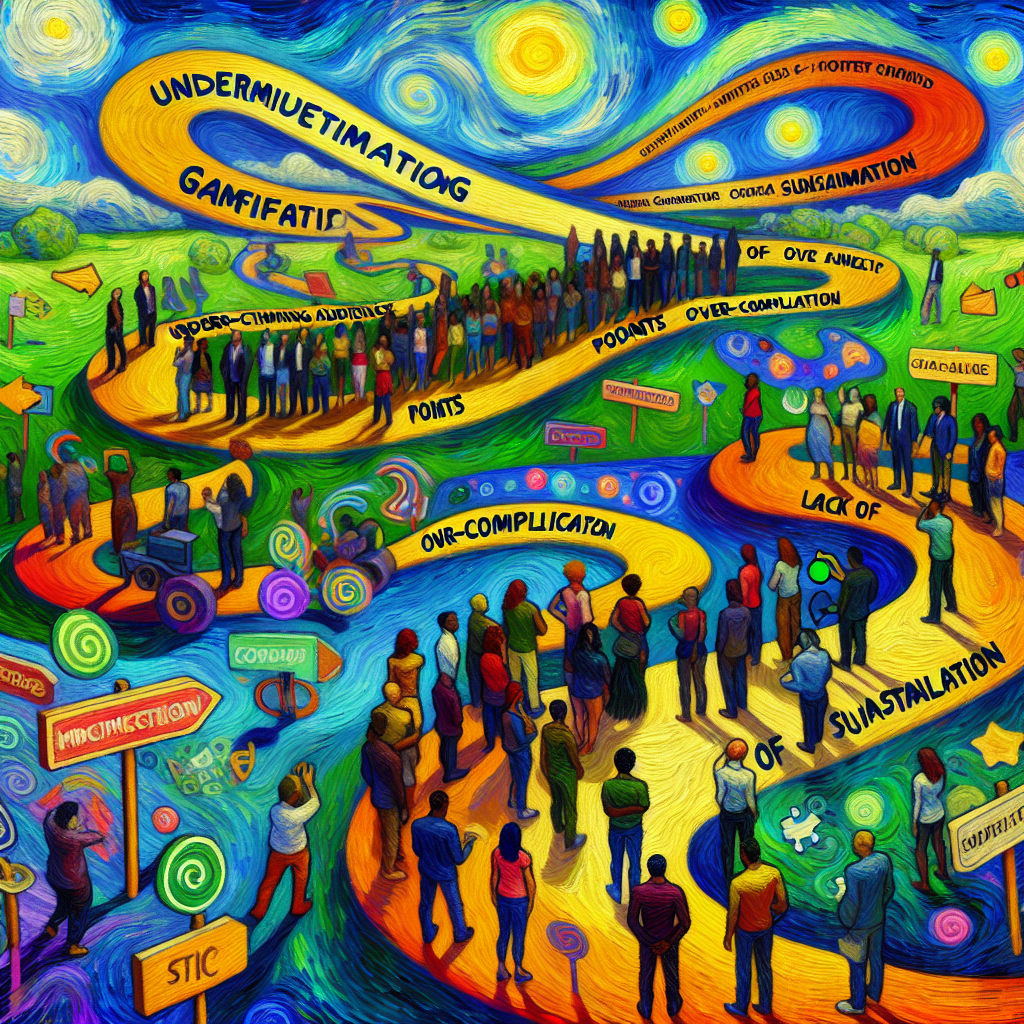
What Are Common Pitfalls In Implementing Gamification?
Which Industries Are Successfully Using Gamification?
Gamification isn’t just a buzzword floating around boardrooms; it’s a movement that’s sweeping across various industries, redefining how we engage with daily tasks. Picture this: while you’re sipping your morning coffee, there’s a quiet revolution happening in education, healthcare, finance, and even the corporate world—all thanks to gamification.
In education, organizations are stepping up the game by transforming lessons into interactive experiences. Take a moment to envision classrooms bustling with energy, students racking up points for their participation, and their passion for learning reignited. It’s not just about passing exams anymore; it’s about making knowledge stick and turning learning into a thrilling quest. Schools are creating platforms where students can earn rewards, unlocking new levels of understanding. The outcome? Engaged learners who see education not as a chore, but as an adventure.
Now, let’s swing over to the healthcare industry, where gamification is having a transformative effect. Patients are being motivated to manage their health—and yes, it can be as simple as earning badges for taking medications on time or logging their dietary choices. Healthcare providers are harnessing technology to make wellness a game. It’s about accountability and empowerment, fostering better health choices through friendly competition—definitely a healthier way to level up in life.
And let’s not forget finance, where budgeting becomes less of a headache and more of an engaging challenge. Financial institutions are integrating game-like elements into their websites and apps, turning money management into an experience where consumers can earn points for saving or investing. Imagine checking your app, not only to pay bills but to compete with your friends to see who can save the most. It adds a dash of fun to something that often feels like a slog.
Corporate training programs are also reaping the benefits of gamification. Employees can take part in interactive simulations that bolster their skills while keeping them engaged. Picture a workplace where learning happens in bursts, challenges are met with enthusiasm, and success is celebrated in real-time. Companies are transforming mundane training into vibrant competitions that lead to stronger teams—and better results.
So, whether you’re a student, patient, consumer, or employee, gamification is redefining how we engage with our roles, communities, and realities. It’s time to embrace this playful revolution, where the thrill of the game can lead us to greater heights. Visit our website blog to learn more about how gamification is shaping these industries and inspiring change. Let’s get playing!

Which Industries Are Successfully Using Gamification?
Which Industries Are Successfully Using Gamification?
- Gamification is transforming various industries, enhancing engagement with daily tasks.
- In education, gamification turns lessons into interactive experiences, fostering passionate learning.
- Students earn rewards and unlock levels, making education feel like an adventure rather than a chore.
- Healthcare uses gamification to motivate patients to manage their health through competition and accountability.
- Financial institutions gamify budgeting, turning money management into fun challenges among consumers.
- Corporate training programs utilize gamification to create engaging simulations, boosting employee skills and morale.
- Overall, gamification redefines engagement across roles and communities, inspiring positive change.
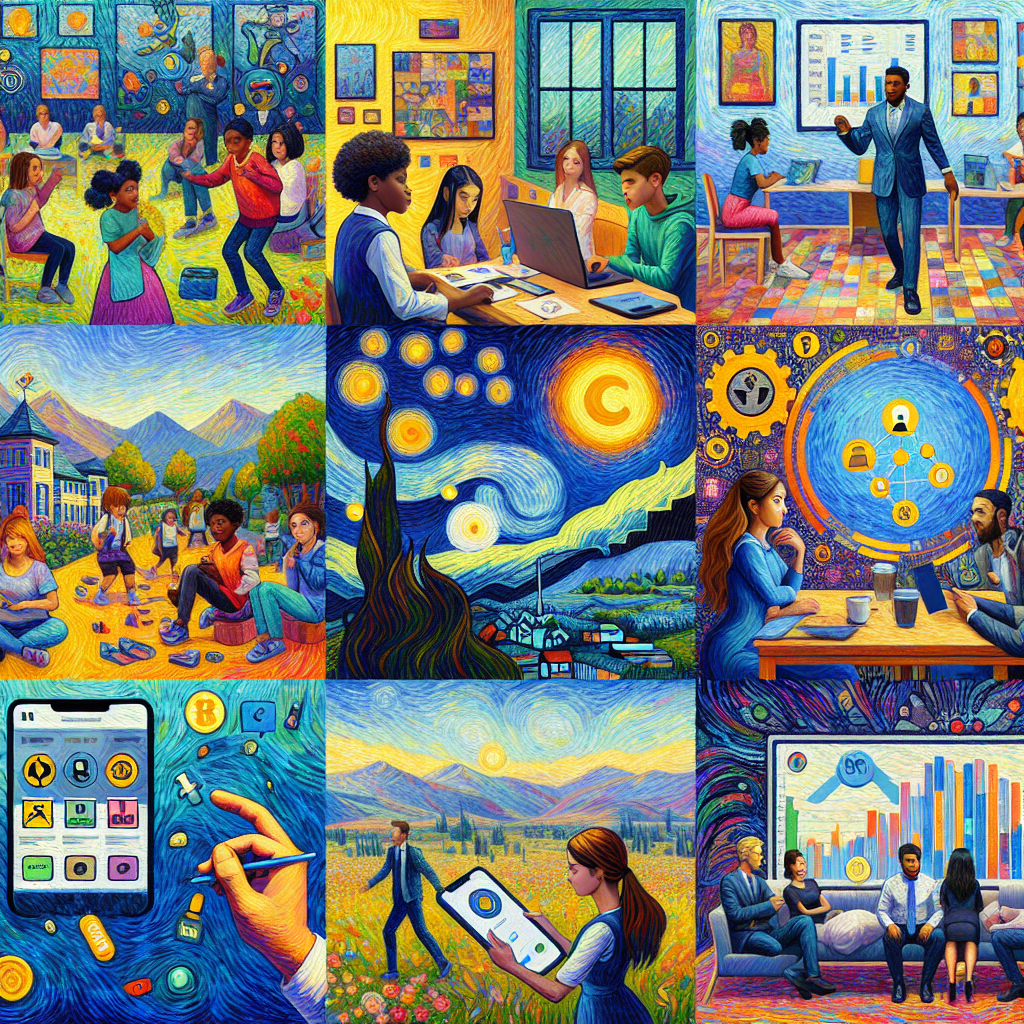
Which Industries Are Successfully Using Gamification?
Conclusion
As we draw the curtain on our exploration of gamification, it’s worth reflecting on the journey we’ve taken and the road that lies ahead. Now, don’t get me wrong; gamification isn’t just a shiny new toy that companies are using to distract us from the real deal. No, it’s a nuanced approach to marketing that, when executed with authenticity and insight, can foster genuine connections between brands and consumers. You know, there’s a reason we’re talking about this—it’s impactful.
But here’s the rub: to survive beyond the novelty phase and into the future, gamification must evolve. As we march toward 2025, companies can’t simply slap together a points system and call it a day. We, the consumers, are growing ever more discerning. We crave more than just badges and flashy visuals; we’re seeking authentic interactions and meaningful engagement. It’s that desire for connection that can turn a fleeting interest into a long-term relationship. Marketers must ask themselves: Are we merely offering a facade, or are we truly cultivating an engaging community?
In a world dense with distractions, businesses have a unique opportunity to rise above the noise. Successful gamification will hinge not on gimmicks, but on deeper motivations—trust, shared values, and commitments that resonate personally with consumers. Let’s be real: no one keeps coming back for a superficial experience. We thrive in environments that inspire a sense of purpose. Imagine a future where loyalty isn’t just a mindless click but a journey filled with shared victories, challenges, and genuine rewards.
The industries already embracing this shift—from education to healthcare to finance—demonstrate that gamification should be anything but stagnant. They remind us that we are all learners of our own lives, playing a game where the rules and rewards constantly evolve. Businesses that get this will not only survive but truly flourish.
So, as we stare down the barrel of 2025 and beyond, let’s not just play the game—let’s play it well. Let’s prioritize substance over superficiality, allowing gamification to connect rather than distract. That, my friends, is the game worth playing—because when done right, gamification can lead us to deeper engagement, lasting loyalty, and ultimately, a more enriching experience for everyone involved. Let’s roll the dice and see how this game unfolds!

Conclusion
Conclusion:
- Gamification is a nuanced approach to marketing that fosters connections between brands and consumers.
- To remain relevant, gamification must evolve beyond basic points systems as consumers are growing more discerning.
- Consumers seek authentic interactions and meaningful engagement, not just flashy visuals or badges.
- Successful gamification relies on deeper motivations such as trust, shared values, and personal resonance.
- Businesses have the opportunity to rise above distractions by creating profound experiences that inspire purpose.
- Industries like education, healthcare, and finance are adopting gamification, illustrating its potential for continuous evolution.
- Effective gamification leads to deeper engagement, lasting loyalty, and enriching experiences for all involved.

Conclusion
Other Resources

Other Resources
Here is a list of other resources you can review online to learn more:
- Zyro.com
- Casetext.com
- Easy-peasy.ai
- Myscript.com
- Refocus.me
- Planly
- Senuto.com
- Baseten.co
- LiveJournal
- Makelogo.ai
Use This Prompt To Get More Resources With Your Favorite Online AI Tool: Please provide me with a list of online articles with their URLs in a bulleted list that I can read regarding Can The Marketing Term Gamification Survive 2025?

Other Resources
Glossary Terms
Can The Marketing Term Gamification Survive 2025? – Glossary Of Terms
1. Gamification: The application of game-like elements (points, badges, leaderboards) in non-game contexts to enhance engagement and motivation.
2. Engagement: The level of interaction and emotional investment users have with a brand or product, often enhanced through gamification.
3. User Experience (UX): The overall experience a person has when interacting with a product or service, influenced by design, usability, and engagement strategies.
4. Reward Systems: Structured incentives, such as points or virtual rewards, designed to motivate specific behaviors or actions from users.
5. Points: A common gamification component where users earn scores for completing tasks or achieving goals, often utilized to enhance competition.
6. Badges: Visual symbols of achievement awarded for completing specific tasks or reaching certain milestones within a gamified experience.
7. Leaderboards: Ranking systems that display user achievements, fostering competition and encouraging users to improve their performance.
8. Motivation: Psychological factors that drive individuals to participate in certain behaviors, essential for the effectiveness of gamification.
9. Behavioral Economics: A field combining psychology and economics, focusing on how emotional, cognitive, and social factors influence decision-making, relevant to gamification strategies.
10. User Retention: The ability of a business to keep its customers engaged and coming back, often bolstered by successful gamification techniques.
11. Social Interaction: Elements of community building in gamification, where users can interact, collaborate, or compete with others, enhancing engagement.
12. Feedback Loops: Systems that provide users with continual feedback on their progress, helping to reinforce positive behavior and engagement.
13. Onboarding: The initial process of guiding new users through a product or service, where gamification can enhance learning and increase early engagement.
14. Experience Design: The practice of creating meaningful and relevant experiences, incorporating gamification to make interactions more enjoyable.
15. Progress Tracking: Mechanisms that allow users to monitor their advancement, often through visual cues, essential for maintaining motivation in gamified environments.
16. Challenge: A task or goal that users can strive to complete, often designed into gamification to enhance engagement and enjoyment.
17. Customizability: The ability for users to tailor their experiences in a gamified framework, enhancing personal relevance and motivation.
18. Incentive Structures: Frameworks that outline how rewards and recognitions are provided within gamification, crucial for driving desired behaviors.
19. Data Analytics: The process of collecting and analyzing user data to measure the effectiveness of gamification strategies and refine them over time.
20. Immersive Experience: Engaging users fully in an activity, often achieved through high-quality design and storytelling within gamification.
21. Community Building: Developing a sense of fellowship among users, often enhanced through competitive elements and social sharing mechanics in gamification.
22. Playful Design: A design approach that incorporates fun and playful elements into non-play contexts to make experiences more engaging.
23. Macro-Goals: Larger, overarching objectives that influence user behavior, segmented into smaller micro-goals to enhance achievers’ sense of progress.
24. User-Centric: A principle focusing on creating products or services primarily based on the needs and wants of the end-user, essential for successful gamification.
25. Technology Integration: The incorporation of technologies (like mobile apps or AR/VR) into gamification efforts, enhancing engagement opportunities.
26. Content Personalization: Tailoring content and experiences to individual user preferences, which can be amplified through gamified elements.
27. Retention Strategies: Methods designed to keep users engaged over time, where gamification plays a critical role in maintaining interaction and loyalty.
28. Cross-Platform Engagement: The ability to create cohesive gamified experiences across multiple platforms (web, mobile, etc. ) to reach users wherever they are.
29. Sustainability: The ability for gamification strategies to remain relevant and effective over time, crucial when evaluating its survival past 2025.
30. Market Trends: Current patterns in consumer behavior and technology that affect how gamification strategies are developed and implemented in marketing.
These terms and their explanations provide a comprehensive vocabulary for discussing gamification’s role in marketing and its potential for survival beyond 2025.

Glossary Of Terms
Other Questions
Can The Marketing Term Gamification Survive 2025? – Other Questions
If you wish to explore and discover more, consider looking for answers to these questions:
- What are some examples of successful gamification strategies?
- How can companies measure the effectiveness of their gamification efforts?
- What are the psychological principles behind gamification?
- How can gamification be tailored for different target audiences?
- What technologies are driving innovation in gamification?
- What role do social interactions play in gamification?
- What are some case studies showcasing successful gamification in marketing?
- How can businesses ensure they maintain user interest over time?
- Are there any ethical considerations in using gamification in marketing?
- What are the future trends in gamification beyond 2025?

Other Questions
Haiku
Can The Marketing Term Gamification Survive 2025? – A Haiku
Gamify with purpose,
Beyond mere points and badges,
Build trust, engage minds.

Haiku
Poem
Can The Marketing Term Gamification Survive 2025? – A Poem
In a world of endless choice, we seek
A spark of joy, connection, and a voice,
Businesses tap into playful schemes,
Gamification ignites our dreams.
Not just points or shiny badges bright,
But deeper bonds that feel just right;
We crave the thrill of challenges bold,
In a quest for meaning, our stories unfold.
As we scroll through content, coffee in hand,
A notification beckons, a game to command.
With every click, our engagement grows,
Transforming dull tasks into vibrant prose.
Yet, beware the pitfalls on this winding road,
Know your audience, let their passions explode.
Avoid the clutter, keep your goals clear,
Simplicity nurtures, while complexity stirs fear.
From classrooms bustling with eager minds,
To healthcare’s paths where wellness finds,
Finance turns fun, and work turns to play,
Gamification’s here, come join the fray.
So let’s choose substance over mere delight,
Fostering loyalty, igniting the light;
In a culture where games connect, not distract,
Gamification can thrive, our future intact.
As we inch towards twenty twenty-five,
Let’s build communities where we truly thrive,
A game worth playing, a journey anew,
In the landscape of marketing, let’s break through.

Poem
Checklist
Can The Marketing Term Gamification Survive 2025? – A Checklist
Understanding Gamification
_____ Define Gamification: Understand gamification as the integration of game-like elements into marketing strategies.
_____ Acknowledge Its Importance: Recognize how gamification can enhance customer engagement and retention.
Key Elements of Effective Gamification
_____ Engaging Mechanics: Implement elements such as points, badges, challenges, and leaderboards.
_____ User Experience Focus: Ensure the gamified experience feels rewarding and fun, not like a chore.
_____ Customization: Tailor experiences to meet the diverse needs and motivations of your audience.
Consumer Considerations
_____ Know Your Audience: Conduct market research to understand what motivates your audience.
_____ Encourage Active Participation: Design gamified content that allows consumers to engage actively (e. g. , quizzes, competitions).
_____ Foster Emotional Connections: Create experiences that deepen emotional ties with the brand.
Social and Community Aspects
_____ Incorporate Social Features: Build community connections through leaderboards and collaborative challenges.
_____ Encourage Sharing: Facilitate easy sharing of gamified experiences on social media platforms to boost organic marketing.
Data Collection and Insights
_____ Utilize Data Analytics: Gather insights on user behavior to fine-tune strategies and enhance engagement.
_____ Focus on Behavior Patterns: Analyze what challenges users embrace and the rewards they prefer.
Avoiding Common Pitfalls
_____ Keep It Simple: Ensure that your gamification elements are clear and user-friendly.
_____ Avoid Overcomplication: Don’t overwhelm users with too many features or rules; streamline the experience.
_____ Sustain Engagement: Keep the gamification experience fresh with new challenges and rewards.
Analyzing Industry Applications
_____ Review Successful Case Studies: Look into how various industries (education, healthcare, finance, corporate training) are successfully implementing gamification.
_____ Adopt Best Practices: Learn from successful gamification strategies to apply them in your own marketing efforts.
Future-Proofing Your Strategy
_____ Monitor Trends: Stay updated on evolutions in gamification and adjust your strategies accordingly.
_____ Seek Continuous Improvement: Be open to feedback and ready to adapt to changing consumer expectations as we approach 2025.
Conclusion
_____ Commit to Meaningful Engagement: Focus on creating connections that resonate, with gamification serving as a bridge to deeper relationships.!

Checklist
At WebsiteBloggers, we help website bloggers develop strategies to create content, traffic, and revenue from website blogs based on our experiences and experimentation.
Be sure to read our other related stories at WebsiteBloggers and share this article with your friends, family, or business associates who run website blogs.