The Future Of Hyper-Personalization: A Marketing Evolution
By Tom Seest
At WebsiteBloggers, we help website bloggers develop strategies to create content, traffic, and revenue from website blogs based on our experiences and experimentation.
Be sure to read our other related stories at WebsiteBloggers and share this article with your friends, family, or business associates who run website blogs.
Can The Marketing Term Hyper-Personalization Survive 2025?
Now, let’s take a moment and step back from the buzzwords and jargon that often flood our industry. Hyper-personalization sounds like a shiny new toy, doesn’t it? But when you strip away the layers, at its core, it’s about connection—authentic, meaningful connection. By 2025, the question isn’t just whether this term will survive, but whether we can adapt it in ways that resonate deeply with consumers.
Imagine, for a moment, that you’re out there surfing the web, landing on a website. Now, do you want to see a generic ad that spouts the same old sales pitch, or would you prefer an experience that speaks to your specific needs, interests, and even your quirks? When companies talk about hyper-personalization, they’re not just playing with data or crafting algorithms; they’re attempting to forge relationships with real human beings.
But let’s get real. We’ve all visited blogs that promised tailored experiences, only to find ourselves bombarded with irrelevant content. It’s like opening a door, expecting a warm welcome, and instead finding a lukewarm cup of coffee waiting for you—disappointing and uninspiring. For hyper-personalization to thrive, companies must ensure they don’t fall into the trap of overcomplicating the personalized experience, leading users instead to feel more like data points than valued customers.
We must evolve. If marketers can strike the right balance between leveraging data and honoring consumer privacy, we might just have a fighting chance. Picture the day when our websites aren’t just set-and-forget machines but living, breathing entities that adapt in real time to who we are and what we care about.
This isn’t just a far-off dream; it’s a real possibility if we all commit to being better custodians of our customers’ trust. The path to surviving—nay, thriving—beyond 2025 requires us to shift our mindset from transactional interactions to transformative experiences. Hyper-personalization may be a catchy term, but at its essence, it’s about creating human-centric journeys that leave a lasting impact.
So, as we look toward the future, let’s ask ourselves: How can we leverage our platforms—whether it’s a website or a blog—to truly honor the individuals behind our data? The answer might very well shape the way we connect, engage, and grow in the years to come. Embrace the challenge; the future might just depend on it.

Can The Marketing Term Hyper-Personalization Survive 2025?
Can The Marketing Term Hyper-Personalization Survive 2025?
- Hyper-personalization centers around authentic and meaningful connections with consumers.
- Consumers prefer personalized experiences tailored to their specific needs over generic advertisements.
- Companies must avoid irrelevant content and ensure personalized experiences feel valuable rather than data-driven.
- Marketers need to balance data utilization with consumer privacy to foster effective relationships.
- There is potential for websites to function as adaptive entities that respond to user preferences in real time.
- The mindset must shift from transactional to transformative experiences to thrive beyond 2025.
- Future success hinges on leveraging platforms to respect and honor the individuality of consumers.

Can The Marketing Term Hyper-Personalization Survive 2025?
Table Of Contents
- Can The Marketing Term Hyper-Personalization Survive 2025?
- What Is Hyper-Personalization In Marketing?
- How Does Hyper-Personalization Work?
- Why Is Hyper-Personalization Important For Brands?
- What Challenges Does Hyper-Personalization Face Today?
- How Can Data Privacy Impact Hyper-Personalization?
- What Tools Are Essential For Effective Hyper-Personalization?
- Conclusion
- Other Resources
- Glossary Of Terms
- Other Questions
- Haiku
- Poem
- Checklist
What Is Hyper-Personalization In Marketing?
Imagine walking into your favorite diner, the kind where the waiter knows not just your name but your go-to order—eggs sunny side up, crispy bacon, a side of toast. You don’t even need to open the menu. You’re treated like family, and that’s what keeps you coming back. Now, shift that scenario to the digital world, and you’ve landed right in the realm of hyper-personalization in marketing.
At its core, hyper-personalization is about crafting experiences that speak directly to the individual. It’s not just sprinkling your name in an email or tailing you around the web with ads after you visit a site. No, we’re talking about going deeper—way deeper. Think of it as the difference between a generic form letter and a heartfelt note from a friend. It’s about understanding the nuanced layers of each customer’s behavior and preferences based on data collected from multiple touchpoints. This can include browsing habits, previous purchases, social interactions, and even local weather patterns.
In a world where we’re inundated with options, hyper-personalization cuts through the noise. When you log onto your favorite website blog, for instance, instead of generic content served up to the masses, you’re greeted with articles and recommendations that feel curated just for you. Perhaps you’re a sucker for DIY home improvement tips or the latest in sustainable gardening—whatever it is, the content appears as if someone’s peeked into your interests and crafted each piece with care.
The key here is trust. As a consumer, when brands deliver a personalized experience, you’re more likely to feel connected and valued. It’s about creating a relationship that feels bolstered by empathy and understanding. This is not a faceless corporation throwing ads in your face; this is a brand that recognizes you as an individual.
If you’re a marketer looking to leverage hyper-personalization, the first step is to gather insights. Dive into the data while respecting privacy concerns and preferences. And remember, it’s all about delivering value. When you tailor communications to touch on specific interests, you’re not just pushing products—you’re building connections that can last.
So, whether you’re running a small business or managing a large brand, embracing hyper-personalization isn’t just a trend. It’s a game changer. It’s your chance to turn casual browsers into loyal customers. After all, who wouldn’t want to feel like family every time they engage with your brand?

What Is Hyper-Personalization In Marketing?
What Is Hyper-Personalization In Marketing?
- Hyper-personalization in marketing involves creating experiences tailored to the individual, beyond basic personalization.
- It requires understanding detailed customer behavior and preferences, using data from various sources.
- Hyper-personalization helps cut through the noise of countless options available online.
- Consumers are greeted with personalized content and recommendations aligned with their unique interests.
- Building a trusted relationship with consumers leads to a feeling of connection and value.
- Marketers should gather insights while respecting privacy and focus on delivering value to build lasting connections.
- Embracing hyper-personalization can transform casual browsers into loyal customers, enhancing brand engagement.

What Is Hyper-Personalization In Marketing?
How Does Hyper-Personalization Work?
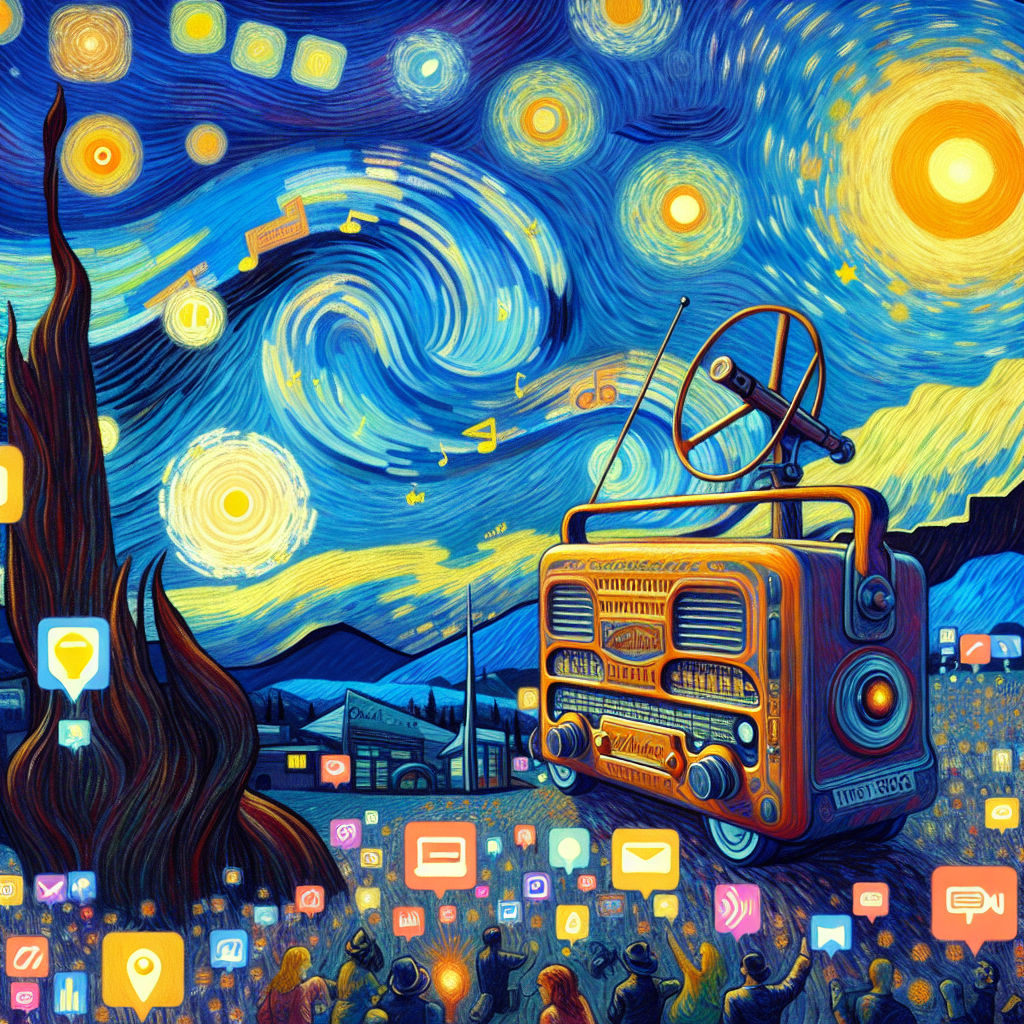
In a world humming with data, where every click, scroll, and pause matters, hyper-personalization is like tuning an old radio to catch your favorite station amid the static. It’s not just about knowing who you are; it’s about understanding your journey, your preferences, and even your whims—all to deliver a meaningful experience that feels tailor-made just for you.
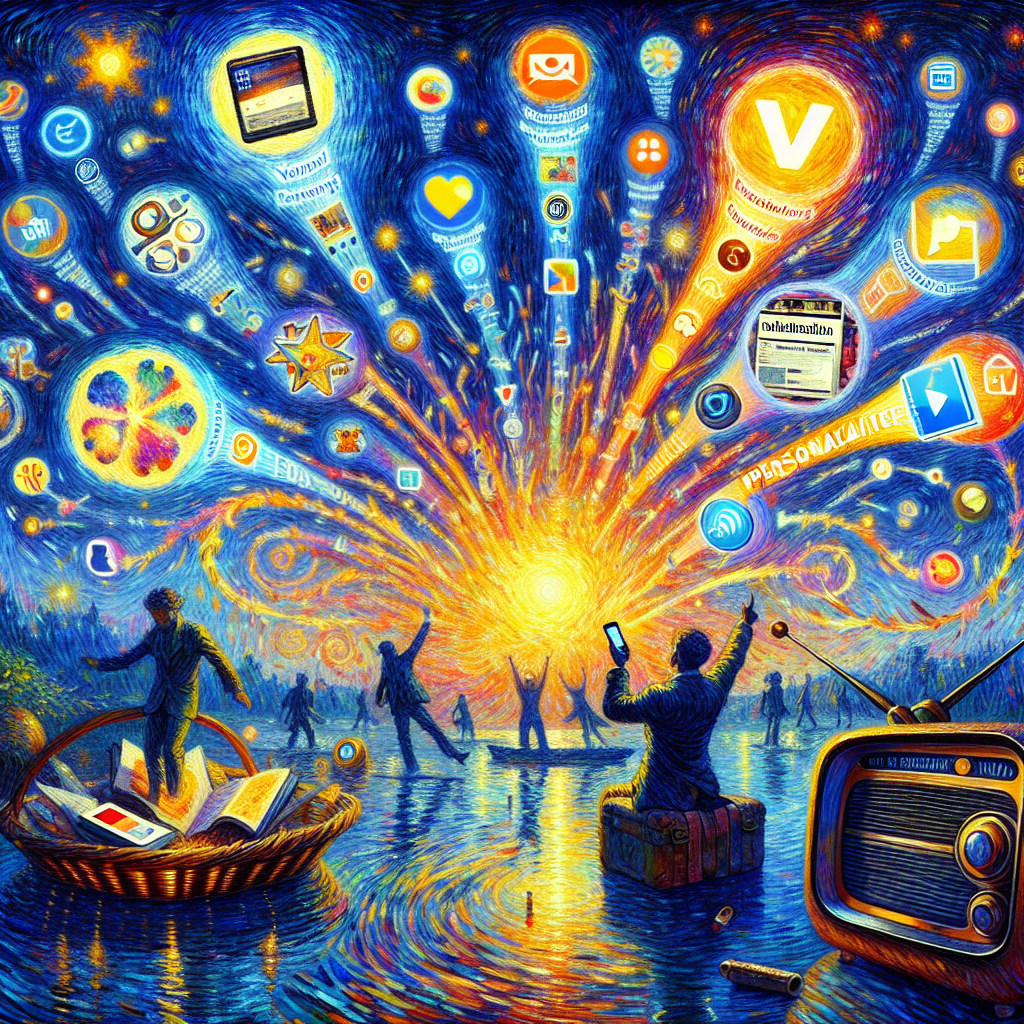
So, how does this magic happen? Imagine browsing a website or scrolling through a blog, and suddenly, the content feels like it was written just for you. That’s hyper-personalization at work. It starts with data. Websites and platforms gather insights from your previous interactions, your demographic details, and your likes and dislikes. This isn’t some big-brother act; it’s more like a savvy guide who pays attention and remembers what you’ve enjoyed in the past.
But the key here isn’t just collecting data; it’s how it’s used. Algorithms spring into action, categorizing information to create a profile that might reveal anything from your favorite products to your preferred reading material. Picture this: a blog that adapts its articles based on what you’ve read before, suggesting related topics that feed your curiosity. It feels intuitive, right? That’s because it is.
Think about the last time you visited a website and felt an instant connection. Maybe you were greeted with personalized recommendations that felt spot-on or saw content that resonated with your current interests. That’s when hyper-personalization works best—when it feels less like a marketing move and more like a friendly nudge that says, “Hey, we know you. Here’s something you might love.”
Confident in your choices and excited about the experience, you’re more likely to engage, return, and even share your newfound treasures. Utilizing hyper-personalization in your online interactions builds a sense of trust and loyalty—it becomes a reciprocal relationship. You contribute data, and in return, you receive relevance and value.
In a noisy digital landscape, hyper-personalization stands out as a beacon of connection. It’s about genuinely understanding the user, catering to their needs, and making the experience enjoyable. Next time you find yourself scrolling through a website or diving into a blog, consider how that tailored experience makes you feel—it’s all about you, and it’s delightful to know you’re being heard.
How Does Hyper-Personalization Work?
How Does Hyper-Personalization Work?
- Hyper-personalization enhances user experience by tailoring content based on individual preferences and journeys.
- It involves collecting data from previous interactions, demographics, and personal likes/dislikes.
- Algorithms analyze this data to create personalized profiles, suggesting relevant content and products.
- Effective hyper-personalization feels natural and intuitive, akin to a friendly recommendation.
- It fosters trust and loyalty by offering users relevant experiences in exchange for their data.
- This approach stands out in a cluttered digital space, creating meaningful connections with users.
- Ultimately, hyper-personalization aims to make users feel valued and understood in the online environment.
How Does Hyper-Personalization Work?
Why Is Hyper-Personalization Important For Brands?
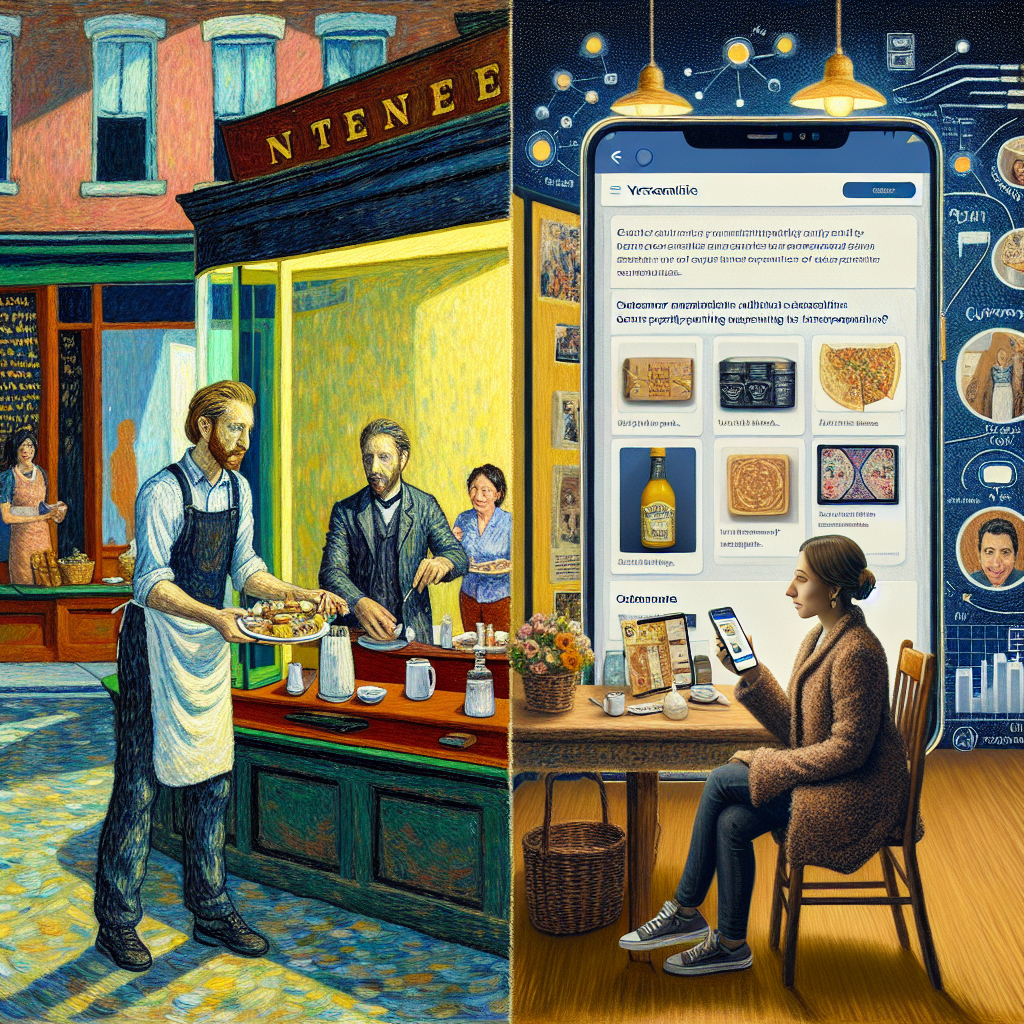
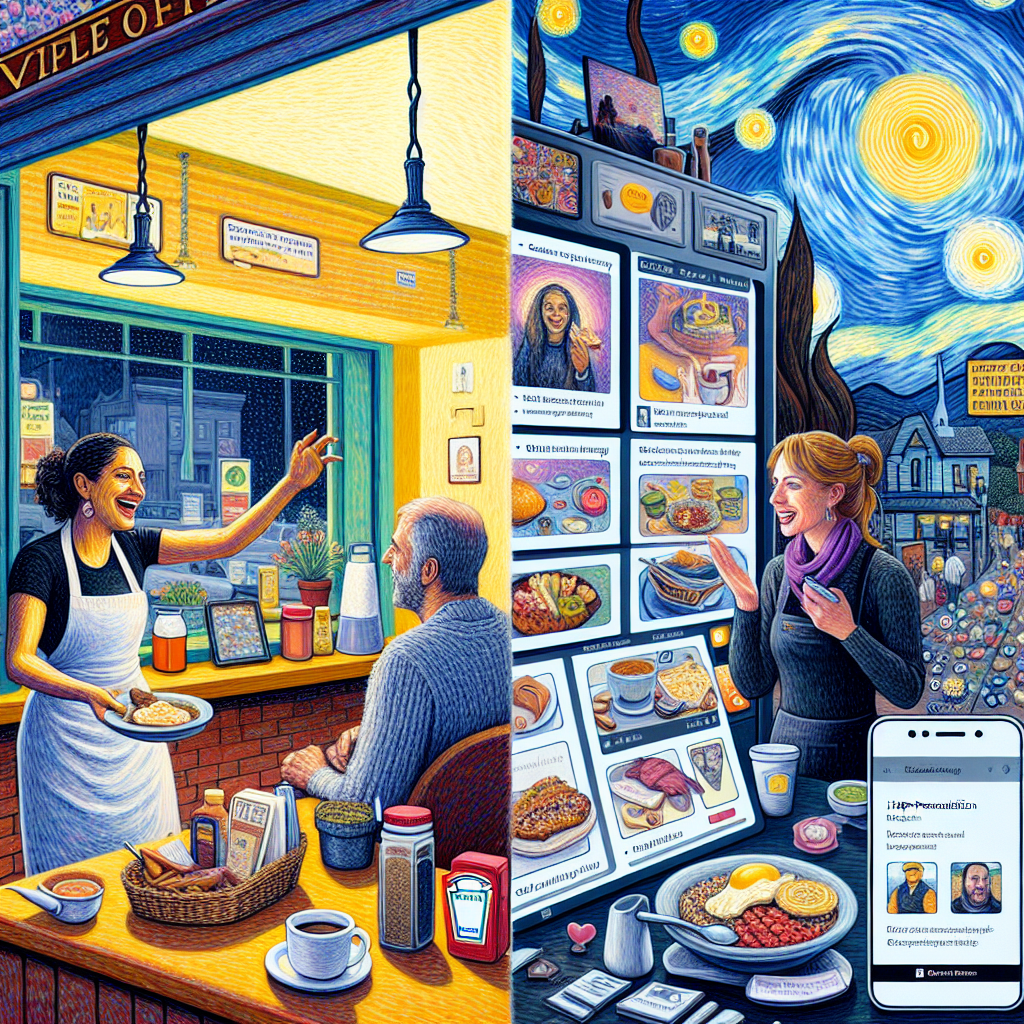
Let’s take a moment to talk about hyper-personalization. Sounds fancy, right? But let’s break it down in a way that makes sense. Imagine walking into your favorite local diner. As soon as you step through the door, the guy behind the counter greets you by name, remembers your favorite dish, and even inquires about that new job you mentioned last time. This warmth and attentiveness stick with you, creating a bond that turns a simple meal into a memorable experience.
Now, picture that same level of attentiveness in the digital realm. Brands today have a golden opportunity to forge genuine connections with their audience, and that’s where hyper-personalization comes into play. It’s about treating every customer like a valued friend rather than a faceless transaction. When a brand knows your preferences, behaviors, and even your aspirations, it’s not just about selling products; it’s about building relationships that can last.
Think of it this way: in a world cluttered with noise and chaos, hyper-personalization cuts through the static. It provides customers with tailored experiences that feel relevant, timely, and satisfying. In a swipe-right culture, people are looking for brands that resonate with them on a personal level. When a brand gets it right, they become part of their customers’ lives—not just another item on a shopping list.
Furthermore, hyper-personalization fosters trust. Brands that understand their customers’ individual needs and preferences demonstrate that they truly care. This builds a sense of loyalty that goes beyond price points or flashy advertisements. When customers feel recognized and valued, they become advocates, spreading the word and bringing others into the fold. That’s the kind of grassroots marketing that can make a real difference.
A quick dive into your website blog can show you that the data is there. It’s not just enough to gather information; it’s essential to use it wisely. Mining that treasure trove of data allows brands to anticipate needs, offer solutions, and create a seamless journey. And in the end, who doesn’t want to feel understood?
So whether you’re a seasoned brand leader or just starting out, remember: hyper-personalization isn’t just a trend. It’s the lifeblood of connection, trust, and lasting loyalty. Embrace it, and you could change the game!
Why Is Hyper-Personalization Important For Brands?
Why Is Hyper-Personalization Important For Brands?
- Hyper-personalization involves brands treating customers like valued friends rather than just transactions.
- It creates genuine connections, similar to how a local diner staff remembers customers’ preferences.
- This approach offers tailored experiences that cut through the noise of a cluttered market.
- Effective hyper-personalization fosters trust and loyalty beyond just pricing and advertisements.
- Recognizing and valuing customers leads to advocacy and grassroots marketing.
- Utilizing customer data wisely is essential for brands to anticipate needs and create seamless journeys.
- Hyper-personalization is a crucial strategy for building lasting relationships and loyalty.
Why Is Hyper-Personalization Important For Brands?
What Challenges Does Hyper-Personalization Face Today?
If you’ve ever scrolled through a website and felt like it knew you better than you know yourself, you’ve experienced the magic of hyper-personalization. It’s that thrilling sensation when the content seems tailored just for you—like wearing the perfect pair of jeans or finding a song that resonates with every fiber of your being. But before we get lost in the wonders of what this technology can do, it’s important to peel back the layers and explore the challenges that sit at its core.
First off, let’s talk about data. Nowadays, data is everywhere, like those pesky weeds in a garden. While it’s essential for crafting those personalized experiences, it can quickly become a double-edged sword. Companies gather tons of information, intending to understand their customers better, but they can also cross boundaries. People crave personalization but with limits—they want relevant recommendations without the feeling of being watched. Finding that delicate balance is akin to walking a tightrope while juggling fireballs—one misstep can lead to a customer feeling uncomfortable and hitting the ‘unsubscribe’ button faster than you can say “data privacy.”
Next, consider the challenge of integration. When we talk about hyper-personalization, we often envision a seamless journey across a website or blog. Yet, many businesses have systems that aren’t talking to each other. It’s like trying to mix oil and water! If your website can’t pull all that collected data together to create a cohesive experience, you might still end up serving up the same old stale recommendations—yawn!
Let’s not forget about the human element, either. Technology is fascinating, but it can sometimes feel cold and mechanized. The beauty of personal touches comes from genuine connection and empathy. Brands need to ensure that while they’re crunching numbers and analyzing algorithms, they don’t lose the heart of what makes them relatable.
So, what can we do? For starters, we need to foster a culture of trust. Be transparent about how data is used and provide users with easy choices about their data. Encourage feedback and engage in conversations that make customers feel valued. The journey toward hyper-personalization is not just a technical one; it’s about understanding our audience as real people—and that’s where the magic happens. When done right, hyper-personalization won’t just be a tool; it will be a bridge that deepens our connections and enriches our experiences online.
What Challenges Does Hyper-Personalization Face Today?
What Challenges Does Hyper-Personalization Face Today?
- Hyper-personalization creates an experience where content feels tailored to individual users.
- The challenge lies in data utilization, as excessive data collection can lead to discomfort among customers.
- Finding a balance between personalization and privacy is crucial to avoid alienating users.
- Integration of data from different systems is necessary for a seamless personalized experience.
- The human element is important; brands should maintain genuine connections rather than relying solely on technology.
- Fostering trust through transparency about data use is essential for successful hyper-personalization.
- Engaging with customers and valuing their feedback enriches the hyper-personalization journey.
What Challenges Does Hyper-Personalization Face Today?
How Can Data Privacy Impact Hyper-Personalization?
Let’s pause for a moment and consider something that affects you and me every single day: data privacy. It’s a topic that’s buzzing around like a fly at a summer picnic, and for good reason. Now, you might wonder how this ties into hyper-personalization — the art and science of delivering experiences tailored just for us. But before we dive in, let’s chew on this question: how comfortable are you with sharing your personal information to create that next best experience?
Imagine you’re scrolling through your favorite website blog, and suddenly, it feels as if it’s reading your mind. It showcases products, articles, and offers that seem handpicked just for you. It’s a little bit like magic, isn’t it? But here’s the catch: to weave that magic, companies need data — your data. With every click and every scroll, a little piece of your digital self goes into the pot, letting them craft those effortless experiences. But it’s a delicate balancing act.
As consumers, we crave personalization. We want brands to know us not just as another faceless statistic but as complex individuals with unique preferences. However, that craving can cause a bit of cognitive dissonance when we think about how much we’re giving away. Do we trust these companies with our intimate details? And equally important, are they investing enough in protecting our information?
One misstep can send shockwaves through a brand’s reputation. A data breach, negligence, or just a hint of intrusion can turn that cozy feeling of personalization into a cold shiver of distrust. When individuals are wary about sharing their data, the heart of hyper-personalization takes a hit. Businesses then face a dilemma: How can they create those engaging, tailored experiences without crossing the line into invasive territory?
The solution lies in transparency and security. Brands need to be open about their data practices, explaining what they collect and how they use it. Imagine receiving a heartfelt letter, explaining everything in clear language, offering you control over your data — wouldn’t that inspire confidence? When companies show genuine efforts to protect your information, it opens the door to unlocking hyper-personalized experiences that benefit everyone involved. It’s all about fostering a relationship built on trust, ensuring that while the magic happens, your data remains safe and sound.

How Can Data Privacy Impact Hyper-Personalization?
How Can Data Privacy Impact Hyper-Personalization?
- Data privacy is a daily concern for consumers, especially in the context of hyper-personalization.
- Hyper-personalization involves delivering tailored experiences using personal data, creating a sense of magic for users.
- Businesses collect data from users to craft personalized experiences, but this raises questions about privacy and trust.
- Consumers desire personalization but may feel cognitive dissonance regarding the amount of personal information they share.
- Data breaches or negligence can severely harm a brand’s reputation, leading to consumer distrust in personalization efforts.
- Brands must prioritize transparency by clearly explaining their data practices and ensuring user control over their information.
- Building trust through security and open communication can enhance relationships and pave the way for genuine hyper-personalized experiences.

How Can Data Privacy Impact Hyper-Personalization?
What Tools Are Essential For Effective Hyper-Personalization?
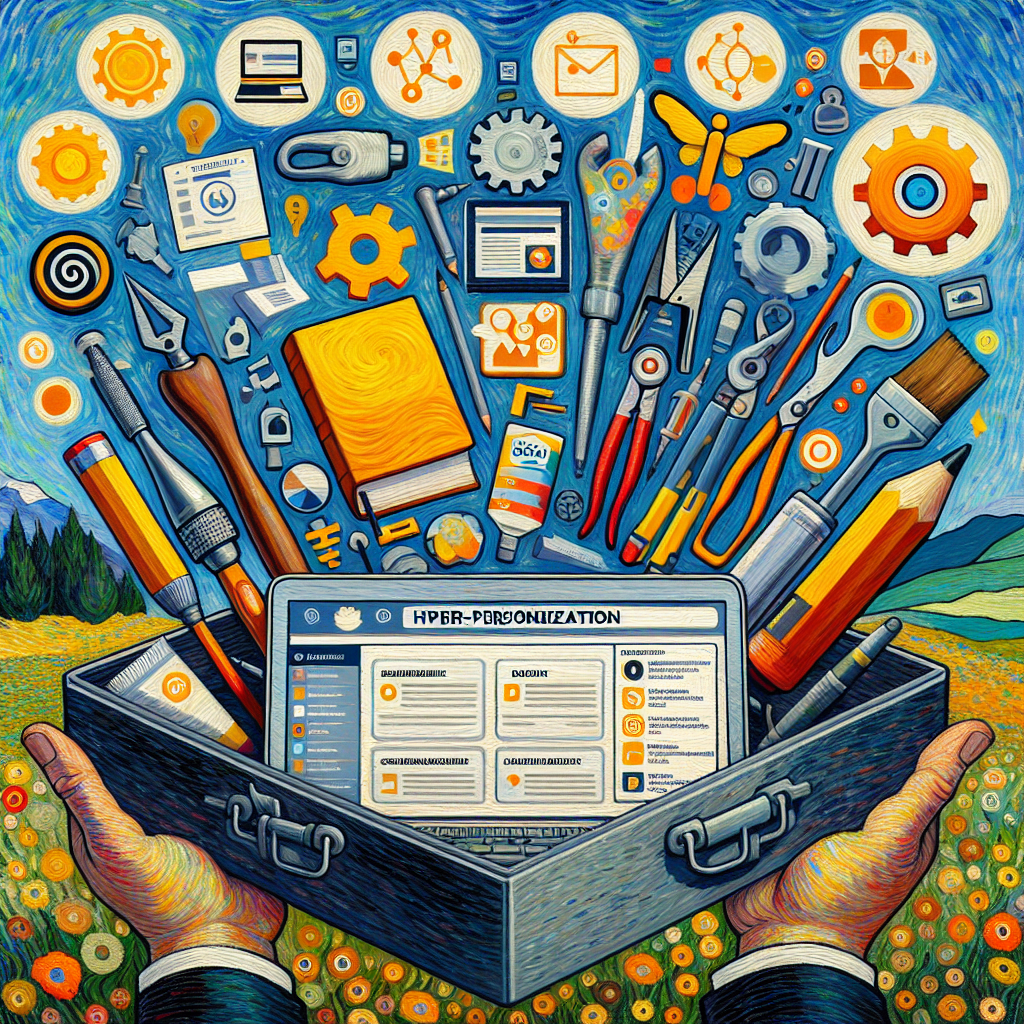
Alright, let’s roll up our sleeves and get to the nitty-gritty of hyper-personalization. Picture this: a world where your customers don’t just feel known but truly understood. To pull this off, you need the right tools in your toolbox. Much like a craftsman wouldn’t tackle a project with just a hammer and nails, embarking on the hyper-personalization journey without the right arsenal is a recipe for frustration.
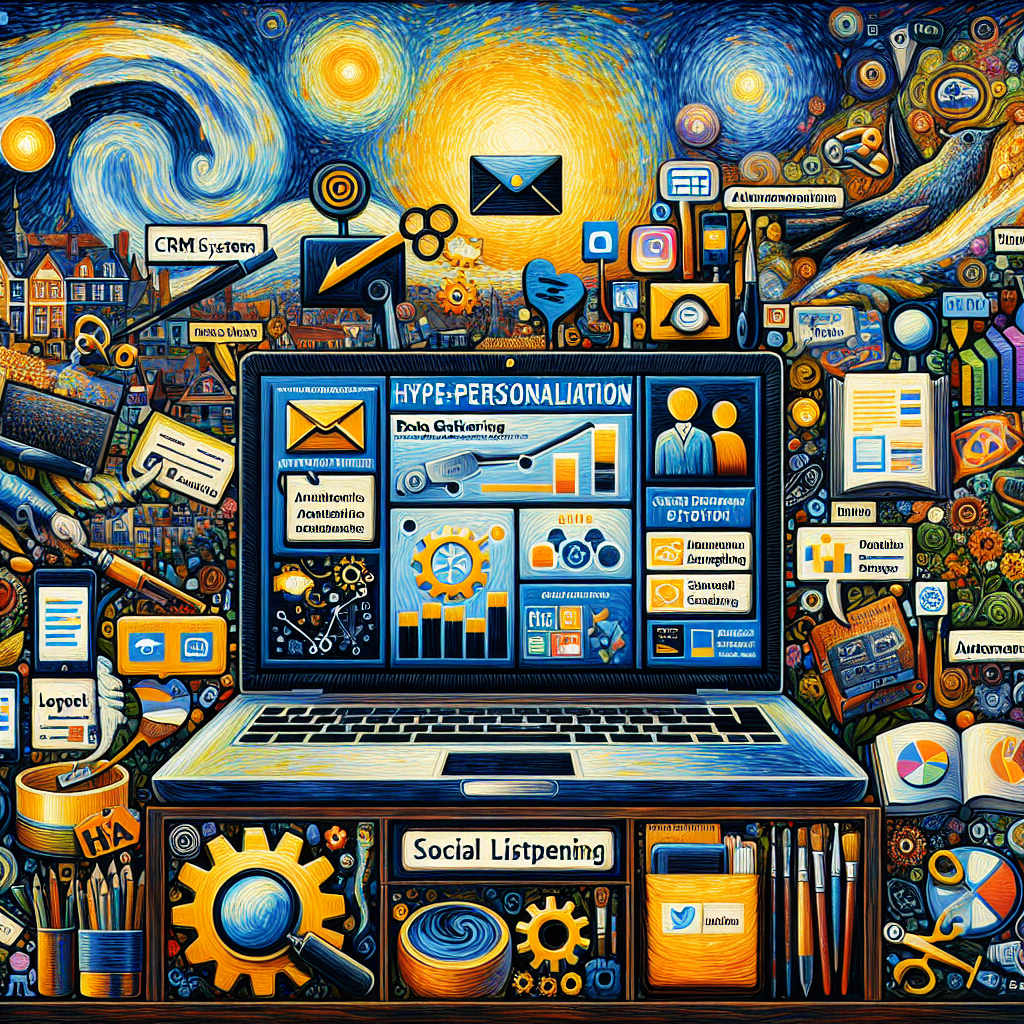
First off, consider your Website. It’s your digital storefront, the face you show to the world. But it can’t just be a pretty facade; it needs to be embedded with data-gathering tools. Utilizing analytics platforms, like Google Analytics, can give you insight into user behavior, preferences, and needs. If you aren’t tracking user interactions, you’re basically flying blind.
Next up on our checklist is an effective Blog. Not just any blog, mind you, but a dynamic place where you share valuable content tailored to your audience. When your readers find information that resonates with them personally, they’re more likely to engage further. Think of your blog as a conversation starter, a way to build rapport and trust with your audience. Use it to dive deep into topics they care about, address their pain points, and propose solutions that really hit home.
Then, let’s sprinkle in some automation tools. Email marketing platforms like Mailchimp or HubSpot allow you to segment your audience and send targeted messages based on behavior or preferences. This isn’t just about pushing a one-size-fits-all email; it’s about crafting a unique message for your specific audience segments.
Don’t underestimate the power of Customer Relationship Management (CRM) systems, either. These invaluable tools help you store and manage customer data efficiently. Platforms like Salesforce or Zendesk can help you track customer interactions and tailor future conversations accordingly. Imagine being able to reach out to a customer with a message that reflects their past purchases or inquiries—that’s the essence of hyper-personalization!
Finally, embrace social listening tools. Tools like Hootsuite or Sprout Social can help you monitor what your audience is saying across social media. This insight allows you to adjust your approach and cater directly to their evolving needs.
So, gather these tools and use them wisely. With dedication and creativity, you’re well on your way to making hyper-personalization work for you, building real connections and trust with your audience that keeps them coming back for more.
What Tools Are Essential For Effective Hyper-Personalization?
What Tools Are Essential For Effective Hyper-Personalization?
- Hyper-personalization focuses on making customers feel truly understood.
- Your website acts as a digital storefront and should include data-gathering tools.
- Using analytics platforms like Google Analytics is essential for tracking user behavior.
- A dynamic blog should share valuable, tailored content to engage your audience.
- Automation tools like Mailchimp or HubSpot can segment your audience for targeted messaging.
- Customer Relationship Management (CRM) systems like Salesforce help manage customer data and interactions.
- Social listening tools like Hootsuite allow you to monitor audience feedback and adapt accordingly.
What Tools Are Essential For Effective Hyper-Personalization?
Conclusion
As we stand at the crossroads of marketing, staring down the road to 2025, the real question isn’t just about whether the term “hyper-personalization” will survive the looming buzzword apocalypse. It’s whether we can truly harness its essence: genuine connection. At the heart of this evolution lies an urgent need to pivot from mere transactional interactions—those scattershot ads and bland content—all the way to crafting engaging, tailored experiences that resonate with the humans behind the clicks.
Picture it: instead of being bombarded with irrelevant ads from faceless companies, you stumble upon content that speaks to your interests, needs, and, let’s face it, your quirks. That’s not just savvy marketing; that’s forging relationships. It’s walking into a diner where the waiter knows not only your name but also your usual order—the kind of warmth and familiarity that brings you back time and again.
Now, don’t get me wrong, hyper-personalization isn’t without its challenges. The landscape is littered with the pitfalls of data privacy and the fine line between personalized and invasive. Ever received a call from a brand that seemed to know your whole life history? Yeah, it’s unsettling. And amidst this tension lies an incredible opportunity for brands that can strike the right balance—using data responsibly while ensuring customers feel valued rather than monitored.
The future of hyper-personalization will require us marketers to view our platforms as dynamic entities—living organisms that adapt in real time to reflect and honor the individuals who interact with them. It demands that we shift our mindset; instead of merely pushing products, we cultivate a landscape where consumers feel seen, heard, and appreciated. When they engage with us, it should feel less like a transaction and more like a dialogue between friends.
So, as we march forward, let’s challenge ourselves: how can we make our brands true stewards of the trust that consumers place in us? By doing so, we won’t just survive the digital wilderness; we’ll thrive, standing out as bastions of genuine engagement and meaningful connection. Embrace this challenge as if your company’s future depends on it—because, in many ways, it does. The road ahead might be fraught with complexities, but with commitment and care, we just might carve out a future where hyper-personalization shines, not as a trend, but as the new standard in authentic customer relationships.

Conclusion
Conclusion:
- Marketing is at a crucial juncture as we approach 2025, focusing on the need for genuine connection beyond hyper-personalization.
- Transitioning from transactional interactions to crafted engaging experiences is essential to resonate with consumers.
- Effective marketing should feel personal, much like familiar service at a local diner, fostering relationships rather than exploiting data.
- Challenges such as data privacy and the risk of being overly invasive complicate hyper-personalization efforts.
- Marketers must view platforms as dynamic entities that adapt to individual consumer interactions, promoting a sense of appreciation.
- The goal is to cultivate genuine engagement and connection rather than merely pushing products on consumers.
- Embracing the challenge of being trustworthy brand stewards can lead to thriving customer relationships and setting new standards for engagement.

Conclusion
Other Resources

Other Resources
Here is a list of other resources you can review online to learn more:
- Excuses.ai
- Grid.is
- Inbenta.com
- logoai.com
- Canva
- Chatbase.co
- Chatbotkit.com
- Flowrite.com
- Magicstudio.com
- Excelformulabot.com
Use This Prompt To Get More Resources With Your Favorite Online AI Tool: Please provide me with a list of online articles with their URLs in a bulleted list that I can read regarding Can The Marketing Term Hyper-Personalization Survive 2025?

Other Resources
Glossary Terms
Can The Marketing Term Hyper-Personalization Survive 2025? – Glossary Of Terms
1. Hyper-Personalization: A marketing strategy that tailors content, offers, and communications to individual consumers based on data analysis and insights.
2. Data Analytics: The process of collecting, processing, and analyzing data to derive insights and inform decision-making.
3. Big Data: Large volumes of structured and unstructured data that can be analyzed to reveal patterns, trends, and associations.
4. Customer Journey: The complete experience a customer has with a brand, from initial contact to post-purchase interaction.
5. Real-time Marketing: Marketing efforts that engage consumers in real-time, capitalizing on current events or immediate engagement opportunities.
6. Segmentation: The practice of dividing a target market into smaller, more defined groups based on specific characteristics.
7. Predictive Analytics: Techniques that use statistical algorithms and machine learning to identify the likelihood of future outcomes based on historical data.
8. Behavioral Targeting: A strategy that uses consumers’ past behavior to personalize future marketing messages.
9. Artificial Intelligence (AI): Technology that simulates human intelligence processes, making it easier to analyze data and automate decision-making.
10. Machine Learning: A subset of AI that involves algorithms that improve automatically through experience and data.
11. Customer Lifetime Value (CLV): A projection of the total revenue a customer is expected to generate during their relationship with a brand.
12. Omnichannel Marketing: An integrated approach that provides customers with a unified experience across all platforms—online, in-store, and mobile.
13. Contextual Marketing: Delivering relevant content and messages based on the user’s context, such as location, time, and behavior.
14. Privacy Concerns: Issues related to how customer data is collected, stored, and used, impacting trust and compliance with regulations.
15. User Experience (UX): The overall experience a person has when interacting with a product or service, influencing satisfaction and loyalty.
16. Dynamic Content: Content that changes based on user interactions, preferences, or behaviors, enhancing personalization.
17. A/B Testing: A method of comparing two versions of a webpage, email, or other content to determine which one performs better.
18. Content Management System (CMS): Software that allows users to create and manage digital content, facilitating personalized marketing efforts.
19. Retargeting: A form of online advertising that targets users who have previously interacted with a brand, encouraging them to convert.
20. Lead Scoring: A method used to rank potential customers based on their likelihood to convert, based on their interactions and behavior.
21. Data Privacy Regulation: Laws and guidelines governing how personal information can be collected, processed, and used, influencing marketing strategies.
22. Social Listening: Monitoring social media channels to understand consumer sentiment, preferences, and trends.
23. User-Generated Content (UGC): Content created and shared by consumers, often used to enhance authenticity and personalization in marketing.
24. Algorithmic Marketing: Utilizing algorithms to analyze data and automate marketing decisions, enhancing targeting and personalization.
25. Churn Rate: The percentage of customers who stop using a company’s product or service during a given time frame, influencing retention strategies.
26. Brand Loyalty: A consumer’s commitment to repurchase or continue using a brand’s products, which can be nurtured through personalized marketing.
27. Interactive Content: Engaging formats like quizzes, polls, or assessments that require active participation from users, enhancing personalization.
28. Feedback Loop: The process of collecting feedback from customers and using it to improve products, services, and marketing strategies.
29. Cross-Channel Marketing: Engaging customers through multiple marketing channels, enabling a cohesive and personalized experience.
30. Sentiment Analysis: The use of natural language processing to analyze text data and determine consumer sentiment toward a brand or product.
These terms provide a comprehensive understanding of hyper-personalization and its relevance in marketing as we approach 2025 and beyond.

Glossary Of Terms
Other Questions
Can The Marketing Term Hyper-Personalization Survive 2025? – Other Questions
If you wish to explore and discover more, consider looking for answers to these questions:
- What are the key differences between personalization and hyper-personalization?
- How are brands currently implementing hyper-personalization strategies?
- What industries are benefiting the most from hyper-personalization?
- What technologies enable hyper-personalization?
- How can brands effectively collect data for hyper-personalization without compromising privacy?
- What are some case studies or examples of successful hyper-personalization?
- How do consumers perceive hyper-personalization, and what are their preferences?
- What role does artificial intelligence play in hyper-personalization?
- How can small businesses implement hyper-personalization on a budget?
- What metrics should brands track to measure the effectiveness of hyper-personalization?
- What are some common pitfalls brands should avoid in hyper-personalization?
- How can brands build trust with consumers for effective hyper-personalization?
- What future trends can we expect in hyper-personalization beyond 2025?
- How does cultural context influence hyper-personalization strategies?
- What ethical considerations surround the use of consumer data in hyper-personalization?

Other Questions
Haiku
Can The Marketing Term Hyper-Personalization Survive 2025? – A Haiku
Connections refined,
Brands must personalize now—
Hearts over data.

Haiku
Poem
Can The Marketing Term Hyper-Personalization Survive 2025? – A Poem
In the realm of clicks and swipes,
Where bustling data dances and types,
Lies a term we ponder as time doth race,
Hyper-personalization—a warm, human embrace.
Picture the diner, familiar and bright,
Where the waiter recalls your order with delight,
Not just a number, but a friend at heart,
Crafting experiences, where real journeys start.
Yet fears loom larger in digital spree,
Data encroaches, is this truly me?
The fine line we walk, a precarious game,
Between trust and intrusion, it’s all the same.
For what do we seek in this online maze?
Not mere statistics, but connection that stays;
A tailored garment, fitting just right,
Turning cold interactions magically warm and bright.
Algorithms hum with insights galore,
Understanding our whims like never before,
But let’s not forget the heart of the deal,
Empathy matters; it’s authenticity we feel.
The path forward lies in transparency’s light,
Crafting bonds stronger, making it right,
Gathering data but holding it dear,
A pledge to protect what’s precious and clear.
The tools of the trade we must wield with care,
Websites that gather, blogs that share,
CRM systems that track tales profound,
All in alignment, our visions unbound.
So let us evolve, past mere transaction,
Into realms where trust fuels each interaction,
For as we embrace this challenge anew,
The future of marketing depends upon you.

Poem
Checklist
Can The Marketing Term Hyper-Personalization Survive 2025? – A Checklist
Understanding Hyper-Personalization
_____ Define hyper-personalization: Understand it as a deeper connection with consumers beyond basic data collection.
_____ Identify core goals: Focus on creating authentic, meaningful interactions rather than just transactions.
Building Trust with Consumers
_____ Prioritize consumer privacy: Ensure transparency about data collection and usage practices.
_____ Create a culture of trust: Engage consumers through feedback mechanisms and by respecting their preferences.
Data Collection and Utilization
_____ Gather insights ethically: Collect data from multiple touchpoints while respecting consumer privacy.
_____ Utilize analytics tools: Implement tools (like Google Analytics) to understand user behavior and preferences.
Creating a Personalized Experience
_____ Leverage automation tools: Use platforms like Mailchimp or HubSpot for personalized email marketing.
_____ Craft dynamic content: Ensure your website and blog provide tailored experiences based on user data and interactions.
Integrating Systems
_____ Evaluate tech systems: Ensure that all platforms communicate effectively to provide a cohesive personalized experience.
_____ Utilize CRM systems: Implement CRM tools (like Salesforce or Zendesk) to manage customer interactions and enhance personalization efforts.
Enhancing Engagement
_____ Monitor social media: Use social listening tools (like Hootsuite or Sprout Social) to adjust messaging based on audience feedback and trends.
_____ Facilitate genuine connections: Move beyond automated responses to fostering authentic engagements with customers.
Adapting Strategies
_____ Stay updated on trends: Regularly review how hyper-personalization evolves and how consumer expectations shift.
_____ Be open to changes: Adapt strategies and tools based on analytical insights and consumer feedback.
Avoiding Common Pitfalls
_____ Avoid data overload: Stay focused on relevant insights; don’t drown in excessive data.
_____ Balance personalization and intrusion: Strive for personalization without making consumers feel overly targeted or monitored.
Reviewing and Improving
_____ Gather customer feedback: Regularly assess how consumers perceive their personalized experiences.
_____ Iterate and innovate: Continuously refine your hyper-personalization approach based on results and changing dynamics.
Use this checklist to ensure that your hyper-personalization efforts are effective, respectful, and aligned with consumer expectations, setting you up for success beyond 2025.

Checklist
At WebsiteBloggers, we help website bloggers develop strategies to create content, traffic, and revenue from website blogs based on our experiences and experimentation.
Be sure to read our other related stories at WebsiteBloggers and share this article with your friends, family, or business associates who run website blogs.