The Future Of Personalization: Can It Survive 2025?
By Tom Seest
At WebsiteBloggers, we help website bloggers develop strategies to create content, traffic, and revenue from website blogs based on our experiences and experimentation.
Be sure to read our other related stories at WebsiteBloggers and share this article with your friends, family, or business associates who run website blogs.
Can The Marketing Term Personalization Survive 2025?
Let’s face it—personalization in marketing has become a bit of a buzzword, hasn’t it? Remember when “authenticity” was the darling of the industry? Yet here we are, in the thick of a digital world that throws around the term “personalization” like confetti at a parade. But ask yourself: what does it really mean? Is it tailored emails with our names in the subject line, or is it something deeper? To survive beyond 2025, we need to take a hard look at what this term entails.
Let’s pull up a chair and break it down. Think about your favorite Website Blog; they know you well. They understand your interests, your quirks, and even your late-night snack choices. This isn’t just luck; it’s a result of smart data use. But here’s the kicker—consumers are catching on. They crave genuine experiences that go beyond cookies and algorithms. If we’re going to talk about true personalization, we need to consider the human element. What happens when people feel like they’re more than data points?
The challenge is in balancing technology with touch. People want brands to understand them, not just bombard them with targeted ads. So, here’s the million-dollar question: how can companies provide relevant experiences without making customers feel like they’re being followed? It’s a fine line, but there’s hope if we pivot our approach.
Imagine a world where marketing isn’t just about selling a product, but about fostering genuine connections. Companies can create tailored experiences not only by analyzing data but by genuinely listening to their audience. It’s about sparking conversations, engaging in authentic interactions, and building trust over time. Think of how refreshing it would be to see a product recommendation based on an interaction, not just past purchases.
For personalization to thrive past 2025, businesses must not only innovate but cultivate relationships. So, let’s roll up our sleeves and get to it! Dive into your Website Blog, engage with your audience, and listen to their stories. After all, it’s those real conversations that will transform marketing from a cold transaction into a warm connection. When that happens, personalization won’t just survive; it’ll flourish. Trust me—if companies put in the effort, the results will speak for themselves.

Can The Marketing Term Personalization Survive 2025?
Can The Marketing Term Personalization Survive 2025?
- Personalization in marketing has become a buzzword, reminiscent of the previous trend of “authenticity.”.
- The true meaning of personalization is questioned, moving beyond simple tailored emails.
- Consumers increasingly desire genuine experiences that go beyond data tracking.
- Successful personalization should balance technology with a human touch.
- Brands must learn to engage authentically rather than just focusing on targeted advertisements.
- Meaningful connections should be fostered through listening to the audience and engaging in conversations.
- For personalization to thrive post-2025, businesses need to innovate and build lasting relationships with customers.

Can The Marketing Term Personalization Survive 2025?
Table Of Contents
- Can The Marketing Term Personalization Survive 2025?
- What Is The Current State Of Marketing Personalization?
- How Has Personalization Evolved In Recent Years?
- What Are The Key Benefits Of Marketing Personalization?
- What Challenges Face Marketers In Delivering Personalized Experiences?
- How Do Consumer Expectations Affect Personalization Strategies?
- Will AI And Machine Learning Enhance Personalization Efforts?
- Conclusion
- Other Resources
- Glossary Of Terms
- Other Questions
- Haiku
- Poem
- Checklist
What Is The Current State Of Marketing Personalization?
Personalization in marketing isn’t just a fancy buzzword anymore; it’s a lifeline in a world overflowing with choices. Picture this: you walk into a store, and instead of being bombarded with a cacophony of generic ads and offers, a friendly face greets you by name and knows exactly what you might be interested in. Well, that idea is becoming a reality online, and it’s all thanks to savvy marketers who understand the power of connection.
In the digital realm, brands are stepping up their game by utilizing data in ways that feel more like a warm handshake than a cold pitch. You might have noticed it on your favorite website’s blog—content that speaks directly to your interests, your needs, your preferences. This isn’t mere coincidence; it’s the result of sophisticated algorithms and keen insights that allow companies to tailor their messaging. They’re listening, and they want to build a relationship, not just make a sale.
The current state of marketing personalization is more intuitive and responsive than ever. Gone are the days of blasting out emails to a faceless crowd. Instead, businesses are crafting campaigns with you in mind, using data analytics to create segments that reflect real human behavior. They analyze buying patterns, social interactions, and even that little browsing history you might think they’ve forgotten about. This isn’t spying; it’s understanding, and it leads to offers that feel as if they were custom-made for you.
But let’s not sugarcoat it: personalization isn’t without its pitfalls. There’s a fine line between being helpful and being intrusive. Too much of a good thing can feel overwhelming, and that’s where trust comes into play. Brands must tread carefully, ensuring they respect your privacy while still delivering what you want. When they do it right, you’ll find yourself not only engaged but eager to see what’s next, because deep down, you know they have your interests at heart.
So, next time you find yourself on a website or reading a blog post that feels tailor-made just for you, take a moment to appreciate the effort. It’s a testament to the evolving landscape of marketing—the push for personal connection in an impersonal world. And as more companies embrace this approach, the future looks promising for all of us.

What Is The Current State Of Marketing Personalization?
What Is The Current State Of Marketing Personalization?
- Personalization in marketing is essential for distinguishing brands in a crowded market.
- Brands are using data to create targeted content that resonates with individual interests and preferences.
- This marketing strategy involves sophisticated algorithms that allow for tailored messaging based on consumer behavior.
- Businesses are moving away from generic email blasts and focusing on personalized campaigns using data analytics.
- While personalization enhances consumer experience, there is a risk of being intrusive if not done carefully.
- Trust plays a critical role in personalization, requiring brands to respect consumer privacy while delivering relevant offers.
- The future of marketing personalization looks promising as more companies adopt this approach to foster genuine connections.

What Is The Current State Of Marketing Personalization?
How Has Personalization Evolved In Recent Years?
Let’s take a moment to step back and peek into the world of personalization—the kind that makes you feel like a million bucks without breaking the bank. You remember when you’d hop onto a website, and the best it could do was greet you with the same boring banner ad everyone else saw? Fast forward to today, and wow, have things changed. We’ve gone from generic pitches to a world where personalization feels less like marketing and more like a friendly chat with an old buddy.
Imagine logging into a website or a blog that knows your name, your preferences, maybe even your favorite flavor of ice cream. Yeah, it’s that advanced. Companies have become keen on gathering data—not in some creepy way, mind you, but in a way that builds trust. Let’s face it: we’re all just humans trying to navigate this online maze, looking for products and advice that truly resonate with us. Whether you’re searching for a new hiking boot or trying to figure out the best gardening tips, a personalized approach means so much more than just filling your screen with ads. It’s about meaningful connections.
Now, you might be thinking: “How do they do it?” Well, it’s less about magic and more about clever algorithms that learn who you are and what you love. Websites and blogs are no longer one-size-fits-all; they’re tailoring experiences that feel unique, all while staying rooted in authenticity. The key here is balance. A smart operator knows when to leverage data and when to simply share a good old-fashioned story that resonates.
That’s where the evolution really shines. We’ve shifted from a cold, transactional interaction to something warmer—a genuine relationship that inspires action. And why does this matter? Because it builds not just trust but confidence. When you feel understood, you’re more likely to engage, contribute, and yes, even pull the trigger on that purchase.
So, the next time you dive into a website blog tailored just for you, take a moment to appreciate how far we’ve come. Personalization is no longer just a tool; it’s a bridge that connects us to the things we love, making our digital experiences feel a lot more like home. Embrace it, enjoy it, and maybe explore a little deeper—you never know what gems are waiting for you just a click away!
How Has Personalization Evolved In Recent Years?
How Has Personalization Evolved In Recent Years?
- Personalization in digital experiences has evolved from generic content to tailored interactions.
- Websites can now recognize users by name and preferences, enhancing user engagement.
- Companies gather data responsibly, building trust and providing meaningful connections.
- Personalized approaches focus on resonance rather than just advertisement saturation.
- Advanced algorithms help create unique experiences tailored to individual user profiles.
- The shift from transactional to genuine relationship-building fosters trust and confidence.
- Personalization enhances digital experiences, making them feel more like home.
How Has Personalization Evolved In Recent Years?
What Are The Key Benefits Of Marketing Personalization?
Let’s set the stage a bit. Picture yourself walking into a small local diner, the kind where everyone knows your name and your usual order. In that cozy atmosphere, it’s not just the food that makes you come back again and again; it’s the personal touch. Marketing personalization aims to create that same warm, welcoming vibe but in the vast and sometimes intimidating world of online interactions. So, what are the key benefits of marketing personalization that can turn casual browsers into loyal customers?
First and foremost, it enhances customer experience. Just as that diner knows to serve you your favorite dish without needing to ask, a personalized marketing strategy tailors content and offers to fit individual preferences. This isn’t just about having your name in the subject line of an email—it’s about showing customers that their specific needs and desires are not just acknowledged but understood. Imagine receiving recommendations that feel like they were pulled right from your wishlist. It’s a game-changer.
Another big win is increased engagement. Take a moment to think about all those endless scrolls through social media or websites. Now, how often do you find something that actually resonates with you? Personalized marketing cuts through the noise, grabbing attention with content that feels relevant and exciting. When customers are engaged, they are more likely to interact with your brand, leading to higher click-through rates and ultimately, more sales.
And let’s not overlook the trust factor. People are more likely to do business with brands that they feel “get” them. When your marketing efforts reflect a genuine understanding of your audience, it builds confidence and loyalty. Customers want to know they’re more than just a number—they want to feel valued. When your website blog is full of tailored content, it shows you’re not just trying to sell something; you’re here to provide solutions to real problems.
Now, for the icing on the cake: data-driven decisions. Personalization relies on a wealth of information about customer behaviors and preferences, allowing businesses to make informed decisions that yield better results. By understanding what resonates with your audience, you can craft messages and offers that not only appeal to them but also drive meaningful action.
In a nutshell, marketing personalization isn’t just a trend; it’s the secret sauce that can transform your marketing approach from standard to stellar. So, whether you’re revamping your website blog or just tweaking your email campaigns, remember: a personal touch can create connections that last a lifetime.

What Are The Key Benefits Of Marketing Personalization?
What Are The Key Benefits Of Marketing Personalization?
- Marketing personalization creates a warm, welcoming atmosphere similar to a local diner.
- It enhances customer experience by tailoring content and offers to individual preferences.
- Personalized marketing increases engagement by presenting relevant and exciting content.
- Building trust is crucial; customers prefer brands that genuinely understand their needs.
- Tailored content shows customers they are valued and understood beyond just being a number.
- Data-driven decisions allow businesses to craft appealing messages that drive meaningful action.
- Marketing personalization is essential for transforming marketing strategies from standard to exceptional.

What Are The Key Benefits Of Marketing Personalization?
What Challenges Face Marketers In Delivering Personalized Experiences?
Let’s take a moment to dive into the wild world of marketing, where the goal often feels like standing on a narrow ledge, balancing the individual needs of every customer with the demands of broader strategies. Personalization is the golden ticket, the Holy Grail, the elusive unicorn that everyone is chasing. But let’s be real—it’s not as easy as it sounds. For every marketer out there looking to craft a personalized experience, there are obstacles that pop up like weeds in the garden.
First off, data. Ah, yes—the double-edged sword of the digital landscape. Marketers have mountains of data at their fingertips, from website interactions to social media engagement to email opens. But here’s the catch: simply having data isn’t enough. It needs to be organized, interpreted, and acted upon in a meaningful way. Without this clarity, attempts at personalization can feel as disconnected as a rusty old tractor trying to navigate a sleek, modern farm.
Then there’s understanding your audience. We often hear the phrase “know your audience,” but really grasping their evolving needs can be like trying to catch lightning bugs on a summer evening—tricky and sometimes just out of reach. One customer’s reading materials, interests, or favorite jam can change like the wind, making it challenging to stay ahead of the curve. Marketers must not only stay aware of these shifts but anticipate them—an endeavor that requires both gut instinct and cold, hard data.
Let’s not forget about technology. Sure, there are platforms designed to help analyze and deliver personalized experiences, but technology can be a fickle friend. Marketers must find the right tools that fit their brand’s unique voice and style, and just when they think they’ve nailed it, an update or new feature rolls in, complicating their carefully laid plans.
Moreover, there’s always the fear of overstepping boundaries. As we navigate through personalization, there’s a fine line between making a customer feel valued and invading their privacy—a misstep that can erode trust faster than you can say “data breach.” Striking this balance is an ongoing challenge for marketers striving to build durable relationships with their audience.
In the hustle and bustle of these challenges, one thing remains clear: creating a personalized experience is not just about the tools used but also the heart behind the message. By acknowledging these hurdles and working to overcome them together, marketers can pave the way for efforts that genuinely resonate, inspiring deeper connections with their audiences.

What Challenges Face Marketers In Delivering Personalized Experiences?
What Challenges Face Marketers In Delivering Personalized Experiences?
- Marketing requires balancing individual customer needs with broader strategies.
- Personalization is highly desired but presents numerous challenges for marketers.
- Data is abundant, but it must be organized and interpreted effectively to enable meaningful personalization.
- Understanding an audience’s evolving needs can be complex and requires both intuition and data analysis.
- Technology offers tools for personalization, but selecting the right ones can be difficult and is often complicated by updates.
- Marketers must navigate the fine line between valuing customers and respecting their privacy to maintain trust.
- Successfully creating a personalized experience involves not just tools, but also a heartfelt message to connect with the audience.

What Challenges Face Marketers In Delivering Personalized Experiences?
How Do Consumer Expectations Affect Personalization Strategies?
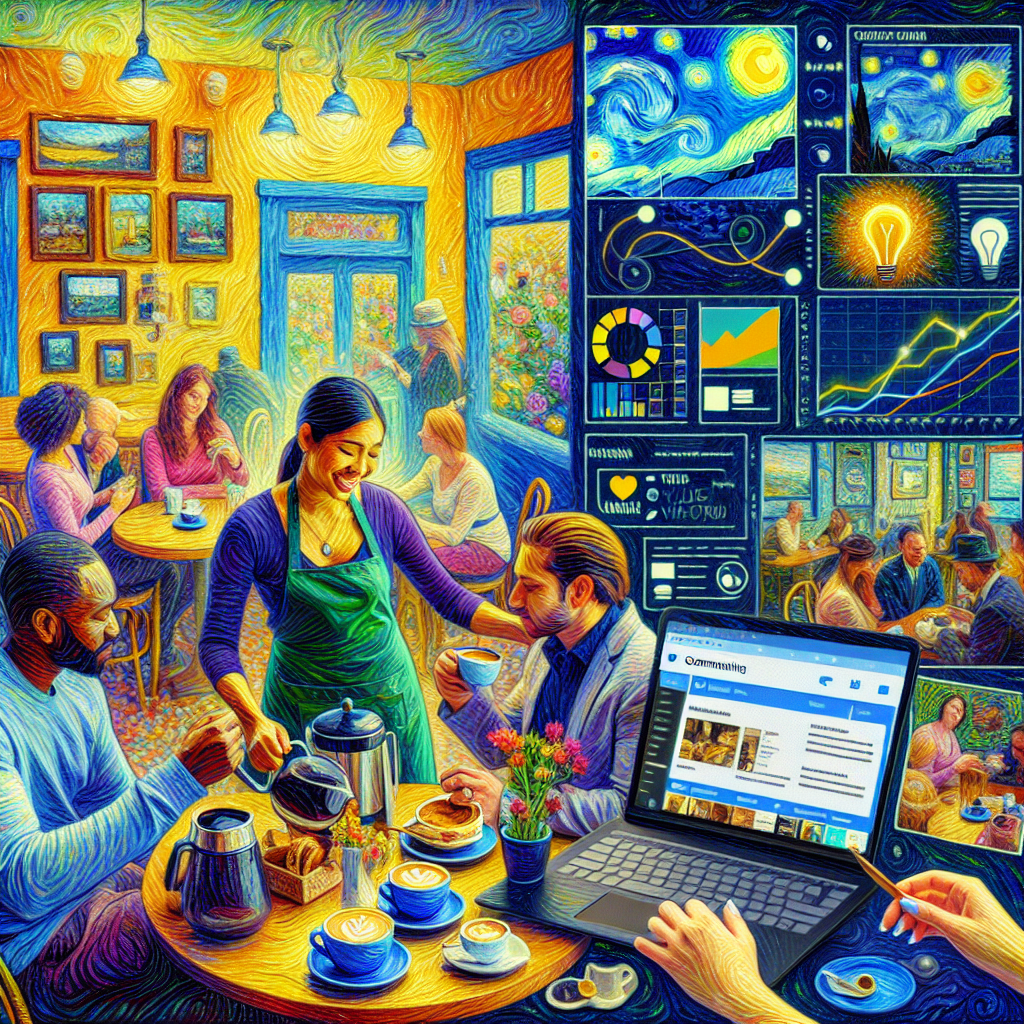
Let’s take a moment and dive into the world of consumer expectations. Picture this: you walk into a cozy café, and the barista greets you by name. They know exactly how you like your coffee, and before you can even place your order, your favorite blend is already bubbling away. That sense of personal connection doesn’t just make your day; it builds trust. Now, translate that delightful experience to the digital landscape of a website or blog.
In the age of instant gratification, consumers have elevated their expectations. They want more than just a one-size-fits-all approach. With every click, every scroll, they’re silently saying, “Hey, I’d like a personalized experience here.” This isn’t merely about fancy algorithms or the latest tech; it’s about understanding the people behind the pixels. When brands nail this aspect, it’s like handing over that perfect cup of coffee; their audience feels valued and connected.
So how do these expectations shape personalization strategies? The answer lies in listening and adapting. When businesses take the time to analyze consumer data—what they click on, how long they linger on a page, and their purchasing behavior—they can tailor experiences to fit those budding preferences. Imagine a website blog that curates content based on your interests, featuring articles that resonate with you, and layout designs that feel easy on the eyes. It’s not just effective; it’s downright engaging.
However, it’s essential to tread carefully. Overstepping boundaries by bombarding customers with too much information can alienate them. Transparency is key—if consumers feel their data is being respected, they’re more likely to engage and trust the brand. Keeping it real fosters genuine relationships. The more authentic the interaction, the stronger the connection.
In today’s fast-paced digital age, the best personalization strategies aren’t just about meeting expectations; they’re about exceeding them. By fostering a sense of community, offering tailored experiences, and demonstrating genuine care for consumer preferences, businesses can inspire trust and loyalty. Remember, it’s all about creating that warm, welcoming feeling—whether it’s during a coffee run or navigating through a website or blog. So, let’s roll up our sleeves and get to work, because when we understand what people want, magic happens.
How Do Consumer Expectations Affect Personalization Strategies?
How Do Consumer Expectations Affect Personalization Strategies?
- Consumer expectations have evolved to favor personalized experiences over generic ones.
- A personal connection, like being greeted by name at a café, builds trust in both physical and digital environments.
- Effective personalization requires understanding consumers behind the data, not just using advanced technology.
- Businesses can tailor experiences by analyzing consumer behavior, such as click patterns and purchasing habits.
- Maintaining transparency and respecting consumer data fosters genuine relationships and engagement.
- Exceeding consumer expectations leads to trust and loyalty through a sense of community and care.
- Creating a warm, welcoming atmosphere is crucial, whether in-person or online.
How Do Consumer Expectations Affect Personalization Strategies?
Will AI And Machine Learning Enhance Personalization Efforts?
In the vast digital landscape we navigate daily, it’s evident that personalization has become more than just a wink and a nod—it’s the undercurrent driving engagement in every corner of the web. Remember the days when you walked into your favorite local diner, the owner knew your name, your usual order, and even when you liked your coffee—strong and black. That kind of warmth and connection, born from familiarity, is what we’re striving to replicate online. Enter the world of AI and machine learning, two remarkable innovations that might just shine a light in that direction.
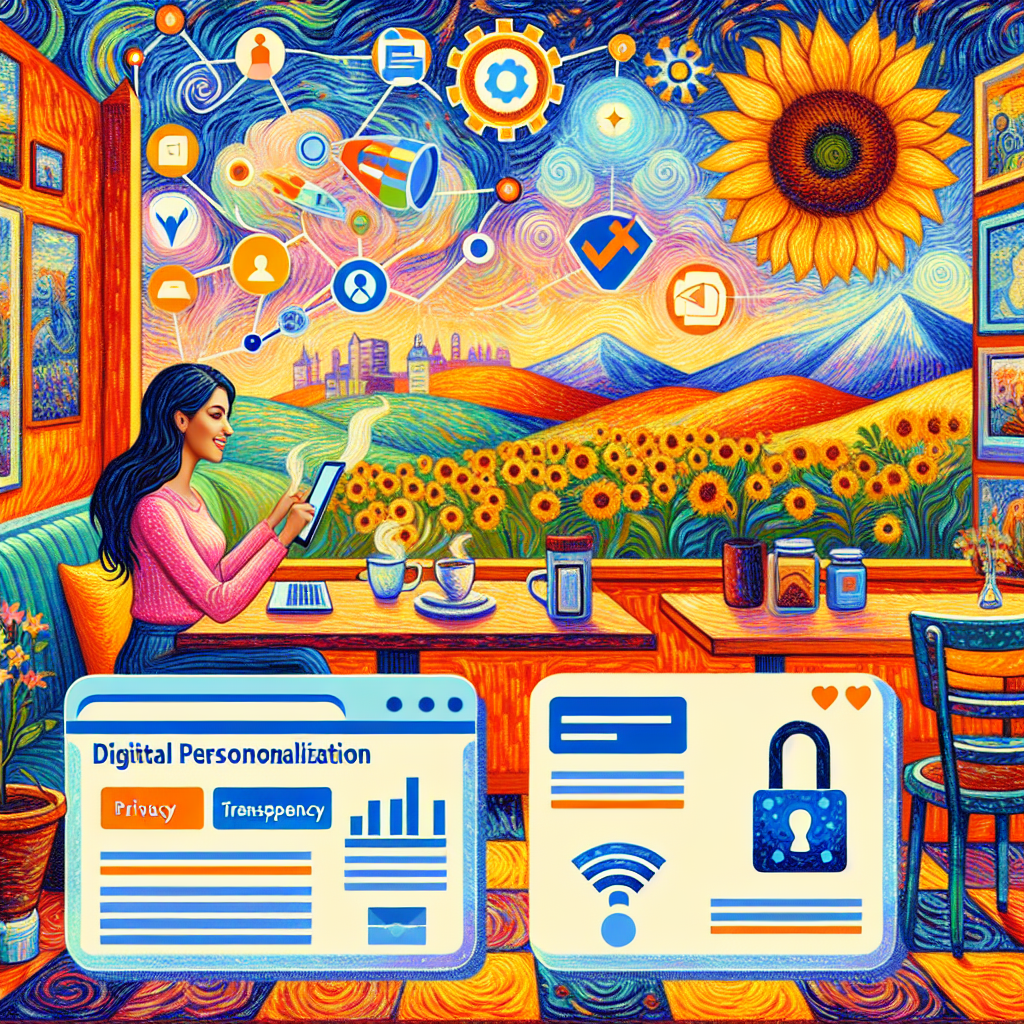
Imagine opening a website blog that feels tailor-made for you. The articles are aligned with your interests, the advertisements are relevant, and even the product recommendations seem to pull directly from your own thoughts. Sure, it sounds a touch like magic, but it’s science in action, folks. AI algorithms sift through mountains of data, picking up on patterns and preferences that, quite frankly, would take us humans a lifetime to decipher. This tech isn’t designed to replace that heartwarming diner interaction but to build a bridge that brings that kind of personalization to the global stage.
Yet, with great power comes great responsibility. It’s easy to get wrapped up in the gleaming marvels of technology, but we need to remember the importance of trust. If these systems can enhance our experiences, they must also safeguard our privacy. Transparency becomes key here; companies using AI should let their audiences know how their data is being used to enrich experiences. This vital step not only builds trust but also inspires confidence, allowing users to embrace a personalized digital experience without hesitation.
So, what does this mean for the everyday person? It’s an invitation to lean into the future. Familiarity can be cultivated in the digital world, just like at that favorite diner. AI and machine learning provide us with the tools to navigate our preferences more intelligently, fostering connections that matter. With every click, every search, and every blog post, we can step closer to a virtual environment where understanding meets genuine personalization.
Ultimately, it’s about making choices that resonate with us, sparking interaction and fostering community—much like that friendly diner where everyone feels at home. So, dive into the world of AI; let it enhance your experiences and invite you into a realm where every interaction feels like it was meant just for you.
Will AI And Machine Learning Enhance Personalization Efforts?
Will AI And Machine Learning Enhance Personalization Efforts?
- Personalization is crucial for online engagement, akin to the personal touch in local diners.
- AI and machine learning technologies can replicate familiar interactions by tailoring online experiences.
- These technologies analyze vast data to detect patterns and preferences, enhancing user experiences.
- Trust and privacy must be prioritized as AI systems improve personalization efforts.
- Companies should maintain transparency regarding data usage to build user confidence.
- AI provides tools for smarter navigation of personal preferences in the digital space.
- The goal is to create a personalized online environment that encourages community and connection.

Will AI And Machine Learning Enhance Personalization Efforts?
Conclusion
As we approach 2025, the conversation around personalization in marketing is heating up, and it’s time to cut through the noise. Let’s get real, folks. Personalization has morphed into the industry’s favorite catchphrase, but what does it actually mean? We’ve all seen those emails with our names slapped in the subject line. Is that personalization, or just a lame gimmick? If the term is to survive into the next decade, we have to rethink our approach and consider the human element behind the data.
Consumers are tired of feeling like mere data points on some corporate spreadsheet. They want authentic interactions that enrich their experiences, not just a series of targeted ads reminiscent of an overzealous stalker. Balancing technology with a human touch is key. It’s time companies shifted focus from merely selling products to forging genuine connections based on real conversations and a sincere understanding of their audience. Imagine receiving a product suggestion that comes from an authentic interaction rather than just algorithms picking up on browsing history. Now, that’s personalization worth talking about!
This evolution brings both challenges and opportunities. While we’re drowning in data, understanding your audience means recognizing their ever-changing needs and preferences. Companies that listen will create campaigns that resonate deeply, leading to loyalty and trust. But marketers need to tread lightly; excessive personalization risks intruding on consumer privacy, and when trust goes out the window, so do customers.
Enter the collectible tools of AI and machine learning. These advancements aren’t just for techies in lab coats; they hold the potential to revolutionize the personalization game. Picture an online experience that knows your likes before you even say a word. AI is designed to sift through the noise and understand patterns far faster than a human can, bringing that cozy diner atmosphere right into the digital realm.
In conclusion, the future isn’t fixed — it’s flexible and pivotal for all players involved. For personalization to endure past 2025, businesses must prioritize genuine engagement, authenticity, and respect for consumer choices. So, let’s roll up our sleeves, listen to our audience, and create real connections. If we can do that, personalization won’t just continue surviving; it will truly thrive, breathing life into marketing strategies while ensuring customers feel seen and valued. After all, nothing beats a genuine handshake in a world of cold transactions. So here’s to a future where personalization feels less like an algorithm and more like a conversation with a trusted friend!

Conclusion
Conclusion:
- The conversation around personalization in marketing is intensifying as we approach 2025.
- Current personalization methods, such as simply inserting names in subject lines, are often seen as gimmicks.
- Consumers prefer authentic interactions over being treated as data points, seeking genuine connections instead of targeted ads.
- Marketers need to balance technology with a human touch, focusing on real conversations and understanding their audience.
- Excessive personalization poses risks to consumer privacy, which can damage trust and lead to losing customers.
- AI and machine learning hold the potential to enhance personalization by analyzing data patterns more efficiently.
- For effective long-term personalization, businesses must emphasize genuine engagement and respect for consumer choices.

Conclusion
Other Resources

Other Resources
Here is a list of other resources you can review online to learn more:
- Packback.co
- chatpdf.com
- Word-spinner.com
- Contentatscale.ai
- Crownpeak
- Leonardo.ai
- Twitterbio.com
- Sitekick.ai
- Reflect.app
- Fineshare.com
Use This Prompt To Get More Resources With Your Favorite Online AI Tool: Please provide me with a list of online articles with their URLs in a bulleted list that I can read regarding Can The Marketing Term Personalization Survive 2025?

Other Resources
Glossary Terms
Can The Marketing Term Personalization Survive 2025? – Glossary Of Terms
1. Personalization: Tailoring marketing content and experiences to individual consumers based on their preferences, behaviors, and demographic information.
2. Data Privacy: The handling and protection of personal data, ensuring that individuals’ information is safeguarded from unauthorized access and misuse.
3. Customer Experience (CX): The overall perception a customer has of a brand based on their interactions across various touchpoints.
4. Artificial Intelligence (AI): Technology that simulates human intelligence processes, such as learning, reasoning, and self-correction, used to analyze data for personalizing marketing.
5. Machine Learning (ML): A subset of AI that uses algorithms to analyze data, learn from it, and make predictions or decisions without human intervention.
6. Behavioral Targeting: Tailoring marketing content to users based on their online behavior, such as pages visited and products viewed.
7. User Segmentation: Dividing a broader audience into smaller groups based on specific characteristics to target them more effectively with personalized marketing strategies.
8. Dynamic Content: Content that adapts in real-time according to the user’s data or behavior, enhancing personalization in marketing communications.
9. Omnichannel Marketing: A strategy that provides a seamless customer experience across all platforms and devices, effectively integrating online and offline channels.
10. Predictive Analytics: The use of statistical algorithms and machine learning techniques to identify the likelihood of future outcomes based on historical data.
11. Customer Retention: Strategies and actions aimed at keeping existing customers engaged and preventing them from switching to competitors.
12. Personalized Recommendations: Suggestions made to users based on their previous interactions, preferences, and behaviors, often seen in e-commerce platforms.
13. User Experience (UX): The overall experience a person has when interacting with a product or service, emphasizing usability and satisfaction.
14. Consent Management: The process of obtaining, storing, and managing users’ permissions to collect and use their personal data in compliance with privacy regulations.
15. Cookie Policy: A statement outlining how a website uses cookies to collect user data, crucial for transparency and adherence to legal standards.
16. Customer Journey Mapping: A visual representation of the steps a customer takes to interact with a brand, used to improve personalization strategies.
17. Cross-Channel Integration: The process of coordinating marketing efforts between various channels to ensure a unified and cohesive customer experience.
18. Real-time Personalization: Delivering personalized content and experiences to users instantaneously based on their actions and data.
19. Ethical Marketing: Marketing practices that prioritize honesty, transparency, and respect for consumer privacy while seeking to build trust.
20. User-Generated Content (UGC): Content created by consumers, such as reviews and social media posts, that can enhance personalization by reflecting authentic user experiences.
21. Brand Loyalty: The tendency of consumers to continue purchasing from a specific brand due to positive experiences and personal attachment.
22. Artificial Intelligence Ethics: The set of principles guiding the responsible development and use of AI, especially regarding consumer privacy and bias.
23. Hyper-Personalization: An advanced form of personalization that uses real-time data and AI to create highly tailored experiences for individual users.
24. Influencer Marketing: Leveraging individuals with significant followings on social media to promote products or services in a way that resonates with target audiences.
25. Consumer Behavior Analysis: The study of how individuals make decisions to spend their resources (time, money, effort) on consumption-related items.
26. Conversion Rate Optimization (CRO): The process of increasing the percentage of website visitors who take a desired action, such as making a purchase or signing up for a newsletter.
27. Mobile Marketing: Marketing strategies and techniques specifically designed to reach consumers on their mobile devices, crucial for personalized engagement.
28. A/B Testing: A method of comparing two versions of a webpage or product to determine which one performs better in terms of user engagement or conversion.
29. Algorithmic Advertising: The use of algorithms to automatically determine the best ad placements based on user data and behavior.
30. Regulatory Compliance: Adhering to laws and regulations that govern how businesses collect and use personal data, essential for maintaining consumer trust.

Glossary Of Terms
Other Questions
Can The Marketing Term Personalization Survive 2025? – Other Questions
If you wish to explore and discover more, consider looking for answers to these questions:
- What is the definition of personalization in marketing?
- How can companies ensure they respect consumer privacy while personalizing experiences?
- What technologies are currently used for personalization?
- How do different industries approach personalization?
- What role does consumer feedback play in shaping personalization strategies?
- What are some successful examples of personalization in marketing?
- How can businesses measure the effectiveness of their personalization efforts?
- What are the ethical considerations around data collection for personalization?
- Will personalization be a mandatory strategy for companies in the future?
- What skills do marketers need to effectively implement personalization?

Other Questions
Haiku
Can The Marketing Term Personalization Survive 2025? – A Haiku
Personalized marketing,
A blend of trust and data,
Warmth in cold outcomes.

Haiku
Poem
Can The Marketing Term Personalization Survive 2025? – A Poem
In the digital realm, buzzwords abound,
“Personalization” is the chant, profound.
Once ‘authenticity’ held the crown,
Now personalization spins ’round and ’round.
What does it mean, this tailored embrace?
A name in the subject, or something more base?
Consumers seek depth, a heartfelt connection,
Beyond just the data, they crave reflection.
With cookies and algorithms, we’ve come so far,
But knowing our interests is just the first part.
True bonds can arise from engaging discourse,
Not just from following a purchasing course.
Imagine your favorite blog, so attuned,
It speaks your language, as if pre-mooned.
A friendly barista, who knows your blend,
Fosters loyalty, makes transactions transcend.
Yet marketers tread on a slippery ground,
Where trust can be lost, and noise can surround.
Too much engagement can feel like a stare,
Respect is the key to show that you care.
As expectations rise, strategies shift,
Listening and adapting, the ultimate gift.
Exceeding, not just meeting, the wants of the crowd,
Creating a warmth in a world in which loud.
In this tech-driven age, AI plays its part,
Learning our needs, a computerized heart.
Yet power must balance with respect and with choice,
For trust is the song in which we rejoice.
So let’s roll up our sleeves, innovate wise,
Bring forth the warmth, let connection arise.
For as we embrace what the future’s drumming,
Personalization’s paradise will soon be coming.

Poem
Checklist
Can The Marketing Term Personalization Survive 2025? – A Checklist
Understanding Personalization
_____ Define what personalization means for your brand beyond just inserting names in communication.
_____ Identify and document the human elements you will incorporate into your personalization strategy.
_____ Assess how well you understand consumer expectations around personalized experiences.
Data Management
_____ Evaluate your data collection methods to ensure they respect consumer privacy and build trust.
_____ Organize and analyze customer data to inform personalization efforts (e. g. , browsing history, purchase patterns).
_____ Utilize sophisticated algorithms and analytics tools to create customer segments based on real behavior.
Consumer Engagement
_____ Develop personalized content that resonates with your audience’s specific needs and interests.
_____ Create interactive experiences that prompt genuine conversations with customers.
_____ Monitor engagement metrics to evaluate the effectiveness of your personalized marketing efforts.
Building Relationships
_____ Foster a two-way relationship with your audience by encouraging feedback and responding proactively.
_____ Share stories and authentic content that reflect brand values and engage customers emotionally.
_____ Cultivate community around your brand to strengthen consumer loyalty through tailored experiences.
Technology and Innovation
_____ Stay updated on AI and machine learning advancements that can enhance personalization efforts.
_____ Select technology platforms that align with your brand’s unique voice and personalization goals.
_____ Implement transparency in how customer data is used to build trust with your audience.
Monitoring and Evaluation
_____ Regularly assess the balance between personalized experiences and privacy concerns faced by customers.
_____ Measure the impact of personalized marketing on customer retention and sales growth.
_____ Be open to adapting strategies based on customer feedback and changing consumer preferences.
Future Orientation
_____ Anticipate future trends in consumer behavior and technology that may influence personalization strategies.
_____ Prepare to pivot your performance metrics to reflect the effectiveness of personalized marketing techniques.
_____ Commit to continual learning and improvement to ensure your personalization approach remains relevant post-2025.
This checklist serves as a guide for marketers to not only survive but thrive amidst the evolving landscape of personalization. By focusing on genuine interactions, effective data utilization, and strategic relationship building, you can create meaningful connections that elevate your brand experience.

Checklist
At WebsiteBloggers, we help website bloggers develop strategies to create content, traffic, and revenue from website blogs based on our experiences and experimentation.
Be sure to read our other related stories at WebsiteBloggers and share this article with your friends, family, or business associates who run website blogs.