Mastering The Art Of Consistent Blogging
By Tom Seest
At WebsiteBloggers, we help website bloggers develop strategies to create content, traffic, and revenue from website blogs based on our experiences and experimentation.
Be sure to read our other related stories at WebsiteBloggers and share this article with your friends, family, or business associates who run website blogs.
Can You Handle The Pressure Of Consistent Blogging?
Let’s get one thing straight: blogging isn’t just tapping away at a keyboard and hoping for the best. It’s a commitment, a relentless grind that can sometimes feel like trying to shove a square peg into a round hole. Whether you’re trying to grow your website blog or just wanting to share your thoughts with the world, the pressure can build faster than a clogged drain in a 1950s diner.
Now, if you enjoy wielding your words like a craftsman with a well-worn tool, you may think you can handle the pressure. But let’s not kid ourselves. The universe of blogging expects consistency; you can’t just show up with a half-baked idea and an empty tank of gas on a Sunday afternoon. Think about it: your audience is out there, eagerly waiting for your next post, and if you leave them hanging, they’ll find a different corner of the Internet to cozy up to. It’s like working in construction—miss a deadline, and the whole project stalls.
So, what’s on the line? Your credibility, your brand identity, and possibly your sanity. Each post is a chance to connect, inspire, or inform, and if you can’t deliver, you might as well be shouting into the void. Imagine trying to win a race against time while juggling flaming torches—one misstep, and you’re left with nothing but a singed ego and a pile of unfinished drafts.
But hold on; it’s not all doom and gloom. Embracing the pressure can lead you to uncharted territories of creativity. It’s about finding that balance, much like a high-wire act where focus is everything. Schedule your posts like you’d schedule a dentist appointment—non-negotiable, a regular part of your routine. Create an editorial calendar filled with ideas, drafts, and inspiration as your safety net.
Wielding the power of a website blog, you can take the reins of your own narrative, but know this: the real challenge lies in setting your eyes on a goal and running towards it without letting the weight of the task pin you down. So, tighten your grip, steady your focus, and remember: the pressure isn’t just a burden—it’s the furnace that shapes your writing into something extraordinary. The question is, are you ready to step into the heat?

Can You Handle The Pressure Of Consistent Blogging?
Can You Handle The Pressure Of Consistent Blogging?
- Blogging requires commitment and consistent effort, not just spontaneous writing.
- Pressure to produce content can rapidly increase, impacting both bloggers and their audience.
- Consistency is vital; failing to meet deadlines can disappoint readers and affect your brand credibility.
- Each blog post is an opportunity to connect, inspire, and inform your audience.
- Embracing pressure can spark creativity; a well-planned schedule can help manage it.
- Creating an editorial calendar can serve as a safety net for bloggers, ensuring regular content delivery.
- The challenge lies in focusing on goals and transforming pressure into a catalyst for exceptional writing.

Can You Handle The Pressure Of Consistent Blogging?
Table Of Contents
- Can You Handle The Pressure Of Consistent Blogging?
- How Do I Find Blog Topics Regularly?
- What Schedule Should I Follow For Consistent Blogging?
- How Can I Overcome Writer’s Block While Blogging?
- What Tools Can Help Streamline My Blogging Process?
- Should I Focus On Quality Or Quantity In My Blogs?
- How Can I Manage Time Effectively For Blogging?
- What Are The Common Mistakes To Avoid In Blogging?
- Conclusion
- Other Resources
- Glossary Of Terms
- Other Questions
- Haiku
- Poem
- Checklist
How Do I Find Blog Topics Regularly?
Finding fresh blog topics can feel like searching for a needle in a haystack. Fear not, however; honing your knack for topic generation is just a matter of knowing where to look and how to think. Let’s roll up our sleeves and dive into some reliable strategies to keep your website blog brimming with engaging content.
First things first: pay attention to the world around you. Your everyday experiences—whether it’s a casual conversation over coffee or that eureka moment in the shower—can spawn excellent blog ideas. Jot down those fleeting thoughts and turn them into full-blown posts. Look for inspiration in local events, trending topics, or even the timely challenges folks face in your niche. The goldmine of ideas is all in the ordinary moments; don’t let them slip by unnoticed.
Next, engage with your audience. Social media platforms are bustling with comments, questions, and a plethora of insights from your readership. Create polls or ask open-ended questions to encourage dialogue. This interaction not only strengthens your community but also provides a treasure trove of potential topics directly aligned with what your audience wants. Remember, the best source of topics often comes from those you aim to serve.
You also want to monitor the competition. Look at what similar websites and blogs are publishing. Don’t steal their ideas—rather, dig deeper into those topics to find angles that haven’t been explored yet. Maybe there’s a unique slant or personal insight you can add, giving your take a fresh perspective that stands out. The world is full of ever-evolving ideas, and standing still is simply not an option.
Another fantastic resource is utilizing online tools. Websites like Answer The Public or BuzzSumo can help reveal what’s trending and what questions people are asking in your industry. These platforms serve up ideas on a silver platter, making it easier for you to respond to the pulse of your niche.
Finally, embrace spontaneity. Keep an idea journal and capture thoughts as they come. Whether it’s a bright idea while out for a walk or a late-night revelation, writing these down can cultivate a reservoir of inspiration to draw from later.
In short, finding blog topics doesn’t have to be a daunting task. With a keen eye, an engaging spirit, and a willingness to explore the mundane, you can consistently churn out material for your website blog that resonates with your audience and keeps them coming back for more.

How Do I Find Blog Topics Regularly?
How Do I Find Blog Topics Regularly?
- Finding fresh blog topics requires knowing where to look and how to think creatively.
- Everyday experiences, such as casual conversations or moments of inspiration, can yield excellent blog ideas.
- Engaging with your audience through social media can provide valuable insights and topic ideas.
- Monitor competition to uncover unexplored angles on popular topics without copying their ideas.
- Utilize online tools like Answer The Public or BuzzSumo to discover trending questions and topics in your niche.
- Keep an idea journal to capture spontaneous thoughts that can lead to future blog posts.
- Approach blog topic generation with curiosity and openness to consistently create engaging content.

How Do I Find Blog Topics Regularly?
What Schedule Should I Follow For Consistent Blogging?
When it comes to maintaining a consistent blogging schedule, there’s no one-size-fits-all formula. Instead, think of your website blog like a well-tuned machine—the key is to find a rhythm that works for you. The world of blogging can feel daunting, but it doesn’t have to be. Here’s a simple guide to carving out that schedule without losing your mind or your motivation.
First off, let’s talk about frequency. Some might suggest posting every day, while others might champion once a week. The important thing is to figure out a pace that fits not just your ambition, but also your lifestyle. If writing a blog post every day feels like running a marathon, scale back. Aim for a manageable frequency, like one post per week. This allows the creative juices to flow without the pressure turning your passion into a chore.
Now, let’s consider timing. The beauty of a website blog is that it’s not bound by office hours. Pick a day that fits best into your routine. It could be Sunday evenings when the world is winding down, or perhaps Wednesday mornings when you’re fresh and focused. The goal is to create a habit—a time you can reserve for your writing, free from distractions.
Once you’ve settled on frequency and timing, plan your content ahead of time. A content calendar might sound a bit formal, but it’s a game changer. Jot down topics you want to cover weeks or even months in advance. This way, when it’s time to write, you’ll know precisely what you want to say. It also allows for flexibility when inspiration strikes unexpectedly.
Another consideration is engagement. Consistency isn’t just about posting regularly; it’s about connecting with your audience. Take time to respond to comments, share your posts on social media, and engage in conversations that arise. This interaction can provide valuable insights into what your readers enjoy and offer inspiration for future posts.
Finally, don’t forget to be kind to yourself. Initially, it might take time to find the sweet spot in your blogging schedule. If you miss a week or two, that’s okay. The key is to refocus, recalibrate, and get back at it. Remember, a consistent website blog is built over time, brick by brick, with patience and perseverance. Stick with it, and before you know it, you’ll find yourself in the groove of consistent blogging, enjoying the process every step of the way.

What Schedule Should I Follow For Consistent Blogging?
What Schedule Should I Follow For Consistent Blogging?
- There is no one-size-fits-all formula for maintaining a blogging schedule; find a rhythm that works for you.
- Choose a manageable posting frequency that fits your lifestyle—consider aiming for one post per week.
- Pick a specific time and day for writing that aligns with your routine to create a habitual practice.
- Plan your content in advance using a content calendar, allowing for flexibility and clarity in your writing topics.
- Engagement with your audience is key—respond to comments and share posts to connect with readers and gather inspiration.
- Be kind to yourself as you establish your schedule; it’s okay to miss a week, just refocus and get back to it.
- Consistency in blogging takes time, effort, and patience—stick with it to enjoy the process.

What Schedule Should I Follow For Consistent Blogging?
How Can I Overcome Writer’s Block While Blogging?
Ah, writer’s block. That insidious foe lurking just around the corner of a blank screen. It’s as though your mind has staged a coup, and the creative flow has gone missing without a trace. But fear not, because I’ve got some hard-earned wisdom to help you break through those barricades.
First things first, let’s get grounded. Take a moment to step away from your website blog. Sometimes the best ideas sprout when you least expect them—like during a walk, a cup of coffee, or even while staring at the ceiling. This isn’t about cultivating a sense of dread; it’s about clearing your head. Don’t be afraid to embrace the silence, let your thoughts marinate, and see what bubbles up to the surface.
Once you’re back at that digital desk of yours, try changing your environment. If your typical writing space is looking a little stale, switch things up. Go to a coffee shop, a park, or even a different room in your house. New surroundings can provide a fresh perspective and stimulate creativity that’s been under wraps.
Next, consider setting a timer. Challenge yourself to write for just ten minutes. Don’t worry about perfection; just get words on the screen. This technique can often shake loose the stubborn block, allowing ideas to flow in a spontaneous and liberating way. You might find that the pressure of time invites a more authentic expression than you expected.
Another tried-and-true method involves free writing. Grab a notebook and pen, and just start jotting down whatever comes to mind. Don’t filter or censor your thoughts—write as if no one will ever read it. This activity can pave the way for genuine ideas that might later morph into brilliant blog posts.
Finally, engage with your community. Scan through comments on your previous articles or visit forums relevant to your niche. Sometimes, the insights and questions from your readers can ignite a spark, leading you to new topics that resonate deeply.
Overcoming writer’s block while blogging isn’t an elusive challenge reserved for the elite. It’s about embracing the process, rediscovering your inspiration, and persevering through the rough patches. So roll up your sleeves, get back to it, and remember: the words will come as long as you give them a chance.

How Can I Overcome Writer’s Block While Blogging?
How Can I Overcome Writer’s Block While Blogging?
- Writer’s block can feel overwhelming, akin to a coup against creativity.
- Step away from your usual workspace to clear your head and allow ideas to surface.
- Change your writing environment to stimulate creativity—try a coffee shop or a park.
- Set a timer for ten minutes to write without worrying about perfection.
- Practice free writing by jotting down unfiltered thoughts to uncover genuine ideas.
- Engage with your community to find new topics and inspiration from reader insights.
- Overcoming writer’s block is about embracing the process and rediscovering inspiration.

How Can I Overcome Writer’s Block While Blogging?
What Tools Can Help Streamline My Blogging Process?
When it comes to organizing the chaos that is the blogging process, a few tools can help turn that jumble of ideas into a well-oiled machine. To put it plainly, creating a successful website blog doesn’t happen by accident. You need a strategy, a toolkit, and a little bit of elbow grease. Let’s dive into some tools that can help streamline your blogging efforts.
First off, consider a content calendar. This isn’t just a fancy way to say “plan your posts.” A solid calendar helps you keep track of topics, deadlines, and even social media promotion. You can use platforms like Trello or Asana, which are user-friendly and perfect for keeping all your ideas in one place. The key here is to visualize your workflow—you’re not just keeping it organized; you’re creating a roadmap for your website blog.
Next up, let’s talk about writing. If you’re typing away in a basic word processor, you might be missing out on some great features that can enhance your blogging experience. Tools like Grammarly can help you catch those pesky grammar slip-ups and improve clarity. If you’re averse to editing (which, let’s be honest, who isn’t?), having a reliable proofreading tool can save you a ton of time and energy while polishing the final draft.
Once you’ve got your content ready, it’s time to think about design and layout. A platform like WordPress offers a variety of themes that can transform your website blog into a visually appealing space. Customization is key; remember, your blog is an extension of you, so make it reflect your personality. Adding elements like images, videos, and infographics can boost engagement and keep readers coming back for more.
After crafting your posts and beautifying your site, you’ll want to analyze your efforts. Google Analytics is a phenomenal tool that provides insights into who is reading your blog, how they found it, and what content keeps them clicking. This information is gold. It allows you to adjust your strategy, focus on what works, and maybe even experiment with new ideas without fear of stumbling in the dark.
Lastly, don’t forget about social media management tools like Buffer or Hootsuite. Sharing your content on social platforms is where you can reach a broader audience. Scheduling posts ensures that your content gets the visibility it deserves, allowing you to focus on crafting quality material rather than worrying about when to hit “post.”
In short, a combination of planning, writing tools, design options, analytics, and social media scheduling can make the entire process of maintaining a website blog smoother and more enjoyable. Embrace these tools, and watch your blogging ambitions transform from a mere hobby into a well-rounded venture.

What Tools Can Help Streamline My Blogging Process?
What Tools Can Help Streamline My Blogging Process?
- Organizing the blogging process requires a strategy, toolkit, and effort.
- A content calendar helps track topics, deadlines, and social media promotion; tools like Trello or Asana can be beneficial.
- Using advanced writing tools, such as Grammarly, can improve your writing and save time on editing.
- WordPress offers customizable themes to enhance the visual appeal of your blog.
- Google Analytics provides valuable insights into blog readership and content performance.
- Social media management tools like Buffer or Hootsuite are essential for scheduling posts and reaching a wider audience.
- Combining planning, writing tools, design, analytics, and social media can elevate your blog from a hobby to a successful venture.

What Tools Can Help Streamline My Blogging Process?
Should I Focus On Quality Or Quantity In My Blogs?
When it comes to maintaining a website blog, the age-old question surfaces: should you prioritize quality or quantity? It’s a debate that has fueled endless discussions among writers, marketers, and anyone else who’s wandered into the digital landscape, hoping to leave their mark. Let’s break down this dilemma with a dose of common sense and a hint of practicality.
Imagine you’re standing at the crossroads of a busy highway, each direction representing a different philosophy. To your left, you see an avalanche of posts — sheer volume that reflects a hustle and bustle many think reflects success. It’s tempting, right? Crank out a flurry of content and watch the numbers surge! But hold on a minute. Just because you’re churning out blog after blog, doesn’t mean you’re really engaging anyone. The truth is, a website blog filled with mediocre content can backfire spectacularly. Readers these days have the attention span of a goldfish; they want value, not fluff.
Now, turn your gaze to the right. Here, you’ve got a curated approach where each blog post is a carefully crafted gem. These entries are rich, informative, and, quite frankly, worth the reader’s time. Sure, you might not be posting every other day, but when you do hit “publish,” people actually take notice. They share, they comment, and they return for more. Quality earns trust and breeds loyalty. In the long run, that’s what will keep your audience coming back — not just a calendar jam-packed with posts.
But let’s not fool ourselves. A perfect balance is ideal. Too much emphasis on either side can lead you astray. If you find yourself posting once a month but pouring your soul into an epic piece, that’s great, but make sure you’re consistent. A neglected website blog means you’ll lose momentum, and before you know it, your audience will venture elsewhere.
Ultimately, your approach should reflect your values and goals. Whether you decide to boost your quantity, aim for top-tier quality, or find a happy medium, keep your target audience in mind. They’ll guide you to the methods that resonate best. So, roll up your sleeves, and let’s get to work — crafting blog content that not only fills the digital void but also truly connects with your readers.

Should I Focus On Quality Or Quantity In My Blogs?
Should I Focus On Quality Or Quantity In My Blogs?
- The debate over prioritizing quality vs. quantity in website blogging is ongoing among writers and marketers.
- High volume of posts may seem appealing but can lead to mediocre content that fails to engage readers.
- Today’s readers prefer valuable, well-crafted content over a plethora of fluff.
- A curated approach to blogging may result in fewer posts, but these posts can drive engagement and loyalty.
- Finding a perfect balance between quality and quantity is crucial; consistency in posting is essential.
- Neglecting your blog can result in lost audience momentum; regular updates are key.
- Your blogging strategy should reflect your values while keeping the target audience in mind to enhance engagement.

Should I Focus On Quality Or Quantity In My Blogs?
How Can I Manage Time Effectively For Blogging?
When it comes to managing your time effectively for blogging, it’s about precision. You have to carve out moments from your day that might otherwise slip away unnoticed, and turn them into productive time for your website blog. It’s like digging a ditch; if you don’t have a plan, you’ll dig a hole in the wrong place, and all that hard work will go to waste.
First off, let’s talk about the importance of setting clear goals. What do you want your website blog to achieve? Whether it’s sharing knowledge, earning an income, or building a community, knowing your objective helps you prioritize tasks. Don’t just dive into the writing; outline your long-term goals and break them down into manageable tasks. Think of it like the foundation of a building; if it’s not solid, everything you create on top of it could come crashing down.
Next, consider creating a content calendar. This is where the magic happens. A good calendar doesn’t just tell you what to write; it gives you a roadmap. It helps ensure that you’re not scrambling at the last minute for inspiration or chasing trends. Map out your month or even your quarter—decide on themes, post types, and deadlines. When you finish a post, replace it with a new entry to keep the momentum going.
Now, don’t underestimate the power of batching tasks. Instead of jumping from writing to editing to promoting, dedicate specific time blocks to each task. On one day, focus solely on writing several drafts; the next, spend time editing them, and then move on to promotional strategies. It’s all about optimizing your workflow—like a well-oiled machine running at peak efficiency.
And here’s a little secret: eliminate distractions. Your phone, social media, and even well-meaning family members can pull you away from your work. Create a dedicated space and time, if possible, for writing. Turn off notifications and explain to your loved ones that during this block of time, you’re on a mission.
Lastly, allow for flexibility. Life happens, and sometimes your best-laid plans will go awry. Adjust your calendar and workflow as needed. Just remember, it’s not about being perfect; it’s about consistently chipping away at your goals. With some discipline and structure, you can manage your time effectively and produce a thriving, engaging website blog.

How Can I Manage Time Effectively For Blogging?
How Can I Manage Time Effectively For Blogging?
- Effective time management for blogging requires precision in carving out productive moments.
- Set clear goals for your blog to guide task prioritization and long-term objectives.
- Create a content calendar to provide a roadmap for themes, post types, and deadlines.
- Utilize batching tasks by dedicating time blocks for writing, editing, and promoting.
- Eliminate distractions by creating a dedicated writing space and turning off notifications.
- Maintain flexibility in your plans and workflow to adjust to life’s unpredictability.
- Focus on consistent progress towards your goals rather than perfection for a thriving blog.

How Can I Manage Time Effectively For Blogging?
What Are The Common Mistakes To Avoid In Blogging?
Blogging can often feel like a high-wire act, balancing creativity with strategy while hoping you don’t plummet into the abyss of obscurity. It’s hard work; let’s get that straight. However, while it’s easy to get caught up in the thrill of publishing every thought that crosses your mind, there are some common pitfalls even the most well-intentioned writers stumble into.
First off, let’s talk about frequency. Many aspiring bloggers get it into their heads that they need to churn out posts every day, regardless of quality. The frantic pace can lead to a rehashing of tired ideas instead of the vibrant, unique content that keeps readers coming back. It’s better to post less frequently if it means delivering a knockout punch every time. Your Website Blog should be a reflection of your best work, not just a collection of words thrown against the wall in hopes something sticks.
Next, take a good look at your audience—or lack thereof. Some bloggers write with the assumption that “if I build it, they will come.” But in reality, you need to understand who your readers are, what they crave, and how you can fill that void. Ignoring this could result in the classic case of “talking to a brick wall.” Connect with your readers; engage them like a conversation over coffee. A well-tailored post can create a community around your Website Blog that feels personal and inviting.
Now, let’s delve into SEO—or Search Engine Optimization, for those who find it a baffling concept. Some bloggers know just enough to get into trouble. Stuffing your posts with keywords may give you a temporary leg up in search results, but your content will suffer. Instead, focus on incorporating relevant keywords naturally. Remember, your readers should never feel like they’re reading a textbook; they’re there for meaningful insights, not a robotic experience.
Another slip-up is neglecting visuals. A sea of text can turn even the most enthusiastic reader into a yawner. Infographics, images, and videos can make your Website Blog more engaging and visually appealing. Capture attention with a well-placed image or relevant video that enhances your written content.
Lastly, don’t underestimate the power of proofreading. Typos and grammar mistakes can tarnish your credibility faster than you can say “publish.” So take the time to edit and refine your work. Your readers will appreciate the effort—and keep coming back for more. By keeping these blunders in check, your blogging journey can transform from a fumbling practice to a powerful platform.

What Are The Common Mistakes To Avoid In Blogging?
What Are The Common Mistakes To Avoid In Blogging?
- Blogging requires a balance of creativity and strategy; it’s hard work.
- Posting frequency matters; prioritize quality over quantity to maintain reader interest.
- Understand your audience to create meaningful connections and avoid “talking to a brick wall.”.
- Incorporate SEO effectively; avoid keyword stuffing to maintain engaging content.
- Use visuals like images and videos to enhance engagement and break up text.
- Proofreading is essential; typos and grammar mistakes can damage credibility.
- By avoiding common pitfalls, blogging can become a powerful platform for expression.

What Are The Common Mistakes To Avoid In Blogging?
Conclusion
Alright, folks, let’s wrap this up. Blogging isn’t just a casual hobby; it’s a serious commitment that requires grit, strategy, and a whole lot of creativity. Think of it as building a house—if you don’t have the right tools, a solid plan, or a sturdy foundation, the whole thing can come crashing down faster than a poorly constructed deck. So, if you’re thinking about diving into the blogging game, get ready to lace up those boots and roll up your sleeves.
You see, the world is craving content, but let me tell you, it’s not going to roll up to your virtual doorstep with a bouquet of likes and shares just because you decided to hit “publish.” No, sir. Your audience is like an impatient kid at a birthday party; if you ignore them too long, they’ll find something else to entertain themselves—like a shiny YouTube video or their cousin’s new TikTok dance.
Whether you’re looking to grow your brand, share your thoughts, or even just connect with like-minded folks, consistency is key. Embrace that regular posting schedule like your morning coffee. That means putting in the hours, planning topics, and facing the dreaded writer’s block with a shovel and some grit. And hey, it’s fine if you stumble—write through it, switch up your environment, and don’t forget to breathe. Sometimes, stepping away is the best way to jump back in with fresh perspective.
But let’s not ignore the tools of the trade. A well-crafted content calendar, SEO best practices, and even engagement with your readers can make all the difference. Use technology to your advantage; whether it’s tracking analytics or sprucing up your design, thoughtful planning can take you from flying by the seat of your pants to a smooth operator who knows exactly what their audience wants.
Remember, there’s a fine line between focusing on quality and quantity. Don’t just churn out posts like a factory assembly line. Take the time to create rich, engaging content that keeps readers coming back for more. You’re not just another voice shouting into the digital void—your insights, your stories, and your experiences can resonate deeply with those around you.
So ask yourself: can you handle the pressure? Because if you can, the blogging world is wide open, just waiting for your unique voice to leave its mark. Embrace the challenge, keep that passion burning, and go make your blogging dreams a reality. Now, get out there and do the work!

Conclusion
Conclusion:
- Blogging is a serious commitment requiring grit, strategy, and creativity.
- Content won’t come easily; it requires effort and audience engagement.
- Consistency is crucial for success
- maintain a regular posting schedule.
- Use various tools like content calendars and SEO best practices to enhance your blogging.
- Focus on creating quality content rather than simply increasing quantity.
- Your unique voice and insights can resonate with and attract your audience.
- Embrace the challenges of blogging to realize your dreams in this space.
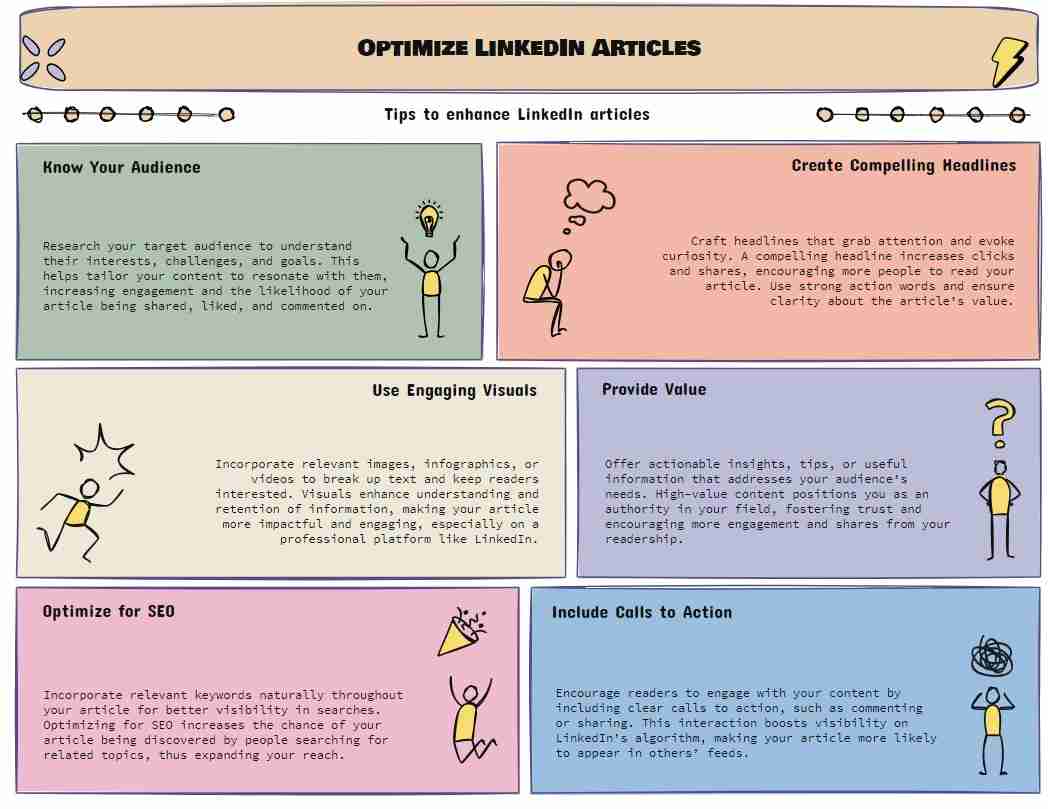
Conclusion
Other Resources

Other Resources
Here is a list of other resources you can review online to learn more:
- Twitterbio.com
- Everypixel.com
- 6pen.art
- Neuralblender.com
- Valle-demo.github.io
- Jailbreakchat.com
- GarageBand
- Kentico
- Humanloop.com
- play.ht
Use This Prompt To Get More Resources With Your Favorite Online AI Tool: Please provide me with a list of online articles with their URLs in a bulleted list that I can read regarding Can You Handle The Pressure Of Consistent Blogging?

Other Resources
Glossary Terms
Can You Handle The Pressure Of Consistent Blogging? – Glossary Of Terms
1. Blogging: The act of writing, maintaining, and publishing content on a web-based platform, typically in a conversational style.
2. Content Calendar: A schedule outlining what content will be published and when, helping bloggers plan and organize their posts.
3. Consistency: The quality of regularly updating a blog with new and engaging content, maintaining a predictable schedule.
4. SEO (Search Engine Optimization): The practice of optimizing blog content to increase its visibility on search engines, attracting more readers.
5. Writer’s Block: A creative slowdown or barrier that prevents a blogger from producing content, often due to stress or lack of inspiration.
6. Niche: A specific topic or area of focus within blogging that targets a particular audience, allowing for more tailored content.
7. Audience Engagement: The interaction and involvement of readers with a blog, through comments, shares, and discussions.
8. Metrics: Data and statistics that bloggers use to evaluate the performance of their posts, such as page views, bounce rates, and engagement rates.
9. Branding: The process of creating a distinct identity for a blog, including its tone, style, and visual elements, to attract and retain an audience.
10. Guest Posting: Writing articles for other blogs to reach new audiences, increase visibility, and establish authority in a particular niche.
11. Social Media Promotion: Sharing blog content across social media platforms to drive traffic and engage with readers.
12. Monetization: The methods bloggers use to generate income from their content, such as ads, affiliate marketing, or sponsored posts.
13. Feedback: Comments and responses from readers regarding blog content, helping bloggers improve and adjust their writing style.
14. Editing: The process of revising and fine-tuning blog posts to enhance clarity, coherence, and overall quality.
15. Authenticity: Being genuine and true to oneself in writing, which helps build trust and connection with readers.
16. Networking: Building relationships with other bloggers, influencers, and writers to exchange ideas, guest posts, or cross-promote.
17. Time Management: The ability to effectively allocate time for researching, writing, editing, and promoting blog content.
18. Content Quality: The standard of writing, accuracy, and relevance of information presented in blog posts.
19. Visual Content: The use of images, videos, infographics, and other visual elements to enhance and complement blog articles.
20. Patience: The capacity to stay committed to long-term blogging goals, recognizing that growth and success take time.
21. Inspiration: Sources of ideas and creativity that motivate bloggers to write, such as books, podcasts, or personal experiences.
22. Burnout: A state of emotional, physical, and mental exhaustion caused by prolonged stress, often affecting bloggers’ ability to create content.
23. Feedback Loop: The ongoing process of receiving feedback from readers and using it to refine and improve future blog posts.
24. Call-to-Action (CTA): A prompt within a blog post encouraging readers to take a specific action, such as subscribing or commenting.
25. Analytics: The systematic analysis of data related to a blog’s performance, helping bloggers make informed decisions.
26. Evergreen Content: Timeless blog posts that remain relevant for a long period, continuing to attract traffic and engagement.
27. Scheduling Tools: Software and apps that assist bloggers in planning and scheduling posts in advance.
28. Community Building: The process of fostering a sense of belonging among readers and encouraging regular interactions within a blog’s audience.
29. Content Ideas: Concepts or topics that bloggers can explore and write about, often generated from trends, audience interests, or personal experiences.
30. Resilience: The ability to bounce back from challenges and setbacks in blogging, maintaining motivation and commitment to the craft.

Glossary Of Terms
Other Questions
Can You Handle The Pressure Of Consistent Blogging? – Other Questions
If you wish to explore and discover more, consider looking for answers to these questions:
- What are the benefits of consistent blogging?
- How do I maintain motivation for blogging?
- What are the best content ideas for my niche?
- How can I effectively measure my blog’s success?
- What is the ideal length for a blog post?
- How do I build an audience for my blog?
- What SEO strategies should I use for my blog?
- How can I promote my blog effectively?
- What are the best platforms to host my blog?
- How often should I interact with my readers?
- What are some effective ways to repurpose old blog content?
- How can I handle negative comments or feedback on my blog?
- Are there any blogging trends I should be aware of?
- What should I do if I run out of ideas for blog posts?
- What are some tools for enhancing my blog’s visual appeal?

Other Questions
Haiku
Can You Handle The Pressure Of Consistent Blogging? – A Haiku
Blogging takes its toll,
Pressure to create each week,
Craft words, grow your voice.

Haiku
Poem
Can You Handle The Pressure Of Consistent Blogging? – A Poem
In the realm of letters, where thoughts take flight,
Blogging’s a dance that demands both skill and might.
Not just a keyboard, but a heart laid bare,
Each post a commitment, a truth we must share.
The audience waits, their eyes wide with hope,
To find fresh ideas, we learn how to cope.
If deadlines slip by, our credibility fades,
Like a project abandoned, lost in the shades.
Yet pressure’s a furnace that forges our best,
From chaos and clutter, our voices are blessed.
With calendars drawn and schedules in sight,
We wrangle our creativity, day into night.
Ideas in the ordinary, moments we seize,
Conversations, challenges, trends in the breeze.
We tap into pools of community pride,
To gather inspiration from those by our side.
In the battle with blockades that silence our pen,
We step back, breathe deeply, let the spark rise again.
Each word a small victory, each edit a chance,
To shape our reflections, to inspire, to dance.
Quality rings true, yet quantity calls,
In this intricate waltz where passion enthralls.
Find the delicate balance of both to embrace,
For blogging’s a journey—no rush, just grace.
Plan with precision, carve time from the day,
Avoid pitfalls lurking, let wisdom lead the way.
From visuals brightening to proofreading dear,
We craft stories and insights, inviting them near.
So can you handle the pressure? Indeed, take a chance,
Embrace the chaos, let your spirit advance.
For in the world of blogging, where dreams intertwine,
Your voice is a beacon—so let it brightly shine!

Poem
Checklist
Can You Handle The Pressure Of Consistent Blogging? – A Checklist
1. Commitment to Consistency
_____ Define your blogging goals and purpose.
_____ Establish a regular posting schedule.
_____ Prioritize content planning and consistency.
2. Generating Blog Topics
_____ Keep an idea journal for spontaneous insights.
_____ Engage with your audience for topic ideas (polls, questions).
_____ Monitor competitors and find unique angles on trends.
_____ Use online tools (e. g. , Answer The Public, BuzzSumo) for inspiration.
3. Creating a Blogging Schedule
_____ Determine an achievable posting frequency (e. g. , weekly, bi-weekly).
_____ Choose specific days/times dedicated to writing.
_____ Use a content calendar to plan topics in advance.
_____ Schedule time for audience engagement and interaction.
4. Overcoming Writer’s Block
_____ Take breaks to clear your mind.
_____ Change your environment to stimulate creativity.
_____ Set a timer for short writing bursts.
_____ Practice free writing without self-editing.
_____ Seek inspiration from previous comments and community discussions.
5. Utilizing Tools for Blogging
_____ Use a content calendar (Trello, Asana) to organize ideas.
_____ Integrate writing and proofreading tools (e. g. , Grammarly).
_____ Choose a suitable blogging platform (e. g. , WordPress).
_____ Analyze performance with Google Analytics.
_____ Employ social media management tools (e. g. , Buffer, Hootsuite).
6. Balancing Quality and Quantity
_____ Set realistic expectations for post quality and frequency.
_____ Ensure each piece of content offers value to the reader.
_____ Monitor engagement and refine content strategy accordingly.
7. Effective Time Management
_____ Establish clear blogging goals and objectives.
_____ Break goals into manageable tasks and set deadlines.
_____ Batch similar tasks to maximize efficiency.
_____ Create a distraction-free writing environment.
8. Avoiding Common Blogging Mistakes
_____ Avoid posting only for quantity; focus on high-value content.
_____ Understand your target audience and their needs.
_____ Practice good SEO without keyword stuffing—prioritize readability.
_____ Incorporate visuals to enhance written content.
_____ Proofread and edit to maintain credibility.
9. Maintaining Motivation and Enjoyment
_____ Celebrate small victories in your blogging journey.
_____ Stay adaptable; adjust your approach as needed.
_____ Continue engaging with your audience to foster community.
Use this checklist as a guide to navigate the challenges of consistent blogging and transform your writing experience into a successful and fulfilling journey!

Checklist
At WebsiteBloggers, we help website bloggers develop strategies to create content, traffic, and revenue from website blogs based on our experiences and experimentation.
Be sure to read our other related stories at WebsiteBloggers and share this article with your friends, family, or business associates who run website blogs.