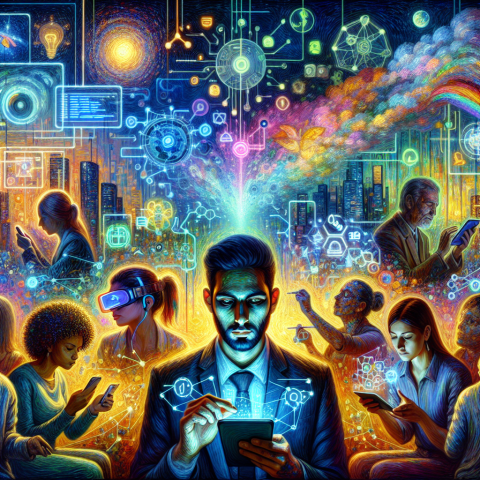
The Beauty In Purposeful Disorder
By Tom Seest
At WebsiteBloggers, we help website bloggers develop strategies to create content, traffic, and revenue from website blogs based on our experiences and experimentation.
Be sure to read our other related stories at WebsiteBloggers and share this article with your friends, family, or business associates who run website blogs.
Chaos As Aesthetic – Designing with Intention
Chaos is often dismissed as a mere irritant—a disruption in the carefully curated tapestry of life. But what if chaos, when embraced with intention, could become a powerful aesthetic in the design of our spaces, our experiences, and even our relationships? We are living in a time where everything—from our homes to our digital footprints—is polished to perfection. Yet, in this pursuit of an ideal, we risk losing the very essence of what makes us human: the beautifully messy, unfiltered moments that stir our souls.
When we think about design, we often turn to clean lines and predictable patterns. But the heart thrives in the unpredictable. It’s in the wildflowers that sneak through the cracks of a sidewalk, in the laughter shared through chaos at a family dinner, that true beauty is found. Designing with intention means recognizing that chaos can serve as a wellspring of creativity and connection. Instead of avoiding the unpredictable, we should acknowledge its presence and allow it to inform our decisions.
Rationally speaking, embracing chaos challenges conventional wisdom. It inspires us to think outside of the box, encouraging innovation where standardization would have stifled it. Acknowledging chaos in design fosters an environment where authenticity flourishes. Think of artists who splatter paint across a canvas, inviting viewers into a personal, chaotic narrative that resonates on a gut level. In this kind of space, individuals feel more alive, more engaged—more connected to one another.
Ethically, we must ask ourselves: What message are we sending when we prioritize perfection over authenticity? There’s a sense of trust that builds when we allow the raw, honest moments to shine through. No one wants to connect with a faceless, perfect image; we crave the warmth of something relatable, something that speaks to our shared experiences of navigating life’s turbulence.
Just take a moment to reflect on your own experiences. Recall the messy, chaotic moments that carved lasting memories in your heart. These moments are more than mere anecdotes; they’re threads of connection stitching us all together. By weaving chaos into the fabric of design with intention, we not only nurture creativity but also foster a sense of community that resonates deeply within us all—a call to action to embrace the unpredictable, to find beauty in the chaos. So, the next time you design something, remember: sometimes, imperfection is the most intentional choice you can make.
Chaos As Aesthetic – Designing with Intention
Chaos As Aesthetic – Designing with Intention
- Chaos is often seen as a disruption but can be embraced as a powerful aesthetic in design.
- Our pursuit of perfection may cause us to lose the messy, genuine moments that define our humanity.
- Designing with intention involves recognizing chaos as a source of creativity and meaningful connections.
- Embracing chaos encourages innovative thinking and challenges conventional design wisdom.
- Authenticity flourishes in environments where chaos is acknowledged, enhancing personal engagement.
- Prioritizing authenticity over perfection builds trust and connects us through shared experiences.
- Moments of chaos create lasting memories and foster community, reminding us to find beauty in imperfection.

Chaos As Aesthetic – Designing with Intention
Table Of Contents
- Chaos As Aesthetic – Designing with Intention
- What Emotions Does Chaos Evoke In Your Creative Process?
- How Can Chaos Inspire Innovative Design Solutions?
- Is It Ethical to Embrace Chaos In a Structured World?
- How Can We Find Beauty In Disorder While Maintaining Purpose?
- What Stories Does Chaos Tell Us About the Design Journey?
- How Can Societal Perceptions Of Chaos Influence Artistic Expression?
- Are There Authorities Or Guidelines Supporting Chaos As an Aesthetic?
- Conclusion
- Other Resources
- Glossary Of Terms
- Other Questions
- Haiku
- Poem
- Checklist
What Emotions Does Chaos Evoke In Your Creative Process?
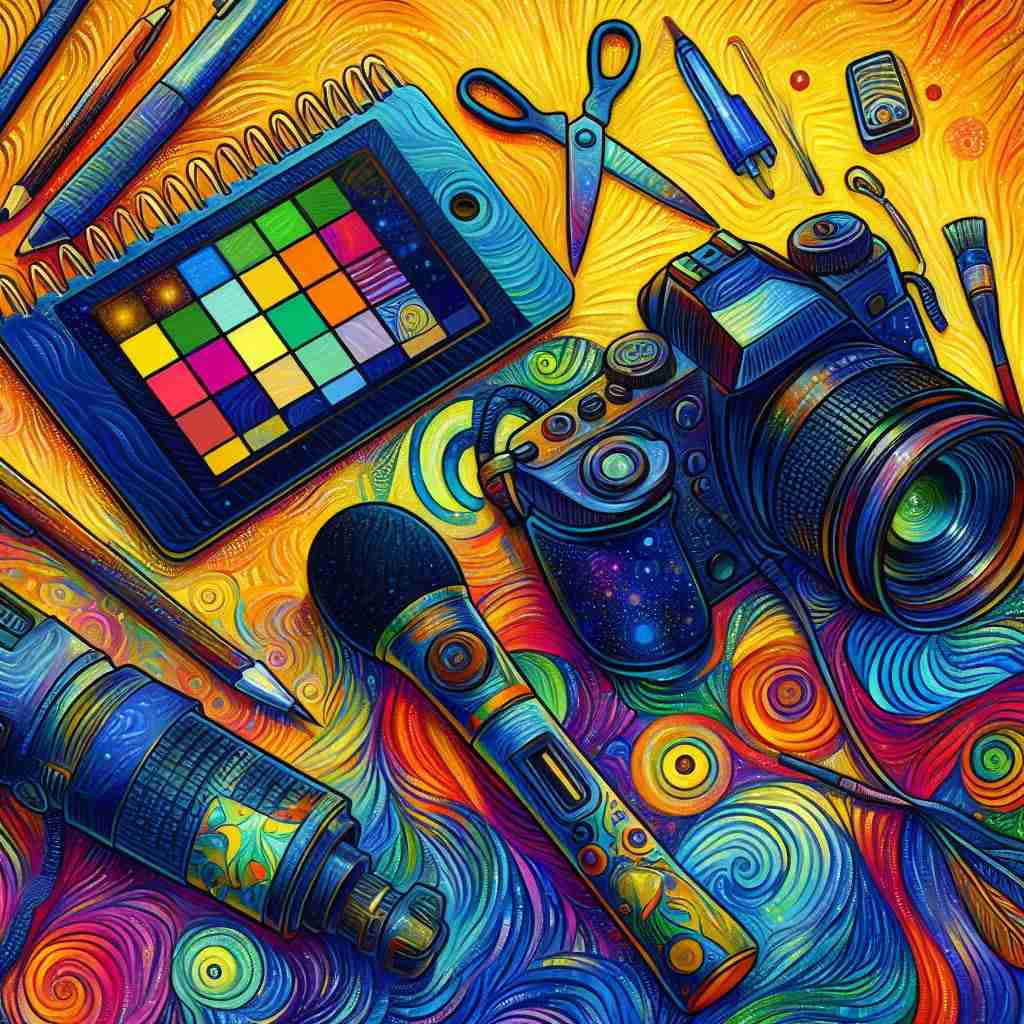
Chaos can be a wild beast, an unexpected tornado ripping through the garden of creativity, leaving behind both destruction and unexpected beauty. Think of it like this: when you’re deep in the trenches of creating something—be it art, writing, or even a new recipe—the frenzy can evoke a whirlwind of emotions. It stirs a potent cocktail of fear, exhilaration, and sometimes, sheer confusion. You might be asking yourself: how can chaos, with all its unpredictability, actually fuel my creative process?
At the heart of it, chaos forces us to confront our routines and question our norms. We often tread through life, relying on predictability and comfort, but when that’s stripped away, we’re left vulnerable. Vulnerability is scary, yes, but it also unlocks a door to artistic bravery. It’s in those moments of uncertainty that the most powerful ideas emerge, waiting to be molded into something unique. When inspiration crashes in like an unexpected wave, we must tread water or drown. And you know what? Many of us swim.
Rationally speaking, consider the biggest breakthroughs in human history. They rarely occurred in the serenity of a well-structured environment. Great inventions and masterpieces often sprouted from the fertile mess of chaos. It’s messy, it’s noisy, but it’s alive, pulsing with potential. In the chaos, you become a collective of experiences, drawing from the anxiety of the moment, the thrill of the unknown, and the desperate need to make sense of it all. That might sound daunting, but think about the thrill of standing at the edge of a precipice—your gut tightens, your heartbeat quickens, and that’s where the magic lies.
On a social level, we all share the struggle with chaos. Your neighbor, your best friend, even that artist you idolize— they’ve all danced with chaos in their creative lives. Authenticity comes from embracing those chaotic moments and transforming them into art. Your story, your struggle, your success—these are the threads that weave us together as a creative community.
So the next time chaos knocks on your door, don’t shoo it away. Welcome it in with open arms and an open heart. Embrace the mess and trust that from the turmoil can spring greatness, allowing you to harness that whirlwind of emotion into something truly transformative for yourself and those around you. In a world that often feels structured and predictable, dare to create amidst the chaos. It’s where innovation lives.
What Emotions Does Chaos Evoke In Your Creative Process?
What Emotions Does Chaos Evoke In Your Creative Process?
- Chaos represents unexpected challenges in the creative process, evoking a mix of fear, exhilaration, and confusion.
- It compels us to question our routines and norms, exposing our vulnerability and unlocking opportunities for artistic bravery.
- Powerful ideas often emerge from uncertainty; chaos can serve as a catalyst for unique creativity.
- Historical breakthroughs tend to arise from chaotic environments rather than structured settings.
- Experiencing chaos can enhance creativity by drawing from anxiety, thrill, and the need for resolution.
- Everyone grapples with chaos in their creative endeavors, making it a shared experience that fosters authenticity.
- Embracing chaos can lead to transformative outcomes in creativity, steering us toward innovation and greatness.

What Emotions Does Chaos Evoke In Your Creative Process?
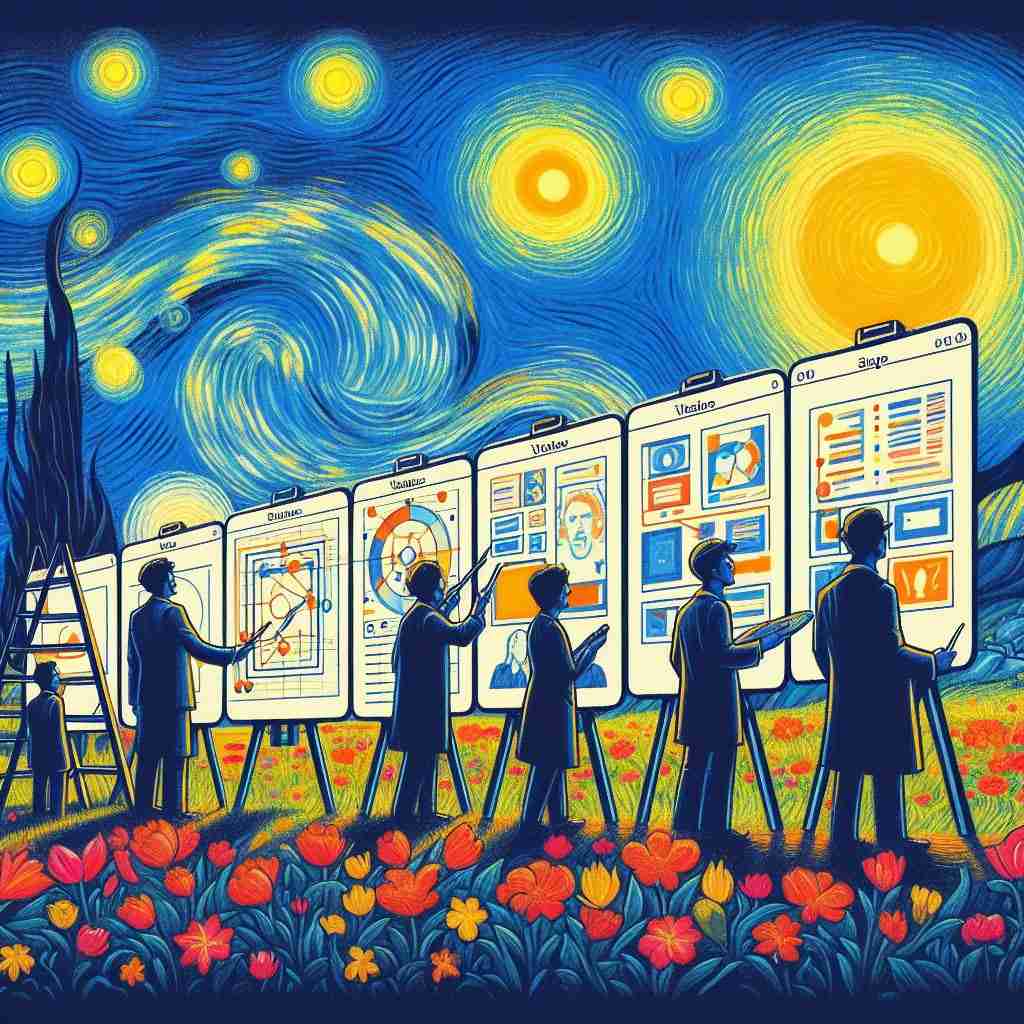
How Can Chaos Inspire Innovative Design Solutions?
In a world teetering on the brink of chaos, it’s easy to feel overwhelmed, frozen even, by the unpredictable tides of change. Yet, within that very chaos lies a treasure trove of opportunity, ready to spark innovative design solutions that change everything. Think about a bustling market street, a flurry of voices, scents, and colors vying for attention. It’s messy, but within that turmoil, creativity flourishes. It’s here, amid the noise and uncertainty, that we discover new perspectives and unexpected ideas.
To get to this heart of innovation, we must first embrace the unpredictable nature of chaos. When a problem seems insurmountable, it’s often chaos that forces us to rethink our approach. Consider the story of a small startup that faced crippling setbacks; instead of retreating into frustration, the team threw out the playbook and relied on raw creativity. From the ashes of confusion, they birthed a product that redesigned an entire industry. The heart of innovation beats strongest when faced with adversity—you just have to be willing to listen.
But let’s not forget the rational side of design. Chaos is not just a whirlwind; it’s data in disguise. By analyzing the breakdown of existing systems, we uncover patterns and gaps that are begging to be filled. This brings clarity to the confusion, allowing us to pivot from passive observation to active participation. Embrace chaos as a method—not just an obstacle—and you’ll arm yourself with insights that lead to designs capable of weathering any storm.
Ethically speaking, chaos pushes us to ask the tough questions. Who benefits from a particular design? What are the unintended consequences? Our responsibility as designers is to create solutions that don’t just work, but resonate on a social level. Engaging with stakeholders, users, and even critics helps ensure that our innovations are not only ingenious but necessary.
Find strength in chaos. It offers a profound narrative that weaves through our shared human experience—a lesson in resilience and an invitation to connect with each other at our core. It’s not just about solving problems; it’s about building a community that thrives on collaboration and creativity. As you explore your own journeys in design, remember that chaos isn’t your enemy; it’s your greatest ally, ready to push you toward greatness. So grab that chance, dive into the wild, and let the process unfold. Your next big idea might just be waiting in the chaos.

How Can Chaos Inspire Innovative Design Solutions?
How Can Chaos Inspire Innovative Design Solutions?
- The world is filled with chaos, which can be overwhelming yet also a source of opportunity for innovative design solutions.
- Amid noise and uncertainty, creativity thrives, offering new perspectives and unexpected ideas.
- Embracing chaos can lead to innovation, as seen in a startup that transformed setbacks into a groundbreaking product.
- Chaos reveals patterns and gaps through analysis, transitioning from passive observation to active participation.
- Designers must consider ethical implications, asking who benefits and ensuring solutions resonate socially.
- Chaos teaches resilience and fosters community through collaboration and creativity.
- By viewing chaos as an ally, designers can unlock their next big idea and embrace the creative process.

How Can Chaos Inspire Innovative Design Solutions?
Is It Ethical to Embrace Chaos In a Structured World?
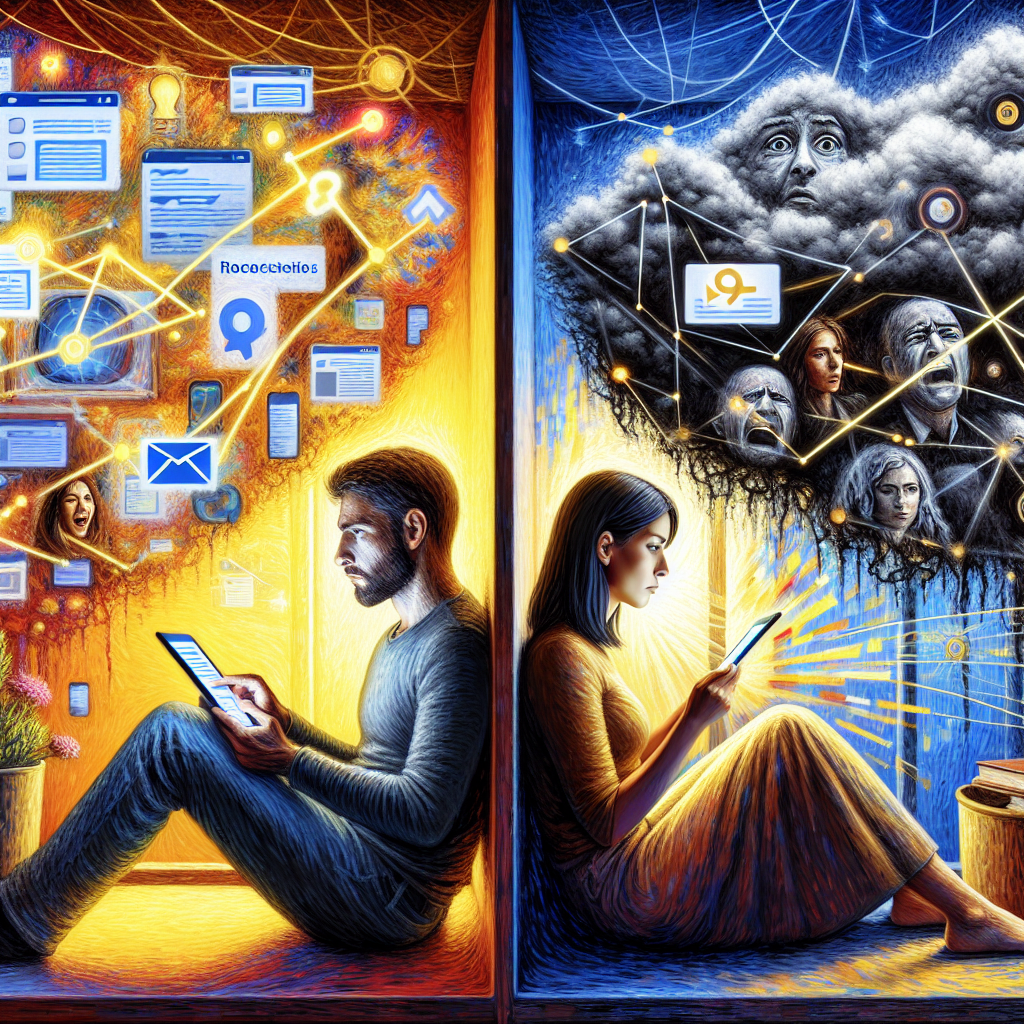
In a world meticulously designed to fit a comfortable narrative—think of a well-organized website or an appealing blog—embracing chaos can feel like a reckless act. Yet, consider that chaos is the birthplace of creativity, spontaneity, and genuine connection. Let’s take a moment and get to the heart of the matter: Is it ethical to disrupt the tidy, structured systems around us?
Picture this: A child in a classroom, tangled in a world of rigid rules and expectations, finds joy in tossing the orderly blocks to the floor. As their laughter fills the air, do we capture the sound of their spirit breaking free from constraints? That moment is a microcosm of life. We yearn for safety and structure, but it is often in the wildness of chaos where we rediscover our humanity, our empathy, and our ability to connect with one another. That’s where the heart comes in. When we allow ourselves to embrace the uncertainty of life, we cultivate relationships borne out of authenticity, fostering deeper bonds that can’t be manufactured by any structured script.
From a rational perspective, the systems we’ve set in place are there for a reason—efficiency, predictability, and safety. However, the dangers of an overly structured life are real. It can lead to stagnation, burnout, and a stifled spirit. Embracing chaos cultivates resilience; it teaches us adaptability. The world is unpredictable, and to deny that is to deny the essence of our experience. It compels us to evolve and face challenges with a steadfast heart and innovative mind.
Ethically speaking, we have a responsibility—to ourselves and others—to seek out the beauty within the chaos. Think of it as a social experiment; when we introduce unpredictability into our structured lives, we create spaces for growth, learning, and reflection. We learn from failures, adapt, and ultimately improve not just our own lives but those of our communities.
As we navigate this chaotic existence, remember that it’s okay to step off the well-worn path. Embrace those moments of uncertainty. Challenge the status quo. In the dance between chaos and order, we don’t just survive; we flourish. So, dare to disrupt the pattern and enrich your life with the vibrant colors only chaos can bring. We’re all on this shared journey, and together, we can rewrite the narrative of what it truly means to coexist in a structured world.
Is It Ethical to Embrace Chaos In a Structured World?
Is It Ethical to Embrace Chaos In a Structured World?
- Chaos is essential for fostering creativity, spontaneity, and genuine connections.
- Breaking free from rigid structures, like a child tossing blocks, symbolizes rediscovering our humanity.
- While structured systems provide safety and efficiency, they can also lead to stagnation and burnout.
- Embracing chaos promotes resilience and adaptability in an unpredictable world.
- Ethically, we should seek beauty within chaos to foster growth and learning in ourselves and our communities.
- Challenging the status quo allows us to flourish instead of merely surviving in a structured environment.
- By embracing uncertainty, we can enrich our lives and collectively redefine coexistence in a structured world.

Is It Ethical to Embrace Chaos In a Structured World?
How Can We Find Beauty In Disorder While Maintaining Purpose?
Embracing disorder is like standing in a field where chaos and beauty dance together in wild abandon. At first glance, the unruly weeds and scattered earth might seem like a disheartening mess, but dip a bit deeper, and you’ll discover the complexity of life thriving beneath the surface. It’s this raw beauty that deserves our attention.
Let’s be honest: we live in a world that often worships order. We crave structure, resolve, and a tidy finish. However, life’s intricate tapestry is woven from threads of unpredictability. The truth is, disorder isn’t the enemy; rather, it’s a landscape rich with authentic experiences and lessons waiting to be unearthed. Just ask that one broken-hearted friend who found inspiration in the wreckage of a failed relationship—life’s beautiful messiness can lead to unexpected growth.
Engaging with disorder requires a purposeful approach, a kind of commitment to uncovering potential where others see a lost cause. Think about the artist, the one who gathers their materials from the fringes—broken glass, twisted metal, and discarded dreams—transforming them into a brilliant mosaic. This is where the head meets the heart: recognizing that beauty resides not just in perfection but in resilience and the willingness to adapt.
Navigating through life’s chaos demands an ethical stance. We must respect and acknowledge the lessons that disorder teaches us. Sometimes, the most valuable insights come from the places we least expect. The messiness of daily life connects us—not only to ourselves but also to others. It humanizes our experience. By sharing our struggles, we create a bond, reminding one another that we are not alone in our efforts to find purpose amidst the storm.
If we genuinely appreciate this duality, we can transform our perception of disorder into a wellspring of motivation. Instead of fleeing from the chaos, let’s lean into it with courage. Start a conversation about a personal story or a moment of clarity you found during a chaotic time; it could be your messy workspace that birthed a brilliant idea or a setback that shaped your determination.
In appreciating beauty in disorder, we cultivate trust—not only in ourselves but also in the inevitable twists and turns of life. This journey reminds us that purpose and passion can emerge from even the wildest storms. Our ability to navigate complexity not only defines us but knits us closer together as we forge ahead, hand in hand, celebrating each exquisite, messy moment.

How Can We Find Beauty In Disorder While Maintaining Purpose?
How Can We Find Beauty In Disorder While Maintaining Purpose?
- Embracing disorder reveals the interplay of chaos and beauty in life.
- While society often favors order, disorder can be a source of authentic experiences.
- Disorder allows for unexpected growth, as demonstrated through personal challenges.
- Engaging with disorder requires a commitment to finding potential in perceived chaos.
- Lessons from disorder humanize our experiences and foster connections with others.
- Transforming our view of disorder into motivation encourages embracing life’s uncertainties.
- Appreciating beauty in disorder fosters trust in ourselves and strengthens our bonds with others.

How Can We Find Beauty In Disorder While Maintaining Purpose?
What Stories Does Chaos Tell Us About the Design Journey?
When diving into the chaotic world of design, the stories woven into our experiences often reveal deeper truths about creation and innovation. Picture this: a bustling workshop where ideas clash, prototypes fail, and unexpected brilliance rises like a phoenix from the ashes of overambition. Here, chaos is not just a random occurrence; it’s a potent, transformative force guiding the design journey. When we embrace the tumultuous nature of creativity, we unlock our greatest potential.
The heart of every design process beats most loudly during moments of uncertainty. Remember that classic struggle—the one that makes your gut twist? It’s that involuntary reaction when a design fails to meet expectations, when the feedback is brutal, or when an entire project seems destined for mediocrity. Yet, amidst that pit in your stomach lies opportunity. Each setback offers valuable lessons, urging us to dig deeper, refine our approach, and ultimately elevate our craft. It’s a testament to resilience; an ethical commitment to nurturing our talents and seeking excellence, even when the odds are stacked against us.
The rational brain delights in order, but the captivating stories emerging from chaos fuel our creative engines. It’s in those very struggles that we often produce the freshest, most innovative concepts. History is filled with triumphs born from turmoil. Take the time when a renowned designer tossed aside their initial concept—risking their reputation—only to create something groundbreaking and transformative. Such stories guide us; they teach us that the most compelling narratives don’t just happen in smooth sailing—they unfold in the thick of it.
But let’s not forget the power of connection. Engaging with others who have walked the chaotic pathway makes the journey tangible. Each shared experience builds a community steeped in empathy, trust, and collaboration. Our collective creativity grows stronger when we embrace our failures and successes as shared tales, rich with humanity. You’re not alone in this storm.
When you reflect on your design journey, remember this: chaos isn’t your enemy. It’s a storyteller, revealing the intricate dance of highs and lows that form the fabric of innovation. So lean into it. Trust the tumult. It’s where the magic really begins. Let’s embark on this adventure together—a journey paved with grit, grace, and unyielding passion.

What Stories Does Chaos Tell Us About the Design Journey?
What Stories Does Chaos Tell Us About the Design Journey?
- Design chaos reveals deeper truths about creation and innovation.
- Workshops are filled with clashing ideas, prototype failures, and unexpected brilliance.
- Embracing creativity’s tumult unlocks our greatest potential.
- Moments of uncertainty in design are crucial learning opportunities.
- Historical triumphs often arise from struggles, emphasizing resilience and ethical commitment to improvement.
- Connection with others enhances creativity; shared experiences foster community and collaboration.
- Chaos is not an enemy, but a storyteller that reveals the journey of innovation.

What Stories Does Chaos Tell Us About the Design Journey?
How Can Societal Perceptions Of Chaos Influence Artistic Expression?
Art breathes life into our chaotic world, reflecting the emotional pulses and harsh realities of society. When we consider how societal perceptions of chaos influence artistic expression, we’re diving into a powerful stream that connects us all. Just think about it: every brushstroke, note, or word is a response to the turmoil that we experience collectively. Whether it’s the rattle of political unrest, the hum of a pandemic, or the deep rumble of a natural disaster, artists are there to capture the essence of our struggles and dreams.
At the heart of this connection lies an invitation to empathize. When chaos reigns, emotions surge. Artists are our interpreters, turning tumultuous feelings into something tangible. A painter might take the raw energy of a protest and transform it into a stunning mural that speaks volumes, catching the eyes of passersby who otherwise might feel isolated in their thoughts. This is where the gut reaction comes in—it’s about recognizing the shared pain and resilience that exists in our communities.
From a rational standpoint, societal chaos creates a demand for artistic voice. We live in an age where information—good and bad—travels faster than ever before. This constant influx can overwhelm the senses, making it crucial for artists to filter and present narratives that resonate. They become the authorities in expressing what many may struggle to articulate. Their work invites us to reflect, to question, to connect dots we didn’t even know existed.
Ethically, the responsibility of artists magnifies in times of unrest. It’s not just about sharing experiences; it’s about fostering a deeper understanding of urgent issues. Artists can provoke thought and inspire action, urging us to step outside the comfort of our everyday lives to engage meaningfully with our surroundings.
In our interconnected world, social identity plays a significant role in artistic endeavors. When chaos disrupts the harmony of daily existence, artists tap into the collective psyche of their communities. They remind us that we are not alone—that through hardship, we can forge tighter bonds.
So, the next time you look at a piece of art, a song, or a poem, take a moment to consider the chaos from which it sprang. Connecting with that chaos deepens appreciation and inspires trust in the transformative power of artistic expression. After all, it’s not just art; it’s a lifeline in turbulent times.

How Can Societal Perceptions Of Chaos Influence Artistic Expression?
How Can Societal Perceptions Of Chaos Influence Artistic Expression?
- Art reflects the emotional pulses and realities of society, capturing chaos in our world.
- Every artistic expression responds to collective turmoil, from political unrest to natural disasters.
- Artists serve as interpreters of chaos, turning profound emotions into tangible works.
- Social chaos creates a demand for artistic voices to present relatable narratives and foster connection.
- Artists have an ethical responsibility to provoke thought and inspire action during times of unrest.
- Art helps in understanding social identity and creates bonds within communities during chaotic times.
- Engaging with art allows for deeper appreciation of the chaos it emerges from, highlighting its transformative power.

How Can Societal Perceptions Of Chaos Influence Artistic Expression?
Are There Authorities Or Guidelines Supporting Chaos As an Aesthetic?
In a world that often feels bound by the constraints of a polished, idealized aesthetic, the notion of embracing chaos can strike a chord deep within us. Yet, are there authorities or established guidelines advocating for chaos as an aesthetic? Absolutely, and their voices resonate beyond mere theory; they tap into the primal essence of what it means to be human.
Consider the beauty found in the spontaneity of art—paint splattered on canvas, music flowing without rigid structure, or the wild, unkempt landscape of a forgotten place. Each embodies a story, a memory, a feeling. These creators often channel a level of authenticity that curated spaces lack, revealing an emotional resonance that invites audiences to connect deeply. In this age of social media, where perfection reigns supreme, the raw, chaotic forms of expression often establish a more genuine connection, allowing people to relate their own messy experiences and emotions.
From a rational standpoint, embracing chaos in an aesthetic sense challenges the status quo. It encourages us to question the rigid frameworks that define beauty and order. Guidelines from artistic communities affirm that chaos can serve not just as an aesthetic choice but as a catalyst for innovation. Many renowned artists, musicians, and designers actively promote the acceptance of disorder as a powerful source of creativity and inspiration, breaking barriers and redefining norms.
Ethically, chaos has the potential to democratize art. When we celebrate imperfections, we acknowledge the struggles and triumphs human experience embodies. This fosters a sense of community, inviting everyone to participate in the narrative. It’s a movement that says, “You belong here, even in your mess.” That’s a profound message in a society that often pushes us to conform to narrow standards.
Numerous websites and blogs on this topic echo these sentiments, offering resources and examples that reinforce the idea that chaos, in both life and art, should be embraced rather than shunned. They provide lively discussions that invite us to celebrate the marred and the messy, inspiring us to dare and break free from our self-imposed constraints.
So, whether you’re an artist or simply someone navigating life’s unpredictable twists, understanding and appreciating chaos as an aesthetic can open doors to creativity and connection. Let’s acknowledge the power of disorder—it’s in that beautiful, tangled space that we often find our most authentic selves.

Are There Authorities Or Guidelines Supporting Chaos As an Aesthetic?
Are There Authorities Or Guidelines Supporting Chaos As an Aesthetic?
- The concept of embracing chaos resonates deeply in a world focused on polished aesthetics.
- Chaos serves as an aesthetic advocated by various authorities, tapping into the primal essence of humanity.
- Spontaneous art forms, like splattered paint and free-flowing music, reveal authenticity and emotional resonance.
- In the age of social media perfection, chaotic expressions foster genuine connections through shared messy experiences.
- Embracing chaos challenges rigid beauty standards and encourages innovation in art and design.
- Celebrating imperfections democratizes art, inviting collective participation and community engagement.
- Numerous online resources promote the idea that chaos in life and art should be embraced for creativity and authenticity.
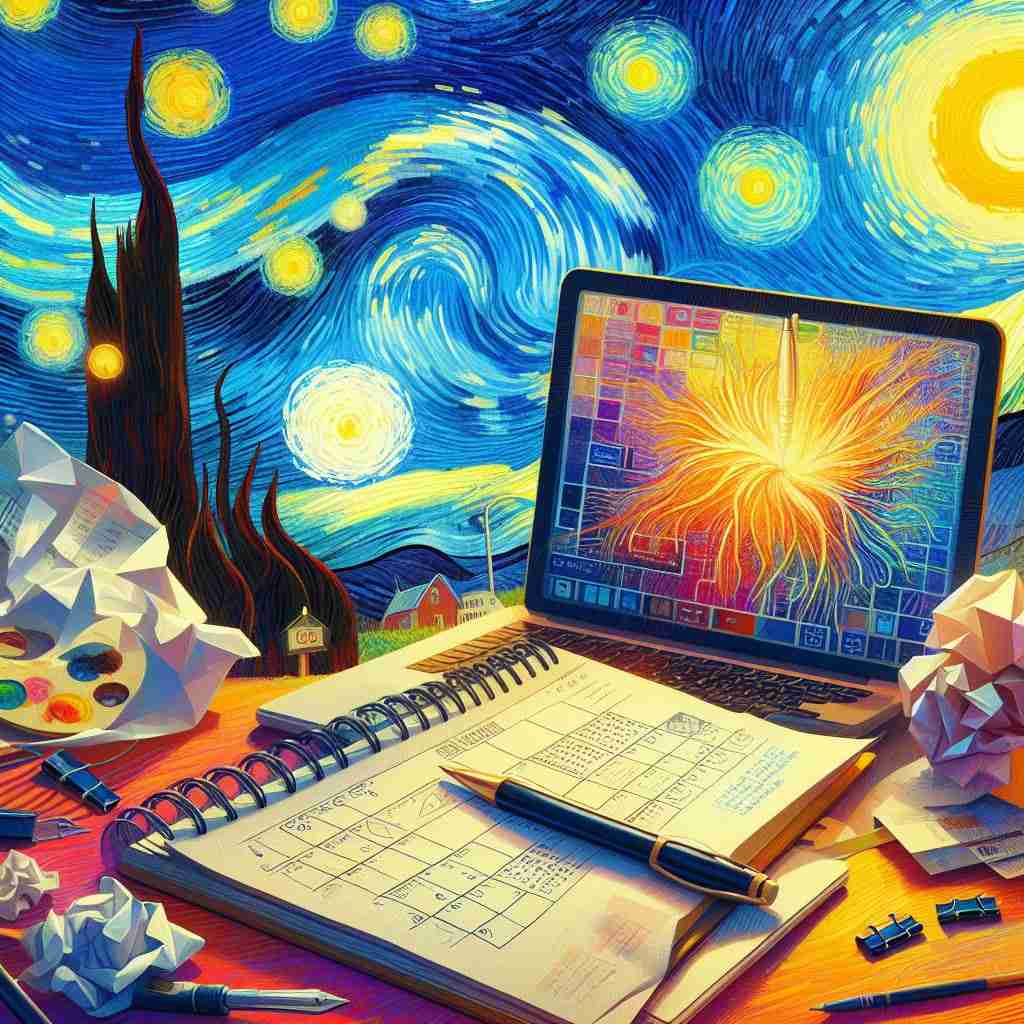
Are There Authorities Or Guidelines Supporting Chaos As an Aesthetic?
Conclusion
Life, as we experience it, is a cacophony of familiar rhythms interrupted by wild, unpredictable chaos. We live in a world obsessed with perfection—a manicured façade that often camouflages the raw beauty lying just beneath the surface. Yet, the truth is that chaos, when embraced with intention, serves as a powerful catalyst for creativity, connection, and authenticity. By allowing ourselves to celebrate the disorder that threads through our lives, we unlock the door to experiences that are both transformative and deeply resonant.
Consider the emotional tapestry woven from our chaotic moments. Whether it’s laughter shared over a holiday dinner gone awry or the relief found in a friend’s understanding during tough times, these experiences nurture the bonds that connect us all. This is where vulnerability shines—a beautiful reminder that beneath our polished exteriors lies a collective humanity, facing the same swirling seas of uncertainty.
Rationally, our greatest breakthroughs often arise from chaos. History teaches us that innovation seldom emerges from perfectly constructed systems. It’s the uncharted spaces filled with uncertainty that inspire leaps of creativity—monumental changes in art, design, and even technology. Indeed, the messiness of the creative process paves the way for groundbreaking ideas that challenge the very norms we take for granted.
Ethically, we find ourselves at a crossroads when we prioritize authenticity over adherence to rigid structures. Engaging with chaos invites us to shape solutions that resonate not just with ourselves, but also with the broader community. Each shared experience contributes to a rich narrative, empowering us to learn from our collective mishaps and triumphs.
The journey into chaos also tells stories of resilience. As artists and creators reflect the emotional upheaval of society through their work, they generate a deep sense of empathy and understanding. In this wild landscape of expression, the chaotic muse becomes a cornerstone of artistic soul—a testament to the healing power found in the shared human experience.
In a world that pushes us to conform, the call to embrace the chaotic reveals a profound truth: in disarray, we find not just solace but a vibrant community. So, the next time you confront chaos—whether in your work, your relationships, or within yourself—welcome it. Dive into the tumult. It’s in this freeing space that we may very well discover the authentic beauty of our shared existence and the transformative potential that lies within us all. Choose chaos, and let it guide you toward the unexpected masterpieces waiting to unfold in your life.
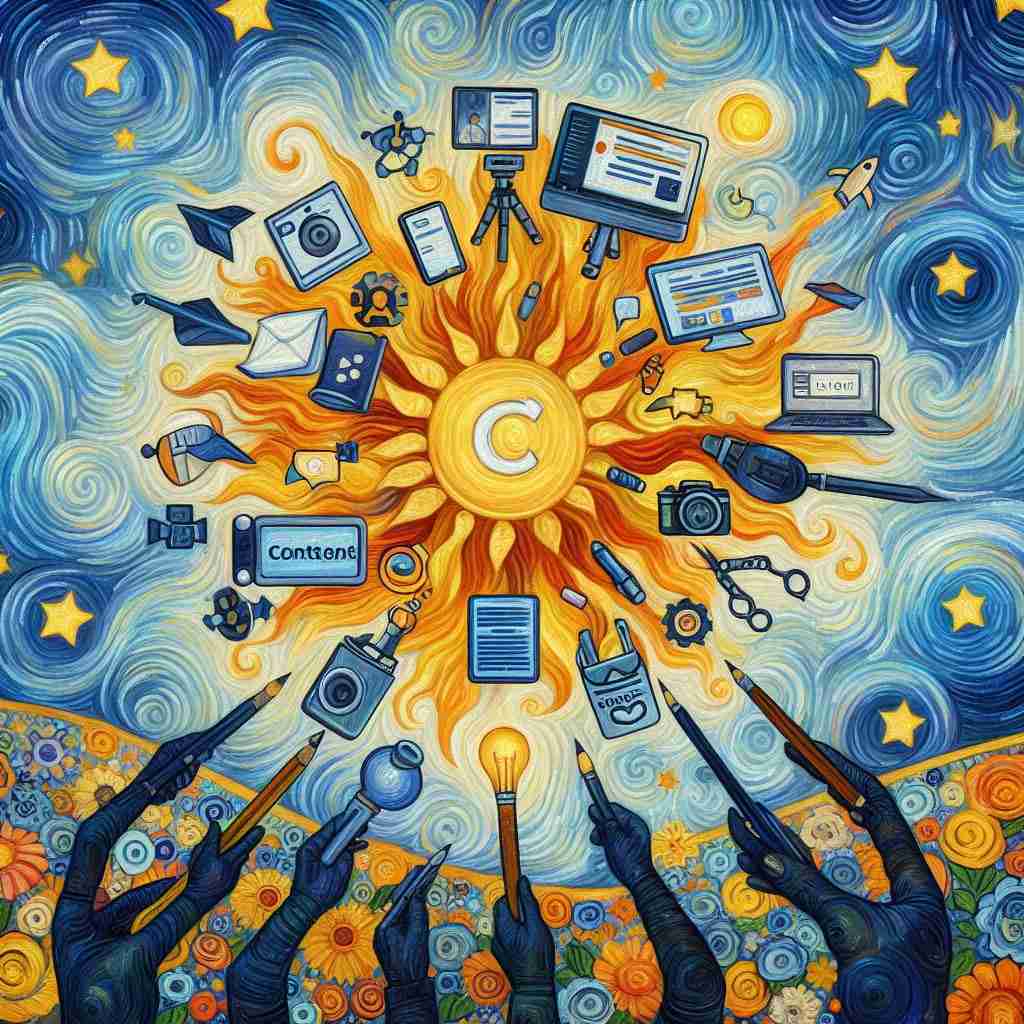
Conclusion
Conclusion:
- Life is a blend of familiar rhythms interrupted by unpredictable chaos.
- Embracing chaos intentionally can foster creativity, connection, and authenticity.
- Chaotic moments create emotional bonds, highlighting our collective humanity.
- Innovation often arises from chaos rather than perfectly structured systems.
- Prioritizing authenticity over rigid structures allows for community-focused solutions.
- Artists capture societal upheaval through chaos, promoting empathy and understanding.
- Embracing chaos can lead to transformative experiences and authentic beauty in life.

Conclusion
Other Resources

Other Resources
Here is a list of other resources you can review online to learn more:
- Designify.com
- Inspirobot.me
- Paraphrasingtool.ai
- Snappr.com
- Blogger
- Cleanup.pictures
- Humanloop.com
- Rephrase.info
- Betterhalf.ai
- Godinabox.co
- Lindy.ai
- Mokker.ai
- Kentico
- 2short.ai
- Neuralink.com
- Deepfakesweb.com
- Picso.ai
- Keywordseverywhere.com
- Smodin.io
Use This Prompt To Get More Resources With Your Favorite Online AI Tool: Please provide me with a list of online articles with their URLs in a bulleted list that I can read regarding Chaos As Aesthetic – Designing with Intention

Other Resources
Glossary Terms
Chaos As Aesthetic – Designing with Intention – Glossary Of Terms
1. Chaos: A state of complete disorder and confusion often explored in art and design as a means of creative expression.
2. Aesthetic: A set of principles guiding the nature and appreciation of beauty in art and design, influencing visual elements and overall style.
3. Intention: The purpose behind a design choice or artistic decision, reflecting the creator’s desired message or emotion.
4. Disorder: Lack of order or arrangement in a composition that can evoke a sense of spontaneity, unpredictability, or dynamism.
5. Visual Noise: Unnecessary clutter or complexity in a design that can distract from the main message but may also contribute to a chaotic aesthetic.
6. Repetition: The use of patterns or elements repeatedly within a design, which can enhance chaos by creating rhythm amid disorder.
7. Contrast: The use of opposing elements (such as color, shape, or size) to highlight disparities, often creating tension within a chaotic aesthetic.
8. Fragmentation: The breaking of images or forms into parts that can create a sense of chaos while suggesting multiple perspectives and narratives.
9. Eclecticism: A design approach that blends various styles, influences, or elements, often resulting in a chaotic yet harmonious composition.
10. Intertextuality: The relationship between texts or artworks that may inform one another, often found in chaotic designs where references are layered.
11. Asymmetry: A lack of balance within a design that can create dynamic tension and visual interest, contributing to a sense of chaos.
12. Dissonance: A lack of harmony among elements in a design that contributes to a feeling of unrest or confusion, enhancing the chaotic aesthetic.
13. Improvisation: Spontaneous creation without pre-planning, often leading to unexpected outcomes and a sense of controlled chaos in art and design.
14. Maximalism: An aesthetic characterized by a bold use of color, texture, and form, often embracing chaos over minimalism.
15. Layering: The technique of placing multiple elements on top of one another, creating depth and complexity that can enhance chaotic visuals.
16. Subversion: Challenging or overturning established aesthetic norms, often resulting in chaotic designs that disrupt traditional expectations.
17. Disruptive Design: An approach that intentionally interrupts typical design conventions to evoke a sense of chaos or challenge viewer perceptions.
18. Surrealism: An art movement that emphasizes the illogical and dream-like qualities, often incorporating chaos to express the unconscious mind.
19. Kaleidoscopic: A visual effect resembling a kaleidoscope that embodies vibrant chaos through intricate patterns and color combinations.
20. Textural Diversity: The use of various textures in a design that contributes to a chaotic yet rich sensory experience.
21. Contradiction: The presence of opposing ideas or images within a design that fuels visual tension and chaos.
22. Heterotopia: A concept referring to spaces of different possibilities within a chaotic framework, often revealing layered meanings.
23. Multiplicity: The existence of multiple meanings, forms, or viewpoints within a composition that can contribute to its chaotic nature.
24. Organic: A style that draws inspiration from natural forms and shapes, often exhibiting a chaotic and free-flowing quality.
25. Fractals: Complex patterns that are self-similar across different scales, often creating a sense of chaotic beauty in natural forms.
26. Narrative Disruption: Breaking traditional storytelling structures within art and design to create a more chaotic and engaging viewer experience.
27. Juxtaposition: Placing contrasting elements side by side to intensify their differences, often resulting in visual chaos.
28. Spontaneity: The quality of being impulsive and unplanned, often resulting in chaotic outcomes in creative processes.
29. Ambiguity: The presence of multiple interpretations within a design that adds complexity and chaotic elements to its understanding.
30. Chaos Theory: A scientific theory that emphasizes complex systems and unpredictable outcomes, often reflecting similar ideas in chaotic art and design.

Glossary Of Terms
Other Questions
Chaos As Aesthetic – Designing with Intention – Other Questions
If you wish to explore and discover more, consider looking for answers to these questions:
- What are some practical ways to incorporate chaos into design?
- How can chaos be effectively communicated in creative fields?
- What role does cultural background play in how we perceive chaos in design?
- Can chaos be taught as a concept in design education?
- How does embracing chaos foster collaboration among creative teams?
- What examples exist of successful designs that incorporate chaotic elements?
- How can we balance chaos with functionality in design?
- What psychological effects does chaos have on creativity and emotional well-being?
- How do different artistic movements embrace or reject the concept of chaos?
- What critiques exist regarding chaos as a legitimate aesthetic in design?

Other Questions
Haiku
Chaos As Aesthetic – Designing with Intention – A Haiku
Beauty in the mess,
Chaos whispers secrets true,
Hearts find strength to bloom.

Haiku
Poem
Chaos As Aesthetic – Designing with Intention – A Poem
In chaos lies a whispered truth,
A beauty born from wild, untamed roots,
A tangled thread where memories weave,
In messy moments, we learn to believe.
Polished edges may shine and gleam,
Yet the heart knows the pulse of a dream,
In laughter shared through clattering dishes,
Amidst the disarray, life grants its wishes.
With every stroke, the artist’s hand,
Invites us to dance in this chaotic land,
Where inspiration crashes like waves on the shore,
And from the ashes of doubt, ideas soar.
Chaos challenges the mind to see,
Beyond the lines of predictability,
It whispers, “Embrace the storm within,
For that’s where your true creations begin.”
In the chaos, we discover our core,
Connections deepen, and spirits soar,
The narratives spun from turbulence raw,
Reveal the strength in our shared human flaw.
Ethics beckon us to find our way,
To notice the beauty that blooms in the fray,
As societal storms shake our sense of place,
Art becomes a lifeline, a mirror of grace.
So step into the wild, let your heart take flight,
In the dance of disorder, find solace and light,
For in the tangled beauty of life’s great sprawl,
Lies a vibrant truth that connects us all.

Poem
Checklist
Chaos As Aesthetic – Designing with Intention – A Checklist
Embracing Chaos: A Practical Checklist for Design and Creativity
Emotional Appeals
1. Reflect on a chaotic moment that brought unexpected joy or inspiration.
2. Identify and write down three personal experiences where disorder contributed to personal growth.
3. Share a narrative with someone about your connection to chaos in your creative process.
Rational Appeals
4. Analyze past design projects: Did chaos lead to innovation? List examples.
5. Assess the predictable patterns in your routine that can be disrupted for creative freedom.
6. Create a mind map of how embracing chaos could open new pathways in your work.
Ethical Appeals
7. Consider the societal message: What does choosing perfection over authenticity say about you?
8. Evaluate the role of chaos in fostering genuine connections in your community.
9. Commit to creating a piece of work that celebrates imperfections and raw experiences.
Authority Appeals
10. Research artists and designers who embrace chaos. Compile a list of their works.
11. Identify influential voices or guidelines supporting chaos in your favorite creative field.
12. List websites, blogs, or books that celebrate chaos as an aesthetic.
Narrative Appeals
13. Compile stories from your creative journey to share with others, focusing on moments of chaos.
14. Engage in a group discussion or workshop exploring personal narratives associated with disorder.
15. Document the evolution of a project that initially seemed chaotic but led to a meaningful outcome.
Social Appeals
16. Connect with fellow creatives and discuss how chaos has influenced your work.
17. Attend community events that celebrate creativity and imperfection.
18. Share your experiences of embracing chaos on social media to inspire others.
Practical Applications
19. Set aside time each week to create in an unstructured manner—allow chaos to guide you.
20. Challenge yourself to redesign a space or project by intentionally adding elements of chaos.
21. Create a collaborative artwork with others that knowingly incorporates disorder and unpredictability.
Use this checklist to embrace chaos in your creative endeavors and foster deeper connections with yourself and your community.

Checklist
At WebsiteBloggers, we help website bloggers develop strategies to create content, traffic, and revenue from website blogs based on our experiences and experimentation.
Be sure to read our other related stories at WebsiteBloggers and share this article with your friends, family, or business associates who run website blogs.