Uncovering The Influence Of The Information Journey on Info Quality
By Tom Seest
At WebsiteBloggers, we help website bloggers develop strategies to create content, traffic, and revenue from website blogs based on our experiences and experimentation.
Be sure to read our other related stories at WebsiteBloggers and share this article with your friends, family, or business associates who run website blogs.
Does The Information Seeking Journey Impact The Quality Of Info Needs?
When you think about the quest for knowledge, it’s not just about the destination—it’s about the journey. The Information Seeking Journey, as we like to call it, can shift the way we understand our needs and shape the quality of the information we gather along the way. Picture it like a rugged trek versus a smooth stroll through a park; both get you to a point, but the paths you take make all the difference.
Imagine embarking on a research expedition. If you merely dive into the internet with little thought, you might end up wading through shallow waters full of misleading clickbait and half-truths. It’s during your Information Seeking Journey that you begin to refine your needs. You start asking the right questions, discerning which resources are reliable, and figuring out how to sift through the noise. That’s where the enrichment occurs—by embracing the twists and turns of your quest, you often uncover gems of information that might have slipped under the radar had you taken a more casual approach.
Let’s discuss the impact that this journey can have on the quality of what you eventually gather. Engaging with various perspectives, whether through reading different articles, listening to expert talks, or participating in forums, challenges your initial assumptions. Each interaction becomes a stepping-stone, refining your understanding. The challenge here is not just gathering information but curating it and sharpening it into something meaningful that resonates with your actual needs.
For instance, consider how a student approaches a term paper. If they dive headfirst into the first sources they come across, they might miss nuanced viewpoints that could really elevate their argument. But if they take the time to explore and reflect during their Information Seeking Journey—building a scaffold of knowledge—they’ll likely produce a far richer and more insightful piece of work.
The journey is pivotal. It serves as a crucible where the raw ore of information is transformed into something valuable. So, if you want to ensure that your information needs are met with quality and substance, take a moment to appreciate the pathway you’re on. Each twist, turn, and detour plays a critical role in shaping not just what you’re looking for, but how well you understand it. It’s the journey that enriches your quest for knowledge, leading to a deeper, more nuanced understanding of your information needs.

Does The Information Seeking Journey Impact The Quality Of Info Needs?
Does The Information Seeking Journey Impact The Quality Of Info Needs?
- The quest for knowledge emphasizes the importance of the journey, not just the destination.
- The Information Seeking Journey refines understanding of needs and influences the quality of gathered information.
- Rushing into information sources can lead to misleading content; a thoughtful approach is crucial.
- Engaging with diverse perspectives helps challenge assumptions and enhances understanding.
- Curating and sharpening information during the journey is essential for producing meaningful insights.
- Students who reflect and explore during their research can create richer, more nuanced work.
- The journey transforms raw information into valuable knowledge, shaping both needs and understanding.

Does The Information Seeking Journey Impact The Quality Of Info Needs?
Table Of Contents
- Does The Information Seeking Journey Impact The Quality Of Info Needs?
- What Is The Information Seeking Journey?
- How Does Information Seeking Begin?
- What Factors Influence Information Seeking?
- How Does User Motivation Affect The Journey?
- What Role Do Emotions Play In Information Seeking?
- How Do Search Behaviors Change Over Time?
- What Is The Impact Of Information Overload?
- Conclusion
- Other Resources
- Glossary Of Terms
- Other Questions
- Checklist
What Is The Information Seeking Journey?
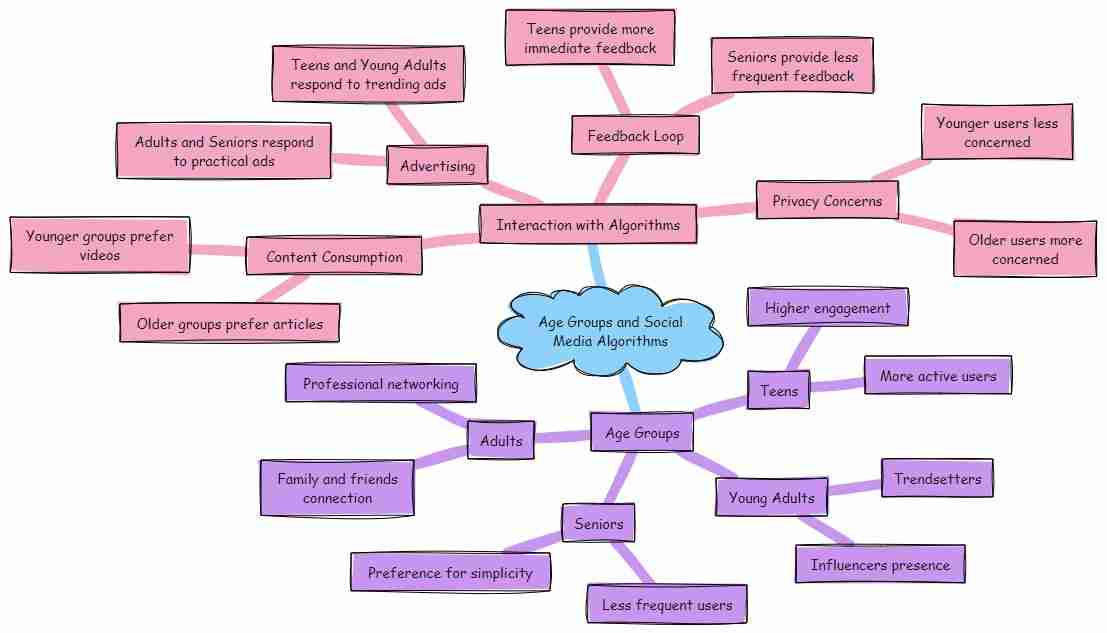
Picture this: You’re standing at a crossroads, with question marks swirling overhead like pesky little flies, and the sun is setting on your quest for knowledge. The Information Seeking Journey is much like that—an adventure where curiosity takes the wheel and guides you through a landscape filled with data, resources, and sometimes, a fair share of confusion. It’s not just about finding answers; it’s about the entire process of gathering, evaluating, and ultimately understanding the information that surrounds us.
We all start somewhere, right? Imagine you’ve got a burning question about a topic that’s been nagging at you like an itch you can’t scratch. This is where our journey begins. You might pick up your laptop or flip open a book, diving into the whirlpool of information. At this stage, you’re a seeker—like a detective on the trail of clues, sifting through mountains of content to uncover something valuable.
But here’s where it gets interesting: not all who seek find what they’re looking for. You’ve got your trusted sources, your dubious ones, and everything in between. Evaluating this information is critical—like discerning a diamond from a chunk of coal. A discerning seeker learns to weigh the credibility, relevance, and quality of the data, making choices that reflect not just knowledge but wisdom.
Once you’ve collected your findings, the next part of your journey involves synthesizing this information. It’s somewhat like piecing together a puzzle or crafting a meal from various ingredients. You start connecting dots, drawing conclusions, and forming ideas. Ah, the sweet taste of understanding! But wait—has the journey truly ended? Not quite. The Information Seeking Journey isn’t linear; it’s cyclical. Each revelation often sparks new questions, opening up fresh paths for exploration.
Moreover, this journey isn’t solitary. Our society thrives on collaboration, and sharing knowledge with others can illuminate perspectives you hadn’t considered before. Engaging in discussions, reading blogs, attending lectures—these activities enrich your quest even further. So, whether you’re navigating the labyrinth of Google searches or combing through library stacks, remember that every step you take in your Information Seeking Journey is a building block toward greater insight and awareness. The road may be long, but each twist and turn brings you closer to answers that can change everything.
What Is The Information Seeking Journey?
What Is The Information Seeking Journey?
- The Information Seeking Journey is a quest driven by curiosity through a landscape of data and resources.
- Begins with a seeker posing a burning question and diving into various sources of information.
- Not all information is reliable; it’s important to evaluate credibility, relevance, and quality.
- Synthesizing collected information is key, akin to piecing together a puzzle to form new ideas.
- The journey is cyclical; each answer often leads to new questions and avenues for exploration.
- Collaboration enhances the journey, as sharing knowledge broadens perspectives and deepens understanding.
- Each step taken contributes to greater insight, making the journey essential despite its challenges.

What Is The Information Seeking Journey?
How Does Information Seeking Begin?
Information seeking is a journey that starts from a whisper of curiosity. You might be curled up in a chair, engrossed in a book, or watching the world unfold around you. Something catches your attention—a question dances across your mind, nudging you like a persistent little toddler. “Why?” you think. It’s that flicker of intrigue that kicks off your information seeking journey.
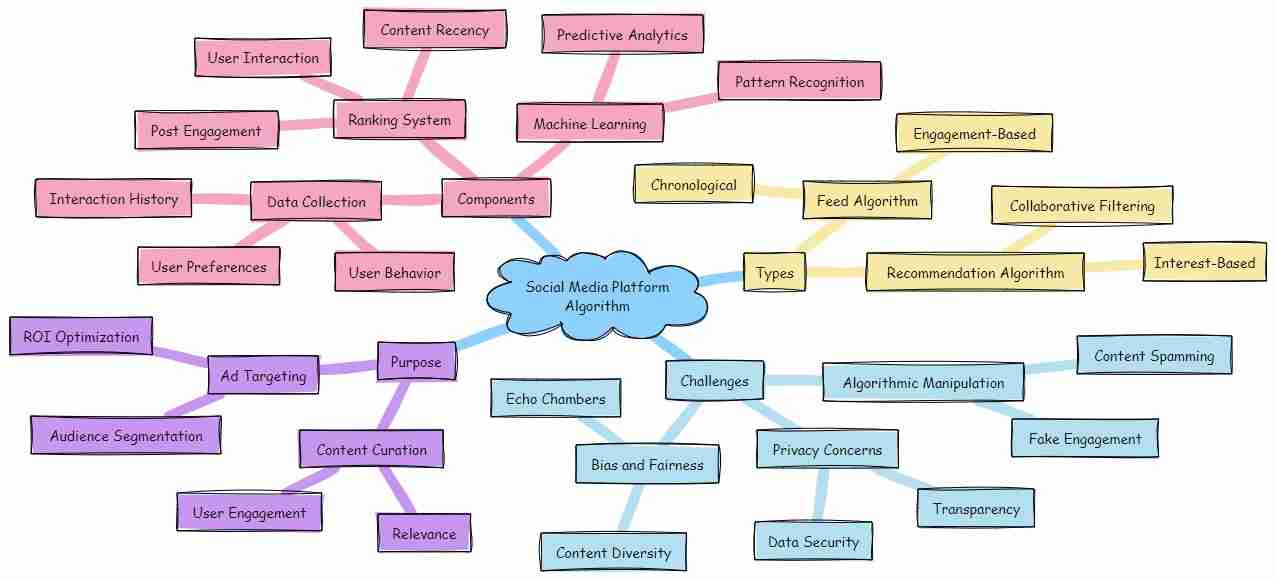
Picture yourself standing at the ocean’s edge, watching the endless waves crash upon the shore. Each wave represents a question, an idea, or a piece of knowledge waiting to be uncovered. Before you know it, the tide pulls you in. You’ve got one foot on the dry sand and the other in the water of discovery. That’s how it begins; you dip your toes into the vast sea of information, and then you’re off swimming.
Every information seeking journey is unique, influenced by factors like your past experiences, the resources available, and, yes, even your mood that day. Perhaps you’re in the library, perusing the spines of countless books. Each title is like a road sign, pointing you toward different avenues of knowledge. Or maybe you prefer the digital realm, scrolling through endless pages of search results with the hope of uncovering just the right nugget of information. With each click, you’re forging a path through a jungle of data.
Now, let’s be real: not every path you tread will lead to a treasure. There’ll be detours, false leads, and, oh yes, the occasional dead end. You might find yourself deep in the weeds of a complex topic, grappling with terms and jargon that make you want to throw in the towel. But that’s part of the ride! Each hiccup, every moment of confusion, adds to the richness of your experience.
Remember, information seeking is not about reaching a destination; it’s about embracing the whole process. Cultivating that curiosity is essential. Whether you’re solving a problem, exploring a passion, or just satisfying a fleeting whim, the adventure of seeking information opens your eyes to new perspectives and ideas. As you embark on this quest, let your curiosity be your compass, guiding you through life’s vast, intricate landscape of knowledge, one question at a time.
How Does Information Seeking Begin?
How Does Information Seeking Begin?
- Information seeking begins with a spark of curiosity, often triggered by questions.
- The journey is symbolized by the ocean, where each wave represents a question or piece of knowledge.
- Unique factors such as past experiences, resources, and mood influence each person’s information-seeking journey.
- Information seekers may explore physical spaces like libraries or digital spaces like online search engines.
- The path may include detours, false leads, and challenges that enhance the learning experience.
- Embracing the process of seeking information is more important than reaching a specific destination.
- Curiosity serves as a guiding compass in the exploration of diverse perspectives and knowledge.

How Does Information Seeking Begin?
What Factors Influence Information Seeking?
When diving into the intricate concept of information seeking, it’s essential to unpack the various factors that steer this journey. Picture yourself embarking on an Information Seeking Journey: you’re casting a wide net in search of knowledge. Suddenly, you realize that what you seek isn’t simply a matter of desire; there’s a medley of influences at play.
First off, you’ve got the context. The environment you’re in, whether it’s a college library or your kitchen table, significantly shapes your approach. Are you chasing down academic research or just trying to fix a leaky faucet? The specific circumstances dictate what resources you’ll consider. It’s like choosing the right tool for the job; you wouldn’t grab a wrench to hammer a nail, right?
Next, we have motivation—an undeniable force that drives your search. Your reason for hunting down information could stem from a personal interest, a professional requirement, or even just a simple curiosity. When that spark flickers, you’re bound to seek out knowledge with vigor, whether it’s a deep dive into astrophysics or the latest gadget.
Let’s not overlook the role of technology. With the internet serving as an endless expanse of information, the way you seek has transformed dramatically. Accessibility matters. Now, you can access everything from online databases to niche forums at the click of a button. Easy, right? But here’s the tricky part: while technology democratizes information, it can also drown us in a sea of choices. Knowing where to start can feel overwhelming, like trying to decide which dish to order at a restaurant with a massive menu.
Social influences are another significant factor. We often turn to our networks—friends, family, and colleagues—for guidance. The opinions of others can sway our choices, guiding us to specific avenues of inquiry. A mention of a book by a trusted friend can launch your Information Seeking Journey into new territory, perhaps redirecting you from a less fruitful path.
Moreover, critical thinking skills play a crucial role. The ability to evaluate sources for credibility can mean the difference between a successful search and a misleading detour. The more you hone these skills, the more adept you become in navigating the labyrinth of information out there.
Your Information Seeking Journey isn’t a solo endeavor. It’s influenced by a rich tapestry of personal, social, and technological factors, all converging to shape how and why we seek information in the first place.

What Factors Influence Information Seeking?
What Factors Influence Information Seeking?
- The context significantly influences the information seeking process, dictating the resources considered based on the environment.
- Motivation drives the search for information, stemming from personal interest, professional needs, or curiosity.
- Technology has transformed information seeking, providing access to vast resources but also overwhelming users with choices.
- Social influences, such as recommendations from friends and colleagues, can guide and redirect the information seeking journey.
- Critical thinking skills are essential for evaluating the credibility of sources, impacting the effectiveness of the search.
- The information seeking journey is shaped by a combination of personal, social, and technological factors.
- The process is not a solo endeavor; multiple influences converge to guide how and why we seek information.

What Factors Influence Information Seeking?
How Does User Motivation Affect The Journey?
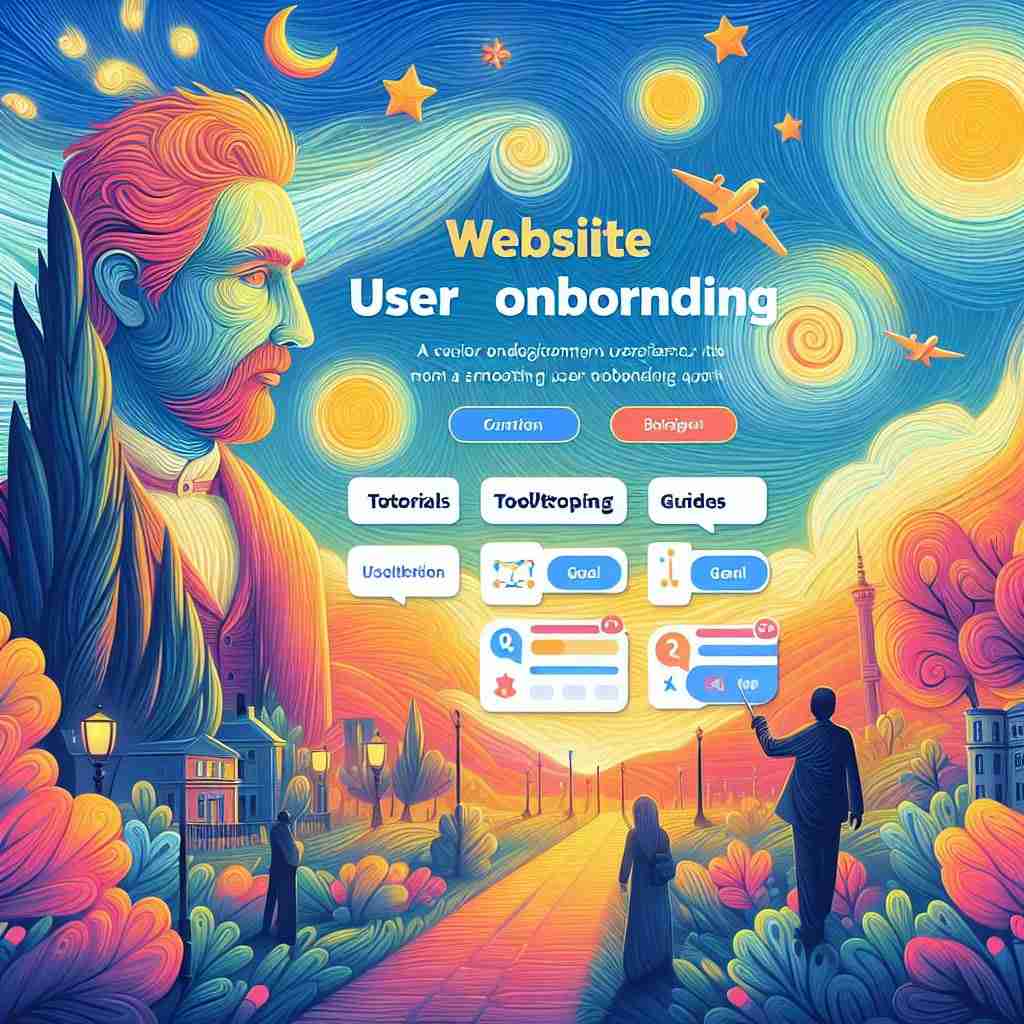
User motivation is a powerful beast. It dictates not just what paths we choose to tread, but the very energy we bring to our Information Seeking Journey. Picture it: a person meandering through a digital landscape, driven by a thirst for knowledge or perhaps an urgent need for resolution. Motivation acts as the compass, guiding these users through the often murky waters of information overload.
In an age where data floods our screens from every direction, it’s crucial to understand that not all motivations are created equal. Some individuals may approach their information quest with the zest of someone on a treasure hunt, seeking answers with a fervor that propels them forward. Others, however, may feel overwhelmed or lost, their motivation dampened by the sheer volume of options available. In this scenario, a user’s journey can quickly turn from a bold expedition into a frustrating slog through quicksand.
Consider this: when faced with a problem, whether it’s finding the best way to fix a leaky sink or deciding on a career shift, motivation can ignite a fierce determination. This fire can fuel persistence, allowing users to sift through countless sources until they find the nuggets of wisdom they’re after. The act of diving into the details is often driven by passion or necessity—whichever one it is can greatly influence the effectiveness of the Information Seeking Journey.
Moreover, the emotional stakes involved in the search can create a narrative that shapes the user’s experience. If the motivation is high, users are more likely to remain engaged, to ask deeper questions, and to embrace the exploration with a sense of adventure. On the flip side, when motivation wanes—say, due to distractions, frustrations, or a lack of clarity—the journey can stall.
The dynamics of user motivation can act as both the steering wheel and the fuel tank on this digital quest. Every great story has its peaks and valleys, and understanding the role of motivation provides critical insights into how users navigate their Information Seeking Journey. Keep these factors in mind, and you might just find the right mix of inspiration and strategy to steer toward successful outcomes in any quest for knowledge. The stakes are real, and the journey? Well, that’s where the true treasure lies.
How Does User Motivation Affect The Journey?
How Does User Motivation Affect The Journey?
- User motivation significantly influences the paths and energy in the Information Seeking Journey.
- Motivation serves as a compass, helping users navigate through information overload.
- Different motivations lead to varying approaches; some users may exhibit enthusiasm, while others feel overwhelmed.
- A user’s determination can be ignited by the urgency of a problem, spurring them to persist in their search for solutions.
- The effectiveness of the journey is affected by whether the drive is rooted in passion or necessity.
- High motivation enhances user engagement, encouraging deeper questions and exploration.
- Understanding user motivation provides insights into navigating challenges and achieving successful outcomes in knowledge quests.

How Does User Motivation Affect The Journey?
What Role Do Emotions Play In Information Seeking?
We all have those days when we’re faced with a knotty problem, whether it’s deciding on a new career path or finding the best route for a road trip. That’s when we embark on our Information Seeking Journey, a quest that’s fueled by something deeper than mere curiosity. Emotions play a sneaky but substantial role in shaping how we gather information—sometimes more than we care to admit.
Let’s start by considering motivation. Emotions often serve as the driving force behind our desire to seek out information. Picture someone on the verge of a significant life change: they’re likely feeling a blend of anxiety and excitement. These mixed emotions push them to scour the internet, consult friends, or even dive into books. They’re not just looking for facts; they’re on a mission to validate their feelings and ease their concerns. When a person experiences fear of the unknown, their Information Seeking Journey becomes a lifeline, guiding them to the answers they need to feel secure.
Then there’s the role of confirmation bias. Humans have a tendency to seek out information that aligns with their existing beliefs, often influenced by our feelings about a particular topic. If you’re feeling passionate about a cause, for instance, you’ll naturally gravitate toward information that supports your viewpoint, while dismissing anything that contradicts it. This emotional lens can distort our information-gathering efforts, leading us to overlook a more nuanced understanding of the situation.
Now let’s talk about the aftermath—how emotions can shape the conclusions we draw from our findings. After all, it’s not always about what you discover; it’s about how what you discover makes you feel. When you stumble upon information that aligns with your hopes or beliefs, it can lead to feelings of joy or satisfaction. Conversely, discovering something that challenges your preconceived notions can result in frustration or sadness. These emotional reactions can linger long after the Information Seeking Journey is complete, influencing future decisions and inquiries.
In essence, emotions are the silent navigators on our quests for knowledge. They chart the course, dictate the pace, and can even change our destination. Understanding this dynamic can empower us to approach our Information Seeking Journeys with a clearer sense of purpose, openness, and perhaps a bit more compassion for ourselves along the way. So, the next time you find yourself on the hunt for answers, take a moment to reflect on what you’re really feeling—because that might just be your most reliable compass.

What Role Do Emotions Play In Information Seeking?
What Role Do Emotions Play In Information Seeking?
- Emotions significantly influence our Information Seeking Journeys, often more than we realize.
- Motivation is driven by emotions; feelings of anxiety and excitement push individuals to seek information during life changes.
- Information seeking serves as a means to validate feelings and alleviate concerns when facing the unknown.
- Confirmation bias leads people to seek information that aligns with their existing beliefs, influenced by their emotions.
- Emotional reactions to information shape the conclusions we draw, impacting our future decisions and inquiries.
- Discoveries that align with hopes can evoke joy, while contradictory findings may lead to frustration or sadness.
- Recognizing the role of emotions can enhance our approach to seeking knowledge with purpose and self-compassion.

What Role Do Emotions Play In Information Seeking?
How Do Search Behaviors Change Over Time?
In the vast and ever-shifting landscape of the internet, the way we search for information has morphed into a fascinating journey—what some call the Information Seeking Journey. Think about it: when you wake up in the morning and grab your phone for the first time, what’s the instinct that pulls you to the screen? It’s a compulsion steeped in a need for knowledge. As days turn into weeks and weeks into years, the nature of that want evolves.
You see, people start out searching with a simple curiosity. Remember when you’d fire up a browser to find directions or maybe check the weather? Over time, however, the complexities of our searches begin to layer themselves like the pages of a good book. Each chapter reveals something new—trends, tips, and techniques that cater not just to your current needs, but to your growing understanding of the digital ecosystem. What once began as a quest for a single answer is now a comprehensive exploration.
The generational differences in search behaviors are remarkable. Young folks today are absolute wizards at navigating vast databases of information, but they also come in with expectations shaped by their predecessors who may have relied more heavily on traditional sources—libraries, newspapers, or simple conversation. So as the digital age evolves, so too does our method of hunting down information. The Information Seeking Journey shifts like the finest craftsmanship of a seasoned artisan, adapting to the tools and beliefs of each new generation.
Let’s also not overlook the role of technology in this transformation. When algorithms get smarter, the clicks we make become more purposeful. Artificial intelligence can anticipate needs before we even think of them, offering up results tailored to our individual patterns. This adaptability can enhance our journeys; however, it also risks creating an echo chamber, where we only wander through familiar terrain. The experience is as rich as it is complex.
At the end of the day, the pursuit of knowledge and insights is inherently intertwined with our behaviors, choices, and the technological tools at our disposal. Our search behaviors reflect our needs, our curiosities, and our growth. Understanding this transformation is not just a curiosity; it’s a necessity for anyone intent on making sense of the world we inhabit today. By closing the gap between our knowledge and the information available, we empower our own journeys through an ever-connected world.

How Do Search Behaviors Change Over Time?
How Do Search Behaviors Change Over Time?
- The Information Seeking Journey reflects how our approach to searching for information has evolved over time.
- Initial curiosity in searches has transformed into a comprehensive exploration of knowledge.
- Generational differences in search behaviors show how younger individuals navigate information differently than older generations.
- The advent of technology, especially algorithms and AI, has significantly changed how we search and receive information.
- AI can predict user needs, making searches more efficient, but it also risks creating echo chambers of familiar content.
- Our search behaviors mirror our evolving needs, curiosities, and technological capabilities.
- Understanding the transformation of search behaviors is essential for navigating the modern information landscape.

How Do Search Behaviors Change Over Time?
What Is The Impact Of Information Overload?
In today’s digital age, we’re all sailing the same sea of endless data. There’s no denying that the sheer amount of information at our fingertips is staggering. We wake up to a barrage of news alerts, social media updates, and a never-ending stream of emails. But here’s the kicker: while some might call this enlightenment, it often feels more like walking through a dense fog. This is what we might refer to as information overload, and it’s a real beast.
As we embark on our Information Seeking Journey, we begin with a thirst for knowledge. We dive into search engines, scroll through articles, and binge-watch tutorials in hopes of finding clarity. But step back for a moment and consider the impact. Instead of empowering us, this constant influx of data can leave us feeling muddled and overwhelmed. It’s like trying to drink from a fire hose; your mouth is open, but you just can’t keep up.
One major consequence of information overload is decision paralysis. With an ocean of choices laid out before us, it becomes increasingly challenging to discern which path to follow. You might find yourself standing in the grocery aisle, staring blankly at an overwhelming selection of salad dressings. The simple act of picking a lunch might take far longer than it should, as you spiral into analysis paralysis. Every option you consider seems like it comes with its own mountain of pros and cons. This independent decision-making dilemma can turn every choice into an exhausting chore.
But it’s not just decisions that suffer; our mental well-being is on the line too. The constant ping of notifications and the feeling of urgency to stay updated can elevate stress levels to new heights. Anxiety creeps in as we worry about missing crucial information or failing to keep up with the latest trends. Instead of feeling informed, we often feel inadequate.
Moreover, the craft of meaningful communication takes a hit. In a world overflowing with messages, it’s easy for the truly important ones to get lost in the din. The art of deep, meaningful interactions becomes secondary to the frantic race to stay informed.
So, as we navigate this Information Seeking Journey, it’s essential to tread carefully. Mindfully curating our sources can help bridge the gap between knowledge and wisdom, ensuring we’re not just swimming in data but truly understanding it. Let’s sift through the noise and reclaim our ability to engage meaningfully with the information that matters.

What Is The Impact Of Information Overload?
What Is The Impact Of Information Overload?
- We live in an age of overwhelming data, experiencing constant news, social media updates, and emails.
- This phenomenon, known as information overload, can leave us feeling confused and overwhelmed rather than enlightened.
- The quest for knowledge can lead to decision paralysis, making simple choices feel complex and exhausting.
- Information overload can elevate stress levels and induce anxiety about missing information or trends.
- Our mental well-being suffers as we struggle to keep up, often feeling inadequate in the process.
- Meaningful communication deteriorates as important messages are lost in the flood of information.
- Carefully curating our information sources can help us move from mere data consumption to true understanding.

What Is The Impact Of Information Overload?
Conclusion
As we wrap up our exploration of the Information Seeking Journey, let’s take a moment to appreciate the nuances involved in our quest for knowledge. It’s not just about diving headfirst into a sea of data—no, folks, the real magic happens as we navigate the complexities before us. Imagine setting out on a rugged trek rather than taking an easy stroll through a park. Each step along the way matters, and those diverse paths shape the quality of what we uncover.
When you embark on this journey, the aim isn’t simply to find answers but to actually refine your understanding. It’s about asking the right questions and distinguishing between reliable information and the deceptive allure of clickbait. Much like a craftsman honing their tools, it’s during this journey that the raw ore of information is refined into something valuable.
Let’s get real here; information overload is a challenge we can’t ignore. In a world brimming with data, the potential for decision paralysis looms large. Overwhelmed by options, we may find ourselves caught in a cycle of analysis, forgetting that the essence of our journey is discovering what truly resonates with our needs. Think of it as trying to choose the perfect salad dressing—when presented with too many options, even simple choices can feel insurmountable.
But it’s not just about the options; it’s about the emotional dynamics at play. Our motivations, fears, and excitement set the tone for how engaged we become in our information quests. If we let anxiety dominate our search, we’ll miss out on the delightful nuggets of insight hiding in plain sight.
Equally important are the social influences we encounter along the way. Our discussions with peers and the exchange of ideas elevate the journey, challenging our assumptions and enriching our perspectives. This collaboration cultivates a deeper understanding and allows us to weave various insights into a cohesive narrative.
So, how do we take this all in? Well, the Information Seeking Journey is a rich tapestry, one that demands mindfulness and adaptability. It’s not just about seeking information; it’s about curating it, understanding its context, and figuring out how to make it meaningful in our lives. As we navigate this ever-evolving digital landscape, remember: every twist and turn impacts not just what we seek but how we grow from it. Embrace the journey—because it’s the ride that leads to clarity and deeper wisdom. Happy seeking!

Conclusion
Conclusion:
- The Information Seeking Journey involves appreciating the complexities of knowledge acquisition.
- The objective is to refine understanding by asking the right questions, not just finding answers.
- Information overload can lead to decision paralysis, making choices feel daunting.
- Emotional dynamics, such as motivations and fears, significantly affect engagement in the search process.
- Social influences, including discussions with peers, enhance understanding and challenge assumptions.
- The journey requires mindfulness and adaptability, focusing on curating and contextualizing information.
- Every step in the journey contributes to personal growth and the pursuit of clarity and wisdom.

Conclusion
Other Resources

Other Resources
Here is a list of other resources you can review online to learn more:
- Grid.is
- Novelai.net
- Promptpal.net
- Perplexity.ai
- Speak.com
- Chatbotkit.com
- Lindy.ai
- Imgcreator.ai
- Katteb.com
Use This Prompt To Get More Resources With Your Favorite Online AI Tool: Please provide me with a list of online articles with their URLs in a bulleted list that I can read regarding Does The Information Seeking Journey Impact The Quality Of Info Needs?

Other Resources
Glossary Terms
Does The Information Seeking Journey Impact The Quality Of Info Needs? – Glossary Of Terms
1. Information Seeking: The process of identifying, locating, and retrieving information based on a specific need or query.
2. Information Needs: The requirements or demands for information that arise from a particular situation or problem.
3. Quality of Information: The degree to which information is accurate, reliable, relevant, and timely for its intended purpose.
4. Information Literacy: The ability to recognize when information is needed and to locate, evaluate, and use it effectively.
5. Context: The circumstances or setting in which information seeking occurs, impacting the nature and relevance of information needs.
6. Cognitive Search Strategies: Mental approaches used to navigate and evaluate information in order to fulfill specific information needs.
7. User Experience (UX): The overall experience a user has when interacting with information systems, affecting how effectively they meet their information needs.
8. Information Behavior: The ways in which individuals search for, use, and share information, influenced by personal, social, and contextual factors.
9. Information Overload: A state in which the volume of available information exceeds an individual’s ability to process it, potentially hindering effective decision-making.
10. Filtering: The process of selecting relevant information from a larger pool based on specific criteria or needs.
11. Search Engine Optimization (SEO): Techniques that improve the visibility and ranking of web pages in search engine results, impacting information discovery.
12. Relevance: The degree to which information meets the needs of the user and is appropriate for the task at hand.
13. Data Accuracy: The correctness and precision of information, critically impacting its quality and usability.
14. Metadata: Data that provides information about other data, aiding in its discovery and evaluation.
15. Information Environment: An ecosystem of information resources, tools, and practices that shape how individuals seek and acquire information.
16. Information Quality Assessment: The process of evaluating information based on criteria such as credibility, reliability, and relevance.
17. Saturation Point: The stage at which an individual’s information needs are sufficiently met, leading to reduced further information seeking.
18. Feedback Mechanism: A process that allows users to assess the effectiveness of information obtained, informing future information seeking.
19. Knowledge Gap: A disparity between what a person knows and what they need to know, driving the information seeking journey.
20. Social Influence: The impact of social networks and interactions on an individual’s information needs and seeking behaviors.
21. Search Engines: Online tools used to find information across the internet, crucial in shaping the information seeking journey.
22. Information Retrieval: The process of obtaining relevant information from a collection of resources, focusing on effective searching techniques.
23. Interpersonal Communication: The exchange of information between individuals, which can facilitate or hinder the information seeking process.
24. Personal Relevance: The degree to which information is meaningful or applicable to an individual’s specific context or needs.
25. Digital Divide: The gap between those who have easy access to digital technology and those who do not, affecting information seeking opportunities.
26. Serendipity: The occurrence of unexpected and beneficial information discoveries during the seeking journey.
27. Inquiry-Based Learning: An educational approach emphasizing the process of seeking information to answer questions, fostering critical thinking.
28. User-Centered Design: A design philosophy prioritizing the needs and experiences of users in information systems, enhancing effective information seeking.
29. Behavioral Economics: A field studying how psychological, cognitive, and emotional factors influence decision-making and information seeking.
30. Data Triangulation: The use of multiple sources or methods to validate information, enhancing the reliability and quality of findings.

Glossary Of Terms
Other Questions
Does The Information Seeking Journey Impact The Quality Of Info Needs? – Other Questions
If you wish to explore and discover more, consider looking for answers to these questions:
- What strategies can improve the Information Seeking Journey?
- How can I evaluate the credibility of information sources?
- What tools or technologies can assist in navigating information overload?
- In what ways can collaboration enhance the Information Seeking Journey?
- How important is emotional intelligence during the information gathering process?
- What are common pitfalls to avoid during the Information Seeking Journey?
- How can I balance thoroughness with efficiency in my information search?
- What impact does the medium of information (e.g., digital vs. print) have on the journey?
- How do personal biases affect information seeking and interpretation?
- What are some examples of successful Information Seeking Journeys?
- How can I maintain motivation throughout a prolonged information search?
- What role does critical thinking play in synthesizing information?
- How do cultural factors influence the way people seek information?

Other Questions
Checklist
Does The Information Seeking Journey Impact The Quality Of Info Needs? – A Checklist
Before You Start Your Information Seeking Journey:
_____ Define Your Purpose: Clearly outline what you hope to achieve or learn during your search.
_____ Formulate Key Questions: Write down specific questions that guide your exploration.
_____ Identify Initial Resources: List trusted sources (books, articles, databases) that are likely to provide valuable information.
During Your Information Seeking Journey:
_____ Engage with Diverse Perspectives: Explore multiple viewpoints by reading various articles or listening to expert talks.
_____ Evaluate Sources:
_____ Check credibility: Is the author reputable? Is the publication reliable?
_____ Assess relevance: Does the information directly address your needs?
_____ Consider quality: Is the information well-researched and supported by evidence?
_____ Take Notes: Summarize key findings and insights throughout your journey to help synthesize the information later.
_____ Ask Open-Ended Questions: Challenge your assumptions and prompt deeper exploration during your searches.
After You Gather Information:
_____ Reflect on Findings: Take time to process what you’ve learned and how it relates to your initial questions or needs.
_____ Synthesize Information: Piece together the information, identifying connections and constructing a coherent understanding.
_____ Discuss Findings: Share your insights with others to gain feedback and alternative perspectives.
Ongoing Practices:
_____ Develop Critical Thinking Skills: Regularly practice evaluating the information critically, honing your discernment over time.
_____ Stay Curious: Maintain an open mindset, ready to explore new questions or seek further information as needed.
_____ Limit Information Overload: Be mindful of the volume of information you consume. Curate your sources to avoid becoming overwhelmed.
Emotional and Motivational Check:
_____ Recognize Emotional Influences: Identify if emotions are affecting your search (e. g. , anxiety, excitement) and adjust your approach if necessary.
_____ Stay Motivated: Remind yourself of the value of the knowledge you seek to maintain your momentum.
Review and Adjust:
_____ Reflect on the Journey: Evaluate how the process went—what worked well and what could be improved for future information seeking.
_____ Adjust Strategies: Based on your experiences, modify your methods for future searches to enhance efficiency and effectiveness.
By following this checklist, you can navigate your Information Seeking Journey more effectively, leading to deeper insights and a more satisfying experience. Happy searching!

Checklist
At WebsiteBloggers, we help website bloggers develop strategies to create content, traffic, and revenue from website blogs based on our experiences and experimentation.
Be sure to read our other related stories at WebsiteBloggers and share this article with your friends, family, or business associates who run website blogs.