Embracing Integrity: The Rise Of Truth In A World Of Illusions
By Tom Seest
At WebsiteBloggers, we help website bloggers develop strategies to create content, traffic, and revenue from website blogs based on our experiences and experimentation.
Be sure to read our other related stories at WebsiteBloggers and share this article with your friends, family, or business associates who run website blogs.
Ethics Is the New Aesthetic – Why Truth Is Trending
In an age where every click brings a flood of information, the real challenge isn’t just finding truth; it’s understanding its value. Imagine scrolling through a website, reading a blog that feels like a conversation with an old friend. It’s not about flashy graphics or catchy headlines — it’s about the weight of the words that pull at your heart, challenge your head, and resonate deep in your gut.
Everyday people are yearning for authenticity. In our social media-driven world, where curated personas often overshadow genuine stories, there’s an emerging hunger for honesty. When you engage with a narrative that speaks to your daily struggles and triumphs, it draws you in like a well-told tale around a fire. That’s where trust grows, and with it, confidence in what we consume. We begin to recognize that ethics can be beautiful.
When the message is clear, and the source is credible, people lean in. They listen. They act. You see, the beauty of truth isn’t just in the knowledge it imparts; it’s in the community it builds. When we communicate openly and share our experiences, we create connections that matter. Each story shared is a thread woven into the vast tapestry of human experience, reinforcing our shared values and aspirations.
What if truth isn’t just a static concept? What if it is alive, breathing, and evolving like the stories we tell? The ethics behind our choices can drive cultural movements, inspire shifts in public policy, or simply lead to a deeper appreciation of our daily interactions. People are looking for authority not in titles or positions but in the sincerity and integrity of their fellow citizens. Those who align their actions with their words can inspire change in ways that traditional authority never could.
Truth isn’t just trending; it’s transforming. It’s calling on us to embrace vulnerability, share our insights, and lead with integrity. As we navigate this evolving landscape, let’s be the champions of storytelling grounded in truth. Let’s engage one another with respect, foster connections that matter, and ensure that the aesthetic we strive for reflects more than just the surface. In doing so, we inspire not just trust, but also a groundswell of collective action that can shape a brighter future for all.

Ethics Is the New Aesthetic – Why Truth Is Trending
Ethics Is the New Aesthetic – Why Truth Is Trending
- The challenge is not only finding truth but understanding its value in a sea of information.
- People yearn for authenticity and genuine stories over curated personas in social media.
- Engaging narratives resonate deeply and foster trust and confidence in the content consumed.
- Clear messages from credible sources encourage listeners to act and connect with one another.
- Truth is a dynamic concept that evolves through storytelling and shared experiences.
- Authority is found in sincerity and integrity rather than traditional titles and positions.
- Embracing vulnerability and integrity in storytelling can inspire collective action for a better future.

Ethics Is the New Aesthetic – Why Truth Is Trending
Table Of Contents
- Ethics Is the New Aesthetic – Why Truth Is Trending
- How Do We Define Truth In a Society Saturated with Information?
- Why Do We Crave Stories That Align with Our Values and Beliefs?
- How Can We Balance Honesty with Compassion In Our Interactions?
- Is Seeking Truth a Revolutionary Act In a World Of Misinformation?
- How Does Social Media Shape Our Perceptions Of Ethics and Aesthetics?
- Why Are We Drawn to Brands That Prioritize Transparency and Integrity?
- How Can We Cultivate a Culture That Values Honesty and Authenticity?
- Conclusion
- Other Resources
- Glossary Of Terms
- Other Questions
- Haiku
- Poem
- Checklist
How Do We Define Truth In a Society Saturated with Information?
In today’s digital landscape, where information flows like a raging river, defining truth can feel like trying to catch smoke with your bare hands. Every scroll of our smartphones and every click on a website brings an overwhelming tide of facts, opinions, and half-truths that compete for our attention. So, how do we sift through the chaos and find what is real?
First, it’s vital to recognize that truth isn’t just a static concept; it’s a living, breathing narrative that shapes our society. When we hear a story, whether in a blog or a conversation over coffee, we connect emotionally. We respond with our hearts, feeling the weight of someone else’s experience. These human stories create a common ground—reminding us we’re all in this together, navigating the same muddled waters.
Yet, our hearts shouldn’t act alone. We must engage our heads and think rationally. We live in an age where information is at our fingertips, but the key lies in discerning quality from quantity. Seek sources that demonstrate credibility, those backed by evidence and a history of integrity. Remember, it’s not just about the information itself—it’s about the messenger. Are they authorities in their field? Do they uphold ethical standards? Cultivating a keen awareness of these aspects enhances our ability to judge the truth.
Moreover, as we engage with information, consider the ethical implications of sharing what we learn. Each time we forward a post or discuss a topic, we become stewards of that truth. With a powerful media landscape at our disposal, we have a responsibility to foster connection and dialogue—promoting understanding rather than division.
Trust is the glue that holds our society together. It is built through transparency and accountability. When we contribute to the conversation, we must ensure we’re building bridges, not walls. Pursuing truth in this intricate web of information is not just an individual quest; it’s a collective mission that calls on all of us to be vigilant, compassionate, and proactive.
To navigate this complex realm, let’s commit to being truth-seekers, not just information consumers. Embrace the stories that resonate, challenge the narratives that disturb, and most importantly, become part of a community where truth prevails, fostering confidence and inspiring future generations to do the same.

How Do We Define Truth In a Society Saturated with Information?
How Do We Define Truth In a Society Saturated with Information?
- The digital landscape presents a challenge in defining truth amidst a flood of information.
- Truth is a dynamic narrative, shaped by human experiences and connections.
- Engaging rationally is essential; seek credible sources backed by evidence and integrity.
- Consider the ethical implications of sharing information to foster understanding.
- Trust is foundational for society, built through transparency and accountability.
- Pursuing truth is a collective mission that requires vigilance, compassion, and proactivity.
- Commit to being truth-seekers and part of a community that promotes confidence and inspires future generations.

How Do We Define Truth In a Society Saturated with Information?
Why Do We Crave Stories That Align with Our Values and Beliefs?
There’s something magnetic about a story that tugs at the very core of who we are. Think back to the last movie that made you laugh until you cried or a book that kept you up at night. What you felt in that moment wasn’t just entertainment; it was a resonation with something deep within you—a reflection of your values and beliefs. Why do we crave that? Because it’s about connection. It’s the recognition of shared struggles and triumphs that make us feel less alone in this big, wild world.
When a narrative aligns with our personal ethics, it feels like a warm blanket on a cold night. It comforts us and reinforces what we hold true. But there’s more to it than sentiment. Our brains are wired to respond to stories. They help us process complex emotions and make sense of our experiences. Stories give us the context needed to navigate the chaos of life, as if they’re handing us a map to lead us through murky waters. It’s rational; when we see our beliefs reflected in a story, we find clarity, reminding us who we are and what we stand for.
Think about how easily a well-told tale can instill trust. When we hear from credible voices—experts who have lived the very experiences they describe—our gut tells us to lean in and listen. We want to hear their stories, absorb their lessons, and allow their journey to shape our own. We crave authenticity, and narratives rooted in real-life struggles speak volumes more than mere statistics or bullet points ever could.
And on a social level, stories about our shared beliefs forge bonds among us. They cultivate communities, drawing lines of solidarity and understanding that transcend geographical barriers. It’s about creating a tapestry of human experience, weaving together the threads of our hopes and fears. In a world that often feels divided, these shared narratives foster empathy and illuminate the paths we can walk together.
So the next time you find yourself immersed in a story that resonates, recognize that reaction for what it is: a sacred reminder of your values and beliefs. It’s not just entertainment; it’s a call to action, an invitation to engage, and a powerful way to affirm your place in the world. Embrace it. Your soul craves the connection, and in that connection lies the power to change, inspire, and uplift—not just yourself, but those around you.

Why Do We Crave Stories That Align with Our Values and Beliefs?
Why Do We Crave Stories That Align with Our Values and Beliefs?
- Stories resonate deeply with our core values and beliefs, providing connection and comfort.
- They help us process emotions and navigate life’s complexities, acting like a map through chaos.
- When narratives reflect our ethics, they instill clarity and reinforce our identity.
- Well-told tales from credible sources foster trust and encourage us to learn from others’ journeys.
- Authentic stories rooted in real-life experiences have more impact than statistics or facts.
- Shared narratives create community bonds, transcending geographical and social barriers.
- Recognizing and embracing resonant stories invites engagement and fosters empathy among individuals.
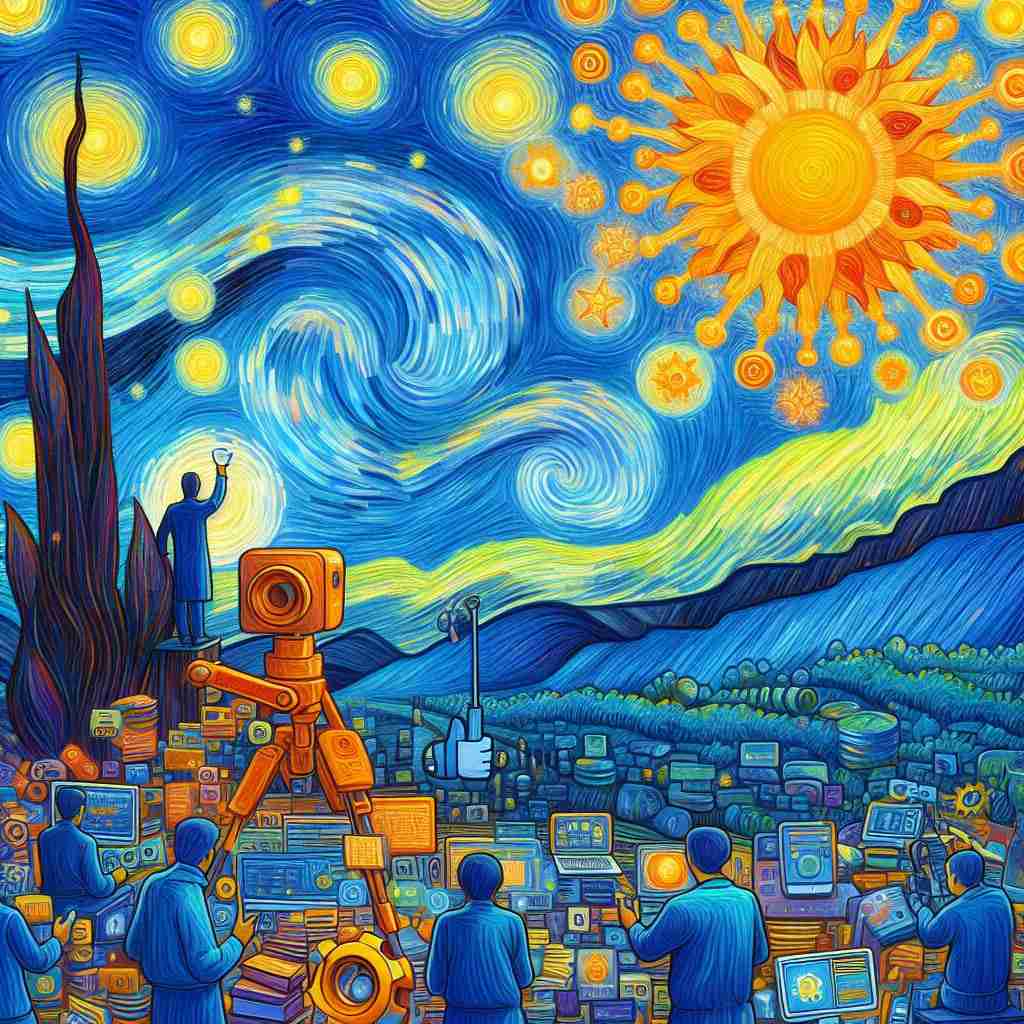
Why Do We Crave Stories That Align with Our Values and Beliefs?
How Can We Balance Honesty with Compassion In Our Interactions?
Life’s messy, isn’t it? We navigate a complex web of relationships—friends, family, coworkers—each requiring a blend of honesty and compassion. Think about it: when was the last time you found yourself wanting to tell the truth but holding back out of fear of hurting someone? In those moments, that internal tug-of-war is where our greatest potential lies.
Imagine a situation: a friend is wearing an outfit that doesn’t quite suit them. You can feel the urge to shout the truth but pause, realizing this isn’t just a fashion faux pas; it’s about their confidence. Compassion asks us to navigate carefully, to offer our honest thoughts wrapped in a blanket of warmth. It’s about understanding the emotional gravity of the situation and realizing that our words can either build or break someone down.
This is where ethics and authority come into play. When we engage with others, we must reflect on the potential impacts of our honesty. It’s not simply about being blunt; it’s about being responsible. The heart knows love and empathy, but the head must recognize that the truth delivered without care can cut deep. Striking the right balance is a skill, an art form that many of us can master if we allow ourselves the grace to learn.
Think of a time when someone chose compassion over honesty, and how it transformed your experience. You feel the connection, the trust. That moment reminds us we all share the same vulnerabilities. You’re not alone in your struggles; neither are your friends. When we open up like that, we build a community founded on mutual respect and understanding. This is social glue that can propel relationships forward.
Balancing honesty with compassion doesn’t mean sugarcoating the truth; it means delivering it in a way that acknowledges the human side of our interactions. People resonate with stories, and each conversation can become an opportunity to inspire or uplift.
So, next time you’re faced with a decision: weigh your words. Think about how you can express genuine honesty while offering kindness. By doing so, not only will you foster deeper connections, but you’ll create a culture where people feel safe to be themselves. That’s a legacy worth building—and it starts with you, today, right now.

How Can We Balance Honesty with Compassion In Our Interactions?
How Can We Balance Honesty with Compassion In Our Interactions?
- Life involves navigating complex relationships that require honesty and compassion.
- Internal struggles often arise when telling the truth to avoid hurting someone’s feelings.
- Compassionate honesty considers the emotional impact of our words on others.
- Honesty should be delivered responsibly, balancing love and empathy with care.
- Choosing compassion over blunt honesty builds trust and connection in relationships.
- Being truthful doesn’t mean sugarcoating; it’s about acknowledging human emotions.
- We should strive to express honest thoughts while fostering a safe and supportive culture.

How Can We Balance Honesty with Compassion In Our Interactions?
Is Seeking Truth a Revolutionary Act In a World Of Misinformation?
In a world drowning in misinformation, seeking the truth is not just a noble pursuit; it’s a revolutionary act. Look around you—fake news travels faster than wildfire, and social media often feeds us a steady diet of distorted realities. It’s easy to feel overwhelmed, but remember that the desire for truth is deeply human. It’s rooted in our shared experience, our need to connect, and ultimately, our quest for understanding.
Picture this: You’re sitting around a table with friends, discussing current events. Each person brings a different perspective, shaped by their own beliefs and the filters of information they consume. You have a choice. Do you listen to respond, or do you seek to understand? The latter takes courage. It requires you to sift through layers of noise and find the resonant truth beneath. This effort isn’t merely an intellectual exercise; it’s about fostering connection and empathy. When you seek out truth, not only do you enrich your own understanding, but you also empower those around you to engage in meaningful dialogue.
Now, let’s engage our rational side. Consider the real-world implications of misinformation. Lives are affected, relationships are strained, and decisions are made based on falsehoods. The ethical responsibility falls on each of us to not just accept what is handed to us at face value. You must ask questions, verify sources, and cultivate a discerning mind. This is where the power of individual action becomes clear. One person’s dedication to truth can create ripples, inspiring others to recognize the significance of informed discourse.
Imagine, for a moment, being a part of a community that prioritizes truth. This isn’t just about facts and figures; it’s about shared values that bring us closer together. When people come together to seek and champion the truth, they build bridges instead of walls. Social change can begin at your dinner table, in your workplace, in conversations that matter. Your resolve to embrace truth and challenge the status quo can ignite a movement, one that embodies the collective desire for authenticity.
So, let’s step up. Let’s be the catalysts for change. Visit your favorite website or blog, engage with content that champions truth, and treasure the real connections that emerge from honest conversations. Each step matters, and together, our pursuit of truth can transform not only our own lives but the world around us.

Is Seeking Truth a Revolutionary Act In a World Of Misinformation?
Is Seeking Truth a Revolutionary Act In a World Of Misinformation?
- Seeking truth is crucial in a world full of misinformation and fake news.
- Understanding differing perspectives fosters connection and empathy among individuals.
- The pursuit of truth enriches personal understanding and empowers meaningful dialogue.
- Misinformation has real-world consequences—lives, relationships, and decisions are impacted.
- Individual responsibility includes questioning, verifying sources, and developing discernment.
- Communities that prioritize truth can create shared values and facilitate social change.
- Collective efforts in seeking truth can lead to transformative impacts on individuals and society.

Is Seeking Truth a Revolutionary Act In a World Of Misinformation?
How Does Social Media Shape Our Perceptions Of Ethics and Aesthetics?
When we scroll through our devices, we’re often inundated with curated images and messages, each vying for our attention. But what we sometimes overlook are the effects these digital encounters have on our perceptions of ethics and aesthetics. This isn’t just about aesthetics, but rather the very essence of our values and how we relate to the world around us. Every tweet, post, and blog updates a narrative that shapes our understanding of right and wrong.
Consider this: the allure of a perfectly filtered sunset may provoke a sense of envy, but it also begs the question—what does beauty truly mean? Are we measuring our worth against pixels and likes, or are we missing the deeper connections found in life’s raw moments? It’s easy to forget that behind every stunning photo is a person with their own struggles and triumphs, often battling the same insecurities we face. That visceral connection can be both comforting and disconcerting.
But beyond emotional reactions, there’s a rational layer to the conversation. Think of the influencers and brands that rise to prominence on social media. They wield incredible power, impacting public opinion and establishing trends not just in style, but in moral standing as well. Are they leading us towards a better understanding of ethics, or are they creating a façade that many feel pressured to embrace? This creates a platform where ethical dilemmas bloom, as posts are often more about showing off than about genuine connection.
Moreover, these social platforms have become echo chambers, amplifying our beliefs while drowning out dissenting voices. It’s a wild west of information, where ethics become subjective, shaped by the loudest voices rather than the most grounded values. Even authority figures can fall prey, adopting trending opinions to maintain relevance, leaving us to wrestle with our own ethical compass.
It isn’t just an intellectual exercise; it strikes at the core of who we are and how we interact as a society. Our hearts ache for authenticity amidst the curated perfection. We must remember that it’s okay to be imperfect, to show our true selves, and to engage in genuine conversations rather than just through hashtags. By fostering connections that resonate with our gut feelings and intelligence alike, we can reclaim our narratives, strengthening the fabric of our community. It’s time we take a stand, fueling our perception of ethics and aesthetics with sincerity, grit, and heart.

How Does Social Media Shape Our Perceptions Of Ethics and Aesthetics?
How Does Social Media Shape Our Perceptions Of Ethics and Aesthetics?
- Digital encounters shape our ethics and aesthetics, affecting our perceptions of values.
- Perfectly filtered images create a facade of beauty, prompting questions about self-worth and deeper connections.
- Behind stunning photos are individuals facing their own struggles, highlighting the need for genuine connection.
- Social media influencers and brands hold significant power, influencing public opinion and moral standing.
- Platforms often become echo chambers, amplifying beliefs while silencing dissenting voices, leading to subjective ethics.
- Authenticity is vital; it’s important to be imperfect and engage in real conversations beyond social media trends.
- By fostering genuine connections, we can reclaim our narratives and strengthen community bonds through sincerity and heart.

How Does Social Media Shape Our Perceptions Of Ethics and Aesthetics?
Why Are We Drawn to Brands That Prioritize Transparency and Integrity?
When you strip away the flashy advertising and the buzzwords, what do we find at the core of a brand that resonates with us? It’s transparency and integrity. These aren’t just buzz phrases. They’re the bedrock of trust, and in an era where skepticism runs rampant, we instinctively gravitate towards brands that wear their hearts on their sleeves.
Think about it. You come across a website or a blog where a company openly shares its practices, struggles, and victories. You see honest stories about ethical sourcing, fair labor practices, and a commitment to sustainability. Suddenly, that brand becomes more than just a logo or a product; it transforms into a narrative we want to be part of—a story woven with authenticity. It appeals to our emotional side, sparking a connection that feels genuine and real.
This yearning for trustworthiness is primal. We’ve all had our fair share of interactions with those faceless corporations that hide behind glossy marketing and jargon. When a brand lays itself bare—showing us the human side of business—it stirs something deep within us. We want to believe in something greater than ourselves. We want to be part of a community that values integrity over profit. It’s not just about buying a product; it’s about making a conscious choice aligned with our values.
Moreover, think about the ethical implications of choosing brands that prioritize transparency. Every dollar we spend sends a message. Supporting brands that are honest about their practices fosters accountability not just within the companies, but across the industry as a whole. When we put our money where our morals are, we inspire a shift, influencing others to follow suit.
The authority of a brand is no longer dictated by clever marketing campaigns; it now hinges on meaningful engagement with its customers. Brands that seek genuine dialogue—through reviews, social media interactions, or even direct communication—build loyalty. We trust those who have the courage to be upfront about their processes and policies. They become trailblazers, not just in sales, but in creating a culture that celebrates honesty and connection.
Ultimately, we’re drawn to these brands because in doing so, we’re not just choosing a product—we’re making a statement about the type of world we want to live in. A world where integrity reigns supreme, and where transparency fosters a community built on trust, respect, and shared values.

Why Are We Drawn to Brands That Prioritize Transparency and Integrity?
Why Are We Drawn to Brands That Prioritize Transparency and Integrity?
- At the core of resonant brands lies transparency and integrity, which build trust.
- Companies that share their practices and struggles create authentic narratives that engage customers.
- Shunning glossy marketing, brands that reveal their human side create deeper emotional connections.
- Choosing brands focused on transparency aligns purchases with personal values and fosters community.
- Supporting ethical brands promotes accountability and influences industry standards.
- Brand loyalty is built through meaningful engagement and honest communication with customers.
- By supporting transparent brands, consumers advocate for a world rooted in integrity and shared values.

Why Are We Drawn to Brands That Prioritize Transparency and Integrity?
How Can We Cultivate a Culture That Values Honesty and Authenticity?
Cultivating a culture that values honesty and authenticity isn’t just about lofty ideals; it’s about the day-to-day interactions that shape our lives. Picture a workplace where the truth isn’t something to be feared or manipulated but rather cherished. Imagine colleagues brainstorming openly, knowing their thoughts will be valued, not judged. Now, think about the ripple effects this authenticity creates. When people feel safe to be real, they are more engaged and contribute meaningfully.
From a purely rational standpoint, fostering honesty boosts productivity and creativity. When individuals are free to voice their concerns without the fear of negative repercussions, solutions emerge that nobody saw coming. It’s the organization that benefits. This is not just theory—countless studies substantiate that environments prioritizing trust outperform peers. A website or blog focused on workplace culture misses the mark unless it emphasizes the core aspect of authenticity in building trust.
Ethically speaking, honesty should be the bedrock of any relationship, be it personal or professional. When leaders embody transparency, they set a powerful example. Their commitment sends a clear message: integrity matters. This isn’t just about doing the right thing; it’s about fostering a sense of moral responsibility that cascades throughout the organization. Leaders who prioritize this cultivate not just followers but advocates who wear their values proudly.
Consider the personal narratives we hold dear. Each of us has stories that resonate—moments when we discovered the importance of truth, times when being authentic transformed our relationships. Sharing these stories builds an emotional connection that transcends the mundane. When we see our struggles and victories reflected back in others, we feel a sense of belonging and understanding.
Socially, we have a responsibility to create a norm where honesty is praised. It’s essential to recognize and celebrate those who act with integrity, thus encouraging others. We need to build communities—workplaces or otherwise—where vulnerability is not a weakness but a badge of honor. Let’s rally behind those who dare to be original, those who embrace their true selves.
When we consciously choose to cultivate a culture rich in truth and authenticity, we invite a movement of trust and confidence that can change our lives. Everyone deserves a space where they can be who they are—unfiltered and unapologetic. Let’s not just talk about honesty; let’s live it, breathe it, and celebrate it together.

How Can We Cultivate a Culture That Values Honesty and Authenticity?
How Can We Cultivate a Culture That Values Honesty and Authenticity?
- Cultivating a culture of honesty and authenticity shapes daily interactions in the workplace.
- When truth is valued, employees feel safe to express their thoughts, leading to greater engagement and contributions.
- Fostering honesty enhances productivity and creativity by allowing free expression without fear of repercussions.
- Research shows that organizations prioritizing trust perform better than those that do not.
- Leaders who embody transparency and integrity set a powerful example, fostering a sense of moral responsibility.
- Sharing personal stories about truth and authenticity builds emotional connections and a sense of belonging.
- Creating a norm that praises honesty encourages communities where vulnerability is seen as strength.

How Can We Cultivate a Culture That Values Honesty and Authenticity?
Conclusion
In a world swirling with misinformation and curated facades, the pursuit of truth stands as not just a personal journey but a societal revolution. We’re in an era where the allure of authenticity pulls at us from every screen, beckoning us to sift through the digital noise and seek what’s real. Amid the flashy headlines and perfect filters, everyday folks are craving substance; they want stories that resonate, stories that tap into our shared humanity. Each genuine narrative serves as a thread woven into a tapestry that connects us all—reminding us that, despite our differences, we’re united in our quest for understanding.
The challenges we face today are not just about distinguishing truth from falsehood but also about recognizing the ethical implications of our choices. When we lean into vulnerability and share our experiences, we create bonds that matter. This isn’t merely a personal pursuit; it’s a collective mission demanding diligence, compassion, and a commitment to transparency. Each time we engage with information, we must ask: Are we spreading truths, or are we perpetuating illusions? Genuine interaction fosters community and trust, and every story shared becomes a reminder of the common ground we share.
This quest for meaning extends beyond our individual lives; it shapes our relationships within families, workplaces, and communities. Think of how honesty wrapped in compassion can transform a simple conversation. When we communicate with integrity, acknowledging the emotional stakes, we foster environments where openness reigns. Such spaces cultivate creativity and engagement, inviting people to share ideas without fear of retribution. A culture rooted in authenticity and honesty flourishes when leaders exemplify these values, setting forth a legacy that resonates through generations.
Moreover, our choice of brands reflects our desire for trust. In a marketplace inundated with options, we gravitate toward those that prioritize transparency and integrity. Our purchasing decisions become statements of our values, urging companies to act responsibly and ethically.
Ultimately, this quest for truth isn’t just a noble endeavor; it’s an invitation to be part of something larger than ourselves. By embracing authenticity—sharing stories, expressing vulnerability, and seeking genuine connections—we shape a world where trust prevails, paving the way for future generations to thrive in a society built on respect, understanding, and unwavering integrity. Together, we can ignite a movement that champions honesty, connects hearts, and inspires a collective vision for a brighter tomorrow. This isn’t just about seeking the truth; it’s about living it, one honest interaction at a time.

Conclusion
Conclusion:
- The pursuit of truth is a societal revolution in a world of misinformation.
- Authenticity resonates amidst digital noise, inviting connection through shared humanity.
- Recognizing ethical implications is essential in distinguishing truth from falsehood.
- Vulnerability and genuine interactions foster community trust and common understanding.
- Honesty in communication transforms relationships within families, workplaces, and communities.
- Consumer choices reflect a desire for brands that prioritize transparency and integrity.
- This quest for authenticity invites participation in building a respectful and trustworthy society.
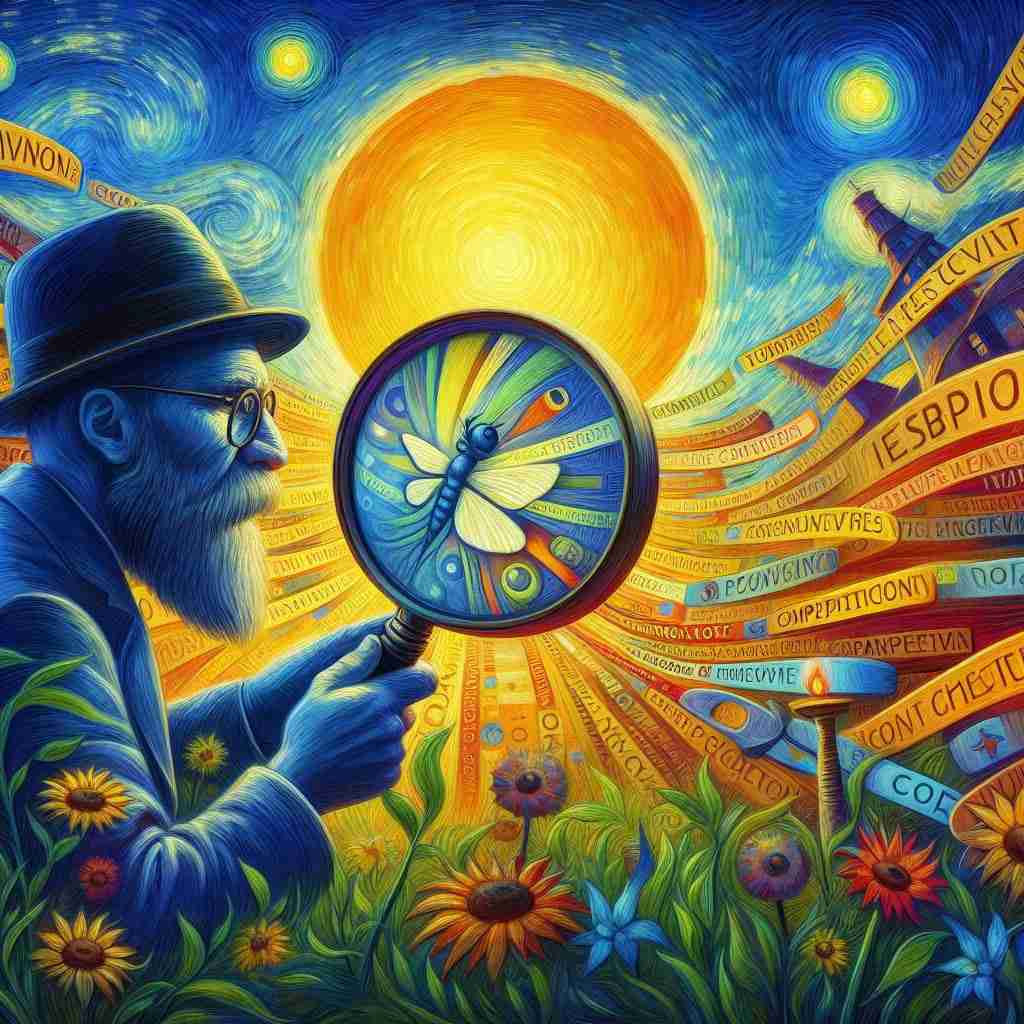
Conclusion
Other Resources

Other Resources
Here is a list of other resources you can review online to learn more:
- Sanebox.com
- Mokker.ai
- Videoask.com
- Aurahealth.io
- Magneto
- Analisa.io
- Interiorai.com
- Genmo.ai
- Articleforge.com
- Smartscout.com
- Pictory.ai
- Vana.com
- Opchatgpt.com
- Rezi.ai
- EngageBay
- Riffusion.com
- Chatfuel.com
- Senpai.gg
- Logopony.com
- Neatprompts.com
Use This Prompt To Get More Resources With Your Favorite Online AI Tool: Please provide me with a list of online articles with their URLs in a bulleted list that I can read regarding Ethics Is the New Aesthetic – Why Truth Is Trending

Other Resources
Glossary Terms
Ethics Is the New Aesthetic – Why Truth Is Trending – Glossary Of Terms
1. Aesthetic: A set of principles concerned with the nature and appreciation of beauty in art and design.
2. Ethics: A branch of philosophy dealing with moral principles and values guiding human behavior.
3. Truth: The quality or state of being in accord with fact or reality, often considered a virtue in ethical discussions.
4. Integrity: The adherence to moral and ethical principles, maintaining consistency between values and actions.
5. Authenticity: The quality of being genuine or real, often valued in personal expression, art, and social interactions.
6. Transparency: Openness in communications and actions, allowing for scrutiny and fostering trust.
7. Accountability: The obligation to explain, justify, and take responsibility for one’s actions and decisions.
8. Social Justice: The pursuit of fair treatment and an equitable distribution of resources and opportunities in society.
9. Moral Relativism: The belief that moral truths are not absolute but vary depending on cultural, social, or individual circumstances.
10. Virtue Ethics: An ethical theory emphasizing character and the qualities that constitute a good life rather than rules or consequences.
11. Utilitarianism: An ethical framework that prioritizes the greatest good for the greatest number, often assessing the outcomes of actions.
12. Cultural Appropriation: The inappropriate adoption of elements from one culture by members of another, raising ethical concerns about respect and authenticity.
13. Empathy: The ability to understand and share the feelings of others, crucial for ethical decision-making and social interactions.
14. Collective Responsibility: The idea that a group can be held accountable for the actions of its members, emphasizing shared ethical obligations.
15. Diversity: The inclusion of various cultural, social, and personal backgrounds, aiming for a richer and more equitable society.
16. Inclusion: The practice of ensuring that individuals from diverse backgrounds have equal access and opportunities in society.
17. Sustainability: The pursuit of practices that meet current needs without compromising future generations’ ability to meet theirs, often linked to ethical consumption.
18. Human Rights: Basic rights and freedoms entitled to all individuals, fundamental to ethical discussions about justice and equality.
19. Conscious Consumerism: The practice of purchasing products with awareness of their ethical implications, including sustainability and labor practices.
20. Corporate Social Responsibility (CSR): A business model that integrates social and environmental concerns in operations and stakeholder interactions.
21. Digital Ethics: The study of how emerging technologies impact moral values and ethical dilemmas in the digital landscape.
22. Philosophical Ethics: The theoretical framework that explores fundamental questions about morality and human behavior.
23. Moral Philosophy: The study of what constitutes right and wrong, encompassing various ethical theories and principles.
24. Bias: A tendency or inclination to favor one perspective over another, which can affect ethical judgment and decision-making.
25. Whistleblowing: The act of exposing unethical or illegal activities within an organization, often involving moral courage and integrity.
26. Conflict of Interest: A situation where an individual’s personal interests could potentially influence their professional decisions.
27. Altruism: Selfless concern for the well-being of others, often seen as a fundamental ethical principle.
28. Principled Leadership: Leadership grounded in moral and ethical values, guiding organizations toward ethical practices.
29. Narrative Ethics: An approach that emphasizes the role of storytelling and personal experiences in understanding ethical dilemmas.
30. Moral Courage: The willingness to stand up for one’s ethical beliefs, even in the face of adversity or opposition.

Glossary Of Terms
Other Questions
Ethics Is the New Aesthetic – Why Truth Is Trending – Other Questions
If you wish to explore and discover more, consider looking for answers to these questions:
- What are practical steps to discern truth amidst misinformation?
- How can individuals foster authenticity in their own lives?
- What role do cultural narratives play in shaping our understanding of truth?
- How does our emotional response to stories influence our perception of truth?
- What are the consequences of prioritizing aesthetics over ethics in media?
- How can we create environments that encourage open and honest dialogue?
- What metrics can be used to assess a brand’s transparency and integrity?
- In what ways can storytelling serve as a tool for social change?
- How does vulnerability contribute to building trust in relationships?
- What are the challenges of balancing honesty with compassion in everyday interactions?

Other Questions
Haiku
Ethics Is the New Aesthetic – Why Truth Is Trending – A Haiku
In a world of masks,
Truth whispers through shared stories—
Hearts unite as one.

Haiku
Poem
Ethics Is the New Aesthetic – Why Truth Is Trending – A Poem
In a world awash with tales, both false and true,
Where information floods and trust feels askew,
We seek the flicker of honest light,
A yearning for stories that feel just right.
Scroll through the pages, each click a new doubt,
Curated reflections, but what’s it about?
Behind every facade, every gloss and each gleam,
Lies the heart of connection, the pulse of a dream.
We crave the authenticity that binds us in trust,
In narratives woven, not driven by lust.
Every shared struggle, a thread in our cloth,
Our stories unite us, dispelling the froth.
Honesty beckons, with compassion as guide,
In moments of truth where our fears can subside.
For in the art of speaking, a balance we find,
Between the sharpness of truth and the warmth of the kind.
Seekers of wisdom in the noise of today,
With courage to question, to challenge, to sway,
For truth is a river, both fierce and serene,
A revolutionary act; let’s strive to glean.
We shape our perceptions through pixels and frames,
Yet behind each façade are hearts, not just names.
Brands whisper promises, but do they hold weight?
In transparency’s glow, we can celebrate fate.
Let us build a culture, where honesty thrives,
With stories that echo the essence of lives.
Each moment we cherish, each silence we break,
Reflects who we are, the reality we make.
So let our words dance, entwined through the night,
In the fabric of truth, let’s find shared delight,
For with heart, head, and gut, we embark on this quest,
To cherish integrity, and inspire the best.

Poem
Checklist
Ethics Is the New Aesthetic – Why Truth Is Trending – A Checklist
Checklist for Embracing Truth and Integrity in Daily Life
Emotional Appeal: Connect with Your Heart
_____ Reflect on a recent story or article that resonated with you. What emotions did it evoke?
_____ Identify moments where you’ve felt compelled to share your own truth. How can storytelling enhance your connections with others?
_____ Seek out and support content that aligns with your personal values and experiences.
Rational Appeal: Engage Your Mind
_____ Evaluate the credibility of the sources you consume. Are they backed by evidence and a history of integrity?
_____ Commit to asking questions and verifying information before sharing it. How can this practice enhance your discernment?
_____ Reflect on the ethical implications of what you share. Are you fostering understanding or division in conversations?
Ethical Appeal: Uphold Your Values
_____ Identify brands or individuals that exemplify transparency and honesty. How do their practices align with your ethics?
_____ Advocate for accountability in your community—whether it’s your workplace, social media, or public discourse.
_____ Consider how your purchases reflect your values. Are you supporting businesses that prioritize integrity over profit?
Authority Appeal: Recognize Credibility
_____ Follow thought leaders who prioritize truth and authenticity in their narrative.
_____ Engage with voices that have lived experiences and expertise in topics that matter to you. How can their stories inform your understanding?
_____ Reflect on how leaders in your life model transparency. How can you embody their principles in your interactions?
Narrative Appeal: Embrace Authenticity
_____ Share your journey toward embracing truth with others; frame it as a narrative of growth and connection.
_____ Look for opportunities to participate in discussions that celebrate honesty and shared experiences.
_____ Create a personal mantra that reflects your commitment to integrity and authentic connections. Write it down where you can see it daily.
Social Appeal: Foster Community Engagement
_____ Join or create groups that prioritize open dialogue and the sharing of genuine experiences.
_____ Celebrate moments of honesty within your community. Acknowledge those who have shown vulnerability.
_____ Encourage others to share their own stories, creating a tapestry of interconnectedness that upholds shared values.
Take Action:
_____ Challenge yourself to find one way each week to embody honesty and authenticity—whether through a conversation, social media post, or community event.
_____ Reflect periodically on how your pursuit of truth shapes your relationships and community dynamics. What changes have you observed?

Checklist
At WebsiteBloggers, we help website bloggers develop strategies to create content, traffic, and revenue from website blogs based on our experiences and experimentation.
Be sure to read our other related stories at WebsiteBloggers and share this article with your friends, family, or business associates who run website blogs.