The Power Of Personal Connection: Building Trust
By Tom Seest
At WebsiteBloggers, we help website bloggers develop strategies to create content, traffic, and revenue from website blogs based on our experiences and experimentation.
Be sure to read our other related stories at WebsiteBloggers and share this article with your friends, family, or business associates who run website blogs.
From Mailbox to Inbox – Building Trust Through Direct Contact
In a world buzzing with digital noise, there’s something profoundly comforting about that simple act of opening a mailbox. It’s an experience steeped in anticipation—will there be a personal note or something crafted with care, or is it just another bill? The distinction between empty spam folders and a genuine connection is where trust breeds. When organizations shift their focus from digital facades toward tangible communication, something magical happens.
Imagine holding a carefully crafted piece of correspondence in your hands—perhaps an invitation to an event that matters, or a handwritten thank-you note. Each piece of mail, particularly from a website or a blog that understands you, is a breadcrumb on a path toward deeper trust. The emotional heft of receiving something tangible reminds us that we are seen, valued, and connected. In an age where relationships often feel transactional, this kind of direct contact provides grounding, sparking affection and loyalty that a Click Here link simply can’t build.
Rationally speaking, engaging with audiences through meaningful direct contact sets the stage for lasting connections. It’s about creating opportunities to share stories and insights that resonate, not just with the head, but with the heart and gut. When a brand or individual reaches out personally, it signals that they care about more than a sale—they care about who you are and what you value. That’s a narrative worth weaving together, one where transparency reigns.
Ethically, fostering trust nurtures communities. It’s about more than the sender; it’s about the ties that bind us. The authority doesn’t always come from a textbook; sometimes, it comes from a simple act of reaching out and sharing genuine thoughts. When we engage authentically, we anchor ourselves in the ethos of mutual respect. This shifts the conversation from mere promotion to meaningful dialogue.
Socially, these moments ripple outward. Each heartfelt connection generates waves of trust that embrace not just the sender and recipient, but their circles too. Encouraging authentic communication breaks down walls and builds bridges, allowing us to stand shoulder to shoulder in a chaotic digital landscape. It’s time we invest in these direct contacts, transforming the mundane into movements where we can celebrate our shared humanity. So next time you sit down to write, remember—the impact of trust is worth every word.

From Mailbox to Inbox – Building Trust Through Direct Contact
From Mailbox to Inbox – Building Trust Through Direct Contact
- Opening a mailbox offers a comforting break from digital noise, filled with anticipation.
- Tangible communication fosters trust, differentiating personal connections from spam.
- Receiving a crafted piece of correspondence evokes feelings of being seen, valued, and connected.
- Direct contact with audiences creates opportunities for genuine engagement beyond transactional interactions.
- Authentic engagement signals care for the recipient, nurturing lasting relationships based on shared values.
- Fostering trust leads to meaningful dialogue and strengthens community ties, moving beyond mere promotion.
- Heartfelt connections ripple outward, breaking walls and building bridges in a chaotic digital landscape.

From Mailbox to Inbox – Building Trust Through Direct Contact
Table Of Contents
- From Mailbox to Inbox – Building Trust Through Direct Contact
- What Inspires You to Trust Someone In a Digital World?
- How Do Personal Connections Impact Your Online Choices?
- Are You Aware Of the Risks Involved In Sharing Personal Info Online?
- Can You Recall a Time When Direct Contact Changed Your Perception?
- How Does Transparency Influence Your Feelings Towards a Brand?
- What Role Do Authority Figures Play In Your Trust Decisions Online?
- How Can Empathy In Communication Strengthen Your Relationships?
- Conclusion
- Other Resources
- Glossary Of Terms
- Other Questions
- Haiku
- Poem
- Checklist
What Inspires You to Trust Someone In a Digital World?
In a world where interactions flicker across screens and communication travels at the speed of light, trust has become a rare and precious commodity. It’s no longer just about the words we say or the promises we make; it’s about the essence of who we are and what we stand for. When I ponder what inspires trust in this digital maze, it strikes me that it’s the stories behind the usernames, the authenticity behind the profiles, and the values we collectively uphold.
Imagine browsing a website that feels like a welcoming handshake instead of a cold transaction. That initial connection could be as simple as an engaging blog sharing real experiences, unfiltered and raw. It’s that human touch—an empathetic narrative woven into the fabric of the information—that appeals to the heart. We connect not through perfection but through vulnerability, recognizing a piece of ourselves in the trials and triumphs of others. A heartfelt recounting of struggles and victories can ignite a sense of belonging that rattles the hardest of hearts.
Yet, trust also demands a rational underpinning. We’re all navigating through a digital age rife with misinformation, cyber pitfalls, and deceit. An appealing site, rich with credible sources and clear, factual content, invites us to pause and think. It’s in these moments of reflection that we distinguish fact from fiction. A well-structured, responsible website not only informs us but encourages us to hold accountability at the forefront. Knowledge bolsters trust; it’s the shield against manipulation and mischief lurking in the shadows.
Ethics, of course, play a pivotal role. When we see a brand or individual standing firm on their values, it sends a powerful message. Their commitment to transparency fosters a bond built on integrity. We’re drawn to those who embody their principles authentically, reminding us that trust isn’t just transactional; it’s relational.
Lastly, there’s the undeniable impact of community. Trust flourishes when we see others rallying together, sharing experiences, and building a collective narrative. Just as you’d rely on a friend’s recommendation, social proof in the digital realm fortifies our decisions. When we observe an engaged, enthusiastic audience rallying behind someone, it sparks an undeniable urge to connect, learn, and invest in that relationship.
So, as we navigate this vast online landscape, let’s be inspired to trust. Let’s embrace the stories, uphold our values, and cultivate a sense of belonging in a digital world that craves connection. It’s all about the heart, the head, and the gut, harmonizing to inspire trust, confidence, and action.

What Inspires You to Trust Someone In a Digital World?
What Inspires You to Trust Someone In a Digital World?
- In a fast-paced digital world, trust is a rare and valuable commodity.
- Authenticity, storytelling, and shared values inspire trust beyond mere words.
- A welcoming website can create a sense of connection through relatable, human narratives.
- Trust requires rationality and discernment amidst misinformation and deceit online.
- Ethics and transparency in brands foster integrity and deeper relational trust.
- Community engagement and social proof enhance trust and encourage connection.
- Trust-building harmonizes emotional, intellectual, and intuitive aspects to inspire action.

What Inspires You to Trust Someone In a Digital World?
How Do Personal Connections Impact Your Online Choices?
In a world teeming with digital distractions, it’s easy to forget the profound influence of our personal connections on the choices we make online. Think about it: every time you scroll through your social media feed or dive into a website blog, you’re not just consuming information; you’re engaging in a web of human relationships—some near and dear, others distant but influential.
At the gut level, let’s face it—human beings are social creatures. We crave connection and approval. If your best friend raves about a new online course, chances are you’ll at least consider it. That enthusiasm resonates deeply, spurring your gut to nod in agreement. Emotional connections drive our online choices more than we realize. We trust what we know and who we know. It’s the warm familiarity of a loved one’s recommendation that often leads us to click the “buy” button or sign up for that newsletter, as our heart seeks validation in the choices we make.
Now, let’s engage the head. The rational mind weighs options, deliberates benefits and drawbacks, but it’s those connections that influence your decision-making process. Imagine reading a review from a stranger versus hearing firsthand stories from someone you trust. Establishing emotional ties transforms mere recommendations into compelling narratives that resonate with us. We savor those tales, integrating them into our push-and-pull of everyday decisions.
Ethically, we have a responsibility to curate our online experiences—not just for ourselves, but for those within our circle. When we make informed choices about the websites we endorse, the articles we share, and the brands we support, we foster a community of trust. It’s an idea that transcends any individual decision; it’s about collective impact. Think about the power of your influence. Every post you share could inspire someone in your network, directing them towards something meaningful.
Let’s not forget authority. The people we admire shape our preferences. Whether it’s an expert in a field or a charismatic figure, their voices carry weight. Their opinions reverberate through our choice-making process, leading us toward pathways we might not have explored otherwise.
It’s all interconnected. Our relationships color our digital interactions, leading us toward choices that reflect our values and deepen our connections. The next time you find yourself clicking away on the internet, remember: every choice is a thread woven into the larger tapestry of your relationships. So choose wisely, and nurture those connections. They’re the compass guiding you through the vast online wilderness.
How Do Personal Connections Impact Your Online Choices?
How Do Personal Connections Impact Your Online Choices?
- Digital distractions often overshadow the importance of personal connections in online choices.
- Human beings are inherently social and seek validation from relationships.
- Emotional connections significantly influence our online decisions, such as buying or subscribing.
- Rational evaluations are impacted by trust and emotional ties to recommendations.
- We have a communal responsibility to curate our online experiences for ourselves and others.
- Influential figures affect our preferences and choices in the digital landscape.
- Our relationships shape our interactions online, making every choice a part of a larger network.
How Do Personal Connections Impact Your Online Choices?
Are You Aware Of the Risks Involved In Sharing Personal Info Online?
When you sit down at your computer or pull out your phone, the world feels like it’s at your fingertips. You share stories, photos, and thoughts on your social media accounts without a second thought. But have you paused to consider the risks that come with sharing your personal info online?
Picture this: You’re sipping coffee at your favorite café, scrolling through a website, or reading a blog post that resonates with you. It’s easy to become vulnerable in those moments, to let your guard down. But remember, each time you hit ‘share’ or ‘post,’ you’re adding a puzzle piece to a picture that someone else might take advantage of.
Let’s talk about reality. Every time we share that seemingly harmless fun fact about our birthdays, or the place we go every Tuesday night, we open a door wider than we might realize. Cybercriminals, identity thieves, and other unsavory characters thrive on the breadcrumbs of information we scatter. A good rule of thumb? If it’s information you wouldn’t share with a stranger on the street, keep it off the internet. Relying on the assumed anonymity of the digital world can be a dangerous misconception.
Ethically, we have a responsibility to not only protect ourselves but also to consider how our digital habits affect those around us. When we share details that compromise our safety, we inadvertently encourage others to let their guards down too. This anxiety can lead to negative consequences for friends, family, and even colleagues.
Now, connect with this: Think back to moments where you felt you’d over-shared and the resulting unease that crept in. It’s real. The gut-wrenching feeling of vulnerability can haunt you, turning into doubt or regret. But here’s the empowering part: knowledge is your best ally. By educating yourself on safe practices, you can forge stronger boundaries and develop a digital presence that protects rather than exposes. We need to foster a culture where safety matters more than fleeting validation. Craft a narrative around your online presence that inspires trust—not just in yourself but in your community.
Take action today. Reassess your online habits, reflect critically on your digital footprint, and engage others in this conversation. Together, we can create a digital landscape that values safety and trust, reminding us all that sharing our lives should be a choice made with purpose, not a blind leap into the unknown.

Are You Aware Of the Risks Involved In Sharing Personal Info Online?
Are You Aware Of the Risks Involved In Sharing Personal Info Online?
- Sharing personal information on social media poses various risks that we often overlook.
- Every time you share, you contribute to a digital profile that can be exploited by cybercriminals and identity thieves.
- Assess the sensitivity of information before posting; if you wouldn’t share it with a stranger, keep it offline.
- Our digital habits influence not just our own safety but also that of friends and family.
- Over-sharing can lead to feelings of vulnerability, doubt, and regret.
- Educating yourself on safe online practices helps build stronger personal boundaries and digital safety.
- Encourage a culture prioritizing safety over validation by actively reassessing your online presence and engaging in discussions about digital responsibility.

Are You Aware Of the Risks Involved In Sharing Personal Info Online?
Can You Recall a Time When Direct Contact Changed Your Perception?
I recall a moment, not too long ago, when I found myself chatting with a man named Ray at a local community event. My first impression was shaped by the usual stereotypes. Ray was tough, with calloused hands and a face that seemed molded by hard work under the sun. I pictured him as just another blue-collar worker, someone whose story would be filled with the expected trials of labor.
But as we spoke, something shifted. His passion for woodwork emerged; he described how he fashioned furniture not just as a craft, but as a way to breathe life into reclaimed materials. Suddenly, I was struck by the realization that this man’s hands had shaped not just wood, but also a narrative of resilience. Ray recounted tales of late nights spent sanding down rough edges, not just to create a beautiful piece, but to instill dignity in every item he produced. It struck me, the mental image I had built in my head was so far from this man’s reality.
This direct encounter made me rethink the importance of stepping outside our comfort zones, beyond the confines of our own assumptions. In our digitally driven age, where a flurry of likes and shares can define our perception of others, it’s easy to forget that behind every façade lies an untold story. It’s particularly poignant when you consider the small businesses struggling to thrive while fighting against the tide of anonymity that comes with online transactions.
Just like Ray, numerous individuals carry within them the echoes of their labor, the weight of their struggles, and the dreams chiseled into every part of their work. As I listened, I felt an invitation to dig deeper, to look beyond the surface and engage in meaningful conversations with people around me.
We often talk about community, yet how often do we forget that it’s built on personal connections, those raw human interactions that evoke empathy and understanding? Each story has the potential to shift our perspective, to inspire us to act, to champion those whose efforts often go unseen. Engaging directly with the world around us doesn’t just change our heart; it enriches our mind and strengthens our resolve. It urges us to champion those who labor quietly in the background and reminds us that every encounter can be a transformative thread in the tapestry of our collective narrative.

Can You Recall a Time When Direct Contact Changed Your Perception?
Can You Recall a Time When Direct Contact Changed Your Perception?
- The narrator attends a community event and meets a man named Ray, initially judging him based on stereotypes of a blue-collar worker.
- During their conversation, Ray reveals his passion for woodwork, transforming reclaimed materials into furniture.
- The narrator realizes that Ray’s craftsmanship embodies a narrative of resilience and dignity.
- This encounter prompts the narrator to rethink the importance of challenging personal assumptions and stepping outside comfort zones.
- The story highlights the struggles of small businesses in a digitally driven age, where personal stories are often obscured.
- The narrator feels inspired to engage in more meaningful conversations, recognizing that community is built on personal connections.
- Every encounter has the potential to transform perspectives and champion those whose efforts often go unseen.

Can You Recall a Time When Direct Contact Changed Your Perception?
How Does Transparency Influence Your Feelings Towards a Brand?
Transparency is a powerful force that can shape how we feel about a brand, almost like the glass in a window—it lets in the light or keeps the warmth trapped inside. When a company opens its doors and shows us what they’re really about, it inspires trust. Picture this: you walk into a place where the workers smile, the machinery hums, and you can see the process unfold before your eyes. You feel connected, don’t you? That gut instinct tells you they’re not hiding anything.
A brand that embraces transparency pulls back the curtain and invites us in, leveraging authority by showing genuine expertise in their field. Whether it’s a straightforward FAQ section on a website or a thought-provoking blog that addresses worker conditions and sourcing, these touchpoints invite us to dive deeper into their story. And in a world bombarded by slick advertising and polished images, isn’t it refreshing to encounter honesty?
Emotionally, transparency serves as an anchor. We crave authenticity; it’s part of our fabric. When consumers dig deeper into a brand’s ethical stance on issues like sustainability or fair labor practices, it resonates with our values and beliefs. When you know a company is working hard to do right by its employees and the planet, it stirs something in you. Fostering that connection isn’t just about emotion; it’s about recognizing the human experience behind the product.
Nutting these elements together creates a narrative that pulls us in. Think about how sharing stories of real customers or workers can create a sense of community. A brand that shares challenges and victories breaks down barriers, pulling us into a shared experience rather than simply providing a transaction. It’s like gathering around a familiar fire, exchanging tales and fostering camaraderie.
When transparency becomes part of a brand’s DNA, it nurtures a culture of confidence and action. We’re more likely to support businesses that align with our values, opting to purchase because we trust them. By making transparency a priority, brands not only appeal to our hearts but also align with our heads, compelling us to feel good about every dollar spent. Through this synergy, a brand transforms from a mere name into a trusted ally, inviting us to walk this journey together.

How Does Transparency Influence Your Feelings Towards a Brand?
How Does Transparency Influence Your Feelings Towards a Brand?
- Transparency shapes consumer perceptions of a brand, fostering trust similar to light through a window.
- A transparent company opens its operations to showcase genuine expertise and authenticity.
- Touchpoints like FAQs and blogs deepen consumer understanding of the brand’s story.
- Honesty and authenticity resonate with consumers, especially concerning ethical practices like sustainability.
- Sharing real stories from customers and workers creates a sense of community and shared experience.
- When integrated into a brand’s culture, transparency cultivates consumer confidence and loyalty.
- Brands that prioritize transparency align with consumer values, transforming into trusted allies.

How Does Transparency Influence Your Feelings Towards a Brand?
What Role Do Authority Figures Play In Your Trust Decisions Online?
When you dive into the vast world of the internet, your choices often hinge on those guiding lights we call authority figures. Think about it: whether it’s a well-respected author sharing insights on their website or a seasoned expert who pens a captivating blog, their influence shapes our perceptions and decisions. It’s not just a simple question of credibility; it’s about our instinct to seek reassurance amid the chaos of information.
Authority figures evoke a sense of trust, and this trust is built on a foundation of experience and expertise. When you see a recognizable figure advocating for a cause or discussing a topic you care about, it sends a signal to your gut that maybe, just maybe, they’ve earned the right to be heard. Their journey—a series of trials, successes, and failures—becomes an illuminating narrative, inviting you to align your own experiences with theirs. You relate to their struggles and successes, grounding your trust in shared humanity.
Additionally, these figures often embody values that resonate on a deeper, ethical level. When they engage in honest discourse, it inspires you to question, to learn, and ultimately, to trust. It is as if they hold a mirror up to society’s ethos, challenging you to reflect on your beliefs and decisions. Their commitment to transparency can ignite a spark of confidence within you, prompting action and engagement with their ideas.
Social dynamics also play a role. In communities driven by shared interests—be it on a popular website or through a lively blog—people tend to rally around trusted authorities. Their endorsement lends social proof, a potent force that can transform skepticism into acceptance. We’re wired to feel more confident when we see others placing their trust in someone; there’s a sticky sense of safety in numbers.
Consider how you navigate your own online world. Are you drawn to the voices of those you respect, whose accomplishments enhance their credibility? The next time you find yourself evaluating the trustworthiness of information, remember that it’s often those authority figures who can help illuminate the path ahead. Lean into their wisdom, allow their narratives to resonate, and trust your instincts. Because ultimately, building trust in the digital landscape isn’t just about facts; it’s about human connections and the stories that bind us all.

What Role Do Authority Figures Play In Your Trust Decisions Online?
What Role Do Authority Figures Play In Your Trust Decisions Online?
- Authority figures on the internet guide our choices and shape perceptions.
- Their influence is rooted in experience and expertise, fostering a sense of trust.
- Their personal narratives resonate, allowing us to relate to their struggles and successes.
- These figures promote values that encourage questioning and ethical reflection.
- Transparent discourse ignites confidence and engagement with their ideas.
- Social dynamics create communities where trust in authority figures provides social proof.
- Building trust online relies on human connections and shared stories rather than just facts.

What Role Do Authority Figures Play In Your Trust Decisions Online?
How Can Empathy In Communication Strengthen Your Relationships?
In our fast-paced world, where the sound of notifications often drowns out meaningful conversations, we risk losing touch with the simple yet profound power of empathy in communication. Imagine for a moment standing in a crowded room, trying to connect with someone. You might hear their words, but can you feel their feelings? That’s the essence of empathy: it’s the bridge that transforms mundane exchanges into heartfelt connections.
When you truly listen—when you allow yourself to step into the shoes of another—you’re not just hearing words; you’re understanding emotions. This is where relationships are born and strengthened. Empathy isn’t merely a nice-to-have trait; it’s an essential tool for building trust. Think about the people in your life whose burdens you’ve shared or whose joys you’ve celebrated. It wasn’t just the words you exchanged but the understanding and recognition that made those moments special.
On a rational level, consider this: relationships thrive on connection and shared experiences. When you approach communication with empathy, you foster an environment where honesty flourishes. You send a clear signal that you care about the person’s perspective, which in turn encourages them to reciprocate. This isn’t just theory; it’s backed by countless studies showing that empathetic communication leads to more meaningful interactions and stronger bonds.
Ethically, we have a responsibility to connect authentically with those around us. Every person has a story, shaped by experiences far beyond your own. By actively practicing empathy, you honor their narrative as much as your own. This approach not only enriches personal ties but also cultivates a culture of compassion that resonates within our communities.
But let’s not put empathy on a pedestal. It’s a skill that takes practice; it’s as messy as life itself. We’ve all stumbled through conversations, perhaps missing cues of distress or joy. The beauty lies in the willingness to learn, adapt, and reach out with sincerity. Every genuine effort to connect fosters a ripple effect, encouraging those around you to embrace vulnerability.
So, the next time you find yourself engaged in conversation—whether with a friend, partner, or even a stranger—take a moment. Breathe. Listen deeply. Dive into the narrative unfolding before you. With empathy as your guiding force, you’ll discover that relationships are not just built on words, but on the heartbeats shared in every exchange. Open your heart and watch your connections flourish.
How Can Empathy In Communication Strengthen Your Relationships?
How Can Empathy In Communication Strengthen Your Relationships?
- In a fast-paced world, empathy in communication is often overlooked.
- Empathy transforms simple interactions into meaningful connections.
- True listening involves understanding emotions, strengthening relationships.
- Empathy is essential for building trust and fostering honest communication.
- Practicing empathy honors others’ narratives and enriches personal ties.
- Empathy is a skill that requires practice and a willingness to learn from mistakes.
- Engaging with empathy leads to deeper connections beyond just words exchanged.

How Can Empathy In Communication Strengthen Your Relationships?
Conclusion
In a digital age that often prioritizes speed over substance, the critical importance of personal connection and transparency cannot be overstated. When we talk about trust—whether we’re discussing a brand, a service, or a simple human interaction—the essence of that trust is deeply rooted in the sincerity of direct contact. Think about the moment you receive a handwritten note or a thoughtfully crafted email; it evokes feelings of being seen and valued in a way that a mere “Click Here” link never could. This emotional connection, cultivated through effort and authenticity, lays a powerful foundation for loyalty.
At its core, building trust through direct communication is not just a smart strategy; it’s an ethical responsibility. When organizations and individuals choose to engage meaningfully, they foster strong communities bound by mutual respect. This is about more than just generating sales; it’s about sharing stories and experiences that resonate on a human level, creating a narrative where every encounter becomes a thread woven into the fabric of our collective experiences. Transparency amplifies this effect, allowing consumers to peer beyond the polished facade and gain a glimpse of genuine intentions and values.
Imagine a trusted authority figure in a crowded market of voices, advocating for a course of action that embodies integrity and wisdom. These figures help navigate our choices, instilling confidence through their actions and expertise. We are inclined to trust those who reflect our shared experiences, who understand our struggles and offer relatable narratives that resonate with our innermost thoughts. It’s a symbiotic relationship—where we feel empowered to engage more profoundly and advocate for others based on authentic experiences.
However, with the myriad risks involved in sharing personal information online, we must proceed with caution. The lessons learned through direct interactions compel us to be mindful of our digital footprints. Empathy becomes crucial; it isn’t merely about hearing someone’s story, but about feeling it, valuing the emotional context of their journey, and acknowledging the shared vulnerability that exists in every exchange.
These personal connections, cultivated through dialogue and understanding, serve to illuminate the path forward in our digital landscape. They remind us that trust isn’t built overnight; it is nurtured through honesty, empathy, and open communication. With each heartfelt connection forged, we break down barriers, creating a richer ecosystem propelled by shared humanity. So, as you step into the digital realm today, remember that each choice you make should reflect your values and strengthen your relationships. Embrace the art of communication, for it is through these connections that we can reclaim trust in a world rife with uncertainty.

Conclusion
Conclusion:
- The importance of personal connection and transparency is critical in a fast-paced digital age.
- Trust is rooted in sincerity and direct contact, fostering feelings of being valued.
- Building trust through meaningful engagement creates strong communities based on mutual respect.
- Transparency allows consumers to see genuine intentions, enhancing emotional connections.
- Trusted authority figures help navigate choices, embodying integrity and relatable narratives.
- Empathy is crucial; understanding others’ stories fosters shared vulnerability.
- Each choice in the digital realm should reflect values and strengthen relationships through authentic communication.

Conclusion
Other Resources

Other Resources
Here is a list of other resources you can review online to learn more:
- Lexica.art
- Taskade.com
- Word-spinner.com
- Papercup.com
- ConvertKit
- Poe.com
- Acapella-extractor.com
- Genei.io
- Sincode.ai
- Pollinations.ai
- Imgupscaler.com
- Airfocus.com
- Deepmotion.com
- Rank Math
- Colossyan.com
- Neuralblender.com
- Prowritingaid.com
- Waymark.com
- Deep-image.ai
Use This Prompt To Get More Resources With Your Favorite Online AI Tool: Please provide me with a list of online articles with their URLs in a bulleted list that I can read regarding From Mailbox to Inbox – Building Trust Through Direct Contact
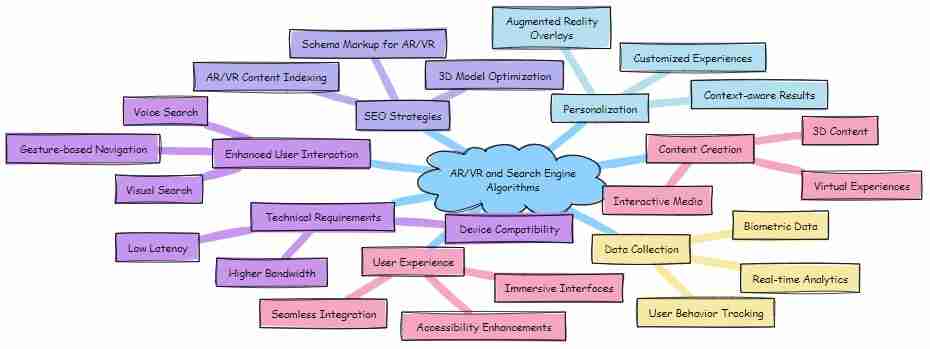
Other Resources
Glossary Terms
From Mailbox to Inbox – Building Trust Through Direct Contact – Glossary Of Terms
1. Mailbox: The physical or digital space where messages are received, typically referring to email platforms or postal services.
2. Inbox: The designated area within a mailbox where incoming messages are stored and accessed by the user.
3. Direct Contact: Communication that occurs directly between senders and recipients without intermediaries, fostering a personal connection.
4. Trust: A belief in the reliability, integrity, or ability of someone or something, crucial for establishing strong relationships.
5. Engagement: The interaction between the sender and recipient, characterized by responsiveness and active participation.
6. Consent: Permission granted by the recipient to receive communication, essential in email marketing and direct contact strategies.
7. Personalization: Tailoring messages or communication strategies to fit the individual preferences or needs of the recipient.
8. Transparency: Openness in communication, where intentions and actions are clear to all parties, enhancing trust.
9. Opt-in: A method where recipients actively choose to receive messages, ensuring they are interested and willing to engage.
10. Opt-out: A process allowing recipients to withdraw their consent for further communication, protecting their preferences.
11. Spam: Unsolicited or irrelevant messages sent in bulk, often damaging trust and engagement.
12. Reputation Management: The practice of monitoring and influencing public perception of a brand or individual, impacting trustworthiness.
13. Feedback: Responses from recipients regarding communication, used for improving strategies and strengthening relationships.
14. Authenticity: The quality of being genuine and trustworthy, critical for building lasting connections through direct contact.
15. Segmentation: The process of dividing contacts into groups based on shared characteristics to tailor communication effectively.
16. Deliverability: The successful placement of messages in the intended recipient’s inbox, a key factor in communication strategy.
17. Call to Action (CTA): A prompt encouraging recipients to take specific actions, such as responding or clicking a link, enhancing engagement.
18. Brand Loyalty: The tendency of consumers to continuously prefer and engage with a particular brand, rooted in trust.
19. Relationship Building: The process of developing connections with individuals through consistent and meaningful communication.
20. Content Strategy: A plan for creating and delivering content that meets the needs of the audience and fosters engagement.
21. Follow-up: Subsequent communication intended to reinforce connections or address earlier correspondence, maintaining engagement.
22. Tone: The attitude or emotional quality conveyed in a message, impacting how recipients perceive communication.
23. Customization: Adjusting messages or offerings to meet the unique needs or preferences of individual recipients.
24. Brand Voice: The consistent expression of a brand’s personality through communication, influencing how trust is perceived.
25. Data Privacy: The practice of protecting personal information used in communication, crucial for maintaining trust and compliance.
26. Relationship Marketing: Focused on long-term engagement with customers, emphasizing trust and relationship development over transactions.
27. Value Proposition: A statement that clearly articulates the benefits and value a recipient will gain from engaging with the communication.
28. Read Rate: The percentage of recipients who open and read a message, an indicator of engagement and effectiveness.
29. Subject Line: The first line of an email that appears in the inbox, critical for capturing attention and encouraging opens.
30. Metrics: Measurements used to evaluate the effectiveness of communication strategies, including engagement rates and response times.

Glossary Of Terms
Other Questions
From Mailbox to Inbox – Building Trust Through Direct Contact – Other Questions
If you wish to explore and discover more, consider looking for answers to these questions:
- What are some effective methods for building trust through direct contact?
- How can organizations shift their communication strategies to focus on personal connections?
- What specific examples illustrate the benefits of tangible correspondence?
- How do different forms of communication (digital vs. physical) impact trust-building?
- What role does empathy play in creating authentic brand narratives?
- How can individuals identify trustworthy sources in a crowded digital space?
- What measures can organizations take to practice transparency with their audience?
- How can sharing personal stories enhance community trust and connection?
- What strategies are there for maintaining safety while sharing personal information online?
- How can individuals and brands encourage a culture of accountability within their communities?
- What are the psychological effects of receiving personal communication versus impersonal messages?
- How does social proof influence trust and decision-making in the digital world?
- What common pitfalls should be avoided when trying to establish transparency and trust?
- How does the concept of authority affect online trust and decision-making?
- What practices can enhance empathetic communication in professional settings?
- How can storytelling be used as a tool for fostering deeper connections in business?

Other Questions
Haiku
From Mailbox to Inbox – Building Trust Through Direct Contact – A Haiku
In a world of screens,
True moments stitch the fabric—
Hearts weave trust’s stories.

Haiku
Poem
From Mailbox to Inbox – Building Trust Through Direct Contact – A Poem
In a world of flickering screens,
Where voices whisper, yet seldom gleam,
Lies a yearning for something real,
A handwritten note, a heartfelt seal.
Open the mailbox, anticipation swells,
A personal touch, where connection dwells.
Not just a bill, but a thread of trust,
In the chaos of pixels, it’s a must.
Each letter a story, a breadcrumb trail,
Leading us back when our spirits fail.
It’s more than a transaction, it’s a bond we weave,
Through sharing our truths, we learn to believe.
Authority figures guide us, their wisdom we seek,
In struggles shared, it’s the humble who speak.
Transparency blooms like flowers in the sun,
Inviting us closer, where trust is begun.
Consider the swirling mess of online noise,
Yet empathy cuts through, uplifting our voice.
To truly listen is to forge a connection deep,
Unlocking the stories that others keep.
Rational minds weigh promises and facts,
Yet the heart, it knows, not every facade attracts.
When we open ourselves, with hearts on display,
We find strength in numbers, in the words we convey.
So let us rely on the warmth of each pen,
Building communities where kindness begins.
With every story shared, we cultivate grace,
Transforming this landscape into a welcoming space.
The next time you post, or a message you send,
Ask yourself: how does this help us mend?
In a digital age where trust might feel thin,
It’s the bonds that we nurture that help us begin.

Poem
Checklist
From Mailbox to Inbox – Building Trust Through Direct Contact – A Checklist
Checklist: Cultivating Trust in a Digital World
Emotional Appeals:
_____ Reflect on a time you received a personal note or message. How did it make you feel valued?
_____ Identify someone in your life whose story resonates with you. What about their journey inspires trust?
_____ Think of three ways you can express appreciation to those who matter most to you this week.
Rational Appeals:
_____ Assess the credibility of the websites and sources you engage with. Are they transparent about their practices?
_____ Create a list of personal information you regularly share online, and evaluate if it’s safe to do so.
_____ Consider the last decision you made online. What facts or information influenced you?
Ethical Concerns:
_____ Reflect on how your digital sharing habits might affect your close ones. What steps can you take to protect their privacy?
_____ Identify a brand you trust. What ethical practices do they demonstrate, and how can you support them?
_____ Commit to an action that promotes ethical online behavior within your circle of influence.
Authority Appeal:
_____ Identify one influential figure or authority in your field of interest. What can you learn from their experiences?
_____ Look for credible content (blogs, articles, discussions) by respected figures. How does it shape your perception?
_____ Engage with a thought leader’s ideas online. How do they align with your values and inform your choices?
Narrative Connection:
_____ Write a short story about a meaningful interaction you’ve had. How did it change your perspective?
_____ Think of a brand story that resonates with you. What aspect of their journey drew you in?
_____ Share your own journey through a blog post or social media. How can vulnerability enhance connection?
Social Responsibility:
_____ Reflect on the online communities you engage with. How can you encourage more authentic interactions?
_____ Share a resource or article that promotes safe online habits within your network.
_____ Identify ways to participate actively in discussions that foster trust and authenticity in your community.

Checklist
At WebsiteBloggers, we help website bloggers develop strategies to create content, traffic, and revenue from website blogs based on our experiences and experimentation.
Be sure to read our other related stories at WebsiteBloggers and share this article with your friends, family, or business associates who run website blogs.