Designing For Humanity: Reimagining Symmetry With Soul
By Tom Seest
At WebsiteBloggers, we help website bloggers develop strategies to create content, traffic, and revenue from website blogs based on our experiences and experimentation.
Be sure to read our other related stories at WebsiteBloggers and share this article with your friends, family, or business associates who run website blogs.
From Symmetry to Soul – Making Design More Human
Design isn’t just about aesthetics; it’s about connection. It’s the bridge between our experiences and the world around us. When it comes to making design more human, we must remember it’s not just shapes, colors, or symmetry that capture our attention — it’s the stories and emotions woven into every element. Think of your favorite moments spent in a cozy café, or the feeling of liberation you get from a well-designed park. These aren’t just structures; they are spaces that echo with life, laughter, and often, a bit of vulnerability. Here’s the thing: design can be the unsung hero of our daily lives, and we must allow it to step out of the shadows.
Crafting a website blog or a product, we often put the numbers on a pedestal and lose sight of the human experience. But ask yourself: when was the last time a design truly spoke to your heart? Design should resonate with the gut, invoke a gut feeling that tugs at the strings of empathy. When we approach design with authenticity, we tap into a reservoir of trust that invites engagement. A well-designed interface or a visually appealing product isn’t just a feast for the eyes; it can empower the soul, offering an experience that feels genuine and organic.
Ethically speaking, a human-centered design considers the diverse fabric of society. It’s about ensuring every voice finds its harmony in the chorus of creativity, crafting experiences that resonate across cultures. It’s a responsibility we bear toward our fellow humans—bringing forth designs that do more than satisfy a need; they nurture our connections and our shared humanity.
Yet, we’re often trapped in a cycle of surface-level choices, losing the depth that makes us uniquely human. The genius of design lies in its ability to evoke memories, provoke thoughts, and create conversations. Each design choice can inspire action — whether that’s gathering friends for a meal, igniting a spark in a child’s imagination, or kindling a sense of belonging. So, let’s break the mold and allow design to be the soulful storyteller it was meant to be, inviting everyone to be part of this beautiful narrative we call life.

From Symmetry to Soul – Making Design More Human
From Symmetry to Soul – Making Design More Human
- Design is fundamentally about connection, bridging experiences with the surrounding world.
- Effective design encompasses not just aesthetics, but also the stories and emotions behind every element.
- Spaces like cafés and parks resonate with life, reflecting joy and vulnerability beyond their physical structures.
- Human-centered design should prioritize the user experience over mere numbers or metrics.
- Authentic design can evoke empathy, creating trust and fostering engagement with its audience.
- Ethical design values diverse voices and aims to craft experiences that resonate across cultures.
- Design has the power to inspire memories and conversations, encouraging deeper connections and a sense of belonging.

From Symmetry to Soul – Making Design More Human
Table Of Contents
- From Symmetry to Soul – Making Design More Human
- How Does Design Shape Our Emotional Experiences Every Day?
- What Principles Guide Us In Creating Designs That Resonate Deeply?
- Can a Well-Designed Space Foster Genuine Human Connections?
- How Do We Balance Aesthetics with Functionality In Design Decisions?
- What Ethical Responsibilities Do Designers Have Towards Their Users?
- In What Ways Can Storytelling Elevate the Impact Of Design?
- How Can Inclusive Design Practices Improve Social Equity?
- Conclusion
- Other Resources
- Glossary Of Terms
- Other Questions
- Haiku
- Poem
- Checklist
How Does Design Shape Our Emotional Experiences Every Day?
Design is all around us, shaping our emotional landscapes in ways we often overlook. Think about your favorite café. The warm lighting, the cozy chairs, the soothing colors—each element designed to wrap you in comfort. You walk through the door, and immediately you feel a sense of belonging. That’s not by accident. Designers understand that their choices can tap into our emotions, creating spaces that evoke joy, nostalgia, or even inspiration.
Now take a look at your website. Whether it’s a blog filled with personal stories, a sleek e-commerce platform, or a government page offering resources, each detail—the layout, font, and images—has a role. They don’t just fill space; they lead you through an experience. A poorly designed site can leave visitors frustrated and disengaged, while an intuitively designed one invites them to explore, fostering connection and trust. It’s about creating a narrative that resonates, drawing people in and making them feel something deeply.
Consider the power of design in our daily routines. A gentle morning alarm that gradually brightens the room signals that it’s time to rise, easing you into the day. The soft, ergonomic handles on your tools make tedious tasks feel more manageable, even enjoyable. Every touchpoint has an emotional weight, balancing aesthetics with functionality. This is about more than visual appeal; it’s ethical design that respects our well-being, reinforcing our capacity to navigate life’s challenges.
Let’s ponder the choices we make in sourcing those designs. Who are the voices behind the products we buy? Do they reflect values we hold dear? Designers wield great authority in influencing our habits and preferences, so we should demand responsibility from them. When we support thoughtful, purpose-driven design, we’re not just enhancing our surroundings; we’re making a statement that our well-being matters.
So, as you interact with the world, pause and consider how design influences your emotions. Reflect on the spaces you inhabit, the websites you visit, and the products you choose. The beauty is in the details, and embracing this awareness allows us to make intentional choices that not only uplift our spirits but also inspire those around us. Design can guide us through emotional highs and lows, pushing us to connect and thrive in our everyday lives.

How Does Design Shape Our Emotional Experiences Every Day?
How Does Design Shape Our Emotional Experiences Every Day?
- Design significantly shapes our emotional experiences in everyday environments.
- Elements in spaces, like lighting and seating, create feelings of comfort and belonging.
- Web design plays a crucial role in user experience, influencing engagement and exploration.
- Poor design can frustrate users, while intuitive design fosters trust and connection.
- Daily interactions with thoughtfully designed products enhance wellbeing and ease tasks.
- Designers have the power to influence consumer habits and should act responsibly.
- Being aware of design’s impact allows us to make choices that uplift our spirits and inspire others.

How Does Design Shape Our Emotional Experiences Every Day?
What Principles Guide Us In Creating Designs That Resonate Deeply?
Creating designs that resonate deeply begins with understanding the heartbeat of our audience. It’s not just about aesthetics; it’s about crafting experiences that stir emotions and spark connections. We dive into the world of their everyday lives, tapping into what they value, fear, and hope for. This empathy-driven approach ensures that our designs speak to the heart, evoking feelings that can turn a mere glance into a conversation.
On the rational front, we lean on data and experience to guide our choices. We analyze trends, preferences, and the behaviors of those who will engage with our designs. It’s not enough to create something beautiful; we must ensure that it functions seamlessly, providing solutions and simplifying users’ lives. Our designs must make sense, weaving together functionality and form in a way that makes users think, “Ah, finally! Someone gets it.”
Ethics play a pivotal role in our design philosophy. We ask ourselves: Is this design authentic? Does it contribute positively to society? By committing to true transparency and sustainability, we earn trust not just from our clients but from their customers too. Ultimately, it’s about fostering a sense of loyalty grounded in ethical values that resonate with all who encounter our work.
Then there’s the power of narrative. Every great design tells a story, whether it’s a brand’s journey or the emotional journey of the user. We believe in the magic of storytelling—crafting narratives that people can see themselves in, thereby nurturing connection and engagement. The stories behind our designs elevate them and invite users to become part of something greater, something real.
Last but not least, we recognize the social aspect of design. Humans are inherently social creatures, influenced by communities and cultural contexts. We harness this by encouraging collaboration and feedback, constructing a design framework that feels inclusive and engaging. When people see their reflections in our work, they’re more likely not only to connect, but to advocate—it’s a ripple effect that amplifies our message.
In a world clamoring for attention, let us strive to build designs that not only stand out but also resonate deeply in the hearts and minds of those we serve. Let’s create experiences that invite connection, inspire loyalty, and foster trust.
What Principles Guide Us In Creating Designs That Resonate Deeply?
What Principles Guide Us In Creating Designs That Resonate Deeply?
- Understanding the audience is crucial for creating designs that resonate emotionally.
- Empathy-driven design focuses on users’ values, fears, and hopes to evoke meaningful connections.
- Data and experience guide rational design choices, ensuring functionality alongside aesthetics.
- Ethics are central to the design philosophy, promoting authenticity, transparency, and sustainability.
- Crafting narratives within designs fosters engagement and invites users to connect with stories.
- Recognizing the social aspect of design encourages collaboration and inclusivity among users.
- Striving for designs that not only stand out but also deeply resonate with the audience fosters trust and loyalty.

What Principles Guide Us In Creating Designs That Resonate Deeply?
Can a Well-Designed Space Foster Genuine Human Connections?
When we talk about design, we often envision sleek lines and carefully curated aesthetics, but there’s more at play. A well-designed space isn’t just a backdrop; it’s a stage for the human experience. Picture walking into a room where natural light floods the area, where the furniture is arranged not just for looks but to invite conversation. It’s in these moments—when people share laughter, stories, and a warm cup of coffee—that authentic connections blossom.
Think about it from a rational standpoint: spaces that encourage collaboration can enhance productivity. Research shows that when coworkers share an inviting environment, they’re not just more likely to tackle tasks together, they genuinely connect. A thoughtfully crafted setting reduces barriers and fosters communication, enabling the best ideas to emerge, not from isolated desks but around communal tables. Isn’t it fascinating how a chair facing another can change the dynamic?
Yet, we must also consider the ethical implications of design. Spaces should serve everyone, creating an environment where all feel valued and included. Maybe it’s a cozy nook for introverted souls, a vibrant area buzzing with activity, or even accessible features for those with disabilities. Designing with intention says, “Your presence matters.” It’s not just about aesthetics; it’s about crafting a belonging where people can share their true selves.
Let’s not overlook the narrative element—the stories our environments tell. Every corner can hold a memory, an encounter that shapes us. A family gathering around a well-worn dining table, friends huddled around a fire pit on a cool evening—it’s in these gatherings that lasting relationships are formed. It’s the ordinary spaces that become extraordinary because of the moments shared within them.
Socially, we thrive on connection, and life’s best experiences happen when we feel at home, whether that’s a cozy café or a vibrant office. In a world that often drives us apart, well-designed spaces pull us back together. They invite us to engage, interact, and, ultimately, inspire trust and confidence in one another. So, as we navigate the blueprint of our lives, let’s ensure our spaces are built not just for sight but for heart—and that they echo with the laughter and stories of genuine human connection.
If you’re intrigued by how design shapes our lives and want to dive deeper, check out our website or blog for more exploration on this vital topic.
Can a Well-Designed Space Foster Genuine Human Connections?
Can a Well-Designed Space Foster Genuine Human Connections?
- Design extends beyond aesthetics; it shapes the human experience.
- Well-designed spaces foster authentic connections through shared experiences.
- Collaborative environments enhance productivity and facilitate genuine interactions.
- Intentional design considers the needs of all individuals, promoting inclusivity.
- Every space tells a story, holding memories that contribute to relationships.
- Well-designed spaces can inspire connection and trust among people.
- Exploring the impact of design on our lives can deepen our understanding of its significance.

Can a Well-Designed Space Foster Genuine Human Connections?
How Do We Balance Aesthetics with Functionality In Design Decisions?
When we dive into the world of design, we often wrestle with a profound dilemma: how do we harmonize aesthetics with functionality? It’s not just an abstract debate; it’s a daily challenge that touches every facet of our lives. Take a moment and think about the spaces we frequent—our homes, our workplaces, and even the websites we navigate. Each design choice is more than a pretty facade; it’s a statement about our values, our needs, and our aspirations.
Picture walking into a café that’s as beautiful as a painting, where the lighting is just right, and the aroma of coffee draws you in. Yet, if the chairs are uncomfortable and the Wi-Fi is spotty, the charm quickly fades. We yearn for designs that not only catch the eye but also serve a purpose. This connection between beauty and utility has a deep emotional resonance. It’s about experiencing something that feels right in more ways than one—inviting us to linger just a little longer.
On a rational level, consider the choices made by architects and designers who grapple with codes, materials, and human behavior. They must ask themselves: will this building stand the test of time? Will this website blog engage visitors and keep them coming back? Each decision echoes through the lives of those who interact with these spaces or tools. People are more likely to trust a product or a brand that marries aesthetics with functionality, resulting in loyalty that drives success.
Ethically, this marriage of aesthetics and functionality goes deeper. As stewards of design, we have a responsibility to our communities. A well-designed space promotes accessibility, inclusivity, and sustainability—all critical in fostering a just society. When we prioritize function alongside beauty, we elevate not just our own experiences, but those of others around us.
Narratively, we all have stories tied to the spaces we inhabit. From the first apartment you furnished to the office you finally feel at home in, every design choice tells a part of our story. As we consider aesthetics alongside functionality, we are not just crafting environments; we are shaping experiences, connections, and memories.
So, as we stride into this ever-evolving dialogue, let’s choose to design with intention. Let’s build and create not just for the moment, but for the lasting impact on our lives and our communities. Together, we can bridge the gap between what looks good and what works well, inspiring a future where beauty and utility walk hand in hand.

How Do We Balance Aesthetics with Functionality In Design Decisions?
How Do We Balance Aesthetics with Functionality In Design Decisions?
- Design involves balancing aesthetics and functionality, impacting daily life.
- Beautiful designs, like those of cafes, can be undermined by poor functionality.
- Emotional connections arise when beauty serves a practical purpose, inviting us to linger.
- Architects and designers make crucial decisions that affect the longevity and engagement of spaces and tools.
- Successful brands often unite appealing aesthetics with effective functionality, fostering consumer loyalty.
- Ethically, design should promote accessibility, inclusivity, and sustainability for healthier communities.
- Every design choice tells a story, shaping our experiences, connections, and memories.

How Do We Balance Aesthetics with Functionality In Design Decisions?
What Ethical Responsibilities Do Designers Have Towards Their Users?
Design is more than just a profession; it’s a calling, a profound responsibility that intertwines with the very fabric of our society. When designers put pencil to paper or fingers to keyboard, they’re not just creating; they’re connecting. Each pixel, each line of code holds the potential to shape experiences, influence behaviors, and, ultimately, impact lives. It’s time we acknowledge this weight and the ethical responsibilities that come with it.
Think about it. When a user visits a website, they bring with them hopes, struggles, and aspirations. Designers have the power and, yes, the moral obligation to ensure that every interaction is one of clarity and trust. Relying on intuition alone isn’t enough; design must be rooted in empathy and understanding. It’s about creating pathways that lead to fulfillment, not frustration, about anticipating user needs before they even voice them.
This isn’t just a nice-to-have; it’s essential, particularly in an age where technology can easily exploit the vulnerable. The responsibility lies in protecting users from harm, misleading information, and deceptive practices. Designers are the guardians of the digital landscape, shaping experiences that resonate with integrity and honesty. This is where the ethical compass comes into play. Each design choice should reflect a commitment to user well-being, prioritizing their needs over mere profit-driven pursuits.
The stakes have never been higher. Mistrust in online spaces is rampant, and designers hold the key to reversing this trend. By fostering transparency, promoting accessibility, and designing with inclusivity in mind, they can build not just products but genuine relationships with their users. It’s about creating a community that feels heard and valued, forging connections that transcend mere transactions.
Let’s not forget the narrative woven into each experience. Every design tells a story—stories of triumph, frustration, joy, or confusion. Designers must strive to craft narratives that uplift and empower, offering users a sense of belonging and trust. When design elevates the human experience, it transcends mere usability—it becomes a catalyst for positive change.
Designers have an opportunity to inspire, educate, and guide. They are not just creators; they are stewards and advocates for their users. The call to action is clear: embrace this responsibility, lead with your heart, and ignite a passion for ethical design that transforms not just products but lives.

What Ethical Responsibilities Do Designers Have Towards Their Users?
What Ethical Responsibilities Do Designers Have Towards Their Users?
- Design transcends profession; it’s a calling intertwined with societal responsibility.
- Each design element has the potential to shape experiences and impact lives.
- Designers must ensure clarity and trust, rooted in empathy and understanding.
- Ethical responsibilities include protecting users from harm and misinformation.
- Designers can foster transparency, accessibility, and inclusivity to rebuild trust.
- Every design tells a story that should uplift users and create a sense of belonging.
- Designers are stewards and advocates, called to lead with ethical intentions and inspire change.

What Ethical Responsibilities Do Designers Have Towards Their Users?
In What Ways Can Storytelling Elevate the Impact Of Design?
In today’s fast-paced world, storytelling has a remarkable ability to elevate the impact of design, drawing people in not just visually, but emotionally. Consider how a simple logo or a website layout can carry the weight of a community’s heritage, breathing life into pixels that tell a deeper tale. This goes beyond aesthetics; it’s about crafting a narrative that resonates. When a design reflects a story—whether it’s about tradition, struggle, or triumph—it creates a bond that transcends mere functionality.
Imagine scrolling through a blog filled with vibrant images and thoughtful prose. Each entry is more than just words on a page; they’re snippets of someone’s experience, sparking connection and fostering empathy. The visuals, intertwined with relatable anecdotes, make the content not just informative but transformative, encouraging readers to see themselves in the narrative. This engagement can stir emotions, invoking laughter, reflection, or even a yearning for change. It’s the kind of spark that compels someone not just to read, but to act—whether that means sharing a post, joining an initiative, or even starting a conversation over the dinner table.
From an ethical standpoint, a well-told story through design reinforces values that resonate with audiences. Think about social movements that harness design to communicate their message. When the visuals of a campaign align with a powerful narrative, it showcases authenticity and builds trust. Viewers become allies, motivated by a common belief or purpose, and are influenced to spread the message further, creating a rippling effect. This collective power amplifies the impact of the design, imbuing it with a sense of responsibility and urgency.
Moreover, storytelling establishes authority. When a designer shares insights through structured, narrative-driven content, they position themselves as more than just a creator; they become a guide. It’s a way to illustrate expertise while also making the audience feel involved, inviting their thoughts and opinions. This engagement not only imbues confidence in the design itself but also empowers the audience, giving them a stake in the conversation.
In a world inundated with choices, let’s not underestimate the power of a good story. When design tells a tale—one that appeals emotionally, rationally, and ethically—it creates a road map, leading people toward connection and, ultimately, action. So whether you’re launching a new project or refining your website, remember the heart of your message: it’s not just about what you present, but how you weave a story that’s impossible to ignore.

In What Ways Can Storytelling Elevate the Impact Of Design?
In What Ways Can Storytelling Elevate the Impact Of Design?
- Storytelling enhances the emotional and visual impact of design.
- A design can reflect a community’s heritage and narrative beyond aesthetics.
- Engaging blog content intertwines visuals and personal experiences to foster empathy.
- Effective storytelling can inspire action, such as sharing posts or initiating conversations.
- Well-told stories in design reinforce values, authenticity, and trust among audiences.
- Storytelling establishes a designer’s authority, inviting audience engagement and feedback.
- Powerful narratives in design create connections and encourage collective action.

In What Ways Can Storytelling Elevate the Impact Of Design?
How Can Inclusive Design Practices Improve Social Equity?
When we think about social equity, it’s easy to get wrapped up in fancy theories and lofty ideals. But at its core, the notion is really about recognizing humanity, about understanding that every individual has a place in this great tapestry we call society. Inclusive design practices act as the tools that can help weave stronger, more connected threads. Imagine walking through a bustling city, and you notice a building. It looks inviting, with wide, accessible entrances and thoughtful spaces that accommodate everyone—parents with strollers, the elderly, and those with disabilities. This isn’t just good design; it’s a visual commitment to equality that resonates with our shared values.
At a gut level, we can all relate. Picture your own family: your kids, your grandparents, your friends—all of them deserve spaces where they feel safe and valued. Inclusive design asks a simple yet profound question: “Who is missing from this picture?” When we include diverse voices in the design process—those living with disabilities, different cultural backgrounds, and varying economic situations—we create an environment that embraces everyone. It’s not just about compliance with regulations; it’s a moral and ethical imperative to ensure that no one is left behind in our pursuit of progress.
Now, let’s shift gears to what really makes inclusive design practical and impactful. It’s about leveraging the collective intelligence of a community—real voices informing real solutions. Think of those design meetings filled with a mosaic of perspectives, where the single mom and the tech-savvy millennial contribute alongside the retiree with decades of wisdom. Each story shapes the end product, making it not only functional but truly reflective of the needs of a diverse society. When we foster a collaborative spirit, we inspire innovation and spark creative solutions that echo long after the designs are completed.
So, take a moment the next time you engage with a website or navigate a building. See it for what it is: a turning point. A chance to reflect on how we might do better, reach further, engage more deeply. When inclusive design practices become the norm rather than the exception, we’re not just creating spaces—we’re crafting a future grounded in equity and respect for all. This isn’t merely a concept; it’s a call to action that can transform society one thoughtful design at a time.

How Can Inclusive Design Practices Improve Social Equity?
How Can Inclusive Design Practices Improve Social Equity?
- Social equity involves recognizing humanity and the value of every individual in society.
- Inclusive design practices enhance connectivity and accessibility for all, reflecting shared values of equality.
- Safe and valued spaces are essential for everyone, including parents, the elderly, and individuals with disabilities.
- Inclusive design considers diverse perspectives, addressing the question: “Who is missing from this picture?”.
- Involving distinct voices in the design process fosters environments that embrace a wide range of needs.
- Collaboration among various community members inspires innovation and leads to practical solutions.
- Making inclusive design the norm can transform spaces and society towards greater equity and respect.

How Can Inclusive Design Practices Improve Social Equity?
Conclusion
Design is a powerful force that shapes our everyday interactions, resonating at the intersection of the human experience and our physical environments. It goes beyond mere aesthetics; effective design is a symphony of elements that engage our emotions, inspire connections, and foster a sense of belonging. It invites us into a story—one that captures the laughter in a café, the warmth of a well-lit room, or the thrill of a thoughtfully crafted park. It’s in these spaces where life unfolds, where memories are made, and where we find solace.
Yet, in our pursuit of smooth functionality and polished visuals, we often lose sight of the human element. The truth is, we need to make design authentically human-centered—a practice that embodies empathy and understanding. When we prioritize the voice of those who interact with designs, we open up a dialogue that transcends mere utility. This narrative of connection invites trust and community while ensuring that every experience matters, no matter how small.
The ethical responsibilities of designers play a crucial role in this landscape. It’s not just about meeting a client’s needs; it’s about serving a greater good. Designers must strive for transparency and inclusivity, crafting environments where all voices resonate. This shared humanity prompts us to think critically: Who benefits from these choices? Are we fostering spaces that uplift everyone, regardless of their background or circumstance?
Moreover, we cannot overlook the importance of storytelling in design. When a design bears the weight of a narrative, it creates emotional touchpoints that invite deeper engagement. Each element can evoke memory, instigate passion, and prompt action—whether it’s a brand sharing its values or a simple blog conveying personal experience. This is where authentic connection flourishes.
Lastly, let’s not underestimate the potential of inclusive design practices. These practices demand that we ask hard questions about who might be left out and encourage diverse voices to shape our built environment. This collective intelligence can yield solutions that benefit everyone, ultimately driving social equity.
So, as we navigate this ever-changing world, let’s embrace the call to create designs filled with soul—intricately crafted experiences that resonate with the heart, mind, and spirit of all. In doing so, we forge a brighter path toward connection, trust, and genuine human experience. Because at the end of the day, good design isn’t just seen; it’s felt. It’s time we let it breathe life into our shared journey.

Conclusion
Conclusion:
- Design shapes everyday interactions, blending human experience with physical environments.
- Effective design engages emotions, inspires connections, and fosters a sense of belonging.
- Human-centered design prioritizes empathy and understanding, creating meaningful dialogues.
- Designers have ethical responsibilities to serve a greater good, ensuring inclusivity and transparency.
- Storytelling in design creates emotional touchpoints that invite deeper engagement.
- Inclusive design practices encourage diverse voices, addressing who might be left out.
- Good design is not just seen; it’s felt, creating experiences resonating with the heart and spirit.

Conclusion
Other Resources
Other Resources
Here is a list of other resources you can review online to learn more:
- Voicemaker.in
- Genei.io
- dotCMS
- InMotion
- Personal.ai
- Naturalreaders.com
- Paradox.ai
- Instantart.io
- Thispersondoesnotexist.com
- Fakeyou.com
- Leadpages
- Artbreeder.com
- Validatorai.com
- Bluewillow.ai
- Writesonic
- Crownpeak
- ChatGPT
- Paraphrasing Tool AI
- Paraphrasingtool.ai
- Grain.com
Use This Prompt To Get More Resources With Your Favorite Online AI Tool: Please provide me with a list of online articles with their URLs in a bulleted list that I can read regarding From Symmetry to Soul – Making Design More Human

Other Resources
Glossary Terms
From Symmetry to Soul – Making Design More Human – Glossary Of Terms
1. Symmetry: A balanced and proportionate arrangement of elements in design, often perceived as aesthetically pleasing.
2. Aesthetics: The study and appreciation of beauty in art and design; how visual elements evoke emotional responses.
3. Empathy: The ability to understand and share the feelings of others, crucial in human-centered design.
4. User Experience (UX): The overall experience a person has when interacting with a product or service, emphasizing usability and satisfaction.
5. Human-Centered Design: An approach that prioritizes the needs, behaviors, and experiences of users in the design process.
6. Inclusivity: Designing products and experiences that are accessible to a wide range of users, regardless of their backgrounds or abilities.
7. Functionality: The practical aspect of design, focusing on how well a product performs its intended purpose.
8. Intuition: The instinctive understanding that users have for interacting with design, often shaped by familiarity and simplicity.
9. Sustainability: Design practices that consider environmental impact, promoting long-lasting, eco-friendly solutions.
10. Minimalism: A design philosophy that emphasizes simplicity and the removal of unnecessary elements to enhance clarity.
11. Authenticity: The degree to which a design represents genuine human experiences and values, creating trust and connection.
12. Usability: The ease with which users can navigate and use a product, heavily influencing user satisfaction.
13. Interactivity: The ability of a design to engage users through active participation, enhancing the overall experience.
14. Visual Hierarchy: The arrangement of elements in a design to guide users’ attention and convey information effectively.
15. Cognitive Load: The mental effort required to process information in design; reducing cognitive load improves usability.
16. Brand Identity: The visual representation of a brand, encompassing logos, colors, typography, and overall design language.
17. Prototyping: The creation of preliminary models to test and validate design concepts before final implementation.
18. Feedback: The input from users regarding their experiences with a design, used to make improvements.
19. Intention: The purpose behind a design choice, crucial for communicating messages effectively.
20. Holistic Design: An approach that considers all aspects of users’ experiences, integrating various disciplines for cohesive solutions.
21. Cultural Sensitivity: Awareness and respect for diverse cultural backgrounds, influencing design choices that resonate with various audiences.
22. Storytelling: The use of narratives in design to create emotional connections and communicate messages effectively.
23. Accessibility: Designing for inclusivity by ensuring that products and services are usable by people with varying abilities.
24. Engagement: The emotional and cognitive involvement of users with a design, fostering deeper connections.
25. Collaboration: Working with diverse teams and stakeholders to integrate various perspectives and expertise in the design process.
26. Interfaces: Points of interaction between users and products, including both physical and digital elements.
27. Feedback Loop: The process of receiving input from users and iterating on designs to enhance functionality and satisfaction.
28. Innovation: The introduction of new ideas or methods in design that improve user experiences and solve problems effectively.
29. Articulation: The clear expression of ideas and concepts through design, facilitating understanding and engagement.
30. Diversity: Incorporating a range of perspectives and experiences in design, enriching the final product and its relevance to a broader audience.

Glossary Of Terms
Other Questions
From Symmetry to Soul – Making Design More Human – Other Questions
If you wish to explore and discover more, consider looking for answers to these questions:
- What are some examples of human-centered design in real-life applications?
- How can designers measure the emotional impact of their work?
- What techniques can designers use to evoke specific emotions through design?
- What are some common pitfalls in design that lead to a lack of emotional connection?
- How do cultural differences influence design choices?
- What role does user feedback play in the design process?
- How can technology enhance human-centered design?
- What are the latest trends in ethical design practices?
- How can storytelling be effectively incorporated into different types of design?
- What training or skills do designers need to implement inclusive design practices?
- How do you create a balance between user needs and client demands in design?
- What impact does inclusive design have on business success?
- How can communities get involved in the design process to ensure inclusivity?
- What are the long-term benefits of investing in human-centered design?
- How does the concept of sustainability intersect with human-centered design?
Other Questions
Haiku
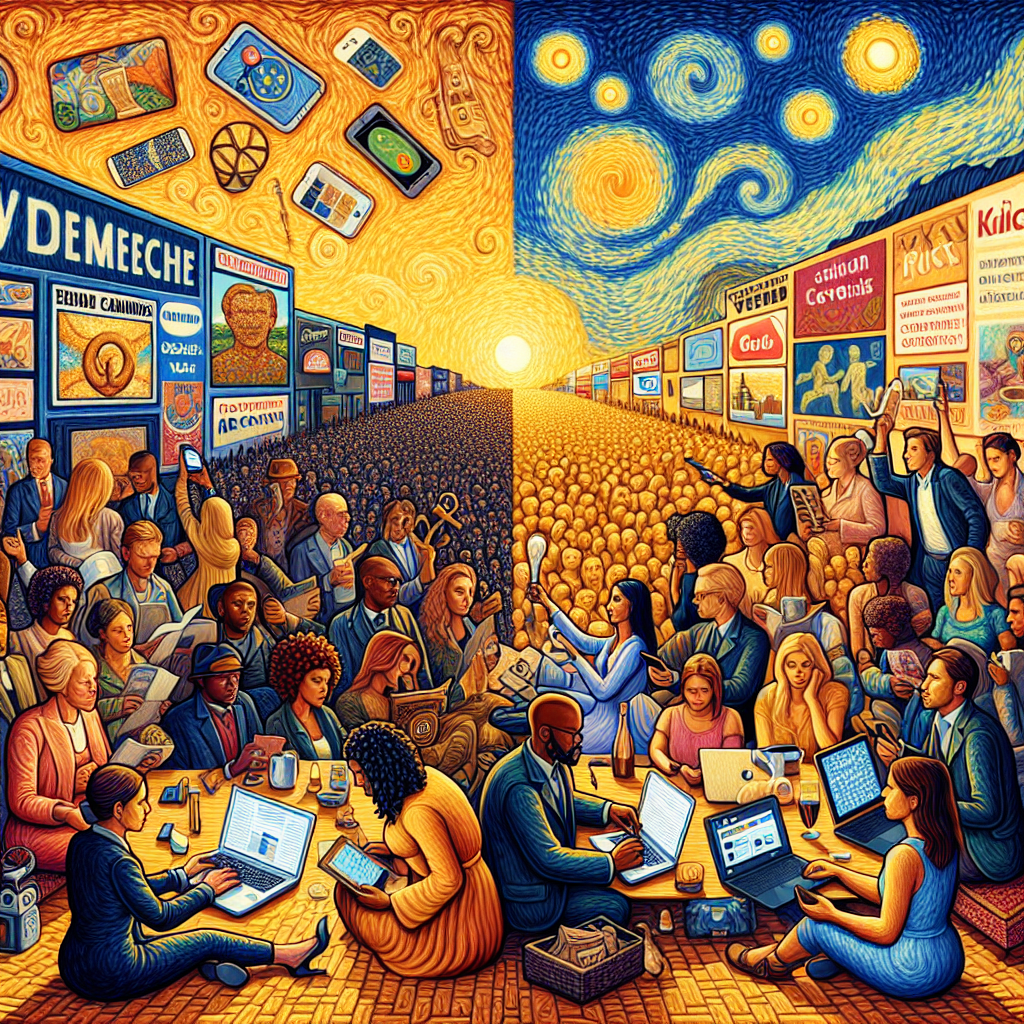
From Symmetry to Soul – Making Design More Human – A Haiku
Design speaks to hearts,
Bridging gaps, crafting stories;
Unity through care.
Haiku
Poem
From Symmetry to Soul – Making Design More Human – A Poem
In the space where design and heart align,
Not just shapes or colors, but stories intertwine.
A café wraps you in warmth, a park frees your soul,
Remember: it’s connection that makes us whole.
In every corner, every digital trace,
Lies the power of empathy, the human embrace.
A well-crafted space invites laughter and cheer,
Fostering bonds that draw loved ones near.
Yet often we’re lost in a cycle of fast,
Numbers overshadowing the human experience cast.
Design must do more than just capture the eye,
It’s a call to engage, to breathe life into why.
From functionality to beauty, let’s find a way,
To weave them together, brighter each day.
Ethics in design beckons us to care,
For each voice and vision, for all we can share.
Narratives flourish, each choice holds a tale,
Encouraging trust, steadfast and frail.
In spaces that welcome both silence and sound,
We discover the connections that truly astound.
Inclusive by nature, our designs must be,
Reflecting the tapestry of humanity.
Let’s build not just for one, but for every soul,
Crafting a future where all feel whole.
So step into designs that echo our grace,
Where heart meets the human, and dreams find their place.
Together we’ll shape, with wisdom our guide,
A world rich in stories, with love as our stride.

Poem
Checklist
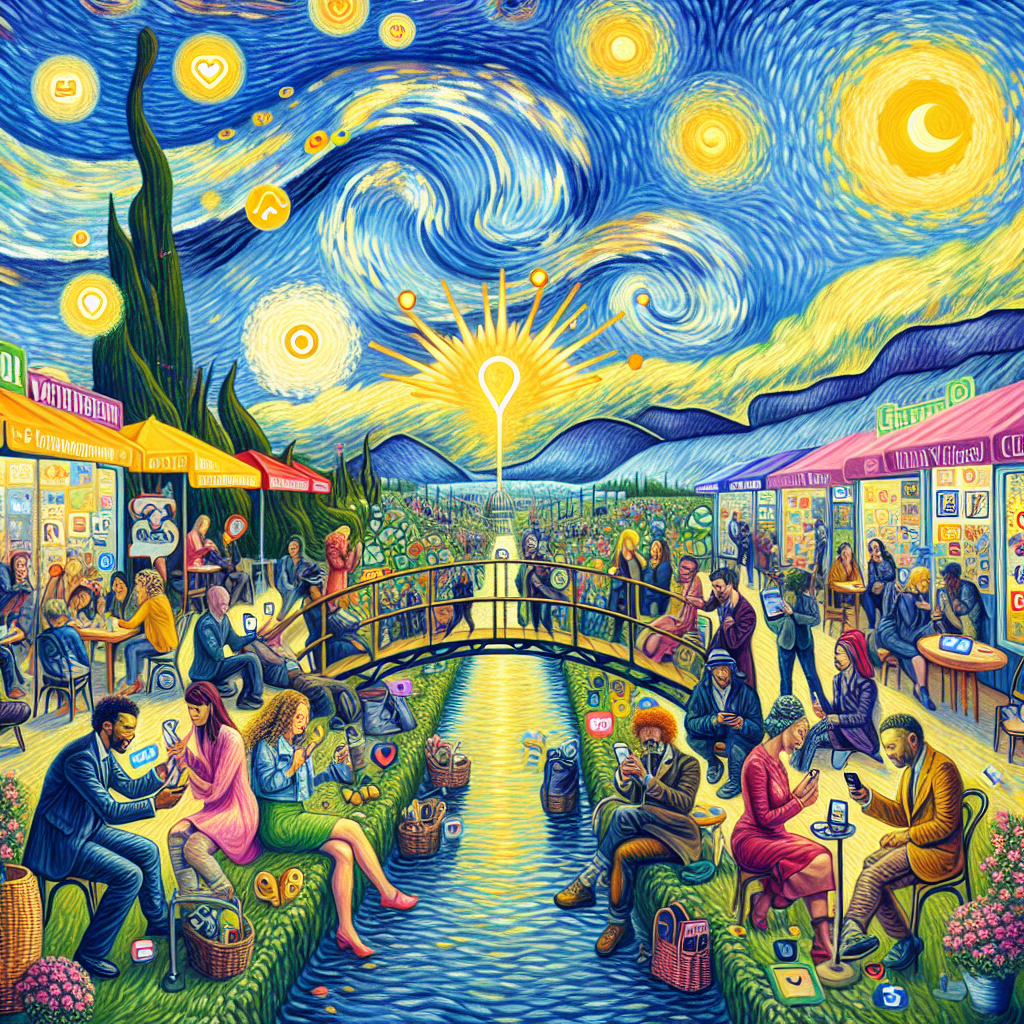
From Symmetry to Soul – Making Design More Human – A Checklist
Design with Heart, Head, and Gut Checklist
Emotional Appeals
1. Reflect on personal connections: How does your environment evoke feelings of belonging or nostalgia?
2. Identify design elements that spark joy: What colors, textures, or patterns resonate with you?
3. Consider how design choices impact your mood: Are there spaces that uplift your spirit?
Rational Appeals
4. Evaluate functionality: Does the design serve its intended purpose effectively?
5. Analyze user experience: Is your design intuitive and engaging, or does it create barriers?
6. Investigate data-driven decisions: Are your design choices informed by user insights and analytics?
Ethical Appeals
7. Assess inclusivity: Does your design cater to diverse users, ensuring accessibility for all?
8. Consider the environmental impact: Are sustainable materials and practices integrated into your design?
9. Reflect on community needs: Does your design empower and serve the local populace?
Authority Appeals
10. Leverage expert insights: Have you consulted with professionals or stakeholders in the design process?
11. Communicate transparency: Is the rationale behind your design decisions clear and justifiable to your audience?
12. Share credentials: Are you sharing your design principles and philosophy to build trust and credibility?
Narrative Appeals
13. Craft a compelling story: What narrative does your design convey about the brand or experience?
14. Engage users in storytelling: How can you invite your audience to share their own experiences related to your design?
15. Highlight emotional journeys: Does your design reflect a journey that resonates with users’ shared experiences?
Social Appeals
16. Foster community involvement: How can you include feedback from diverse groups in the design process?
17. Create spaces for connection: Does your design encourage interaction and social bonding among users?
18. Encourage advocacy: How does your design inspire users to share their experiences with others or engage in social causes?
This checklist aims to not only enhance your design process but also to create spaces and experiences that genuinely resonate with the users’ hearts, minds, and instincts.
Checklist
At WebsiteBloggers, we help website bloggers develop strategies to create content, traffic, and revenue from website blogs based on our experiences and experimentation.
Be sure to read our other related stories at WebsiteBloggers and share this article with your friends, family, or business associates who run website blogs.