Revolutionizing Content Curation with Machine Learning
By Tom Seest
How Can Machine Learning Transform Content Curation?
At WebsiteBloggers, we help website bloggers develop strategies to create content, traffic, and revenue from website blogs based on our experiences and experimentation.
Content curation is an integral component of any successful learning experience, helping create an atmosphere in which new information comes flooding in while driving behavior change.
AI can be an extremely valuable resource for curating relevant and timely content at scale.
Machine learning for content curation offers several distinct advantages, including its ability to identify high-quality and inspiring material that may not be widely available and its capacity to reduce filter bubbles and echo chambers.

How Can Machine Learning Transform Content Curation?
Table Of Contents
What Makes Machine Learning Content Curation So Valuable?
Machine learning content curation can provide businesses with multiple advantages. From increased efficiency to creating more bespoke experiences for audiences, AI can assist you in curating relevant material for sharing.
Artificial Intelligence algorithms can assist in staying informed of industry developments by analyzing large volumes of data and recognizing trends and patterns, which allows you to stay current. They also can identify new business venture opportunities which can lead to greater business success.
AI can assist in creating more engaging content to draw users in and strengthen your brand’s presence online. Furthermore, it can connect you with audiences across various social media platforms allowing you to build communities around your brand while making its message memorable for readers.
AI-powered content curation offers businesses another key benefit in terms of customizing experiences for each of their customers at scale, enabling businesses to tailor offers and promotions specifically to individual customer needs. They can also utilize this data analysis technique to develop marketing strategies tailored towards specific interests or preferences.
AI-powered content curation can also help identify new and emerging trends in your field, helping your business stay one step ahead of its rivals.
If you work in the health insurance industry, AI-powered content curation could help identify new medical treatments and procedures to offer innovative services to your patients save money and increase profits. This strategy could save money and boost profits.
AI can even assist in recognizing key themes and ideas within written content that might be difficult for humans to comprehend, helping you create more engaging posts that engage readers while driving more traffic to your website.
AI-powered content curation can also help you identify the most relevant topics for your audience, which allows you to produce more engaging and timely posts while reaching more people faster.
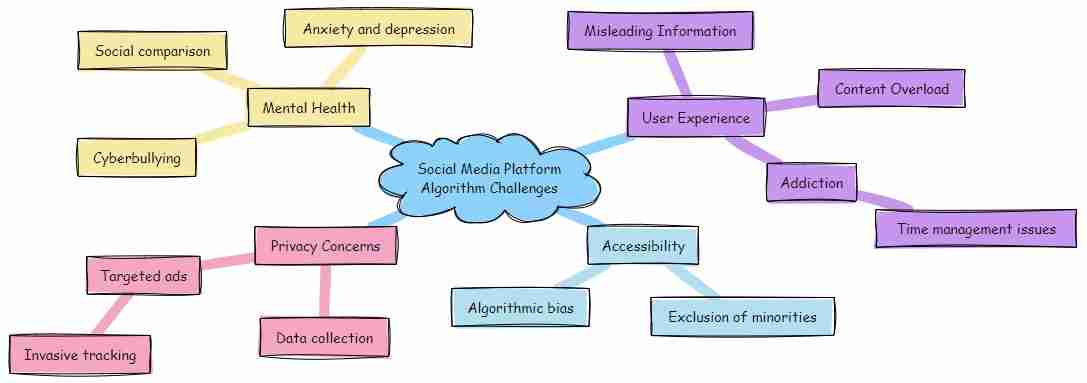
AI-powered content curation offers many advantages, yet also poses several potential drawbacks that must be addressed. One such issue is algorithmic bias; this may lead to the unintentional propagation of harmful stereotypes and discrimination – with serious repercussions for individuals as well as society as a whole.

What Makes Machine Learning Content Curation So Valuable?
Why Should You Implement Machine Learning Content Curation?
AI is revolutionizing how content is curated and organized. Through analysis of massive amounts of data, AI-powered tools can easily identify relevant pieces of content before organizing it logically and accessibly for viewers.
Machine learning can also aid content creators by organizing and sorting media based on certain criteria, such as topic, tone or audience. This helps save them time while making it easier to find exactly the content that meets their needs.
AI-powered platforms such as Google News can quickly identify trending stories and customize newsfeeds based on topics of interest – saving you both time and energy when keeping abreast of the latest news and trends.
The use of machine learning for content curation has another benefit in that it quickly analyzes massive amounts of data, saving companies both time and money by eliminating manual curation processes altogether.
AI technology can quickly identify opportunities for social media engagement with potential customers and other online communities, helping businesses build strong brand identities online and foster customer loyalty over time.
AI-powered platforms can quickly identify and distribute relevant social media posts that address popular trends, which can increase brand recognition and foster sales opportunities.
AI can also help analyze content objectively and without biases or subjectivity, making it more accurate than human curators in terms of quality content production while saving both time and resources for content curation. This can increase quality while simultaneously decreasing time and resource requirements for curating.
AI tools can also assist organizations with creating more specialized and advanced applications for content curation, such as identifying emerging trends within healthcare or providing tailored recommendations on specific topics.
While AI-powered content curation is rapidly progressing in its field of content creation and curation, there remain several challenges and limitations that must be considered when using this form of AI technology. Some of these include its lack of personalization, potential bias in recommendations, and user feedback requests; however, with these issues, effectively managed AI content curation could become an invaluable asset to both content creators and their audiences alike.
Why Should You Implement Machine Learning Content Curation?
How Can Machine Learning Revolutionize Content Curation?
Machine learning-powered content curation platforms use sophisticated algorithms and data analysis techniques to sift through vast amounts of content, identifying patterns that would otherwise be difficult for human curators to detect, and providing more accurate and relevant recommendations for content consumption.
AI-powered content curation platforms also offer organizations many other benefits, including continuously learning and adapting to new data, which improves their performance over time and saves both time and resources while increasing the accuracy of their data.
AI-powered tools may pose some unique challenges in their content curation and organization processes, including issues with personalization, potential bias in recommendations, and using multiple sources for their recommendations.
AI-powered tools may also struggle with accurately evaluating and recommending content, leading them to make inaccurate or misleading recommendations that compromise user experience.
Staying aware of these challenges and devising effective solutions is crucial to success, such as using multiple sources, being aware of limitations, evaluating recommendations, providing feedback and keeping up-to-date.
There are also ethical considerations that must be addressed, such as transparency and fairness, as well as the protection of user privacy.
AI-powered content curation tools present another significant hurdle; their algorithms may be limited by biases that lead to the exclusion of certain content or overrepresentation of certain viewpoints.
In order to overcome these limitations, the best strategy is combining human expertise and AI-powered tools. This combination will guarantee users receive relevant and high-quality content.
AI-powered tools can also assist businesses and organizations in saving both time and resources while expanding their market reach. Such tools can quickly analyze large volumes of data to quickly identify relevant and high-quality content based on a predetermined criteria.
Machine learning-powered content curation can provide immense value to businesses and organizations of all sizes. It can save time, spur creativity in content production, and offer tailored recommendations.

How Can Machine Learning Revolutionize Content Curation?
What Lies Ahead for Machine Learning Content Curation?
Machine learning holds great promise as a revolutionizing tool in content curation and organization. It can detect the most relevant and high-quality material according to predetermined criteria, while organizing it so it’s easier for users to discover and interact with information.
AI-powered tools offer other advantages as well, including increased efficiency, improved accuracy and personalized recommendations. All these advantages make AI-powered tools attractive options for both individuals and organizations alike.
AI-powered tools can analyze and tag images and videos automatically to detect objects and people, as well as extract key phrases for retrieval of vital information from them. This makes organizing visual content simpler while making it more accessible for users.
This technology is already being leveraged by numerous news outlets to automate the process of identifying relevant, high-quality content for their readers, while educational institutions utilize it to help students and knowledge workers digest long-form video content.
AI content curation is expected to become increasingly prevalent as more people recognize its benefits. AI can improve content quality while increasing remote workers’ productivity by eliminating cognitive workloads such as watching long lectures repeatedly or taking notes from presentation slides.
ChatGPT, for instance, is an AI-powered software that helps users identify and curate Internet information to reduce environmental impact.
Artificial Intelligence-powered content curation systems can continuously learn from new data to optimize their performance over time, guaranteeing users access to relevant and high-quality information.
AI-powered tools can provide users with enhanced online experiences while deepening relationships with brands, while at the same time helping businesses increase traffic, advertising revenue and subscription rates by offering highly tailored content recommendations.
Businesses can utilize Curata’s AI-powered content curation platform to find and curate relevant material that targets their target audiences and then distribute it across their blogs, social media accounts, newsletters, and automated marketing platforms.

What Lies Ahead for Machine Learning Content Curation?
Please share this post with your friends, family, or business associates who run website blogs.