The Evolution Of Content Engagement Across Generations
By Tom Seest
At WebsiteBloggers, we help website bloggers develop strategies to create content, traffic, and revenue from website blogs based on our experiences and experimentation.
Be sure to read our other related stories at WebsiteBloggers and share this article with your friends, family, or business associates who run website blogs.
How Do Different Age Groups Engage with Content?
When you take a good hard look at how different age groups engage with content, it’s like watching a symphony of reactions—each generation playing its own instrument. So, let’s break it down by the generations and see just how they interact with a simple thing like a website blog.
First, we have the youngest folks—those digital natives born into a world full of screens and instant gratification. They don’t just engage with content; they devour it! With the swipe of a thumb, they’re scrolling through a blog as if it were a buffet of delightful morsels. Their attention span? Shorter than a cupcake on a dessert table! The key for content creators here is to keep things visually snappy and to-the-point, often peppered with eye-catching infographics and punchy headlines. Flashy, quick, and immediate—that’s how they roll.
Then we’ve got the millennials, a savvy crew who came of age as the Internet matured. They have a cognitive toolbox full of critical thinking skills and are often on the lookout for authenticity. They are likely to engage deeply with well-researched blog posts but aren’t afraid to click away if something feels superficial. For them, a website blog that resonates is one that tells a compelling story, complete with relatable experiences and, preferably, a dose of humor. Engagement? It’s a two-way street; they love to comment, share, and even debate—a digital diner where discussions bubble over and evolve.
Now, let’s not forget Generation X. They are the bridge between the analog and digital worlds. When they land on a website blog, they’re looking for more than just entertainment; they want substance. They prefer in-depth analysis and a mix of professional expertise spliced with personal insights. This generation is more likely to spend time reading lengthy articles and bookmarking them for future exploration. Crafting a blog that provides a wealth of knowledge while being straightforward and accessible? That’s the golden ticket!
And finally, we arrive at the baby boomers. This group often gravitates towards content that enriches their lives and educates them on topics of interest. They appreciate a blog that respects their wisdom while offering fresh perspectives. For them, readability counts. A clutter-free layout and clear language go a long way in capturing their attention.
Each age group has its unique preferences and behaviors when it comes to engaging with website blogs. Understanding these nuances is crucial for anyone looking to connect through content. After all, the goal isn’t just to inform—but to resonate across generations.

How Do Different Age Groups Engage with Content?
How Do Different Age Groups Engage with Content?
- Digital natives, the youngest generation, have short attention spans and favor visually engaging, concise content with eye-catching elements.
- Millennials value authenticity and critical thinking, engaging deeply with well-researched posts and enjoying interaction through comments and debates.
- Generation X seeks a balance of entertainment and substance, preferring in-depth articles and professional insights that are straightforward and accessible.
- Baby boomers appreciate content that educates and enriches, favoring a clutter-free layout and clear language that respects their wisdom.
- Each generation displays distinct preferences and behaviors in how they engage with blog content.
- Content creators must understand these generational nuances to effectively connect and resonate with diverse audiences.
- The ultimate goal is not just to inform, but to resonate across different age groups through tailored content strategies.

How Do Different Age Groups Engage with Content?
Table Of Contents
- How Do Different Age Groups Engage with Content?
- What Types Of Content Do Different Age Groups Prefer?
- How Does Attention Span Vary By Age Group?
- What Role Does Social Media Play For Various Ages?
- Are Younger Audiences More Visually Oriented Than Older Ones?
- How Do Different Age Groups Consume Video Content?
- What Influences Content Sharing Among Age Demographics?
- How Does Trust In Content Vary By Age Group?
- Conclusion
- Other Resources
- Glossary Of Terms
- Other Questions
- Haiku
- Poem
- Checklist
What Types Of Content Do Different Age Groups Prefer?
When it comes to content consumption, there’s a remarkable variance not just in the type of content preferred, but also in the platforms used, particularly when we break it down by age groups. Let’s roll up our sleeves and dig into what makes each generation tick when it comes to the digital landscape.
Starting from the youngest of the bunch, Generation Z—those digital natives born roughly between the late ’90s and early 2010s—tend to favor bite-sized, visually-driven content. YouTube and TikTok reign supreme in this demographic. They’re not interested in lengthy articles or a comprehensive Website Blog detailing every aspect of life; they want quick hits of entertainment and information that can be accessed in a matter of seconds. Memes, short videos, and interactive content are their bread and butter. Think of it as the fast food of content—a little junk food that’s fun, engaging, and easy to digest.
Next up is the Millennial crowd, who grew up with the internet evolving alongside them. This group appreciates content that is a bit more substance-driven than what Gen Z prefers. Millennials gravitate toward blog posts that provide insights, how-to guides, and personal stories, often seeking authenticity in the content they consume. They value experiences and narratives that resonate with their own, making a solid Website Blog with rich, relatable material a key player in their digital world. However, they still enjoy visuals: vibrant images and snappy infographics help keep them engaged.
As we climb the age ladder, we encounter Generation X, who have a diverse set of preferences. They appreciate well-researched articles and in-depth analyses, as they’re often looking for reliable information amidst the chaos of the internet. They might not be as prone to chasing trends as younger generations, but they certainly value quality content over quantity. A thoughtful and well-organized Website Blog fits the bill perfectly for them, offering a bit of wisdom while still being accessible.
Finally, we come to the Baby Boomers. These folks tend to prefer long-form content that educates and informs. They are less concerned with flash and more focused on substance. A solid blog post filled with practical advice or valuable insights is likely to capture their attention. Their preference leans toward content that encourages community and discussion, where they can share thoughts and engage with others respectfully.
In summary, understanding the preferences of different age groups when it comes to content isn’t just smart—it’s essential. Tailoring your approach can make all the difference in reaching and resonating with your audience, no matter where they land on the generational spectrum.

What Types Of Content Do Different Age Groups Prefer?
What Types Of Content Do Different Age Groups Prefer?
- Content consumption varies significantly across age groups, influencing both preferred content types and platforms.
- Generation Z (late ’90s to early 2010s) favors bite-sized, visually-driven content, primarily using platforms like YouTube and TikTok.
- Millennials seek more substantive content, enjoying blog posts with insights, how-to guides, and authentic personal stories, while still appreciating visuals.
- Generation X prefers well-researched articles and in-depth analyses, valuing quality content over trends.
- Baby Boomers tend to favor long-form content that educates and informs, emphasizing substance over style.
- All age groups have distinct content consumption preferences that can significantly impact engagement strategies.
- Understanding and tailoring content approaches to different generations can enhance audience connection and reach.

What Types Of Content Do Different Age Groups Prefer?
How Does Attention Span Vary By Age Group?
Let’s face it: attention spans aren’t what they used to be. If you’ve ever watched a toddler play with a box for five minutes before moving on to something else, you might find it hard to believe that many adults struggle to focus as well. But, as they say, age is just a number, and that number has a lot to do with how long we can keep our minds locked in on a single task.
Starting with the youngsters, toddlers and preschoolers possess attention spans that are measured in the range of just a few minutes. Their world is a whirlwind of colors, sounds, and excitement, and holding onto one idea can seem like trying to catch smoke with your bare hands. These little explorers are all about novelty. A shiny object or an interesting sound can quickly divert their attention to new adventures. It’s a natural part of development—after all, they’re wired to learn and soak up everything like sponges.
Then we transition to school-aged children, typically around ages 5 to 10. As they become more engaged in structured activities, like classroom lessons and sports, their attention spans begin to stretch—though not by much. You might find that they can focus for about 10 to 20 minutes on a single task before needing to switch gears. Still, it’s essential to remember that even the most engrossing lessons can be chemically derailed by the lure of a passing bird or a nearby snicker from a friend.
As we enter the Tween years, ages 11 to 14, something remarkable occurs. These kids start developing a stronger focus as their cognitive abilities mature. They can often lock in for extended periods—perhaps 20 to 30 minutes—especially when immersed in something they’re passionate about, be it a sport, a hobby, or a video game. That’s when the real magic happens—when attention becomes a powerful tool rather than a fleeting glance.
And finally, we reach adulthood. Young adults, in their late teens to mid-twenties, often find their attention span toying with the half-hour mark, thanks to the brain’s continued development. But factors like technology, multitasking, and constant connectivity can shorten that span, bringing our average down to 15-20 minutes without breaks.
Life has a way of teaching us that attention spans evolve with experience but are always influenced by the world around us. So, whether you’re a toddler fascinated with a colorful toy or an adult juggling notifications, the journey of focus is a unique one!

How Does Attention Span Vary By Age Group?
How Does Attention Span Vary By Age Group?
- Attention spans have decreased over time across all age groups.
- Toddlers and preschoolers have attention spans of just a few minutes, easily distracted by novelty.
- School-aged children (ages 5 to 10) can focus for about 10 to 20 minutes on a task.
- Tweens (ages 11 to 14) show improved focus, maintaining attention for 20 to 30 minutes on activities of interest.
- Young adults (late teens to mid-twenties) can focus for around 15-20 minutes, influenced by technology and multitasking.
- Attention spans evolve with age and experience, but are affected by environmental factors.
- The ability to focus is a developmental journey that varies from toddlerhood to adulthood.
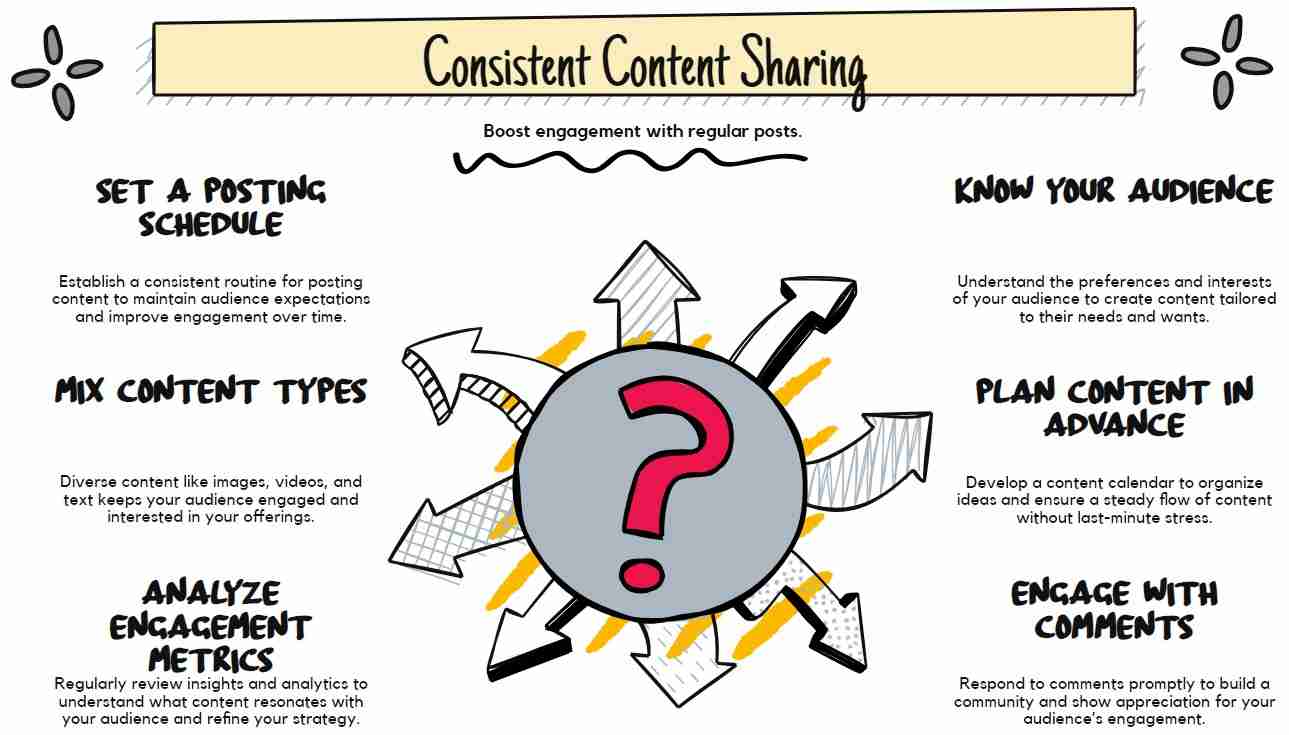
How Does Attention Span Vary By Age Group?
What Role Does Social Media Play For Various Ages?
Social media isn’t just a passing fad; it’s a digital cornerstone that shapes how different generations interact with the world. Whether you’re a tech-savvy Millennial or a wise sage of Tradition, your relationship with social media speaks volumes about who you are and how you communicate.
Let’s start with the younger crowd. For teenagers and those in their early twenties, social media is a lifeline woven into the fabric of their daily routines. It’s not just about sharing snapshots of their brunch anymore; platforms like Instagram and TikTok serve as dynamic stages for self-expression and creativity. Here, they cultivate their online personas, build friendships, and sometimes even spark movements. For them, a “like” isn’t just a digital pat on the back; it can feel like validation in an often tumultuous journey of self-discovery.
As we migrate up the age ladder, the relationship with social media starts to morph a bit. In their thirties and forties, people begin to see social media less as a place for play and more as a strategic tool. They’re using these platforms to amplify their voices, promote their businesses, and connect with fellow professionals and like-minded individuals. Social media transforms into a digital vital sign that indicates engagement, not just in their social lives, but in their careers. It’s a blog, a networking site, and a marketplace all rolled into one.
Now, let’s talk about the seasoned veterans—the fifty and over crowd. For them, social media can be a bittersweet cocktail of nostalgia and connection. It’s where they share family milestones, reminisce about days gone by, and bond with family members across the miles. Facebook has become the modern-day family reunion, a place where memories are preserved and stories are shared. This age group often embraces social media with a dash of skepticism, aware of the lurking shadows of misinformation but willing to engage nonetheless.
Social media plays a radically different role depending on your age. Some see it as a stage, others as a toolkit, and for many, it’s a bridge connecting cherished memories and loved ones. Regardless of how you engage, one thing remains clear: social media is here to stay, shaping our communities and conversations, one post at a time.

What Role Does Social Media Play For Various Ages?
What Role Does Social Media Play For Various Ages?
- Social media is a vital part of modern life, influencing how generations interact.
- For teenagers and young adults, platforms like Instagram and TikTok are essential for self-expression and creativity.
- Social media acts as a source of validation and support during the journey of self-discovery for younger users.
- In their thirties and forties, individuals use social media as a strategic tool for networking, promoting businesses, and engaging in professional discussions.
- For those aged fifty and over, social media serves as a way to share memories and stay connected with family across distances.
- This older age group often approaches social media with skepticism, aware of potential misinformation but still eager to engage.
- Overall, social media fulfills different roles based on age, shaping community interactions and personal connections.

What Role Does Social Media Play For Various Ages?
Are Younger Audiences More Visually Oriented Than Older Ones?
In an age where the world is a click away, the question arises: Are younger audiences more visually oriented than their older counterparts? To grasp this conundrum, we need to sift through the blank pages of our society’s evolving narrative—one that’s being penned across various platforms, especially those that thrive on imagery.
First, let’s consider how a Website Blog can shape our perceptions. Picture it: a sleek, well-designed blog catching the eye of a millennial. Bright images, appealing graphics, and succinct videos dominate, capturing their fleeting attention long enough to entice them into reading more. Contrast this with older generations, who often prefer traditional formats. They might appreciate a good read paired with a text-heavy website, where the information flows like a well-structured essay.
But it’s not just aesthetics at play; it’s about how we consume information. Younger audiences have grown up in a world of rapid information exchange, where scrolling through colorful visuals is as common as agitated thoughts about adulthood. Instagram posts, TikTok clips, and Snapchat stories demand quick engagement. Their brains are wired differently, accustomed to processing images and moving quickly past text. For them, a blog without compelling visuals might as well be a long, arduous lecture.
Now, let’s delve into why this visualization trend matters for content creators. Those writing a Website Blog need to consider their audience’s preferences—if your insights are wrapped in rich graphics and snappy video snippets, you’ll likely capture the younger crowd’s interest. On the other hand, older audiences might still be heads-down in their newspaper subscriptions, favoring a less visually-bombarded reading experience.
As technology evolves, so does the landscape of communication. The golden age of television gave way to streaming and now, visually-driven platforms reign supreme. Much like a good pair of work boots that must adapt to various terrains, content consumption has transformed into a dance between visuals and words.
Younger audiences are undeniably more visually oriented. As they scroll, tap, and swipe, they’re not merely looking for content—they’re seeking an experience, one framed by images that resonate with their fast-paced lives. Meanwhile, the older generation draws from a different well of experiences, savoring deeper, more text-driven explorations. In this ongoing dialogue, finding the right balance is not just an art; it’s crucial for reaching audiences across generations.

Are Younger Audiences More Visually Oriented Than Older Ones?
Are Younger Audiences More Visually Oriented Than Older Ones?
- There’s a question of whether younger audiences are more visually oriented than older generations.
- Younger audiences prefer visually rich content, such as blogs with bright images and videos, while older generations favor text-heavy formats.
- Younger individuals have grown up with rapid information exchange, influencing their preference for quick, visual engagement.
- Content creators should tailor their blogs with graphics and videos to appeal to younger audiences, while older readers may prefer traditional reading experiences.
- The evolution of technology has shifted communication from television to visually-driven platforms.
- Younger audiences seek experiences framed by imagery in a fast-paced digital landscape, contrasting with older audiences’ preference for deeper, text-driven content.
- Finding the right balance between visuals and words is essential for effectively reaching audiences across different generations.

Are Younger Audiences More Visually Oriented Than Older Ones?
How Do Different Age Groups Consume Video Content?
When it comes to video content consumption, different age groups have their own unique preferences and habits that can leave you scratching your head or nodding in agreement. The truth is, understanding how various demographics interact with video is crucial for anyone looking to connect with their audience. Let’s dive into the details.
Starting with the younger crowd—those digital natives ranging from teens to young adults. They tend to favor platforms like TikTok, YouTube, and Instagram, where bite-sized content reigns supreme. Fast-paced, engaging videos that capture attention in seconds are the name of the game. The younger generation seeks authenticity, and they often turn to influencers who can foster a connection that feels personal. Streaming services come into play, too, as binge-watching becomes the norm. They prefer series that keep the adrenaline pumping and the viewers glued to their screens. It’s not just about the video; it’s about the experience that surrounds it.
Then, we have the middle-aged viewers, those folks between their thirties and fifties. They often gravitate toward websites and blogs that offer more in-depth content. A well-crafted documentary or a thought-provoking series can catch their eye. This demographic tends to appreciate professionally produced content that tells a good story. Streaming platforms like Netflix and Hulu feature prominently in their viewing habits, but there’s still a place for cable news and traditional television. When they do engage with online content, they prefer longer videos—those that allow them to dive deeper into topics they care about.
And finally, let’s not forget the older generations, who are developing a growing interest in digital video. This audience prefers slower-paced content that’s easy to navigate. Websites and blogs that provide instructions, tutorials, or nostalgic episodes often attract their attention. They appreciate family-friendly shows and informative content about health, travel, or even cooking. YouTube has become a popular resource for everything from instructional videos to classic sitcoms that spark fond memories.
Across these age groups, we see a shift towards mobile consumption. Everyone—young, middle-aged, and older—is increasingly watching videos on their smartphones and tablets. This trend tells us that if your content isn’t optimized for mobile, you might as well be speaking into the void. So, whether you’re producing content for a website, executing a marketing strategy in a blog, or simply trying to capture attention, knowing your audience is the first step to success in this ever-evolving landscape of video consumption.

How Do Different Age Groups Consume Video Content?
How Do Different Age Groups Consume Video Content?
- Different age groups have unique video content consumption preferences and habits.
- Younger audiences (teens to young adults) prefer platforms like TikTok, YouTube, and Instagram for bite-sized content.
- This younger generation values authenticity and connects with influencers for personal engagement.
- Middle-aged viewers (thirties to fifties) favor in-depth content, including documentaries and well-produced series.
- Older generations are increasingly interested in digital video, favoring slower-paced content that’s easy to navigate.
- All age groups are shifting towards mobile video consumption on smartphones and tablets.
- Understanding audience demographics is essential for effective content creation and marketing strategies.

How Do Different Age Groups Consume Video Content?
What Influences Content Sharing Among Age Demographics?
In today’s hyper-connected world, understanding what drives people to share content is as crucial as knowing what makes them tick. Different age demographics approach content sharing with unique perspectives—shaped by their experiences, values, and the platforms they frequent. The digital age is a complex tapestry where various threads—social media, preferences for certain types of content, and even how people define community—play a pivotal role.
Let’s dig in, shall we? For younger folks, say those fresh into adulthood, social media is the playground where they throw their content-sharing parties. Websites and blogs buzzing with trendy topics, memes, and short videos captivate their attention. This demographic thrives on instant gratification, often sharing content that evokes a strong emotional reaction—humor, awe, or even outrage. The ‘like and share’ culture is practically woven into their DNA, cranking out content that illuminates their identities or aligns with their beliefs.
Meanwhile, those in the middle age bracket approach sharing with a different lens. They’ve seen the rise of the internet, but many still have a foot in both worlds—offline and online. When they share, it’s often about establishing credibility and connections. Websites and blogs that offer insightful articles, helpful tips, or discussions around current events resonate deeply. They value meaningful content, something that sparks a conversation or adds depth to their online interactions. While they might not be as quick to share memes as the younger crowd, their motivations are often grounded in the desire to engage with a broader community.
Now, let’s not forget our elders. This generation may not dominate social media, but their sharing habits are fascinating. When they engage with a website or blog, it’s often driven by nostalgia or practicality. They prefer sharing content that reflects their life experiences, whether it’s a heartfelt story or a tutorial on gardening. Their interactions can be slower-paced, but that doesn’t mean they’re any less impactful. When they share, it’s often seen as a vote of confidence, adding a layer of authenticity to the digital conversation.
In summary, what influences content sharing across generations is a combination of emotional resonance, the quest for community, and personal values. Each demographic contributes its unique flavor to the digital dialogue, shaping how we all experience and share the content that ultimately connects us. It’s a wild ride, navigating these differences, but it’s also what makes the digital world so richly layered and compelling.

What Influences Content Sharing Among Age Demographics?
What Influences Content Sharing Among Age Demographics?
- Understanding what drives content sharing is essential in today’s hyper-connected world.
- Different age demographics have unique perspectives on content sharing, influenced by experiences, values, and preferred platforms.
- Younger individuals favor social media for instant gratification, sharing content that evokes strong emotional reactions.
- Middle-aged individuals prioritize credibility and connections, sharing insightful articles and meaningful discussions.
- Elders, although less active on social media, share practical and nostalgic content reflective of their life experiences.
- Content sharing motivations include emotional resonance, community engagement, and personal values across all demographics.
- The diversity of content sharing practices enriches the digital dialogue, making the online experience layered and engaging.

What Influences Content Sharing Among Age Demographics?
How Does Trust In Content Vary By Age Group?
When it comes to trust in content, it’s clear that age plays a significant role in how individuals sift through the endless stream of information available. As the internet has evolved, so have our expectations and beliefs about what is credible and what is mere fluff. Let’s break it down by age group, looking at how website blogs and other sources are perceived differently by various generations.
First up, we have the younger crowd—those digital natives who grew up with smartphones glued to their hands. For them, a website blog can often become a trusted authority, especially when it comes from a platform they already use daily. TikTok influencers and Instagram personalities wield a surprising amount of clout in shaping opinions and setting trends. Yet, interestingly enough, this demographic also has a keen skepticism about traditional media, often viewing it through a lens of doubt and questioning its authenticity. With misinformation rampant, they’ve learned to read between the lines and trust their gut.
Now, looking at the middle-aged group, we find a blend of cautious optimism and learned skepticism. These folks didn’t grow up in the digital age, but rather adapted to it. They value credible sources more than their younger counterparts, often gravitating towards established websites and blogs. For them, a well-researched article on a reputable site holds more weight than a viral tweet or a trendy blog that’s just a flash in the pan. They appreciate well-thought-out arguments and look for citations and references before taking content at face value. They’re more likely to dissect the credentials of the author and evaluate the source’s history.
As we reach the older demographic, trust in content narrows even further. Many in this group often lean towards conventional media—newspapers, television, and radio—seeing them as bastions of reliability. While they do engage with website blogs, they do so through a lens tainted by the recent explosion of fake news and sensationalism. They tend to favor content that’s presented in a straightforward, no-nonsense manner, often requiring a sense of established authority before they will accept it as truth.
So, what’s the takeaway here? Trust in content isn’t a one-size-fits-all equation; it’s a dynamic dance between age, experience, and the ever-morphing digital landscape. Each group approaches the hunt for credible information differently, but one universal truth remains: in an age full of noise, discerning what’s trustworthy is more crucial than ever.

How Does Trust In Content Vary By Age Group?
How Does Trust In Content Vary By Age Group?
- Age significantly influences how individuals evaluate content credibility and sift through information.
- Younger generations, or digital natives, tend to trust website blogs from familiar platforms but are skeptical of traditional media.
- Platforms like TikTok and Instagram hold substantial sway in shaping opinions among younger audiences.
- Middle-aged individuals value credible sources more, often favoring established websites and well-researched articles.
- This demographic looks for citations and evaluates the author’s credentials before trusting content.
- Older adults primarily trust traditional media, perceiving newspapers and TV as more reliable than online sources.
- Overall, the search for trustworthy content varies across age groups, highlighting the need for discernment in today’s information-rich environment.

How Does Trust In Content Vary By Age Group?
Conclusion
Alright, folks, let’s wrap this up with a little wisdom about how content engagement has evolved across generations. Imagine a grand orchestra—young and old, all with their unique instruments, contributing to the symphony of content consumption. Each age group—the digital natives, savvy millennials, insightful Gen Xers, and wise baby boomers—plays its tune, informing how we all connect with information.
Generation Z, the youngest of the bunch, can’t help but devour content like a kid in a candy store. Their go-to platforms—YouTube and TikTok—are filled with fast, eye-catching bites that cater to their rapid-fire attention spans. For these digital dynamos, flashy infographics and punchy headlines rule the day. If it doesn’t capture their interest in a split second, they’re onto the next delightful morsel.
Now, let’s slide over to the millennials, who learned to navigate the internet right alongside its evolution. They crave authenticity and are likely to dive deep into well-researched articles or relatable blogs. They don’t just engage—they interact, comment, and debate like it’s a lively dinner party. Their content preferences lean towards stories that resonate, layered with a bit of humor. Think of them as enthusiastic patrons at a digital diner; if the dish isn’t delicious, they won’t hesitate to leave.
Generation X, the informative middle-child, swings the pendulum back to substance. They appreciate content that offers in-depth analysis, a cocktail of professional insight mixed with personal experience. When they sit down to read, they’re all about bolstering their knowledge and bookmarking that wealth of information for later.
And let’s not forget the booming baby boomers, who seek enriching and educational material. For these seasoned veterans, clarity reigns supreme. They appreciate a straightforward, clutter-free experience, allowing them to digest information fully without the distractions of flashy graphics.
In essence, understanding these generational quirks isn’t just a smart move—it’s downright necessary. Each group engages with content differently, influenced by their unique histories and technological experiences. As content creators, your challenge—and opportunity—is to bridge these generational gaps. Crafting a message that resonates across these diverse age groups can lead to a broader, more impactful connection. Remember, in this digital, ever-evolving landscape, the goal isn’t just to inform. It’s to engage, entertain, and ultimately forge a lasting connection across generations, one thoughtful piece of content at a time.

Conclusion
Conclusion:
- Content engagement has evolved across generations, resembling a grand orchestra with each age group contributing uniquely.
- Generation Z prefers fast-paced, eye-catching content on platforms like YouTube and TikTok, favoring flashy visuals and punchy headlines.
- Millennials value authenticity and engage deeply with well-researched articles and relatable blogs, often interacting like it’s a lively dinner party.
- Generation X seeks substance, appreciating in-depth analysis and a blend of professional insight with personal experience.
- Baby boomers prioritize enriching and educational material, favoring clarity and a straightforward, clutter-free experience.
- Understanding the content preferences of each generation is essential for effective engagement and connection.
- Content creators face the challenge and opportunity to bridge generational gaps for broader, impactful connections in a digital landscape.
Conclusion
Other Resources

Other Resources
Here is a list of other resources you can review online to learn more:
- Cursor.so
- Pudding.cool
- Corrector.app
- Hellotars.com
- Magnolia
- Sitechecker
- BuddyBoss
- Sitefinity
- pixabay
- WordPress
Use This Prompt To Get More Resources With Your Favorite Online AI Tool: Please provide me with a list of online articles with their URLs in a bulleted list that I can read regarding How Do Different Age Groups Engage with Content?

Other Resources
Glossary Terms
How Do Different Age Groups Engage with Content? – Glossary Of Terms
1. Content Engagement: The level of interaction or involvement that an audience has with specific types of content.
2. Demographics: Statistical data relating to the population and particular groups within it, often used to analyze age, gender, and socioeconomic factors.
3. Millennials: Individuals born approximately between 1981 and 1996, known for their familiarity with digital technology and social media.
4. Generation Z: The cohort born approximately from 1997 to 2012, who have grown up in a fully digital world and consume content predominantly online.
5. Baby Boomers: People born between 1946 and 1964, often characterized by their unique transition from traditional media to digital platforms.
6. Content Formats: Various types of content presentations, including text, video, audio, infographics, and interactive media.
7. Social Media: Platforms that enable users to create, share, and exchange content, which are widely used by various age groups for engagement.
8. User-Generated Content: Content created by consumers or users of a platform, which can enhance engagement and foster community among different age groups.
9. Video Consumption: The practice of watching video content, which varies greatly in preference and duration across different age groups.
10. Platform Preference: The specific channels (e. g. , YouTube, Instagram, TikTok) that different age demographics favor for content consumption.
11. Interactive Content: Content that requires active participation from users, such as quizzes, polls, and games, often appealing to younger audiences.
12. Content Longevity: The duration for which content remains relevant or engaging, which can differ significantly among generations.
13. Influencers: Individuals who have established a significant following and can sway the opinions and behaviors of their audience, often appealing to specific age groups.
14. Mobile Optimization: Designing content to be easily accessible and engaging on mobile devices, which is crucial for younger demographics.
15. Curation: The process of selecting and organizing content from various sources, which can be tailored to appeal to specific age groups.
16. Storytelling: A method of engaging audiences by narrating a story, which can resonate differently across age cohorts.
17. Visual Content: Images, graphics, and videos that tend to engage audiences more effectively than text alone, particularly among younger viewers.
18. Engagement Metrics: Data points (likes, shares, comments) used to measure audience interaction with content, which can vary by age group.
19. Content Personalization: Tailoring content to the interests and preferences of specific individuals or demographics to enhance engagement.
20. Attention Span: The amount of time individuals are willing to focus on a task or content, which tends to be shorter in younger audiences.
21. Search Behavior: The way different age groups look for and consume information online, informed by generational familiarity with technology.
22. Content Distribution: The methods through which content is spread across various channels, impacting how different age groups receive and engage with it.
23. Streaming Services: Platforms that provide on-demand video and audio content, heavily utilized by younger audiences compared to older generations.
24. Multitasking: The ability to engage with multiple sources of content at the same time, which can vary significantly between age groups.
25. Cognitive Load: The mental effort required to process information, which can affect how different age groups engage with content.
26. Brand Loyalty: The tendency of consumers to consistently prefer and engage with a specific brand, which may differ across age demographics.
27. Online Communities: Groups formed around shared interests or content, which can foster deeper engagement among participants of similar age.
28. Content Saturation: A state where audiences are overwhelmed with too much content, which can impact engagement levels across different age groups.
29. Digital Literacy: The ability to effectively find, evaluate, create, and communicate information on digital platforms, highly variable by age.
30. Empathy in Content: The capacity to understand and resonate with the feelings or perspectives depicted in content, influencing engagement across age demographics.

Glossary Of Terms
Other Questions
How Do Different Age Groups Engage with Content? – Other Questions
If you wish to explore and discover more, consider looking for answers to these questions:
- What specific content formats do different age groups prefer?
- How do cultural factors influence content engagement across generations?
- What are the best practices for creating content that appeals to multiple age groups?
- How does the rise of mobile devices affect content consumption by age group?
- What are the implications of short attention spans on content creation?
- How do generational differences impact the effectiveness of marketing strategies?
- Are there significant differences in how age groups perceive advertisements?
- How do various age groups utilize different social media platforms?
- What role does nostalgia play in content engagement for older generations?
- How has the COVID-19 pandemic affected content engagement across age demographics?

Other Questions
Haiku
How Do Different Age Groups Engage with Content? – A Haiku
Generations engage
With content, each in tune—
A dance of insight.

Haiku
Poem
How Do Different Age Groups Engage with Content? – A Poem
In the symphony of attention, each age group plays a part,
From toddlers to boomers, they engage with content—an art.
Digital natives swipe as if at a buffet,
Quick hits and visuals, that’s how they sway.
Millennials seek stories, with laughs intertwined,
Longer posts matter, with authenticity aligned.
Discussions, debates, they crave the exchange,
In vibrant online cafés where ideas rearrange.
Generation X straddles the line of the past,
With knowledge they cherish, wide and steadfast.
In-depth and insightful, they bookmark the wise,
Seeking substance and clarity before their eyes.
Boomers prefer wisdom, a touch of the sincere,
Clutter-free spaces where thoughts are clear.
Sharing memories cherished, engaging with grace,
In the tapestry of content, they find their place.
From TikTok’s brisk rhythm to Facebook’s warm glow,
Social media’s stages host the ebb and flow.
Each demographic dances to their own tune,
Crafting connections, as day turns to moon.
Visual appeal governs the younger’s embrace,
While older crowds savor the timeless embrace.
Video clips fly as attention spans shift,
In a world that demands both engagement and gift.
What drives us to share, each age has its flair,
Emotion, community, the stories we bear.
Through trust in the right sources, we sift through the noise,
In the realm of content, we each find our voice.
So let’s bridge the gap, understanding the scene,
For connection through content is what we all mean.
In this vibrant mosaic, each piece plays its role,
Resonating together, making us whole.

Poem
Checklist
How Do Different Age Groups Engage with Content? – A Checklist
Content Format and Presentation
_____ Visual Appeal: Ensure high-quality images, infographics, and videos for younger audiences (Gen Z and Millennials).
_____ Clarity and Readability: Use clear, uncluttered layouts and straightforward language, especially for Baby Boomers.
_____ Length of Content: Offer shorter, bite-sized pieces for Gen Z; longer, in-depth articles for Millennials and older generations.
Content Types
_____ Interactive Content: Incorporate quizzes, polls, and interactive graphics to engage younger audiences.
_____ Authenticity and Stories: Share relatable personal stories and experiences to connect with Millennials.
_____ Expert Insights: Provide well-researched, substantial material for Gen X and Baby Boomers seeking depth.
Engagement Strategies
_____ Encourage Discussions: Create space for comments and debates, appealing to Millennials who enjoy two-way conversations.
_____ Community Focus: Promote content that centers around community engagement for older audiences.
Attention Span Considerations
_____ Fast-Paced Content: Design content to hook younger viewers quickly; consider using videos that deliver information in under 30 seconds.
_____ Segmented Information: Break down longer content into sections with headers, making it easier to skim for all age groups.
Social Media Usage
_____ Platform-Centric Approach: Utilize platforms favored by each demographic (e. g. , TikTok for Gen Z, Facebook for Baby Boomers) to distribute your content.
_____ Emotional Resonance: Create content that elicits emotional responses, important for content sharing among younger groups.
Trust Building
_____ Source Credibility: Use reputable sources and offer citations to appeal to middle-aged and older audiences who value trust.
_____ Engage with Influencers: Partner with digital figures who resonate well with younger audiences to enhance trust and engagement.
Video Content Strategies
_____ Platform Selection: Tailor video formats for preferred platforms (e. g. , short clips for TikTok vs. in-depth documentaries for Netflix).
_____ Accessibility: Ensure videos are easy to navigate and include captions/subtitles for older audiences.
Content Sharing
_____ Shareability Factors: Craft content likely to elicit strong emotional or humorous reactions for younger audiences.
_____ Practical Value: Create content that offers practical advice or solutions for middle-aged and older demographics.
Continuous Feedback Loop
_____ Monitor Metrics: Regularly assess which content types and formats resonate with various age groups using analytics.
_____ Solicit Feedback: Encourage audience feedback to understand their preferences and refine content strategies accordingly.
By leveraging this checklist, you can enhance your content engagement strategies, ensuring they resonate across generations and foster meaningful connections with your audience.

Checklist
At WebsiteBloggers, we help website bloggers develop strategies to create content, traffic, and revenue from website blogs based on our experiences and experimentation.
Be sure to read our other related stories at WebsiteBloggers and share this article with your friends, family, or business associates who run website blogs.