The Millennial Approach To Webinar Engagement
By Tom Seest
At WebsiteBloggers, we help website bloggers develop strategies to create content, traffic, and revenue from website blogs based on our experiences and experimentation.
Be sure to read our other related stories at WebsiteBloggers and share this article with your friends, family, or business associates who run website blogs.
How Do Millenials Respond to and Engage with Webinars?
When it comes to engaging with webinars, millennials have a distinct style that reflects their upbringing in a digital landscape. These individuals, often labeled as the “internet generation,” have grown accustomed to the rapid pace of online content and the constant demand for instant gratification. Now, don’t get me wrong, they’re not just scrolling through their phones, half-interested; they know how to cut through the noise and find valuable information.
Their approach starts with a quick glance at the website blog of the hosting organization. A sleek, user-friendly interface with engaging visuals can attract their attention. If the blog is filled with serious jargon and lengthy paragraphs, forget it! Millennials are known for their short attention spans, and if the content doesn’t reach out and grab them in the first few seconds, they’ll likely click away. Brevity is key; they want to know what’s in it for them and why they should invest their time in this webinar.
Once they’ve found a webinar that piques their interest, their engagement style becomes an interesting mix of participation and observation. They aren’t shy about asking questions, but they prefer to do so through chat features or social media rather than in a traditional setting. This generation thrives on interactivity. It’s about creating a dialogue, not just sitting back as a passive viewer.
Moreover, livestreamed webinars are especially appealing to millennials. There’s something about being part of a live conversation that feels more authentic than watching a recorded session. They enjoy the thrill of real-time interaction and appreciate hosts who embrace spontaneity. Humor and relatable anecdotes go a long way in keeping their attention. If a presenter can manage to connect on a human level—through wit or a casual tone—then you can bet they’ll stick around.
And let’s not forget the importance of follow-up. After a webinar, a compelling website blog post summarizing key takeaways and offering actionable insights can leave a lasting impression. Millennials appreciate concise content that they can easily absorb and share within their networks. They thrive on social proof and often look for validation through comments or shares from their peers. If you can provide that, you’ve not only captured their interest but also created a meaningful connection that could translate into future engagement.
In a nutshell, when it comes to webinars, millennials respond best when what they encounter feels genuine, relevant, and interactive—something they can relate to in a busy world full of distractions.

How Do Millenials Respond to and Engage with Webinars?
How Do Millenials Respond to and Engage with Webinars?
- Millennials, as the “internet generation,” are accustomed to rapid online content and instant gratification.
- They prioritize user-friendly webinar hosting sites with engaging visuals; long, jargon-filled blogs quickly lose their interest.
- Brevity is crucial; millennials want to know the value of attending a webinar right away.
- Their engagement style mixes participation and observation, preferring to ask questions via chat or social media.
- Live-streamed webinars are favored for their authenticity and real-time interaction; humor and relatable anecdotes keep their attention.
- Post-webinar follow-ups with concise content summarizing key takeaways enhance retention and shareability.
- Millennials engage best with genuine, relevant, and interactive experiences amidst a distraction-filled environment.

How Do Millenials Respond to and Engage with Webinars?
Table Of Contents
- How Do Millenials Respond to and Engage with Webinars?
- How Do Millennials Perceive The Value Of Webinars?
- What Topics Attract Millennials To Webinars?
- How Does Webinar Length Affect Millennial Engagement?
- What Platforms Do Millennials Prefer For Attending Webinars?
- How Important Are Interactive Elements In Webinars For Millennials?
- What Barriers Do Millennials Face In Attending Webinars?
- How Can Webinars Be Marketed Effectively To Millennials?
- Conclusion
- Other Resources
- Glossary Of Terms
- Other Questions
- Haiku
- Poem
- Checklist
How Do Millennials Perceive The Value Of Webinars?
In a world where information flows like water from a fire hydrant, millennials have found their own way to navigate this deluge. As digital natives, they possess an instinctive understanding of technology and communication. When it comes to education, there’s a significant shift in the landscape, and webinars have emerged as a key player. But how do millennials perceive the value of these virtual seminars? Let’s dive into the details, shall we?
First off, millennials are savvy consumers of content. They grew up on fast-paced media, where a three-minute video is often considered a lengthy commitment. When they log into a webinar, they’ve got their antennas up; they’re not just looking for any old spiel. They want substance. If a webinar can offer practical, applicable knowledge—something that isn’t available on your standard website blog—they’re all ears. They’re searching for content that will influence their careers, hobbies, and lifestyles. If you can deliver real value packed into an hour-long session, you might just hook them for good.
Now, let’s talk convenience. In an era where instant gratification reigns supreme, millennials appreciate the flexibility that webinars bring. They can tune in from the comfort of their homes, or even while multitasking at their favorite coffee shop. The ability to access information on demand is a modern-day miracle, and webinars fit that bill perfectly. The best part? They don’t have to travel anywhere, which is a huge plus in a world that’s always racing against the clock.
But, and this is crucial, millennials aren’t satisfied with passive consumption. They crave interactivity. During a webinar, the opportunity to engage directly with speakers through Q&A sessions can be the game-changer. The chance to ask questions, share insights, and connect with peers makes the experience feel less like a lecture and more like a conversation. It’s a critical element in their perception of value.
Another aspect that bolsters the appeal of webinars is the opportunity for networking. Connecting with like-minded individuals while gaining insights about a topic? That’s right up their alley. They’re not just participants; they’re part of a larger dialogue, a dynamic community where ideas flourish.
Ultimately, millennials have a discerning eye for value—and webinars that keep their attention, deliver quality content, offer convenience, and foster engagement will certainly win them over in this ever-evolving digital age.

How Do Millennials Perceive The Value Of Webinars?
How Do Millennials Perceive The Value Of Webinars?
- Millennials navigate the digital landscape as digital natives, leveraging their instinctive understanding of technology and communication.
- They are savvy content consumers, seeking practical knowledge from webinars that goes beyond what standard blogs offer.
- Convenience is key; millennials appreciate the flexibility of tuning into webinars from home or while multitasking.
- They prefer interactive experiences, valuing the opportunity to engage with speakers through Q&A sessions.
- Networking opportunities during webinars appeal to millennials, as they seek connections with like-minded individuals.
- Webinars must capture attention, deliver quality content, and foster engagement to be seen as valuable by millennials.
- Ultimately, millennials’ discerning eye for value dictates their perception of webinars in today’s digital age.

How Do Millennials Perceive The Value Of Webinars?
What Topics Attract Millennials To Webinars?
When it comes to attracting millennials to webinars, it’s important to remember that this generation is hungry for substance, practicality, and a touch of entertainment. They’ve been raised in an era of rapid change and information overload, leading them to seek out topics that resonate with their personal and professional lives. So, what topics are firing up their interest?
First and foremost, millennials have an insatiable appetite for skills development. Webinars that offer insights into coding, digital marketing, or personal finance not only provide valuable knowledge but also give attendees a leg up in the competitive job market. Topics like “How to Build Your Own Website” or “Blogging for Profit” are particularly appealing, as they align with their entrepreneurial spirit. It’s about learning how to turn passion into paychecks, and who doesn’t want that?
Next on the list, wellness and mental health resonate deeply with young adults navigating the pressures of modern life. Webinars covering stress management techniques, meditation practices, or even the benefits of a balanced diet can draw in large crowds. Millennials want to feel good, both mentally and physically, and they’re willing to invest time to learn about self-care and holistic living options.
Sustainability and social justice are also hot-button topics that keep millennials plugged into the latest discussions. Webinars promoting green living practices, sustainable business models, or activism can engage this socially conscious cohort. They are eager to learn how they can make a difference while maintaining a practical lifestyle. Topics like “Eco-Friendly Living Tips” or “How to Start a Community Garden” are sure bets for sparking interest.
Lastly, technology trends capture their attention like moths to a flame. With the rapid pace of change in the tech world, webinars focusing on artificial intelligence, blockchain, or the latest in app development can pack a digital room. Millennials aren’t just passive consumers; they want to engage and understand how these innovations can impact their lives and careers.
To sum it up, millennials flock to webinars that provide them with tangible skills, foster personal growth, promote social responsibility, and keep them at the forefront of technology trends. When crafting a webinar, remember that it’s not just about information; it’s about connection and relevance. Delivering this formula can transform a simple online seminar into a valuable learning community, one that resonates deeply with an audience eager to make their mark.

What Topics Attract Millennials To Webinars?
What Topics Attract Millennials To Webinars?
- Millennials seek substance, practicality, and entertainment in webinars.
- Topics related to skills development, such as coding and digital marketing, are highly appealing.
- Wellness and mental health subjects, including stress management and meditation, attract large audiences.
- Sustainability and social justice are important topics for socially conscious millennials.
- Webinars on technology trends, like AI and blockchain, engage millennials eager to understand innovations.
- Successful webinars provide tangible skills, foster personal growth, and promote social responsibility.
- Creating relevant connections is essential to transforming webinars into valuable learning communities.

What Topics Attract Millennials To Webinars?
How Does Webinar Length Affect Millennial Engagement?
When it comes to engaging millennials in a webinar, the length of your presentation can make or break the experience. Picture this: you’ve got a crowd of eager faces staring at their screens, ready to soak up knowledge like sponges. But how long can you hold their attention before they begin to drift off to scroll through their social media feeds? That’s the million-dollar question.
Research shows that millennials have the attention span of a gnat on caffeine. A 60-minute webinar might seem standard for some content, but if you really want to connect with this audience, you may want to rethink your approach. This isn’t the era of lengthy lectures; it’s a fast-paced world where bite-sized information reigns supreme. An ideal webinar length often sits snugly between 30 to 45 minutes. Anything beyond that and you risk losing traction fast.
Here’s the deal: it’s not just about the clock ticking away. You have to provide value. The content must be engaging enough to keep them hooked. One minute of boredom can lead to a mass exodus of disengaged attendees, which translates to a solid loss for your brand. When crafting your Webinar, think about the Website Blog where you’re sharing highlights or takeaways. Use that platform to break down complex topics into easily digestible chunks. A good rule of thumb is to pack them with enough information that your audience walks away feeling accomplished, but not so much that they feel overwhelmed.
Interactive elements can also turn the tide in your favor. Polls, Q&A sessions, and live chats are your friends. They transform a one-way conversation into something dynamic—something millennials crave. The shorter the segment, the better chance you have of weaving in these elements without losing your audience’s interest.
And if you’re sticking to that optimal length? Be sure to open and close strong. Starting with a compelling hook and finishing with a powerful call-to-action ensures that your audience leaves with more than just a passing interest.
Understanding how webinar length affects millennial engagement is like fine-tuning an engine. You want it to run smooth and efficient, so when it’s all said and done, you’re not just another forgotten statistic in their busy digital lives. You’re a memory that adds value—one webinar at a time.

How Does Webinar Length Affect Millennial Engagement?
How Does Webinar Length Affect Millennial Engagement?
- Webinar length significantly impacts engagement among millennials.
- Millennials have short attention spans; traditional 60-minute webinars may lose their interest.
- An ideal webinar length is between 30 to 45 minutes for maximum impact.
- Content must be engaging; even one minute of boredom can cause attendees to disengage.
- Break down complex topics into digestible information pieces to avoid overwhelming the audience.
- Incorporate interactive elements like polls and Q&A sessions to maintain interest.
- Start and end the webinar with strong, compelling messages to ensure audience retention.

How Does Webinar Length Affect Millennial Engagement?
What Platforms Do Millennials Prefer For Attending Webinars?
When it comes to millennials and their preferred platforms for attending webinars, it’s a wild ride through the digital landscape. This generation has grown up surrounded by technology, shaping their expectations and preferences in profound ways. So, where are they heading when the topic of “webinars” comes up? You might be surprised.
First off, let’s talk about the obvious contenders: social media platforms. Whether it’s Facebook, LinkedIn, or even Instagram, these familiar spaces have become a go-to for many millennials looking to engage with webinars. They’re not just passive viewers; they want interaction. They want to feel connected, and these platforms create that sense of community. When you see a friendly face in the comment section or a familiar name, it feels less like a cold webinar and more like a gathering of like-minded souls.
Next up, let’s take a jaunt over to the more traditional digital spaces, like websites and blogs. Millennials still appreciate a good ol’ website, especially if it’s user-friendly and provides a seamless registration process. A blog that complements the webinar can be a game-changer. It offers insight into what’s coming, allows for pre-webinar discussions, and serves as a resource for follow-up materials. The connection to a well-crafted blog provides a broader context and enriches the experience—turning a simple webinar into a multi-dimensional learning opportunity.
And let’s not forget about video conferencing tools that are rapidly becoming the backbone of online learning. Platforms like Zoom, Google Meet, and Microsoft Teams have grown in popularity, allowing for an interactive experience that millennials crave. They want to ask questions, share ideas, and contribute meaningfully. Simplicity and accessibility are key here—nobody wants to jump through hoops just to log in.
Moreover, the rise of mobile technology has profoundly impacted how millennials attend webinars. They’re on the go, balancing work, social lives, and everything in between. Thus, platforms that offer mobile-friendly access or even dedicated apps have a competitive advantage. Being able to tune in while commuting, at the gym, or waiting in line for a coffee makes all the difference.
To wrap it up, millennials are looking for platforms that don’t just deliver content but create an engaging, interactive experience. Whether it’s through social media, dedicated websites, or robust video conferencing tools, the key lies in connectivity and convenience. The right webinar platform isn’t just about the information being shared; it’s about forging connections in a fast-paced digital world.

What Platforms Do Millennials Prefer For Attending Webinars?
What Platforms Do Millennials Prefer For Attending Webinars?
- Millennials have diverse preferences for attending webinars, influenced by their upbringing in a tech-savvy environment.
- Social media platforms like Facebook, LinkedIn, and Instagram are popular choices, fostering interaction and a sense of community.
- User-friendly websites and blogs enhance the webinar experience through seamless registration and context-rich content.
- Video conferencing tools such as Zoom, Google Meet, and Microsoft Teams provide interactive and engaging learning experiences.
- Mobile technology enables millennials to attend webinars on the go, increasing accessibility and convenience.
- Webinar platforms should prioritize connectivity and engagement, not just content delivery.
- The ideal platform creates meaningful connections in a fast-paced digital landscape.
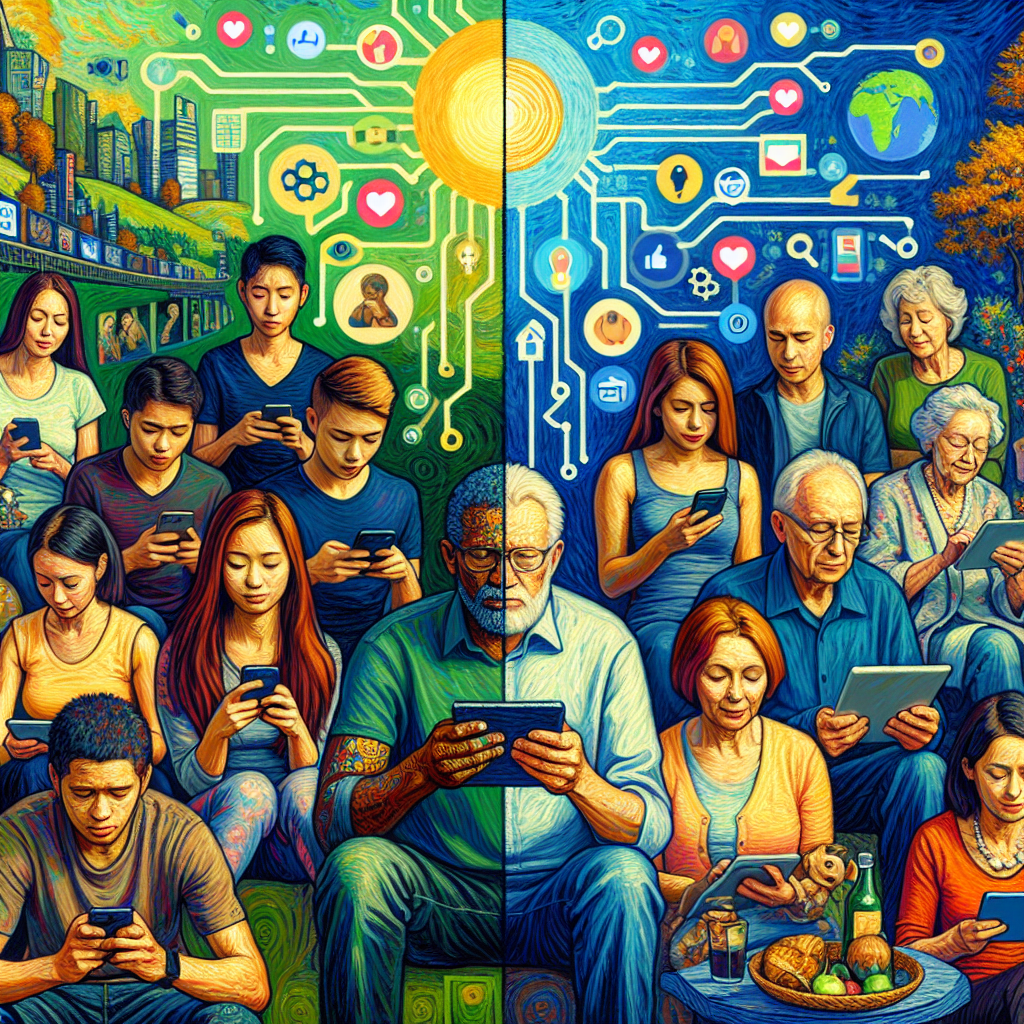
What Platforms Do Millennials Prefer For Attending Webinars?
How Important Are Interactive Elements In Webinars For Millennials?
In the ever-evolving landscape of digital communication, the importance of engaging your audience cannot be overstated. For Millennials, who have grown up in a world filled with interactivity, the standard webinar just doesn’t cut it. The traditional, uninspired lecture format is about as appealing as a soggy sandwich. Instead, we need to think outside the box and embrace interactive elements in webinars, making them an engaging experience rather than a monotonous task.
Picture this: you log onto a webinar that’s like a lifeless website blog, with the speaker droning on while you stare blankly at a PowerPoint presentation. It’s a snooze fest, right? Now imagine a different scenario, one where polls, live Q&A sessions, and interactive chats bring the presentation to life. This isn’t just fluff; it’s a necessity. Young professionals are savvy when it comes to technology, and they expect to participate, not just spectate.
Interactive elements, such as polls and quizzes, serve a dual purpose—they convey information while simultaneously fostering a sense of community among attendees. When Millennials see that their opinions matter, it ignites a spark of engagement. It’s like giving someone a cup of coffee instead of a cup of water—now we’re talking!
Furthermore, incorporating real-time feedback and discussions can vastly improve retention rates. When participants have the opportunity to voice their thoughts or ask questions, it ensures they’re absorbing the content, as opposed to merely nodding along in a haze of boredom. What’s more, by facilitating interaction, you allow for diverse perspectives to surface, enriching the entire experience.
Let’s face it: in a world where distractions are just a click away, keeping the attention of Millennials is a hefty challenge. So how do you keep them glued to their screens? The answer is simple—be interactive. Whether it’s gamifying the experience or encouraging breakout groups, bringing your audience into the fold can make all the difference.
Interactive elements in webinars for Millennials aren’t just a nice-to-have; they’re essential. They transform a passive experience into an engaging one. If your goal is to connect and communicate effectively, then roll up your sleeves and get interactive. After all, a little engagement goes a long way in turning monotony into motivation.

How Important Are Interactive Elements In Webinars For Millennials?
How Important Are Interactive Elements In Webinars For Millennials?
- Engaging the audience is crucial in digital communication, especially for Millennials who value interactivity.
- Traditional webinar formats are often unappealing and ineffective in capturing attention.
- Incorporating interactive elements like polls and live Q&A can enhance engagement and participation.
- Interactive features help convey information while fostering a sense of community among attendees.
- Real-time feedback opportunities improve retention and allow for diverse perspectives to emerge.
- Maintaining Millennials’ attention requires making webinars interactive, such as through gamification and breakout groups.
- Interactive elements are essential for transforming passive experiences into engaging ones and promoting effective communication.

How Important Are Interactive Elements In Webinars For Millennials?
What Barriers Do Millennials Face In Attending Webinars?
When it comes to attending webinars, Millennials are like navigating a maze of obstacles—some small, some large, but all worthy of a good look. You’d think the digital age would make things easier, but there’s a curious paradox at play here, especially when you look at the barriers they face.
First off, let’s talk time. In a world where calendars overflow and work-life balance is a constant battle, scheduling becomes a game of Tetris. Millennials often juggle multiple responsibilities, from work commitments to family obligations, making it difficult to carve out a slice of time for a webinar. And then there’s that nagging fear of missing out; they don’t want to miss the latest trends or insights being shared, but that’s easier said than done when life gets in the way.
Now, we can’t ignore technology. While many Millennials grew up alongside the rise of the internet, not everyone has consistent access to reliable connections. Picture this: you’re all set up for a riveting webinar only to find your Wi-Fi signals dropping faster than a lead balloon. Frustration sets in, leading many to skip it altogether.
Then comes that age-old barrier—the attention span. The digital landscape has reshaped expectations, and with endless distractions vying for our focus, sitting through an hour-long webinar can feel like a Herculean task. Millennials are inundated with information, and when a webinar drags without engaging content, their minds wander. This brings us to another point: the perception of value. If the content is viewed as just another infomercial for a product rather than a genuine exchange of knowledge, interest dwindles.
Let’s not forget the issue of interactivity. Millennials often crave community—an opportunity to engage and ask questions. If a webinar feels more like a lecture in a stuffy classroom than a lively discussion, participation drops like a stone. Adding interactive elements—like polls or Q&A sessions—can keep the energy up and the connections flowing.
So, as we dissect the barriers faced by Millennials attending webinars, it’s essential to realize the unique challenges they grapple with. They’re pulled in many directions, seeking genuine value and connection in a busy world that often overlooks the simple joys of learning together. Addressing these challenges isn’t just helpful; it’s vital for keeping the webinar experience relevant and engaging. A thoughtful approach can make all the difference in throwing open those virtual doors—ushering in a new generation of eager learners.

What Barriers Do Millennials Face In Attending Webinars?
What Barriers Do Millennials Face In Attending Webinars?
- Millennials face various obstacles when attending webinars, both small and large.
- Time management is a major challenge due to overflowing calendars and multiple responsibilities.
- Access to reliable technology can be inconsistent, leading to frustration and missed webinars.
- Attention spans are shorter as distractions abound in the digital landscape, making lengthy webinars challenging.
- The perception of value is critical; if webinars feel like infomercials, interest wanes.
- Interactive elements are important; Millennials prefer engaging discussions over traditional lectures.
- Addressing these challenges is vital for keeping webinars relevant and appealing to a new generation of learners.

What Barriers Do Millennials Face In Attending Webinars?
How Can Webinars Be Marketed Effectively To Millennials?
When it comes to marketing webinars to millennials, you need more than just fancy graphics and slick video edits. You’ve got to dig deep into the mind of a generation that values authenticity and real-world connections. Let’s break down the essentials.
First off, your website blog is your digital handshake. It’s where you lay the groundwork. Instead of a hard sell, focus on storytelling. Craft engaging posts that not only inform but also resonate with their aspirations and challenges. Millennials are savvy; they can spot fluff a mile away. Instead, give them something they can sink their teeth into—tips, tricks, and insights that address their pain points.
Then there’s the power of social media. This is where millennials hang out, and where you can unleash your creativity. Create eye-catching posts that tease what your webinar has to offer. Use vibrant images, clever captions, and those hashtags that can put you in front of the right eyes. Remember, it’s not just about promoting; it’s about creating a conversation. Reply to comments, ask questions, and foster a community around the topic of your webinar.
Next up, leverage the beauty of partnerships. Collaborate with influencers or brands that already resonate with millennials. They have the trust of your target audience and can give your webinar the credibility it needs. A simple shout-out or co-hosting a session can do wonders for your visibility.
And let’s not forget about personalization. Millennials appreciate when brands speak to them directly. Use data to segment your audience and tailor your marketing messages accordingly. If they’ve attended previous webinars or shown interest in a specific topic, use that knowledge to create targeted email campaigns that draw them back in.
Finally, don’t underestimate the impact of a strong call-to-action. Whether it’s a sign-up link in your website blog post or an invitation to share the event on social media, make it easy for them to take the next step.
Marketing webinars to millennials isn’t just about numbers; it’s about building a bridge. Understand their world, speak their language, and engage with them on a personal level. Do that, and you might just find that your webinars are not only populated but thriving. The future belongs to those who listen and connect—so get to it!

How Can Webinars Be Marketed Effectively To Millennials?
How Can Webinars Be Marketed Effectively To Millennials?
- Focus on authenticity and real-world connections to engage millennials.
- Your website blog serves as a digital handshake; prioritize storytelling over hard selling.
- Create engaging content that addresses millennials’ aspirations and pain points.
- Utilize social media to promote your webinar and foster a community around the topic.
- Collaborate with influencers or brands that resonate with millennials to boost credibility.
- Personalize marketing messages using data to segment your audience effectively.
- Include a strong call-to-action to make it easy for millennials to take the next step.

How Can Webinars Be Marketed Effectively To Millennials?
Conclusion
As we wrap this up, let’s take a step back and appreciate the unique approach millennials have when it comes to engaging with webinars. If there’s a universal truth about this generation, it’s that they expect genuine connection in a digital space that often feels impersonal. They’re not simply looking for information; they want something that resonates with their busy lives, combined with practicality and a dash of entertainment.
First off, the content is king—no, wait! It’s more nuanced than that. Engagement is paramount, and if a webinar feels stale or overly formal, you’ve lost them faster than a squirrel in a park. Millennials appreciate brevity and clarity; they want the juicy bits up front without wading through a swamp of jargon and bloated paragraphs. If the initial pitch doesn’t grab their attention right off the bat, they’re likely swiping away to the next shiny distraction.
The format matters too. Livestreamed webinars that embrace real-time interaction are their jam. Whether it’s through cheeky anecdotes, interactive polls, or a lively Q&A, millennials thrive on dialogue rather than monologue. They crave that sense of community, even if it’s virtual. And let’s not underestimate the power of follow-up; a succinct blog post summarizing key takeaways speaks volumes about the presenter’s commitment to providing value, yielding a rewarding experience for participants.
But we can’t overlook the barriers that often trip them up, like time constraints and technology hiccups. With life pulling them in all directions, finding space in their jam-packed schedules for a webinar is no small feat. You’d better make that window count! And if tech challenges pop up, well, you run the risk of losing them forever.
So, how do you effectively market to this savvy audience? Authenticity reigns supreme. Utilize social media to cultivate conversations around your webinar topics. Share real stories, offer insights, and let your audience feel involved—even before they hit the register button. Collaborations and personalized outreach don’t just warm the heart; they create a sense of belonging that millennials find irresistible.
To put it simply, creating webinars that millennials want to engage with isn’t rocket science, but it does require a thoughtful and tailored approach. A sprinkle of interactivity, a dollop of authenticity, and a healthy helping of convenience could be your ticket to transforming those virtual gatherings into vibrant learning experiences. With this blueprint in hand, you’re well-equipped to capture their attention and create lasting connections that transcend the screen.

Conclusion
Conclusion:
- Millennials seek genuine connections in often impersonal digital spaces.
- Engagement is crucial; stale or overly formal webinars lose their interest quickly.
- Content should be concise and clear, with key information presented upfront.
- They prefer livestreamed webinars with real-time interaction, such as polls and Q&A sessions.
- Follow-ups, like summaries in blog posts, reinforce the value of the webinar.
- Barriers like time constraints and tech issues can detract from their participation.
- Authenticity and community-building via social media are vital for effective marketing.

Conclusion
Other Resources

Other Resources
Here is a list of other resources you can review online to learn more:
Use This Prompt To Get More Resources With Your Favorite Online AI Tool: Please provide me with a list of online articles with their URLs in a bulleted list that I can read regarding How Do Millenials Respond to and Engage with Webinars?

Other Resources
Glossary Terms
How Do Millenials Respond to and Engage with Webinars? – Glossary Of Terms
1. Asynchronous: Refers to activities that do not occur at the same time, such as recorded webinars that can be watched at the viewer’s convenience.
2. Engagement: The level of participation, interaction, and interest demonstrated by Millennials during a webinar.
3. Interactivity: Features that allow participants to engage directly with the content, such as polls, Q&A sessions, and chat functionalities during a webinar.
4. Feedback: Responses or reactions from attendees regarding the content, format, and delivery of a webinar, often gathered through surveys.
5. FOMO (Fear of Missing Out): A feeling that prompts Millennials to attend webinars due to the desire to not miss out on valuable information or experiences.
6. Gamification: The incorporation of game-like elements in webinars (such as quizzes and rewards) to increase engagement and participation.
7. Microlearning: Short, focused learning segments often used in webinars to cater to the attention spans of Millennials.
8. Networking: Opportunities for attendees to connect and interact with peers and experts during webinars, often seen as a key benefit.
9. On-demand: Recorded sessions available for viewing at any time, allowing Millennials to consume content at their convenience.
10. Personalization: Tailoring content and delivery in a way that resonates personally with Millennials, increasing relevance and engagement.
11. Post-Webinar Resources: Additional materials provided after the webinar, such as slides, recordings, and further reading, that enhance the learning experience.
12. ROI (Return on Investment): Measures of the value or benefits gained from attending a webinar compared to the time and resources invested.
13. Screen Fatigue: The exhaustion experienced from prolonged computer or screen use, influencing Millennials’ decisions to participate in webinars.
14. Social Proof: The influence of others’ experiences and endorsements that can motivate Millennials to attend a webinar.
15. Visual Learning: A preferred learning style among many Millennials that emphasizes visual aids such as slides, videos, and infographics in webinars.
16. Webinar Funnel: A marketing strategy that guides potential attendees through a series of steps leading up to the registration and attendance of a webinar.
17. Webinar Series: A sequence of related webinars designed to cover a broader topic, often appealing to Millennials seeking extensive knowledge on a subject.
18. Call to Action (CTA): Prompts during and after a webinar encouraging attendees to take specific actions, such as signing up for future events or accessing additional resources.
19. Streaming: The process of delivering audio and video content live over the internet, a common format for webinars.
20. Accessibility: The practice of making webinars available and easy to understand for all potential users, including those with disabilities.
21. Participation Rate: The percentage of registered attendees who actually attend the webinar, a crucial metric for measuring interest and engagement.
22. Mobile Compatibility: The ability for webinars to be accessed and viewed on mobile devices, catering to Millennials who often use smartphones for media consumption.
23. Trend Awareness: Millennials’ proclivity to stay updated on current trends, influencing their motivation to attend webinars related to popular topics.
24. Duration: The length of a webinar, which can impact attendance rates and engagement, as shorter sessions may be preferred by Millennials.
25. Facilitator: The individual leading the webinar, responsible for presenting content, engaging participants, and managing discussions.
26. Virtual Networking: Online opportunities to connect and build professional relationships during or after a webinar, significant for Millennials focusing on career growth.
27. Content Relevance: The alignment of webinar topics with the interests and needs of Millennials, which greatly affects their likelihood of attendance.
28. Follow-up: Communication with attendees after the webinar, providing additional resources or inviting further discussion, enhancing engagement.
29. Diverse Formats: Varied methods of content delivery in webinars (e. g. , panels, interviews, and workshops) that cater to different learning styles preferences among Millennials.
30. Burnout: A state of physical and emotional exhaustion that can result from excessive participation in online events, including webinars, affecting engagement levels.

Glossary Of Terms
Other Questions
How Do Millenials Respond to and Engage with Webinars? – Other Questions
If you wish to explore and discover more, consider looking for answers to these questions:
- What are the best practices for creating engaging webinar content for millennials?
- How can companies measure the effectiveness of their webinars among millennial audiences?
- What specific strategies can be implemented to increase millennial participation in webinars?
- How can organizations use feedback from millennials to improve future webinars?
- What role does branding play in attracting millennials to webinars?
- What time of day or week do millennials prefer to attend webinars?
- What are millennials’ preferences when it comes to webinar hosts or facilitators?
- How do cultural differences affect millennial engagement with webinars?
- What techniques can be used to keep millennials engaged throughout the entire webinar?
- How do follow-up practices after a webinar impact millennial engagement?
Other Questions
Haiku
How Do Millenials Respond to and Engage with Webinars? – A Haiku
Digital natives seek,
Engagement, brevity spark,
Webinars that connect.

Haiku
Poem
How Do Millenials Respond to and Engage with Webinars? – A Poem
In a world of clicks and endless scrolls,
The millennial spirit rises, the future unfolds.
Born of the web, where speed is the game,
A thirst for connection ignites their flame.
With a glance at the screen, they seek the allure,
A design that is sleek, concise, and pure.
Brevity’s the key, their time is so rare;
If the message doesn’t grab them, they’re already elsewhere.
Dialogues emerge in the chat’s lively thread,
They crave interaction, need to feel fed.
Livestreams pulse with energy, spontaneity shines,
A sprinkle of humor, where authenticity aligns.
Oh, the topics they crave, they hunger for more,
Skills to empower, ideas to explore.
From coding to wellness, sustainability’s sway,
In webinars lively, they seek a new way.
Yet time is a maze, obligations abound,
In a rush to engage, their schedules confound.
But a promise of value will coax them to stay,
Interactive elements keep passivity at bay.
Social media beckons, a shared virtual space,
With comments and laughter, they find their own place.
Platforms that foster connection ignite,
Empowering a community that feels just so right.
So heed these young voices, and learn how to market,
Share stories and insights; don’t aim for the carpet.
Be genuine, be relatable—their walls must come down,
For in connection and value, true engagement is found.
In summary, we gather, a chorus of thought,
Engaging millennials—let’s tie all the knots.
With brevity, spirit, and a touch of delight,
Webinars can flourish, ignite the night.

Poem
Checklist
How Do Millenials Respond to and Engage with Webinars? – A Checklist
1. Website Design:
_____ Ensure the website is sleek and user-friendly.
_____ Use engaging visuals to attract attention.
_____ Avoid lengthy paragraphs and serious jargon; prioritize brevity.
2. Content Hook:
_____ Clearly communicate “what’s in it for them”.
_____ Highlight the benefits of attending the webinar upfront.
3. Interactivity:
_____ Incorporate chat features for questions and comments.
_____ Include live polls and Q&A sessions to foster engagement.
_____ Use interactive elements to create a sense of community.
4. Webinar Format:
_____ Opt for livestreamed sessions for real-time interaction.
_____ Consider shorter presentations (30-45 minutes) to maintain attention.
5. Engaging Presentation Style:
_____ Use humor and relatable anecdotes to connect with the audience.
_____ Consider a casual tone to promote relatability.
6. Summarize & Follow-Up:
_____ Post-webinar, provide a blog summary of key takeaways.
_____ Offer actionable insights for easy absorption and sharing.
7. Select Relevant Topics:
_____ Focus on skills development (e. g. , coding, digital marketing).
_____ Include wellness and mental health topics.
_____ Address sustainability and social justice themes.
_____ Highlight current technology trends (AI, blockchain).
8. Platform Selection:
_____ Utilize social media platforms for greater reach and interaction.
_____ Ensure registration processes are seamless on your website.
_____ Use video conferencing tools (Zoom, Google Meet) for a robust experience.
9. Address Barriers:
_____ Acknowledge time constraints and provide flexible scheduling options.
_____ Ensure reliable technology access for all attendees.
_____ Create content that provides real value to capture and hold attention.
10. Effective Marketing Strategies:
_____ Utilize storytelling in blog posts to resonate with their experiences.
_____ Create engaging social media content to spark conversation.
_____ Collaborate with influencers to enhance credibility and visibility.
_____ Personalize marketing messages based on audience segmentation.
_____ Implement strong calls-to-action in all promotional materials.
By following this checklist, you can create webinars that resonate with millennial audiences, fostering engagement and building a vibrant learning community.

Checklist
At WebsiteBloggers, we help website bloggers develop strategies to create content, traffic, and revenue from website blogs based on our experiences and experimentation.
Be sure to read our other related stories at WebsiteBloggers and share this article with your friends, family, or business associates who run website blogs.