Enhancing Focus And Creativity With Natural Colors
By Tom Seest
At WebsiteBloggers, we help website bloggers develop strategies to create content, traffic, and revenue from website blogs based on our experiences and experimentation.
Be sure to read our other related stories at WebsiteBloggers and share this article with your friends, family, or business associates who run website blogs.
How Natural Colors Help Young Creators Focus
When young creators dive into their imagination, the world is their canvas. But what guides their creativity? Natural colors, those vibrant hues found in the world around us, play a pivotal role in sharpening focus and stimulating the mind. Imagine a child sketching under the dappled light of a tree, the leaves whispering in shades of green. This scene isn’t just picturesque; it’s scientifically validated. Research shows that natural colors can enhance cognitive functions, heighten attention spans, and reduce stress—making it easier for young minds to explore new ideas with wild abandon.
Embracing the beauty of nature isn’t merely about cultivating an aesthetic; it’s about drawing young creators into a space where they can breathe freely. Think about it: when surrounded by the earthy hues of a sunset or the crisp shades of morning dew, there’s a sense of calm that invites focus. This is what we want for our children—to find that balance between awe and serenity, where creativity flourishes.
Ethically, tapping into natural colors is an absolute win. In a world that constantly pushes digital screens and artificial entertainment on our kids, we need to advocate for environments that celebrate the organic. Seek out opportunities to introduce children to parks, gardens, and even colored nature walks, transforming their daily routines into adventures steeped in sensory experiences. This connection to nature isn’t just good for the soul; it’s good for the brain, providing an anchor amidst the chaos.
And let’s not forget the stories underlying this quest. Picture a young artist, stymied by distractions, suddenly inspired by the vibrant reds and yellows of fall. The artistry flows from their fingers like water from a spring. Their creativity becomes a reflection of their environment, drawing others—not just peers but community members—closer. As the proverb goes, “It takes a village,” and inspiring our youth through nature helps forge those essential connections.
So, if you’ve ever wondered how to foster greater focus in the young creators in your life, start right outside your door. Encourage them to step into a world awash with natural colors. Give them the gift of focus, creativity, and inspiration—all wrapped up in the breathtaking palette that nature so generously provides. Whether through a simple blog post or a community website, sharing this journey invites others to join in, to root for each budding creator, and to support their passions blossoming into something extraordinary. After all, when we nurture their need for connection with nature, we pave the way for a vibrant future filled with creativity.

How Natural Colors Help Young Creators Focus
How Natural Colors Help Young Creators Focus
- Young creators see the world as their canvas, guided by natural colors.
- Natural colors enhance cognitive functions, attention spans, and reduce stress.
- Being in nature cultivates an environment for creativity to flourish.
- Experiencing earthy hues invites calm and helps children find focus.
- Engaging with natural environments counters the distractions of digital screens.
- Nature-inspired creativity fosters community connections and shared experiences.
- Encouraging outdoor exploration nurtures children’s creativity and promotes a vibrant future.

How Natural Colors Help Young Creators Focus
Table Of Contents
- How Natural Colors Help Young Creators Focus
- Which Colors Inspire Deeper Thinking and Problem-Solving In Kids?
- What Role Do Colors Play In Reducing Distractions for Young Creators?
- How Can Natural Hues Foster Emotional Intelligence In Children?
- What Research Supports the Impact Of Color on Concentration In Youth?
- How Do Natural Colors Improve Learning Environments for Kids?
- What Ethical Considerations Arise When Choosing Child-Friendly Colors?
- How Can a Colorful Space Enhance Collaboration Among Young Creators?
- Conclusion
- Other Resources
- Glossary Of Terms
- Other Questions
- Haiku
- Poem
- Checklist
Which Colors Inspire Deeper Thinking and Problem-Solving In Kids?
When it comes to nurturing young minds, the right color palette can make all the difference. Picture this: a bustling classroom, walls adorned in vibrant hues that evoke creativity and curiosity. Certain colors are not just visually appealing; they have the power to inspire deeper thinking and problem-solving in our kids.
Blue, for instance, is more than just a calming shade. It encourages focus and concentration, making it ideal for study environments. Imagine a child immersed in their homework, surrounded by serene blue walls, their mind unfurling like a sail catching the wind. Social psychologists have found that environments featuring blue tones can enhance cognitive performance, inviting inspiration and unleashing potential. For a child grappling with complex math problems or creative writing, this color can become a silent partner, guiding them to clarity.
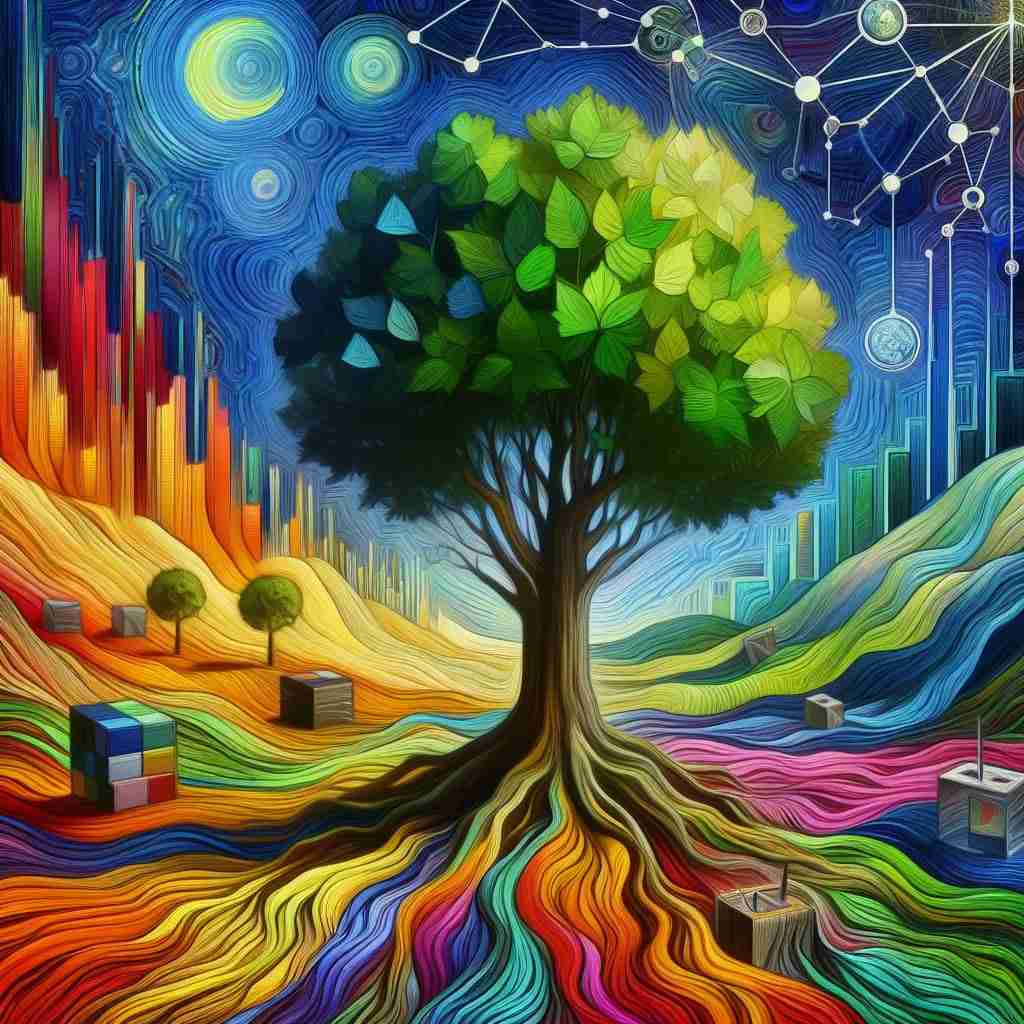
Then there’s green, the color of growth and renewal. Think about it: nature thrives in shades of green, reminding children that with effort, they can flourish, too. A classroom drenched in leafy greens fosters a sense of balance and opens the door to exploration and experimentation. It’s not just about aesthetics; it’s about nurturing an environment where kids feel safe to ask questions and tackle challenges with unshakeable confidence, ensuring that ethical curiosity is at the forefront of their development.
Now, let’s add a splash of yellow — the shade that embodies joy and optimism. Yellow stimulates the brain and encourages a cheerful disposition. Imagine kids working together on a project, laughter echoing against a backdrop of happy yellow. The shared connection they feel helps them bond, cultivating teamwork and collaborative problem-solving. In that moment, they’re not just learning; they’re building relationships, sharing wisdom, and supporting each other’s journeys.
As parents, educators, and mentors, we must recognize the significance of color in our learning spaces. Research doesn’t just back this up; it practically screams to us about the potential locked within simple shades. Let’s harness that potential, using colors thoughtfully to inspire our kids in ways that resonate with them emotionally and intellectually. The next time you think about decorating a classroom or a kid’s study area, remember these hues. Isn’t it time we foster environments that not only teach but also ignite passion and inspire change? A well-chosen palette might just be the unsung hero of education, inviting our children to think deeper, explore wider, and dream bigger.

Which Colors Inspire Deeper Thinking and Problem-Solving In Kids?
Which Colors Inspire Deeper Thinking and Problem-Solving In Kids?
- The right color palette in classrooms can significantly nurture creativity and curiosity in young minds.
- Blue is a calming color that encourages focus and concentration, enhancing cognitive performance.
- Green symbolizes growth and renewal, creating a balanced environment for exploration and confidence.
- Yellow represents joy and optimism, stimulating the brain and fostering teamwork and collaboration.
- Colors in learning spaces can profoundly influence children’s emotional and intellectual development.
- Research highlights the potential of colors to inspire kids in their learning environments.
- Thoughtful use of color can transform educational spaces, encouraging deeper thinking, wider exploration, and bigger dreams.
Which Colors Inspire Deeper Thinking and Problem-Solving In Kids?
What Role Do Colors Play In Reducing Distractions for Young Creators?
Imagine a room filled with wild colors—bold, brash, and distracting. Now, picture a tranquil space drenched in soft blues and gentle greens. It’s a world of difference, isn’t it? Colors have profound effects on our emotions and thoughts, especially for young creators perched on the precipice of inspiration. For these emerging artists, the colors in their environment can either be a springboard for creativity or a suffocating blanket of distraction.
Research shows that the right shades can sharpen focus and boost creativity. Blue hues enhance clarity, inviting the mind to wander freely, while greens nurture balance, promoting a tranquil atmosphere that allows new ideas to flourish. Think back to a time when you felt calm and at ease. Chances are, the colors around you played a crucial role in that moment. Young creators need such zones to transform fleeting thoughts into tangible art, and when colors are thoughtfully chosen, this transition becomes smoother.
On a personal level, engage your inner artist. Create a space that resonates with you—the colors you choose can mirror your thoughts, feelings, and aspirations. This is more than aesthetics; it’s about self-expression and creating an environment where ideas can dance freely without the weight of distraction. When a young creator steps into a room tinted with colors that inspire and ignite passion, you can almost hear the whisper of creativity beckoning them to delve deeper.
Honoring our young creators means giving them not just the tools, but the nurturing environment they deserve. A thoughtfully designed space can boost their confidence. They’re not just painting a picture; they’re painting their future. Instilling a sense of ownership through color choice fosters a connection between the creator and their craft, making the act of creation more significant.
In a time when distractions come in endless forms—from buzzing devices to clashing environments—letting colors speak for us is a critical step in preserving clarity and focus. We’ve entrusted the next generation with our hopes, our dreams, our narratives. By creating a world that embraces calm and creativity, we ensure they have the sacred space needed to flourish.
Every stroke of a brush, every note of a song, deserves to be nurtured in an environment designed to inspire. So let’s embark on this colorful journey together; let’s empower them to create without limitations, in spaces that truly reflect the beauty of their imagination.

What Role Do Colors Play In Reducing Distractions for Young Creators?
What Role Do Colors Play In Reducing Distractions for Young Creators?
- Colors profoundly affect emotions and thoughts, especially for emerging artists.
- The right shades can sharpen focus and boost creativity, with blues enhancing clarity and greens promoting balance.
- Creating a calming environment allows young creators to transform fleeting thoughts into tangible art.
- Personal engagement in color choice fosters self-expression and nurtures a space for ideas to flourish.
- A thoughtfully designed space boosts confidence, helping creators feel ownership over their artistic journey.
- In a world full of distractions, thoughtful color choices help maintain clarity and focus for young creatives.
- Empowering young creators involves providing inspiring environments that reflect their imagination and encourage limitless creativity.

What Role Do Colors Play In Reducing Distractions for Young Creators?
How Can Natural Hues Foster Emotional Intelligence In Children?
When we talk about nurturing emotional intelligence in children, we often overlook one crucial element—our natural surroundings. Imagine a world painted in soothing greens and vibrant blues, where children sprint through fields of wildflowers and feel the warmth of the sun on their faces. These are not just beautiful images; they are vital experiences that shape the way kids connect with their emotions, their peers, and the world around them.
In the midst of life’s chaos, natural hues offer a sanctuary. Research shows that exposure to nature can significantly boost emotional well-being and cognitive function. It’s in these tranquil spaces that children learn to pause, reflect, and understand what they’re feeling. But when we confine them to urban settings, surrounded by grays and browns, we risk stifling their emotional growth. Why is that? Because colors influence emotions; greens evoke calm, while blues encourage introspection. Each shade invites them to explore aspects of their personality that might otherwise go unacknowledged.
Think back to your own childhood. Was there a tree you climbed or a stream where you played? Those colorful memories are what grounded you, gave you a sense of self, and taught you how to navigate relationships. Now, pass that gift on to the next generation. Create environments where natural hues aren’t just background noise but part of the conversation. Let kids splash in muddy puddles, build forts from branches, and discover the textures of plants. Each experience helps them process emotions and develop empathy.
Ethically, it’s our responsibility to foster a love for nature and its colors in children. We’re not merely raising future adults but nurturing compassionate individuals who will shape society. When they connect emotionally with the world, they learn to treat others with kindness and respect. As this emotional intelligence flourishes, it spills over into their relationships and communities, creating a ripple effect of understanding and cooperation.
In a world that often seems chaotic, returning to natural hues can be a grounding force—a way to reconnect with what truly matters. So, let’s not just want better for our children; let’s create the spaces that will help them grow. Imagine a bright future where emotional intelligence isn’t just a buzzword but a lived reality—rooted in nature’s palette and flourishing in the hearts of our children.

How Can Natural Hues Foster Emotional Intelligence In Children?
How Can Natural Hues Foster Emotional Intelligence In Children?
- Natural surroundings are vital for nurturing emotional intelligence in children.
- Exposure to nature boosts emotional well-being and cognitive function.
- Natural hues, like greens and blues, influence emotions and promote self-exploration.
- Childhood experiences in nature create a sense of self and teach relationship navigation.
- Creating environments rich in nature helps children process emotions and develop empathy.
- Fostering a love for nature is an ethical responsibility that shapes compassionate individuals.
- Connecting with nature can lead to a brighter future with flourishing emotional intelligence.

How Can Natural Hues Foster Emotional Intelligence In Children?
What Research Supports the Impact Of Color on Concentration In Youth?
When we think about the vibrant world of our youth, the colors that fill their surroundings play an unseen yet impactful role in shaping their concentration. A team of researchers dug deep into this subject, finding that colors can evoke emotional responses that might either support or hinder a child’s ability to focus. Imagine a classroom splashed with bright yellows—stimulating and energetic—versus a peaceful blue space, serene and calming. Which environment do you think fosters better focus during a long math lesson?
Studies have shown that colors can elicit psychological responses that are profound. Warm colors like red and orange can create excitement, but when it comes to tasks that demand deep concentration and critical thinking, cooler colors often reign supreme. In fact, classrooms painted in soothing hues have been linked to increased student performance. Think about that: a simple brush stroke can guide a child’s learning journey.
But let’s not just dive into numbers and charts. Consider a young student, struggling through a homework assignment under the harsh glare of fluorescent lights and stark white walls. Now envision the transformation as they switch to a space awash in calming greens and soft blues, nature’s colors that invite relaxation and clarity. This is where we meet the heart of teaching: giving each child the environment they need to thrive. It’s not just academic; it’s a matter of nurturing their potential and well-being.
From a societal perspective, we have an ethical responsibility to create spaces that are alive with supportive hues, environments where children don’t just exist but flourish. These are our future leaders, artists, scientists—basically, the dreamers and doers of tomorrow. Shouldn’t we give them every chance to succeed?
These insights aren’t just findings written on a website blog. They’re derived from decades of research and collective wisdom from educators, psychologists, and artists alike—work that stands as a beacon of authority on the subject. Knowing that we hold the power to influence our next generation through something as simple yet profound as color creates a sense of urgency.
Let’s come together to advocate for environments that stimulate and engage. Color your world and watch your children paint a vibrant future, where every shade is a stepping stone toward their full potential.

What Research Supports the Impact Of Color on Concentration In Youth?
What Research Supports the Impact Of Color on Concentration In Youth?
- Colors in a child’s environment significantly influence their concentration and focus.
- Research suggests that colors can evoke emotional responses that impact learning outcomes.
- Warm colors like red and orange can create excitement, but cooler hues are more conducive to deep concentration.
- Classrooms painted in soothing colors have been linked to improved student performance.
- The learning environment should cater to each child’s unique needs, supporting both their academic and emotional well-being.
- Creating supportive, color-rich environments is an ethical responsibility to nurture future generations.
- Decades of research highlights the profound impact that color can have on children’s learning experiences.

What Research Supports the Impact Of Color on Concentration In Youth?
How Do Natural Colors Improve Learning Environments for Kids?
Every day, children step into classrooms filled with the promise of knowledge, yet too often, they are greeted by stark whites and sterile grays, the colors of indifference. Imagine instead, the warmth of nature bursting forth from walls painted in gentle greens, soft blues, and sun-kissed yellows. These aren’t just hues; they are instruments of transformation, inviting our children to engage and explore. Natural colors connect kids to the world outside the classroom—where trees sway, skies stretch endlessly, and flowers bloom vibrantly.
Research has shown that colors in learning spaces can have profound effects on mood and productivity. For instance, greens evoke a sense of calm, fostering concentration, while blues have been linked to increased creativity. When our children are surrounded by a palette that reflects the beauty of nature, they are not just encouraged to learn; they are empowered to thrive. Every splash of color can ignite curiosity, sparking a fire in young minds. A classroom designed with thoughtful hues isn’t just a nice feature—it’s an ethical choice that prioritizes a child’s ability to grow, grasp, and gain confidence.
Now, think about the social implications. Communities thrive when their children have access to enriched learning environments. A classroom adorned with natural colors fosters a sense of belonging and unity. Children learn not only from textbooks but from each other, weaving a tapestry of shared experiences. They come to understand that their environment matters, not only to them personally but as a collective. This sense of shared responsibility is essential as we mold the next generation of thinkers and doers, urging them toward empathy and collaboration.
The importance of nurturing spaces can’t be understated. When parents visit schools or search the web for suitable environments, what draws them in? It’s often the warmth and vibrancy portrayed in images—those colors that jump off the page. That’s a powerful narrative: one that resonates with the heart. As educators, parents, and community members, we have a responsibility to advocate for classrooms that reflect the richness of life itself.
By embracing natural colors in learning environments, we lay the groundwork for a future filled with thoughtful, engaged children who appreciate the beauty around them. So, let’s take action together, ensuring that every child’s world is painted not just with colors, but with possibilities. Each brushstroke matters. Every choice counts.

How Do Natural Colors Improve Learning Environments for Kids?
How Do Natural Colors Improve Learning Environments for Kids?
- Children often encounter sterile classroom environments, which can stifle engagement.
- Colors like gentle greens, soft blues, and sun-kissed yellows can transform classrooms into inviting spaces.
- Natural colors connect children to the world outside, promoting exploration and curiosity.
- Research shows that color influences mood and productivity: greens foster calm, while blues enhance creativity.
- A classroom with thoughtful hues empowers children to grow, gain confidence, and thrive academically.
- Enriched learning environments promote social belonging and shared experiences among students.
- Advocating for vibrant, nurturing classrooms is essential for cultivating empathetic and collaborative future generations.

How Do Natural Colors Improve Learning Environments for Kids?
What Ethical Considerations Arise When Choosing Child-Friendly Colors?
When we delve into the world of child-friendly colors, we’re entering a realm colored not just by hues but by emotions, ethics, and a hefty dose of responsibility. It’s not just about picking a shade of blue or pink; it’s about creating environments where our children can grow, play, and explore in safety and confidence. Here’s the thing: colors can shape our moods, influence our choices, and even affect our behavior. That’s no small potatoes when it comes to designing spaces for kids.
Let’s start with the emotional aspect. When you walk into a room painted in soft pastels, what feelings does it evoke? Calmness? Joy? The colors surrounding children should stimulate their imagination while providing a sense of serenity. But, think deeper—the meanings tied to colors vary across cultures. A color that sparks happiness in one place might signify something entirely different in another. As responsible adults, it’s our duty to choose wisely, creating environments that embrace inclusivity and understanding.
Then there’s the rational side of the equation. Research indicates that bright colors can heighten alertness and energy, while muted tones could encourage focus and tranquility. But with that data in hand comes the ethical responsibility to ensure that choices are grounded not just in aesthetic appeal but in what’s best for a child’s overall well-being. Are we using harmful paints or dyes? Have we considered allergies or sensitivities? The health of our children should always trump any fleeting trend.
Ethically, we bear the weight of the social considerations intertwined with color choices. What signals do we send when we default to traditional gender norms in colors? While a blue room with race cars may delight some, a vibrant green with nature scenes might speak to another child’s spirit completely. By expanding our palette, we celebrate diversity and foster creative expression.
In the face of such weighty considerations, how do we act? It’s simple. Let’s engage with our communities. Let’s blog, share experiences, and educate one another about the impacts of color on childhood development. Together, we can nurture an environment in which every color shines bright for every child, creating space for growth and imagination. It’s a tapestry of choices we weave, one that can inspire trust not only in our aesthetic decisions but in our commitment to a better future for the little ones we adore.

What Ethical Considerations Arise When Choosing Child-Friendly Colors?
What Ethical Considerations Arise When Choosing Child-Friendly Colors?
- Child-friendly colors encompass emotions, ethics, and responsibility beyond mere aesthetics.
- Colors can influence moods and behavior, making thoughtful selection crucial for children’s environments.
- Soft pastels evoke calmness and joy, while meanings of colors can vary culturally.
- Bright colors can boost energy, whereas muted tones encourage focus and tranquility.
- Health concerns related to paints and allergies must take precedence over aesthetic trends.
- Diverse color choices can challenge traditional gender norms and foster creative expression.
- Engaging communities through sharing and education about color impacts can enhance childhood development.

What Ethical Considerations Arise When Choosing Child-Friendly Colors?
How Can a Colorful Space Enhance Collaboration Among Young Creators?
Imagine stepping into a space where the walls aren’t just barriers but canvases—each hue a spark igniting creativity in the minds of young innovators. Color, in its countless shades and tones, has an undeniable power. It vibrates through the atmosphere, creating an environment that not only welcomes ideas but encourages them to flourish like wildflowers in spring.
When young creators gather in a colorful environment, it’s as if they’re stepping into a shared heartbeat, a rhythm that resonates through each vibrant corner and each thoughtfully placed accent. Their spirits lift, ideas compound, and a dialogue begins that transcends the ordinary. Behind every brilliant collaboration is the psychological truth that colors can evoke emotions, stir curiosity, and even incite passion. Think about it: nothing bonds people better than a shared experience, and in a kaleidoscopic space, every person is invited into the same exhilarating dance of discovery.
From a more rational standpoint, research shows that color can boost creativity and productivity. A well-designed, colorful workspace not only enhances mood but also sharpens focus. Young minds thrive when they’re empowered by their environment. Conversely, bland and uninspiring spaces can promote disengagement, leaving creative potential dormant, like seed buried under hard soil. It’s not just about aesthetics; it’s about cultivating a fertile ground where ideas can take root.
Encouraging collaboration within diverse groups of creators speaks to our ethical responsibility: to nourish the next generation of thinkers, makers, and dreamers. By investing in vibrant, inclusive spaces, we show young creators that their contributions matter, and we affirm that their voices will be heard. They need to feel valued, acknowledged—not just as individuals, but as essential threads in a collective tapestry of innovation.
Now, add a sprinkle of social appeal. In a room bursting with color and creativity, the buzz of dialogue and laughter is infectious. Young creators find a sense of belonging; they are not just spectators but active participants in a community that thrives on collaboration. Personal connections blossom, ideas merge, and suddenly, they’re not just sharing a workspace but are forming genuine relationships that can last a lifetime.
So, if you’re looking to foster a collaborative spirit among young creators, consider how color can transform their spaces. In doing so, you’re not merely designing a room; you’re nurturing a sanctuary where creativity knows no bounds—one brilliant idea at a time.

How Can a Colorful Space Enhance Collaboration Among Young Creators?
How Can a Colorful Space Enhance Collaboration Among Young Creators?
Here’s the summary formatted as a bulleted HTML list:
- Color transforms spaces into canvases that ignite creativity in young innovators.
- Vibrant environments foster collaboration, lifting spirits and encouraging idea generation.
- Colors evoke emotions and curiosity, creating shared experiences among participants.
- Research indicates colorful workspaces boost creativity, productivity, and mood.
- Bland environments can stifle creativity, leaving potential untapped.
- Investing in inclusive, vibrant spaces affirms the value of young creators’ contributions.
- A colorful atmosphere promotes community, personal connections, and lasting relationships.

How Can a Colorful Space Enhance Collaboration Among Young Creators?
Conclusion
Creating nurturing environments for young creators goes beyond mere aesthetics; it’s about cultivating spaces that amplify focus, creativity, and emotional intelligence. Imagine a vibrant classroom, alive with nature-inspired colors—a world away from the dull grays that often dominate learning environments. When children are enveloped in hues that reflect the beauty of the natural world, they thrive. Scientific research supports the idea that colors can significantly enhance cognitive functions, mood, and social connections. Blues foster concentration and tranquility, while greens ignite feelings of growth and renewal. These colors activate young minds, inviting them to explore and experiment without the weight of distractions.
Think about the shared experiences that arise in a well-designed space filled with stimulating colors. A room adorned in cheerful yellows can spark laughter and collaboration, while calming blues might inspire deeper thinking during challenging tasks. In these colorful environments, children learn not only academic skills but also vital social abilities. They bond over shared projects, learning the power of teamwork—a valuable life lesson delivered amid a backdrop of engaging hues.
Ethically, we have a responsibility to enhance learning experiences for our children. As adults, we must advocate for designs that reflect inclusivity and understanding, avoiding limiting stereotypes tied to traditional color conventions. By expanding our palette, we nurture emotional intelligence and creativity in every child, paving the way for future generations to thrive. Imagine young ones playing in a field of wildflowers, feeling the vibrant energy flow through them as they connect with those around them, all while building a foundation of empathy and collaboration.
Let’s not overlook the stories behind these colors and environments. Picture a child whose creativity flows freely, inspired by the radiance of their surroundings. They dive into their artistic pursuits, energized by the hues that call them to express themselves. These experiences aren’t just solitary; they ripple through communities, connecting families and neighborhoods as they support and celebrate young talent.
Every choice we make regarding a child’s environment bears weight. Whether it’s through vibrant classrooms, colorful art spaces, or enriched outdoor experiences, we have the chance to shape their future. By nurturing their creativity within thoughtfully designed, color-infused spaces, we empower them to paint a world filled with possibilities—one brushstroke at a time.

Conclusion
Conclusion:
- Nurturing environments for young creators enhance focus, creativity, and emotional intelligence.
- Nature-inspired colors in classrooms promote cognitive function and mood, with blues aiding concentration and greens symbolizing growth.
- Colorful spaces foster shared experiences, encouraging collaboration and social skills among children.
- Adults have a responsibility to advocate for inclusive design, expanding color palettes beyond traditional conventions.
- Colorful environments help nurture emotional intelligence and creativity, building a foundation for future generations.
- Creative expressions in vibrant surroundings can strengthen community connections and celebrate young talent.
- Thoughtfully designed learning spaces empower children to envision a world of possibilities through their creativity.

Conclusion
Other Resources

Other Resources
Here is a list of other resources you can review online to learn more:
- Ocoya.com
- Excelformulabot.com
- Trint.com
- Kaiber.ai
- Open-assistant.io
- Speak.com
- Datarobot.com
- AI Blog Writer
- Prowritingaid.com
- Cutout.pro
- ConvertKit
- Moz
- Easy-peasy.ai
- Poe.com
- Dezgo.com
- Inferkit.com
- Affinity.co
- Anyword.com
- Sassy Social Share
- Ai.google
Use This Prompt To Get More Resources With Your Favorite Online AI Tool: Please provide me with a list of online articles with their URLs in a bulleted list that I can read regarding How Natural Colors Help Young Creators Focus
Other Resources
Glossary Terms
How Natural Colors Help Young Creators Focus – Glossary Of Terms
1. Natural Colors: Hues derived from nature, often seen in flora and fauna, that can influence mood and perception.
2. Concentration: The ability to focus one’s attention on a specific task or subject, often enhanced by environmental cues.
3. Creativity: The act of generating original ideas or concepts, often stimulated by the surrounding environment, including color.
4. Calming: A state of relaxation and reduced stress, often associated with soft blue or green hues in natural colors.
5. Productivity: The efficiency of completing tasks, which can be improved by a conducive environment that includes natural colors.
6. Emotional Response: A reaction that is triggered by visual stimuli, such as colors, impacting feelings and behaviors.
7. Cognitive Function: The mental processes involved in thinking, learning, and memory that can be influenced by color environments.
8. Biophilia: The innate human affinity for nature that can enhance well-being and focus when integrated into workspaces.
9. Visual Stimulation: The engagement of the visual sense that can help maintain attention and interest through colors.
10. Mood Enhancement: The improvement of one’s emotional state facilitated by exposure to soothing or uplifting colors.
11. Environmental Psychology: The study of the interplay between individuals and their surroundings, including how color affects behavior.
12. Attention Span: The length of time a person can concentrate on a task before becoming distracted, influenced by color.
13. Aesthetics: The principles that govern beauty and pleasing arrangements in visuals, including the use of natural colors.
14. Color Theory: The study of how colors interact and the effects they have on perception and emotion, guiding effective uses of color.
15. Nature-Inspired Design: An approach to creating spaces that incorporates natural elements and colors to promote focus and creativity.
16. Flow State: A mental state of focused immersion in an activity, which can be supported by a pleasant environment.
17. Relaxation Techniques: Methods used to reduce stress and promote calm, which can be augmented by color selection.
18. Spatial Awareness: The understanding of one’s surroundings, which can be enhanced through the use of natural colors.
19. Visual Fatigue: Tiredness induced by overexposure to harsh colors or bright screens, mitigated by softer natural colors.
20. Sensory Processing: The interpretation of sensory information, which can be positively influenced by harmonious colors.
21. Imagination: The ability to conceive images and ideas, often sparked by vibrant and engaging colors found in nature.
22. Mindfulness: A mental practice that encourages focus and awareness, which can be enhanced by a color-rich environment.
23. Distraction: Any stimulus that diverts attention away from the task at hand; calming colors can help minimize this.
24. Color Psychology: The study of how colors influence feelings, behaviors, and mental states, essential for a focused environment.
25. Translucence: The property of allowing light to pass through while diffusing it, impacting the perception of space and color.
26. Chromotherapy: A therapeutic practice using color to promote healing and mental clarity, rooted in the benefits of natural colors.
27. Creative Space: An environment specifically designed to foster innovation and creativity, often employing natural colors for stimulation.
28. Visual Harmony: The pleasing combination of colors that create a sense of balance, enhancing the focus of young creators.
29. Productive Environment: A workspace that fosters efficiency and creativity, often enhanced by the strategic use of natural colors.
30. Color Saturation: The intensity of a color; high saturation in natural hues can evoke strong emotional responses beneficial for focus.

Glossary Of Terms
Other Questions
How Natural Colors Help Young Creators Focus – Other Questions
If you wish to explore and discover more, consider looking for answers to these questions:
- What specific natural colors are most effective for enhancing focus in children?
- Are there any age-specific considerations when using colors to aid concentration?
- How does the surrounding environment impact the effectiveness of natural colors?
- What types of activities best complement the use of natural colors for creativity?
- Can artificial colors or lights replicate the effects of natural colors?
- How can parents or educators implement these ideas in home or school environments?
- What are some practical tips for integrating natural colors into children’s daily lives?
- Are there any potential downsides to relying on color to influence mood and creativity?
- What role do cultural perceptions of color play in child development?
- How can we measure the impact of color on children’s emotional and cognitive development?
- What interdisciplinary approaches can enhance understanding of color’s effects on children?
- How does exposure to natural colors influence long-term mental health in children?
- What success stories exist of schools using color strategically in classrooms?
- How can technology incorporate these principles of color in educational tools?

Other Questions
Haiku
How Natural Colors Help Young Creators Focus – A Haiku
Colors of nature,
Whisper calm to young creators,
Minds bloom in their hues.

Haiku
Poem
How Natural Colors Help Young Creators Focus – A Poem
In a world where colors dance and gleam,
Young creators chase their vibrant dream.
Beneath the trees, where green hues sway,
Imagination blossoms, emotions play.
Each color whispers tales untold,
Soft blues calm the minds, as new ideas unfold.
Sun-kissed yellows stir joy and cheer,
While lush greens invite exploration near.
In tranquil spaces painted with care,
Children find focus, and hearts lay bare.
Through nature’s palette, wisdom flows,
Encouraging feelings, as the spirit grows.
We must advocate for this colorful embrace,
Create environments where they feel safe in space.
Harness the hues that nurture their soul,
Fostering connections that make them whole.
As classrooms resonate with warmth and light,
Young minds collaborate, finding shared insight.
Each stroke of color a bridge to unite,
In a tapestry woven with collective delight.
With ethical choices that honor their hearts,
We nurture compassion and ensure that it starts.
For within every hue lies potential and grace,
A future where creativity finds its place.
Let the natural colors take center stage,
Unlocking their focus, igniting their page.
Together, we paint a world rich and bright,
Where young creators step boldly into the light.
Poem
Checklist
How Natural Colors Help Young Creators Focus – A Checklist
Checklist for Enhancing Focus and Creativity with Natural Colors
Heart Appeals
_____ Create a Harmonious Environment: Use natural hues to foster a sense of calm and serenity in children’s creative spaces.
_____ Encourage Emotional Connections: Provide experiences in nature that allow children to connect with their emotions and surroundings.
_____ Inspire Imagination: Engage children in activities like painting or drawing in natural settings to stimulate creativity.
Head Appeals
_____ Research Color Benefits: Familiarize yourself with how colors like blue can enhance focus, while greens foster a sense of balance.
_____ Emotional Intelligence Development: Incorporate nature and color experiences that enhance empathy and emotional understanding in children.
_____ The Science of Color: Educate on the psychological effects of colors in learning environments, noting how they can improve concentration and cognitive performance.
Gut Appeals
_____ Foster a Positive Learning Environment: Assess the colors in your child’s learning spaces and make changes to promote a calming atmosphere.
_____ Nurture Creativity Through Collaboration: Design colorful shared spaces that motivate children to work together and inspire each other.
_____ Advocate for Nature: Encourage kids to play and create outdoors, connecting their artistic expression with natural colors.
Emotional Appeals
_____ Share Stories of Change: Narrate instances where natural colors have positively influenced children’s focus and creativity.
_____ Build Community Connections: Engage with local parks and community gardens to enrich children’s experience with nature and support collective growth.
Rational Appeals
_____ Analyze Color Choices: Reflect on the color schemes of educational spaces and their impact on learning and creativity.
_____ Consider Health and Safety: Research non-toxic, eco-friendly paints and materials to ensure children’s environment is safe and conducive to creativity.
Ethical Appeals
_____ Inclusive Color Considerations: Choose colors that represent diversity, avoiding traditional gender norms and embracing a wider palette.
_____ Promote Eco-Friendly Practices: Advocate for environmentally sustainable choices that nurture children’s creativity while respecting nature.
Authority Appeals
_____ Refer to Expert Research: Cite studies highlighting the impact of color on concentration and creativity when discussing environment design.
_____ Engage Educators and Psychologists: Consult with professionals to inform the best practices in creating stimulating environments for children.
Social Appeals
_____ Facilitate Group Creativity: Organize collaborative workshops in colorful environments to strengthen community ties among young creators.
_____ Network with Other Parents and Educators: Share successful experiences and strategies on integrating color into learning spaces to inspire others to take action.
By addressing these aspects, you can create meaningful, engaging environments that harness the power of color to enhance focus, creativity, and emotional intelligence in young creators.

Checklist
At WebsiteBloggers, we help website bloggers develop strategies to create content, traffic, and revenue from website blogs based on our experiences and experimentation.
Be sure to read our other related stories at WebsiteBloggers and share this article with your friends, family, or business associates who run website blogs.