Unlocking Authentic Compassion In Automation
By Tom Seest
At WebsiteBloggers, we help website bloggers develop strategies to create content, traffic, and revenue from website blogs based on our experiences and experimentation.
Be sure to read our other related stories at WebsiteBloggers and share this article with your friends, family, or business associates who run website blogs.
How to Automate Empathy Without Sounding Robotic
In today’s world, where digital communication reigns, it’s vital to restore the pulse of human connection even when it seems like we’re stuck in a loop of ones and zeros. Automation is here to make our lives easier—there’s no denying that. But when it comes to empathy, the machine must learn to mimic the heartbeat of human experience without sounding robotic.
Imagine you’re navigating a frustrating issue on a website. You type in your concerns, expecting an immediate response, yet you just get a cold, mechanical answer. It’s like talking to a wall. This is where we need to focus on more than just efficiency; we must find ways to engage the heart, head, and gut of your audience.
To do this, start by weaving narratives into your automated responses. People connect with stories, not sterile prompts. For example, instead of saying, “Your complaint has been noted,” try, “We understand how frustrating this must be for you. Let me share a story about someone who faced a similar challenge.” Not only does this approach evoke empathy, but it also builds trust. Your audience feels seen and heard, not just like another entry in your customer database.
Next, keep your language warm and relatable. When crafting replies, think about the person on the other side of that screen. Language that resonates emotionally can turn an impersonal interaction into one that feels genuine and warm. Listeners can practically feel your authenticity coming through the pixels, cultivating a sense of community and connection.
We often hear the mantra that “people do business with those they trust.” Challenge yourself to infuse your automated tools with a touch of humanity. Use phrases that express understanding and compassion. Ethical communication seeks to empower rather than just deliver information. Strive to engage the oppressed, inspire the hesitant, and invite the anxious to share their concerns freely.
Support your approach by showcasing testimonials and real-life examples on your blog or website. Sharing stories of how others have benefited from your service positively reinforces your commitment to empathy. It shows potential customers that you’re not just another faceless entity in the digital void, but rather a trustworthy ally committed to their well-being. Remember, even in a world driven by technology, we all crave a connection; let your empathy shine through automation, and watch as relationships blossom.

How to Automate Empathy Without Sounding Robotic
How to Automate Empathy Without Sounding Robotic
- Emphasize restoring human connection in a digital communication era.
- Automation should prioritize empathy and relatable interactions over cold responses.
- Incorporate narratives into automated replies to foster empathy and understanding.
- Use warm and relatable language to create genuine and heartfelt interactions.
- Infuse automated tools with humanity to establish trust and connection.
- Share testimonials and real-life examples to reinforce commitment to empathy.
- Encourage a sense of community and connection, even in a technology-driven world.

How to Automate Empathy Without Sounding Robotic
Table Of Contents
- How to Automate Empathy Without Sounding Robotic
- How Can We Ensure Technology Reflects Genuine Human Emotions?
- What Steps Can We Take to Understand the Emotional Needs Of Users?
- Are There Frameworks to Guide Empathetic AI Interactions Effectively?
- How Do We Maintain Trust In AI That Mimics Human Empathy?
- How Can We Measure the Impact Of Empathetic Automation on Users?
- How Can Automated Empathy Improve Workplace Relationships and Morale?
- In What Ways Can We Train AI to Understand Context In Human Emotions?
- Conclusion
- Other Resources
- Glossary Of Terms
- Other Questions
- Haiku
- Poem
- Checklist
How Can We Ensure Technology Reflects Genuine Human Emotions?
When we think about technology and its place in our lives, it’s easy to feel like we’re riding a rollercoaster, jolting from excitement to apprehension with each twist and turn. The impressive innovation that drives our gadgets and gizmos often leaves us wondering: does it truly connect us, or does it isolate us? Here’s the thing—we can ensure that technology reflects genuine human emotions by anchoring it to the very core of our experiences.
Emotions aren’t just something we feel; they’re what make us human. Consider the last time you shared a laugh with a friend or had a heartwarming moment with a loved one. Those shared experiences are the fabric of who we are. If technology hopes to resonantly reflect our emotions, it must weave that rich tapestry into its design. Think about a simple smartphone application that captures not just our moods, but our stories. When we input how we feel, it shouldn’t just be a statistic on a website blog. No, it needs to hear our laughter, feel our sorrows, and empower us to connect deeply with others.
Rationally speaking, understanding emotional intelligence isn’t merely a bonus in tech—it’s essential. Emphasizing empathy in design could transform a cold, clinical tool into a compassionate partner in our daily lives. It draws on the authority of psychology and neuroscience, both of which suggest that technology needs to align with our social and emotional frameworks if it hopes to be truly effective.
The best narrative is often found in the moments we share. Think about how a well-crafted social platform can foster connections, creating spaces where joy and vulnerability walk side by side. This isn’t just about connection; it’s about creating a community that celebrates the full range of our human experience. When technology leans into this ethos, it begins to inspire trust—trust that our devices are on our side, encouraging us to be our best selves.
Let’s recognize that we have the power to shape how technology serves us. By advocating for a conscientious approach in the design and use of technological tools, we can ensure they reflect our genuine human emotions. It’s time to engage not just as users, but as co-creators of the digital age, letting our shared humanity guide us into a future where technology truly resonates with the heart, head, and gut.

How Can We Ensure Technology Reflects Genuine Human Emotions?
How Can We Ensure Technology Reflects Genuine Human Emotions?
- Technology elicits mixed feelings of excitement and apprehension, questioning its role in fostering connection versus isolation.
- Emotions are essential to human identity and should reflect in technological design, ensuring genuine connections.
- A smartphone application should capture not just emotions, but also the stories behind them, deepening user engagement.
- Understanding emotional intelligence in technology design is vital, transforming tools from clinical to compassionate.
- Empathy in technology fosters communities that celebrate shared human experiences, enhancing connections.
- Trust is built when technology aligns with human emotions, encouraging users to strive for their best selves.
- By being proactive in design and use, individuals can shape technology to resonate with true human emotions, creating a more connected future.

How Can We Ensure Technology Reflects Genuine Human Emotions?
What Steps Can We Take to Understand the Emotional Needs Of Users?
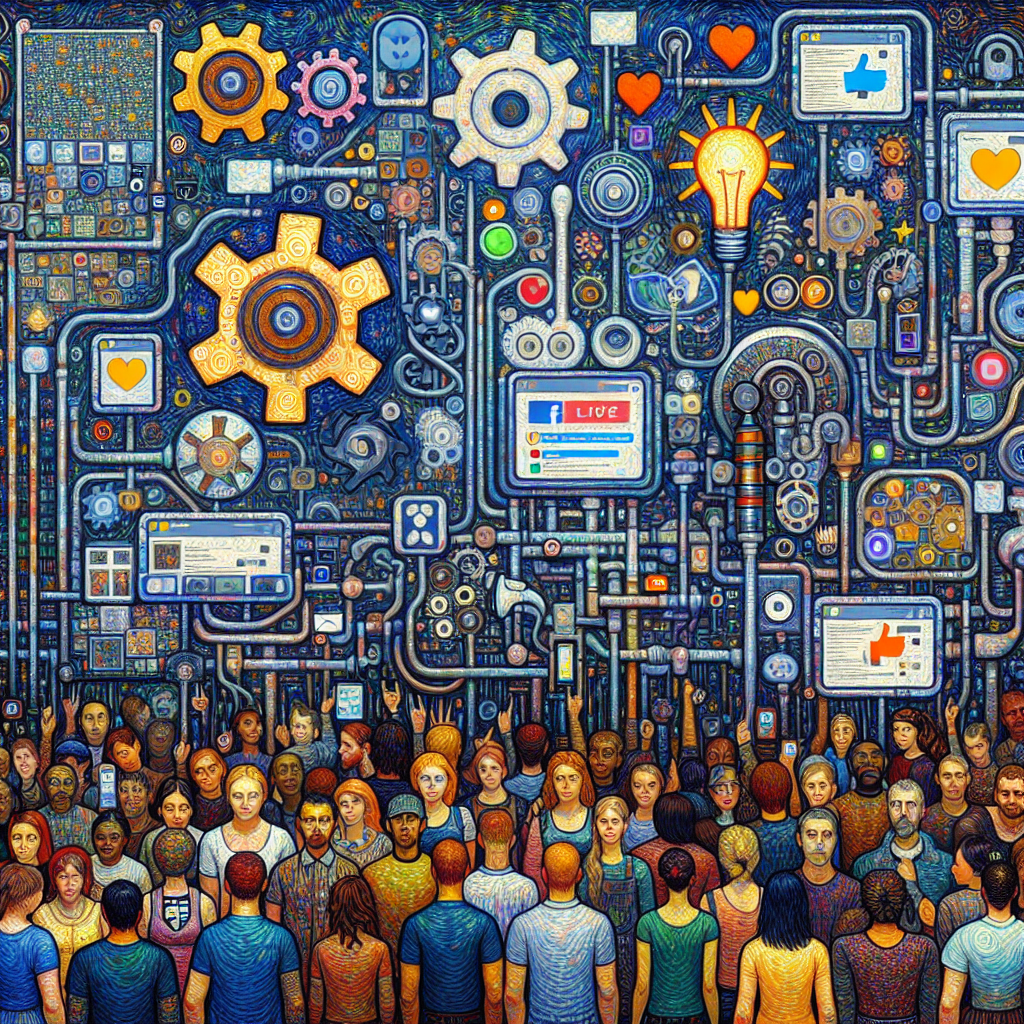
Understanding the emotional needs of users isn’t just some box to tick off on a list; it’s a profound journey that can transform the way we connect with others. Picture this: every person visiting your website or reading your blog carries a unique story—a narrative woven from dreams, disappointments, and aspirations. When you acknowledge these stories, you’re not merely delivering information, you’re forging a bond that resonates on a deeper level.
Start by stepping into their shoes for a moment. Whether they’re a weary traveler searching for a getaway or a busy parent seeking solutions—these users arrive with hopes and fears. Take a deep dive into their emotions. Harness the power of empathy by listening actively. Your goal here is not to sell a product or service, but to understand the human experience behind the screens. This approach will build trust, showing users that they are seen, heard, and valued.
Next, gather insights through surveys or interviews. Invite voices to share their stories, creating a compelling narrative that furthers your understanding. Analyze and reflect upon these responses. What patterns emerge? What are users yearning for that they’re not openly expressing? Use your findings as a guiding compass to align your offerings with their emotional needs.
Your integrity is paramount. Demonstrate ethical responsibility by addressing these needs authentically. Will your solution empower, uplift, and enrich their lives? By genuinely caring about the impact of your work, you become an authority in their eyes, not just another faceless entity.
Also, look to your community. Social interactions foster connection. Involve your users in discussions—they have invaluable insights to share. Utilize social media platforms to invite comments and encourage dialogue. Each interaction strengthens the bond, creating a support network that enhances the user experience.
Lastly, remember that understanding emotional needs is an evolving journey. As the landscape shifts and new challenges arise, keep that dialogue open. Let users know you’re in this together—actively progressing to meet their changing needs. This approach is your anchor. It’s not about a quick win; it’s about building a lasting relationship that inspires confidence and invites action. By making this commitment, you create an environment where users feel valued and connected, paving the way for genuine collaboration and mutual growth.
What Steps Can We Take to Understand the Emotional Needs Of Users?
What Steps Can We Take to Understand the Emotional Needs Of Users?
- Understanding users’ emotional needs transforms connections beyond mere information delivery.
- Every user has a unique story filled with dreams, disappointments, and aspirations.
- Empathy is key: actively listen to their hopes and fears without focusing solely on selling.
- Gather insights through surveys and interviews to uncover unexpressed user needs.
- Maintain integrity by addressing emotional needs authentically and ethically.
- Engage with the community through discussions on social media for valuable user insights.
- Recognize that understanding emotional needs is an evolving journey, fostering lasting relationships.

What Steps Can We Take to Understand the Emotional Needs Of Users?
Are There Frameworks to Guide Empathetic AI Interactions Effectively?
In a world increasingly shaped by technology, the question of how we can ensure that AI interacts with us in a truly empathetic manner is more pressing than ever. Imagine a future where our machines not only execute tasks but understand our emotions, our joys, and our sorrows. This isn’t just a dream—it’s a possibility that sits at the intersection of heart, head, and gut. The frameworks that guide these empathetic interactions are like a blueprint for a house: without a solid foundation, even the most splendid design risks collapse.
At the heart of effective empathetic AI interactions is the need to connect emotionally. We might think of our machines as tools, but as we engage with them more deeply, we realize they become companions in our lives. Consider a chat with a mental health app that doesn’t just respond with facts but understands when we need a lift or a moment of kindness. This approach grounds the technology in human experience, creating spaces where we feel safe sharing our stories.
Rationally, employing a framework like behavioral design can help engineers build responsiveness into AI systems. By analyzing patterns in human emotional responses, developers can create interactions that resonate more deeply. These aren’t just algorithms; they’re an understanding of human nature—an acknowledgement that our feelings matter. Think about the authority of experts in psychology and ethics lending their insights to ensure that these interactions are not just functional but also genuinely caring.
Ethically, this call for empathy extends beyond mere codes of conduct; it’s about fostering a culture of respect, where AI practices align with our shared values. As societies become more diverse, embracing different emotional expressions can create an environment where no one feels left behind.
Narratively, we’ve seen stories where AI has made a difference—whether helping someone cope with loneliness or providing comfort in difficult times. These tales weave together an understanding of how technology can give voice to the voiceless and elevate the human experience, leading to stronger social bonds.
When we look at the framework for empathetic AI interactions, let’s remember that it’s not just about the code—it’s about our lives. It’s about the connections we form and the communities we build. By working together, we can nurture technology that doesn’t just serve us, but connects with us—fostering trust, confidence, and a shared future. Curious about how to get involved? Dive into our website or blog for more insights and stories that inspire action.

Are There Frameworks to Guide Empathetic AI Interactions Effectively?
Are There Frameworks to Guide Empathetic AI Interactions Effectively?
- The pressing need for AI to interact with humans empathetically in a technology-driven world.
- Envisioning machines that understand human emotions, joys, and sorrows, not just performing tasks.
- The importance of emotional connection in AI interactions, treating machines as companions rather than mere tools.
- Employing frameworks like behavioral design to create responsive and empathetic AI systems.
- Incorporating insights from psychology and ethics to ensure genuine and caring AI interactions.
- Promoting a culture of respect and embracing diverse emotional expressions in AI practices.
- Highlighting narratives where AI enhances human experience and strengthens social bonds.

Are There Frameworks to Guide Empathetic AI Interactions Effectively?
How Do We Maintain Trust In AI That Mimics Human Empathy?
In a world where digital interactions are becoming the norm, the challenge we face is maintaining trust in the artificial intelligence that mimics human empathy. It’s like inviting a stranger into your home, hoping they’ll understand your story and your struggles. But the warmth of a human touch can’t be easily replicated by lines of code. As technology advances, we find ourselves at a crossroads where emotional connection becomes a critical part of our experience with AI.
Picture this: You log onto a website, seeking support after a tough day. The friendly chatbot greets you, offering words of comfort. Does that interaction hold weight? Or does it feel like a hollow performance? This emotional nuance matters. To foster trust, we need our AI companions not just to mimic empathy but to present it authentically. When technology resonates with our feelings, it builds a bridge, uniting the heart and the head. The very algorithms that analyze and respond to our reactions must reflect an understanding of our humanity, forging connections that are not just transactional but deeply relational.
Rationally, we understand that AI can analyze vast datasets, providing remarkable insights. But the ethical questions loom large. Who programs this emotional intelligence? Is it built on a foundation of genuine understanding, or is it merely an imitation? With great power comes great responsibility, and developers must be held to the highest standards of integrity. Just like a craftsman cares for his tools, we must ensure our AI is shaped with ethical considerations at the forefront. It is here where the authority of creators plays a vital role, establishing guidelines and principles that govern the intersection of technology and empathy.
Sharing stories can be a powerful way to foster trust. Imagine hearing about a real woman who turned to an empathetic AI when she felt utterly alone. Their conversations helped her through her darkest moments, painting a vivid picture of how technology can offer solace. These narratives invite empathy, pulling us into the lives of others and showing us the potential for connection, even in the digital realm.
As we move forward, the social responsibility lies with each of us—to question, to engage, and to shape a future where AI can genuinely assist, support, and understand. Embracing this journey requires each of us to take action, reinforcing that empathy, whether human or artificial, is not just an algorithm but a shared endeavor. Trusting AI that reflects our values and experiences isn’t just a desire; it’s an essential step toward a compassionate future.

How Do We Maintain Trust In AI That Mimics Human Empathy?
How Do We Maintain Trust In AI That Mimics Human Empathy?
- Digital interactions challenge our trust in AI’s ability to mimic human empathy.
- Human touch and emotional connection cannot be easily replicated by technology.
- Authentic empathy in AI interactions is crucial for building trust.
- AI must resonate with our feelings to create meaningful, relational connections.
- Ethical questions arise regarding who programs emotional intelligence in AI.
- Sharing personal stories can foster trust and illustrate AI’s potential for empathy.
- Social responsibility lies in questioning and shaping AI to be genuinely supportive and understanding.

How Do We Maintain Trust In AI That Mimics Human Empathy?
How Can We Measure the Impact Of Empathetic Automation on Users?
When pondering the impact of empathetic automation on users, think of it as a bridge—a bridge built on understanding, connection, and respect. It’s not just about algorithms and code; it’s about people and their experiences. We live in a world where technology is often seen as cold and distant, yet empathetic automation promises to bridge that gap, creating a relationship between man and machine that speaks to the heart, head, and gut of what it means to be human.
Start with the emotional side. Imagine a user, weary and frustrated, struggling with a task that should be simple. Now, imagine a system that senses their distress, offering gentle guidance and support. That’s more than just automation; it’s a digital hand reaching out, a warm presence in a sterile environment. The tears of relief, the smiles of surprise—these are the emotions we strive to evoke. Measuring this impact requires more than metrics; it must capture stories, those moments when a user felt truly understood.
Now, let’s delve into the rational aspect. Hard data is essential. User engagement statistics, task completion rates, or the frequency of repeat interactions provide a landscape of how empathetic automation operates. A high engagement rate signals that users are not just using a system but fundamentally connecting with it. To accurately gauge this, we must gather feedback through surveys and interviews, revealing the nuanced experiences that numbers alone cannot express.
Ethically, we must ask: Is our automation truly serving the user’s best interests? Trust is built by prioritizing the user’s needs and autonomy, ensuring that technology empowers rather than diminishes human agency. When users notice that their concerns and feelings are respected, it fosters a sense of partnership—a society where technology listens as much as it acts.
Narratives play a pivotal role here. Share stories from users whose lives were transformed by empathetic automation. These tales resonate deeply, highlighting the human side of technology and fostering a sense of community. When users see themselves in these stories, they become more than just numbers; they become part of a larger narrative, a tribe united by shared experiences.
Ultimately, to measure the impact of empathetic automation, we must blend heart, head, and gut. We need to engage users, listen to their voices, and validate their experiences. When we do, we’re not just analyzing data; we’re cultivating a connection that enriches lives, inspiring trust and confidence in the systems we create. Our task is not just to innovate but to care—because at the end of the day, it’s that compassion that makes technology truly remarkable.

How Can We Measure the Impact Of Empathetic Automation on Users?
How Can We Measure the Impact Of Empathetic Automation on Users?
- Empathetic automation serves as a bridge based on understanding, connection, and respect.
- It’s about the emotional impact on users, providing support and guidance in frustrating situations.
- Measuring the emotional impact requires capturing stories and experiences beyond mere metrics.
- Hard data, such as user engagement and task completion rates, are crucial for understanding automation effectiveness.
- Ethical considerations emphasize prioritizing user needs and fostering trust and autonomy.
- Narratives from users highlight the transformative effects of empathetic automation, creating community and connection.
- To measure impact, it’s essential to blend emotional insight with data analysis, focusing on compassion in technology.

How Can We Measure the Impact Of Empathetic Automation on Users?
How Can Automated Empathy Improve Workplace Relationships and Morale?
In the hustle and bustle of modern workplaces, where deadlines loom and stress levels soar, there’s a secret weapon that often goes unnoticed: automated empathy. It sounds like a buzzword, right? But think about it for a moment; when was the last time you felt truly seen or understood at work? We’re not just cogs in a machine; we are human beings with emotions, dreams, and burdens we carry daily. This is where automated empathy steps in, offering a lifeline that can transform workplace interactions from mechanical exchanges into meaningful connections.
Imagine walking into your office, and instead of the cold indifference of a spreadsheet or an impersonal email, you are greeted by a system that recognizes your mood and offers thoughtful support. That’s more than just efficiency—it’s emotional intelligence in action. By integrating technology that understands our emotional landscapes, we bridge the gap between cold automation and warm human connection. It’s not just about checking a box; it’s about fostering relationships that matter.
Let’s think about the rational side too. Studies show that workers who feel understood are more engaged and productive. They trust their colleagues, sticking together through thick and thin. When empathy is integrated into the workplace, it’s not just a feel-good initiative; it’s a powerhouse for morale. Teams that communicate openly and support one another can adapt to change faster and innovate more creatively. What does that mean for you? It means a thriving work environment where ideas flow and people flourish.
Ethically, we owe it to ourselves and our teams to cultivate a culture of empathy. Everyone deserves to feel valued, and when automated systems can facilitate that, we’re on the right track. Just as you’d want someone to lend an ear when times are tough, building automated empathy into your workplace is about extending that same love and support through technology.
Finally, let’s be clear: this isn’t about replacing human intuition but amplifying it. Picture a workplace where people are not just co-workers but allies. That’s a community that grows stronger together, where each voice matters. This is about creating a legacy of care, one interaction at a time. Automated empathy makes it possible to ensure no one is left behind, reminding us all that it’s not just business—it’s personal. And when we get personal, that’s when the magic happens.

How Can Automated Empathy Improve Workplace Relationships and Morale?
How Can Automated Empathy Improve Workplace Relationships and Morale?
- Automated empathy offers a way to transform workplace interactions into meaningful connections amidst stress and deadlines.
- This technology recognizes moods and provides thoughtful support, enhancing emotional intelligence in the workplace.
- Employees who feel understood are generally more engaged, productive, and trusting of their colleagues.
- Integrating empathy into work culture boosts morale and allows teams to adapt to change creatively and effectively.
- Cultivating a culture of empathy ensures that everyone feels valued and supported through automated systems.
- Automated empathy complements human intuition, fostering a workplace community where each voice matters.
- By making personal connections, automated empathy enriches the business environment, ensuring no one is left behind.

How Can Automated Empathy Improve Workplace Relationships and Morale?
In What Ways Can We Train AI to Understand Context In Human Emotions?
Training AI to understand the complexities of human emotions is like teaching a child to ride a bike—it’s not just about balance and pedaling; it’s about giving them the freedom to experience life while understanding the road ahead. Picture this: every time we laugh, cry, or sigh, we’re not just expressing emotion; we’re sharing a part of our story. So how do we invite AI into this deeply personal world?
First, we need to feed it real, unfiltered conversations. Think of those heartfelt chats with your best friend, where you bare your soul and dive into the nuances of joy, anxiety, or heartache. AI can learn from thousands of these moments, recognizing the subtle shifts in tone, word choice, and rhythm that turn a simple phrase into a protective hug or a push away. The more varied the input, the better equipped AI becomes to navigate the emotional landscape we call human communication.
But it’s not just about data—it’s about ethics. Our machines need to be programmed not just with algorithms but with a moral compass. We need to instill in them the understanding of consent, of vulnerability. Trust is essential here; just as we trust a confidant with our deepest fears, we must be able to trust our AI companions to handle our emotions with care and sensitivity. When we can confidently lean on these systems without fear of misuse, we’ll know we’ve made progress.
Consider the narratives we share; they’re the fabric of our communal experiences. By embedding diverse stories—from the heartburn of heartbreak to the soaring highs of love—into AI training, we craft a more relatable artificial companion. Such a machine wouldn’t just mimic emotions; it would reflect the tapestry of human experience, fostering genuine connections that resonate within our societal framework.
Finally, let’s talk about action. The future isn’t about replacing human interaction but enhancing it. Encouraging collaboration between technologists, psychologists, and everyday folks can bridge the gap between machine learning and emotional understanding. By building a network of resources—a blog, a website, or community-driven forums—we can all contribute to this evolution. Each voice matters in ensuring that AI learns not just to understand our emotions but to honor them. We’re on a transformative journey together, expanding the horizons of both technology and humanity, and it starts with believing that our emotions are not just data points but the very essence of what it means to be human.

In What Ways Can We Train AI to Understand Context In Human Emotions?
In What Ways Can We Train AI to Understand Context In Human Emotions?
- Training AI to understand human emotions is akin to teaching a child to ride a bike—it’s about balance and understanding life experiences.
- Emotions are expressions of our personal stories, and AI needs to be invited into this emotional world.
- AI should learn from real, unfiltered conversations to grasp the nuances of human emotions like joy and anxiety.
- It’s crucial to embed ethical considerations and a moral compass in AI, ensuring it understands consent and vulnerability.
- Diverse narratives help AI reflect the breadth of human experience, enhancing its ability to form genuine connections.
- The focus should be on enhancing human interaction through collaboration between various stakeholders in AI development.
- The journey to emotional understanding in AI is transformative, emphasizing that emotions are essential to humanity.

In What Ways Can We Train AI to Understand Context In Human Emotions?
Conclusion
Automation offers a remarkable opportunity to enhance our lives by streamlining tasks and processes. However, in this digital age, we must not lose sight of what it means to be human—our emotions, our stories, and our connections. The challenge lies in teaching our machines to understand and reflect authentic human empathy without sounding robotic or cold. Imagine a world where technology doesn’t just respond with facts but understands the emotional weight behind our requests, bridging gaps that often feel insurmountable.
At the core of this transformation is the power of narrative. People resonate with stories—that’s how we connect. By integrating personal anecdotes into automated responses, we not only acknowledge our users’ feelings but also build trust. When a system can say, “I see you,” it creates a shared experience that fosters community. It’s not merely a transaction; it’s about forging relationships that matter. This approach requires us to embrace warm, relatable language that cultivates a sense of belonging. If users feel valued, they engage with the technology more deeply and authentically.
Rationally, it’s clear that empathetic interactions boost morale and enhance user engagement. When individuals feel genuinely understood, it creates an environment where they are encouraged to explore, collaborate, and innovate. We must also consider our ethical responsibility in this pursuit. Empowering individuals rather than simply delivering information is crucial. Ethical communication can uplift others, ensuring everyone’s voice is heard.
Furthermore, sharing real success stories emphasizes our dedication to empathy. When we highlight how empathetic automation has made a tangible impact on users’ lives, we offer proof that technology can be a supportive ally. This reinforces the notion that we are not mere data points but beings in a larger tapestry of human experience.
As we stride forward, engaging users as co-creators in this journey becomes paramount. Listening to their needs and adapting our technology to address their emotional landscapes ensures that trust is maintained. Simply put, we need to create a digital space where empathy thrives, laying the groundwork for a future where machines don’t just serve us—they understand, support, and connect with us. By blending heart, head, and gut, we can cultivate a technological environment that nurtures real human connections, turning our dreams into a shared reality where technology resonates with the very essence of our humanity.

Conclusion
Conclusion:
- Automation enhances lives by streamlining tasks while preserving human emotions and connections.
- The challenge is to teach machines to understand and reflect authentic human empathy.
- Integrating personal anecdotes in automated responses fosters trust and builds relationships.
- Empathetic interactions boost morale and enhance user engagement.
- Ethical responsibility in technology emphasizes empowering individuals and uplifting voices.
- Highlighting success stories proves the impact of empathetic automation in users’ lives.
- Engaging users as co-creators ensures technology addresses emotional needs and fosters trust.

Conclusion
Other Resources

Other Resources
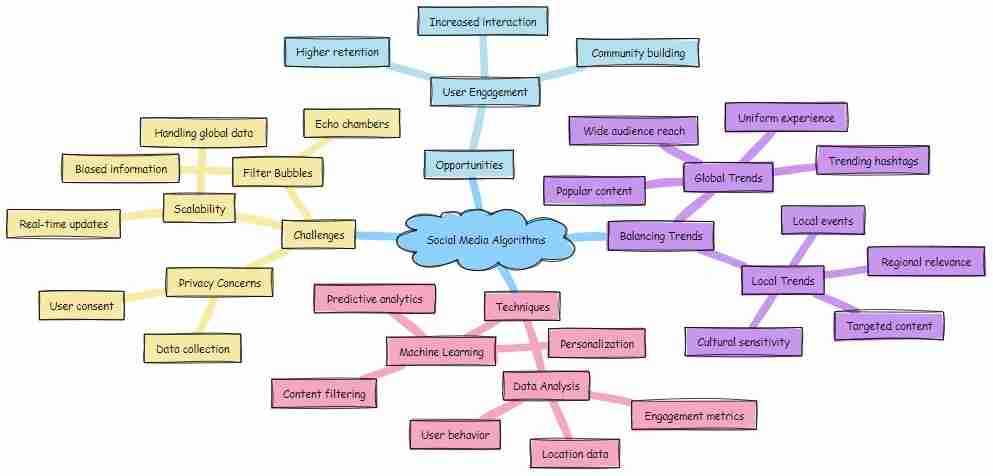
Here is a list of other resources you can review online to learn more:
- Dreamily.ai
- Flowrite.com
- Supermeme.ai
- Trello
- Contlo.com
- Promptbase.com
- Roamaround.io
- SocialPilot
- Harpa.ai
- Jenni.ai
- Monkeylearn.com
- Trendspider.com
- Beyondpricing.com
- Yellow.ai
- Cleanup.pictures
- WordHero
- The-good-ai.com
- Lexica.art
- Wearenova.ai
- Peppercontent.io
Use This Prompt To Get More Resources With Your Favorite Online AI Tool: Please provide me with a list of online articles with their URLs in a bulleted list that I can read regarding How to Automate Empathy Without Sounding Robotic
Other Resources
Glossary Terms
How to Automate Empathy Without Sounding Robotic – Glossary Of Terms
1. Empathy: The ability to understand and share the feelings of another person, crucial in personal and professional relationships.
2. Automation: The use of technology to execute tasks with minimal human intervention, enhancing efficiency and consistency.
3. Tone: The attitude or emotional quality conveyed in communication, which can influence how messages are perceived.
4. Personalization: Tailoring communications and interactions to the individual needs or preferences of a person, fostering connection.
5. Active Listening: A communication technique that involves fully focusing on the speaker, understanding their message, and responding thoughtfully.
6. Natural Language Processing (NLP): A field of artificial intelligence that enables machines to understand, interpret, and respond to human language in a way that is both meaningful and contextually relevant.
7. Sentiment Analysis: The process of determining the emotional tone behind a series of words to understand attitudes, opinions, or feelings.
8. Humanization: The practice of making technology or automated processes more relatable and emotionally resonant, often by using personal touches or relatable language.
9. Chatbot: An AI-powered tool designed to simulate conversation with users in natural language, often used for customer service and engagement.
10. Feedback Loop: A system that incorporates user feedback into processes or services to continuously improve the automated experience.
11. Contextual Understanding: The capability of recognizing and interpreting the circumstances surrounding communication to respond appropriately.
12. User Experience (UX): The overall experience of a person interacting with a product, emphasizing satisfaction and usability.
13. Emotional Intelligence: The ability to recognize, understand, and manage one’s own emotions and the emotions of others, critical to empathetic interactions.
14. Conversational Design: The process of creating dialogue systems (like chatbots) that engage users in meaningful interactions, mirroring human conversation styles.
15. Response Modeling: Creating patterns for how an automated system should respond based on various inputs or triggers.
16. Authenticity: The quality of being genuine and true, an important aspect of communication that fosters trust and connection.
17. Engagement: The level of interaction and involvement from users, often measured by how invested they are in a conversation or service.
18. Empathetic Responses: Replies or actions that convey understanding and concern, aimed at connecting with the emotional state of the user.
19. Pacing: The speed and rhythm of communication, which can impact how messages are received and understood.
20. Voice Tone: The quality of the sound in spoken communication that can convey emotional content, such as warmth or friendliness.
21. Scripted Dialogue: Pre-written interactions for automated responses, which can be enhanced for a more human-like nature.
22. Cultural Sensitivity: Awareness and consideration of cultural differences in communication styles and preferences, important for empathetic engagement.
23. User Personas: Fictional characters created based on user research, representing different types of users to inform design and communication strategies.
24. NLP Optimization: Enhancing natural language processing algorithms to better respond to human emotion and intent.
25. Relatability: The quality of being relatable or understandable, making communications feel more personal and engaging.
26. Conversational Tone: A casual and friendly style of communication that mimics natural human conversation, promoting comfort and ease.
27. Affective Computing: Technology designed to recognize, interpret, and simulate human emotions, often to improve human-computer interaction.
28. Social Cues: Subtle signals or indicators in communication (like body language or tone) that provide context about emotions and intent.
29. Customization: The process of modifying communication or services to meet the specific needs and preferences of individual users.
30. Trust Building: The process of establishing reliability and emotional safety in interactions, essential for fostering a positive relationship.

Glossary Of Terms
Other Questions
How to Automate Empathy Without Sounding Robotic – Other Questions
If you wish to explore and discover more, consider looking for answers to these questions:
- What are some successful examples of empathetic automation in customer service?
- How do we train AI to recognize and respond to different cultural expressions of emotion?
- What ethical guidelines should developers follow when designing empathetic AI?
- How can businesses measure the effectiveness of their empathetic communication strategies?
- What role does active listening play in automated empathy?
- Can automated empathy be scaled for larger organizations without losing authenticity?
- What are the limitations of current empathetic AI technologies?
- How can organizations train employees to complement automated empathy tools?
- What feedback mechanisms can be implemented to continuously improve empathetic automation?
- How do different industries adopt and adapt empathetic automation strategies?

Other Questions
Haiku
How to Automate Empathy Without Sounding Robotic – A Haiku
Empathy in code,
Machines that feel, listen close,
Hearts bridge the stark void.

Haiku
Poem
How to Automate Empathy Without Sounding Robotic – A Poem
In a world of code and screen-lit glare,
Where human touch seems rare as air,
Automation hums a distant song,
But seeks to understand where hearts belong.
Picture a user, weary and lost,
Navigating a maze, feeling the cost,
Yet from the void, a voice appears,
Not just mechanics, but empathy sincere.
“Your struggle is seen,” it softly speaks,
A story shared, kindness that seeks,
To bridge the gap, to resonate true,
For in our pain, we connect anew.
With warmth in language, let trust unfurl,
Where automation helps, not a mechanized whirl;
It binds us together—a community fraught,
With narratives lived, lessons deeply wrought.
Ethics ignite this digital design,
Instilling compassion, aligning the line,
Between human hearts and AI’s embrace,
Creating connections that time won’t erase.
Gathering stories, inviting the crowd,
To voice their truths, not just numbers loud,
The pulse of emotion, a guiding light,
In shaping a future that feels just right.
As we mold our machines, let voices unite,
To craft understanding, from wrong to right,
With every line of code, let values inspire,
To build relationships, authentic and higher.
So let’s journey together, in this digital dance,
Where empathy thrives, in every chance;
For in the heart of the algorithms’ sway,
Resides the promise of a kinder day.

Poem
Checklist
How to Automate Empathy Without Sounding Robotic – A Checklist
Checklist for Automating Empathy in Digital Communication
Emotional Appeals
_____ Connect Through Stories: Integrate relatable narratives into your automated messages to evoke empathy.
_____ Use Warm Language: Choose words that express understanding and compassion, making interactions feel genuine.
_____ Share Testimonials: Highlight real-life experiences that showcase the positive impact of your service, creating emotional resonance.
Rational Appeals
_____ Gather User Feedback: Implement surveys and interviews to understand users’ emotional needs and preferences.
_____ Analyze Data: Track user engagement metrics to measure how empathetic automation influences interactions and satisfaction.
_____ Utilize Behavioral Insights: Lean on psychological insights to design emotionally intelligent interactions that resonate with users.
Ethical Appeals
_____ Empower Users: Ensure your automated systems prioritize user autonomy and well-being, making ethical communication a cornerstone.
_____ Foster a Culture of Respect: Design AI with moral considerations that align with shared human values.
_____ Commit to Transparency: Clearly communicate how user data will be treated and the intent behind AI interactions.
Authority Appeals
_____ Follow Best Practices: Incorporate guidelines from experts in psychology and user experience to guide empathetic AI design.
_____ Establish Credibility: Share your qualifications or case studies that demonstrate a commitment to understanding emotional dynamics in technology.
Narrative Appeals
_____ Highlight Transformative Stories: Showcase how empathetic automation has positively changed user experiences, building a collective narrative.
_____ Create Community Spaces: Encourage users to engage with each other, fostering a sense of belonging and shared understanding.
Social Appeals
_____ Invite User Participation: Create forums or social media discussions for users to share their experiences and insights.
_____ Promote Collaborative Learning: Encourage co-creation between users and developers to shape empathetic interactions that meet evolving needs.
_____ Build a Support Network: Develop a community that values emotional connection and mutual support, integrating it into your service offerings.
By following this checklist, you’ll be positioned to enhance human connections through empathy-infused automation, creating a compassionate digital landscape.
Checklist
At WebsiteBloggers, we help website bloggers develop strategies to create content, traffic, and revenue from website blogs based on our experiences and experimentation.
Be sure to read our other related stories at WebsiteBloggers and share this article with your friends, family, or business associates who run website blogs.