Mastering The Blend Of AI And Human Touch In Marketing
By Tom Seest
At WebsiteBloggers, we help website bloggers develop strategies to create content, traffic, and revenue from website blogs based on our experiences and experimentation.
Be sure to read our other related stories at WebsiteBloggers and share this article with your friends, family, or business associates who run website blogs.
How to Balance AI and Human Input In Your Marketing Strategy?
Harnessing the Power of AI Without Losing Your Human Touch
In a world where technology barrels ahead like a freight train, it’s all too easy to let artificial intelligence steer the ship. And while AI can optimize campaigns, analyze data, and deliver stunning insights at lightning speed, there’s a crucial element we cannot overlook: the human touch. So, how do we strike that balance? How do we ensure our marketing strategies are both cutting-edge and warm enough to connect with real, breathing people?
First off, let’s remember that our potential customers are not just numbers on a spreadsheet; they are individuals with thoughts, feelings, and aspirations. Your website blog should reflect that. Write like you’re having a conversation with a friend—use relatable language and stories that resonate. After all, people crave connection. By infusing warmth and personality into your blog posts, you create an inviting atmosphere that draws readers in and keeps them engaged, just like the local café where everyone knows your name.
Now, let’s not toss AI out with the bathwater. Use it to your advantage! Let it churn through those mountains of data to uncover patterns and preferences you may have missed. But remember, don’t let the data dictate your voice. This is where your instinct and creativity should come into play. Use AI to inform your decisions, but allow your unique perspective to guide the narrative. Strive for that perfect blend of algorithmic efficiency and soulful storytelling.
Engagement is the name of the game. When you write that blog, pose questions, seek feedback, and create opportunities for dialogue. Use AI tools to analyze which topics spark the most interest and tailor your content accordingly—but keep it real. You’re not just writing for clicks; you’re building relationships.
Moreover, sprinkle in those personal anecdotes. Share your struggles, victories, and lessons learned along the way. This not only fosters trust but also helps your readers feel like they’re on the journey with you.
So, let’s embrace the wonders of AI while also nurturing that invaluable human connection. Blend the precision of technology with the authenticity of your voice. Allow the strides of innovation to elevate your marketing strategy while ensuring that the heart of your content remains steadfastly human. By striking this balance, you’ll not only engage your audience but also win their loyalty and trust. Now that’s a recipe for success worth pursuing!

How to Balance AI and Human Input In Your Marketing Strategy?
How to Balance AI and Human Input In Your Marketing Strategy?
- AI can optimize marketing strategies but the human touch is essential for authentic connections.
- Customers are individuals with emotions—marketing content should engage in a conversational tone.
- Use AI to analyze data but allow creativity and personal perspective to shape the narrative.
- Engagement is key: ask questions and invite dialogue to build relationships with your audience.
- Incorporate personal anecdotes to foster trust and create a relatable experience.
- Blend technology’s precision with authenticity to enhance your marketing strategy.
- Striking a balance between AI and human connection leads to increased audience engagement and loyalty.

How to Balance AI and Human Input In Your Marketing Strategy?
Table Of Contents
- How to Balance AI and Human Input In Your Marketing Strategy?
- What Is The Role Of AI In Modern Marketing Strategies?
- How Can Human Insight Enhance AI-Driven Marketing?
- What Are The Benefits Of Combining AI And Human Input?
- How Do You Determine The Right Balance Between AI And Humans?
- What Tools Can Help Integrate AI Into Marketing Plans Effectively?
- How Can Marketing Teams Develop An AI-Human Collaboration Model?
- Conclusion
- Other Resources
- Glossary Of Terms
- Other Questions
- Haiku
- Poem
- Checklist
What Is The Role Of AI In Modern Marketing Strategies?
When you think about modern marketing strategies, it’s hard to ignore the elephant in the room—Artificial Intelligence, or AI, as we like to call it. Now, I know what you might be thinking: “AI sounds like something out of a science fiction novel.” But let’s set the record straight: it’s as real as that cup of coffee you’re clutching right now.
Picture this: you’re scrolling through a website blog, sipping your coffee, when suddenly, an ad pops up that feels eerily personalized. It knows what you’re into—maybe it’s sports gear or that cookbook you’ve had your eye on. That’s AI at work, sifting through mountains of data to serve you something that resonates. It’s not magic; it’s smart marketing, tailoring messages to meet your needs and capture your attention.
One of the most profound ways AI influences modern marketing strategies is through predictive analytics. Ever wondered how brands know what you might want next? Well, AI analyzes customer behavior and predicts future actions, allowing marketers to craft targeted campaigns that speak directly to you. It’s like having a crystal ball, but instead of vague prophecies, you get strategies that are grounded in data, context, and real human behavior.
But wait, there’s more. Let’s not forget about chatbots, those friendly helpers popping up in the corner of your screen. Ever had a question at 3 AM about your latest online order? With AI-powered chatbots, you get instant responses, making your experience seamless and efficient. This level of service builds trust; you know the brand is there for you at any hour of the day, which makes you more likely to return.
Moreover, AI isn’t just about automation. It offers a treasure trove of insights. Marketers can dive deep into consumer behaviors and preferences, allowing them to fine-tune their strategies. This means higher engagement, better conversion rates, and ultimately, a more satisfying experience for you, the consumer.
So, as you navigate this digital landscape, remember that AI is here to enhance your experience. It’s not some faceless technology—it’s a tool that fine-tunes strategies, enriches connections, and makes modern marketing genuinely feel personal. Embrace it, and who knows? Your next favorite product might just be a click away.

What Is The Role Of AI In Modern Marketing Strategies?
What Is The Role Of AI In Modern Marketing Strategies?
- Artificial Intelligence (AI) is a key player in modern marketing strategies.
- AI personalizes advertisements based on user interests, analyzing data to serve relevant content.
- Predictive analytics powered by AI helps brands anticipate customer needs and tailor marketing campaigns.
- AI chatbots provide instant customer support, enhancing user experience and building brand trust.
- In-depth consumer insights generated by AI allow marketers to refine their strategies for higher engagement.
- AI improves conversion rates, creating a more satisfying experience for consumers.
- Embracing AI technology transforms modern marketing into a personalized experience for users.

What Is The Role Of AI In Modern Marketing Strategies?
How Can Human Insight Enhance AI-Driven Marketing?
How Can Human Insight Enhance AI-Driven Marketing?
At first glance, it might seem that the rise of artificial intelligence in marketing is a game-changer—an unstoppable wave of data science crashing over traditional methods. And sure, algorithms and metrics are powerful tools for optimizing campaigns, but let’s not forget the heart of it all: human connection. That’s where the real magic happens. Our intuition, empathy, and creativity are the elements that breathe life into the cold, efficient processes of AI-driven marketing.
Take a moment to think about the last time a brand truly resonated with you. Was it a clever ad, a website blog with a personal touch, or perhaps an out-of-the-blue email that felt like it was written just for you? In these moments, that connection was forged not by algorithms, but by the unique human experience behind the scenes. When we incorporate human insight into AI-driven strategies, marketing transcends mere data—it evolves into a conversation.
Let’s consider a practical scenario. You’re managing a campaign for a new product that’s launching soon. Sure, you can plug data into your favorite AI tools: analyzing demographics, predicting buyer behavior, optimizing ad placement. But wouldn’t it be wise to also gather feedback from your team, clients, or even friends? A casual coffee chat can spark ideas that raw data simply can’t. Who knows? This human insight could lead to that lightbulb moment—a unique angle or narrative that takes your campaign from ordinary to extraordinary.
Think of the stories that resonate the most. They often come from lived experiences, shared struggles, and triumphs. Human insights can uncover these stories, tailoring marketing strategies that not only reach audiences but touch their hearts. By combining the precision of AI with the nuanced understanding of human experience, you foster deeper connections that drive trust. This trust is crucial; it cultivates loyalty and keeps customers coming back for more.
It’s a powerful blend: the relentless efficiency of AI and the warm, unpredictable nature of human insight. So, dive into your next project with an open mind. Look beyond just numbers and charts—engage your team, listen to your audience, and remember that while AI can crunch data, it can’t replicate the power of genuine human connection. With this synergy, your marketing efforts will not just be effective; they’ll be meaningful. Embrace the blend, and watch your marketing soar.

How Can Human Insight Enhance AI-Driven Marketing?
How Can Human Insight Enhance AI-Driven Marketing?
- The rise of artificial intelligence in marketing enhances efficiency but lacks human connection.
- Human intuition, empathy, and creativity add depth to AI-driven marketing efforts.
- Effective marketing resonates through personal experiences rather than just algorithms.
- Incorporating human insight can transform data-driven strategies into meaningful conversations.
- Feedback from team members, clients, and friends can lead to innovative campaign ideas.
- Human stories and experiences are essential in crafting marketing strategies that build trust and loyalty.
- Combining AI’s efficiency with human insight results in impactful and meaningful marketing efforts.

How Can Human Insight Enhance AI-Driven Marketing?
What Are The Benefits Of Combining AI And Human Input?
What Are The Benefits Of Combining AI And Human Input?
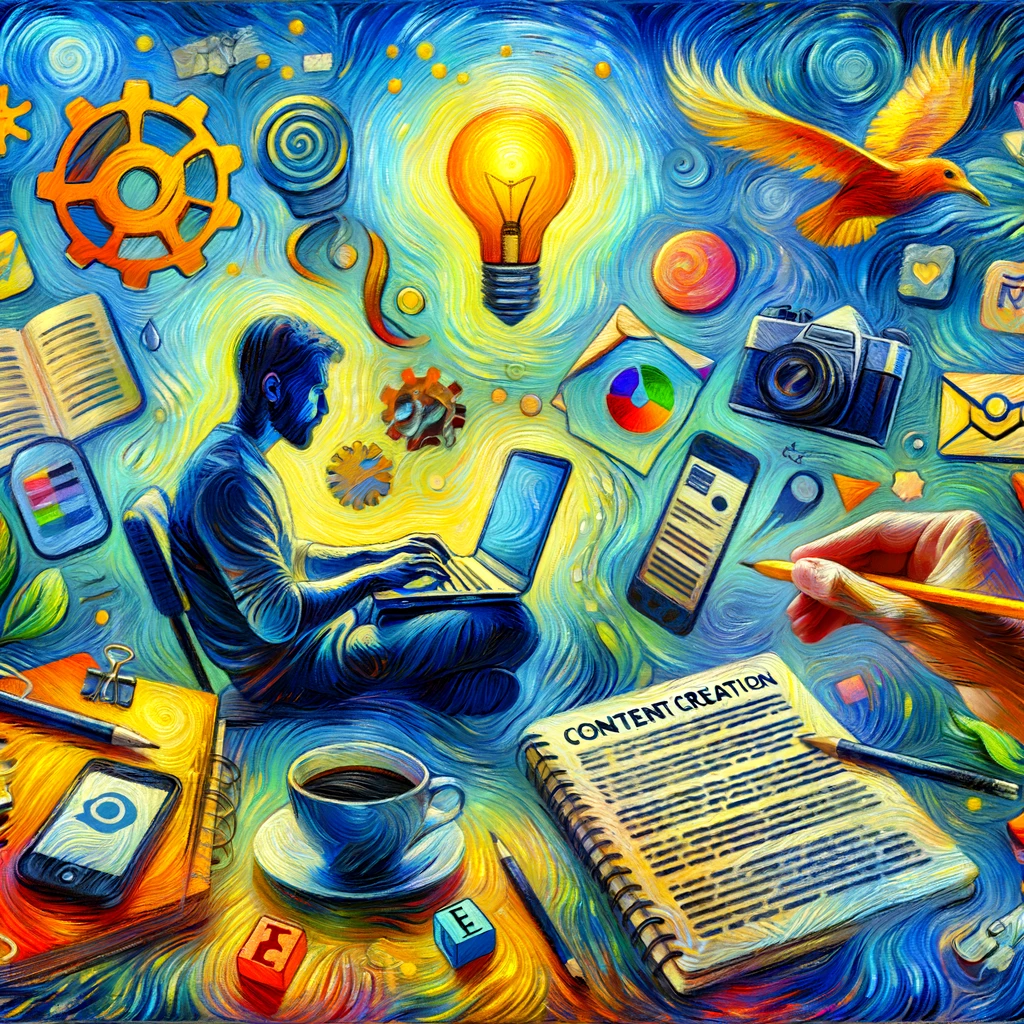
Let’s face it, we’re living in a rapidly changing world where technology fills every nook and cranny of our lives. There’s no denying that artificial intelligence (AI) has transformed the way we work, communicate, and even think. But here’s the real kicker: when you mix that cold, hard efficiency of AI with the warm, messy nuances of human experience, magic happens. It’s like baking a cake—without both flour and sugar, you’re just left with a pile of flour sitting in a bowl. So, let’s unpack why this combination is not just beneficial, but downright essential.
First off, AI excels at crunching numbers and handling repetitive tasks. It can process vast amounts of data in seconds, spitting out actionable insights faster than you can spell “algorithm.” However, let’s be real: it lacks the emotional intelligence and creativity that human input brings to the table. Think about it—when was the last time you heard a computer tell a heartfelt story? Exactly. That’s why marrying AI’s analytical prowess with human creativity can yield groundbreaking results. A website blog that’s driven by data but penned with human emotion resonates far deeper with audiences than a soulless machine-generated piece ever could.
Consider the healthcare industry, where AI can analyze complex patient data in the blink of an eye. But it’s the doctor’s experience, intuition, and empathy that offer patients comfort during their most challenging times. By combining the two, we’re not just improving accuracy—we’re revolutionizing the patient experience.
Moreover, tapping into human creativity alongside AI’s capabilities fosters innovation. Imagine a design team that uses AI to generate ideas based on user data while leveraging human instincts and cultural knowledge to fine-tune the final output. This collaborative approach often leads to solutions we never thought possible—it’s how we create products and services that genuinely connect with people.
Finally, let’s not overlook the trust factor. When humans and AI work hand-in-hand, we get transparency. People are more likely to accept AI-assisted decisions if they know there’s a human behind the curtain, interpreting and verifying the results.
So, whether you’re a business owner, an educator, or just someone curious about the world, embracing this powerful partnership will not only enhance your output; it’ll cultivate a future where technology uplifts human potential. Now, isn’t that something to get excited about?

What Are The Benefits Of Combining AI And Human Input?
What Are The Benefits Of Combining AI And Human Input?
- The combination of AI and human input creates a powerful synergy in a technology-driven world.
- AI excels at processing data and handling repetitive tasks quickly, but lacks emotional intelligence and creativity.
- Integrating human creativity with AI’s analytical capabilities yields more resonant and impactful content.
- In healthcare, AI enhances data analysis while human doctors provide empathy and intuition, improving patient experiences.
- Collaborative efforts between AI and human creativity foster innovation and lead to groundbreaking solutions.
- Transparency is enhanced when humans oversee AI decisions, building trust among users.
- Embracing the partnership between AI and humans will enhance outputs and elevate human potential in various fields.
What Are The Benefits Of Combining AI And Human Input?
How Do You Determine The Right Balance Between AI And Humans?
Finding the Balance Between AI and Humans: A Practical Approach
When it comes to integrating artificial intelligence into our lives, we all know the excitement it brings. From streamlining processes to crunching data at a speed that makes our heads spin, AI is an astounding advancement. But sit back for a moment and think: where does the human touch fit in? That’s the crux of the challenge many of us face today.
Determining the right balance between AI and humans isn’t just a tech-savvy exercise; it’s a delicate dance that requires understanding, heart, and a bit of good old-fashioned trial and error. Let’s think about it in practical terms: Picture a busy restaurant. The bustling waitstaff might use tablets to take orders and fulfill requests efficiently, but what’s going to sway a customer’s experience more than a warm smile and a human connection? That’s our starting point.
Your strategy might begin with identifying tasks that AI can perform effectively. Have a mountain of data to analyze? Let AI help you sift through it and find those golden nuggets of insight. But as you dive into the numbers, don’t forget about the human element. What questions does this data prompt? What stories does it tell? This is where your uniquely human intuition comes into play—something that data alone can’t replicate.
Let’s take a minute to reflect on your specific context, whether you’re running a small business, a large corporation, or somewhere in between. Consider where automation can relieve the pressure of mundane tasks, freeing your team to focus on creativity, problem-solving, or building relationships. The balance isn’t about replacing humans but enhancing their capabilities. By merging the analytics of AI with human experience and judgment, you cultivate an environment where innovation flourishes.
Finally, keep the conversation open. Engage with your team and your stakeholders. Ask for feedback and be willing to make adjustments. A thriving ecosystem benefits from collaboration across all levels. Remember, AI and humans can coexist harmoniously. It’s a matter of knowing which strengths to leverage at the right time.
Finding that balance is an ongoing journey. Let’s embrace it together as we forge a path where technology serves not just to automate, but to amplify the wonderful quirks that make us—in all our human glory—truly remarkable. So grab a cup of coffee, gather some insightful opinions from your crew, and start figuring out that rhythm. After all, when humans and machines work hand in hand, even the sky isn’t the limit—it’s just the beginning.

How Do You Determine The Right Balance Between AI And Humans?
How Do You Determine The Right Balance Between AI And Humans?
- The integration of AI into daily life offers excitement and efficiencies, but finding the right balance with human interaction is crucial.
- Understanding the role of human connection is essential, as AI can streamline processes but lacks emotional warmth.
- Identify specific tasks that AI can effectively handle, allowing humans to focus on intuition and storytelling derived from data.
- Automation can alleviate mundane tasks, empowering teams to enhance creativity and relationship-building.
- The goal is to augment human capabilities with AI analytics, fostering an environment rich in innovation.
- Open communication and feedback are vital for adjusting strategies and ensuring collaboration between AI and human efforts.
- Embrace the ongoing journey of balancing AI and human roles, recognizing the unique contributions of both in achieving remarkable outcomes.

How Do You Determine The Right Balance Between AI And Humans?
What Tools Can Help Integrate AI Into Marketing Plans Effectively?
What Tools Can Help Integrate AI Into Marketing Plans Effectively?
Imagine standing on the edge of a massive digital overhaul, where the potential to revolutionize your marketing strategy slaps you in the face like a brisk morning chill. That’s what integrating AI into your marketing plans can feel like—it’s both thrilling and a little daunting. But rest assured, you’re not embarking on this journey alone. There are tools out there that can help you navigate this exciting landscape with ease and confidence.
Let’s start with the bedrock of online presence—your website. Think of it as the storefront of your digital personality. With AI-driven optimization tools, you can enhance user experience by tailoring content and layout to meet the specific needs of your audience. Whether it’s chatbots that provide instant answers or personalized recommendations that keep visitors engaged, improving your website means transforming casual browsers into loyal customers.
Next up, don’t overlook the potential of a blog. This is where storytelling meets strategy. AI can analyze trending topics, keywords, and audience engagement patterns, ensuring that your content resonates deeply with your readers. Tools that leverage AI will not only streamline your writing process but can also suggest compelling headlines, catchy intros, and even future topics based on what’s hitting home with your audience. Picture this: you’re not just pumped full of ideas; you’ve got a personal assistant nudging you in the right direction.
Then there are the delightful tools for data analysis and customer insights. AI platforms like Google Analytics and HubSpot can sift through mountains of data, revealing trends that were once hidden in plain sight. Understanding your audience becomes less of a guessing game and more of a strategically guided experience. This allows you to pivot your marketing approach based on real insights, not just your gut feeling.
Lastly, don’t shy away from the potential of social media management tools, which can save you time while enhancing your reach. AI algorithms can help you determine the best times to post, analyze engagement metrics, and even identify what content sparks the most interest. Knowing where to focus your efforts can make your marketing feel less like throwing darts in the dark and more like a well-executed strategy.
The challenge of integrating AI into your marketing plans shouldn’t be intimidating. Embrace these tools, and you’ll find that the path to innovation is clear, exciting, and filled with opportunities just waiting to be seized. Dive in; the water’s fine!

What Tools Can Help Integrate AI Into Marketing Plans Effectively?
What Tools Can Help Integrate AI Into Marketing Plans Effectively?
- Integrating AI into marketing can transform strategies, but may seem daunting.
- AI-driven optimization tools enhance website user experience and foster customer loyalty.
- Blog content can benefit from AI by analyzing trends, keywords, and audience engagement.
- AI tools streamline writing and suggest compelling headlines and topics.
- Data analysis platforms like Google Analytics and HubSpot provide valuable customer insights.
- Social media management tools help maximize reach and optimize posting strategies.
- Embracing AI integration offers a clear and exciting path to marketing innovation.

What Tools Can Help Integrate AI Into Marketing Plans Effectively?
How Can Marketing Teams Develop An AI-Human Collaboration Model?
How Can Marketing Teams Develop An AI-Human Collaboration Model?
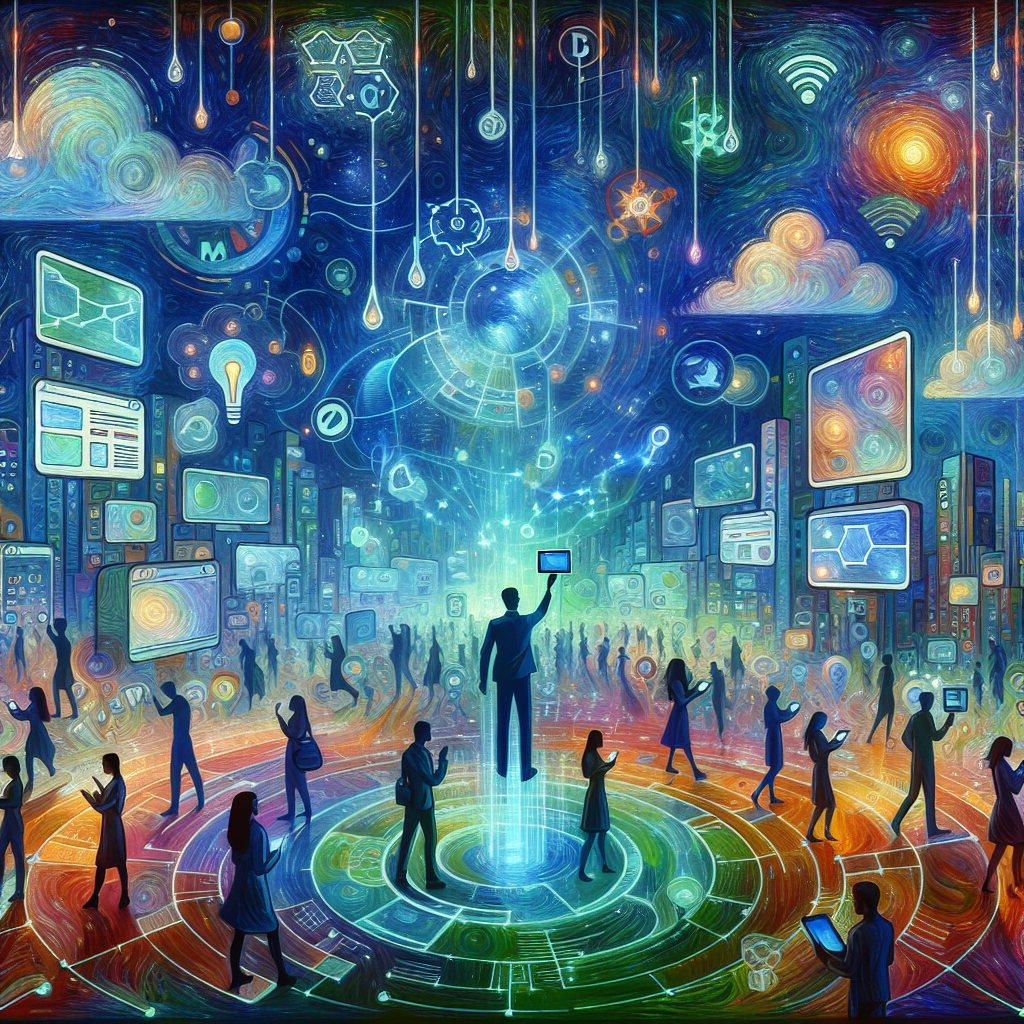
In an age where technology gallops ahead at breakneck speed, we’re faced with a magnificent challenge: how to blend the analytical prowess of AI with the irreplaceable touch of the human spirit. It’s like an old-fashioned barn-raising, not just with hammer and nails, but with data, creativity, and compelling stories. So, how do marketing teams strike that delicate balance to foster an AI-human collaboration model that works?
First off, let’s acknowledge the uniqueness of every marketing team—each one is its own living, breathing organism with a culture, objectives, and quirks. This is crucial because there’s no one-size-fits-all manual for collaboration. Instead, teams must roll up their sleeves and dive into the specifics of their individual dynamics.
Start by laying a solid foundation of trust. Just as a good pair of work boots needs to fit just right, so must the relationship between human and machine. Encourage team members to embrace AI as a partner, not a puppet master. Any successful model is built on clear communication. Set up regular brainstorming sessions, where AI can offer insights from mountains of data—and the humans provide context, creativity, and emotion. Think of it as a dance: the rhythm of data and intuition guiding your next marketing campaign.
For a practical push, leverage your Website Blog as a training ground. Share experiences—what worked, what didn’t, and everything in between. You might find that your most successful strategies come from a blend of AI-driven analytics and the nuanced understanding that only a passionate human can provide. Use real data to highlight successes and even failures, creating an environment where lessons are shared freely.
Don’t shy away from trial and error. Experimentation is key; it’s the beating heart of progress. If a new tool or strategy falls flat, see it as a learning moment rather than a misstep.
Embrace the process of feedback. Regularly evaluate how AI insights are shaping decisions and whether the strategies resonate on a human level. Adapt as necessary and involve everyone: from the fresh faces in the team to the experienced veterans. Make them feel valued in this process, for it is in collaboration that the magic truly happens.
By cultivating an ongoing dialogue between AI and the human touch, marketing teams can build a collaboration model that not only drives results but also fosters creativity and connection. It’s not about replacing one with the other; it’s about harmonizing the strengths of both to create something remarkably effective.
How Can Marketing Teams Develop An AI-Human Collaboration Model?
How Can Marketing Teams Develop An AI-Human Collaboration Model?
- Marketing teams face the challenge of blending AI’s analytical capabilities with human creativity.
- Each marketing team is unique, requiring a tailored approach to AI-human collaboration.
- Establishing trust and clear communication is essential for effective collaboration.
- Encourage team members to view AI as a partner, using regular brainstorming sessions to share insights.
- Utilize the Website Blog as a platform for sharing experiences and learning from both successes and failures.
- Embrace experimentation, viewing failures as opportunities for growth and learning.
- Foster continuous feedback and involvement from all team members to enhance collaboration and creativity.
How Can Marketing Teams Develop An AI-Human Collaboration Model?
Conclusion
Conclusion
Alright, folks, let’s wrap this up and put a bow on it. In the high-speed world of digital marketing, it’s easy to let artificial intelligence grab the wheel and take us for a ride. Sure, AI’s analytics are sharper than a tack, serving up insights and optimizing campaigns faster than you can say “data-driven.” But here’s the kicker: amidst all this technological wizardry, we must never forget the vital role of human input. It’s the soul in this technological tango—we’re not simply numbers on a spreadsheet; we’re real, living individuals with thoughts and feelings.
So how do we find that sweet spot where AI meets humanity? It’s about conversation and connection. When you’re crafting that blog post or advertising campaign, write it like you’re chatting with a good friend. Use relatable language and weave in personal anecdotes, because let’s face it, people crave connection, and that’s what keeps them coming back for more. Don’t just rely on cold statistics to guide your tone; let your unique voice shine. You’ve got a perspective that no algorithm can replicate, and that’s your secret sauce.
Now, don’t get me wrong; I’m not saying we should smash the computer screens and go back to smoke signals. Nah, let’s harness the power of AI. Use it to sift through data, highlight trends, and predict behaviors—allow it to inform your decisions. But remember, as you filter through all that intel, it’s your creativity and instinct that should steer the narrative. This beautiful blend of precision and warmth will not only spark interest but forge the trust that every successful marketer knows is essential.
Engagement is key. Use AI to tell you what tickles your audience’s fancy, but don’t forget to ask questions, seek feedback, and stay genuinely curious. When you approach your marketing strategy as a two-way conversation, you’re building relationships rather than just chasing click-through rates. Share those ups and downs; those stories resonate, foster trust, and make it clear that you’re in this together.
So here’s the bottom line folks: Embrace the cutting-edge power of AI while never forgetting that human touch. It’s in that balance where magic happens, where creativity flourishes, and where your audience becomes loyal, not just to your brand but to your story. As you head into this brave new world of marketing, remember, the heart of your strategy should always remain steadfastly human. Now, that’s a partnership worth pursuing!

Conclusion
Conclusion:
- AI in digital marketing offers sharp analytics and insights for optimizing campaigns.
- Human input remains essential in maintaining a personal touch amidst technology.
- Effective marketing should feel like a conversation with a friend using relatable language.
- Marketers should let their unique voices shine rather than relying solely on statistics.
- AI can be used to analyze data, identify trends, and inform creative decisions.
- Engagement with the audience involves asking questions and fostering genuine relationships.
- The key to successful marketing is balancing AI’s power with human creativity and connection.

Conclusion
Other Resources

Other Resources
Here is a list of other resources you can review online to learn more:
- Kontent
- Pebblely.com
- Waymark.com
- ContentStudio
- Dorik
- Mastodon
- Typeset.io
- Scoop.It
- Imagecolorizer.com
- Headshotpro.com
Use This Prompt To Get More Resources With Your Favorite Online AI Tool: Please provide me with a list of online articles with their URLs in a bulleted list that I can read regarding How to Balance AI and Human Input In Your Marketing Strategy?

Other Resources
Glossary Terms
How to Balance AI and Human Input In Your Marketing Strategy? – Glossary Of Terms
1. Artificial Intelligence (AI): The simulation of human intelligence processes by machines, particularly computer systems, to perform tasks typically requiring human input.
2. Human Touch: The personal, emotional, and relational aspect of marketing that relies on human interactions and connections to build trust and loyalty.
3. Data-Driven Marketing: The practice of using data analytics to guide marketing decisions and strategies, ensuring that campaigns are tailored to audience insights.
4. Machine Learning: A subset of AI that enables systems to learn from data, identify patterns, and make decisions with minimal human intervention.
5. Customer Journey: The complete process a potential customer goes through from awareness to purchasing, including all interactions with the brand.
6. Personalization: The process of tailoring marketing messages and experiences to individual preferences and behaviors, often enhanced by AI algorithms.
7. Omni-channel Marketing: A cohesive marketing strategy that ensures a seamless customer experience across all channels, both online and offline.
8. Predictive Analytics: Techniques that leverage statistical algorithms and machine learning to identify the likelihood of future outcomes based on historical data.
9. Content Automation: The use of technology to create, distribute, or manage content without significant ongoing human input, often leveraging AI tools.
10. Sentiment Analysis: A method of analyzing written or spoken language to determine emotional tone, often used to gauge public opinion about brands.
11. A/B Testing: A research methodology that compares two versions of a marketing asset to determine which one performs better in achieving specific objectives.
12. Chatbot: An AI-driven tool used to simulate conversation with users, providing instant responses to queries or assisting with customer service.
13. Augmented Intelligence: Technology designed to enhance human intelligence rather than replace it, promoting collaboration between humans and AI.
14. SEO (Search Engine Optimization): The practice of optimizing website content to improve its visibility on search engines and attract more relevant traffic.
15. Lead Scoring: The process of assessing the potential value of leads based on their behavior and engagement, often using AI to expedite analysis.
16. Conversion Rate Optimization (CRO): A comprehensive approach to enhancing the percentage of users who take desired actions on a website, often through a combination of AI insights and human creativity.
17. Customer Segmentation: The practice of dividing a customer base into groups with similar characteristics for more tailored marketing strategies.
18. Value Proposition: A clear statement that explains how a product or service solves a customer’s problem or improves their situation, combining human insight with market research.
19. Behavioral Targeting: Using data on user behavior to personalize marketing messages and advertisements, effectively blending AI analysis with human understanding of customer needs.
20. Brand Authenticity: The degree to which a company’s actions align with its values and messaging, a crucial aspect often maintained through human involvement in strategy.
21. Social Listening: Monitoring digital conversations to understand what customers are saying about a brand, facilitating timely human engagement based on AI insights.
22. Dynamic Pricing: A flexible pricing strategy that adjusts based on market demand and customer behavior, often supported by data analysis.
23. Influencer Marketing: Collaborating with individuals who have significant social influence to promote products or services, requiring human relationship management.
24. User-Generated Content (UGC): Content created and shared by consumers, which can be leveraged in marketing strategies to enhance authenticity and engagement.
25. Digital Ethos: The moral and ethical implications of digital marketing practices, emphasizing the need for balance and transparency between AI algorithms and human oversight.
26. Feedback Loop: A system where outputs of a process are circled back and used as inputs for improvement, integrating insights from both AI and human analysis.
27. Automation: The use of technology to execute marketing tasks without human intervention, while still requiring strategic human input for effectiveness.
28. Multivariate Testing: A form of A/B testing that involves comparing multiple variables simultaneously to discover the most effective combination.
29. Voice Search Optimization: Adapting SEO strategies to accommodate the increasing use of voice-activated search technology, blending AI capabilities with human relevance.
30. Engagement Metrics: Measurements that assess how users interact with content, guiding marketing strategies by harnessing both AI analysis and human interpretation.

Glossary Of Terms
Other Questions
How to Balance AI and Human Input In Your Marketing Strategy? – Other Questions
If you wish to explore and discover more, consider looking for answers to these questions:
- What specific AI tools are best for enhancing marketing strategies?
- How do I measure the effectiveness of AI in my marketing efforts?
- What ethical considerations should I keep in mind when using AI in marketing?
- How can I ensure that my marketing remains authentic while using AI?
- What are common pitfalls to avoid when integrating AI into marketing?
- How can businesses of different sizes approach AI implementation in marketing?
- What role does data privacy play in AI-driven marketing strategies?
- How can I train my team to effectively use AI tools in their marketing tasks?
- What real-world examples demonstrate successful AI and human collaboration in marketing?
- How do customer perceptions of AI impact their engagement with brands?

Other Questions
Haiku
How to Balance AI and Human Input In Your Marketing Strategy? – A Haiku
AI and humans blend,
Analytics meets soft touch,
Marketing’s true heart.

Haiku
Poem
How to Balance AI and Human Input In Your Marketing Strategy? – A Poem
The Dance of AI and Humanity
In a world where circuits whir and hum,
AI races forth, a digital drum.
Through data swirls, it gleans the light,
Yet in the shadows, warmth takes flight.
We craft our blogs like friends at play,
With stories shared, not just data relay.
For behind each click, a heartbeat stirs,
A tapestry woven with hopes and blurs.
Let algorithms assist, but don’t let them steer,
Emotions ignite what numbers hold dear.
Engagement blooms in a dialogue dance,
Where every question offers a chance.
A blend is sought, a seamless embrace,
Of insights cold and the human grace.
We share our struggles, our victories too,
With every anecdote, a bond rings true.
As marketers strive amidst the endless code,
They’ll find in connection a richer road.
For trust is born where feelings reside,
In the harmony felt when both worlds collide.
So gather your tools, let the magic unfold,
Embrace the new, be brave and bold.
With heart and machine, hand in hand,
Together they’ll rise, together they’ll stand.
In the dance of AI and humanity’s might,
We’ll find a rhythm, a future bright.
For in this balance, we each play a part,
Crafting marketing strategies infused with heart.

Poem
Checklist
How to Balance AI and Human Input In Your Marketing Strategy? – A Checklist
Checklist for Balancing AI and Human Input in Your Marketing Strategy
Use this checklist to guide your approach in creating a harmonious integration of AI and human elements within your marketing strategy.
Understanding Your Audience
_____ Identify Your Target Audience: Research and understand the demographics, interests, and pain points of your potential customers.
_____ Engage in Conversations: Communicate with your audience using relatable language, anecdotes, and questions to foster a sense of connection.
_____ Create Engaging Content: Use storytelling techniques to present your messages, enhancing relatability.
Utilizing AI Effectively
_____ Incorporate AI Tools: Identify specific AI tools for data analysis, predictive analytics, chatbots, and audience insights.
_____ Data Analysis: Use AI to sift through data and extract actionable insights while being cautious that it supports rather than dictates your messaging.
_____ Monitor Engagement: Analyze which topics and content types resonate the most with your audience using AI analytics tools.
Adding Human Insight
_____ Foster Team Input: Encourage feedback and brainstorming sessions among your team to integrate human creativity and intuition with AI data.
_____ Share Personal Experiences: Infuse your content with personal stories and struggles to build trust and establish a genuine connection with your audience.
_____ Evaluate AI Outcomes: Regularly assess how AI-driven insights and strategies resonate with human experiences to ensure the approach feels genuine.
Balancing AI and Human Elements
_____ Identify Tasks for AI: Determine which tasks can be efficiently managed by AI (like data analysis) and which require a human touch (like strategy development).
_____ Establish Communication Channels: Create methods for ongoing dialogue and feedback among team members to ensure seamless collaboration.
_____ Promote Experimentation: Encourage a culture of trial and error, viewing failures as opportunities for learning and improvement.
Implementing AI-Human Collaboration
_____ Develop a Collaboration Model: Create a structured approach for incorporating both AI insights and human creativity in your marketing strategy.
_____ Regularly Reassess the Balance: Conduct periodic reviews to ensure that the blend of AI and human elements adapts to changing audience needs and technology advances.
_____ Celebrate Innovations: Recognize successful integrations of AI and human efforts and share stories within your organization to inspire continued collaboration.
Tools and Resources
_____ Website Optimization Tools: Implement AI-driven tools that enhance user experience on your website.
_____ Content Creation Tools: Utilize AI tools to help with SEO, topic suggestions, and content formatting.
_____ Social Media Management Tools: Use AI to analyze engagement metrics and determine optimal posting times.
By following this checklist, you can create a marketing strategy that effectively balances the efficiency of AI with the invaluable human touch, leading to deeper customer relationships and improved engagement.
Checklist
At WebsiteBloggers, we help website bloggers develop strategies to create content, traffic, and revenue from website blogs based on our experiences and experimentation.
Be sure to read our other related stories at WebsiteBloggers and share this article with your friends, family, or business associates who run website blogs.