

Create A Brand That Resonates With Heart, Head, & Humanity
By Tom Seest
At WebsiteBloggers, we help website bloggers develop strategies to create content, traffic, and revenue from website blogs based on our experiences and experimentation.
Be sure to read our other related stories at WebsiteBloggers and share this article with your friends, family, or business associates who run website blogs.
How to Build a Brand That Looks Good for Everyone
Building a brand that looks good for everyone isn’t just about aesthetics; it’s about crafting a shared narrative that resonates on a deeper level. Imagine walking through a neighborhood where every home, while unique, harmonizes with its surroundings. That’s the essence of a brand people can feel proud to be part of—it’s relatable, inviting, and exudes a quiet confidence.
To start, listen to the crowd. The heart of any brand lies in the stories of its people. Usher in an organic connection by opening a platform for customers to share their experiences. Create a dedicated section on your website blog where voices from all walks of life can be heard. These stories can foster a sense of community, showing that your brand isn’t just a faceless corporation—it’s a collective of individuals united around a common idea. When potential customers see their lives reflected in your narrative, trust forms organically.
Next, appeal to the head. A brand must also be built on solid foundations—reliability, quality, and ethics. Ensure your mission transcends profit; make it about purpose. Use ethical sourcing, sustainable practices, or social responsibility initiatives as pillars of your brand’s identity. Consumers today are savvy; they want to know they’re making choices that matter. Be transparent about your values and actions. This isn’t just good for business; it’s a way to honor your commitments to the planet and the people on it.
You can’t neglect the gut, either. Evoking emotion can be a powerful tool. A well-crafted story where your brand plays a role in improving someone’s life stirs feelings of hope, pride, and inspiration. When customers feel something—whether it’s joy from using a product or hope from supporting a worthy cause—they’re more inclined to rally behind your brand. They’re not just buying a product; they’re investing in a relationship.
Finally, remember that connections are elemental. Engage with your community—both online and offline. Attend local events or host workshops, and encourage dialogue even outside the confines of your website blog. Building a brand that looks good for everyone means understanding the weight of your influence and nurturing it with care. When your audience feels seen and heard, your brand becomes a part of their story, woven into the very fabric of their lives. This is how you build a brand that isn’t just good for business; it’s good for everyone.

How to Build a Brand That Looks Good for Everyone
How to Build a Brand That Looks Good for Everyone
- Building a relatable brand involves crafting a shared narrative, not just focusing on aesthetics.
- Listening to customers is crucial; their stories foster community and trust in the brand.
- Create a platform for customers to share experiences, showing the brand as a collective of individuals.
- A brand must be built on reliability, quality, and ethics, prioritizing purpose over profit.
- Use ethical sourcing, sustainable practices, and social responsibility as pillars of your brand’s identity.
- Evoking emotion through storytelling can strengthen customer relationships and loyalty.
- Engage with the community through events and workshops to nurture connections and make the brand integral to their lives.

How to Build a Brand That Looks Good for Everyone
Table Of Contents
- How to Build a Brand That Looks Good for Everyone
- How Can You Align Brand Ethics with Societal Needs?
- What Emotional Connections Can Your Brand Foster with Customers?
- How Does Your Brand Promote Inclusivity and Diversity Effectively?
- What Proof Do You Have That Your Brand Delivers on Promises?
- How Can You Demonstrate Authenticity In Your Brand Messaging?
- What Makes Your Brand Stand Out In a Crowded Marketplace?
- Is Your Branding Consistent Across All Platforms and Touchpoints?
- Conclusion
- Other Resources
- Glossary Of Terms
- Other Questions
- Haiku
- Poem
- Checklist
How Can You Align Brand Ethics with Societal Needs?
When it comes to aligning brand ethics with societal needs, the first step is to get real with yourself. This isn’t just a marketing strategy; it’s about weaving your brand into the very fabric of the community you serve. It starts with a story—yours, to be precise. Think of the moments that shaped your values. Were you taught to treat others with respect? Did you watch someone stand up for what’s right? Your narrative is powerful, and it resonates because it’s genuine. People connect with stories that mirror their own experiences. They want to believe in something bigger than profit margins.
Now, let’s engage your head. Step back and analyze the societal landscape. What issues are impacting your community? Education, sustainability, equality—these aren’t just buzzwords; they represent pressing needs that demand attention. Dive deep into what makes your audience tick. Are they concerned about environmental degradation? Domestic violence? Or perhaps they’re advocates for social justice? Identifying these issues allows you to frame your brand’s message authentically, ensuring you’re not just another player in the marketplace, but a trusted ally in their journey.
Remember, it’s not just about sounding good; it’s about being ethical. Consumers today have a keen sense of what’s genuine and what’s not. They can spot a phony from a mile away. Transparency is crucial. Share your practices, the challenges you face, and the steps you’re taking to create impact. When you speak openly about your mission, you build trust—a currency that’s priceless.
You’re not in this alone. Engage with your community, amplify their voices, and support local initiatives. Social responsibility isn’t just an obligation; it’s an opportunity for collaboration. When you lift others up, you illuminate your brand and foster a sense of belonging.
Lastly, it takes guts. It takes bravery to stand for your values, especially when the world tells you to prioritize profits above all else. Take action! Launch campaigns that reflect your ethical commitment, sponsor community events, or volunteer your time. Imprint your dedication into the foundation of your business.
As your brand aligns closely with societal needs, you don’t just speak your values; you live them. This is where trust is born, and connections thrive. The journey may require sacrifice, but the rewards—in deep relationships and a loyal customer base—are worth every ounce of effort.

How Can You Align Brand Ethics with Societal Needs?
How Can You Align Brand Ethics with Societal Needs?
- Align brand ethics with societal needs by self-reflection and authenticity.
- Share your personal narrative to connect with the community and resonate with shared values.
- Analyze societal issues impacting your community, such as education, sustainability, and equality.
- Identify key concerns of your audience to authentically frame your brand’s message.
- Emphasize transparency and ethical practices to build trust with consumers.
- Engage with the community through collaboration and support for local initiatives.
- Demonstrate bravery by launching campaigns and taking actions that reflect your ethical commitments.

How Can You Align Brand Ethics with Societal Needs?
What Emotional Connections Can Your Brand Foster with Customers?
When it comes to forging emotional connections with customers, we dive into uncharted waters, shaped by the values we hold dear and the stories we choose to tell. A brand isn’t just a logo; it’s a vessel carrying dreams, aspirations, and shared experiences. Think of how a meticulously crafted website can help your audience discover your mission and vision. In a world flooded with options, what the heart craves is authenticity and a glimpse into the human experience behind a product.
Imagine a small local bakery. Every loaf of bread tells a story – from the early morning rituals to the laughter shared between employees and customers. When that bakery takes to its blog to reflect on a recent charity event, it does more than market its goods; it invites the community into the fold. Readers aren’t just consumers; they’re witnesses to a narrative that transcends transactions. This reflects the ethical appeal of genuine commitment to social causes, striking a chord with those who value integrity and purpose.
But let’s not forget the power of relatable figures. Many successful brands showcase real people who have benefited from their products, eliciting trust and confidence through everyday stories. This rich tapestry of shared experiences validates customer emotions and connects rational understandings of value with the heartfelt quest for belonging. It’s more than just selling; it’s about fostering a community that resonates with similar ideals and experiences.
To engage effectively, consider what your audience feels in their gut when confronted with your brand. Are they inspired or indifferent? Make your messaging actionable—compel them to participate in a cause, share their own stories, or simply reflect on their values. “Join us,” you might say, “as we take this journey together to make a difference, one decision at a time.” Each customer becomes a vital part of the narrative, making them feel valued and integral to the mission.
Harnessing emotional intelligence in your branding is paramount. It’s the lifeblood that nurtures relationships. Through authentic storytelling, ethical practices, and relatability, you can not only inspire trust and confidence but also invite your audience into a shared mission. Together, you can build something greater than the sum of its parts. So, go ahead—foster that connection. Your brand’s next chapter awaits!

What Emotional Connections Can Your Brand Foster with Customers?
What Emotional Connections Can Your Brand Foster with Customers?
- Emotional connections with customers are shaped by values and storytelling.
- A brand represents dreams, aspirations, and shared experiences, beyond just a logo.
- A well-crafted website can effectively communicate a brand’s mission and vision.
- Authenticity and human experiences are vital in a marketplace saturated with options.
- Relatable figures and customer stories build trust and foster community engagement.
- Engaging messaging should inspire action and encourage audience participation.
- Emotional intelligence in branding nurtures relationships and builds trust through storytelling.

What Emotional Connections Can Your Brand Foster with Customers?
How Does Your Brand Promote Inclusivity and Diversity Effectively?
When it comes to promoting inclusivity and diversity, your brand’s approach must resonate on multiple levels, appealing to the heart, head, and gut. Begin by delving into your values—what does your brand stand for? People are drawn to stories that reflect empathy and understanding. Share narratives that illuminate the experiences of others, showcasing different backgrounds and perspectives. This is not just a box to check; it’s an opportunity to connect on a human level.
On your website, highlight real stories of individuals from diverse communities who have found a place within your brand. Use your blog to dive deeper into these narratives, showcasing not just achievements, but the struggles and hopes that accompany them. This type of transparency fosters trust and establishes your brand as a champion of inclusivity, not merely a participant.
Engage the head by grounding your commitment in rational practices. Provide clear statistics about diversity in your workforce or vendor partnerships. Illustrate the tangible benefits of inclusivity—it’s not just good ethics; it’s also good business. Brands that embrace diversity often outperform their competitors because they harness a broader range of ideas and experiences. This isn’t about charity; it’s about leveraging the full spectrum of human potential.
Don’t shy away from the emotional aspect. Share testimonials and personal stories that paint a vivid picture of what inclusivity means within your brand. When customers feel represented, they become your most passionate advocates.
Ethics play a crucial role as well. Make sure your commitment is not just lip service. Identify specific actions your brand is undertaking—initiatives to hire from underrepresented communities, collaborations with diverse suppliers, or programs aimed at giving back to marginalized groups. When your audience sees your brand prioritizing these efforts, it fosters an ethical bond that encourages loyalty and respect.
Finally, tap into the gut feeling of your audience. Use powerful visuals—photos, videos, and graphics that capture the essence of diversity and inclusivity. When people see themselves represented, they feel valued and are more likely to take action, whether it’s supporting your brand, sharing your message, or engaging with your community. Building connections through sincerity is what transforms a transactional relationship into a lasting partnership. Your commitment to inclusivity and diversity should resonate not only as a mission statement but as a genuine part of your brand identity.

How Does Your Brand Promote Inclusivity and Diversity Effectively?
How Does Your Brand Promote Inclusivity and Diversity Effectively?
- Promote inclusivity and diversity by resonating with audiences on emotional, intellectual, and instinctual levels.
- Highlight your brand’s values and share stories that reflect empathy, understanding, and diverse experiences.
- Feature real stories on your website from individuals within diverse communities connected to your brand.
- Engage rational interests by providing statistics about workforce diversity and the business benefits of inclusivity.
- Incorporate emotional narratives, such as testimonials, to illustrate the impact of inclusivity on customers.
- Demonstrate genuine commitment through specific actions, like hiring initiatives and collaborations with diverse suppliers.
- Utilize impactful visuals to represent diversity, fostering connections that encourage community engagement and loyalty.
How Does Your Brand Promote Inclusivity and Diversity Effectively?
What Proof Do You Have That Your Brand Delivers on Promises?
When it comes to proving that your brand delivers on its promises, the first thing to consider is the stories you tell. Stories are what connect us. They cut through the noise and speak straight to the heart, head, and gut. But it’s not enough to share a tale; you need to back it up with hard evidence, the kind that anchors your narratives in reality. Think testimonials from real people, not generic platitudes. When someone shares how your product turned their day around or made their life easier, there’s conviction in their voice, and it resonates far more than any polished marketing pitch ever could.
Your website is a digital home for these stories. It can showcase real experiences through impactful case studies and user-generated content that highlights authenticity. Additionally, a blog on your site can dive deeper into these narratives, providing a platform where customers feel empowered to share their triumphs. This kind of transparency builds trust—it tells your audience that you’re not just a faceless company but a community that listens and learns.
Let’s face it; we’re all skeptical these days. We’ve seen too many brands come and go, all promising the moon and stars, only to deliver dust and smoke. It’s as if we’re in a never-ending dance of distrust. You have to break that cycle by being ethical and showcasing your dedication to delivering on your promises. Provide clear information about how your products are made, where the materials come from, and what goes into them. Share which organizations you partner with and how you hold yourself accountable. This isn’t just about selling; it’s about starting a conversation.
Finally, don’t underestimate the power of social proof. When potential customers see that others have reaped the benefits of your brand, they are more likely to take that leap of faith themselves. Engage with your audience on social media, respond to their comments, and let them see the human side of your brand.
It’s about fostering a connection rooted in trust and shared values. When consumers feel that your brand genuinely cares about delivering what it promises, they won’t just buy in—they’ll become part of your story. It’s a two-way street: you earn their confidence, and they’ll champion your cause.

What Proof Do You Have That Your Brand Delivers on Promises?
What Proof Do You Have That Your Brand Delivers on Promises?
- Stories connect people and add emotional resonance to a brand’s promises.
- Supporting narratives with hard evidence, such as real testimonials, enhances credibility.
- Your website should serve as a platform for showcasing impactful case studies and user-generated content.
- A blog can further explore customer stories, creating a sense of community and transparency.
- Build trust by providing clear information about product sourcing and partnerships.
- Utilize social proof and engage with the audience on social media to humanize your brand.
- Fostering connections rooted in trust encourages customers to become brand advocates.

What Proof Do You Have That Your Brand Delivers on Promises?
How Can You Demonstrate Authenticity In Your Brand Messaging?
In today’s fast-paced world, consumers crave authenticity like they crave a home-cooked meal in a fast-food nation. It’s not just about selling a product; it’s about forging connections that resonate deeply with people’s hearts, heads, and guts. To demonstrate authenticity in your brand messaging, start by sharing your story. This isn’t just a marketing tactic; it’s a way to invite your audience into your journey, allowing them to see the people behind the brand. Whether it’s a humble beginning or a triumphant turnaround, let your audience feel your struggles and victories. This narrative approach fosters a profound sense of trust, compelling them to engage with your website or blog in ways that matter.
Then, consider stepping into the shoes of your customers. What are their needs, fears, and desires? By putting their experiences at the forefront, you communicate respect and understanding. This isn’t just ethical; it’s good business. Show them that you’re not just a faceless entity—your brand has a soul, and it genuinely cares. Share testimonials or user-generated content that showcases real stories. This social validation reinforces the authenticity of your messaging, making it relatable. People like to see someone just like them validating what you have to offer.
Don’t stop there; dig into the ‘why’ of your brand. Why do you exist? What do you stand for? Paint a clear picture of your values, and articulate your mission with passion. This is where you inspire action. When customers believe in what you stand for, they become more than just purchasers; they become advocates. They’ll take to social media, singing your praises and spreading the word—turning your brand into a movement.
And let’s be honest; there’s no room for half-measures. If you’re going to authentically connect with your audience, your messaging must be consistent across every platform. This reinforces your authority and trustworthiness, ensuring that every blog post, every tweet, every interaction feels like an extension of the same story. Your tagline, your visuals, even your customer service should be pieces of the larger narrative you’re crafting.
When authenticity flows through every layer of your brand, it doesn’t just attract consumers; it cultivates a community. Champions of your cause, who resonate with your values and your story. This is how you cultivate a brand that doesn’t just survive—it thrives.

How Can You Demonstrate Authenticity In Your Brand Messaging?
How Can You Demonstrate Authenticity In Your Brand Messaging?
- Consumers today seek authenticity in brands, akin to preferring home-cooked meals over fast food.
- Sharing your brand’s story invites audiences into your journey, fostering trust and deep connections.
- Understanding customer needs, fears, and desires shows empathy and strengthens brand loyalty.
- Utilizing testimonials and user-generated content reinforces authenticity and relatability in messaging.
- Clearly articulating your brand’s values and mission inspires customer advocacy and engagement.
- Consistent messaging across all platforms enhances authority and trustworthiness of the brand.
- Authenticity cultivates a community of loyal advocates who support and promote your brand.

How Can You Demonstrate Authenticity In Your Brand Messaging?
What Makes Your Brand Stand Out In a Crowded Marketplace?
In a world overflowing with choices, standing out isn’t just about flashy logos or catchy jingles; it’s about carving out a genuine relationship with your audience. It’s about connecting on a level that resonates deeply—like that first gulp of ice-cold water after a long, grueling day. When your brand connects emotionally, it speaks directly to the heart; people feel understood and valued.
But let’s talk turkey. The folks out there in the marketplace are not easily swayed by empty promises or dollops of polished marketing fluff—they want proof. This is where rationality comes into play. You need to provide clear evidence of your value. Consider this: if your product solves a problem, back it up with data or testimonials from real users. Sharing stories on your Website about how your brand has made a significant difference can empower potential customers to visualize the impact on their own lives.
Ethics play a crucial role in building trust. When customers see your commitment to ethical practices—whether it’s through sustainable sourcing, fair labor, or giving back to the community—they feel good about supporting your brand. This fosters a sense of pride among your loyal customers. They’re not just buying a product; they’re investing in a mission they believe in.
Now, storytelling is a powerful tool, one that transforms your brand from just another entity into a narrative they can relate to. People love stories—especially those that mirror their own experiences. When they see a reflection of their lives in your business journey, you instantly build a bridge of connection. It doesn’t have to be a grand epic; sometimes, it’s the simple tale of struggle and triumph that resonates the most.
Lastly, the social appeal cannot be overlooked. Customers today engage with brands that foster community, where they can connect with others who share their values and interests. Create spaces—whether through a Blog or social media—where your audience can share their experiences and engage with each other. This not only builds a sense of belonging but amplifies your brand’s message through authentic voices.
To rise above the noise, prioritize authenticity, community, and value. Your brand will not just stand out; it will become a beacon of trust and connection in a crowded marketplace.

What Makes Your Brand Stand Out In a Crowded Marketplace?
What Makes Your Brand Stand Out In a Crowded Marketplace?
- Standing out requires carving genuine relationships with your audience rather than relying solely on flashy marketing.
- Emotional connections with customers lead to feelings of being understood and valued.
- Evidence of value is crucial; provide data or testimonials that demonstrate how your product solves problems.
- Ethical practices enhance trust; customers appreciate brands committed to sustainability and community support.
- Storytelling transforms your brand into a relatable narrative, building connections through shared experiences.
- Engagement through community spaces—like blogs and social media—fosters belonging among customers.
- Prioritize authenticity, community, and value to create a trusted and unique brand in a crowded marketplace.

What Makes Your Brand Stand Out In a Crowded Marketplace?
Is Your Branding Consistent Across All Platforms and Touchpoints?
In a world overflowing with choices, your branding serves as the lighthouse in a foggy harbor—guiding customers to your shores. Imagine a potential client landing on your website, greeted by sleek design and a compelling message that mirrors every interaction they’ve had with you so far. Now, picture them scrolling through your blog, where they encounter the same voice, the same values, and the unmistakable heartbeat of your brand. This consistency isn’t just a nice-to-have; it’s the backbone of trust.
Consider for a moment the emotional weight of your brand. People aren’t just buying a product or service; they’re investing their money, time, and loyalty into a promise. Every email, social media post, and customer service call echoes that promise. If your branding is inconsistent, it’s like promising a warm meal and serving up a cold sandwich—leaving your customers feeling betrayed. It’s crucial that each touchpoint feels like a familiar embrace rather than a jarring reality check.
Rationally speaking, a cohesive branding strategy avoids confusion and establishes clarity. When customers see the same logo, colors, and messaging across different platforms, they perceive you as a dependable authority in your field. This consistency shows that you care about the details—because you do! You’ve invested time and effort into presenting yourself as a polished, unified entity. You’re not just another face in the crowd; you’re the one they want to get to know.
Ethically, aligning your brand across all platforms fosters an environment of transparency. Customers today crave authenticity. They want to feel that you’re real and relatable, not just another faceless corporation. When your branding is unified, it says, “We stand by our values wherever you find us.” That kind of openness cultivates loyalty.
So, take a step back and evaluate your branding. Are you presenting a coherent story? Are you letting your audience connect with your values and mission across all channels? Your website, your blog, each social media platform—these are your avenues for storytelling. Make sure every interaction resonates with the same passion that drove you to start this journey in the first place. Build that trust, spark that confidence, and inspire action in each person who crosses your path.

Is Your Branding Consistent Across All Platforms and Touchpoints?
Is Your Branding Consistent Across All Platforms and Touchpoints?
- Your branding acts as a guiding lighthouse for customers amidst overwhelming choices.
- Consistency across all touchpoints builds trust and reflects your brand’s values and identity.
- Customers invest in your brand emotionally, seeking reliability and connection.
- Inconsistent branding can create feelings of betrayal, undermining customer loyalty.
- A cohesive strategy enhances clarity and positions your brand as a dependable authority.
- Unified branding fosters transparency and authenticity, essential for cultivating loyalty.
- Evaluate your branding to ensure it tells a coherent story that resonates with your audience.

Is Your Branding Consistent Across All Platforms and Touchpoints?
Conclusion
Building a brand that resonates with heart, head, and humanity isn’t just a nice slogan—it’s an essential approach in today’s marketplace where authenticity reigns supreme. This is not merely about slapping on a logo or conjuring up a catchy tagline; it’s about weaving a narrative that speaks to the core of who we are as individuals and as a collective. Brands that aim to succeed must recognize that the pulse of their identity comes from the stories shared by the people they serve. These narratives illuminate the path forward, fostering a community where clients feel seen, heard, and valued.
Thinking with your head means ensuring that your brand stands on solid ground—reliability, ethics, and social responsibility are the foundation. Savvy consumers today are discerning; they seek transparency and validate their choices with the knowledge that they are affiliated with something that positively contributes to society. When a brand makes a commitment, it must follow through—after all, trust is a currency that can’t be bought, only earned.
The emotional pull is equally powerful. A well-told story can capture someone’s heart, stirring feelings of joy, hope, or even nostalgia. This powerful connection transforms buyers into loyal advocates—people who don’t just purchase a product but invest in a cause that resonates with their values and aspirations. From sharing personal experiences to engaging in community initiatives, these interactions forge bonds that transcend the transactional nature of business.
Inclusivity and diversity also play a pivotal role in establishing a brand that feels good for everyone. By shedding light on an array of experiences, a brand can engender belonging among diverse audiences. This isn’t a mere marketing strategy; it’s a sincere commitment to embodying what society needs—empowerment and representation.
Finally, let’s not underestimate the importance of consistency across all platforms. Every interaction—whether on social media, during a customer service query, or on your website—should reflect a unified narrative. This builds trust and cements your brand in the minds and hearts of your audience.
Every brand has the potential to uplift. Through ascribing to ethical practices, engaging authentically with communities, and creating narratives that resonate, brands can forge lasting relationships. In a crowded marketplace clamoring for attention, those that thrive are the ones that engage not just our heads, but our hearts and guts. And when a brand embodies this ethos, it doesn’t just succeed; it flourishes—good for business and, indeed, good for everyone.

Conclusion
Conclusion:
- Building a brand requires authenticity that resonates with heart, head, and humanity.
- Successful brands weave narratives that reflect their identity and the stories of their customers.
- Reliability, ethics, and social responsibility form the foundation of a trustworthy brand.
- Emotional connections through storytelling can transform customers into loyal advocates.
- Inclusivity and diversity foster a sense of belonging among diverse audiences.
- Consistency across all platforms is essential to building trust and a unified brand narrative.
- Brands that engage authentically and ethically can forge lasting relationships and thrive in the marketplace.
Conclusion
Other Resources

Other Resources
Here is a list of other resources you can review online to learn more:
- Packback.co
- Getmunch.com
- Jasper.ai
- Autocode.com
- Letsenhance.io
- Aiva.ai
- Easy-peasy.ai
- Tiiny.site
- Ahrefs
- Datafit.ai
- BuddyBoss
- Scrivener
- Picturethisai.com
- Smartlead.ai
- Quora
- Captions.ai
- Mailchimp
- LiveJournal
- remove.bg
- Moises.ai
Use This Prompt To Get More Resources With Your Favorite Online AI Tool: Please provide me with a list of online articles with their URLs in a bulleted list that I can read regarding How to Build a Brand That Looks Good for Everyone

Other Resources
Glossary Terms
How to Build a Brand That Looks Good for Everyone – Glossary Of Terms
1. Brand: A unique name, term, design, or symbol that identifies and differentiates a product or service from others.
2. Identity: The visual and verbal elements that represent a brand, including logos, colors, fonts, and messaging.
3. Logo: A graphic mark or emblem that symbolizes a brand, often serving as its most recognizable element.
4. Target Audience: A specific group of consumers identified as the intended recipients of a brand’s products or services.
5. Value Proposition: A statement that summarizes why a consumer should choose a brand, highlighting the unique benefits it offers.
6. Consistency: The practice of maintaining uniformity in a brand’s messaging and visual elements across all platforms and touchpoints.
7. Storytelling: The art of using narratives to connect emotionally with an audience and convey a brand’s values and mission.
8. Tone of Voice: The consistent style in which a brand communicates, reflecting its personality and values.
9. Mission Statement: A formal summary of a brand’s core purpose, objectives, and the values it stands for.
10. Brand Equity: The added value that a brand name gives to a product beyond its functional benefits.
11. Engagement: The interaction between a brand and its audience, fostering loyalty and connection.
12. Visual Hierarchy: The arrangement of design elements in a way that prioritizes important information, guiding viewer attention.
13. Brand Guidelines: A comprehensive document that defines how a brand should be presented visually and verbally to ensure consistency.
14. Brand Positioning: The strategy of defining how a brand differs from its competitors and how it is perceived in the market.
15. Community: A group of individuals connected by shared interests, values, or experiences, often built around a brand.
16. Diversity: The inclusion of people from various backgrounds, cultures, and perspectives within a brand’s target audience or workforce.
17. Inclusivity: The practice of ensuring that a brand is accessible and relatable to people from all walks of life.
18. Sustainability: The commitment of a brand to operate in an environmentally and socially responsible manner.
19. Social Media: Online platforms where brands can engage with audiences, share content, and promote their products or services.
20. Influencer: An individual with a significant following on social media who can affect the purchasing decisions of their audience.
21. Customer Experience: The overall impression a brand leaves on consumers throughout their interactions, influencing loyalty and satisfaction.
22. Market Research: The process of gathering, analyzing, and interpreting information about a target market, crucial for informed branding decisions.
23. Adaptability: A brand’s ability to adjust its strategies and messaging in response to changing market conditions or consumer preferences.
24. Collaboration: Partnering with other brands or organizations to achieve shared goals and enhance brand visibility.
25. Feedback: Input from customers that provides insight into their experiences with a brand, helping to identify areas for improvement.
26. Brand Ambassadors: Individuals who promote a brand, often based on their personal experiences, helping to enhance brand credibility.
27. Aesthetic: The visual appeal and artistic qualities that define a brand’s look and feel.
28. Emotional Connection: The relationship a brand builds with its audience based on shared values, experiences, and feelings.
29. Digital Presence: The visibility and engagement of a brand across various online platforms, crucial for modern marketing.
30. Reputation: The perception of a brand in the eyes of its audience, influenced by experiences, reviews, and public communication.
Glossary Of Terms
Other Questions
How to Build a Brand That Looks Good for Everyone – Other Questions
If you wish to explore and discover more, consider looking for answers to these questions:
- What are the key steps to start building a relatable brand?
- How can I effectively gather customer stories for my brand?
- What ethical practices should I consider for my brand?
- How can I measure the emotional impact of my brand on customers?
- What specific actions can I take to engage my community?
- How can I ensure transparency in my brand’s operations?
- What types of content resonate most with customers?
- How can I illustrate the benefits of diversity within my brand?
- What tools can I use to gather customer feedback?
- How can social media play a role in building my brand?
- What are common pitfalls to avoid when branding for inclusivity?
- How can I effectively communicate my brand’s mission?
- What role does customer service play in brand perception?
- How do I create a consistent brand voice across platforms?
- What strategies can help build trust with skeptical consumers?
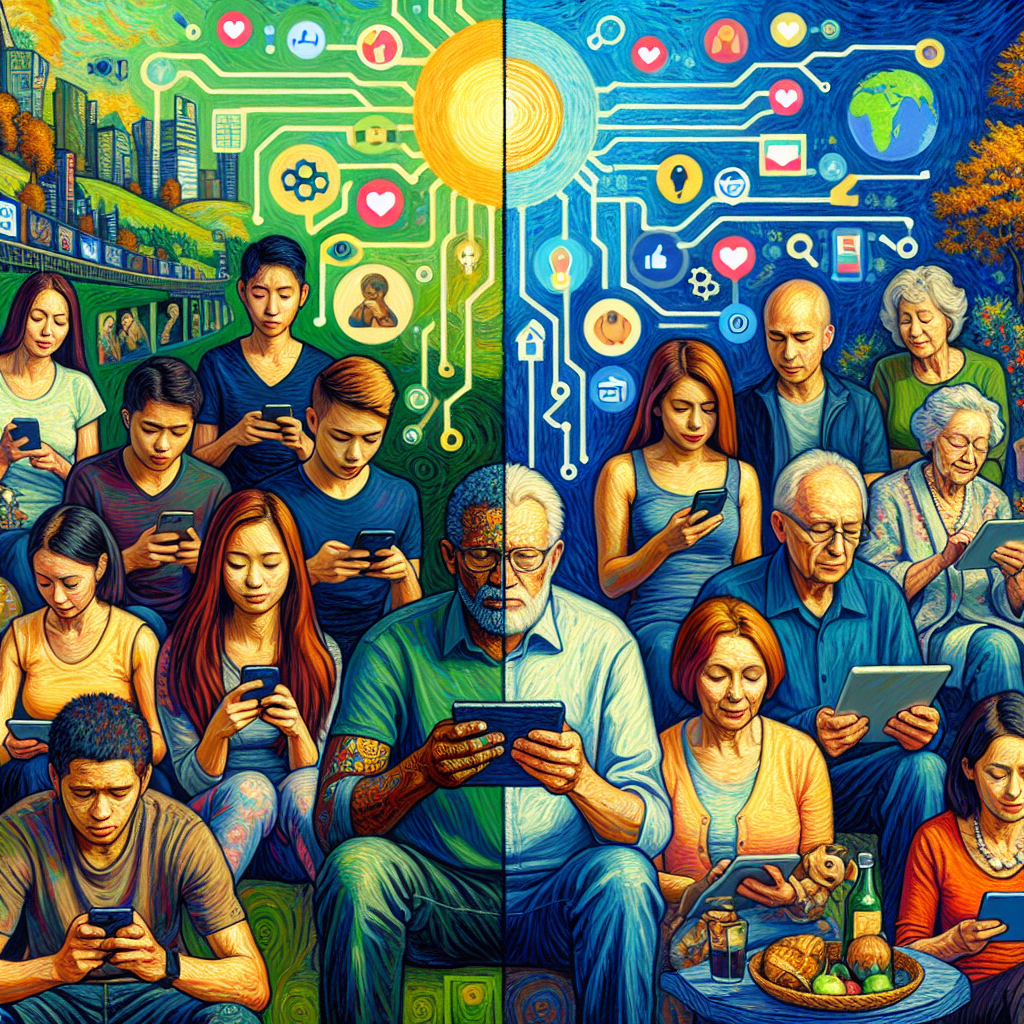
Other Questions
Haiku
How to Build a Brand That Looks Good for Everyone – A Haiku
Craft a brand with heart,
Stories weave through every thread—
Unity and trust.

Haiku
Poem
How to Build a Brand That Looks Good for Everyone – A Poem
In a world where brands abound and vie,
Craft one that echoes with the heart’s soft sigh.
Not merely a logo, but a tale intertwined,
Of humanity’s struggles, our stories aligned.
Listen closely, let voices ring clear,
From the depths of your community, the truths we hold dear.
Open your platform, invite every soul,
Make your brand a mosaic, a shared, cherished whole.
Speak the language of ethics, let purpose lead the way,
With practices that honor, not just words to relay.
Let transparency bloom in the eyes of the wise,
For savvy consumers seek truth, not just guise.
Awakening emotions, inspire hearts to unite,
As each anecdote weaves threads of hope and light.
They’re not just for sale; they’re bridges to build,
In every interaction, let your promises be fulfilled.
Diversity matters, each voice a unique song,
Inclusion’s the anthem, where we all belong.
Highlight the stories that shape every narrative,
Stand firm in your values, be authentic, be active.
Show proof in your actions, let their echoes resound,
With testimonies of lives where your touch can be found.
In a sea of choices, let your ethics shine bright,
Your brand should be a beacon, a source of pure light.
Consistency counts, across every brand touch,
Wherever they find you, let values mean much.
Each post, each reply, a reflection of you,
A tapestry woven with trust, strong and true.
So craft your brand story, let it be felt and seen,
In every heart, in every mind, a powerful sheen.
With courage and care, let your mission unfold,
Build a brand that looks good for everyone, bold.

Poem
Checklist
How to Build a Brand That Looks Good for Everyone – A Checklist
Checklist for Building a Brand That Resonates with Heart, Head, and Humanity
1. Heart (Emotional Appeals)
_____ Share authentic narratives that illustrate your brand story.
_____ Highlight customer testimonials that reflect real experiences with your brand.
_____ Create a dedicated space for community voices on your website or blog.
_____ Use emotional storytelling to connect your brand’s mission with customer values.
2. Head (Rational Appeals)
_____ Ensure your brand’s mission transcends profit and is based on purpose.
_____ Provide clear evidence of your product quality and reliability.
_____ Illustrate the societal issues your brand addresses and the solutions it offers.
_____ Use data and statistics to support claims about your brand’s impact and inclusivity.
3. Gut (Instinctual Appeals)
_____ Evoke feelings of hope and belonging through your messaging and initiatives.
_____ Engage your audience with actionable campaigns that invite participation.
_____ Use powerful visuals that represent inclusivity and diversity.
_____ Consistently reflect your ethical commitments across all brand communications.
4. Ethical Considerations
_____ Be transparent about your brand practices and values.
_____ Identify specific actions your brand undertakes to support ethical sourcing and social responsibility.
_____ Communicate openly about challenges and the steps being taken to create a positive impact.
5. Authority and Trust
_____ Foster a strong presence across multiple platforms with unified branding.
_____ Ensure consistency in messaging, visuals, and customer interactions.
_____ Engage with your community through social media, responding to feedback and comments.
_____ Share your brand journey and values consistently across channels to reinforce trust.
6. Narrative Engagement
_____ Craft compelling stories that resonate with your audience and reflect their experiences.
_____ Leverage user-generated content to validate brand claims and encourage community involvement.
_____ Provide spaces for customers to share their own stories and experiences with your brand.
7. Social Connectivity
_____ Create opportunities for interaction both online and offline (events, workshops).
_____ Encourage collaboration and amplify community voices through your brand activities.
_____ Build an online community where customers can connect and share experiences around your brand.
Use this checklist to evaluate and enhance your branding strategies, ensuring they resonate deeply with your audience while promoting an inclusive, ethical, and transparent brand identity.

Checklist
At WebsiteBloggers, we help website bloggers develop strategies to create content, traffic, and revenue from website blogs based on our experiences and experimentation.
Be sure to read our other related stories at WebsiteBloggers and share this article with your friends, family, or business associates who run website blogs.


