Unlocking Ai’S Power: Craft Ads That Resonate Deeply And Persuasively
By Tom Seest
At WebsiteBloggers, we help website bloggers develop strategies to create content, traffic, and revenue from website blogs based on our experiences and experimentation.
Be sure to read our other related stories at WebsiteBloggers and share this article with your friends, family, or business associates who run website blogs.
How to Create Multiple Ad Angles with AI for Price, Convenience, Status, Safety and Simplicity
Creating multiple ad angles using AI for price, convenience, status, safety, and simplicity requires more than just clever wording; it demands a profound understanding of what resonates with people on multiple levels. Think of ads as the stories we tell ourselves about the choices we make. At their best, they tap into the heart, head, and gut of the audience, wrapping them in a narrative that’s not only compelling but also deeply relatable.
When crafting ads around price, consider the stories of hardworking individuals balancing budgets. Imagine a single parent calculating expenses, each dollar a lifeline to their dreams. AI can analyze countless variables—market data, consumer trends—to highlight not just the price tag, but the value it represents. Your ad could evoke feelings of trust and appreciation, illustrating how a small cost can make a significant impact on someone’s life.
Convenience, in our fast-paced world, is not just a luxury; it’s an expectation. The story of a busy professional who finds a product that saves hours in their week resonates deeply. Here, an AI-driven approach can showcase user testimonials, building community around shared experiences. Highlight a scenario where that extra time leads to more family dinners or cherished moments. This creates an emotional connection while maintaining the rational appeal of efficiency.
Status is a tricky territory. Everyone craves recognition, yet it’s about more than just prestige; it’s about belonging. Use AI to curate data that reveals how a product enhances social standing without alienating the average consumer. Craft a narrative about a group of friends enjoying a product together, establishing that it’s attainable, yet special. This fosters a sense of community and connection.
Safety and simplicity speak to our primal need for security. People are increasingly concerned about their health and surroundings. Ads that focus on safety can be powerful—they can connect emotionally by recalling personal experiences of worry turned to relief. Incorporating AI can help in presenting statistics or expert endorsements that strengthen credibility and authority.
Finally, simplicity. In a world overrun with choices, the clarity of simplicity is refreshing. Sometimes, the best stories are the simplest ones. Use analogies that break down complex concepts into relatable terms, inviting your audience to see the beauty in ease. An AI system can continuously adapt these narratives, making each message feel fresh and relevant.
Leveraging AI for these ad angles is not just smart; it’s a way to engage with consumers at a level that fosters trust, connection, and a call to action. The right approach creates not just customers but a community, united by shared values and experiences. Through a website blog, brands can establish a platform for these narratives that resonate, allowing them to cultivate loyal relationships in an age of distraction.

How to Create Multiple Ad Angles with AI for Price, Convenience, Status, Safety and Simplicity
How to Create Multiple Ad Angles with AI for Price, Convenience, Status, Safety and Simplicity
- Creating effective ads using AI requires understanding consumer motivations deeply.
- Ads should resonate emotionally, connecting with the audience’s heart, head, and gut.
- Price-focused ads can evoke feelings of trust and appreciation by highlighting value.
- Convenience is essential; ads should build emotional connections through shared experiences.
- Status-driven ads must enhance social belonging without alienating consumers.
- Safety and simplicity address primal needs, making ads powerful through emotional connections.
- Leveraging AI can foster community and trust, cultivating loyal relationships in a distracted age.

How to Create Multiple Ad Angles with AI for Price, Convenience, Status, Safety and Simplicity
Table Of Contents
- How to Create Multiple Ad Angles with AI for Price, Convenience, Status, Safety and Simplicity
- “How Can AI Enhance the Value Of Price In Advertising?
- What Emotional Triggers Drive Convenience In Marketing?
- How Does Status Influence Consumer Decisions with Ai?
- Can AI Ensure Safety In Advertising Practices Effectively?
- What Makes Simplicity Appealing In Ad Design with Ai?
- How Do Social Norms Shape Perceptions Of AI-Driven Ads?
- What Ethical Considerations Arise When Using AI In Advertising?
- Conclusion
- Other Resources
- Glossary Of Terms
- Other Questions
- Haiku
- Poem
- Checklist
“How Can AI Enhance the Value Of Price In Advertising?
How Can AI Enhance the Value of Price in Advertising?
In today’s relentlessly competitive marketplace, every marketing dollar counts. Whether you’re running a small online website or managing a sprawling blog, the way you price your products can mean the difference between a click—or a conversion. Here’s where artificial intelligence (AI) comes into play, enriching the value of price in advertising.
Imagine a seasoned fisherman, knowing which tides bring the best catch. Just like that fisherman, AI analyzes mountains of data to determine the optimal price point for your products. It studies past consumer behavior, identifies trends, and even predicts future purchasing patterns. This isn’t mere guesswork; it’s a lifeline for businesses trying to strike the right balance between profit margins and consumer expectations. Picture a mom weighing whether to buy organic vegetables or conventional ones; her decision often hinges on price. If your artificial intelligence interprets her preferences effectively and suggests a personalized price, that’s not just a sale—you’re establishing trust.
But let’s talk real connection. When pricing feels fair, it resonates emotionally. Consider the story of a local bookstore that used AI to adjust pricing based on customer feedback and sales data. They switched from set prices to dynamic pricing, tailoring quotes to individual customer needs. Not only did transactions soar, but customers felt valued—like their opinions mattered. The “price” became a dialogue rather than a monologue. This is the gut reaction businesses crave.
The ethical side of using AI is also crucial. When paired with responsible algorithms, AI doesn’t just maximize revenue—it promotes transparency. It’s about redefining the value of each dollar spent. Pricing powered by AI invites consumers into a space where they feel acknowledged and understood. It transforms consumers from passive recipients to engaged participants in a value-driven relationship.
Lastly, leverage the power of community and honesty. Share stories of how AI is employed in your operations, not just as an abstract concept but as your trusted ally in pricing. This fosters confidence and action in your customer base, nurturing a lasting bond between business and consumer.
In a world where every decision is scrutinized, let AI help you tell a story through your pricing strategy—one that resonates in the heart, makes sense in the head, and stirs excitement in the gut. With effective AI tools, you can elevate the value of price in advertising, turning it from a simple number into a symbol of connection, understanding, and trust.

“How Can AI Enhance the Value Of Price In Advertising?
“How Can AI Enhance the Value Of Price In Advertising?
- AI enhances pricing strategies in advertising, helping businesses maximize conversions.
- It analyzes consumer behavior and trends to determine optimal price points.
- Dynamic pricing adjusts to individual customer needs, fostering emotional connections.
- Fair pricing and transparency increase customer trust and engagement.
- AI transforms pricing from a transactional concept to a dialogue with consumers.
- Responsible use of AI promotes ethical practices in pricing strategies.
- Sharing success stories of AI in pricing builds confidence and strengthens customer relationships.

“How Can AI Enhance the Value Of Price In Advertising?
What Emotional Triggers Drive Convenience In Marketing?
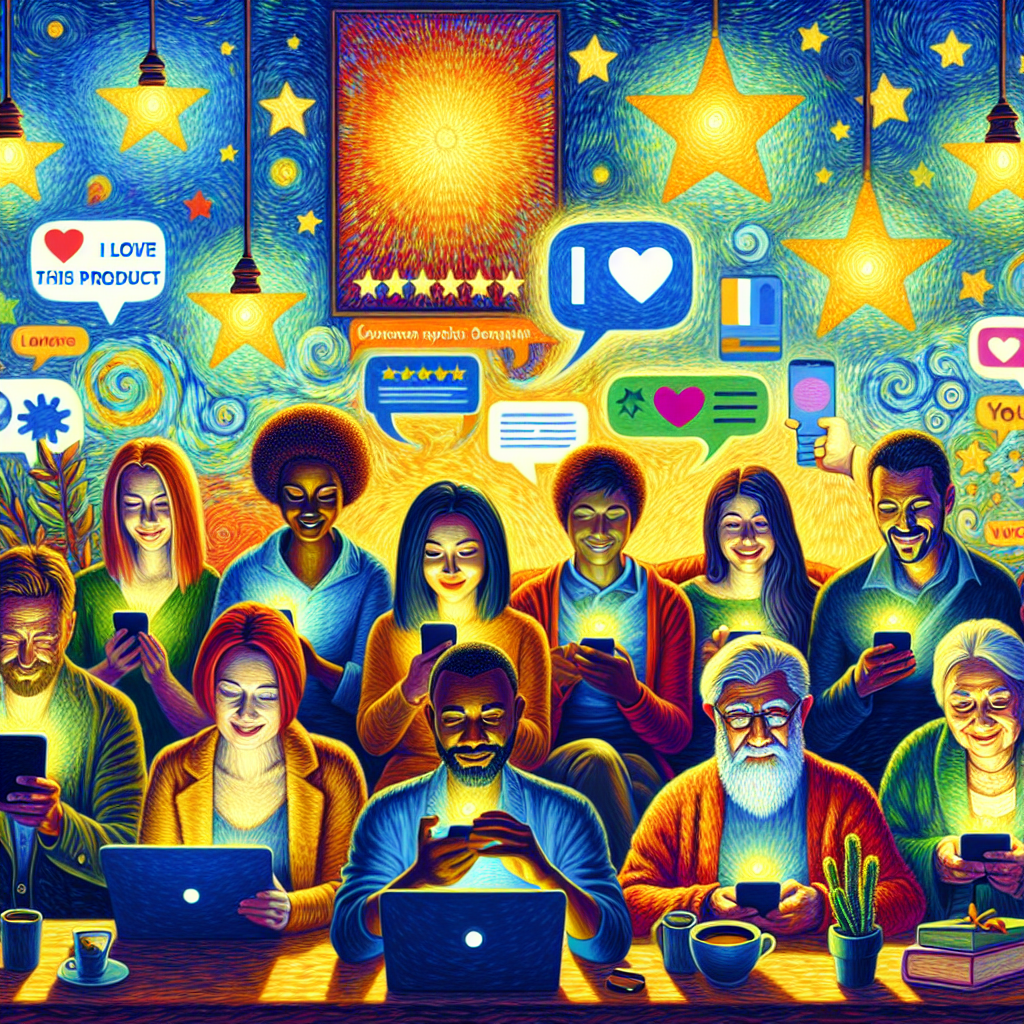
In today’s fast-paced world, convenience isn’t just a luxury; it’s a necessity. The emotional triggers that drive this desire for simplicity are rooted deep in our daily lives. Picture this: it’s a Friday evening, and after a long week, the last thing you want to do is navigate a crowded grocery store. The thought of order-mongering and endless aisles can spark frustration. This is where convenient solutions come in, transforming that anxiety into relief.
The heart of convenience marketing taps into our emotional triggers—stress, comfort, and joy. Companies that recognize those long lines and cluttered aisles are not just selling products; they’re offering peace of mind. Consider the warm glow of a delivery service ad. It invites you into a story where someone just like you, exhausted after a long week, receives a delivered meal, turning a chaotic Friday into a relaxed evening. This narrative resonates. It pulls on the heartstrings while appealing to our rational desire for efficiency, creating a connection that feels personal.
We’re often swayed by authority figures, those experts who promise ease and accessibility. Imagine seeing a trusted chef demonstrate how swiftly dinner can be prepared with a meal kit. That expert voice says, “You can do this,” instilling confidence that convenience is within reach. This appeal to authority creates a bridge between aspiration and reality, showing us that even a frazzled individual can achieve the ideal dinner with minimal effort.
There’s also a social dimension at play. As our circles embrace convenience, the fear of missing out begins to linger. We see friends posting about how they effortlessly receive groceries at their doorstep, making us reconsider traditional ways of sourcing our sustenance. There’s a camaraderie in this pursuit of convenience, a collective sigh of relief as we all strive toward livable solutions that fit into our busy lives.
Here’s a unique perspective: beyond tangible convenience, there’s an emotional convenience we often overlook—the comfort of knowing you’re making choices that align with your values. Brands that prioritize sustainability and ethical sourcing tap into an emotional wellspring, connecting with consumers in a way that transcends simple transactions. When you choose a product aligned with your beliefs, it becomes more than just convenient; it becomes a statement of who you are.
Marketing isn’t about the hard sell; it’s about fostering genuine connections and offering solutions that resonate on multiple levels. It’s about tapping into the human experience—highlighting the gut feelings, heartwarming narratives, and rational choices that drive our decisions every day. Through these emotional triggers, convenience becomes not just a service, but a trusted partner in our daily lives, supporting us as we navigate the chaos.
Websites and blogs that understand and harness these emotional triggers gain not just customers, but loyal advocates.
What Emotional Triggers Drive Convenience In Marketing?
What Emotional Triggers Drive Convenience In Marketing?
- Convenience has evolved from a luxury to a necessity in today’s fast-paced world.
- Emotional triggers such as stress, comfort, and joy drive the desire for convenience.
- Convenience marketing offers peace of mind, addressing frustrations from daily life.
- Authority figures, like trusted chefs, enhance confidence in embracing convenience.
- A social dimension exists, with fear of missing out influencing consumer behavior.
- Emotional convenience connects consumers with products that align with their values.
- Effective marketing fosters genuine connections and highlights emotional experiences.

What Emotional Triggers Drive Convenience In Marketing?
How Does Status Influence Consumer Decisions with Ai?
How Does Status Influence Consumer Decisions with AI?
In an age where a quick scroll through social media can reveal lavish lifestyles and enviable possessions, the pressure to maintain a certain status can be overwhelming. It’s easy to get swept away by the flashy displays that AI-driven marketing can produce, painting a picture of what success looks like. But behind that glimmer is a more profound understanding of how status shapes not only our choices but also our identities.
Consider the story of a friend who, after years of hard work, finally splurged on the latest tech gadget. It wasn’t just about having the coolest device; it was a statement of achievement. This is where the heart connects with the head—he believed the device would elevate his status among peers. The shiny exterior concealed deeper motivations—validation, belonging, and sometimes, a significant financial sacrifice. AI tools are keenly aware of this dynamic, using advanced algorithms to forecast and amplify the status-seeking behaviors of consumers.
From an ethical standpoint, brands are faced with a dilemma. They can choose to either cater to our desire for status or challenge the very notion of what it means to be successful. A narrative shift could empower consumers to seek fulfillment beyond material possessions. Imagine brands that celebrate sustainability and authenticity over ostentation. Such approaches resonate with a growing segment of society craving genuine connections and experiences over superficial status symbols.
As consumers, we often seek the approval of our social circles, allowing societal norms to dictate our choices. This is where AI plays a unique role, tapping into collective behaviors. When one person shares a new product online, the ripple effect can sway the decisions of many. It’s not just about individual choice; it’s a fishbowl mentality, where we are influenced not just by our personal experiences, but by the echo of our communities, amplified by technology.
Ultimately, the question arises: Is status genuinely enriching our lives, or is it just a mirage? By choosing narratives that prioritize personal growth and authentic connections over mere status, we can create a new marketplace driven by trust and meaning. This is the kind of consumerism that not only serves the heart and gut but also elevates our collective human experience. The paths we take in our purchasing decisions can lead us to spaces of fulfillment and community rather than chasing shadows driven by AI algorithms. Exploring this big idea opens the door to a transformative journey where our choices resonate deeply, changing the way we view status and its place in our lives.
This vision, paving the way for a societal shift in perception, encapsulates the essence of genuine engagement, fostering a marketplace built on trust and authenticity. Visit our Website and Blog to dive deeper into these evolving consumer landscapes.

How Does Status Influence Consumer Decisions with Ai?
How Does Status Influence Consumer Decisions with Ai?
- Status significantly influences consumer behavior, especially through the lens of social media and AI-driven marketing.
- Purchasing decisions, such as buying luxury items, often stem from a desire for validation and belonging, rather than just product functionality.
- Advanced AI algorithms can predict and enhance status-seeking behaviors among consumers.
- Brands face ethical choices: to cater to status desires or promote authentic success narratives that emphasize sustainability and genuine connections.
- Consumer choices are heavily impacted by social circles and collective behaviors, which AI can amplify.
- The perception of status can be misleading; it may not contribute to true enrichment of life.
- By prioritizing authenticity and personal growth, a new marketplace can emerge that emphasizes trust and meaningful consumer experiences.

How Does Status Influence Consumer Decisions with Ai?
Can AI Ensure Safety In Advertising Practices Effectively?
In a world increasingly leaning on technology, the question of whether AI can effectively ensure safety in advertising practices invites us to reflect on not just the outcomes, but the very essence of trust and connection that lies at the heart of any consumer relationship. Imagine standing in front of a vast array of choices, each promising a better life—a shiny new gadget, a weight-loss miracle, or that perfect vacation. Now, picture AI acting as your dependable guide, sifting through the noise to present only those options that align with your values and needs. This is not just a technological advancement; it’s a re-envisioning of our commitment to ethical advertising.
At its core, advertising wields immense power—it shapes perceptions, influences decisions, and, ultimately, can affect lives. It’s a responsibility that weighs heavily, much like a safety net in a high-stakes circus act. When we rely on AI, we’re granting it the authority to maintain that safety net, ensuring that every message delivered passes the litmus test of honesty and integrity. The ethical imperative here transcends mere compliance; it calls for a higher standard driven by empathy.
Consider a story about a close friend who fell victim to misleading advertisements for a health supplement. She believed the claims, exhausted her savings, and found herself deeper in disappointment than when she started. It was a stark reminder of the vulnerabilities that exist in the advertising landscape. Imagine if AI had been there, equipped with the capability to fact-check, cross-reference, and verify claims before they ever reached her. This isn’t a far-fetched idea but a goldmine of potential that resonates with anyone who has ever felt misled or betrayed by false advertising.
The beauty of AI’s role in advertising lies in its ability to foster community. When businesses utilize AI responsibly, consumers feel supported, not manipulated. A brand that uses AI to enhance transparency isn’t just selling a product; it’s building a relationship grounded in trust. This trust translates into loyalty and community, as individuals are drawn to brands that prioritize their well-being and respect their intelligence.
Ensuring safety in advertising isn’t just a technological challenge; it’s a call to honor the very human experience it seeks to touch. By integrating responsible AI practices, we can navigate a future where ads inform rather than deceive, resonating with our collective journey toward informed choice. The conversation about AI in advertising is more than a website or blog; it’s an opportunity to reclaim dignity in the marketplace, creating a space where safety and integrity are paramount.

Can AI Ensure Safety In Advertising Practices Effectively?
Can AI Ensure Safety In Advertising Practices Effectively?
- AI has the potential to enhance safety in advertising practices, fostering trust and connection with consumers.
- Advertising influences perceptions and decisions, making responsibility paramount for maintaining integrity.
- Relying on AI can ensure messages adhere to honesty and integrity, representing a commitment to ethical advertising.
- Real-life examples illustrate the risks of misleading advertisements and highlight the need for fact-checking capabilities of AI.
- AI’s role can help build supportive consumer relationships, enhancing transparency and community engagement.
- Responsible AI practices can lead to informed advertising, prioritizing consumer well-being and dignity.
- The dialogue around AI in advertising presents an opportunity to establish a marketplace focused on safety and integrity.

Can AI Ensure Safety In Advertising Practices Effectively?
What Makes Simplicity Appealing In Ad Design with Ai?
What Makes Simplicity Appealing In Ad Design with AI?
In a world overflowing with information, the beauty of simplicity in ad design emerges as a breath of fresh air. Just think about it: when you browse a website or scroll through a blog, doesn’t your eye naturally gravitate toward designs that are uncluttered? Simplicity cuts through the noise, capturing attention like a well-aimed arrow. It invites you in, creating a sense of calm amidst chaos, much like the feeling of stepping into a tranquil garden after navigating a bustling city.
When AI gets involved, the art of simplicity reaches new heights. Imagine a tool that not only learns what resonates with audiences but crafts straightforward, compelling visuals that reflect genuine human experiences. It’s like having a master craftsman by your side, simplifying complex ideas into catchy taglines or eloquent imagery that captures the essence of a brand. This leads to not just visual clarity but also emotional connection. Simplicity isn’t just about fewer words or sleek designs; it’s about resonance. An ad that speaks to our hearts, reminding us of our shared experiences and values, can spark inspiration and foster trust.
I recall a time when my friend launched a product with a bright, busy advertisement that promised the world but ultimately confused its target audience. The following year, she opted for a cleaner design—bold colors, a single striking image, and a concise message. The result was staggering. Suddenly, her audience could relate to the essence of her product instead of getting lost in extraneous details. The feedback? It wasn’t just about the product; it was about the feeling it evoked. We connected as consumers and creators.
This journey into simplicity leads us to a unique point: as ad design evolves, the role of AI isn’t to overshadow human creativity but to enhance it, making the design process more intuitive. By leveraging data, AI helps identify the emotional triggers that engage audiences, ensuring that even the simplest ad packs a punch. It’s the marriage of human insight and technological precision that inspires confidence—a collaborative effort, if you will, that encourages brands to be authentic and transparent.
In this vibrant landscape, where clarity reigns supreme, advertisers are called to embrace simplicity not merely as a style but as a movement towards genuine engagement. The narrative becomes not just about selling a product but fostering connections that resonate on multiple levels. It is this bond—rooted in shared experiences and clear communication—that ultimately makes simplicity in ad design not just appealing, but profoundly impactful.

What Makes Simplicity Appealing In Ad Design with Ai?
What Makes Simplicity Appealing In Ad Design with Ai?
- Simplicity in ad design stands out in an information-saturated world, drawing attention and creating calm.
- AI enhances simplicity by crafting compelling visuals and taglines that resonate with audiences.
- Effective simplicity fosters emotional connections, making ads more relatable and impactful.
- A well-designed ad should evoke feelings and shared experiences rather than overwhelm with complexity.
- AI aids in identifying emotional triggers, ensuring even simple ads are engaging and effective.
- The collaboration between human creativity and AI results in authentic advertising that builds trust.
- Embracing simplicity is crucial for advertisers aiming for genuine engagement and meaningful connections.

What Makes Simplicity Appealing In Ad Design with Ai?
How Do Social Norms Shape Perceptions Of AI-Driven Ads?
Social norms have a profound influence on how we perceive AI-driven ads, shaping our attitudes, beliefs, and behaviors in ways that often go unnoticed. Ever recall the feeling of sitting around a dinner table, where the topic of conversation shifts from the mundane to something strikingly controversial? That’s the beauty of social dynamics; they create a powerful undercurrent that both binds us together and divides us in our responses to new technologies.
Think about it: when we’re bombarded with ads generated by algorithms, we’re not just seeing a product; we’re engaging with a cultural phenomenon. These ads tap into our collective psychology, playing off shared values and beliefs. For instance, let’s say you’re scrolling through a website blog that promises to help you fix your leaky faucet but instead suggests an innovative smart device. The knee-jerk reaction might be skepticism. “Can a machine really understand my home? Does it know what I need?” It’s those prevailing norms—the belief that something human is inherently superior to the mechanical—that trigger our doubts. We instinctively question the motives behind such ads, looking for authenticity in an age where authenticity seems scarce.
Yet, there’s a unique opportunity that this skepticism presents. By reflecting on our experiences and sharing stories, we can create a genuine connection with these AI-driven ads. Imagine a dad, struggling to fix that leaky sink himself, recalling how his own father dealt with similar issues. The ad then shows how the smart device could resolve the problem quickly, reinforcing not just the utility of the product, but also a sense of legacy and belonging. Suddenly, it’s not about the technology alone; it’s about how it intertwines with our narratives, honoring the wisdom of generations past.
Moreover, as guardians of our ethical landscape, we carry the responsibility of shaping these innovations responsibly. What if we demanded that AI in advertising not just use our data but engage with us in meaningful ways? Asking companies to prioritize transparency sets a precedent that these ads should reflect our values and resonate ethically.
So, as we navigate this evolving digital landscape, let’s embrace the nuances of our social norms while remaining open to the possibilities of technology. Embracing the human element in AI-driven advertisements can transform our perception, fostering trust and inviting us to engage not just as consumers, but as an integral part of the conversation. The heart of this dialogue lies in our collective stories and the courage to adapt our norms, ensuring that we’re not just informed, but inspired.

How Do Social Norms Shape Perceptions Of AI-Driven Ads?
How Do Social Norms Shape Perceptions Of AI-Driven Ads?
- Social norms shape perceptions of AI-driven ads, influencing attitudes and behaviors.
- AI-generated advertisements create a cultural phenomenon, engaging collective psychology.
- Skepticism arises from beliefs that human knowledge prevails over mechanical understanding.
- Reflecting on personal experiences can foster genuine connections with AI ads.
- Advertising that integrates personal narratives can enhance feelings of legacy and belonging.
- Ethical advertising requires transparency and meaningful engagement with consumers.
- Embracing the human aspect of technology can transform consumer perceptions and trust.

How Do Social Norms Shape Perceptions Of AI-Driven Ads?
What Ethical Considerations Arise When Using AI In Advertising?
In the fast-paced world of advertising, where every click counts and consumer attention is a prized commodity, the rise of artificial intelligence has transformed how brands connect with their audience. Yet, this power comes with profound ethical considerations that can’t be swept under the rug. We must ask ourselves: are we prioritizing profit over people?
Consider this: Imagine a local coffee shop that employs AI to analyze customer preferences, crafting personalized ads that feel like a warm cup of your favorite brew. Initially, it seems harmless—until you realize that the data collected could reveal more than just your caffeine choices. When AI delves into personal information, it risks eroding the trust between businesses and customers. People deserve to feel valued, not merely as data points on a digital dashboard.
Rationally speaking, while targeting ads to specific demographics may seem efficient, brands must tread carefully. There’s a fine line between providing a tailored experience and exploiting vulnerability. Have we considered the potential repercussions of ads that prey on insecurities? It’s one thing to promote a product; it’s another to play on fears or societal pressures. This can lead to widespread feelings of inadequacy among consumers, especially young ones, drawing a sharp ethical line between influence and manipulation.
Moreover, the narrative embedded within AI-generated content poses a risk. If algorithms prioritize what’s popular over what’s truthful, we face a scenario where brands inadvertently perpetuate harmful stereotypes or misinformation. Authentic storytelling—rooted in human experience—holds more power than any algorithm. Consumers connect with genuine narratives. Brands should draw from real stories that foster empathy, rather than relying solely on cold data-driven algorithms.
As the digital landscape evolves, the authority on ethical advertising must shift from just analyzing the bottom line to embracing social responsibility. Businesses have the opportunity to not only market a product but also champion authenticity and positive values. When brands stand by ethical standards, they build bridges, engendering loyalty and trust in a way that mere salesmanship cannot achieve.
Picture your favorite blog or website: it thrived not just on content, but on an emotional connection—stories that inspire, inform, and engage. In the age of AI, let us remember that advertising should not merely seek to sell but to serve. It’s about creating a community where consumers feel understood. As we embrace the future, we must ensure that our humanity remains at the forefront of this technological advancement, for it is our stories and connections that truly resonate.

What Ethical Considerations Arise When Using AI In Advertising?
What Ethical Considerations Arise When Using AI In Advertising?
- The rise of AI in advertising transforms brand-consumer connections.
- Ethical considerations arise, questioning if profit is prioritized over people.
- AI can erode trust by revealing more personal information than intended.
- Ads targeting vulnerabilities can create feelings of inadequacy among consumers.
- Algorithms risk perpetuating harmful stereotypes by prioritizing popularity over truth.
- Authentic storytelling fosters deeper consumer connections than data-driven approaches.
- Businesses should embrace social responsibility to build trust and community.

What Ethical Considerations Arise When Using AI In Advertising?
Conclusion
Creating effective advertising strategies using AI hinges on storytelling that touches the heart, engages the intellect, and resonates with our experiences. Ads aren’t merely about flashy visuals or clever taglines; they serve as narratives that reflect our values and aspirations. Imagine crafting ads that highlight the meaningful choices consumers make daily, like a single parent’s budget balancing act or a busy professional who savors a moment saved by convenience. By harnessing AI’s analytical prowess, we can retrieve valuable insights into consumer behavior, translating that into narratives that build trust and emotional connections.
Convenience is now an expectation. We live in a world where every second matters, transforming a frantic Friday night into a moment of peace with a simple delivery service. Brands can leverage these stories to evoke feelings of comfort and efficiency, showing how they save the day and fostering a sense of community around shared experiences.
Similarly, status drives consumer choices, wrapped in the quest for belonging. Advertisements can create a narrative around social recognition that feels inclusive rather than exclusive. AI can help refine these stories, enhancing their relatability while showcasing how a product can elevate one’s sense of self without alienating others.
Addressing safety in ads taps into our primal need for security. With the world fraught with uncertainties, campaigns centering on safety can forge connections by evoking personal experiences and bolstering credibility through expert endorsements or statistics. Finally, embracing simplicity in design resonates deeply. In an age of information overload, straightforward, uncluttered ads cut through the chaos, allowing consumers to connect emotionally with the message.
In this landscape, ethical considerations also loom large. Brands must navigate the delicate balance between leveraging AI for insightful targeting and respecting consumer autonomy. Building an ethos of transparency cultivates trust, transforming consumers from data points into valued participants in the brand’s journey.
Ultimately, successful advertising is not just about driving sales; it’s about fostering genuine connections. It’s a call to craft narratives that invite consumers into a community unified by shared experiences and values, turning the complex art of advertising into a movement of trust and authenticity. As brands navigate the evolving marketplace, the power of AI, when wielded responsibly, can illuminate the path toward deeper consumer engagement and loyalty.
Conclusion
Conclusion:
- Effective advertising strategies using AI rely on engaging storytelling that resonates emotionally and intellectually with consumers.
- Ads should focus on narratives reflecting consumer values and daily choices, showcasing relatable scenarios.
- AI analytics can uncover insights into consumer behavior, enabling brands to create trust-building narratives.
- Convenience is a key expectation; ads should illustrate how brands enhance comfort and efficiency in daily life.
- Advertisements can craft inclusive narratives around social recognition, supported by AI for relatability.
- Addressing safety in advertising appeals to consumer security needs, enhanced by credible endorsements and statistics.
- Maintaining ethical transparency in AI use fosters trust, allowing consumers to feel valued in the brand journey.

Conclusion
Other Resources

Other Resources
Here is a list of other resources you can review online to learn more:
- BlueHost
- Learnprompting.org
- Mobile-gpt.io
- Pebblely.com
- Onceuponabot.com
- Charley.ai
- Simplified AI Blog Writer
- Runwayml.com
- Dubverse.ai
- Gradio.app
- Plagiarismremover.net
- Elicit.org
- Booth.ai
- Jobscan.co
- Agorapulse
- Paradox.ai
- Analisa.io
- You.com
- Piggy.to
- Usemotion.com
Use This Prompt To Get More Resources With Your Favorite Online AI Tool: Please provide me with a list of online articles with their URLs in a bulleted list that I can read regarding How to Create Multiple Ad Angles with AI for Price, Convenience, Status, Safety and Simplicity

Other Resources
Glossary Terms
How to Create Multiple Ad Angles with AI for Price, Convenience, Status, Safety and Simplicity – Glossary Of Terms
1. Ad angle — A focused messaging approach highlighting one primary consumer motivation (price, convenience, status, safety, or simplicity); used to guide creative, targeting and testing.
2. Value proposition — The clear promise of benefit communicated for a given angle (e. g. , lowest cost, fastest setup); AI helps distill and test variants.
3. Price sensitivity — Degree to which audience decisions change with price; AI analyzes purchase data to segment high vs. low sensitivity groups.
4. Price anchoring — Presenting a reference price to make an offer seem cheaper; AI generates and tests anchor formats and copy.
5. Convenience messaging — Copy and creative emphasizing time savings, ease of use or integration; AI crafts concise convenience hooks.
6. Friction points — Steps or objections that slow conversion; AI analyzes behavior data and feedback to identify and reduce friction.
7. Status signaling — Messaging that appeals to prestige, exclusivity or identity; AI produces tone, imagery and wording that signal status.
8. Social proof — Reviews, testimonials, user counts or influencer endorsements used to validate an angle; AI surfaces strongest proof and formats it.
9. Safety framing — Claims, guarantees and trust cues that reduce perceived risk; AI tests reassurance language and legal-safe phrasing.
10. Simplicity hook — Messaging that stresses clarity, few steps, or minimal options; AI generates streamlined copy and microcopy variants.
11. Audience segmentation — Splitting users by motivations or behaviors so each segment receives the most relevant angle; AI automates segmentation from data.
12. Persona modeling — Creating representative customer profiles (motivations, objections) to map which angles resonate; AI synthesizes personas from CRM and research.
13. Emotional triggers — Specific emotions (fear, pride, relief, joy) that amplify an angle; AI recommends language and creative to evoke the desired emotion.
14. Benefit ladder — Hierarchy from feature → functional benefit → emotional payoff used to build angle copy; AI converts product features into layered benefits.
15. Unique selling proposition (USP) — Distinct attribute that makes an angle credible and memorable; AI helps surface and phrase compelling USPs.
16. Creative brief — Concise instructions for ad creation specifying angle, audience, tone, CTA and constraints; AI generates standardized briefs for scale.
17. Prompt engineering — Designing precise prompts to get predictable, angle-specific AI outputs for headlines, descriptions and visuals.
18. Generative copywriting — Using AI models to produce headline and body copy variations tailored to each angle and audience.
19. Dynamic Creative Optimization (DCO) — Automated assembly and serving of creative variants so the best angle airs to each user; AI selects combinations in real time.
20. A/B and multivariate testing — Systematic experiments comparing angle variants across elements; AI designs tests and accelerates significance detection.
21. Attribution modeling — Methods to assign credit to touchpoints and angles for conversions; AI refines models to reveal which angles drive value.
22. Key performance indicators (KPIs) — Metrics used to evaluate angles (CTR, CVR, CPA, ROAS); AI monitors and alerts on KPI shifts by angle.
23. Cost per acquisition (CPA) — Acquisition cost metric used to compare angle efficiency; AI forecasts and optimizes CPA by adjusting bids and creatives.
24. Return on ad spend (ROAS) — Revenue per ad dollar that measures which angle yields best financial return; AI predicts ROAS per variant.
25. Predictive targeting — Using AI to predict which users will respond best to a given angle and target them accordingly.
26. Personalization tokens — Dynamic fields (name, location, past purchase) inserted into ads to increase relevance for a specific angle; AI determines which tokens boost response.
27. Localization — Adapting language, cultural cues and offers for regions so each angle feels native; AI translates and culturally adapts creatives at scale.
28. Tone of voice — Consistent stylistic and emotional expression aligned to an angle (e. g. , authoritative for safety, playful for status); AI enforces tone across variants.
29. Visual hierarchy — Design ordering that directs attention to the element that supports the chosen angle (price tag, ease icon, badge); AI recommends layouts and image treatments.
30. Compliance and trust signals — Legal copy, badges, guarantees and privacy cues that make an angle credible and lawful; AI templates compliant language and flags risky claims. Glossary Of Terms
Other Questions
How to Create Multiple Ad Angles with AI for Price, Convenience, Status, Safety and Simplicity – Other Questions
If you wish to explore and discover more, consider looking for answers to these questions:
- What specific AI tools or platforms are best for generating ad angles focused on price, convenience, status, safety, and simplicity?
- How do you create a brief or prompt that yields consistent, high-quality ad angles from AI?
- What data does AI need to personalize price-based ad messaging effectively?
- How should small businesses with limited data implement AI-driven pricing strategies?
- How do you measure the ROI of ad angles created by AI for each emotional driver (price, convenience, status, safety, simplicity)?
- Which KPIs best indicate that a price-focused ad angle is resonating with the target audience?
- How can AI balance dynamic pricing with perceptions of fairness and transparency?
- What legal or regulatory issues arise from using dynamic or personalized pricing generated by AI?
- How can AI-generated convenience messaging be integrated with UX changes (checkout, delivery, onboarding)?
- What creative formats (video, carousel, static image, copy-only) work best for each ad angle?
- How should ad frequency and sequencing be managed when testing multiple AI-generated angles?
- How can you A/B test ad angles from AI without confusing audiences or diluting brand voice?
- What guardrails should be in place to prevent AI from producing misleading or exaggerated claims?
- How do you ensure AI-generated status messaging feels authentic rather than aspirational to the point of alienation?
- How can brands use social proof, influencers, or UGC with AI-crafted status angles without appearing contrived?
- What safeguards should be used to prevent AI from exploiting consumer vulnerabilities (e.g., body image, financial insecurity)?
- How can AI help craft safety-focused ads that are evidence-based and verifiable?
- What sources should AI use to validate safety claims (studies, certifications, expert endorsements)?
- How do privacy laws (GDPR, CCPA etc.) affect the use of personal data for AI-driven ad personalization?
- What consent and disclosure practices should accompany AI-driven personalization and targeting?
- How do you address bias in AI models that might skew ad angles or targeting toward particular groups?
- What processes ensure human oversight and final approval of AI-generated ad creative?
- How frequently should AI models or prompt templates be updated to prevent ad fatigue and keep messaging fresh?
- How do you localize AI-generated ad angles for different cultures and languages while preserving emotional intent?
- What audience segmentation strategies work best when testing multiple emotional ad angles?
- Which analytics and attribution models reveal which ad angle drove conversions across channels?
- How can AI assist in writing high-converting CTAs tailored to each ad angle?
- What examples or case studies show measurable success using AI to create price, convenience, status, safety, and simplicity angles?
- How do you prioritize which ad angle to roll out first for a new product or campaign?
- What budget allocation strategies optimize testing and scaling of AI-generated ad angles?
- How can AI help identify the most emotionally resonant stories or customer personas for each angle?
- What ethical frameworks should brands adopt when using AI in advertising?
- How do ad platforms (Google, Meta, TikTok) treat AI-generated creative with respect to policies and approvals?
- What prompt examples produce strong variations across price, convenience, status, safety, and simplicity?
- How do you combine multiple angles (e.g., price + simplicity) without diluting the message?
- How can AI support scalable personalization while maintaining brand consistency?
- What role does storytelling play vs. direct benefit statements in AI-generated ads for each angle?
- How do you prevent AI from producing culturally insensitive or inappropriate content when crafting status or safety narratives?
- What training data types are most valuable for teaching AI to generate emotionally effective ad copy?
- How much human creative input is typically needed to refine AI-generated ad angles into publishable ads?
- How can AI help optimize imagery and visual hierarchy to support simplicity-focused ads?
- What is the typical timeline from prompt to live ad when using AI for multiple ad angles?
- How should brands document and version-control AI prompts, model outputs, and the rationale for chosen ad angles?
- How can AI detect and adapt to negative audience reactions or unintended consequences from an ad angle in real time?

Other Questions
Haiku
How to Create Multiple Ad Angles with AI for Price, Convenience, Status, Safety and Simplicity – A Haiku
AI crafts stories bold,
Hearts and minds intertwined,
Trust blooms in the ads.

Haiku
Poem
How to Create Multiple Ad Angles with AI for Price, Convenience, Status, Safety and Simplicity – A Poem
In the realm of ads where choices abound,
AI whispers stories, in data theyre found.
Heart and head meet, as emotions entwine,
Crafting narratives rich, where truths brightly shine.
Price becomes promise, a lifeline to dreams,
In every dollar spent, hope subtly gleams.
Convenience beckons with time-saving grace,
A shared family meal, a warm, tender place.
Status elevates, yet its more than mere gain,
In bonds of connection, we find joy through the pain.
Safety reassures us, a shelter from strife,
With AI as guardian, it nurtures our life.
Simplicity sings in designs pure and clear,
Cutting through chaos, inviting us near.
Social norms challenge, the tales that we tell,
In unity’s journey, we flourish and swell.
Ethics remind us, as we navigate fate,
To treasure our values and honor the weight.
For advertisings essence is not just to sell,
But to weave human stories, where trust works so well.
Let AI be the bridge, connecting our needs,
A partner in choice, where understanding leads.
In this tapestry woven of truth, heart, and light,
We find not just customers, but a community bright.

Poem
Checklist
How to Create Multiple Ad Angles with AI for Price, Convenience, Status, Safety and Simplicity – A Checklist
Emotional Appeals
✅______ Share relatable stories that illustrate how affordability impacts lives.
✅______ Use narratives that depict real-life busy scenarios showing how products save time and enhance comfort.
✅______ Create stories that highlight group experiences with products to foster a sense of belonging and community.
✅______ Incorporate personal testimonials emphasizing worry-to-relief journeys to evoke feelings of security.
✅______ Use analogies to break down complex ideas and connect emotionally through relatable simplicity.
Rational Appeals
✅______ Analyze market data to show the true value of products beyond just cost.
✅______ Present user testimonials demonstrating time-saving efficiency to appeal to logical decision-making.
✅______ Use data to capture performance metrics that showcase how products enhance social standing.
✅______ Provide statistics and endorsements from credible experts to support claims about product safety.
✅______ Utilize AI to present clear, concise messages that make complex choices more manageable.
Ethical Appeals
✅______ Communicate transparency in pricing strategies and adjustments based on genuine customer feedback.
✅______ Ensure promotional methods respect consumer privacy and promote positive ethical standards in marketing.
✅______ Challenge superficial status with narratives emphasizing authenticity and personal growth over materialism.
✅______ Adhere to ethical advertising practices, utilizing AI to validate claims and protect consumers from misleading information.
✅______ Commit to straightforward messaging that honors consumer intelligence and promotes genuine understanding.
Authority Appeals
✅______ Incorporate insights from financial experts to bolster confidence in pricing strategies.
✅______ Feature endorsements from industry professionals demonstrating product effectiveness and ease of use.
✅______ Leverage influencer partnerships to create aspirational yet relatable narratives about product possession.
✅______ Highlight certifications and expert reviews that validate product safety claims.
✅______ Use AI tools that enhance messaging credibility through data-backed insights.
Narrative Appeals
✅______ Weave personal stories illustrating the impact of budgeting on dreams and aspirations.
✅______ Craft narratives around shared experiences in daily life that others can connect with.
✅______ Use storytelling techniques to depict relatable journeys towards status and belonging.
✅______ Narrate scenarios transforming consumer anxiety into assurance through effective product use.
✅______ Engage audiences with straightforward yet impactful narratives celebrating ease and clarity in choices.
Social Appeals
✅______ Foster community by sharing collective experiences regarding value perception.
✅______ Build a narrative of shared societal shifts towards convenience as a cultural norm.
✅______ Highlight social media trends to create a sense of urgency and connection around products.
✅______ Encourage peer discussions around safety in products to enhance community trust.
✅______ Create collaborative dialogues about the benefits of simplicity in today’s complex landscape.

Checklist
At WebsiteBloggers, we help website bloggers develop strategies to create content, traffic, and revenue from website blogs based on our experiences and experimentation.
Be sure to read our other related stories at WebsiteBloggers and share this article with your friends, family, or business associates who run website blogs.