Elevating Design: Creating Inclusive And Respectful Spaces
By Tom Seest
At WebsiteBloggers, we help website bloggers develop strategies to create content, traffic, and revenue from website blogs based on our experiences and experimentation.
Be sure to read our other related stories at WebsiteBloggers and share this article with your friends, family, or business associates who run website blogs.
How to Design with Accessibility and Dignity In Mind
Designing with accessibility and dignity in mind isn’t just a move toward compliance; it’s a call to our better selves. It’s about recognizing that every individual—regardless of ability, background, or circumstance—deserves to engage with our world fully. This isn’t merely a check on a checklist; it’s an opportunity to move hearts, shift perspectives, and create experiences that resonate deeply.
Imagine a website that welcomes everyone: a grandmother navigating it to see her grandchildren’s photos, a young man using adaptive technology to land a job, or a child with hearing loss absorbing a beautifully crafted blog detailing conservation efforts. When we design with accessibility, we’re not just ticking boxes; we’re fostering connection. This connection has the power to inspire, motivate, and elevate lives. Each click, each interaction, becomes a testament to our commitment to inclusivity.
There’s an emotional undercurrent to this journey. Picture someone struggling to find a job due to a poorly designed application that fails them. Now, contrast that with a universally designed platform that demonstrates respect and understanding. This disparity isn’t just a numbers game; it’s about dignity. Designing with empathy at the forefront speaks volumes. It transforms sterile usability into heartfelt connection and, in turn, builds trust among users, inviting them into our digital space with open arms.
From a rational standpoint, incorporating accessible design makes good sense—not just ethically, but also economically. A broader audience means more engagement, more business, and greater creativity. And let’s face it: we all benefit when our communities thrive. Accessibility isn’t a burden; it’s an investment in innovation. Consumers are more likely to support brands that champion a cause, so prioritize inclusivity, and watch as your brand not only stands out but also stands for something meaningful.
From the streets to the screens, the narrative of our times is one of unity and mutual respect. The call for accessibility isn’t just a plea for compliance; it’s a rallying cry urging us to recognize our shared humanity. So, let’s roll up our sleeves and get to work. Design with purpose, and create with heart. In doing so, we don’t just build websites and blogs; we shape a world that values every voice and story. Together, we can inspire action and create change that honors the dignity of every individual.

How to Design with Accessibility and Dignity In Mind
How to Design with Accessibility and Dignity In Mind
- Designing for accessibility enhances compliance and reflects a commitment to inclusivity and dignity for all individuals.
- Accessible design fosters connections, allowing diverse users—from the elderly to those using adaptive technology—to engage fully with content.
- The goal is to transcend usability into a realm of emotional connection, inspiring trust and inviting users into digital spaces.
- Good accessibility design is not only ethically sound but also economically beneficial, leading to greater engagement and creativity.
- Prioritizing inclusivity can enhance brand reputation and consumer support, turning accessibility into an investment rather than a burden.
- The call for accessibility reflects a broader societal narrative of unity and mutual respect, emphasizing shared humanity.
- Creating with heart and purpose shapes a world that values every individual’s voice and story, inspiring action and change.

How to Design with Accessibility and Dignity In Mind
Table Of Contents
- How to Design with Accessibility and Dignity In Mind
- What Does Accessibility Mean for Those Who Struggle the Most?
- How Can We Ensure All Voices Are Heard In the Design Process?
- How Does Inclusive Design Foster a Sense Of Community?
- What Emotional Impact Can Accessible Design Have on Users?
- Are We Prioritizing Profit Over People In Our Design Choices?
- How Does Our Design Reflect Our Values on Dignity and Respect?
- How Do Design Decisions Affect Quality Of Life for Individuals?
- Conclusion
- Other Resources
- Glossary Of Terms
- Other Questions
- Haiku
- Poem
- Checklist
What Does Accessibility Mean for Those Who Struggle the Most?
What does accessibility mean for those who struggle the most? To put it simply, it’s a lifeline—a bridge that connects the deserving to the valuable. Imagine a mother trying to book a doctor’s appointment for her child, but the website is riddled with obstacles: hard-to-read fonts, cumbersome navigation, and images without descriptions. The frustration that bubbles up in that moment is a stark reminder of how we often forget those who navigate life through a different lens.
At the heart of accessibility lies empathy. It’s understanding that for some, reading a blog or clicking through a website is not just a casual task but a monumental challenge. We’re talking about individuals with disabilities, the elderly, and those who may not have access to the same resources as the rest of us. Each of these people deserves the same experience we take for granted. When we make our online spaces navigable, we don’t just check a box; we demonstrate that we acknowledge their struggles and honor their humanity.
Let’s get real: accessibility isn’t just a feel-good buzzword tossed around in corporate meetings. It’s about recognizing that in our society, everyone deserves a seat at the table. It’s about responsibility. Think of a young college student with a hearing impairment who wants to participate in a virtual classroom. Without accessible content, we rob them of opportunities to learn, grow, and contribute. In failing to provide inclusive pathways, we tarnish the very fabric of our communities, sowing division where there should be unity.
Stories resonate, don’t they? Picture a man who has spent years designing websites. His work is celebrated, yet his brother lives with a condition that bars him from experiencing it. When we unify our voices and champion for change, we not only uplift those who struggle, but we pave the way for a better, more inclusive world. Imagine the pride of knowing that your platform, your website, your blog, is a beacon for those who often feel lost.
This is where we come together as a society. Accessibility is not just a checkbox; it’s a moral obligation. When we commit to making our digital ecosystems welcoming, we cultivate a culture of care and ensure that everyone has a fair shot at thriving. Each click should resonate with purpose—it’s time to build bridges, not barriers.

What Does Accessibility Mean for Those Who Struggle the Most?
What Does Accessibility Mean for Those Who Struggle the Most?
- Accessibility serves as a lifeline, connecting those in need with valuable resources.
- Empathy is central to accessibility, acknowledging the challenges faced by individuals with disabilities and the elderly.
- Everyone deserves an experience equal to what others often take for granted.
- Accessibility is about responsibility and inclusivity, ensuring everyone has a chance to learn and contribute.
- Stories of individuals who struggle highlight the importance of unified advocacy for change.
- Accessibility is a moral obligation, not just a corporate checkbox.
- Committing to an accessible digital environment fosters a culture of care and equality.

What Does Accessibility Mean for Those Who Struggle the Most?
How Can We Ensure All Voices Are Heard In the Design Process?
When it comes to the design process, too often we find ourselves crafting solutions under a narrow spotlight, leaving countless voices in the shadows. Imagine a community, vibrant with stories and experiences, but instead of harnessing that potential, we end up silencing it. It’s a tragedy to overlook the rich tapestry of human perspectives—everyone has something to contribute; the task is to ensure we actively listen and integrate those voices.
Consider this: each design decision can blossom into a beacon of empowerment when we engage diverse stakeholders. We must routinely ask ourselves, “Who isn’t here?” and “Whose insights are we missing?” By creating avenues for input—whether through focus groups, surveys on our website, or collaborative workshops—we invite the very people who will be impacted by our designs to share their stories. This isn’t just good ethics; it’s a smart strategy. The more inclusive the design process, the more robust the final product. It resonates with a broader audience, fulfilling its intended purpose far beyond mere aesthetic appeal.
It’s about connection. When individuals see their needs reflected in what we create, they don’t just feel acknowledged; they feel valued. Picture a mother advocating for child-friendly features in a community park. Her voice, rooted in personal experience, offers insights that a designer or architect—a person armed with technical know-how—might overlook. By welcoming her perspective into the design table, we elevate not just the design, but enhance the very fabric of that community.
Authority in design comes not solely from expertise, but from embracing the wisdom that comes with shared experience. When we focus on inclusion, we cultivate a rich dialogue that provides a grounding for design decisions, building trust along the way. People become invested in the process, motivating them to champion the final result, knowing they had a hand in shaping it.
Ultimately, it’s not just about designing for a community; it’s about designing with the community. By fostering a spirit of collaboration, we transform design from a solitary act into a shared journey. Let’s step forward, extend our hands, and ensure that all voices are not just heard but harmonized. When imagination meets genuine participation, it opens the door to possibilities we might never have dreamed of—where the heart, head, and gut all align in creating something greater than any single one of us could achieve alone.

How Can We Ensure All Voices Are Heard In the Design Process?
How Can We Ensure All Voices Are Heard In the Design Process?
- The design process often excludes diverse voices, leading to overlooked perspectives.
- Active listening and integration of community insights can empower design decisions.
- Engaging diverse stakeholders enhances the final product, making it more inclusive and functional.
- Inclusivity fosters connection, allowing individuals to feel valued and acknowledged in the design.
- Embracing shared experiences enriches dialogue and builds trust in the design process.
- Designing with the community transforms the process into a collaborative journey.
- Active participation leads to innovative possibilities that surpass individual contributions.

How Can We Ensure All Voices Are Heard In the Design Process?
How Does Inclusive Design Foster a Sense Of Community?
When you think about the spaces we inhabit—homes, schools, parks—the power of inclusive design becomes undeniable. It’s not just about ramps or tactile surfaces; it’s the heartbeat of a community. Good design isn’t merely functional; it nurtures a sense of belonging that resonates deeply within each of us. It’s about creating environments where everyone can thrive, where laughter and dialogue echo down hallways, where kids of different abilities can play side by side without barriers.
Now, consider the gut drop of exclusion. Just think about the child sitting alone on a playground designed for only a few. That’s not just a design flaw; it’s a missed connection and a fractured sense of community. Inclusive design transforms that playground into a vibrant space where friendships are forged through the simple joy of play. It invites participation rather than isolating individuals, allowing a web of social interactions to blossom. Every element in these spaces speaks a language of empathy, urging us to engage and connect.
From a rational perspective, inclusive design nurtures community resilience. When everyone can access shared spaces, the community benefits. More voices contribute to the dialogue, leading to richer ideas and collective problem-solving. This is more than just good design—it’s smart, ethical thinking that prioritizes the well-being of every individual. Authorities in urban planning and architecture know this; they champion inclusive practices for the undeniable impact on community health and vibrancy.
As we dive into the narrative of a community that prioritizes inclusivity, it becomes apparent that we’re weaving a fuller, richer story of who we are. Each person—regardless of ability—adds a chapter to that story. And it’s in those chapters where we find connection, understanding, and a shared identity. When we open our arms and our design processes to everyone, we cultivate trust and foster a sense of security.
So, step back and imagine your neighborhood shaped by inclusive choices. It’s more than just a pleasant thought; it’s an invitation to be part of something greater. Every effort counts. By advocating for inclusive design, we’re not just building spaces; we’re nurturing the very essence of community—one where everyone truly belongs. When faced with the choice, let compassion guide us. Together, let’s create environments that make every voice heard and every heart feel at home.

How Does Inclusive Design Foster a Sense Of Community?
How Does Inclusive Design Foster a Sense Of Community?
- Inclusive design enhances the spaces we inhabit, fostering a sense of belonging within communities.
- It’s about creating environments where everyone, regardless of ability, can thrive and engage in social interactions.
- Exclusion in design leads to isolation and missed connections, highlighting the importance of inclusivity.
- Inclusive design transforms spaces into vibrant areas that encourage participation and friendship.
- Accessible shared spaces contribute to community resilience, allowing for richer dialogue and collective problem-solving.
- Prioritizing inclusivity in design nurtures trust and security within the community, reinforcing shared identities.
- Advocating for inclusive design is essential for building environments where every individual feels heard and valued.

How Does Inclusive Design Foster a Sense Of Community?
What Emotional Impact Can Accessible Design Have on Users?
When we think about accessible design, it’s easy to get lost in technical jargon. But let’s strip it down to its essence: it’s about giving everyone the chance to connect. Imagine a single mother navigating the chaos of daily life. She’s rushing to a website to schedule a doctor’s appointment for her child. If that website is clunky and hard to use, frustration can hit hard, like an unexpected pothole. Instead, an accessible design acknowledges her needs, guiding her seamlessly through the process. When she finds what she needs without the usual struggle, that moment of relief is priceless.
Now, let’s think about the emotional impact. Each element of accessible design is like a thread woven into the fabric of user experience. When an online platform is intuitive and inclusive, it fosters a sense of belonging. Users feel recognized, respected, and valued. This is where the emotional heart meets rational clarity. Understandably, a well-designed, accessible platform can lead to higher engagement, lower bounce rates, and improved customer loyalty—hard numbers that tell a compelling narrative.
Ethically, we have a responsibility to make the digital landscape navigable for everyone. It’s simply the right thing to do. Consider how many people—friends, family, neighbors—might find themselves on the fringes if left out of the conversation. When we prioritize accessibility, we champion inclusivity, demonstrating that we care about more than just profit margins; we care about people.
This isn’t just an abstract idea but a tangible call to action. The authority we possess in our professions comes with the duty to recognize that good design can change lives. By advocating for accessible design, we pave the way for a future where technology arms us with empathy and understanding. It’s not just about meeting compliance standards—this is a social commitment to elevate everyone.
Think about it: every touchpoint, every interaction can evoke emotions that resonate deeply. From the moment a user lands on that website, they should feel the warmth of welcome. Accessible design isn’t merely about function; it’s about forming connections that foster trust. It bridges gaps, breaks down barriers, and invites everyone to join in, together. When we embrace this mission, we don’t just create better websites; we nurture a more compassionate world.

What Emotional Impact Can Accessible Design Have on Users?
What Emotional Impact Can Accessible Design Have on Users?
- Accessible design aims to connect everyone, breaking down barriers to ease navigation.
- Intuitive and inclusive platforms create a sense of belonging for users, enhancing their emotional experience.
- Well-designed, accessible websites can lead to higher engagement, lower bounce rates, and increased customer loyalty.
- There’s an ethical responsibility to make the digital landscape navigable for everyone, promoting inclusivity.
- Advocating for accessible design reflects a commitment to empathy and understanding beyond compliance standards.
- Every user interaction should evoke positive emotions, fostering trust and connection.
- Embracing accessible design nurtures a more compassionate world while improving online experiences.

What Emotional Impact Can Accessible Design Have on Users?
Are We Prioritizing Profit Over People In Our Design Choices?
When we stroll down the aisles of our local stores or scroll through a website blog, it’s easy to spot the shiny, attractive products that catch our eye. But beneath that glossy veneer lies a critical question: Are we, perhaps unknowingly, prioritizing profit over people in our design choices? As the world spins toward automation and optimization, there’s a palpable risk that the human touch is slipping away.
Take a moment to consider the small businesses in our communities, the artisans crafting tools with care, the designers pouring heart into their creations. Each of these individuals is a thread in the fabric of society, woven into the stories of our lives. Yet, when we pick the cheaper, faster option—designed for mass appeal rather than meaningful connection—what do we sacrifice?
It’s not just about wallets or bottom lines; it’s about values. Rationally, we know that each product has a life cycle, and decisions made in boardrooms often prioritize profit margins over human welfare. Ethically, when we place value solely on efficiency rather than genuine craftsmanship, we’re sending a message: people don’t matter as much as profits.
Let’s access our gut instincts for a moment. How often do we feel a connection when using a product that seems soulless? We might not always articulate it, but that disparity leaves us feeling empty. There’s a profound satisfaction that comes from supporting designs born from passion, compassion, and respect for the very people who make them.
This conversation is also social. Every time we opt for a product that prioritizes profit over people, we are echoing that preference in our communities. We’re not just consumers; we are cogs in a collective narrative that shapes our culture and influences future generations. Each choice we make reverberates beyond our lives, impacting the lives of others, often in unseen ways.
We have the power to reclaim our values by consciously choosing empathy in design. Let’s rally around those designs that are made with heart—designs that foster connections rather than transactions. By prioritizing the human experience, we not only build trust and confidence in our choices but also ensure that our design landscape is one filled with integrity, compassion, and lasting meaning. As we navigate this crucial crossroads, let’s make sure we choose wisely—not just for ourselves, but for each other.

Are We Prioritizing Profit Over People In Our Design Choices?
Are We Prioritizing Profit Over People In Our Design Choices?
- Attractive products often distract us from deeper issues regarding design choices.
- There is a risk of prioritizing profit over people as automation and optimization increase.
- Small businesses and artisans contribute meaningful connections to our community.
- Choosing cheaper, mass-produced options may come at the cost of genuine craftsmanship.
- Decisions driven by efficiency can undermine human welfare and ethical values.
- Our consumer choices shape cultural narratives and impact future generations.
- We can reclaim our values by choosing empathy in design, fostering connections and integrity.

Are We Prioritizing Profit Over People In Our Design Choices?
How Does Our Design Reflect Our Values on Dignity and Respect?
When you walk through a well-designed space, it’s like stepping into a handshake—not a cold, corporate grip, but a warm embrace that says, “We value your presence here.” That’s how our design reflects our commitment to dignity and respect. Picture a lobby with comfortable seating, soft lighting, and art from local creators. Every detail, from the wide pathways for accessibility to the welcoming colors, sends a message: this place honors every person who enters. It’s not just a building; it’s a commitment to community.
Many people visit our website and blog, searching for more than information; they’re looking for a connection. The stories we share are testimonials of real experiences that breathe life into sterile facts. When we feature individuals whose lives have been transformed through respectful design, we’re engaging the heart. These narratives resonate deeply, triggering a recognition that everyone deserves spaces that reflect their worth.
But let’s not forget the head—it’s vital to understand that good design is not merely aesthetic; it’s a matter of ethics. Research shows that environments designed with dignity in mind promote well-being, enhance productivity, and foster innovation. We owe it to ourselves and each other to craft spaces that acknowledge the rich tapestry of human experience. It’s about creating a framework not just for working, but for thriving.
Now, consider the gut, the instinctual pull that directs how we feel about our surroundings. Places where people gather should evoke a sense of belonging, not exclusion. When we prioritize respect in our design, we are saying transparently: “Your needs matter.” This isn’t merely a trend; it’s an obligation we have to our community. We are, after all, custodians of the spaces we inhabit.
As we circle together through this journey of thoughtful construction, remember that design is an act of service. It’s our chance to influence how people feel, think, and interact. When you support initiatives that prioritize dignity and respect, you’re not just backing a project; you’re championing a movement. A movement that says every person deserves to be treated with reverence. Let’s commit to enriching lives through empathy-driven design, and together, we can build places that inspire trust, confidence, and action.

How Does Our Design Reflect Our Values on Dignity and Respect?
How Does Our Design Reflect Our Values on Dignity and Respect?
- Well-designed spaces create a welcoming atmosphere, reflecting a commitment to dignity and respect.
- Design elements, such as comfortable seating and local art, honor every person who enters.
- Visitors to the website seek connection through stories that illustrate real experiences and transformation.
- Good design goes beyond aesthetics; it promotes well-being, productivity, and innovation.
- Design prioritizing respect fosters a sense of belonging and acknowledges community needs.
- Thoughtful construction is an act of service that influences how people feel and interact.
- Supporting empathy-driven design initiatives helps build spaces that inspire trust and action.

How Does Our Design Reflect Our Values on Dignity and Respect?
How Do Design Decisions Affect Quality Of Life for Individuals?
Design isn’t just about what looks good; it’s about how it feels to live, work, and find joy in our surroundings. Imagine stepping into a bustling city where pedestrian-friendly streets are the norm. Do you feel the difference? Instead of dodging cars, you stroll alongside coffee shops and gardens, breathing in potential. This design choice, simple as it may seem, fundamentally alters our quality of life, inviting us to connect—not just with our environment but with each other.
Let’s think about the emotional weight of design. A well-lit, spacious community center invites families to gather and spend time together, fostering relationships that might have faded in the hustle and grind. That community center isn’t just a building; it’s a heartbeat, a place where smiles are exchanged and traditions are born. Ethically speaking, considerate design prioritizes accessibility and inclusivity, ensuring everyone—regardless of ability—can partake in the communal experience. It nudges us to reflect on our shared humanity, urging us to create spaces that welcome all.
On a rational level, consider the efficiency of smartly designed public spaces. Well-planned parks reduce stress levels and enhance physical health by encouraging exercise and interaction with nature. It’s not just about being green—it’s a matter of improving the collective health of our society. When we think of design, let’s appeal to our responsibility to foster environments that nourish body and soul, while steering clear of the sterile and isolating.
In the grand narrative of our lives, design plays a starring role. Every corner, every choice, crafts a story we tell ourselves about who we are and how we belong. A beautifully designed website or blog can communicate ideas, inspire action, and they often serve as a mirror reflecting our values and aspirations. It shapes how we connect with the world around us.
Lastly, let’s not underestimate the social appeal. Good design fosters community. A vibrant café serves not just coffee but also conversation. Think about how a simple seating arrangement can ignite dialogue among strangers, crafting connections that might just change someone’s day—or life. When we invest in thoughtful design decisions, we’re investing in a future where quality of life shines brighter for everyone. Let’s become advocates for spaces that serve our collective well-being, because when we design with intention, we elevate the very fabric of our lives.

How Do Design Decisions Affect Quality Of Life for Individuals?
How Do Design Decisions Affect Quality Of Life for Individuals?
- Design impacts not just aesthetics, but the quality of life and emotional well-being in our environments.
- Pedestrian-friendly spaces encourage connections among people and enhance community interaction.
- A well-designed community center fosters relationships and acts as a central hub for gathering.
- Ethical design emphasizes accessibility and inclusivity, reflecting our shared humanity.
- Smartly designed public spaces promote physical health and reduce stress by encouraging nature interaction.
- Design shapes personal narratives and values, influencing how we connect with the world.
- Good design fosters community and conversation, investing in a future of enhanced quality of life for all.

How Do Design Decisions Affect Quality Of Life for Individuals?
Conclusion
Designing with accessibility and dignity at its core goes well beyond mere compliance; it’s an affirmation of our shared humanity. Each of us, regardless of ability or circumstance, deserves the chance to fully engage with the world around us. Imagine a digital world where a grandmother can easily view family photos, a young job seeker has the tools to excel through adaptive technology, or a child with hearing loss discovers environmental stories that resonate deeply. This isn’t just about ticking boxes on a checklist; it’s about fostering connections that have the power to uplift lives and inspire change.
The emotional weight of accessible design is profound. Consider a young person grappling with a job application marred by poor design—frustration mounts, leading to missed opportunities. Now, envision the relief of seamlessly navigating a well-constructed site that respects and acknowledges individual needs. When we prioritize empathy in our design choices, we move from sterile functionality to profound human connection, ultimately building trust and respect.
On a rational level, accessibility is not just an ethical imperative; it’s also savvy business. A more inclusive design attracts a broader audience, amplifying engagement and creativity. When companies embrace accessibility, they signal to consumers that they care about lives and stories, not just profits. This investment in inclusivity doesn’t merely differentiate brands; it transforms them into beacons of compassion and understanding in a crowded marketplace.
As you reflect on the environments we inhabit, consider the impact of inclusive design on the fabric of our communities. A park where children of varying abilities can play without barriers cultivates friendships and unity. It’s about more than just functionality; it intertwines rational thinking with deep social responsibility. Authority figures in design fields recognize that prioritizing accessibility results in healthier, more vibrant communities, wherein every voice contributes to the shared narrative.
When we think about design, let’s ensure it honors dignity and respect. Every decision made, every space created, carries the potential to affirm a person’s worth. Through collaboration and genuine engagement with diverse perspectives, we transform the design process into a shared journey that reflects all experiences and stories.
In our quest for excellence in design, let’s commit to creating environments that inspire trust, nurture community, and celebrate every individual’s journey. Together, we have the power to build a world where all voices are heard—a world that values connection over convenience and longs to embrace the richness of our shared humanity.

Conclusion
Conclusion:
- Designing with accessibility at its core affirms our shared humanity, extending beyond mere compliance.
- Everyone, regardless of ability or circumstance, deserves full engagement with the world, exemplified through inclusive design.
- Accessible design fosters emotional connections, alleviating frustration and building trust through empathetic choices.
- Accessibility is both an ethical imperative and a smart business strategy, attracting a broader audience and enhancing brand reputation.
- Inclusive design impacts communities by creating environments that promote unity and friendship among individuals of varying abilities.
- Design decisions should honor dignity and respect, recognizing the worth of every individual through collaboration and diverse perspectives.
- Commitment to excellent design can build community, inspire trust, and celebrate the richness of shared human experiences.

Conclusion
Other Resources

Other Resources
Here is a list of other resources you can review online to learn more:
- Illustroke.com
- Verbit
- Myplantin.com
- Unite.ai
- Semanticscholar.org
- Poe.com
- Kaiber.ai
- Sincode.ai
- Voiceflow.com
- Nichesss.com
- Cast.ai
- MailChimp
- Ailabtools.com
- Autodraw.com
- Nanonets.com
- Beatoven.ai
- Melody.ml
- Scribe
- Deepl.com
- ConcreteCMS
Use This Prompt To Get More Resources With Your Favorite Online AI Tool: Please provide me with a list of online articles with their URLs in a bulleted list that I can read regarding How to Design with Accessibility and Dignity In Mind

Other Resources
Glossary Terms
How to Design with Accessibility and Dignity In Mind – Glossary Of Terms
1. Accessibility: The practice of making environments, products, and services usable by all individuals, including those with disabilities.
2. Universal Design: A design philosophy aimed at creating products and environments that are usable by the broadest range of people, regardless of age, ability, or status.
3. Inclusivity: The principle of including diverse groups of people in the design process to ensure their needs and perspectives are considered.
4. Dignity: The intrinsic right of individuals to be respected and valued, which should inform all aspects of design.
5. User-Centered Design: An approach focusing on the needs, wants, and limitations of the end user at each stage of the design process.
6. Assistive Technology: Devices or software designed to aid individuals with disabilities in performing tasks that might otherwise be difficult.
7. Color Contrast: The difference in luminance or color that makes objects distinguishable; important for visually impaired individuals.
8. Screen Reader: Software that converts text on a screen into synthesized speech, allowing visually impaired users to access information.
9. Alt Text: Descriptive text added to images to provide context for visually impaired users and improve web accessibility.
10. Keyboard Navigation: The ability to use the keyboard to navigate a website or software, critical for individuals unable to use a mouse.
11. Semantic HTML: The use of HTML markup that conveys meaning to both browsers and users, enhancing accessibility.
12. Cognitive Accessibility: Design considerations that make information understandable for individuals with cognitive disabilities.
13. Mobility Impairment: A condition that affects an individual’s ability to move freely, influencing design choices for ease of access.
14. Screen Magnification: A feature that enlarges text and images on a display, aiding users with low vision.
15. Haptic Feedback: A tactile response provided by devices, useful for individuals with visual impairments to receive alerts or notifications.
16. Signage: Visual displays that communicate information; must be clear and accessible to all.
17. Accessibility Audit: A systematic evaluation of a product or environment to identify barriers to accessibility.
18. Ergonomics: The study of designing equipment and workspace to fit the user’s needs, promoting comfort and efficiency.
19. Voice Recognition: Technology that allows users to interact with devices through spoken commands, benefiting those with mobility impairments.
20. Design for All: Another term for universal design, emphasizing the importance of considering all users in the design process.
21. Barrier-Free Design: Architectural and product design practices that eliminate physical barriers for people with disabilities.
22. Plain Language: Communication that is clear and straightforward, aiding comprehension for all individuals.
23. Visual Hierarchy: The arrangement of elements in a way that clearly indicates their importance; crucial for accessibility navigation.
24. Flexible Design: An approach that allows adaptations for various user needs, enhancing overall accessibility.
25. Inclusive Playgrounds: Recreational spaces designed for children of all abilities, allowing equal play opportunities.
26. Emotional Design: The aspect of design that considers the user’s feelings and experiences, promoting dignity and respect.
27. Feedback Mechanisms: Tools or features that allow users to communicate their experience or issues back to designers.
28. Contextual Inquiry: A user-centered design method that involves observing users in their environment to better understand their needs.
29. Accessibility Standards: Guidelines and criteria established to ensure that products and environments are accessible to all individuals.
30. Awareness Training: Programs designed to educate designers and stakeholders about the importance of accessibility and inclusive practices.
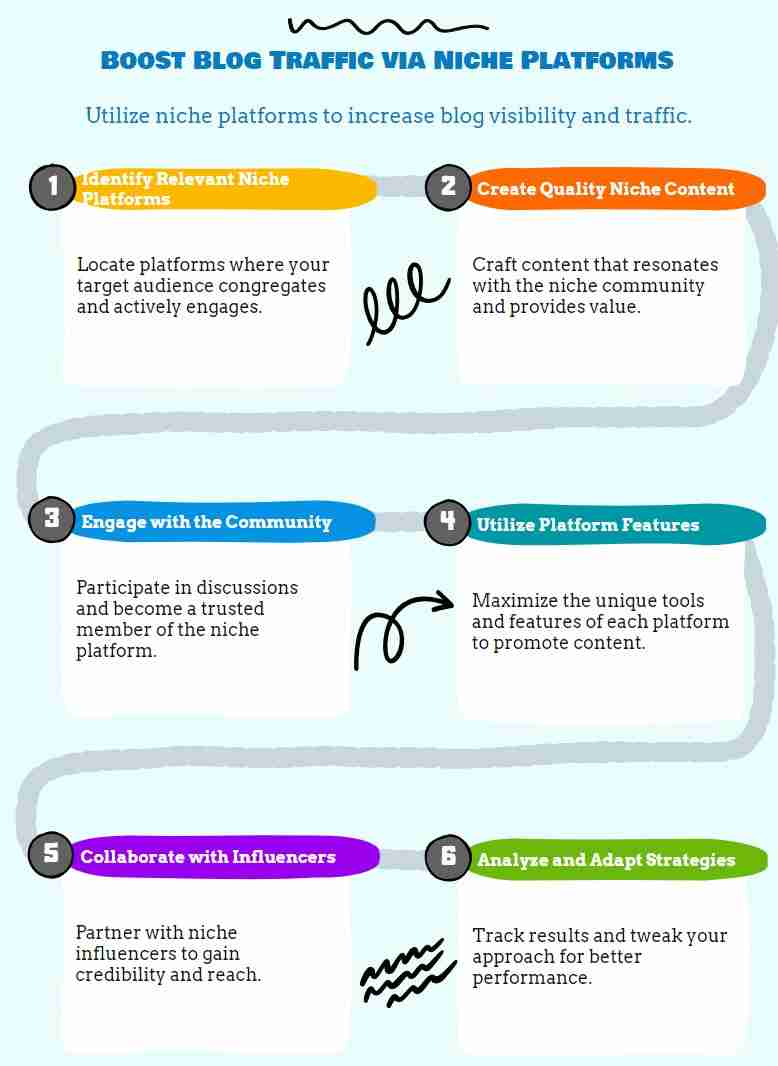
Glossary Of Terms
Other Questions
How to Design with Accessibility and Dignity In Mind – Other Questions
If you wish to explore and discover more, consider looking for answers to these questions:
- What are the key principles of accessible design?
- How can designers integrate user feedback effectively?
- What are some common barriers to inclusive design?
- How do different cultures view accessibility and dignity in design?
- What role do regulations and standards play in accessibility design?
- Can you provide examples of successful inclusive design projects?
- How can we measure the effectiveness of accessible design?
- What tools and resources are available for designers to create accessible spaces?
- How does technology impact accessibility in design?
- What steps can small businesses take to improve their design for accessibility?

Other Questions
Haiku
How to Design with Accessibility and Dignity In Mind – A Haiku
Design with heart’s grace,
Bridges built for every voice—
Dignity’s embrace.
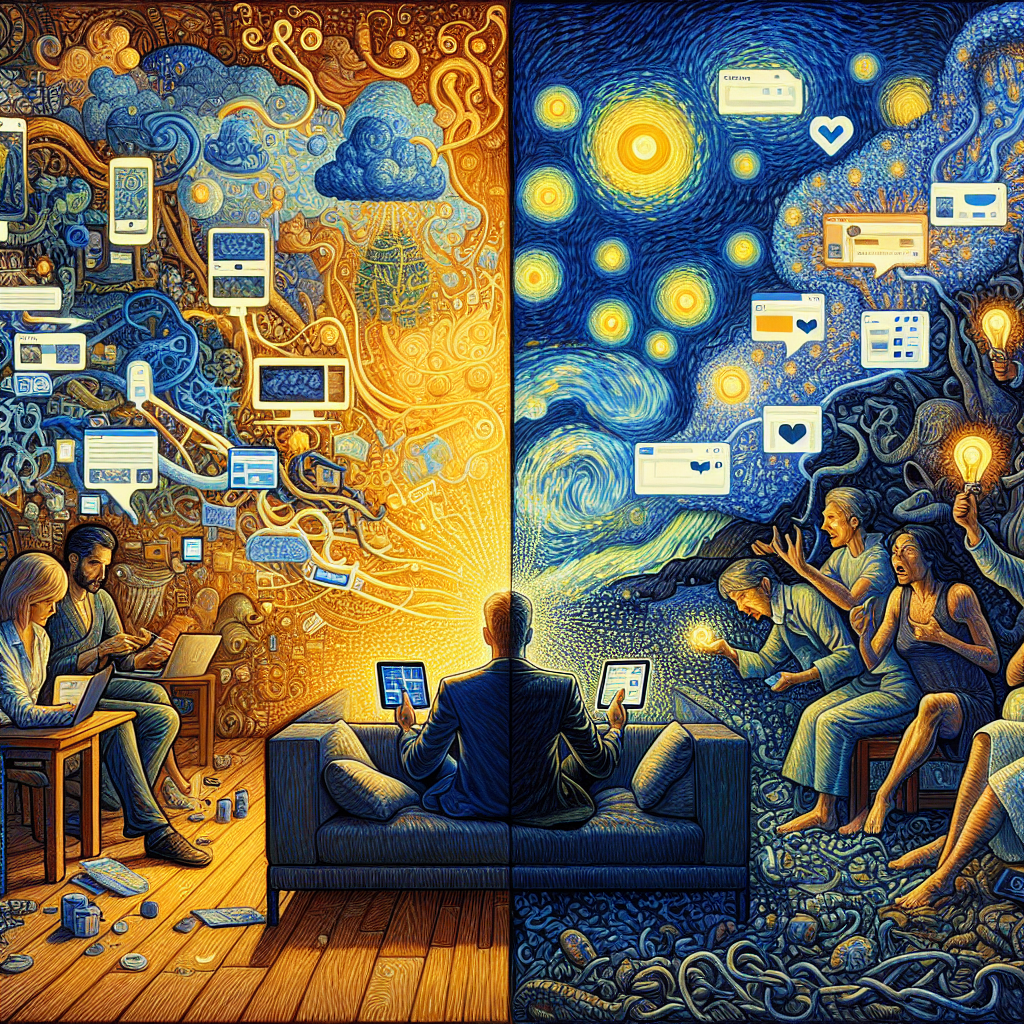
Haiku
Poem
How to Design with Accessibility and Dignity In Mind – A Poem
In a world designed with care and grace,
Every heart finds a welcoming space.
Through the lens of empathy, we begin,
To elevate each story, each life within.
From the grandmother seeking her kin’s embrace,
To the young man striving to find his place,
Every click, every touch, a bridge we build,
Inclusion’s promise, a vision fulfilled.
Imagine the joy when barriers fall,
A playground where all can answer the call.
In shared laughter, in friendships grown,
In designs that echo, “You are not alone.”
Yet beneath the surface, a question we face,
In pursuing the profit, are we losing grace?
When features are crafted to foster connection,
We stand for each other—a mutual reflection.
Let’s gather the voices often unheard,
Crafting with purpose, letting stories be stirred.
From the colors we choose to the pathways we pave,
Let dignity guide us, let compassion be brave.
When those sidelined are brought to the fold,
We weave a rich tapestry, vibrant and bold.
Together, our actions bring forth a light,
Creating a world where everyone’s right.
In the heart of design, let’s plant seeds of trust,
To shape spaces where everyone must.
For in every decision that honors our kin,
We find our shared strength, a community within.
So let’s roll up our sleeves, let our intentions shine,
Uniting our visions, our dreams intertwine.
Through accessible paths and profound respect,
We craft a future—one we can all connect.
Together we rise, as each story aligns,
Building a world where compassion defines.
With open hearts, let’s commit to the quest,
For a loving design that honors the best.

Poem
Checklist
How to Design with Accessibility and Dignity In Mind – A Checklist
Checklist for Designing with Accessibility and Dignity in Mind
Emotional Appeal:
1. Imagine the users: Visualize the diverse individuals who will interact with your design (e. g. , elderly, individuals with disabilities).
2. Create welcoming experiences: Think of how your design can foster emotional connections and a sense of belonging.
3. Share inspiring stories: Highlight testimonials from users who benefited from accessible design.
4. Design with empathy: Reflect on the challenges users might face and strive to make interactions smooth and respectful.
Rational Appeal:
5. Analyze engagement metrics: Regularly review data on user interaction and engagement to identify accessibility issues.
6. Calculate the ROI of accessibility: Assess the economic benefits of reaching a broader audience through inclusive design.
7. Research best practices: Stay updated on design standards and guidelines for accessibility to ensure compliance and innovation.
8. Compare designs: Evaluate how accessible designs outperform non-inclusive ones in user satisfaction and conversions.
Ethical Appeal:
9. Prioritize user needs: Ensure that every design decision considers the diverse needs of all users.
10. Uphold moral responsibilities: Acknowledge the ethical obligation to create accessible spaces that honor dignity.
11. Promote inclusivity: Advocate for including feedback from marginalized groups in the design process.
12. Challenge profit priorities: Reflect on whether design choices prioritize community well-being over profit margins.
Authority Appeal:
13. Consult experts: Engage with accessibility professionals to validate your design decisions.
14. Leverage existing guidelines: Refer to established frameworks (e. g. , WCAG) for creating accessible designs.
15. Build credibility: Showcase successful examples of accessible design that resonate with your brand’s mission.
Narrative Appeal:
16. Craft stories: Use storytelling to illustrate the impact of inclusive design on community well-being.
17. Invite testimonials: Collect and share user stories that reflect the positive changes brought about by your design.
18. Create a compelling vision: Envision the future you want to contribute to through accessible design and share that vision widely.
Social Appeal:
19. Engage with communities: Involve community members in the design process to ensure diverse perspectives are heard.
20. Foster collaborative dialogue: Facilitate workshops and discussions around accessibility and design inclusivity.
21. Promote advocacy: Encourage collective action among peers and stakeholders to champion accessible design initiatives.
22. Celebrate achievements: Recognize and share successes and improvements in accessibility within your designs.

Checklist
At WebsiteBloggers, we help website bloggers develop strategies to create content, traffic, and revenue from website blogs based on our experiences and experimentation.
Be sure to read our other related stories at WebsiteBloggers and share this article with your friends, family, or business associates who run website blogs.