Creating Powerful Connection Through Authentic Writing
By Tom Seest
At WebsiteBloggers, we help website bloggers develop strategies to create content, traffic, and revenue from website blogs based on our experiences and experimentation.
Be sure to read our other related stories at WebsiteBloggers and share this article with your friends, family, or business associates who run website blogs.
How to Make Readers Feel Seen In Every Post
Every time you sit down to craft a post for your website blog, remember that you’re not just sharing words—you’re reaching out to a multitude of souls, each with their own battles, dreams, and experiences. When you write with intention, you invite readers into a conversation, fostering a connection that’s both genuine and impactful.
Begin by tapping into the heart. Share personal anecdotes or stories that reflect universal experiences. Let the reader feel as if they’re not alone in their struggles; whether it’s the quiet anxiety before a big decision or the quiet joy of a simple moment. Strip away the pretense, lay bare your own vulnerabilities, and the readers will respond in kind. This kind of authenticity resonates in a world that often feels impersonal.
Next, appeal to the head. Statistics, facts, and reasoned arguments have their place—use them wisely. Show your audience the ‘why’ behind your message. Help them understand that their feelings are grounded in reality. When you provide clear, logical insights alongside emotional stories, you create a balance that engages both the heart and the brain. It’s about respecting your readers’ intelligence while also acknowledging their emotions.
Don’t shy away from ethical urgencies and social responsibilities either. Highlight the greater good, whether advocating for a cause or simply encouraging kindness and connection in everyday life. When content has purpose, it fosters a deeper trust. Readers are more likely to cling to your words when they feel that you stand for something beyond personal gain.
Emphasize authority through well-researched insights and credible experiences. Establish that you’re not just throwing words onto a page; you’ve walked the path, you’ve made mistakes, and you’ve learned invaluable lessons along the way. Your narrative becomes a beacon for those who navigate similar waters, giving them the confidence to explore their own journeys.
At the core of it all, invite engagement. Pose questions, encourage comments, and genuinely respond to your audience. Cultivate a community where readers feel valued and heard. Remember, behind every click and cursor is a person seeking connection, understanding, and inspiration. In every post, strive to make them feel seen—not just as a number, but as a vital part of your shared story.

How to Make Readers Feel Seen In Every Post
How to Make Readers Feel Seen In Every Post
- Craft blog posts with intention to connect with readers on a personal level.
- Share personal anecdotes that reflect universal experiences to foster a sense of solidarity.
- Balance emotional storytelling with logical arguments to engage both heart and mind.
- Address ethical urgencies and social responsibilities to build trust and foster greater good.
- Establish authority by sharing well-researched insights and personal experiences.
- Encourage reader engagement through questions and responsive dialogue to cultivate community.
- Make readers feel seen and valued, emphasizing their importance in the shared narrative.

How to Make Readers Feel Seen In Every Post
Table Of Contents
- How to Make Readers Feel Seen In Every Post
- What Emotions Are You Hoping to Evoke In Your Readers Today?
- How Are You Addressing the Concerns Your Readers Face In Their Lives?
- What Values Guide Your Writing and Connect You to Your Audience?
- How Do You Ensure Your Content Reflects the Diversity Of Your Readers?
- What Feedback Have You Received, and How Can It Improve Your Posts?
- How Can You Create a Sense Of Community Through Your Writing?
- What Questions Do Your Readers Ask That Deserve Thoughtful Answers?
- Conclusion
- Other Resources
- Glossary Of Terms
- Other Questions
- Haiku
- Poem
- Checklist
What Emotions Are You Hoping to Evoke In Your Readers Today?
What emotions are you hoping to evoke in your readers today? That question isn’t just a prompt; it’s an invitation to dig deep into your own intentions and the stories you share. Writing isn’t a mere exercise in putting words on a page; it’s the art of connection. Dive into the minds of your audience and consider what you want them to feel, and more importantly, why it matters.
Imagine, for a moment, that you’re standing on a windy cliff, overlooking a vast expanse. The view is breathtaking, the air is electric. That’s the kind of exhilaration you want to instill in your readers—inviting them to feel the wind on their face as they lose themselves in your narrative. You want them to feel something, anything, that resonates with their own life’s experiences.
To accomplish this, tap into the emotions that bind us all together—joy, sorrow, frustration, and triumph. Share a story that showcases resilience. A tale of a quiet hero who overcame the odds, or perhaps an anecdote about a moment that made you question everything. When your readers see reflections of their own struggles or victories, their hearts will synchronize with yours. This isn’t just storytelling; it’s building a sense of community around shared emotions.
But let’s not forget that emotions must be tempered by logic, too. Provide your readers with facts that support your narrative. When you combine potent emotions with sound reasoning, you create a powerful alchemy that resonates long after the final sentence. Anchor your tales in reality; share insights drawn from credible sources, be they statistics or compelling studies. This not only establishes your authority but instills trust.
And where’s the ethical appeal in all of this? It’s about being genuine. Your readers are savvy; they can sniff out insincerity from a mile away. Share your vulnerabilities. Show them that behind the keyboard, there’s a flesh-and-blood person grappling with life just like them.
Finally, engage their social instincts. Readers are looking for a sense of belonging—a chance to be part of a larger dialogue. Encourage them to share their thoughts, to contribute their own stories in the comments of your blog. The more you weave their experiences into the fabric of your narrative, the more they’ll feel connected and motivated to take action.
So, what emotions are you hoping to evoke? Choose wisely, write passionately, and watch as your words create a lasting impact.

What Emotions Are You Hoping to Evoke In Your Readers Today?
What Emotions Are You Hoping to Evoke In Your Readers Today?
- Consider the emotions you want to evoke in your readers and why it matters.
- Writing is an art of connection that should resonate with the audience’s experiences.
- Use powerful imagery to create an exhilarating atmosphere for readers.
- Base narratives on shared emotions like joy, sorrow, frustration, and triumph.
- Combine emotional storytelling with logical reasoning and credible facts.
- Be genuine and open about your vulnerabilities to build trust with readers.
- Encourage reader engagement and community building through shared experiences.

What Emotions Are You Hoping to Evoke In Your Readers Today?
How Are You Addressing the Concerns Your Readers Face In Their Lives?
Every day, countless individuals wrestle with struggles that often remain unspoken—financial worries, stress from work, the balancing act of home life. The realities of modern living can weigh heavily, leading to feelings of isolation and despair. It’s easy to think you’re the only one facing these trials, but look around. Those silent battles you’re fighting are shared by others. The key is not just recognition but connection, and that’s where we come in.
Our website and blog exist not merely to deliver information but to foster a community where readers feel seen and heard. We want to meet you right where you are, presenting solutions that resonate on multiple levels—emotionally, logically, and ethically. It’s about more than just sharing tips; it’s about telling stories that remind us of our shared humanity. Who hasn’t felt the sting of a day that didn’t go as planned or the weight of a decision that just seemed too heavy?
By weaving narratives grounded in real experiences, we create a tapestry that not only illustrates the challenges but also showcases the resilience found in overcoming them. Readers can find comfort in knowing that others have stepped into the same muddy boots and found their way through—triumphs can inspire action and hope.
We leverage our authority not through academic jargon, but by sharing practical, grounded advice derived from real-world knowledge—tools that are not just relevant, but actionable. Every article serves a purpose: to empower you to take the next step toward change. Whether it’s budgeting tips to ease financial strain or mindfulness exercises to combat everyday stress, we strive to provide valuable resources that resonate with the heart and challenge the mind.
Ultimately, we are here to remind you that nobody needs to tread these waters alone. The stories shared within our blog illustrate the power of community, where experiences can spark connections and foundations of support. Together, we can navigate the complexities of life, creating a network of support that honors each journey. Trust that you are part of a larger narrative—an inspiring testament to the courage it takes to face life’s uncertainties head-on. You’re not just surviving; you’re part of a movement of resilience and solidarity. Together, we can thrive.

How Are You Addressing the Concerns Your Readers Face In Their Lives?
How Are You Addressing the Concerns Your Readers Face In Their Lives?
- Many individuals struggle silently with financial worries, work stress, and home life balancing.
- Modern living can lead to feelings of isolation and despair, but these experiences are often shared by others.
- The website aims to foster a community where readers feel acknowledged and connected.
- Articles focus on resonating solutions—emotionally, logically, and ethically—beyond just tips.
- Narratives based on real experiences highlight both challenges and the resilience to overcome them.
- Practical advice is shared, empowering readers to take actionable steps toward change.
- The blog emphasizes community support, reminding readers they are part of a larger narrative of resilience.

How Are You Addressing the Concerns Your Readers Face In Their Lives?
What Values Guide Your Writing and Connect You to Your Audience?
When you sit down to write, what pulls at your heartstrings? Is it the struggle of a single parent working late into the night, or the joy of a child discovering the wonders of the world? Connecting with your audience starts right there—at the intersection of shared experiences and real emotions. Writing isn’t just about putting words on a screen; it’s a mirror reflecting feelings we all understand, regardless of our background.
Think about your values. Are they rooted in honesty, hard work, or the pursuit of knowledge? These aren’t just lofty ideals; they are the fabric that binds us to our readers. When you infuse your writing with authenticity, you not only engage hearts but also resonate with intellect. Readers crave truth and relatability, and when your words embody these qualities, you build a bridge of trust. Your audience is more likely to lean in when they feel you’re not just typing but sharing a piece of your soul.
Consider the power of storytelling. A well-crafted narrative can stir emotions just as effectively as a compelling argument. Sharing tales of triumph or adversity transcends mere statistics or dry data. It speaks to the human experience, drawing your readers into a shared journey. As you narrate your writing’s backdrop, you remind your audience that they, too, are part of this vast tapestry of life.
Values like empathy and responsibility also play a critical role in connecting with your community. Discuss issues that matter, but approach them with respect and understanding of different viewpoints. Your audience wants to feel seen and acknowledged, and when you embrace an ethical perspective, you foster a sense of belonging.
Now picture this: you’re crafting a blog post, not just to fill a website, but to ignite a conversation or inspire action. When you write with intention, you invite readers to not only engage with your words but to take them into their own lives. Every time you click “publish,” you unleash the potential for change, for connection, for unity.
At the core of it all, your writing should resonate on every level: heart, head, and gut. When you align your values with your message, you don’t just inform; you inspire. And that—my friend—is where true connection begins.

What Values Guide Your Writing and Connect You to Your Audience?
What Values Guide Your Writing and Connect You to Your Audience?
- Writing connects with audiences through shared experiences and real emotions.
- Authenticity in values like honesty and hard work engages readers and builds trust.
- Storytelling is a powerful tool that evokes emotions and transcends mere facts.
- Empathy and responsibility are essential for relating to diverse viewpoints in the community.
- Writing with intention can inspire conversations and prompt actions from readers.
- Every piece of writing has the potential to create change and foster unity.
- Resonating on emotional and intellectual levels enhances the impact of your message.

What Values Guide Your Writing and Connect You to Your Audience?
How Do You Ensure Your Content Reflects the Diversity Of Your Readers?
When it comes to ensuring your content reflects the diversity of your readers, you’ve got to dig a little deeper. It’s not just about checking boxes or spinning narratives to fit a mold; it’s about connecting, understanding, and truly seeing the stories that your audience carries in their hearts. With each article or blog post you craft, remember that your website isn’t just a platform for information; it’s a gathering place for shared experiences and unique perspectives.
Let’s start with empathy. Imagine yourself in the shoes of your readers. They come from various backgrounds, cultures, and walks of life, each bringing their own rich tapestry of experiences to your content. When you write, ask yourself: Who is going to resonate with this? Are you dismissing any voices in the conversation? Engage with them. Share their stories, acknowledge their struggles, and celebrate their triumphs. Create content that not only informs but also invites your readers to reflect on their lived experiences.
From a rational standpoint, consider the numbers. Diverse perspectives can lead to richer insights and more innovative ideas. Research tells us that inclusivity fosters creativity, which translates into content that resonates on multiple levels. A wider array of voices often leads to topics that hadn’t been explored or angles overlooked, enriching not only your content but also the audience’s engagement.
Ethically speaking, it’s your duty as a content creator to represent those who have been marginalized. In this digital age, where voices can easily be lost amid the noise, being an ally and advocate can make a huge difference. Fostering a sense of belonging can inspire loyalty and trust in your community. Your readers will appreciate your efforts to sincerely reflect them in your work, fostering a sense of connection.
This isn’t just a nice idea—it’s foundational. You want your audience to feel seen and heard. When your words resonate, they build bridges, ignite conversations, and create impact. Incorporate personal narratives and real-life stories into your articles or blogs. These stories are the heartbeat of your content, allowing readers to see themselves in your work, to feel that their lived experiences matter.
So go ahead and approach your content with open arms and an open heart. Embrace the beautiful tapestry of your readership. When you reflect their diversity in your work, you’re not just producing content; you’re building a community. And that, my friends, is worth every word.

How Do You Ensure Your Content Reflects the Diversity Of Your Readers?
How Do You Ensure Your Content Reflects the Diversity Of Your Readers?
- Ensure your content reflects the diversity of your readers by connecting and understanding their stories.
- Practice empathy by considering the backgrounds and experiences of your audience while writing.
- Engage with a variety of voices, sharing their stories and celebrating their struggles and triumphs.
- Diverse perspectives enrich content and foster creativity, leading to more innovative ideas.
- As a content creator, it’s your ethical duty to represent marginalized voices and foster inclusivity.
- Incorporate personal narratives and real-life stories to resonate with readers and validate their experiences.
- Embrace the diversity of your readership to build a sense of community and connection through your content.

How Do You Ensure Your Content Reflects the Diversity Of Your Readers?
What Feedback Have You Received, and How Can It Improve Your Posts?
Feedback isn’t just a collection of opinions; it’s a roadmap showing you where the potholes lie and where the scenery shines. When someone takes the time to comment on a post, they’re not just sharing their thoughts—they’re offering you a mirror. What reflects back might surprise you. Often, it’s easy to get lost in our own voice, swelling with pride over a cleverly crafted sentence or a beautifully staged photo. But what about those words that fell flat or the engagement that didn’t measure up?
Step back for a moment and see your website as a community hub, your blog as the lively conversation that unfolds there. When readers come together, they form a collective pulse, sharing what resonates with them and what doesn’t. This feedback isn’t just useful; it’s essential. It connects you to your audience in a way that’s both vulnerable and exhilarating. And trust me, the more you lean into listening, the more your content evolves.
Here’s the truth: people crave authenticity. They want to know that you’re human, just like them. When readers share their thoughts—be they praise or criticism—they’re engaging with your narrative, offering insights that could become the cornerstone of your next post. Maybe they long for deeper dives into certain topics or wish for a lighter tone on subjects that weigh heavily. Whatever the case may be, their feedback serves as a compass for your direction.
But it’s not all about promoting engagement; it’s about building ethics into what we share. Consider this: if your posts prompt a conversation, you have a responsibility to ensure that conversation is meaningful and enlightening. An ethical approach ensures that you’ve established an authority not built on self-promotion, but on trust and shared understanding.
The art of crafting a great post isn’t merely about putting pen to paper. It’s a dance, a dialogue between you and your audience. When you integrate their feedback, you invite them into the process, transforming that solitary act of writing into a powerful collaboration. So, the next time you receive feedback, lean into it. Cherish it. Allow it to sculpt your future posts. In doing so, you’re not only increasing the value of what you share but truly embracing the hearts and minds of the very community you seek to engage.

What Feedback Have You Received, and How Can It Improve Your Posts?
What Feedback Have You Received, and How Can It Improve Your Posts?
- Feedback serves as a roadmap, revealing areas for improvement and what resonates positively.
- Comments reflect the audience’s perspective, potentially surprising content creators.
- Viewing a blog as a community hub encourages meaningful interactions and insights from readers.
- Authenticity is crucial; readers seek a human connection and engagement with the narrative.
- Reader feedback can guide content direction, suggesting deeper exploration or adjustments in tone.
- Conversations generated by posts must be meaningful, emphasizing the importance of ethical sharing.
- Incorporating feedback transforms the writing process into a collaborative effort, enhancing community engagement.

What Feedback Have You Received, and How Can It Improve Your Posts?
How Can You Create a Sense Of Community Through Your Writing?
Writing is more than mere words on a page; it’s a bridge that connects people. When you sit down to compose, remember that every story you share is an invitation. An invitation to gather around a campfire of shared experiences, where readers can lean in, nod, and perhaps even shed a tear alongside you.
Think back to the last time you felt a tug at your heartstrings from a piece of writing. That moment of connection often sparks from authenticity. When you craft your website or blog, let your voice be a reflection of your true self. Speak from the heart about your struggles and triumphs; the rawness of those moments resonates like a familiar song. This isn’t just about you, though; it’s about the collective “us.” By revealing your vulnerability, you offer others the courage to share their own stories, knitting together a tapestry of shared humanity.
Appeal to your readers’ heads as much as their hearts. Ground your narratives in facts and insights that evoke thoughtfulness and introspection. When you share experiences or hard-won lessons, weave in data or insights that inspire trust and confidence. For instance, if your writing concerns community service, cite success stories or statistics that illustrate the impact of individual actions. This invites your readers not just to reflect, but to act—whether that’s volunteering, sparking discussions, or just reaching out to a neighbor.
Don’t shy away from the ethics of community—emphasize the importance of building a space where everyone feels valued. When readers feel their voices can be heard, you spark a dialogue where diverse perspectives come together. This social appeal is what transforms a solitary reading experience into an engaging conversation. Each comment, reply, or shared story builds momentum, reminding everyone that they are not alone in their experiences.
Yet, amidst the facts and emotional resonance, let your authority shine through. Share your knowledge, experiences, or expertise, showing that you’re not just a voice in the crowd, but a guide through the complexities of life. When readers see you as a trusted source, they’re more likely to embrace the community spirit you’re fostering.
Writing that creates a sense of community isn’t just about sharing; it’s about sparking connections—turning words into action, stories into bonds, and readers into friends. So pick up that pen, or open that laptop. Make your next piece not just a piece of writing, but a rallying cry for connection.

How Can You Create a Sense Of Community Through Your Writing?
How Can You Create a Sense Of Community Through Your Writing?
- Writing serves as a bridge connecting people through shared stories and experiences.
- Authenticity in writing fosters emotional connections, inviting readers to resonate with personal struggles and triumphs.
- Appeal to both the hearts and minds of readers by grounding narratives in facts, insights, and real-life examples.
- Encourage dialogue and diverse perspectives by emphasizing the importance of community and valuing all voices.
- Establish authority by sharing knowledge and experiences, positioning yourself as a trusted source in your writing.
- Create a sense of community through your writing, turning solitary experiences into collective engagement.
- Transform each piece of writing into a rallying cry for connection and action among readers.

How Can You Create a Sense Of Community Through Your Writing?
What Questions Do Your Readers Ask That Deserve Thoughtful Answers?
The pulse of your readership beats to the rhythm of curiosity. They come to your website seeking more than just information—they yearn for connection and understanding. It’s not just about answering questions; it’s about diving deep into the hearts and minds of those who engage with your blog.
Picture this: a parent worried about their child’s future, a student grappling with self-doubt, or a professional at a crossroads. When these individuals seek your wisdom, they want more than surface-level responses. They crave thoughtful answers that resonate. By addressing their questions with sincerity, you foster an environment of trust where readers feel seen and heard.
People often ask about topics that matter deeply to them—issues like work-life balance, ethical dilemmas, or the consequences of their choices. When you tackle these subjects with empathy and insight, you demonstrate that you’re not just another voice in the digital cacophony. Instead, you position yourself as a guide, leading them through the fog of uncertainty with a steady hand. It’s your duty to peel back the layers, to reveal truths that empower and enlighten.
Leverage your authority not just through facts and figures, but by sharing narratives that ring true for your readers. Tell the story of the single mother who juggles three jobs, or the young entrepreneur who bravely stands up to the naysayers. These relatable, human tales evoke emotion while illustrating the reality of the world we live in. They remind us all that behind every question lies a story—a journey filled with struggles, aspirations, and triumphs.
Engagement flourishes when you invite your audience into a dialogue rather than a monologue. Ask them for their experiences, for their insights. What challenges do they face? What dreams do they dare to chase? This not only enriches your blog but also builds a community of shared experiences, narrowing the gap between you and your readers.
When your intentions align with their need for guidance, you transform questions into discussions that matter. Each answer can be a spark that inspires action, nudging them toward a place of clarity or motivating them to seize an opportunity. Embrace the responsibility that comes with this role, and remember: the questions they ask are often the seeds from which life-changing ideas can grow. Nurture these inquiries with the thoughtfulness they deserve, and watch as your connection with your audience deepens and blossoms.
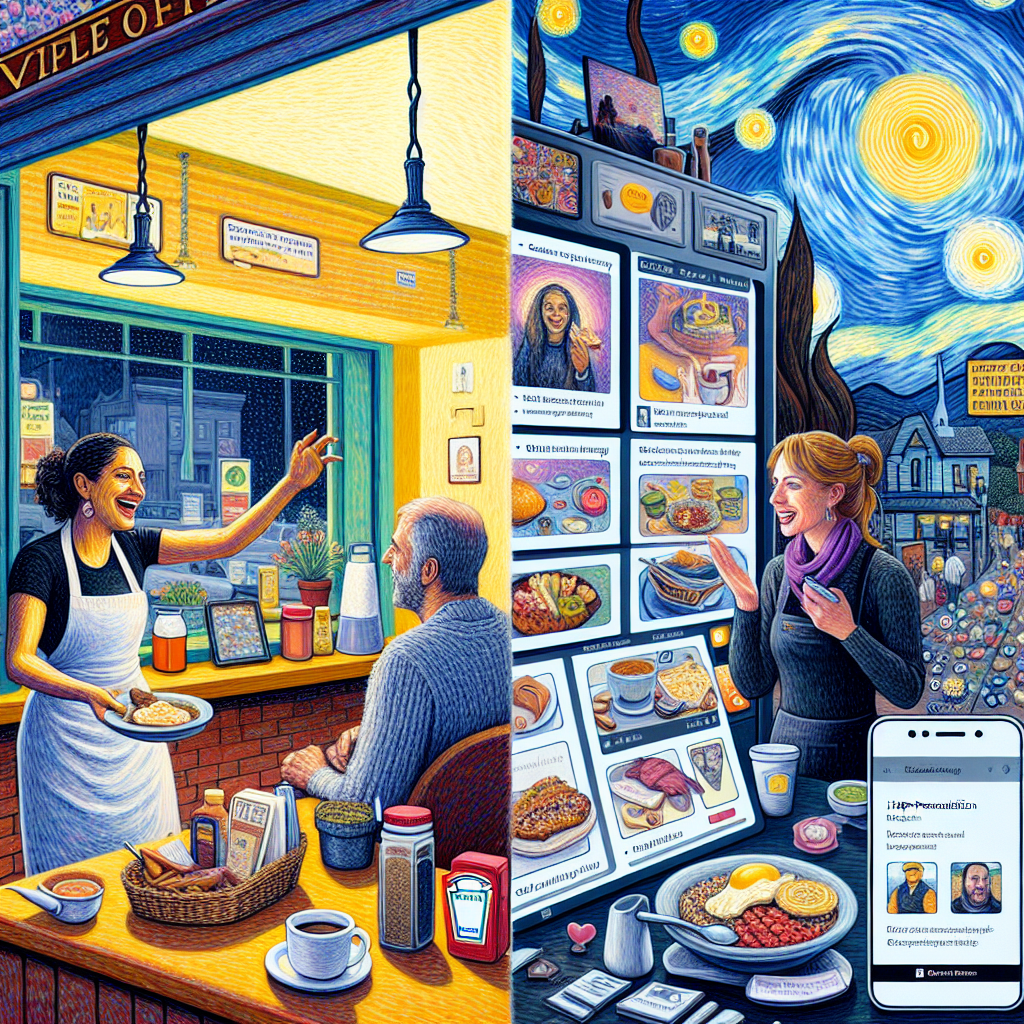
What Questions Do Your Readers Ask That Deserve Thoughtful Answers?
What Questions Do Your Readers Ask That Deserve Thoughtful Answers?
- Your readership seeks connection and understanding, not just information.
- Address deeper concerns with sincerity to foster trust and make readers feel heard.
- Tackle important topics like work-life balance and ethical dilemmas with empathy and insight.
- Share relatable narratives to illustrate struggles, aspirations, and triumphs.
- Encourage dialogue by inviting audience insights and experiences to build community.
- Transform questions into meaningful discussions that inspire action and clarity.
- Nurture inquiries with thoughtfulness to deepen your connection with the audience.

What Questions Do Your Readers Ask That Deserve Thoughtful Answers?
Conclusion
Crafting every post isn’t just an exercise in writing; it’s an opportunity to forge powerful connections. Each time you put pen to paper or fingers to keys, remember that you’re engaging with a diverse audience, each with their own life story. Writing with intention isn’t just about sharing facts; it’s about extending an invitation into a conversation that can resonate on an emotional level.
Start with your heart—share authentic stories and raw emotions. Humanity craves connection, and when you lay bare your vulnerabilities, you create a sanctuary where readers feel recognized in their struggles. Consider the anxiety before a big leap or the quiet happiness of a shared moment; these are universal experiences that bind us all. Authenticity cuts through the noise of an impersonal world.
But let’s not forget the intellectual side. Ground your stories in facts, insights, and reasoned arguments. When you weave together emotional narratives with logical structure, you engage both the heart and the head. This synergy respects the intelligence of your audience while validating their feelings, creating a richer understanding of your message.
Ethics and social responsibility matter immensely, too. When your writing serves a purpose beyond self-interest—be it advocating for kindness or shedding light on urgent societal issues—you foster trust. Readers appreciate when you stand for something larger than personal gain, and they respond by clinging to your words.
In the end, authority is crucial. Share your expertise and relate your experiences; authenticity comes from knowing you’ve been there too. Your stories of resilience can be a beacon for others navigating similar paths, instilling courage and confidence that encourages them to explore their own journeys.
Encouraging engagement transforms your audience into a community. Invite conversation, pose reflective questions, and genuinely respond to comments. Behind every click is a person yearning for connection, validation, and inspiration. Use your platform to create a space where readers feel valued, echoing their voices within a larger narrative.
As you write your next piece, remember the profound impact of making your audience feel seen. This isn’t just about sharing; it’s a call to unite, a celebration of shared humanity that echoes long after the screen fades. Engage, inspire, and invite them into the heart of your narrative, ensuring that each reader recognizes their own story reflected in your words. Because in the end, when people feel part of something greater, they don’t just read—they resonate, connect, and ultimately thrive together.

Conclusion
Conclusion:
- Every post is an opportunity to forge powerful connections with a diverse audience.
- Writing with intention invites emotional conversations rather than just sharing facts.
- Sharing authentic stories and vulnerabilities creates a sanctuary for readers feeling recognized in their struggles.
- Grounding narratives in facts and reasoned arguments engages both the heart and the head of the audience.
- Writing with a purpose beyond self-interest fosters trust and encourages readers to connect.
- Establishing authority through shared experiences instills courage and confidence in others.
- Encouraging audience engagement transforms readers into a community that feels valued and inspired.

Conclusion
Other Resources

Other Resources
Here is a list of other resources you can review online to learn more:
- Writecream.com
- Promptpal.net
- Playgroundai.com
- National Public Radio
- Bluewillow.ai
- Neural.love
- Prodia.com
- Rezi.ai
- Contlo.com
- Libsyn
- Weebly
- Avaturn.me
- Photoroom.com
- Paradox.ai
- Uberduck.ai
- Withpoly.com
- Unsplash
- Invideo.io
- Seo.ai
- Chatbase.co
Use This Prompt To Get More Resources With Your Favorite Online AI Tool: Please provide me with a list of online articles with their URLs in a bulleted list that I can read regarding How to Make Readers Feel Seen In Every Post

Other Resources
Glossary Terms
How to Make Readers Feel Seen In Every Post – Glossary Of Terms
1. Empathy: The ability to understand and share the feelings of others, fostering a connection with readers.
2. Engagement: The process of interacting with readers through comments, questions, and personalized content.
3. Inclusivity: The practice of ensuring that all readers feel represented and valued regardless of their backgrounds.
4. Tone: The attitude or emotional quality conveyed in writing, which can influence how readers feel about the content.
5. Authenticity: Presenting genuine thoughts and experiences to establish trust and relatability with the audience.
6. Listener: An attentive person who absorbs and reflects the thoughts and feelings of others, crucial for engaging content.
7. Narrative: The structured story or account being told, which can resonate deeply with readers when relatable.
8. Vulnerability: Sharing personal stories or struggles that encourage readers to open up and connect emotionally.
9. Personalization: Tailoring content to meet the specific preferences or needs of different reader segments.
10. Connection: The emotional bond established between the writer and the reader, enhancing the sense of being seen.
11. Feedback: Responses from readers that provide insight into their feelings and experiences, guiding future content.
12. Subjectivity: The influence of individual experiences and feelings on how content is interpreted by readers.
13. Community: A group of readers who feel a shared connection, often fostering a sense of belonging.
14. Storytelling: The art of conveying experiences through narrative, which can foster empathy and understanding.
15. Relevance: The quality of being applicable to the reader’s life or interests, enhancing engagement and recognition.
16. Validation: Acknowledging readers’ feelings and experiences, making them feel understood and accepted.
17. Cultural Sensitivity: Understanding and respecting the different cultural backgrounds of readers to make them feel seen.
18. Visualization: Creating mental images through descriptive language that resonates with readers’ experiences.
19. Relatability: The quality of a message or story being able to resonate with readers’ own experiences.
20. Simplicity: The use of clear, straightforward language that makes content accessible to a broader audience.
21. Introspection: The act of self-reflection that can help writers connect on a deeper level with readers.
22. Emotion: The feelings that writing evokes in readers, which can lead to a stronger connection with content.
23. Inclusiveness: The commitment to welcoming and acknowledging diverse perspectives and voices in writing.
24. Clarity: The quality of being clear and easy to understand, ensuring readers grasp the intended message.
25. Narrative Arc: The structure of a story that guides readers through a beginning, middle, and end, enhancing engagement.
26. Perspective: The viewpoint presented in writing that can shape reader understanding and connection.
27. Compassion: A deep awareness of and sympathy for the feelings of others, which can resonate with readers.
28. Curiosity: An inviting tone that encourages readers to explore their thoughts and experiences alongside the writer.
29. Authentic Voice: A distinctive style that reflects the writer’s true self, fostering a deeper connection with readers.
30. Encouragement: Words or phrases that uplift and support readers, helping them feel recognized and valued.

Glossary Of Terms
Other Questions
How to Make Readers Feel Seen In Every Post – Other Questions
If you wish to explore and discover more, consider looking for answers to these questions:
- How can I identify the emotional triggers that resonate with my specific audience?
- What are some effective techniques for sharing personal anecdotes that encourage reader connection?
- How do I balance emotional storytelling with factual information in my writing?
- What steps can I take to ensure that my writing addresses social issues responsibly?
- How can I cultivate a more engaged community of readers on my blog?
- What are the best ways to gather and implement feedback from readers?
- How can I ensure my writing remains authentic while addressing diverse perspectives?
- What are common concerns that readers face, and how can I address them in my content?
- How can I effectively encourage readers to share their own stories in the comments section?
- How can I measure the impact of my writing on my audience’s feelings and actions?

Other Questions
Haiku
How to Make Readers Feel Seen In Every Post – A Haiku
Words that touch the soul,
Shared struggles weave a strong bond—
Together we rise.

Haiku
Poem
How to Make Readers Feel Seen In Every Post – A Poem
In the quiet spaces of our minds,
Where souls are woven, intertwining,
A writer sits, with heart unconfined,
Crafting words to feel the world’s lining.
Each post a bridge, an open door,
A whispered truth, a common thread,
Sharing tales of trials we all bore,
In the shadows of doubt, light is shed.
With vulnerability, the stories unfold,
Tales of joy, of pain, of shared strife,
Inviting hearts to share their gold,
In the tapestry we weave, reflects life.
Logic joins, not as a wall,
But a partner in the dance of ideas,
Statistics speak, answering the call,
Grounding feelings, quelling fears.
Ethics rise, guiding our pen,
To lift the voices often unheard,
Fostering kindness, again and again,
In every line, let compassion be stirred.
Authority built on stories lived,
Lessons learned, mistakes embraced,
In honesty, trust is freely given,
Empowering voices, none misplaced.
Engagement blooms when questions spark,
A circle drawn, where we converse,
In the light of shared hearts, none are stark,
Sown like seeds, our words disperse.
So write with intent, let connection fill,
Each click, a heartbeat, a search for the real,
Together we rise, through valleys and hill,
In the embrace of our stories, we all heal.

Poem
Checklist
How to Make Readers Feel Seen In Every Post – A Checklist
Checklist for Crafting Content That Connects with Your Readers
Heart Appeals:
1. Share personal anecdotes that highlight universal experiences.
2. Show vulnerability by discussing your own challenges and triumphs.
3. Evoke empathy: Ask yourself how your readers might feel about the topic.
4. Use emotive language to draw readers into your narrative.
5. Incorporate relatable stories that foster a sense of community.
Head Appeals:
6. Provide statistics or data that support your message.
7. Present logical arguments to help readers understand the ‘why’ behind your content.
8. Use credible sources to enhance your authority and instill trust.
9. Encourage critical thinking by posing thought-provoking questions.
10. Balance emotional stories with rational insights to appeal to intellect.
Gut Appeals:
11. Address ethical issues and social responsibilities relevant to your audience.
12. Encourage readers to take action based on the insights shared.
13. Create content that resonates with their everyday struggles and aspirations.
14. Foster a sense of urgency about the importance of your topic.
15. Invite feedback and engage in meaningful conversations to build connection.
Narrative Appeals:
16. Craft compelling stories that illustrate the challenges and triumphs your audience faces.
17. Highlight individuals or communities who have overcome adversity.
18. Weave narratives that reflect diverse perspectives and experiences.
19. Utilize storytelling techniques to make your points engaging and memorable.
20. Conclude with a call-to-action that promotes sharing their own stories.
Social Appeals:
21. Encourage comments and dialogue to build a sense of community.
22. Create content that acknowledges diverse voices and experiences.
23. Recognize reader contributions and respond to their insights.
24. Build a network of support through shared stories and experiences.
25. Promote kindness and connection among your readers.
Utilize this checklist to ensure your writing resonates emotionally, logically, and ethically with your audience. Each point serves as a guide to fostering genuine connections through your content.

Checklist
At WebsiteBloggers, we help website bloggers develop strategies to create content, traffic, and revenue from website blogs based on our experiences and experimentation.
Be sure to read our other related stories at WebsiteBloggers and share this article with your friends, family, or business associates who run website blogs.