Uncover The Best Website Blog Product Research Techniques
By Tom Seest
At WebsiteBloggers, we help website bloggers develop strategies to create content, traffic, and revenue from website blogs based on our experiences and experimentation.
Be sure to read our other related stories at WebsiteBloggers and share this article with your friends, family, or business associates who run website blogs.
How to Research a Product for a Website Blog?
When it comes to crafting a compelling blog post about a product, the key ingredient is thorough research. You want your audience to trust you, and that trust starts with solid facts. Here’s how to dig in and gather the juicy insights that will elevate your content from “meh” to “wow.”
First off, you need to understand the product inside and out. Start by visiting the manufacturer’s website. This is your goldmine of information. Look for product specifications, features, benefits, and any unique selling points they may highlight. Don’t just skim; take notes on what makes this product stand out from the competition. You’re angling to be the go-to resource for anyone interested in this item, so get ready to dig deeper.
Beyond the website, consult customer reviews. Platforms like Amazon, Yelp, or specialized review sites can provide a veritable treasure trove of consumer opinions. Pay attention to recurring themes in both the positive and negative feedback. What do people love most about the product? Where do they feel it falls short? This will help you present a balanced view, which is crucial for maintaining credibility in your blog.
But hold your horses; we’re not done yet. Dive into forums and social media. Places like Reddit or niche Facebook groups can offer unfiltered insights straight from the mouths of users. Start conversations, ask questions, and glean opinions that you might not find in traditional reviews. This grassroots research can add a raw authenticity to your writing that no corporate blurb can match.
Next, check out competitor products. This isn’t about throwing shade; it’s about understanding the landscape. Look at similar products and what makes them tick—features, pricing, and user experiences. This not only helps you position your product but enriches your readers’ understanding of their options.
Finally, back up your claims with data. If you cite statistics or comparisons, make sure they come from trustworthy sources. Link to empirical studies or reliable articles to bolster your arguments. This lends credibility to your blog, establishing you as a trustworthy resource in the eyes of your audience.
So roll up your sleeves, dig deep, and remember—the best research isn’t just about gathering facts; it’s about telling a story that resonates with your readers and leaves them a little bit wiser. Happy researching!

How to Research a Product for a Website Blog?
How to Research a Product for a Website Blog?
- Conduct thorough research for trustworthiness in product blogs.
- Visit the manufacturer’s website for detailed product specifications and unique selling points.
- Review customer feedback on platforms like Amazon and Yelp for balanced perspectives.
- Engage in forums and social media for authentic user insights.
- Analyze competitor products to understand the market landscape.
- Support your claims with data from reliable sources to enhance credibility.
- Focus on telling a compelling story that resonates with readers.

How to Research a Product for a Website Blog?
Table Of Contents
- How to Research a Product for a Website Blog?
- What Are Factors to Consider When Researching a Product for a Blog?
- How to Identify Reliable Sources for Product Information for a Blog?
- What Tools Can Assist In Product Research for a Website Blog?
- How to Evaluate Product Reviews Effectively for a Website Blog?
- What Are Common Mistakes to Avoid When Researching Products?
- How Do I Determine The Target Audience for a Product Website Blog?
- What Role Does Competitor Analysis Play In Product Research?
- How to Stay Updated on Product Trends and News for a Website Blog?
- What Metrics to Track When Researching a Product for a Website Blog?
- How to Validate The Claims Made By Product Manufacturers for a Blog?
- What Questions to Ask During Product Research for a Website Blog?
- How to Incorporate User Feedback Into Research for a Website Blog?
- What Are The Best Practices for Organizing Product Research Findings?
- Conclusion
- Other Resources
- Glossary Of Terms
- Other Questions
- Checklist
What Are Factors to Consider When Researching a Product for a Blog?
When you’re knee-deep in the world of product research for your blog, it can feel like you’re diving into a vast ocean of options, opinions, and marketing chatter. But fear not; sorting through the noise requires more than just enthusiasm—it’s about having a plan. So, what are the factors you should jot down on your notepad as you embark on this journey? Let’s break it down.
First, think about the website where you’re getting your information. Not all sources are created equal. A reputable website will often have reviews based on actual user experiences rather than sponsored content. Look for established brands that engage with their audience, have clear contact information and provide transparency about their product testing. A quick glance at the “About” page can reveal whether a blog or website is simply a promotional tool or a credible resource.
Next up, consider the product at hand. Is it something that people rave about or something that falls off the radar quickly? Pay attention to user reviews—not just the star ratings but the words that accompany them. Are people mentioning specific pros and cons that resonate with you? This is where personal experience comes into play. If you’ve used the product yourself, your opinion weighs heavily in the decision-making process.
In addition to reviews, dig into the price point. Cost is a significant factor for many consumers. Determine if the product is worth the investment. Compare it with similar offerings—do you get more bang for your buck elsewhere? This doesn’t mean you should skimp on quality, but balance is key.
Quality is often relative to brand reputation and manufacturing standards. Many times, the best products come from companies that prioritize craftsmanship and ethical sourcing. Look for certifications or awards that can vouch for a product’s integrity.
Lastly, when researching, don’t forget the ingredient list or material sourcing. What’s on the label can reveal a lot about what you’re buying. Avoid products with a long list of unpronounceable ingredients unless you know their purpose and effectiveness.
In summary, take your time and examine both the website and product closely. Factor in user reviews, price, quality, and sourcing for a well-rounded understanding. Empower yourself with knowledge, and your blog will not only inform but inspire your readers. Happy researching!

What Are Factors to Consider When Researching a Product for a Blog?
What Are Factors to Consider When Researching a Product for a Blog?
Here’s a bulleted summary of the text formatted as an HTML list:
- Product research requires a structured approach amidst the overwhelming amount of information.
- Verify the credibility of the website providing information; prioritize reputable sources with actual user reviews.
- Investigate the product’s popularity through user reviews, focusing on specific pros and cons.
- Evaluate the price against similar products to ensure value without compromising quality.
- Assess quality based on brand reputation, manufacturing standards, and certifications.
- Review the ingredient list or material sourcing for transparency and effectiveness of the product.
- Take your time to examine all factors for a thorough understanding to empower your blogging efforts.

What Are Factors to Consider When Researching a Product for a Blog?
How to Identify Reliable Sources for Product Information for a Blog?
When it comes to weeding through the vast jungle of online product information, knowing how to identify reliable sources is like having a trusty compass in the middle of a thick forest. In this digital age, where misinformation can spread faster than wildfire, finding the truth about a product is crucial for consumers who want to make informed decisions.
First things first, let’s talk about the source itself. Website credibility is paramount. Are you looking at a domain that inspires trust? Preferably stick to established companies or well-known organizations. If you come across a blog that looks like it was assembled overnight by someone using a dial-up connection from the 90s, it might be wise to tread cautiously. A shiny facade doesn’t always mean trustworthy content.
Next, consider the authors. Who wrote the article, and do they have any expertise in the field? A product review from an industry professional or an experienced consumer can hold more weight than Joe Schmoe’s rambling thoughts over his morning coffee. Look for bios — many reputable websites will provide information about their authors, their qualifications, and the experience they bring to the table. If they’re sharing insights about tech gadgets and they can’t even spell “gadget,” you might be better off seeking opinions elsewhere.
Now, let’s discuss citations. A reliable source will back up claims with evidence, often linking to credible studies or expert opinions. If a blog post is just a bunch of opinions flying around without any facts or data to support them, it’s time to scratch that one off your list. Transparency is key; if you can’t verify what you’re reading, you might be looking at fluff instead of real substance.
Also, keep an eye on the comments and engagement. A blog that’s alive with discussion and critical feedback from knowledgeable readers can be a treasure trove of information. If you notice that everyone is treating the content like gospel in a comment section with no critical discourse, that could be a red flag.
Finally, always look for consistency across sources. If multiple reputable websites are echoing the same information, you might be onto something solid. The truth has a habit of standing up to scrutiny and getting better with testimony. Stick to these guidelines, and you’ll equip yourself to navigate the wild world of online product information with confidence.

How to Identify Reliable Sources for Product Information for a Blog?
How to Identify Reliable Sources for Product Information for a Blog?
- Identifying reliable sources is essential for consumers in the age of misinformation.
- Website credibility is crucial; prefer established companies or well-known organizations.
- Verify authors’ expertise; professional reviews carry more weight than casual opinions.
- Look for citations and evidence backing claims to ensure substance over fluff.
- Engagement and comments on a blog can provide valuable insights and indicate credibility.
- Check for consistency across multiple reputable sources for confirmation of information.
- Following these guidelines helps consumers make informed decisions about products.

How to Identify Reliable Sources for Product Information for a Blog?
What Tools Can Assist In Product Research for a Website Blog?
When it comes to product research for your website blog, the right tools can make all the difference. It’s like having the right equipment when digging for treasure—you’re going to find a lot more with a sturdy shovel than with a flimsy spoon. So, let’s roll up our sleeves and get into the nitty-gritty of what tools can assist you in this essential task.
First up, we have keyword research tools like Google Keyword Planner and SEMrush. These are invaluable for uncovering what potential customers are searching for. Let’s face it, you can write the best blog post out there, but if no one is searching for it, it’s like singing into the void. By identifying high-volume keywords, you can tailor your content to meet the demands of your audience, increasing your chances of drawing in those digital readers like moths to a flame.
Next, let’s not overlook the power of social media analytics tools. Platforms like Hootsuite and BuzzSumo provide insights into trending topics and audience engagement. You can see what’s hot and what’s not, allowing you to pivot your research and content strategy accordingly. Social media isn’t just a place to show off your lunch—it’s a goldmine for identifying gaps in the market and figuring out what resonates with your community.
Another set of tools worth considering are competitor research tools such as Ahrefs and SpyFu. By taking a peek at what your competition is doing, you can identify successful strategies and perhaps avoid their pitfalls. It’s like being in a high-stakes game of chess; knowing the moves of your opponent can give you an edge.
Don’t forget about survey tools! Platforms like SurveyMonkey or Typeform allow you to gather direct feedback from your audience. Finding out what they really want or need is pure gold in the world of product research. It gives you a chance to involve your audience in the process, making them feel valued—and isn’t that what we’re all after anyway?
Lastly, consider using CRM software, like HubSpot, to manage and analyze customer interactions. This can provide insights into customer behavior and preferences, allowing you to hone your product offerings based on actual data rather than mere speculation.
Product research for your website blog doesn’t have to be a shot in the dark. With the right tools in your arsenal, you can navigate the waters of consumer demand and content creation with purpose and clarity. The world is your oyster—now go find that pearl!

What Tools Can Assist In Product Research for a Website Blog?
What Tools Can Assist In Product Research for a Website Blog?
- The right tools are essential for effective product research for your blog.
- Keyword research tools like Google Keyword Planner and SEMrush help identify high-volume keywords.
- Social media analytics tools (e.g., Hootsuite, BuzzSumo) offer insights into trending topics and audience engagement.
- Competitor research tools such as Ahrefs and SpyFu help analyze competitors’ strategies.
- Survey tools like SurveyMonkey and Typeform allow gathering direct feedback from your audience.
- CRM software (e.g., HubSpot) aids in managing customer interactions and understanding behavior.
- Using the right tools can lead to informed decisions and successful content creation.

What Tools Can Assist In Product Research for a Website Blog?
How to Evaluate Product Reviews Effectively for a Website Blog?
When it comes to engaging your audience on a website or blog, understanding how to evaluate product reviews effectively is essential. With a digital landscape teeming with options, it’s more critical than ever to sift through the noise and find genuine insight. Here’s how to dive into the murky waters of product reviews like a seasoned prospector looking for gold.
First, let’s talk about authenticity. Just like you wouldn’t trust a shady dealer in a back alley, you shouldn’t take every glowing review at face value. Look for nuanced feedback that takes into account both strengths and weaknesses. A product that only has five-star reviews may raise a red flag. That’s where the treasure lies—in honest, balanced reviews that provide a broader context.
Next, consider the reviewer’s expertise. Is this individual a seasoned professional, or just another enthusiastic amateur? Evaluate the credibility of the reviewer. If they have a history of delivering insightful critiques, their opinion likely carries more weight. Also, check for detail in their assessment. Vague comments like “It’s great!” don’t cut it. Look for specifics that reveal the reviewer’s personal experience. This kind of detail can give you a clearer picture of what you’re really getting into.
As you read through the reviews, don’t overlook patterns. If multiple reviewers mention the same issues or praises, sensible conclusions can be drawn. Think of it like crowd-sourcing; a chorus of voices can help you identify trends. It’s also beneficial to gauge how the company responds to criticism. A brand that engages constructively and addresses customer concerns can be a good sign of quality and customer care.
Let’s not forget the timing. Is the review from a long-standing product, or is it fresh off the assembly line? New products may have limited reviews but could still be promising. Conversely, older products might have been updated or improved over time. The age of the review can provide significant insight into how a product has held up.
In summary, evaluating product reviews is not just about scanning for stars; it’s a detailed investigation. By focusing on authenticity, reviewing the reviewer’s expertise, recognizing patterns, and noting the timeline, you’ll navigate through the clutter to find real value. Remember, being informed is the name of the game, and your website or blog deserves nothing less!

How to Evaluate Product Reviews Effectively for a Website Blog?
How to Evaluate Product Reviews Effectively for a Website Blog?
- Understanding product reviews is crucial for engaging your audience online.
- Authenticity matters; look for balanced reviews that highlight both strengths and weaknesses.
- Evaluate the credibility and expertise of the reviewer for more reliable insights.
- Seek detailed feedback rather than vague statements to get a clearer understanding of the product.
- Identify patterns in reviews to discern common issues or praises among multiple reviewers.
- Consider the company’s response to criticism as an indicator of quality and customer care.
- The timing of a review can reveal important information about a product’s longevity and updates.

How to Evaluate Product Reviews Effectively for a Website Blog?
What Are Common Mistakes to Avoid When Researching Products?
When diving into the world of product research, it’s easy to get lost in the maze of options, reviews, and recommendations. A careful approach can save you money and frustration, but there are some common pitfalls that can trip you up along the way. Let’s break them down.
First off, reliance on a single source can be your downfall. Sure, that one website might seem authoritative, but remember, even the best of them can have biases or outdated information. Scope out a variety of websites and blogs. Each perspective adds a layer of understanding. Sure, a blog might be written by an enthusiastic novice, but they could have valuable insights or experiences to share that the big players overlook. Don’t stop at one review—expand your horizons.
Next up? Ignoring user testimonials or reviews. We live in a digital age where people love to voice their opinions. Before you click “purchase,” sift through what actual customers have to say. Look for patterns in the feedback—if multiple people are having the same issue, that’s a red flag. Conversely, if you see repeated praise for a certain feature, that might just be the selling point you’ve been looking for.
Now, let’s talk about the timing of your research. Often, folks will scramble to find the latest and greatest in a panic right before they need something. This is a rookie mistake. Give yourself time. Researching a product well in advance allows you to make calmer, more informed decisions rather than hasty purchases driven by urgency.
Another pitfall is confusing features with benefits. Just because a product boasts a laundry list of high-tech features doesn’t mean it’s right for you. Ask yourself: How will this product really change my life? Focus on what you need rather than what’s trendy. The glitzy features advertised can sometimes cloud the basic functionality you need.
Finally, steer clear of confirmation bias. It’s tempting to only seek out information that validates your initial thoughts or preferences, but this can lead to poor decision-making. Challenge yourself to consider alternatives. Get outside that comfort zone!
Avoid these common traps, and your product research can transform into a useful process rather than a frustrating headache. Equip yourself with knowledge, keep your eyes and mind open, and you’ll be well on your way to making solid purchases.

What Are Common Mistakes to Avoid When Researching Products?
What Are Common Mistakes to Avoid When Researching Products?
- Relying on a single source for product information can lead to biased or outdated conclusions.
- It’s important to explore a variety of websites and blogs for diverse perspectives.
- Ignoring user testimonials and reviews may mean missing out on crucial insights from actual customers.
- Look for patterns in feedback to identify potential issues or highlight standout features.
- Give yourself adequate time for product research to avoid hasty, panic-driven purchases.
- Focus on benefits rather than just features; ensure the product meets your needs.
- Avoid confirmation bias by challenging your initial thoughts and considering alternatives.

What Are Common Mistakes to Avoid When Researching Products?
How Do I Determine The Target Audience for a Product Website Blog?
Determining the target audience for your product website blog isn’t just a stroll through the park; it’s akin to a well-planned expedition into the great unknown. You’ve got to roll up your sleeves, dig deep, and maybe even get a little dirty along the way. So, grab your metaphorical shovel, and let’s get to work like the hardworking folks who shape our world one day at a time.
First things first—understand your product. What are you selling, and what makes it valuable to potential customers? Whether it’s a shiny new gadget, a revolutionary service, or an evergreen piece of advice, you need to grasp the core benefits your product offers. Now, you might be asking yourself, “Who would actually want this?” That’s where the fun begins.
Consider creating buyer personas. These aren’t just fanciful sketches of who you think might buy your product; they’re well-rounded profiles that reflect the characteristics, desires, and pain points of your ideal customers. Start by looking at demographics—age, gender, income, education—but don’t stop there. Dive into the psychographics. What makes these folks tick? What challenges do they face, and why would they turn to your product? A little detective work goes a long way here.
Next up, tap into your existing channels. Your website and blog are like little greenhouses where you can nurture your audience’s insights. Analyze your current traffic and engagement statistics. Tools like Google Analytics can be a goldmine, providing clues about who is already visiting your site, reading your blog posts, and interacting with your content. Pay attention to the keywords that drive traffic. What do they reveal about your audience’s intentions and interests?
Then, let’s not forget about social media. Platforms like Facebook, Instagram, and LinkedIn can serve as an extension of your research lab. Observe the conversations around your product. Who’s raving about it? Who has questions? You’ll gather a wealth of knowledge about where your audience hangs out and engages, which can shape your content strategy.
Lastly, don’t shy away from direct interaction. Send out surveys, conduct interviews, or host focus groups. Laying the groundwork through feedback will ensure that your website blog resonates with the very people you aim to serve.
Ultimately, determining your target audience is about rolling up your sleeves and getting to know them. The more you understand their needs, the more effectively you can tailor your product website blog to truly connect and engage. Now get out there and start digging!

How Do I Determine The Target Audience for a Product Website Blog?
How Do I Determine The Target Audience for a Product Website Blog?
- Understanding your product is crucial; know what you are selling and its core benefits.
- Create detailed buyer personas that reflect the characteristics, desires, and pain points of your ideal customers.
- Analyze demographics (age, gender, income, education) and psychographics to understand customer motivations.
- Utilize existing channels, such as your website and blog, to analyze traffic and engagement statistics for insights.
- Employ tools like Google Analytics to uncover valuable keyword data that reflects audience interests and intentions.
- Monitor social media platforms for conversations about your product to identify engaged audience segments.
- Gather direct feedback through surveys, interviews, or focus groups to ensure content resonates with the target audience.

How Do I Determine The Target Audience for a Product Website Blog?
What Role Does Competitor Analysis Play In Product Research?
When diving into the deep waters of product research, understanding the competition is like having a sturdy compass guiding you through uncharted territories. Competitor analysis isn’t merely a checkbox on your to-do list; it’s an essential lifeline. It gives you the intel you need to pivot, innovate, and succeed.
Let’s break it down: Imagine you’re launching your own website or blog. You’ve got a fantastic idea, a killer product, and maybe a sprinkle of passion driving you forward. However, the digital landscape is dotted with existing players who have already established their presence. This is where competitor analysis wades in to help. You can take a close look at your rivals’ offerings, the value propositions they promote, and even the tone they use on their platforms.
First off, competitor analysis sheds light on gaps in the market. A wise product researcher knows that rather than reinventing the wheel, you can identify areas that your competitors have overlooked. Tracking their customer reviews can reveal what users love—or intensely dislike—about their products. These insights can inform your own design, ensuring you fill those gaps and meet the desires of potential customers.
Next, it helps you refine your unique selling proposition. By studying how others position themselves in the market, you can carve out your niche and communicate why your product is worth the investment. It’s not just about what you sell; it’s about how you differentiate yourself. This understanding arms you with the necessary tools to create compelling content for your website or blog, attracting those elusive customers who are eager for something fresh.
Moreover, competitor analysis fuels your marketing strategy. Knowing what works and what misses the mark for others means you can tweak your approach. Analyze their social media campaigns, email marketing strategies, or paid advertisements to find inspiration—or cautionary tales. This can lead to smarter investments of your marketing dollars and resources.
In essence, competitor analysis serves as both a lighthouse and a treasure map in the tumultuous seas of product research. It equips you with the knowledge needed to navigate challenges, tap into market needs, and ultimately, deliver a product that resonates with your audience. So, roll up your sleeves, dig in, and make competitor analysis a cornerstone of your product research journey. It’s a gritty job, but someone’s got to do it, and success favors the well-prepared.

What Role Does Competitor Analysis Play In Product Research?
What Role Does Competitor Analysis Play In Product Research?
- Competitor analysis is essential for product research, acting as a guiding compass in the digital landscape.
- It helps identify the established players in the market and their offerings, providing insights into customer preferences.
- Analyzing competitors reveals market gaps that can be exploited, allowing for innovative product development.
- This process refines your unique selling proposition, helping you communicate what sets your product apart.
- Competitor analysis informs marketing strategies by highlighting effective and ineffective approaches used by others.
- It serves as a tool to navigate challenges and tap into market needs, ensuring product resonance with the audience.
- Incorporating competitor analysis into your strategy is crucial for success in product launches and overall business growth.

What Role Does Competitor Analysis Play In Product Research?
How to Stay Updated on Product Trends and News for a Website Blog?
Staying ahead of the curve in product trends and news is like navigating a ship through turbulent waters. It can be overwhelming if you don’t have the right tools or a reliable map. Whether you run a website or are simply looking to keep your blog fresh, you need to develop a strategy to stay informed. Here’s how you can make sure that you’re always in the loop.
First, embrace social media. There’s no denying that platforms like Twitter, Facebook, and LinkedIn are treasure troves of information. Follow industry leaders, brands, and influencers who know what’s what. Engage with their content; this is where news breaks and trends ignite. Occasionally, throw in a few quirky memes or thought-provoking questions to spark conversations on your blog. You’d be surprised how quickly a few likes can lead to deeper insights.
Next, sign up for newsletters and alerts. Whether it’s from reputable websites or industry-specific publications, curated content can save you time and effort. A well-crafted newsletter packed with updates delivers valuable information right to your email inbox. It’s like having a knowledgeable friend who nudges you every now and then with the latest buzz.
Don’t overlook the power of forums and online communities. Sites like Reddit, Quora, or industry-specific message boards allow you to tap into collective expertise. These platforms are valuable resources where you can learn what others are discussing and how they perceive the trends. Curating your findings into your blog not only enhances your credibility but also keeps your readers coming back for more of your trustworthy insights.
Podcasts and webinars are also phenomenal ways to glean knowledge. Tune in during your commute or while performing chores around the house. Experts often share firsthand experiences and predictions about the market that can directly inform your website strategy. Make it a practice to take notes; these nuggets of wisdom can be gold for your future blog content.
Lastly, monitoring competitors isn’t just a sneaky tactic; it’s practical business. Keep an eye on what others in your niche are doing. Their successes and mistakes can serve as a roadmap for your own website and blog.
The key is to stay curious and resourceful. The world of product trends and news is dynamic, and it’s your job to keep your fingers on the pulse. So, grab your metaphorical binoculars and start scouting the horizon. Your upcoming website and blog posts will thank you for it.

How to Stay Updated on Product Trends and News for a Website Blog?
How to Stay Updated on Product Trends and News for a Website Blog?
- Staying updated on product trends requires strategic tools and reliable information sources.
- Embrace social media platforms (Twitter, Facebook, LinkedIn) to follow industry leaders and engage with their content.
- Sign up for newsletters and alerts from reputable websites to receive curated information directly to your inbox.
- Participate in forums and online communities (e.g., Reddit, Quora) to access collective expertise and gauge industry perceptions.
- Listen to podcasts and attend webinars during daily activities to gain insights from experts and enhance your blog content.
- Monitor competitors to learn from their successes and mistakes, aiding your own strategy.
- Stay curious and resourceful to keep pace with the dynamic world of product trends and news.

How to Stay Updated on Product Trends and News for a Website Blog?
What Metrics to Track When Researching a Product for a Website Blog?
When it comes to researching a product for your website or blog, metrics matter. They’re the backbone of your strategy, your guiding stars in the vast cosmos of consumer data. So, let’s roll up our sleeves, get our hands dirty, and dive into the essential metrics you should track to ensure your readers get the best recommendations possible.
First up, you’ve got to consider the conversion rate. This metric tells you how many visitors to your site actually make a purchase after checking out your blog. A high conversion rate can indicate that your content resonates with your audience, while a low one suggests there may be room for improvement. Are you engaging readers with compelling product descriptions? Are the calls-to-action on point? These questions can be answered through conversion metrics.
Next, don’t overlook the traffic sources. Understanding where your readers are coming from can help tailor your content accordingly. Is your audience finding your blog through social media, search engines, or referrals? Each source offers unique insights and opportunities for optimization. Focus on the platforms that drive the most traffic, and consider where to invest your energy for better results.
Another critical metric to monitor is the bounce rate. This tells you how many visitors leave your site after viewing just one page. A high bounce rate could signal that your entry content isn’t engaging enough or that readers aren’t finding what they’re looking for. Look into your blog’s layout, design, and topics to rectify any potential issues.
Don’t forget to examine user engagement metrics like average session duration and pages per session. These figures are golden – they reveal how compelling your content is. If readers are sticking around and exploring multiple pages on your blog, that’s a strong indicator you’re hitting the mark.
And of course, it’s vital to keep track of customer reviews and feedback. Direct insights from your audience can guide your next steps and help you adjust your recommendations. If a product is garnering a lot of praise or criticism, you’d better listen.
Lastly, consider the ever-present SEO performance of your blog posts. High-ranking content means more visibility, which can directly impact traffic and conversions. Use tools to monitor your keywords, backlinks, and overall search engine standing, ensuring your blog doesn’t languish in obscurity.
By keeping an eye on these pivotal metrics, you’ll set the stage for success in guiding your audience toward informed product decisions that truly resonate. Now, let’s get to it!
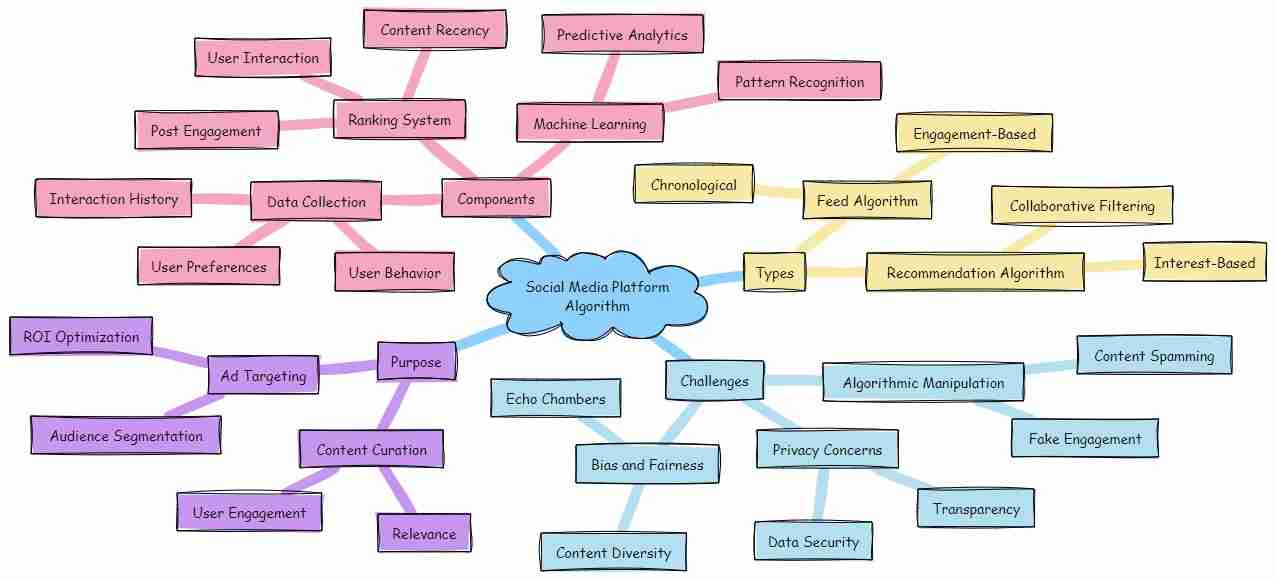
What Metrics to Track When Researching a Product for a Website Blog?
What Metrics to Track When Researching a Product for a Website Blog?
- Metrics are essential for researching products on your website or blog.
- Conversion rate indicates how many visitors make a purchase, helping assess content effectiveness.
- Understanding traffic sources allows you to tailor your content to where your audience is coming from.
- Bounce rate measures how many visitors leave after viewing one page, indicating potential engagement issues.
- User engagement metrics, like average session duration and pages per session, reflect how compelling your content is.
- Customer reviews and feedback are crucial for adjusting recommendations based on audience insights.
- Monitoring SEO performance can enhance visibility and impact traffic and conversions positively.

What Metrics to Track When Researching a Product for a Website Blog?
How to Validate The Claims Made By Product Manufacturers for a Blog?
When it comes to buying products, navigating the swirling sea of claims made by manufacturers can feel like trying to decipher an ancient scroll. Whether you’re perusing a website or rifling through the pages of a blog, the promises made about a shiny new gadget or a miracle cleaner often leave us doing a double-take. So how do we sift through the marketing smoke and mirrors to validate these claims? Let’s dive into it.
First off, don’t just take their word for it. If a product claims to be “the best” or “guaranteed to work,” that’s a big red flag. Instead, look for independent sources that have tested the product. Reviews from reputable websites or blogs that specialize in product testing can provide valuable insights. These sources often utilize rigorous testing protocols and share their methodologies, allowing you to understand exactly how they reach their conclusions.
Next, pay attention to the specifics. A vague claim like “improves performance” doesn’t mean a whole lot. manufacturers should provide detailed data to support their statements. Seek out products that include third-party testing results or certifications. If a company touts superior effectiveness but doesn’t offer anything to back it up, steer clear.
Another useful approach is to check for user-generated content. Sites like forums and social media platforms can reveal real-world experiences that may not be captured in polished reviews. Be cautious though; not every comment will be trustworthy. Look for patterns in the feedback—if numerous people are saying something is fantastic or, conversely, completely useless, it’s worth considering.
Also, look into the company’s history and reputation. A manufacturer with a track record for honesty and quality is likely to maintain that integrity in their claims. Websites that maintain transparency about their practices, sourcing, and testing methods can often be more reliable than their flashier competitors.
Finally, it might help to consult experts. If the claims involve health or safety benefits, reaching out to professionals in the field can provide clarity. Whether through a blog, a personal network, or even consulting published research, informed opinions add a layer of trustworthiness that marketing alone can’t provide.
When you’re armed with these tactics, you’ll be better equipped to cut through the noise. So, before you swipe that credit card, take a moment to do your homework. After all, knowledge is your best ally in the quest for quality products.

How to Validate The Claims Made By Product Manufacturers for a Blog?
How to Validate The Claims Made By Product Manufacturers for a Blog?
- Be skeptical of overly bold claims like “the best” or “guaranteed to work.” Look for independent product testing sources.
- Seek out reputable reviews from specialized websites that share their testing methodologies.
- Look for concrete data to support product claims; avoid vague statements like “improves performance.”.
- Check for third-party testing results or certifications to validate product effectiveness.
- Draw on user-generated content from forums and social media for real-world experiences, but be wary of unreliable feedback.
- Investigate the company’s history and reputation; reliable manufacturers are transparent about their practices.
- Consult experts or published research for informed opinions, especially regarding health or safety claims.

How to Validate The Claims Made By Product Manufacturers for a Blog?
What Questions to Ask During Product Research for a Website Blog?
When diving into the world of product research for your website blog, asking the right questions can mean the difference between a half-hearted attempt and a successful project that resonates with your audience. So, put on your thinking cap and roll up your sleeves! Let’s dig into the essential queries that will guide you on this journey.
First off, ask yourself, “Who is my target audience?” Understanding your readership is like knowing your landscaping before planting a garden. Is it a diverse group of avid readers, or perhaps a niche community of enthusiasts? Tailoring your content to meet their needs ensures that your blog resonates on a deeper level. Once you’ve pinpointed your audience, shift to: “What problems does my product solve?” No one wakes up in the morning wishing to throw their money at products that don’t serve a purpose. Identify the pain points of your readers and position your offering as the shining knight in armor ready to conquer those obstacles.
Next, delve into the competition. What are others in your field doing? It’s crucial to ask, “What sets my product apart from theirs?” Look beyond just the surface. Is it a unique feature, a better price, or maybe even top-notch customer service? Know your differentiators like the back of your hand because that’s what will help you carve out your niche in this crowded digital market.
As you explore these territories, don’t forget to ponder: “What are the key features my audience values?” It’s one thing to have a great product, but if you don’t know what your users want or need, you could be miles off course. Gather insights through surveys, social media polls, or straight-up conversations with your readers. Listening is just as vital as any market analysis.
Finally, wrap up your inquiries with a biggie: “How can I convey the value of my product effectively?” This is where your writing chops come into play. You could have the best product in the world, but if your blog fails to articulate its value, you might as well be shouting into a void. Be direct, be engaging, and most importantly, be authentic. Connecting with potential customers through your blog means they need to trust you, and that starts with clear, honest communication.
So gear up and embark on your product research journey! Keep these questions in mind, and you’ll not only create engaging content for your website blog but also foster a loyal following that feels heard and valued. Happy researching!

What Questions to Ask During Product Research for a Website Blog?
What Questions to Ask During Product Research for a Website Blog?
- Asking the right questions is crucial for effective product research for your blog.
- Identify your target audience to tailor content that resonates deeply with them.
- Understand the problems your product solves to position it as a beneficial solution.
- Study your competition and identify what differentiates your product from theirs.
- Know the key features valued by your audience through surveys and direct feedback.
- Effectively convey the value of your product through clear and engaging writing.
- Use these inquiries to create engaging content and build a loyal following.

What Questions to Ask During Product Research for a Website Blog?
How to Incorporate User Feedback Into Research for a Website Blog?
When it comes to improving your website and making it a hit, there’s one golden rule that simply can’t be ignored: listen to your users. That’s right; user feedback is your best friend in this endeavor. It’s like having a backstage pass to the concert of your own creation, and trust me, everyone in the audience has a valuable opinion. Let’s dive into how to incorporate that precious feedback into your research for a website blog that truly resonates with folks.
First things first, you’ve got to put on your listening ears. Start by creating clear channels where users can voice their opinions. This could be through surveys, feedback pop-ups, or even social media polls. Make it easy for your audience to share their thoughts—ask open-ended questions that encourage detailed responses. When folks feel like their input matters, they’re more likely to engage.
Now, once those responses start rolling in, it’s time to wade through the data. Don’t be afraid to dig deep. Categorize the feedback into themes or topics. This will help you identify recurring issues or suggestions. Are users complaining about slow load times? Or maybe they want a more intuitive navigation system? Whatever it is, gather those nuggets of information like a kid collecting rocks, and take them seriously.
Next up, it’s time for action. Look at the trends in the feedback you’ve gathered and prioritize what needs fixing. Not all feedback is created equal—some issues might be downright urgent, while others can wait. Focus on changes that can make a big impact. This approach not only helps in the short term but builds a long-term relationship with your users, who will appreciate your responsiveness.
And don’t forget the power of transparency. Once you’ve made changes based on user feedback, let your audience know about it. Write up a quick blog post or update them via your newsletter. Thank them for their insights—let them feel part of the process. When users see their suggestions come to life, it transforms them from mere visitors to loyal advocates.
Incorporating user feedback into your research for a website blog isn’t just good practice—it’s essential. It’s all about crafting a space where people feel heard and valued. So, embrace the feedback, put it to work, and watch your website thrive. After all, the ultimate goal here is to create something that not just exists but flourishes, thanks to the very folks it serves.

How to Incorporate User Feedback Into Research for a Website Blog?
How to Incorporate User Feedback Into Research for a Website Blog?
- Listening to user feedback is crucial for improving your website.
- Create clear channels for users to share their opinions (e.g., surveys, feedback pop-ups, social media polls).
- Encourage detailed responses by asking open-ended questions.
- Categorize feedback into themes to identify recurring issues or suggestions.
- Prioritize urgent feedback and focus on impactful changes.
- Maintain transparency by informing users about changes made based on their feedback.
- Incorporating user feedback builds a sense of community and loyalty among users.

How to Incorporate User Feedback Into Research for a Website Blog?
What Are The Best Practices for Organizing Product Research Findings?
When it comes to organizing product research findings, you want to approach it like a well-oiled machine—efficient, straightforward, and ready to iron out the wrinkles before they become a headache. Whether your findings are destined for a website or a blog, the principles remain universally applicable. Let’s get into some best practices that can help you keep your research tidy and actionable.
First and foremost, categorize your findings. Just as a toolbox is much easier to navigate when the tools are grouped by type, your research should be organized by themes or topics. This not only makes it easier to find what you need in the heat of battle, but it also helps your audience understand the nuanced aspects of your research. Use headings and subheadings effectively, which can come in handy when you’re translating findings into a blog or an informative section of your website.
Next, utilize tables or bullet points. In a world overloaded with information, clarity is king. Bullet points allow you to distill complex findings into digestible chunks, while tables can provide a snapshot comparison that’s easy on the eyes. Think of it this way: if your audience can’t quickly grasp what you’re saying, you might as well be speaking a foreign language.
Don’t forget about visuals! Images and infographics are your allies in making research findings accessible and memorable. If your goal is to share insights on a blog, a well-placed chart can illustrate trends more eloquently than a thousand words ever could. It’s not just about throwing data at the wall and seeing what sticks; it’s about crafting a narrative that invites the reader in.
And let’s talk about version control and updates. Research is a living, breathing thing—new findings emerge, ideas evolve. On a website, maintain an archive of older research completed with notes about changes. On a blog, updating past posts with new insights ensures that you’re providing the freshest information possible.
Lastly, share your findings with stakeholders. Whether it’s passing around a PDF or sending a link to an updated page on your website, communication is key. Make it easy for others to see the value of your work. Open dialogue can lead to new insights—everyone’s got something to contribute, after all.
Organizing product research findings is not just a chore—it’s an opportunity to enhance the clarity and utility of your work, whether it shines on a slick website or in the intimate space of a blog. Keep it simple, keep it clear, and you’ll invite your audience to engage meaningfully.

What Are The Best Practices for Organizing Product Research Findings?
What Are The Best Practices for Organizing Product Research Findings?
- Organize findings categorically by themes or topics for easier navigation and understanding.
- Utilize effective headings and subheadings when translating findings for blogs or websites.
- Use bullet points to distill complex information into digestible chunks and enhance clarity.
- Incorporate tables to provide easy visual comparisons of research data.
- Enhance findings with visuals like charts and infographics for better accessibility and memorability.
- Maintain version control and update content regularly to ensure it reflects the latest insights.
- Share findings with stakeholders to encourage open dialogue and gather additional insights.

What Are The Best Practices for Organizing Product Research Findings?
Conclusion
Alright, folks, let’s wrap up this journey through the wild world of product research for your website blog. If you’ve been paying attention, you know by now that success isn’t just about slapping words on a page and hoping for the best. Nope, it’s about rolling up your sleeves, diving deep into the nitty-gritty, and emerging with insights that resonate like a well-tuned guitar.
First off, remember that thorough research is your best friend. Start with a solid grasp of the product itself. Dig into the manufacturer’s website, scour user reviews, and hit up forums for raw, unfiltered opinions. Authentic feedback from fellow consumers can be a goldmine of information. It not only lends credibility to your writing but helps you paint a balanced picture—one that acknowledges both the shiny features and the flaws that need addressing.
While you’re exploring, don’t shy away from taking a good hard look at the competition. Competitor analysis can uncover gaps you didn’t even know existed, help you refine your unique selling proposition, and guide your marketing strategy. It’s not about copying what others do; it’s about learning and positioning yourself to stand out in a crowd.
Then there’s the importance of tracking metrics. Understand which blogs draw traffic, which content keeps people engaged, and what leads them to take action. That data isn’t just for nerds; it’s the blueprint guiding your next steps. Use it wisely, and you’ll steer your ship into calmer waters toward success.
And don’t forget to listen! Engage with your audience—listen to their feedback, their wants, and their needs. Incorporate their insights to create content that not only informs but also connects with them on a deeper level. The more you understand your readers, the better you can serve them.
Ultimately, the takeaway here is simple: research isn’t a chore—it’s an art form. It’s about crafting a narrative that educates and empowers your audience. Your blog can become a trusted resource when you take the time to get it right. So get out there, put on your detective hat, and make the most of every opportunity that comes your way. Happy researching!

Conclusion
Conclusion:
- Success in blogging requires thorough product research, not just writing without a plan.
- Conduct comprehensive research by exploring the manufacturer’s website, user reviews, and forums for genuine insights.
- Analyzing competitors can reveal market gaps and refine your unique selling proposition.
- Utilize metrics to understand which content drives traffic and engagement, guiding future strategies.
- Engage with your audience to understand their feedback, desires, and needs for more relevant content.
- View research as an art form that fosters connection and educates your readers.
- Invest time in research to turn your blog into a trusted resource for your audience.

Conclusion
Other Resources

Other Resources
Here is a list of other resources you can review online to learn more:
- Product Research 2024 Guide: How to Find Profitable Products – Jungle Scout
- Product Research: How To Discover Great Product Ideas in 2024 – Shopify
- How to Research for a Blog Post (Step-by-Step) – MasterBlogging
- The Ultimate Guide to Product Research: Everything You Need to Know – OFFEO
- How to Research for a Blog Post? [Updated] – RankWatch Blog
Use This Prompt To Get More Resources With Your Favorite Online AI Tool: Please provide me with a list of online articles with their URLs in a bulleted list that I can read regarding How to Research a Product for a Website Blog?

Other Resources
Glossary Terms
How to Research a Product for a Website Blog? – Glossary Of Terms
1. Audience Analysis: The process of identifying and understanding the target audience, including their preferences, needs, and behaviors.
2. Competitive Analysis: A study of competitors’ products, marketing strategies, and customer feedback to identify strengths and weaknesses.
3. Keyword Research: The practice of finding relevant keywords and phrases that potential customers use in search engines to improve content visibility.
4. Product Specifications: Detailed descriptions of a product’s features, dimensions, materials, and performance metrics.
5. Market Trends: Observations about current and emerging patterns in consumer behavior and preferences related to a specific product sector.
6. Consumer Reviews: Feedback and evaluations provided by customers, which can help gauge product performance and satisfaction.
7. SWOT Analysis: A framework for assessing a product’s Strengths, Weaknesses, Opportunities, and Threats in the market.
8. Pricing Strategy: The method used to set the price for a product, including considerations of competition, cost, and perceived value.
9. Content Curation: The process of gathering, organizing, and presenting relevant information and resources pertaining to a product.
10. Comparative Analysis: Evaluating products side by side based on features, pricing, quality, and consumer response to determine the best option.
11. Product Lifecycle: The stages a product goes through from development and introduction to growth, maturity, and decline in the market.
12. Influencer Marketing: Collaborating with individuals who have a significant following to promote a product and reach a wider audience.
13. User Experience (UX): The overall experience a user has while interacting with a product or website, influencing satisfaction and loyalty.
14. Functional Testing: Testing products to ensure they perform as intended and meet set requirements before writing about them.
15. Brand Reputation: The perception of the brand based on customer experiences and interactions, which can impact purchasing decisions.
16. Visual Content: Images, videos, and infographics used to enhance blog posts and provide a better understanding of the product.
17. SEO Optimization: Techniques used to improve a blog’s visibility in search engine results, including the use of keywords, meta tags, and backlinks.
18. Affiliate Marketing: Promoting a product through a blog for a commission on sales generated through affiliate links.
19. Technical Specifications: Detailed information about a product’s technical aspects, often important for technical or specialized products.
20. Market Research: The systematic gathering, recording, and analyzing of data about products, consumers, and market conditions.
21. Product Testing: The process of using a product to evaluate its functionality, quality, and effectiveness before discussing it online.
22. A/B Testing: Comparing two versions of a product or content to determine which one performs better in terms of consumer engagement.
23. Content Strategy: A plan for creating, publishing, and managing content to align with marketing goals and engage target audiences.
24. Social Proof: Evidence that people use and like a product, such as testimonials and reviews, which can influence new customers’ decisions.
25. Call-to-Action (CTA): An instruction to the audience designed to provoke an immediate response, often linked to product purchasing decisions.
26. User Demographics: Data about the characteristics of a target audience such as age, gender, location, and purchasing behavior.
27. Niche Market: A specific segment of a larger market targeted at a defined group of consumers with unique preferences and needs.
28. Content Calendar: A schedule of planned blog posts and content releases to ensure consistent and timely publication.
29. Transparency: The practice of being open and honest about product information, sourcing, and any potential affiliate relationships.
30. Content Validation: The process of verifying the accuracy and credibility of information before including it in a blog post.

Glossary Of Terms
Other Questions
How to Research a Product for a Website Blog? – Other Questions
If you wish to explore and discover more, consider looking for answers to these questions:
- What are some effective product research techniques?
- How do I determine the credibility of product reviews?
- What platforms are best for gathering user feedback?
- How can I improve my product research process?
- What common biases should I be aware of in product reviews?
- How can I use social media for product research?
- What specific metrics should I focus on in my blog analytics?
- How often should I update my product research findings?
- What role does SEO play in product research for blogs?
- How can I balance user reviews with manufacturer claims?
- What are the best tools for competitor analysis in product research?
- How can I stay unbiased while conducting product research?
- What types of content attract my target audience most effectively?
- How do I ensure my blog stands out in a crowded niche?
- What are the best practices for engaging with my audience based on feedback?

Other Questions
Checklist
How to Research a Product for a Website Blog? – A Checklist
Before You Start Your Research
_____ Identify the Product: Clearly define which product you will research.
_____ Know Your Audience: Understand who your readers are and what matters to them.
Researching the Product
_____ Visit the Manufacturer’s Website:
_____ Look for product specifications, features, and benefits.
_____ Make note of unique selling points.
_____ Consult Customer Reviews:
_____ Read reviews on platforms like Amazon, Yelp, and specialized review sites.
_____ Analyze recurring themes in feedback, both positive and negative.
_____ Explore Social Media and Forums:
_____ Engage in discussions on platforms like Reddit and niche Facebook groups.
_____ Note unfiltered user opinions and raw experiences.
_____ Compare Competitor Products:
_____ Research similar products to understand features and pricing.
_____ Identify how your product stands out from the competition.
Evaluating Sources and Information
_____ Check Website Credibility:
_____ Look for established brands with user engagement and transparenc.
_____ Analyze Author Expertise:
_____ Ensure the article comes from knowledgeable contributors.
_____ Review Citations and References:
_____ Look for evidence or studies backing claims made by the product.
_____ Examine User Engagement:
_____ Check the comment sections for discussions that may provide valuable insights.
Gathering Insights
_____ Utilize Research Tools:
_____ Use keyword research tools like Google Keyword Planner and SEMrush.
_____ Leverage social media analytics tools to identify trends.
_____ Collect Direct Feedback:
_____ Use surveys or direct interactions to gather user insights.
Synthesizing Findings
_____ Categorize Findings:
_____ Organize insights into themes or topics for easy reference.
_____ Create Visual Representations:
_____ Use charts or infographics to illustrate key points and trends.
Validating Claims
_____ Verify Manufacturer Claims:
_____ Seek independent reviews and third-party testing information.
_____ Look for details and specifics supporting product effectiveness.
_____ Engage Experts:
_____ Consult professionals if claims involve health or safety concerns.
Finalizing Your Research
_____ Track Key Metrics:
_____ Monitor traffic sources, conversion rates, and user engagement after publishing your blog.
_____ Keep Updated on Trends:
_____ Regularly follow industry news to stay informed about product developments and changes.
_____ Incorporate User Feedback:
_____ Actively seek and respond to feedback to improve future content.
_____ Maintain an Archive:
_____ Keep records of research for future reference or updates.
Use this checklist as a roadmap to ensure thorough and effective product research for your website blog, helping you create informed and engaging content! Happy researching!

Checklist
At WebsiteBloggers, we help website bloggers develop strategies to create content, traffic, and revenue from website blogs based on our experiences and experimentation.
Be sure to read our other related stories at WebsiteBloggers and share this article with your friends, family, or business associates who run website blogs.