Craft Compelling Copy: Connect With Readers While Maximizing Seo
By Tom Seest
At WebsiteBloggers, we help website bloggers develop strategies to create content, traffic, and revenue from website blogs based on our experiences and experimentation.
Be sure to read our other related stories at WebsiteBloggers and share this article with your friends, family, or business associates who run website blogs.
How to Use AI for SEO Copywriting Without Writing for Search Engines Instead Of Readers
In the world of digital content, it’s easy to forget the heartbeat of what we’re creating — the human connection. While optimizing for search engines is essential, writing merely to meet algorithmic demands can drain the soul from your content. Picture your website blog as a bustling coffee shop, where real conversations happen over steaming mugs of inspiration. If your words are crafted solely for a search engine, they become like a stale pastry: uninviting and quickly forgotten.
Think of your content as a storytelling campfire. You gather around it not just to convey information but to share experiences that draw people in. When you wield AI in your SEO copywriting, blend it with your own voice, your own spirit. Use AI’s strength in data analysis as a co-pilot, while you take the wheel, steering your words toward emotion and authenticity. For example, if you’re writing about a product, share a personal anecdote of how it changed your own life — spill the beans on that moment of realization when you discovered its transformative power. This connects the reader’s head, heart, and gut, forming a bond that transcends mere transactional exchanges.
In crafting content that resonates, consider the ethical landscape. Readers today crave transparency. When they sense an authentic connection, they’re more likely to engage and share. This builds your authority; your audience sees you not merely as a purveyor of information but as a trusted guide on this digital journey. Think of it as being a lighthouse amidst the fog, illuminating pathways with your insights and personal stories.
Moreover, acknowledge the collective nature of our experiences. The shared struggles and triumphs of your audience reflect the broader social narrative we are all part of. When you weave those elements into your writing, you create a tapestry of connection. People are not just visiting your website blog; they’re becoming part of something larger, a community fueled by shared stories and genuine connection.
So, embrace AI for the powerful tool it is, but remember — it’s the human touch that breathes life into your SEO copywriting. Infuse your content with heart, transform data into stories, and articulate what makes you relatable. This approach not only boosts your visibility but nurtures trust, builds confidence, and ultimately inspires action. In this vast digital landscape, let your readers know they’re welcomed, understood, and valued.

How to Use AI for SEO Copywriting Without Writing for Search Engines Instead Of Readers
How to Use AI for SEO Copywriting Without Writing for Search Engines Instead Of Readers
- Digital content creation should prioritize human connection over algorithmic demands.
- Content should be crafted like engaging conversations in a coffee shop to avoid being stale and forgettable.
- AI can assist in SEO copywriting but should be combined with the writer’s own voice and authenticity.
- Sharing personal anecdotes enhances emotional bonds with the audience, making them feel connected.
- Transparency and authenticity are essential for building trust and authority with readers.
- Recognizing shared experiences fosters community and connection among readers.
- The human touch is crucial in SEO copywriting to inspire action and nurture trust.
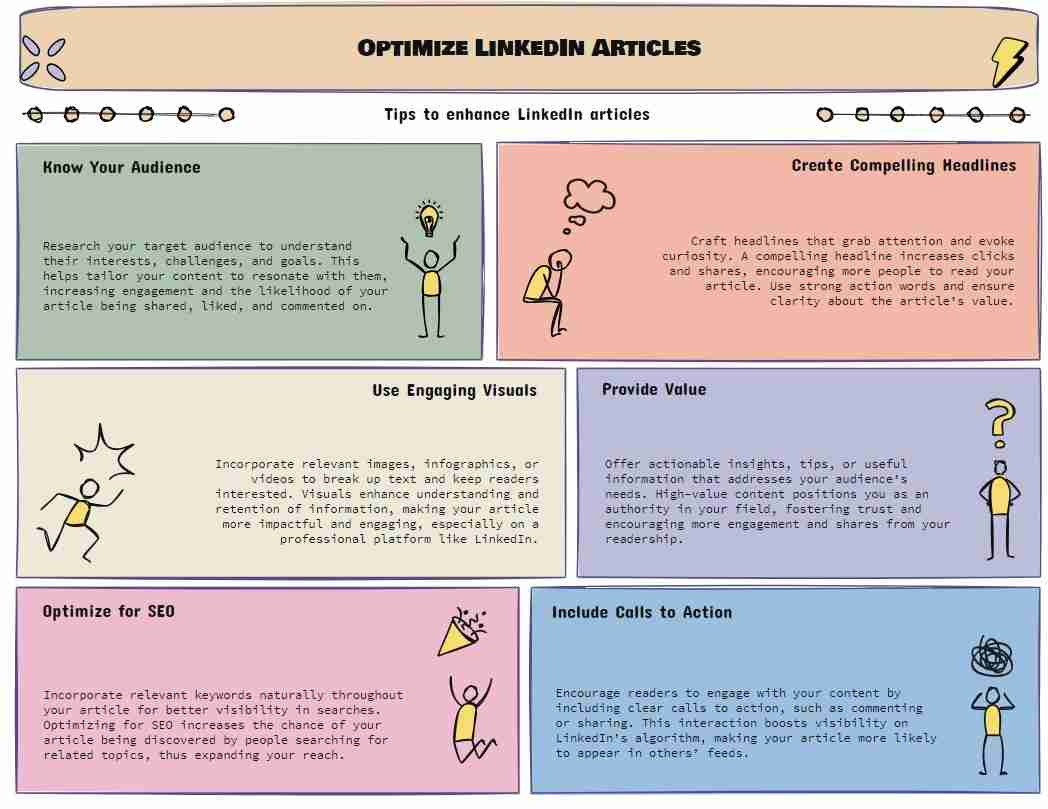
How to Use AI for SEO Copywriting Without Writing for Search Engines Instead Of Readers
Table Of Contents
- How to Use AI for SEO Copywriting Without Writing for Search Engines Instead Of Readers
- What Emotions Does Your Audience Want to Feel From Your Content?
- How Can You Balance SEO with Genuine Emotional Connection In Writing?
- What Ethical Considerations Should Guide Your AI-Assisted Writing?
- How Can Authority In Your Subject Area Impact Reader Trust?
- How Can Social Proof Enhance the Credibility Of Your Content?
- What Common Misconceptions About AI In Writing Need to Be Addressed?
- What Metrics Should You Use to Measure Reader Engagement Effectively?
- Conclusion
- Other Resources
- Glossary Of Terms
- Other Questions
- Haiku
- Poem
- Checklist
What Emotions Does Your Audience Want to Feel From Your Content?
When crafting content for a website or blog, the first step is understanding that emotions are the backbone of human connection. Your audience craves feelings that resonate with their experiences, challenges, and dreams. It’s not just about delivering information; it’s about stirring something deep within them.
Think about the last time you stumbled upon a story that pulled at your heartstrings. Perhaps it was a tale of resilience, where an underdog triumphed against all odds. That narrative evokes empathy and inspires action, reminding us that amid adversity, there’s always hope. Your audience wants to feel that—an emotional lift that encourages them to engage, share, and reflect.
But emotions aren’t just about the heart; they engage the head as well. Your content must also offer rational appeals. This is where you provide context, data, and insights. Think of it like the sturdy framework of a house; without it, the stirring stories could easily collapse. Balance heartfelt anecdotes with grounded information—the success stories of others who ventured into the unknown and emerged victorious, backed by real data, resonate powerfully and create a compelling call to action.
Let’s not overlook the impact of ethical and authority appeals. People are naturally drawn to content that feels trustworthy. Share your own experiences, showcasing your credibility while inviting readers to connect with your journey. This builds rapport and trust. Imagine sharing a personal failure, revealing your vulnerabilities, and how those lessons shaped your path. It’s not only relatable but positions you as a guide who understands the complexities of the journey.
The social aspect cannot be ignored either. Your audience seeks connection—not just with you, but with each other. Create spaces within your blog or website for interaction, where readers can share their stories and support one another. Highlighting community experiences fosters a sense of belonging and reinforces the idea that they’re not alone in their struggles.
An original point worth noting is the importance of multi-sensory engagement. If your content can evoke sights, sounds, and smells through vivid descriptions, you’ll pull readers deeper into the narrative. This engages them on an emotional, rational, and visceral level, making the experience unforgettably impactful.
Your audience doesn’t just want to consume content; they want to feel it—deeply and authentically.

What Emotions Does Your Audience Want to Feel From Your Content?
What Emotions Does Your Audience Want to Feel From Your Content?
- Emotions are fundamental for human connection in content creation.
- Engaging storytelling evokes empathy and inspires action, sharing experiences of triumph.
- Balance emotional narratives with rational appeals, using context, data, and insights.
- Establish credibility through personal experiences and relatable narratives.
- Create interactive spaces for audience engagement and community building.
- Utilize multi-sensory description to enhance engagement and impact.
- Content should evoke deep emotional connections, prompting authentic experiences.

What Emotions Does Your Audience Want to Feel From Your Content?
How Can You Balance SEO with Genuine Emotional Connection In Writing?
In the vast digital landscape, where countless websites compete for attention, the balance between Search Engine Optimization (SEO) and authentic emotional connection is akin to walking a tightrope. Here’s the thing: creating content optimized for search engines shouldn’t mean sacrificing the heart of the message. The heart craves connection, the head seeks clarity, and the gut navigates instinctively. When you align these elements, you transform mere information into something that resonates.
Imagine a website blog that is not just a collection of keywords but a storytelling platform that reflects the human experience. Picture a piece of writing that, instead of a sterile regurgitation of facts, invites readers into a narrative they can relate to. For instance, when discussing a topic like sustainable living, weave in personal stories of transformation—a moment when you chose to reduce waste or how that decision impacted your community. These narratives create a bridge of trust and empathy, inviting readers to not only absorb information but also to feel it.
The rational side of writing isn’t lost in this approach. Engaging content backed by data enhances credibility. Share statistics or expert insights alongside your narratives. Paint a picture of the issues at hand with hard truths, but juxtapose them against the emotional journey. This dual approach serves both the SEO algorithm and the reader’s desire for depth.
Balancing SEO involves using the right keywords without forcing them into your narrative. Instead, integrate them naturally, as if you’re inviting a guest to your story rather than introducing an unwelcome intruder. This method maintains flow and fosters a genuine connection. Highlighting ethical considerations in topics deepens the narrative, appealing to the reader’s sense of responsibility.
Finally, consider the broader social implications. When your writing sparks conversation, it becomes part of a larger movement—whether it’s climate action or mental health awareness. Readers don’t just consume content; they want to feel part of something bigger, to know their voices matter.
Striking this balance is not a feat of engineering but an act of artistry. Start with purpose, blend in authenticity, and always remember: at the core of effective writing lies your unique voice—one that speaks not just to be heard, but to be felt.

How Can You Balance SEO with Genuine Emotional Connection In Writing?
How Can You Balance SEO with Genuine Emotional Connection In Writing?
- Balancing SEO and emotional connection is crucial in content creation.
- Content should resonate emotionally while remaining clear and informative.
- Storytelling enhances engagement, inviting readers to relate to personal experiences.
- Data and statistics can augment narratives, enhancing credibility and depth.
- Keywords should be integrated naturally to maintain flow and connection.
- Highlighting ethical considerations deepens narratives and engages readers’ senses of responsibility.
- Writing can spark broader social conversations, making readers feel part of important movements.

How Can You Balance SEO with Genuine Emotional Connection In Writing?
What Ethical Considerations Should Guide Your AI-Assisted Writing?
In the heart of every writer lies a pulse that drives their craft—the connection to the reader, the responsibility of words. As we navigate the ever-evolving landscape of AI-assisted writing, it becomes essential to consider not just what we create, but how we create it.
Imagine sitting around a campfire, sharing stories with friends. Those tales carry weight. They forge bonds, provoke thought, and sometimes spark change. Every piece of content you generate, especially with the help of AI, has the potential to do the same. This isn’t just writing; it’s communication that can resonate in ways that reach the heart, head, and gut.
As you craft your work using digital tools, remember the human touch that infuses authenticity into every paragraph. Your website or blog should represent not just data and algorithms, but the essence of your beliefs and values. Each word needs to reflect thoughtfulness and empathy, ensuring that your readers feel seen and heard. The ethical implications here are significant. AI can produce content at an astonishing pace, but the writer must ask, “Is this true? Is this kind? Is this necessary?”
It’s easy to get lost in the allure of efficiency, but stop and think about the stories you choose to tell. Each narrative holds power; a single phrase can uplift or divide. When AI suggests a path, don’t follow blindly. Weave your story into its fabric, infusing it with personal experience and authenticity. Your readers crave connection—a reminder that behind every screen lies a human being seeking understanding.
Consider this: how would you want someone to treat your story if the roles were reversed? The answer echoes with the same clarity in AI-generated content as it does in a face-to-face conversation. Embrace the notion that each piece you write is a responsibility, a reflection of your values.
Moreover, examine your sources of inspiration. Just as tales passed down through generations are richer when shared with integrity, your AI-assisted writing must also be rooted in honesty and clarity. Share not just facts but the emotions and realities that come with them. If you rely on AI to enhance your voice, harmonize it with your own experiences, ensuring it resonates with authenticity.
In this journey of digital storytelling, prioritize the human connection. Trust that your voice, combined with the power of AI, can foster a dialogue that is engaging and meaningful, bridging gaps and uplifting souls. Writing is more than just a task; it’s a chance to inspire, connect, and create a legacy through thoughtful expression.

What Ethical Considerations Should Guide Your AI-Assisted Writing?
What Ethical Considerations Should Guide Your AI-Assisted Writing?
- Writers connect with readers through their craft, emphasizing the responsibility of words.
- Stories, akin to campfire tales, can forge bonds and spark change; AI-assisted writing should evoke similar connections.
- The human touch is essential for authenticity in digital content, reflecting personal beliefs and values.
- Writers should consider ethical implications when creating content with AI, asking if it is true, kind, and necessary.
- Every narrative holds power; authenticity and personal experience should accompany AI suggestions.
- Writers bear the responsibility of their stories, which should resonate with honesty and integrity.
- Digital storytelling should prioritize human connection, using AI to enhance dialogue and inspire meaningful engagement.

What Ethical Considerations Should Guide Your AI-Assisted Writing?
How Can Authority In Your Subject Area Impact Reader Trust?
When navigating the vast ocean of information available online, we often search for a lighthouse—something that guides us safely to the shore of understanding. This is where authority comes in, shaping not only the content we consume but also the trust we place in it. Authority in a subject area is akin to the difference between a seasoned captain and an eager novice—both may be on the same waters, but the way they navigate can lead to very different outcomes.
Take a moment to think about this: remember the last time you felt uncertain about a decision? Perhaps you were choosing the right tool for a DIY project or the best route for a road trip. In those moments, you likely turned to someone you felt was an authority on the subject. Their experience, their stories, their confidence offered you reassurance. You didn’t just want information; you craved connection and insight. That’s what authority fosters—it builds a bridge between the writer and the reader.
Consider a personal experience—the thrill of learning a trade can be both exhilarating and daunting. When you first grasp the fundamentals under the watchful eye of a skilled mentor, you gain not just knowledge but confidence. It’s this kind of mentorship that establishes authority, rooted in shared experiences and tangible results. The more effectively a subject matter is conveyed, the more your readers can relate to your narrative, seeing their own lives reflected back in your words.
People are naturally drawn to narratives that resonate with their own experiences. If you can frame your expertise within the context of real-life situations—sharing failures, successes, and lessons learned—you create a space where readers feel they belong. This kind of authentic storytelling resonates on an emotional level, stirring something deep within. It’s not just about being right; it’s about being real. Sharing vulnerability in your authority not only strengthens your message but inspires trust.
Moreover, in a world cluttered with information, it’s not enough to simply be knowledgeable; you must be approachable. The authority that invites dialogue creates a community of trust. When readers see their thoughts echoed back at them, when they feel heard and understood, they are more likely to engage, return to your website, and perhaps even contribute to your blog. This cyclical relationship fosters loyalty and trust, not just in you, but in the ideas you champion.
Showcasing authoritative knowledge isn’t just about flaunting what you know; it’s about inviting others on a journey, creating connections that are woven together by compassion, commitment, and credibility. Readers thrive on this blend of heart, head, and gut, finding themselves not just informed, but inspired to take action.

How Can Authority In Your Subject Area Impact Reader Trust?
How Can Authority In Your Subject Area Impact Reader Trust?
- Authority guides the consumption of content and builds trust.
- Experienced individuals offer insights that foster connection.
- Mentorship enhances knowledge and confidence in learning.
- Authentic storytelling creates emotional resonance with readers.
- Vulnerability in sharing expertise strengthens trust and message.
- Approachable authority builds a community of trust and engagement.
- Successful authority combines knowledge with compassion and credibility.

How Can Authority In Your Subject Area Impact Reader Trust?
How Can Social Proof Enhance the Credibility Of Your Content?
In today’s digital landscape, where a website or blog can be launched in minutes, trust is a rare commodity. Think of social proof as a digital handshake—a way to say, “I’m legit, and you can count on me.” This isn’t just about testimonials or reviews; it’s about the stories and experiences that connect us.
Imagine walking into a new café. You glance around and see a crowd. Laughter, chatter, and the mouthwatering aroma of freshly brewed coffee fill the air. The bustling atmosphere signals that others have made a choice and found something worthwhile. Now consider your content: does it resonate with that same energy? When visitors see your blog buzzing with comments, shares, or endorsements from peers, it provides an implicit assurance that they’re making the right choice by engaging with you.
Let’s peel back the layers. On an emotional level, social proof taps into our fundamental need for community and validation. We exist in a world packed with noise; the opinions of others help cut through that chaos. One personal story illustrates this beautifully: a friend of mine launched a blog centered around sustainable living. Initially, it felt like shouting into a void. But when she started showcasing reader stories and incorporating user-generated content, her platform transformed. The blog became a mosaic of shared experiences, and suddenly, every voice mattered. It wasn’t just her message anymore—it was a collective movement, fostering trust and camaraderie among her followers.
Rationally, social proof appeals to our desire for credible information. Studies suggest that people are more likely to trust a brand if they see others excited about it. Incorporating social proof into your content can turn readers into advocates, all while enhancing your authority. Think of it like this: when you hear about a product from a friend, it feels more trustworthy than an advertisement.
Ethically, it’s crucial to ensure the stories you share are genuine. Fabricating testimonials or manipulating data only erodes trust in the long run. Authenticity fosters real connections; it’s about showing vulnerabilities and encouraging others to share theirs.
In essence, social proof is more than metrics or numbers; it’s about fostering a rich narrative tapestry that invites connection and inspires action. When your website or blog reflects the voices of your community, it becomes a place of refuge and trust—ultimately enhancing the credibility of your content and sparking meaningful engagement.

How Can Social Proof Enhance the Credibility Of Your Content?
How Can Social Proof Enhance the Credibility Of Your Content?
- Trust is scarce in the digital landscape; social proof serves as a digital handshake signaling authenticity.
- Social proof encompasses more than just testimonials; it includes shared experiences that foster connection.
- A lively environment, like a crowded café, illustrates how social proof can assure visitors of their choices.
- Emotional connection through social proof fulfills the human need for community and validation.
- Incorporating user-generated content can transform a blog into a collective narrative, enhancing engagement.
- Genuine stories are essential; authenticity builds trust, while manipulation erodes it.
- Social proof creates a credible narrative that encourages action and cultivates a trustworthy online space.

How Can Social Proof Enhance the Credibility Of Your Content?
What Common Misconceptions About AI In Writing Need to Be Addressed?
In the ever-evolving landscape of writing, there’s a growing chatter about AI, often rife with misconceptions that can cloud understanding. We imagine writers huddled over their laptops, fingers flying, while AI lurks in the shadows, eager to take over. But let’s pause and unpack that drama a bit. Writing is an intimately human endeavor, rooted in emotions, experience, and the quirks of our unique perspectives.
Take a moment to think of your favorite blog or website, a space that feels almost like home. Those words didn’t just magically appear; they were forged through a blend of inspiration, sweat, and sometimes more than a little coffee. Here’s where AI comes into play—not as a replacement, but as a partner. The misconception that AI will erase the unique voice of individual writers dismisses the notion that good writing is an art shaped by human experience, not just the assembly of well-structured sentences.
Let’s consider a personal tale. Imagine a dedicated teacher crafting a lesson plan, striving to engage students in a meaningful way. Now, let’s inject AI into that scenario. With the right prompts, this technology can help refine ideas, suggest novel approaches, and even generate content that respects the heart of teaching while sparking creativity. It’s not about diminishing the human touch; it’s about enhancing it. The idea is not that we outsource our passion to cold algorithms but that we invite them into our creative process to lighten the load and spark new ideas.
Ethically, we must also recognize our responsibility as writers and creators in guiding AI. This technology is a tool—powerful but needing direction, much like a hammer in the hands of a skilled craftsman. When we combine the capability of AI with our moral compass and creative instincts, we forge something truly compelling.
Socially, it’s essential to reshape the narrative surrounding AI in writing. This technology can democratize access to writing tools, breaking down barriers for individuals who may have felt voiceless or unqualified. From students to professionals, the blend of human creativity and AI assistance can cultivate diverse voices in the digital landscape.
Ultimately, embracing AI doesn’t mean surrendering our craft; rather, it’s an invitation to evolve. Let’s shift the conversation from fear to collaboration, and inspire a writing ecosystem that values both human touch and technological innovation. In this era of endless possibilities, the future of writing is not just about what we create, but how we create it together.

What Common Misconceptions About AI In Writing Need to Be Addressed?
What Common Misconceptions About AI In Writing Need to Be Addressed?
- AI in writing is often misunderstood as a threat, overshadowing the human aspect of creativity.
- Writing involves deep emotions and personal experiences, making it a uniquely human activity.
- AI serves as a partner in writing, enhancing rather than replacing the individual voice of writers.
- AI can assist in generating and refining ideas, particularly in educational contexts.
- Writers must ethically guide AI, using it as a tool to enhance their creative process.
- AI has the potential to democratize writing, allowing diverse voices to emerge in the digital space.
- Embracing AI offers opportunities for collaboration, evolving the future of writing together.

What Common Misconceptions About AI In Writing Need to Be Addressed?
What Metrics Should You Use to Measure Reader Engagement Effectively?
In today’s fast-paced digital world, understanding reader engagement on your website or blog has become the lifeblood of content creation. The metrics you choose to track can reveal invaluable insights. It’s not just about numbers; it’s about the stories they tell and the connections they foster.
First off, let’s delve into the emotional aspect. Think back to the feeling you had when you stumbled upon a website or blog that resonated with you. Maybe it was the relatable story of someone overcoming a challenge, or advice that struck a chord. Engagement metrics like time spent on page or scroll depth can help gauge this connection, shining a light on how deeply readers are absorbing your content. If users linger and read your words, you’re not just attracting visitors — you’re creating a shared experience.
Now, let’s engage the rational mind. It’s easy to get lost in a sea of likes and shares on social media, but these metrics can be misleading. Focusing on comments and interactions within your blog creates a more authentic dialogue. When readers feel compelled to share their thoughts, you cultivate a community that feels valued and respected. That’s where you build trust. Active engagement indicates that your message isn’t just being heard; it’s sparking conversations and resonating with real people.
Ethically, it’s crucial to foster transparency. Consider your audience as partners in a conversation rather than mere visitors. Metrics like unique visitors and conversion rates reflect more than just traffic; they showcase how effectively you’re aligning your values with your audience’s needs. This alignment breeds a sense of loyalty. If your readers believe in what you’re saying and see it reflected in their lives, they become champions of your brand.
Here’s a fresh perspective: instead of just focusing on transactional metrics, look through the lens of storytelling. Did your blog inspire a reader to take action, whether it’s signing up for a newsletter or sharing their own story? Engagement isn’t solely about numbers; it’s about the ripple effect of your message in the community. When readers feel moved by your content, they don’t just engage – they become ambassadors, sharing your story with others.
In essence, measuring reader engagement isn’t just about tallying scores; it’s about understanding the heart, head, and gut of your audience. As you craft your website or blog, remember: every metric has a story. Listen closely, and you’ll not only engage your readers but transform them into a devoted community.

What Metrics Should You Use to Measure Reader Engagement Effectively?
What Metrics Should You Use to Measure Reader Engagement Effectively?
- Understanding reader engagement is essential for effective content creation.
- Emotional metrics, such as time spent on page, demonstrate readers’ connection to content.
- Comment interactions are more valuable than social media likes for fostering authentic dialogue.
- Transparency builds trust; metrics should reflect alignment with audience needs.
- Shifting focus from transactional metrics to storytelling enhances reader engagement.
- Engaged readers may become ambassadors for your content, sharing their experiences.
- Assessing engagement involves understanding the deeper narrative behind metrics.

What Metrics Should You Use to Measure Reader Engagement Effectively?
Conclusion
In the digital content landscape, where SEO often reigns supreme, we must not overlook the essence of authentic human connection. It’s easy to get lost in the numbers, crafting content that conforms to algorithms rather than speaking to the reader’s heart. Picture your website as a vibrant coffee shop, buzzing with real conversations, rather than a lifeless, keyword-stuffed archive. When you write, think of it as a campfire gathering. You share stories, experiences, and insights to invite readers into your world, not just facts that fade away like a cheap pastry.
Integrating AI into your SEO copywriting can enhance your efforts, but it shouldn’t mask your unique voice. Use the AI’s capabilities for data analysis while infusing your personal stories. Share anecdotes that matter—those moments when a product or experience truly changed your life. This builds an emotional connection that engages the reader’s intellect and intuition. People want more than mere information; they seek narratives that resonate with their struggles and aspirations.
Ethics play a crucial role in this process. Transparency fosters trust, and when your content reflects genuine connection, readers are more likely to relate and respond. As you create, position yourself as a lighthouse, offering guidance through the murky seas of information.
Moreover, acknowledge the shared experiences that bind us all together. Incorporate elements that spark community engagement, inviting readers to share their stories and creating a web of support and empathy. This tapestry of connection makes readers feel a part of something larger than themselves.
It’s about striking a balance. Your writing should engage both the heart and the head. Use emotional storytelling complemented by solid data to reassure readers and inspire confidence. Writers must embrace their authority, not merely as experts but as relatable guides who share their own journeys, failures, and victories. This authenticity enhances credibility and firm personal ties.
Finally, leverage social proof to build trust. When visitors see a vibrant community around your blog, it instills confidence in your content. Ultimately, in this digital age, the best SEO strategy is to write for your readers first and foremost. Infuse your work with heartfelt stories and relatable experiences, letting your voice shine through the noise. Embrace AI as your ally, harnessing its strengths while ensuring that the human touch remains central. This approach not only enhances visibility but cultivates lasting trust and inspires action. Be the creator who makes every reader feel welcomed, understood, and part of a shared narrative, turning content into community.

Conclusion
Conclusion:
- Authentic human connection is essential in digital content, alongside SEO.
- Content should engage readers’ hearts, similar to a vibrant coffee shop atmosphere.
- AI can enhance SEO copywriting but should not replace the writer’s unique voice.
- Sharing personal anecdotes fosters emotional connections and engages readers.
- Transparency and ethics build trust and relatability in content creation.
- Balance emotional storytelling with solid data to inspire confidence.
- Build community engagement by inviting readers to share their experiences.

Conclusion
Other Resources

Other Resources
Here is a list of other resources you can review online to learn more:
- Rezi.ai
- Coqui.ai
- Lex.page
- Reply.io
- Tldrthis.com
- Justlearn.com
- Songtell.com
- Splitter.ai
- Artbreeder.com
- Apple Podcasts
- Usegalileo.ai
- Eleuther.ai
- Freetts.com
- Bluewillow.ai
- Prowritingaid.com
- Blockadelabs.com
- Telegram
- Sharegpt.com
- Komo.ai
- Paperswithcode.com
Use This Prompt To Get More Resources With Your Favorite Online AI Tool: Please provide me with a list of online articles with their URLs in a bulleted list that I can read regarding How to Use AI for SEO Copywriting Without Writing for Search Engines Instead Of Readers

Other Resources
Glossary Terms
How to Use AI for SEO Copywriting Without Writing for Search Engines Instead Of Readers – Glossary Of Terms
1. AI-assisted SEO copywriting: Using AI tools to generate, optimize, or iterate copy while prioritizing human readers and editorial judgment over purely search-driven output.
2. User-first writing: A writing approach that centers reader needs, clarity, and usefulness; AI supports idea generation and phrasing without sacrificing audience focus.
3. Search intent: The underlying reason a user issues a query; align AI-generated content to intent categories (informational, transactional, navigational) while writing for readers’ needs.
4. Semantic SEO: Optimizing content around concepts and meaning rather than exact keywords; use AI to surface related terms and topical breadth that readers expect.
5. Entity optimization: Recognizing and reinforcing people, places, things, and concepts in content so AI helps convey authority and relevance in natural language.
6. Natural language generation (NLG): AI models that produce human-like text; deploy them to draft readable, helpful content drafts that humans refine for voice and accuracy.
7. Prompt engineering: Crafting inputs for AI to yield reader-focused outputs—specify audience, tone, purpose, and constraints so generated copy serves real users.
8. Few-shot prompting: Providing AI examples of desired output to shape its responses; use examples that reflect reader-centered tone and structure.
9. Fine-tuning: Training a model on brand-specific or audience-specific data so AI output matches the publication’s voice and user expectations.
10. Human-in-the-loop: Editorial review and revision process where humans guide AI output to ensure accuracy, empathy, and alignment with reader needs.
11. Content brief: A concise guide for writers or AI that lists target audience, purpose, primary points, tone, and calls to action to keep output reader-focused.
12. Topic clustering: Grouping related content around a central pillar to cover user needs comprehensively; have AI suggest related subtopics that serve readers.
13. Pillar content: In-depth cornerstone articles that satisfy broad user intent; use AI to expand supporting pages that link naturally and help readers explore.
14. Content gap analysis: Identifying topics or questions your audience cares about that your site lacks; use AI to surface gaps based on user language and queries.
15. Audience personas: Composite profiles of target readers; instruct AI to write for specific personas to keep language and examples relevant.
16. Editorial voice: Consistent tone and style applied across content; configure AI outputs to adhere to brand voice so copy connects with readers.
17. Readability optimization: Adjusting sentence length, vocabulary, and structure for comprehension; use AI to simplify or vary prose for intended audiences.
18. Microcopy: Short interface or UX text (buttons, labels, error messages); use AI to craft concise, helpful microcopy that improves user experience.
19. Content relevancy signals: On-page cues (headings, examples, up-to-date facts) that demonstrate usefulness to readers; AI can help update and enrich content with relevant details.
20. Long-tail keywords: Specific, conversational phrases users actually type; incorporate them naturally via AI-suggested phrasing rather than forcing exact-match stuffing.
21. Internal linking strategy: Logical connections between pages that guide readers; have AI recommend contextual links based on narrative flow and user journeys.
22. Structured data (Schema): Markup that clarifies content for machines while preserving human-focused prose; use AI to generate schema snippets that reflect what readers see.
23. Semantic HTML: Proper heading hierarchy and markup that supports accessibility and scannability for readers while also aiding search understanding.
24. UX engagement signals: Metrics like time on page and pogo-sticking that reflect reader satisfaction; use AI to craft content that answers questions promptly and keeps readers engaged.
25. Dwell time optimization: Designing content structure and depth so readers stay and consume; use AI to create compelling openings, clear scannable sections, and useful takeaways.
26. Canonicalization: Declaring primary versions of content to avoid duplication; coordinate AI-generated variants with canonical rules to keep reader pathways clear.
27. Content pruning: Removing or consolidating low-value pages so readers find high-quality content; use AI to audit and recommend what to update or retire.
28. Performance optimization: Improving load speed and mobile readability so AI-written content reaches readers quickly and smoothly.
29. Compliance and attribution: Ensuring facts, quotes, and sources in AI outputs are verified and attributed so readers can trust the content.
30. Ethical AI use in content: Applying transparency, accuracy, and respect for authorship when using AI—use models to augment human expertise, not to replace reader-centered judgment.
Glossary Of Terms
Other Questions
How to Use AI for SEO Copywriting Without Writing for Search Engines Instead Of Readers – Other Questions
If you wish to explore and discover more, consider looking for answers to these questions:
- How exactly should I disclose when AI contributed to a piece of content?
- Which AI tools are best for SEO copywriting and why?
- How do I craft prompts to preserve my unique voice when using AI?
- What workflow ensures AI outputs are consistently edited for accuracy and tone?
- How can I prevent AI from producing factual errors or hallucinations?
- What checks should I run to avoid unintentional plagiarism from AI-generated text?
- How do I integrate keyword research into an emotionally driven narrative without sounding forced?
- Which SEO metrics should I prioritize to measure the impact of emotionally-focused content?
- How do I measure ROI for AI-assisted content versus fully human-written content?
- What metadata (titles, meta descriptions, schema) should I optimize for without hurting readability?
- How should I structure headings and subheads for both SEO and storytelling?
- What role should images, video, and multimedia play in human-centered SEO content?
- How can I use internal linking to support both user experience and search performance?
- Which user-engagement signals (scroll depth, time on page, comments) are most predictive of conversions?
- How often should I update AI-assisted posts to keep them accurate and relevant?
- How do I ensure accessibility and inclusive language in AI-assisted copy?
- What legal or copyright considerations arise when using AI-trained content models?
- How can I detect and reduce bias introduced by the AI model in my content?
- Should I use AI to generate user-generated content or moderate community submissions?
- How do I maintain consistent brand voice across AI-assisted outputs from different tools?
- What editorial approvals or human-review policies should be in place for AI drafts?
- How can I use A/B testing to compare AI-assisted copy with human-written variants?
- What are best practices for prompt templates that combine storytelling and SEO requirements?
- How can I scale personalized content using AI while keeping it authentic?
- What safeguards should be applied to protect reader privacy when using AI personalization?
- How do I optimize for user intent across informational, transactional, and navigational queries?
- What technical SEO factors (page speed, mobile optimization, structured data) most affect readership retention?
- How should I handle conflicting advice from SEO tools and human editorial judgment?
- What metrics indicate a piece has created a meaningful emotional connection with readers?
- How can social proof (testimonials, case studies) be gathered and presented ethically?
- What processes help ensure sources and data cited in AI-assisted content are verifiable?
- How do I balance short-form social posts and long-form blog storytelling for SEO impact?
- What training or skills do writers need to work effectively with AI in SEO copywriting?
- How can I repurpose high-performing AI-assisted content across channels without losing voice?
- How do I optimize for multi-language or localized versions while preserving authenticity?
- What indicators suggest content is written primarily for search engines rather than readers?
- How can I detect whether my audience perceives AI-assisted content as less trustworthy?
- What editorial checklist should every AI-assisted article pass before publishing?

Other Questions
Haiku
How to Use AI for SEO Copywriting Without Writing for Search Engines Instead Of Readers – A Haiku
Words that weave a bond,
AI’s touch, but heart remains,
Authorship ignites.

Haiku
Poem
How to Use AI for SEO Copywriting Without Writing for Search Engines Instead Of Readers – A Poem
In realms of words where voices meld,
A nuanced dance of hearts compelled.
Beyond the algorithms, numbers, and trends,
Lies a truth that weaves, where connection transcends.
Craft your stories like campfires ablaze,
Invite readers close in a warm, heartfelt haze.
With personal tales—each sprinkle of soul—
Transform mere data into a narrative whole.
Remember the struggle, the hopes that we share,
In each tender moment, let compassion be bare.
Engage not just minds, but the depths of our being,
In the chorus of life, hear the echoes of feeling.
Through ethics and honesty, let your essence unfold,
Become the lighthouse amidst the fog, steady and bold.
Empower your audience, let their voices proclaim,
For in shared experiences, we rise, not just gain.
Authentic and real, blend the voice you reclaim,
AI as a partner—not the guide, but the flame.
Crafting with depth where the heart and head meet,
Build a community strong, where all are complete.
In this digital sea, trust is the prize,
So nurture connections, let sincerity rise.
Let your words be a tapestry of human delight,
In the vastness of cyberspace, shine your light.

Poem
Checklist
How to Use AI for SEO Copywriting Without Writing for Search Engines Instead Of Readers – A Checklist
Emotional Appeals
✅______ Identify key emotions your audience wants to feel (e.g., hope, empathy, inspiration). ✅______ Incorporate personal anecdotes to evoke connection. ✅______ Use vivid imagery and sensory details to enhance emotional engagement.
Rational Appeals
✅______ Provide relevant data and statistics to support claims. ✅______ Balance emotional storytelling with factual information. ✅______ Use logical progression in arguments to maintain clarity.
Ethical Appeals
✅______ Ensure transparency in content creation and source credibility. ✅______ Include disclaimers where necessary to maintain trust. ✅______ Reflect values and personal beliefs in your writing.
Authority Appeals
✅______ Share your qualifications and experiences related to the topic. ✅______ Use testimonials and endorsements from credible sources. ✅______ Incorporate expert opinions and research to enhance credibility.
Narrative Appeals
✅______ Frame content as a storytelling experience that invites interaction. ✅______ Use relatable characters or scenarios to connect with readers. ✅______ Construct a narrative arc that captivates and sustains interest.
Social Appeals
✅______ Foster community by encouraging reader comments and interactions. ✅______ Highlight shared experiences or common struggles to build connection. ✅______ Use user-generated content to enhance relatability and trust.
Multi-Sensory Engagement
✅______ Craft content that evokes more than just thoughts—engage all senses. ✅______ Use metaphors and analogies that resonate deeply with readers. ✅______ Create immersive experiences with descriptive language.
Reader Interaction
✅______ Pose open-ended questions to stimulate discussion in comments. ✅______ Create polls or surveys to gather reader feedback on topics. ✅______ Establish platforms for readers to share their own stories.
Measurement of Engagement
✅______ Track metrics like time spent on page, comments, and shares. ✅______ Analyze the depth of engagement through scroll depth and interactions. ✅______ Evaluate conversion rates as a measure of resonating content.

Checklist
At WebsiteBloggers, we help website bloggers develop strategies to create content, traffic, and revenue from website blogs based on our experiences and experimentation.
Be sure to read our other related stories at WebsiteBloggers and share this article with your friends, family, or business associates who run website blogs.