Unlock Powerful A/B Testing: Transform Ads With Ai While Staying True
By Tom Seest
At WebsiteBloggers, we help website bloggers develop strategies to create content, traffic, and revenue from website blogs based on our experiences and experimentation.
Be sure to read our other related stories at WebsiteBloggers and share this article with your friends, family, or business associates who run website blogs.
How to Use AI to Create Ad Variations for A/B Testing Without Changing the Core Offer
In today’s fast-paced digital world, crafting the perfect advertisement can feel as daunting as finding a needle in a haystack. But what if I told you that artificial intelligence has the power to turn that daunting task into a streamlined, approachable process? Leveraging AI to generate ad variations for A/B testing can transform the landscape of your marketing efforts, especially when you don’t want to tinker with the heart of your offer.
Imagine being at a bustling farmer’s market. Each stall is filled with fresh produce, local crafts, and enticing aromas. You see a vendor with a simple fruit stand, but each fruit is presented differently—some are stacked high, while others are in colorful bowls. The core offer? Fresh fruit. The variations? The presentation, the appeal, the story behind each piece. Similarly, your ads can remain true to your message while exploring different angles, tones, and visuals.
When utilizing AI for ad creation, think of it as your personal assistant sifting through endless possibilities while you keep a firm grip on your core message. AI tools can analyze audience behaviors, preferences, and past interactions to generate variations that resonate emotionally, rationally, and socially. This means your new ad variations can tug at the heartstrings, challenge the intellect, and foster a sense of belonging—all without altering the essence of what you’re offering.
The beauty of this technology lies in its ability to uncover unexpected insights. Picture this: a local hero—someone in your community, perhaps a firefighter or a schoolteacher—stepping into your ad’s narrative. By weaving their story into your campaign, you’re not just showcasing a product; you’re creating a connection that sparks interest and loyalty. This approach engages the audience on a personal level, encouraging them to see themselves in that story.
As you generate these variations, focus on creating authentic pathways for engagement. Encourage dialogue, invite feedback, and foster a community around your brand. The aim isn’t merely to sell but to create a space where individuals feel seen and valued. So, whether you’re a startup or a seasoned enterprise, utilizing AI in this thoughtful, nuanced way will help you maintain the integrity of your core offer while weaving in the fresh narratives that make your brand shine.
In this digital age, let’s embrace the tools that simplify our efforts, allowing us to connect deeply with our audience while nurturing the core values that define us. Your website and blog can become a canvas for these meaningful interactions, transforming how potential customers perceive both your ads and your brand.

How to Use AI to Create Ad Variations for A/B Testing Without Changing the Core Offer
How to Use AI to Create Ad Variations for A/B Testing Without Changing the Core Offer
- AI simplifies the advertisement creation process, making it more manageable.
- Utilizing AI for A/B testing generates diverse ad variations without altering the core message.
- Ads can explore different angles, tones, and visuals while maintaining their essence.
- AI analyzes audience behaviors to create emotionally resonant ad variations.
- Incorporating local heroes in ads fosters personal connections and audience engagement.
- Focus on creating authentic pathways for engagement and community around the brand.
- Embracing AI tools enhances brand interactions and customer perceptions in the digital age.

How to Use AI to Create Ad Variations for A/B Testing Without Changing the Core Offer
Table Of Contents
- How to Use AI to Create Ad Variations for A/B Testing Without Changing the Core Offer
- How Can AI Enhance Creativity In Ad Variations?
- What Data Drives Effective A/B Testing?
- How Do Emotions Influence Ad Performance?
- What Ethical Considerations Exist In AI Ad Creation?
- How Can Storytelling Improve Ad Variations for Better Impact?
- How Can Authority Figures Validate the Use Of AI In Ads?
- What Social Trends Should Be Reflected In Ad Variations?
- Conclusion
- Other Resources
- Glossary Of Terms
- Other Questions
- Haiku
- Poem
- Checklist
How Can AI Enhance Creativity In Ad Variations?
How Can AI Enhance Creativity in Ad Variations?
In a world saturated with ads, creativity isn’t just a luxury; it’s a necessity. We’ve all seen the cookie-cutter approaches that scream “I’m here to sell you something” without ever appealing to the heart. This is where AI steps in, not as a robot replacing us, but as a tool that amplifies our innate creativity. Imagine AI as a trusted partner in the creative process—one that sifts through a mountain of data while we focus on the artistry of storytelling.
Think about the countless hours spent brainstorming ideas for a website blog or a fresh advertising campaign. We pour our hearts into creating something that resonates. But sometimes, the spark doesn’t ignite. AI can help. It analyzes trends, consumer behaviors, and even emotional responses to suggest ad variations that align with our creative vision. Picture this: you’re crafting a campaign for a local café. AI identifies that people are most engaged with images of fresh pastries paired with relatable stories—your next ad variation writes itself, informed by data yet infused with human warmth.
Moreover, let’s discuss ethics. It’s easy to fear that AI will lead us down a path of soulless marketing. However, when we leverage AI responsibly, we’re not sacrificing humanity for efficiency. Instead, we’re honoring the rich tapestry of stories that connect us. AI enables us to tap into these narratives more profoundly. By analyzing feedback and engagement metrics, we can fine-tune our approach, ensuring that our ads reflect diverse perspectives and touch on the values our audience cares about.
Personal anecdotes also add that human touch. Recall a time when an ad genuinely moved you; perhaps it reminded you of a shared experience. AI not only helps in generating unique content but can also highlight the essence of what makes an ad relatable. For instance, when crafting an ad about community service, AI can draw attention to powerful images or testimonials that truly resonate with the viewer, creating an emotional bridge between the brand and customer.
As we embrace AI in ad variations, let’s not view it as a replacement but as an extension of our creativity. Together, we can create compelling narratives that don’t just sell—but resonate, inspire, and transform. It’s about forging connections, fostering trust, and sparking action, ensuring that advertisements don’t just fill spaces but fill hearts and minds.

How Can AI Enhance Creativity In Ad Variations?
How Can AI Enhance Creativity In Ad Variations?
- Creativity in advertising is essential in a saturated market.
- AI serves as a partner, enhancing creativity by analyzing data while allowing focus on storytelling.
- AI helps generate ad variations by assessing consumer trends and emotional responses.
- Ethical use of AI fosters connections without sacrificing human touch in marketing.
- Personal anecdotes make ads relatable; AI can emphasize these elements effectively.
- AI should be seen as an extension of creativity, not a replacement.
- Utilizing AI leads to compelling advertisements that resonate and inspire audiences.

How Can AI Enhance Creativity In Ad Variations?
What Data Drives Effective A/B Testing?
In the bustling digital world, where every click can lead to a conversion or a missed opportunity, understanding what data drives effective A/B testing can feel like navigating a labyrinth. When you think about it, it’s not just about numbers; it’s about stories. Each dataset is a collection of individual experiences, each click a person’s reaction to what they see on your website or blog. When we strip away the fancy jargon of analytics, we discover the heart of A/B testing lies in understanding our audience—their needs, desires, and behaviors.
Consider the heartbreak of a small business owner who poured their soul into a website, only to find it underperforming. They didn’t just create a website; they shared their passion and vision. Here, A/B testing becomes the lifeline, offering insights that turn guesswork into informed decisions. It’s like standing at a crossroads; one path leads to a mediocre outcome, while the other, informed by solid data, leads to success. Hence, data isn’t just a metric; it’s a map.
Raw data, in its purest form, may often seem overwhelming—tables filled with percentages and figures. Yet, when sliced and diced with care, it reveals patterns, preferences, and possibilities. Effective A/B testing demands more than just intuition; it requires ethical responsibility. As marketers, teaching ourselves to rely on actual user experiences rather than assumptions fosters a deeper trust with our audience. This responsibility enhances our authority in our field, allowing us to lead with integrity, knowing we are delivering what users truly want.
Narratives play an essential role in this process. Imagine two variations of a blog post; one is filled with technical jargon, while the other speaks plainly, engaging the reader with relatable anecdotes and authentic emotion. As you gather data from these tests, you realize the latter resonates more, proving that behind every statistic lies a valid voice, a story, a connection waiting to be explored.
Thus, the beauty of A/B testing is not merely in crunching numbers but in cultivating a dialogue with your audience. Inviting them into the process creates a community that feels valued and heard. Every test is a conversation, every result a reflection of what truly matters to them. So, collect your data not just as figures, but as meaningful feedback that can strengthen your message. When you infuse emotion into A/B testing, guided by the tales of those who engage with your content, the journey transforms from a cold analysis to an empowering exploration. In cultivating these connections, you inspire trust, confidence, and the actions that turn clicks into lasting relationships.

What Data Drives Effective A/B Testing?
What Data Drives Effective A/B Testing?
- A/B testing involves understanding audience needs and behaviors beyond just numerical data.
- Effective A/B testing serves as a lifeline for small businesses by transforming guesswork into informed decisions.
- Raw data can reveal insights when analyzed carefully, exposing patterns and user preferences.
- Marketers must prioritize ethical responsibility, relying on actual user experiences rather than assumptions.
- Narratives and relatable content engage readers more effectively than technical jargon.
- A/B testing fosters a dialogue with the audience, creating a sense of community and connection.
- Infusing emotional insights into A/B testing enhances user trust and leads to lasting relationships.
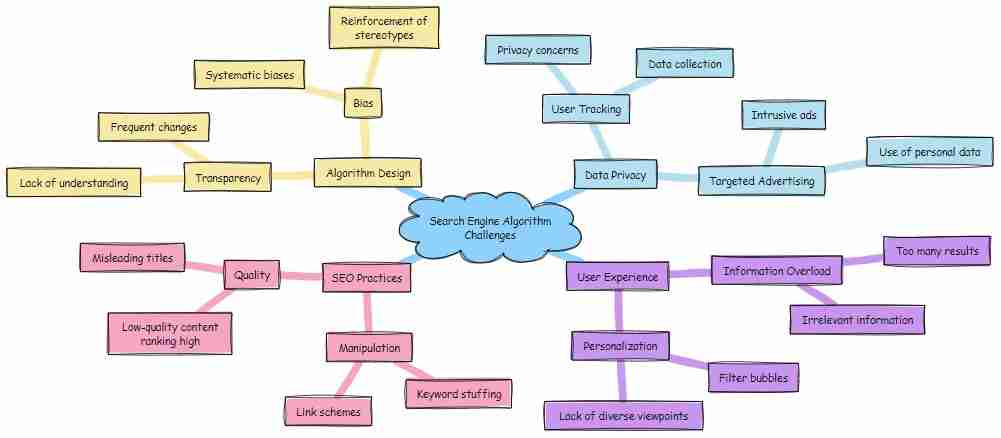
What Data Drives Effective A/B Testing?
How Do Emotions Influence Ad Performance?
In the world of advertising, emotions are not mere accessories; they are the engine that drives the entire machine. A well-crafted ad taps deep into the human experience, awakening feelings and thoughts that linger long after the commercial ends. Imagine standing in line at a coffee shop, reading ads that speak to you personally, not just showcasing products, but connecting with your day-to-day struggles and triumphs. This evokes a sense of belonging; it invites you into a shared narrative of life that’s relatable and genuine.
Consider this: when you encounter an advertisement that stirs memories or deep-seated values, it’s like reconnecting with an old friend. Your heart races as you recall the warmth of family gatherings or the excitement of achieving a long-held dream. This is the heart of emotional advertising, where the goal is to foster a connection. Advertisers who master this art don’t just sell; they weave compelling stories that draw us in by appealing to our ethos — our sense of ethics, character, and community.
But let’s not overlook the brain. Rational appeals provide the backbone, grounding these emotional stories in statistics and facts. When an ad promotes a product with clear data supporting its efficacy, it invites scrutiny yet inspires trust. Think about the last time you purchased something. You likely weighed the emotional pull against the practical benefits. A powerful ad strikes that balance, making you feel good about your decision while knowing you’re making a smart choice for your wallet and your well-being.
Now, let’s tap into the gut feeling. We’ve all encountered a campaign that sparked an instinctive response—be it outrage, joy, or nostalgia. This visceral reaction is critical. Ads that resonate on this level often capitalize on social values, appealing to the audience’s collective conscience. When a brand champions a cause, it doesn’t just elevate awareness; it galvanizes a community. This authentic connection, often through personal stories or relatable narratives, positions the ad above mere commerce—it transforms it into a movement.
In essence, navigating the emotional landscape of advertising is like sailing a vast ocean. Each wave of emotion offers a chance to ride higher or crash into mediocrity. When ads successfully engage our hearts, engage our heads, and stir our guts, they’re not just promoting a product; they’re embarking on a journey alongside us, inviting us to join in a collective story that transcends beyond the purchase—a journey that resonates on the Website Blog of life, and influences not just ad performance but also strengthens bonds between brands and consumers.

How Do Emotions Influence Ad Performance?
How Do Emotions Influence Ad Performance?
- Emotions are essential in advertising, driving connections beyond product promotion.
- Well-crafted ads tap into personal experiences, evoking feelings of belonging and relatability.
- Emotional advertising fosters connections by recalling cherished memories and values.
- Rational appeals, supported by data, enhance trust and provide a grounding for emotional narratives.
- Effective ads balance emotional resonance with practical benefits, influencing purchasing decisions.
- Ads that provoke visceral reactions can galvanize communities around social values and causes.
- Navigating the emotional landscape in advertising enhances brand-consumer relationships and ad performance.

How Do Emotions Influence Ad Performance?
What Ethical Considerations Exist In AI Ad Creation?
In today’s fast-paced digital landscape, where ads pop up like dandelions in spring, one might wonder about the unseen forces shaping these messages. Here we are, navigating through a world where automated systems can conjure creative content overnight. Yet, with great power comes an array of ethical considerations that demand our attention.
Imagine a small business owner, pouring their sweat and tears into their craft, only to see their message distorted by a cold algorithm siphoning their identity. It’s easy to romanticize technology as the wizard that makes dreams come true, but the truth can be far grimmer. Are we allowing machines—those soulless entities—to tell our stories, or are we advocating for human connection in our brand narratives? We need to ask ourselves whether AI is enhancing that connection or creating a chasm between consumer and creator.
There’s the heady clash of data-driven decisions versus heartfelt authenticity. AI platforms analyze customer behaviors to craft targeted ads, seemingly spoiling us with relevance. Yet, when does relevance become intrusion? The line blurs when we realize that behind every click, there’s a person—a real human being—with emotions, aspirations, and sometimes vulnerabilities.
Now, let’s pivot to the gut. Think of the ads that tug at your heartstrings. Advertisements that feature real stories, celebrating humanity at its core. When AI algorithms rely solely on data, they miss the nuances—the subtle spark of shared experiences that breathe life into a campaign. Ethical considerations rise from this gap. It’s not merely about pushing a product; it’s about sharing a journey, fostering community, and creating trust. This approach doesn’t just resonate; it inspires action. When folks feel seen and heard, they’re more likely to engage and connect with your brand.
And now, let’s tip our hats to authority. Companies that prioritize ethical AI ad practices don’t just build brands; they shape culture. They become beacons, standing tall in a marketplace often marred by misinformation and exploitation. By committing to ethical guidelines, they gain a loyal following—a community that grows not just in numbers, but also in trust.
Take a moment to reflect on this: Are we content with machines crafting our messages, or do we have the courage to inject humanity back into advertising? Let’s be guardians of our stories, ensuring that while AI serves our needs, it never overshadows our voices. The real question isn’t what AI can do; it’s what we allow it to shape. Remember, every website and blog has a pulse—let’s make sure it’s an authentic one.

What Ethical Considerations Exist In AI Ad Creation?
What Ethical Considerations Exist In AI Ad Creation?
- The digital landscape is rapidly evolving, with automated systems generating creative content.
- There are significant ethical concerns regarding the impact of AI on brand narratives and human connection.
- Small business owners risk having their identities distorted by algorithms.
- Data-driven advertising may blur the line between relevance and intrusion, forgetting the human element behind clicks.
- Advertisements that capture real stories foster community and trust more effectively than purely data-driven campaigns.
- Companies that prioritize ethical AI practices can shape culture and build a loyal customer base.
- Reflection is necessary on whether to let machines craft messages or to maintain the authenticity of human storytelling.

What Ethical Considerations Exist In AI Ad Creation?
How Can Storytelling Improve Ad Variations for Better Impact?
In the fast-paced world of advertising, where attention spans are shorter than a coffee break, storytelling emerges as a powerful tool to cut through the noise. Imagine walking into a crowded café filled with chatter; your eyes are drawn to someone animatedly recounting a captivating tale. This is what effective advertising can achieve. It’s not just about selling a product; it’s about crafting an experience that resonates on a deeper level.
When an ad taps into a well-told story, it stirs emotions. Think about a time you encountered a brand that shared a personal narrative—a small business owner who poured heart and soul into their craft. You didn’t just hear facts; you felt their struggles, triumphs, and dreams. That’s the magic of storytelling. It transforms an ordinary ad into a heartfelt message that connects with the audience’s shared experiences and aspirations.
This approach engages the head as well. Rational decision-making often requires a foundation of trust and authenticity. When a narrative is steeped in real experiences, the data points and statistics about a product become more meaningful. The story elevates the brand from mere existence in the marketplace to becoming a part of our daily lives. It’s not just about a website or a blog; it’s about the journey and values that resonate with our collective consciousness.
Furthermore, storytelling appeals to the gut, sparking action. It’s like bait on a hook. For instance, think of a nonprofit ad that showcases a family positively impacted by a community program. The gut reaction—compassion, urgency, the desire to help—compels viewers to engage with the call to action. They’re not just viewers; they’re participants in a larger narrative, invited to play a role in that ongoing story.
The ethical dimension of storytelling builds trust between the brand and its audience. Brands that share their values and mission transparently foster loyalty. When you know a brand stands for something greater than profit, you’re more likely to stick around when they release new ad variations. Your investment is not just financial; it’s emotional and social.
Incorporating storytelling into ad variations is not merely about creativity; it’s strategic. Every narrative twist and character arc should be purposeful, creating a clear, relatable message that garners interest and inspires action. When crafted skillfully, storytelling becomes a bridge—connecting not just the brand to the consumer, but weaving threads of shared humanity that bind us all. Embrace storytelling, and watch how it transforms ads into powerful movements, sparking action and inspiring trust.

How Can Storytelling Improve Ad Variations for Better Impact?
How Can Storytelling Improve Ad Variations for Better Impact?
- Storytelling is a powerful tool in advertising, capturing attention in a crowded marketplace.
- Effective ads craft experiences that resonate emotionally with the audience.
- Personal narratives transform ordinary ads into heartfelt messages, connecting with shared experiences.
- Real experiences in storytelling enhance trust and make data more meaningful for consumers.
- Storytelling evokes gut reactions, compelling viewers to engage with calls to action.
- Transparent brand values foster loyalty and emotional investment from the audience.
- Strategic storytelling creates relatable messages, connecting brands with consumers and inspiring action.

How Can Storytelling Improve Ad Variations for Better Impact?
How Can Authority Figures Validate the Use Of AI In Ads?
When it comes to the world of advertising, skepticism often reigns supreme, especially with the rise of artificial intelligence. Authority figures hold a unique position in this dialogue; they can bridge the chasm between apprehension and acceptance. Imagine a trusted mentor, a seasoned expert, or a relatable figure who knows their stuff, standing before us and breaking down the complexities of AI in ads. They have the ability to make the unfamiliar feel approachable and even necessary.
Take a moment to consider how a great storyteller captivates an audience. They don’t just present facts; they weave narratives that resonate on a personal level. Authority figures can replicate this approach in advertising. By sharing authentic experiences where AI has meaningfully contributed to strategy—like improving targeted outreach or personalizing consumer interactions—they create a narrative rich with emotional heft. It’s not just about cold algorithms; it’s about connection. Empathy in marketing doesn’t have to be sacrificed at the altar of technology; in fact, it can be enhanced.
Let’s pivot to the rational aspect. A well-respected authority can illuminate how AI algorithms analyze vast data sets, identify trends, and forecast human behavior. This clarity can demystify AI, transforming it into a tool that serves both advertisers and consumers. The real magic lies in how this technology works behind the scenes, tailoring ads to reflect what truly matters to people—not just pushing products, but enhancing lives through thoughtful engagement. Here lies the ethical appeal: utilizing AI responsibly safeguards consumer trust, ensuring that advertising doesn’t become invasive, but instead feels like a helpful nudge.
Moreover, authority figures can underscore the societal shifts sparked by AI in advertising. In a world where personalization can either feel intrusive or inviting, the right guidance can foster a sense of community. Imagine a local brand adjusting its messaging based on community feedback, using AI to tune its narrative in real-time. This outcome not only showcases technological prowess but enhances brand loyalty by reflecting customer values and experiences.
When authority figures advocate for AI in advertising, they do more than validate its use—they inspire confidence. They tell stories that resonate, illustrate rational benefits, and ignite an ethical conversation about how we engage with technology. This blend of heart, head, and gut creates a compelling case for embracing AI as a worthy ally, not just a tool, reminding us that innovation can and should serve the greater good. It’s about connection—whether through a website, blog, or the very ads we interact with every day.

How Can Authority Figures Validate the Use Of AI In Ads?
How Can Authority Figures Validate the Use Of AI In Ads?
- Advertising skepticism is prevalent, especially regarding AI’s role.
- Authority figures can bridge the gap between skepticism and acceptance.
- Storytelling in advertising helps make AI more relatable and necessary.
- AI can enhance emotional connections and personalize consumer interactions.
- Clear explanations by authority figures can demystify AI’s role, showing its benefits.
- Responsible AI use fosters consumer trust and avoids invasive advertising.
- Authority figures inspire confidence and ignite ethical discussions about technology usage in advertising.

How Can Authority Figures Validate the Use Of AI In Ads?
What Social Trends Should Be Reflected In Ad Variations?
In a world where consumers are bombarded by messages, the most effective ads are those that resonate with the audience on multiple levels. Social trends are not just fleeting fads; they reflect our values, our hopes, and sometimes, our fears. For instance, consider the movement towards sustainability. This trend isn’t just about the environment; it’s a reflection of a deeper desire for responsibility and connection to something greater than ourselves.
When crafting an advertisement, think of it as building a bridge between your brand and your audience. People crave authenticity, especially when it comes to their purchases. Companies that tell genuine stories—not just the glitzy ones, but the real, rough-around-the-edges tales—can foster a strong emotional connection. Picture a family-owned business sharing how they started from the ground up, facing countless struggles just like the rest of us. This kind of narrative doesn’t just sell a product; it creates community.
The ethical appeal is essential here. As consumers increasingly prioritize companies’ values, ads should reflect a commitment to social issues. This might mean showcasing diverse voices within your marketing or aligning with causes that matter to your audience. For example, an outdoor apparel brand might highlight its efforts to protect the very landscapes people enjoy using their products. By connecting personal stories of adventure and conservation, the brand not only appeals to the adventurous spirit but also champions a cause.
Moreover, there’s a profound opportunity to tap into the power of shared experiences. Think about how advertising can reflect the collective moments we all face: the stress of balancing work and life, the joy of family gatherings, the challenges of navigating uncertainty. An ad that tells a story of unity during tough times—maybe a community coming together to support a local business—can evoke strong feelings. It creates a narrative that viewers want to be a part of, not just as spectators but as active participants.
Finally, the call to action in modern ads must not only be compelling but altruistic. Instead of simply urging viewers to buy more, why not challenge them to make a difference? An ad could encourage consumers to support local businesses or engage in community service, thus fostering trust while prompting action.
By weaving these social trends into ad variations, we’re not just selling a product; we’re inviting people into a narrative that reflects their values. In this way, we’re not merely marketers—we are community builders, storytellers, and partners in progress.
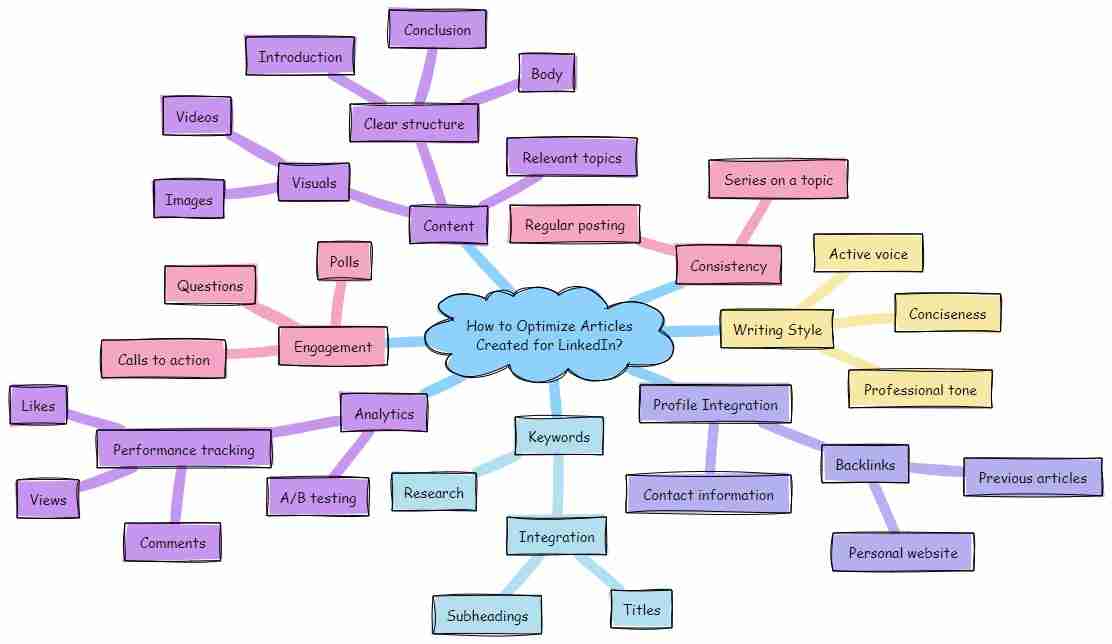
What Social Trends Should Be Reflected In Ad Variations?
What Social Trends Should Be Reflected In Ad Variations?
- Effective ads resonate with audiences on multiple levels, reflecting values, hopes, and fears.
- Sustainability reflects a desire for responsibility and connection, beyond just environmental concerns.
- Authentic storytelling fosters emotional connections; genuine narratives create community.
- Ads should reflect a commitment to social issues by showcasing diverse voices and aligning with causes.
- Advertising can tap into shared experiences, evoking feelings of unity and participation.
- Calls to action should be altruistic, encouraging consumers to support local businesses and engage in community service.
- Marketers can serve as community builders and storytellers, inviting audiences into narratives that reflect their values.

What Social Trends Should Be Reflected In Ad Variations?
Conclusion
In the intricate dance of modern advertising, the heart of A/B testing is the ability to leverage AI without compromising the core essence of your product. Imagine standing at a vibrant farmer’s market, where each stall represents different facets of your brand’s offerings. Your aim is not just to sell fruit but to tell a story through presentation—how it looks, feels, and connects with the audience. This analogy serves as a compelling framework for understanding how AI can generate ad variations that resonate without diluting your message.
In the world of marketing, reliance on AI should not be seen as a soulless tactic, but rather as a strategic partnership that amplifies creativity. Picture AI as a trusted collaborator that sorts through data and provides insights into audience behaviors and preferences. This allows marketers to tap into emotional, rational, and social appeals, crafting ad variations that truly connect with their target audience. By invoking local heroes and relatable narratives, the ads become more than promotional tools; they transform into heartfelt connections that inspire loyalty and engagement.
However, it’s essential to navigate this terrain with ethical responsibility. AI should enhance rather than overshadow human storytelling. It is about recognizing that behind every digital interaction lies a real person with real emotions. The essence of effective advertising is not just selling a product, but fostering a sense of community and shared values. By doing so, brands not only strengthen their authority in the marketplace but also build a loyal following dedicated to the mission behind the products.
Integration of social trends into ad variations further enhances relevance. Companies that align their messages with the values and struggles of their audience can foster deeper emotional connections. Whether showcasing sustainability efforts or highlighting diverse perspectives, these narratives invite consumers to participate in something larger than themselves. The call to action should extend beyond mere consumption, prompting the audience to engage in community-building and shared experiences.
Ultimately, as we embrace AI in advertising, the goal should be to transform data into meaningful stories. This is not merely about efficiency; it’s a call to cultivate relationships, inspire trust, and evoke action. When executed thoughtfully, AI can help build a narrative framework that resonates at a fundamental level, fostering connections that transcend the commercial, creating a tapestry of shared humanity in every ad. In this journey, we not only refine our marketing strategies but also reaffirm our commitment to authenticity and community, making every interaction matter.

Conclusion
Conclusion:
- A/B testing in advertising incorporates AI without losing a product’s core essence.
- AI serves as a creative collaborator, providing insights into audience behaviors and preferences.
- Advertisements that evoke local heroes and relatable narratives create emotional connections.
- Ethical responsibility is crucial; AI should enhance human storytelling, not overshadow it.
- Effective advertising fosters community and shared values, strengthening brand loyalty.
- Integrating social trends into ad variations enhances relevance and emotional connections.
- The goal of using AI in advertising is to transform data into meaningful stories that inspire trust and action.

Conclusion
Other Resources

Other Resources
Here is a list of other resources you can review online to learn more:
- Scribe
- Withpoly.com
- Peppercontent.io
- Bubble.io
- Holara.ai
- Cascadeur.com
- Lovo.ai
- Andisearch.com
- logoai.com
- Airfocus.com
- Maket.ai
- Writecream.com
- Got-it.ai
- copy.ai
- Clipdrop.co
- Jailbreakchat.com
- Ubiehealth.com
- Hemingway App
- Exo Platform
Use This Prompt To Get More Resources With Your Favorite Online AI Tool: Please provide me with a list of online articles with their URLs in a bulleted list that I can read regarding How to Use AI to Create Ad Variations for A/B Testing Without Changing the Core Offer

Other Resources
Glossary Terms
How to Use AI to Create Ad Variations for A/B Testing Without Changing the Core Offer – Glossary Of Terms
1. Core Offer — The unchanged product or service proposition (price, features, value) that all ad variants must represent; the anchor of any A/B test to ensure experiment isolation.
2. Ad Variation — A distinct version of an ad differing in creative elements (copy, image, layout, CTA) while keeping the core offer identical.
3. Variant (Treatment) — A specific ad variation presented to a segment of the audience during an experiment.
4. Control — The baseline ad or original creative used for comparison against AI-generated variants.
5. A/B Testing — The method of comparing two or more variants to determine which drives better KPIs while holding the core offer constant.
6. Multivariate Testing — Simultaneous testing of multiple independent creative elements to measure interaction effects without altering the offer.
7. KPI (Key Performance Indicator) — Measurable metrics (CTR, CVR, CPA, ROAS) used to evaluate ad variation performance.
8. Conversion Rate (CVR) — The percentage of users who take a desired action after seeing an ad; primary outcome for many ad tests.
9. Lift — The relative improvement in a KPI for a variant compared to the control.
10. Statistical Significance — The confidence that observed differences between ad variants are not due to random chance.
11. Sample Size — The number of impressions or users required for reliable A/B test results, calculated based on expected lift and variance.
12. Statistical Power — The probability an experiment will detect a true effect of a given size for AI-generated variants.
13. False Discovery Rate — The expected proportion of false positives when running multiple variant tests or iterations.
14. Traffic Allocation — The strategy for distributing impressions or users across control and AI-generated variants.
15. Holdout Group — A reserved audience segment kept from exposure to variants to measure baseline behavior or long-term impact.
16. Creative Asset — Any media element (image, video, headline, description) that AI can manipulate to create ad variations.
17. Microcopy — Small pieces of text (headlines, subheads, button labels) that AI can rewrite to test subtle message differences without changing the offer.
18. CTA (Call to Action) — The element prompting user action; can be varied by AI in wording, placement, or style while preserving the core offer.
19. Tone of Voice — The stylistic personality of copy (formal, friendly, urgent) that AI can adapt to target segments without changing offer facts.
20. Prompt Engineering — Designing precise AI inputs to generate controlled ad variations that respect constraints around the core offer.
21. Template — Structured formats that guide AI outputs to maintain brand rules and consistent presentation across variants.
22. Generative Model — AI systems (LLMs, diffusion models) used to produce textual or visual ad variations programmatically.
23. Conditional Generation — Instructing AI to produce variants constrained by attributes (audience, length, channel) to keep offers unchanged.
24. Temperature — A generation parameter controlling randomness in AI outputs; lower values produce conservative variants, higher values produce more diverse ones.
25. Embedding — Numeric vector representations of text or images used to measure similarity, cluster variants, or retrieve related creatives.
26. Semantic Similarity — A measure ensuring AI-generated copy preserves the meaning of the core offer even when wording changes.
27. Paraphrasing — Rewriting copy to vary expression while retaining the original offer intent and factual content.
28. Style Transfer — Applying a target writing or visual style via AI to existing creatives to test engagement without altering the offer.
29. Synthetic Data — AI-created copy or user-response simulations used to pre-test creative strategies or train models when real data is limited.
30. Automated Creative Optimization (ACO) — Systems that programmatically generate, assemble, serve, and iterate on AI-created ad variants (also called Dynamic Creative Optimization) while keeping the core offer constant and routing winners into production. Glossary Of Terms
Other Questions
How to Use AI to Create Ad Variations for A/B Testing Without Changing the Core Offer – Other Questions
If you wish to explore and discover more, consider looking for answers to these questions:
- What specific AI tools and platforms are best for generating ad variations?
- How do I write effective prompts to get useful ad variations from AI?
- Which ad elements should I change (headline, image, CTA, tone) while keeping the core offer constant?
- How many variations should I test at once for reliable A/B results?
- What sample size and test duration are needed to reach statistical significance?
- How do I set up an A/B test framework that integrates AI-generated creatives?
- What metrics should I track beyond clicks and conversions (e.g., engagement, time on site, brand lift)?
- How do I align test KPIs with business objectives and funnel stage?
- How can AI help generate emotionally targeted ad copy that still complies with brand voice?
- What safeguards ensure AI-generated ads don’t introduce factual errors or misleading claims?
- How do I detect and mitigate bias in AI-generated creative or targeting?
- What privacy and data consent considerations apply when using user data to train or prompt AI?
- How do I ensure creative consistency and brand guidelines across many AI-generated variations?
- When should I use multivariate testing versus simple A/B tests for creative elements?
- How can I use audience segmentation to create more relevant AI-driven ad variations?
- What are best practices for testing visuals and videos generated or enhanced by AI?
- How do I measure long-term brand impact (brand lift, recall) from AI-driven ad variations?
- How do emotional appeals perform differently across demographics and platforms?
- What ethical frameworks or checklists should marketers follow when deploying AI ads?
- How can I validate AI suggestions with real customer feedback before scaling?
- What processes should be in place for human review and approval of AI-created ads?
- How do authority figures or endorsements affect the credibility of AI-assisted ads?
- How can AI help surface local or community stories without exploiting individuals?
- What legal or regulatory risks exist when personalizing ads with AI (e.g., sensitive attributes)?
- How do I attribute conversions to specific creative variations in multi-touch funnels?
- How often should I refresh or rotate AI-generated creatives to avoid ad fatigue?
- What cost and resource trade-offs exist between manual creative testing and AI-assisted generation?
- How do I build reproducible experiments when AI randomness affects creative outputs?
- What prompt templates can reliably produce headline, body, and CTA variants?
- How do I evaluate qualitative signals (comments, sentiment) from AI-created ads?
- How can storytelling structures (hero’s journey, problem-solution) be automated by AI?
- How do I balance emotional, rational, and social appeals across test variations?
- What social trends should I avoid referencing to prevent appearing opportunistic?
- How can I localize AI-generated ads for different languages and cultures effectively?
- How do I integrate AI creative workflows with ad platforms (Google, Meta, DSPs)?
- What governance and version-control practices are needed for AI-generated creative assets?
- How can I test creative hypotheses quickly and iterate using AI outputs?
- How do I measure uplift from AI-generated creative versus human-only creative?
- What accessibility considerations must be included when AI produces visuals and copy?
- How do I prevent AI from producing content that violates platform ad policies?
- How should I disclose AI involvement in ad creation, if at all?
- What are common pitfalls and failure modes when using AI for ad variation generation?
- How can small businesses with limited data leverage AI effectively for A/B testing?
- What examples or case studies show measurable ROI from AI-driven ad variation testing?
- How do I combine qualitative customer interviews with AI-driven quantitative testing?

Other Questions
Haiku
How to Use AI to Create Ad Variations for A/B Testing Without Changing the Core Offer – A Haiku
Craft ads with AI,
Fresh tales that touch the heartstrings,
Truth to guide our hands.

Haiku
Poem
How to Use AI to Create Ad Variations for A/B Testing Without Changing the Core Offer – A Poem
In a world where ads abound,
A quest for truth, a voice profound.
AI springs forth, a guiding light,
Crafting variations, making wrongs right.
A farmer’s market, fruits arrayed,
Each ad a story, thoughtfully displayed.
With insight keen, it scans the crowd,
Finding hearts to speak to, loud and proud.
Emotions stir, connecting deep,
While data whispers truths we keep.
A local hero’s tale we weave,
Inspire loyalty, help them believe.
Creativity blossoms, spurred by AIs hand,
Transforming cold metrics into connections grand.
Ethics guide the narrative flow,
Painting pictures of community glow.
Authentic touch in every line,
Stories resonate, entwined divine.
With trust as the anchor, brands ignite,
Fostering bonds that feel just right.
Waves of compassion, urgency, hope,
Ads become journeys, helping us cope.
Through shared experiences, fears laid bare,
We join together in a world that cares.
Authority rises to validate,
AI’s role in our marketing fate.
Reflecting values, and trends we embrace,
Ads as movements, a space we create.
So let’s open our hearts, our minds, our guts,
In the tapestry of ads, let’s leave bold ruts.
Through AI’s embrace, let our stories be told,
Building communities, as we break the mold.

Poem
Checklist
How to Use AI to Create Ad Variations for A/B Testing Without Changing the Core Offer – A Checklist
Emotional Appeal
✅______ Identify core emotions you want to evoke (e.g., joy, nostalgia).
✅______ Incorporate relatable stories or testimonials from real customers.
✅______ Use visuals that evoke strong feelings aligned with the narrative.
Rational Appeal
✅______ Ensure clear data backing the effectiveness of the AI-generated variations.
✅______ Present statistics or facts that enhance the credibility of the ads.
✅______ Include a compelling value proposition that highlights unique selling points.
Ethical Considerations
✅______ Maintain transparency about data usage and AI roles in ad creation.
✅______ Avoid intrusive targeting by respecting user privacy and preferences.
✅______ Encourage ethical storytelling that honors community values and narratives.
Authority Validation
✅______ Feature testimonials or endorsements from industry experts on the use of AI.
✅______ Share case studies where AI has positively impacted ad performance.
✅______ Educate the audience on how AI enhances creativity, not replaces it.
Narrative Engagement
✅______ Create a compelling storyline in each ad variation.
✅______ Use characters or scenarios that resonate with your target audience.
✅______ Develop a clear beginning, middle, and end for the narrative.
Social Connection
✅______ Reflect current social trends and community values in your ads.
✅______ Highlight cause-related marketing initiatives that relate to audience interests.
✅______ Encourage community involvement or feedback in the ad process.
Call to Action
✅______ Make the call to action inspiring rather than purely transactional.
✅______ Encourage participation in a broader narrative, such as community support or sustainability efforts.
✅______ Provide multiple, engaging options for audience involvement (e.g., sharing, commenting).
Feedback Mechanism
✅______ Implement ways for audience feedback on ad variations.
✅______ Use data and insights from A/B testing to refine future ads.
✅______ Create a sense of belonging by recognizing audience contributions to the narrative.

Checklist
At WebsiteBloggers, we help website bloggers develop strategies to create content, traffic, and revenue from website blogs based on our experiences and experimentation.
Be sure to read our other related stories at WebsiteBloggers and share this article with your friends, family, or business associates who run website blogs.