Transform Insights Into Impact: Craft Landing Pages That Connect
By Tom Seest
At WebsiteBloggers, we help website bloggers develop strategies to create content, traffic, and revenue from website blogs based on our experiences and experimentation.
Be sure to read our other related stories at WebsiteBloggers and share this article with your friends, family, or business associates who run website blogs.
How to Use AI to Write a Landing Page From Customer Research, Offer Details and Objections
Creating a landing page that truly resonates starts with understanding the people who’ll be seeing it. This isn’t just about flashy designs or catchy phrases; it’s about tapping into the core of your audience’s needs and desires. Start with customer research. Talk to individuals, not just data points, and dive deep into their stories. Every conversation is an opportunity to unearth insights that will shape your copy, revealing the emotions that drive their decisions.
Imagine a website blog as a campfire where stories are shared and connections are forged. The flickering flames symbolize the warmth and trust you need to instill in your visitors. When crafting your offer, leverage these emotional insights. Make it personal. Instead of merely listing features, narrate how your product or service transforms lives. Picture a single mother looking for a way to improve her work-life balance; highlight stories of customers like her who found solutions, giving her a sense of connection and hope.
But you also need to address objections head-on. People are often skeptical—it’s in our nature. Use rational appeals backed by data and testimonials. If someone worries about the cost, show them the value they’ll gain; perhaps share a case study of a customer who recouped their investment tenfold. This creates a dual narrative: the heart speaks to aspiration, while the head acknowledges reality.
Furthermore, tap into ethical and social appeals by showcasing a commitment to community or sustainability. When people know that purchasing from you supports a greater cause, they feel empowered to make a choice that aligns with their values. This is where ethical authority comes in—be the brand that stands for something meaningful, fostering a sense of belonging among your customers.
Lastly, don’t underestimate the power of authenticity. Be transparent about your journey, whether it’s the trials and tribulations of launching your product or the little wins that bring joy. This kind of narrative makes your brand relatable, engendering trust.
Weaving all these elements together leads to a landing page that isn’t just a sales pitch but a heartfelt invitation. An invitation to not only buy but to be part of a story—one that they’ll want to share around their own campfire.

How to Use AI to Write a Landing Page From Customer Research, Offer Details and Objections
How to Use AI to Write a Landing Page From Customer Research, Offer Details and Objections
- Understand the audience’s core needs and desires through in-depth customer research.
- Use storytelling to create connections, making the offer personal and relatable.
- Address potential objections with rational appeals, data, and testimonials to build trust.
- Incorporate ethical and social appeals, demonstrating a commitment to community or sustainability.
- Showcase authenticity by being transparent about the brand’s journey and experiences.
- Combine emotional insights and rational arguments to create a compelling narrative.
- Craft a landing page that serves as a heartfelt invitation, encouraging customer engagement.

How to Use AI to Write a Landing Page From Customer Research, Offer Details and Objections
Table Of Contents
- How to Use AI to Write a Landing Page From Customer Research, Offer Details and Objections
- How Do Your Customers Feel About Your Current Landing Page?
- What Specific Objections Do Customers Have About Your Product?
- How Can AI Help Clarify Customer Needs for Your Landing Page?
- Are Your Offer Details Compelling Enough to Capture Attention?
- How Does Customer Research Influence Your Landing Page Effectiveness?
- What Emotions Do You Want to Evoke Through Your Landing Page?
- How Can Authoritative Data Shape Your Landing Page Messages?
- Conclusion
- Other Resources
- Glossary Of Terms
- Other Questions
- Haiku
- Poem
- Checklist
How Do Your Customers Feel About Your Current Landing Page?
Picture this: You stumble across a website, drawn in by a headline that makes a promise. You click, your heart racing with anticipation, only to find a landing page that feels like a poorly lit room in a long-abandoned building—a place that seems to echo disconnect rather than connection. Think about how your customers feel when they reach that page. Are they greeted with a warm invitation, or left standing at the door, unsure if they should take a step inside?
A landing page isn’t just a digital billboard; it’s the entryway to your world. Like a good story, it has the power to engage the heart, captivate the mind, and stir the gut. When crafting this vital piece of your website, consider how it connects to your customers’ narratives. Are you telling them a story they recognize—the struggle, the aspiration, the solution? If your page is merely a static collection of information, it may as well be a ghost town. People crave authenticity. They want to feel seen and heard.
Consider the last time you visited a blog that spoke directly to you. Maybe it was a personal tale about overcoming an obstacle that resonated deeply, or a deftly crafted argument that made you reconsider your views. That’s the power of a well-designed landing page. It’s your opportunity to create an emotional connection, offering your visitors something substantive to latch onto, much like that old friend who knows you inside and out.
Now, let’s talk about authority—yours and your customers’. A landing page that showcases testimonials, success stories, or even a bit of your personal journey fosters trust. When potential customers see that others have walked a similar path and emerged victorious thanks to your services, they’re more likely to feel inspired to join that journey themselves.
It’s also essential to appeal to the social side of decision-making. Create a sense of community where visitors feel they’re a part of something bigger. A welcoming landing page can be a beacon, a space where they can see themselves reflected in the experiences of others.
Finally, ask yourself: is your landing page a compelling invitation or a polite formality? Dig deep, foster connection, and create a page that not only draws people in but also drives them to action, moving them to the next step as if they were welcomed into a home rather than a mere website.
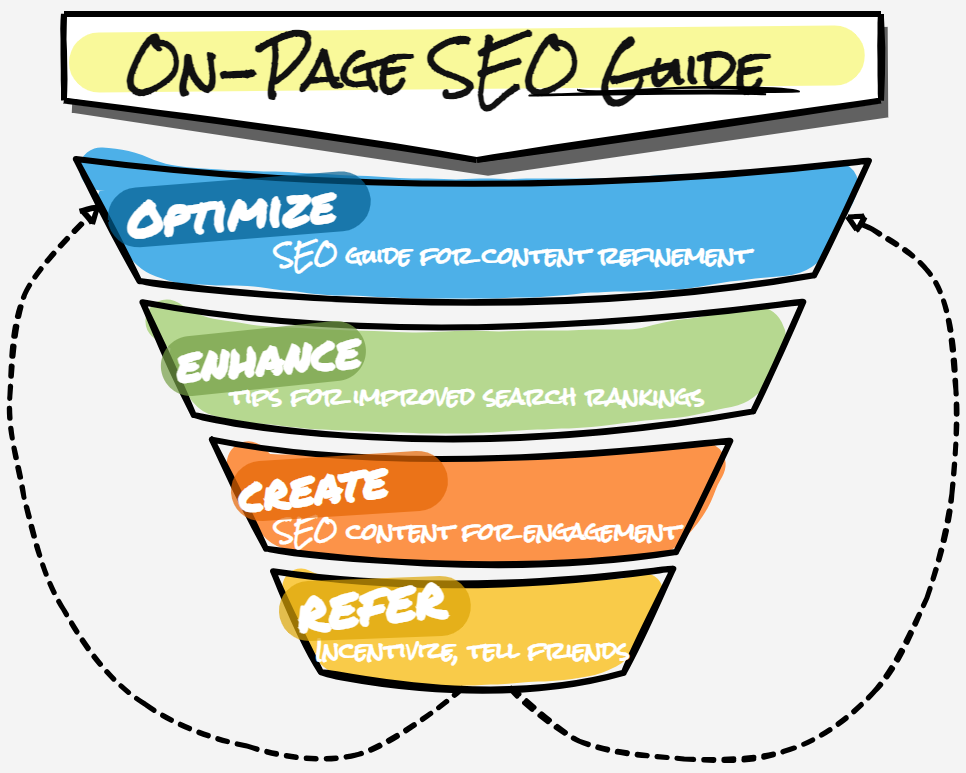
How Do Your Customers Feel About Your Current Landing Page?
How Do Your Customers Feel About Your Current Landing Page?
- A landing page should invite and engage customers, creating a warm atmosphere.
- It serves as an entryway to your brand, conveying a relatable and authentic narrative.
- Emotional connections are crucial; visitors appreciate stories that resonate with their experiences.
- Including testimonials and success stories builds trust and encourages potential customers.
- The landing page should foster a sense of community, making visitors feel part of something larger.
- Consider whether your landing page is compelling or just a formality.
- A well-designed landing page encourages action, feeling more like a welcoming home than a website.

How Do Your Customers Feel About Your Current Landing Page?
What Specific Objections Do Customers Have About Your Product?
When we think about what keeps customers up at night, it’s often not just about a product’s features or price. It’s the nagging doubts that worm their way into our minds: “Is this really worth it? Am I making the right choice?” These aren’t trivial concerns; they’re deeply rooted in our desire for connection and understanding. Each objection a customer has isn’t merely a barrier to sale; it’s an invitation to listen and learn.
Take the simple act of choosing a website to host your blog. For many, it’s a leap of faith. Customers might wonder if the platform can handle their unique content needs. They want assurance that when they hit “publish,” their voice will be heard, a raw part of themselves laid bare for the world. They don’t just want functionality; they crave reliability. If a platform crashes during a critical moment, it’s not just an inconvenience. It’s a betrayal of trust.
Consider the emotional appeal behind the decision. Customers often talk about wanting to feel understood. Picture a friend sharing their dreams and ambitions, but they’re met with indifference or skepticism. It stings. That’s how customers feel when they sense a brand doesn’t grasp their unique journey. Address these concerns genuinely, and suddenly, they feel like part of a larger narrative—a community. Sharing stories from those who’ve come before, detailing triumphs and trials, helps potential customers see they’re not alone.
Rational objections also loom large. Is the product’s value tangible? Customers are savvy; they’ll compare, scrutinize, and evaluate. When you can showcase real results and authentic testimonials, you help them justify their choice logically. Offer them access to case studies or success stories from those who’ve walked the path before—something that feels less like marketing and more like a conversation among friends.
Furthermore, ethical considerations cannot be overlooked. In a world where consumers are increasingly aware of corporate responsibility, they don’t just want to buy a product; they want to align themselves with a brand that shares their values. When you demonstrate a commitment to sustainability or social impact, it resonates. It says, “We’re in this together.”
By understanding the specific objections customers have—whether stemming from emotional fears, rational doubts, ethical concerns, or the desire for community—you’re not just selling a product. You’re creating a relationship built on trust, empathy, and shared values. In doing so, you turn those objections into stepping stones for connection, ultimately inviting customers not just to choose your product, but to embrace the journey you offer.

What Specific Objections Do Customers Have About Your Product?
What Specific Objections Do Customers Have About Your Product?
- Customer concerns often stem from emotional doubts, not just product features or price.
- Choosing a platform for a blog represents a leap of faith for customers, requiring assurance of reliability.
- Customers seek understanding and connection, desiring empathy from brands regarding their unique journeys.
- Sharing stories of past customers fosters a sense of community and reassures potential buyers.
- Rational objections focus on the tangible value of products, emphasizing the need for authentic testimonials and case studies.
- Ethical considerations are crucial; customers prefer brands aligned with their values and social responsibility.
- Addressing emotional, rational, and ethical objections creates relationships built on trust and shared values.

What Specific Objections Do Customers Have About Your Product?
How Can AI Help Clarify Customer Needs for Your Landing Page?
In today’s fast-paced digital landscape, a landing page is often the first handshake between a business and its potential customers. But how can we make that handshake firm and inviting? Enter AI, a formidable ally in deciphering what your customer truly wants. Imagine walking into a crowded room where everyone is shouting their needs, desires, and frustrations. It’s overwhelming, right? Now, picture having a magnifying glass that picks up clear signals amid the noise. That’s what AI does.
Customer needs can be as diverse as the company they seek to engage with. Effective use of AI on your website can dissect the whirlwind of preferences and present them in digestible bits for you. Data analytics tools can track user behavior, revealing which elements prompt clicks and which ones lead to confusion. This insight transforms your landing page into a responsive conversation rather than a static billboard.
Take, for instance, the story of a small business owner named Sarah, who struggled with a high bounce rate on her website. After employing AI tools, she discovered that her potential customers were searching for specific solutions she hadn’t even highlighted. By utilizing AI’s ability to analyze real-time data, she adapted her website’s content to speak directly to those needs, ultimately boosting her engagement and conversions. Sarah found that being personable and attentively listening to her audience led to trust—a foundation essential in any relationship.
But let’s delve deeper. Emotional and ethical appeals play a crucial role in understanding customer needs. AI offers insights not just about what customers do, but why they do it. By analyzing sentiment in customer feedback and social media interactions, AI can help you connect on a human level. When your landing page resonates with authentic stories and aims to alleviate real pain points, it reinforces a bond rooted in empathy.
Moreover, fostering community cannot be overlooked. With AI, you can harness user-generated content and testimonials that lend authority to your brand. When new visitors see their peers advocating for your product, trust blossoms. They realize they’re not alone in their journey; they’re part of a larger story where their needs can be met.
In the broad tapestry of website blogs and customer interactions, understanding your audience with AI not only clarifies their needs but also deepens your connection. This journey isn’t just about pixels on a page; it’s about building trust and inspiring action, one meaningful interaction at a time.

How Can AI Help Clarify Customer Needs for Your Landing Page?
How Can AI Help Clarify Customer Needs for Your Landing Page?
- A landing page serves as the initial interaction between a business and potential customers.
- AI helps identify and clarify customer needs amid overwhelming noise in the digital landscape.
- Data analytics tools track user behavior, enhancing landing page responsiveness and engagement.
- Small business owner Sarah improved her website’s content and increased conversions by leveraging AI insights.
- AI analyzes emotional and ethical factors, connecting with customers on a deeper level.
- Utilizing user-generated content can build trust and create a sense of community around a brand.
- Understanding audiences through AI enhances connectivity and fosters meaningful interactions.
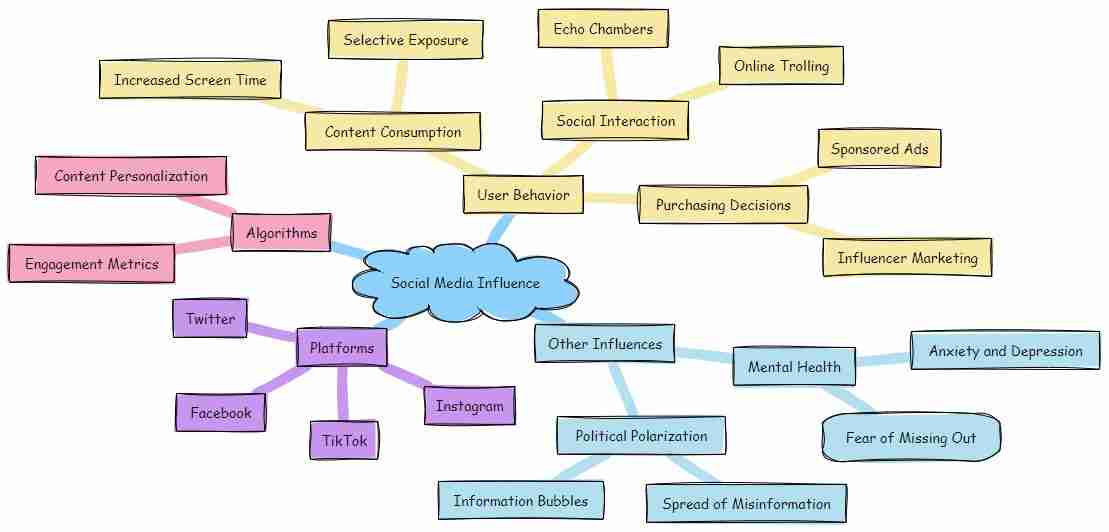
How Can AI Help Clarify Customer Needs for Your Landing Page?
Are Your Offer Details Compelling Enough to Capture Attention?
In a world overflowing with choices, the question isn’t just whether your offer stands out, but whether it resonates deeply with the people who encounter it. Imagine scrolling through website after website, each one a cascade of promises and guarantees. But then, suddenly, something catches your eye—a story that draws you in, appeals to your heart, your head, and your gut. That’s the power of a compelling offer.
Let’s break it down. A compelling offer is more than just a list of features pinned to a blog post; it’s an invitation to join a narrative. Picture your ideal customer—the one who’s not just hunting for a good deal but is searching for something that connects with their values and aspirations. The details of your offer should be like a handshake through the screen. They should convey not just what you’re selling but why it matters.
Take, for example, a small business that decided to change the narrative around its product. Instead of focusing solely on price points, they shared the journey of their creation. They wrote about sustainable sourcing, the artisans behind each item, and the impact of every purchase on the community. This wasn’t just an ethical appeal; it was a gut-wrenching story that turned a simple transaction into a meaningful relationship. Customers didn’t just buy their products; they became part of something bigger.
Now, consider the rational appeal. Numbers matter. Clearly outlining savings, benefits, and unique selling points reinforces trust in your offer. But don’t stop there; tie those numbers into real-life scenarios. For instance, explain how spending a little more on a high-quality product can save time and frustration down the line. Connect the dots for your audience, so they see that their choice isn’t just about dollars and cents; it’s about making a wise investment in their future.
Ethics also play a crucial role in shaping perceptions. Transparency is key. If you’re making claims about your product, back them up with testimonials and invite customers to share their experiences. This social validation fosters confidence and makes your offer feel less like a pitch and more like a shared journey.
Ultimately, your offer should evoke a visceral response—a feeling that this is the solution they’ve been waiting for. Keep it genuine, relatable, and grounded in the shared experiences of your audience. In a sea of noise, the magic lies in the details that weave together head, heart, and gut, creating a compelling narrative that invites people not just to engage, but to connect on a fundamental level.

Are Your Offer Details Compelling Enough to Capture Attention?
Are Your Offer Details Compelling Enough to Capture Attention?
- A compelling offer goes beyond features; it invites customers into a narrative.
- Understanding the ideal customer helps in creating a connection with their values and aspirations.
- Sharing the journey of a product, including sustainable practices, creates meaningful relationships.
- Rational appeals with numbers should relate to real-life scenarios for better understanding.
- Transparency and social validation through testimonials build trust and confidence.
- Offers should evoke a visceral response, making customers feel it’s the solution they seek.
- Effective storytelling incorporates head, heart, and gut, fostering genuine connections.

Are Your Offer Details Compelling Enough to Capture Attention?
How Does Customer Research Influence Your Landing Page Effectiveness?
In the world of digital engagement, your landing page serves as the welcome mat to your online home. Yet, what if that mat doesn’t truly reflect the essence of your guest? Just like preparing a meal based on your guests’ dietary preferences, understanding your audience through customer research is essential. After all, nobody wants to be served something they can’t chew.
Imagine this: You’ve crafted a beautiful website blog that showcases your products, filled with captivating images and eloquent text. But if the voice of your content doesn’t resonate with your audience, it’s like playing a symphony to an empty room. Customer research offers the insights that help in composing a harmonious experience, aligning your offerings with the desires of your visitors. When you understand what keeps your potential customers up at night, and what dreams they wake up to, you can tailor your landing page to speak directly to those aspirations and fears.
Emotional appeals are powerful in driving decisions. Think of a time when you stumbled upon a story that struck a chord with you. It was likely not just the facts that captivated you but the raw emotion conveyed through relatable experiences. By utilizing customer research, you can craft narratives on your landing page that pull at the heartstrings. Picture a customer who felt lost until they discovered your product. Sharing that story not only humanizes your brand but also builds a bridge of trust.
This isn’t merely a matter of metrics and analytics; it’s about genuine connection. Ethical considerations come into play when you use this research responsibly. Honor your customers by respecting their preferences and concerns. This establishes your credibility and positions you as an authority in a crowded marketplace.
The unique angle to consider here is the process of iterative testing informed by customer feedback. Think of it as tinkering with a beloved recipe. Each time you revisit it, you refine flavors based on feedback from friends and family, ultimately creating a dish that has everyone coming back for seconds. Similarly, your landing page can evolve with ongoing insights, ensuring it remains relevant and impactful.
With each modification driven by insight, you’re not just enhancing a landing page but fostering a community of trust and engagement. Customer research transforms your website blog from static information into a dynamic conversation, inviting users to not just visit but to truly belong.

How Does Customer Research Influence Your Landing Page Effectiveness?
How Does Customer Research Influence Your Landing Page Effectiveness?
- Your landing page is crucial for digital engagement and should reflect the essence of your audience.
- Understanding your audience through customer research is key to creating relevant content.
- Emotional appeals in narratives help connect with visitors and build brand trust.
- Customer research goes beyond metrics, fostering genuine connections with your audience.
- Ethical considerations in using research enhance credibility and authority in the marketplace.
- Iterative testing based on customer feedback allows for continuous improvement of your landing page.
- Transforming static information into engaging conversations fosters community and belonging.

How Does Customer Research Influence Your Landing Page Effectiveness?
What Emotions Do You Want to Evoke Through Your Landing Page?
Crafting a landing page is like inviting someone into your living room; it’s not just about the decor, but the atmosphere you create. A well-designed landing page can evoke powerful emotions that resonate with your audience, engaging their hearts, heads, and guts. Think about it: when you step into a space that feels warm and welcoming, you naturally feel at ease. That’s the feeling you want to replicate online.
Start by tapping into emotional appeal. Share a story—perhaps a personal tale of struggle and triumph that mirrors the journey of your audience. People connect with narratives that reflect their own challenges. Imagine a visitor, tired of the daily grind, finding solace in your words as they realize they’re not alone. This emotional proximity invites them to stay a while longer, to learn more.
Then pivot to the head. Present clear and rational arguments for why your product or service is the solution they’ve been seeking. Highlight facts and statistics in a relatable manner, like how someone might explain a complex problem in simple terms over a cup of coffee. This is where transparency earns trust. When visitors perceive genuine authority, they’re more likely to let their guard down, opening them up to possibility and action.
Next, don’t overlook ethical appeals. When designing your landing page, communicate your values and the impact of your offerings. If you’re championing sustainability, for instance, tell your audience: “Your choice here supports not just your needs but aids a larger cause.” This creates a bond, a shared purpose that resonates on a deeper level.
Consider also the social aspect of your content. Display testimonials and user stories. These snippets of real-life experiences foster a sense of belonging and community. When potential customers see that others—people like them—have found value in your offering, it sparks confidence. They can envision themselves as part of that narrative, which is powerful.
Be original in your approach. Instead of simply listing benefits, invite your audience to imagine their future self: “Picture waking up every day, knowing your choices are impacting the world positively.” This visionary storytelling not only captivates the imagination but also inspires action.
In this web of emotions, ensure that every sentence on your landing page resonates with authenticity. It should feel less like a sales pitch and more like a heartfelt conversation, drawing those visitors into your world, encouraging them to embark on a journey with you—a journey that starts with a single click. This is how your website blog can turn into a vital touchpoint in their lives.
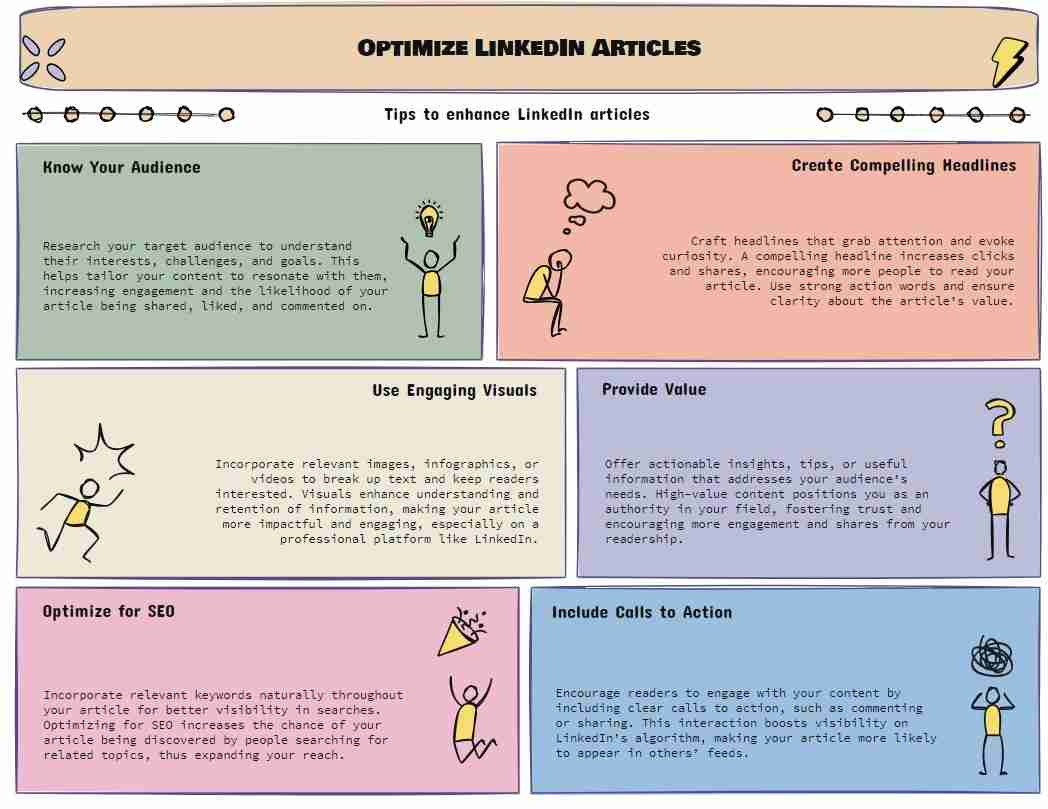
What Emotions Do You Want to Evoke Through Your Landing Page?
What Emotions Do You Want to Evoke Through Your Landing Page?
- Crafting a landing page creates an inviting atmosphere, akin to a warm living room.
- Emotional appeal is crucial; sharing relatable stories engages visitors and fosters connection.
- Present clear, rational arguments and transparency to establish trust and authority.
- Communicate values and the broader impact of offerings to build ethical connections.
- Include testimonials and user stories to create a sense of community and belonging.
- Encourage imaginative thinking by inviting visitors to envision their positive future.
- Maintain authenticity, fostering a heartfelt conversation rather than a sales pitch.

What Emotions Do You Want to Evoke Through Your Landing Page?
How Can Authoritative Data Shape Your Landing Page Messages?
Authoritative data isn’t just numbers—it’s the heartbeat of your landing page messages. When you harness reliable data, you transform your website from a mere digital presence into a trustworthy guide for your visitors. Picture this: a potential customer lands on your blog not just to browse, but to solve a pressing problem. If your message is backed by solid data, it resonates with their need for reliability. This connection isn’t just logical; it strikes an emotional chord, allowing you to speak directly to their fears and hopes.
Let’s break it down. When you present statistics or case studies, you’re not just filling space; you’re establishing authority. Your visitors aren’t looking for fluff. They want proof that you understand their situation. When I first started sharing experiences from the field, whether it was about hard work or insightful failures, the comments flooded in. People connected with those stories—not just because they were interesting, but because they were real. They were backed by experiences that mattered, compelling people to reconsider their own challenges.
Using data is like building a bridge; it spans the gap between skepticism and trust. Imagine showcasing testimonials or facts about how others have successfully navigated their journey with your product or service. Each piece of evidence is a stepping-stone, guiding them away from uncertainty and toward confidence. It’s about creating an environment where your audience feels like they belong, where their choices are validated by others who’ve walked the same path.
Consider the story of a small business owner who faced dwindling sales after the pandemic. They turned to authoritative data to reshape their marketing strategy. By analyzing customer feedback and purchasing patterns, they crafted messages that spoke directly to their audience’s shifting needs. This wasn’t just analysis; it was a narrative that transformed their landing page into a beacon of hope and guidance. The result? Not only did they regain lost customers, but they also cultivated a community around their brand—a tribe connected by shared experiences.
Remember, the power of authoritative data lies in its ability to ground your messages in reality while inspiring action. Your visitors aren’t just seeking information; they’re on a quest for companionship in their decision-making. Make your landing page the place where they find not only answers but also the assurance that they’re making the right choice. With the right data, your website becomes more than a blog; it becomes a trusted ally in their journey.

How Can Authoritative Data Shape Your Landing Page Messages?
How Can Authoritative Data Shape Your Landing Page Messages?
- Authoritative data transforms a website into a trustworthy guide for visitors.
- Solid data resonates with visitors’ need for reliability, connecting on an emotional level.
- Statistics and case studies establish authority and demonstrate understanding of visitors’ situations.
- Sharing real experiences fosters connection and encourages visitors to reconsider their challenges.
- Data bridges the gap between skepticism and trust, guiding visitors towards confidence.
- Effective marketing strategies based on data can reshape messaging to meet shifting audience needs.
- Authoritative data inspires action and fosters community by validating choices and experiences.

How Can Authoritative Data Shape Your Landing Page Messages?
Conclusion
Creating an impactful landing page is akin to crafting a heartfelt invitation—it’s about establishing a genuine connection with your audience. Start by diving deep into customer research. Engage with individuals, listen to their stories, and understand their needs. This isn’t just ticking boxes; it’s about fostering a connection where they feel seen and heard. Imagine their journey reflected in your words, resonating not just with their minds but with their hearts and guts.
Once you’ve gleaned insights, it’s time to craft an offer that speaks volumes. Rather than simply listing features, narrate tales of transformation. Share stories of real customers who found solutions through your product. A single mother seeking a balance between work and home life can find hope and connection in someone just like her who has triumphed through your services. This emotional appeal invades the instinctual need for belonging in an often chaotic world.
Addressing objections is just as crucial. Understand the doubts that linger in the minds of potential customers. Show them the value of your offering through data-backed evidence and real testimonials. Rational thinkers want clear answers—provide them with the assurance needed to help turn hesitation into action. This dual narrative—where emotional aspiration meets rational acknowledgment—creates a powerful bridge to trust.
The ethical dimension calls for transparency and community spirit. Customers today want to align themselves with brands that share their values. Showcase your commitment to sustainability or social causes, painting your brand as a platform for greater change. This cultivates an empowered decision-making process, where customers feel their choices impact a shared narrative.
Lastly, foster authenticity. Be open about your journey, the hurdles you’ve faced, and the little victories. Authenticity builds trust—a precious currency in the digital age. As your landing page evolves through iterative testing and ongoing customer feedback, it transforms from a mere sales pitch into a dynamic conversation, creating a digital campfire that draws in your audience.
In a crowded marketplace, the power of your landing page lies not just in its content, but in its ability to create a space where potential customers feel they belong. This heartfelt connection invites them on a journey—not just to purchase, but to be part of something larger. When they click that button, they’re not just agreeing to buy; they’re accepting an invitation to join a meaningful story.

Conclusion
Conclusion:
- Creating a landing page is like crafting a heartfelt invitation, focusing on genuine audience connection.
- Conduct deep customer research to understand their stories, needs, and emotions, creating resonance.
- Craft offers that convey transformation through customer stories, appealing to emotional needs for belonging.
- Address potential customer objections with data-backed evidence and testimonials to build confidence.
- Emphasize ethical transparency and community spirit, aligning with customer values for empowered choices.
- Foster authenticity by sharing personal journeys and challenges, which builds trust in the digital age.
- Transform the landing page into a dynamic conversation, inviting customers to be part of a meaningful story.

Conclusion
Other Resources

Other Resources
Here is a list of other resources you can review online to learn more:
- Jasper
- Mobile-gpt.io
- Blogger
- Rasa.com
- Namify.tech
- Usechannel.com
- Tumblr
- Uwu.ai
- YouTube
- Mixo.io
- Atlasnavi.com
- Blaze.today
- Getsitecontrol
- Google My Business
- Imagecolorizer.com
- Simplified.com
- Openart.ai
- Dreamhost
- Senpai.gg
- Monkeylearn.com
Use This Prompt To Get More Resources With Your Favorite Online AI Tool: Please provide me with a list of online articles with their URLs in a bulleted list that I can read regarding How to Use AI to Write a Landing Page From Customer Research, Offer Details and Objections

Other Resources
Glossary Terms
How to Use AI to Write a Landing Page From Customer Research, Offer Details and Objections – Glossary Of Terms
1. Landing page — A focused web page designed to convert visitors by aligning headline, copy, design and offers to a specific audience and goal.
2. Hero section — The top area that presents the primary headline, supporting subheadline, visual and primary CTA to capture attention immediately.
3. Value proposition — A concise statement of the main benefit the product or service delivers to the target customer.
4. Call to Action (CTA) — A directive element (button or link) that tells visitors the next step and drives conversions.
5. Conversion rate — The percentage of visitors who complete the desired action; the primary metric for landing page performance.
6. Customer persona — A synthesized profile of a typical customer based on research: demographics, goals, behaviors and psychographics.
7. Pain points — Specific problems, frustrations or unmet needs identified in customer research that the offer resolves.
8. Objections — Common reasons prospects hesitate or refuse, collected from interviews, support logs and sales feedback.
9. Offer details — Concrete components of the proposition (price, features, bonuses, guarantees, terms) used to craft accurate copy.
10. Offer stack — The layered presentation of core product, bonuses and extras designed to increase perceived value and urgency.
11. Features vs. Benefits — The distinction between product attributes (features) and the customer-centric outcomes those attributes produce (benefits).
12. Social proof — Evidence that others trust or use the product (testimonials, case studies, logos, usage stats) to reduce risk.
13. Trust signals — Elements (security badges, guarantees, privacy statements, endorsements) that increase credibility and lower friction.
14. Testimonial — A customer quote or story that validates claims and addresses objections through lived experience.
15. Objection handling — Copy strategies and content placements that preemptively answer and neutralize buyer hesitations.
16. A/B testing — Running controlled experiments with two or more variants to determine which copy, layout or offer converts better.
17. Iteration loop — The continuous cycle of deploying variants, measuring results, learning from data and updating the page.
18. Prompt engineering — Crafting precise inputs for AI to produce targeted headlines, copy variations, objection responses and structures.
19. System prompt — The high-level instruction set used to steer an AI model’s overall behavior for generation tasks.
20. Context window — The maximum amount of input (tokens) the model can consider at once, affecting how much research or offer detail you can provide in one prompt.
21. Temperature — A model parameter controlling randomness in output; lower values favor predictable, focused copy, higher values produce more diverse ideas.
22. Fine-tuning — Training or adapting a model on domain-specific examples (brand voice, past landing pages, customer transcripts) to improve relevance.
23. Retrieval-augmented generation (RAG) — Feeding the model specific customer research, objections and offer docs retrieved from an index to ground outputs in factual sources.
24. Semantic search — Matching user intents and meanings in research data so the AI can pull the most relevant customer quotes and objections.
25. Content blocks — Reusable modular sections (hero, benefits, proof, FAQ, CTA) that AI populates based on research and offer elements.
26. Headline formula — Proven structures (problem-led, benefit-led, curiosity-driven) used by AI to generate attention-grabbing headlines.
27. Persuasion frameworks (AIDA, PAS, FAB) — Structured approaches (Attention, Interest, Desire, Action; Problem-Agitate-Solve; Features-Advantages-Benefits) the AI applies to organize copy.
28. Readability score — A metric (Flesch, grade level) used to ensure copy matches audience literacy and attention span.
29. Tone of voice — The consistent style, vocabulary and attitude aligned to brand and persona that AI must mimic across the landing page.
30. Hallucination — When an AI fabricates facts or unsupported claims; use grounded inputs (research and offer details) and verification to avoid it. Glossary Of Terms
Other Questions
How to Use AI to Write a Landing Page From Customer Research, Offer Details and Objections – Other Questions
If you wish to explore and discover more, consider looking for answers to these questions:
- What specific AI tools and platforms work best for generating landing page copy from customer research?
- How do I structure customer interviews and surveys so their insights are usable by AI?
- What prompt templates should I use to get strong headlines, value propositions, and CTAs from AI?
- How can I ensure AI captures and replicates my brand voice consistently?
- How should I map research findings to specific landing page sections (hero, benefits, social proof, FAQ)?
- How do I combine emotional, rational, and ethical appeals effectively in AI-generated copy?
- What process should I use to fact-check and prevent AI hallucinations in marketing copy?
- Which UX and design considerations must be coordinated with AI-written content?
- How do I integrate real testimonials, case studies, and data into AI workflows?
- How can AI help identify and rebut the top specific objections customers have?
- How do I use AI to segment audiences and produce personalized landing page variants?
- What metrics should I track to measure the effectiveness of AI-created landing pages?
- How do I set up A/B tests for AI-generated variants and interpret results?
- What SEO best practices should I apply when using AI to write landing page content?
- What privacy and data-protection considerations arise when feeding customer research into AI tools?
- How much human editing and review is typically required after AI generates copy?
- What governance, approval, and version-control processes are recommended for AI outputs?
- How do I maintain authenticity and avoid generic or “marketing-speak” copy from AI?
- Can AI assist with content hierarchy, wireframes, or layout suggestions for the landing page?
- How do I optimize CTAs and microcopy using AI-driven testing and insights?
- What common pitfalls or failure modes should I watch for when using AI for landing pages?
- Can AI create multilingual, localized landing pages that respect cultural nuance?
- How do I ensure accessibility and inclusivity in AI-produced landing page content?
- What training examples, reference pages, or style guides should I provide to the AI for best results?
- How can AI analyze social listening, reviews, and support tickets to surface objections and needs?
- What budget and time savings can I realistically expect from adopting AI in landing page creation?
- How should teams document experiments, prompts, and learnings to iterate effectively?
- Are there legal, compliance, or advertising-regulation risks with AI-generated marketing copy?
- How do I ensure brand consistency across multiple AI-generated pages and channels?
- What role should copywriters, designers, and product owners play alongside AI in the workflow?
- How can AI help generate supporting assets (images, headlines, meta descriptions) that align with the copy?
- How often should I revisit and refresh AI-generated landing pages to prevent content decay?

Other Questions
Haiku
How to Use AI to Write a Landing Page From Customer Research, Offer Details and Objections – A Haiku
Craft with heart and mind,
Stories weave, trust intertwines,
Connect, empower.

Haiku
Poem
How to Use AI to Write a Landing Page From Customer Research, Offer Details and Objections – A Poem
In the realm of digital outreach,
A landing page awaits your touch,
Craft it with care, let stories breathe,
For hearts to open, and minds to clutch.
Engage with empathy, dive into dreams,
Talk to the soul, each voice a spark,
Transform insights into a seamless stream,
Where every detail ignites a mark.
Address objections with a patient hand,
Show the value, let trust bloom wide,
With data and tales that candidly stand,
A bridge from skepticism to the other side.
Commit to ethics, let values shine,
A community born from shared intent,
With every purchase, let purpose align,
Empowering choices, building content.
Invite them in with warmth and grace,
Your page, a promise; a narrative spun,
In a world of noise, carve out your space,
A heartfelt connection, where journeys run.
So gather your insights, let your offer sing,
In authentic voices, let truth reside,
A landing page crafted with love can bring,
Not just sales but a shared journey, side by side.

Poem
Checklist
How to Use AI to Write a Landing Page From Customer Research, Offer Details and Objections – A Checklist
Emotional Appeals
✅______ Share relatable customer stories that evoke empathy.
✅______ Use narratives that reflect your audience’s struggles and aspirations.
✅______ Create a warm, welcoming atmosphere in your design and messaging.
Rational Appeals
✅______ Highlight clear benefits, savings, and unique selling points.
✅______ Provide data and statistics that substantiate your claims.
✅______ Include case studies showcasing tangible results.
Ethical Appeals
✅______ Communicate your brand values and commitment to social responsibility.
✅______ Highlight sustainable practices and contributions to community causes.
✅______ Position your brand as a partner in your customers’ journeys.
Authority
✅______ Use authoritative data and testimonials to build credibility.
✅______ Share your expertise and personal journey to foster trust.
✅______ Include endorsements or partnerships that highlight your brand’s reliability.
Narrative
✅______ Craft a compelling offer that connects with customers on a personal level.
✅______ Present your message as a story that invites visitors into a larger narrative.
✅______ Utilize user-generated content to enhance relatability and community feeling.
Social Appeals
✅______ Foster a sense of belonging by showcasing community stories and testimonials.
✅______ Encourage visitors to envision themselves as part of a broader narrative.
✅______ Highlight social proof and collective experiences that resonate with your audience.

Checklist
At WebsiteBloggers, we help website bloggers develop strategies to create content, traffic, and revenue from website blogs based on our experiences and experimentation.
Be sure to read our other related stories at WebsiteBloggers and share this article with your friends, family, or business associates who run website blogs.