Transform Your Blog With Immersive AR And 3D
By Tom Seest
At WebsiteBloggers, we help website bloggers develop strategies to create content, traffic, and revenue from website blogs based on our experiences and experimentation.
Be sure to read our other related stories at WebsiteBloggers and share this article with your friends, family, or business associates who run website blogs.
Immersive Storytelling – How AR and 3D Make Your Blog Unforgettable
When we think about a blog, we often imagine static text and images that struggle to hold attention in our fast-paced world. But imagine for a moment a blog that doesn’t just share information but invites you into an experience. This is the transformative power of immersive storytelling, particularly through augmented reality (AR) and 3D visuals. Here’s the deal: when you craft your content to engage the heart, head, and gut of your audience, you create something that resonates deeply, fostering connection and drawing visitors back again and again.
At its core, immersive storytelling beckons readers to step inside your narrative. Picture a blog post about sustainable living where visitors can virtually explore a vibrant eco-friendly garden. As they navigate through, they can click on plants to uncover their benefits, tips for care, or even personal stories from those who’ve made the shift. This isn’t just a blog; it’s an experience that invites readers to feel, think, and engage. By using AR and 3D elements, you pull readers into a narrative that they can touch, see, and emotionally connect with, making your website a hub for inspiration.
But it goes beyond merely showcasing information; there’s an ethical imperative here too. In a world saturated with content, how do we ensure that our storytelling stands for something meaningful? By providing a platform where real issues come to life through immersive techniques, we foster a sense of trust and authority. Readers can see the authenticity of the stories presented, feeling the weight of each narrative as it reflects genuine human experiences.
Think about the societal implications as well. By inviting readers to share their own 3D explorations or AR experiences, you create a symbiotic community where voices are heard. This social aspect not only builds a loyal following but also encourages a broader conversation around the themes you care about. When your audience feels like they have a stake in the dialogue, your website transcends mere content consumption; it becomes a collective journey.
Let’s not forget the visceral thrill that comes when stories leap from the screen, sparking a gut reaction. When readers feel something—joy, empathy, or even discomfort—they are moved to act. Whether it’s sharing the blog or implementing ideas into their lives, your immersive storytelling plants seeds that grow far beyond the page. In this way, your blog does more than inform; it inspires. It invites action, and together, we can ignite a movement just by harnessing the profound capabilities of AR and 3D storytelling.

Immersive Storytelling – How AR and 3D Make Your Blog Unforgettable
Immersive Storytelling – How AR and 3D Make Your Blog Unforgettable
- Immersive storytelling transforms traditional blogs by engaging readers through experiences, not just static text.
- Utilizes augmented reality (AR) and 3D visuals to create interactive content that resonates deeply with audiences.
- Example: A blog post on sustainable living allows readers to explore a virtual eco-friendly garden with clickable elements for information.
- Fosters trust and authenticity by addressing real issues through immersive techniques, encouraging genuine connections.
- Creates a community where readers can share their own experiences, enhancing engagement and fostering discussion.
- Provokes emotional responses, motivating readers to act, share, and implement ideas into their lives.
- Ultimately inspires action and drives a movement, leveraging the power of AR and 3D storytelling for meaningful impact.

Immersive Storytelling – How AR and 3D Make Your Blog Unforgettable
Table Of Contents
- Immersive Storytelling – How AR and 3D Make Your Blog Unforgettable
- What Ethical Considerations Arise When Using AR In Storytelling?
- How Does 3D Imagery Influence Reader Engagement and Understanding?
- How Can You Integrate AR Elements Without Overwhelming Your Content?
- How Can 3D Graphics Elevate Your Brand Identity and Message?
- What Social Connections Can AR Foster Within Your Blog Community?
- How Do You Measure the Success Of Your Immersive Storytelling Efforts?
- What Are the Potential Drawbacks Of Using AR In Your Blog Posts?
- Conclusion
- Other Resources
- Glossary Of Terms
- Other Questions
- Haiku
- Poem
- Checklist
What Ethical Considerations Arise When Using AR In Storytelling?
As we venture into the realm of Augmented Reality (AR) in storytelling, we’re not just dealing with impressive tech and flashy graphics; we’re stepping into a world charged with ethical responsibility. Imagine for a moment: you’re walking through a historical site, and suddenly, the past comes alive right before your eyes. While this thrill can elevate our understanding and connection to history, it’s crucial to pause and ask ourselves—what does it mean to manipulate reality?
At the heart of the matter lies empathy. AR can enhance our storytelling by allowing us to experience narratives through others’ perspectives. Yet, it raises questions about authenticity. Are we honoring the cultures and stories we represent, or are we distorting realities for the sake of spectacle? When a story shifts from a website blog into our direct visual field, responsibility looms larger than ever. It’s easy to get lost in the allure of technology, but ethical storytelling demands a balance between innovation and respect.
We must think critically, applying both our heads and our hearts. Consider who is telling the story and whose voices might be sidelined. AR has the power to amplify marginalized voices, but it can just as easily reinforce stereotypes if we’re not cautious. The rational mind knows that with great power comes great responsibility. Each augmented layer we add must be scrutinized. Are we serving the truth, or are we painting a version of it that serves our narrative at the expense of others?
Beyond individual narratives, there’s a broader social consideration. The stories we tell through AR can shape collective memory, influencing how communities see themselves and each other. Navigating this ethical landscape requires a commitment to inclusivity and a willingness to question our own biases. The gut instinct might scream for immersion and engagement, but true connection is built on trust. So, before we strap on those AR goggles and dive deep into another world, let’s ask ourselves: is this an experience that uplifts and enlightens, or are we simply indulging our own curiosity without regard for the broader implications?
Engaging with AR storytelling isn’t just about technology; it’s about our human responsibility to tell stories that matter. It’s about making choices that honor the past, enrich the present, and inspire the future, creating narratives that resonate with authenticity and respect. When we embrace this responsibility, we empower ourselves and our audiences to walk away with more than just memories—we ignite a spark for understanding and connection that will last long after the AR fades away.

What Ethical Considerations Arise When Using AR In Storytelling?
What Ethical Considerations Arise When Using AR In Storytelling?
- Augmented Reality (AR) in storytelling involves impressive technology but also ethical responsibilities.
- AR enhances empathy by allowing users to experience narratives from different perspectives.
- Questions of authenticity arise: Are we honoring cultures or distorting them for entertainment?
- Responsible storytelling requires a balance between innovation and respect for the subject matter.
- AR has potential to amplify marginalized voices but can also reinforce stereotypes if not handled carefully.
- Stories told through AR can shape collective memory and influence community perceptions.
- Engaging with AR storytelling should focus on making ethical choices that enrich understanding and connection.

What Ethical Considerations Arise When Using AR In Storytelling?
How Does 3D Imagery Influence Reader Engagement and Understanding?
Imagine a world where every idea springs to life in vibrant, three-dimensional brilliance. 3D imagery takes readers far beyond the basic flatness of traditional visuals, effectively wrapping them in a narrative that transcends mere words on a page. It’s not just about pretty pictures; it’s a powerful tool that resonates with our hearts, engages our minds, and stirs our guts.
Consider how often we skim through articles in our daily lives, merely skimming the surface without truly digesting the information. A compelling website or blog infused with 3D elements changes the game. It invites us in, grabbing our attention and demanding our focus. When you see a products detailed through 3D models, you’re not just observing; you’re connecting. You begin to imagine how that product fits into your life. You can see it from every angle, the nuances and textures, and you can almost feel what it would be like to hold it. With 3D imagery, brands and storytellers don’t just convey information; they foster relationships rooted in trust and understanding.
Now, we need to be honest here—sometimes we get hit with a barrage of flashy graphics that don’t pack a punch. But when executed well, 3D imagery is a beacon of authenticity. It makes a statement, showcases expertise, and creates an ethical bond between the creator and the audience. It says, “We care enough about our message to present it in a way that’s as engaging as it is informative.”
Think about the stories that struck a chord with you—those that kept you riveted to the very end. Adding 3D elements to a narrative can elevate it to new heights, transforming passive reading into an active experience. It invites people to share their own experiences, turning the article into a communal dialogue instead of a one-way street.
We live in an era where connection matters more than ever, and 3D imagery can pull at the empathetic strings deep within us. It reflects our shared experiences and humanizes complex subjects. It empowers readers to dive into content that resonates with their lives, fostering a sense of belonging. When we feel included, we are more likely to engage, to learn, and to act. In a world inundated with information, 3D imagery stands out, reminding us that we can experience, relate, and grow—together.

How Does 3D Imagery Influence Reader Engagement and Understanding?
How Does 3D Imagery Influence Reader Engagement and Understanding?
- 3D imagery brings ideas to life with vibrant, three-dimensional visuals.
- It offers a narrative experience beyond traditional flat visuals, engaging hearts and minds.
- Websites or blogs with 3D elements capture attention and encourage deeper connection with products.
- Well-executed 3D graphics foster trust and authenticity in the creator-audience relationship.
- Incorporating 3D elements transforms passive reading into an active, communal dialogue.
- 3D imagery fosters empathy, humanizes complex subjects, and reflects shared experiences.
- It encourages engagement, learning, and collective growth in an information-saturated world.

How Does 3D Imagery Influence Reader Engagement and Understanding?
How Can You Integrate AR Elements Without Overwhelming Your Content?
Integrating augmented reality (AR) into your content can feel like inviting a wild bull into your living room—exciting, but potentially disastrous if not handled with care. Fortunately, you don’t have to be afraid of chaos. The key is to strike a balance between engaging your audience and keeping the message clear and focused.
Imagine your website blog as a cozy campfire gathering. You want people to lean in, take a seat, and share their stories, not to be bombarded with distractions. AR can elevate this experience, but only if it serves a purpose. Ask yourself: Does it enhance understanding or clarity? For instance, using AR to illustrate how a process works—like a virtual demonstration of a product in action—can transform an otherwise dull explanation into something visually compelling and memorable. It’s about making connections.
Next, consider the ethical implications of your integration. You wield a tool that can wow your audience, but with great power comes great responsibility. Use AR to foster connection rather than confusion. Present your content honestly, ensuring that what appears through the AR lens is an authentic reflection of your brand. Misinformation or over-the-top gimmicks can break trust faster than you can attach a virtual sticker to a photo.
The storytelling aspect is crucial too. People resonate with narratives. Share real-life testimonials or case studies augmented by AR visuals. Picture a customer sharing their success while an AR overlay shows their transformation. It’s relatable and humanizes your brand, allowing your audience to see themselves in those stories.
And let’s not forget about community. Involve your audience in the conversation about the AR features they wish to see on your website blog. Create polls, host discussions, and invite feedback so that your content feels like a shared journey rather than a one-sided showcase. This not only strengthens your relationship with the audience but actually sparks ideas for future features grounded in their wants and needs.
So, as you venture into the world of AR, keep it simple, ethical, and personal. When you integrate these elements thoughtfully, you inspire trust and connection while delivering content that resonates on multiple levels. Your audience will feel involved, informed, and inspired to take action, and that’s where the real magic happens.

How Can You Integrate AR Elements Without Overwhelming Your Content?
How Can You Integrate AR Elements Without Overwhelming Your Content?
- Integrating augmented reality (AR) can be exciting but requires careful handling to avoid chaos.
- Balance engagement and clarity; AR should enhance understanding, not distract from the message.
- Use AR to transform dull explanations into visually compelling experiences, such as illustrating product processes.
- Consider ethical implications; present content honestly to maintain trust and avoid misinformation.
- Leverage storytelling by incorporating real-life testimonials enhanced by AR visuals to humanize your brand.
- Engage your audience by inviting feedback and suggestions for AR features, fostering a sense of community.
- Integrate AR thoughtfully to inspire trust, involvement, and actionable inspiration for your audience.

How Can You Integrate AR Elements Without Overwhelming Your Content?
How Can 3D Graphics Elevate Your Brand Identity and Message?
In a world awash with visual noise, how do you ensure your brand message cuts through the clutter? Enter 3D graphics—three-dimensional representations that breathe life into static ideas. Imagine your company’s ethos brought to vivid reality, captivating not just the eye but the very essence of who you are. This is not mere decoration; it’s transformation.
People crave authenticity. They want to feel a connection to the brands they support. With the power of 3D graphics, you have the opportunity to tell your story in ways that resonate on a deeper level. When a potential customer visits your website, a stunning 3D model can evoke a sense of wonder, making them linger just a little longer. Each rotation, each detail captures attention and invites curiosity, imbuing your message with an energy that flat imagery simply can’t deliver.
But it’s not only about aesthetics. There’s a solid, rational argument for using 3D graphics as well. High-quality visuals can significantly boost engagement on your blog or social media channels. Data shows that posts with 3D content see higher interaction rates, keeping your audience engaged and enhancing your brand’s visibility. It’s a deliberate choice that signals professionalism and innovation—qualities that inspire trust in an audience drowning in mediocre content.
Ethically, embracing 3D graphics allows you to showcase your products transparently. When customers can virtually interact with your offerings, they feel empowered to make informed decisions. This fosters a sense of loyalty, as consumers appreciate brands that invest in clarity over confusion.
Think of the narratives that emerge through 3D graphics. Each shape and shadow tells a story we can all relate to. You’re not just selling a product; you’re inviting your audience to step into your vision, to see what you see, to feel what you feel. This shared experience forges a social connection, turning customers into advocates.
So, let your brand rise above the rest. Embrace the vivid potential of 3D graphics to articulate your identity and message. Engage the head with rational benefits, the heart with emotional storytelling, and the gut with authentic experiences. Elevate your brand to a level where it’s not just seen, but felt—a place where trust is earned, and connections flourish. Action awaits; are you ready to take the plunge?
How Can 3D Graphics Elevate Your Brand Identity and Message?
How Can 3D Graphics Elevate Your Brand Identity and Message?
- 3D graphics transform static ideas into vivid representations of your brand ethos.
- Authenticity is crucial; 3D visuals help create a deeper connection with consumers.
- Stunning 3D models on websites evoke curiosity and encourage longer engagement.
- High-quality 3D content boosts engagement rates on blogs and social media.
- Using 3D graphics showcases products transparently, empowering informed customer decisions.
- 3D visuals create narratives that invite audiences into your brand’s vision and story.
- Embracing 3D graphics elevates brand identity, inspires trust, and fosters customer loyalty.

How Can 3D Graphics Elevate Your Brand Identity and Message?
What Social Connections Can AR Foster Within Your Blog Community?
When you think about your blog and the unique essence it brings to the digital world, remember that the heart of any successful website isn’t just the content; it’s the connections formed within its community. Your blog is a tapestry woven with personal stories, shared experiences, and universal truths. Social connections can transform a blog from mere pixels on a screen to a gathering place where readers feel seen, heard, and valued.
Imagine the power of a heartfelt comment from a reader who identifies with your struggles, triumphs, or passions. It’s these moments that echo through the virtual hallway of your website, building a community that’s more like a family than a collection of strangers. Each story shared and each comment exchanged is a brick laid in the foundation of trust that can turn occasional visitors into loyal followers. People have an innate desire to connect, and your blog provides that very opportunity—a space where thoughts and emotions can flow freely.
But the appeal goes beyond feelings; let’s not forget the rational side. A thriving community draws in more readers like moths to a flame. Engagement boosts search engine rankings, increases visibility, and can establish you as an authority in your niche. When readers come for the knowledge but stay for the camaraderie, your blog becomes a beacon of insight and connection. It’s not just a website; it’s a platform that empowers people to share, learn, and grow together.
Ethically, fostering connections cultivates an atmosphere of inclusivity. When you create a blog where everyone’s voice matters, you empower individuals from diverse backgrounds to contribute their perspectives. This not only enriches the community but also uplifts every participant, encouraging them to share their experiences without reservation.
The narrative you build through these social connections resonates deeply. Every interaction, every shared story, every moment of vulnerability weaves a narrative that embodies the collective journey of your community. It forms an invisible thread, reminding each member that they are part of something larger than themselves.
At the core of it all, this is about more than simply producing content. It’s about creating a space where relationships thrive, knowledge is shared, and lives are touched. It’s an invitation to take action—encourage your readers to engage, share their stories, and become active participants in the vibrant life of your blog. It’s not just about you; it’s about us—together, building a community where everyone belongs.

What Social Connections Can AR Foster Within Your Blog Community?
What Social Connections Can AR Foster Within Your Blog Community?
- The essence of a successful blog lies in the community and connections it fosters, not just content.
- Your blog encapsulates personal stories and universal truths, creating a welcoming space for readers.
- Meaningful comments from readers build a sense of community, transforming visitors into loyal followers.
- Engagement leads to increased visibility, better search engine rankings, and establishes authority in your niche.
- Creating an inclusive blog allows individuals from diverse backgrounds to share their unique perspectives.
- Each interaction and shared story contributes to a collective narrative that strengthens community bonds.
- Ultimately, blogging is about nurturing relationships, sharing knowledge, and inviting active participation.
What Social Connections Can AR Foster Within Your Blog Community?
How Do You Measure the Success Of Your Immersive Storytelling Efforts?
When you dip your toes into the world of immersive storytelling, you’re not just spinning a yarn; you’re building a bridge. A bridge that connects hearts, minds, and communities. But how do you know if that bridge is sturdy enough to bear the weight of your audience’s hopes and dreams? Measuring the success of immersive storytelling isn’t just about metrics – it’s about impact.
First off, look beyond the numbers. Sure, analytics on your website can tell you how many people clicked on your blog or engagement rates. But what about the stories that linger with them long after they’ve logged off? Have you ever shared a moment that made someone stop in their tracks, nod in understanding, or even shed a tear? True success is felt in the gut, where stories resonate and inspire change.
Next, consider the emotional appeal of your narrative. The most compelling stories don’t just entertain; they connect us to our shared humanity. Ask yourself: Are your characters relatable? Do they evoke empathy, making your audience reflect on their own lives? By crafting narratives that resonate deeply, you can create a ripple effect that captures hearts and fosters a sense of belonging. A successful story feels like a warm embrace – it invites people in and says, “You’re not alone.”
Then there’s the ethical responsibility of storytelling. Your work should aim not just to captivate, but also to elevate. What messages are you conveying? Are you amplifying important voices and issues? Every story you tell carries weight; wield it wisely, and you’ll earn the trust of those who experience it.
Finally, nurture a community around your work. Engage with your audience on social platforms, encourage conversations, and share their experiences. Celebrate their stories alongside yours. When people feel a part of something larger than themselves, they’re more inclined to support your efforts, creating a symbiotic relationship that enriches everyone involved.
So, as you embark on your journey of immersive storytelling, remember: success isn’t just about traffic or likes. It’s about weaving a rich tapestry that not only captivates the mind but also nourishes the soul. Build that bridge with intention, and you’ll find your stories will resonate far and wide, inspiring action and creating lasting connections.
How Do You Measure the Success Of Your Immersive Storytelling Efforts?
How Do You Measure the Success Of Your Immersive Storytelling Efforts?
- Immersive storytelling connects hearts, minds, and communities, serving as a bridge.
- Success is measured by the impact of stories, not just analytics or engagement metrics.
- True storytelling leaves lasting impressions that resonate emotionally with the audience.
- Compelling narratives evoke empathy and encourage reflection on shared humanity.
- Ethical storytelling elevates important voices and issues, earning audience trust.
- Building a community around your work fosters engagement and mutual support.
- True success in storytelling nurtures the soul, inspiring action and lasting connections.

How Do You Measure the Success Of Your Immersive Storytelling Efforts?
What Are the Potential Drawbacks Of Using AR In Your Blog Posts?
As we blaze into the future, augmented reality (AR) in our blog posts seems like the golden ticket to captivating audiences. But take a step back and consider, what are the potential drawbacks of using AR? It’s not all rainbows and high-tech marvels; there are bumps on this road that we need to examine.
First, there’s the emotional heft of dependency. When we rely too heavily on technology to capture attention, we risk losing the authenticity that makes our blog resonate. Think about the blogs you love. They draw you in with raw, heartfelt experiences that connect deeply with your own life. Augmented reality can sometimes feel like a flashy distraction. When the tech overshadows the message, you lose that essential human touch, turning relatable stories into mere simulations.
Now, let’s engage your rational side. The implementation of AR isn’t just a matter of adding a few flashy elements. It requires technical expertise and resources that many bloggers, especially those running niche websites, may find daunting. For some, the cost can outweigh the benefits. Complicated setups can deter engagement rather than enhance it, leaving your well-crafted content lost in the shuffle of convoluted tech. Readers may just want a good read, not a headache.
Ethically, we have to grapple with accessibility. Augmented reality often necessitates certain devices or software that not everyone has. This can alienate segments of your audience, creating a divide that hinders the very community you want to foster. When your blog becomes a tech showcase rather than a welcoming space, you risk losing trust from the very people who once eagerly engaged with your content.
On a social level, consider the isolation AR can impose. Imagine readers feeling like they’re on the outside, peering into your AR world but unable to step inside. For someone who thrives on community and connection, that can be disheartening. Blogs should spark conversations; they should build bridges between the author and the audience. The last thing we want is for our digital writing to become a solitary experience.
While augmented reality offers a glimpse into the future of blogging, we must tread carefully. Let’s ensure our hearts remain in the message, our reasoning is sound, and our ethical compass points toward inclusivity. Creating a lasting connection with our readers is what truly matters, tech gimmicks aside. Your website should invite dialogue, not silence. Choose wisely, dear bloggers.

What Are the Potential Drawbacks Of Using AR In Your Blog Posts?
What Are the Potential Drawbacks Of Using AR In Your Blog Posts?
- Augmented reality (AR) could be an exciting tool for engaging blog audiences, but it has potential drawbacks.
- Dependency on AR may diminish the authenticity of blog content, overshadowing personal connections with flashy technology.
- Implementing AR requires technical skills and resources that may be challenging for many bloggers, particularly those with niche audiences.
- The costs and complications of AR might deter engagement instead of enhancing it, risking the visibility of quality content.
- AR can create accessibility issues, alienating audiences who lack the necessary devices or software, which undermines community building.
- Socially, AR may lead to feelings of isolation among readers who cannot fully engage, contrasting with the goal of fostering connection.
- Successful blogging should prioritize meaningful engagement and dialogue over technological gimmicks, ensuring inclusivity and lasting connections with readers.
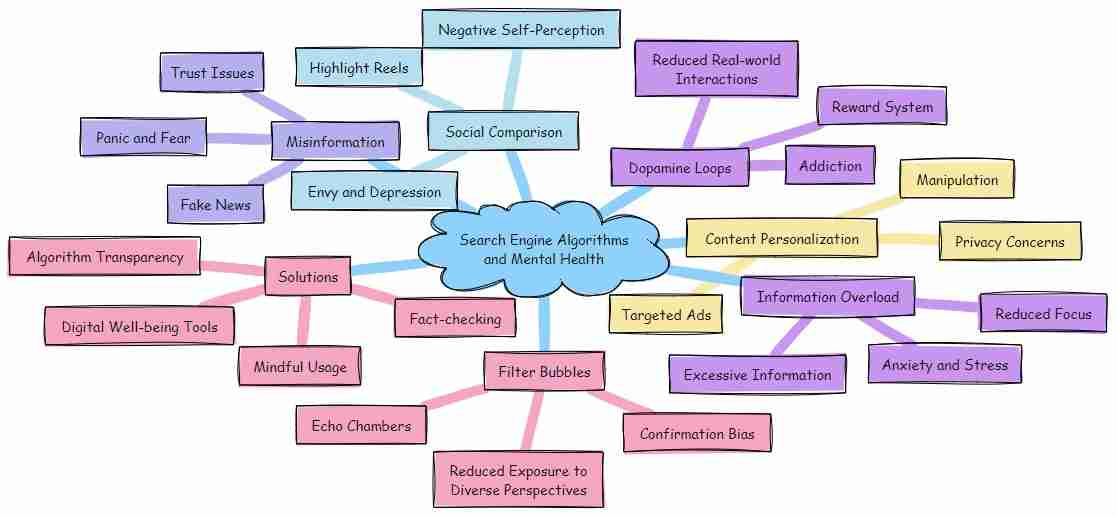
What Are the Potential Drawbacks Of Using AR In Your Blog Posts?
Conclusion
The digital landscape has transformed into a canvas where storytelling can leap off the page and engage audiences in ways we never thought possible. By harnessing the power of immersive storytelling through augmented reality (AR) and 3D visuals, we have an opportunity not just to inform, but to inspire and connect on deeply human levels. Gone are the days when a static blog post could simply relay information; we now have the ability to invite our readers into a vibrant experience that resonates with their hearts, minds, and guts.
Imagine crafting a blog that allows visitors to explore a lush, digitally rendered garden, where they can click on various plants to discover their benefits and hear personal stories from individuals who have embraced sustainable living. This approach transcends traditional content, transforming passive reading into interactive engagement. By pulling readers into a narrative that they can see, touch, and engage with, we create a hub for inspiration rather than just another source of information.
Yet, there’s more than just engagement at stake; there’s an ethical responsibility that accompanies this powerful technology. With the ability to manipulate reality comes the imperative to ensure that our stories honor authenticity and respect differing perspectives. AR can amplify marginalized voices but can just as easily distort them if we aren’t careful. It calls for a commitment to inclusivity and transparency—a promise that our narratives reflect reality, not just spectacle.
The social dimensions of this immersive experience are equally compelling. By allowing readers to share their own explorations and experiences, we foster a vibrant community, transforming our blogs into spaces where voices are heard and stories converge. This isn’t merely about clicks or views; it’s about building trust and nurturing relationships.
The thrill of seeing stories come to life not only sparks a gut reaction but also encourages action. When we engage audiences emotionally, we plant seeds that extend far beyond our pages. Our blogs become platforms for change, igniting movements that connect individuals to one another and to the ideas that matter.
Elevating your blog with AR and 3D isn’t just a technical upgrade; it’s a shift toward creating a genuine, impactful experience that resonates today and inspires tomorrow. As we consider how to weave these elements into our storytelling, let’s remember the heart of it all: to foster connection, inspire action, and build communities united by shared narratives. The journey isn’t just about innovative visuals; it’s about sparking a shared human experience that can change lives—together.

Conclusion
Conclusion:
- The digital landscape now enables immersive storytelling through augmented reality (AR) and 3D visuals.
- Content can transform from static posts into engaging experiences that resonate with audiences on multiple levels.
- Example: A blog featuring a digitally rendered garden where users can learn about sustainable living through interactive exploration.
- Immersive storytelling goes beyond information sharing, creating a hub for inspiration and engagement.
- There is an ethical responsibility to ensure stories maintain authenticity and respect diverse perspectives in the use of AR.
- Communities can be fostered by encouraging readers to share their experiences, transforming blogs into spaces for connection.
- Using AR and 3D elements can ignite movements and inspire action, emphasizing the importance of shared human experiences.

Conclusion
Other Resources

Other Resources
Here is a list of other resources you can review online to learn more:
- Laion.ai
- Leiapix.com
- Leadpages
- Chatfuel.com
- Wordai.com
- Inspirobot.me
- Voiceflow.com
- Sudowrite
- Madgicx.com
- Neeva.com
- Elementor
- Reflect.app
- Tattoosai.com
- Logomaster.ai
- YouTube
- Stablediffusionweb.com
- The Tony Robbins Podcast
- Vondy.com
- Retext.ai
- Targum.video
Use This Prompt To Get More Resources With Your Favorite Online AI Tool: Please provide me with a list of online articles with their URLs in a bulleted list that I can read regarding Immersive Storytelling – How AR and 3D Make Your Blog Unforgettable

Other Resources
Glossary Terms
Immersive Storytelling – How AR and 3D Make Your Blog Unforgettable – Glossary Of Terms
1. Augmented Reality (AR): A technology that superimposes digital content onto the real world through devices like smartphones or AR glasses.
2. 3D Modeling: The process of creating a three-dimensional representation of a physical object using specialized software.
3. Immersive Experience: An engaging experience that fully captivates the user’s senses, often through interactive elements or a rich narrative.
4. Narrative: The structured story or account of events presented within a storytelling medium.
5. Interactivity: The ability for users to actively participate in the storytelling process, influencing the outcome or direction of the narrative.
6. Virtual Reality (VR): A simulated experience that can be similar to or completely different from the real world, often experienced through VR headsets.
7. 360-Degree Video: A video format that allows viewers to see all around them, providing a panoramic view of the environment.
8. User Interface (UI): The means by which a user interacts with a digital device or application, crucial for effective storytelling.
9. User Experience (UX): The overall experience a user has while interacting with a product, encompassing usability, design, and enjoyment.
10. Layering: The technique of adding multiple digital elements on top of each other to create depth and context in storytelling.
11. Virtual overlays: Digital images or information that are displayed on top of real-world views in AR applications.
12. Immersion: The state of being deeply engaged in a narrative or experience, often enhanced by sensory stimuli.
13. Gamification: The incorporation of game-like elements in non-gaming contexts to enhance engagement and interaction.
14. Transmedia Storytelling: A technique where a single narrative unfolds across multiple platforms, utilizing various media types.
15. Digital Narrative: A story told through digital formats and technologies, often utilizing multimedia elements.
16. Augmented Narrative: Storytelling that is enhanced with AR elements, allowing users to explore content in a richer way.
17. Contextual Content: Information or media that is relevant to the specific environment or situation, enhancing user engagement.
18. Storyboarding: The visual planning process used to outline a story’s structure and key elements before execution.
19. Sensory Engagement: The involvement of multiple senses (sight, sound, touch) to create a more profound narrative impact.
20. Spatial Computing: A technology that allows digital content to interact with the physical environment, often used in AR applications.
21. Mobile Experience: The interaction and engagement facilitated through mobile devices, particularly important for AR applications.
22. Adaptive Storytelling: A narrative approach that changes based on user choices or interactions, creating a personalized experience.
23. Digital Twins: A digital replica of a physical object or environment used to enhance simulations and visualizations.
24. Content Creation: The process of generating original media or materials to be used in storytelling and engagement.
25. Audience Engagement: The strategies and methods used to capture and maintain the interest of the target audience.
26. Visual Narrative: A storytelling process that relies primarily on visual elements, such as images or videos, to convey meaning.
27. Choreographed Interactions: Planned sequences of user actions and responses designed to enhance storytelling flow.
28. Emotional Resonance: The ability of a story to evoke strong emotional responses from the audience, deepening engagement.
29. Digital Ecosystem: The interconnected environment formed by various digital technologies and platforms that enhance storytelling.
30. Story Arc: The framework that outlines the progression and trajectory of a narrative from beginning to end.

Glossary Of Terms
Other Questions
Immersive Storytelling – How AR and 3D Make Your Blog Unforgettable – Other Questions
If you wish to explore and discover more, consider looking for answers to these questions:
- What tools are available for integrating AR and 3D elements into my blog?
- How can I measure audience engagement after implementing AR and 3D storytelling?
- What are some examples of successful blogs that use AR and 3D storytelling?
- How can AR and 3D visuals improve the user experience on my blog?
- What steps should I take to ensure my AR elements are accessible to all users?
- What ethical guidelines should I follow when using AR in storytelling?
- How can I create an engaging narrative when using immersive technology?
- What are the costs associated with implementing AR and 3D elements in my blog?
- How do I encourage user-generated content in AR environments?
- How often should I update AR content to keep my audience engaged?
- What challenges might I face when incorporating AR into my blogging strategy?

Other Questions
Haiku
Immersive Storytelling – How AR and 3D Make Your Blog Unforgettable – A Haiku
Engage with heart’s light,
Stories breathe through AR’s touch,
Connect, inspire lives.

Haiku
Poem
Immersive Storytelling – How AR and 3D Make Your Blog Unforgettable – A Poem
In a world where words often fade,
Where text and images blur, neglected,
Imagine a blog that resonates,
An experience where hearts and minds converge.
Step inside the living tale,
A garden vibrant, alive, aglow,
Where eco-friendly whispers invite you,
To click, to learn, to feel, to grow.
This is storytelling wrapped in embrace,
With AR’s magic, narratives transcend,
No mere consumption, but a journey shared,
Where voices matter, and time won’t end.
Yet tread with care, hold ethics close,
What stories tell must truthfully be,
Understanding who speaks, who’s left unheard,
In immersive realms, let empathy run free.
3D breathes life; it draws us near,
Turning dull text into vivid sights,
Readers connect, feelings ignite,
As trust forms bonds that shine bright.
Invite your audience, make them part,
Fostering community, a tapestry spun,
Where shared experiences echo loud,
Transforming strangers into one.
Measure success not just in clicks,
But in warmth that lingers, hearts intertwined,
With every story that moves the soul,
A bridge is built, no one left behind.
Beware the lure of tech’s bright glow,
For too much can eclipse authentic ties,
Craft with intention, let the message soar,
Forging connection, where the true beauty lies.
In this realm of immersive dreams,
Let’s journey together, hand in hand,
For in every tale we choose to tell,
Lies the power to inspire, to understand.
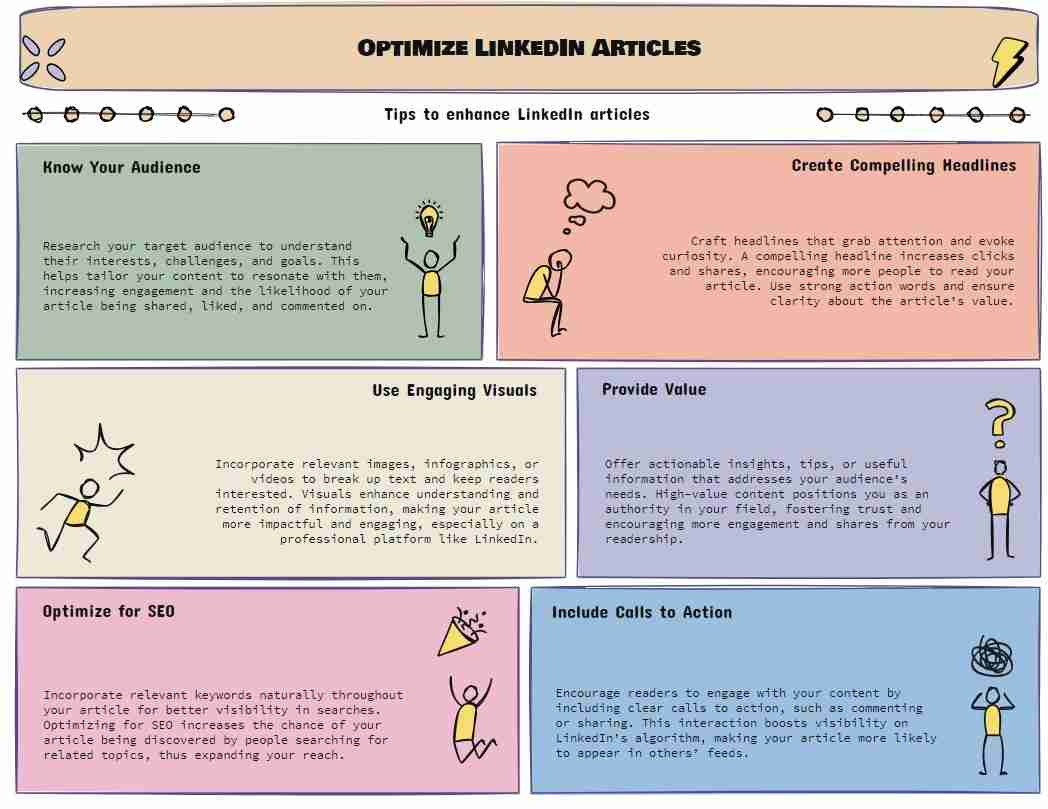
Poem
Checklist
Immersive Storytelling – How AR and 3D Make Your Blog Unforgettable – A Checklist
Immersive Storytelling Checklist: Engaging Heart, Head, and Gut
Emotional Appeals
1. Think of a meaningful personal story that aligns with your content; can you incorporate this into your narrative?
2. Utilize compelling visuals (3D or AR) that evoke strong feelings; what images will deeply resonate with your audience?
3. Create relatable characters or testimonials; who from your audience can share their experiences?
Rational Appeals
4. Consider the practical benefits of your AR or 3D elements; how do they enhance understanding or clarify your message?
5. Evaluate the quality of your visuals; are they engaging enough to boost reader interaction and time spent on your site?
6. Assess your content analytics for insights; what metrics will you use to measure engagement effectively?
Ethical Appeals
7. Reflect on the authenticity of your narratives; are you representing cultures and stories with respect?
8. Understand the inclusivity of your content; how will you ensure that your storytelling amplifies diverse voices?
9. Think critically about the implications of using AR; does it serve your audience or simply distract from the core message?
Authority Appeals
10. Showcase expertise through clear and informative visuals; how will you position your brand as a trusted source?
11. Leverage data or research to back your narratives; what evidence can you provide to support your claims?
Narrative Appeals
12. Create a cohesive story arc throughout your blog; how can you guide readers through an emotional journey?
13. Include engaging calls-to-action that invite readers to share their experiences or engage with your content; how will you foster community involvement?
Social Appeals
14. Build spaces for dialogue in your blog; how can you encourage comments and interactions among readers?
15. Use social media to extend the community feel; what platforms can amplify your message and foster connections?
16. Involve your audience in storytelling; how can you invite contributions or feedback on your content?
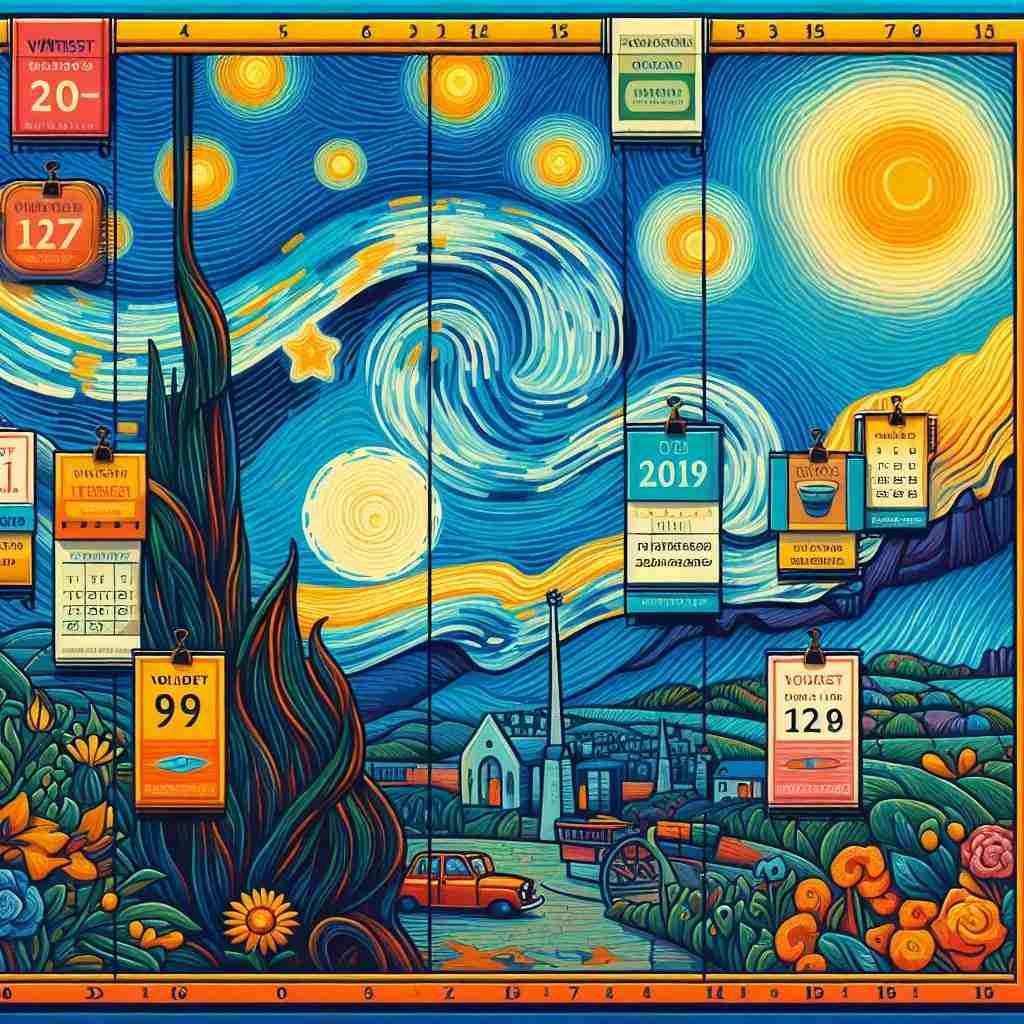
Checklist
At WebsiteBloggers, we help website bloggers develop strategies to create content, traffic, and revenue from website blogs based on our experiences and experimentation.
Be sure to read our other related stories at WebsiteBloggers and share this article with your friends, family, or business associates who run website blogs.