Unveiling The Monetary Impact Of Social Media Algorithms
By Tom Seest
At WebsiteBloggers, we help website bloggers develop strategies to create content, traffic, and revenue from website blogs based on our experiences and experimentation.
Be sure to read our other related stories at WebsiteBloggers and share this article with your friends, family, or business associates who run website blogs.
Is There Economic Value Created By Social Media Algorithms?
Social media algorithms have become an integral part of our daily lives, shaping the content we see and interact with online. But are these algorithms creating economic value, or are they simply narrowing our view of the world?
Many economists argue that social media algorithms are indeed creating economic value by increasing engagement and user retention. By analyzing our online behavior and preferences, these algorithms are able to personalize our online experience, showing us content that is more likely to grab our attention and keep us scrolling. This increased engagement leads to more time spent on social media platforms, which in turn results in more ad revenue for the companies behind them.

Is There Economic Value Created By Social Media Algorithms – Mind Map
For example, platforms like Facebook and Instagram use algorithms to show users content that they are more likely to engage with, such as posts from friends, family, and pages they have interacted with in the past. This personalized content keeps users coming back for more, leading to higher ad click-through rates and increased revenue for the companies.
Additionally, social media algorithms have become a valuable tool for businesses looking to promote their products and services. By using targeted advertising features offered by platforms like Twitter and LinkedIn, businesses can reach specific audiences based on their online behavior and interests. This targeted advertising can result in higher conversion rates and increased sales, providing economic value for both the businesses and the platforms themselves.
However, critics argue that social media algorithms can also have negative economic impacts. For example, the spread of misinformation and fake news on platforms like Twitter and Facebook can lead to decreased trust in the information we see online. This can have economic consequences, such as reduced ad revenue for companies that rely on user trust to drive engagement.
Social media algorithms do create economic value by increasing engagement, user retention, and targeted advertising opportunities. However, it is important to consider the potential negative impacts of these algorithms and work towards finding a balance that benefits both users and businesses. As we continue to navigate the digital landscape, understanding the economic value of social media algorithms will be crucial in shaping the future of online interactions.

Is There Economic Value Created By Social Media Algorithms?
Is There Economic Value Created By Social Media Algorithms?
- Social media algorithms have become an integral part of our daily lives, shaping the content we see and interact with online.
- Many economists argue that social media algorithms are creating economic value by increasing engagement and user retention.
- By analyzing online behavior and preferences, algorithms can personalize our online experience, showing content more likely to grab our attention and keep us scrolling.
- Platforms like Facebook and Instagram use algorithms to show users content they are more likely to engage with, leading to higher ad revenue.
- Social media algorithms have become a valuable tool for businesses looking to promote their products and services.
- However, critics argue that algorithms can also have negative economic impacts, such as the spread of misinformation.
- It is important to find a balance that benefits both users and businesses in order to navigate the digital landscape effectively.
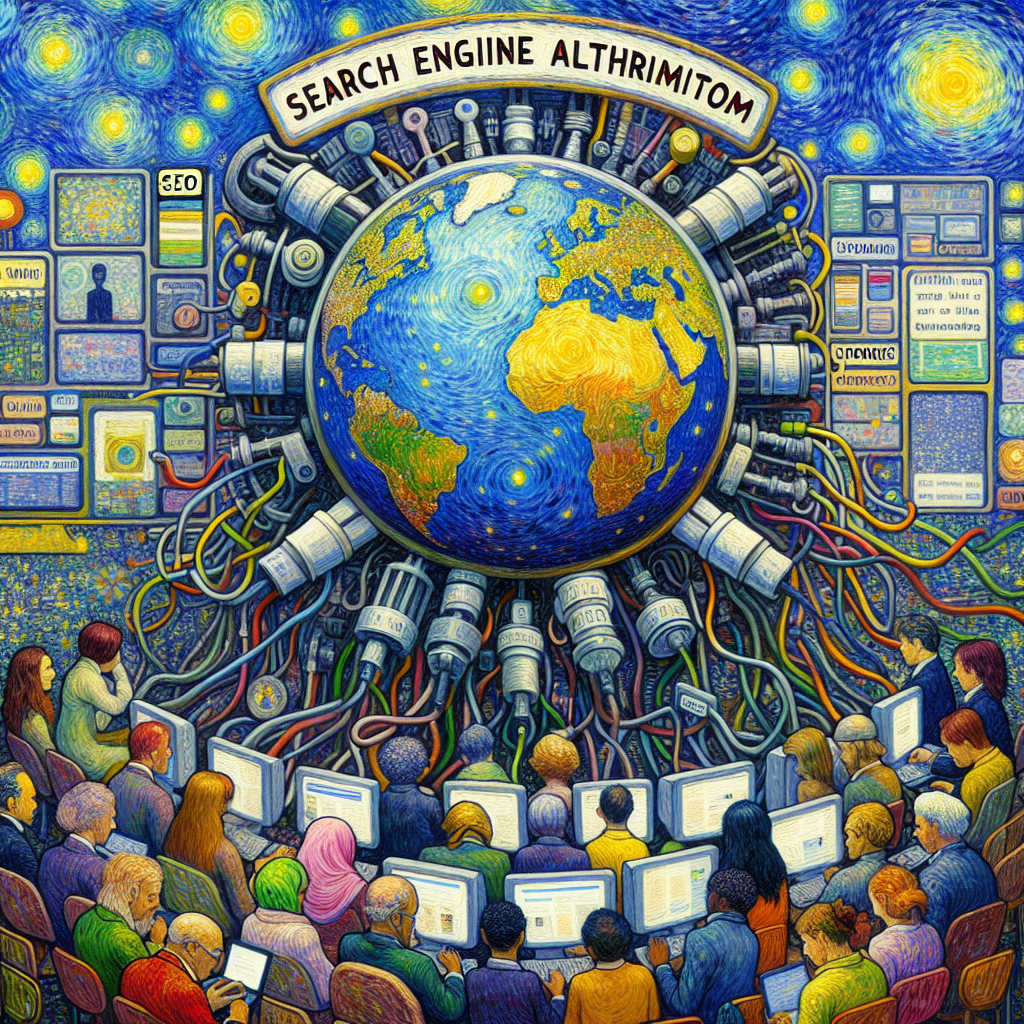
Is There Economic Value Created By Social Media Algorithms?
Table Of Contents
- Is There Economic Value Created By Social Media Algorithms?
- How Do Social Media Algorithms Boost Engagement?
- What Impact Do Social Media Algorithms Have on Consumer Behavior?
- Are Social Media Algorithms Changing The Way Businesses Market?
- Can Social Media Algorithms Increase Revenue for Businesses?
- Do Social Media Algorithms Generate New Economic Opportunities?
- How Do Social Media Algorithms Affect Brand Visibility and Reach?
- Are There Risks Involved In Relying on Social Media Algorithms?
- Do Social Media Algorithms Drive Innovation In The Digital Economy?
- Conclusion
- Other Resources
- Glossary Of Terms
- Other Questions
- Checklist
How Do Social Media Algorithms Boost Engagement?
Every time you log onto your favorite social media platform, there’s a good chance you’re not seeing posts in chronological order. That’s because the bigwigs behind the scenes have devised complex algorithms to serve you content they think you’ll engage with the most.
So, how exactly do these algorithms work their magic to boost engagement? Let’s break it down.
First and foremost, these algorithms take into account your past behavior on the platform. They track what you like, comment on, share, and even how long you linger on specific posts. Using this data, they can predict what kind of content you’re more likely to engage with in the future.
For example, if you’re a big fan of cat videos and tend to watch them all the way through, you’ll probably start seeing more of them in your feed. On the other hand, if you habitually scroll past political posts without engaging, the algorithm might gradually show you fewer of those.
But it’s not just your individual behavior that guides the algorithm. It also considers the engagement levels of the content itself. Posts that spark lively discussions, generate likes and shares, or rack up views are more likely to be prioritized in your feed. This creates a feedback loop where popular content gets even more visibility, leading to higher engagement rates.
Take the recent explosion of TikTok, for example. The platform’s algorithm is known for its ability to quickly propel unknown content creators into viral sensations. By understanding user preferences and behavior patterns, TikTok’s algorithm ensures that entertaining, engaging videos rise to the top of people’s feeds, regardless of the creator’s following.
Another key factor in boosting engagement is timing. Algorithms not only analyze what content you like but also when you’re most active on the platform. By serving you posts at optimal times, they increase the chances of you seeing and interacting with them.
Recently, platforms like Instagram have introduced features like reels and stories, which are given prime real estate at the top of users’ feeds. This strategic placement, coupled with personalized recommendations, keeps users coming back for more and gives content creators a better chance at reaching a wider audience.
Social media algorithms are powerful tools that shape the content we see and engage with daily. By understanding how they work and adapting your strategy accordingly, you can harness their potential to boost engagement and grow your online presence. So, next time you’re scrolling through your feed, remember – there’s a method to the algorithmic madness.

How Do Social Media Algorithms Boost Engagement?
How Do Social Media Algorithms Boost Engagement?
- Social media platforms use complex algorithms to show content based on predicted engagement.
- Algorithms track user behavior such as likes, comments, shares, and viewing time.
- Content that generates high engagement levels is prioritized in users’ feeds.
- Timing of posts is also considered for optimal visibility and interaction.
- Platforms like TikTok propel unknown content creators to viral status through algorithms.
- Features like reels and stories on Instagram are strategically placed for user engagement.
- Understanding algorithms can help boost engagement and online presence.

How Do Social Media Algorithms Boost Engagement?
What Impact Do Social Media Algorithms Have on Consumer Behavior?
Have you ever found yourself spending hours scrolling through your social media feed, only to realize you’ve fallen down a rabbit hole of recommended posts and videos? Well, you’re not alone. Social media algorithms play a significant role in shaping consumer behavior in this digital age.
These algorithms are designed to analyze user data and behavior to curate personalized content that will keep you engaged for as long as possible. They take into account factors such as your likes, shares, and comments to determine what content to show you next. This constant stream of tailored content can have a profound impact on how we perceive and interact with brands.
One of the key ways social media algorithms influence consumer behavior is through targeted advertising. Have you ever mentioned a product in passing conversation, only to see ads for that very product pop up on your social media feed? This is no coincidence. Algorithms use your personal data and online activity to deliver highly targeted ads to consumers, increasing the likelihood they will make a purchase.
For example, during the COVID-19 pandemic, many businesses quickly pivoted to online sales and advertising to reach consumers who were spending more time on social media platforms. This shift in marketing strategy led to an increase in online shopping and a change in consumer behavior as people turned to e-commerce for their shopping needs.
Additionally, social media algorithms can also influence consumer attitudes and beliefs by promoting certain types of content over others. For instance, if a user continually engages with posts that align with a certain political ideology, the algorithm may prioritize showing them more content from sources that reinforce those beliefs. This can create echo chambers and reinforce existing biases, shaping how consumers perceive the world around them.
Furthermore, the constant stream of curated content can also impact consumer decision-making processes. By bombarding users with a never-ending feed of information, algorithms can create a sense of urgency and FOMO (fear of missing out) that influences purchasing decisions. This phenomenon has been particularly apparent in areas such as fashion and technology, where trends change rapidly and consumers feel pressure to keep up with the latest releases.
Social media algorithms play a significant role in shaping consumer behavior by delivering personalized content, targeted advertising, and influencing attitudes and beliefs. As we continue to spend more time online, it’s important to be aware of how these algorithms are impacting our digital experiences and consumer choices.

What Impact Do Social Media Algorithms Have on Consumer Behavior?
What Impact Do Social Media Algorithms Have on Consumer Behavior?
- Social media algorithms analyze user data to curate personalized content.
- Algorithms influence consumer behavior through targeted advertising.
- Businesses shifted to online sales during COVID-19, impacting consumer behavior.
- Algorithms can promote certain content to shape consumer attitudes and beliefs.
- Curated content can create a sense of urgency and influence consumer decision-making.
- Social media algorithms impact consumer behavior by delivering personalized content, targeted advertising, and shaping attitudes and beliefs.
- It’s important to be aware of how algorithms are impacting our digital experiences and consumer choices.

What Impact Do Social Media Algorithms Have on Consumer Behavior?
Are Social Media Algorithms Changing The Way Businesses Market?
There’s no denying the impact that social media algorithms have had on the way businesses market their products and services. These complex algorithms, designed by tech giants like Facebook, Instagram, and Twitter, are constantly evolving to better serve their users and keep them engaged on their platforms.
One of the major ways in which social media algorithms are changing the marketing game is through the prioritization of content. In the past, businesses could simply post content on their social media profiles and expect it to reach all of their followers. However, with algorithms now determining what content users see based on their interests and behavior, businesses have to work harder to ensure their posts are seen by the right people.
For example, Instagram recently announced that they would be rolling out a new algorithm that prioritizes posts from friends and family over those from businesses and brands. This means that businesses will have to get more creative with their marketing strategies in order to reach their target audience on the platform.
Another way in which social media algorithms are impacting business marketing is through the use of targeted advertising. Platforms like Facebook allow businesses to target specific demographics based on users’ interests, behaviors, and other data points. This has revolutionized the way businesses advertise, allowing them to reach a more targeted audience with their messaging.
However, some critics argue that the use of targeted advertising can lead to privacy concerns and ethical dilemmas. For example, Facebook came under fire in 2018 for their use of targeted advertising in the wake of the Cambridge Analytica scandal. This controversy raised questions about the ethics of how businesses use social media algorithms to target their audiences.
Despite these concerns, there’s no denying that social media algorithms have revolutionized the way businesses market their products and services. In order to stay ahead of the curve, businesses must stay informed about the latest changes to algorithms and adapt their marketing strategies accordingly.
Social media algorithms are undoubtedly changing the way businesses market. From prioritizing content to targeted advertising, these algorithms have forced businesses to rethink their marketing strategies and find new ways to reach their target audience. While there are certainly challenges and ethical concerns to consider, businesses that can navigate the ever-changing landscape of social media algorithms stand to benefit from the new opportunities they present.

Are Social Media Algorithms Changing The Way Businesses Market?
Are Social Media Algorithms Changing The Way Businesses Market?
- Social media algorithms have a significant impact on how businesses market their products and services.
- Algorithms are designed by tech giants like Facebook, Instagram, and Twitter and evolve to better serve users.
- Algorithms prioritize content based on users’ interests and behavior, making it harder for businesses to reach their target audience.
- Platforms like Instagram are rolling out new algorithms that prioritize posts from friends and family over businesses and brands.
- Targeted advertising allows businesses to reach specific demographics based on user data, revolutionizing advertising strategies.
- However, concerns about privacy and ethics arise with the use of targeted advertising, as seen with the Cambridge Analytica scandal on Facebook.
- Businesses must stay informed about algorithm changes and adapt their marketing strategies to continue effectively reaching their target audience.

Are Social Media Algorithms Changing The Way Businesses Market?
Can Social Media Algorithms Increase Revenue for Businesses?
In today’s digital age, social media algorithms have become a powerful tool for businesses looking to increase their revenue. These algorithms, designed to show users content that aligns with their interests and behaviors, can help businesses reach a wider audience and drive more sales.
Take for example, the recent rise of influencer marketing on platforms like Instagram and TikTok. By harnessing the power of social media algorithms, businesses can partner with popular influencers to promote their products or services to a targeted audience. These influencers have built up a loyal following who trust their recommendations, making them a valuable asset for businesses looking to increase their revenue.
In addition, social media algorithms can also be used to target specific demographics and interests, allowing businesses to tailor their marketing campaigns to reach the right audience. For example, a clothing brand targeting young adults can use Facebook’s algorithm to show ads to users who have recently shown an interest in fashion or shopping online.
Furthermore, social media algorithms can provide valuable data and insights that businesses can use to optimize their marketing strategies. By analyzing metrics such as engagement rates, click-through rates, and conversion rates, businesses can identify what is working well and what can be improved upon. This data-driven approach can help businesses make informed decisions that ultimately lead to increased revenue.
One of the key advantages of social media algorithms is their ability to constantly adapt and evolve based on user behavior. Platforms like Facebook and Instagram are constantly updating their algorithms to provide users with the most relevant content, which means businesses need to stay on top of these changes to ensure their marketing efforts are effective.
However, it’s important to note that social media algorithms are not a one-size-fits-all solution for increasing revenue. Businesses still need to have a strong marketing strategy in place and provide value to their customers in order to see success. Simply relying on social media algorithms without a solid foundation will not guarantee an increase in revenue.
Social media algorithms can be a valuable tool for businesses looking to increase their revenue. By leveraging these algorithms to reach a wider audience, target specific demographics, and optimize their marketing strategies, businesses can see a significant boost in sales. However, it’s crucial for businesses to combine social media algorithms with a strong marketing strategy in order to see long-term success.

Can Social Media Algorithms Increase Revenue for Businesses?
Can Social Media Algorithms Increase Revenue for Businesses?
- Social media algorithms help businesses reach a wider audience and drive more sales by showing users content aligned with their interests and behaviors.
- Influencer marketing on platforms like Instagram and TikTok allows businesses to partner with popular influencers to promote products to a targeted audience.
- Social media algorithms can be used to target specific demographics and interests, allowing businesses to tailor marketing campaigns accordingly.
- Algorithms provide valuable data and insights for businesses to optimize their marketing strategies and make informed decisions to increase revenue.
- Social media algorithms constantly adapt based on user behavior, so businesses must stay informed to ensure marketing efforts are effective.
- Social media algorithms are not a standalone solution and must be combined with a strong marketing strategy for success in increasing revenue.
- By leveraging algorithms to reach a wider audience, target specific demographics, and optimize marketing strategies, businesses can see a significant boost in sales.

Can Social Media Algorithms Increase Revenue for Businesses?
Do Social Media Algorithms Generate New Economic Opportunities?
It’s no secret that social media algorithms have a powerful influence on our online experiences. They dictate what we see in our feeds, suggest content based on our interests, and ultimately shape the way we interact with the digital world. But beyond simply curating our online experience, could these algorithms also be generating new economic opportunities?
Consider the rise of influencer marketing. With the help of algorithms that target specific audiences, social media platforms have created a new avenue for brands to reach potential customers. Influencers who have built a loyal following can now partner with companies to promote products and services, effectively turning their online presence into a lucrative business opportunity. This has opened up a whole new industry, with brands investing millions of dollars in influencer partnerships each year.
Furthermore, social media algorithms have enabled the rise of e-commerce platforms like Instagram Shopping and Facebook Marketplace. By using data from users’ interactions and preferences, these algorithms can suggest products that are likely to interest them, making the online shopping experience more personalized and seamless. This has created new opportunities for businesses to reach customers directly through social media, bypassing traditional retail channels and reducing marketing costs.
Another way social media algorithms are creating economic opportunities is through targeted advertising. Platforms like Facebook and Twitter allow businesses to create ads that are shown to specific demographics, interests, and behaviors. This precision targeting not only maximizes the effectiveness of advertising campaigns but also allows businesses to reach new potential customers who may not have been accessible through traditional marketing methods. This has revolutionized the way businesses advertise, leading to increased sales and brand awareness.
However, it’s important to note that while social media algorithms can generate new economic opportunities, they also raise concerns about privacy and data security. The Cambridge Analytica scandal, in which personal data from millions of Facebook users was harvested without their consent for political purposes, highlighted the potential dangers of algorithms that prioritize engagement over user privacy.
Social media algorithms have undeniably opened up new economic opportunities for businesses and individuals alike. From influencer marketing to targeted advertising, these algorithms have revolutionized the way we interact with the digital world. However, it’s crucial that we remain vigilant about the ethical implications of these technologies and work towards creating a digital landscape that prioritizes both economic growth and user privacy.
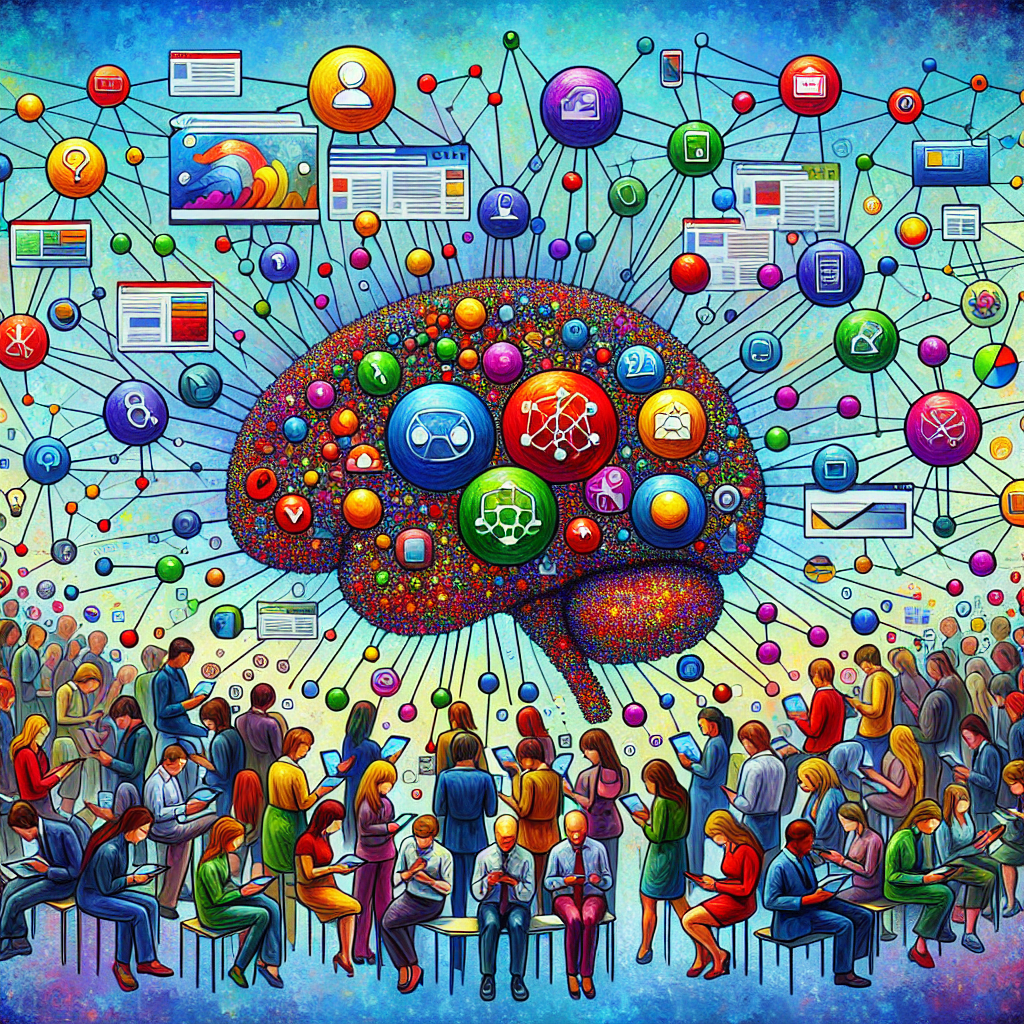
Do Social Media Algorithms Generate New Economic Opportunities?
Do Social Media Algorithms Generate New Economic Opportunities?
- Social media algorithms curate online experiences and shape interactions with the digital world.
- Influencer marketing has become a new economic opportunity with algorithms targeting specific audiences.
- Platforms like Instagram Shopping and Facebook Marketplace have risen with personalized product suggestions.
- Social media algorithms enable targeted advertising for businesses to reach specific demographics.
- Concerns about privacy and data security arise with social media algorithms prioritizing engagement.
- Social media algorithms have revolutionized the digital world, creating economic opportunities for businesses and individuals.
- Ethical considerations are essential to balancing economic growth and user privacy in the digital landscape.

Do Social Media Algorithms Generate New Economic Opportunities?
How Do Social Media Algorithms Affect Brand Visibility and Reach?
Have you ever wondered why some brands seem to dominate your social media feeds while others rarely make an appearance? It all comes down to the mysterious world of social media algorithms.
These powerful algorithms play a crucial role in determining which content users see on their timelines. By analyzing user behavior, engagement patterns, and various other factors, these algorithms decide which posts are prioritized and showcased to the audience. This means that brands have to constantly adapt and optimize their content to stay visible and reach their target audience.
One way social media algorithms impact brand visibility is through the concept of reach. The reach of a post refers to the number of unique users who see that post on their feed. When an algorithm deems a post as engaging or relevant to a user, it will be more likely to show up in their feed, increasing the post’s reach. Conversely, if a post doesn’t align with the algorithm’s criteria, its reach can be dramatically reduced, limiting the exposure of the brand.
For example, let’s take a look at the recent changes Facebook made to its algorithm to prioritize content from friends and family over posts from brands and publishers. This shift had a significant impact on brand visibility, as many businesses saw a decrease in their organic reach on the platform. To combat this, brands had to rely more on paid advertising to ensure their content was still reaching their audience.
In addition to reach, social media algorithms also influence brand visibility through personalized recommendations. Algorithms track users’ interests, likes, and interactions to suggest content that is tailored to their preferences. This means that brands need to create content that resonates with their audience and encourages engagement to increase the chances of their posts being recommended to more users.
Overall, social media algorithms have a profound effect on brand visibility and reach. Brands must stay informed and adapt to the changing algorithms to ensure their content is being seen by their target audience. By understanding how these algorithms work and optimizing their strategy accordingly, brands can maximize their visibility and ultimately drive better results on social media platforms.

How Do Social Media Algorithms Affect Brand Visibility and Reach?
How Do Social Media Algorithms Affect Brand Visibility and Reach?
- Social media algorithms determine content visibility.
- Algorithms analyze user behavior and engagement.
- Brands must adapt and optimize content to stay visible.
- Algorithms impact brand visibility through reach.
- Facebook prioritized friends and family content over brands.
- Algorithms also influence brand visibility through personalized recommendations.
- Brands need to create engaging content to increase visibility.
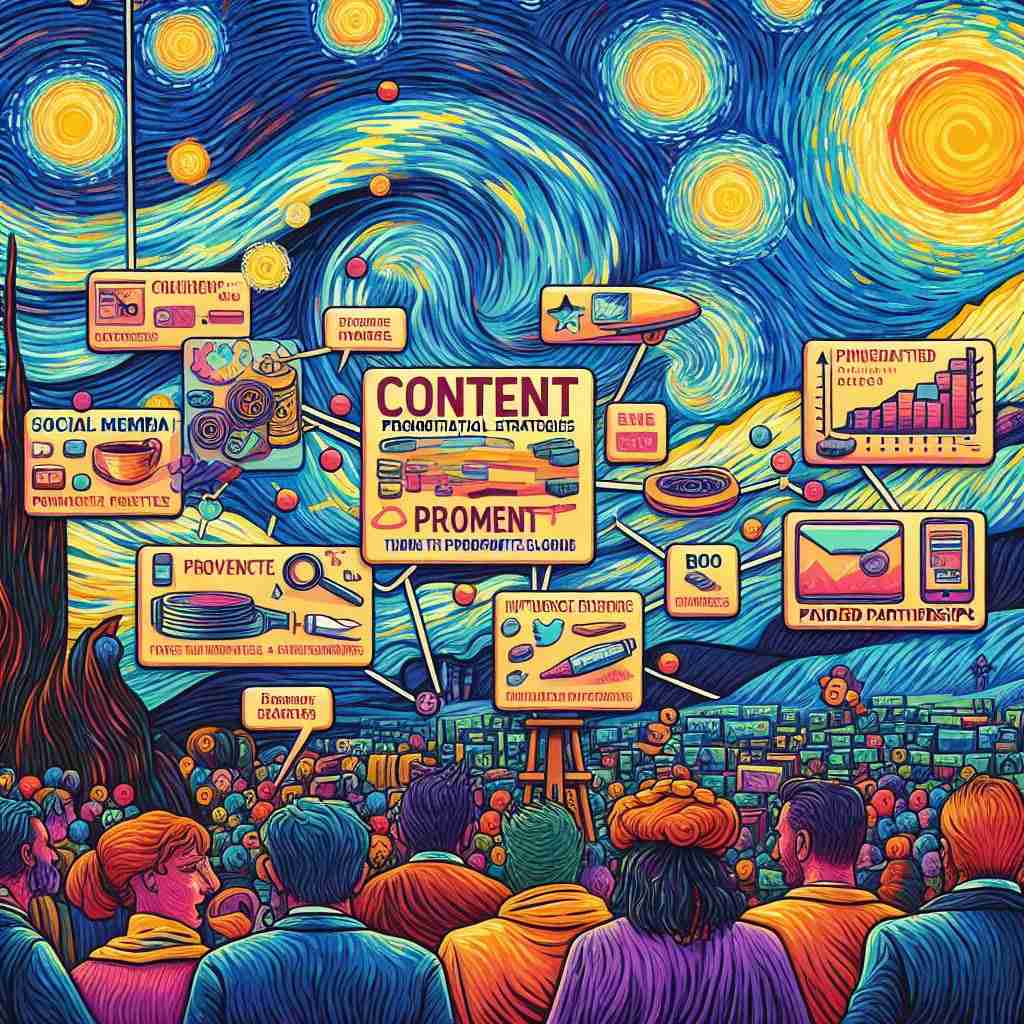
How Do Social Media Algorithms Affect Brand Visibility and Reach?
Are There Risks Involved In Relying on Social Media Algorithms?
Well, friends, let me tell you something – social media algorithms are a bit like a double-edged sword. On one hand, they can help you connect with people and content that you might be interested in. But on the other hand, they can also create a bit of a echo chamber effect, where you’re only shown content that aligns with your existing beliefs and interests.
Now, this might not seem like a big deal at first glance. After all, who wouldn’t want to see more of what they like? But the problem arises when these algorithms start limiting the diversity of opinions and ideas that you’re exposed to. This can lead to a phenomenon known as confirmation bias, where you only see information that confirms what you already believe, leading to a distorted view of reality.
Take, for example, the issue of fake news. Social media algorithms are designed to show you content that will keep you engaged and coming back for more. But this can also mean that false information spreads like wildfire across these platforms, unchecked and unchallenged. This can have serious consequences, such as during the 2016 US presidential election, when fake news stories were widely shared on social media, potentially swaying public opinion.
Furthermore, social media algorithms can also have unintended consequences on our mental health. Studies have shown that spending too much time on social media, curating our online personas, and comparing ourselves to others can lead to feelings of inadequacy and low self-esteem. And when these algorithms only show us content that reinforces these negative feelings, it can create a vicious cycle of self-doubt and anxiety.
So, what can we do about it? Well, for starters, we can take control of our social media consumption. We can actively seek out diverse perspectives, engage with content that challenges our beliefs, and be critical of the information we come across online. By being more mindful of how we interact with social media, we can mitigate the risks involved in relying too heavily on these algorithms.
While social media algorithms can be a powerful tool for connecting us with the world around us, we must also be aware of the potential risks they pose. By staying informed, engaging critically with the content we consume, and actively seeking out diverse perspectives, we can navigate the digital landscape with greater confidence and authenticity.
Are There Risks Involved In Relying on Social Media Algorithms?
Are There Risks Involved In Relying on Social Media Algorithms?
- Social media algorithms can help connect us with people and content we’re interested in.
- They can also create an echo chamber effect, limiting exposure to diverse opinions.
- This can lead to confirmation bias, distorting our view of reality.
- Algorithms can contribute to the spread of fake news, potentially impacting public opinion.
- Excessive social media use can harm mental health, causing feelings of inadequacy.
- We can mitigate risks by seeking diverse perspectives, challenging our beliefs, and being critical of online information.
- By staying informed and mindful of our social media consumption, we can navigate the digital landscape more confidently.

Are There Risks Involved In Relying on Social Media Algorithms?
Do Social Media Algorithms Drive Innovation In The Digital Economy?
Have you ever stopped to consider the role that social media algorithms play in driving innovation in the digital economy? It’s a question worth pondering, especially in today’s fast-paced world where technology is constantly evolving and shaping our everyday lives.
Social media algorithms are the behind-the-scenes mechanisms that dictate what content users see on their feeds. These algorithms analyze user behavior, preferences, and interactions to deliver personalized content that is most likely to engage and retain users. In essence, they act as gatekeepers, determining what information reaches a wider audience and what gets buried in the noise.
So, how do these algorithms drive innovation in the digital economy? One way is through the promotion of new ideas and trends. By showcasing innovative products, technologies, and services to a broader audience, social media algorithms have the power to catalyze viral trends and spark widespread interest in groundbreaking innovations.
Take the example of TikTok, a social media platform known for its algorithm-driven content discovery. Through its sophisticated algorithm, TikTok has propelled countless unknown creators to stardom by amplifying their unique talents and ideas to millions of users worldwide. This has not only revolutionized the entertainment industry but also created new opportunities for creators to monetize their content and build successful careers.
Furthermore, social media algorithms have also been instrumental in driving innovation in e-commerce. Platforms like Instagram and Pinterest use algorithms to match users with products they are most likely to buy based on their browsing history and preferences. This targeted approach not only enhances the user experience but also helps businesses reach their target audience more effectively, leading to increased sales and revenue.
However, it’s essential to note that while social media algorithms can drive innovation, they also have their drawbacks. The echo-chamber effect, where users are exposed to content that aligns with their existing beliefs and preferences, can hinder the diversity of ideas and perspectives that are essential for true innovation. Moreover, concerns about data privacy and algorithmic bias have raised questions about the ethical implications of using algorithms to shape user experiences.
Social media algorithms undoubtedly play a significant role in driving innovation in the digital economy by amplifying new ideas, trends, and products to a broader audience. However, it is essential to strike a balance between promoting innovation and upholding ethical standards to ensure that algorithms continue to serve as catalysts for progress in the digital age.

Do Social Media Algorithms Drive Innovation In The Digital Economy?
Do Social Media Algorithms Drive Innovation In The Digital Economy?
- Social media algorithms analyze user behavior to deliver personalized content.
- Algorithms act as gatekeepers, deciding what content reaches a wider audience.
- Algorithms promote new ideas and trends in the digital economy.
- TikTok has propelled creators to stardom through its algorithm-driven content discovery.
- Algorithms in e-commerce platforms match users with products they are likely to buy.
- Algorithms can hinder diversity of ideas and raise concerns about data privacy.
- There is a need to balance promoting innovation while upholding ethical standards with algorithms.

Do Social Media Algorithms Drive Innovation In The Digital Economy?
Conclusion
In conclusion, it is evident that social media algorithms do create economic value by increasing engagement, user retention, and targeted advertising opportunities. By analyzing user behavior and preferences, these algorithms personalize our online experience, keeping us glued to our screens and driving higher revenue for companies. However, it is crucial to acknowledge the potential negative impacts of these algorithms, such as the spread of misinformation and the creation of echo chambers that reinforce existing biases. Finding a balance that benefits both users and businesses is essential as we navigate the digital landscape.
Social media algorithms boost engagement by analyzing our past behavior, content popularity, and optimal posting times. They shape consumer behavior by influencing purchasing decisions, attitudes, and beliefs through targeted advertising and personalized content. Businesses are forced to adapt their marketing strategies to reach their target audience effectively in the face of ever-changing algorithms.
While social media algorithms offer new economic opportunities through influencer marketing, e-commerce platforms, and targeted advertising, they also raise concerns about data privacy and ethical dilemmas. The rise of influencer partnerships, targeted advertising, and personalized recommendations have transformed the marketing landscape for businesses. Leveraging these opportunities requires a data-driven approach that continuously adapts to algorithm changes.
Social media algorithms impact brand visibility and reach by prioritizing content that engages users and resonates with their preferences. Brands must understand how algorithms work and optimize their strategies to ensure their content reaches their target audience effectively. However, relying too heavily on algorithms can limit diversity and create echo chambers, leading to confirmation bias and potential risks to mental health.
In driving innovation in the digital economy, social media algorithms play a crucial role in promoting new ideas, trends, and products to a broader audience. By amplifying innovative content and enhancing user experiences, algorithms have the power to spark viral trends and revolutionize industries. Nevertheless, ethical considerations surrounding data privacy and algorithmic bias must be addressed to ensure that algorithms continue to drive progress and innovation in the digital age.
Conclusion
Conclusion:
- Social media algorithms create economic value through increased engagement, user retention, and targeted advertising.
- They personalize online experiences by analyzing user behavior and preferences.
- Concerns include spread of misinformation and creation of echo chambers reinforcing biases.
- Businesses adapt marketing strategies to reach target audiences effectively.
- Social media algorithms impact brand visibility by prioritizing engaging content.
- Algorithms drive innovation by promoting new ideas, trends, and products.
- Ethical considerations regarding data privacy and algorithmic bias must be addressed.

Conclusion
Other Resources

Other Resources
Here is a list of other resources you can review online to learn more:
- “Simon Kemp’s Post”
- “Social media”
- “Social Media Statistics”
- “Don’t put all social network sites in one basket”
- “Don’t put all social network sites in one basket”

Other Resources
Glossary Terms
Is There Economic Value Created By Social Media Algorithms? – Glossary Of Terms
1. Algorithm: A set of rules or procedures for solving a problem in a limited number of steps, often used by computers to process data and make decisions.
2. Monetization: The process of converting something into revenue, especially through social media platforms via ad placements, subscriptions, or other revenue-generating features.
3. Engagement: Measures the interaction between social media users and content, including likes, comments, shares, and time spent on posts, which are often influenced by algorithms.
4. Targeted Advertising: Advertising that is directed towards users based on their interests, behaviors, and demographics, using data collected by social media algorithms.
5. User Data: Information collected from users, such as browsing history, preferences, and interactions, which is used by algorithms to personalize experiences and target ads.
6. Content Curation: The process of sorting and presenting content based on user preferences and behaviors, managed primarily by social media algorithms.
7. Personalization: Tailoring the user experience by using algorithms to present content that aligns with individual preferences and interests.
8. Influencer Marketing: A marketing strategy involving endorsements and product placements from individuals who have a significant following on social media, amplified by algorithm-driven content suggestions.
9. Social Media Revenue: Income generated by social media platforms, often through advertising, premium features, and data sales, influenced heavily by algorithmic efficiency.
10. Virality: The tendency of an image, video, content, or link to be circulated rapidly and widely on the Internet, often due to algorithms prioritizing high-engagement content.
11. Feed: A stream of updates, posts, and advertisements shown to users on social media platforms, curated by algorithms based on user data.
12. Echo Chamber: A situation where algorithms amplify like-minded information and viewpoints, potentially limiting exposure to diverse perspectives.
13. Filter Bubble: An isolated environment created by algorithms where users are exposed primarily to information that confirms their preexisting beliefs.
14. Analytics: The process of exploring and interpreting data to discover meaningful patterns, often used on social media to improve algorithm performance and economic outcomes.
15. Click-Through Rate (CTR): The ratio of users who click on a specific link to the number of total users who view a post or advertisement, a key metric influenced by social media algorithms.
16. Artificial Intelligence (AI): The simulation of human intelligence in machines programmed to think and learn, playing a crucial role in the functioning of social media algorithms.
17. Machine Learning: A subset of AI focusing on the development of systems that can learn from and make decisions based on data, foundational to social media algorithms.
18. Network Effects: The phenomenon where increased numbers of users on a platform can create additional value for each user, often amplified by algorithms that promote connectivity.
19. Conversion Rate: The percentage of users who take a desired action (such as making a purchase) after engaging with social media content or ads, driven by algorithmic targeting.
20. Content Optimization: Adjusting and refining content to achieve better performance and engagement, guided by insights from algorithm-generated data.
21. Behavioral Targeting: Using algorithms to deliver advertisements based on user behavior, such as their search history and past interactions.
22. Data Privacy: Measures and policies to protect users’ personal information from unauthorized access and misuse, a growing concern as social media algorithms collect vast amounts of data.
23. User Retention: The ability of a social media platform to keep users engaged over time, often enhanced by algorithms that continuously refine user experiences.
24. Revenue Models: Various strategies and plans social media platforms use to generate income, including advertising, subscriptions, and data-driven services.
25. Impression: A single instance of a piece of content or ad being displayed to a user, tracked and optimized by social media algorithms.
26. Ad Spend: The amount of money invested by companies in advertising on social media, where algorithmic efficiency can drastically impact the return on investment.
27. Engagement Rate: A metric that measures the level of interaction a piece of content receives from users, highly influenced by the reach of algorithmic recommendations.
28. Custome Lifetime Value (CLTV/CLV): The total worth of a customer to a business over the entirety of their relationship, which can be maximized by data-driven insights from social media algorithms.
29. Social Commerce: The use of social media platforms to facilitate online buying and selling of products, driven by algorithm-enhanced user experiences and targeted promotions.
30. User Experience (UX): The overall experience of a person using a social media platform, which algorithms strive to optimize by providing relevant and engaging content.
Understanding these terms will help in grasping how social media algorithms impact economic value, shaping user experiences and driving revenue generation.
Glossary Of Terms
Other Questions
Is There Economic Value Created By Social Media Algorithms? – Other Questions
If you wish to explore and discover more, consider looking for answers to these questions:
- How do social media algorithms influence the type of content we see daily?
- What are the potential negative impacts of social media algorithms on society?
- What role do social media algorithms play in targeted advertising?
- How can businesses effectively leverage social media algorithms for marketing?
- What ethical concerns arise from the use of social media algorithms?
- How do social media platforms ensure the accuracy and reliability of the content promoted by algorithms?
- What measures can be taken to prevent the spread of misinformation through social media algorithms?
- How do social media algorithms affect user behavior and online engagement?
- In what ways can businesses measure the effectiveness of social media algorithms on their revenue and marketing efforts?
- What are the privacy implications of data usage by social media algorithms?
- How do social media algorithms balance user engagement and content diversity?
- What role do social media algorithms play in the rise of influencer marketing?
- How do social media algorithms adapt to changes in user preferences and behavior?
- What are the implications of social media algorithms on consumer psychology and decision-making?
- How do different social media platforms’ algorithms compare in terms of effectiveness and user engagement?
- What strategies can brands use to optimize their visibility within the constraints of social media algorithms?
- Are there any regulatory measures in place to govern the use of social media algorithms?
- How do social media algorithms contribute to echo chambers and filter bubbles?
- What can users do to control their exposure to algorithmically determined content?
- How do social media algorithms shape the future of e-commerce and online shopping?

Other Questions
Checklist
Is There Economic Value Created By Social Media Algorithms? – A Checklist
1. Recognize the Economic Impact
_____ Understand that social media algorithms increase user engagement and retention.
_____ Note that personalization of content leads to more time spent on platforms, driving ad revenue.
2. Evaluate Business Opportunities
_____ Identify how businesses use targeted advertising to reach specific audiences.
_____ Consider how higher conversion rates from targeted ads translate to increased sales.
3. Acknowledge the Criticisms
_____ Be aware of negative impacts like the spread of misinformation.
_____ Consider how misinformation can reduce trust and hurt ad revenue for companies.
4. Dive into Engagement Mechanics
_____ Learn how algorithms prioritize content based on past user behavior.
_____ Explore how highly engaging posts get more visibility and further increase engagement rates.
5. Consumer Behavior Insights
_____ Recognize how personalized content influences consumer behavior and decision-making.
_____ Understand the role of targeted advertising in shaping purchasing decisions.
6. Algorithm-Driven Marketing Changes
_____ Stay updated on how social media algorithms change content visibility and necessitate new marketing strategies.
_____ Understand the shift from organic reach to more reliance on paid advertising.
7. Revenue Generation Strategies
_____ Leverage influencer marketing to utilize algorithms for promoting products.
_____ Utilize targeted advertising and demographics to drive higher engagement and sales.
8. New Economic Opportunities
_____ Explore influencer marketing and e-commerce platforms like Instagram Shopping and Facebook Marketplace.
_____ Recognize new industries and revenue streams created through social media algorithms.
9. Brand Visibility and Reach
_____ Understand how algorithms affect post reach and brand visibility.
_____ Implement content strategies to align with algorithms and maximize reach and engagement.
10. Risks and Ethical Considerations
_____ Be mindful of echo chambers and confirmation bias.
_____ Address issues related to fake news, mental health, and data privacy.
11. Drive Innovation in the Digital Economy
_____ Identify how algorithms promote new ideas and trends.
_____ Balance algorithm-driven content with ethical standards to foster true innovation.
Use this checklist as a guide to thoroughly understand the economic value and implications of social media algorithms. Adapt your strategies accordingly to maximize benefits while mitigating potential risks.

Checklist
At WebsiteBloggers, we help website bloggers develop strategies to create content, traffic, and revenue from website blogs based on our experiences and experimentation.
Be sure to read our other related stories at WebsiteBloggers and share this article with your friends, family, or business associates who run website blogs.