Breaking The Generational Bond: The Impact Of Traditional Storytelling
By Tom Seest
At WebsiteBloggers, we help website bloggers develop strategies to create content, traffic, and revenue from website blogs based on our experiences and experimentation.
Be sure to read our other related stories at WebsiteBloggers and share this article with your friends, family, or business associates who run website blogs.
Is Traditional Storytelling Holding Seniors Back From Genuine Connection?
The art of storytelling has been passed down through generations, morphing at times into a cherished tradition and, at others, into a barrier. For many seniors, the tales they tell carry the weight of history—rich with experience, wisdom, and insight. But there’s a curious twist to this narrative: what if those tales, while beautiful, are also holding them back from forging real connections in today’s fast-paced world?
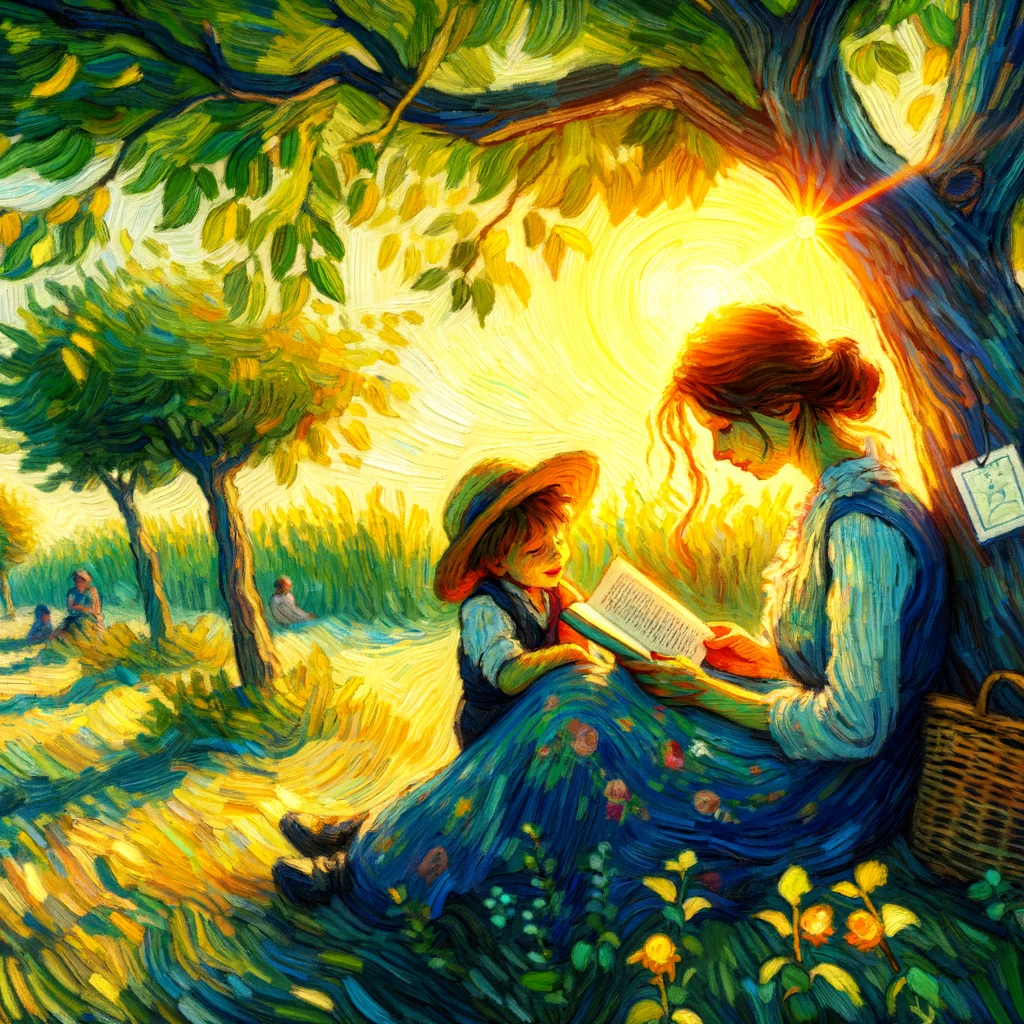
Imagine a warm living room filled with family members gathered around, listening intently to Grandma recount her childhood adventures. It’s a scene that feels timeless, but therein lies a paradox. While these stories offer warmth and nostalgia, they often sidestep an opportunity for deeper engagement. Instead of inviting questions or discussions about the present, storytelling can become a monologue—a chance for the elder to shine while others sit back, spectators in their own lives.
Today’s world is different; it’s dynamic and unpredictable. The lines we used to draw around conversations have blurred. The younger generation, steeped in quick exchanges and digital communication, wrestles with a different rhythm. Traditional storytelling, in all its well-meaning glory, can sometimes create a chasm between old and young. Instead of fostering a vibrant exchange of ideas, it risks devolving into an echo chamber of the past.
Think about it: when was the last time you felt a heart-to-heart conversation unfold, where the past met the present? That’s where genuine connection happens. Seniors have a wealth of knowledge, but there’s immense value in asking questions about the here and now, too. When they share their stories, they might consider inviting a discussion that goes both ways. Perhaps they could ask what the younger generation thinks or how they’ve faced challenges in today’s world. This exchange can be a gift, leading not just to shared memories but to the forging of new bonds.
As we navigate this age-old practice, it’s vital to recognize that storytelling is a tool, not a rule. When it becomes an isolated act rather than a bridge for dialogue, we cheat ourselves out of the potential for deeper connections. Ultimately, it’s the conversation that matters, not just the story itself. Let’s embrace storytelling as a starting line, a means to explore contemporary challenges together, rather than a finish line that leaves genuine connection in the dust.
Is Traditional Storytelling Holding Seniors Back From Genuine Connection?
Is Traditional Storytelling Holding Seniors Back From Genuine Connection?
- The art of storytelling has evolved through generations, sometimes becoming a cherished tradition and other times a barrier.
- Seniors’ stories carry historical weight, rich with experience and wisdom, but may hinder real connections in today’s fast-paced world.
- Storytelling often turns into monologues that sidestep opportunities for deeper engagement, leaving listeners as mere spectators.
- The dynamic nature of modern communication contrasts with traditional storytelling, leading to potential disconnects between generations.
- Genuine connections occur when conversations bridge the past and present, allowing for a vibrant exchange of ideas.
- Seniors can enhance storytelling by inviting discussions that include perspectives from the younger generation on contemporary issues.
- Storytelling should be viewed as a tool to foster dialogue, creating deeper connections rather than a finality that stifles engagement.

Is Traditional Storytelling Holding Seniors Back From Genuine Connection?
Table Of Contents
- Is Traditional Storytelling Holding Seniors Back From Genuine Connection?
- How Can Storytelling Evolve To Foster Deeper Connections For Seniors?
- What Challenges Do Seniors Face In Modern Storytelling Methods?
- Are Seniors Missing Out On Contemporary Communication Styles?
- How Does Technology Influence Storytelling Among Older Adults?
- Can Community Programs Help Bridge The Storytelling Gap For Seniors?
- What Role Does Empathy Play In Storytelling For Genuine Connection?
- How Do Cultural Differences Affect Storytelling Among Seniors?
- Conclusion
- Other Resources
- Glossary Of Terms
- Other Questions
- Haiku
- Poem
- Checklist
How Can Storytelling Evolve To Foster Deeper Connections For Seniors?
In a world constantly buzzing with digital noise, one enduring tool remains as powerful as ever: storytelling. For seniors, weaving narratives is more than just sharing memories; it’s a lifeline to connection, understanding, and even healing. But how can we evolve this age-old craft to craft deeper bonds among our older generations? Let’s dive into some methods that we can embrace in this age of technology.
First off, let’s think beyond traditional formats. The classic sit-down around a fireplace with a hot cup of tea is wonderful, but with the rise of technology, we have opportunities at our fingertips. Websites and blogs dedicated to storytelling can serve as platforms where seniors share their experiences with a wider audience. The beauty of a website blog lies in its accessibility; seniors can recount tales of their lives, engaging with readers who might connect with their experiences. These written narratives can prompt conversations, dispelling the isolation that often accompanies aging.
But there’s more. Imagine setting up a virtual “story circle” using video conferencing tools. This allows seniors to share their stories in real-time with family members and friends who might live far away. The intimacy of seeing faces and hearing voices can transform storytelling from a solitary act into a communal experience. It’s a modern twist on an ancient tradition, bridging the gap between generations and fostering understanding across the divides of age and experience.
Moreover, we could encourage multimedia storytelling, where technology plays a starring role. Simple tools can help seniors create videos or audio recordings of their tales. This isn’t just about crafting a narrative; it’s about preserving legacies. When stories are captured in various forms—be it audio narration or visual montages—they become treasure troves for future generations, ensuring that the wisdom and humor of seniors live on.
Lastly, let’s not overlook the power of participating in storytelling workshops. Local community centers and libraries often host these events, creating spaces where seniors can come together, share tales, and listen to others. It builds camaraderie and a sense of belonging, proving that sometimes the best way to evolve storytelling is to bring people physically closer, even in our tech-dominated age.
In summary, the evolution of storytelling for seniors embraces technology while honoring tradition. It gives a voice to those who often feel unheard and fosters connections that enrich the fabric of community. Whether through a website blog, virtual gatherings, multimedia storytelling, or community workshops, let’s remember: every story counts, and the connections they forge are invaluable.

How Can Storytelling Evolve To Foster Deeper Connections For Seniors?
How Can Storytelling Evolve To Foster Deeper Connections For Seniors?
- Storytelling remains a vital tool for connection, understanding, and healing among seniors.
- Modern technology allows for new storytelling formats, reducing isolation and enhancing engagement.
- Websites and blogs enable seniors to share their life stories with a broader audience.
- Virtual “story circles” through video conferencing foster real-time sharing and connection across distances.
- Encouraging multimedia storytelling helps preserve legacies through audio and video recordings.
- Participating in storytelling workshops creates community and camaraderie among seniors.
- The evolution of storytelling honors tradition while embracing modern methods for deeper connections.

How Can Storytelling Evolve To Foster Deeper Connections For Seniors?
What Challenges Do Seniors Face In Modern Storytelling Methods?
In the heart of our increasingly digital world, storytelling has leaped off the pages of dusty books and into the vast expanse of cyberspace. But while many embrace this evolution with open arms, we can’t ignore the unique hurdles faced by our seniors who may not be as tech-savvy as the younger generation. Picture this: a retired grandparent who remembers gathering around the radio for family tales now staring bewildered at a Website Blog overflowing with emojis and hashtags. It’s like being asked to dive headfirst into the deep end of a pool without any swimming lessons.
First and foremost, there’s the challenge of accessibility. Many seniors didn’t grow up with smartphones glued to their hands. Navigating a tablet, scrolling through social media, and remembering passwords can feel like trying to decipher a foreign language. So here’s a thought: How do we ensure that the rich stories of their lives don’t get lost in the shuffle simply because they’re not familiar with the latest technology?
Then there’s the learning curve. Just think about it—older adults are often confronted with platforms that prioritize speed and brevity, leaving little room for the nuanced storytelling styles they’ve perfected over decades. For them, the art of a compelling narrative is about savoring every word, weaving in the details that bring life to the tale. Websites and blogs, with their bite-sized content and flashy graphics, can feel overwhelming, almost like trying to force a square peg into a round hole.
Another significant barrier is the sheer volume of content available today. A seasoned storyteller who once captivated an audience with a well-timed yarn might find it maddening to compete with the rapid-fire digital landscape. The noise is deafening. What was once an intimate gathering of listeners might now feel like shouting into a cavernous void. The subtle richness of a senior’s life experiences deserves better than to be drowned out by the relentless barrage of viral videos and trending topics.
Lastly, there’s a cultural gap to bridge. Many modern storytelling methods often gloss over deeper, more reflective narratives in favor of flashy gimmicks. Seniors carry a treasure trove of wisdom that isn’t easily conveyed in 280 characters. We need to create inviting spaces—both online and off—where their stories can flourish, unencumbered by the challenges posed by modern storytelling methods. Only then can we truly honor the legacies they have to share.

What Challenges Do Seniors Face In Modern Storytelling Methods?
What Challenges Do Seniors Face In Modern Storytelling Methods?
- Storytelling has transitioned from traditional media to the digital realm, presenting challenges for seniors.
- Seniors often struggle with technology, making navigation of digital platforms daunting.
- Learning curves are a significant hurdle as older adults face platforms that favor speed and brevity over detailed storytelling.
- The overwhelming amount of content makes it difficult for seniors to share their rich narratives amidst the digital noise.
- Modern storytelling often prioritizes flashy gimmicks, overshadowing the deeper narratives seniors are accustomed to sharing.
- There is a need for inviting spaces where seniors’ stories can be shared and appreciated without technological barriers.
- Honoring seniors’ legacies requires us to create environments that support and celebrate their unique storytelling traditions.

What Challenges Do Seniors Face In Modern Storytelling Methods?
Are Seniors Missing Out On Contemporary Communication Styles?
As we navigate the dizzying landscape of modern communication, it’s intriguing to consider how seniors fit into this ever-evolving picture. The rise of smartphones, social media, and instant messaging has changed the way we interact—often leaving those who grew up in a different era feeling like they’ve been thrown into the deep end of a digital pool without a life preserver. It begs the question: Are seniors missing out on contemporary communication styles?
Imagine a world where conversations occur in pixelated images and 280-character bursts. For many seniors, the idea of connecting through the screen of a smartphone feels as foreign as trying to dance the tango after a lifetime of the waltz. The traditional phone call has morphed into text messages with emojis that sometimes resemble hieroglyphs more than human emotion.
These folks have seen it all—the telegrams, the rotary phones, and the early days of the internet. They remember a time when a letter that took a week to arrive would explode with anticipation. Now, the speed of communication is dizzying. But what does that mean for seniors? More often than not, they feel left out of the conversations happening online, relegated to the sidelines as the younger generation zips by, sharing memes and GIFs that are downright baffling.
On a Website Blog dedicated to bridging generational communication gaps, it’s essential to highlight the benefit of participation. Sure, technology can seem daunting, but with a little patience and guidance, everyone can find their place in this new world of interaction. Seniors have a treasure trove of life experience to share, wisdom garnered from years of navigating the human experience. This knowledge deserves a voice—and what better way to share it than to embrace modern communication tools?
We need to remember that contemporary communication is not just about quick exchanges and flashy visuals; it’s also about building connections. A heartfelt message delivered through a text can be just as meaningful as an in-person chat. It’s about adaptation—the willingness to learn, explore, and step out of comfort zones. When seniors take the leap, they don’t just catch up; they enrich the dialogue, adding depth and perspective that only seasoned life experience can bring.
So let’s not allow the gap to widen. It’s time to pull out the metaphorical ladder and help seniors climb into this new communication landscape, ensuring that no one, regardless of age, is left behind in an increasingly digital world.

Are Seniors Missing Out On Contemporary Communication Styles?
Are Seniors Missing Out On Contemporary Communication Styles?
- Modern communication has rapidly evolved, creating challenges for seniors accustomed to traditional methods.
- The shift from phone calls to text messages and social media can be overwhelming for older generations.
- Seniors often feel excluded from contemporary conversations dominated by younger generations.
- Participation in digital communication can be beneficial for seniors, allowing them to share their life experiences and wisdom.
- Adaptation to modern tools can deepen connections and enhance meaningful interactions.
- It is important to support seniors in navigating the digital landscape to prevent widening generational gaps.
- Encouraging seniors to embrace new communication methods enriches dialogue and fosters inclusivity.

Are Seniors Missing Out On Contemporary Communication Styles?
How Does Technology Influence Storytelling Among Older Adults?
In a world that seems to be racing forward at breakneck speed, it’s fascinating to observe how technology transforms the storytelling landscape, especially among older adults. For decades, storytelling has served as a bridge between generations. It’s a thread that binds family histories, cultural narratives, and personal experiences. Today, this timeless art form is being tuned to the rhythm of digital innovation.
Imagine an older adult, sitting in a cozy chair, not with a dusty photo album or a well-worn notebook, but with a tablet in hand. The art of storytelling can now be amplified through the power of a website blog, where anecdotes, memories, and lessons learned are shared with the world. This technology provides a platform, allowing seasoned storytellers to reach a broad audience, something that was once confined to the live audience of family gatherings or community storytelling events.
The beauty of this digital shift is the engagement it fosters. Comments and responses on a blog post enable older adults to interact with readers, sparking conversations that might not have happened face-to-face. It’s a two-way street—an exchange that breathes new life into their narratives. In a sense, sharing stories online becomes not just a personal endeavor, but a community-building exercise. Folks can comment, ask questions, or share their own stories, creating a rich tapestry of collective experience.
Moreover, today’s technology introduces multimedia elements that can jazz up traditional storytelling. An older adult can complement their written tales with photos, videos, or even voice recordings, giving their audience a more immersive experience. The magic of this medium lies in the way it democratizes storytelling; anyone with an internet connection can tap into these narratives.
However, while technology opens doors, it also poses challenges. Not all older adults are well-acquainted with these new tools, which can lead to frustration. There’s a learning curve to navigate, and not everyone is ready for it. But luckily, there are countless resources and communities devoted to teaching digital literacy, helping to ensure that everyone can find their voice in this new world.
Technology is reshaping how older adults tell their stories, enhancing their ability to share life experiences in ways that resonate across ages. The click of a button can connect generations, reminding us that while technology may change, the heart of storytelling remains the same.

How Does Technology Influence Storytelling Among Older Adults?
How Does Technology Influence Storytelling Among Older Adults?
- Technology is transforming storytelling, particularly among older adults.
- Storytelling has historically connected generations through family histories and personal experiences.
- Digital platforms, such as blogs, allow older adults to share their stories with a broader audience.
- Engagement through comments enables interaction and conversation beyond face-to-face settings.
- Multimedia elements, like photos and videos, enhance traditional storytelling experiences.
- While technology offers new opportunities, not all older adults are comfortable with digital tools.
- Resources and communities are available to help older adults improve their digital literacy and storytelling skills.

How Does Technology Influence Storytelling Among Older Adults?
Can Community Programs Help Bridge The Storytelling Gap For Seniors?
In a world where conversation has become a digital exchange of emojis and hashtags, it’s easy to overlook the art and power of storytelling—a craft that has bridged generations, cultures, and experiences. For seniors, who often find themselves in a quieter chapter of life, the storytelling gap can feel insurmountable. Yet, community programs might just hold the key to revitalizing this age-old art form, allowing these individuals to share their rich histories with a world eager to listen.
Imagine a local community center, bustling with the warmth of relationships that span decades. There’s laughter, the clinking of coffee mugs, and the sporadic “Tell me more!” echoing through the hall. Programs designed to foster storytelling allow seniors to come together and articulate their experiences—some joyous, others tinged with nostalgia—while connecting with younger generations who might not fully appreciate the wisdom that comes with age. These gatherings are not just social events; they’re a lifeline, creating an inviting space for those who might otherwise feel isolated.
Such initiatives often feature workshops that guide participants through the storytelling process. They learn the art of pacing, the importance of imagery, and how to keep their audience hanging on every word. With the aid of local volunteers, seniors can craft narratives that do more than fill time; these stories encapsulate lessons learned, mistakes made, and dreams fulfilled. They serve as a reminder that every wrinkle on an elder’s face tells a story worth hearing.
But how does one get involved in these enriching experiences? Enter the internet. Many community programs maintain a dedicated Website Blog, detailing upcoming events and sharing the successes of past gatherings. This digital outreach helps build awareness and encourages participation, allowing the wisdom of storytelling to spread like wildfire among those who need it most.
In an age where so many find themselves preoccupied with the immediacy of tweets and posts, community programs offer an antidote—a platform where storytelling thrives in all its intricate glory. By prioritizing the voices of seniors, we not only honor their journeys but help bridge the storytelling gap that can leave so many feeling unheard. So, let’s lean in, listen closely, and relish the stories that are waiting to be told.

Can Community Programs Help Bridge The Storytelling Gap For Seniors?
Can Community Programs Help Bridge The Storytelling Gap For Seniors?
- The rise of digital communication (emojis and hashtags) has overshadowed traditional storytelling.
- Seniors experience a storytelling gap, feeling isolated in sharing their rich histories.
- Community programs can help revitalize storytelling by creating spaces for seniors to share experiences.
- These gatherings foster connections between seniors and younger generations, promoting appreciation for wisdom.
- Workshops guide seniors on storytelling techniques, emphasizing pacing and imagery.
- Community programs use dedicated websites and blogs to share events and successes, encouraging participation.
- Prioritizing seniors’ voices helps bridge the storytelling gap and honors their life journeys.

Can Community Programs Help Bridge The Storytelling Gap For Seniors?
What Role Does Empathy Play In Storytelling For Genuine Connection?
When we talk about storytelling, we often think about the structure, the plot twists, and those unforgettable characters who leap from the pages or screen. But there’s something deeper—something unseen and often taken for granted—that breathes life into those tales: empathy. It’s the secret sauce that transforms cold facts into warm, relatable experiences, fostering genuine connection between storytellers and their audience.
Empathy in storytelling is like the engine of a well-oiled machine. It runs under the surface, propelling both the narrator and the listener into a shared emotional landscape. Think for a moment about the last story that truly resonated with you. Chances are, the narrator successfully tapped into feelings you’ve experienced yourself—joy, sorrow, fear, or love. When storytellers have the ability to step into someone else’s shoes and communicate those feelings, it weaves an invisible thread of connection. This is not just about entertainment; it’s about creating a shared experience that makes us all feel a little less alone in this chaotic world.
In a world dominated by social media and quick sound bites, the art of storytelling requires a recalibration. It’s easy for the spark of genuine connection to be drowned out by endless streams of information. This is where persistence in empathy comes into play. By prioritizing authentic emotions and honest experiences, storytellers can forge connections that stand the test of time. Whether crafted into a blog on a website or spun into a casual conversation, the storytelling that resonates most is inherently relatable.
When we actively engage with empathy, we allow for vulnerability—both in ourselves and in our audience. This vulnerability is the cornerstone of any genuine connection. People are drawn to authenticity. They crave stories that reflect their own journeys or provide insights into lives vastly different from their own. In a sense, empathy fills the gaps. It’s the microcosm within the macro world of storytelling.
The role of empathy in storytelling goes beyond mere narrative techniques. It builds bridges made of emotion and understanding, inviting everyone into a shared human experience. It’s our ability to connect through stories that makes the world a little smaller and a lot more warm-hearted. So, the next time you spin a yarn, remember to lead with empathy. It’s the most powerful tool you’ll ever wield.

What Role Does Empathy Play In Storytelling For Genuine Connection?
What Role Does Empathy Play In Storytelling For Genuine Connection?
- Empathy is essential in storytelling, turning facts into relatable experiences.
- It creates emotional connections between the storyteller and the audience.
- Effective stories resonate by tapping into universal feelings like joy, sorrow, fear, and love.
- In a fast-paced information age, authentically engaging with empathy is crucial.
- Vulnerability fosters genuine connections, making stories more impactful.
- Empathy bridges emotional gaps, inviting audiences into shared human experiences.
- Ultimately, leading with empathy in storytelling enhances warmth and connection.

What Role Does Empathy Play In Storytelling For Genuine Connection?
How Do Cultural Differences Affect Storytelling Among Seniors?
Storytelling is as old as fire, but it’s the unique way that each culture stirs the flames that makes it truly interesting. For seniors, the stories they share often act as a bridge to their past, a connection to their roots, and an opportunity for younger generations to learn from their experiences. However, the strokes of cultural differences can paint those narratives in very different colors.
Take, for instance, the storytelling traditions of Indigenous peoples. They lean heavily on oral history—an almost sacred affair. Elders often weave their tales with elaborate metaphors drawn from the natural world, grounding their narratives in the landscape and traditions that shape their identity. This form of storytelling isn’t just about delivering a message; it’s a communal event, a collective experience that engages not just the ears, but the hearts and minds of listeners.
Contrast that with other cultures, where storytelling may take on a more structured form, perhaps with written narratives or established plot lines. For instance, you might find seniors of Mediterranean descent expressing their stories with lively gestures and dramatic flair, often blurring the line between fact and fiction. For them, storytelling can be about the spice of life—a way to entertain and connect, allowing for humor to emerge even from the most profound experiences.
Then, we have the Asians, who often emphasize respect, hierarchy, and family ties in their tales. The narratives may revolve around ancestral wisdom or moral lessons, threading the importance of collectivism throughout the storytelling process. Over a simple meal or at family gatherings, these stories come alive, reinforcing family bonds and passing down cultural values.
As we dissect these differences, it’s essential to recognize that cultural background not only shapes the content of the stories but also influences how they’re told. Some cultures encourage open expression and humor, while others may prioritize restraint and respect.
So, when we sit down with seniors and listen to their stories, we immerse ourselves in a rich tapestry of humanity—each thread colored by the culture it comes from. By honoring these distinct storytelling traditions, we foster understanding and appreciation among ourselves. After all, in the great game of life, every story deserves to be told, and every storyteller deserves an audience that listens with open ears and compassionate hearts.

How Do Cultural Differences Affect Storytelling Among Seniors?
How Do Cultural Differences Affect Storytelling Among Seniors?
- Storytelling is an ancient practice enriched by cultural variations.
- Seniors often use storytelling as a way to connect to their past and share experiences with younger generations.
- Indigenous storytelling relies on oral history and is characterized by metaphors connected to nature and identity.
- Other cultures, such as Mediterranean, may use structured storytelling with dramatic elements, merging fact and fiction for entertainment.
- Asian narratives often emphasize respect, family ties, and moral lessons, reinforcing cultural values during gatherings.
- Cultural backgrounds influence not only the content of stories but also the manner in which they are told.
- Listening to seniors’ stories fosters understanding and appreciation for diverse storytelling traditions, enriching our collective humanity.

How Do Cultural Differences Affect Storytelling Among Seniors?
Conclusion
So, what’s the takeaway from our exploration of storytelling and its evolution? If you tune into the intricate dance of narrative and connection, you’ll see that storytelling isn’t just an art form; it’s a lifeline. For seniors, the stories they tell embody decades of hardship, joy, and wisdom, yet they risk becoming barriers instead of bridges. In our rapidly changing world, those beautiful narratives can unwittingly sidestep a genuine connection with the younger crowd, transforming into monologues instead of dialogues. The risk is real: as the younger generation bounces between digital exchanges, the tales of yesteryear can become echoes, fading into the background noise rather than resonating in present conversations.
It’s time we breathe new life into this age-old craft. By embracing technology, leveraging mediums like websites and virtual gathering spaces, we can redefine storytelling as a collaborative experience instead of a one-sided performance. Imagine Grandma sharing her childhood while also inviting her tech-savvy grandson to share how he navigates the complexities of today’s world. Those rich exchanges are where real connections flourish.
Of course, standing at the crossroads of tradition and innovation introduces challenges, especially for seniors who didn’t grow up in today’s digital maze. From learning new platforms to mastering the nuances of contemporary communication styles, it can feel overwhelming. But that’s where we come in. By offering guidance, patience, and the right resources, we can create pathways that empower our seniors to embrace digital storytelling—ensuring their voices don’t get drowned out by the cacophony of modern media.
And let’s not forget the essential role empathy plays in all this. As we listen, engage, and share, we need to foster genuine connections that stem from understanding and relatability. While we must appreciate the unique cultural backgrounds and traditions that our seniors bring to the table, it’s crucial to ensure their narratives evolve with the times.
So, as we put the finishing touches on this discussion, let’s make a conscious effort to nurture our storytelling traditions, not just letting them linger on the fringes of our communities. Let’s encourage seniors to pick up their pens—or smartphones, for that matter—and share their voices. Because every story counts, and every connection we forge makes the tapestry of our shared lives a little richer. In the end, it’s not merely about recounting the past; it’s about weaving it into a meaningful present where everyone feels heard. Remember, storytelling is a journey—not a destination. Let’s make it a shared adventure.

Conclusion
Conclusion:
- Storytelling serves as a vital connection, especially for seniors, encapsulating their life experiences.
- There is a risk that seniors’ narratives, rich with wisdom, could become monologues and fail to engage younger audiences.
- To revitalize storytelling, technology should be embraced, transforming it into a collaborative experience.
- Intergenerational exchanges, such as a senior sharing stories while inviting input from younger family members, can foster real connections.
- Seniors may face challenges in adapting to digital storytelling due to unfamiliarity with technology and modern communication styles.
- Empathy is essential in engaging with seniors—listening and appreciating their backgrounds while helping their narratives evolve.
- Encouraging seniors to share their stories through various mediums enhances community connection and enriches the narrative tapestry of our lives.

Conclusion
Other Resources
Other Resources
Here is a list of other resources you can review online to learn more:
- Shuftipro.com
- Photokit.com
- Rytr.me
- Thispersondoesnotexist.com
- Promptstacks.com
- Roamaround.io
- Stockai.com
- Netguru.com
- Kuki.ai
- PREPOSTSEO
Use This Prompt To Get More Resources With Your Favorite Online AI Tool: Please provide me with a list of online articles with their URLs in a bulleted list that I can read regarding Is Traditional Storytelling Holding Seniors Back From Genuine Connection?

Other Resources
Glossary Terms
Is Traditional Storytelling Holding Seniors Back From Genuine Connection? – Glossary Of Terms
1. Anecdote: A short and amusing or interesting story about a real incident or person, often shared in conversation.
2. Authenticity: The quality of being genuine, real, or true. In storytelling, it refers to the truthful representation of experiences and emotions.
3. Cultural Heritage: The legacy of physical artifacts and intangible attributes of a group or society inherited from past generations, often conveyed through storytelling.
4. Empathy: The ability to understand and share the feelings of another, fostering deeper connections in communication.
5. Elders: Older adults who may possess a wealth of life experiences and stories that shape their identity and perspective.
6. Narrative: A spoken or written account of connected events; a story that conveys meaning and reflects personal or cultural truths.
7. Oral Tradition: The practice of passing stories, history, and cultural beliefs from one generation to another through spoken word rather than written text.
8. Connection: A relationship or interaction that fosters understanding, solidarity, and emotional bonding between individuals.
9. Generational Gap: The differences in opinions, values, and behaviors that exist between younger and older generations, which can complicate intergenerational connections.
10. Isolation: A state of being separated from others, often experienced by seniors, which can hinder authentic interaction.
11. Story Arc: The structure of a narrative that includes exposition, rising action, climax, falling action, and resolution, shaping how stories resonate with listeners.
12. Modern Storytelling: New forms of storytelling that often use digital mediums, social media, and interactive formats to engage audiences.
13. Listening Skills: The ability to fully concentrate, understand, and respond thoughtfully to what others are saying, vital for fostering genuine connections.
14. Mythology: Traditional stories often used to explain natural phenomena or cultural practices; may not resonate with current values or realities.
15. Aural Culture: Societies where oral communication is predominant, influencing how stories and knowledge are shared across generations.
16. Signs of Disconnection: Indicators that suggest individuals, particularly seniors, may be struggling to establish authentic relationships, such as withdrawal or lack of engagement.
17. Cognitive Bias: The tendency to interpret information in a way that confirms existing beliefs, which can affect how seniors perceive new forms of storytelling.
18. Shared Experience: Common life events or feelings that create a bond between individuals, essential for fostering genuine connections.
19. Digital Literacy: The ability to navigate and utilize technology for communication and storytelling, increasingly important in bridging connections among generations.
20. Vulnerability: The quality of being open to emotional exposure, which can enhance connection but may be intimidating for some seniors.
21. Intergenerational Dialogue: Communication between different age groups that facilitates understanding and connection through shared stories and experiences.
22. Tradition vs. Innovation: The contrast between longstanding storytelling practices and new, modern approaches that may offer different opportunities for connection.
23. Personal Narrative: An individual’s own story that expresses their unique experiences, challenges, and growth, fostering deeper connections.
24. Isolation vs. Community: The tension between feeling alone and the necessity for belonging, crucial for the emotional health of seniors.
25. Mental Health: A crucial aspect that can be significantly affected by the quality of connections and interactions in an individual’s life.
26. Transferable Skills: Talents or qualities that can be applied across different fields or contexts, such as storytelling skills that may enhance personal interactions.
27. Barriers to Communication: Obstacles that prevent open and effective dialogue, which can stem from traditional storytelling practices.
28. Inclusivity: The practice of creating an environment that welcomes individuals from diverse backgrounds, promoting richer connections through storytelling.
29. Reflective Practice: The process of self-evaluation and introspection that enables individuals, including seniors, to understand their stories and their impact on others.
30. Engagement: Active involvement and participation in conversations or activities that foster meaningful connections and relationships.

Glossary Of Terms
Other Questions
Is Traditional Storytelling Holding Seniors Back From Genuine Connection? – Other Questions
If you wish to explore and discover more, consider looking for answers to these questions:
- What are some specific examples of traditional storytelling practices among seniors?
- How can families encourage seniors to share their stories in a more interactive way?
- What skills can younger generations learn from the storytelling styles of seniors?
- Are there success stories of seniors using technology to enhance their storytelling?
- What role do community centers and libraries play in preserving traditional storytelling?
- How can storytelling workshops be tailored to meet the needs of older adults?
- What are some effective techniques for fostering empathy during storytelling sessions?
- How can the importance of oral history be highlighted in modern education?
- What platforms are most accessible for seniors to share their stories online?
- How can we measure the impact of storytelling on mental health for seniors?
- What are some barriers that prevent seniors from participating in contemporary communication?
- How do various cultural perspectives influence the topics selected in modern storytelling?
- What training resources are available to help seniors learn about digital storytelling?
- How does storytelling contribute to preserving cultural heritage among older adults?

Other Questions
Haiku
Is Traditional Storytelling Holding Seniors Back From Genuine Connection? – A Haiku
Wisdom’s tales unfold,
Yet barriers arise still—
Bridge with hearts, not words.

Haiku
Poem
Is Traditional Storytelling Holding Seniors Back From Genuine Connection? – A Poem
In a room where memories dance,
Grandma shares tales of yesteryear,
With warmth and wisdom in her glance,
Yet voices thin, are seldom near.
Stories spun of laughter, tears,
Rich tapestries of life once lived,
Yet silence falls, as time veers—
This art can take, but seldom give.
For in the fast-paced digital whirl,
The younger hearts yearn to engage,
Yet around the hearth, a longing unfurls,
As monologues trap the timeless sage.
What if the past could intertwine
With present hopes and daily strife?
Instead of echoes, let’s design
A bridge to share the depths of life.
Embrace the tech, let stories soar,
Blogs and screens—tools to ignite,
A virtual space for hearts to explore,
Where every tale finds voice and light.
Yet obstacles rise, like walls of stone,
For some, the keys to access fade.
But through community’s hand, they’ve grown,
In circles shared, connection’s made.
Empathy blooms in the art we weave,
With every story, we touch a thread,
Bridging divides, making us believe
In shared humanity, where hearts are led.
So, let us gather, let stories flow,
With open ears and eager minds,
In this great tapestry, visions bestow
The threads of compassion that time binds.
For every tale, a heart’s delight;
Each wrinkle holds a universe profound.
In storytelling’s glow, let’s unite—
In connection’s dance, we’re all unbound.

Poem
Checklist
Is Traditional Storytelling Holding Seniors Back From Genuine Connection? – A Checklist
For Seniors:
1. Evaluate Your Storytelling Style
_____ Reflect on whether your tales encourage conversation or become monologues.
_____ Consider how your stories can invite discussions about the present.
2. Engage Your Audience
_____ Ask questions related to your stories that prompt thoughts and feelings from your audience.
_____ Create opportunities for the younger generation to share their experiences and insights.
3. Embrace Technology
_____ Explore different platforms for sharing your stories (e. g. , blogs, social media).
_____ Consider joining virtual story circles or workshops to connect with others.
4. Explore Multimedia Options
_____ Experiment with creating videos, voice recordings, or photo stories to enhance your narratives.
_____ Look for user-friendly tools and resources that can assist you in storytelling digitally.
5. Participate in Community Programs
_____ Seek out local storytelling workshops or groups to share experiences with peers.
_____ Find community centers or libraries that host storytelling events.
6. Capture and Preserve Your Stories
_____ Keep a digital or physical journal of your significant life events and stories.
_____ Share these written recordings with family members to encourage conversations.
7. Practice Empathy in Storytelling
_____ Focus on relaying emotions and experiences that resonate with your audience.
_____ Be open to sharing vulnerabilities and authentic moments in your stories.
8. Respect Cultural Contexts
_____ Be mindful of different storytelling traditions and styles that may resonate with various audiences.
_____ Acknowledge the backgrounds of those you share stories with to enhance connection.
For Families/Listeners:
1. Invite Seniors to Share Their Stories
_____ Create a welcoming environment for storytelling during family gatherings.
_____ Encourage discussions by asking open-ended questions about their experiences.
2. Learn About Their Storytelling Preferences
_____ Discover how the seniors in your life prefer to share their stories (traditional vs. modern methods).
_____ Offer support if they wish to try new storytelling mediums or technology.
3. Be Patient and Empathetic
_____ Understand that adapting to new communication styles can be challenging for seniors.
_____ Cultivate a compassionate attitude while they navigate modern tools.
4. Engage Actively in Conversations
_____ Avoid being a passive listener; interact and share related experiences.
_____ Encourage a two-way dialogue that values their stories and invites your input.
5. Model Contemporary Communication
_____ Use various communication tools (texting, video calls) to show how modern exchanges can allow them to participate.
_____ Simplify the technology and guide them step-by-step, ensuring they feel comfortable.
6. Foster Understanding Between Generations
_____ Share your own experiences and perspectives to enrich the conversation.
_____ Help bridge gaps by discussing the differences and similarities in perspectives.
7. Foster a Culture of Storytelling
_____ Encourage regular storytelling practices within your family, like scheduled story-sharing nights.
_____ Create spaces for sharing that transcend beyond just family gatherings (e. g. , community events).
This checklist can serve as a practical guide for both seniors and their families, promoting a creative and inclusive storytelling experience that fosters genuine connection.

Checklist
At WebsiteBloggers, we help website bloggers develop strategies to create content, traffic, and revenue from website blogs based on our experiences and experimentation.
Be sure to read our other related stories at WebsiteBloggers and share this article with your friends, family, or business associates who run website blogs.