Authenticity Unleashed: Mastering The Blogger’s Promise
By Tom Seest
At WebsiteBloggers, we help website bloggers develop strategies to create content, traffic, and revenue from website blogs based on our experiences and experimentation.
Be sure to read our other related stories at WebsiteBloggers and share this article with your friends, family, or business associates who run website blogs.
Keep It Real – the Blogger’s Code Of Authenticity
When you launch a website or blog, you’re doing more than just sharing your thoughts; you’re stepping into the public realm—an arena where authenticity becomes your most valuable currency. In a world crowded with polished facades, the stakes of staying real are incredibly high. Though the temptation to adhere to the latest trends or mimic successful influencers may be strong, embracing your true self is what will ultimately resonate with your audience.
Let’s be honest: people are tired of the highlight reels. They crave genuine connections, unfiltered narratives that reflect the complexities of real life. Think about it this way: every time you write, you’re not just regurgitating content; you’re presenting a piece of your soul, offering a window into your world. This is a privilege and a responsibility. By sharing your authentic experiences—the successes, the failures, the mundane moments—you cultivate trust. Readers will see you as a reliable source, not just another voice in the digital cacophony.
From a rational standpoint, it’s simple: authenticity breeds loyalty. When you create a space that values honesty and integrity, your audience will respond. They will immerse themselves in your words, and over time, they’ll come to see you not just as a blogger, but as a friend whose insights matter. Relationships formed on a foundation of authenticity have a durability that superficial connections simply can’t match.
Ethically, there’s something noble about sharing your truth. It’s a call to vulnerability—not for a pity party, but to inspire courage in others. By laying your struggles bare, you give others permission to do the same. You’re building a community where imperfection isn’t a blemish but a badge of honor, a place where everyone recognizes that we’re all navigating the same unpredictable waters.
When you keep it real, you’re not just chasing likes or followers; you’re fostering a movement. You’re showing that it’s not only okay to be who you are, but that it’s essential. So as you craft your next post for your website or blog, pause and ask yourself: is this authentically me? Your gut will lead you in the right direction, and your audience will appreciate your honesty. Keep it real, and watch as your community grows stronger.

Keep It Real – the Blogger’s Code Of Authenticity
Keep It Real – the Blogger’s Code Of Authenticity
- Launching a website or blog involves sharing your thoughts and stepping into the public realm, where authenticity is vital.
- With many polished facades, staying true to yourself is crucial for connecting with your audience.
- People prefer genuine connections over highlight reels; they want unfiltered narratives that reflect real life.
- Every piece of content shared is a reflection of your soul and fosters trust with your audience.
- Authenticity breeds loyalty, creating a space where readers view you as a friend rather than just another voice online.
- Sharing your truth encourages vulnerability and inspires courage in others, building a community celebrating imperfection.
- Focus on authenticity in your content, as it fosters a movement where being yourself is essential and appreciated.

Keep It Real – the Blogger’s Code Of Authenticity
Table Of Contents
- Keep It Real – the Blogger’s Code Of Authenticity
- How Can We Balance Honesty and Privacy Online?
- Are We Losing the True Essence Of Our Voices Online?
- How Do We Build Trust with Our Audience Through Transparency?
- What Ethical Responsibilities Do Bloggers Have to Their Readers?
- How Can Sharing Vulnerability Strengthen Our Connection with Others?
- In What Ways Can Authenticity Drive Audience Engagement Effectively?
- How Does the Pressure for Perfection Impact Our Creativity?
- Conclusion
- Other Resources
- Glossary Of Terms
- Other Questions
- Haiku
- Poem
- Checklist
How Can We Balance Honesty and Privacy Online?
In the vast and bustling realm of the online world, we find ourselves at a perennial crossroads: the tension between honesty and privacy. It’s a dance as old as time, where the rhythm of our voices often clashes with the shadows we wish to keep. So, how do we navigate these choppy waters? It starts with understanding that sharing the truth can be liberating, but it always comes tethered to the need for boundaries.
Imagine, for a moment, your favorite website blog—a space where voices unite, and ideas flow. It’s a sanctuary of connection, yet it’s also a minefield of potential overexposure. We pride ourselves on authenticity, but at what cost? Vulnerability has its merits, yet revealing too much can leave us feeling stripped bare—an easy target for judgment or misunderstanding. Striking a balance here is crucial. We need to embrace honesty as an act of courage, as well as a shield for our private lives.
Digging deeper, let’s engage our minds. Rationale dictates that maintaining privacy is not merely a preference; it’s a necessity. It’s personal data and digital footprints that define our online existence. Consider the implications of sharing every thought and feeling. Each post or status update translates our inner world into a digestible snippet for consumption—something that can be twisted, misinterpreted, or weaponized. The weight of this ought to sit heavy in our gut, igniting a protective instinct that reaffirms the importance of thoughtful reflection before hitting send.
Ethically, it’s our responsibility to cultivate a culture of respect around both honesty and privacy. We need to become advocates for one another; a community driven by understanding rather than judgment. If we value openness, we must also honor the spaces where silence and discretion are necessary. This duality is part of what makes us human—not just on a screen, but in our everyday lives.
When we share our stories authentically—while selectively guarding the parts that are sacred—we invite trust into the conversation. It’s about connection, vulnerability, and shared experience, but it’s also about respect and self-preservation. So, as we continue to navigate the digital landscape, let’s cultivate a dialogue that resonates with integrity, encourages empathy, and honors the delicate dance of honesty and privacy. Together, we can foster a community where every voice is heard, and every boundary respected.

How Can We Balance Honesty and Privacy Online?
How Can We Balance Honesty and Privacy Online?
- The online world presents a constant tension between honesty and privacy.
- Sharing truth can be liberating, but it requires setting boundaries.
- Authenticity is valuable, but overexposure can lead to vulnerability and judgment.
- Maintaining privacy is essential for protecting personal data and digital footprints.
- Every post can be misinterpreted or weaponized, necessitating careful reflection before sharing.
- Ethically, we should promote a culture that respects both honesty and privacy in our community.
- By sharing selectively, we invite trust and foster connections while preserving self-respect.

How Can We Balance Honesty and Privacy Online?
Are We Losing the True Essence Of Our Voices Online?
In the digital age, each keystroke can echo louder than a thousand voices in a crowded room. Yet, as we fill our screens with tweets, likes, and comments, one has to wonder—are we truly communicating, or merely performing? The essence of our voices—the genuine, raw, human aspects—can often get lost within the machinery of algorithms and likes.
Picture this: a blog post, crafted with heart and soul, launched into the ether. It’s a narrative that ties generations, experiences, and emotions into a cohesive tapestry. But how often do we stop to reflect on the authenticity of our contributions? In a society driven by metrics, we might share a piece of our lives but filter it through a lens of what “will get traction.” We post, comment, and create content that could win the internet’s fleeting affection, but at what cost to our true selves?
Rationally, we understand that a like or share doesn’t define our worth. Yet, the numbers can hold us captive, shaping our narratives into palatable bites, often devoid of grit and vulnerability. Each time we tailor our message to suit an audience, we chip away at our realness, leaving an unrecognizable silhouette of who we are. The digital world is a beautiful marvel, connecting us to far-off places and countless minds. But, it can also foster isolation, making us crave validation over connection.
Ethically, we have a responsibility to reclaim what’s been diluted. Sharing stories laden with experience—stories that stir the gut and resonate with the heart—allows us to remember the power of voice. It’s about building a community that celebrates authenticity, encourages vulnerability, and honors the journey.
In this tapestry of shared human experience, let’s offer not just crafted narratives, but unguarded truths. Let’s show up not just as avatars, but as people willing to embrace the messy complexities of life. Our voices are our most genuine offerings, a bridge between our narratives and those of others. As we type away in the vast digital landscape, let’s ensure that our contributions reflect a deep-seated connection to realness. The movement to reclaim our voices begins here, in our willingness to be unfiltered, to be human. Embrace the noise, the awkward pauses, and the raw edges; these are the hallmarks of true communication—and they’re what can save us from losing the essence of our voices online.

Are We Losing the True Essence Of Our Voices Online?
Are We Losing the True Essence Of Our Voices Online?
- In the digital age, communication risks becoming performance rather than genuine interaction.
- The authenticity of our voices can be overshadowed by algorithms and social media metrics.
- Blog posts crafted with emotion often lose authenticity when filtered for popularity.
- Likes and shares do not define individual worth, yet they can shape narratives superficially.
- The digital landscape connects us but can also lead to isolation and a craving for validation.
- We have an ethical responsibility to share authentic stories that resonate on a deeper level.
- True communication involves embracing vulnerability and the complexities of life, fostering real connections.

Are We Losing the True Essence Of Our Voices Online?
How Do We Build Trust with Our Audience Through Transparency?
Building trust with our audience through transparency begins with honesty—an old-fashioned notion, but one that still holds water. Imagine you’re sitting at a café, sharing stories over coffee. You wouldn’t want your companion to sugarcoat their life or serve up half-truths. You crave authenticity, and so does your audience. When you lay it all on the table—flaws, challenges, and triumphs—you create a narrative that resonates. It’s about presenting the real you, which invites others to do the same.
The internet is a cacophony of curated perfection, and people are growing weary of the polished facades. They seek genuine connections. A well-crafted website or blog can illustrate your commitment to transparency. Share your failures alongside your victories; show your audience you’re human too. This balance strikes a chord that appeals to our hearts—the understanding that none of us have it all figured out.
Now let’s engage the head. Transparency isn’t just a feel-good strategy; it’s smart business. Rationally speaking, when you share information openly—be it about your products, services, or values—people engage more deeply. They want to understand the “why” behind your decisions. Give them the numbers, the stories, and the facts, and you’ll foster confidence. This kind of transparency sets you apart from the competition who may still be hiding behind the curtain.
Ethically, operating with transparency fosters trust like nothing else. Audiences are keenly aware of how brands wield influence. If you take shortcuts or play games, the consequences are grave. Trust is not given; it’s earned. Become a trusted authority in your field by sharing knowledge, admitting to mistakes, and evolving in public. Your journey invites your audience to be part of the adventure, making it a shared experience that strengthens bonds.
Let’s not underestimate the power of social proofs—testimonials, feedback, community stories. When your audience sees real people engaging with your brand, it reinforces trust. They identify with others’ experiences and feel more inclined to engage with your message.
Ultimately, transparency is about creating a welcoming space for conversation. When you cultivate an open dialogue with your audience, trust blossoms naturally. So, let’s embrace the messy, complicated, beautiful tapestry of honesty; it’s the strongest foundation for any lasting relationship.

How Do We Build Trust with Our Audience Through Transparency?
How Do We Build Trust with Our Audience Through Transparency?
- Building trust through transparency starts with honesty and authenticity.
- People prefer genuine connections over the curated perfection often seen online.
- Sharing both successes and failures fosters a relatable narrative that resonates with the audience.
- Transparency is not just a feel-good strategy; it enhances business engagement by explaining the “why” behind decisions.
- Ethical transparency is crucial for earning trust, as audiences value integrity and accountability.
- Social proof, such as testimonials and community stories, reinforces trust and encourages audience engagement.
- Creating an open dialogue cultivates trust and builds a lasting relationship with the audience.

How Do We Build Trust with Our Audience Through Transparency?
What Ethical Responsibilities Do Bloggers Have to Their Readers?
When you sit down to write for your website or blog, remember that you’re not just tapping away at a keyboard; you’re inviting people into a conversation. This isn’t simply about sharing thoughts or opinions—it’s a responsibility that carries weight. You see, every word you publish has the potential to influence, inform, and inspire. It’s more than just digital ink on a screen; it’s a connection with real people who trust you to guide them through the noise.
Imagine a reader, perhaps a single parent, looking for advice on navigating life’s challenges. Their day has already been chaotic, and they’ve sought refuge in your blog, hoping for answers. What if you steer them wrong? The stories you share and the information you provide can either uplift or mislead. This is where the ethical backbone of blogging comes into play. Readers deserve honesty. That means being transparent about your sources, avoiding overly biased perspectives, and acknowledging when you don’t have all the answers. Acknowledging your limitations builds trust. It reminds your audience that you’re human, just like them.
Emotionally, your words can resonate like a warm embrace or hit like a punch to the gut. Share your personal stories—the struggles, the triumphs—and watch how it creates a bond. These narratives turn your blog into a living, breathing dialogue, where readers see a piece of themselves reflected in your experiences. This authenticity not only cultivates community but also puts a collective heart behind the information being shared.
And let’s talk credibility. Position yourself as an authority by doing your homework. Dive into research, seek out diverse perspectives, and back your claims with facts. When you provide reliable information, you empower your audience, allowing them to make informed decisions rather than simply accepting what they read at face value.
Finally, realize that blog posts have a life of their own. They ripple out into the digital world, creating social connections that can lead to change. By upholding your ethical responsibilities, you contribute positively to that ripple. The conversations fostered through your website can cultivate a more informed and compassionate society. So keep that heart, head, and gut in check. Write not just with passion, but with purpose. Because every time you hit ‘publish,’ you’re shaping a world a little bit more than you might realize.

What Ethical Responsibilities Do Bloggers Have to Their Readers?
What Ethical Responsibilities Do Bloggers Have to Their Readers?
- Writing for your website or blog invites readers into a meaningful conversation.
- Every word published has the power to influence, inform, and inspire others.
- Blogging carries ethical responsibilities, requiring honesty and transparency in your content.
- Acknowledge your limitations to build trust with your audience.
- Sharing personal stories fosters a connection and creates a sense of community among readers.
- Establish credibility by researching diverse perspectives and backing your claims with facts.
- Upholding ethical responsibilities in blogging can contribute positively to society and foster informed dialogues.

What Ethical Responsibilities Do Bloggers Have to Their Readers?
How Can Sharing Vulnerability Strengthen Our Connection with Others?
When we think about connection, it often comes down to the places we’re willing to go when it comes to vulnerability. You see, sharing our struggles isn’t a sign of weakness; it’s a testament to our humanity. We’ve all got scars—some hidden, some worn like badges. These imperfections tell stories that resonate, bridging the gaps between us.
Imagine a world where we all donned our courage like an old pair of boots, scuffed and well-loved. That’s the kind of bond we form when we dare to share our vulnerabilities. Folks, there’s a raw honesty in admitting that life can be tough, and the beauty of that honesty is contagious. When we pause and reveal our fears, stumbles, and heartaches, it’s not a pity party; it’s carving out space for real connection.
From the drive to work to the grocery store checkout line, real conversations matter. A heartfelt exchange about life’s ups and downs can flip an ordinary interaction on its head. It’s the difference between a simple nod and an earnest chat that kindles trust. People are craving authenticity, and they’re drawn to those who are willing to lay it all on the line. Sharing a struggle can turn a stranger into a confidant, and that’s where the magic begins.
Think about it: When have you felt most moved by someone’s story? It probably wasn’t when they showcased their successes but when they brought forth their vulnerabilities. These moments of raw authenticity create a space where empathy thrives. The listener transforms from a passive bystander to an invested participant. They nod along and feel their own hearts swelling with recognition.
But here’s the kicker: it’s not just about the moment; it’s a ripple effect. Each time we open up, we create a culture of shared experiences—an invisible thread connecting us all. When you put your vulnerability out there, you encourage others to do the same. We become a community that thrives on openness, compassion, and understanding.
So, the next time you’re faced with the choice between wearing a facade or revealing your authentic self, go for the latter. You might be surprised at how much deeper your connections become. Your story might just give someone else the courage to share theirs, and that right there is the heartbeat of genuine connection.

How Can Sharing Vulnerability Strengthen Our Connection with Others?
How Can Sharing Vulnerability Strengthen Our Connection with Others?
- Connection often involves embracing vulnerability and sharing struggles.
- Sharing struggles is a testament to humanity, showcasing our scars and imperfections.
- Real connections form when we share our vulnerabilities, akin to wearing well-loved, scuffed boots.
- Honesty about life’s challenges fosters deeper conversations and trust in everyday interactions.
- Moments of vulnerability in storytelling evoke empathy and transform listeners into engaged participants.
- Opening up creates a ripple effect, encouraging others to share and build a culture of openness.
- Choosing authenticity over facade deepens connections and inspires others to be courageous in sharing their stories.

How Can Sharing Vulnerability Strengthen Our Connection with Others?
In What Ways Can Authenticity Drive Audience Engagement Effectively?
When it comes to driving audience engagement, authenticity is the golden thread that weaves through every interaction. It’s not just about having a slick website or a well-curated blog; it’s about inviting your audience into a space where they can see the real you. When people connect with genuine stories, vulnerabilities, and triumphs, they latch on. They feel seen—and that’s when the magic happens.
Imagine scrolling through countless websites and blogs that all start to look and sound the same. Then, suddenly, you stumble upon a piece that feels different. It resonates. It tells the truth, even if it’s messy. That’s because authenticity captivates—the kind of captivating that speaks to the heart. When you share your struggles and successes with honesty, you’re letting your audience in, fostering a connection that’s far more profound than a typical transactional relationship. You’re not just a brand; you’re a human being engaging with other human beings.
Now, let’s engage the head. Rationally, it makes sense: consumers today are smart; they can smell a facade from a mile away. A business that operates authentically is viewed as more trustworthy, more reliable. You might have compelling products, but without genuine connection, you miss the chance to create loyal advocates who will champion your work far beyond a single purchase.
Ethically, the call to authenticity drives us to put our best foot forward. In a world where manipulation is rife, choosing to be transparent and real invites others to do the same. It’s not just about promoting your latest offering but about aligning your values with those of your audience, creating shared goals that inspire action.
Weaving in authority is crucial. When you speak about your experiences with the authority of someone who has lived them, your voice becomes the go-to guide. This is the narrative people want to hear. Your story, your journey, offers them insights and learning opportunities—not just a sales pitch.
Lastly, think about the social aspect. When connections are forged through authenticity, you cultivate a community. They share their stories, too, creating a cycle of engagement that thrives on relatability. And just like that, your audience is no longer passive; they’re a part of the journey. This is where trust blooms, where confidence grows, and where action ignites. So, let your authenticity shine through—because it’s not just about engagement; it’s about building lasting relationships that enrich everyone involved.

In What Ways Can Authenticity Drive Audience Engagement Effectively?
In What Ways Can Authenticity Drive Audience Engagement Effectively?
- Authenticity drives audience engagement and fosters real connections.
- Genuine stories of struggles and successes resonate deeply with audiences.
- Consumers can easily identify facades, making authenticity crucial for trust.
- Building connections goes beyond transactions, creating loyal advocates.
- Ethical authenticity invites transparency and aligns business values with audience values.
- Sharing personal experiences with authority offers valuable insights and learning opportunities.
- Authentic connections cultivate a community, encouraging shared stories and active participation.

In What Ways Can Authenticity Drive Audience Engagement Effectively?
How Does the Pressure for Perfection Impact Our Creativity?
The pressure for perfection is a relentless beast that lurks in the shadows of our creative minds. We live in a world where social media showcases only the polished, the pristine, the perfectly filtered snapshots of life. This relentless comparison can paralyze our creativity, making us second-guess every stroke of the brush, every word on the page, and every note in the melody. It’s enough to make anyone wonder if the pursuit of perfection is stealing our joy and stifling our innovation.
Emotionally, the relentless chase for an unattainable ideal leaves us exhausted. The moment we silence the critical voice in our heads, we may find liberation. Instead of aiming for perfection, what if we aimed for authenticity? Those raw, unrefined moments often resonate deeper than anything meticulously curated. Creativity thrives in the messy, the spontaneous, and the real—elements that don’t conform to a rigid standard.
Rationally, consider this: every masterpiece is born from a slew of failures. Innovators, artists, and thinkers didn’t reach greatness by playing it safe and adhering to perfected norms. They embraced their imperfections and let the creative process lead them. We learn by doing, experimenting, and sometimes failing spectacularly. It’s through those trials that we discover what truly resonates with us—and often, what connects with others.
Ethically, we must acknowledge the responsibility we hold as creators to share our authentic selves. When we hide behind the mask of perfection, we send the misleading message that creativity is only for the elite few who can achieve the impossible. Let’s change the narrative. Creativity belongs to all of us, and sharing our journey—imperfections and all—invites others to join in. It fosters a culture where vulnerability is celebrated and the shared human experience becomes the canvas for our collective imagination.
Socially, when we reject the pressure to be perfect, we create a community grounded in trust and connection. Each of us has a story—a thread in the grand tapestry of creativity. By being honest about our struggles and triumphs, we open the door for others to do the same. This is where true creativity blossoms, fostering an environment where people feel free to express themselves without fear.
So let’s cast aside those heavy shackles of perfection. Embrace the imperfect journey, for it is in that space ideas ignite, voices rise, and creativity finds its most genuine expression. It’s time to reclaim our creativity, one imperfect step at a time.

How Does the Pressure for Perfection Impact Our Creativity?
How Does the Pressure for Perfection Impact Our Creativity?
- The relentless pursuit of perfection hinders creativity and joy.
- Social media often showcases an unrealistic, polished version of life, fueling comparison.
- Aiming for authenticity rather than perfection can enhance creativity.
- Great masterpieces emerge from failures and embracing imperfection.
- Creators have a responsibility to share their authentic selves, breaking the myth of exclusivity in creativity.
- Rejecting perfection fosters a community built on trust, honesty, and shared experiences.
- Embracing imperfection allows creativity to flourish and encourages genuine expression.
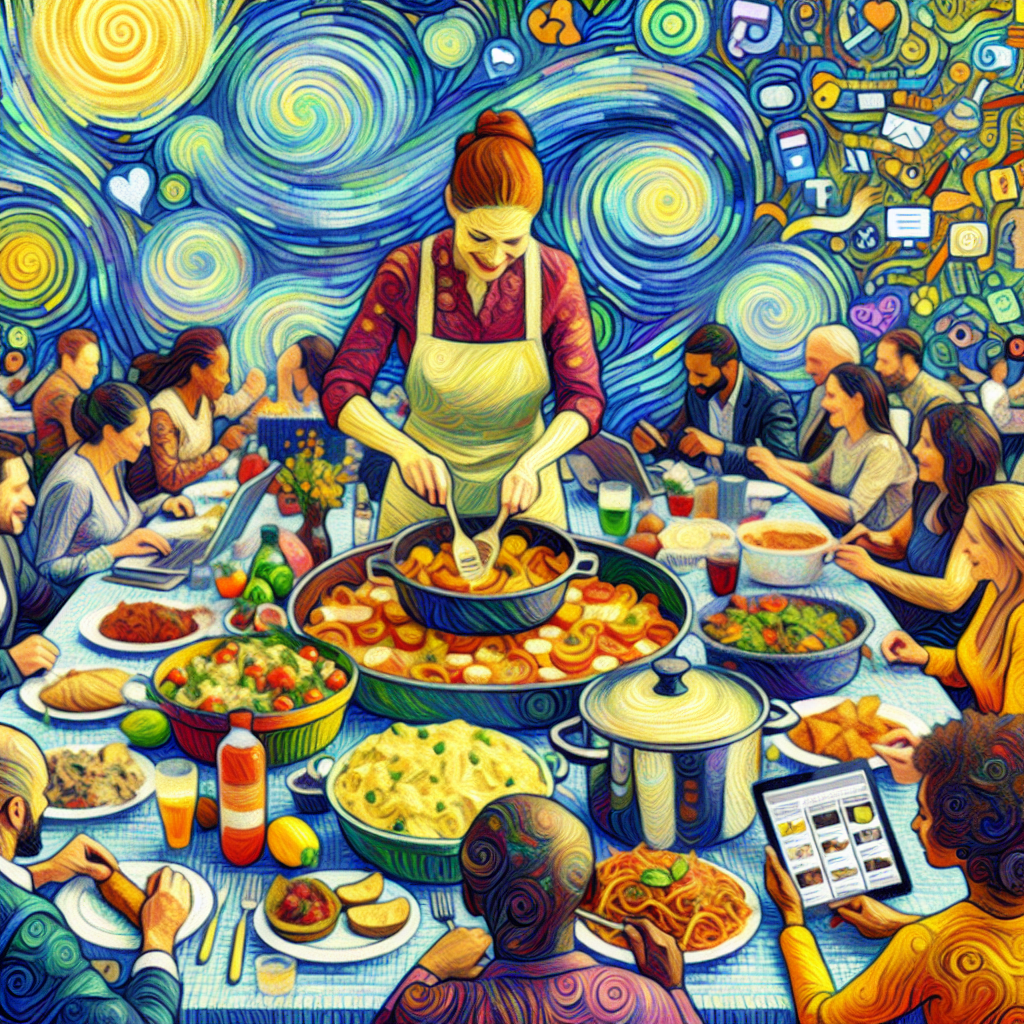
How Does the Pressure for Perfection Impact Our Creativity?
Conclusion
In the vast and often cluttered world of blogging, authenticity stands tall as the beacon guiding every heartfelt story shared and every truth laid bare. Stepping into this realm isn’t just about throwing your thoughts onto a screen; it’s about cultivating a genuine connection in a digital landscape filled with crafted personas and filtered reality. Readers are tired of seeing the same polished narratives that spin tales of perfection. They crave authentic voices that reflect real human experiences—flaws, successes, and the everyday messiness that life delivers.
When you write, remember this isn’t just content; it’s part of your life—a piece of your soul open for others to witness. And with that privilege comes responsibility. Sharing truthfully invites trust. It’s about forming relationships that survive and thrive in a world of superficiality. The rational kicker here? Authenticity breeds loyalty. When readers feel connected, they come back, not as casual visitors but as friends who value your insights.
Ethically, embracing vulnerability isn’t just a personal journey; it’s a communal one. Each story of struggle or triumph you share creates a ripple effect, prompting others to open up too. It’s a clarion call to acknowledge our shared humanity. This acknowledgment fosters a community where imperfection is not a stigma but a badge of honor, reminding us that we are all navigating life’s unpredictable waters together.
Navigating the delicate dance between honesty and privacy adds complexity to this journey. Sharing your truth can be liberating, yet it’s crucial to respect the boundaries around your personal narrative. Crafting a narrative that is both transparent and respectful encourages open dialogue, enables stronger connections, and nurtures trust. You become more than a content creator; you become a source of inspiration.
As you carve out your presence online, let authenticity drive your engagement and creativity. Strip away the pressure for perfection, which can suffocate genuine expression. Let your unfiltered voice resonate; the world needs your stories—real, raw, and compelling. When you embrace your authentic self, not only do you enrich your work, but you create a space where others feel safe to share their truths too. Remember, connection exists in the beautiful, imperfect interplay of our narratives. So keep it real, and watch your community blossom.

Conclusion
Conclusion:
- Authenticity is essential in blogging, fostering genuine connections in a cluttered digital landscape.
- Readers prefer real human experiences over polished, perfect narratives.
- Writing is a personal expression, sharing a piece of your life and inviting trust from readers.
- Authenticity builds loyalty, transforming casual visitors into valued friends.
- Sharing vulnerability prompts communal openness and acknowledges our shared humanity.
- Navigating honesty and privacy is important; respect personal boundaries while crafting your narrative.
- Embracing authenticity enriches both your work and creates a safe space for others to share their truths.

Conclusion
Other Resources

Other Resources
Here is a list of other resources you can review online to learn more:
- Phonicmind.com
- HostGator
- Genmo.ai
- Ghost
- Holara.ai
- Thesamur.ai
- AnswerThePublic
- Jasper
- Character.ai
- Apple Podcasts
- Consensus.app
- Jobscan.co
- Civitai.com
- Leiapix.com
- Airoomplanner.com
- The-good-ai.com
- Learnprompting.org
Use This Prompt To Get More Resources With Your Favorite Online AI Tool: Please provide me with a list of online articles with their URLs in a bulleted list that I can read regarding Keep It Real – the Blogger’s Code Of Authenticity

Other Resources
Glossary Terms
Keep It Real – the Blogger’s Code Of Authenticity – Glossary Of Terms
1. Authenticity: The quality of being genuine and true to oneself, especially in personal expression.
2. Transparency: Open communication and honesty about motives and actions.
3. Vulnerability: Willingness to express feelings and share personal experiences, fostering connection.
4. Integrity: Adherence to moral and ethical principles, ensuring consistency in values and actions.
5. Voice: A writer’s unique style and perspective, which conveys personality and engages readers.
6. Trustworthiness: The ability to be relied upon for honesty and accuracy in content.
7. Connection: The relationship built between the blogger and their audience through shared experiences.
8. Empathy: Understanding and sharing the feelings of others, allowing for relatable content.
9. Credibility: The quality that makes a source reliable and believable, often earned through expertise.
10. Engagement: The interaction between a blogger and their audience, fostering community involvement.
11. Honesty: The act of being truthful in content creation and representation.
12. Narrative: The structured story or message conveyed in a blog post, enhancing relatability.
13. Branding: The process of crafting a blogger’s identity and image to resonate with their audience.
14. Diversity: Inclusion of various perspectives and experiences in content, enriching the narrative.
15. Authentic Audience: A following characterized by genuine interest and engagement rather than mere numbers.
16. Self-Disclosure: The act of sharing personal information or experiences to build trust with readers.
17. Feedback: Responses from readers that can help shape future content and improve authenticity.
18. Responsibility: The obligation to create content that is accurate, respectful, and considerate of the audience.
19. Self-Expression: The act of conveying one’s thoughts, feelings, or beliefs through written content.
20. Relatability: The quality of content that allows readers to see themselves in the experiences shared.
21. Consistency: Maintaining a steady tone, style, and message throughout all content.
22. Community: A group of individuals connected through shared values, interests, and discussions around the blog.
23. Expressiveness: The ability to convey emotions and thoughts effectively through writing.
24. Purpose: The underlying reason for creating a blog, guiding content decisions and themes.
25. Resonance: The quality of content that strikes a chord with readers, creating lasting impressions.
26. Accountability: The responsibility to own up to mistakes and learn from experiences shared.
27. Storytelling: The art of crafting narratives that engage and connect with an audience.
28. Niche: A specific area of interest or expertise the blogger focuses on, attracting a targeted audience.
29. Adaptability: The willingness to evolve content and approach based on audience needs and feedback.
30. Sincerity: The quality of being genuine and free from pretense in both writing and interactions.

Glossary Of Terms
Other Questions
Keep It Real – the Blogger’s Code Of Authenticity – Other Questions
If you wish to explore and discover more, consider looking for answers to these questions:
- What are some practical tips for maintaining authenticity while blogging?
- How can bloggers identify their genuine voice amidst online noise?
- What are the risks of oversharing personal experiences online?
- How do cultural differences impact perceptions of authenticity in blogging?
- How can bloggers effectively communicate their boundaries to their audience?
- What role does vulnerability play in audience engagement?
- How can bloggers measure the impact of their authenticity on audience loyalty?
- In what ways can storytelling enhance the authenticity of a blog post?
- What strategies can bloggers use to recover from a loss of authenticity?
- How does audience feedback influence a blogger’s approach to authenticity?

Other Questions
Haiku
Keep It Real – the Blogger’s Code Of Authenticity – A Haiku
Authentic voices rise,
In the noise of polished lives,
Truth weaves hearts as one.

Haiku
Poem
Keep It Real – the Blogger’s Code Of Authenticity – A Poem
In a world of filtered dreams and shiny screens,
Where polished lives drown out the muted scenes,
We yearn for truth, for hearts laid bare,
For stories woven with authenticity and care.
Each keystroke a promise, a glimpse of the soul,
Inviting us in to feel truly whole.
No more highlight reels that shadow the pain,
Just real connections that dance in the rain.
Vulnerability blooms, like flowers in spring,
A badge of honor, a chorus to sing.
Sharing our struggles, our missteps, our fears,
We bridge the divides, dissolving the years.
Ethics and honesty, the pillars we stand,
With each word we type, a life we command.
Transparency builds trust in this wild digital tide,
A tapestry woven where no secrets divide.
Creativity flourishes when freed from its chains,
In the mess and the chaos, true beauty remains.
So step into the light, let your voice resonate,
For in keeping it real, we all elevate.
Let’s celebrate the flawed, embrace the raw truth,
Foster community grounded in love and in growth.
Together we rise, as each story unfolds,
In the heart of connection, our essence is told.

Poem
Checklist
Keep It Real – the Blogger’s Code Of Authenticity – A Checklist
Authenticity Checklist for Bloggers
Heart
_____ Share Your Truth: Reflect on your personal experiences and share genuine stories to connect with your audience.
_____ Embrace Vulnerability: Open up about your struggles and failures; let your audience see the real you.
_____ Create Community: Encourage your readers to share their stories by fostering an environment of openness and empathy.
Head
_____ Establish Boundaries: Identify areas of your life that are private and decide what you feel comfortable sharing.
_____ Engage with Honesty: Be transparent about your journey, experiences, and the lessons learned; build trust through authenticity.
_____ Focus on Value: Share insights and knowledge that empower your audience to make informed decisions.
Gut
_____ Trust Your Instincts: Before publishing, ask yourself if the content feels authentically you—listen to your gut feeling.
_____ Honor Your Audience: Respect the trust your readers place in you; provide reliable information and acknowledge your limitations.
_____ Celebrate Imperfection: Recognize that creativity thrives in authenticity, not perfection; share the messy journey of your process.
Ethical Considerations
_____ Be Transparent: Acknowledge sources, biases, and the limits of your knowledge to build credibility and trust.
_____ Foster Respect: Cultivate a culture of understanding where honesty is balanced with the need for privacy and discretion.
_____ Lead by Example: Demonstrate ethical behavior by upholding the responsibility you have towards your readers and the broader community.
Authority and Narrative
_____ Position Yourself as an Authority: Share your expertise and insights through relatable storytelling that resonates with your audience.
_____ Engage with Your Audience’s Stories: Invite readers to participate in discussions and share their experiences to build a narrative that reflects a collective journey.
Social Appeal
_____ Create Shared Experiences: Encourage community engagement through comments, stories, or social media interactions.
_____ Highlight Social Proofs: Share testimonials or feedback to build trust and connection within your community.
_____ Celebrate Collective Vulnerability: Show that everyone has their struggles and that together, through shared experiences, we can grow and succeed.
Utilize this checklist as a guide to maintain authenticity in your blogging journey and to strengthen your connection with your audience.

Checklist
At WebsiteBloggers, we help website bloggers develop strategies to create content, traffic, and revenue from website blogs based on our experiences and experimentation.
Be sure to read our other related stories at WebsiteBloggers and share this article with your friends, family, or business associates who run website blogs.