The Art Of Harmonizing Maximum Impact
By Tom Seest
At WebsiteBloggers, we help website bloggers develop strategies to create content, traffic, and revenue from website blogs based on our experiences and experimentation.
Be sure to read our other related stories at WebsiteBloggers and share this article with your friends, family, or business associates who run website blogs.
Maximalism Done Right – the Balance Between Chaos and Control
Imagine walking into a room that looks like a riot of color, texture, and form, yet somehow doesn’t feel overwhelming. That’s the essence of maximalism done right—a vibrant dance between chaos and control that invites curiosity and ignites the senses. You only need to look at the homes, galleries, or websites of those who have mastered this art to see how it reflects a deeper human truth: we are multi-faceted beings, capable of embracing the full spectrum of life.
At the heart of maximalism is a story. Each piece displayed—a fragile ceramic from a distant country, a vintage record reminding you of lazy Sunday mornings—tells you something about its owner. This isn’t mere decoration; it’s a narrative woven through the fabric of our lives, resonating with our emotions and connecting us to our pasts. When you walk into a maximum-style space, you aren’t just seeing a collection of items; you’re witnessing a personal history that invites dialogue and fosters connection.
Rationally speaking, maximalism celebrates individuality. In a world that often pushes for minimalism and uniformity, it offers a sanctuary for those yearning to express their authenticity. Choosing what to include in your design is not just about aesthetic; it also reflects your values. Every decision—whether that’s a splash of neon or a vintage tapestry—represents a conscious choice to embrace complexity over simplicity, allowing your personality to shine through.
Yet, heed the claim that maximalism is chaos dressed up as creativity. Here lies the delicate balance: while it’s easy to throw every cherished trinket into the fray, success lies in a disciplined curation. Think of it as crafting a masterpiece rather than simply tossing paint on a canvas. Authority in this space comes not just from intuition but skillfully understood principles of design, layering colors, and harmonizing textures to create harmony within the perceived disorder.
Creating a maximalist environment invites others to be open, connecting us through shared stories and experiences. It celebrates community and the relationships we build—whether in a bustling public forum or on a personal blog highlighting the journeys of individuals who dared to dream big.
So, step into the world of maximalism with intention. Let go of rigid boundaries, and craft a space that mirrors the delightful chaos of life. Let it be a canvas that inspires not just you, but those who wander through it, leaving behind echoes of connection and the laughter that comes from embracing the beautifully messy reality we all share.

Maximalism Done Right – the Balance Between Chaos and Control
Maximalism Done Right – the Balance Between Chaos and Control
- Maximalism blends chaos and control, creating an inviting atmosphere of vibrant colors and textures.
- Each displayed piece in a maximalist space tells a personal story, reflecting the owner’s history and emotions.
- This style encourages individuality and authenticity, standing in contrast to the modern push for minimalism.
- Design choices in maximalism are intentional, embodying personal values and inviting complexity over simplicity.
- Successful maximalism requires disciplined curation, with a focus on layering and harmonizing design elements.
- Maximalist environments foster openness and connection through shared experiences and stories.
- Embracing maximalism allows for the creation of spaces that inspire and resonate with the beautifully messy nature of life.
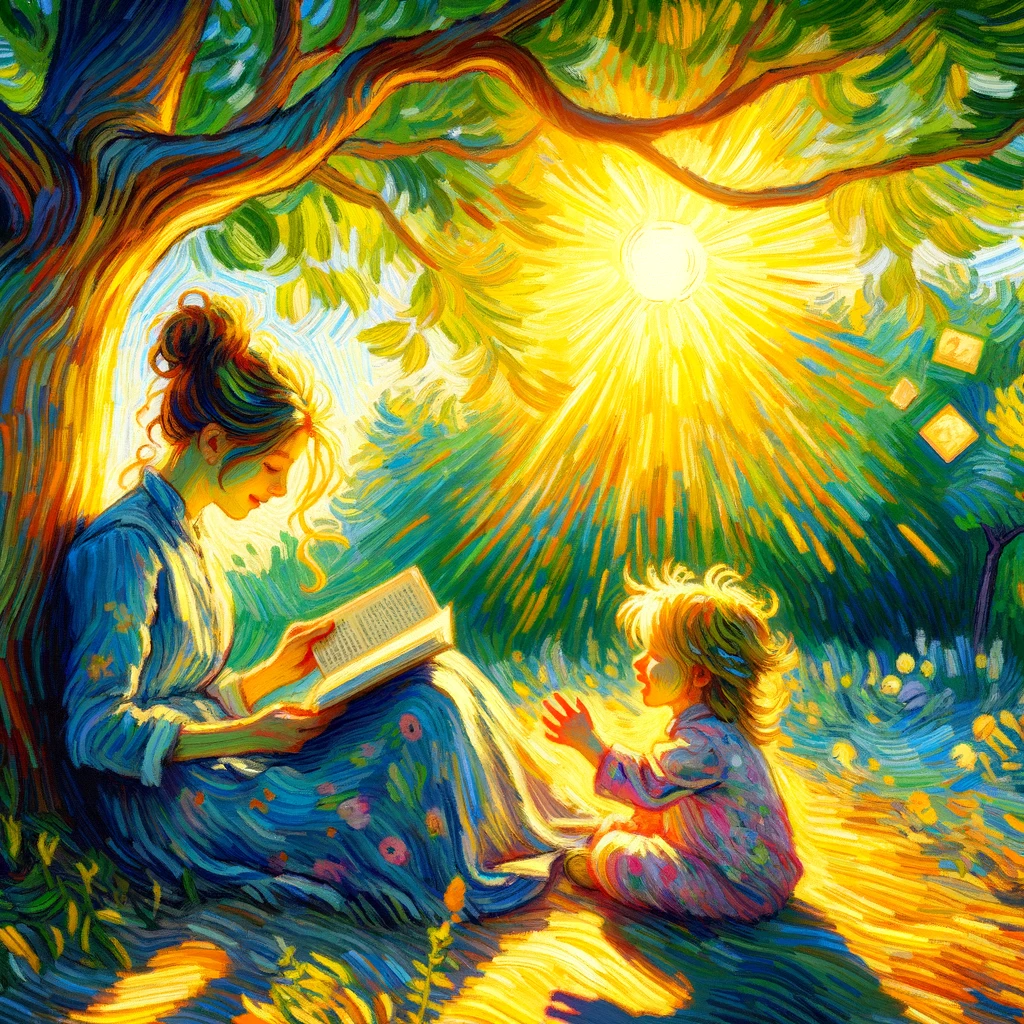
Maximalism Done Right – the Balance Between Chaos and Control
Table Of Contents
- Maximalism Done Right – the Balance Between Chaos and Control
- What Emotions Do Your Possessions Evoke In Your Daily Life?
- How Do You Establish a Sense Of Order In a Chaotic Environment?
- What Ethical Considerations Arise When Curating Your Space?
- In What Ways Can Maximalism Express Your Individuality and Identity?
- How Can Embracing Maximalism Foster Deeper Connections with Others?
- What Role Does Personal Authority Play In Maintaining Your Own Style?
- How Do You Navigate the Fine Line Between Creativity and Disarray?
- Conclusion
- Other Resources
- Glossary Of Terms
- Other Questions
- Haiku
- Poem
- Checklist
What Emotions Do Your Possessions Evoke In Your Daily Life?
What emotions do your possessions evoke in your daily life? Take a moment, close your eyes, and picture your home. As you peek behind the corners and cracks of your life, what do you find? Each item carries a story, an echo of moments frozen in time, whispering memories that can sparkle joy or pull at the heartstrings.
Consider that old chair in the corner, worn with the weight of years and tales only you can tell. It’s not just furniture; it’s a repository of laughter, tears, and late-night confessions. Maybe it was where you caringly cradled your child, or perhaps it bore witness as you strategized life decisions, staring at the ceiling while contemplating the future. Now, ask yourself: what else could inspire that kind of emotional resonance?
Your possessions serve as tangible touchpoints that connect you to your past, imbuing your daily grind with depth and meaning. It’s easy to overlook the significance of these items until we pause to reflect. Rationally speaking, the very act of decluttering can unleash a weight lifted not just from surfaces but from our hearts, allowing room for new experiences and connections. It’s about more than just physical space; it speaks to the emotional clarity we seek in our busy lives.
But there’s an ethical dimension at play too. Are we responsible for the emotional journeys of these objects we hold dear? Each possession was chosen for a reason, and all of them have served a purpose, just like you. They are a testament to choices made, aspirations fulfilled, and even dreams deferred. What might it mean if we begin to honor that provenance? Imagine fostering a respectful relationship with your belongings rather than mindlessly accumulating them.
In the grand narrative of life, we’re both custodians and historians of our personal artifacts. Sharing stories of our cherished items can spark connections with others, revealing that we are not alone in the emotional connections we forge. It’s a universal truth—the bond we share with our things speaks volumes about who we are, offering an authentic window into our lives.
So take a breath, explore your space, and embrace the stories your possessions tell. Trust that in doing so, you not only honor your past but enrich your present and inspire your future. After all, every object is more than what it appears—it’s a piece of your story waiting to unfold.

What Emotions Do Your Possessions Evoke In Your Daily Life?
What Emotions Do Your Possessions Evoke In Your Daily Life?
- Possessions evoke emotions by carrying stories and memories from our past.
- Items like an old chair can symbolize personal experiences of joy, sorrow, and growth.
- Tangible objects connect us to our history, giving depth and meaning to daily life.
- Decluttering can provide emotional relief, creating space for new experiences.
- Each possession has significance, representing choices and aspirations over time.
- Fostering a respectful relationship with belongings enhances our understanding of their value.
- Sharing stories about our items can build connections with others and reflect who we are.

What Emotions Do Your Possessions Evoke In Your Daily Life?
How Do You Establish a Sense Of Order In a Chaotic Environment?
In the heart of chaos, where the din of uncertainty can feel deafening, finding a sense of order might seem akin to finding a needle in a haystack. Yet, the power to restore that order lies within each of us if we’re willing to engage head-on with the messiness of life. Imagine waking up to a world where your efforts, however small, ignite a spark of clarity. That spark not only fuels your own journey but can inspire those around you.
Let’s be real for a moment: life will throw curveballs. Picture a day at work where deadlines loom like storm clouds and uncertainty reigns supreme. In these moments, people seek not just leadership but authenticity and empathy. When we lead with our gut — trusting our instincts — we create an environment where others feel safe to voice their concerns. This kind of vulnerability cultivates trust; people feel seen and understood, which is crucial for establishing order amid turmoil.
Now, consider the cognitive side of the equation. Implementing structured routines can stand as a bastion against chaos. By organizing your day into manageable chunks, you not only bring clarity to your tasks but also develop a rhythm that your brain craves. This isn’t just about time management; it’s about reclaiming your space and mental clarity, allowing you to approach challenges with renewed energy and focus. Your decisions might seem mundane, but they can ripple outwards, encouraging peers to adopt similar strategies that elevate collective productivity.
As you navigate this turbulent terrain, don’t let fear of judgment deter your efforts. Cultivating a culture of cooperation transforms chaos into community. We’re wired to seek connection, and when we tackle challenges together, we transform individual struggles into shared victories. The more we share our strategies, the more we empower others, creating a web of support that reinforces ethical responsibility amongst us.
Life is a series of trials and triumphs. By embracing the inevitability of chaos and acting decisively, you engage not just the mind, but also the spirit of those around you. Whether through a thoughtful blog post or an open conversation on a dedicated website, your experiences can resonate deeply. Together, we can forge a new path through the disorder, connecting with the best parts of ourselves and inspiring each other to rise above the chaos with clarity and purpose.

How Do You Establish a Sense Of Order In a Chaotic Environment?
How Do You Establish a Sense Of Order In a Chaotic Environment?
- Finding order amid chaos is challenging but possible through personal engagement and actions.
- Small efforts can ignite clarity, benefiting both individual journeys and those around us.
- Authentic leadership and empathy are essential in navigating uncertainty and fostering trust.
- Structured routines help manage chaos and restore mental clarity, enhancing focus and productivity.
- Cultivating cooperation transforms chaos into community and shared victories.
- Embracing trials and triumphs engages both mind and spirit, empowering collective growth.
- Sharing experiences through platforms fosters connection and inspires others to overcome chaos with purpose.
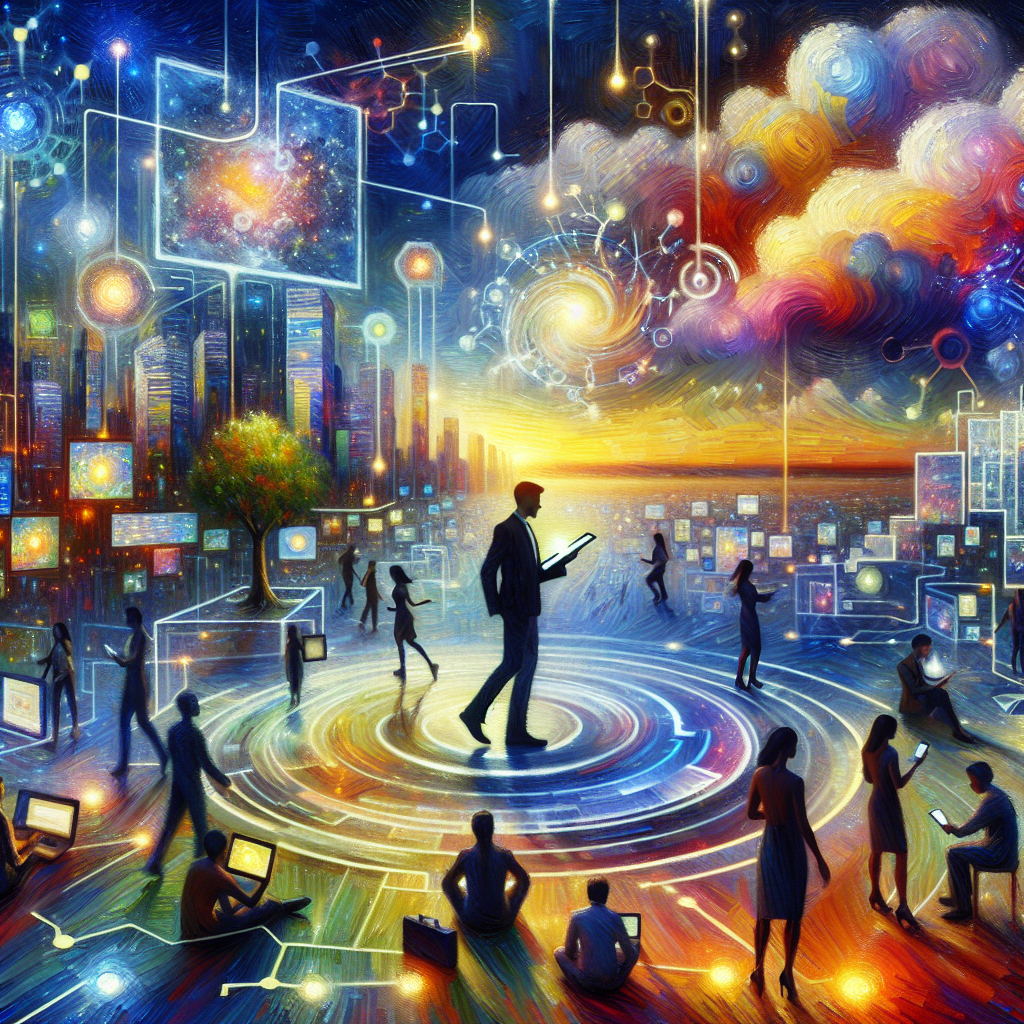
How Do You Establish a Sense Of Order In a Chaotic Environment?
What Ethical Considerations Arise When Curating Your Space?
Curating your space isn’t just about aesthetic appeal and personal taste; it’s a profound ethical journey that compels us to wrestle with our values, relationships, and responsibilities. As we choose how to fill our homes and lives, we’re also casting a vote for what we believe in and whom we support. Each item in our space carries a story, a legacy, and inherent value—or lack thereof. Think about that for a moment. When you select a decor piece, a piece of furniture, or even artwork, you’re not just deciding on looks; you’re making a pact with the maker, the materials, and the messages these items convey.
Let’s take a step back and breathe. Look around your room. Home is a reflection of who you are, but it can also serve as a stage for broader conversations. Are the products you choose cruelty-free? Are they ethically sourced? Do you prioritize sustainability or fair labor practices? Each choice you make impacts the broader web of culture and communities. It’s not just your space but a collective consciousness that shapes industry practices and societal norms.
When curating your space, the heart whispers to us about connection. Who made this? What lives were touched in the making? By engaging in ethical consumption, we tap into a story that spans generations and geographies, celebrating craftsmanship over mass production. It’s about infusing your environment with authenticity while honoring those who helped bring it to life.
On a rational level, curating with ethical considerations also promotes transparency. When we select pieces based on values—not trends—we nurture trust in the marketplace. This empowers artisans and small producers, stimulating local economies while ensuring quality craftsmanship continues to thrive.
Moreover, let’s not overlook the social aspect. Surrounding yourself with objects that align with your ethics fosters community among like-minded souls who share your values. It’s a conversation starter, a way to bond with others who believe in thoughtful living and making choices that matter.
So, take a moment to reflect on your space. What does it say about you? By considering ethical factors, you’re not just curating a room; you’re crafting a legacy. You have the power to inspire and uplift, transforming not only your environment but also the world beyond your walls. Your choices can echo through time, shaping a more compassionate future.

What Ethical Considerations Arise When Curating Your Space?
What Ethical Considerations Arise When Curating Your Space?
- Curating your space involves more than aesthetic appeal; it reflects your values, relationships, and responsibilities.
- Each item chosen carries a story and a legacy, influencing what we support and believe in.
- Home serves as both a personal refuge and a stage for broader conversations about ethics and sustainability.
- Engaging in ethical consumption celebrates craftsmanship and honors the makers behind each item.
- Making choices based on values rather than trends promotes marketplace transparency and supports artisans.
- Surrounding yourself with like-minded items fosters community and encourages conversations about thoughtful living.
- Your curated space not only reflects who you are but can transform the world by shaping a compassionate legacy.

What Ethical Considerations Arise When Curating Your Space?
In What Ways Can Maximalism Express Your Individuality and Identity?
Maximalism is more than just an aesthetic; it’s a celebration of individuality and identity, a loud, unapologetic statement in a world often muffled by minimalism’s quiet voice. Imagine stepping into a vibrant room, a riot of colors, textures, and patterns that tell the stories of not just one person but a multitude of experiences. This is the essence of maximalism—it’s personal, bold, and deeply reflective of who you are.
Think about it: our homes are extensions of ourselves, and what better way to express your unique identity than with each piece of art, every furniture item that resonates with you? A mismatched collection of vintage finds combined with contemporary designs tells a narrative, each element echoing your journey through life. This is your canvas, inviting you to paint it with memories, passions, and inspirations. It’s a declaration that no two stories are the same, and neither should any space be.
On an emotional level, maximalism fosters vulnerability, encouraging you to lean into what you love, unearthing the layers of your personality. Perhaps you have a fondness for travel, and the vibrant textiles from your adventures paired with local treasures create a tapestry of your experiences. This isn’t just decor; it’s an opportunity to share tales of where you’ve been and who you’ve met, connecting with others who can relate or dream of their own journeys.
From a rational standpoint, embracing maximalism encourages creativity. It challenges us to think beyond societal norms and instead embrace the beauty in chaos. An eclectic mix urges us to innovate and explore the unexpected. In doing so, we not only cultivate our sense of self but inspire others to reflect on what makes them unique.
Ethically, maximalism invites a conversation about consumption. Celebrating individuality can mean supporting local artisans, preserving history through thrifted items, and making conscious choices that echo your values. It sparks dialogues about sustainability and the impact of consumerism, encouraging a more mindful approach.
In a world that often promotes conformity, maximalism stands as a rallying cry for authenticity. It’s an invitation to engage with others in conversations about who we are and the stories we carry. So, take a bold step and allow maximalism to be the mirror reflecting the richness of your life. Embrace the joy of personal expression—a cacophony of color, culture, and narrative that ultimately leads to a deeper understanding of yourself and resonance with those around you. This is your moment to be loud, be proud, and most importantly, be you.

In What Ways Can Maximalism Express Your Individuality and Identity?
In What Ways Can Maximalism Express Your Individuality and Identity?
- Maximalism celebrates individuality and identity as a bold contrast to minimalism.
- Homes are extensions of ourselves and can express unique identities through art and decor.
- A mismatched collection of items narrates personal journeys and experiences.
- Maximalism encourages emotional vulnerability by showcasing what you love.
- It promotes creativity, challenging societal norms and embracing beauty in chaos.
- Maximalism sparks conversations about consumption, sustainability, and supporting local artisans.
- It invites authenticity and deeper connections, allowing individuals to celebrate their true selves.

In What Ways Can Maximalism Express Your Individuality and Identity?
How Can Embracing Maximalism Foster Deeper Connections with Others?
Maximalism, often mistaken for chaos, is really an embrace of life’s richness. It’s not just about clutter; it’s a celebration of the diverse tapestry of human experience. Imagine walking into a space bursting with vibrant colors, eclectic decor, and sentimental knick-knacks. Each item tells a story, perhaps igniting a memory or sparking a shared laughter. This sensory overload invites others in, creating a comfortable environment where vulnerability flourishes. It reminds us that we are not alone in our mess – that our stories, just like our spaces, are beautifully imperfect.
From a rational standpoint, this aesthetic fosters conversation. When surrounded by such diversity, it’s hard to remain indifferent. It encourages us to dig deeper, prompt questions, and uncover commonalities. What does that quirky sculpture mean to you? How did you come by that vintage record? It’s these small catalysts that transform acquaintances into friends, enabling us to grasp the thread of shared humanity that binds us all.
Then there’s the ethical aspect. In a world pushing minimalism as the gold standard, maximalism stands defiant, promoting acceptance of individuality. It says, “Your story matters,” presenting a form of rebellion against societal norms that often neglect the richness of personal experiences. By embracing maximalism, we champion authenticity—an ethical stance that encourages others to be their true selves, thus fostering a more inclusive environment.
Socially, maximalism promotes community. When we open our doors and our homes—cluttered and imperfect—we invite others to join us in our authentic spaces. This invitation is a powerful signal that we’re willing to share not just our possessions, but our lives. It’s no longer a sterile exchange of pleasantries, but a heart-to-heart connection rooted in real experiences.
And let’s be clear: real connection isn’t always comfortable. It can be messy, challenging assumptions, and peeling back layers to seek understanding. Yet it’s in that mess where relationships thrive. So let’s embrace the eccentric, the vibrant, and yes, the messy. Through maximalism, we don’t just create interesting spaces—we forge deeper bonds, accepting each other’s experiences while carving a community where everyone feels they belong. Dive in, make it personal, and watch how relationships blossom when we dare to be ourselves.

How Can Embracing Maximalism Foster Deeper Connections with Others?
How Can Embracing Maximalism Foster Deeper Connections with Others?
- Maximalism celebrates life’s richness and diverse human experiences, often mistaken for chaos.
- Spaces filled with vibrant colors and eclectic decor create an inviting atmosphere for interaction and vulnerability.
- The aesthetic fosters conversation by inspiring questions about personal stories and shared memories.
- Maximalism promotes acceptance of individuality, standing in contrast to minimalism and societal norms.
- It champions authenticity, encouraging people to express their true selves in inclusive environments.
- Socially, maximalism fosters community by inviting others into our authentic, imperfect spaces.
- Real connections developed through maximalism can be messy but ultimately strengthen relationships.

How Can Embracing Maximalism Foster Deeper Connections with Others?
What Role Does Personal Authority Play In Maintaining Your Own Style?
When it comes to maintaining your own style, personal authority plays a crucial role, acting as the compass that keeps you grounded in a world filled with noise and distractions. Imagine walking through a bustling market, where every stall is shouting for your attention — a vibrant mix of colors, sounds, and aromas pulling you in every direction. It’s easy to get lost, to let others dictate what you should wear, how you should think, or who you should be. But here’s the kicker: it’s your unique voice that cuts through the chaos, and your authority is what gives that voice weight.
Personal authority isn’t just a lofty concept; it’s a visceral reality woven into the fabric of our everyday lives. It’s the gut feeling when you choose a bold outfit that speaks to your true self, rather than what’s trending on social media. It’s about sitting down and crafting the words for your website or blog with conviction, knowing that what you share resonates with your values — that authenticity brings people together. When you connect with others through your authentic expression, you unleash a force that elevates your relationships and community.
Think about the stories of those who inspired you—the everyday heroes, like the neighbor who doesn’t care what others think and rocks their unique style, or the mentor who teaches you the power of owning your narrative. These individuals demonstrate that true style isn’t just about aesthetics; it’s about living without fear of judgment. When you fully embrace your personal authority, you inspire others to do the same, creating a ripple effect of confidence and community.
It’s impossible to ignore the ethical implications here. In a world that often champions conformity, claiming your own style—or even your perspective—challenges the status quo. It’s a reminder that we all have the right to be ourselves, to express our individuality. And let’s be honest—nothing feels more liberating than unshackling yourself from societal norms.
So, whether you’re crafting that killer blog post or simply deciding what to wear on a Tuesday, remember: your personal authority is the foundation of your style. Stand tall, trust your instincts, and let that authority guide you. You’ll not only find your own path; you’ll inspire those around you to blaze their own trails, creating a vibrant tapestry of authentic living.

What Role Does Personal Authority Play In Maintaining Your Own Style?
What Role Does Personal Authority Play In Maintaining Your Own Style?
- Personal authority is essential for maintaining your own style amidst societal distractions.
- It serves as a compass, helping you stay true to yourself in a chaotic environment.
- Your unique voice, backed by personal authority, allows you to navigate external influences effectively.
- Authenticity draws people together, fostering stronger relationships and community connections.
- Everyday heroes demonstrate that true style is about living confidently and without judgment.
- Claiming your style and perspective challenges societal norms and promotes individuality.
- Your personal authority inspires others while guiding your choices in life and expression.

What Role Does Personal Authority Play In Maintaining Your Own Style?
How Do You Navigate the Fine Line Between Creativity and Disarray?
Navigating the fine line between creativity and disarray is akin to walking a tightrope strung high above the ground, where each step requires not just balance, but also an understanding of what’s beneath you. Creativity, much like the untamed wild, is exhilarating. It beckons us to explore, to push boundaries, and to chase that euphoric spark. But unchecked, it can easily devolve into chaos—an overwhelming mess with no direction.
Imagine a website blog filled with ideas, each one a seed of potential waiting to sprout. This is where the heart of creativity beats, longing for expression, resonance, and connection. But the challenge lies in cultivating that garden without letting the weeds of disarray take root. It’s about creating a structure within the freedom—a framework that channels the wild energy into something meaningful. A sketch becomes a painting, a jumbled thought finds its voice in an engaging narrative, and a moment of inspiration translates into purpose.
Now, consider the rational aspect: creativity isn’t just about spontaneity; it’s also about discipline. Like a craftsman honing his trade, those who grapple with creativity must learn to wield it with intention. Every artist knows that brilliance often follows hours of dedication and focus. The most beautiful symphony emerges not just from improvisation but from countless hours of practice and understanding the rules that govern the music. In this light, the intersection of creativity and structure is less about restricting freedom than it is about fostering an environment where ideas can flourish.
Ethically, we owe it to ourselves—and to those who look up to us—to create responsibly. Inspiration needs to uplift others, to spark dialogue, and to offer light in moments of darkness. Our endeavors must resonate with a broader community. By sharing our stories and the fruits of our creativity, we forge social bonds, creating networks that lift each other rather than tear each other down.
As you stand at the precipice of this creative journey, remember: you don’t have to teeter alone. Embrace the messiness, but also seek the grounding principles that allow you to express fully without losing your way. Build a community, share your blog, and inspire others to tread that fine line too—where creativity meets clarity and where dreams take flight, tethered by the strength of intention. Trust in the process, for within it lies the potential for something truly transformative.
How Do You Navigate the Fine Line Between Creativity and Disarray?
How Do You Navigate the Fine Line Between Creativity and Disarray?
- Navigating creativity requires balance, akin to walking a tightrope.
- Unchecked creativity can lead to chaos, while structured creativity fosters meaningful expression.
- Creative endeavors should be cultivated like a garden, avoiding the weeds of disarray.
- Creativity combines spontaneity with discipline, requiring dedication and focus.
- Creating responsibly is essential, as inspiration should uplift and connect with others.
- Building a supportive community enhances the creative journey and fosters collaboration.
- Trusting the creative process can lead to transformative outcomes and clarity.

How Do You Navigate the Fine Line Between Creativity and Disarray?
Conclusion
Maximalism is not just an aesthetic choice; it’s a vibrant celebration of individuality and human experience that invites us to embrace the beauty of complexity. Picture a space alive with color and character, where every piece has its own story—a vintage vase, a quirky sculpture—each a testament to the journey of its owner. This approach reflects a deep truth: we are multifaceted beings, and our environments should mirror that wonderfully chaotic reality. It sparks curiosity and fosters connections, creating an atmosphere where stories are exchanged and relationships deepen.
At its core, maximalism champions authenticity in a world that often nudges us toward minimalism and conformity. Choosing how to curate our spaces goes beyond style; it’s a powerful expression of personal values and beliefs. Each curated item carries ethical considerations—where it came from, who made it, and the impact it has on communities and the environment. When we surround ourselves with meaningful artifacts, we engage in a dialogue about consumer responsibility, sustainability, and the importance of honoring the journeys behind our belongings.
Navigating the balance between chaos and order is essential. While spontaneous creativity fuels our souls, it’s discipline and intention that transform scattered ideas into cohesive masterpieces. Embracing this creative process, we learn that structure does not stifle innovation; rather, it fosters an environment where our ideas can thrive. By sharing our personal narratives, we invite others to explore their own paths, building a tapestry of shared experiences and dreams.
Moreover, maximalism serves as a powerful vehicle for connection. A lively, eclectic space encourages dialogue—sparking questions about the pieces within it and revealing our shared human experiences. It’s not just about decluttering our homes; it’s about decluttering our lives, making room for new stories and relationships. In that wonderful mess, we find shared laughter and vulnerability, allowing us to embrace our imperfections and build community.
So step boldly into the world of maximalism, a philosophy that celebrates the richness of life. Let your space be a reflection of who you truly are, an invitation for others to engage with authenticity and empathy. After all, life itself is beautifully messy. Dive into the chaos with intention and courage, and watch as connections flourish in the colorful landscape that is uniquely yours. In this vibrant embrace, we resonate with one another—creating a world that is not just lived in, but passionately celebrated.
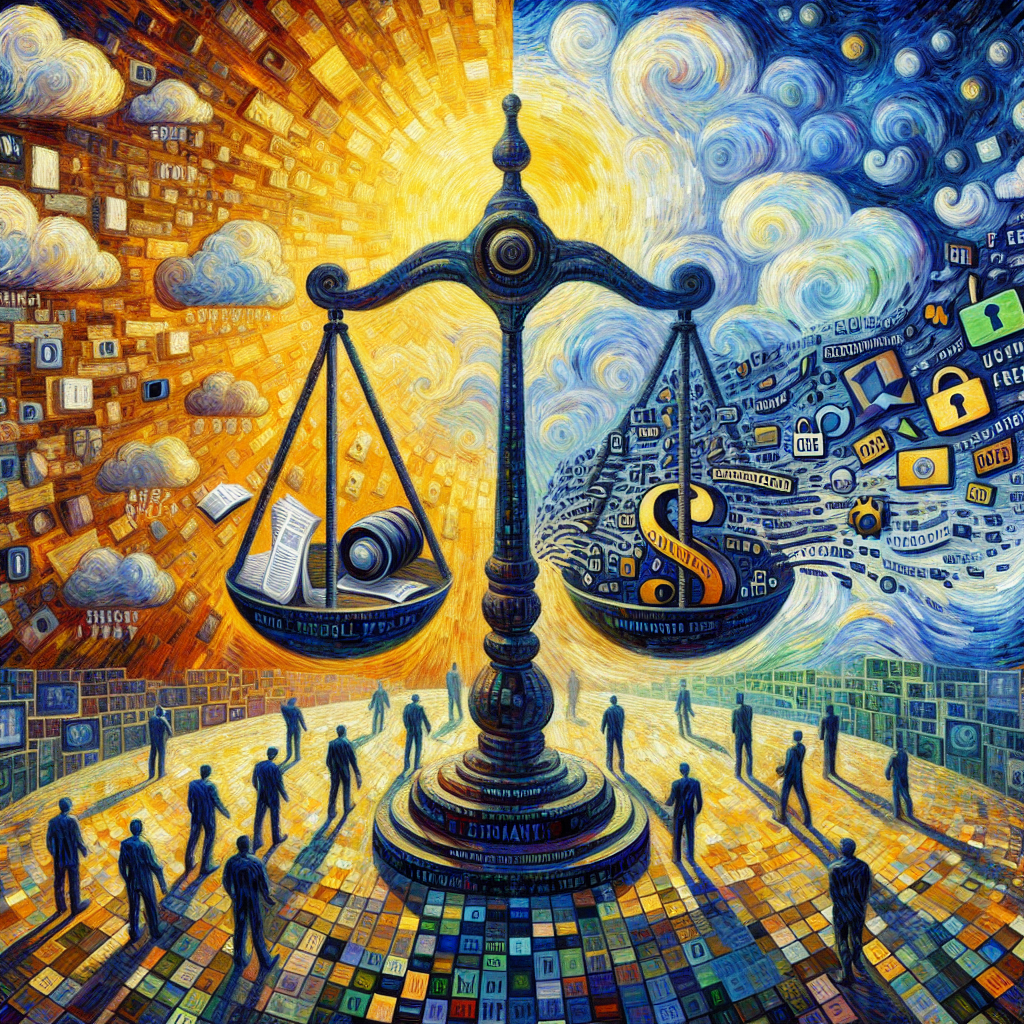
Conclusion
Conclusion:
- Maximalism celebrates individuality and complexity, embracing the beauty of human experiences.
- Each curated item in a maximalist space tells a story and reflects the owner’s journey.
- This aesthetic approach champions authenticity, contrasting with minimalism and conformity.
- Curating spaces conveys personal values, ethics, and a commitment to sustainability.
- Balancing chaos and order fosters innovation and allows creative ideas to thrive.
- Maximalism facilitates connections through dialogue, shared experiences, and community building.
- Embracing maximalism encourages authentic self-expression and celebrates the richness of life.

Conclusion
Other Resources

Other Resources
Here is a list of other resources you can review online to learn more:
- Tattoosai.com
- LiveJournal
- WordPress
- Trello
- YouTube
- Evoto.ai
- Withpoly.com
- Inferkit.com
- Scholarcy.com
- Kentico
- Crownpeak
- Tutorai.me
- Studio.design
- Perplexity.ai
- Replika.ai
- Glean.com
- Chatbotkit.com
- Teachablemachine.withgoogle.com
- Elsaspeak.com
- Dreamlike.art
Use This Prompt To Get More Resources With Your Favorite Online AI Tool: Please provide me with a list of online articles with their URLs in a bulleted list that I can read regarding Maximalism Done Right – the Balance Between Chaos and Control

Other Resources
Glossary Terms
Maximalism Done Right – the Balance Between Chaos and Control – Glossary Of Terms
1. Maximalism: An aesthetic that embraces extravagant, bold designs and personal expression, often featuring an abundance of colors, patterns, and textures.
2. Chaos: A state of disorder and unpredictability; in design, it refers to the use of eclectic elements without a clear, cohesive structure.
3. Control: The ability to organize and manage visual elements to create a coherent design, balancing contrasting features in maximalist settings.
4. Aesthetic: The set of principles concerned with the nature and appreciation of beauty, which influences design choices in maximalism.
5. Eclecticism: The practice of combining diverse styles, influences, and ideas from various sources, characteristic of maximalist design.
6. Texture: The feel, appearance, or consistency of a surface, crucial in maximalist design to create depth and interest.
7. Color Palette: A selection of colors used within a design, which can set the mood and unify disparate elements in maximalism.
8. Pattern: A repeated decorative design that can add visual intrigue and complexity to maximalist spaces.
9. Layering: The technique of overlaying various elements, such as textures, patterns, and furnishings, to create depth in maximalist interiors.
10. Focal Point: A prominent feature or area in a design that draws attention, often used strategically to balance maximalist chaos.
11. Saturation: The intensity of color; highly saturated colors can energize a space but require careful management in maximalist designs.
12. Visual Balance: The weight distribution of elements within a design, ensuring that no single part overwhelms the others, essential for harmony in maximalism.
13. Statement Piece: A central item or artwork that stands out in a space, adding character and guiding the overall design direction.
14. Ambiance: The mood or atmosphere created by a space’s design elements, influenced by lighting, color, and decor.
15. Cohesion: The quality of being unified or forming a consistent whole, necessary for aesthetic harmony in maximalist themes.
16. Proportion: The relationship between the size of different elements; thoughtful proportion can enhance the visual impact of a maximalist design.
17. Whimsy: A playful element that adds surprise and fun to a design, often found in maximalist spaces.
18. Contrast: The use of opposing elements, such as light and dark colors, to create visual interest and highlight features.
19. Storytelling: Crafting a narrative through design elements, personal artifacts, and decor that reflects the owner’s personality or experiences.
20. Harmony: A pleasing arrangement of elements that enhances the overall aesthetic, balancing chaos with control.
21. Functionality: The practical aspects of design; even in maximalism, spaces should serve their intended purpose effectively.
22. Artisan Craftsmanship: The handmade quality of design elements that adds uniqueness and character, aligning with maximalist values of individuality.
23. Nature-Inspired Design: Incorporating natural elements and organic shapes, which can soften the boldness of maximalism.
24. Curated Collection: A thoughtfully assembled group of objects or artworks that reflect personal taste and enhance a space.
25. Interior Architecture: The design of indoor spaces that considers both aesthetics and functionality, particularly in maximalist environments.
26. Bespoke Design: Custom-made elements tailored to individual preferences, fostering a sense of exclusivity and personality in maximalist settings.
27. Mood Board: A visual tool used to convey concepts, ideas, and influences, helping to refine the vision for a maximalist project.
28. Spatial Awareness: Understanding how different elements interact within a space, vital for balancing the chaotic and controlled aspects of maximalism.
29. Symbolism: The use of items or designs that convey deeper meanings, which can add layers of depth to a maximalist space.
30. Visual Weight: The perceived heaviness of an element in a design; managing visual weight is crucial to ensure balance in maximalist environments.

Glossary Of Terms
Other Questions
Maximalism Done Right – the Balance Between Chaos and Control – Other Questions
If you wish to explore and discover more, consider looking for answers to these questions:
- What are the core principles of maximalism in design?
- How can one effectively curate a maximalist space without it feeling overwhelming?
- What are some examples of successful maximalist spaces?
- How can maximalism influence one’s mental health and well-being?
- What materials and textures are commonly used in maximalist design?
- How do cultural influences shape maximalist expression in different regions?
- What are some practical tips for incorporating maximalism into a small space?
- How does maximalism differ from eclectic styles or bohemian design?
- What psychological effects might maximalist environments have on visitors?
- How can maximalism be used as a form of storytelling in home decor?
- What are some common misconceptions about maximalism?
- How can ethical considerations be integrated into maximalist design choices?
- What is the role of art in maximizing the impact of a space?
- How can one balance personal preference with current design trends in maximalism?
- What impact does maximalism have on consumerism and sustainability?

Other Questions
Haiku
Maximalism Done Right – the Balance Between Chaos and Control – A Haiku
Vivid stories bloom,
In chaos, our truths unfold—
Life’s art, rich and bold.

Haiku
Poem
Maximalism Done Right – the Balance Between Chaos and Control – A Poem
In a world adorned with chaos and flare,
Where colors collide in the vibrant air,
Maximalism whispers, “Here, you can be,
A tapestry woven, uniquely free.”
Each piece, a narrative, a story untold,
Of laughter, of love, of memories bold.
A vintage relic, a treasure not lost,
In the heart of your home, it pays no cost.
Feel the pulse of your past in the objects you keep,
A chair that cradled dreams you dared to weave deep,
Let your space sing, let it dance, let it shout,
For in this delightful mess, you find what it’s about.
Rationally speaking, in clutter you find,
A sanctuary built for each curious mind.
Not chaos alone, but a celebration clear,
Of identities cherished, of every pioneer.
Yet take heed, dear custodian of personal grace,
Curate with intention, honor each space.
For with every choice, you weave a new thread,
In the fabric of kindness, where fables are spread.
Embrace the disarray, but forge from within,
A structure of purpose where creativity spins.
Together we flourish, through connection we thrive,
In chaos we foster the colors alive.
So open your heart, share tales and embrace,
The beauty of living and its intricate pace.
Let maximalism echo, its vibrance renew,
A canvas of stories, an invitation for you.

Poem
Checklist
Maximalism Done Right – the Balance Between Chaos and Control – A Checklist
Maximalism Checklist: Embracing Chaos and Control to Create Meaningful Spaces
Emotional Appeal
_____ Reflect on the stories behind each item in your space.
_____ Identify items that evoke strong memories or feelings.
_____ Consider how your possessions define your identity and history.
Rational Appeal
_____ Assess your space for a balance between clutter and creativity.
_____ Create a structured routine for regularly curating and maintaining your environment.
_____ Evaluate the functionality of items in your space—do they serve a purpose or bring you joy?
Ethical Appeal
_____ Research the origin and production methods of your possessions—for ethical sourcing and sustainability.
_____ Prioritize items that support local artisans and fair labor practices.
_____ Consider the impact of your consumption choices on community and environment.
Authority Appeal
_____ Draw inspiration from renowned maximalist designers and thinkers.
_____ Educate yourself on principles of design to better curate your space.
_____ Trust your instincts; your personal authority is key in making design decisions.
Narrative Appeal
_____ Share the story behind your favorite items with friends and family to foster connection.
_____ Document your curation process—how has your personal journey influenced your choices?
_____ Create a visual map of your space that details the memories and stories linked to your possessions.
Social Appeal
_____ Organize gatherings in your space that invite dialogue about personal stories and experiences.
_____ Engage with community members who share an interest in maximalism and storytelling.
_____ Explore online platforms to connect with others who celebrate diverse expressions of individuality.
Personal Reflection
_____ Set aside time to reflect on what your space says about you.
_____ Challenge yourself to embrace imperfection and the messiness of life.
_____ Make a plan for how to continue evolving your personal style and space over time.
Use this checklist to guide you in crafting a space that harmonizes vibrant expression with intentionality, fostering deeper connections with yourself and those around you.
Checklist
At WebsiteBloggers, we help website bloggers develop strategies to create content, traffic, and revenue from website blogs based on our experiences and experimentation.
Be sure to read our other related stories at WebsiteBloggers and share this article with your friends, family, or business associates who run website blogs.