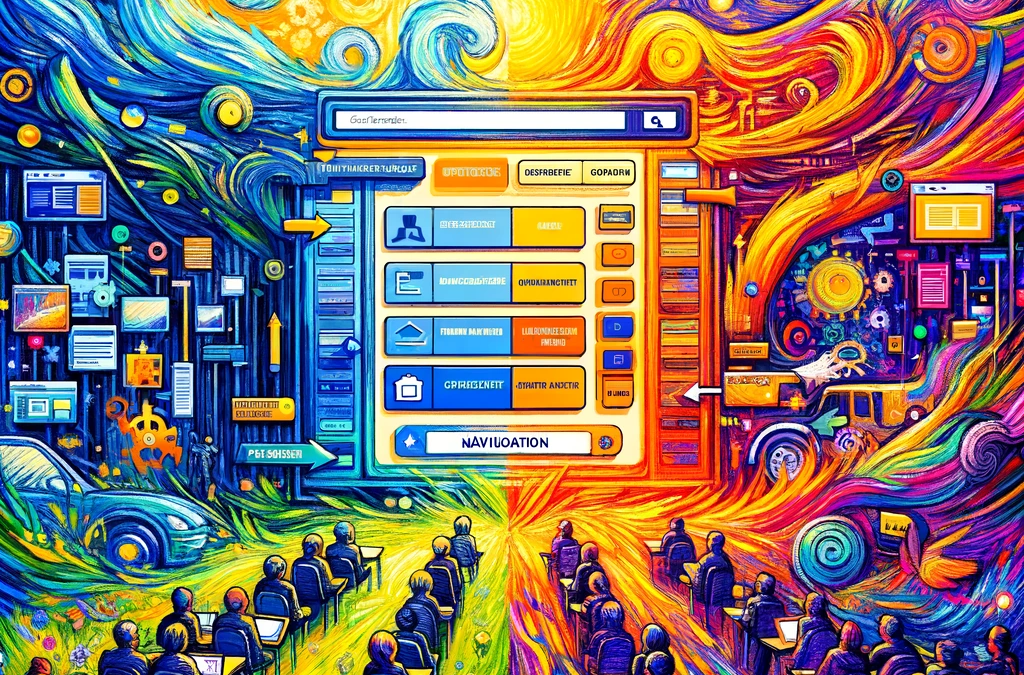
Mastering Mobile UX And SEO For Lasting Success
By Tom Seest
At WebsiteBloggers, we help website bloggers develop strategies to create content, traffic, and revenue from website blogs based on our experiences and experimentation.
Be sure to read our other related stories at WebsiteBloggers and share this article with your friends, family, or business associates who run website blogs.
Mobile UX Is the New SEO – Here Is How to Nail Both
When you think about the landscape of the digital world, it’s easy to get lost in algorithms, keywords, and the never-ending quest for higher search rankings. But let’s put the pixelated jargon aside for a moment and look at what really matters: the people behind the screens. Our journey into the realm of mobile UX isn’t just another tech trend; it’s a heartfelt mission to create experiences that resonate, engage, and truly connect with users at a fundamental level.
Imagine a world where your website isn’t just a space for information; it’s a refuge. Every tap and swipe should feel intuitive, like a handshake that brings a smile. Good mobile UX is about understanding your audience—knowing their needs, frustrations, and desires. It’s about crafting a digital experience that feels as effortless as breathing. The human connection is the core of it all. If your website resembles a maze rather than a welcoming path, how can you expect to keep your audience’s attention?
Let’s get rational for a second. Studies show that Google prioritizes sites with exceptional mobile experiences. Ignoring this reality is like choosing to park on a busy street and wondering why no one stops to chat. Just as we embrace change in our lives, we must adapt our websites to embrace the mobile-first world. With over half of all web traffic coming from mobile devices, the numbers don’t lie. Optimizing your mobile experience isn’t an option; it’s a necessity.
Pair that with some ethical responsibility. Users deserve better than poorly designed interfaces that lead to frustration. By providing a seamless experience, you not only build trust but show respect for their time and intelligence. This act strengthens your brand’s authority—when people know they can rely on you, they’ll keep coming back, and they’ll speak highly of you.
Now, imagine storytelling not just through words but through design. A captivating website blog is like a narrative that unfolds across the screen, inviting users on a journey. Each interaction is a chapter, weaving together their experience with your message. And when they share that journey with others, the narrative grows.
So, step outside the box and think beyond the pixels. Embrace mobile UX as the new SEO—something that speaks to the heart, head, and gut. The connection you foster through an exceptional experience may lead to loyalty, conversation, and ultimately, success. Let’s not just show up online; let’s make waves.

Mobile UX Is the New SEO – Here Is How to Nail Both
Mobile UX Is the New SEO – Here Is How to Nail Both
- The focus of digital design should be on people, not just algorithms and keywords.
- Good mobile UX creates intuitive experiences that resonate and engage users effectively.
- Understanding the audience’s needs is essential to crafting seamless digital experiences.
- Exceptional mobile experiences are prioritized by Google, making optimization a necessity.
- Providing a well-designed interface builds trust and strengthens brand authority.
- Storytelling through design can enhance user experience and invite deeper engagement.
- Embrace mobile UX as a vital component of digital strategy, fostering loyalty and success.

Mobile UX Is the New SEO – Here Is How to Nail Both
Table Of Contents
- Mobile UX Is the New SEO – Here Is How to Nail Both
- What Emotions Do You Feel When Using a Poorly Designed App?
- What Ethical Considerations Should Guide Your Mobile UX Decisions?
- How Can Emotional Storytelling Enhance Your Mobile User Experience?
- Are You Aware Of the Latest Mobile UX Trends Shaping Your Industry?
- How Can Simplifying Navigation Improve User Retention on Mobile?
- How Might a Seamless Mobile Experience Foster Brand Loyalty?
- What Strategies Can You Employ to Align Mobile UX and SEO Effectively?
- Conclusion
- Other Resources
- Glossary Of Terms
- Other Questions
- Haiku
- Poem
- Checklist
What Emotions Do You Feel When Using a Poorly Designed App?
Using a poorly designed app can trigger a cascade of emotions—frustration, confusion, even despair. Picture yourself, excited and hopeful, tapping away on your phone, only to be met with endless loading icons, misplaced buttons, and a labyrinth of menus that lead nowhere. With every tap, your heart sinks a little deeper, and you might wonder, “Is this really the best they can do?” It’s baffling how a tool meant to simplify our lives can instead turn into an obstacle course of irritation.
When an app fails you, it’s not just a minor annoyance; it’s a breach of trust. You expect a seamless experience from technology that claims to enhance your daily life. You scroll to a website or blog, convinced that this digital companion will empower you, only to confront digital chaos. The gut-wrenching disappointment can make you question the competence of the designers behind the curtain. Are they even listening to us? It doesn’t take a tech guru to recognize the ethical responsibility companies have to create user-friendly designs. We’re all busy, juggling work, family, and life’s little surprises. We deserve apps that help us, not hinder us.
Let’s think about the bigger picture. Each frustration we endure when using a poorly designed app is a shared experience among millions. You’re not alone in finding those misaligned buttons or the perplexing navigation deeply annoying. This collective dissatisfaction connects us—people tired of mediocrity. It ignites a fire in our collective gut, pushing us to demand better from the tools we rely on. We must speak out, advocate for user-centered design, and support brands that prioritize their users’ experiences.
So, the next time you face an app that feels like it was cobbled together in the dark, take a moment to pause before tossing your device aside in frustration. Recognize that your feelings are valid and that you hold the power as a user. Share your experiences, whether on a website or blog, to advocate for change. Each voice matters in this digital age. Together, we can inspire a movement towards better design—bringing us not just function, but joy, efficiency, and ultimately, a restored faith in the very technology that should be serving us.

What Emotions Do You Feel When Using a Poorly Designed App?
What Emotions Do You Feel When Using a Poorly Designed App?
- Poorly designed apps can evoke emotions like frustration, confusion, and despair.
- Users often feel betrayed when technology meant to simplify their lives becomes an obstacle.
- Experiencing digital chaos can lead to disappointment and question the competence of app designers.
- There is an ethical responsibility for companies to create user-friendly designs.
- Frustrations with apps are common and create a sense of shared experience among users.
- Users should advocate for better design and support brands that prioritize user experience.
- Sharing experiences can inspire a movement towards improved app design, fostering joy and efficiency.
What Emotions Do You Feel When Using a Poorly Designed App?
What Ethical Considerations Should Guide Your Mobile UX Decisions?
When you dive into the world of mobile UX, it’s easy to get lost in the dazzling array of features, designs, and trends. But beneath all that glitz lies an undeniable truth: your decisions matter. They ripple through the lives of users like the pluck of a single guitar string, each note resonating in ways you might not immediately see.
Think of it this way: every tap, swipe, and scroll is a moment of trust a user grants you. With that trust comes responsibility. Your choices define their experience—shaping not only how they navigate an app or a website but how they feel about themselves along the way. When someone loses hours of their life to a mindless scroll, was it worth it? You have the power to direct that time toward something meaningful, engaging, and ultimately rewarding.
Rationally speaking, the ethical considerations in mobile UX aren’t just about goodwill; they’re about building authority. By prioritizing transparency and honesty in your design choices, you’re crafting a narrative where users don’t feel manipulated but rather considered. Ethical design fosters loyalty; it’s an investment in the trust that keeps users returning to your blog, app, or website. They’ll come back again and again because they know you’re looking out for them.
Consider the social implications, too. Every design choice can either include or exclude users. As we craft interfaces, we must think about accessibility, making sure every person has the opportunity to engage equally. It’s not just the right thing to do; it reveals the humanity behind the pixels. Those with disabilities should never be an afterthought in your design process. Instead, they should inspire you to push your creativity in ways that could benefit a broader audience.
Let’s not forget the gut, either—the emotional core of our work. How do your designs make people feel? Upon opening your app, do they find joy, frustration, or indifference? You can inspire action through the experiences you curate. When users feel understood, they’re willing to share their stories, values, and passions, creating a bond that’s deeper than data points and analytics.
Ultimately, ethical mobile UX isn’t just about making things look good or function well; it’s about caring for your users in a way that resonates long after they’ve closed the app or the browser tab. When you put their needs front and center, you’re not just building a product; you’re forging a connection that can change lives, one thoughtful interface at a time.

What Ethical Considerations Should Guide Your Mobile UX Decisions?
What Ethical Considerations Should Guide Your Mobile UX Decisions?
- Mobile UX design features an overwhelming variety of trends, but user-focused decisions are crucial.
- Every interaction (tap, swipe, scroll) represents a moment of trust from the user, bringing responsibility for the designer.
- Design choices impact user experience and their feelings about themselves, turning mindless scrolling into meaningful engagement.
- Ethical design fosters user loyalty and authority through transparency and honesty, making users feel considered rather than manipulated.
- Accessibility is essential; design should include all users, especially those with disabilities, and push creativity to benefit a wider audience.
- Design evokes emotions, and the user’s feeling upon opening an app can influence their willingness to share their experiences.
- Ethical mobile UX is about caring for users, creating connections that have lasting impacts beyond mere functionality or aesthetics.

What Ethical Considerations Should Guide Your Mobile UX Decisions?
How Can Emotional Storytelling Enhance Your Mobile User Experience?
Emotional storytelling is the secret sauce that can elevate a mobile user experience from mundane to unforgettable. Picture this: you’re scrolling through a website blog where every word transports you, weaving a narrative that resonates deep within you. It’s not just about the product or service; it’s about a shared human experience that invites you into the fold. The moment a user feels connected—through relatable stories of triumph, struggle, or even humor—something magical happens. The screen in front of them becomes more than just a device; it transforms into a canvas of emotions, choices, and experiences.
Let’s face it: in this digital age, people are inundated with information. They are bombarded with flashy ads and endless scrolling. But when a brand taps into the emotional pulse of its audience, they ignite a spark. This connection isn’t just good marketing; it’s ethical storytelling that respects the intelligence of the consumer. It shows that you understand their aspirations and fears. By crafting narratives that mirror their own lives, you reassure users they are not alone in their journey—this builds trust, paving the way for loyalty.
Consider the impact of a well-told story. It stirs something primal within us. It engages our hearts, minds, and guts. When you share a story that resonates, it invites users to reflect: “Hey, that’s just like my story!” As people connect with these narratives, they often share them—whether through social media, emails, or word of mouth. Now, you’re not just a faceless brand; you’re part of a larger conversation, a community united by shared experiences.
It’s not about embellishment; it’s about authenticity. Consumers are savvy and can sniff out insincerity from a mile away. Brands that sell an honest narrative resonate with users on an emotional level, fostering not just engagement but also confidence in your offering. After all, when users feel understood, they’re more likely to take action, whether that’s clicking to buy, signing up for a newsletter, or simply sharing their experience with others.
Investing in emotional storytelling within your mobile user experience is more than a trend—it’s a commitment to crafting genuine connections. So, if you want to stand out in a crowded digital landscape, don’t be just another voice. Be the voice that speaks to the heart, the head, and the gut.

How Can Emotional Storytelling Enhance Your Mobile User Experience?
How Can Emotional Storytelling Enhance Your Mobile User Experience?
- Emotional storytelling enhances mobile user experiences, making them memorable.
- Relatable narratives create a shared human experience, fostering connections.
- A genuine connection ignites brand loyalty and builds trust among consumers.
- Effective storytelling engages emotions, prompting users to reflect on their own stories.
- Sharing relatable stories encourages users to spread the narrative through social channels.
- Authenticity is crucial; consumers can recognize insincerity and value honest narratives.
- Investing in emotional storytelling is essential for crafting meaningful connections in a crowded digital landscape.

How Can Emotional Storytelling Enhance Your Mobile User Experience?
Are You Aware Of the Latest Mobile UX Trends Shaping Your Industry?
In the fast-paced world of mobile UX, it’s easy to get lost in the sea of trends washing over us. But let’s pause for a moment. Have you ever found yourself on a website in the middle of a critical task, only to be derailed by a misstep in user experience? It’s frustrating, isn’t it? We’ve all been there, battling clunky interfaces and confusing navigation, feeling like our time is being wasted. That’s the heart of mobile UX—it’s not just about pixels and code; it’s about people, their needs, and the experiences we enable.
Think of the last time you stumbled upon a blog that practically spoke to your soul. Maybe it was that blog about DIY home improvement or the latest tech gadget. Did it feel like the authors were right there with you, sharing insights and sparking inspiration? That’s the kind of connection today’s mobile UX strives to achieve. It’s about creating pathways for users that resonate emotionally, guiding them through a delightful journey rather than a tedious chore.
Emotion, of course, is just part of the equation. There’s a rational side that can’t be overlooked. The latest trends point to personalization and intuitive design, wrapping technology around the user, tailoring the experience to fit individual preferences, needs, and behaviors. When you’ve got a service or product that knows you, adapts to you, it fosters loyalty and trust. That trust is paramount in an industry where users are bombarded with choices. Who’s got time to sift through the noise? UX that speaks clearly and offers value will win every time.
Ethics are also at the forefront of mobile UX. As we design and implement these experiences, we must remember the responsibility that comes with building trust. Are we prioritizing user data protection? Are we mindful of accessibility? If we want to be the authority in our field, these questions must guide every touchpoint.
So, as you consider how mobile UX trends are shaping your industry, think about the connections you’re forging. Are you creating experiences that not only engage but uplift? The challenge is to not only meet expectations but to exceed them, making each interaction an opportunity for deeper relationships and lasting loyalty. Now is the time to act—elevate your mobile experience and pave the way for your users to feel valued, connected, and inspired.

Are You Aware Of the Latest Mobile UX Trends Shaping Your Industry?
Are You Aware Of the Latest Mobile UX Trends Shaping Your Industry?
- The fast-paced world of mobile UX can lead to frustration with clunky interfaces and confusing navigation.
- Successful mobile UX connects with users emotionally, creating engaging and inspiring experiences.
- Personalization and intuitive design are key trends, tailoring experiences to individual preferences and behaviors.
- Building trust is crucial as users face an overwhelming number of choices in the digital space.
- Ethical considerations like user data protection and accessibility must be prioritized in UX design.
- Mobile UX should aim to exceed user expectations, fostering deeper relationships and loyalty.
- Now is the time to enhance mobile experiences to make users feel valued and inspired.

Are You Aware Of the Latest Mobile UX Trends Shaping Your Industry?
How Can Simplifying Navigation Improve User Retention on Mobile?
When you step into the world of mobile apps and websites, you might think they’re all created equal. But if you’ve ever felt like you were navigating a maze while trying to find a simple piece of information, you understand the value of straightforward navigation. It’s more than just a design choice; it’s a matter of user survival in this fast-paced digital jungle. Think of your favorite website’s blog. By simplifying its layout, it not only keeps you engaged but also makes you feel at home.
Imagine a bustling café. The barista knows your order by heart, and the layout is familiar. You feel welcomed and understood. Now, picture that same café redesigned with confusing signs and a jumbled menu. Suddenly, your cozy spot feels like a frustrating place to be, and you’re likely to head elsewhere. Simplifying navigation on mobile serves the same purpose; it creates an inviting atmosphere where users can easily find what they’re looking for without the stress of detours.
Let’s be real; time is precious. In those few seconds of indecision, users often decide to bolt. Rationally, clear navigation is about creating efficiency. It streamlines the user journey and ensures visitors don’t waste precious minutes scrolling aimlessly. They’ll find what they need swiftly, fostering a sense of accomplishment and saving them the hassle of frustration—because who likes to feel lost?
Ethically speaking, it’s an obligation we owe our users. By providing clear pathways, we respect their time and intellect, showing that we care about their experience. Simplifying navigation shouldn’t feel like a hurdle; rather, it should be a gesture of goodwill from creator to user.
Stories abound about users who felt a deep connection with a service that prioritized ease of access. One blog post can change perception, transform intention, and even foster loyalty. When people share their positive experiences—“I found exactly what I needed on that app!”—there’s an undeniable ripple effect. We become part of a community, engaged in a shared journey of progress and satisfaction.
So, when considering how to improve user retention on mobile, remember communication is key. Simplified navigation not only invites users in; it brings them back, time and again, forging a bond that resonates beyond the screen. When they know you care, and when navigating your space feels effortless, they’re more likely to stick around.

How Can Simplifying Navigation Improve User Retention on Mobile?
How Can Simplifying Navigation Improve User Retention on Mobile?
- Not all mobile apps and websites are created equal; straightforward navigation is essential.
- Simplifying layout increases user engagement and creates a welcoming atmosphere.
- Confusing navigation can drive users away, similar to a poorly designed café menu.
- Clear navigation enhances efficiency and prevents users from feeling lost.
- Providing clear pathways respects users’ time and improves their experience.
- Ease of access can foster loyalty and a sense of community among users.
- Simplified navigation encourages user retention and strengthens relationships with creators.

How Can Simplifying Navigation Improve User Retention on Mobile?
How Might a Seamless Mobile Experience Foster Brand Loyalty?
Picture this: you’re out and about, perhaps standing in line for coffee, and you glance at your phone. A single click takes you to your favorite brand’s website, where their products practically leap off the screen in an immersive, user-friendly design. Everything flows seamlessly—from browsing to buying—like a well-rehearsed symphony. It’s in moments like these that you realize how essential your mobile experience is in shaping your connection with a brand.
When a company prioritizes a seamless mobile experience, they’re not just optimizing a website—it’s a pledge to respect your time, your preferences, and your need for convenience. Not to be dramatic, but a clunky interface can turn an eager customer into someone who feels ignored or frustrated. Conversely, when you find yourself gliding through a mobile site, feeling understood and attended to, your heart swells with appreciation. You begin to think, “This brand gets me.” That emotional bond lays a foundation of trust where loyalty can flourish.
Now, consider the rational side: a smooth mobile experience enhances purchase efficiency. When every feature works flawlessly, you’re more likely to return for another purchase. This isn’t just speculation; studies show brands that invest in mobile usability see up to a 20% boost in customer retention. A frictionless experience doesn’t just look good on the surface; it’s a central cog in the machinery of sales.
Ethically, brands have a responsibility to create an inclusive and accessible digital space. When a company ensures their mobile experience is user-friendly for all, they elevate their standard from merely transactional to transformative. That act of consideration leaves a lasting impression, prompting consumers to advocate not just for the brand’s products but its core values.
Finally, think about the social aspect. You share your good experiences; you rave about that brand to friends or on a blog—advocating not just for their products but for their approach to customer care. Community builds around these dependable experiences, creating a ripple effect that turns casual users into passionate supporters.
So next time you’re scrolling through a brand’s mobile site, remember: every tap and swipe contributes to a deeper relationship. It’s about more than just convenience; it’s about feeling valued and connected. A seamless mobile experience doesn’t merely invite you in; it fosters a sense of belonging. Don’t let that feeling slide away—embrace it, share it, and renew your commitment to brands that truly put you first.

How Might a Seamless Mobile Experience Foster Brand Loyalty?
How Might a Seamless Mobile Experience Foster Brand Loyalty?
- A seamless mobile experience enhances customer connections with brands.
- Companies that prioritize mobile usability show respect for customer time and preferences.
- A clunky mobile interface can lead to frustration and diminished customer interest.
- A smooth mobile experience increases purchase efficiency and brand loyalty.
- Investing in mobile usability can boost customer retention by up to 20%.
- Creating an inclusive and accessible digital space elevates a brand’s reputation beyond transactions.
- Positive mobile experiences prompt customers to share their advocacy for brands, fostering community.

How Might a Seamless Mobile Experience Foster Brand Loyalty?
What Strategies Can You Employ to Align Mobile UX and SEO Effectively?
When it comes to aligning mobile user experience (UX) with SEO, think of it as a two-lane road where both must be in sync; otherwise, you might send your visitors on a bumpy ride that leads nowhere. Start with the heart: Your users are not just numbers; they are people, each with a unique story, a reason they clicked that link, and a hope that they’d find value on your website. If your site is hard to navigate, frustratingly slow, or difficult to read on a mobile device, you’ll lose that personal connection. It’s like handing someone a beautiful map only to send them down a dead-end street.
Now, let’s engage the head—the rational part that demands a clear strategy. Begin by focusing on responsive design. The beauty of responsive sites is their ability to adapt, creating a seamless experience whether someone is using their smartphone on the subway or their tablet at home. This isn’t just a nice-to-have; it’s a fundamental aspect of SEO. Search engines reward websites that prioritize mobile usability. Regularly check your site’s analytics to understand how users are interacting with it. Are they bouncing? Engaging? The data is there, waiting for you to listen.
Ethically speaking, you have a responsibility to serve your audience well. Imagine you’re in a restaurant, and the staff is attentive, the food is stellar, but the menu is written in fine print on a poorly lit wall. You wouldn’t stay long, would you? Your website should be just as user-friendly. Ensure that your text is legible, your buttons easy to click, and navigation intuitive—multiplied by the need for rapid load times.
For narrative appeal, share stories of brands that have succeeded by prioritizing mobile UX alongside SEO. Companies that embrace this dual approach don’t just survive—they thrive. Their success stories build a community of users who trust them and feel valued.
Finally, invoke the social appeal; word of mouth is a powerful force. Encourage your audience to share their experiences. When they notice how effortlessly they can find what they need on your mobile site, they’ll be eager to pass that knowledge along.
So, roll up your sleeves, dive in, and let the blend of heart, head, and ethical responsibility guide you. Your website is more than just a blog; it’s a bridge between you and your audience. Keep that connection strong, and you’ll not only optimize for search engines but create an experience that resonates deeply with the people you aim to serve.

What Strategies Can You Employ to Align Mobile UX and SEO Effectively?
What Strategies Can You Employ to Align Mobile UX and SEO Effectively?
- Align mobile user experience (UX) with SEO for a seamless visitor journey.
- Respect the unique stories and needs of users; a hard-to-navigate site risks losing connection.
- Implement responsive design to ensure a consistent experience across devices.
- Regularly check site analytics to understand user interactions and identify areas for improvement.
- Make the website user-friendly with legible text, easy navigation, and quick loading times.
- Share success stories of brands thriving by prioritizing mobile UX and SEO.
- Encourage word of mouth by providing a positive user experience that users want to share.

What Strategies Can You Employ to Align Mobile UX and SEO Effectively?
Conclusion
The digital landscape is a rapidly changing ecosystem, and mastering mobile UX as the new cornerstone of SEO is more than a trend—it’s a vital strategy for success. This is not just about adapting to algorithms and metrics; it’s about forging genuine connections with real people who navigate through screens daily. Imagine, for a moment, that every interaction with your website feels effortless, like a warm handshake that brings a smile. When users land on a site that embraces intuitive design and user-friendly navigation, they’re not just encountering a service; they’re experiencing a heartfelt invitation to a community.
At the core of this endeavor lies the understanding that emotional resonance matters. Each tap and swipe on a mobile interface should evoke a positive response, transforming frustration into satisfaction. Poor design can dampen enthusiasm and breed distrust, like walking into a café with a jumbled menu that leaves you puzzled. In contrast, a seamless experience fosters loyalty, encouraging repeat visits based on the emotional bonds that develop between users and brands.
We must approach mobile UX with an ethical lens too. Users deserve to navigate through pristine design that values their time and intellect. The responsibility to create inclusive, accessible interfaces is a commitment every creator should embrace. Not only does this build a brand’s authority, but it cultivates a loyal following of users who feel valued and heard.
Equally important is the rational appeal; statistics show that optimized mobile experiences lead to better engagement metrics. With over half of web traffic coming from mobile, neglecting this facet is akin to ignoring a huge audience waiting to engage. Each decision—whether implementing responsive design, ensuring fast load times, or offering easily digestible content—serves as an investment into the user’s journey.
Storytelling plays a pivotal role in this narrative. This isn’t just about your product; it’s about weaving narratives that users can relate to, anchoring them in experiences that sound familiar. When brands elucidate shared journeys, they move beyond commerce and create a community of advocates eager to share their stories.
Let’s face it, the current digital age demands that we exceed expectations. By prioritizing a harmonious blend of stellar mobile UX and effective SEO, brands not only stand out but also drive significant user retention. Let’s be real: the future of our digital interactions lies in connecting heart, head, and gut—creating value that resonates, nurtures loyalty, and inspires greatness. So, let’s not just exist in the online sphere; let’s inspire a movement that celebrates every human interaction as a meaningful connection, ensuring that when people engage with our digital spaces, they feel the care and dedication behind every pixel.

Conclusion
Conclusion:
- Mastering mobile UX is crucial for SEO and overall success in the digital landscape.
- Emphasizing intuitive design fosters genuine connections with users, creating a community feel.
- Emotional resonance in mobile interfaces transforms user experiences, enhancing satisfaction and loyalty.
- There is a responsibility to create inclusive, accessible designs that show respect for users’ time and intellect.
- Optimized mobile experiences improve engagement metrics, catering to the significant portion of mobile web traffic.
- Effective storytelling creates relatable brand narratives, fostering community among users and advocates.
- The future of digital interactions lies in blending mobile UX with SEO to form meaningful connections that inspire loyalty.

Conclusion
Other Resources

Other Resources
Here is a list of other resources you can review online to learn more:
- Provenskincare.com
- Speak.com
- Turbohire.co
- Sassy Social Share
- Photokit.com
- Unscreen.com
- Promptpal.net
- Flick.social
- Threads
- Vondy.com
- Airoomplanner.com
- Slidesai.io
- Octoeverywhere.com
- Retext.ai
- Crossplag.com
- Zyro.com
- Synthesys.io
- Cast.ai
- Huggingface.co
- Verbit
Use This Prompt To Get More Resources With Your Favorite Online AI Tool: Please provide me with a list of online articles with their URLs in a bulleted list that I can read regarding Mobile UX Is the New SEO – Here Is How to Nail Both

Other Resources
Glossary Terms
Mobile UX Is the New SEO – Here Is How to Nail Both – Glossary Of Terms
1. Mobile UX: The experience users have when interacting with a website or application on mobile devices, focusing on ease of use and accessibility.
2. SEO (Search Engine Optimization): The practice of optimizing a website to improve its visibility on search engine results pages, enhancing organic traffic.
3. Responsive Design: A design approach that ensures a website adjusts seamlessly to different screen sizes and orientations.
4. User Interface (UI): The visual elements and layout of a website or application that users interact with, including buttons, icons, and menus.
5. Load Speed: The time it takes for a webpage to fully display content, critical for user experience and SEO ranking.
6. Mobile-First Design: A design strategy that prioritizes the mobile user experience before scaling up to desktop versions.
7. Bounce Rate: The percentage of visitors who leave a website after viewing only one page, often influenced by UX factors.
8. Call to Action (CTA): A prompt on a webpage that encourages users to take a specific action, such as signing up or making a purchase.
9. Touchscreen Navigation: The method of interacting with a device’s interface through touch, requiring larger buttons and clear spacing for ease of use.
10. Viewport: The visible area of a webpage on a device screen, which affects how content is displayed and needs to be optimized for various devices.
11. Content Hierarchy: The arrangement and prioritization of content elements on a page, guiding users to important information.
12. Accessibility: Designing websites and applications to be usable for people with disabilities, ensuring compliance with standards like WCAG.
13. User Flow: The path a user takes through a website or app, influenced by navigational structure and design elements.
14. A/B Testing: A method of comparing two versions of a webpage to determine which performs better in terms of user engagement and conversions.
15. Conversion Rate: The percentage of users who take a desired action on a website, a key metric for assessing the effectiveness of UX and SEO.
16. Mobile Indexing: The process by which search engines prioritize mobile versions of content for indexing and ranking in search results.
17. Schema Markup: Code added to a website to help search engines understand the content better, enhancing visibility in search results.
18. Rich Snippets: Enhanced search results that include additional information such as ratings, images, or pricing, improving click-through rates.
19. Heatmap: A visual representation of user interaction on a webpage, showing where users click, scroll, or spend time.
20. Minified Code: Optimized website code that reduces file size and load time without affecting functionality, improving performance.
21. On-Page SEO: The optimization of individual web pages to rank higher and earn more relevant traffic, including content and HTML elements.
22. Off-Page SEO: Strategies performed outside of a website to increase its ranking in search results, such as backlinks and social media signals.
23. Progressive Web App (PWA): A type of application delivered through the web, providing a native app-like experience for mobile users.
24. Image Optimization: The process of reducing the file size of images to improve loading speeds without sacrificing quality.
25. Navigation Menu: A collection of links that guide users to different sections of a website, crucial for usability and user experience.
26. Microinteractions: Small design elements that facilitate a specific task, providing feedback and enhancing user engagement.
27. Content Optimization: The practice of improving existing website content to increase its relevance and performance in search engines.
28. Long-Tail Keywords: Specific, multi-word search phrases that target niche audiences and typically have lower competition in SEO.
29. User Persona: A fictional representation of a target user based on research, helping to tailor UX and content strategies to audience needs.
30. Mobile Testing: The process of evaluating a website or app on mobile devices to ensure functionality, usability, and performance across platforms.

Glossary Of Terms
Other Questions
Mobile UX Is the New SEO – Here Is How to Nail Both – Other Questions
If you wish to explore and discover more, consider looking for answers to these questions:
- What are the key aspects of mobile UX that businesses should focus on?
- How can businesses measure the effectiveness of their mobile UX?
- What tools are available for optimizing mobile UX and SEO?
- How does mobile UX impact site loading times and user satisfaction?
- What are some common mistakes to avoid in mobile UX design?
- How can personalization enhance mobile user experience?
- What role does accessibility play in mobile UX design?
- How can companies gather user feedback to improve their mobile experience?
- What are some successful case studies of brands that improved their mobile UX?
- How do user demographics influence mobile UX design decisions?

Other Questions
Haiku
Mobile UX Is the New SEO – Here Is How to Nail Both – A Haiku
Mobile paths we tread,
Crafted with care, hearts connect.
Trust builds, voices rise.

Haiku
Poem
Mobile UX Is the New SEO – Here Is How to Nail Both – A Poem
In a world where pixels breathe and data flows,
Where hearts and screens entwine like whispered prose,
Mobile UX, the new frontier we tread,
An artful dance of connection, not merely fed.
Imagine fingers gliding on paths so clear,
With every tap, a promise—your needs held dear.
No more labyrinths of confusion, nor isolation,
Just a refuge adorned with warm invitation.
Rational minds, take heed of the stats that show,
That a seamless experience is a seed to grow.
Half the world wanders on devices so small,
A lack of empathy? A silent downfall.
Ethically bound to create spaces of grace,
Where every user can find their rightful place;
Trust is a currency, loyalty its coin,
Forge bonds through design—let your values join.
Stories unfurl like ribbons in the sky,
Craft narratives that lift, inspire, and clarify.
A brand that listens isn’t just a name—
It’s a community woven in a shared game.
As you simplify navigation, envision a friend,
A helping hand guiding until journeys end.
Time thrives in clarity, in ease devoid of stress,
For when users feel welcomed, they’ll echo your success.
So rise, and embrace this evolving demand,
Where mobile UX transforms—sow the seeds by hand.
A call to action, for dreams to ignite,
Together we build experiences, full of warmth and light.

Poem
Checklist
Mobile UX Is the New SEO – Here Is How to Nail Both – A Checklist
Checklist for Mastering Mobile UX and SEO
Heart: Emotional Connection
_____ Reflect on your users’ journey: Are you creating an experience that resonates emotionally?
_____ Ensure every interaction feels intuitive and welcoming, akin to a handshake.
_____ Encourage storytelling: Craft narratives that invite users into relatable experiences.
Head: Rational Considerations
_____ Analyze your website’s mobile performance using analytics—identify bounce rates and engagement levels.
_____ Prioritize responsive design: Ensure your site adapts seamlessly across all devices.
_____ Regularly optimize the loading speed of your site to minimize user frustration.
Gut: Ethical Actions
_____ Commit to accessibility: Design your site for all users, including those with disabilities.
_____ Maintain transparency: Clearly communicate data handling and privacy policies to build trust.
_____ Design ethically by respecting users’ time—simplify navigation to prevent frustration.
Authority: Building Trust
_____ Showcase testimonials or case studies of past successes related to mobile UX and SEO improvements.
_____ Continuously stay updated with the latest UX trends to present yourself as an industry leader.
_____ Ensure your content is credible and backed by reputable sources or data.
Narrative: Engaging Storytelling
_____ Integrate storytelling into your content: Make users feel a part of a larger community.
_____ Use emotional triggers in your messaging to foster deeper connections.
_____ Encourage users to share their own stories and experiences with your brand.
Social: Community Engagement
_____ Create a feedback loop: Encourage users to share their thoughts on your UX and use that data for improvements.
_____ Foster user-generated content: Inspire users to talk about their positive experiences on social media.
_____ Build a community by engaging on multiple platforms, encouraging conversations around your brand.
This checklist is designed to help you cultivate a mobile experience that not only meets technical standards but also nurtures emotional connections and ethical practices, resulting in a loyal audience and improved SEO performance.

Checklist
At WebsiteBloggers, we help website bloggers develop strategies to create content, traffic, and revenue from website blogs based on our experiences and experimentation.
Be sure to read our other related stories at WebsiteBloggers and share this article with your friends, family, or business associates who run website blogs.