Maximize Impact With AI-Driven Visuals In Blogging
By Tom Seest
At WebsiteBloggers, we help website bloggers develop strategies to create content, traffic, and revenue from website blogs based on our experiences and experimentation.
Be sure to read our other related stories at WebsiteBloggers and share this article with your friends, family, or business associates who run website blogs.
Strategic Guide to AI-Generated Visuals In Blogging
When you think about a website blog, the visual elements can often feel like the sprinkles on a cupcake—nice to have, but not essential. Let me tell you, they’re more like the cake itself! Picture this: you’re scrolling through a blog, and a vivid, AI-generated image jumps out at you. It captures not only your attention but your imagination. It invokes an emotional reaction that pulls you deeper into the narrative. This is the power of visuals, folks. They play a pivotal role in storytelling, connecting readers to the content in a way that mere words sometimes can’t.
Now, let’s get to the heart of the matter. Every image, every color, every design choice on your website blog speaks volumes about who you are and what you stand for. It reflects your values, your commitment to quality, and even your professionalism. In our visual-centric world, people respond to authenticity. An AI-generated visual that resonates with readers can establish an emotional bond, reinforcing trust. Studies have shown that people are more likely to remember and engage with content that includes compelling imagery. This isn’t just theory; it’s the cold, hard truth backed by data.
But, here’s the kicker: it’s not just about looking good. Ethical considerations come into play when utilizing AI for visuals. Being mindful of copyright, representation, and potential biases in AI algorithms can set you apart as a thought leader in your niche. You don’t just want to create beautiful images; you want to ensure they contribute to a positive narrative that uplifts your audience.
Have you ever shared a captivating image on social media, only to watch it ignite conversations? That’s the beauty of visuals creating a sense of community. When you harness the capabilities of AI-generated visuals, you’re not just enhancing your blog; you’re fostering connections among readers. Let them see pieces of themselves in your imagery, making the experience relatable and genuine.
So, invest in these visuals thoughtfully. They’re more than decoration; they’re a means to inspire action, establish authority, and ultimately build a loyal readership. People are hungry for authenticity, engagement, and connection—give them what they crave, and watch your website blog flourish.
Strategic Guide to AI-Generated Visuals In Blogging
Strategic Guide to AI-Generated Visuals In Blogging
- Visual elements on a website blog are crucial, going beyond mere decoration to being integral to the content.
- Compelling AI-generated imagery captivates readers, creating emotional connections that enhance storytelling.
- Every design choice reflects the blog’s values, quality, and professionalism, influencing reader perceptions.
- Authentic visuals strengthen trust and engagement, with studies indicating people are more likely to remember engaging content.
- Ethical considerations in using AI for visuals include copyright, representation, and bias, showcasing thought leadership.
- Visually engaging content fosters a sense of community and encourages reader interactions on social media.
- Investing thoughtfully in visuals inspires action, establishes authority, and contributes to building a loyal readership.

Strategic Guide to AI-Generated Visuals In Blogging
Table Of Contents
- Strategic Guide to AI-Generated Visuals In Blogging
- How Can AI Visuals Enhance Your Storytelling In Blogging?
- What Ethical Considerations Arise When Using AI-Generated Images?
- Are AI-Generated Visuals The Key To Capturing Audience Attention?
- How Do You Balance Creativity And Technology In Your Blog Visuals?
- What Are The Potential Biases In AI-Generated Images And Their Impact?
- How Do Readers Perceive Authenticity In AI-Generated Visuals?
- What Are The Risks Of Over-Relying On AI For Visual Content Creation?
- Conclusion
- Other Resources
- Glossary Of Terms
- Other Questions
- Haiku
- Poem
- Checklist
How Can AI Visuals Enhance Your Storytelling In Blogging?
When it comes to storytelling in a blog, we often think of words as the primary tool. However, in an era where attention spans are shorter than ever, AI visuals can become your best ally, enhancing your narrative in profound ways. Picture this: a striking image paired with powerful words can stir emotions more effectively than text alone. It’s like a well-crafted punchline that makes you laugh, or a heartfelt story that brings a tear to your eye. When you weave visuals into your website blog, you’re not just presenting information; you’re creating an experience that resonates on multiple levels.
The rationale is compelling. With algorithms determining what engages readers, eye-catching visuals can enhance the likelihood of someone staying on your page. They serve a functional purpose, breaking up text and guiding the reader’s eyes, while also tapping into the brain’s affinity for visual stimuli. This is where the head meets the heart. Infographics, compelling images, and even video snippets can crystallize complex ideas, making them accessible and relatable. You’re not just delivering facts; you’re building a bridge between your audience’s experience and your message.
Ethically, it’s important to ensure that your visuals reflect truth and authenticity. Using AI-generated images responsibly allows you to craft a narrative without distorting reality. Authenticity fosters trust, and trust is the bedrock of a dedicated readership. Your audience should feel that what they see on your website blog aligns with who you are and what you stand for. That emotional connection can loyal readers who see reflections of their own experiences, struggles, and triumphs in your words and images.
Don’t underestimate the power of narrative. Every blog post tells a story; the visuals you choose enrich that tale. Whether it’s a vintage photograph that brings nostalgia or a sleek graphic that pushes innovation, each visual element has the ability to amplify your message. When you share a piece of yourself through your storytelling, your audience doesn’t just read—they feel, they engage, they act.
So, if you’re looking to elevate your blogging game, consider how AI visuals can transform your narrative. Harness their power, and you’ll not only capture attention but invite deeper, lasting connections with your readers. It’s about more than just grabbing eyes; it’s about holding hearts and inspiring action. Let your visuals do the heavy lifting, so your words can soar.

How Can AI Visuals Enhance Your Storytelling In Blogging?
How Can AI Visuals Enhance Your Storytelling In Blogging?
- Storytelling in blogs often focuses on words, but AI visuals enhance narratives effectively.
- Striking images paired with strong text evoke emotions and create a memorable experience.
- Visually appealing content keeps readers engaged, breaking up text and guiding attention.
- Infographics, images, and videos simplify complex ideas, making them more relatable.
- Authentic visuals foster trust, aligning with the blog’s message and the audience’s experiences.
- Visuals enrich the story, whether nostalgic or innovative, amplifying the overall message.
- Utilizing AI visuals can deepen connections with readers, transforming bland content into impactful narratives.

How Can AI Visuals Enhance Your Storytelling In Blogging?
What Ethical Considerations Arise When Using AI-Generated Images?
When we talk about AI-generated images, we’re dancing on a tightrope that stretches between innovation and tradition. It’s not just a technological leap; it’s a cultural conversation that taps into who we are as a society. Think about it: every pixel of an image can tell a story, evoke feelings, or challenge our perceptions. Now, imagine those stories concocted by algorithms. That’s where the ethical quagmire begins.
At first glance, AI might seem like the perfect tool for creativity—a genie ready to grant our most imaginative wishes. Yet, what happens when those creations start to blur the lines of authenticity? It’s akin to a painter who suddenly finds that their brush is wielded by a machine, not by the passion of a human hand. The gut instinct says, “Wait a minute—what’s real?” As we scroll through our favorite website or blog, we may stumble upon breathtaking artworks or lifelike portraits generated by AI. It raises an important question: Do these images possess the soul of their creators, or are they mere shadows born from codes and algorithms?
Let’s not underestimate the power of ethical responsibility. Artists pour their hearts into their work; they grind out masterpieces fueled by struggle and inspiration. When AI taps into their creative reservoirs without recognition or recompense, it raises a red flag. Are we, knowingly or unknowingly, edging closer to an era where creativity is commodified, and originality is diluted? Rationally, we must ask: how will this affect artists’ livelihoods and the culture that flourishes around their work?
Consider the narrative we craft when we accept AI-generated images without a second thought. Each image carries with it societal implications, impacting how we perceive reality. Your neighbor’s niece might decide to dive into graphic design or photography, only to find that the landscape is shifting beneath her feet—not due to lack of talent, but thanks to machines churning out countless images at dizzying speeds.
It’s time we engage with this technology responsibly, ensuring that the ingenuity of artists doesn’t get swallowed in the age of algorithms. Let’s foster an environment where creativity thrives, and every image respects the hands and hearts that came before. Embracing this ethical dialogue draws us closer, reminding us that the art world isn’t just a canvas, but a community reliant on trust, respect, and genuine human expression.

What Ethical Considerations Arise When Using AI-Generated Images?
What Ethical Considerations Arise When Using AI-Generated Images?
- AI-generated images represent a blend of innovation and tradition, reflecting a cultural conversation about society.
- These images can convey stories and emotions, but their creation by algorithms raises ethical concerns.
- AI, while seeming like a creative tool, challenges the authenticity of art and the role of human artists.
- There is a concern about the potential commercialization and dilution of originality in creativity.
- Artists risk losing recognition and livelihood when AI reproduces their creative work without credit.
- The acceptance of AI-generated images has societal implications, shifting perceptions of reality in creative fields.
- Engaging responsibly with AI technology is crucial to preserve the integrity of artistic expression and community.

What Ethical Considerations Arise When Using AI-Generated Images?
Are AI-Generated Visuals The Key To Capturing Audience Attention?
In a world overflowing with information, grabbing our audience’s attention is like trying to catch smoke with your bare hands. Every day, countless voices vie for attention, each claiming to have the next big idea. So, how do we cut through that noise? Enter the realm of AI-generated visuals—a striking frontier that seems to promise a solution, but it’s essential to tread thoughtfully here.
Imagine strolling through a bustling city and being drawn to a storefront not by the signs, but by breathtaking artwork that speaks to you. AI-generated visuals have the same power. They offer a palette of creativity that can strike an emotional chord, forcing even the busiest minds to pause, consider, and connect. These designs tell stories—stories that resonate with our hopes, dreams, and even our fears. When a powerful image captivates, it has the potential to evoke a visceral response, engaging not just the mind, but the heart and gut.
Rationally speaking, it’s about more than just aesthetics. The evolution of technology has blazed a new trail for how we process information. AI-generated imagery can be tailored to target specific demographics, ensuring that every visual is not just eye-catching, but also relevant. It’s an intelligent approach that considers the viewer’s context, preferences, and emotional state. Don’t you want your message to land with laser precision? This is a chance to make every pixel count.
Ethically, we must also consider the implications of using AI. There’s a fine line between creativity and algorithmic manipulation. Audiences crave authenticity, and it’s our responsibility to ensure that these visuals reflect genuine narratives, not mere digital facades. Let’s harness this technology in a way that uplifts, rather than overshadows, the human experience.
And let’s not forget the power of social connections; each AI-generated image has the potential to spark conversations, igniting social interactions that can lead to deeper relationships and community building. They can inspire action and cultivate trust, creating an shared sense of purpose in a fragmented digital ecosystem.
So, are AI-generated visuals the key to capturing audience attention? It’s not just a question of technology; it’s a question of heart, strategy, and moral integrity. It’s about crafting a message that resonates with the people we are trying to reach, urging them to not just see, but to truly understand and engage.

Are AI-Generated Visuals The Key To Capturing Audience Attention?
Are AI-Generated Visuals The Key To Capturing Audience Attention?
- In a saturated information landscape, capturing audience attention is increasingly challenging.
- AI-generated visuals can evoke strong emotional responses, akin to captivating artwork in a city.
- These visuals tell stories that resonate with audiences’ emotions, hopes, and fears.
- AI imagery can be tailored for specific demographics, ensuring relevance and enhancing message delivery.
- Ethical considerations are crucial, as audiences value authenticity over algorithmic manipulation.
- AI-generated images can foster social connections, leading to community building and trust cultivation.
- Ultimately, leveraging AI-generated visuals requires balancing technology with strategy and moral integrity.

Are AI-Generated Visuals The Key To Capturing Audience Attention?
How Do You Balance Creativity And Technology In Your Blog Visuals?
When you’re crafting visuals for your website blog, finding that sweet spot between creativity and technology is like walking a tightrope—thrilling, nerve-wracking, and oh-so-rewarding when you get it right. You’ve got your creative instincts pulling you toward the expressive and imaginative, while the tech side is a structured yet comforting guide. When these two forces align, magic happens.
Picture this: you’re sharing a heartfelt story about resilience. Your words might paint vivid images for your readers, but the moment you couple those with striking visuals—maybe a photograph of weathered hands or a sunrise breaking over a horizon—emotions soar. Your audience connects not just with the narrative, but with the visuals that evoke memories, feelings, and shared experiences. Here’s where creativity shines; it wraps around your message like a warm blanket, inviting readers to feel something deeper.
Now, let’s get technical for a moment. Your website blog isn’t just a canvas—it’s a platform that needs to resonate with users and search engines alike. This means your visuals must be optimized, quick to load, and accessible. It’s the rational side of the equation. Spend time learning about image formats, dimensions, and tools that enhance performance. That’s your ethical duty to your audience: ensuring they have seamless access to your hard work, no matter their device or connection speed.
But let’s not forget the power of community. When you share compelling visuals—infographics, charts, or original photography—you invite dialogue. Readers may comment, share, or reach out to express gratitude. It’s an affirmation that your work is being seen and felt, strengthening connections and encouraging you to keep creating. And there’s authority in that; it shows you’re not just a voice in the void, but part of a larger conversation worth having.
Blending creativity and technology isn’t about choosing one over the other; it’s about weaving them together to tell stories that matter. So embrace the challenge. Dive into the art of visual storytelling and let both your creativity and technological savvy elevate your website blog, making it a space where hearts, minds, and guts are engaged, inspired, and moved to action.
How Do You Balance Creativity And Technology In Your Blog Visuals?
How Do You Balance Creativity And Technology In Your Blog Visuals?
- Finding a balance between creativity and technology in blog visuals is essential for effective storytelling.
- Complementing written narratives with impactful visuals enhances emotional connection with the audience.
- Visuals should evoke memories and feelings, inviting deeper engagement from readers.
- Optimizing images for performance and accessibility is crucial to ensure a seamless user experience.
- Understanding image formats and dimensions is part of an ethical responsibility toward the audience.
- Sharing compelling visuals encourages community interaction and strengthens connections with readers.
- Integrating creativity and technology enhances the storytelling experience, inspiring and motivating the audience.
How Do You Balance Creativity And Technology In Your Blog Visuals?
What Are The Potential Biases In AI-Generated Images And Their Impact?
When you pull up an AI-generated image, you might marvel at the stunning colors, the intricate details, or the sheer innovation of it all. But dig a little deeper, and you may find something unsettling lurking beneath the surface. Potential biases in AI-generated images can shape our perceptions, augment stereotypes, and even warp reality, leaving a footprint on culture and society that could last for generations.
Consider for a moment that the algorithm creating these images is trained on a dataset that reflects our world, a world steeped in biases. Whether it’s an unflattering portrayal of a particular demographic or an unrealistic standard of beauty, the impact of these images can be far more profound than pixels on a screen. They can affirm harmful stereotypes and distort our view of what’s normal. It’s like a storyteller who spins tales that amplify fear and division instead of unity. That resonates in your gut, doesn’t it?
We often think of technology as a neutral force, devoid of human emotion. Yet, behind every AI image, there are human choices—decisions made about what gets included or excluded from the dataset. This raises ethical questions about responsibility and accountability. Who guards the gate? If we aim to create a world where everyone feels represented and valued, we must take a hard look at the data we’re feeding into these machines. How can we trust the output if the input carries bias?
The challenge is to navigate this digital landscape with eyes wide open, armed with information from credible sources—like those insightful website blogs that tackle these concerns head-on. Let’s foster conversations about the importance of diverse representation in data and challenge the status quo. As consumers, we hold some authority here too. Demand accountability from creators and engage with technology that pushes for inclusivity.
Imagine a future where every image drawn by an AI reflects the richness of our shared humanity, a future where technology amplifies the best of what we are, instead of what divides us. It’s a journey worth taking, one that calls for patience, understanding, and above all, action. In an era where innovation dances hand-in-hand with ethics, it’s up to us to steer that dance toward a brighter, more inclusive horizon.

What Are The Potential Biases In AI-Generated Images And Their Impact?
What Are The Potential Biases In AI-Generated Images And Their Impact?
- AI-generated images can exhibit stunning colors and intricate details, but deeper examination reveals potential biases.
- These biases may shape perceptions, reinforce stereotypes, and distort reality, impacting culture and society long-term.
- The algorithms generating these images are trained on datasets reflecting our biased world, influencing portrayals of demographics and beauty standards.
- AI technology is often perceived as neutral, yet human choices behind the datasets can introduce ethical concerns about responsibility and accountability.
- To promote inclusivity and representation, it’s crucial to critically assess the data fed into AI systems and hold creators accountable.
- We should engage with credible sources and foster discussions around the importance of diverse representation in AI-generated content.
- Envisioning a future where AI reflects shared humanity requires collective action, patience, and a commitment to ethical innovation.

What Are The Potential Biases In AI-Generated Images And Their Impact?
How Do Readers Perceive Authenticity In AI-Generated Visuals?
In our increasingly digital world, the question of authenticity in AI-generated visuals weaves itself into the fabric of our daily lives. Picture scrolling through your favorite website or blog, and you encounter an image that stirs something deep inside you—emotion, nostalgia, perhaps even a twinge of inspiration. But how much of that feeling is rooted in authenticity? That’s the crossroads we find ourselves at as technology advances—an intersection where pixels and feelings meet.
Authenticity speaks to our core. It’s the gut reaction—instinctive and raw—that questions whether what we’re seeing is genuine or simply a clever fabrication. We crave connection, a sense of belonging to something real. When an AI-generated image strikes a chord within us, it can feel both compelling and uneasy. Who’s behind it? What story does it tell? This sense of inquiry gets the brain firing on all cylinders. We analyze the quality, the intricacies, and the artistry, weighing them against our own experiences and memories.
What’s truly interesting is the ethical dimension. We grapple with moral judgments about what it means to craft something that bears the guise of reality. Is it deceptive, or is it just another medium of expression? This dilemma forces us to consider the authority behind creation. As creators leverage AI for visual storytelling, they wield a power that calls for responsibility in how they portray truths, fantasies, or dreams.
Engaging with this notion of authenticity also propels us into a communal space. The conversations sparked by seeing AI-generated art are meaningful; they unite strangers in discourse about perception and values. How do we differentiate between the organic and the manufactured? In a world saturated with visuals, we can redefine what resonates with us collectively.
While some may instantly dismiss AI visuals as soulless, nuance reveals a spectrum. They can inspire trust and confidence in their own right when they evoke genuine responses, telling stories that transcend the algorithmic. Maybe, just maybe, this is just the beginning of a dialogue on how we view art, authenticity, and the intricate dance between humanity and technology. As we navigate this new terrain, let’s see not just what’s in front of us but also the stories waiting to be told.

How Do Readers Perceive Authenticity In AI-Generated Visuals?
How Do Readers Perceive Authenticity In AI-Generated Visuals?
- AI-generated visuals raise questions about authenticity in our digital lives.
- We experience emotional responses to images, but the authenticity of those feelings is uncertain.
- Authenticity challenges us to question the genuineness of what we see versus clever fabrications.
- The ethical implications of AI art provoke moral inquiries about creation and deception.
- AI tools empower creators, necessitating responsibility in portraying truths and fantasies.
- AI-generated art fosters communal conversations about perception and values.
- Despite skepticism, AI visuals can evoke genuine responses and start a broader dialogue on art and technology.

How Do Readers Perceive Authenticity In AI-Generated Visuals?
What Are The Risks Of Over-Relying On AI For Visual Content Creation?
The allure of AI in creating stunning visual content can be intoxicating. We sit at the helm of a technological revolution that promises to minimize our effort while maximizing our output. But like a shiny new toolbox, an over-reliance on these tools can lead us down paths fraught with consequence. Let’s dig deeper into why this matter deserves our attention.
First and foremost, there’s the emotional landscape we traverse. When we turn to artificial intelligence to package our thoughts and visions, what happens to the heart and soul of our work? Imagine a world where every visual piece lacks the human touch, where every pixel is programmed but devoid of passion. The warmth of storytelling and the grit of lived experience could easily be lost in a sea of pristine algorithms. Would your audience connect with a piece that feels equipped yet empty?
Now, let’s engage our rational side. While AI can produce visuals at lightning speed, the risk of homogenization is ever-present. How do we retain our unique voice in a world where identical output is a click away? If all creators rely on the same algorithms, the diversity of voices and styles could vanish overnight. A website blog filled with lifeless, AI-generated images may attract clicks, yet fail to forge lasting connections. The important question is: Does that serve the audience or the artist?
Ethically speaking, there’s also the challenge of authenticity. What happens to our artistic integrity when we plug our thoughts into automated systems? We should wrestle with the reality that innovation cannot replace intuition—an artist’s ability to empathize, to twist and turn a narrative, beckoning viewers to see things through their lens. Relying heavily on AI raises ethical considerations about credit and creativity. Who truly owns the work when the human contribution risks becoming second fiddle?
On a social level, consider the implications of our reliance on AI. Creative professionals have long been the backbone of storytelling in society. By outsourcing our creativity, we risk a future where human expression takes a backseat to cold computation. So, as you explore the convenience of AI for visual content creation, take a moment to ponder: How can you blend technology with your unique flair? The future is bright, but it’s a future best shaped by human hands. Let’s not lose that essence. Let’s use AI, but let’s not let it use us.
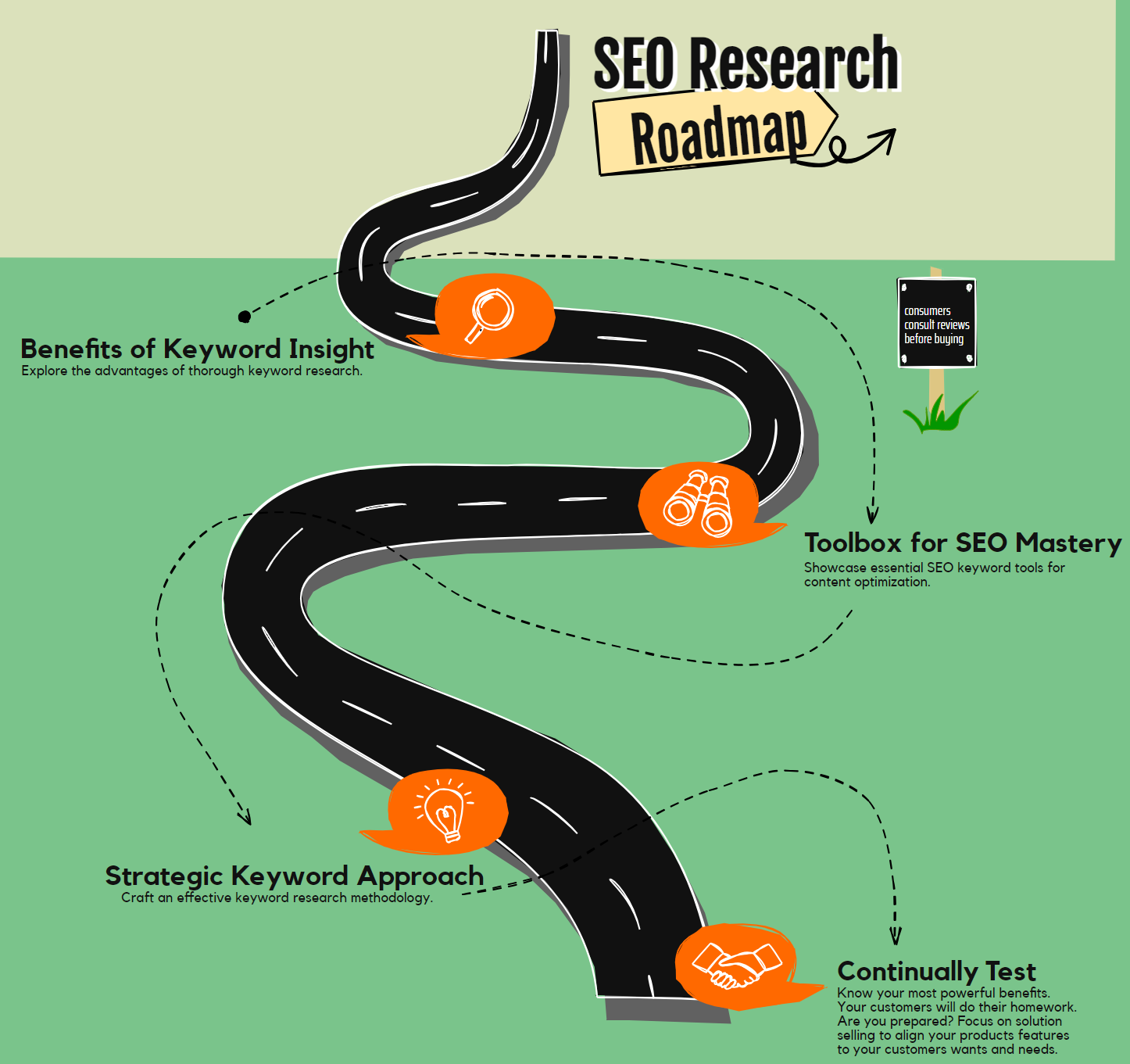
What Are The Risks Of Over-Relying On AI For Visual Content Creation?
What Are The Risks Of Over-Relying On AI For Visual Content Creation?
- The rise of AI in visual content creation offers potential benefits, including reduced effort and increased output.
- Over-reliance on AI tools may compromise the emotional depth and personal touch in creative works.
- AI-generated visuals risk homogenization, potentially leading to a lack of unique voices and diverse artistic styles.
- There are ethical dilemmas regarding authenticity and ownership of art when automated systems are heavily used.
- Human intuition and emotional storytelling cannot be replaced by technology, raising questions about artistic integrity.
- Outsourcing creativity to AI may diminish human expression in storytelling and the arts.
- The future of visual content should integrate AI while preserving personal flair and human touch.

What Are The Risks Of Over-Relying On AI For Visual Content Creation?
Conclusion
Visuals in blogging are not just supplementary; they are essential. In the cacophony of the internet, a striking image can slice through the noise and capture the elusive attention of readers. AI-generated visuals have the potential to transform the ordinary into the extraordinary, engaging the heart, stimulating the mind, and inspiring the gut. Imagine wandering through your favorite blog and encountering a graphic that resonates so profoundly it evokes not just understanding but emotion—recognition of your own experiences translated into visual form.
However, this isn’t just about aesthetics. It goes deeper into the essence of authenticity and trust. Every image tells a story about the blog’s values and mission. Audiences today crave genuine connection, and visuals that reflect true narratives foster that bond. Engaging responsibly with AI-generated aesthetics means understanding the implications of biases embedded in the algorithms that produce them. Each choice in visual representation impacts how readers perceive reality, making deliberation and inclusivity crucial not only for the creator’s integrity but for the audience’s sense of belonging.
Yet, reliance on these tools comes with risks. Over-reliance can lead to a homogenized experience, losing the unique touch that human artistry brings. When creativity becomes automated, we stand the risk of sacrificing the heartfelt narratives that connect us. This technological dance demands balance. It challenges creators to merge creativity with technology while ensuring their voice remains strong and distinct.
The responsibility in this dialogue extends beyond creators to audiences who must demand authenticity, diverse representation, and ethical use of technology. This synergy of passion, innovation, and ethics is not just a conversation; it’s a movement—an invitation to leverage technology to amplify our shared humanity rather than replace it.
It’s time to awaken to the transformative power of AI in visual storytelling, using it thoughtfully to inspire action, ignite discussions, and nurture community. As you embark on your blogging journey with AI-generated visuals, remember: it’s not just pixels or code; it’s about crafting experiences that resonate with readers on every level. Embrace the opportunity to elevate your narrative, capture your audience’s hearts, and ultimately stand as a beacon of authenticity in a digital landscape hungry for connection. Your story deserves to be told—let the visuals lead the charge!

Conclusion
Conclusion:
- Visuals are essential in blogging, cutting through online noise to capture reader attention.
- AI-generated visuals can transform ordinary content into emotionally engaging experiences.
- Images reflect a blog’s values and mission, fostering genuine connections with audiences.
- Responsibility in using AI-generated aesthetics includes understanding embedded algorithmic biases.
- Over-reliance on automation risks losing unique human artistry and heartfelt narratives.
- Creators and audiences share the responsibility to demand authenticity and ethical technology use.
- AI in visual storytelling should be used thoughtfully to inspire action and nurture community connections.

Conclusion
Other Resources

Other Resources
Here is a list of other resources you can review online to learn more:
- Twitterbio.com
- Bemyeyes.com
- Replika.ai
- Evernote
- Pollinations.ai
- Writesonic.com
- Dreamstudio.ai
- Lexica.art
- Readyplayer.me
- Sitekick.ai
- Onceuponabot.com
- Magnolia
- Senuto.com
- Slidesai.io
- Reclaim.ai
- Google Docs
- Deepagency.com
- Elai.io
- Sendsteps.com
- Magicstudio.com
Use This Prompt To Get More Resources With Your Favorite Online AI Tool: Please provide me with a list of online articles with their URLs in a bulleted list that I can read regarding Strategic Guide to AI-Generated Visuals In Blogging

Other Resources
Glossary Terms
Strategic Guide to AI-Generated Visuals In Blogging – Glossary Of Terms
1. AI (Artificial Intelligence): The simulation of human intelligence processes by machines, especially computer systems, used for generating content and visuals.
2. Automation: The use of technology to perform tasks with minimal human intervention, streamlining the blogging process.
3. Visuals: Images, graphics, or videos used to enhance content and engage readers in a blog.
4. Content Generation: The process of creating written or visual material for blogs using various tools, including AI.
5. Machine Learning: A subset of AI that enables systems to learn and improve from experience without being explicitly programmed.
6. Generative Design: A methodology that uses algorithms to create visual designs based on set parameters.
7. Deep Learning: A type of machine learning involving neural networks that can analyze complex data patterns for visual generation.
8. Natural Language Processing (NLP): The capability of AI to understand and generate human language, often used in content creation.
9. Data Visualization: The graphical representation of data to convey information clearly and efficiently in a blog.
10. Creative Commons: A licensing framework that allows creators to share their work legally, often used for visuals in blogging.
11. Stock Images: Pre-existing photographs or illustrations available for licensing and use in blog posts.
12. Plagiarism: The unauthorized use or representation of someone else’s work as one’s own, critical to avoid in blogging.
13. Copyright: Legal protection for original works of authorship, ensuring creators have rights over their visual content.
14. User Experience (UX): The overall experience a reader has when interacting with a blog, heavily influenced by visuals.
15. Branding: The process of creating a unique identity for a blog, often enhanced through consistent visual themes.
16. Infographics: Graphic visual representations of information or data, used to simplify complex ideas.
17. Illustrations: Hand-drawn or digitally created graphics that accompany text to provide clarity or enhance storytelling.
18. Responsive Design: An approach to web design that ensures a blog’s visuals adapt to various screen sizes and devices.
19. A/B Testing: A method of comparing two versions of content (like visuals) to determine which performs better.
20. SEO (Search Engine Optimization): Strategies used to increase a blog’s visibility on search engines, where visuals play a significant role.
21. Engagement Metrics: Measurements used to assess how users interact with blog content, including visuals.
22. Cross-Media Platforms: Various social media and digital platforms where visuals can be shared to promote a blog.
23. Visual Storytelling: The practice of using images or graphics to tell a story and convey messages more effectively.
24. Color Theory: The study of how colors affect human behavior and perception, crucial for effective visual design.
25. User-Generated Content: Visuals or articles created by readers or fans of a blog, encouraging community interaction.
26. Photo Editing: The process of altering images to enhance their quality or fit a specific aesthetic for blogging.
27. 3D Graphics: Visuals created in three dimensions that can add depth to a blog’s content.
28. Curation: The process of selecting and organizing visuals or content from various sources to present in a blog.
29. Augmented Reality (AR): Technology that superimposes digital visuals onto the real world, providing immersive blogging experiences.
30. Virtual Reality (VR): A simulated experience that can be similar or completely different from the real world, offering innovative content presentation in blogging.

Glossary Of Terms
Other Questions
Strategic Guide to AI-Generated Visuals In Blogging – Other Questions
If you wish to explore and discover more, consider looking for answers to these questions:
- What types of AI-generated visuals are most effective for bloggers?
- How can one choose the right AI tool for generating visuals?
- What are some best practices for incorporating AI visuals into blog posts?
- Are there specific guidelines for ethical use of AI-generated images?
- How can bloggers ensure that AI-generated visuals align with their brand identity?
- What impact do AI-generated visuals have on SEO and user engagement?
- How can biases in AI-generated visuals be mitigated?
- What are the long-term implications of AI usage in creative fields?
- How do audiences distinguish between authentic and AI-generated content?
- What are the potential legal issues related to AI-generated images?
- How can bloggers measure the effectiveness of their AI-generated visuals?
- What are the most common mistakes to avoid when using AI in visual content creation?
- How do cultural differences impact the perception of AI-generated visuals?
- What role do personal stories play in the effectiveness of AI-generated images?
- How can feedback from readers influence future use of AI visuals in blogging?

Other Questions
Haiku
Strategic Guide to AI-Generated Visuals In Blogging – A Haiku
Craft with heart and intent,
AI weaves images bright—
Yet, soul guides the hand.

Haiku
Poem
Strategic Guide to AI-Generated Visuals In Blogging – A Poem
In the realm where words dance and stories unfold,
Visuals emerge, vibrant and bold.
With AI’s brush, colors burst forth,
Striking chords in hearts, shifting the earth.
Images breathe life into tales we weave,
Not mere sprinkles, but the core that we believe.
Through pixels and patterns, deeper connections spark,
We share our souls, igniting the dark.
Ethics rise, like shadows at dawn,
Are these creations real, or are they withdrawn?
In every stroke, a narrative waits,
We must guard the truth and question our fates.
Each AI-crafted piece, a gateway we tread,
Inviting dialogues on what lies ahead.
Is authenticity lost in this digital sweep?
Or can it echo the stories we keep?
With every visual born from machine’s code,
Let’s ensure the heart and spirit corrode not.
For a world rich in colors demands our embrace,
Where technology and humanity intertwine in grace.
So tread thoughtfully on this vibrant thread,
Balance the dance of heart, mind, and lead.
Craft with passion, let your voice still ring true,
As we forge connections, both old and new.
Visuals can stir, evoke, and unite,
Fueling actions that spark brilliant light.
In this age of AI, let’s rise and engage,
Creating a tapestry that weaves every page.

Poem
Checklist
Strategic Guide to AI-Generated Visuals In Blogging – A Checklist
Checklist for Maximizing Impact with AI-Generated Visuals in Blogging
Emotional Appeal:
_____ Identify visuals that resonate emotionally with your audience.
_____ Use imagery to evoke feelings and create an emotional bond with readers.
_____ Include visuals that reflect relatable experiences, struggles, and triumphs.
Rational Appeal:
_____ Gather data on the effectiveness of visuals in enhancing engagement.
_____ Choose visuals that clarify complex ideas and make information accessible.
_____ Ensure visuals are optimized for performance and accessibility on all devices.
Ethical Appeal:
_____ Consider copyright, representation, and bias in AI-generated visuals.
_____ Ensure that visuals maintain authenticity and truthfulness.
_____ Promote diverse representation in images to foster inclusivity.
Authority Appeal:
_____ Share insights backed by research about the impact of visuals on attention and recall.
_____ Include expert opinions on the importance of ethical visual content creation.
_____ Establish your own authority by being transparent about the use of AI in your visuals.
Narrative Appeal:
_____ Integrate visuals that enhance and enrich the storytelling aspect of your blog.
_____ Choose images that complement and amplify the narrative message.
_____ Create a visual story that aligns with your overall blog themes and tone.
Social Appeal:
_____ Encourage sharing and conversation around your visuals on social media.
_____ Foster a sense of community through relatable imagery that resonates with your audience.
_____ Invite feedback and dialogue about the visuals presented on your blog.
By leveraging this checklist, you can effectively use AI-generated visuals to enhance your blogging experience, creating a more engaging, authentic, and impactful connection with your audience.

Checklist
At WebsiteBloggers, we help website bloggers develop strategies to create content, traffic, and revenue from website blogs based on our experiences and experimentation.
Be sure to read our other related stories at WebsiteBloggers and share this article with your friends, family, or business associates who run website blogs.