Inspiring A Generation Of Tech-Savvy Innovators
By Tom Seest
At WebsiteBloggers, we help website bloggers develop strategies to create content, traffic, and revenue from website blogs based on our experiences and experimentation.
Be sure to read our other related stories at WebsiteBloggers and share this article with your friends, family, or business associates who run website blogs.
Teaching Kids to Think Phone First In Digital Creation
In our fast-paced, screen-drenched world, where the glow of a phone often takes precedence over face-to-face conversations, it’s crucial that we guide our kids to think “phone first” when it comes to digital creation. This isn’t about replacing traditional media, but rather enhancing it. Imagine a child who sees a challenge and instinctively reaches for their mobile device, not just for social media or games, but for creation—crafting videos, designing graphics, or even coding a simple app.
By teaching kids to harness the power of their phones for creative expression, we are arming them with tools that could one day lead to innovation. This isn’t just a passing trend; it’s a necessity. The world is crying out for original voices now more than ever. Youngsters who can articulate their ideas through digital mediums will find their paths paved with opportunity. It’s an investment in their potential, teaching them that their unique perspective matters.
And let’s not forget the ethics underlying our digital age. Encouraging kids to create thoughtfully can open up conversations about responsible content creation and the impact it has on not just their peers but society at large. Instilling a sense of responsibility alongside creativity is vital in shaping them into not just creators but informed citizens.
Perhaps the most compelling narrative arises when we look at the connections that can be forged through this digital canvas. Picture a young artist in your neighborhood, crafting a digital mural that resonates with their community’s heritage. Their phone becomes a bridge, linking them to the world outside, cultivating empathy and understanding in a space that might often feel isolating. It’s a potent tool for social change and cohesion, and it’s right there in the palms of their hands.
Feeling that burn in your gut? That’s the calling and urgency to act. Start encouraging creativity today—help a child draft a blog or create a mini documentary on a topic they care about. The Internet is thriving with potential, but it’s only as strong as the creators behind it. The more we foster these capabilities in our youth, the more confidence they gain, and the more we can trust them to shape a better tomorrow. So go ahead, spark that desire for discovery and invention. The future is bright, and it’s ready to be created—one phone at a time.

Teaching Kids to Think Phone First In Digital Creation
Teaching Kids to Think Phone First In Digital Creation
- Encourage kids to adopt a “phone first” mentality for digital creation rather than just for entertainment.
- Utilize mobile devices for creative projects like video crafting, graphic design, and coding.
- Fostering creative expression through phones can lead to innovation and career opportunities.
- Teach children the importance of responsible content creation and its societal impact.
- Digital platforms can help establish connections, fostering empathy and understanding in communities.
- Encourage kids to engage in creative projects, such as writing blogs or creating documentaries.
- Investing in youth creativity not only builds confidence but also prepares them to contribute positively to the future.

Teaching Kids to Think Phone First In Digital Creation
Table Of Contents
- Teaching Kids to Think Phone First In Digital Creation
- What Digital Skills Do Our Kids Truly Need for the Future?
- How Can We Foster Creativity In Our Children Through Mobile Tech?
- Are We Adequately Preparing Kids for a Mobile-First World?
- What Ethical Considerations Should Guide Kids In Digital Creation?
- How Do We Ensure Kids Use Technology to Connect, Not Isolate?
- What Stories Can We Share to Inspire Kids In Mobile Digital Creation?
- How Can Parents Model Responsible Phone Use In Creative Projects?
- Conclusion
- Other Resources
- Glossary Of Terms
- Other Questions
- Haiku
- Poem
- Checklist
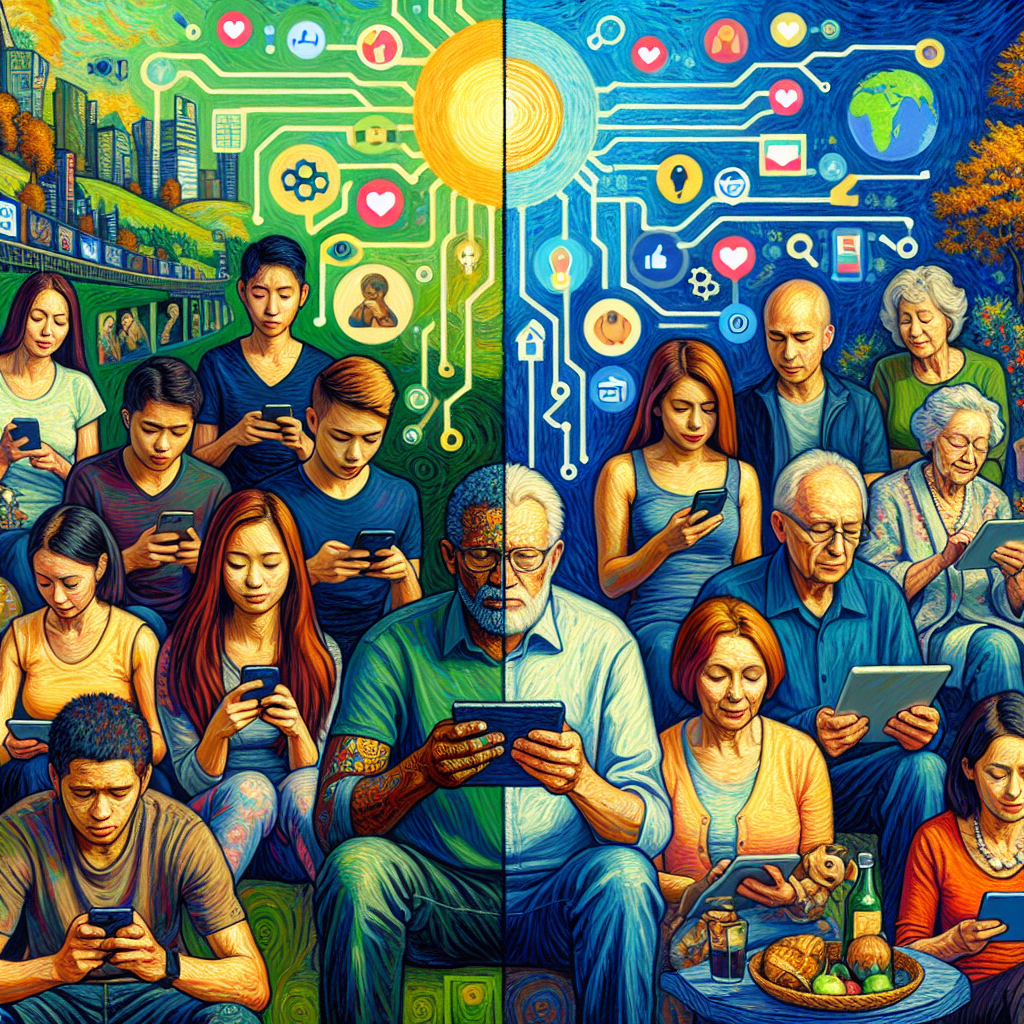
What Digital Skills Do Our Kids Truly Need for the Future?
In today’s fast-paced landscape, we can’t afford to sit back and hope our kids will “figure it out.” We must be proactive in steering them toward the skills they truly need to navigate the digital waters of the future. The answer lies not just in coding or social media savvy; it dives deeper into creativity, critical thinking, and empathy. These are the skills that will ignite their passion and empower their future.
Think about the world our kids will inherit. It’s not merely a tapestry of technology but an intricate web of human connection and innovation. Consider this: as automation rises, the jobs of tomorrow may very well require a blend of technical expertise and incredibly human traits. A child who knows how to write code but lacks emotional intelligence is like a ship equipped with a compass but no anchor. They may sail, but when the storms hit—and they will—they may find themselves lost.
So, what do we do? We start by fostering a culture of curiosity and resilience in our homes and communities. Encourage your children to ask questions, challenge norms, and embrace failure as a stepping stone rather than a stumbling block. Use everyday moments to highlight these virtues—whether it’s brainstorming solutions to a problem or discussing ethical dilemmas they might encounter online. Sure, they can learn to navigate a website or start a blog, but can they understand the impact of their words or the validity of their sources? That’s the crux of it.
You see, teaching digital skills is not just about understanding technology. It’s about developing a sense of responsibility. We owe it to our children to ensure they can operate well within the digital realm and, more importantly, understand that their actions carry weight. This builds trust and confidence in their capabilities, shaping them into not just consumers, but creators and leaders.
Have conversations about the implications of technology, share stories of those who’ve successfully navigated these waters, and show them the importance of collaboration in the digital age. In a world that often feels divided, learning to connect genuinely and respectfully is not just a skill—it’s a lifeline. As we look ahead, let’s empower our kids to not just keep pace but to lead with purpose and compassion. The future is theirs to build—let’s equip them with the right tools and the heart to make it count.

What Digital Skills Do Our Kids Truly Need for the Future?
What Digital Skills Do Our Kids Truly Need for the Future?
- Be proactive in teaching children essential skills for navigating the digital future.
- Focus on creativity, critical thinking, and empathy, not just technical skills.
- Understand that future jobs will require a mix of technical expertise and human traits.
- Foster a culture of curiosity and resilience in homes and communities.
- Encourage children to ask questions, challenge norms, and embrace failure.
- Teach digital skills with an emphasis on responsibility and the impact of their actions.
- Promote collaboration and genuine connections in a divided world.
What Digital Skills Do Our Kids Truly Need for the Future?
How Can We Foster Creativity In Our Children Through Mobile Tech?
In this fast-paced world, where the flicker of screens can overshadow the laughter of children, we find ourselves at a crossroads. We can either let mobile technology be the master of our youth, or we can transform it into a powerful tool for creativity. The heart of every parent beats with the desire to nurture their child’s imagination, and the answer lies within our grasp—if we’re willing to embrace it wisely.
Picture your child, eyes wide with wonder, engaged in a world that allows them to explore their creativity without bounds. Mobile tech is not just a source of entertainment; it’s a full-fledged canvas waiting for the strokes of youthful ingenuity. Imagine your kids coding their first video game, designing an app that solves a problem they care about, or even creating a short film that shares a story crucial to their hearts. This is not the stuff of science fiction; it’s happening right now in classrooms and homes across the globe.
But let’s be clear: with great power comes great responsibility. The ethical consideration of how we guide our children through this digital landscape is paramount. A balance is required—one where technology enhances learning without replacing the crucial human experiences that shape empathy and creativity.
When we integrate mobile tech into their lives mindfully, we open avenues for collaboration. Think about it: your child can connect with peers from different cultures, share their creations, and receive feedback that challenges them to grow. As they share their work on platforms designed for creativity, they participate in a larger narrative—a tapestry of ideas and inventions woven together by children much like themselves.
Fostering this interconnectedness reinforces their sense of belonging, assuring them that they are part of a vast, vibrant community. It inspires them to invent, to dream, and to dare to express themselves uniquely. They learn not only to use technology but to master it—transforming a potential distraction into an invitation for imagination.
In this ever-evolving digital age, let’s be those guiding hands, nurturing creativity through mobile tech. It’s time to give our children the tools they need to dream big and build bold futures. By wielding technology wisely, we’re not just preparing them for a workforce; we’re crafting the innovators, storytellers, and artists of tomorrow. Embrace this change, and let’s walk this journey together, fostering a generation brimming with creativity and purpose.

How Can We Foster Creativity In Our Children Through Mobile Tech?
How Can We Foster Creativity In Our Children Through Mobile Tech?
- Mobile technology presents a choice: allow it to dominate youth or harness it as a creative tool.
- Parents desire to nurture their child’s imagination, which can be achieved through mindful tech engagement.
- Kids can engage with mobile tech by coding games, designing apps, and creating films, fostering their creativity.
- There is a need for ethical guidance to ensure technology enhances learning without replacing essential human experiences.
- Mindful integration of mobile tech opens avenues for collaboration and connection with peers across cultures.
- Encouraging sharing and feedback on creative platforms reinforces a child’s sense of belonging and community.
- By embracing mobile technology wisely, we prepare our children to become the innovators and creators of the future.

How Can We Foster Creativity In Our Children Through Mobile Tech?
Are We Adequately Preparing Kids for a Mobile-First World?
In a world where a child’s first interaction often involves swiping on a screen rather than turning the pages of a book, we must ask ourselves: Are we truly preparing the next generation for what’s to come? The truth is, those little hands tapping on shiny devices are not just playing games; they are learning to navigate a mobile-first universe that will shape their futures in ways we can’t always predict. The challenge isn’t merely about understanding technology; it’s about building the resilience and critical thinking skills that ensure they thrive in this rapidly changing landscape.
Imagine a classroom where curiosity blooms, ignited by collaboration instead of passive consumption. Look into the eyes of our children as they engage with technology not just as users, but as creators, innovators, and problem solvers. Each tap on the screen could signify a spark of creativity that leads to a world-changing idea. But there’s a caveat. If children become merely spectators to the digital age, we risk leaving them adrift on a sea of shallow information, lacking the depth needed to seek meaningful connections and solutions in their lives.
When we think about our role as educators, parents, and community members, we confront an ethical responsibility. Are we equipping our young minds with not just the tools of technology, but also the emotional intelligence to navigate its complexities? Instilling values of empathy, respect, and accountability alongside digital literacy fosters a generation prepared to tackle diverse challenges. It’s a call to action where the integration of ethics into our teaching methods shapes thought leaders who respect the weight of their influence.
We hold within our grasp the means to shape a future where technology serves humanity, not the other way around. Imagine a world where our children, armed with both skills and values, move confidently into adulthood. The stakes are real, and the time for action is now. Let’s move beyond mere conversations on a website or blog, and towards tangible changes in our homes, schools, and communities. Embrace collaboration, ignite passion for learning, and take steps today to ensure our children are not just passengers on this mobile journey, but confident navigators charting their own paths for tomorrow.

Are We Adequately Preparing Kids for a Mobile-First World?
Are We Adequately Preparing Kids for a Mobile-First World?
- Children’s first interactions often involve screens instead of books, raising concerns about future preparedness.
- Learning to navigate a mobile-first world is essential for children, encompassing more than just technological understanding.
- Education should focus on building resilience and critical thinking skills to help children thrive in a changing landscape.
- Classrooms should encourage creativity and collaboration instead of passive consumption of information.
- There is a risk of children becoming mere spectators in the digital age, lacking depth in seeking meaningful connections.
- Educators and parents have an ethical responsibility to instill emotional intelligence along with digital literacy in children.
- Action is needed now to ensure children are prepared as confident navigators of technology, rather than passive participants.

Are We Adequately Preparing Kids for a Mobile-First World?
What Ethical Considerations Should Guide Kids In Digital Creation?
Diving into the digital landscape can feel like stepping into a vast frontier, one where kids unleash their creativity and ideas at the speed of a click. But with that power comes responsibility, and it’s vital for young creators to understand the ethical implications of their digital creations. This isn’t just about getting it right; it’s about fostering a commitment to integrity that resonates throughout their lives, much like the values that guide us in our everyday actions.
Think about it—the digital world is an extension of ourselves. Every blog post, video, or piece of art tells a story, and those stories impact not just the creator but everyone who encounters them. When kids craft content, they should consider the feelings of others. Is their work uplifting, or does it cast shadows? Do they respect the diversity of voices beyond their own, or do they unintentionally silence them? Empathy should be at the heart of digital creation, turning mere content into a bridge connecting souls, fostering a sense of community.
Now, let’s engage the mind. Familiarize young creators with questions that challenge them to think critically: Is the information they present factual? Are they quoting sources accurately? These questions should guide their decision-making, nurturing a sense of intellectual integrity akin to a scholar’s commitment to truth. By instilling curiosity and a thirst for responsible storytelling, we build a foundation of knowledge and respect.
But don’t underestimate the gut feeling. Every kid knows when they’ve crossed a line, whether it’s sharing something private or mocking someone publicly. We need to cultivate a keen sense of right and wrong, reinforcing that ethical choices often arise from instinct. Encourage them to pause, to reflect, and to ask whether their digital footprint aligns with their values. This is not just about following rules but igniting an inner compass that points toward authenticity and respect.
As the digital world evolves, so does our role as mentors and guides. By setting examples of ethical behavior and discussing these challenges openly, we equip our kids with the tools to navigate the complexities of online life confidently. The decisions they make in their digital creations are theirs to own; empower them to create not just with skill but with heart, mind, and conscience. In doing so, we foster a generation of creators who not only contribute but uplift, bringing forth stories that resonate and connect us all.

What Ethical Considerations Should Guide Kids In Digital Creation?
What Ethical Considerations Should Guide Kids In Digital Creation?
- Diving into the digital landscape allows kids to express creativity quickly but requires a sense of responsibility.
- Young creators should understand the ethical implications of their digital work, fostering integrity in their actions.
- The digital world reflects the creator, impacting not only themselves but also others who engage with their content.
- Empathy should be central to digital creation, encouraging uplifting content and respect for diverse voices.
- Young creators must ask critical questions about their content, aiming for factual accuracy and intellectual integrity.
- Cultivating a strong moral compass helps kids recognize ethical boundaries in their online interactions.
- Mentorship plays a crucial role in guiding kids to navigate digital complexities with confidence and heart.

What Ethical Considerations Should Guide Kids In Digital Creation?
How Do We Ensure Kids Use Technology to Connect, Not Isolate?
In today’s high-tech landscape, we’ve woven screens into the fabric of our daily lives, but it’s crucial to ask: Is this fabric keeping our kids warm and snug, or has it turned into a cold, isolating cage? Picture a child spending hours on a gadget, the glow of the screen illuminating their face while the world outside hushes into a distant memory. We have to fight for connection — not just the kind that comes with likes and followers, but the genuine engagement that warms hearts.
Imagine your kid coming home from school and sharing a story not from a favorite game but from a lively FaceTime call with their cousin halfway across the country. This isn’t just technology; it’s a bridge — a bridge that requires your guidance to build and maintain. When children see technology as a tool for connection rather than isolation, they’re not just tapping into a screen; they’re tapping into the world around them. And that’s a lesson worth imparting.
To foster this genuine connection, we must be active participants in their digital journeys. Start by encouraging your kids to create. A family vlog or a blog about shared interests transforms screen time into a team effort, promoting creativity and cooperation. When they post a project online, they aren’t just presenting for the world; they’re inviting their friends and family to engage in their journey.
But we also need to talk ethics. As parents and guardians, we bear the weighty responsibility of modeling healthy tech habits. Let’s not just preach balance — let’s embody it. If your child sees you interacting with loved ones over video calls or sharing memories online with friends, it plants a seed that brings up the next generation differently: connected, not isolated.
Think about this: a simple act of participating together can create lifelong memories. Sitting down for a virtual family game night or collaborating on a community project shared online shatters the walls between screens and hearts. Don’t just monitor their use; immerse yourself in it. Your involvement sends an undeniable message: technology is used best when it brings us together.
By steeling our resolve and guiding our kids toward a healthy technology landscape, we can ensure that screens become the tools of connection rather than isolation. In this undertaking, we’ll build not only a brighter future for our children but a united community that thrives on shared experiences. Embrace the call for connection; let’s raise a generation skilled in both tech and togetherness.

How Do We Ensure Kids Use Technology to Connect, Not Isolate?
How Do We Ensure Kids Use Technology to Connect, Not Isolate?
- Screens are deeply woven into our daily lives, raising questions about their impact on children.
- Genuine engagement is essential, fostering heartwarming connections beyond social media likes.
- Encouraging children to use technology to connect, like through FaceTime calls, can enhance their social interactions.
- Active parental involvement in children’s digital journeys promotes creativity and cooperation through shared projects.
- Modeling healthy tech habits is crucial; parents should embody the balance they wish to instill in their children.
- Engaging together in digital activities can create lasting memories and strengthen family bonds.
- By guiding children towards healthy tech use, we can foster a community centered on connection and shared experiences.

How Do We Ensure Kids Use Technology to Connect, Not Isolate?
What Stories Can We Share to Inspire Kids In Mobile Digital Creation?
When we think about inspiring the next generation of digital creators, it’s not just about providing tools; it’s about sharing stories that stir the heart, ignite the mind, and resonate in the gut. Many great innovators didn’t just wake up one day as experts in mobile technology; their journeys have been paved with setbacks, triumphs, and a steadfast belief that every idea has the power to change the world.
Take the story of a young girl named Mia, who stumbled upon an old smartphone while clearing out her attic. Instead of letting it collect dust, she saw a canvas—an opportunity. With a few online tutorials, she transformed that disused device into a filmmaking powerhouse, capturing her neighborhood’s hidden gems and crafting tales that echoed with authenticity. Her work didn’t just entertain; it connected her community, allowing voices that were often overshadowed to shine.
Imagine a young boy, Amir, who used simple coding apps on his tablet to create an interactive storybook about his cultural heritage. With every tap of the screen, he unveiled rich traditions and sparked conversations in his classroom. Not only did he foster cultural pride among his peers, but he also learned valuable skills in storytelling and digital design. Mia and Amir are just two examples of how ordinary kids can harness technology to illustrate extraordinary dreams.
The emotional grip of storytelling is powerful; it fosters empathy and walks us through the struggles and triumphs of others. These narratives remind us that it’s okay to stumble, that growth often sprouts from failure. Ethically, we can encourage our kids to harness their platforms for meaningful dialogue—an endeavor society needs now more than ever.
Let’s not overlook the authority in these stories; they come from lived experiences, showcasing that even small beginnings can lead to impactful changes. By sharing such accounts on a website or blog, we create a treasure trove of inspiration, making it accessible for kids to explore their passions.
It’s crucial to recognize that each one of these stories is more than just a tale—it is an invitation to connect, to create, and to innovate. When children hear of the triumphs and trials faced by their peers, they’re not just motivated; they’re empowered. Let’s encourage them to pick up their devices, tap into creativity, and start their own journey. Because in every corner of the digital realm lies a world waiting to be shaped by the fearless, the curious, and the audacious. Let’s inspire them to begin.

What Stories Can We Share to Inspire Kids In Mobile Digital Creation?
What Stories Can We Share to Inspire Kids In Mobile Digital Creation?
- Inspiring the next generation of digital creators involves storytelling, not just providing tools.
- Innovators’ journeys are filled with setbacks, triumphs, and belief in their ideas’ impact.
- Mia transformed an old smartphone into a filmmaking tool, connecting her community and highlighting overlooked voices.
- Amir used coding apps to create an interactive storybook, celebrating his cultural heritage and fostering pride among peers.
- Storytelling promotes empathy and demonstrates that failure can lead to growth.
- Sharing stories online creates accessible inspiration, encouraging kids to explore their passions.
- Each story serves as an invitation for children to connect, create, and innovate in the digital realm.

What Stories Can We Share to Inspire Kids In Mobile Digital Creation?
How Can Parents Model Responsible Phone Use In Creative Projects?
In an age where every ding and ping from a smartphone can summon our attention, parents have a unique opportunity to shape how their children interact with technology. Modeling responsible phone use, especially in the realm of creative projects, begins right at home. Imagine a Saturday morning where the kitchen table is strewn with art supplies. Your child paints with wild abandon, while you’re engrossed in your own creative endeavor—perhaps writing a blog post or designing a welcome message for your family’s new website. In this moment, you’re setting the stage for a dynamic interplay of learning and expression.
Children are keen observers, often mimicking the behaviors they see. When parents engage thoughtfully with their devices, it teaches kids that phones can be more than distractions; they can be powerful tools for creativity. Show them how you research artistic techniques, share ideas on forums, or even capture footage for a video project. Every time you prioritize these creative tasks, you reinforce that there’s a place for phones—in moderation and with clear intent.
By respecting designated phone-free times, parents can highlight the importance of nurturing relationships and focusing on the task at hand. A family meeting about a weekend project can become a powerful narrative of collaboration. Encourage your child to lead discussions about their artistic vision and use your device only to gather information or inspiration when needed. This reinforces a sense of shared purpose and responsibility.
Let’s not forget the ethical angle. By demonstrating that technology should serve our creativity rather than hinder it, parents instill values of mindfulness and responsibility. When your child sees you setting boundaries around phone use, they learn to do the same. Compliment their efforts, celebrating the outcome of their hard work. This builds trust and confidence, encouraging more innovative endeavors in the future.
So, next time you finish a project or share a moment of inspiration, use it as a teaching moment. Discuss what it means to prioritize creativity over mindless scrolling. Through your actions, you are not just promoting responsible phone use; you are nurturing a creative spirit in your child that will thrive on genuine interaction and imaginative exploration. Embrace this responsibility, and together, unleash a world of creative possibilities where technology enhances rather than distracts.

How Can Parents Model Responsible Phone Use In Creative Projects?
How Can Parents Model Responsible Phone Use In Creative Projects?
- Parents have the opportunity to shape children’s interactions with technology through modeling responsible phone use.
- Engaging in creative projects together fosters a dynamic interplay of learning and expression.
- Children observe and mimic parental behaviors, so thoughtful device usage teaches them to view phones as tools for creativity.
- Setting designated phone-free times emphasizes the importance of relationship cultivation and focused activities.
- Encouraging children to lead discussions during family projects reinforces shared purpose and responsibility.
- Demonstrating mindful technology use instills values of creativity and boundary-setting in children.
- Use completed projects as teaching moments to prioritize creativity over mindless scrolling and nurture imaginative exploration.

How Can Parents Model Responsible Phone Use In Creative Projects?
Conclusion
In a world dominated by screens and digital interactions, we have the extraordinary opportunity to redefine how our children engage with technology. It’s not about shoving devices into their hands and hoping for the best; it’s about guiding them to harness these tools for creativity, connection, and meaningful expression. Encouraging our kids to think of their phones as instruments for creation rather than mere distractions can empower them to carve out their unique voices in a bustling digital landscape.
Imagine a future where children don’t just swipe through apps for entertainment but use their devices to craft compelling stories, design innovative solutions, and become active participants in their communities. We’re looking at a generation poised to lead with creativity and empathy, reversing the tide of isolation that technology can sometimes bring. It is our moral imperative to teach them not just the mechanics, but the ethics of digital creation—fostering a sense of responsibility for what they share online, and understanding the impact their work can have.
Every tap on the screen can represent a spark of potential; it can be a gateway to profound connection or a pathway to deeper understanding. By promoting collaboration and genuine interaction through tech, we can nurture a culture of curiosity rather than one of competition or consumption. This isn’t mere fluff; it’s about instilling resilience, critical thinking, and emotional intelligence in our children, fortifying them against the storms of a digital world that can be unpredictable and often harsh.
As we embark on this journey, let’s take inspiration from the remarkable stories of young innovators who have transformed simple ideas into powerful digital narratives. Their stories show us that creativity knows no bounds, and the impact of their work reverberates far beyond the screen. They embody the notion that success isn’t reserved for the “tech-savvy” but is accessible to anyone willing to engage with their imagination.
Ultimately, it boils down to us—parents, educators, and mentors—to model the responsible use of technology in our own lives. Let’s make it a point to prioritize creative exploration, set thoughtful boundaries around device use, and engage in conversations that promote deeper connections. The future is ripe with potential; let’s equip our children with the tools to mold it responsibly, ensuring they emerge not just as consumers of technology, but as innovators and heartfelt creators. So let’s take that leap together; the possibilities are endless, and the journey starts now—one informed tap at a time.

Conclusion
Conclusion:
- Opportunity to redefine how children engage with technology beyond mere device usage.
- Encouragement for children to view devices as tools for creativity and meaningful expression.
- Vision of a future where children create compelling stories and solutions using technology.
- Moral imperative to teach the ethics of digital creation and responsibility regarding online sharing.
- Promotion of collaboration and interaction through technology to foster a culture of curiosity.
- Inspiration from young innovators demonstrating the power of creativity in the digital space.
- Call to action for parents and educators to model responsible technology use and prioritize creative exploration.

Conclusion
Other Resources

Other Resources
Here is a list of other resources you can review online to learn more:
- Drinkwater.ai
- Picsart.com
- Eightfold.ai
- Rasa.com
- Krisp.ai
- Lexica.art
- Simplified AI Blog Writer
- Melody.ml
- Chatfai.com
- SurveyMonkey
- Smodin.io
- Palette.fm
- Googpt.ai
- Typingmind.com
- Descript.com
- Netguru.com
- Pexels
- Gamma.app
- Ahrefs
- Fingerprintforsuccess.com
Use This Prompt To Get More Resources With Your Favorite Online AI Tool: Please provide me with a list of online articles with their URLs in a bulleted list that I can read regarding Teaching Kids to Think Phone First In Digital Creation

Other Resources
Glossary Terms
Teaching Kids to Think Phone First In Digital Creation – Glossary Of Terms
1. Digital Literacy: The ability to effectively use technology and the internet to communicate, find information, and create content.
2. Digital Citizenship: Understanding the appropriate behavior and responsibilities while using digital tools and the internet.
3. User Interface (UI): The design and layout of a digital platform that enables users to interact with software applications or websites.
4. User Experience (UX): The overall experience of a person using a digital product, focusing on ease of use and satisfaction.
5. Mobile Optimization: Adjusting websites or applications to ensure they function well on smartphones and tablets, providing an optimal user experience.
6. Graphic Design: The art of creating visual content to communicate messages using typography, images, and colors.
7. Content Creation: The process of producing and publishing various types of content, such as videos, blogs, or social media posts.
8. Coding: The practice of writing instructions for computers using programming languages to create software or applications.
9. App Development: The process of designing and creating applications specifically for mobile devices.
10. Prototyping: Building a preliminary model of a digital product to test and evaluate its features and functionality.
11. Cloud Storage: A service that allows users to store data on remote servers accessible via the internet, facilitating easy access and sharing.
12. Social Media: Online platforms that allow users to create, share, and interact with content and other users.
13. Interactive Media: Digital content that allows users to actively engage and participate, often through games or apps.
14. Screen Time: The amount of time spent using devices with screens, such as computers, tablets, or smartphones.
15. Digital Footprint: The traceable data that users leave behind while using the internet, including social media activity and browsing history.
16. Cybersecurity: Measures and practices designed to protect computer systems and networks from digital attacks and unauthorized access.
17. Collaborative Tools: Software applications that enable multiple users to work together on projects in real time, often through the internet.
18. Multimedia: The integration of different content forms, such as text, audio, images, and video, to convey information.
19. Feedback: Responses or critiques provided on digital content, helping creators make improvements or adjustments.
20. Digital Portfolio: A collection of digital works showcasing an individual’s skills, projects, and accomplishments.
21. Augmented Reality (AR): Technology that overlays digital information or images onto the real world, often accessible through mobile devices.
22. Virtual Reality (VR): A simulated experience that can mimic or differ from the real world, often requiring special headsets.
23. Blogging: The act of creating and maintaining a blog, a platform for sharing thoughts, opinions, and information on various topics.
24. SEO (Search Engine Optimization): Techniques used to optimize website content to increase its visibility on search engines.
25. Podcasting: The creation of audio episodes that can be streamed or downloaded, often focusing on specific topics or themes.
26. Web Design: The process of creating the visual layout and functionality of websites to enhance user interaction.
27. Content Management System (CMS): Software that allows users to create, manage, and modify digital content easily.
28. Gamification: The application of game design elements in non-game contexts to engage and motivate users.
29. Infographics: Visual representations of information or data designed to make complex information easily understandable.
30. Mobile Apps: Software applications specifically designed to run on mobile devices, providing various functionalities and services.

Glossary Of Terms
Other Questions
Teaching Kids to Think Phone First In Digital Creation – Other Questions
If you wish to explore and discover more, consider looking for answers to these questions:
- What specific digital skills should children focus on developing?
- How can parents and educators effectively integrate mobile tech into learning?
- What are some examples of projects that children can undertake using mobile technology?
- How can we assess the impact of mobile tech on children’s social skills?
- What strategies can families implement to promote healthy tech habits?
- How can schools incorporate ethical discussions about digital creation into their curriculum?
- What role do community resources play in supporting kids’ digital creativity?
- How do we balance screen time with other important activities for children?
- What are some success stories of young creators who have used mobile tech?
- How can we engage children in discussions about digital citizenship?

Other Questions
Haiku
Teaching Kids to Think Phone First In Digital Creation – A Haiku
Screens alight with dreams,
Kids weave threads of stories bright;
Craft a world of hope.

Haiku
Poem
Teaching Kids to Think Phone First In Digital Creation – A Poem
In a world aglow with screens so bright,
Where laughter fades, and shadows take flight,
We stand at a crossroads, how shall we guide?
To seize the tools that unite, not divide.
A child with a phone can craft a new tale,
Not just in the realm of the digital scale.
Imagine the spark when creation takes hold—
A mural of dreams, a story retold.
In every challenge, a chance to ignite,
With coding and crafting, they’ll learn to take flight.
Empathy reigns as they share what they feel,
Connecting with others, their voices reveal.
But along with the joy, let’s instill in their heart,
The ethics of making, a responsible start.
For every piece posted, each word that’s unfurled,
Shapes not just their future, but echoes through the world.
Let’s turn screens from prisons into canvases bright,
Where collaboration fosters both spirit and light.
Together as families, let’s weave a strong thread,
Promoting connection, where kindness is spread.
As the tides of tech flow, let’s not just abide,
But teach our young ones to surf, not to hide.
For the future is waiting, and it’s clear as can be,
A world crafted by creators, wild, wondrous, and free.

Poem
Checklist
Teaching Kids to Think Phone First In Digital Creation – A Checklist
Checklist for Teaching Kids to Think Phone First in Digital Creation
Heart
_____ Inspire Imagination: Encourage your child to explore their creativity by using their mobile devices for artistic expression—like creating videos or digital artwork.
_____ Foster Connection: Share stories of young creators who have used technology to connect with their communities, illustrating empathy and social impact.
_____ Celebrate Uniqueness: Remind kids that their unique perspectives are valuable and can lead to original contributions in the digital space.
Head
_____ Promote Critical Thinking: Engage in discussions about the ethical implications of digital content. Ask questions about the accuracy and impact of information they share.
_____ Encourage Problem Solving: Challenge your child to identify problems in their community and think of innovative solutions that can be executed through digital creation.
_____ Understand Responsibility: Teach them to consider the emotions of their audience and the societal effects of their digital footprint.
Gut
_____ Instill Ethical Awareness: Cultivate a strong internal compass by discussing moral scenarios in the digital realm. Encourage them to reflect on their values and decisions.
_____ Emphasize Mindfulness: Promote responsible phone use by encouraging kids to pause and think before sharing content. Make it a practice to consider how their actions align with their morals.
_____ Urge Action: Inspire kids to take concrete steps in their digital creation journeys. Suggest practical projects like starting a blog or collaborating on a community digital art piece.
Social
_____ Build Community: Encourage collaborative projects where kids engage with peers in their creative endeavors, strengthening bonds and collective creativity.
_____ Model Healthy Use: Demonstrate responsible phone habits yourself, showing that technology is a tool for connection and creativity, not isolation.
Authority
_____ Share Knowledge: Use resources, tutorials, and stories of successful young creators to guide and motivate kids in their digital creation efforts.
_____ Encourage Exploration: Promote learning through resources like online classes or workshops to build their skills and confidence in digital creativity.
Narrative
_____ Tell Inspirational Stories: Regularly share stories of children who have successfully navigated challenges in their digital projects, showcasing resilience and creativity.
_____ Create a Personal Journey: Help your child document their own experiences of creation, reflecting on their learning process and growth through storytelling.

Checklist
At WebsiteBloggers, we help website bloggers develop strategies to create content, traffic, and revenue from website blogs based on our experiences and experimentation.
Be sure to read our other related stories at WebsiteBloggers and share this article with your friends, family, or business associates who run website blogs.