Crafting Tiny Tales: Inspiring Young Minds
By Tom Seest
At WebsiteBloggers, we help website bloggers develop strategies to create content, traffic, and revenue from website blogs based on our experiences and experimentation.
Be sure to read our other related stories at WebsiteBloggers and share this article with your friends, family, or business associates who run website blogs.
Teaching Kids to Write Micro-Stories with Big Ideas
There’s a special kind of magic found in the simplicity of micro-stories—little nuggets of life that pack a punch. Teaching kids to write these tiny tales opens their minds, allowing them to explore big ideas in a way that feels manageable. It might start with a single moment, a fleeting glance, or an unexpected encounter. That’s where the heart of storytelling lies. Encourage your child to think about what it means to be human, to feel love, fear, or joy, and to express those feelings in just a few sentences.
Writing micro-stories isn’t about crafting the next great novel—it’s about honing the ability to communicate effectively and creatively. When kids learn to distill their thoughts into concise, impactful narratives, they develop a valuable skill that will serve them well in every aspect of life. They learn not just to write, but to think critically—to analyze their emotions and the world around them. As they engage with their own ideas, they build a framework for understanding complex concepts, fostering both empathy and intellect in ways that long-winded essays can’t match.
From a rational standpoint, short stories offer instant gratification. There’s a sense of accomplishment in finishing a tale in one sitting, allowing young writers to see their thoughts come to life. With each micro-story completed, they gain confidence—the kind of confidence that may inspire them to tackle bigger challenges down the road. And as their skills grow, so does their connection to others. They share these snippets of life, creating a bond with friends, family, and, eventually, wider audiences.
Ethically, teaching children to express themselves through micro-stories fosters a culture of communication and understanding. It emphasizes the importance of listening to others’ narratives, highlighting the diversity of perspectives that shape our world. By forgoing the elaborate and focusing on the essentials, children learn to appreciate the richness of the human experience, encouraging them to become thoughtful, engaged members of society.
So, pull out those notebooks and encourage your aspiring authors to explore, create, and share. Start a family “write night” or engage them through a varied website blog where they can showcase their stories. Let them discover the power of brevity—the ability to convey profound thoughts with few words—and watch as their confidence, creativity, and connection to the world blossom.

Teaching Kids to Write Micro-Stories with Big Ideas
Teaching Kids to Write Micro-Stories with Big Ideas
- Micro-stories are simple yet powerful narratives that allow children to explore big ideas.
- Encouraging kids to write tiny tales helps them express complex emotions in a manageable way.
- Writing micro-stories enhances communication skills and critical thinking.
- Short stories provide instant gratification and a sense of accomplishment for young writers.
- As children master micro-story writing, they build confidence to face larger challenges.
- Teaching expression through micro-stories promotes empathy and understanding of diverse perspectives.
- Family activities like “write nights” can inspire kids to create and share their stories while developing their skills.

Teaching Kids to Write Micro-Stories with Big Ideas
Table Of Contents
- Teaching Kids to Write Micro-Stories with Big Ideas
- How Do Micro-Stories Spark Creativity In Young Minds?
- Can Teaching Storytelling Help Kids Express Their Feelings?
- What Are the Key Elements Of a Powerful Micro-Story for Kids?
- How Can Sharing Stories Foster Empathy Among Children?
- How Do Small Stories Motivate Kids to Think Critically?
- Why Is It Important for Kids to Learn the Art Of Brevity In Writing?
- Why Is Storytelling an Essential Skill for Future Generations?
- Conclusion
- Other Resources
- Glossary Of Terms
- Other Questions
- Haiku
- Poem
- Checklist
How Do Micro-Stories Spark Creativity In Young Minds?
Micro-stories, those bite-sized wonders that take seconds to read but can linger in the mind for ages, hold a special power over young imaginations. Think about it: a story that fits in your pocket, yet manages to trigger an entire universe of ideas. It’s a brilliant mechanism for creativity. When kids encounter these snippets of narrative, something magical happens—they begin to understand the world not just as it is, but as it could be.
Consider the emotional impact of a micro-story. A quick tale might leave a child feeling hope, joy, or even sadness. These stories act like mirrors, reflecting both the light and dark of real life. They resonate at a fundamental level, allowing kids to see themselves in the characters, to ponder their own circumstances, and to recognize their feelings as valid. This emotional connection is what drives them to think creatively, whether they’re drafting their own stories or simply dreaming big.
Now let’s engage the head for a moment. These compact narratives spark critical thinking. When a child reads a micro-story, they’re not just consuming information; they’re dissecting plot twists, character motivations, and moral lessons. Each twist and turn invites them to hypothesize what might happen next, fostering analytical skills that carry over into school projects, friendships, and even family dynamics. The ability to anticipate outcomes based on narrative structure builds a framework for logical thinking.
Micro-stories are ethical teachers, too. They often explore complex themes like kindness, justice, and perseverance in a digestible format. Children learn values without heavy-handed lessons, making the lessons stick because they were absorbed naturally and fun. This is authority in literature—limited yet impactful, guiding young minds toward principled decisions.
Socially, these little stories create connections. Kids share them during lunch, talk about them on the playground, and even collaborate on new tales inspired by the ones they read. In a world where digital interactions often replace face-to-face communication, micro-stories can foster genuine conversations, teaching the value of dialogue and community.
Ultimately, micro-stories are more than mere entertainment; they are gateways to creativity. Each one cultivates trust in one’s imagination, igniting sparks in the minds of young readers. Let’s not underestimate the potential of these small narratives. They are the seeds from which towering ideas and broad perspectives grow, encouraging children to take action in their own lives and the world around them. So, whether you’re a parent, teacher, or just someone who cares, look out for these gems. They might just be the creative catalyst we’ve all been searching for.

How Do Micro-Stories Spark Creativity In Young Minds?
How Do Micro-Stories Spark Creativity In Young Minds?
- Micro-stories are brief narratives that spark creativity and imagination in children.
- These stories evoke strong emotions, helping children connect with characters and recognize their own feelings.
- Micro-stories enhance critical thinking by encouraging kids to analyze plot structures and anticipate outcomes.
- They subtly teach values such as kindness, justice, and perseverance without heavy-handed lessons.
- These stories promote social interactions, fostering genuine conversations and collaborative storytelling among children.
- Micro-stories act as gateways to creativity, cultivating trust in one’s imagination and inspiring action.
- Encouraging engagement with micro-stories can benefit children as they develop creatively and socially.

How Do Micro-Stories Spark Creativity In Young Minds?
Can Teaching Storytelling Help Kids Express Their Feelings?
Imagine a room filled with children, their faces aglow with curiosity and anticipation. They’re not merely sitting through a lesson; they’re about to embark on a journey that intertwines their imaginations with their deepest emotions. Teaching storytelling isn’t just an exercise in creativity; it’s an essential gateway for kids to dig into their feelings, articulate their thoughts, and connect with one another on a profound level.
When we give children the tools to weave narratives, we’re not just encouraging them to put pen to paper. We’re providing them with a valuable framework to navigate their inner landscapes—the joys, the fears, and the bewilderments of being young. As they craft stories, kids learn that their feelings matter. Every laugh, every tear, every moment of uncertainty has a place in the larger tapestry of life. They begin to understand that sharing their truths doesn’t just help them, it invites others to share theirs. The ripple effect of vulnerability fosters a tight-knit community where empathy can flourish.
Beyond the emotional appeal lies a rational foundation. Storytelling sharpens cognitive skills, enhances vocabulary, and teaches children to structure their thoughts. Think about it—how often have we faced challenges where a well-timed story illuminated a path forward? It’s a skill that transcends age, helping us navigate personal and professional landscapes alike. In learning to convey their emotions through stories, kids develop resilience and self-awareness that will serve them long into adulthood.
Moreover, storytelling is inherently ethical, promoting respect for one another’s experiences. It teaches children to listen, which is as vital as speaking. Story sessions become safe spaces where differences enrich the conversation rather than divide it. As they share tales rooted in their lives, they come to appreciate the richness of perspectives around them.
This isn’t just an academic exercise; it’s a social movement. When children engage with storytelling, they are better equipped to relate to their peers. They’ll learn to express discomfort, joy, and anxiety in a constructive manner, arming them with emotional intelligence that surpasses mere words.
So, why wait? Let’s champion storytelling in today’s classrooms and homes, empowering our children not just to speak, but to share their hearts and souls. It’s a simple act that invites connection, and in a world often overshadowed by noise, it’s one of the most profound gifts we can provide. Together, we can help the next generation find their voice and use it to change the world for the better.

Can Teaching Storytelling Help Kids Express Their Feelings?
Can Teaching Storytelling Help Kids Express Their Feelings?
- Storytelling engages children’s imaginations and emotions, fostering curiosity and anticipation.
- It serves as a gateway for children to explore and articulate their feelings, creating deep connections with each other.
- Providing storytelling tools helps children navigate their emotions and understand the significance of their experiences.
- Sharing narratives encourages empathy and builds a supportive community through vulnerability.
- Storytelling enhances cognitive skills, vocabulary, and the ability to structure thoughts effectively.
- It promotes listening and respect for diverse experiences, enriching conversations among peers.
- By embracing storytelling, we empower children to express their emotions and develop emotional intelligence, preparing them for adulthood.

Can Teaching Storytelling Help Kids Express Their Feelings?
What Are the Key Elements Of a Powerful Micro-Story for Kids?
Crafting a powerful micro-story for kids is like building a sturdy tree house: it requires a strong foundation, thoughtful construction, and a sprinkle of magic to keep the imagination alive. So, what are the key elements? Let’s break it down.
First, every great micro-story has a relatable character. Kids need to see themselves in the story, resonating with the hero’s fears, hopes, and dreams. Whether it’s a brave young explorer or a timid turtle learning to swim, these characters must evoke emotions that pull on the heartstrings. Encourage young readers to envision themselves facing challenges with courage or finding friendship where they least expect it. This connection fosters trust and creates a genuine investment in the story.
Next, the plot must be concise yet impactful. A quick unfolding of events that leads to a meaningful lesson makes for a narrative that sticks. Think of what they can learn about kindness, bravery, or resilience. Each twist and turn should engage the mind, stirring their imaginations while also provoking thoughts about real-life lessons. This appeals to the rational side, nurturing critical thinking and prompting kids to ponder the world around them.
What about ethical dilemmas? Planting these within the story offers a chance to explore right and wrong. When characters face tough choices, they give kids a safe space to navigate their moral compass. It’s not just about entertainment; it’s about teaching values that shape future citizens. By presenting relatable challenges, we foster a sense of responsibility and integrity.
Then, there’s the sprinkle of imagination—the ‘wow’ factor that every child craves. Introduce compelling visuals, unexpected twists, or elements of fantasy that fire up the senses. This not only holds their attention but leaves a lasting impression long after the final page is turned.
Finally, ending with an inspirational note that resonates with broader themes of friendship, family, or perseverance brings it full circle. The conclusion should empower kids to take action in their own lives—whether it be in the playground, classroom, or at home. By giving them the tools to reflect on their own experiences, we create budding storytellers who can replicate that magic.
In essence, a powerful micro-story is a potion of whimsy, heart, and wisdom—a blend that captivates kids and keeps the adventure alive in their imaginations.

What Are the Key Elements Of a Powerful Micro-Story for Kids?
What Are the Key Elements Of a Powerful Micro-Story for Kids?
- Starts with relatable characters that resonate with kids’ emotions.
- Concise, impactful plots that convey meaningful lessons.
- Incorporates ethical dilemmas to help children navigate moral choices.
- Uses imaginative elements to captivate attention and inspire creativity.
- Ends with inspirational themes that encourage action and reflection.
- Aims to foster critical thinking and a sense of responsibility.
- Combines whimsy, heart, and wisdom to engage young readers.
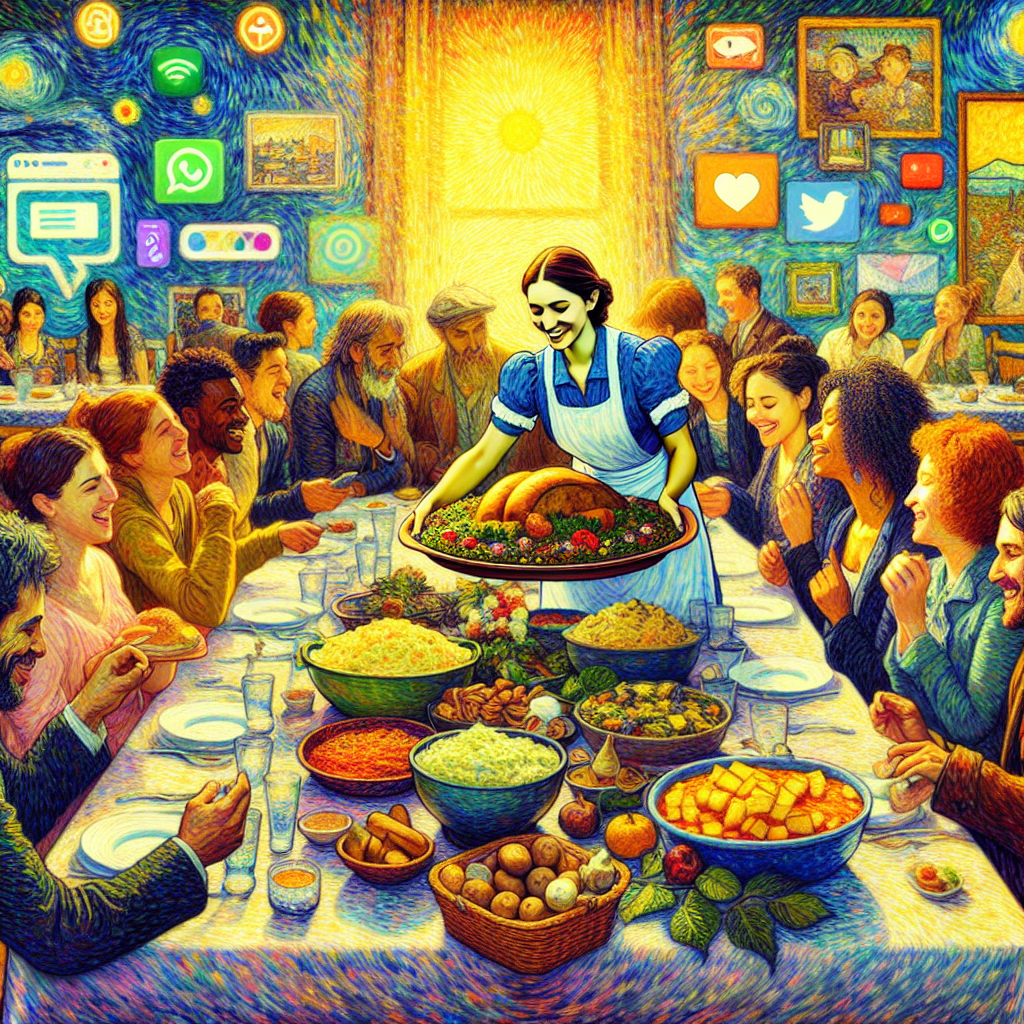
What Are the Key Elements Of a Powerful Micro-Story for Kids?
How Can Sharing Stories Foster Empathy Among Children?
Imagine a bustling classroom, where the buzz of voices fills the air like an orchestra tuning up just before a grand performance. Children from different walks of life gather around, their faces painted with curiosity, anticipation, and a hint of trepidation. This isn’t just any ordinary lesson—it’s story time, a magic moment when words become bridges, connecting hearts and minds in a way that transcends the everyday chatter of childhood life.
Sharing stories isn’t just a pastime; it’s an essential tool for fostering empathy among children. When a child listens to a tale about someone who has faced adversity, they momentarily step into another’s shoes. This act of stepping in pulls at the heartstrings, transforming abstract concepts of struggle and triumph into relatable experiences. Suddenly, the world is not just “them” and “us”—it’s woven together through shared emotions. The laughter of a character, the tears of a hero, or the fear of the unknown all become familiar threads in the tapestry of their understanding.
But let’s think about this rationally for a moment. Studies show that children who engage with diverse narratives develop a greater capacity for empathy. Why? Because stories invite them to question, to reflect, and to consider perspectives outside their own. They learn that emotions aren’t fixed; they are fluid, shared human experiences that ebb and flow in each person’s life. Empowering kids with this knowledge arms them against prejudice and ignorance, fostering a generation that is thoughtful and compassionate.
Ethically, creating a culture of empathy through storytelling is vital. It nurtures emotional intelligence, which is increasingly recognized as crucial for personal and professional success. Empathy isn’t just a feel-good buzzword; it’s an invaluable skill that shapes our interactions, drives our decisions, and builds our communities. When children learn to acknowledge and appreciate others’ feelings, they cultivate kindness in an often harsh world.
In these small yet profound moments of storytelling, children not only learn about others but also about themselves. Each story shared intertwines their identities, inviting a collective understanding that promotes harmony. The social bonds forged in these settings last a lifetime. As they share their tales, they realize that despite diverse backgrounds, they share a common humanity—an experience that builds trust and connection.
So, let’s embrace storytelling as a potent catalyst for empathy, ensuring our children grow up with not only the knowledge of the world but the heart to care for it. This is where change begins. This is where empathy flourishes. Engage, listen, and share—because every story matters.

How Can Sharing Stories Foster Empathy Among Children?
How Can Sharing Stories Foster Empathy Among Children?
- Classroom atmosphere is lively, filled with curious children during story time.
- Storytelling fosters empathy by allowing children to experience others’ emotions and challenges.
- Engaging with diverse narratives enhances children’s understanding and capacity for empathy.
- Stories encourage reflection on perspectives outside one’s own, promoting emotional fluidity.
- Empathy nurtured through storytelling is crucial for personal and professional success.
- Storytelling builds social bonds that last a lifetime, fostering a sense of common humanity.
- Embracing storytelling is essential for cultivating compassionate and caring future generations.

How Can Sharing Stories Foster Empathy Among Children?
How Do Small Stories Motivate Kids to Think Critically?
In a world teeming with information, it can be easy to overlook the power of simple stories. Yet, it’s precisely these small narratives that can ignite the flame of critical thinking in our children. Picture a child, eyes wide with curiosity, as they slide into a world crafted from mere words. Through stories, they encounter protagonists who face dilemmas and weigh choices—this is not just entertainment; it’s a masterclass in reasoning.
Consider a fable about a little fox who finds herself at a crossroads after discovering a trap. The moral lessons woven into her adventure invite kids to ask, “What would I do?” This kind of engagement doesn’t just entertain; it provokes thought. It urges children to analyze motives, predict outcomes, and reflect on personal values—building critical thinking skills that extend far beyond reading. When they encounter such dilemmas, they learn to approach real-life situations with the same analytical mindset.
The ethical implications of these small stories are profound. They teach children empathy, compassion, and the nuances of human nature. In an age where we often jump to conclusions, stories help youngsters to pause and consider the perspectives of others. This exploration fosters social connections, helping kids realize that every story connects to a larger human experience. They start to see that behind every action, there’s a narrative worth understanding.
Furthermore, there’s authority in storytelling. When beloved characters face challenges and make mistakes, they become relatable figures. Kids are more likely to absorb the lessons when the teacher isn’t a faceless adult, but someone they’ve grown to care about. This emotional connection builds trust in the learning process, empowering children to take risks and think outside the box. It provides a springboard for them to experiment with their thoughts and ideas—turning the ordinary into the extraordinary.
In a way, fostering their critical thinking through small stories acts as an investment in their futures. It equips our kids with the tools they need to navigate a complex world. So, let’s fill their minds—and hearts—with rich stories that inspire courage, creativity, and a critical eye. After all, great thinkers start as seasoned storytellers, and it’s through the art of narrative that we can prepare our children to embrace tomorrow’s challenges with confidence and integrity.

How Do Small Stories Motivate Kids to Think Critically?
How Do Small Stories Motivate Kids to Think Critically?
- Simple stories can ignite critical thinking in children by engaging their curiosity.
- Protagonists in narratives present dilemmas that encourage kids to analyze choices and outcomes.
- Fables teach moral lessons, prompting children to reflect on their values and decision-making.
- Stories foster empathy and compassion by encouraging children to understand different perspectives.
- Relatable characters help children connect emotionally, enhancing the learning experience.
- Investing in storytelling equips children with skills to navigate a complex world effectively.
- Great thinkers often start as storytellers, using narratives to prepare kids for future challenges.

How Do Small Stories Motivate Kids to Think Critically?
Why Is It Important for Kids to Learn the Art Of Brevity In Writing?
In a world awash with information, the ability to communicate succinctly isn’t just a skill—it’s a lifeboat. For our kids, who often navigate through a sea of social media, endless notifications, and pages of text, mastering the art of brevity in writing can mean the difference between being heard or drowned out in the noise. This is why it’s crucial to prioritize brevity when teaching young writers.
Take a moment and think about it: When was the last time you stared at a wall of text and felt compelled to read it? Exactly. The truth is, attention spans are thinner than ever, and kids today need to grasp how to convey their thoughts clearly and efficiently. They live in a digital landscape where every word counts, and if they can’t catch their audience’s attention quickly, their messages will slip through the cracks, unnoticed and unappreciated.
But let’s connect on a deeper level. Learning to be brief isn’t just about getting a good grade on a writing assignment or impressing a teacher. It’s about confidence. When kids learn to express themselves with clarity and precision, they’re not just writing—they’re standing up and making their voices count. There’s immense power in a well-crafted sentence, a punchy paragraph that resonates, and when they understand this, they also understand that their thoughts matter.
From an ethical standpoint, parent and educator alike bear the responsibility to equip young minds with effective communication tools. In a society that thrives on connection and dialogue, fostering the ability to articulate ideas succinctly leads to stronger relationships, both personal and professional. It instills a sense of respect for the audience’s time and an understanding of the value of their own opinions.
Think about successful leaders, innovators, and every person who has made an impact—they didn’t ramble. They engaged, challenged, and inspired through careful choice of words. This simple truth should ignite a spark in us all to encourage our youth toward brevity, to help them find their unique voices amid the clamor.
So whether it’s on a website or a blog, making every word count arms our children with the tools they need not just to write, but to thrive. The art of brevity isn’t merely a technique; it’s a compass guiding them through the clutter of a complex world. By empowering them in this realm, we’re nurturing thinkers, creators, and doers who understand the beauty of saying more with less.

Why Is It Important for Kids to Learn the Art Of Brevity In Writing?
Why Is It Important for Kids to Learn the Art Of Brevity In Writing?
- The ability to communicate succinctly is essential in today’s information-overloaded world.
- For children, mastering brevity can help them be heard amidst the noise of social media and endless notifications.
- Attention spans are shorter than ever, making clear and efficient expression vital for young writers.
- Learning brevity builds confidence, allowing kids to express their thoughts clearly and make their voices count.
- Parents and educators have a responsibility to equip young minds with effective communication skills.
- Successful leaders engage and inspire through concise language, highlighting the importance of brevity.
- Empowering children in the art of brevity nurtures their abilities to think creatively and thrive in a complex world.

Why Is It Important for Kids to Learn the Art Of Brevity In Writing?
Why Is Storytelling an Essential Skill for Future Generations?
In a world buzzing with information and incessant noise, storytelling stands as a beacon of clarity and connection. It’s a skill that transcends generations, igniting our imagination and bridging the gaps between cultures and communities. It’s not just about spinning a yarn; it’s about weaving the very fabric of our shared human experience, a necessity for future generations navigating a landscape that can seem overwhelming.
At its core, storytelling appeals to our emotions, tapping into the hopes, fears, and dreams that make us who we are. Think back to those campfire tales or grandma’s old stories. They stirred something deep within us, didn’t they? They taught us lessons wrapped in laughter and tears, imparting wisdom that we carry forward. To pass on these tales is to ensure that the heartbeat of our ancestors resonates with the youth, giving them the tools to relate to the world around them on a profoundly personal level.
Rationally speaking, strong storytelling sharpens critical thinking and communication skills. In an era where information is abundant but understanding is scarce, being able to articulate a message—whether it’s via a blog post, spoken word, or any platform—is crucial. When future generations hone this skill, they position themselves not only as conveyors of facts but as inspirers of change. A compelling narrative can galvanize communities, provoke thought, and spark action in ways that sterile statistics simply cannot.
Ethically, storytelling fosters empathy. It encourages listeners to step into another’s shoes, to grasp their struggles, triumphs, and aspirations. In a society often driven by division, the ability to convey and understand diverse narratives can heal. It promotes social cohesion, reminding us that beneath our differences lies a shared humanity.
Consider the authority that comes from being a great storyteller. Those who can engage an audience command attention and respect. Just think about it—a masterful tale has the power to captivate, inform, and inspire, opening doors to new ideas and perspectives. It positions individuals as thought leaders, building trust and confidence within their communities.
In a time when connection is more vital than ever, storytelling is our lifeline. It’s not merely a skill to be learned; it’s an art form to be cherished. By nurturing this talent among future generations, we pave the way for a world rich in understanding, empathy, and creativity. So let’s empower the storytellers of tomorrow—because in their hands, we find the hope to face the challenges ahead.

Why Is Storytelling an Essential Skill for Future Generations?
Why Is Storytelling an Essential Skill for Future Generations?
- Storytelling serves as a beacon of clarity and connection in a noisy world.
- It bridges cultural and communal gaps, igniting imagination through shared human experiences.
- Appealing to emotions, storytelling imparts wisdom and lessons that resonate across generations.
- Strong storytelling enhances critical thinking and communication skills, vital in an information-rich, understanding-poor era.
- It fosters empathy, encouraging understanding of diverse narratives and promoting social cohesion.
- A great storyteller commands respect and authority, becoming a thought leader and building community trust.
- Nurturing storytelling among future generations cultivates understanding, empathy, and creativity, offering hope for future challenges.

Why Is Storytelling an Essential Skill for Future Generations?
Conclusion
In the grand adventure of childhood, where imagination runs wild and the world is teeming with possibilities, teaching kids to write micro-stories is akin to handing them a magic wand. These tiny tales, each a mere whisper in the echoes of expansive narratives, carry within them the potential to craft profound reflections on life and humanity. A single moment—be it a fleeting smile or a surprising act of kindness—can explode into a universe of ideas, capturing the essence of what it means to be human.
Teaching children to construct these micro-stories isn’t just about putting words on a page; it’s about unlocking a treasure chest of communication skills. It empowers them to think critically and creatively, developing essential tools for navigating life’s complexities. The instant gratification that comes from completing a micro-story fosters confidence—each tale a stepping stone towards tackling larger challenges down the road, inviting kids to share their thoughts and connect deeply with others.
These small narratives also serve as ethical educators, illuminating themes of love, fear, perseverance, and kindness. They encourage young minds to engage with diverse perspectives, reinforcing the notion that every voice matters. It’s not merely an exercise in creativity; it’s a vital lesson in empathy and understanding. By sharing stories, children learn the value of listening, nurturing an environment where dialogue and connection thrive, rather than divide.
From an emotional standpoint, micro-stories resonate powerfully with young hearts. They act as mirrors, reflecting the complexities of joy and sorrow, and invite kids to explore their own feelings within the safe spaces of fiction. This emotional engagement propels creativity and social bonds, as children share their micro-stories, inspire one another, and weave together a rich tapestry of shared experiences.
In our digital age, where every word must earn its keep, the art of brevity—a key element of crafting micro-stories—transforms young writers into sharp communicators. By embracing conciseness, children learn that their thoughts hold weight, teaching them respect for both their own expression and their audience’s time. It’s this skill set that prepares them not just to convey ideas, but to become impactful voices in a world craving clarity.
The future rests in the hands of our children, and teaching them the art of storytelling—especially through micro-stories—offers them the compass they need to navigate both the challenges and triumphs that lie ahead. Let’s encourage this journey, celebrate their creativity, and witness the remarkable stories that unfold. Together, we can cultivate a generation of storytellers who not only embrace their voices but also inspire others to find their own.

Conclusion
Conclusion:
- Teaching kids to write micro-stories enhances their imagination and creativity.
- Micro-stories enable children to reflect on life and humanity through brief narratives.
- Writing these tales develops critical communication skills and fosters confidence.
- Micro-stories promote themes of empathy, love, and understanding among children.
- They encourage engagement with diverse perspectives, highlighting the value of every voice.
- Micro-stories serve as emotional mirrors, helping children explore their feelings safely.
- Mastering brevity in storytelling prepares young writers to communicate effectively in a digital age.

Conclusion
Other Resources

Other Resources
Here is a list of other resources you can review online to learn more:
- Woxo.tech
- Photoleapapp.com
- Ubersuggest
- Myscript.com
- Sitekick.ai
- Diigo
- Repurpose.io
- Copysmith.ai
- Runwayml.com
- Ideo.com
- Poly.cam
- Cast.ai
- Plurk
- play.ht
- Teachablemachine.withgoogle.com
- Erase.bg
- Fireflies.ai
- Hypotenuse.ai
- Apple Podcasts
- Getconch.ai
Use This Prompt To Get More Resources With Your Favorite Online AI Tool: Please provide me with a list of online articles with their URLs in a bulleted list that I can read regarding Teaching Kids to Write Micro-Stories with Big Ideas

Other Resources
Glossary Terms
Teaching Kids to Write Micro-Stories with Big Ideas – Glossary Of Terms
1. Micro-story: A very short narrative that conveys a complete idea or theme in just a few sentences.
2. Theme: The central idea or underlying message that a story communicates.
3. Character: An individual or entity in a story that drives the plot forward and engages the reader.
4. Setting: The time and location where a story takes place, providing context for the narrative.
5. Plot: The sequence of events that occur in a story, often involving a conflict, climax, and resolution.
6. Conflict: A struggle or challenge faced by characters that propels the narrative and adds tension.
7. Resolution: The conclusion of a story where conflicts are resolved and the narrative reaches a close.
8. Narrative Arc: The structured progression of a story from beginning to end, including exposition, rising action, climax, and falling action.
9. Imagery: Descriptive language that appeals to the senses and paints a vivid picture in the reader’s mind.
10. Dialogue: The spoken exchanges between characters that reveal personality and advance the plot.
11. Emotion: The feelings expressed by characters that connect with the reader on a personal level.
12. Voice: The unique style or perspective of the narrator or characters, shaping how the story is told.
13. Drafting: The process of writing an initial version of a story, focusing on getting ideas down rather than perfecting them.
14. Editing: The revision process where writers refine their work, correcting errors and improving clarity.
15. Feedback: Constructive criticism or suggestions provided by peers or teachers to help improve a story.
16. Inspiration: Ideas or motivations drawn from various sources that help spark creativity in writing.
17. Structure: The organization of a story, including its layout and the order of events.
18. Point of View: The perspective from which a story is told, such as first-person, second-person, or third-person.
19. Hook: An engaging opening sentence or idea that grabs the reader’s attention and encourages them to read on.
20. Symbolism: The use of symbols to represent larger concepts or ideas, adding depth to the narrative.
21. Character Development: The process of creating complex and evolving characters throughout the story.
22. Audience: The intended readers of a story, whose preferences and expectations can influence the writing style.
23. Draft: A preliminary version of a text that can be edited or revised before finalization.
24. Word Choice: The selection of specific words to convey meaning, tone, and imagery effectively.
25. Mood: The emotional atmosphere created by the writer, influencing how a reader feels during the story.
26. Conflict Resolution: The methods and strategies characters use to address and overcome their challenges.
27. Critique: A detailed analysis of a story’s strengths and weaknesses, aimed at improving the writing.
28. Writing Prompt: A sentence or idea designed to inspire creativity and help overcome writer’s block.
29. Cohesion: The flow and connectivity of ideas within a story, ensuring clarity and coherence.
30. Wrap-up: The final thoughts or concluding statement that ties together the main elements of the story.

Glossary Of Terms
Other Questions
Teaching Kids to Write Micro-Stories with Big Ideas – Other Questions
If you wish to explore and discover more, consider looking for answers to these questions:
- What age is best to start teaching kids to write micro-stories?
- What types of prompts can help kids generate ideas for micro-stories?
- How can parents effectively support their children’s storytelling journey?
- Are there specific genres of micro-stories that resonate more with children?
- How can micro-stories be incorporated into the school curriculum?
- What are some examples of successful micro-stories written by children?
- How can technology be used to enhance children’s storytelling skills?
- What role does reading play in developing writing skills for micro-stories?
- How do micro-stories help children with language development?
- What are the challenges children may face when writing micro-stories?
- Can micro-stories be used to address sensitive topics with children?
- How can sharing micro-stories lead to discussions about diversity and inclusion?

Other Questions
Haiku
Teaching Kids to Write Micro-Stories with Big Ideas – A Haiku
Tiny tales unfold,
Hearts connect through written words,
Crafting brighter minds.

Haiku
Poem
Teaching Kids to Write Micro-Stories with Big Ideas – A Poem
In worlds of whispers, stories take flight,
Tiny tales, where magic and meaning ignite.
With each fleeting moment, a lesson is spun,
In the heart of the child, imagination begun.
Through simple words, emotions unfold,
Love, fear, and joy, in narratives bold.
Each story a mirror, reflecting their truth,
A tapestry woven, of struggle and youth.
With pens in their hands, they learn to express,
Crafting brief treasures, their feelings addressed.
Confidence blooms when thoughts can take form,
In the whirlwind of life, they find their warm.
Ethics intertwined, empathy grows,
In listening and sharing, understanding flows.
Diverse voices unite in this sacred space,
Building connections, transcending each race.
Critical thinking ignites as they delve,
Analyzing plots, their minds start to swell.
Dilemmas unfold, teaching good from the wrong,
Through stories, they navigate, resilient and strong.
Brevity becomes a lifeboat, a crucial skill,
In a world filled with noise, their voices instill.
Simplicity shines, clarity reigns,
Powerful words fuse joy with the pains.
Oh, the art of a narrative, timeless and sweet,
Empowering future generations to meet
Life with courage, compassion, and grace,
Through the heart of their stories, they’ll find their place.
So gather your children, let their voices sing,
In the magic of storytelling, hope takes wing.
As they weave their small tales, the world will see,
The beauty of brevity, in humanity’s plea.

Poem
Checklist
Teaching Kids to Write Micro-Stories with Big Ideas – A Checklist
Micro-Story Writing Checklist: Engaging the Heart, Head, and Gut
Emotional Appeals
_____ Choose characters that evoke strong feelings: Can your character resonate with hopes, fears, or joys?
_____ Craft an emotional core: What universal emotion (love, fear, joy) drives your micro-story?
_____ Build relatable scenarios: How do your characters reflect real-life situations your audience can connect with?
Rational Appeals
_____ Ensure clarity: Is your plot concise and impactful, leading to a clear lesson or insight?
_____ Include an analysis element: Does your story invite readers to think critically about the characters’ choices or outcomes?
_____ Create a surprising twist or outcome: Is there a moment that provokes reflection and deeper thinking?
Ethical Appeals
_____ Introduce moral dilemmas: Are your characters faced with challenges that teach important values (kindness, justice)?
_____ Emphasize listening as much as telling: Does your story highlight the importance of understanding diverse perspectives?
_____ Foster a culture of empathy: How does your story encourage connection and compassion among readers?
Authority Appeals
_____ Use relatable figures: Are your characters compelling and credible in their roles?
_____ Incorporate established narrative structures: Does your story follow a recognized format that conveys authority and clarity?
_____ Emphasize wisdom: What lessons can readers take away that apply to their own lives?
Narrative Appeals
_____ Build a captivating plot: Does your story hook readers from the beginning with engaging scenarios and characters?
_____ Bring imagination to life: Are there vivid descriptions or elements of surprise to sustain interest?
_____ Craft a memorable conclusion: Does your ending empower and inspire readers to reflect or act?
Social Appeals
_____ Encourage sharing: Is there a way for readers to share their own stories or discuss themes with peers?
_____ Promote collaboration: Can your story inspire group storytelling sessions or collaborative writing experiences?
_____ Highlight community-building: How does your story foster connections among individuals through shared narratives?
Encourage children to explore the power of micro-stories by checking off each element as they write their own, helping them grow not only as storytellers but as thoughtful, empathetic individuals.

Checklist
At WebsiteBloggers, we help website bloggers develop strategies to create content, traffic, and revenue from website blogs based on our experiences and experimentation.
Be sure to read our other related stories at WebsiteBloggers and share this article with your friends, family, or business associates who run website blogs.