Creating Compelling Online Experiences With Design Psychology
By Tom Seest
At WebsiteBloggers, we help website bloggers develop strategies to create content, traffic, and revenue from website blogs based on our experiences and experimentation.
Be sure to read our other related stories at WebsiteBloggers and share this article with your friends, family, or business associates who run website blogs.
The Psychology Behind Movement In Modern Web Design
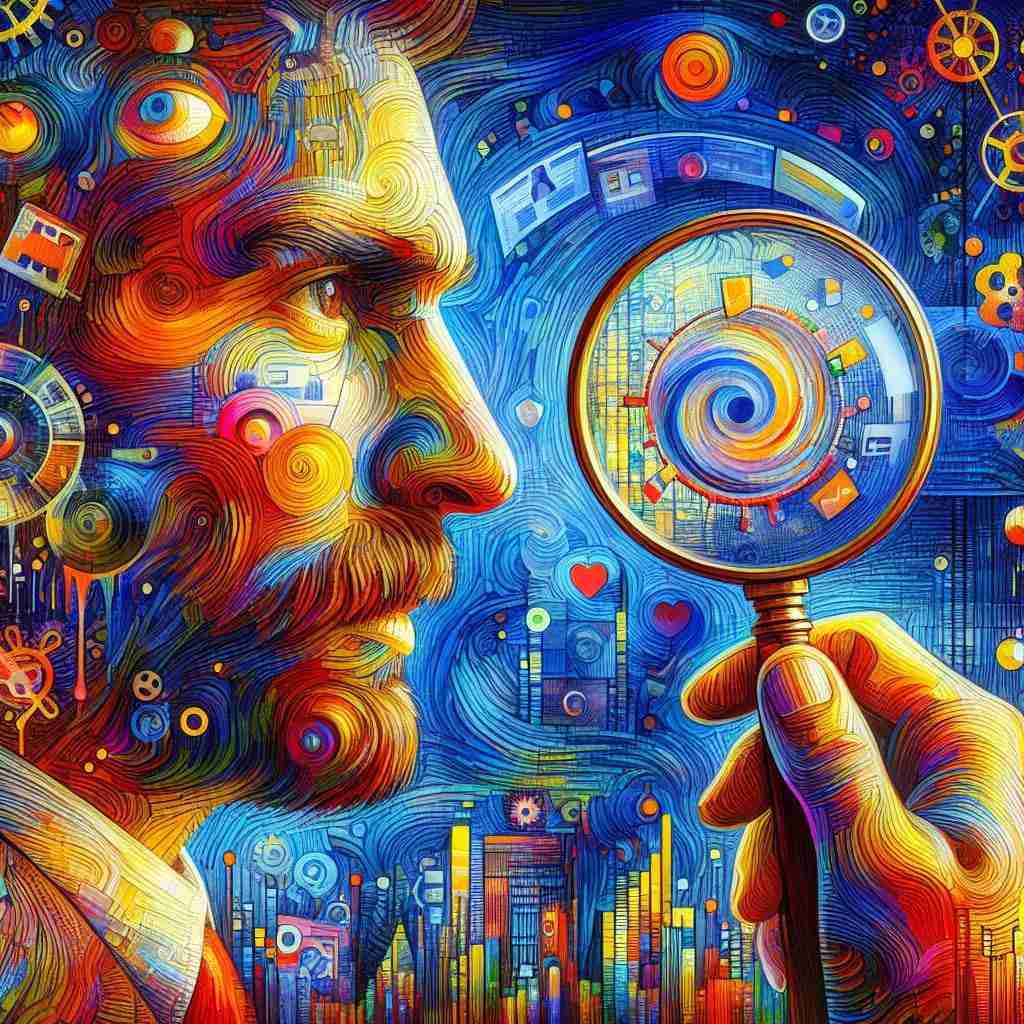
When you think about your favorite websites, what draws you in? Is it just the information, or is there a deeper connection at play? That’s the magic of movement in modern web design. It’s not just about slick animations or swipes; it’s about creating an experience that resonates with your audience. Take a moment to imagine the web as a bustling marketplace. Each website is a vendor, vying for attention. Movement acts as a beckoning hand, inviting users to explore, to wander, and to connect.
Think back to a website blog you visited recently that kept you glued to the screen. Chances are, it wasn’t just the content that captivated you; it was the carefully curated experience. Your senses were engaged—the subtle scrolls, the gentle fades, the dynamic shifts—all designed to guide your eye and your mind. This isn’t just aesthetics; it’s a powerful psychological tool. Movement directs your attention where it needs to go, making it easier to absorb information and fostering a sense of flow in your browsing experience.
Now, let’s peel back the layers a bit more. Movement in web design triggers emotions. The slight jiggle of a button or the comforting swoosh of a page loading can send signals of trust. Your gut instinct kicks in, saying, “This feels right.” And that’s crucial; a website that feels trustworthy encourages interaction, advocacy, even loyalty. It’s about building a relationship, creating an atmosphere where users feel valued, not just as visitors but as part of a community.
Ethically, web designers hold the responsibility to use these tools wisely. It’s not about trickery; it’s about transparency and clarity. Movement must serve a purpose—enhancing the user experience without overwhelming or distracting. This balance fosters an environment of confidence. When users know they can navigate easily and find what they need without fuss, they’re more likely to return again and again.
In this fast-paced digital world, we seek connection. We crave the stories that resonate, the moments that make us pause, and the designs that draw us in. Moving elements on a web page can tell tales that echo in our hearts, tapping into the shared human experience. So, the next time you’re designing or choosing a website, consider not just the colors or fonts but the psychological dance of movement that brings it all to life, ensuring that every visitor feels like they’re part of something bigger.
The Psychology Behind Movement In Modern Web Design
The Psychology Behind Movement In Modern Web Design
- The magic of movement in web design creates deeper connections beyond mere information.
- Websites act as vendors in a bustling marketplace, with movement inviting exploration and engagement.
- Carefully curated experiences—through subtle animations—keep users captivated and guide attention.
- Movement triggers emotions and builds trust, fostering loyalty and a sense of community among users.
- Ethical use of movement is essential; it should enhance experiences without overwhelming or distracting users.
- Users appreciate navigation that is clear and intuitive, which encourages them to return to the website.
- Designers should focus on the psychological impact of movement to create connections that resonate with audiences.

The Psychology Behind Movement In Modern Web Design
Table Of Contents
- The Psychology Behind Movement In Modern Web Design
- What Emotions Do You Want Your Users to Feel When Engaging?
- How Can Movement Guide Users to Important Information Effectively?
- What Ethical Considerations Should We Keep In Mind with Animations?
- How Does User Experience Change with Different Design Movements?
- Can the Use Of Movement Enhance Storytelling on Your Website?
- What Psychological Principles Should Guide Your Web Design Choices?
- How Does Social Proof Influence User Behavior In Web Design?
- Conclusion
- Other Resources
- Glossary Of Terms
- Other Questions
- Haiku
- Poem
- Checklist
What Emotions Do You Want Your Users to Feel When Engaging?
When contemplating the emotions you want your users to feel while engaging with your website or blog, consider the powerful connection that goes beyond mere content consumption. It’s about crafting an experience that resonates deeply within your audience—in the heart, head, and gut.
Picture this: a reader stumbles upon your blog in the midst of a long, arduous day. They’re seeking a little inspiration, a sliver of hope, or maybe an answer to a nagging question. Through the thoughtful narrative woven into your posts, you can stir their heart. That gentle awakening to a relatable story, a struggle you’ve faced, or a success that might mirror their own, creates a bond. You’re not just sharing information; you’re sharing a piece of yourself, inviting them into a world where they feel seen, valued, and understood.
Now, let’s engage the head. This means providing rational, well-researched insights that empower your readers. When they scroll through your pages, they shouldn’t just come away with feelings; they should find clarity. They’ll appreciate the authority of your voice backed by facts, studies, and examples. This builds trust; they recognize that you’re equipping them with knowledge that can change the way they think or act.
Yet, we cannot forget the gut. Instinct plays an undeniable role in decision-making. When users feel a primal urge to act—whether it’s signing up for a newsletter, sharing a post, or purchasing a product—your narrative has ignited that spark. Employing ethical appeals by emphasizing shared values, you position your platform not merely as a digital space, but as a community driven by common goals and aspirations.
Tap into social dynamics. People want to feel part of something larger than themselves. Encouraging comments, shares, and interactions creates an environment ripe for sharing thoughts and experiences, fostering a sense of belonging.
In this intricate dance of emotions, you’re not just crafting blog posts or web pages; you’re building trust and confidence in your brand. You’re instilling a call to action that feels less like a demand and more like an invitation to join in. Ultimately, your users will walk away feeling empowered, connected, and ready to invest themselves in what you have to offer.

What Emotions Do You Want Your Users to Feel When Engaging?
What Emotions Do You Want Your Users to Feel When Engaging?
- Focus on creating an emotional connection beyond content consumption.
- Craft narratives that resonate with readers, evoking feelings of inspiration and understanding.
- Provide well-researched insights that offer clarity and build trust with your audience.
- Engage users’ instincts by encouraging them to take action, transforming the narrative into a call to action.
- Emphasize shared values to create a community atmosphere within your digital space.
- Encourage interaction, comments, and sharing to enhance the sense of belonging among users.
- Strive to empower users, fostering a connection that invites them to invest in your content and brand.

What Emotions Do You Want Your Users to Feel When Engaging?
How Can Movement Guide Users to Important Information Effectively?
Movement on a webpage is much like the ebb and flow of a well-rehearsed symphony; it’s a dance that, when executed perfectly, guides the user to not only see but feel the importance of the information presented. Imagine for a moment walking through a bustling market. You’re surrounded by a vibrant cacophony of sights, sounds, and smells. But amidst this chaos, a skilled vendor steps forward, beckoning you with an enthusiastic nod and a captivating gesture. Instantly, your attention narrows, drawn to what they have to offer. That’s the essence of effective movement on a website or blog. It’s about creating that magnetic pull which transforms a casual glance into curiosity and engagement.
Consider the power of a subtle animation that highlights a key statistic or an important call-to-action button. Rationally, users can be easily overwhelmed by information overload—comprehensive data, lengthy paragraphs, and a plethora of visuals. By employing movement, you cut through the noise, guiding users with clarity and purpose. It’s not just about aesthetics; it’s about cognitive ease. When users experience intuitive navigation, they feel a sense of control and confidence. The very essence of ethics in design comes into play here: delivering critical information in a manner that respects the user’s time and attention.
But let’s take it a step further. Think about the stories we tell—the narratives that resonate at a gut level. When movement leads the eye toward a compelling testimonial or a heartwarming success story, it fosters a connection that transforms a mere interaction into a heartfelt exchange. It’s not just data; it’s a shared experience, an opportunity to inspire trust and confidence in your message.
Now, let’s not forget the social dynamics at play. When users see movement that matches the rhythms of social interaction—like an interactive element that reacts to their clicks or scrolls—they feel part of a community, a conversation rather than a monologue. It taps into our inherent desire to belong, to be seen, and to engage.
In the grand orchestration of information delivery, movement isn’t just an accessory. It’s the conductor’s baton, guiding users through the symphony of your content, ensuring they don’t just hear the notes but feel the music deep within their bones. When done right, it not only informs but transforms, leading users toward meaningful connections with the information that matters most.

How Can Movement Guide Users to Important Information Effectively?
How Can Movement Guide Users to Important Information Effectively?
- Movement on a webpage acts like a symphony, guiding users to feel the importance of information.
- Effective movement captures attention, similar to a skilled vendor in a bustling market.
- Subtle animations can highlight key statistics and calls to action, cutting through information overload.
- Intuitive navigation creates cognitive ease, giving users control and confidence.
- Movement helps transform interactions into heartfelt exchanges by directing attention to compelling stories.
- Interactive elements can foster a sense of community and engagement among users.
- In information delivery, movement serves as the conductor’s baton, ensuring meaningful connections with content.

How Can Movement Guide Users to Important Information Effectively?
What Ethical Considerations Should We Keep In Mind with Animations?
When we think about animations, we often imagine vibrant colors and whimsical characters dancing across our screens. But behind every delightful frame lies a multitude of ethical considerations that reach deep into our hearts and minds. Before we hit “play” on that next animated masterpiece, we need to pause and reflect on the implications of what we’re creating and consuming.
First, consider the emotional landscape that animations navigate. Stories are powerful; they shape our beliefs and attitudes. An animation aimed at children can instill values of kindness and bravery, or it can inadvertently perpetuate stereotypes or fear. As creators, we carry the heavy responsibility of ensuring that our narratives uplift and educate rather than mislead or marginalize. Think of a young child watching an animated film where every hero looks the same. What message does that send about identity and worth? It’s time to challenge ourselves to craft stories that reflect the rich tapestry of humanity.
We must also address the rational side of animation. What research backs the messages we’re sending? Are we employing ethical practices in our storytelling, or are we relying on cliché tropes that have long outlived their usefulness? Engaging with diverse voices in our creative process is not just smart—it’s essential. Collaborating with individuals from various backgrounds enriches our narratives and ensures more accurate representations resonate with audiences. Authenticity matters, and audiences can sense when a story is grounded in truth rather than stereotypes.
From an ethical standpoint, we have to ask ourselves: who benefits from our creations? Are we exploiting vulnerable communities for profit, or are we elevating their voices? The digital landscape is a shared space, one that demands respect and understanding. If we’re only showcasing the humor in a culture without acknowledging its struggles, we’re missing an opportunity to foster real connections.
Finally, let’s reflect on our social responsibility. Animations have the power to shape cultures and influence generations. By approaching our craft with empathy and integrity, we foster a creative ecosystem where all voices are heard and valued. So, whether you’re scrolling through a website blog or sharing a heartwarming animation with friends, let’s choose to be mindful stewards of this powerful medium. The stories we tell not only entertain; they have the potential to spark meaningful conversations and bridge divides. That’s a legacy worth striving for.
What Ethical Considerations Should We Keep In Mind with Animations?
What Ethical Considerations Should We Keep In Mind with Animations?
- Animations evoke vibrant colors and whimsical storytelling, but they also involve significant ethical considerations.
- Stories can shape beliefs and attitudes; creators hold the responsibility to uplift and educate rather than mislead.
- The representation of heroes in animated films can influence children’s understanding of identity and worth.
- Rationality in animation requires backing messages with research and ethical practices instead of outdated clichés.
- Engaging diverse voices enriches narratives and ensures more accurate representation, leading to authenticity.
- Creators should consider who benefits from their work and avoid exploiting vulnerable communities for profit.
- Animations can shape cultures and foster conversations; a mindful approach can help create a legacy of empathy and integrity.

What Ethical Considerations Should We Keep In Mind with Animations?
How Does User Experience Change with Different Design Movements?
In the ever-evolving landscape of design, the dance of user experience (UX) grabs hold of our hearts, minds, and even our guts. Each design movement—be it Minimalism, Art Deco, or Bauhaus—reshapes how we interact with the world online, transforming the digital domains of websites and blogs into immersive journeys.
Picture this: you’re navigating a minimalist website, where every element serves a purpose, and the clutter is stripped away, leaving only what matters. Your senses breathe easy as the clean lines and ample white space invite you to explore without distraction. This simplicity isn’t just a visual feast; it resonates deeply, satisfying our need for clarity in a noise-filled world. It’s a design philosophy that says, “Here’s the important stuff. Focus on this.”
Contrast that with the vibrant complexity of Art Deco. This movement ignites passion, drawing you in with its bold colors and intricate patterns. A blog adorned in Art Deco aesthetics isn’t just about sharing ideas; it’s about forging an emotional connection through the artistry of design. It makes you feel something visceral, tapping into our collective nostalgia and dreams. This is where design speaks to our souls, taking us back to glamorous eras while inviting fresh perspectives.
Then there’s the rational play of Bauhaus, where form follows function. This honest approach assures users that every clickable button and navigational choice has been meticulously crafted to serve them. It’s more than just usability; it inspires trust. When a website embodies the principles of Bauhaus, it becomes a beacon of reliability and integrity in a sea of confusion. Users feel empowered rather than overwhelmed.
In our design choices, we also leverage social influence. Think about how many conversations spark from a beautifully designed blog post. Design isn’t just personal; it’s communal. It breaks barriers and fosters connections between readers, creators, and communities. Multiple voices converge in spaces where aesthetics blend seamlessly with function, creating a tapestry woven from diverse experiences.
All these movements remind us that at the end of the day, we’re looking for connection—whether it’s the refined calm of Minimalism, the rich nostalgia of Art Deco, or the transparent integrity of Bauhaus. As we navigate our digital lives, let’s cherish the potential these design philosophies hold for creating experiences that resonate, inspire, and bring us together. Our journey through the myriad of designs transforms simple interactions into lasting impressions, enriching our shared human experience.

How Does User Experience Change with Different Design Movements?
How Does User Experience Change with Different Design Movements?
- User experience (UX) design shapes how we interact with digital platforms, creating immersive experiences.
- Minimalism emphasizes simplicity, clarity, and purpose, allowing users to focus on essential content without distractions.
- Art Deco evokes emotional connections through bold colors and intricate designs, tapping into nostalgia and artistic expression.
- Bauhaus design prioritizes functionality, assuring users of reliability and building trust through well-crafted interfaces.
- Design acts as a communal bridge, fostering connections between creators and audiences through engaging visuals.
- Each design movement serves to enhance social interaction and enrich the user experience in the digital realm.
- Ultimately, these design philosophies aim to create meaningful connections, turning interactions into lasting impressions.

How Does User Experience Change with Different Design Movements?
Can the Use Of Movement Enhance Storytelling on Your Website?
Imagine visiting a website that doesn’t just sit there like a dusty old book on a shelf, but one that springboards into action, capturing your attention and igniting your imagination. Movement has the potential to turn a mundane website into an engaging narrative, a place where stories unfold as you scroll. Think of it as a dance between your content and your audience, inviting them to join you on a journey that’s both visually appealing and personally relatable.
When you tap into the power of movement, you’re not just decorating your site; you’re crafting an experience that resonates in the hearts of your visitors. A website doesn’t merely serve as a digital brochure; it embodies your brand’s ethos and values. Each animation, each interaction, carries a message, conveying your purpose and passion in a way that text alone can’t accomplish. Picture a blog filled with vibrant visuals and subtle animations that guide the reader’s eye, making the content feel alive and relevant. This approach fosters a connection that can inspire trust and confidence, inviting visitors to linger longer and explore deeper.
Moreover, movement serves an essential role in storytelling by guiding the visitor’s journey through your content. It helps your audience understand where to focus their attention, leading them seamlessly from one point to the next. This rational approach enhances comprehension and keeps the narrative flowing, creating an echo of expectations met and exceeded. Each element working in concert builds a sense of authority; after all, a well-designed site coupled with compelling storytelling speaks volumes about your professionalism and commitment to quality.
Ethically, the responsibility lies with us to engage while respecting our audience’s time and attention. Movement should enhance rather than distract, ensuring the experience is enriching rather than overwhelming. This balance fosters a sense of community, encouraging return visits and sharing among friends, turning casual visitors into loyal advocates of your brand.
A website infused with movement isn’t just about showcasing what you offer; it’s about conveying a story that resonates. It’s a call to action—an invitation to dive deeper, to learn and grow alongside the brand. Make that connection, ignite that spark, and watch how movement transforms your storytelling into something memorable and impactful.

Can the Use Of Movement Enhance Storytelling on Your Website?
Can the Use Of Movement Enhance Storytelling on Your Website?
- A website can engage users through movement, transforming it into an interactive narrative.
- Movement creates a visually appealing experience that resonates with visitors on a personal level.
- Each animation and interaction communicates the brand’s message and values beyond text alone.
- Dynamic visuals guide readers’ attention, making content feel alive and relevant while fostering trust.
- Movement aids storytelling by directing user focus and enhancing comprehension of the content.
- Ethically, movement should enrich the user experience without distractions, encouraging engagement and return visits.
- A website infused with movement conveys a compelling story, inviting users to connect and explore further.

Can the Use Of Movement Enhance Storytelling on Your Website?
What Psychological Principles Should Guide Your Web Design Choices?
When diving into the world of web design, it’s easy to get lost in the sea of color palettes and typography. Yet, if we steer our focus toward what truly matters—the human experience—we can craft a site that resonates on a fundamental level. Think about it: every pixel on a website has the potential to persuade, inform, or even comfort. The heart of web design lies not just in aesthetics but in the psychological principles that guide our choices.
First, let’s tackle the emotional appeal. A website should be a digital handshake, a welcoming gesture that invites users in. Images of smiling faces or scenes that evoke warmth can turn a mere visit into a memorable experience. It’s about creating a vibe; that instant connection that makes a user say, “Hey, I belong here.” When users feel an emotional tie to your site, they are more likely to linger, explore, and ultimately trust you.
Next comes the rational appeal: clarity in navigation is non-negotiable. If a visitor can’t seamlessly find what they’re looking for, they might as well be standing in a maze. Think about how you can present information logically and succinctly. Use visual hierarchy—headings, bullet points, and spacing—to guide the eye in a way that feels natural. This not only enhances usability but also builds confidence in your site, telling users that you respect their time.
Ethics also play a significant role. Are you presenting information honestly? Transparency fosters trust. If you’re selling products, show genuine reviews, or create a blog that shares informative content. This honesty not only aligns with ethical design but also elevates your standing as an authority in your field.
Now, let’s delve into narrative. Consider how storytelling can be woven into your content. Share user testimonials, case studies, or even your own journey. A compelling story captures attention and fosters connection—a golden thread that brings people together in today’s digital world.
Lastly, don’t underestimate the power of social proof. Integrate elements like user reviews, social media links, and community engagement. When first-time visitors see that others have had positive experiences, they’ll be encouraged to join the ranks.
By embracing these psychological principles in your web design choices, you’re not just creating a website. You’re building an experience—an enduring connection that makes people feel valued and understood. And isn’t that what we all crave?

What Psychological Principles Should Guide Your Web Design Choices?
What Psychological Principles Should Guide Your Web Design Choices?
- Focus on the human experience to create a resonant website beyond mere aesthetics.
- Employ emotional appeal through welcoming visuals, like images of smiling faces, to invite users in.
- Ensure clarity in navigation to enhance usability and help users find information easily.
- Use visual hierarchy (headings, bullet points, spacing) to guide users’ eyes naturally.
- Promote transparency and honesty in your content to build trust and elevate your authority.
- Incorporate storytelling through user testimonials and case studies to foster connection.
- Utilize social proof with user reviews and community engagement to encourage new visitors.

What Psychological Principles Should Guide Your Web Design Choices?
How Does Social Proof Influence User Behavior In Web Design?
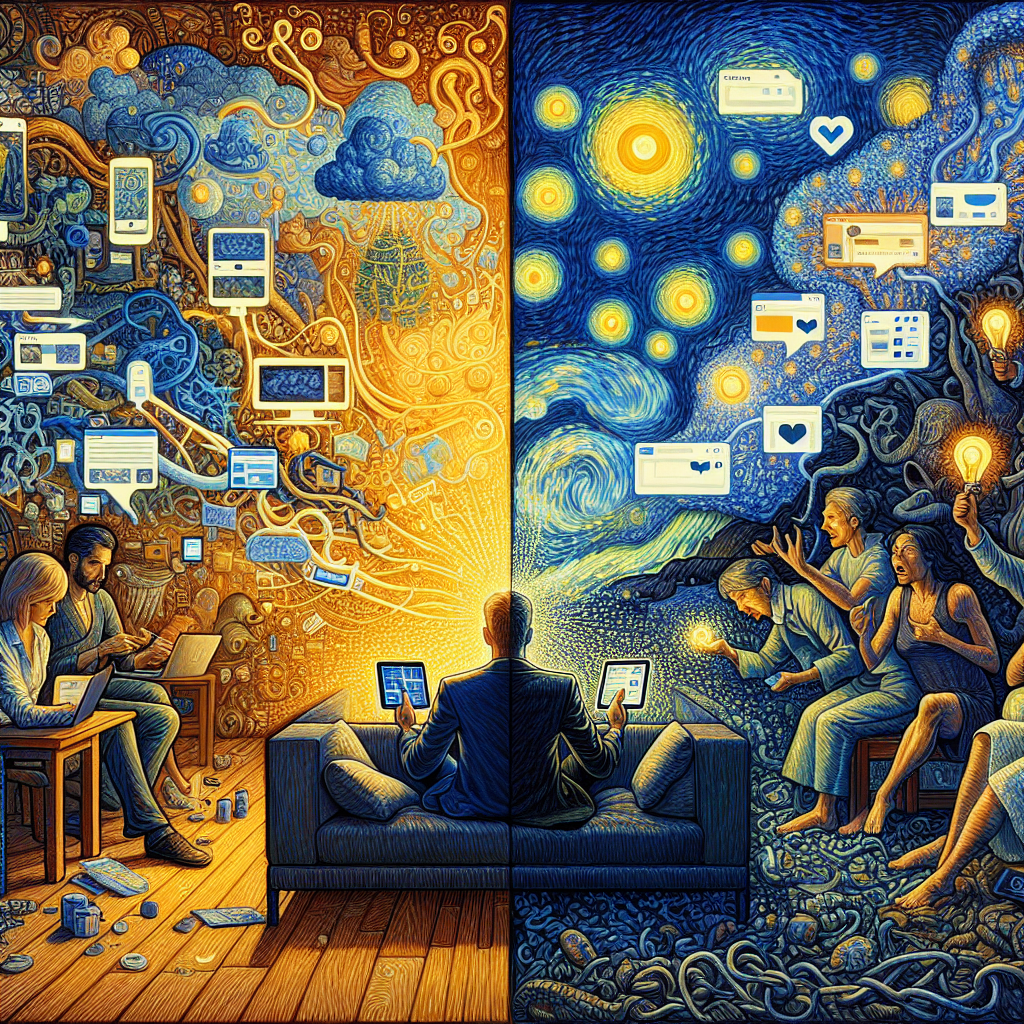
When we wander through the vast landscape of the internet, we often find ourselves facing choices that echo the age-old dilemmas of trust and uncertainty. A website is more than a mere collection of pixels; it’s a digital handshake, a promise that what you see is what you get. Now, let’s talk about social proof—the invisible thread that subtly weaves its way into our decision-making. It’s what turns a hesitant browser into a confident buyer.
Imagine you’re scrolling through a blog about a local handcrafted coffee shop. You might see a parade of five-star reviews, testimonials from delighted customers, or even a picture of a long line of folks eagerly waiting for their morning fix. This isn’t just fluff; it’s evidence that others have taken the plunge and come out raving. It’s a narrative that speaks volumes, echoing a collective experience that invites you to share in it. In essence, that social proof ignites a gut feeling—if everyone else is jumping on board, maybe you should too.
Let’s face it: As humans, we’re wired to seek validation from our peers. The authority figures—the influencers, the friend who’s always in the know, a beloved local celebrity—bring weight to our choices. When you see their endorsements, it’s like a subtle nudge, saying, “Hey, it’s okay to trust this.” They build a bridge of confidence between the website and you, the visitor, allowing you to feel less like a stranger and more like a part of the community.
Now, think about ethics in design. The websites that showcase genuine reviews prioritize transparency. They show the good, the bad, and the ugly, letting you know they’ve got nothing to hide. This ethical visibility fosters a sense of belonging, as if the creators are saying, “We’re all in this together.” A balance of truth and appeal ensures that you’re not just some faceless statistic but rather a valued member of a larger story.
Ultimately, social proof doesn’t just influence decisions; it shapes relationships between users and web spaces. It transforms the cold, clinical experience of online browsing into a warm invitation to engage. So the next time you’re sifting through a website or blog, remember: peer voices—those real, human experiences—hold the keys to a world of trust and connection that resonates deep within us all.
How Does Social Proof Influence User Behavior In Web Design?
How Does Social Proof Influence User Behavior In Web Design?
- The internet presents choices that revolve around trust and uncertainty.
- A website acts as a digital handshake, representing a promise of transparency.
- Social proof, such as reviews and testimonials, influences consumer confidence and decision-making.
- Visible endorsements from authority figures enhance trust and encourage engagement.
- Ethical web design prioritizes transparency by displaying both positive and negative feedback.
- Genuine reviews create a sense of belonging and foster community among users.
- Social proof transforms online browsing into an inviting and engaging experience.

How Does Social Proof Influence User Behavior In Web Design?
Conclusion
In the ever-evolving world of web design, movement is more than just visual flair; it’s a profound psychological tool that shapes user experience and fosters connection. Picture your favorite website as a lively marketplace, where every detail—every animation, every transition—acts like a vendor, reaching out and beckoning you closer. It’s a delicate dance that blends artistry with emotional resonance, engaging audiences not just intellectually but viscerally.
When a user visits a site, they’re not just consuming content; they’re seeking an emotional experience. Thoughtfully designed movement captures the fleeting attention of users, guiding their eyes and minds towards what truly matters. Consider how a simple animation can evoke trust, transforming a mundane interaction into something comforting and familiar. It’s about crafting a sense of belonging—a powerful connection that encourages users to return, share, and become advocates for your brand.
Ethics in design play a pivotal role, too. Designers carry the weight of responsibility in their hands; they must ensure that the tools of movement serve to enhance user experience, not distract or deceive. When movement is purposeful and transparent, it creates a sense of confidence within users, inviting them to engage more deeply. After all, a well-navigated website doesn’t just inform; it makes users feel valued and understood.
As we traverse the digital landscape, we’re inherently social creatures craving connection. Thoughtful movement can facilitate this dynamic, weaving a narrative that resonates with our collective experience. It’s not merely about aesthetics; the stories told through movement can evoke a range of emotions—curiosity, joy, nostalgia—creating a tapestry that brings users closer together.
In applying psychological principles to web design, we’re not just crafting interfaces but building relationships. Emotional appeals, clarity in navigation, authenticity, and narrative storytelling breathe life into a static screen. Movement, in this context, becomes a beacon, illuminating pathways through a site and solidifying a user’s journey from casual observer to engaged community member.
Ultimately, in a world cluttered with choices, the navigation of a well-designed website can foster trust, empathy, and understanding. It transforms browsing into an immersive experience, where every click resonates. So, the next time you curate or encounter a website, ask yourself: How can movement enhance this connection? Let it guide not just what users see, but how they feel, creating a community driven by shared experiences and aspirations.

Conclusion
Conclusion:
- Movement in web design is a crucial psychological tool that enhances user experience and fosters connection.
- Thoughtfully designed animations and transitions engage users emotionally, turning interaction into a welcoming experience.
- Effective movement captures user attention, guiding focus towards key content and creating a sense of belonging.
- Designers have a responsibility to ensure movement is purposeful, enhancing user experience without distraction or deception.
- Thoughtful movement weaves narratives that evoke emotions like curiosity and joy, bringing users closer together.
- Applying psychological principles in web design helps build relationships, making the experience immersive and engaging.
- Well-designed navigation fosters trust and understanding, transforming casual browsing into a meaningful connection.

Conclusion
Other Resources

Other Resources
Here is a list of other resources you can review online to learn more:
- Nichesss.com
- Chatdoc.com
- Dreaminterpreter.ai
- Yellow.ai
- Inbenta.com
- Usechannel.com
- Google My Business
- GarageBand
- Vocalremover.org
- Essaybot.com
- Writecream.com
- Picturethisai.com
- Gerwin.io
- Leonardo.ai
- Typingmind.com
- Google AdWords
- Letsenhance.io
- Dimensions.ai
- Survey Monkey
- Corover.ai
Use This Prompt To Get More Resources With Your Favorite Online AI Tool: Please provide me with a list of online articles with their URLs in a bulleted list that I can read regarding The Psychology Behind Movement In Modern Web Design
Other Resources
Glossary Terms
The Psychology Behind Movement In Modern Web Design – Glossary Of Terms
1. Animation: The process of creating the illusion of movement in web design through transitioning elements, enhancing user engagement.
2. Cognitive Load: The amount of mental effort required to process information, which can be influenced by design elements and movement.
3. User Interface (UI): The visual elements and layout of a web application that facilitate user interaction.
4. User Experience (UX): The overall experience a user has while interacting with a website, encompassing usability and satisfaction.
5. Microinteractions: Small, subtle animations or design elements that provide feedback or enhance user experience during specific tasks.
6. Responsive Design: A design approach that ensures websites function well on various devices and screen sizes, often incorporating movement for adaptability.
7. Scroll Animation: A technique that triggers animations as a user scrolls down a webpage, enhancing storytelling and engagement.
8. Parallax Scrolling: A design effect where background images move slower than foreground images, creating a sense of depth and dynamic movement.
9. Motion Graphics: Animated graphic design elements used in websites to convey information or enhance aesthetics.
10. Feedback: Visual or auditory responses that provide users information about their actions on a website, often through movement.
11. Transitions: The effects that occur when a webpage element changes from one state to another, providing visual continuity and enhancing the flow.
12. Usability: The ease with which users can navigate and interact with a website, which can be improved through thoughtful movement and animation.
13. Call to Action (CTA): A design element that encourages users to take specific actions, often enhanced by movement to draw attention.
14. Gestalt Principles: Psychological theories that explain how humans perceive visual elements, influencing how movement is applied in design.
15. Visual Hierarchy: The arrangement of design elements to imply importance, often manipulated through movement to guide user attention.
16. Content Focus: The strategy of highlighting specific information through movement, ensuring users remain engaged with key messages.
17. Interactive Design: A design methodology prioritizing user interaction, often incorporating movement to create an engaging experience.
18. Emotional Design: The approach of creating designs that evoke emotional responses, sometimes enhanced through animated elements.
19. Site Speed: The loading time of a website, which can be affected by animations and movement but is critical for user retention.
20. Accessibility: Designing for all users, including those with disabilities, ensuring that animated elements accommodate diverse needs.
21. A/B Testing: A method of comparing two versions of a webpage to determine which performs better, often involving movement dynamics.
22. Hover Effects: Changes that occur when a user places their cursor over an element, often used to provide feedback or enhance interactivity.
23. Navigation: The system of menus and paths that allows users to explore a website, which can incorporate movement to enhance usability.
24. Experience Design: A holistic approach to design that considers all aspects of user interaction, including the role of movement in creating memorable experiences.
25. User Engagement: The level of interaction and interest a user has with a website, which can be influenced significantly by movement.
26. Brand Identity: The unique elements that define a brand, where consistent movement styles can enhance brand recognition.
27. Information Architecture: The structure of information on a website, where movement can aid in clarifying the relationships between elements.
28. Loading Animations: Visual effects displayed while content is loading, designed to maintain user interest during wait times.
29. Design Consistency: Maintaining a uniform style throughout a website, including movement, to ensure users feel comfortable navigating.
30. Behavioral Psychology: The study of how people behave and make decisions, which guides the application of movement in web design to enhance user satisfaction.

Glossary Of Terms
Other Questions
The Psychology Behind Movement In Modern Web Design – Other Questions
If you wish to explore and discover more, consider looking for answers to these questions:
- What specific design elements contribute most to creating an engaging user experience?
- How can web designers effectively balance aesthetic appeal with user functionality?
- What are some best practices for implementing movement on a website without overwhelming users?
- How can designers measure the emotional impact of their design choices on users?
- What examples exist of websites that successfully utilize movement and design psychology?
- How can storytelling be effectively integrated into web design for maximum impact?
- What potential pitfalls should designers avoid when incorporating movement in web design?
- How does cultural context influence the interpretation of movement and design on websites?
- What role does user feedback play in refining web design choices related to movement?
- How can designers ensure accessibility while using movement in their sites?

Other Questions
Haiku
The Psychology Behind Movement In Modern Web Design – A Haiku
Web design unfolds,
Guiding hearts through movement,
Trust blooms in the flow.

Haiku
Poem
The Psychology Behind Movement In Modern Web Design – A Poem
In the bustling realm of a digital bazaar,
Where each website stands like a vibrant star,
Movement calls out, a whisper, a gleam,
Crafting a journey that feels like a dream.
Not just pixels and code, but hearts in the chat,
With each subtle shift, a connection is sat.
It’s the jiggle of buttons, the page’s soft sway,
That opens the door to engagement each day.
Trust found in transitions, a dance that we share,
Echoes of stories that linger in the air.
As visitors scroll, they’re drawn into tales,
Of struggles and triumphs, as emotion prevails.
Yet, with power comes duty, an ethical guide,
To use soft animations with integrity wide.
For it’s not just distraction, but clarity sought,
In crafting experiences that matter—a lot.
Engaging the heart, the mind, and the gut,
Through visuals and words, we invite users up.
Communities thrive where stories entwine,
A web of connections that feels so divine.
Through minimal hues or Art Deco delight,
Each design speaks volumes, both day and night.
As we forge pathways, we challenge, we grow,
Transforming mere visits to bonds that will glow.
So let every movement be purposeful, true,
A narrative laced with respect—just for you.
In the fabric of web design, may we always strive,
To create compelling spaces where all can thrive.

Poem
Checklist
The Psychology Behind Movement In Modern Web Design – A Checklist
Checklist for Creating Compelling Online Experiences with Design Psychology
Heart Appeals
_____ Empathy Mapping: Identify the emotions you want your users to feel (inspired, trusted, or motivated) and ensure your content evokes these feelings.
_____ Storytelling Integration: Incorporate personal or relatable stories that resonate with your audience to create a human connection.
_____ Emotional Design: Use imagery and visuals that spark warmth and familiarity, inviting users to feel at home on your site.
Head Appeals
_____ Clear Navigation: Establish a logical structure that guides visitors intuitively through your content, enhancing their understanding.
_____ Research Backing: Provide well-researched insights and credible sources to build authority and trust in your brand.
_____ Visual Hierarchy: Use tools such as headings, bullet points, and white space to prioritize information and improve comprehension.
Gut Appeals
_____ Trust Signals: Use authentic testimonials, reviews, or case studies that resonate on a gut level, drawing users to act confidently.
_____ Ethical Transparency: Ensure honesty in your messaging, presenting genuine feedback and enabling informed decisions without manipulation.
_____ Engagement Triggers: Incorporate interactive design elements that create a sense of urgency and connection, compelling users to engage.
Narrative Appeals
_____ Content Personalization: Craft content that aligns with the shared experiences and aspirations of your audience, building a narrative that invites engagement.
_____ Consistent Voice: Maintain a unique and relatable voice that reflects your brand’s ethos, making users feel seen and understood.
_____ Journey Mapping: Design user pathways that articulate the story you want to tell through your content, guiding users step by step.
Social Appeals
_____ Community Building: Encourage comments, shares, and collaborative interactions to foster a sense of belonging among users.
_____ User Involvement: Create opportunities for user-generated content or feedback to enhance community engagement and personal investment.
_____ Visibility of Others: Showcase social proof clearly through indicators like ratings, reviews, and community interactions to validate user choices.
Final Thoughts
When designing, remember that you are not just creating a website; you are curating an experience that resonates with users emotionally, intellectually, and instinctively. Each element should combine to build trust, foster connection, and invite engagement, transforming casual visitors into loyal community members.

Checklist
At WebsiteBloggers, we help website bloggers develop strategies to create content, traffic, and revenue from website blogs based on our experiences and experimentation.
Be sure to read our other related stories at WebsiteBloggers and share this article with your friends, family, or business associates who run website blogs.