Building Genuine Connections Through Social Validation
By Tom Seest
At WebsiteBloggers, we help website bloggers develop strategies to create content, traffic, and revenue from website blogs based on our experiences and experimentation.
Be sure to read our other related stories at WebsiteBloggers and share this article with your friends, family, or business associates who run website blogs.
Turning Social Proof Into Real Relationships
In a world where the click of a button can amplify your voice or drown it out completely, turning social proof into real relationships is like trying to forge a bond in an ocean of digital noise. Your website can have thousands of followers, your blog may boast numerous likes, but how do you transform that fleeting interaction into something meaningful? It starts by making a conscious choice to step past the screen and into authentic connection.
Think about it. We’ve all been captivated by a flashy headline or an attention-grabbing post. But what if we moved beyond the surface, delving into the stories of the individuals behind those likes and shares? When we genuinely engage, we evoke an emotional response that resonates deep within. Each story shared, every comment made, reflects a part of someone’s journey, and those journeys deserve more than a cursory glance. They deserve to be honored.
Rationally, consider the power of community. When you allow your followers to be part of the larger narrative, you build a web of trust, respect, and shared experiences. This is where it becomes ethical—fostering spaces that not only promote your brand but also lift others up. This reciprocity enriches the human experience, creating ripples of authenticity that extend far beyond social media metrics.
The authority to inspire trust does not come from a perfect façade; it arises from vulnerability—sharing challenges, failures, and the grit behind your triumphs. When you recount your missteps with honesty, it resonates with those who have walked that same road. This narrative honesty is what deepens connections; people gravitate toward those who are real, those who are brave enough to show their scars along with their accolades.
Ultimately, we seek connection in a disconnected world. When you invite your audience into genuine dialogue, you’re no longer just marketing; you’re building relationships that stand the test of time. You’re breathing life into your community and forging alliances that transform numbers into names, likes into lasting friendships. So, the next time you log on, remember it’s not just about followers—it’s about creating a tapestry of human experiences, one interaction at a time. The heart of every connection lies in the shared stories, and those stories are where true relationships flourish.
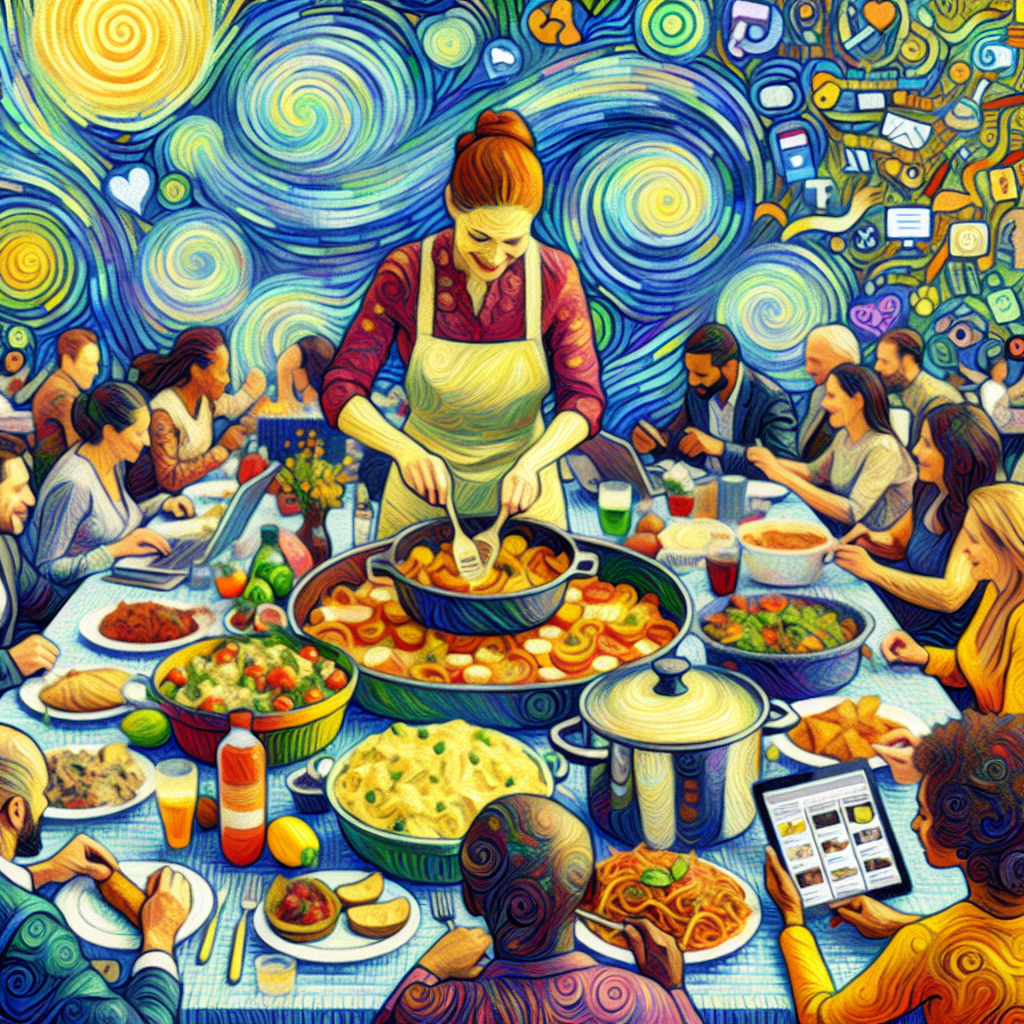
Turning Social Proof Into Real Relationships
Turning Social Proof Into Real Relationships
- Transforming social proof into meaningful relationships amidst digital noise requires authentic connections.
- Engaging deeply with the stories behind interactions fosters emotional resonance and honors individual journeys.
- Building a community involves creating trust and shared experiences, enriching both the brand and its followers.
- Genuine connections emerge through vulnerability, as sharing failures and challenges enhances relatability.
- Inviting audiences into honest dialogue shifts focus from mere marketing to building lasting relationships.
- Connections should be about transforming numbers (followers and likes) into real friendships.
- The heart of true relationships lies in shared stories, which create a tapestry of human experiences.

Turning Social Proof Into Real Relationships
Table Of Contents
- Turning Social Proof Into Real Relationships
- What Experiences Have Shaped Your View Of Friendship?
- How Do You Define a Meaningful Connection?
- Can Social Proof Enhance Your Trust In Others?
- What Ethical Boundaries Exist In Online Relationships?
- How Do Real Relationships Impact Your Mental Well-Being?
- What Stories Have Helped You Connect with People Deeper?
- How Can Vulnerability Strengthen Your Social Ties?
- Conclusion
- Other Resources
- Glossary Of Terms
- Other Questions
- Haiku
- Poem
- Checklist
What Experiences Have Shaped Your View Of Friendship?
When I think about friendship, I’m reminded of the countless moments that shaped my view of what it truly means to be a friend. It all started in the backyard of my childhood home, where simple games turned into life lessons. Friends were not merely playmates; they were the lifeboats we clung to amid the turbulent waters of adolescence. There was one particular summer night, the kind where fireflies danced in the dusk and laughter echoed in our hearts. We sat around a bonfire, sharing secrets and dreams, unaware that those moments were seeding the deep-rooted connections we would come to rely on.
Fast forward a couple of decades, and life has a way of throwing curveballs. Friends become anchors, reminding us of who we once were when the storms of life threaten to swallow us whole. One of my friends faced a challenging battle with illness. Watching him endure and persist redefined my understanding of loyalty and resilience. It wasn’t just about being there during the good times; it was about showing up, sticking around, and simply being present, even in silence. This experience transcended words, teaching me that true friendship is forged in the fires of hardship and nurtured in the quiet moments of understanding.
Friendship also carries an ethical weight—an unspoken promise to lift each other up, to stand vigilant against the tide of negativity that can sometimes sweep over us all. In a world where self-interest often takes precedence, the ability to put someone else’s needs above our own is a quality worth celebrating. As we navigate our lives, we become participants in a larger narrative that ties us to one another. Each friend adds a chapter to our story, shaping us even when we don’t realize it.
On social media, we might have hundreds of acquaintances, yet the strength of real friendship is measured in depth, not numbers. It’s the kind of connection that compels us to reach out—whether through a simple message or an unexpected visit. As we navigate our own personal challenges, consider the friends who have walked beside you. Their presence reminds us we are not alone; they are the mirrors reflecting our best selves, urging us to grow, explore, and forge ahead. So, as you reflect upon your own experiences, think about how these bonds have not only shaped you but also the world around you.

What Experiences Have Shaped Your View Of Friendship?
What Experiences Have Shaped Your View Of Friendship?
- Friendship is shaped by significant childhood experiences that instill life lessons.
- Friends act as lifeboats during turbulent adolescence and life challenges.
- Shared moments, like sitting around a bonfire, create lasting connections.
- True friendship is tested during hardships, revealing loyalty and resilience.
- Friendship involves an ethical commitment to support each other against negativity.
- Depth of friendship outweighs the quantity of acquaintances in our lives.
- Real friends reflect our best selves, encouraging growth and exploration.

What Experiences Have Shaped Your View Of Friendship?
How Do You Define a Meaningful Connection?
When we talk about meaningful connections, we’re delving into something that transcends the superficial chatter found in a website or a blog. It’s not just about knowing someone’s name or remembering the most recent weather report; it’s about forging bonds that resonate with both heart and spirit. Let’s be real: the most lasting relationships are built in the crucible of shared experience, where the commonalities of our lives unfold like a well-worn map.
Consider, for a moment, the people you’ve met who left an indelible mark on your life. Maybe it was an old friend who understood your quirks, or a stranger who offered a simple act of kindness on a tough day. These are not just fleeting moments; these interactions become part of our narrative. The stories we share, rich in laughter and occasionally sprinkled with tears, are what make life vivid. You’ve felt it in your gut when someone genuinely connects with you—there’s an electric charge that signals something profound has occurred.
Now, let’s engage the head. We all have an innate desire for connection. Psychologists emphasize the importance of belonging to a community, and studies show that meaningful relationships can even improve our health. It makes sense: we’re wired for social interaction. But there’s more to it: ethical considerations arise as you embrace authenticity. To foster meaningful connections, you must be honest with yourself and others. Strip away the masks we so often wear, and you’ll find that vulnerability is a strength, not a weakness.
Think about the environment in which connections flourish. When we foster spaces that invite conversation, understanding, and empathy—be it at work, in family settings, or with friends—we’re laying down the framework for deeper relationships. People want to be heard; they want to feel valued. Each conversation is an invitation to establish trust, and trust is the foundation upon which we build our connections.
So, how do you define a meaningful connection? It’s not strictly about quality or quantity; it’s the simple, profound acknowledgment that we’re all navigating the same human experience. Every shared moment, every heartfelt conversation, adds another strand to the intricate web of connectivity that binds us together. Embrace the messy, beautiful journey of relationship building, and you might just find that those connections are what truly matter.

How Do You Define a Meaningful Connection?
How Do You Define a Meaningful Connection?
- Meaningful connections go beyond superficial interactions, encompassing bonds that resonate with heart and spirit.
- Lasting relationships are formed through shared experiences that reveal our commonalities.
- Indelible moments with others, whether friends or strangers, become integral parts of our personal narratives.
- Human beings have an innate desire for connection, with psychological studies highlighting its impact on health and well-being.
- Authenticity and honesty in relationships foster deeper connections, requiring vulnerability as a strength.
- Creating environments that encourage conversation and empathy helps cultivate trust, which is essential for meaningful connections.
- A meaningful connection is defined by the acknowledgment of our shared human experience through heartfelt conversations.

How Do You Define a Meaningful Connection?
Can Social Proof Enhance Your Trust In Others?
Imagine standing at a crossroads where every decision feels monumental, where each choice weighs heavy like a lead ball in your gut. You’re searching for a sign, a voice of reason, perhaps a glimmer of reassurance that you’re not walking this path alone. This is the crux of human experience—it’s raw, it’s real, and it’s the magnetic pull of social proof that can light the way.
Consider this: every time you step into a new restaurant, you’re not just scanning the menu; you’re looking for cues, signs from others that it’s a worthy venture. That packed house with laughter spilling from the doors? It beckons you to join in the camaraderie. Social proof isn’t just about following the crowd; it’s about finding a sense of belonging. That connection nurtures trust—not just in the establishment but also in your circle of acquaintances who have steered you that way.
We often rely on others’ experiences as a compass guiding our choices. Your best friend raves about a website—or a blog—that changes their thinking or perhaps shifts a long-held belief. This anecdote resonates emotionally; you can see them transformed, their enthusiasm becoming your torch in the dark. It awakens a rational understanding, compelling you to explore the path they recommend. You’re not just blindly following; you’re choosing to act based on reliable witnesses to experience.
That’s the heart of it: ethics come into play when you recognize that trust is built upon a foundation of shared honesty. When testimonials, reviews, and personal stories align with your values, it creates a ripple of integrity. You may not know the author of that blog, yet their authentic accounts call to your better nature, driving you to connect more deeply.
Consider scholars, experts, and influential figures casting a spotlight on social proof. Their authority not only backs up the claims but strategically reinforces the very fabric of trust. With every emerging narrative, every shared experience, a community blossoms. It’s a web of validation that strengthens your resolve and peer affirmation brings an empowering reassurance.
So, the next time you find yourself surveying the landscape of choices, remember—you’re not in this alone. You have the power to leverage social proof, transforming uncertainty into action, doubt into conviction. Choose wisely, engage earnestly, and let the collective wisdom of your tribe elevate your path forward.

Can Social Proof Enhance Your Trust In Others?
Can Social Proof Enhance Your Trust In Others?
- Facing decisions can feel overwhelming, leading to a search for signs and reassurance.
- Social proof influences our choices, as seen when choosing a restaurant based on its popularity.
- Belonging and trust are nurtured through shared experiences and recommendations from others.
- Personal anecdotes from friends can serve as guiding lights, prompting us to explore new ideas.
- Trust is built on shared honesty, with testimonials and stories aligning with our values.
- Authority figures and experts reinforce social proof, creating a community of shared experiences.
- Leverage social proof to transform uncertainty into action and gain confidence in your decisions.

Can Social Proof Enhance Your Trust In Others?
What Ethical Boundaries Exist In Online Relationships?
In our increasingly digital landscape, online relationships have flourished—sprouting like weeds in a garden previously ruled by the social norms of face-to-face interaction. But just as any gardener knows, with growth comes the responsibility of tending to ethical boundaries. The essence of online connections often hinges on trust, and let’s be honest: navigating these waters can be murky.
Consider the thrill of meeting someone new through a website or blog, where the shared passion for a hobby or topic ignites a spark. There’s a certain magic in discovering common ground, yet this magic can easily morph into something murky if we let our guards down too quickly. When you’re conversing behind a screen, how do you truly gauge the authenticity of another person’s intentions? This isn’t just a question of ethics—it speaks to the heart of our humanity.
Rationally, we understand the risks that accompany online relationships. The anonymity of the internet can embolden some to misrepresent themselves, weaving a façade that eventually dissolves, leaving broken trust in its wake. It’s easy to get caught up in the excitement of a budding connection, but allowing ourselves to be swept away can result in emotional scars that linger far beyond a simple miscommunication.
Ethically, we owe it to ourselves and to others to maintain standards. Transparency is crucial. If we present ourselves truthfully, we create an environment where others feel safe to do the same. It’s a foundational principle for any relationship, online or offline. Each message exchanged, each emoji sent, is a thread in a fabric of trust, weaving connection from shared experiences and values.
Let’s not underestimate the power of stories, either—the narratives spun within online interactions can unify us, giving voice to our shared struggles and triumphs. Pulling ourselves together through mutual understanding can foster a sense of belonging, reinforcing the belief that we’re not alone in this vast digital expanse.
Yet, with the power of connection comes a responsibility to honor these ethical boundaries. Setting limits is not just about protecting oneself; it’s about nurturing the bond that brought you together in the first place. Engage with empathy, listen with intent, and choose words carefully. After all, trust once broken can be harder to mend than any physical distance. In this age of digital relationships, let’s be guardians of authenticity, crafting connections that inspire confidence, foster trust, and ignite genuine interaction.

What Ethical Boundaries Exist In Online Relationships?
What Ethical Boundaries Exist In Online Relationships?
- Online relationships have grown in our digital landscape, moving away from traditional face-to-face interactions.
- These connections are often based on trust, making it essential to set ethical boundaries.
- Initial excitement can lead to vulnerability, risking misrepresentation and emotional scars.
- Maintaining transparency is vital in fostering an environment conducive to trust.
- The power of shared narratives can enhance connection and create a sense of belonging.
- Engaging with empathy and intent is crucial for nurturing digital bonds.
- In the digital age, we must prioritize authenticity to build lasting, trusting connections.

What Ethical Boundaries Exist In Online Relationships?
How Do Real Relationships Impact Your Mental Well-Being?
When we think about the relationships that color our lives, we often overlook their profound impact on our mental well-being. Picture this: a sturdy oak tree. Its roots run deep, intertwining with those of other trees, drawing strength from a shared foundation. This is much like our relationships. They provide a support system that nurtures our emotional health and fortifies our resilience in the face of life’s storms.
Scientific research affirms what many of us instinctively know: meaningful relationships can bolster our mental well-being. It’s not just the feel-good moments that matter; it’s the daily interactions, the laughter shared over coffee, and the late-night conversations. These connections act as a balm for our psychological wounds, lowering stress levels, reducing anxiety, and even improving our immune function. When our relationships are strong, we navigate life’s challenges with a bit more grit.
But it’s not just about the science. Reflect for a moment on how it feels to have someone who truly understands you. Maybe it’s the friend who reads your mood like a book, or the partner who listens without judgment. These relationships remind us that we are not alone — a fundamental human need. They create a sense of belonging and purpose, making the rocky roads of life feel a little less overwhelming.
Ethically, it compels us to invest in these connections. Prioritizing time with loved ones isn’t just a luxury; it’s a responsibility we bear toward ourselves and those we cherish. After all, the more we nurture our relationships, the stronger and more resilient they become.
Imagine sharing your dreams and fears with someone who not only hears your words but also values them. That’s the kind of connection that reshapes our mindset, pushing us to be the best versions of ourselves. It’s here that we find the courage to take risks, to step outside our comfort zones, knowing we have a safety net of unwavering support beneath us.
So, as you navigate the winding paths of your own life, don’t hesitate to reach out to your network. Cultivate those crucial bonds that feed your spirit and bolster your mental health. After all, in the grand design of life, our relationships are more than just threads; they are the very fabric of our being. Embrace them, elevate them, and watch how they enrich your journey.

How Do Real Relationships Impact Your Mental Well-Being?
How Do Real Relationships Impact Your Mental Well-Being?
- Relationships play a vital role in our mental well-being, much like the roots of a sturdy oak tree.
- Meaningful connections provide emotional support and resilience during life’s challenges.
- Daily interactions—laughter, conversations—serve as a balm for psychological wounds.
- Strong relationships lower stress, reduce anxiety, and can improve immune function.
- Having someone who understands us fosters a sense of belonging and purpose.
- Nurturing connections is both a personal responsibility and essential for our growth.
- Building a supportive network encourages us to take risks and pursue our best selves.

How Do Real Relationships Impact Your Mental Well-Being?
What Stories Have Helped You Connect with People Deeper?
There’s a unique power in stories, especially those that connect us to one another in profound ways. Think back, for a moment, to times you felt a deep bond with someone—what happened? More often than not, it’s a shared tale that lit that spark of connection. Whether on a bustling city street or a quiet café, stories have an uncanny way of transforming strangers into confidants.
Imagine the first time you heard a personal narrative that resonated with your own experience. Perhaps it was the heartfelt confession of a friend recalling their struggle with loss or a stranger’s account of a triumph against adversity. Such moments remind us of our shared humanity, creating an invisible thread that binds us. When we strip away the façades we often wear, we reveal our vulnerabilities—a common ground that can be incredibly healing.
Consider this: stories don’t just entertain; they enlighten. In navigating life’s complexities, storytelling serves as a profound tool for understanding. When someone opens their heart and shares their journey—every twist and turn—the listener gains insight not only into another person’s world but also into their own. This exchange fosters empathy and compassion. It’s a dance of the heart and mind, illuminating pathways we may not have considered before.
We all crave connection but hesitate to reach out first. The beauty lies in the realization that sharing stories can break down those barriers. It’s not merely about recounting events; it’s about the values and lessons that emerge. When we embrace this idea, we start weaving a tapestry of narratives that speak to courage, resilience, and love. The more we share, the more we empower others to do the same.
Let’s face it—an honest story can be a catalyst for change. In a world often driven by superficial interactions, it takes courage to delve into the depths of what makes us human. When you sit down to write or share your tale, whether on a website, in a blog, or face-to-face, you are engaging in an act of authenticity that can inspire trust and confidence. So, tell your story, listen to others, and let these exchanges nurture the roots of your connections. After all, it’s in those stories where we find the heart of our shared existence.

What Stories Have Helped You Connect with People Deeper?
What Stories Have Helped You Connect with People Deeper?
- Stories have the power to profoundly connect us to one another.
- Shared narratives often ignite deep bonds between individuals.
- Personal stories reveal our vulnerabilities, fostering healing and understanding.
- Storytelling enlightens and serves as a tool for navigating life’s complexities.
- Sharing stories can break down barriers and promote empathy and compassion.
- Honest storytelling can catalyze change and inspire trust in our interactions.
- Engaging in storytelling nurtures connections and highlights our shared humanity.
What Stories Have Helped You Connect with People Deeper?
How Can Vulnerability Strengthen Your Social Ties?
Vulnerability is often seen as a weakness, a chink in the armor of our emotional defenses. But let’s flip the script: what if it’s actually the secret sauce that can deepen our social connections? When we’re willing to drop the façade and show our true selves, it creates opportunities for genuine connection. In a world fascinated by curated images and polished personas, daring to be real can feel like standing naked in a crowded room. It might scare you, but it also holds the potential to weave bonds that are unshakeable.
Think about it. When someone shares their struggles, it resonates. We find comfort in the flawed, the imperfect—after all, who among us hasn’t faced challenges? Rationally, it makes sense. Sharing our vulnerabilities invites empathy and support rather than judgment. It’s a reminder that we’re all in this messy adventure of life together, navigating a landscape littered with triumphs and failures. By revealing our true selves, we open the door for others to do the same—creating a safe space where authenticity reigns.
Ethically, choosing to be vulnerable fosters a culture of trust and openness. When we embrace our imperfections, we model a behavior that’s not just admirable but vital. It’s a call to action: every time we share our stories, we encourage others to step into their truth, breaking down the walls of isolation that so many of us feel. You see, vulnerability isn’t about slinging around your burdens like confetti; it’s about honest, heart-to-heart connections that inspire mutual support.
Think of that brave moment when a friend confides in you about their fears. The air shifts, doesn’t it? Suddenly, it’s not just a tale of hardship; it’s a testament to resilience. Now, you’re not just acquaintances; you’re allies on this journey, ready to encourage each other through the storm.
And so, whether through a heartfelt blog or a simple face-to-face chat, let’s embrace our vulnerabilities. Share your stories. Speak your truth. Because in those moments of raw honesty, we become not only more relatable but more powerful. We build a community that honors the real and the raw, a testament to the strength found when we stand together, unashamedly human.

How Can Vulnerability Strengthen Your Social Ties?
How Can Vulnerability Strengthen Your Social Ties?
- Vulnerability is often perceived as a weakness, but it can enhance social connections.
- Showing our true selves leads to genuine connections in a world of curated images.
- Sharing struggles resonates with others and fosters empathy and support.
- Revealing our authentic selves creates a safe space for others to do the same.
- Embracing vulnerability cultivates trust and openness in relationships.
- Sharing personal stories encourages others to break down feelings of isolation.
- Honest connections lead to stronger communities that embrace humanity and resilience.

How Can Vulnerability Strengthen Your Social Ties?
Conclusion
In today’s hyper-connected world, the art of forging genuine connections often feels overshadowed by the loud cacophony of digital interactions. We may accumulate followers, likes, and shares, but transforming these statistics into meaningful relationships is where the real magic happens. It’s all about stepping beyond the screen and inviting others into our lives with courage and authenticity.
Imagine the stories behind every like—unique journeys filled with struggles, victories, and lessons learned. When we take the time to engage with these narratives, we spark emotional connections that resonate on a deeper level. It’s not merely about building an audience; it’s about cultivating a community based on trust, respect, and shared experiences. This isn’t just good marketing; it’s a moral duty to uplift others as we uplift ourselves.
True authority in any relationship stems not from perfection but from vulnerability. Sharing your missteps, trials, and tribulations not only garners empathy but also invites others to relate on a visceral level. The strength of authentic relationships lies in this raw honesty, where each person feels free to reveal their scars as well as their successes.
In an era riddled with superficiality, people yearn for connection that transcends mere acquaintance. When we foster spaces for open dialogue, we don’t just market—we build profound, lasting friendships. Each interaction becomes a thread in a vast tapestry of human experience, reminding us of the shared journey we’re all on.
As social beings, we inherently seek belonging. Our mental well-being flourishes when surrounded by relationships that ground us and remind us we are not walking this path alone. These connections forge a support system that enhances resilience and positivity, underscoring our ethical responsibility to nurture our ties to one another.
Furthermore, we have stories to tell, stories that can change lives. When we open ourselves up and practice vulnerability, we empower others to do the same. Such exchanges inspire trust, creating a culture of openness that lifts everyone involved. In this way, being vulnerable is not a weakness—it’s a profound strength.
Let’s commit to transforming our online presence from an avatar of self-promotion to a beacon of connection and authenticity. Every time we engage with depth and honesty, we breathe life into our relationships, turning fleeting interactions into enduring bonds. Because in the end, it’s those genuine connections that make this wild ride worth embarking on.

Conclusion
Conclusion:
- Digital interactions often overshadow genuine connections in today’s hyper-connected world.
- Building meaningful relationships requires stepping beyond the screen with courage and authenticity.
- Engaging with the stories behind digital interactions fosters emotional connections and cultivates community.
- True authority in relationships comes from vulnerability, sharing both successes and struggles.
- People crave connections that go beyond superficial acquaintance, leading to profound friendships.
- Our relationships enhance mental well-being and create a support system that nurtures resilience.
- Practicing vulnerability empowers us and others, fostering a culture of trust and openness.

Conclusion
Other Resources
Other Resources
Here is a list of other resources you can review online to learn more:
- Opchatgpt.com
- Dreamstudio.ai
- Prisma-ai.com
- Justlearn.com
- Roast.dating
- Personal.ai
- Hellotars.com
- Apple Podcasts
- Articleforge.com
- Mostrecommendedbooks.com
- Madgicx.com
- Jasper
- Yourmove.ai
- Voicebot.ai
- The Tim Ferriss Show
- Artsexperiments.withgoogle.com
- Slite.com
- Logomaster.ai
- Provenskincare.com
- Speechify.com
Use This Prompt To Get More Resources With Your Favorite Online AI Tool: Please provide me with a list of online articles with their URLs in a bulleted list that I can read regarding Turning Social Proof Into Real Relationships

Other Resources
Glossary Terms
Turning Social Proof Into Real Relationships – Glossary Of Terms
1. Social Proof: The psychological phenomenon where individuals look to others’ behaviors or attitudes to determine their own actions in social settings.
2. Authenticity: The quality of being genuine and true to oneself, which fosters trust in relationships.
3. Connection: A bond or link between individuals that is characterized by mutual understanding and support.
4. Trust: The reliance on the integrity, strength, and ability of a person or group, vital for building strong relationships.
5. Engagement: The level of interaction and involvement that individuals show towards others in social or professional environments.
6. Reciprocity: The practice of exchanging things with others for mutual benefit; a key principle in fostering relationships.
7. Community: A group of individuals who share common interests and values, enhancing the bond between members.
8. Influencer: A person who has the power to affect the purchasing decisions of others due to their authority, knowledge, or position.
9. Validation: The act of acknowledging and affirming someone’s feelings or opinions, which strengthens relationships.
10. Empathy: The ability to understand and share the feelings of another, crucial for building deep connections.
11. Feedback: Information provided about a person’s performance or behavior, can enhance mutual understanding in relationships.
12. Networking: The act of establishing professional and social connections to leverage opportunities and resources.
13. Support System: A network of people who provide emotional, physical, or financial assistance to an individual.
14. Collaboration: Working together towards a common goal, enhancing relationships through shared efforts.
15. FOMO (Fear of Missing Out): The feeling of anxiety when one believes others are having rewarding experiences without them, influencing social behavior.
16. Emotion: A complex psychological state that involves subjective experience, physiological response, and behavioral or expressive response.
17. Interaction: The exchange or communication between individuals, pivotal for relationship development.
18. Social Media: Platforms that enable users to create and share content or participate in social networking, influencing connections.
19. Peer Influence: The pressure felt to conform to the behaviors and attitudes of peers, impacting personal choices and relationships.
20. Bonding: The process of developing a strong connection with someone based on shared experiences or interests.
21. Curated Content: Selectively sharing information that aligns with audience interests, facilitating engagement and relationships.
22. Cohesion: The degree to which members of a group feel connected and united, enhancing overall relationship strength.
23. Brand Loyalty: The tendency of consumers to continue buying from a specific brand, often fueled by social proof and relationships.
24. Affinity: A natural liking or sympathy for someone, which can lead to deeper relationships.
25. Mentorship: A relationship where a more experienced person guides someone less experienced, promoting personal and professional growth.
26. Social Capital: The networks of relationships among individuals that enable society to function effectively.
27. Inclusion: The practice of creating an environment where diverse individuals feel welcomed and valued, enhancing community ties.
28. Norms: Shared expectations and rules that guide behavior within a group, influencing relationships.
29. Transparency: Openness and honesty in communication, fostering trust and stronger connections.
30. Well-being: The state of being comfortable, healthy, or happy, which is often influenced by the quality of relationships.

Glossary Of Terms
Other Questions
Turning Social Proof Into Real Relationships – Other Questions
If you wish to explore and discover more, consider looking for answers to these questions:
- What are some practical ways to turn social media interactions into real-life connections?
- How can personal storytelling enhance the authenticity of online relationships?
- What role does empathy play in building meaningful connections?
- How can someone overcome the fear of vulnerability in their relationships?
- What techniques can be used to foster genuine dialogue in digital spaces?
- How can one ensure ethical behavior in online friendships?
- What are the signs of a healthy and supportive relationship?
- How can individuals cultivate a sense of belonging within their online communities?
- What impact does sharing personal challenges have on others?
- How can organizations apply these principles to strengthen team dynamics?
- What boundaries should be established in online interactions to maintain trust?
- How does social proof influence decision-making in relationships?
- What are the long-term benefits of investing in meaningful relationships?
- How can nurturing connections improve overall mental health?
- What strategies exist for reconnecting with old friends?
- How can stories of resilience inspire others to connect on a deeper level?

Other Questions
Haiku
Turning Social Proof Into Real Relationships – A Haiku
In the digital sea,
Hearts connect through shared stories—
Real bonds weave like roots.

Haiku
Poem
Turning Social Proof Into Real Relationships – A Poem
In a world where clicks define our worth,
Amidst the noise of social mirth,
We strive for bonds that rise above,
To turn cold followers into warm love.
Behind the screens, each heart unfolds,
With stories waiting to be told;
A tapestry of journeys shared,
In genuine dialogue, we’re declared.
Connection starts at the honest seam,
Where aspirations and fears beam;
Embracing flaws, we find our grace,
Trust builds slowly in this sacred space.
The echoes of laughter, tears we share,
Anchor our souls, remind us we care;
A friend’s silent presence, the wisdom in strife,
Reminds us of the beauty in the dance of life.
In vulnerability lies our strongest thread,
A call to be real, to speak what’s unsaid;
For when we open up, and let down our guard,
A community rises, steadfast and hard.
No longer mere metrics of likes or of shares,
But souls intertwined in authentic cares;
Every story ventured, every heart laid bare,
Nurtures roots deep, in love’s fragrant air.
So step beyond the pixelated haze,
Forge these connections in countless ways;
For in the quiet moments and shared delight,
We found strength together, igniting the night.

Poem
Checklist
Turning Social Proof Into Real Relationships – A Checklist
Checklist for Turning Social Proof Into Real Relationships
Heart: Emotional Connection
_____ Reflect on a meaningful story you’ve shared with a friend or family member. How did it strengthen your bond?
_____ Identify three individuals whose stories resonate with you. What common experiences or emotions connect you?
_____ Practice active listening. The next time you talk to someone, focus on understanding their feelings rather than just responding.
Head: Rational Understanding
_____ Analyze your social media interactions. Are you engaging deeply with your audience, or merely collecting likes and followers?
_____ List the benefits of building a community around shared experiences. How can these strengthen your relationships?
_____ Consider the ethical implications of your online presence. Are you being authentic and transparent in your interactions?
Gut: Instinctive Trust
_____ Identify situations where social proof influenced your decisions. How did other people’s experiences shape your choices?
_____ Reflect on a time when vulnerability led to a deeper connection with someone. What did you learn from that encounter?
_____ Create a boundary for online engagement. How will you ensure authenticity in your digital relationships moving forward?
Ethical Considerations
_____ Assess your online interactions for ethical transparency. Are you representing yourself truthfully?
_____ Think about how you can lift others up in your online community. What actions can you take to foster trust and support?
Authority Insights
_____ Seek out experts or influential figures who discuss the importance of vulnerability and authentic relationships. What lessons can you apply to your own relationships?
_____ Follow thought leaders who emphasize community building. Share their insights with your network to create a culture of support.
Narrative Engagement
_____ Write down a personal narrative that highlights a challenge you overcame. How can sharing this story foster connection with others?
_____ Create a vision board that reflects the stories and experiences that have shaped your most important relationships.
Social Engagement
_____ Join online communities that align with your values. How can you actively participate to build deeper connections?
_____ Attend local events or meetups to connect with people in real life. What steps can you take to initiate conversations and foster relationships?
This checklist can guide you as you strive to transform social proof into authentic, meaningful relationships in both your online and offline life.
Checklist
At WebsiteBloggers, we help website bloggers develop strategies to create content, traffic, and revenue from website blogs based on our experiences and experimentation.
Be sure to read our other related stories at WebsiteBloggers and share this article with your friends, family, or business associates who run website blogs.