Embracing Imperfection: The Revolution Of Anti-Design
By Tom Seest
At WebsiteBloggers, we help website bloggers develop strategies to create content, traffic, and revenue from website blogs based on our experiences and experimentation.
Be sure to read our other related stories at WebsiteBloggers and share this article with your friends, family, or business associates who run website blogs.
Ugly-Pretty Is the New Aesthetic – Welcome to Anti-Design
In a world obsessed with perfection, the rise of the ugly-pretty aesthetic invites us to embrace imperfection as an art form. Think about it: we’ve spent years enshrining clean lines, flawless palettes, and the shiny surfaces that scream certified ‘nice.’ Yet here we are, stumbling into a garden of delightful weirdness. Why? Because maybe, just maybe, in those crooked edges and mismatched colors lies a wealth of authentic stories waiting to be told.
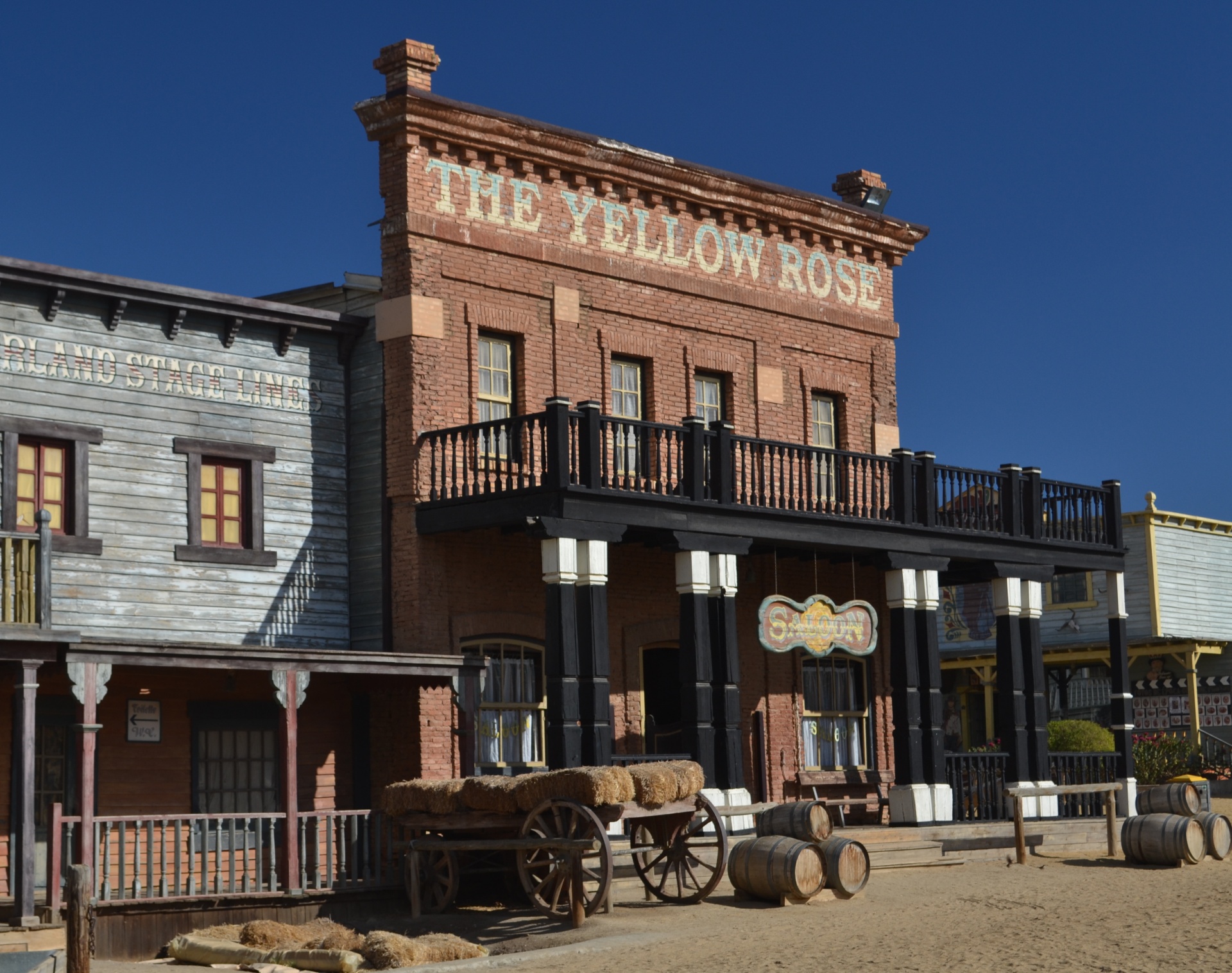
Picture your favorite local shop—walls peeling, signs askew, and a hodgepodge of knick-knacks that don’t quite match. There’s a charm in this chaotic arrangement that tells you it’s real, it’s lived in. Every flaw beckons you closer, inviting you to lean in and connect. That’s the heart of the anti-design movement. It’s not trying to seduce with polished veneers; instead, it offers a sanctuary where the raw, the gritty, and the beautifully imperfect can thrive. This isn’t just about aesthetics; it’s about honoring the narratives we’ve overlooked amid our relentless pursuit of the pristine.
Our heads can recognize the futility in striving for an unattainable standard. The gut agrees. You’ve felt it, right? That gnawing unease when you scroll through carefully curated feeds, and everything blurs together into a glossy haze. But in embracing the ugly-pretty, we feel liberation. We find connection in the oddities that reflect our own lives. You can let your guard down, invite the messiness of life in, and create a world where imperfections aren’t just tolerated but celebrated.
On the ethical front, promoting this aesthetic allows us to challenge the convention that dictates beauty must fit within rigid parameters. You become part of a community that values diversity—not just in the surface, but in the stories behind each unconventional curve and mismatched element. This movement sends a clear message: it’s time to cast aside judgments and embrace what makes us human—flaws and all.
So, whether you’re browsing the latest designs on a website or digging into a blog about the movement, remember this isn’t just about how things look. It’s about reclaiming our narratives, exploring the richness of authenticity, and finding joy in the beautiful chaos that is life. Join us on this journey into the glorious, the messy, and the downright delightful. It’s more than a trend; it’s a revolution.

Ugly-Pretty Is the New Aesthetic – Welcome to Anti-Design
Ugly-Pretty Is the New Aesthetic – Welcome to Anti-Design
- The ugly-pretty aesthetic encourages embracing imperfection as an art form.
- This movement contrasts polished surfaces and perfect designs with raw, authentic narratives.
- Local shops with chaotic arrangements embody the charm of lived-in spaces.
- The anti-design movement celebrates the gritty and beautifully imperfect aspects of life.
- Embracing the ugly-pretty aesthetic offers liberation and a sense of connection.
- Promoting this aesthetic challenges conventional standards of beauty and values diversity.
- This revolution focuses on reclaiming narratives and finding joy in life’s beautiful messiness.

Ugly-Pretty Is the New Aesthetic – Welcome to Anti-Design
Table Of Contents
- Ugly-Pretty Is the New Aesthetic – Welcome to Anti-Design
- How Does Anti-Design Challenge Traditional Aesthetics?
- What Role Does Society Play In Defining Beauty Standards?
- Can We Find Freedom In Embracing Imperfection?
- How Do Cultural Narratives Shape Our Perception Of Beauty?
- Are We Ready to Redefine Success Based on Authenticity?
- What Ethical Impact Does Beauty Privilege Have on Individuals?
- How Can Design Disrupt Our Expectations and Provoke Thought?
- Conclusion
- Other Resources
- Glossary Of Terms
- Other Questions
- Haiku
- Poem
- Checklist
How Does Anti-Design Challenge Traditional Aesthetics?
In a world that thrives on perfection, anti-design boldly stands at the edge, shaking its fist at traditional aesthetics. Now, if you think that sounds a bit dramatic, just consider this: the art of making something ugly can be deeply beautiful. Imagine a website that forgoes sleek navigation and spotless graphics—what you get instead is a raw, unapologetic representation of reality. It’s messy, it’s real, and it speaks volumes.
When we strip design down to its most basic elements, we’re not just throwing up our hands in frustration at convention; we’re diving into a narrative that communicates authenticity. Think about it. Today, consumers are bombarded with glossy ads and perfectly curated lives on social media, but how many of us are genuinely moved by those sterile images? Anti-design invites us to peel back the layers, challenging us to see beauty in what feels tangible and relatable. It taps into our hearts, reminding us that amidst the chaos of life, there’s an unfiltered truth that resonates deeply within us.
Rationally speaking, this movement is not just about rejecting norms; it’s about embracing the imperfections of human experience. Emphasizing flaws allows designers to connect with users’ emotions, eliciting a sense of familiarity and comfort. When a website blog goes against the grain, prioritizing substance over superficial shine, it fosters trust. Visitors can engage with content that feels genuine rather than contrived, leading to a deeper bond between creator and audience.
Ethically, anti-design raises questions about the very nature of artistry. Shouldn’t design reflect the world as it truly is? We are flawed beings living in an imperfect society, where the pursuit of constant perfection can lead to disillusionment. The anti-design movement champions honesty and transparency, standing as a powerful statement against the unrealistic ideals we often chase.
Lastly, consider the social aspect. When a community rallies around the principles of anti-design, it fosters a culture that values individuality over uniformity. It encourages conversations that celebrate the uniqueness of every voice, each choice, and every mistake made along the way. So, the next time you encounter something that challenges traditional aesthetics, remember: sometimes, it’s the beautifully chaotic that speaks to our souls and beckons us to embrace the imperfections of life.

How Does Anti-Design Challenge Traditional Aesthetics?
How Does Anti-Design Challenge Traditional Aesthetics?
- Anti-design challenges traditional aesthetics, prioritizing authenticity over perfection.
- This movement embraces imperfection, encouraging a raw and unapologetic representation of reality.
- It offers a narrative that resonates with consumers tired of glossy and curated images.
- Emphasizing flaws fosters emotional connection and trust between designers and users.
- Anti-design advocates for honesty and transparency, reflecting the true nature of human experience.
- It promotes a culture that values individuality and celebrates uniqueness in community discourse.
- Ultimately, anti-design invites us to find beauty in chaos and embrace life’s imperfections.

How Does Anti-Design Challenge Traditional Aesthetics?
What Role Does Society Play In Defining Beauty Standards?
Beauty standards are not etched in stone; they’re a living, breathing construct shaped by countless voices and influences throughout time. Society, with all its quirks and complexities, acts as a relentless sculptor, chiseling away at our perceptions of beauty. It’s a narrative that impacts all of us—from the billboards lining our city streets to the curated feeds on our social media platforms.
Think for a moment about the last time you scrolled through a website or a blog, searching for affirmation or a sense of belonging. You’re not alone. Many seek validation in the images they see, often subconsciously absorbing the ideals they promote. These standards can provide solace, but they can also become a yardstick for comparison, pushing us toward feelings of inadequacy. The emotional tug-of-war is real, enough to make anyone’s gut clench in discomfort.
Yet, let’s not ignore the flipside. Beauty standards can inspire motivation. Imagine a world where we embrace a diverse tapestry of appearances—where the strong lines of experience and the soft curves of childhood are equally celebrated. By leaning into this radical acceptance, we can foster a culture that values realness over perfection. This isn’t just an ethical plea; it’s a call to arms for collective growth and understanding.
Consider the social fabric we’re woven into. Influencers, celebrities, and even local heroes wield a surprising amount of authority in shaping what’s deemed beautiful. Their actions ripple out, creating waves that touch us all—whether we’re following trends or actively pushing back against them. Every time we share our stories or affirm our differences, we chip away at the monolith of conventional beauty, creating space for authenticity.
In sharing our own narratives—flaws, triumphs, and everything in between—we establish genuine connections. We start conversations that elevate every voice, making the pursuit of beauty as varied and rich as the individuals defining it. It’s in this discourse that trust takes root.
So, let’s invite authenticity back into the conversation about beauty. Reject those narrow definitions imposed by society and embrace a broader, more inclusive perspective. We’ve got the power to shape the conversation and redefine the standards, one story at a time. Let’s make beauty a celebration of our shared humanity rather than an unattainable target.

What Role Does Society Play In Defining Beauty Standards?
What Role Does Society Play In Defining Beauty Standards?
- Beauty standards are dynamic and shaped by societal influences over time.
- Many seek validation from images online, which can lead to feelings of inadequacy.
- These standards can inspire motivation and promote a diverse acceptance of appearances.
- Social influencers and celebrities play a significant role in defining beauty norms.
- Sharing personal stories fosters genuine connections and challenges conventional beauty ideals.
- Embracing authenticity can lead to a broader, more inclusive understanding of beauty.
- Redefining beauty standards can celebrate shared humanity, transforming it from an unattainable goal into a rich dialogue.

What Role Does Society Play In Defining Beauty Standards?
Can We Find Freedom In Embracing Imperfection?
Can we find freedom in embracing imperfection? In a world obsessed with flawless facades, it’s easy to forget that our scars and stumbles carry their own power. Everyday, we’re bombarded with images—perfect homes, perfect families, perfect lives scrolling past us like a never-ending reel. It’s tempting to buy into that myth, but here’s the kicker: those curated snapshots tell only part of the story.
When we embrace imperfection, we open ourselves to authenticity. Think about the last time you shared a vulnerable moment—a misstep at work or a personal struggle. Those conversations significantly build bridges with others. When we are real, we invite others to be real, too. Suddenly, you’re not just a person in a glossy magazine. You’re a fellow traveler on this messy journey we call life. And that connection? It’s everything.
Cognitively, we know that everyone—yes, even that polished influencer—has their struggles, their moments of doubt. Acknowledging that shared humanity gives us clarity. We’re not alone in our failings; we are, in fact, part of a grand tapestry woven with the threads of our imperfections. It’s not just okay to mess up; it’s expected! Life is a workshop where experimentation reigns, allowing us to learn and grow through trial and error.
From an ethical standpoint, embracing imperfection cultivates empathy. When we allow ourselves to be vulnerable, we empower others to accept their flaws too. We become advocates—not just for ourselves but for a society where the pursuit of unattainable standards doesn’t trap people in a cage of self-doubt. A life characterized by genuine acceptance fosters a healthier environment for everyone to thrive, where the merit of our character far outweighs the polish of our presentation.
And let’s not overlook the instinctual truth—it feels good to let the pressure off. Finding freedom in imperfection liberates your heart and gut from the constant need for approval. It’s a declaration: I am enough just as I am. When you embrace the idea that life isn’t about perfection but about progress, every stumble becomes a stepping stone. So, take a breath—take a leap—and start celebrating the wonderfully flawed human you are. You might just find that freedom awaits on the other side of your imperfections.

Can We Find Freedom In Embracing Imperfection?
Can We Find Freedom In Embracing Imperfection?
- Embracing imperfection can lead to personal freedom and authenticity.
- Social media often projects curated, unrealistic images of life, obscuring the truth of human experience.
- Sharing vulnerable moments fosters genuine connections with others.
- Acknowledging shared struggles among people can create a sense of community and clarity.
- Accepting imperfections allows for growth through trial and error in life’s journey.
- Vulnerability empowers others to accept their flaws and can challenge unattainable societal standards.
- Finding freedom in imperfection encourages self-acceptance and shifts focus from perfection to progress.

Can We Find Freedom In Embracing Imperfection?
How Do Cultural Narratives Shape Our Perception Of Beauty?
When you take a moment to look around, you’ll quickly find that beauty isn’t just a personal affair—it’s a communal tapestry woven from threads of history, culture, and shared experience. The truth is, cultural narratives shape our perceptions so profoundly that they are often the lenses through which we gauge our worth and the worth of others. Think about it: the images you see on social media or in magazines, the films you watch—they all paint a picture of beauty that is both aspirational and, at times, unreasonable.
Now, let’s dig deeper. The narrative that dictates what is beautiful can feel like a strict guidebook or a well-worn script. It presents an ideal that can shift with time and place, from the graceful forms of classical sculptures to the bold aesthetics celebrated in modern street art. This evolution isn’t arbitrary; it reflects our collective values, our struggles, and, ultimately, our aspirations. It’s important to ask ourselves: Who writes these narratives? And are they reflecting our authenticity, or are they merely echoing the voices of the powerful?
Here’s where it gets personal. Everyone wants to feel seen, understood, and appreciated. When we chase a beauty ideal imposed by others, we risk straying from the unique beauty that resides in our individuality. Think back to moments when kindness shone through the cracks of a polished facade. Those moments of genuine connection often resonate more deeply than any airbrushed image ever could. The beauty of a shared laugh, the warmth of genuine friendship, and the kindness we show one another—these are the true markers of beauty that often go unnoticed.
But there’s an ethical component here, too. We owe it to ourselves and to future generations to challenge superficial standards. By encouraging diversity and embracing our differences, we can foster a culture that celebrates beauty in all its forms. Begin conversations, share stories, and uplift those around you.
In the quest for beauty, let’s not forget that we all have the authority to reshape these narratives. Every time we choose to value authenticity over conformity, we create ripples of change. It’s time to redefine beauty on our own terms, grounding ourselves in connection rather than just the glossy images we see on a website blog. When we embrace this journey together, we cultivate a culture that recognizes the extraordinary in the ordinary, the beauty in the struggle. And that? That’s something worth fighting for.
How Do Cultural Narratives Shape Our Perception Of Beauty?
How Do Cultural Narratives Shape Our Perception Of Beauty?
- Beauty is a communal tapestry woven from history, culture, and shared experiences.
- Cultural narratives profoundly shape our perceptions and definitions of worth.
- Beauty ideals vary over time and reflect collective values and aspirations.
- Chasing imposed beauty ideals can disconnect us from our unique individuality.
- True beauty lies in genuine connections and kindness, rather than polished images.
- It’s important to challenge superficial beauty standards and embrace diversity.
- We have the power to reshape narratives by valuing authenticity over conformity.
How Do Cultural Narratives Shape Our Perception Of Beauty?
Are We Ready to Redefine Success Based on Authenticity?
Success has traditionally been defined by accolades, bank accounts, and titles—but what if the time has come to hold a mirror to our realities? Instead of pursuing the fleeting approval that can come by checking all the boxes on a societal checklist, let’s pause and consider a new standard—one rooted in authenticity.
Think about the last time you felt truly alive. Was it during a board meeting you nailed or was it that moment Saturday morning, coffee in hand, as you shared a laugh with your loved ones? This isn’t a radical thought; it’s as old as humanity itself. When we break free from the shackles of conventional success, we find room for genuine connection. This is the narrative we all secretly crave: stories that trace back to who we really are, not who we think we should be.
When we evoke authenticity as the measure of success, we not only tap into an emotional core but also foster a gut-level reaction that many find irresistible. No one wants to feel like a cog in a machine; we all want to feel valued, appreciated, and understood. It’s about more than personal fulfillment; it’s about cultivating an environment where our individual stories intertwine, enriching our collective experience. This isn’t merely wishful thinking—it strikes at the heart of our ethical responsibilities to ourselves and to each other.
Consider the professionals who pour their souls into their craft, whether they’re artists, tradespeople, or caregivers—each contributing to a rich tapestry of human experience. Most of us can relate to that moment of pride when we’ve accomplished something that truly speaks to our essence, not just the expectations of others. Why should we continue to prop up a system that praises surface-level achievements over the depth of character?
Aligning success with authenticity rebuilds trust in our personal and collective journeys. Each of us has a story worth sharing, one that resonates on so many levels, vulnerable but sturdy, encouraging others to step out of their own shadows.
Success redefined isn’t just an ideal—it’s a movement. It urges us to leverage our stories, create genuine connections, and inspire action grounded in realness. Engage with this vision on your website, your blog, or just in conversations with friends. What are you waiting for? Pull the thread, unravel the expected, and embrace a new narrative of success based on authenticity. The time is ripe; let’s write it together.

Are We Ready to Redefine Success Based on Authenticity?
Are We Ready to Redefine Success Based on Authenticity?
- Traditional definitions of success focus on accolades, wealth, and titles.
- There’s a call to redefine success based on authenticity and personal connections.
- True moments of fulfillment often come from genuine experiences, not societal accomplishments.
- Embracing authenticity fosters deeper connections and enriches collective experiences.
- Professionals across various fields contribute their essence, highlighting the value of depth over surface achievements.
- Redefining success creates trust and encourages the sharing of personal stories.
- This shift towards authenticity is a movement that inspires genuine connections and action.
Are We Ready to Redefine Success Based on Authenticity?
What Ethical Impact Does Beauty Privilege Have on Individuals?
When we peel back the layers of beauty privilege, we come face to face with a tangled web of ethical implications that stretch deep into the core of our society. Let’s be honest: we’re wired to respond to beauty. It’s not just a superficial gloss; there’s an undeniable power in attractiveness, one that can open doors or slam them shut, sometimes without a second glance. This isn’t just about aesthetics; it’s about lives, dreams, and the choices we make.
Think for a moment about the young girl in school – let’s call her Mary. Mary isn’t just judged on her intelligence; she’s often measured by how pleasant she looks standing at the blackboard. Her classmates, subtly and overtly, offer her privileges because of her appearance, shaping her self-esteem and influencing her social dynamics. Now imagine another girl, Sarah, who doesn’t fit traditional standards of beauty. She faces hurdles that are both invisible and visible, creating an ethical dilemma in how we value individuals based on looks alone. The divide is stark: one girl rides the wave of beauty privilege, while the other fights against the tide.
What gives anyone the right to decide who deserves respect based on appearance? This question digs deep into our collective conscience and challenges societal norms. The truth is, beauty provides an unfair advantage, one that can skew opportunities and expectations. Consider workplace dynamics. Research shows that attractive individuals are often perceived as more competent and likable, allowing them to ascend the corporate ladder with an ease that their less conventionally attractive peers might never experience.
This doesn’t just affect careers— it trickles down into our social fabric. The bias trickles into friendships, relationships, and even how we treat strangers. It’s a systemic challenge that leaves non-conformists struggling for recognition, while the beautiful carry the weight of expectation.
So, what do we do about it? We assert our ethical responsibility to fair treatment for all. We challenge our biases, elevate voices that often go unheard, and practice empathy in a world dangerously enamored with appearances. It’s about making a connection, fostering an environment where beauty doesn’t define worth. Let’s be the advocates for change, not just for others, but for ourselves and the future we want to build. Society deserves a better scale of value, one that weighs character and effort over looks. Every single one of us has the power to tip the scales in the right direction.
What Ethical Impact Does Beauty Privilege Have on Individuals?
What Ethical Impact Does Beauty Privilege Have on Individuals?
- The concept of beauty privilege reveals deep ethical implications affecting society’s core.
- Attractiveness wields a significant power, influencing opportunities and choices in people’s lives.
- Children, like Mary, are judged based on appearance, impacting self-esteem and social dynamics.
- Individuals like Sarah, who do not fit traditional beauty standards, face unique and unfair challenges.
- Research indicates that attractive individuals are often perceived as more competent and likable in professional settings.
- Beauty bias extends beyond careers, affecting friendships, relationships, and treatment of strangers.
- We must challenge biases, promote empathy, and advocate for a value system based on character and effort.

What Ethical Impact Does Beauty Privilege Have on Individuals?
How Can Design Disrupt Our Expectations and Provoke Thought?
Design has a sneaky way of slipping into our lives, often unnoticed, yet it’s woven into the very fabric of our everyday experiences. Whether you’re scrolling through a website or reading a blog, think about how design shapes your perception and even your emotions. It’s not just about making things pretty; it’s about telling a story, sparking curiosity, and disrupting the mundane.
Consider a simple object—a coffee cup. At first glance, it might seem just functional, a vessel for your morning boost. But when that cup is designed with smooth contours and vibrant colors, it elevates your experience. It becomes more than just coffee; it becomes a moment to savor, a reason to pause and reflect. That’s the power of design—it can provoke thought and stir feelings deep within us, inviting us to connect with the world around us in ways we might not even realize.
Now, let’s take a step back. Rationally speaking, we live in a world saturated with information and choices. Good design cuts through the noise. It distills complex ideas into digestible visuals, making it easier for us to grasp concepts that might otherwise feel overwhelming. It encourages us to think critically about what we consume—whether it’s a product, an advertisement, or a piece of art. An expertly crafted design can challenge our beliefs and expand our worldview, urging us to embrace new perspectives.
On an ethical level, design can call us to action. Think about the apps and websites we use to advocate for social issues. They don’t just look good; they bring awareness and urgency to matters that need our attention. When design aligns with a cause, it fosters connection and trust. We see the commitment and care that has gone into crafting the message, and it resonates with us on a visceral level.
Stories are central to our humanity. When a design tells a compelling narrative, it invites us to engage, participate, and reflect on our own lives. It reminds us that we are all part of a larger tapestry, urging us to consider how our choices impact others.
In essence, design does far more than meet our expectations; it disrupts them, forcing us to question, to feel, and ultimately, to act. And in a world that often feels chaotic, that’s a powerful thing.

How Can Design Disrupt Our Expectations and Provoke Thought?
How Can Design Disrupt Our Expectations and Provoke Thought?
- Design is an integral part of our daily experiences, often unnoticed.
- It goes beyond aesthetics; it tells stories, sparks curiosity, and disrupts the ordinary.
- A well-designed item, like a coffee cup, enhances our experience and invites reflection.
- Good design simplifies complex information, making it more accessible and encouraging critical thinking.
- It can raise awareness and inspire action on social issues, fostering connection and trust.
- Compelling narratives in design engage us, reminding us of our interconnectedness and impact.
- Ultimately, design challenges our perceptions and drives us to question, feel, and act in a chaotic world.
How Can Design Disrupt Our Expectations and Provoke Thought?
Conclusion
In this age of polished perfection, the emergence of the ugly-pretty aesthetic signifies a profound shift in how we perceive beauty and design. It challenges us to confront the relentless pursuit of flawlessness and beckons us toward authenticity and imperfection—an invitation that echoes the very essence of what it means to be human. When we gaze at the cracks in the façade, we see not just flaws but stories, histories, and connections waiting to be made. It transforms our gaze, allowing us to appreciate the delightful chaos of life for what it truly is—a beautiful mess united by experience.
The anti-design movement highlights the value of authenticity over superficiality, reminding us that our hearts resonate more with the imperfections that reflect our shared struggles than with the glossy veneer of curated ideals. We instinctively recognize that perfection is not only unattainable but undesirable; it can leave us feeling alienated and disconnected. Instead, when we embrace failure and oddity, we invite community and conversation, revealing a profound truth: our imperfections weave the fabric of our unique identities.
Yet, this movement isn’t just about aesthetics. It’s an ethical challenge to long-held beauty standards shaped by society’s relentless sculpting hands. It urges us to question who decides what is beautiful and why it often sidelines the real stories and encapsulates superficiality. The activists behind this revolution recognize that beauty standards can and should evolve, incorporating diverse representations that celebrate the rich tapestry of human experience.
As we explore this terrain, we find the freedom to redefine success beyond societal expectations, moving towards a model steeped in authenticity rather than accolades. This shift not only liberates us personally but spreads to our communities, forging connections through shared vulnerabilities.
Most importantly, this revolution invites a collective reassessment of our narratives. By redefining beauty and success, we foster environments where empathy, character, and real connections thrive. We strip away the weight of traditional expectations and nourish a culture that revels in individuality and rough edges.
So, let’s step into this bright, messy landscape together—one where imperfections are celebrated, where stories flourish, and where we can finally breathe easy in the beautifully chaotic adventure of life. It’s more than just a trend; it’s a revolution. Joining this movement is not just an aesthetic choice—it’s a commitment to authenticity, connection, and the profound beauty of the lived experience. Now, more than ever, it’s time to embrace the odd, the imperfect, and joyfully reclaim our narratives.

Conclusion
Conclusion:
- The ugly-pretty aesthetic represents a shift in beauty perceptions, emphasizing authenticity over flawlessness.
- This aesthetic invites us to see stories and connections in imperfections, celebrating life’s beautiful chaos.
- The anti-design movement values authenticity, reminding us that imperfections reflect shared human struggles.
- Perfection is deemed unattainable and undesirable, fostering feelings of alienation instead of connection.
- This movement challenges societal beauty standards, advocating for diverse representations of the human experience.
- It encourages redefining success based on authenticity rather than societal accolades, forging community connections.
- Overall, the movement is a collective reassessment, promoting empathy and individuality while celebrating imperfections.

Conclusion
Other Resources
Other Resources
Here is a list of other resources you can review online to learn more:
- Speakatoo.com
- Yodayo.com
- Drupal
- Casetext.com
- Stability.ai
- Lalal.ai
- Chorus.ai
- Invideo.io
- Andisearch.com
- Neeva.com
- Getmagical.com
- Bigspeak.ai
- Roast.dating
- Artbreeder.com
- Predis.ai
- Mailchimp
- Sanebox.com
- AnswerThePublic
- Krea.ai
- Raycast.com
Use This Prompt To Get More Resources With Your Favorite Online AI Tool: Please provide me with a list of online articles with their URLs in a bulleted list that I can read regarding Ugly-Pretty Is the New Aesthetic – Welcome to Anti-Design

Other Resources
Glossary Terms
Ugly-Pretty Is the New Aesthetic – Welcome to Anti-Design – Glossary Of Terms
1. Anti-Design: A design movement that rejects conventional beauty and aesthetics, embracing imperfection and nonconformity.
2. Ugly-Pretty: A term describing a blend of unattractive and appealing elements, challenging traditional notions of beauty.
3. Aesthetic: A set of principles or concepts related to the appreciation of beauty or good taste in art and design.
4. Subversion: The act of undermining established norms, often leading to innovative or rebellious design approaches.
5. Dissonance: A lack of harmony between different elements, creating visual or experiential tension that can be engaging.
6. Coarse: Textures or styles that are rough or unrefined, often used deliberately in anti-design to provoke thought.
7. Irreverence: A quality of being disrespectful towards established design rules, promoting a sense of freedom and creativity.
8. Kitsch: Art or objects that are considered to be in poor taste due to their overly sentimental or superficial qualities.
9. Grunge: A style characterized by an unkempt, raw aesthetic, often incorporating distressed elements and textures.
10. Reclamation: The process of taking something conventional or discarded and giving it new life or meaning within design.
11. Abstraction: A style that distorts, simplifies, or exaggerates forms, often used in anti-design to convey deeper concepts.
12. Mismatch: Intentionally combining elements that don’t traditionally go together, challenging harmonious design.
13. Aporia: A philosophical concept dealing with contradictions or impasses, applicable to design that questions norms.
14. Irony: The expression of one’s meaning by using language that normally signifies the opposite, often used in humor within anti-design.
15. Juxtaposition: Placing dissimilar elements together to highlight contrast, provoking new interpretations.
16. Ephemeral: Items designed to be temporary or short-lived, embracing impermanence as a design feature.
17. Dadaism: An avant-garde art movement that seeks to challenge traditional aesthetics and societal norms.
18. Found Objects: Items repurposed in art or design, emphasizing creativity and sustainable practices.
19. Minimalism: A design philosophy that strips away excess, often contrasted with the chaotic elements of anti-design.
20. Rawness: An unrefined aesthetic that highlights authenticity and the inherent qualities of materials.
21. Wabi-Sabi: A Japanese aesthetic that celebrates imperfection and the beauty of transience in art and design.
22. Grittiness: An edgy, tough aesthetic that focuses on the raw and unpolished aspects of design.
23. Distortion: The alteration of form or structure to create a sense of discomfort or provoke thought.
24. kitsch: Art or design perceived as gaudy or lowbrow, often embraced in anti-design for its nostalgia or humor.
25. Whimsy: A playful quality in design that embraces the unexpected, often resulting in quirky or surreal outcomes.
26. Surrealism: An art movement that explores the unconscious mind, often leading to dream-like or bizarre visuals.
27. Pastiche: A work of art that imitates the style of other works or genres, often celebrating eclecticism.
28. Transgression: Breaking boundaries in design to challenge societal norms and provoke new ideas.
29. Aestheticization: The process of making something aesthetically appealing, often critiqued in the context of anti-design.
30. Rebellion: An act of resistance against established practices, with anti-design serving as a key outlet for creative dissent.

Glossary Of Terms
Other Questions
Ugly-Pretty Is the New Aesthetic – Welcome to Anti-Design – Other Questions
If you wish to explore and discover more, consider looking for answers to these questions:
- What are the core principles of anti-design?
- How can individuals incorporate the ugly-pretty aesthetic into their daily lives?
- What are some examples of successful anti-design projects or movements?
- How does the ugly-pretty aesthetic influence different design fields such as fashion, architecture, and graphic design?
- What psychological effects does the pursuit of perfection have on individuals?
- How can embracing imperfections foster community and connection among people?
- What challenges do designers face when adopting the anti-design philosophy?
- How does beauty privilege manifest in various sectors like the workplace and media?
- What role do social media platforms play in shaping beauty standards?
- How can we challenge and reshape cultural narratives surrounding beauty?
- What strategies can be employed to promote diverse representations of beauty?
- How do historical factors influence current beauty standards and ideals?
- What stories can be told through anti-design that are often overlooked in mainstream design?
- How can designers balance authenticity with functionality in their work?
- What is the impact of anti-design on consumer behavior and expectations?
- In what ways can embracing imperfection lead to personal growth and fulfillment?

Other Questions
Haiku
Ugly-Pretty Is the New Aesthetic – Welcome to Anti-Design – A Haiku
Reject the polished,
Find beauty in the chaos—
Life’s scars tell our tales.

Haiku
Poem
Ugly-Pretty Is the New Aesthetic – Welcome to Anti-Design – A Poem
In a realm where polish reigns supreme,
We’re lured by perfection’s gleaming dream.
Yet whispers of chaos, in colors askew,
Invite us to venture, embrace the untrue.
Every flaw tells a story, a life lived out loud,
In peeling paint and the rustic, unbowed.
See the beauty in oddities, let sadness give way;
In the mess of existence, we find our own sway.
Our hearts beat in sync with the truth of our being,
As pixels gloss over the warmth of our feeling.
We seek connection beyond superficial guise,
In the depths of imperfection, true beauty lies.
Standards of beauty, like rivers, they flow,
Shaped by society, a relentless undertow.
Yet in embracing each stumble, each scar,
We declare our uniqueness, we shine like a star.
From the girl at the blackboard, judged by her grace,
To those who, like shadows, can’t find their place,
We challenge the bias that plays on the skin,
And lift up each story, where each voice begins.
So let’s redefine success, build a new frame,
Where authenticity rises, not just wealth or fame.
For in every connection, each narrative shared,
Is a tapestry woven with the tales that we dared.
Let design disrupt, provoke thought, and ignite,
A movement for truth in the day and the night.
In the chaos of life, find the courage to see—
The ugly, the pretty; it all can be free.
Join the revolution, the call to embrace,
The beautifully messy, the flaws we all trace.
In our hearts, heads, and guts, let the journey begin,
For the essence of living is found deep within.

Poem
Checklist
Ugly-Pretty Is the New Aesthetic – Welcome to Anti-Design – A Checklist
Ugly-Pretty Aesthetic Checklist: Embracing Anti-Design
Heart Appeals (Emotional and Narrative)
_____ Reflect on a time when embracing imperfection led to a meaningful connection.
_____ Identify three imperfections in your life that tell a unique story.
_____ Share a moment of vulnerability with someone close to you.
_____ Celebrate a messy experience that brought joy or laughter.
Head Appeals (Rational and Ethical)
_____ Write down your thoughts on traditional beauty standards. How do they make you feel?
_____ List three ways in which anti-design challenges societal norms.
_____ Consider how embracing imperfections can foster trust in your relationships.
_____ Commit to challenging one personal bias related to beauty or design.
Gut Appeals (Instinctual and Social)
_____ Notice your feelings when encountering something that defies traditional aesthetics—what emotions arise?
_____ Create a space in your home that celebrates the imperfect, whether it’s a gallery wall or an unrefined arrangement.
_____ Join a community or group that embraces anti-design principles. Reflect on the experiences shared.
_____ Share your own narrative of beauty and imperfection on social media to inspire others.
Authority Appeals
_____ Research figures or movements that have successfully championed the anti-design aesthetic. List your findings.
_____ Identify a local artist or creator who embodies the principles of anti-design and explore their work.
_____ Follow blogs or social media accounts that promote authenticity and the ugly-pretty aesthetic. Note how they influence your perspective.
Use this checklist to actively engage with the themes of anti-design and the celebration of imperfections in everyday life.
Checklist
At WebsiteBloggers, we help website bloggers develop strategies to create content, traffic, and revenue from website blogs based on our experiences and experimentation.
Be sure to read our other related stories at WebsiteBloggers and share this article with your friends, family, or business associates who run website blogs.