Embracing Nature Through Creative Expression
By Tom Seest
At WebsiteBloggers, we help website bloggers develop strategies to create content, traffic, and revenue from website blogs based on our experiences and experimentation.
Be sure to read our other related stories at WebsiteBloggers and share this article with your friends, family, or business associates who run website blogs.
Using Art and Blogging to Connect with Nature Early
There’s something profound about the connection between art, blogging, and nature that strikes at the very core of who we are as human beings. It’s as if the strokes of a paintbrush or the rhythm of a typed word echo the heartbeat of the earth itself. Imagine, for a moment, a child perched beneath a sprawling oak, paint smeared across their cheeks, capturing the world around them with a vibrant splash. This is more than mere expression; it is an invitation to forge a bond that can withstand the test of time.
Creating a website or blog that showcases these artistic explorations can be an empowering act. Picture a platform where individuals share their journeys into the wild—where they showcase their artwork inspired by the dancing leaves, the whisper of the breeze, or the roar of a waterfall. Such endeavors instill a sense of responsibility; they remind us that we are guardians of the environment, stewards of the beauty that surrounds us. By exposing young minds to the splendor of nature, we nurture not just the artist within, but the protector, the advocate, the deeply-rooted thinker who understands the balance between progress and preservation.
Engaging in this artistic practice isn’t merely a creative outlet; it’s a call to action. Embracing nature’s bounty guides us to reflect critically on our surroundings, fostering a culture of respect and advocacy for our ecosystems. We can weave narratives into our blogs that resonate beyond our immediate circle, sparking discussions that ripple across social media and communities. The voice we provide through our written word has the potential to inspire others to pick up a brush, a camera, or even a notebook, reigniting their passion for what often gets overlooked—the world outside.
Picture a community of budding artists and passionate bloggers who share their perspectives, fostering connections that transcend age and background. Each entry, each piece of art serves as a testament to the relationship we can build with the environment. It’s a reminder that we’re not isolated in our endeavors; we’re part of a mosaic of voices echoing the beauty and urgency of our natural world.
By investing time and energy into using art and blogging as a conduit for connecting with nature, we cultivate not only our own experiences but a collective awakening. Together, let’s nurture that bond and inspire generations to come.

Using Art and Blogging to Connect with Nature Early
Using Art and Blogging to Connect with Nature Early
- The connection between art, blogging, and nature reflects the essence of human existence.
- Artistic expression can create lasting bonds with the environment, exemplified by a child painting under an oak tree.
- A website or blog can empowerindividuals to showcase their artistic journeys inspired by nature.
- Such artistic endeavors remind us of our responsibility as guardians of the environment.
- Engaging in creative practices encourages critical reflection on our surroundings and advocacy for ecosystems.
- Sharing artistic works through blogs fosters community and connections among diverse individuals.
- Investing in art and blogging nurtures a collective awakening and inspires future generations.

Using Art and Blogging to Connect with Nature Early
Table Of Contents
- Using Art and Blogging to Connect with Nature Early
- What Childhood Memories Spark Your Love for Nature and Art?
- How Does Creating Art Outdoors Enhance Your Connection to Nature?
- Can Sharing Your Artistic Journey Inspire Others to Appreciate Nature?
- What Ethical Responsibilities Do Artists and Bloggers Have to Nature?
- In What Ways Can Art Challenge Societal Views on Environmental Issues?
- How Does Engaging with Nature Through Art Improve Mental Well-Being?
- What Fears Do You Face When Expressing Your Feelings About Nature?
- Conclusion
- Other Resources
- Glossary Of Terms
- Other Questions
- Haiku
- Poem
- Checklist
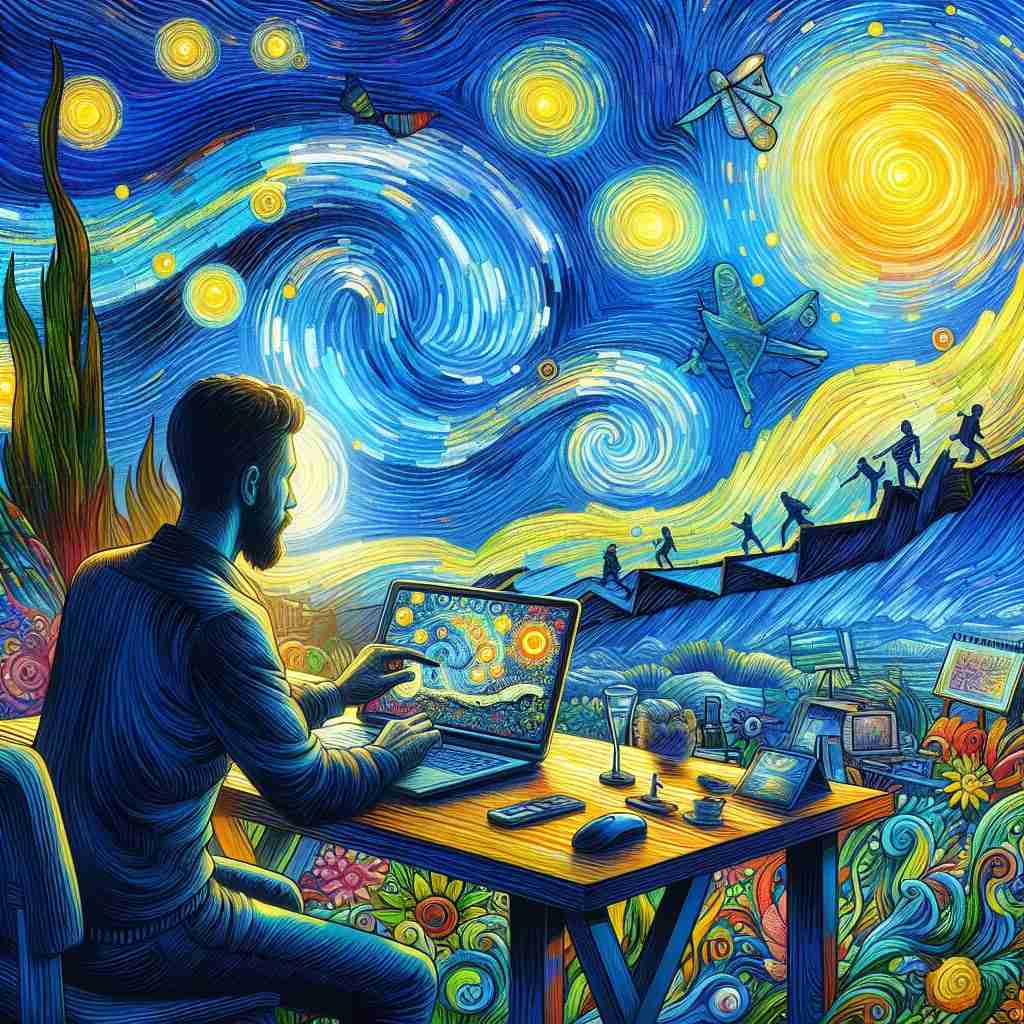
What Childhood Memories Spark Your Love for Nature and Art?
When we think back to our childhood, it often feels like wandering through a gallery filled with memories painted in the vibrant colors of nature and creativity. It’s in those sun-soaked afternoons spent outside that many of us first discovered our love for the great outdoors—an unfiltered connection that stirred something deep within us. Whether it was climbing trees that seemed to touch the sky or gathering rocks and leaves to create ephemeral masterpieces, these simple acts ignited ever-burning flames of appreciation that still flicker today.
Consider the scent of fresh pine or the thrill of discovering a ladybug atop a dandelion. Such moments aren’t merely sensory; they evoke a visceral response—a pulse quickening, an exhale that reminds us we are alive. Nature has this incredible ability to weave itself into the fabric of our hearts, nurturing our imaginations and anchoring us in a world where beauty is as common as the breath we take.
As we grew, art became a natural extension of that childhood wonder. Remember how the first streak of color across a blank canvas felt like capturing a fleeting moment of joy? It’s no accident that many great artists and naturalists credit their formative years spent exploring the wilds or doodling in the margins of their notebooks. The simple act of creation is our primal way of conversing with the world around us, and through art, we express the feelings and ideas that can’t be neatly boxed up.
But let’s not kid ourselves; not everyone had idyllic outdoor experiences, and that’s okay. Even through adversity, the connection to nature can be a source of healing. Perhaps it was a family hike through a rugged canyon or a splash in a local creek that provided solace during challenging times. Such experiences are common threads in the tapestry of our lives, reminding us of the resilience found in both nature and art.
This isn’t just nostalgia; it’s a call to action. We have the power to shape our environment and the next generation’s relationship with the natural world. Share your stories, your passions, your favorite nook by the river or the wildflower patch. Connect with others who share this love. Let your memories inspire others to step outside, create, and, in return, cultivate a richer appreciation for the natural beauty that surrounds us. After all, nurturing nature and creativity is an echo that deserves to resonate for years to come. So, let those cherished memories guide you, and share your journey on your blog or website—because every story matters.
What Childhood Memories Spark Your Love for Nature and Art?
What Childhood Memories Spark Your Love for Nature and Art?
- Childhood memories resemble a vibrant gallery of experiences in nature and creativity.
- Sun-soaked afternoons outdoors foster a deep love for nature through activities like climbing and gathering.
- Moments in nature evoke strong sensory and emotional responses, reminding us of our vitality.
- Art extends the wonder of childhood, with creation serving as a primal connection to the world.
- Not everyone has had ideal outdoor experiences, but nature’s healing powers can be found even in adversity.
- This is a call to action to shape future generations’ relationship with nature through storytelling and connection.
- Sharing memories and experiences inspires a richer appreciation for the beauty of the natural world.

What Childhood Memories Spark Your Love for Nature and Art?
How Does Creating Art Outdoors Enhance Your Connection to Nature?
Creating art outdoors is like stepping into a conversation with nature that whispers, shouts, and sometimes sings. As you set up your easel or spread your canvas beneath the vast sky, you’re not merely a spectator; you’re a participant in an ancient dialogue. The wind brushes against your cheek, the rustle of leaves offers a soundtrack, and the fragrance of earth fills your lungs. This is where art becomes an extension of who you are; it’s visceral, immediate, and deeply connected to the world around you.
Emotionally, outdoor artistry stirs something primal within us. It harkens back to our ancestors, who painted on cave walls not just to document their existence but to communicate their relationship with the environment. When you engage with nature as your muse, you tap into that timeless thread and awaken something within you — a sense of belonging, a profound respect for the world that nourishes us. It seems almost impossible to ignore the vastness around you; every brushstroke becomes an homage to the beauty that surrounds us.
Rationally, creating art outdoors enhances observational skills. You learn to see light differently as it dances across leaves, or to appreciate shadows that convey emotion in ways a photograph can’t capture. This practice sharpens your focus and encourages mindfulness, leading to a deeper understanding of both your chosen subject and your emotional response to it. Science backs this up: studies suggest that exposure to nature can reduce stress and increase creative output. When your surroundings serve as both inspiration and influence, you’re more likely to produce art that resonates.
Ethically, embracing outdoor art fosters stewardship of the environment. When you connect emotionally, rationally, and creatively with nature, you become an advocate for its protection. Your work becomes a voice for the landscapes that may not have one—leading others to appreciate the beauty that surrounds us, creating ripples of conservation in the community. As you share your experiences on a website or in a blog, you ignite curiosity in others, inspiring a collective consciousness about the importance of preserving our environment.
Ultimately, creating art outdoors is not merely a hobby; it’s an awakening. It reminds us that we’re part of a larger story—one that deserves to be told, cherished, and protected. Whether you’re an experienced artist or just dipping your toes into this world, the call of the great outdoors is a powerful one. Embrace it, and you’ll find more than just inspiration; you’ll discover a deeper connection to the very fabric of life itself.

How Does Creating Art Outdoors Enhance Your Connection to Nature?
How Does Creating Art Outdoors Enhance Your Connection to Nature?
- Creating art outdoors initiates a dialogue with nature, engaging all senses.
- Outdoor artistry evokes a primal connection, reminiscent of our ancestors’ creative expressions.
- Engaging with nature fosters a profound sense of belonging and respect for the environment.
- Art in nature sharpens observational skills, enhancing the ability to perceive light and shadows.
- Scientific studies suggest that exposure to nature reduces stress and boosts creativity.
- Embracing outdoor art promotes environmental stewardship and encourages conservation efforts.
- Creating art outdoors is a journey of awakening, deepening one’s connection to life and nature.

How Does Creating Art Outdoors Enhance Your Connection to Nature?
Can Sharing Your Artistic Journey Inspire Others to Appreciate Nature?
Each brushstroke on canvas or each note plucked from a guitar string carries a piece of the artist’s soul. When we share our artistic journey, we’re not merely showcasing our work – we’re flinging open the door to a world shaped by wonder, joy, and a deep connection to nature’s beauty. It’s easy to overlook the forests’ whispers, the mountains’ majesty, or the delicate dance of a butterfly. But art, in its divine unpredictability, can capture these fleeting moments, reminding us to slow down and notice.
Consider for a moment the profound impact that sharing your creative process can have. It’s not just about painting a landscape; it’s about telling the story behind it. Maybe it was a sunrise that stoked the flames of inspiration or a rainy afternoon that led to serendipitous discovery. Each piece of art is a testament to our experiences, our struggles, and, ultimately, our triumphs. When others see how these experiences translate into creativity, they begin to appreciate nature in a whole new light—transforming the mundane into something extraordinary.
Let’s dive into the heart of it. Art gives us the authority to express our relationship with the environment. Our stories resonate, forging connections that might otherwise remain hidden. When people see a piece inspired by a hike through an ancient forest, they’re not just spectators—they’re participants in the narrative. It evokes a sense of responsibility, nudging them to protect the wonders that sparked our creativity. Sharing our artistic journeys is an ethical imperative; it invites others to recognize that the beauty around us is worth preserving for future generations.
The gut feeling comes into play when our audience reflects on their own experiences. Have they ever stood silently beneath a canopy of stars, felt the cool breeze in a meadow, or gazed in wonder at a mountain peak? By unearthing these emotions through art, we create a tapestry that compels people not just to appreciate nature, but to engage with it.
Through a simple website or blog post, we can weave these narratives into the fabric of our communities. Let’s inspire action—not just by showcasing art, but by compelling everyone to step outside, experience the wilderness, and unleash their own creativity. By sharing our journeys, we’re not just artists; we’re guides, leading others to find their inspiration among the trees and skies. And, in that shared discovery, we cultivate a new generation of nature lovers, each connected by the threads of artful storytelling.
Can Sharing Your Artistic Journey Inspire Others to Appreciate Nature?
Can Sharing Your Artistic Journey Inspire Others to Appreciate Nature?
- Each artistic creation reflects the artist’s soul, connecting to nature’s beauty.
- Sharing creative journeys reveals stories that inspire appreciation for the mundane.
- Art captures fleeting moments, encouraging us to slow down and notice our surroundings.
- Art serves as a medium to express our relationship with the environment.
- Artwork inspired by nature evokes responsibility and the desire to preserve it.
- Art compels audiences to engage emotionally with their own experiences in nature.
- Through online platforms, artists can inspire communal creativity and cultivate a new generation of nature lovers.

Can Sharing Your Artistic Journey Inspire Others to Appreciate Nature?
What Ethical Responsibilities Do Artists and Bloggers Have to Nature?
When artists and bloggers put pen to paper—or brush to canvas, or fingers to keyboard—they wield a power that goes beyond mere expression. They have a unique opportunity to serve as custodians of nature, bridging the gap between creativity and environmental stewardship. It’s a heavy but necessary responsibility, one that pulls at the heart, spikes the mind, and resonates deep in the gut.
Consider this: every time an artist depicts a sunset, a mountain, or a tree, they paint not just beauty, but an urgent reminder of what is at stake. Our planet is an intricate tapestry, woven with ecosystems that depend on one another for survival. When an artist captures the majesty of a vibrant landscape or the delicacy of a flower, they invite viewers into a dialogue about that beauty—and the fragility that accompanies it.
Bloggers, too, have a profound role to play. Their words ripple across the vast ocean of the internet, crafting narratives that can inform, inspire, or incite action. Addressing environmental issues, sharing sustainable practices, or simply advocating for local initiatives equips readers with the knowledge they need to make informed choices. That’s more than just content; it’s a call to action that can unite communities and empower individuals. When artists and bloggers elevate nature in their work, they don’t just share stories; they create a movement grounded in ethical responsibility to protect our shared home.
But with this role comes a critical lens of accountability. Are we using our platforms to simply celebrate nature, or are we also raising alarm bells when necessary? It’s easy to get lost in slogans and pretty pictures. However, chasing likes and shares shouldn’t overshadow the commitment to truth and authenticity. Authenticity fosters trust; trust builds community. And in this interconnected world, that community is our most potent weapon against environmental degradation.
Embracing this responsibility requires vulnerability and courage. It involves confronting uncomfortable truths about pollution, deforestation, and climate change, and asking ourselves what legacy we choose to leave behind. Our choices matter—not just in our work but in how we live and engage with the world around us. When artists and bloggers stand with integrity and purpose, they foster a culture that celebrates our planet, inspiring others to join the cause. In doing so, they not only amplify their voices but ignite a collective spirit for conservation that’s as powerful as it is necessary.

What Ethical Responsibilities Do Artists and Bloggers Have to Nature?
What Ethical Responsibilities Do Artists and Bloggers Have to Nature?
- Artists and bloggers serve as custodians of nature, merging creativity with environmental stewardship.
- Each representation of nature reminds viewers of the urgent need to protect our ecosystems.
- Art invites dialogue about beauty and the fragility of the natural world.
- Bloggers play a crucial role by informing and inspiring readers on environmental issues and sustainable practices.
- They create a call to action that empowers communities and individuals to make informed choices.
- Authenticity is vital; it fosters trust and builds a united community against environmental degradation.
- This responsibility demands courage to confront uncomfortable truths and choose a meaningful legacy.

What Ethical Responsibilities Do Artists and Bloggers Have to Nature?
In What Ways Can Art Challenge Societal Views on Environmental Issues?
Art has an extraordinary power to pull back the curtain on societal views, especially when it comes to environmental issues. It serves as a potent catalyst for change, challenging our preconceived notions and igniting conversations that matter. Imagine a massive mural stretching across a cityscape—vivid colors depicting our earth, thriving and sublime, juxtaposed against stark images of pollution and decay. This visual contrast doesn’t just catch the eye; it grabs the gut, forcing us to confront the consequences of complacency and inaction.
When artists use their medium to reflect environmental challenges, they move us beyond mere facts and figures. They invite us to feel the weight of the reality surrounding us. A powerful installation might depict a once-thriving forest, now reduced to a barren wasteland. In doing so, it tells a narrative that connects deeply with our shared experiences—the joy of a childhood spent outdoors, the haunting memories of nature lost. This emotional connection compels us to engage with the issues at hand.
But it’s not just about emotions; it’s about intellect too. Art can distill complex and often overwhelming environmental data into a single image or piece of work, allowing us to grasp the urgency of the situation. Think about the stark contrast between the serene beauty of a healthy ocean and the desolation of a coral reef devastated by climate change. Such imagery can inspire action—rallying communities to clean up beaches or advocate for policy changes. Here, art builds a bridge between our hearts and our heads, creating a holistic understanding of our environmental challenges.
Ethically, art challenges us to take responsibility, urging us to think about our role as stewards of the planet. When artists speak through their work, they become authorities on the subject, even if the medium is whimsical. The invitation is clear: if they can channel their passion into something so relatable, shouldn’t we find a way to channel ours?
Socially, art fosters a sense of community around these pressing issues. Exhibitions and installations often bring together diverse groups, cultivating collective energy and a shared commitment to the environment. Galleries and public spaces transform into hubs for dialogue, sparking collaborations that can lead to real change.
Ultimately, art calls us to action—not just as spectators, but as participants. With each brushstroke or song lyric, it urges us to roll up our sleeves and get involved. After all, the world we protect today is the one we’ll pass down to future generations. So, let’s create and connect, understanding that through art, we can challenge perceptions and inspire lasting change.
In What Ways Can Art Challenge Societal Views on Environmental Issues?
In What Ways Can Art Challenge Societal Views on Environmental Issues?
- Art has the power to unveil societal views, particularly concerning environmental issues.
- It acts as a catalyst for change, sparking important conversations and challenging preconceived notions.
- Powerful visual contrasts in art compel viewers to confront the consequences of complacency and inaction.
- Art connects to emotional experiences, inviting reflection on personal and shared memories related to nature.
- It simplifies complex environmental data into impactful imagery, promoting understanding and urgency.
- Artistically driven narratives urge us to take responsibility for our role as stewards of the planet.
- Art fosters community engagement and collaboration, transforming spaces into hubs for dialogue and action.

In What Ways Can Art Challenge Societal Views on Environmental Issues?
How Does Engaging with Nature Through Art Improve Mental Well-Being?
Engaging with nature through art isn’t just a pastime; it’s a lifeline. Imagine stepping into the great outdoors, brush in hand or camera ready, and feeling the weight of the world lift off your shoulders. Nature has a unique way of whispering to our souls, reminding us of our place in the grand scheme of things. It’s in those moments—standing before a majestic tree or gazing at a sprawling landscape—that our minds find clarity, our hearts beat with purpose, and our spirits are rejuvenated.
Studying the science behind this relationship reveals some compelling truths. Researchers have shown that creativity and connection to nature can lower anxiety and depression. When you’re standing in a field, painting the colors of a sunset, you’re not just creating art; you’re entering a dialogue with the environment. This exchange can catalyze emotional healing, stirring feelings of stillness amidst chaos. There’s a sort of magic that unfurls when our hands engage with nature’s rich palette, leading us toward a peace that often feels elusive in our fast-paced lives.
But let’s take it a step further. Think about the ethical implication of fostering this connection. As we engage with art in the natural world, we nurture within us a sense of responsibility. We become stewards of the very landscapes we adore. A painted meadow is not just a picturesque retreat but a reminder to protect our environment. With each stroke of the brush or click of the camera, we educate ourselves and others about the importance of nature, turning our creative passions into a rallying cry for conservation.
And let’s not overlook the bond this engagement cultivates with others. Sharing your artistic journey through nature can build bridges in social circles. You might find camaraderie in a local art group or spark conversations with strangers on the trail. These shared experiences remind us that we are all part of a bigger tapestry, woven together by our collective appreciation for the world around us.
So, roll up your sleeves, step outside, and let nature’s canvas inspire you. The journey from brush to canvas isn’t just about art; it’s about connection—within yourself, with nature, and with the community. It’s time to bring the beauty of the outdoors into your life and inspire others to do the same. Visit our Website or check out our Blog for more insights, tips, and stories that intertwine the power of art and nature for mental well-being.

How Does Engaging with Nature Through Art Improve Mental Well-Being?
How Does Engaging with Nature Through Art Improve Mental Well-Being?
- Engaging with nature through art serves as a lifeline, relieving stress and enhancing mental well-being.
- Nature fosters clarity and rejuvenation, allowing individuals to reconnect with their purpose.
- Studies indicate that creativity linked to nature can reduce anxiety and depression.
- Creating art outdoors encourages emotional healing and fosters feelings of stillness.
- Artistic engagement in nature promotes environmental stewardship and raises awareness for conservation.
- Sharing artistic experiences can build social connections and foster a sense of community.
- The journey from art to nature is about deep connection—within oneself, with nature, and with others.

How Does Engaging with Nature Through Art Improve Mental Well-Being?
What Fears Do You Face When Expressing Your Feelings About Nature?
Let’s face it, opening your heart about your feelings for nature can feel like asking a bear for a selfie. We’re surrounded by a society that often prioritizes progress and productivity over appreciation of the wild – a world conditioned to keep emotions tightly wrapped in a box marked “Not Profitable.” So, when you find yourself captivated by a sunrise or moved by the whisper of the wind through the trees, two nagging fears may bubble up: fear of judgment and fear of vulnerability.
On one hand, sharing your feelings might invite raised eyebrows. “Isn’t that a bit melodramatic?” they might ask, mocking your connection to the beauty around you. The rational part of your brain knows that these connections with nature are scientifically validated; studies show that spending time outdoors can boost mental health and increase well-being. Yet that persistent fear hems you in, reminding you that genuine emotion can seem out of place in a hyper-logical world. How do we reconcile our love for the soil beneath our feet with a culture that often belittles such sentiments?
Ethically, this hesitation can feel even more challenging. We’re at a critical crossroads regarding the environment, and voicing your passion can tip the scales from apathy to action. Think about it: if everyone kept their love for nature under wraps, how can we rally for its protection? Expressing feelings about nature isn’t just personal; it’s a call to arms for the very world we inhabit. When we speak out, we empower others to do the same, forging a deeper connection to the environment and each other.
Sharing your soul doesn’t come without its risks, but the reward can be monumental. A narrative unfolds when you embrace this fear; friends and strangers alike may find solace in your story, discovering that they aren’t alone in their love for the great outdoors. Perhaps your simple expression can inspire a friend to unleash their own passion.
So the next time you find yourself in nature’s embrace, don’t shy away from voicing your feelings. Every word you speak is a pebble tossed into a pond, creating ripples that can lead to real change. Be the voice that connects hearts, nurtures minds, and inspires action for the beautiful world we share.

What Fears Do You Face When Expressing Your Feelings About Nature?
What Fears Do You Face When Expressing Your Feelings About Nature?
- Opening up about feelings for nature can be challenging in a society focused on productivity.
- Fears of judgment and vulnerability may arise when expressing emotional connections to the natural world.
- Scientific studies support the mental health benefits of spending time in nature.
- There’s a need to reconcile genuine emotion with a culture that often dismisses it.
- Expressing love for nature is crucial for advocating environmental protection and inspiring others.
- Sharing personal stories about nature can foster community and inspire others to express their own passions.
- Voicing feelings about nature can create ripples of change and promote action towards preserving the environment.

What Fears Do You Face When Expressing Your Feelings About Nature?
Conclusion
Art and blogging present a unique opportunity to forge profound connections with nature that resonate deeply within us. It’s more than just creative expression; it’s an exploratory journey that cultivates a sense of responsibility toward the natural world. Imagine a young child immersed in an afternoon of painting beneath a grand oak tree, their imagination and creativity interwoven with the vibrant tapestry of life around them. This connection goes beyond art; it forms a bond where the heart, head, and gut align in a powerful call to action.
By creating platforms to showcase artistic interpretations of nature—from depictions of cascading waterfalls to the gentle sway of grasses—bloggers and artists highlight environmental issues deserving of attention. These narratives serve as reminders that we are not merely passive inhabitants of this planet but active stewards of its beauty. Each brushstroke or blog post can inspire a wave of curiosity that reaches far beyond the individual, encouraging others to appreciate the world outside. In this digital age, sharing our artistic journeys creates a community rooted in respect and advocacy for our ecosystems.
Reflecting on childhood experiences of nature evokes nostalgia—whether it’s the laughter shared while exploring a forest or the joy of finding treasures in the wild. These memories ignite a sense of wonder and appreciation that nurtures creativity and a desire for preservation. Engaging with nature through art opens new pathways of mental well-being, acting as a balm to life’s stresses. Scientific research supports this, showing that such engagement can significantly reduce anxiety, boost creativity, and lead to emotional healing.
As artists and bloggers, we are charged with ethical responsibilities. We have the power to challenge societal views on environmental issues, using our platforms to evoke emotional responses and promote action. Each piece created isn’t just a reflection of beauty; it’s a rallying cry for conservation. Sharing our stories elevates others, encouraging them to step outside, create, and recognize their connection to the intricate web of life that surrounds us.
In this shared endeavor, fears of judgment and vulnerability often hold us back, but embracing these fears can ignite inspiration not only within ourselves but in our communities. By voicing our love for nature, we inspire collective action that transcends individual experiences. Each time we create and share, we contribute to a legacy of appreciation and stewardship that enriches generations to come. Together, let’s ensure this echo of creativity resonates long into the future, reminding us all of the vital connections we share with the natural world.

Conclusion
Conclusion:
- Art and blogging create deep connections with nature, fostering a sense of responsibility towards the environment.
- Young artists, like children painting under trees, experience a blend of creativity and nature that calls for action.
- Platforms for artistic expression highlight environmental issues, reminding us of our role as stewards of the planet.
- Nostalgic reflections on childhood experiences with nature inspire appreciation, creativity, and preservation efforts.
- Engaging with nature through art improves mental well-being, reducing anxiety and enhancing emotional healing.
- Artists and bloggers have an ethical responsibility to challenge societal views and promote conservation through their work.
- Embracing vulnerability can inspire collective action, contributing to a legacy of appreciation and stewardship for future generations.

Conclusion
Other Resources
Other Resources
Here is a list of other resources you can review online to learn more:
- PREPOSTSEO
- Removal.ai
- Quickvid.ai
- Trinka.ai
- Aidungeon.io
- Typingmind.com
- Glean.com
- Line
- Affinity.co
- Writerly.ai
- Descript.com
- Boomy.com
- Voicemaker.in
- Sprout Social
- Riffusion.com
- HARO
- Agorapulse
- 10web.io
- play.ht
- Buildai.space
Use This Prompt To Get More Resources With Your Favorite Online AI Tool: Please provide me with a list of online articles with their URLs in a bulleted list that I can read regarding Using Art and Blogging to Connect with Nature Early

Other Resources
Glossary Terms
Using Art and Blogging to Connect with Nature Early – Glossary Of Terms
1. Art: A creative expression through various mediums (painting, drawing, sculpture) that evokes emotion and communicates ideas.
2. Blogging: The act of writing and publishing content online, often in a personal or informal style, to share experiences, opinions, or information.
3. Nature: The natural world, encompassing landscapes, flora, fauna, and ecosystems that exist independently from human influence.
4. Connection: The relationship or bond formed through shared experiences or understanding, particularly with nature in this context.
5. Creativity: The ability to generate original ideas or concepts, often manifested in art and writing.
6. Mindfulness: A mental practice of awareness and presence, often applied to experiencing nature fully and without distraction.
7. Sustainability: Practices focused on maintaining environmental health, advocating for the preservation of nature through responsible creation and consumption.
8. Environmental Art: Art that addresses ecological and environmental issues, often using natural materials or themes to inspire awareness and appreciation.
9. Eco-blogging: Blogging specifically focused on environmental topics, sharing insights on nature, sustainability, and conservation.
10. Photography: The art of capturing images through a camera, often used in blogging to visually document nature and artistic expression.
11. Landscape: A section of land or nature that is visually observed, often depicted in art to showcase beauty or environmental features.
12. Impressionism: An art movement characterized by loose brushwork and a focus on the effects of light and color, capturing fleeting moments in nature.
13. Nature Journaling: A practice of recording observations and reflections about nature through writing and drawing, deepening the connection to the environment.
14. Symbolism: An artistic and literary movement using symbols to convey deeper meanings, often reflecting themes from nature.
15. Digital Art: Art created or arranged using digital technology, often shared in online platforms or blogs to connect with a broader audience.
16. Art Therapy: A therapeutic practice that uses art-making as a means of healing and self-discovery, helping individuals connect with nature and themselves.
17. Botanical Illustration: Detailed and accurate drawings of plants, often blended with artistic style, bridging art and scientific representation of nature.
18. En plein air: A French term meaning “in the open air,” referring to the practice of painting outdoors to capture the essence of nature.
19. Nature Walks: Guided or self-directed walks in natural settings aimed at observing and appreciating the environment while encouraging reflection and creativity.
20. Eco-consciousness: The awareness of environmental issues and the impact of one’s actions on the planet, often expressed in art and writing.
21. Visual Storytelling: The use of images, artwork, or graphic elements to convey narratives, particularly in blogs about nature and art.
22. Art Installations: Three-dimensional works designed for a specific space, often incorporating natural elements to evoke a connection to the environment.
23. Color Theory: The study of how colors interact and the emotions they evoke, crucial in both art and the portrayal of nature.
24. Artistic Process: The steps and techniques one follows to create artwork, often a journey of exploration and discovery in relation to nature.
25. Cultural Significance: The importance ascribed to natural elements or landscapes in various cultures, often reflected in art and storytelling.
26. Nature Reserves: Protected areas established to preserve natural environments, often serving as inspiration for artistic expression.
27. Mindful Observation: The practice of attentively noticing details in nature, enhancing creative output in art and writing.
28. Wildlife Photography: Capturing images of animals in their natural habitats, often shared in blogs to raise awareness about nature preservation.
29. Artistic Reflection: The process of contemplating and analyzing one’s artistic work, particularly in relation to experiences in nature.
30. Community Engagement: Involvement of individuals in collaborative projects or discussions focused on art and nature, promoting shared connections and awareness.

Glossary Of Terms
Other Questions
Using Art and Blogging to Connect with Nature Early – Other Questions
If you wish to explore and discover more, consider looking for answers to these questions:
- What are some best practices for creating art outdoors?
- How can blogging about nature and art reach a wider audience?
- What types of art are most effective in raising environmental awareness?
- How can I start a blog focused on nature and art?
- What tools and materials do I need for outdoor art creation?
- How can I build a community around art and nature appreciation?
- What common challenges do artists face when connecting with nature?
- How can children be encouraged to express their feelings about nature through art?
- What role does social media play in promoting environmental art?
- How can art therapy connect individuals with their environment?
- What are the mental health benefits of engaging with nature through creativity?
- How can artists effectively communicate environmental issues through their work?
- What impact does environmental art have on public perception of conservation efforts?
- How can I share my own artistic journey to inspire others?
- What are some compelling stories from artists who advocate for nature through their work?

Other Questions
Haiku
Using Art and Blogging to Connect with Nature Early – A Haiku
Nature calls us forth,
Art spins dreams in vibrant hues—
Hearts unite and thrive.
Haiku
Poem
Using Art and Blogging to Connect with Nature Early – A Poem
In a world that often turns away,
Art and nature dance, come what may.
A child beneath an oak so grand,
Brush in hand, imagination spanned.
With colors bright and creativity unfurled,
We connect with the pulse of this wondrous world.
Each stroke and word, a pathway we pave,
To honor the earth, our beautiful enclave.
From glittering streams to valleys wide,
Our memories echoed in every stride.
Art, a mirror of our deepest concern,
Stirs the heart so we may learn.
When the canvas calls, the soul aligns,
In nature’s embrace, true beauty shines.
Mindful moments lead stress astray,
Creativity blooms, come what may.
Yet with this gift, a heavy weight,
The duty to guard what’s at stake.
As artists, bloggers, each voice we lend,
Can spark a movement, a culture to mend.
Through shared stories and wild exploration,
We nurture kinship, inspire transformation.
Together we’ll champion a world so rare,
A tapestry woven with love and care.
So let’s step outside, let our spirits soar,
Art and nature beckon, calling for more.
With every expression, every heartfelt plea,
We connect to life, each other, and the sea.
For in our creations, we find our place,
In the arms of the earth, we embrace grace.
Let us be stewards, protectors of light,
As we venture forth, for nature’s delight.
Poem
Checklist
Using Art and Blogging to Connect with Nature Early – A Checklist
Connection Checklist: Embracing Nature Through Art and Blogging
Heart
_____ Reflect on a childhood memory that ignited your passion for nature and art.
_____ Consider how expressing your feelings for nature can inspire heartfelt connections with others.
_____ Share a personal story about a moment in nature that moved you deeply.
_____ Identify emotional responses you experience when creating art outdoors.
Head
_____ Research the benefits of engaging with nature through art for mental well-being.
_____ Understand the role of art in raising awareness about environmental issues.
_____ Evaluate how blogging can serve as a platform for educating others about nature.
_____ Analyze the connection between creativity and improved observational skills in nature.
Gut
_____ Acknowledge fears of vulnerability when expressing emotions related to nature.
_____ Trust your instincts to share your artistic journey with authenticity.
_____ Feel the urge to take action based on your experiences and reflections.
_____ Embrace the urge to connect personally with your surroundings while creating art.
Ethical
_____ Assess the responsibility you have as an artist or blogger to advocate for environmental stewardship.
_____ Consider how your artistic expression can challenge societal norms surrounding nature.
_____ Reflect on the impact of your work on the conservation of the environment.
_____ Be mindful of truthfulness in your narratives about nature and sustainability.
Authority
_____ Seek inspiration from established artists and bloggers who advocate for nature.
_____ Use credible sources to support claims about the benefits of nature engagement.
_____ Examine successful artistic projects that have raised awareness for environmental issues.
_____ Contribute your unique voice to the ongoing dialogue about nature conservation through your art.
Narrative
_____ Craft blog entries that share experiences and inspire others to appreciate nature.
_____ Utilize storytelling techniques in your artwork to convey deep environmental messages.
_____ Link your personal experiences with broader environmental narratives to engage your audience.
_____ Foster a community journey through collective storytelling about nature and creativity.
Social
_____ Join local art groups or online communities that celebrate nature through creative expression.
_____ Encourage discussions about environmental issues through your blog or social media platforms.
_____ Share your creative process and connect with others who share a love for the outdoors.
_____ Create collaborative projects that inspire collective action toward environmental protection.
Checklist
At WebsiteBloggers, we help website bloggers develop strategies to create content, traffic, and revenue from website blogs based on our experiences and experimentation.
Be sure to read our other related stories at WebsiteBloggers and share this article with your friends, family, or business associates who run website blogs.