Unleash Your Storytelling: Creative Formats To Captivate
By Tom Seest
At WebsiteBloggers, we help website bloggers develop strategies to create content, traffic, and revenue from website blogs based on our experiences and experimentation.
Be sure to read our other related stories at WebsiteBloggers and share this article with your friends, family, or business associates who run website blogs.
What Are Some Creative Formats for Sharing Your Stories?
When it comes to sharing your stories, the medium you choose can be just as important as the message itself. Think about it: a riveting tale told in a stuffy text format can fall flat, while the same story shared in a dynamic, engaging way can captivate and resonate. So, let’s explore some creative formats that can breathe new life into your narrative.
First off, let’s consider the classic website blog. It’s not just a digital diary; it’s your canvas. You can use it to weave tales that draw readers in with stunning visuals, succinct snippets, and compelling calls to action. A well-designed blog can provide a beautiful backdrop for your narratives. Use headings and bullet points to break up the text—something that reads like a phone book won’t keep anyone’s attention. Add images or videos that encapsulate the essence of your story. Remember, people are visual creatures—if they have to use their imagination too hard, they’re likely to wander off.
Speaking of visuals, ever thought about multimedia storytelling? Blend video snippets with written content for a richer experience. Picture this: your story narrated in your own voice, coupled with compelling imagery or clips that enhance the message. You’ll not only inform but entertain as well, giving your audience a more immersive experience. If it’s done right, it’s like inviting them along for the ride—not just telling them where you’ve been.
Next, podcasts have surged in popularity, offering a unique way to share your tales while allowing listeners the flexibility to absorb your stories during their daily commutes or while jogging. A well-crafted narrative delivered through your voice can create an intimate connection with your audience. When they hear your inflections and passion, it adds layers to the experience that text alone simply can’t convey.
Now, let’s not forget the power of social media. Use platforms like Instagram or TikTok to create bite-sized stories that pull people in. A quick video or a series of snapshots can give a taste of your narrative and encourage followers to visit your website blog for the full tale. It’s all about sparking curiosity and fostering engagement.
No matter which format you choose, the key is to stay authentic. Embrace your unique voice and connect with your audience in ways that resonate deeply. After all, at the end of the day, storytelling is about forming connections, one creative format at a time.

What Are Some Creative Formats for Sharing Your Stories?
What Are Some Creative Formats for Sharing Your Stories?
- The medium chosen for storytelling is crucial and can impact the message’s effectiveness.
- A well-designed website blog can serve as a dynamic canvas for narratives, utilizing visuals and structured text to engage readers.
- Multimedia storytelling enhances experiences by combining video snippets with written content, creating a more immersive narrative.
- Podcasts provide a personal touch, allowing stories to be shared in an intimate and flexible format while creating a deeper connection through voice.
- Social media platforms like Instagram and TikTok offer opportunities for bite-sized storytelling that tease the larger narrative.
- Authenticity is key; embracing a unique voice can foster deeper connections with the audience.
- Effective storytelling ultimately relies on creative formats to build connections with the audience.

What Are Some Creative Formats for Sharing Your Stories?
Table Of Contents
- What Are Some Creative Formats for Sharing Your Stories?
- What Makes A Story Impactful For An Audience?
- How Can I Visually Present My Stories?
- What Are The Benefits Of Using Podcasts For Storytelling?
- How Do I Engage My Audience Through Social Media Storytelling?
- What Tools Can Help Me Create Interactive Stories?
- How Can I Incorporate Video Elements In My Storytelling?
- What Are The Advantages Of Writing A Blog For Sharing Stories?
- Conclusion
- Other Resources
- Glossary Of Terms
- Other Questions
- Haiku
- Poem
- Checklist
What Makes A Story Impactful For An Audience?
When it comes to what makes a story impactful for an audience, we need to take a moment to understand the elements that engage our senses and stir our emotions. You see, storytelling is not just an art form; it’s a labor of love. It’s about connecting with listeners on a deeper level, resonating with their experiences, and affirming their humanity.
First and foremost, a good story has a character—a relatable character, to be precise. This character often embodies both flaws and virtues, reflecting the complexity of real life. Audiences can’t help but invest their emotions in someone who feels real, who struggles, who triumphs, and sometimes, fails. This connection transforms mere words into a living, breathing experience.
Next, let’s talk about conflict. Every mesmerizing tale needs tension. It’s the grit that keeps the wheels turning. Whether it’s a battle against personal demons or an epic clash with external forces, conflict serves as the catalyst for growth, driving characters and audiences alike to the edge of their seats. Without conflict, you’re left with a flat narrative that can’t compete with life’s daily grind.
Another critical aspect is the authenticity of the narrative voice. A strong, distinctive voice draws the audience in, giving them a sense of belonging. It’s like sitting around a campfire, listening to someone share a tale that feels both personal and universal. A seasoned storyteller knows how to weave humor, wit, and sincerity into their delivery, making the experience not just enjoyable but memorable.
Emotional resonance is the secret sauce. Think about the last time a story made you cry. It didn’t just tug at your heartstrings; it reached into the very core of your being. Effective storytelling ignites feelings—whether it’s joy, sorrow, or anger—and encourages audience members to reflect on their lives. This emotional connection creates lasting impressions, transforming a simple tale into a shared journey.
Finally, consider the takeaway. A story with impact leaves an audience changed. It sparks conversations, stimulates new ideas, and inspires action. By offering insights or challenging perspectives, it encourages people to think, feel, and possibly even act differently. When stories prompt self-reflection or ignite a creative spark, they transcend entertainment, becoming powerful vehicles for change.
In short, crafting an impactful story is about character, conflict, authenticity, emotional resonance, and meaningful takeaways. It’s a journey worth embarking on, one that can leave a profound mark on both teller and listener alike. So, whether you’re sharing a story on a website blog or in a living room full of friends, remember: the heart of storytelling lies in its ability to connect us all.

What Makes A Story Impactful For An Audience?
What Makes A Story Impactful For An Audience?
- Impactful storytelling engages the audience’s senses and emotions.
- A relatable character embodies flaws and virtues, fostering audience investment.
- Conflict is essential, providing the tension that drives the story forward.
- An authentic narrative voice enhances connection and creates a memorable experience.
- Emotional resonance evokes strong feelings, encouraging reflection and connection.
- Effective stories leave a lasting impact, sparking conversation and inspiring change.
- Crafting impactful stories revolves around character, conflict, authenticity, emotional resonance, and meaningful takeaways.

What Makes A Story Impactful For An Audience?
How Can I Visually Present My Stories?
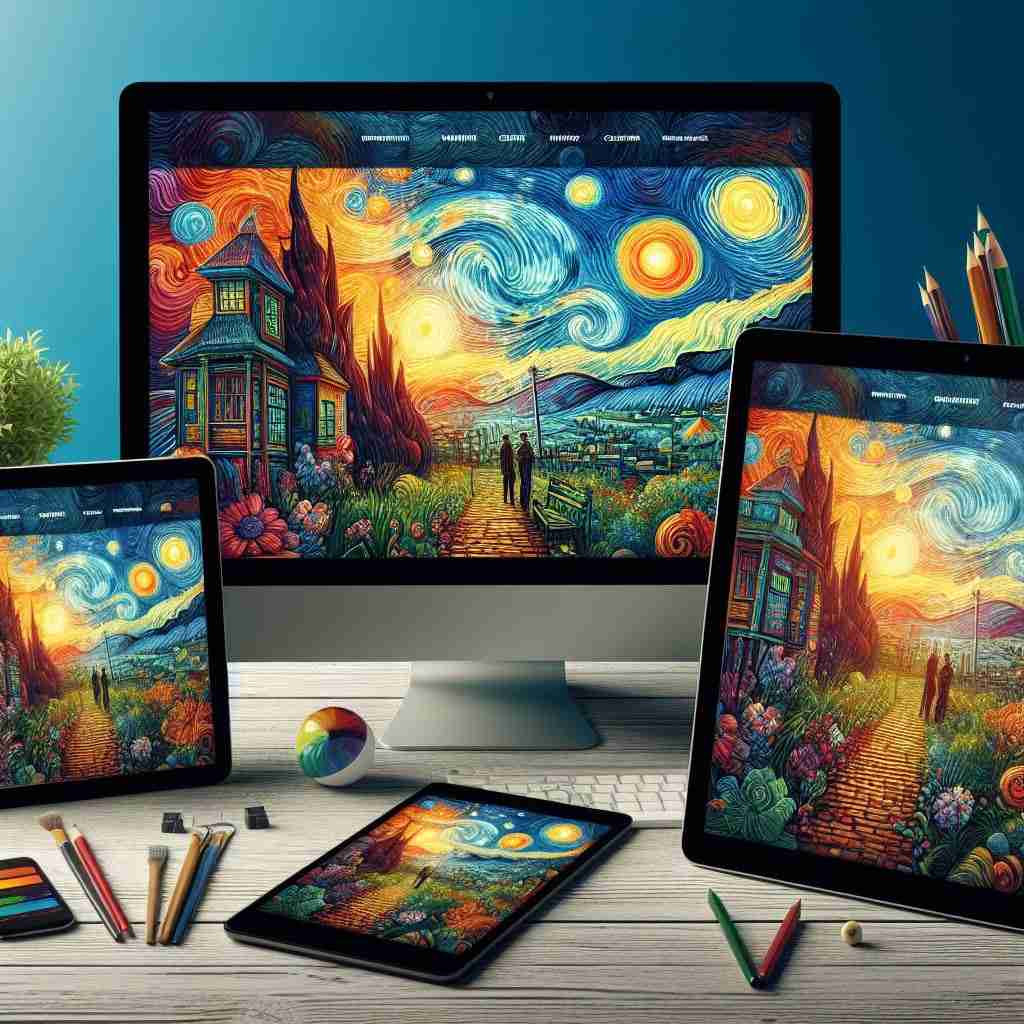
When it comes to storytelling, the heart of your narrative deserves a stage, and in today’s digital world, that stage often resides on your website or blog. Sure, we all understand that words can paint pictures in the mind, but let’s face it—a well-crafted visual presentation can take your story from good to unforgettable.
First and foremost, think about the power of imagery. Whether it’s a striking photograph, an illustration, or an infographic, visuals can evoke emotions and convey complex ideas faster than a thousand words. If you’re sharing a personal story or an important message, consider adding high-quality images that resonate with the narrative. A compelling image can capture the essence of what you’re trying to say and immediately draw your audience into the experience.
Don’t overlook the importance of layout. A well-organized blog or website, with a clean design, allows your visuals to breathe and shine. Use whitespace strategically to separate different elements, making it easier for your readers to digest the content. A cluttered page can make your story feel overwhelming, while a thoughtfully designed space invites your audience in with open arms.
Now, let’s talk about video. In recent years, video has exploded as a popular medium for storytelling. Whether through vlogs, tutorials, or narrative shorts, videos can take your audience alongside you, immersing them directly into the adventure. It’s not just about moving images; it’s about creating an experience. So, if you have the means, don’t shy away from integrating video into your storytelling toolkit.
Next, keep in mind that design isn’t just about the visual elements; typography plays a critical role as well. The fonts you choose can set the mood for your narrative. A whimsical font may brighten an uplifting story, while a stark, bold type can convey seriousness. Make sure your typography complements the visuals and does not distract from your message.
Finally, don’t forget to encourage interaction. Incorporate elements like polls or comment sections in your blog or website to create a dialogue with your audience. This two-way street of communication can enrich the storytelling experience, providing deeper engagement and connection.
Whether you’re sharing a story on a website or a blog, combining visuals, layout, video, typography, and interaction effectively will elevate your narrative and leave a lasting mark on your audience.

How Can I Visually Present My Stories?
How Can I Visually Present My Stories?
- The heart of storytelling is best represented on your website or blog.
- Imagery, such as photographs and infographics, powerfully evokes emotions and conveys complex ideas.
- A well-organized layout with clean design enhances the presentation of your visuals.
- Integrating video can immerse your audience in the storytelling experience.
- Typography sets the mood for your narrative and should complement visuals without distraction.
- Encourage audience interaction through polls or comment sections to enrich the storytelling experience.
- Combining visuals, layout, video, typography, and interactivity effectively will elevate your narrative.
How Can I Visually Present My Stories?
What Are The Benefits Of Using Podcasts For Storytelling?
In a world where attention spans seem to be shrinking faster than porridge on a cold day, podcasts have emerged as a captivating vehicle for storytelling. With the click of a button, listeners are whisked away into tales filled with adventure, introspection, and rich narratives. So let’s break down some of the benefits of using podcasts as a storytelling medium, shall we?
First off, the intimate nature of audio creates a connection that is hard to replicate. When a storyteller speaks, their tone, rhythm, and pauses can breathe life into characters and scenarios in ways that text on a Website Blog simply can’t. Imagine you’re sprawled out in your living room or maybe on a long drive—those warm, inviting words wrapping around you like a cozy blanket can make the experience feel personal and engaging.
Another ace up podcasts’ sleeve is accessibility. You can listen while you’re doing just about anything—whether you’re cooking dinner, hitting the gym, or strolling through the park. This flexibility allows stories to fit into the nooks and crannies of our daily lives, reaching an audience that might otherwise get lost in the shuffle of written content. As a result, stories become immersive experiences, tailored to the routines and rituals of everyday people.
Then there’s the diverse range of formats available. From scripted narratives that transport you to imaginary worlds to unscripted interviews that delve into the raw, unfiltered tales of real people, the versatility of podcasts caters to different tastes. Whether you prefer gripping mysteries, heartfelt memoirs, or even whimsical comedies, there’s something for everyone. This variety not only keeps the medium fresh but also expands the horizons of what storytelling can mean.
And let’s not forget the community aspect! Podcasts often foster a sense of belonging among listeners. Fans rally around their favorite shows, sharing insights and experiences, which can lead to vibrant discussions and a shared appreciation for the art of storytelling.
Using podcasts for storytelling is like harnessing a powerful tool crafted for the modern age. It blends emotion, accessibility, versatility, and community into a potent brew that captivates the mind and warms the heart. If you haven’t yet taken the plunge into this aural adventure, you might just be missing out on an incredible journey!

What Are The Benefits Of Using Podcasts For Storytelling?
What Are The Benefits Of Using Podcasts For Storytelling?
- Podcasts serve as an engaging medium for storytelling, appealing to shrinking attention spans.
- The intimate nature of audio fosters a deep connection between the storyteller and listeners.
- Listeners can enjoy podcasts while multitasking, making stories accessible in daily life.
- The versatility of formats, from scripted narratives to unscripted interviews, caters to diverse tastes.
- Podcasting offers a wide range of genres, including mysteries, memoirs, and comedies.
- There is a strong community aspect where fans share insights and foster discussions around their favorite shows.
- Podcasts blend emotion, accessibility, versatility, and community into a unique storytelling experience.

What Are The Benefits Of Using Podcasts For Storytelling?
How Do I Engage My Audience Through Social Media Storytelling?
In today’s fast-paced digital world, engaging your audience isn’t just about having a slick website or a trendy blog; it’s about the art of storytelling that grips their attention and keeps them coming back for more. Let’s face it, the days of bland sales pitches are over. It’s time to connect with your audience on a deeper level, and there’s no better way to do this than through social media storytelling.
First off, think about the stories you want to tell. Your audience craves authenticity, so share your experiences, challenges, and even a few funny moments. Paint a vivid picture. Instead of merely describing a product on your website blog, narrate a journey—perhaps the time you faced a setback and how you overcame it. This approach invites your audience to step into your shoes, fostering a genuine connection.
Next, utilize the power of visuals. A well-chosen image or a short video can elevate your story to new heights. Social media is a visual playground, so don’t shy away from using it to your advantage. Integrate striking visuals that complement your narrative; if your story revolves around craftsmanship, show the intricate details of your work process. When your audience can see the passion poured into every aspect, they will engage and relate to your message.
Don’t forget to ask questions. Invite your audience to share their stories and experiences. Create a conversation, and make them feel like they are part of your journey. This two-way interaction not only enhances engagement but also allows for valuable insights into what resonates with your followers.
Consistency is key. Keep your storytelling approach cohesive across all your social media platforms. If your website blog emphasizes a specific theme, make sure your stories on social media echo that same sentiment. A unified voice solidifies your brand and builds trust, ensuring your audience knows what to expect.
Lastly, don’t underestimate the power of humor. Light-heartedness can break down barriers and make your stories relatable. Share a few laughs, and humanize your brand. It’s all about creating a sense of community where your audience feels welcomed and valued.
So, take the plunge into the world of social media storytelling. By weaving narratives that resonate, using powerful visuals, and engaging authentically with your audience, you’ll transform passive viewers into ardent supporters eager to join your journey.

How Do I Engage My Audience Through Social Media Storytelling?
How Do I Engage My Audience Through Social Media Storytelling?
- Engaging your audience requires more than a sleek website; storytelling is essential.
- Share authentic experiences, challenges, and humor to create a deeper connection.
- Utilize visuals like images and videos to enhance your storytelling on social media.
- Encourage audience interaction by asking questions and inviting them to share their stories.
- Maintain consistency in storytelling across all social media platforms to build trust.
- Use humor to humanize your brand and foster a welcoming community.
- Effective social media storytelling can turn passive viewers into active supporters.

How Do I Engage My Audience Through Social Media Storytelling?
What Tools Can Help Me Create Interactive Stories?
Creating interactive stories is like crafting a fine piece of machinery; you need the right tools to get the job done. If you’re ready to dive in and unleash your storytelling prowess, you’ll be pleased to know that a wealth of software and platforms exists to help you tell your tales. Let’s break down some of the most effective tools out there that can transform your ideas into engaging experiences.
First off, if you’re looking to build an interactive narrative that feels a bit like a choose-your-own-adventure book, platforms like Twine or Inklewriter are your best buddies. Twine allows you to create non-linear stories with a simple interface that even the most tech-averse can handle. You’ll find yourself weaving intricate paths, letting your reader make choices that can lead to a variety of endings. Talk about engaging! It’s perfect for writers who want to step up their game without wading through complicated programming languages.
If you prefer something more visually driven, consider using StoryMapJS. This nifty tool enables you to integrate maps with your storytelling, making it ideal for narratives that span multiple locations. Imagine guiding your reader through historical adventures or travel tales while they can visually track the journey. It’s a fantastic way to draw them in—making them feel as if they’re part of the journey, not just bystanders.
For those venturing into the immersive realm of augmented reality (AR), tools like ARIS or Zappar can help you create interactive stories that leap off the page and into the real world. These platforms allow you to incorporate multimedia elements like videos, audio, and even animations, transforming ordinary stories into extraordinary experiences. It’s the future of storytelling, and let’s be honest; who doesn’t want to see their words come to life right in their living room?
Lastly, let’s not forget about blogging. Websites dedicated to interactive storytelling, like Medium or your own personal blog, can also serve as excellent platforms to showcase your interactive narratives. Readers can comment, share, and even engage with your work in real-time, creating a community around your storytelling.
Whether you’re constructing a branching narrative, mapping out stories, or diving into AR, the tools at your disposal are as diverse as the stories you can tell. So, roll up your sleeves, pick the ones that resonate with your vision, and get to work! You’ve got an audience waiting to be captivated.

What Tools Can Help Me Create Interactive Stories?
What Tools Can Help Me Create Interactive Stories?
- Creating interactive stories requires the right tools for effective storytelling.
- Platforms like Twine and Inklewriter are ideal for building choose-your-own-adventure narratives.
- Twine offers a user-friendly interface for crafting non-linear stories without complex programming.
- StoryMapJS allows for visually driven narratives by integrating maps, making stories immersive across multiple locations.
- AR tools like ARIS and Zappar enable immersive augmented reality experiences, incorporating multimedia elements into storytelling.
- Blogging platforms like Medium or personal blogs serve as great venues for showcasing interactive narratives, fostering community engagement.
- With diverse tools available, writers can bring their unique visions to life and engage audiences effectively.

What Tools Can Help Me Create Interactive Stories?
How Can I Incorporate Video Elements In My Storytelling?
In a world where attention spans are shorter than a decaf espresso break, incorporating video into your storytelling is a no-brainer. Let me tell you, whether you’re crafting content for a website blog or narrating the tale of that one time you wrestled a bear—yes, it can be done!—the right video elements can elevate your narrative from mundane to magnificent.
First off, let’s talk about visuals. A strong image or a series of photos can complement your text beautifully. Think about that delightful evening spent around the campfire, sharing ghost stories. Now imagine capturing that scene in video, complete with crackling flames and shadows dancing on faces—suddenly, the haunting tale takes on new life. Use b-roll footage to support your narrative. It doesn’t have to be a Hollywood production; a shaky camera capturing the spontaneous laughter of friends can convey warmth and authenticity.
Next up, sound. Ah, the power of audio—the unsung hero of storytelling! Consider pairing your blog with an evocative soundtrack. You can use music to set the mood, whether it’s a triumphant crescendo after conquering a challenge or soft notes to underscore a moment of reflection. Plus, don’t overlook voiceovers. Your own narration can draw in your audience, creating a personal connection as they hear your passion and personality woven throughout the tale.
Transitions play a vital role, too. Video elements can help you guide your audience from one scene to another smoother than a hot knife through butter. Use cuts and fades to maintain engagement and tell your story without losing pace. If Uncle Bob’s story about fishing goes on a bit long, have a quick cutaway to the next point, like a crafty fish slipping away—bam! You’re back on track.
Lastly, don’t forget the interactive aspect. In today’s digital age, viewers crave engagement. Incorporate questions, polls, or prompts directly into your video elements. You want your audience to feel like they’re part of the story, not just passive observers.
So there you have it. By weaving together visuals, sound, seamless transitions, and interactive elements, you can transform ordinary narratives into extraordinary experiences. In essence, storytelling isn’t just about the words you choose; it’s about how you paint the picture—and video gives you the perfect palette.

How Can I Incorporate Video Elements In My Storytelling?
How Can I Incorporate Video Elements In My Storytelling?
- Incorporating video into storytelling enhances engagement and captivates audiences.
- Visuals such as images or videos can complement and elevate the narrative.
- B-roll footage adds warmth and authenticity, showcasing spontaneous moments.
- Sound elements, including evocative music and voiceovers, deepen emotional connections.
- Transitions like cuts and fades keep the story flowing smoothly and maintain viewer interest.
- Interactive components, such as questions and polls, encourage audience participation.
- Effective storytelling combines visuals, sound, transitions, and interactivity for a rich experience.

How Can I Incorporate Video Elements In My Storytelling?
What Are The Advantages Of Writing A Blog For Sharing Stories?
In this digital age, if you’re not sharing your stories, are you even living? A website blog can be more than just a sprinkle of words on a screen; it can become your virtual campfire, where you gather round to recount tales that matter. The beauty of a blog is its accessibility. Anyone with an internet connection can stumble upon your written musings. In essence, you’re crafting a narrative that’s available to anyone, anywhere, at any time.
Now, let’s talk about the power of storytelling. Every one of us, despite our differences, has a story. A blog allows you to transform those life experiences—triumphs, trials, and the mundane—into something meaningful. This isn’t just about entertainment; it’s about connection. When readers come across relatable narratives, they feel seen and heard. Suddenly, you’re not just another nameless face on the web; you become a voice in a crowded room, facilitating conversations that resonate.
But here’s the kicker: writing a blog can also hone your writing skills. Regularly putting pen to paper – or fingers to keyboard, in our case – helps clarify your thoughts and improves your communication. You become adept at articulating ideas concisely, learning to balance emotion and information. Over time, this practice enhances your ability to tell stories in a way that captivates your audience. You’re not just sharing stories; you’re connecting threads, weaving them into a compelling narrative.
Moreover, blogs can be a fantastic medium for feedback. When people engage with your posts, offering comments or insights, you gain perspective. This interaction can inspire you to delve deeper into your own thoughts, improve your writing, or explore new topics. In a way, your readers contribute to the story you’re telling, making it an evolution rather than a static expression.
Lastly, a website blog serves as a personal archive of your journey, a space where you can reflect on where you’ve been and where you want to go. It allows you to document growth, celebrate milestones, and even chronicle the messier parts of your life. All in all, setting up a blog is akin to laying bricks for a path you’re charting; with each post, you carve out a piece of your story, making it more accessible to others while enriching your own journey. So, get to writing! Your stories are waiting to be shared.

What Are The Advantages Of Writing A Blog For Sharing Stories?
What Are The Advantages Of Writing A Blog For Sharing Stories?
- In the digital age, sharing stories through a blog is essential for a fulfilling life.
- A blog can act as a virtual campfire, where meaningful tales are shared and recounted.
- Blogs are accessible to anyone with an internet connection, making your narratives available globally.
- Storytelling through blogging fosters connection, allowing readers to feel seen and heard.
- Regular blogging improves writing skills by clarifying thoughts and enhancing communication.
- Reader engagement provides valuable feedback, inspiring deeper exploration and improvement in writing.
- A blog serves as a personal archive, documenting growth and reflecting on your journey.

What Are The Advantages Of Writing A Blog For Sharing Stories?
Conclusion
In this fast-paced, digital age where stories compete for our fleeting attention, it’s vital to consider not just what you’re saying, but how you’re saying it. The options for storytelling have never been as diverse or creative as they are today. From blogs that serve as engaging canvases to multimedia efforts, podcasts, and even social media storytelling, every medium offers a unique twist on how we share our narratives. This adaptability can elevate mundane experiences into meaningful connections.
First, let’s dive into the blog. It’s more than just an online diary; it’s a platform. A well-structured blog, replete with images and well-crafted headings, can turn a wall of text into an inviting experience. It allows authors to write narratives that leap off the screen, capturing the attention of readers. The key here is to ensure your stories have personality—after all, no one wants to read something that feels flat.
Then there’s the rise of multimedia storytelling. By blending text with videos and audio clips, you give your audience a more immersive experience. Imagine narrating your journey while visuals whisk them away to the very places you’ve roamed. It’s storytelling with all the bells and whistles, inviting your audience along for an unforgettable ride.
Podcasting, too, has revolutionized how we connect with stories. The intimacy of hearing someone’s voice allows for emotional nuances that written words often miss. Listen while you cook or commute—who doesn’t want that? And on social media, bite-sized tales and engaging visuals can transform casual viewers into dedicated followers. Using platforms like Instagram or TikTok allows you to spin narratives that resonate, pulling audiences from the periphery into your story’s core.
Interactive tools can take things a step further, allowing readers to choose their own adventure. Imagine giving your audience a say in where your narrative goes next: it’s like putting them in the driver’s seat of their own experience.
The true essence of storytelling lies in authenticity and connection. By embracing your unique voice and inviting your audience to engage, you create bridges through your words. Regardless of the format—be it a blog, podcast, or social media post—the heart of effective storytelling is one simple truth: it’s about growing connections, generating conversations, and sharing experiences that resonate at a human level. So go ahead, pick your medium and start spinning those tales; your audience is waiting with open ears and ready hearts!

Conclusion
Conclusion:
- In today’s fast-paced digital age, storytelling methods are diverse and creative.
- Blogs serve as engaging platforms that can transform written narratives with visuals and formatting.
- Multimedia storytelling combines text with videos and audio for a more immersive experience.
- Podcasts provide an intimate way to connect with audiences through the nuances of voice.
- Social media platforms like Instagram and TikTok allow for bite-sized narratives that enhance viewer engagement.
- Interactive tools let audiences choose their own adventure, increasing engagement in storytelling.
- Authenticity and connection are essential for effective storytelling across all formats.

Conclusion
Other Resources

Other Resources
Here is a list of other resources you can review online to learn more:
Use This Prompt To Get More Resources With Your Favorite Online AI Tool: Please provide me with a list of online articles with their URLs in a bulleted list that I can read regarding What Are Some Creative Formats for Sharing Your Stories?

Other Resources
Glossary Terms
What Are Some Creative Formats for Sharing Your Stories? – Glossary Of Terms
1. Podcast: An audio program that can be streamed or downloaded, often episodic, allowing for storytelling through discussion, interviews, or narration.
2. Blog: A written online journal or website where individuals share personal insights, stories, or information on various topics.
3. Vlog: A video blog where individuals share their stories or experiences through video content, often presented in a casual, personal style.
4. Graphic Novel: A book-length comic that tells a story through illustrations and text, often featuring complex narratives and characters.
5. Microfiction: A very short piece of writing that conveys a complete story in a brief format, usually under 1000 words.
6. Infographic: A visual representation of information or data that tells a story through images, charts, and minimal text.
7. Social Media Post: A short text, photo, or video shared on platforms like Instagram, Twitter, or Facebook, often used to convey quick stories or updates.
8. Slideshow: A visual presentation consisting of a series of images or slides, often accompanied by narration or text, to share a story or information.
9. Interactive Storytelling: A format where the audience participates in the narrative, making choices that influence the direction of the story.
10. E-Book: A digital book that can be read on electronic devices, allowing authors to present detailed narratives through text and images.
11. Serialized Fiction: A story told in episodes or installments, which can be published over time, keeping audiences engaged and anticipating the next segment.
12. Webcomic: A comic strip or story published online, often featuring short episodes or continuous narrative arcs.
13. Screenplay: A written script for a film or television show, outlining the dialogue, actions, and scene descriptions to tell a visual story.
14. Augmented Reality (AR) Story: A narrative enhanced by digital elements viewed through devices, blending the real world with virtual content to engage users.
15. Choose Your Own Adventure: A style of storytelling where readers make decisions at key points, leading to various narrative paths and outcomes.
16. Photo Essay: A collection of images paired with minimal text that tells a story or presents a theme through photography.
17. Memoir: A autobiographical narrative that focuses on specific experiences or periods in the author’s life.
18. Stage Play: A written script intended for theatrical performance, using dialogue and stage directions to tell a story in front of an audience.
19. Crowdsourced Storytelling: A collaborative storytelling format where multiple contributors contribute ideas, text, or media to create a shared narrative.
20. Audio Storytelling: A narrative shared through sound, including voice narration, music, and sound effects, often used in podcasts or radio segments.
21. Game Narrative: The storytelling aspect of a video or tabletop game, including plot, character development, and player choices that affect outcomes.
22. Digital Storytelling: A multimedia format that combines narrative, images, and sound to create compelling stories, often shared online.
23. Letter Writing: The art of writing letters to convey personal stories or experiences, often shared publicly in collections or anthologies.
24. Documentary: A non-fiction film or series that tells real-life stories through interviews, archives, and narration, aimed at educating or informing.
25. Community Storytelling: Engaging a group to share personal narratives, often facilitated in workshops or events to build connection and understanding.
26. Illustrated Storybook: A book that combines text and illustrations, often for children, to visually narrate a fictional or real story.
27. Fan Fiction: Stories created by fans of existing works, expanding on characters and plots from the original narratives in new directions.
28. Performance Art: A live artistic presentation that incorporates storytelling through various performance mediums, including dance, theater, and spoken word.
29. Personal Essay: A short piece of writing that reflects the author’s personal experiences or views, often exploring deeper themes and insights.
30. Zine: A self-published, small-circulation magazine that focuses on specific themes or stories, often created by individuals or communities to express unique perspectives.
Each term in this glossary offers a format for sharing stories, providing numerous creative avenues for expression and connection.

Glossary Of Terms
Other Questions
What Are Some Creative Formats for Sharing Your Stories? – Other Questions
If you wish to explore and discover more, consider looking for answers to these questions:
- What are some examples of well-designed blogs that effectively engage readers?
- How can I improve my storytelling skills regardless of the medium?
- What are the best practices for using multimedia in storytelling?
- Are there specific platforms recommended for podcasting?
- How can I measure audience engagement in my storytelling efforts?
- What are the most effective social media strategies for storytellers?
- How can I balance storytelling with promoting products or services?
- What common mistakes should I avoid when incorporating video elements?
- How can I leverage user-generated content in my storytelling?
- What tools are available for creating infographics to support my stories?
- How can storytelling enhance brand identity and loyalty?
- What role does audience feedback play in shaping my narrative?
- How often should I update my blog to keep readers engaged?
- Are there storytelling workshops or courses I can take to enhance my skills?

Other Questions
Haiku
What Are Some Creative Formats for Sharing Your Stories? – A Haiku
Creative formats bloom,
Stories come alive with heart—
Engage, connect, share.

Haiku
Poem
What Are Some Creative Formats for Sharing Your Stories? – A Poem
In a world where tales take flight,
Through mediums that spark delight,
Each format holds a vibrant thread,
Weaving stories to be read.
A blog transforms a quiet space,
With images and words that grace,
Creating canvases that sing,
Inviting hearts to take the wing.
Multimedia blends the light and sound,
With whispers of voices that swirl around,
A narrative dance, both bold and bright,
Immersing souls deep in the night.
Podcasts bloom, a cozy embrace,
Words wrapped in warmth, familiar face,
Listeners journey through tales so dear,
While life unfolds in every ear.
Social media buzzes—snapshots flash,
A bite-sized nibble, an instant dash,
Engaging hearts with laughter and cheer,
Connecting stories, drawing us near.
Tools abound for tales interactive,
From Twine to maps, be imaginative,
With AR magic, let stories thrive,
In vivid colors, they come alive.
And video brings a dynamic flair,
With visuals that linger, tug, and care,
Sound waves swirl, transitions flow,
Transforming words, letting magic grow.
A blog stands as your storytellers’ seat,
A space where every heartbeat meets,
In sharing life, both joy and strife,
We stitch the fabric of human life.
So gather ’round this digital camp,
Let each unique format be your lamp,
For storytelling is the bridge we build,
In every heart, the echoes thrilled.

Poem
Checklist
What Are Some Creative Formats for Sharing Your Stories? – A Checklist
Storytelling Mediums
_____ Website Blog
_____ Utilize stunning visuals to complement your text.
_____ Incorporate bullet points and headings for easier reading.
_____ Include a compelling call to action.
_____ Multimedia Storytelling
_____ Combine video snippets with written content.
_____ Add your narration to enhance the emotional connection.
_____ Podcasts
_____ Craft well-structured narratives for audio delivery.
_____ Use your own voice to create intimacy with listeners.
_____ Consider flexibility for listeners: promote stories that can be enjoyed during daily activities.
_____ Social Media
_____ Create bite-sized content to spark curiosity.
_____ Use engaging visuals (images or short videos) that invite followers to the full story on your blog.
_____ Foster engagement through questions or prompts.
_____ Interactive Stories
_____ Utilize platforms like Twine or Inklewriter for non-linear narratives.
_____ Consider StoryMapJS for location-based stories.
_____ Explore augmented reality tools like ARIS or Zappar for immersive experiences.
Engaging Your Audience
_____ Character Development
_____ Create relatable characters with flaws and virtues.
_____ Conflict and Emotion
_____ Identify central conflict to drive the story.
_____ Ensure the narrative evokes emotional responses.
_____ Authentic Voice
_____ Develop a distinctive narrative voice that resonates with your style.
_____ Infuse humor, sincerity, or wit into your storytelling.
Visual Presentation
_____ Imagery
_____ Use high-quality images or graphics to enhance storytelling.
_____ Layout Design
_____ Implement a clean and organized layout on your blog.
_____ Use whitespace effectively to make content digestible.
_____ Video Elements
_____ Include supportive b-roll footage to enhance narrative engagement.
_____ Utilize voiceovers or soundtracks for emotional impact.
_____ Interactive Features
_____ Incorporate polls or comments sections to engage your audience.
Writing and Reflection
_____ Consistency Across Platforms
_____ Keep a unified voice across all storytelling platforms.
_____ Feedback and Improvement
_____ Encourage reader interaction to refine your writing style.
_____ Personal Archive
_____ Use your blog as a documentation tool for growth and experiences.
Action Plan
_____ Choose your preferred storytelling format from the checklist above.
_____ Create an outline for your story incorporating the elements from this checklist.
_____ Review and revise your story for clarity, engagement, and emotional impact.
_____ Publish or share your story, inviting feedback for improvement!
Use this checklist to guide your storytelling process, whether you are creating content for blogs, social media, podcasts, or any other medium. Happy storytelling!
Checklist
At WebsiteBloggers, we help website bloggers develop strategies to create content, traffic, and revenue from website blogs based on our experiences and experimentation.
Be sure to read our other related stories at WebsiteBloggers and share this article with your friends, family, or business associates who run website blogs.