Uncover The Power Of Content Curation
By Tom Seest
At WebsiteBloggers, we help website bloggers develop strategies to create content, traffic, and revenue from website blogs based on our experiences and experimentation.
Be sure to read our other related stories at WebsiteBloggers and share this article with your friends, family, or business associates who run website blogs.
What Is Content Curation?
Imagine walking into a bustling marketplace, where each stall boasts a treasure trove of goods—exquisite fabrics, handmade trinkets, tantalizing treats. Now picture yourself as the guide, sifting through this sea of offerings to handpick only the best to share with your friends. That, my friends, is content curation, and it’s much like that marketplace experience but in the online world.
In today’s digital age, our screens are flooded with information, much of it overwhelming. Think about it: every day, a deluge of articles, videos, and posts flood our feeds. The reality is, not all of this content is worth your attention. That’s where the art of content curation comes into play. It’s about acting as a dedicated navigator through the vast ocean of information, ensuring that only the most valuable, relevant, and inspiring pieces shine through.
So, how do you approach this? First, recognize that you’re not just gathering information; you’re building a bridge for your audience. Content curation transforms a random collection of links into a cohesive experience. It’s about personal touch—you’re selecting pieces that resonate with you and, in turn, will resonate with your audience. Whether you’re curating for a website blog, a social media platform, or an informational newsletter, think of yourself as a storyteller weaving a tapestry from various threads of knowledge.
But here’s the kicker: content curation isn’t just about sharing others’ work; it’s also about adding your own insights. When you provide context or express your views on the curated content, you create a richer experience for your audience. They’re not just consuming information; they’re engaging with your perspective, gaining value from your voice.
Now, if you’re wondering whether this whole curation thing will pay off, consider this: a well-curated collection can build trust with your audience. They’ll begin to see you as a reliable source, someone who filters out the noise and delivers quality content right to their doorstep.
So roll up your sleeves, jump into the marketplace of ideas, and start curating your journey. With every selection, you’re not just choosing content—you’re shaping a community. Now that’s a project worth undertaking!

What Is Content Curation?
What Is Content Curation?
- Content curation is akin to navigating a bustling marketplace filled with diverse goods.
- In the digital age, there’s an overwhelming amount of information, making content curation essential.
- The art of curation involves selecting valuable and inspiring content for your audience.
- It’s not just about gathering links; it’s about creating a cohesive experience that resonates.
- Curators enhance the value of curated content by adding personal insights and context.
- A well-curated collection can build trust, positioning you as a reliable source of quality content.
- Engaging in content curation helps shape a community through shared ideas and perspectives.

What Is Content Curation?
Table Of Contents
- What Is Content Curation?
- What Is Content Curation And Why Is It Important?
- How Does Content Curation Benefit Businesses?
- What Are The Best Practices For Effective Content Curation?
- What Tools Can Help With Content Curation?
- How Can I Curate Content For Social Media Platforms?
- What Types Of Content Are Most Valuable To Curate?
- Conclusion
- Other Resources
- Glossary Of Terms
- Other Questions
- Haiku
- Poem
- Checklist
What Is Content Curation And Why Is It Important?
Content curation might sound like a fancy term reserved for high-tech marketers or website wizards, but don’t let the jargon scare you off. Let’s break it down. Imagine you’re hosting a gathering, a potluck dinner. You don’t just gather random dishes from your friends and hope for the best. You thoughtfully choose which ones complement each other, perhaps some spicy chicken wings to match a refreshing salad, all served up on a welcoming table. That’s content curation in a nutshell: the art of sifting through vast amounts of information, picking out the best, and presenting it in a way that makes sense and resonates with your audience.
In the digital age, we are bombarded with content—blogs, articles, videos, you name it. Without content curation, your website blog risks becoming just another voice in the chaotic online cacophony. Fireside chats and happy coffee breaks can transition into clickbait headlines and endless scrolling if you can’t separate the wheat from the chaff. That’s why curation isn’t just important; it’s essential.
Think of content curation as a trust-building exercise with your audience. When you consistently deliver well-researched, meaningful content, you show you care about quality over quantity. It’s about being the go-to resource in your niche—because let’s face it, no one wants to wade through a slew of irrelevant information. When you curate content that aligns with your brand’s voice and values, you establish credibility. Your audience begins to trust you as an expert, as someone who understands their needs and struggles.
Moreover, content curation promotes community engagement. By sharing insights and perspectives from various sources, you create a rich tapestry of knowledge that invites conversation and encourages followers to participate. It’s like opening the floor to everyone at that dinner party; you’re not just serving food, you’re fostering connection.
So, roll up your sleeves, dive into that sea of information, and start curating! Create a website blog that doesn’t just echo trends but compiles wisdom, humor, and innovation into a resource your audience can’t wait to explore. The digital world is noisy, but with some thoughtful curation, you can be the calm, inviting place people want to visit repeatedly. After all, everyone loves a well-organized potluck.

What Is Content Curation And Why Is It Important?
What Is Content Curation And Why Is It Important?
- Content curation is the process of thoughtfully selecting and presenting information relevant to your audience.
- In the digital age, effective curation prevents your website from being lost in overwhelming amounts of content.
- Curation helps build trust with your audience by providing high-quality, well-researched content.
- It positions you as a credible resource in your niche, fostering authority and connection with your audience.
- Content curation promotes community engagement by encouraging conversations and participation from followers.
- By curating content, you can create a unique and valuable resource that stands out in the noisy digital landscape.
- Thoughtful curation transforms your website into a welcoming “potluck,” filled with wisdom and insights that draw people in.

What Is Content Curation And Why Is It Important?
How Does Content Curation Benefit Businesses?
Alright, folks, let’s roll up our sleeves and get into the nitty-gritty of content curation. Think about it: you’re trying to run a business in a world overflowing with information. There’s a sea of articles, videos, and social media posts out there, and it can feel overwhelming. But what if I told you that content curation could lighten that load and give your business a leg up?
Picture this: you’re sitting down to write for your website blog. Your goal is to engage your audience, build trust, and establish your brand as an authority in your field. That’s where content curation comes into play. By handpicking and sharing quality content from other sources, you’re not only saving time but also demonstrating that you’re in tune with industry trends. It’s like hosting a potluck dinner—you don’t have to cook everything yourself, but you still get to serve up a fantastic meal.
By curating, you get to highlight valuable insights from experts, provide your audience with diverse perspectives, and position yourself as a go-to resource. This doesn’t just build credibility; it fosters a sense of community. When folks see you sharing relevant content, they start to think, “This is someone who knows their stuff! They care about what I’m interested in!” It’s a powerful way to connect with your audience, and that connection is something real.
Moreover, content curation isn’t just about sharing—it’s also about engaging. When you add your insights, commentary, and opinions, you weave a narrative that’s uniquely yours. This helps to keep your website blog lively and dynamic, inviting your readers to dive deeper and participate in conversations. Believe me, people love to be invited to share their thoughts and feelings. It creates conversations that can blossom into relationships, turning one-time visitors into loyal followers.
But let’s get one thing clear—it’s not all about volume. In fact, less is often more. A well-curated selection of content speaks volumes, providing depth and a richer experience for your audience. So, if you’re not already incorporating content curation into your strategy, now’s the time to start reeling in those opportunities. Trust me; your audience will appreciate the effort, and your business will thrive in the process. Step up, curate, and watch the magic unfold!

How Does Content Curation Benefit Businesses?
How Does Content Curation Benefit Businesses?
- Content curation helps businesses navigate the overwhelming amount of available information.
- Curating content engages audiences, builds trust, and establishes authority in a field.
- By sharing quality content from others, businesses save time and stay aligned with industry trends.
- Highlighting expert insights fosters community and positions the curator as a knowledgeable resource.
- Adding personal commentary creates a unique narrative, encouraging reader engagement and conversation.
- Quality over quantity: a carefully curated selection provides a richer experience for audiences.
- Incorporating content curation into a strategy can enhance audience appreciation and benefit business growth.

How Does Content Curation Benefit Businesses?
What Are The Best Practices For Effective Content Curation?
So, you’re diving into the world of content curation—great choice! It’s like being the captain of a treasure ship, exploring the vast ocean of information. Whether you’re running a lifestyle website, a tech blog, or anything in between, effective content curation can elevate your platform to new heights. Let’s break it down into some best practices that will keep your audience engaged and eager for more.
First off, know your audience. Imagine you’re hosting a dinner party: you wouldn’t whip up dishes that don’t suit your guests’ tastes, right? The same goes for your website blog. Spend some quality time getting to know what your readers love, hate, and everything in between. Utilize analytics tools to gauge which topics are the most well-received. Trust me, this’ll save you the headache later on.
Next, focus on quality over quantity. You’ve probably seen a million posts cluttering the internet that lack substance. Instead of bombarding your audience with a conveyor belt of content, select pieces that truly resonate. Aim to curate articles, videos, and infographics that bring valuable insights to your readers. This thoughtful approach not only showcases your expertise but also builds credibility. After all, who wants to follow someone that throws everything at the wall to see what sticks?
Organization is key, folks. Just like a well-kept toolbox, your curated content should be easy to navigate. Use categories, tags, and other organizing tools on your website blog to ensure your audience can find what they’re looking for with minimal fuss. This convenience encourages them to stick around longer and return for more.
Engage with your audience actively. Don’t just drop content and run; foster conversation. Ask your readers for their opinions, encourage them to share their own resources, and respond to their comments. You want to create a community—a place where individuals feel comfortable sharing their thoughts and experiences. This connection can transform passive readers into loyal followers.
Finally, mix it up! Diversity in content types keeps things fresh. Include articles, videos, podcasts—whatever sparks your creativity. People consume information differently, and a varied approach will cater to those individual preferences.
Effective content curation is about building relationships based on trust and understanding. So go ahead, dive into those depths and see what treasures you can unearth for your audience!

What Are The Best Practices For Effective Content Curation?
What Are The Best Practices For Effective Content Curation?
- Content curation is essential for elevating your platform, whether it’s a lifestyle or tech blog.
- Understand your audience’s preferences using analytics to enhance engagement.
- Prioritize quality over quantity by selecting valuable and relevant content.
- Organize curated content with categories and tags for easy navigation.
- Engage actively with your audience to foster a sense of community.
- Incorporate diverse content types (articles, videos, podcasts) to cater to various preferences.
- Focus on building trust and relationships with your audience through thoughtful curation.
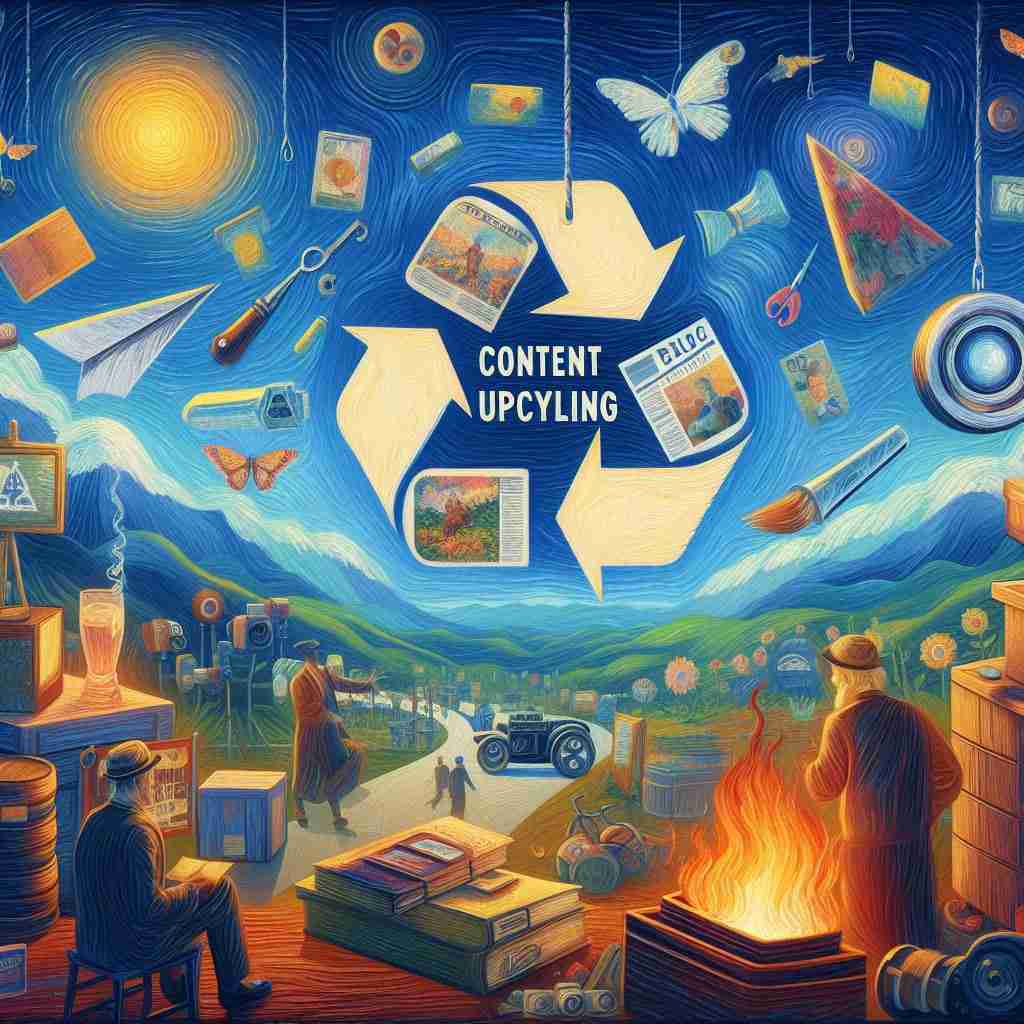
What Are The Best Practices For Effective Content Curation?
What Tools Can Help With Content Curation?
In the vast sea of information available today, sifting through the overload to find gold can feel like searching for a needle in a haystack. But fear not, my friends! Just as you wouldn’t venture into a muddy field without your trusty boots, you shouldn’t embark on your content curation journey without some solid tools by your side. Let’s dive into some of the heavy-duty options that can make your life easier, more efficient, and—dare I say—it can even be fun!
First up, we have RSS feed readers. These little gems act like your personal content butlers, fetching new articles and blog posts from your favorite websites and aggregating them into one neat and tidy space. Think of it as a custom-made newspaper where you choose the headlines! Feedly is a popular choice here—easy to navigate, and it allows you to organize your sources with all the finesse of a seasoned librarian!
Next, let’s talk about social media management tools like Buffer or Hootsuite. These platforms help you not just curate content but share it too! Imagine pulling together the most interesting articles, that captivating blog post, or an inspiring video, and scheduling them to go live at peak times for maximum exposure. With a few clicks, you’re curry-combing the internet for the finest content and presenting it to your audience in style.
But that’s not where the excitement ends! Ever heard of Pinterest? It’s not just for culinary inspirations or DIY crafts—this visual platform can serve as a powerful content curation tool too. You can create boards that represent your niche, pinning articles, infographics, or videos, and voila! You’ve created a visually appealing portfolio of curated content that can attract curious minds to your website blog.
And let’s not forget about tools like Scoop.it and Pocket, which help you organize your findings into bite-sized pieces. Scoop.it allows you to create curated pages that others can explore, while Pocket lets you stash away articles to read later, like a squirrel stockpiling acorns for winter!
So, are you ready to take charge of your content curation game? Embrace these tools that not only ease the heavy lifting but also empower you to share what you truly care about. Curating content is not just about collecting—it’s about connecting, and with the right tools, you can foster a community around the ideas and topics that excite you. Let’s dig in!

What Tools Can Help With Content Curation?
What Tools Can Help With Content Curation?
- Content curation can feel overwhelming due to the vast amount of information available.
- RSS feed readers, like Feedly, help aggregate articles and blog posts from favorite websites into one convenient location.
- Social media management tools, such as Buffer and Hootsuite, facilitate not only content curation but also sharing at optimal times.
- Pinterest serves as a visual content curation platform, allowing users to create boards for niche-related content.
- Tools like Scoop.it enable users to create curated pages, while Pocket allows for saving articles to read later.
- These tools help ease the content curation process and empower users to share their passions effectively.
- Curating content is about fostering connections and building a community around shared interests.

What Tools Can Help With Content Curation?
How Can I Curate Content For Social Media Platforms?
Alright, folks, let’s roll up those sleeves and dive headfirst into the world of content curation. Now, before you panic and think you need a degree in marketing or decades of experience, take a breath. If you’ve got a knack for spotting interesting articles, engaging videos, or eye-catching images, you’re halfway there. The good news? Curating content for social media is less about being a pro and more about being genuine and relatable.
First off, you need to know your audience. Take a little time to think about who you’re talking to. Are they young professionals looking for advice, or maybe families searching for fun activities? Whatever it is, their likes and interests are your compass. You wouldn’t wear flip-flops to a snowstorm, right? Treat your content the same way.
Next, explore diverse sources. Don’t confine yourself to one website blog or a handful of influencers. Go on a rabbit hole adventure; check out niche websites, follow diverse blogs, and engage with various media formats. A cooking blog might just spark a friendship with a local farmer’s social media account. The goal is to gather a treasure trove of content that speaks to your audience’s heart.
Now, here’s where the magic happens: share your unique perspective. It’s not just about reposting someone else’s hard work; it’s about weaving your thoughts into the fabric of the content you share. For example, if you find an inspiring article on vegetable gardening, add a few lines about your own backyard experience with tomatoes gone wild. Relate to them. It creates a sense of trust, like you’re all part of the same conversation.
Another golden rule? Don’t hog the spotlight. Highlight other creators, give credit where it’s due, and foster a community of sharing and support. This isn’t just about you; it’s about building relationships. When you share someone else’s blog post or video, you’re not just endorsing their work; you’re saying, “Hey, I care about what you think, and I think my audience will too!”
Finally, keep a consistent schedule. Just like watering a garden, nurturing your social media takes regular care. Set aside time each week to curate and share, and don’t forget to engage with your followers. Ask questions, encourage comments, and build a dialogue. That’s how you transform casual viewers into loyal friends.
So, whether you’re sourcing a funny meme or an insightful article from a website blog, remember: it’s about creating connections and fostering a community. Go ahead, dive into the vibrant world of content curation—you’ve got this!
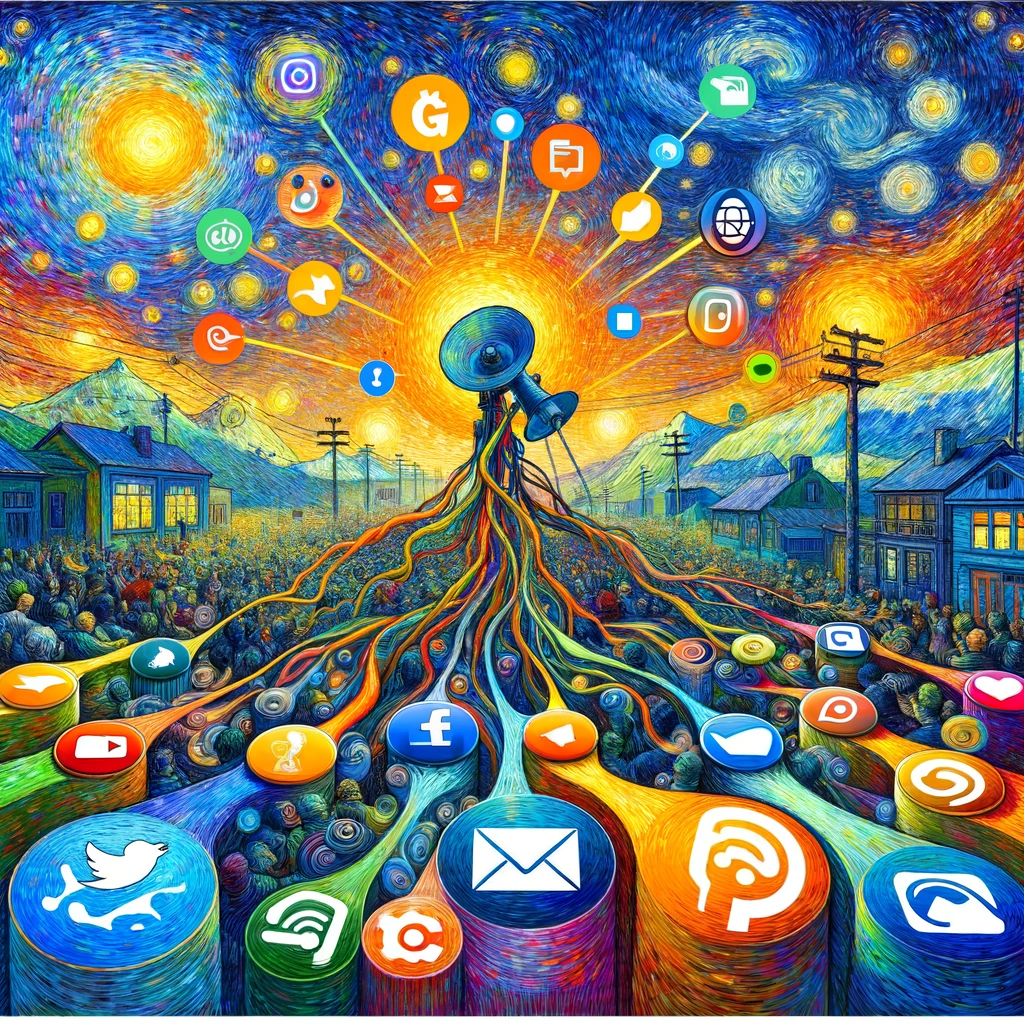
How Can I Curate Content For Social Media Platforms?
How Can I Curate Content For Social Media Platforms?
- Content curation is accessible to anyone with an eye for engaging content.
- Understanding your audience is crucial for effective content curation.
- Explore diverse sources beyond your usual blogs and influencers.
- Share your unique perspective to create a personal connection with your audience.
- Give credit to other creators and foster a supportive community.
- Maintain a consistent schedule for curating and sharing content.
- Focus on creating connections and engaging with your followers to build a community.

How Can I Curate Content For Social Media Platforms?
What Types Of Content Are Most Valuable To Curate?
Curating content is a bit like sifting for gold; you want to ensure that what you pull out of the digital creek is both valuable and engaging. In today’s fast-paced internet landscape, where content flows like water, it’s essential to know which nuggets are worth sharing. The right mix not only keeps your audience engaged but builds their trust in you as a reliable source of information.
First up, we’ve got expert insights. Interviews with industry leaders or in-depth analyses from seasoned professionals can serve as a bedrock for your content curation. People are naturally drawn to the wisdom of those who’ve been around the block, and they’ll appreciate your effort to bring that knowledge to their screens. This is the kind of high-quality content that creates conversation and connection, and it’ll keep your audience coming back for more.
Then there’s the evergreen content—pieces that stand the test of time. Think how-to guides, tutorials, and list articles that provide practical wisdom. They cover topics that are consistently relevant and provide lasting value. By curating these gems, you’re not just filling your website blog with fluff; you’re offering your audience a treasure trove of information that they can rely on, day after day.
Next on the list is user-generated content. Now, this is where it gets interesting! By sharing reviews, testimonials, or social media posts from your audience, you create a community around your content. It shows that you’re not just another voice in the void, but a curator who values and connects with your audience’s experiences. This fosters a sense of trust that’s invaluable, particularly when your community sees their opinions reflected back at them.
And let’s not forget about trending topics. These are like the hot cakes of the content world; they’re fresh, they’re exciting, and they draw people in. By tapping into current events or popular discussions, you can position your website blog as a go-to source for information that’s buzzing right now. But remember, it’s essential to approach these hot topics with authenticity and insight—not just to jump on the bandwagon.
In the grand scheme of things, curating the right types of content is about creating a rich tapestry that appeals to your audience’s interests, values, and needs. So, roll up your sleeves, dig in, and start uncovering those hidden treasures! Together, we can turn a simple website blog into a powerhouse of valuable insights and connections.

What Types Of Content Are Most Valuable To Curate?
What Types Of Content Are Most Valuable To Curate?
- Curating content involves selecting valuable and engaging pieces to build audience trust.
- Expert insights, such as interviews and analyses from industry leaders, provide high-quality content that fosters connection and conversation.
- Evergreen content, like how-to guides and tutorials, offers consistently relevant information that maintains audience interest over time.
- User-generated content, including reviews and testimonials, creates community engagement and shows appreciation for audience experiences.
- Trending topics attract attention and keep content fresh, but should be approached with authenticity and insight.
- Effective content curation creates a rich tapestry appealing to your audience’s interests and needs.
- Transforming your website into a valuable resource involves uncovering hidden treasures in the vast digital landscape.

What Types Of Content Are Most Valuable To Curate?
Conclusion
Alright, folks, let’s wrap this thing up and take a hard look at the art of content curation—because whether you’re a business owner, a blogger, or just someone trying to make sense of the digital chaos, this is one skill you want in your toolkit.
Picture this: you’re diving headfirst into the vast ocean of online information. Waves of content crash against your screen every day, creating a cacophony that can quickly drown you—or worse, tire you out with irrelevant noise. That’s where content curation becomes your lifeboat. It’s all about being that trusted navigator, filtering through the overload, and handpicking the gems that matter. It’s crucial to differentiate valuable content from the digital clutter because, let’s face it, nobody wants to drown in a sea of mediocre articles and videos.
Now, take a second to think about your audience. Much like a savvy dinner host carefully selecting dishes to please their guests, a good curator understands what flavors resonate. Knowing your audience’s interests will guide your selection process as you sift through that tidal wave of content. By sharing expert insights and evergreen pieces, you provide real value while establishing yourself as a reliable resource in your niche—this isn’t just about throwing content at the wall to see what sticks.
Moreover, don’t forget about engagement. Content curation is more than just a regurgitation of someone else’s work; it’s about weaving your own perspective into the narrative. Your personal insights not only enrich the content but also invite conversation and foster community. Trust is built over time, and each curated piece reinforces that foundation, making your audience more likely to return.
So, how do you stay organized? Utilize effective tools, from RSS aggregators to social media management platforms. These handy resources can help streamline your work, allowing you to focus on what you do best—cultivating meaningful connections and promoting dialogue.
In a nutshell, content curation isn’t just a fancy marketing term; it’s about crafting a vibrant tapestry of knowledge that resonates with your audience, all while shaping a thriving community. So roll up those sleeves, dive into the marketplace of ideas, and start curating your way to success. Trust me, when you curate with intention and authenticity, you’re not just sharing content—you’re building a loyal following and shaping a conversation worth having. And that, my friends, is what it’s all about.

Conclusion
Conclusion:
- Content curation is an essential skill for navigating the overwhelming amount of online information.
- It involves filtering content to find valuable insights and avoiding digital clutter.
- Understanding your audience is crucial to selecting relevant and engaging content.
- Effective curation allows you to share expert insights and establish yourself as a reliable resource.
- Your personal perspective enriches curated content, inviting conversation and building community.
- Utilize tools like RSS aggregators and social media platforms to stay organized and efficient.
- Curating intentionally fosters a loyal following and shapes meaningful conversations.

Conclusion
Other Resources

Other Resources
Here is a list of other resources you can review online to learn more:
- Logopony.com
- Datarobot.com
- Novelai.net
- Betterhalf.ai
- Vidyo.ai
- Repurpose.io
- Akool.com
- Filechat.io
- Squarespace
- Conductor
Use This Prompt To Get More Resources With Your Favorite Online AI Tool: Please provide me with a list of online articles with their URLs in a bulleted list that I can read regarding What Is Content Curation?

Other Resources
Glossary Terms
What Is Content Curation? – Glossary Of Terms
1. Content Curation: The process of discovering, gathering, organizing, and presenting digital content related to a specific topic or theme.
2. Curator: An individual or entity that selects and organizes content, often engaging audiences with insights and commentary.
3. Aggregation: The act of collecting diverse pieces of content from various sources into a single location for easier access.
4. Source: A platform or individual from whom content is obtained, such as blogs, news sites, or social media.
5. Relevance: The importance or applicability of content to a particular audience or context.
6. SEO (Search Engine Optimization): Techniques applied to content to improve its visibility and ranking on search engines.
7. Engagement: Interaction and participation from the audience with the content, often measured by likes, shares, comments, and views.
8. Content Strategy: A plan that defines what content will be created, published, and promoted, in alignment with business goals.
9. User Experience (UX): The overall experience a person has when interacting with a website or content, including ease of navigation and enjoyment.
10. Social Media: Online platforms (like Facebook, Twitter, and Instagram) used for sharing and curating content among users.
11. Bookmarking: The act of saving web resources for easy retrieval later, often utilized in curating processes.
12. Metadata: Data that provides information about other data, helping curators organize content.
13. Curation Tools: Software or applications (like Feedly, Pocket, or Scoop. it) designed to assist in the content curation process.
14. Visual Curation: The selection and organization of images or infographics into a cohesive collection or gallery.
15. Audience Analysis: The study of audience preferences and behaviors to tailor curated content accordingly.
16. Content Mapping: The process of visually organizing content types, topics, and delivery methods to enhance curation.
17. Thought Leadership: Recognized expertise in a specific area which guides the curation process, establishing credibility and authority.
18. Content Creation: The generation of original content such as articles, videos, or podcasts, either in combination with or as a contrast to curation.
19. Collaboration: Working with others to gather and present curated content, often enhancing diversity and quality.
20. Brand Voice: The distinctive personality and tone that represent a brand, influencing how curated content is presented.
21. Niche: A specific segment of the market that content curators target based on particular interests or topics.
22. Audience Engagement Tools: Instruments (like polls, surveys, and comments) that facilitate interaction between curators and their audience.
23. Content Distribution: The methods and channels (such as email newsletters, social media, and blogs) used to share curated content with an audience.
24. Analytics: Data and metrics that help evaluate the performance of curated content, including reach, engagement, and conversion rates.
25. Diversity: The inclusion of various perspectives, voices, and types of content in the curation process to appeal to a wider audience.
26. Storytelling: The art of conveying information and insights through narratives, often enhancing the effectiveness of curated content.
27. Content Lifecycle: The stages through which content progresses, from creation to publication, consumption, and archiving.
28. Reposting: Sharing previously published content from one source on another platform, often with added commentary or context.
29. Curatorial Voice: The unique perspective of the curator that shapes how content is selected, organized, and presented.
30. Feedback Loop: The process of receiving audience input on curated content, which can inform future curation efforts and strategies.

Glossary Of Terms
Other Questions
What Is Content Curation? – Other Questions
If you wish to explore and discover more, consider looking for answers to these questions:
- What are some examples of effective content curation?
- How can I measure the success of my content curation efforts?
- What are the common mistakes to avoid in content curation?
- Can content curation help with SEO?
- How often should I curate content?
- What types of content are the most engaging for my audience?
- How can I create a content curation strategy for my brand?
- What platforms are best for content curation?
- Can content curation be automated, and if so, how?
- How do I ensure I am properly crediting the original content creators?
- Are there any legal considerations I should be aware of with content curation?

Other Questions
Haiku
What Is Content Curation? – A Haiku
In digital markets,
Select gems for your kind crowd,
Trust blooms in the shared.

Haiku
Poem
What Is Content Curation? – A Poem
In the Marketplace of Ideas
In the bustling digital square we roam,
Where knowledge flows, a vast unknown,
Content, like wares, spills from each stall,
Yet sifting through noise can baffle us all.
Content curation, the art to embrace,
A guide through the clutter, a friendly face.
With discerning eyes, you’ll pick the best,
Crafting a journey, an inviting quest.
Imagine a potluck where flavors unite,
Thoughtfully chosen, your selections ignite.
Quality over quantity, a crucial decree,
To build trust with your audience, authentically.
You’re not just a collector; you’re a voice to be heard,
Weaving insights and stories with every word.
Engage with your followers; spark conversations bright,
Creating a community, a warm and shared light.
There are tools in your arsenal, sturdy and true,
Feedly, Hootsuite, Pinterest—just to name a few.
Organize, schedule, mix and explore,
Each piece of content a key to unlock more.
In the sea of opinions, stand out with grace,
Share expert insights, embrace every face.
Evergreen wisdom, user tales that inspire,
Curating content that fuels the fire.
Dive deep into trends, weave them with care,
Be the trusted source, a curator who dares.
As you shape this community, remember the art,
Content curation—your canvas, your heart.
So, roll up your sleeves and embark on this quest,
In the marketplace of ideas, be your very best.
With each thoughtful selection, connections unfold,
Curate, engage, as new stories are told.

Poem
Checklist
What Is Content Curation? – A Checklist
Content Curation Checklist
Understanding Content Curation
_____ Define content curation in your own words.
_____ Identify the key elements of effective content curation.
Know Your Audience
_____ Research and analyze your audience’s interests and preferences.
_____ Utilize analytics tools to track engagement and popular topics.
Selecting Quality Content
_____ Choose high-quality, relevant content that resonates with your audience.
_____ Prioritize expert insights, evergreen content, and user-generated content.
_____ Stay updated with trending topics in your niche.
Creating Engaging Experiences
_____ Add your own commentary, insights, or opinions to the curated content.
_____ Foster community engagement by encouraging discussions and feedback.
Organizing Curated Content
_____ Use categories and tags for easy navigation on your platform.
_____ Ensure that the curated content is systematically arranged for user convenience.
Utilizing Tools and Resources
_____ Implement RSS feed readers (e. g. , Feedly) to aggregate content.
_____ Use social media management tools (e. g. , Buffer, Hootsuite) for sharing.
_____ Consider visual platforms like Pinterest for content organization.
_____ Explore curation tools like Scoop. it and Pocket for easy content collection.
Social Media Curation
_____ Recognize your audience’s preferences on social media.
_____ Share content from diverse platforms and creators.
_____ Maintain a consistent posting schedule for engagement.
_____ Engage with followers through comments and discussions.
Types of Valuable Content
_____ Include expert insights and interviews in your curation.
_____ Curate evergreen content that provides long-term value.
_____ Encourage and share user-generated content.
_____ Participate in trending topics authentically.
Final Steps
_____ Regularly review and refine your curation strategy based on audience feedback and performance analytics.
_____ Stay updated on new tools and trends in content curation.
Feel free to use and customize this checklist based on your specific audience and goals! Happy curating!

Checklist
At WebsiteBloggers, we help website bloggers develop strategies to create content, traffic, and revenue from website blogs based on our experiences and experimentation.
Be sure to read our other related stories at WebsiteBloggers and share this article with your friends, family, or business associates who run website blogs.