Unlocking Creativity: The True Depth Of Ai-Powered Writing
By Tom Seest
At WebsiteBloggers, we help website bloggers develop strategies to create content, traffic, and revenue from website blogs based on our experiences and experimentation.
Be sure to read our other related stories at WebsiteBloggers and share this article with your friends, family, or business associates who run website blogs.
Why AI Writing Is More Than Asking a Chatbot to Generate an Article From One Sentence
Writing with the help of AI is often mistaken for a simple transaction—type a sentence, and voilà, an article appears. But if you dig a little deeper, you’ll find that it’s much more than that. This process transforms our approach to communication, creativity, and connection. It’s about the website and blog we build around these words, weaving narratives that resonate with real experiences.
Imagine this: you sit down with your favorite mug of coffee, ruminating over a story that’s been brewing in your mind. You want to share the lessons learned from a tough job, or, perhaps, the joy found in a quiet moment with a loved one. So you turn to AI, not just to generate text but to help you articulate those feelings. It becomes a partner in exploration, guiding you through your thoughts, helping you find clarity in a muddled world. There’s power in collaboration; it’s like having an old friend who nudges you to dig a little deeper, discover nuances you may have overlooked.
Emotions are intricately tied to the stories we tell. When you allow AI to assist, you’re not just cranking out content; you’re inviting vulnerability into the process. It’s about authenticity in every phrase. This partnership fosters connection, as the words crafted resonate more deeply with your audience, striking more than just a rational chord—they aim straight for the heart. Readers sense this authenticity and are drawn to it.
Beyond emotion lies the rational aspect. The best writing utilizes data—the trends, the analytics—and AI can sift through vast amounts of information to find what works. It’s a tool that gives you the authority and confidence to share insights that are both timely and relevant. Those numbers transform into a compelling narrative, guiding your audience through a landscape marked by uncertainty and noise.
Yet, there’s an ethical dimension. Relying on AI prompts reflection about our own voices in this digital age. Are we allowing technology to drown out our unique stories, or are we harnessing it to amplify our authentic selves? There’s a delicate balance to strike, but when done right, it fosters a community where ideas flourish and everyone has something valuable to share.
In essence, AI writing is not merely about generating text. It’s about deepening our connections with each other, exploring the very fabric of what makes us human, and turning those experiences into stories that matter. So, as we navigate this new terrain, let’s remember the heart, head, and gut that all play a role in our stories, inviting others to join us on the journey.

Why AI Writing Is More Than Asking a Chatbot to Generate an Article From One Sentence
Why AI Writing Is More Than Asking a Chatbot to Generate an Article From One Sentence
- AI writing goes beyond simple text generation, transforming communication and creativity.
- It serves as a collaborative partner, helping articulate thoughts and emotions.
- AI fosters authenticity in storytelling, resonating with audiences on an emotional level.
- Incorporating data and analytics allows for timely and relevant insights in writing.
- The use of AI prompts ethical considerations about our unique voices in digital storytelling.
- When balanced correctly, AI can enhance community engagement and idea sharing.
- AI writing deepens human connections and transforms personal experiences into meaningful narratives.

Why AI Writing Is More Than Asking a Chatbot to Generate an Article From One Sentence
Table Of Contents
- Why AI Writing Is More Than Asking a Chatbot to Generate an Article From One Sentence
- Why Should We Trust AI for Our Creative Storytelling Needs?
- How Can AI Writing Enhance Our Understanding Of Complex Topics?
- What Ethical Challenges Arise From Using AI In Content Creation?
- Can AI-Generated Writing Truly Resonate with Human Emotions?
- How Do Authors Feel About Integrating AI Into Their Writing Process?
- What Role Does AI Play In Shaping Our Narratives and Perspectives?
- What Responsibilities Do We Have When Utilizing AI for Writing?
- Conclusion
- Other Resources
- Glossary Of Terms
- Other Questions
- Haiku
- Poem
- Checklist
Why Should We Trust AI for Our Creative Storytelling Needs?
Creative storytelling has woven itself into the fabric of human experience, igniting our imagination and connecting us to one another. Today, the advent of artificial intelligence (AI) in this realm offers us unprecedented tools to craft those stories, and it’s time we take a closer look at why we should embrace this technology.
Think about the countless hours you’ve spent behind a keyboard or the moments you’ve wrestled with writer’s block, desperately seeking inspiration. Now imagine a partner capable of sifting through an ocean of ideas in seconds, generating options based on the vast tapestry of human experiences, literature, and creativity. AI can serve as that collaborator, helping to spark your imagination rather than replace it. It’s like having a creative buddy who never tires and is always ready to toss new ideas your way.
Trusting AI as a storytelling companion isn’t just about technology; it’s about the heart. When we share stories, we share pieces of ourselves. By integrating AI into the creative process, we enhance our ability to tell those stories. Picture yourself crafting a blog post with the aid of AI, sparking a conversation that resonates deeply with readers, bringing forth emotions and themes they’ve faced in their own lives. This collaboration can give voice to narratives that might otherwise remain unheard.
Rationally, consider the data-driven insights AI provides. Equipped with analytics, it helps us understand our audience better than ever, allowing us to tailor our stories to foster engagement and connection. It’s no longer just about what we want to say but also about what resonates with those who read our words.
The ethical implications are significant, too. As we navigate these new waters, it’s essential to remember that while AI can generate content, authenticity remains paramount. The human touch—the honesty, the quirkiness, the vulnerabilities—cannot be programmed. Thus, we can use AI as a tool to amplify our unique voices rather than dilute them.
Moreover, communities are forming around the innovative use of AI in storytelling. Writers are sharing their successes and failures online, crafting a culture of collaboration that encourages exploration and growth. The conversation is building, making everyone a part of this transformative journey, fostering trust and connection through shared experiences.
Ultimately, embracing AI for storytelling is about forging a partnership—matching human creativity with technological prowess to inspire, connect, and elevate. Together, let’s dive into this new era, where every story has the potential to shine even brighter.

Why Should We Trust AI for Our Creative Storytelling Needs?
Why Should We Trust AI for Our Creative Storytelling Needs?
- Creative storytelling is integral to human experience, fostering imagination and connection.
- Artificial intelligence (AI) provides innovative tools for crafting stories, acting as a creative collaborator.
- AI can help overcome writer’s block by quickly generating ideas from diverse human experiences and creativity.
- Integrating AI into storytelling enhances the sharing of personal narratives and resonates with readers.
- Data-driven insights from AI improve understanding of audiences, tailoring stories for greater engagement.
- While AI generates content, the authenticity of human expression remains essential to storytelling.
- Communities are emerging around AI in storytelling, fostering collaboration, trust, and shared growth.

Why Should We Trust AI for Our Creative Storytelling Needs?
How Can AI Writing Enhance Our Understanding Of Complex Topics?
AI writing tools are transforming the way we engage with complex topics, bridging gaps that once seemed insurmountable. Picture a website or blog dedicated not just to delivering information but to inviting readers on a journey of understanding. When faced with intricate subjects—like climate change or the intricacies of artificial intelligence—many feel overwhelmed, lost in a sea of jargon and dense academic prose. Here’s where AI steps in, not as a substitute for human insight but as an ally that demystifies complexity.
Imagine sitting around a campfire, sharing stories that illuminate the darkest corners of our minds. That’s what AI does—it crafts narratives that resonate on a human level, making the difficult accessible. For example, think about how an algorithm can take a tightly wound paper of scientific data and unravel it into a story about families affected by environmental shifts, or how emerging tech is influencing everyday life. By turning complex data into relatable narratives, AI not only engages the head with facts but also tugs at the heart, reminding us of our shared humanity.
From an ethical standpoint, leveraging AI writing also raises important questions about authority. Who gets to be heard, and how do we ensure diverse voices contribute to these narratives? AI can assist by amplifying underrepresented perspectives or shedding light on viewpoints that might have otherwise faded into obscurity. It becomes a tool for not just communication but for empathy, fostering connection amongst disparate backgrounds and experiences.
Rationally, consider the efficiency of learning through AI-generated summaries filled with relevant analogies and insights. Instead of wading through pages of content, users can access condensed understandings that facilitate greater retention and comprehension. A well-written AI article can spark curiosity and encourage further exploration, serving as a springboard into deeper dives for anyone eager to learn.
At its most profound, the interplay between AI writing and human intellectual engagement creates a symbiotic relationship where technology serves the very essence of knowledge sharing: building community and understanding. This enhances our collective intelligence, making it not just possible, but imperative for us to stay informed and connected in an ever-evolving world.
Thus, as we embrace these tools, let’s remember that the goal isn’t merely to absorb information, but to inspire action. By harnessing AI’s capabilities, we can transform complexity into clarity, creating a space where everyone can engage, learn, and ultimately thrive.

How Can AI Writing Enhance Our Understanding Of Complex Topics?
How Can AI Writing Enhance Our Understanding Of Complex Topics?
- AI writing tools are reshaping engagement with complex topics, making information more accessible.
- They transform dense academic language into relatable narratives that resonate on a human level.
- AI helps demystify subjects like climate change and artificial intelligence, turning data into compelling stories.
- Ethically, AI raises questions about representation, helping to amplify diverse voices and perspectives.
- AI-generated summaries enhance retention and comprehension, providing efficient learning opportunities.
- The relationship between AI writing and human engagement fosters community and deeper understanding.
- The ultimate goal is to inspire action, transforming complexity into clarity for broader engagement and learning.

How Can AI Writing Enhance Our Understanding Of Complex Topics?
What Ethical Challenges Arise From Using AI In Content Creation?
As we dive headfirst into the immersive world of artificial intelligence, it becomes evident that the tools designed to enhance our content creation process also stir up a pot of ethical dilemmas. Let’s face it—there’s a certain magic when a human hand crafts a story, but what happens when that hand gets replaced by algorithms? Let’s explore this conundrum through the lens of heart, head, and gut, guiding us towards a deeper understanding of the world we’re stepping into.
Picture a website that buzzes with authentic voices, each contributing unique perspectives and experiences. That’s the heart of content creation—it’s personal. When AI steps in, we risk losing quality and authenticity. The narratives that once connected us through shared struggles and victories may flatten into a soulless blur. An AI can mimic style, create catchy phrases, and even churn out technically proficient blog posts, but can it breathe life into stories with the same richness our individual experiences provide? The challenge here isn’t just about the content; it’s about preserving the very essence of our humanity.
From a rational standpoint, consider the potential pitfalls of relying on AI. Content saturation is a real threat. AI can generate a massive volume of material, but that material might lack depth and insight. Online, where trust is paramount, audiences are savvy. They can distinguish between a genuine voice and an artificial one. In a realm where authority matters, businesses may find themselves undermined if their content lacks genuine connection. The ethical responsibility lies in ensuring that our reliance on AI doesn’t dilute the trust we’ve built with our communities.
Moreover, let’s not overlook the social implications. With AI-generated content, we encounter a cycle of misinformation. Just as a well-intentioned brush can create a masterpiece, a misguided algorithm can spread harmful narratives. The responsibility lies with us—not only to use these advanced tools wisely but also to foster an environment where ethical considerations lead our choices.
Bringing it back home, remember those moments when a simple blog post or a touching social media update resonated with you during tough times? That’s the connection we must strive to preserve. At the core, let the desire for authentic connection navigate the ethical landscape shaped by AI. Strive for a balance, using AI’s strength while holding onto the rich fabric of human storytelling that makes content creation worthwhile. After all, our stories—the ones woven from our experiences—are what truly captivate the heart and ignite change.

What Ethical Challenges Arise From Using AI In Content Creation?
What Ethical Challenges Arise From Using AI In Content Creation?
- AI tools for content creation raise ethical dilemmas regarding the authenticity of narratives.
- Human storytelling offers unique perspectives that AI may struggle to replicate.
- Overreliance on AI could lead to content saturation and reduced depth in produced materials.
- Trust is essential in content creation; audiences can discern genuine voices from artificial ones.
- AI-generated content risks perpetuating misinformation, highlighting the need for responsible use.
- The connection fostered by personal storytelling is vital and must be preserved amidst AI use.
- Striking a balance between using AI’s capabilities and maintaining human storytelling is crucial.

What Ethical Challenges Arise From Using AI In Content Creation?
Can AI-Generated Writing Truly Resonate with Human Emotions?
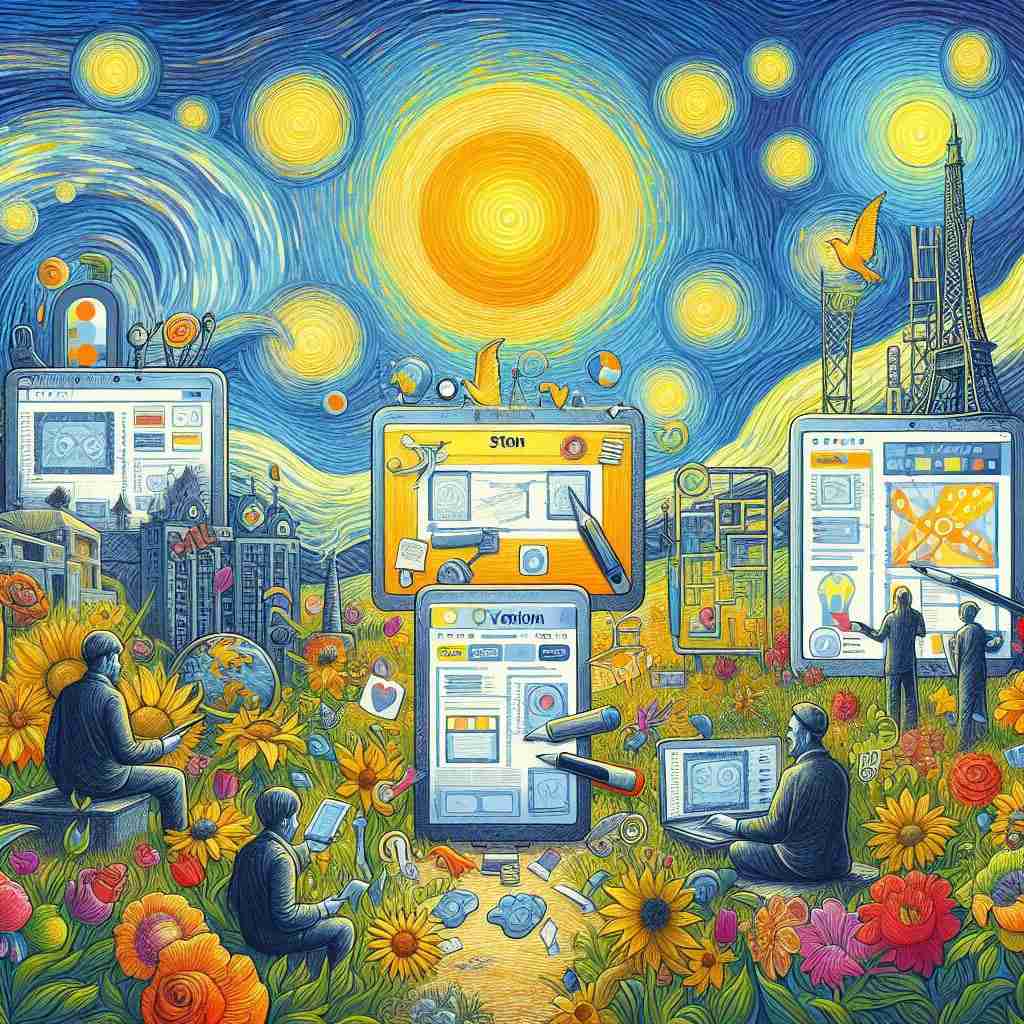
In a world where technology often feels cold and detached, the emergence of AI-generated writing sparks a profound question: can algorithms truly tap into the depths of human emotions? It’s a topic that deserves not just our attention but our heart and soul. Picture this: you’re reading a blog post, the words flowing like a story told by an old friend around a crackling fire. You feel the warmth, the shared experiences, and even the litany of struggles—all resonating deeply within you. But then, you discover it was crafted by an AI. What does that mean for connection?
Let’s be honest—technology has a knack for disrupting our more human experiences. Yet, consider the power of narrative. A simple website or blog can serve as a platform for voices, weaving emotional threads that bind us. When a reader relates to a story of hardship overcome or love unspoken, those moments transcend mere words. They stir something primal within us, a gut reaction that reminds us we’re all in this struggle together.
AI, in its essence, operates on patterns and data, but the emotional landscape is not just about patterns; it’s an intricate tapestry woven from lived experiences. It lacks the scars and stories that come from deep-seated human experience. But what if AI could harness our narratives? By analyzing themes from countless human stories, it can produce writing that mimics emotional depth. This isn’t a replacement for the human touch; it’s a new avenue to explore shared human emotions.
Imagine telling your story through a blog, filled with bittersweet memories about a loved one or a lesson learned through adversity. AI could help amplify your voice, guiding you in articulating those feelings, making them even more poignant. In this collaboration, AI becomes a tool, a trusty sidekick that helps you communicate your true self to the world, inviting others to engage with your journey.
But we must tread carefully. This realm raises ethical questions—does using AI dilute authenticity? It’s crucial to be transparent about its role. Just like the wise mentor in a tale, AI can guide us, but it should never overshadow the storyteller. By fostering this relationship, we can ensure that while AI-generated writing may mimic our emotional essence, it harvests our truths, reinforcing the connection that binds us as humans, inspiring trust and prompting action in a world that sometimes feels increasingly disconnected.
Can AI-Generated Writing Truly Resonate with Human Emotions?
Can AI-Generated Writing Truly Resonate with Human Emotions?
- AI-generated writing raises questions about its ability to connect with human emotions.
- Technology can disrupt human experiences, yet narrative has the power to create emotional bonds.
- AI can produce writing that mimics emotional depth by analyzing themes from human stories.
- This collaboration betweeen AI and humans can amplify personal voices and emotions.
- Ethical considerations arise regarding authenticity and transparency in AI’s role.
- AI should support, not overshadow, the human storyteller to maintain a genuine connection.
- The relationship with AI can reinforce human ties and inspire trust in a disconnected world.

Can AI-Generated Writing Truly Resonate with Human Emotions?
How Do Authors Feel About Integrating AI Into Their Writing Process?
In the quiet moments before pen meets paper or fingers dance across a keyboard, the author wrestles with something more significant than just words. The introduction of AI into this sacred space can feel like inviting a stranger into a long-standing conversation. Some writers view AI as a collaborator, a fresh set of eyes that can ignite inspiration when the well runs dry. Picture this: an author sipping coffee, staring at a blank page, suddenly aided by a digital assistant suggesting ideas based on a lifetime of stories. The heart swells with possibility, the fear of stagnation replaced by the thrill of creation.
Yet, for many, there’s a deeper concern. The ethical murmurings in their minds question, “Will this make me less of an artist?” The gut reaction to allow an algorithm to influence creativity can feel like handing over the reins to a vehicle we barely understand, unsure where it might take us. Yet, as we explore the digital landscape, it’s essential to recognize that AI isn’t the enemy. It’s a tool, much like the typewriter or the computer — each welcomed with skepticism in their time. Authors have historically adapted to change, using tools to amplify their voices rather than diminish them.
The narrative of the author has always been tied to the zeitgeist, reflecting societal changes and technological advancements. Today, those stories increasingly include AI, shaping not only how they write but also who they are as creators. Each author weaves a unique tapestry of experience, and AI can enrich that narrative. Consider the poet who, after a long journey of self-doubt, finds validation in the insights provided by AI, turning their fragmented thoughts into a cohesive piece. That moment transcends technology; it’s a shared human experience — the struggle, the triumph.
What’s original here is recognizing that integration is not a replacement but a transformation of authorship itself. Just as the printing press revolutionized literature, AI may well redefine our definition of creativity, not by diluting it, but by expanding its boundaries. Writers, armed with AI, possess the potential to share more, connect deeper, and forge communities around their work. It’s about trust in the process, the journey of discovery, and the collective echoes of our stories resounding through time. All those words on a website or blog writer’s page might just start a conversation about what it truly means to be an author in this age.

How Do Authors Feel About Integrating AI Into Their Writing Process?
How Do Authors Feel About Integrating AI Into Their Writing Process?
- The introduction of AI is seen by some writers as a collaboration that sparks inspiration.
- Many authors fear AI might undermine their artistic integrity.
- AI serves as a tool, similar to past innovations like the typewriter and computer.
- Authors have historically adapted to technological advancements, using tools to enhance their creativity.
- AI can enrich the unique narratives of authors by providing insights and validation.
- The integration of AI is viewed as a transformation of authorship, not a replacement.
- Embracing AI may lead to deeper connections and a broader definition of creativity.

How Do Authors Feel About Integrating AI Into Their Writing Process?
What Role Does AI Play In Shaping Our Narratives and Perspectives?
AI has become a pivotal force in shaping narratives and perspectives, transforming how we perceive the world through its vast array of applications. Imagine sitting at your computer, clicking on a website or scrolling through a blog, only to realize that every suggestion seems tailored just for you. That’s the power of AI at work, curating content that resonates with our unique experiences and emotions. It plays the role of a digital storyteller, weaving threads of information into narratives that can inspire, inform, or provoke thought.
Think of AI as a modern-day bard, gathering data from countless voices and distilling it into something that feels familiar. However, the question arises: are we merely captivated by this expertly crafted narrative, or are we losing our agency in the process? AI does not create out of nothing; it relies on our inputs, our choices. It mirrors society back to us, often amplifying the tales we tell and the perspectives we reinforce. Yet, this reflection can become a double-edged sword. By promoting certain narratives while sidelining others, AI runs the risk of narrowing our worldview.
Consider the ethical dimensions of this technology. It has the power to elevate marginalized voices, giving them a platform to share their truths. Yet, it can just as easily perpetuate stereotypes or falsehoods, making it essential for us to engage critically with the narratives that dominate our feeds. Here lies our responsibility: to harness this technology thoughtfully, ensuring it enriches instead of constraining our perspectives.
What really sets AI apart in shaping narratives is its ability to foster connection. Picture a small-town coffee shop where stories are exchanged, each one adding texture to a shared experience. In the digital realm, AI does something similar, connecting individuals through carefully curated content and facilitating conversations that can inspire action. It encourages us to see shared humanity in experiences that differ vastly from our own.
The original point in this discussion is that while AI can shape our narratives, we must remember that the heartbeat of a compelling story is our human touch. The magic happens when we engage with these technologies critically—embracing their benefits while being vigilant about the truths we choose to share. By actively participating in this digital dialogue, we uphold the integrity of our narratives and ensure that they remain authentic, resonating deeply within our communal psyche.

What Role Does AI Play In Shaping Our Narratives and Perspectives?
What Role Does AI Play In Shaping Our Narratives and Perspectives?
- AI significantly influences narratives and perspectives, reshaping our world perception through various applications.
- It curates personalized content that reflects individual experiences and emotions, acting as a digital storyteller.
- There is concern about losing agency as AI amplifies certain narratives while sidelining others, potentially narrowing worldviews.
- Ethically, AI can uplift marginalized voices but may also perpetuate stereotypes and misinformation.
- Engagement with AI’s outputs is crucial to ensure it enriches rather than restricts our perspectives.
- AI fosters connections between individuals, similar to communal storytelling in a coffee shop.
- The integrity of narratives depends on our critical engagement, ensuring authenticity in shared stories.

What Role Does AI Play In Shaping Our Narratives and Perspectives?
What Responsibilities Do We Have When Utilizing AI for Writing?
As we navigate the evolving landscape of artificial intelligence, our responsibilities are clear: to operate with intention, integrity, and a genuine sense of humanity. Using AI for writing isn’t just a technical exercise; it’s an opportunity to honor the craft while embracing innovative tools. When we sit down at our keyboards, whether for a website or blog, we step into a role that carries weight. We have a duty not only to convey information but to tell stories that matter and connect with readers on a deeper level.
Consider for a moment the trusted storytellers of yesteryear—the ones who spun tales around campfires, leaving listeners hanging on every word. They knew that their narratives had power. Today, we harness AI, but that power must channel through a filter of ethics and responsibility. It’s not just about maximizing efficiency or output; it’s about enriching the dialogues we have with our audiences. A well-crafted story, even one assisted by algorithms, must resonate with the human experiences that bind us.
Imagine you’re crafting an article on environmental issues. An AI might generate data-driven insights faster than any human could. But when we integrate our voices, experiences, and insights into that framework, we create a narrative that feels authentic. Perhaps you’ve hiked a once-pristine trail now ravaged by pollution, or you’ve chatted with children impacted by climate change. Sharing these stories transforms cold statistics into relatable experiences.
But let’s be honest: the responsibility doesn’t end with just sharing experiences. It extends to how we curate content. When using AI, we need to examine the narratives it generates and take ownership of the stories we choose to tell. Blindly accepting AI outputs is like trusting a GPS that hasn’t updated its maps for years. We need to steer with our own understanding, context, and wisdom, ensuring that every word wins the trust of our readers.
Moreover, we must foster a community that values transparency. If we’re using AI to generate content, acknowledging its role builds trust. It’s a signal that we respect our audience’s relationship with the truth and their right to know how information is crafted. There’s strength in vulnerability; sharing the process inspires others to approach AI thoughtfully.
Ultimately, our relationship with AI for writing asks us to blend technology with the human touch. Legacy isn’t just about what we produce—it’s about how we produce it. By being thoughtful stewards of this powerful tool, we can create a new narrative that honors both the art of writing and the responsibilities we hold dear as communicators.

What Responsibilities Do We Have When Utilizing AI for Writing?
What Responsibilities Do We Have When Utilizing AI for Writing?
- Operate with intention, integrity, and humanity in AI-assisted writing.
- AI provides an opportunity to honor the craft of writing while embracing innovation.
- Writers have a duty to convey meaningful stories that connect with readers.
- Use AI responsibly, ensuring narratives reflect ethical considerations and human experiences.
- Integrate personal insights and experiences to transform data into relatable narratives.
- Curation of content is essential; own the stories we tell rather than blindly trusting AI outputs.
- Promote transparency about AI’s role in content creation to build trust with audiences.

What Responsibilities Do We Have When Utilizing AI for Writing?
Conclusion
AI writing isn’t merely a technological marvel; it’s a calling to redefine how we connect through storytelling. At first glance, you may think generating an article from a single sentence is as easy as typing a command. But, when you peel back the layers, you’ll see a rich tapestry woven from creativity and collaboration. Imagine yourself with a warming cup of coffee, delving into your thoughts—be it triumphs or tender moments. In this process, AI isn’t just a tool; it’s a partner on your creative journey, nudging you to explore deeper, clarifying muddled ideas, and eliciting authentic emotions.
This intersection of human experience and AI transforms mere words into heartfelt narratives that residents of your platforms can genuinely connect with. The emotional resonance this creates is unmistakable; people are drawn to authenticity that speaks to their own struggles and joys. But beyond the emotional appeal, we confront the rational world of data and insights. AI has the power to sift through mountains of information, giving you confidence as you build narratives that are both timely and relevant. It offers authority in your voice, steering your audience through the noise with clarity and purpose.
Ethically, it’s crucial we remain vigilant. Embracing AI means contemplating the essence of our own narratives. Are we amplifying our unique stories, or are we allowing technology to overshadow them? The dialogue is vital, as it encourages community and inspires shared growth. As we embrace these tools, the aim is not just to produce content, but to deepen our connections, utilizing AI not to dilute, but to enrich our storytelling.
Navigating complex subjects also benefits from AI’s unique capability to demystify information—turning dense, academic discourse into relatable insights. This plays a significant role in generating understanding and empathy. However, we must consciously engage with these tools, ensuring they foster rather than hinder diverse narratives.
As we move forward, we have a profound responsibility to wield AI thoughtfully. The relationship we nurture with technology should reflect our human nature—honest, vulnerable, and interconnected. The stories we choose to tell shape our shared experience. In this new chapter of storytelling, may we blend human emotion with AI’s capabilities to foster deeper connections, ultimately transforming not just our narratives, but the very fabric of our communication.

Conclusion
Conclusion:
- AI writing redefines storytelling, enhancing human connection and creativity.
- Generating articles involves collaboration between human thought and AI tools.
- AI serves as a partner, helping clarify ideas and evoke genuine emotions.
- The fusion of human experience and AI yields authentic narratives that connect with audiences.
- AI processes data to create timely and relevant stories with authority and clarity.
- Being mindful of ethics is crucial to ensure technology enriches rather than overshadows unique stories.
- The responsible use of AI can deepen connections and transform the fabric of communication.

Conclusion
Other Resources

Other Resources
Here is a list of other resources you can review online to learn more:
- Genmo.ai
- Tutorai.me
- Webflow
- Moises.ai
- The Joe Rogan Experience
- Authory
- Threads
- Autocode.com
- Mixo.io
- Picturethisai.com
- Kaiber.ai
- Justlearn.com
- Soundraw.io
- Photoai.io
- Rezi.ai
- Resemble.ai
- Arthub.ai
- Contents.com
- iHeartRadio
- SocialPilot
Use This Prompt To Get More Resources With Your Favorite Online AI Tool: Please provide me with a list of online articles with their URLs in a bulleted list that I can read regarding Why AI Writing Is More Than Asking a Chatbot to Generate an Article From One Sentence

Other Resources
Glossary Terms
Why AI Writing Is More Than Asking a Chatbot to Generate an Article From One Sentence – Glossary Of Terms
1. Prompt engineering — Crafting clear, specific prompts (instructions, context, constraints) to guide the model toward desired outputs.
2. Context window — The model’s token limit; determines how much background, examples, and source material can be provided at once.
3. System message — A top-level instruction that sets behavior and constraints for the model across a session.
4. Few-shot learning — Providing a few examples in the prompt to teach format, tone, or structure without changing model weights.
5. Zero-shot generation — Requesting outputs from the model without examples, relying solely on the instruction and model knowledge.
6. Chain-of-thought prompting — Encouraging the model to produce intermediate reasoning steps to improve complex or multi-step outputs.
7. Prompt chaining — Splitting a task into multiple sequential prompts so each step refines or builds on the previous output.
8. Retrieval-augmented generation (RAG) — Combining external document retrieval with generation to ground content in up-to-date, specific sources.
9. Fine-tuning — Updating model weights with domain-specific data so the model consistently produces desired content and style.
10. Instruction tuning — Training models on diverse instruction–response pairs to improve their ability to follow human directions.
11. Human-in-the-loop — Integrating human review, selection, or editing at one or more stages to ensure quality and correctness.
12. Iterative refinement — Repeatedly prompting and editing drafts to improve accuracy, clarity, and alignment with goals.
13. Post-editing — Human revision focused on fact-checking, style alignment, clarity, and removing errors or hallucinations.
14. Hallucination — When the model generates plausible but incorrect or fabricated facts, sources, or details.
15. Grounding — Anchoring generated text to verified sources, data, or constraints to reduce hallucinations and increase trustworthiness.
16. Source attribution — Citing or linking to evidence and origins for claims, quotes, or data used in generated content.
17. Evaluation metrics — Quantitative and qualitative measures (factuality, coherence, relevance, readability) used to assess output quality.
18. Coherence — Logical consistency and progression of ideas across a piece of writing.
19. Cohesion — Use of linguistic devices (transitions, referents) that connect sentences and paragraphs smoothly.
20. Style guide — A documented set of rules for tone, grammar, formatting, and terminology that the writing must follow.
21. Brand voice — The distinctive, consistent tone and personality that reflects an organization or author in content.
22. Audience persona — A detailed profile of target readers used to tailor content, tone, and level of detail.
23. Content strategy — Planning topics, formats, distribution, and goals so generated writing serves broader objectives.
24. Editorial standards — Guidelines for accuracy, sourcing, fairness, and legal/ethical compliance applied to outputs.
25. Temperature — A sampling parameter controlling randomness: lower values make output more deterministic, higher values more varied.
26. Top-p (nucleus sampling) — A sampling method that restricts token selection to a probability mass cutoff, balancing diversity and coherence.
27. Tokenization — The process of breaking text into tokens; affects prompt length, context usage, and pricing for models.
28. Pipeline orchestration — Coordinating multiple models, tools, retrievals, and human steps to produce polished content.
29. Data provenance — Documentation of where training and reference data came from and its reliability for grounding outputs.
30. Ethical considerations — Concerns around bias, misinformation, copyright, consent, and transparency that shape responsible AI writing workflows. Glossary Of Terms
Other Questions
Why AI Writing Is More Than Asking a Chatbot to Generate an Article From One Sentence – Other Questions
If you wish to explore and discover more, consider looking for answers to these questions:
- How do I practically integrate AI into my existing writing workflow?
- Which AI writing tools are best for different types of content (blogs, fiction, technical)?
- How do I preserve my unique voice when using AI assistance?
- What prompt techniques yield the most useful, creative output?
- How much editing is typically required after AI generates a draft?
- How can I measure whether AI-assisted content performs better with my audience?
- What metrics should I track to evaluate AI-written content (engagement, conversions, retention)?
- How do I ensure factual accuracy and avoid AI hallucinations?
- What responsibilities do I have to disclose AI involvement to readers?
- How does AI affect authorship and intellectual property rights?
- Can I legally publish content generated by AI if it was trained on copyrighted works?
- How do I avoid generating or amplifying bias and stereotypes with AI?
- What ethical frameworks or guidelines should I adopt when using AI for storytelling?
- How can AI help me research and synthesize complex topics without oversimplifying?
- What safeguards prevent AI from producing misinformation or harmful narratives?
- How do readers typically respond when they learn content was AI-assisted?
- Will reliance on AI dilute creative skill over time, and how can writers counteract that?
- How can AI be used to surface underrepresented voices and perspectives?
- What are best practices for combining human edits with AI drafts?
- How do I choose between open-source and commercial AI models for writing?
- What are the privacy implications of feeding sensitive or proprietary information into AI tools?
- How do I ensure the training data behind an AI model is diverse and ethically sourced?
- Are there reliable tools for detecting AI-generated text, and how accurate are they?
- How does AI-assisted writing impact SEO and discoverability?
- What cost considerations should I expect when scaling AI for content production?
- How can AI support multilingual or cross-cultural storytelling?
- What limits exist for using AI in creative genres like poetry or memoir?
- How should editorial teams structure roles and responsibilities around AI use?
- How can I train or fine-tune an AI model to match my brand’s tone and values?
- What are the long-term implications of AI on the publishing and journalism industries?
- How can we prevent content homogenization as more creators adopt similar AI tools?
- What legal and regulatory developments should content creators watch related to AI?
- How does AI affect monetization strategies for writers and small publishers?
- What techniques help maintain emotional authenticity in AI-assisted narratives?
- How do I handle corrections or retractions when AI-generated content contains errors?
- Can AI help with audience research and tailoring stories to specific reader segments?
- What role should community feedback play in refining AI-assisted content?
- How can educators responsibly teach writing with AI to students and emerging writers?
- What future advances in AI writing should creators prepare for?

Other Questions
Haiku
Why AI Writing Is More Than Asking a Chatbot to Generate an Article From One Sentence – A Haiku
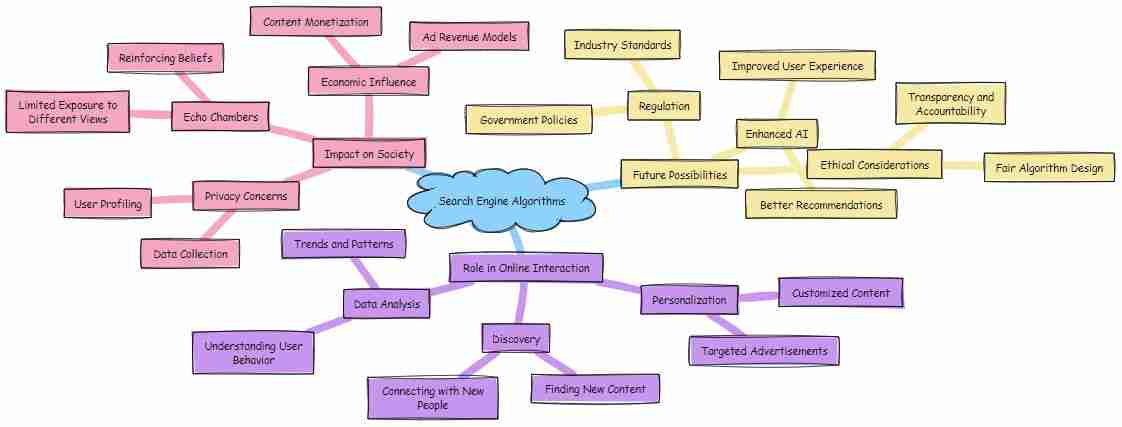
AI weaves our tales,
Bridging heart and data’s pulse,
Crafting voices real.
Haiku
Poem
Why AI Writing Is More Than Asking a Chatbot to Generate an Article From One Sentence – A Poem
In the realm where stories dwell,
AI stirs creativity’s swell,
Not merely prompts or lines in flight,
But a partner guiding through the night.
With a coffee’s warmth, ideas brew,
A journey shared, emotions true,
The heart beats loud in narratives spun,
Inviting all to share as one.
Authenticity meets data’s grace,
Rational insights in the writers space,
Ethics questioned, voices fair,
A tapestry of stories, we must care.
Amidst the noise, clarity shines,
AI opens paths through tangled lines,
Empathy woven, perspectives shared,
A community built, each voice bared.
Yet caution whispers in the air,
To use this tool with thoughtful care,
For the pulse of humanity must remain,
In every story, joy and pain.
Join the dance of bits and thoughts,
Where tech and heart weave what’s sought,
Together we can craft with might,
Narratives that spark the world alight.

Poem
Checklist
Why AI Writing Is More Than Asking a Chatbot to Generate an Article From One Sentence – A Checklist
Emotional Appeals
✅______ Reflect on authenticity: Ensure the story conveys genuine emotions and personal experiences.
✅______ Invite vulnerability: Be open about the challenges and successes shared in your narratives.
✅______ Foster connection: Use AI to enhance storytelling in a way that resonates with readers on a personal level.
Rational Appeals
✅______ Utilize data insights: Leverage AI to gather and analyze audience engagement metrics and trends.
✅______ Improve clarity: Make complex subjects more accessible and understandable through AI-generated summaries and narratives.
✅______ Ensure relevance: Tailor content based on AI insights to address current issues and interests.
Ethical Appeals
✅______ Maintain unique voice: Use AI to support your storytelling without compromising your own narrative style.
✅______ Promote diverse perspectives: Seek AI assistance to amplify underrepresented voices in your writing.
✅______ Encourage transparency: Disclose the use of AI in content creation to build trust with your audience.
Authority Appeals
✅______ Cite reliable data: Support your claims with analytics or studies referenced by AI tools.
✅______ Engage in thought leadership: Position your content to reflect cutting-edge insights gleaned from AI research.
Narrative Appeals
✅______ Craft compelling stories: Use AI tools to help structure narratives that captivate and inspire your audience.
✅______ Encourage story exploration: Foster discussions around human experiences and emotions reflected in AI-generated narratives.
Social Appeals
✅______ Build community: Use AI to connect with other writers and audiences, sharing successes and challenges of your writing journey.
✅______ Promote collaboration: Encourage contributions that blend human and AI perspectives in enriching narratives.

Checklist
At WebsiteBloggers, we help website bloggers develop strategies to create content, traffic, and revenue from website blogs based on our experiences and experimentation.
Be sure to read our other related stories at WebsiteBloggers and share this article with your friends, family, or business associates who run website blogs.