
The Power Of Empathy In Modern Marketing
By Tom Seest
At WebsiteBloggers, we help website bloggers develop strategies to create content, traffic, and revenue from website blogs based on our experiences and experimentation.
Be sure to read our other related stories at WebsiteBloggers and share this article with your friends, family, or business associates who run website blogs.
Why Empathy Is The Future Of Marketing In Website Blogging?
Why Empathy Is The Future Of Marketing In Website Blogging
In a world saturated with noise, where every corner of the web is bustling with brands shouting for attention, it’s easy to forget that, at the heart of every website blog, there’s a simple truth: people want to feel understood. This isn’t just a nice thought; it’s a necessity in today’s marketing landscape. When brands lean into empathy, they pull off something remarkable—the ability to connect with their audience on a deeper level.
Think about it. The last time you read a blog post that truly resonated with you, it wasn’t just the facts or figures that grabbed your attention. No, it was the feeling behind the words. It was the sense that someone out there understood your struggles, your aspirations, your day-to-day battles. That connection has the power to transform a casual reader into a loyal customer. Empathy fosters trust; it allows consumers to feel seen, heard, and valued. And when that happens, magic unfolds.
Consider this: every time you sit down to draft a post for your website blog, ask yourself a profound question: “What does my reader really need this week?” It’s not just about selling a product or service; it’s about taking a moment to understand their journey, their pain points, and their dreams. By crafting content that speaks to these emotions, you’re not merely creating marketing pieces; you’re nurturing relationships.
Moreover, in a landscape where half-baked content fills the digital space, being genuine and empathetic sets you apart. People are smart; they can smell insincerity from a mile away. By contrasting that with heartfelt messaging, you instantly elevate your brand. You’re not just another voice in the crowd; you’re a guide, a confidant, and a trusted partner.
Embrace empathy in your marketing strategy. Let it shape your tone, your visuals, and your overall approach to engaging with your audience. Start by sharing authentic stories, asking questions, and actively listening to the feedback from your readers.
As you journey forward, remember that empathy isn’t just a strategy; it’s a mindset. It’s about rolling up your sleeves and getting to know your audience on a personal level. By doing so, you’ll not only drive traffic to your website but build a community that is eager to engage, share, and grow with you. In the future of marketing, the best connection will always be a human one.

Why Empathy Is The Future Of Marketing In Website Blogging?
Why Empathy Is The Future Of Marketing In Website Blogging?
- In a crowded digital landscape, empathy is essential for brands to connect with audiences on a deeper level.
- Resonant blog posts evoke emotions, making readers feel understood and valued.
- Empathy fosters trust, transforming casual readers into loyal customers.
- Content should address the reader’s needs and emotions, nurturing relationships rather than just selling products.
- Authenticity sets brands apart in a sea of insincere content, enhancing brand perception.
- Empathetic marketing involves sharing genuine stories, asking questions, and actively listening to feedback.
- Adopting an empathetic mindset helps build a community eager to engage, share, and grow with the brand.

Why Empathy Is The Future Of Marketing In Website Blogging?
Table Of Contents
- Why Empathy Is The Future Of Marketing In Website Blogging?
- What Is Empathy In The Context Of Marketing?
- How Does Empathy Improve Customer Relationships?
- Why Is Understanding Customer Emotions Vital For Brands?
- How Can Blogging Foster Empathetic Connections With Audiences?
- What Are Effective Strategies For Incorporating Empathy In Blogs?
- How Does Empathy-Driven Content Enhance Brand Loyalty?
- Conclusion
- Other Resources
- Glossary Of Terms
- Other Questions
- Haiku
- Poem
- Checklist
What Is Empathy In The Context Of Marketing?
Let’s set the stage: you’re scrolling through your social media feed, and like a moth to a flame, an ad catches your eye. But wait—what’s different about this one? It feels less like a sales pitch and more like a conversation with an old friend. That’s empathy at work in marketing, my friend. It’s not just about pushing products; it’s about connecting with people on a genuine level.
Empathy in marketing is the art of being able to step into the shoes of your audience, understanding their fears, desires, and aspirations. Think about it. Whether you’re crafting a website blog or developing an ad campaign, when you embrace the power of empathy, you promote trust. You’re not merely selling; you’re offering solutions that resonate with your audience’s everyday struggles and triumphs.
Imagine your potential customers. They’re navigating a sea of options, all vying for their attention, their time, and often, their hard-earned money. Your goal is not to be just another voice in the crowd. It’s to be the one that listens. To connect, you need to know what makes them tick. What motivates them? What pain points can your product alleviate? When you answer these questions, you’re not just a marketer; you become a trusted advisor—someone they can turn to when they need help.
Consider the power of storytelling. When you share stories that reflect your audience’s experiences, you create a bond. Maybe it’s a blog post on your website that shares a customer’s journey with your product, or perhaps an email campaign that taps into a shared emotion. When people see themselves in a narrative, it softens their defenses and opens up a space for connection. That’s where loyalty is born.
So, the next time you’re working on that website blog or pondering your marketing strategy, remember: empathy isn’t just a nice-to-have. It’s a must-have. It’s about creating real relationships with real people. When you align your message with your audience’s feelings, you transform your marketing from a mere transaction into a meaningful interaction. And that’s where the magic lies—because in the world of marketing, when you make it personal, you make it powerful. So roll up your sleeves and get to know your audience; the connection you build today will pay off with trust and loyalty tomorrow.

What Is Empathy In The Context Of Marketing?
What Is Empathy In The Context Of Marketing?
- Effective marketing goes beyond selling products; it focuses on genuine connections.
- Empathy in marketing involves understanding the audience’s fears, desires, and aspirations.
- Empathetic marketing promotes trust by offering relatable solutions to everyday struggles.
- Marketers should strive to listen and know what motivates their potential customers.
- Storytelling helps create bonds by reflecting the audience’s experiences.
- Empathy is essential for transforming marketing from transactions into meaningful interactions.
- Building connections with the audience leads to trust and loyalty over time.
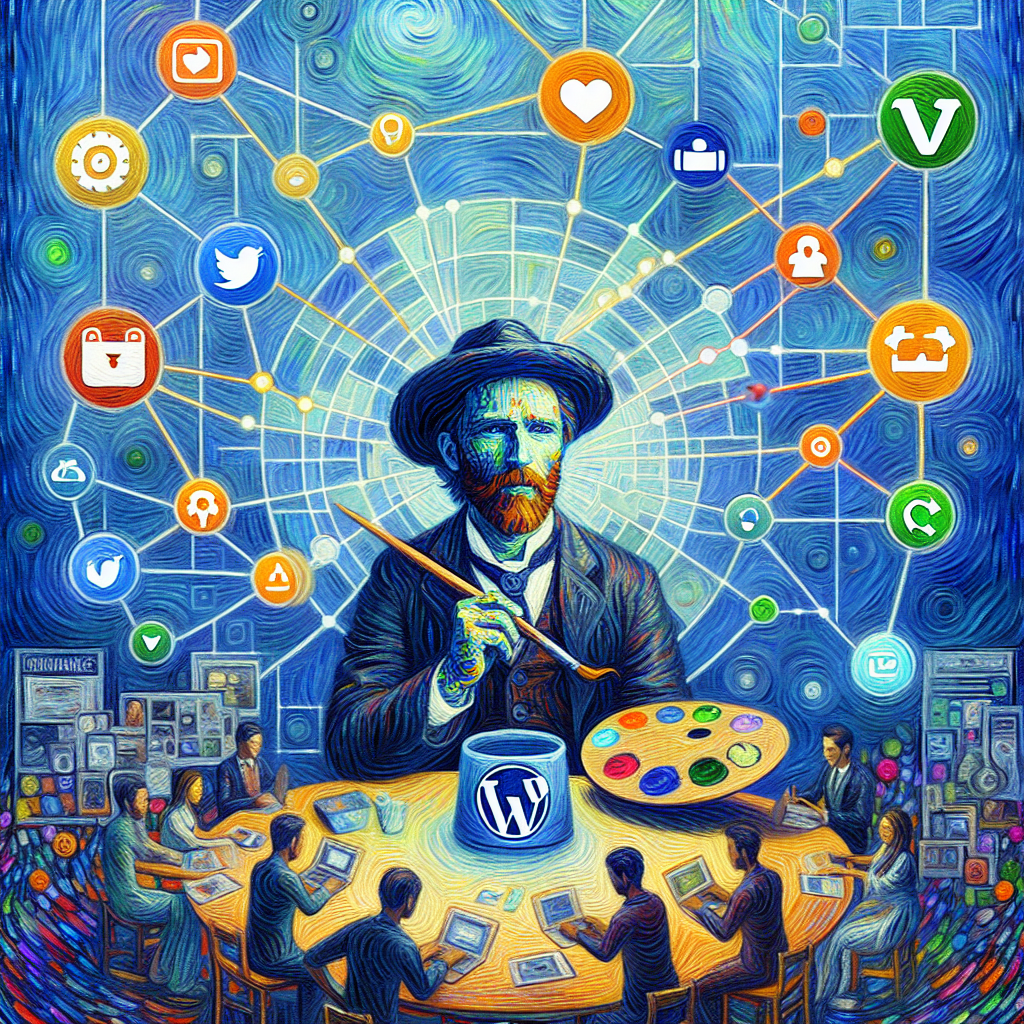
What Is Empathy In The Context Of Marketing?
How Does Empathy Improve Customer Relationships?
Let’s face it, folks. In today’s fast-paced world, where everyone’s juggling deadlines and digital distractions, it’s easy to forget the simple human connection. But if you want to stand out in a crowded marketplace, you’ve got to get back to the basics. Empathy is where it all starts, and it’s not just a trendy buzzword—it’s the lifeblood of strong customer relationships.
Imagine this: you call up a customer service line, and the voice on the other end seems genuinely interested in your issue. They don’t just treat you like another ticket in the queue; they listen. They understand. Suddenly, you’re not just a customer; you’re a person. That connection transforms the entire experience. When businesses prioritize empathy, customers know they’re valued, and that creates loyalty that lasts.
Think about your own experiences—when was the last time you felt more than just a transaction? Maybe it was a local shop where the owner remembered your name, your favorite items, and even asked about your family. Or perhaps it was an online retailer whose follow-up emails showed genuine interest in your feedback. That’s empathy in action! It builds trust, making customers feel appreciated and encouraging them to come back time and again.
Empathy also has an amazing ripple effect. When customers feel understood, they’re more likely to share their positive experiences with others. Those stories become the lifeblood of referrals, helping your business cultivate richer relationships and a broader customer base. It’s a win-win—you get loyal customers, and they feel a sense of belonging. That’s powerful!
So, how can you start weaving empathy into your customer interactions? Begin by training your team to listen more actively. It’s about more than just hearing words; it’s about understanding feelings. Encourage them to ask questions, reflect back what they hear, and respond in a way that resonates. Show them that behind every query is a person with a story and a need.
Empathy isn’t just a tool; it’s a strategy for growth. It cultivates a community around your brand, turning casual buyers into lifelong advocates. When you genuinely connect with your customers, you not only enhance their experience—you innovate your entire approach to service. The result? A stronger, more resilient business that thrives on meaningful relationships. So, let’s roll up our sleeves and get to work. Your customers—and your bottom line—will thank you for it.

How Does Empathy Improve Customer Relationships?
How Does Empathy Improve Customer Relationships?
- Empathy is essential for building strong customer relationships in a fast-paced, distraction-filled world.
- Genuine customer service creates a personal connection that transforms the customer experience.
- Prioritizing empathy leads customers to feel valued, fostering loyalty that lasts.
- Memorable interactions, such as personalized service, illustrate empathy in action and build trust.
- Understanding customers leads to positive word-of-mouth referrals, expanding the customer base.
- Train team members to actively listen and understand customers’ feelings to improve interactions.
- Empathy as a strategy enhances customer experiences and builds a resilient business community.

How Does Empathy Improve Customer Relationships?
Why Is Understanding Customer Emotions Vital For Brands?
Now, let’s dive into something that’s often overlooked but fundamentally shapes the way businesses connect with their audience: customer emotions. Picture this: you walk into a store, and the moment you step in, the vibe just grabs you—be it warmth, excitement, or even nostalgia. That’s not by accident, my friend; it’s the power of emotional connection at play. This is the stuff your website or blog may not always highlight, yet it’s the very thread that holds customer loyalty together.
Understanding customer emotions is like having the secret sauce for success. When a brand taps into what makes customers tick—what joys they cherish, what frustrations they face, and what dreams they aspire to—it opens the floodgates of connection. Ever had a moment when a product just felt right? That’s emotional marketing in action. It’s more than selling; it’s about weaving stories that resonate. When customers feel understood, they don’t just make a purchase; they forge a relationship.
Consider how brand loyalty grows from emotions. Think about how you relate to the brands you adore; they evoke memories, stir excitement, or perhaps they even align with your values. For businesses, fostering this emotional landscape shouldn’t be an afterthought—it should be the cornerstone of their strategy. They should strive to turn everyday transactions into moments that matter, and understanding emotions is where it all starts.
Listen, it’s about more than just selling products; it’s about creating experiences that linger long after a customer leaves your website or store. By acknowledging their emotions, businesses can innovate and improve their offerings, cultivating loyalty that drives lifelong engagement. Successfully navigating this emotional landscape positions a brand not just as a vendor but as a trusted partner.
In effect, brands that succeed in understanding and embracing customer emotions will not just weather the tempest of market competition, but they will thrive in it. So, if you’re a business owner, think about how your brand connects with the emotional pulse of your audience. Dive deep into those feelings. Evoke the warmth of nostalgia. Inspire by aligning with dreams. It’s not just the right thing to do; it’s essential for long-term success.
So, let’s raise the bar together and make emotions a focal point in our brand stories. Get out there—connect, understand, and create something that truly resonates.

Why Is Understanding Customer Emotions Vital For Brands?
Why Is Understanding Customer Emotions Vital For Brands?
- Customer emotions significantly influence how businesses connect with their audience.
- Emotional connections foster customer loyalty and shape the overall brand experience.
- Understanding customer emotions allows brands to resonate with their audience’s joys, frustrations, and aspirations.
- Emotional marketing involves weaving relatable stories that go beyond just selling products.
- Brands gain loyalty when they evoke memories, stir excitement, and align with customer values.
- Creating memorable experiences fosters lifelong engagement and positions brands as trusted partners.
- Brands that prioritize emotional connections are more likely to thrive in a competitive market.

Why Is Understanding Customer Emotions Vital For Brands?
How Can Blogging Foster Empathetic Connections With Audiences?
Have you ever stumbled upon a website blog that hooked you right from the first sentence? That sly, irresistible feeling of knowing you’re not alone in your thoughts and experiences? That’s the magic of blogging—not just a clever way to share opinions but a genuine bridge to foster empathetic connections with readers.
Let’s face it; we live in a world where everyone constantly scrolls, swipes, and navigates through streams of information. In this noisy digital landscape, a website blog cuts through the chaos, offering a slice of authenticity. When you sit down to write, it’s more than just tapping away at your keyboard; it’s about laying bare your experiences, struggles, and triumphs that resonate with others. Think about it—when you open up about your fears or celebrate your victories, you’re inviting readers to see a piece of themselves in your story. That’s vulnerability in action, folks, and it breeds connection.
Imagine sitting around a campfire, sharing stories with friends, both familiar and new. That warmth? That sense of belonging? That’s what a well-crafted blog post can do for readers. It allows them to feel like they’re part of a community, even from the comfort of their own couch. The more relatable your narrative, the stronger that connection becomes. A reader shares a similar journey, and suddenly, both of you are navigating the same waters together. That’s the power of empathy wrapped up in storytelling.
And let’s not forget the comments section, that often-overlooked gem where real conversations happen. When a reader takes the time to respond, they’re not just typing words; they’re building a conversation—a dialogue where questions, insights, and shared experiences flow freely. Engaging back creates a rhythm that fosters trust. That trust transforms a simple website blog into a safe haven for collaboration and support.
So how about it? Whether you’re sharing a recipe, a life lesson, or the ups and downs of everyday life, remember that you have the potential to change someone’s day for the better. Embrace your authentic self, write without pretense, and create a space where others feel welcome to join in. The ripple effect of your words could be far greater than you think. So, let’s get writing and start building those connections!

How Can Blogging Foster Empathetic Connections With Audiences?
How Can Blogging Foster Empathetic Connections With Audiences?
- Blogging fosters empathetic connections between writers and readers.
- In a noisy digital landscape, blogs provide authenticity and a personal voice.
- Sharing personal experiences invites readers to relate and connect.
- A well-crafted blog post creates a sense of community and belonging.
- The comments section facilitates meaningful dialogue and shared experiences.
- Engagement in comments builds trust and transforms blogs into supportive environments.
- Writing authentically has the potential to positively impact readers’ lives.

How Can Blogging Foster Empathetic Connections With Audiences?
What Are Effective Strategies For Incorporating Empathy In Blogs?
In the hustle and bustle of the digital age, we sometimes forget that behind every click, scroll, and share lies a human being with stories, dreams, and struggles. So, how do you weave a little empathy into your website blog and make it resonate with your audience? Let’s break it down.
First, start by listening. Set aside your preconceived notions and really tune into your readers. Use polls, social media, and comment sections to gather insights about what matters to them. Not only does this foster connection, but it shows you care about their experiences. Each time you engage with your audience, remember you’re speaking to real people with unique perspectives. This consciousness will breathe life into your writing.
Next, share your own stories—yes, your authentic, messy, imperfect tales. Vulnerability creates bridges between you and your readers. Perhaps you faced a challenge and learned an important lesson. By being transparent, you invite others to connect with you on a deeper level. Remember, everyone has struggles, and someone out there might find solace in your honesty.
When crafting your website blog, use language that evokes emotion. Avoid jargon and overly technical terms. Instead, paint pictures with words that spark understanding and reflection. Consider your audience’s circumstances, joys, and fears. You want them to feel like they’re sitting across the table from you, having a genuine conversation.
Moreover, always focus on the reader’s needs. Ask yourself: “What can I provide that would be helpful or meaningful to them?” It could be valuable insights, helpful tips, or simply words of encouragement. By prioritizing their journey, you cultivate a sense of trust. Readers are more likely to return to a blog that feels welcoming and attuned to their experiences.
Finally, encourage interactions—make it easy for your audience to share their thoughts, opinions, and stories. Create a community where dialogue is embraced. Consider adding a comment section where people can connect and share their own experiences based on what they read. This not only fosters a sense of belonging but also enriches your content through varied perspectives.
In summation, incorporating empathy into your blog isn’t just a strategy; it’s an invitation to connect on a human level. So, roll up your sleeves, put in the heart, and let those authentic, relatable narratives flow! Your readers—and their stories—are waiting.

What Are Effective Strategies For Incorporating Empathy In Blogs?
What Are Effective Strategies For Incorporating Empathy In Blogs?
- Recognize the humanity behind each user interaction, understanding their stories and struggles.
- Listen to your audience by using polls, social media, and comments to gather insights about their interests.
- Share personal, authentic stories to foster vulnerability and connection with your readers.
- Use emotional language and avoid jargon to create relatable and engaging content.
- Focus on the reader’s needs by providing valuable insights, tips, or encouragement.
- Encourage audience interactions through comments to build community and enrich content.
- Incorporating empathy is an invitation to connect meaningfully with your audience.

What Are Effective Strategies For Incorporating Empathy In Blogs?
How Does Empathy-Driven Content Enhance Brand Loyalty?
In today’s fast-paced world, where the digital landscape is a cacophony of flashy ads and relentless promotions, it’s easy to overlook the power of words that resonate on a human level. But what if your brand could rise above the noise? What if you could actually connect with your audience in a way that feels less like a sales pitch and more like a conversation with an old friend? That’s where empathy-driven content comes into play, and it’s the secret sauce behind fostering brand loyalty.
When you craft articles for your *Website* or create a *Blog* post, isn’t it more impactful to share stories that reflect real-life experiences? People crave authenticity in a world saturated with perfect images and curated timelines. By sharing relatable content that speaks to the highs and lows of everyday life, you create a bridge to understanding. You’re not just a brand anymore; you’ve become part of their journey.
Imagine a brand that acknowledges the chaos of family life, the struggle of balancing work and personal commitments, or even the thrill of small victories. When you take the time to understand your audience’s emotions and challenges, you’re building a relationship based on trust. This isn’t just about selling a product or service; it’s about standing shoulder to shoulder with your customers, reinforcing the idea that you genuinely care about their experience.
Empathy-driven content invites people to see themselves in your brand’s narrative. When a consumer feels understood, they’re more likely to engage, share, and, importantly, come back for more. They’re not just loyal to a logo; they’re loyal to a message that aligns with their own values and experiences.
So, why should you care? Because when your audience connects emotionally, they’ll stick around. They’ll advocate for your brand, recommend it to friends, and support it through thick and thin. And that’s a powerful position to be in.
So, grab that keyboard and start writing content that resonates! Dive deep into the human experience, invite your audience along for the ride, and watch as their loyalty transforms your brand into something truly extraordinary. Let’s face it—it’s not just about selling; it’s about building a community that stands the test of time.

How Does Empathy-Driven Content Enhance Brand Loyalty?
How Does Empathy-Driven Content Enhance Brand Loyalty?
- In a noisy digital landscape, empathetic communication can elevate a brand.
- Empathy-driven content fosters genuine connections by resonating with real-life experiences.
- Authenticity and relatable stories create a bridge to understanding, enhancing brand perception.
- Recognizing audience emotions and challenges builds trust and turns customers into allies.
- When consumers see themselves in a brand’s narrative, they engage and share more readily.
- Emotional connections lead to customer loyalty, advocacy, and lasting relationships.
- Writing meaningful content transforms brands into communities that thrive over time.

How Does Empathy-Driven Content Enhance Brand Loyalty?
Conclusion
Alright, folks, let’s wrap this up and lean into the heart of what we’ve been talking about. In a world where every brand is clamoring for attention, it turns out that the most effective way to break through the noise isn’t with flashy graphics or clever catchphrases, but with genuine empathy. You see, at its core, modern marketing—especially in the realm of blogging—is about making that vital connection between you and your audience. People want to feel seen, understood, and valued, and when brands respond to that yearning with authenticity, something magical happens.
Imagine your audience as more than just numbers on a page. Each click, share, or comment represents a real person grappling with life’s challenges and celebrating its triumphs. By tuning in and really listening—understanding their fears, aspirations, and everyday struggles—you position yourself as more than just a brand; you become a trusted companion, a confidant. That’s where empathetic storytelling comes into play. Remember, it’s not just about peddling products; it’s about weaving narratives that resonate with your readers. It’s sharing relatable moments that connect on a human level, transforming a simple website blog into a community hub where your audience feels they belong.
Now, let’s talk about loyalty—that golden nugget every brand chases. When you take the time to nurture relationships through empathy-driven content, you’re not just gaining customers; you’re cultivating lifelong advocates. These are the folks who’ll share your message far and wide. They won’t just buy your products; they’ll champion your cause because you took the time to understand what they needed.
So, the next time you sit down to craft a blog post, don’t just think of it as another task on a to-do list. Ask yourself, “What does my reader need today?” and let that question guide your writing. Embrace vulnerability; share your own stories and invite readers into yours. Create an environment—whether through comments, social media interactions, or personal anecdotes—where conversation flows freely.
Empathy isn’t just a marketing tactic; it’s a foundation for strong, lasting relationships. It’s about rolling up your sleeves, getting to know your audience on a personal level, and welcoming them into something bigger than just a transaction. So, as we charge into the future of marketing, remember this: when you make it personal, you make it powerful. Let’s get out there, create connections, and build a community that stands the test of time.

Conclusion
Conclusion:
- The key to effective marketing is genuine empathy, not flashy graphics or clever phrases.
- Modern marketing focuses on building vital connections between brands and audiences.
- Understanding the audience’s fears, aspirations, and struggles enhances relatability and trust.
- Empathetic storytelling transforms a blog into a community hub where readers feel a sense of belonging.
- Nurturing relationships through empathy-driven content fosters customer loyalty and advocacy.
- Marketers should always consider their audience’s needs while crafting content and embrace vulnerability.
- Empathy is a foundation for strong relationships, making marketing personal and powerful.

Conclusion
Other Resources

Other Resources
Here is a list of other resources you can review online to learn more:
Use This Prompt To Get More Resources With Your Favorite Online AI Tool: Please provide me with a list of online articles with their URLs in a bulleted list that I can read regarding Why Empathy Is The Future Of Marketing In Website Blogging?

Other Resources
Glossary Terms
Why Empathy Is The Future Of Marketing In Website Blogging? – Glossary Of Terms
1. Empathy: Understanding and sharing the feelings of others, which in marketing translates to recognizing the needs and emotions of your audience.
2. Audience Persona: A semi-fictional character based on your ideal customer, which helps marketers tailor content to meet their specific needs and preferences.
3. Emotional Intelligence: The ability to identify and manage one’s own emotions and the emotions of others, crucial for building connections with your audience.
4. Content Marketing: A strategic marketing approach focused on creating valuable content to attract and engage a specific audience, ultimately influencing consumer behavior.
5. Brand Storytelling: The art of using narrative to connect emotionally with an audience, helping to convey a brand’s values, mission, and personality.
6. User-Centric Design: A design philosophy that places the needs and experiences of the user at the forefront of the development process, enhancing usability and engagement.
7. Authenticity: The quality of being genuine and transparent in marketing communications, which fosters trust and engagement with the audience.
8. Engagement: The emotional connection that users have with a brand or content, often measured through interactions such as comments, shares, and likes.
9. Personalization: The process of tailoring content or experiences to meet individual user preferences and behaviors, often driven by data analysis.
10. Social Proof: The concept that people are influenced by the actions and opinions of others; used in marketing to build trust through testimonials, reviews, and user-generated content.
11. Value Proposition: A statement that summarizes why a consumer should choose a brand, highlighting the unique benefits and value it provides.
12. Customer Journey: The complete experience a customer has with a brand, from initial awareness to post-purchase interactions, emphasizing the importance of empathy at every stage.
13. Emotional Connection: A bond that customers feel with a brand based on shared values, stories, and experiences that resonate with them emotionally.
14. Content Strategy: A plan that outlines the creation, delivery, and governance of content to meet specific business objectives and audience needs.
15. Feedback Loop: A process in which responses to products or services are used to make improvements, highlighting the necessity of empathy in understanding user experiences.
16. Trust Building: The process of establishing credibility and reliability with an audience; empathy plays a key role in fostering trustful relationships.
17. Relational Marketing: An approach that focuses on building long-term relationships with customers rather than solely transactional interactions.
18. Story Arc: The structure of a narrative that guides the reader through a beginning, middle, and end, often used in content creation to maintain audience interest.
19. Call to Action (CTA): A statement designed to prompt an immediate response from the audience, such as signing up for a newsletter or making a purchase.
20. Visual Content: Images, videos, infographics, and other visual elements that enhance storytelling and engagement, often eliciting stronger emotional responses.
21. Link Building: The process of acquiring hyperlinks from other websites, important for SEO and establishing authority, which can be enhanced through empathetic connections.
22. Social Media Listening: The practice of monitoring social media channels for mentions of your brand or industry, allowing for better understanding of audience sentiments and feedback.
23. Content Curation: The act of finding, organizing, and sharing relevant content from various sources to provide value to your audience and establish authority.
24. Behavioral Targeting: A marketing strategy that uses consumer behavior data to deliver personalized ad content to specific audience segments.
25. Influencer Marketing: Collaborating with influencers who resonate with your audience to promote content or products, often relying on shared values and authenticity.
26. Trust Signals: Elements that establish credibility, such as testimonials, case studies, and security badges, crucial for fostering an empathetic relationship with users.
27. Niche Marketing: Targeting a specific segment of a broader market, requiring a deep understanding of that audience’s unique needs and preferences.
28. SEO (Search Engine Optimization): The process of optimizing content for search engines to increase visibility, which can be enhanced by empathetic understanding of searcher intent.
29. User-Generated Content: Content created by consumers or users, which can build community and trust, and reflect an empathetic understanding of audience experiences.
30. Brand Loyalty: A consumer’s commitment to repurchase or continue using a brand, often cultivated through empathetic engagement and positive experiences.

Glossary Of Terms
Other Questions
Why Empathy Is The Future Of Marketing In Website Blogging? – Other Questions
If you wish to explore and discover more, consider looking for answers to these questions:
- What are some real-life examples of empathy in marketing?
- How can businesses measure the effectiveness of empathy in their marketing strategies?
- What are the key components of an empathy-driven marketing campaign?
- How can brands actively listen to their audience to better understand their emotions?
- What role does storytelling play in fostering empathy between brands and customers?
- What are some pitfalls to avoid when trying to use empathy in marketing?
- How can small businesses incorporate empathy into their marketing on a budget?
- What tools and resources are available for marketers to enhance their empathy skills?
- How do cultural differences impact the perception of empathy in marketing?
- What is the relationship between empathy and customer retention?

Other Questions
Haiku
Why Empathy Is The Future Of Marketing In Website Blogging? – A Haiku
In a world of noise,
Empathy builds true connections—
Brands become allies.

Haiku
Poem
Why Empathy Is The Future Of Marketing In Website Blogging? – A Poem
In the Heart of Marketing, Empathy Shines
In a world where voices clash and shout,
Where brands compete to claim their clout,
A truth remains both simple and profound:
In understanding hearts, true connection is found.
Through the noise, let empathy be your guide,
A bridge to bond, where trust and feelings reside.
For when we listen to the stories of each soul,
We craft not just campaigns, but a thriving whole.
Forget the figures, the stats, the gloss,
It’s in the struggles shared that we find the gloss.
Write your blog with warmth, let your truth unfold,
In every word, let your heartfelt stories be told.
The reader, a friend, who seeks to feel seen,
Not just a consumer, but part of the dream.
They long for a voice that understands their plight,
In simple narratives, let their spirits ignite.
Craft a space where dialogue flows,
Where questions are welcomed, and vulnerability shows.
Each comment a spark that lights up the way,
Creating a community where hearts can play.
So roll up your sleeves, dive deep in their fears,
Your authenticity will resonate through the years.
In this human dance of connection so pure,
Empathy nurtures, and loyalty endures.
For soon your brand becomes more than mere trade,
A trusted companion, where relationships are laid.
In the heart of marketing, let empathy reign,
Where heartfelt content transforms joy from pain.
So write with compassion, let it lead the way,
In the tapestry of life, let your words gently sway.
For in this new age, where connections are sparse,
Empathy is the future, a beacon to nourish the heart.

Poem
Checklist
Why Empathy Is The Future Of Marketing In Website Blogging? – A Checklist
Empathy in Marketing Checklist
Understanding Empathy
_____ Define Empathy: Understand what empathy means in the context of marketing and how it differs from traditional marketing approaches.
_____ Recognize Audience Needs: Regularly ask yourself, “What does my reader really need this week?”
Developing Empathetic Content
_____ Listen to Your Audience: Utilize polls, comment sections, and social media to gather insights into what matters most to your audience.
_____ Share Personal Stories: Incorporate authentic and relatable personal experiences that resonate with your audience.
_____ Use Emotionally Evocative Language: Opt for language that connects emotionally, avoiding jargon and technical terms.
_____ Focus on Reader’s Needs: Prioritize creating content that offers value, support, or helpful insights for your readers.
Building Connections through Blogging
_____ Foster Community Engagement: Encourage readers to share their thoughts and experiences, creating a dialogue in the comments section.
_____ Craft Relatable Narratives: Write blog posts that reflect shared experiences, making readers feel part of a community.
_____ Invite Interaction: Create opportunities for your audience to engage with your content and share their perspectives.
Enhancing Customer Relationships
_____ Train for Empathy: Educate your team on the importance of active listening and emotional understanding in customer interactions.
_____ Acknowledge Customer Experiences: Show appreciation for customer feedback and relationships, reinforcing a sense of community.
Creating Empathy-Driven Brand Loyalty
_____ Share Authentic Content: Weave real-life experiences into your marketing narrative that reflects the struggles and joys of your audience.
_____ Align with Audience Values: Ensure your brand messaging resonates with the values and experiences of your audience, fostering loyalty.
_____ Invite Emotional Connections: Aim to create genuine relationships based on understanding and shared experiences, moving beyond mere transactions.
Continuous Improvement
_____ Solicit Feedback: Regularly ask for and act on feedback from your audience to improve your empathetic approach.
_____ Adapt and Evolve: Stay flexible to changing audience needs and emotions; continually assess the effectiveness of your content and strategies.
_____ Measure Engagement: Track the impact of empathy-driven content on audience engagement and brand loyalty.
By following this checklist, you can effectively integrate empathy into your marketing and blogging strategies, ensuring deeper connections with your audience and fostering lasting loyalty.

Checklist
At WebsiteBloggers, we help website bloggers develop strategies to create content, traffic, and revenue from website blogs based on our experiences and experimentation.
Be sure to read our other related stories at WebsiteBloggers and share this article with your friends, family, or business associates who run website blogs.