The Secret Truth Behind SEO-Ranked Articles In ChatGPT
By Tom Seest
At WebsiteBloggers, we help website bloggers develop strategies to create content, traffic, and revenue from website blogs based on our experiences and experimentation.
Be sure to read our other related stories at WebsiteBloggers and share this article with your friends, family, or business associates who run website blogs.
Why SEO-Ranked Articles Still Don’t Show Up In ChatGPT
In a world where information is just a click away, we often find ourselves puzzled when SEO-ranked articles fail to land in our chat interfaces. You’d think the best of the best would effortlessly float to the surface of our daily discourse. But here’s the kicker: the digital realm has a way of keeping even the finest pearls of wisdom hidden beneath layers of complexity and algorithmic bias.
Imagine sitting at your kitchen table, sipping coffee as you scroll through your favorite website blog. You’re searching for insights that resonate, ideas that spark your imagination, and stories that tug at your heartstrings. The algorithms that power these platforms are designed to push content that is not just optimized for search engines but also curated for engagement. Yet, despite the meticulous science of SEO, you might still fail to see those high-ranking articles because they simply don’t align with the conversational rhythm being set by contemporary interests. It’s frustrating, isn’t it?
The essence of a good article goes beyond keywords and backlinks; it’s about connection. There’s a gut-level yearning for authenticity in each interaction. Every time we type a query, we’re hoping for more than cold, clear-cut information. We’re seeking stories, perspectives, truths that speak to our collective experience as human beings navigating a complex world. When those SEO rankings don’t translate into chat-generated wisdom, it’s easy to feel disheartened, wondering if you’re missing some key insight.
On the ethical front, the very practice of SEO is both a blessing and a curse. It democratizes content creation, allowing voices from all walks of life to appear alongside authoritative figures. However, it can also lead to an overwhelming sea of noise, where genuine narratives often get drowned out. When we tune in to a conversation, we want to hear the stories that matter, the ones that inspire action or ignite change.
As social beings, we thrive on connections found in the stories we share. Let’s encourage a bridge between the meticulously ranked and the heart-felt dialogue. By engaging with content that resonates, we can help ensure that the articles worthy of our attention become a part of the larger conversation. The next time you find yourself searching for answers, remember: the best insights often lie just beneath the surface, waiting to be uncovered through authentic exchange, not merely SEO-driven selection.

Why SEO-Ranked Articles Still Don’t Show Up In ChatGPT
Why SEO-Ranked Articles Still Don’t Show Up In ChatGPT
- The digital landscape can obscure high-ranking articles due to algorithmic bias and complexity.
- Even well-optimized content may not align with current conversational interests, leading to frustration.
- Authenticity and connection are essential elements of impactful articles beyond just SEO metrics.
- Many searchers desire engaging narratives that resonate with shared human experiences.
- SEO practices can democratize content creation but may also drown out genuine voices amidst the noise.
- Valuable insights and inspiring stories are often hidden beneath surface-level SEO-driven selections.
- Encouraging authentic dialogue can help elevate meaningful articles and insights to the forefront.

Why SEO-Ranked Articles Still Don’t Show Up In ChatGPT
Table Of Contents
- Why SEO-Ranked Articles Still Don’t Show Up In ChatGPT
- What If Your Carefully Crafted SEO Content Is Going Unnoticed?
- How Can We Ensure Our Articles Communicate Effectively With AI?
- Are We Prioritizing Keywords Over Genuine Storytelling In Our Pieces?
- Could The Lack Of Human Touch Be Why Your Articles Miss The Mark?
- Why Do You Think AI Struggles To Appreciate Human-Authored Nuance?
- What Ethical Considerations Arise When Using AI For Content Ranking?
- How Does Your Audience Perceive The Relevance Of AI-Generated Results?
- Conclusion
- Other Resources
- Glossary Of Terms
- Other Questions
- Haiku
- Poem
- Checklist
What If Your Carefully Crafted SEO Content Is Going Unnoticed?
You’ve poured your heart into crafting SEO content for your website blog, meticulously piecing together keywords and insights that should resonate with your audience. Day in and day out, you finesse every sentence, aiming not just to inform but to connect. And yet, as you refresh your analytics dashboard, the numbers stare back at you with indifference. Your masterpiece is going unnoticed, and the frustration feels like a punch to the gut.
It’s a familiar tale, one that echoes through the halls of many a digital marketer and writer. You’re not alone in feeling defeated. This isn’t just about rankings or traffic; it’s about the passion you’ve invested. This is your voice, your message, and when it falls flat, it’s more than disappointing—it’s downright disheartening. But let’s step back and assess the situation with both head and heart.
First, let’s talk strategy. Content isn’t merely a numbers game—it’s a conversation. Are you speaking the language of your readers? Have you identified who they are and what they crave? Imagine approaching them not just as visitors, but as fellow travelers on this journey. Ask yourself—what stories resonate with them? What challenges do they face, and how does your blog provide real solutions? Engage them not through sheer mechanics of SEO, but through connections that ignite interest and trust.
And then there’s the ethical dimension. Providing value isn’t just a moral stance; it’s the core of successful content. When you create with genuine intention, your audience senses it. They seek authenticity, a pulse behind the pixels. This isn’t just about algorithms anymore; it’s about building a community where your words can flourish, leaving a lasting impact.
Lastly, remember the power of authority. You’ve taken the time to develop expertise—share it. Collaborate with others, engage in dialogues, and immerse yourself in the wider discourse of your niche. When you become a recognized voice, your content won’t just be seen; it will be sought after.
So, if your carefully crafted SEO content is gathering dust, it’s time to breathe new life into it. Pivot your approach. Tap into your audience’s desires, forge connections, and let your authentic self shine through. Your words have the potential to spark change; let them be seen and heard.

What If Your Carefully Crafted SEO Content Is Going Unnoticed?
What If Your Carefully Crafted SEO Content Is Going Unnoticed?
- You’ve invested significant effort in creating SEO content for your blog with the hope of reaching your audience.
- The lack of engagement and visibility can be disheartening, feeling like a personal failure.
- Understanding your audience is crucial; approach them as fellow travelers rather than mere visitors.
- Focus on genuine connections through storytelling instead of solely relying on SEO mechanics.
- Providing value and authenticity is key to building a loyal community around your content.
- Share your expertise and engage in discussions to establish yourself as an authority in your niche.
- Revise your approach to tap into audience desires and let your authentic voice shine through.

What If Your Carefully Crafted SEO Content Is Going Unnoticed?
How Can We Ensure Our Articles Communicate Effectively With AI?
To ensure our articles resonate in a world increasingly intertwined with AI, we need to tap into the fundamental aspects that make communication powerful and genuine. Think about it: we’re not just crafting words; we’re shaping connections. The heart of our message should be about understanding and empathy. When we relate to our readers—be it through stories of triumph, struggle, or everyday life—we build a bridge of trust. This is where a personal narrative can take flight; recount an experience that unveils a vulnerability or a lesson learned, and suddenly your audience doesn’t just read your words—they feel them.
Now let’s engage the head. To communicate effectively, we must ground our insights in rational thought. Statistics and facts are your allies; they provide the backbone to your arguments, offering a solid foundation that gives weight to your narrative. Highlight the significance of the subject matter clearly and concisely. Connect the dots for your readers; a well-structured article, like a well-laid blueprint, guides them through complex ideas seamlessly. This clarity fosters authority. When you present well-researched information confidently, your audience can trust that you’re not just another voice in the digital cacophony but a knowledgeable companion on their journey.
Ethically, we must consider the implications of our words. Are we uplifting or merely seeking clicks? Our responsibility goes beyond mere clicks. We should advocate for integrity in our writing, balancing our desire for engagement with an ethical commitment to truth. Each article on our website or blog should spark thoughtful discussion, nurturing a community where critical thinking is encouraged.
Let’s weave these threads into an engaging tapestry. Foster a sense of belonging; encourage dialogue in the comments. The stories we share on our platforms should reflect the different lives and experiences of our readers. When they see their own struggles, aspirations, or dreams mirrored in our words, they feel valued.
Ultimately, ensuring our articles communicate effectively with AI is about connection—the magical act of turning digits and letters into feelings and thoughts. So, the next time you compose a piece, remember: it’s not just about informing; it’s about inviting your readers into a conversation worth having. Let’s make sure our words echo in hearts, rattle brains, and ignite passions.

How Can We Ensure Our Articles Communicate Effectively With AI?
How Can We Ensure Our Articles Communicate Effectively With AI?
- Tap into fundamental aspects of powerful and genuine communication.
- Focus on understanding and empathy to build connections with readers.
- Use personal narratives to share vulnerabilities and lessons learned.
- Ground insights in rational thought with statistics and facts to support arguments.
- Consider the ethical implications of writing and strive for integrity over mere clicks.
- Encourage dialogue and reflection among readers to foster a sense of belonging.
- Transform words into meaningful conversations that engage and inspire readers.

How Can We Ensure Our Articles Communicate Effectively With AI?
Are We Prioritizing Keywords Over Genuine Storytelling In Our Pieces?
In an age where website success is often measured by click-through rates and keyword rankings, it’s easy to lose sight of the human essence in our storytelling. Every blog post should be more than a collection of phrases meticulously engineered for Google’s algorithms. It should resonate with the heart, pulse with life, and tell a story that speaks to our shared experiences. But too often, we find ourselves prioritizing keywords over genuine connections.
Consider this: when was the last time a piece truly moved you? Not just because it was well-written, or on-trend, but because it spoke to something deeply personal? Perhaps it reminded you of a childhood moment or sparked an emotion that made you feel alive. That’s the kind of storytelling that sticks with us. It’s authentic, and it’s raw—qualities that often get buried under a pile of “SEO best practices.”
From a rational standpoint, let’s not forget that while search engines are the gatekeepers of online visibility, the real traffic derives from readers who share, engage, and return. When we prioritize genuine storytelling, we’re not only respecting our audience’s intelligence; we’re building a community of trust. People crave connection. They want to feel understood and valued.
Yet, as writers, we face an ethical dilemma. Are we sacrificing integrity for mere visibility? When we prioritize metrics over message, we risk producing content that rings hollow and insincere. It’s a disservice to ourselves and our readers—a betrayal of the very craft we love.
So how do we strike that balance? Let’s revisit the very reason we started sharing our thoughts in the first place. Dive into the messy, intricate tapestry of human experience. Share stories of failure and triumph, struggle and joy. Use your platform not just as a soapbox for keywords but as a stage for relatable narratives that invite connection.
Remember, every blog post holds the potential to evoke deep emotions and inspire action. When we choose to tell stories rooted in truth, we empower our readers. We create dialogue and cultivate community. And in doing so, we transform the digital landscape—not just for search engines, but for real people, seeking real stories. It’s time to prioritize the heart of storytelling, reminding ourselves that at the end of the day, we’re all in this narrative together.

Are We Prioritizing Keywords Over Genuine Storytelling In Our Pieces?
Are We Prioritizing Keywords Over Genuine Storytelling In Our Pieces?
- Website success is often measured by click-through rates and keyword rankings, overshadowing genuine storytelling.
- Blog posts should evoke emotions and resonate with shared human experiences rather than just focus on SEO.
- Authentic and raw storytelling creates connections that stick, while overly optimized content often feels hollow.
- True traffic comes from engaged readers who share and return, highlighting the importance of genuine narratives.
- Writers face the ethical dilemma of sacrificing integrity for visibility, risking sincerity in their work.
- To strike a balance, writers should dive into personal stories that invite connection and dialogue.
- Prioritizing heartfelt storytelling can transform the digital landscape, creating a sense of community among readers.

Are We Prioritizing Keywords Over Genuine Storytelling In Our Pieces?
Could The Lack Of Human Touch Be Why Your Articles Miss The Mark?
In an era dominated by algorithms and SEO strategies, the heart of our writing often takes a backseat to cold, calculated clicks. If your articles are landing with a thud instead of resonating with readers, you might want to take a moment to step back and ask yourself: where’s the human touch? It’s easy to forget that behind every website and blog post is a living, breathing human being looking for connection, understanding, and something that stirs their soul.
When you strip away the personal stories, the raw emotions, and the relatable anecdotes, what do you have left? A bunch of words on a screen. People crave authenticity. Think back to the last article that genuinely hooked you. Was it stuffed with jargon, or did it speak to you? Did it make you laugh, cry, or even punch your fist in the air? That connection is what builds trust. Trust fosters loyalty. When readers feel seen and understood, they’re more likely to engage, to share, and to return.
Tap into the essence of your own experiences and the shared struggles we all face. Write about the moments that made you who you are—the triumphs and the failures, the joy and the pain. This narrative approach resonates on a deeper level, appealing to the gut and establishing a moral bond with your audience. It’s a powerful thing when people see their own reflection in your words.
Think for a moment about ethical writing. You hold a responsibility to your readers, and that responsibility is to move them. Placing their needs and emotions front and center will elevate your voice above the noise. Remember, it’s not just about filling a page with words; it’s about crafting a message that embodies a value, a belief, a shared humanity.
When you introduce emotion into your writing, you create a ripple effect. Readers feel compelled to share, discuss, and act. They find community in your words, creating a dialogue that amplifies your reach. The articles that truly make an impact don’t just inform; they invite readers to be part of something larger. So, as you write your next piece, ask yourself: Am I inviting my reader in, or am I shutting them out? The answer could make all the difference.

Could The Lack Of Human Touch Be Why Your Articles Miss The Mark?
Could The Lack Of Human Touch Be Why Your Articles Miss The Mark?
- In a digital age, writing often prioritizes algorithms and SEO over genuine human connection.
- Authentic stories and emotions are crucial for resonating with readers and establishing trust.
- Readers prefer relatable, emotional narratives rather than jargon-heavy articles.
- Sharing personal experiences fosters a moral bond and connects writers with their audience.
- Ethical writing prioritizes the needs of readers, elevating the writer’s voice amidst the noise.
- Emotionally charged writing encourages readers to engage, share, and participate in a broader community.
- Aim to invite readers in with your writing, creating an environment for connection and dialogue.

Could The Lack Of Human Touch Be Why Your Articles Miss The Mark?
Why Do You Think AI Struggles To Appreciate Human-Authored Nuance?
When we think about the vast world of human expression, it’s both awe-inspiring and complex. A simple phrase, a well-timed joke, or even a slight pause can carry layers of meaning that resonate deeply among us. But enter artificial intelligence—a brilliant contraption, no doubt, yet still grappling with that delicate nuance. Why does AI struggle to appreciate this rich tapestry of human communication?
Let’s start with the heart. Imagine a child presenting a handmade drawing. The joy in their eyes isn’t just because of the colors they used, but because of the emotion they poured into it. The nuance here isn’t about technical skill; it’s about intention, connection, and love. An algorithm might analyze the lines, colors, and forms, but it misses the priceless essence behind that piece. This emotional disconnect manifests in countless ways: AI might spit out text that’s factually sound but feels eerily hollow, like a musician hitting all the right notes but lacking any soul.
Switching over to the head, let’s consider the rational side. Language isn’t just a tool for conveying information; it’s a living, breathing entity shaped by culture, history, and personal experiences. Humans navigate idioms, sarcasm, and colloquialisms with an instinctual grace that befuddles machines. AI processes data, but it doesn’t have the lived experiences that frame our understanding. It lacks the ability to navigate a social landscape built on unspoken rules and shared understanding.
Now, let’s dive into ethical considerations. As we develop AI, we must ask ourselves: Should we allow a tool crafted by us to operate without a grasp on the very feelings that make us who we are? The stakes are high. If automation lacks understanding, can it truly represent us? This isn’t just a technical failure; it’s an ethical quandary.
And when it all comes down to it, we’re social creatures who thrive on connection. When a machine generates content that feels “off,” it alienates us, prompting the question: Does this AI truly understand what it means to be human?
We owe it to ourselves to strive for a balance—leveraging technology while ensuring it respects the intricate weave of our shared humanity. By nurturing empathy in the machines we create, we can bridge the gap and ultimately inspire a future where AI not only serves us but also comprehends the depths of our experiences. Let’s not shy away from this challenge; let’s embrace it and see where it takes us.

Why Do You Think AI Struggles To Appreciate Human-Authored Nuance?
Why Do You Think AI Struggles To Appreciate Human-Authored Nuance?
- Human expression is awe-inspiring and complex, carrying layers of meaning.
- AI struggles to grasp the nuances of human communication due to emotional disconnect.
- The emotional essence behind human creations, like a child’s drawing, is often lost on AI.
- Language is shaped by culture and personal experiences, which AI cannot fully understand.
- Ethically, we must consider if AI can operate meaningfully without understanding human feelings.
- AI-generated content that feels “off” can alienate people, questioning its grasp on humanity.
- Striving for a balance between technology and humanity can lead to a future where AI understands our experiences.

Why Do You Think AI Struggles To Appreciate Human-Authored Nuance?
What Ethical Considerations Arise When Using AI For Content Ranking?
When we talk about using AI for content ranking on a website or blog, we’re diving into a murky sea of ethical considerations that often gets overshadowed by the allure of technological advancement. Picture this: a system designed to curate the best content for readers but driven by algorithms that prioritize clicks over genuine connection. It raises an age-old question—are we enhancing the human experience or simply pandering to it?
On one hand, the rational argument for AI in this realm is compelling. An intelligent system can analyze vast swathes of data at lightning speed and serve up content tailored to our wants and needs. It cuts through the noise, promising relevance and personalization. Yet, lurking beneath that shiny surface, there’s a gut-wrenching reality: who decides what is deemed “worthy” of that top spot? When algorithms silence diverse voices in favor of clicks, the very fabric of our shared experience begins to fray.
Ethically, we must ponder the implications of narrowing perspectives. If AI favors certain types of content, it inadvertently marginalizes creators whose work doesn’t conform to the algorithm’s whims. This not only stifles creativity but also impoverishes our social discourse. The nuances of humanity are lost when we let machines dictate our experiences, which lead to a web of culture that feels increasingly monolithic. And for what? The fleeting satisfaction of a quick click?
Authority comes into play when we consider the responsibility that developers, businesses, and content creators have in shaping these algorithms. They wield power to either perpetuate biases or challenge them. With great power comes great responsibility—only this time, it’s not just a catchphrase; it’s a call to action. Those empowering AI must consistently reflect on the landscapes they’re crafting. Communities of creators and consumers alike deserve a seat at the table, fostering a richer, more inclusive digital space.
The narrative becomes even more poignant when we think about connection. At the end of the day, content is meant to resonate with our hearts, ignite our imaginations, and drive us toward a shared understanding. As we navigate this brave new world, let’s ensure we’re not just ranking for relevance but nurturing the soul of the content itself. Together, we can harness the full potential of AI while remaining vigilant guardians of the ethical landscape it inhabits.
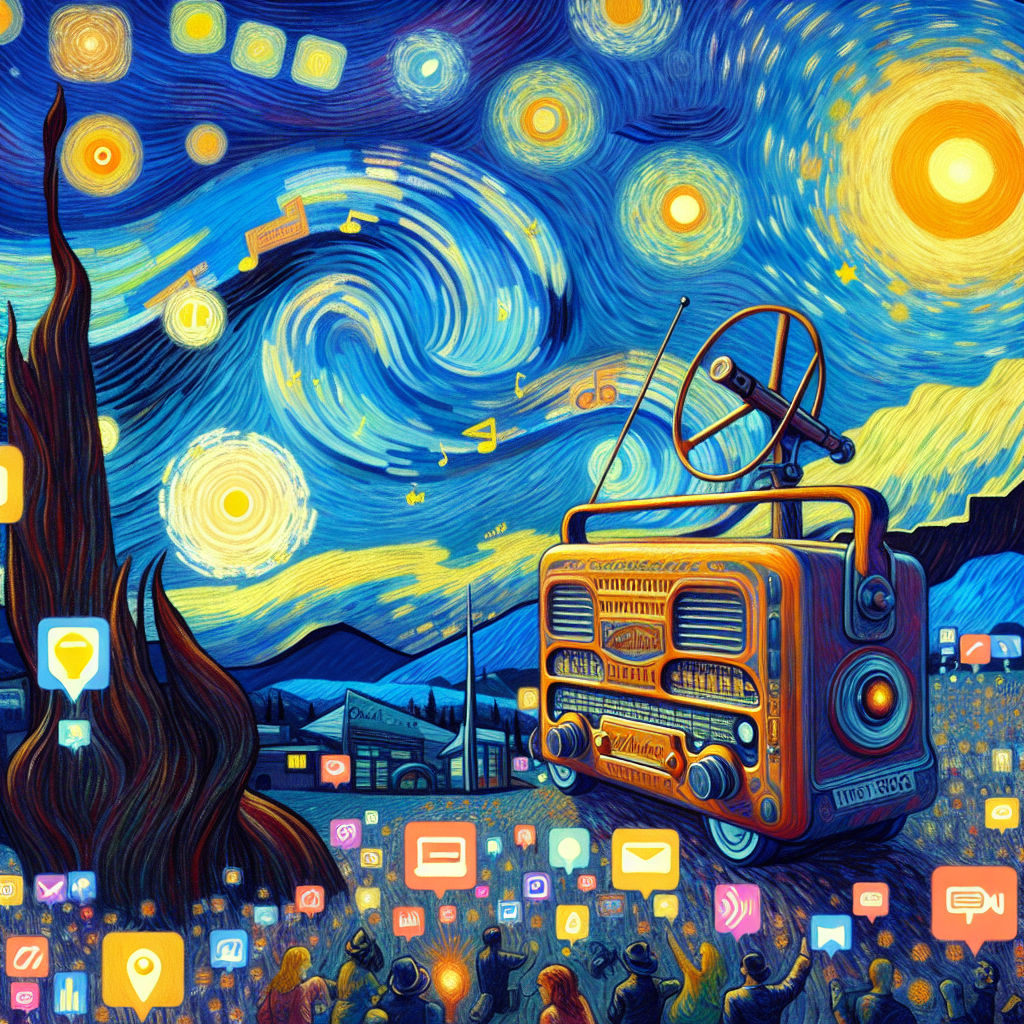
What Ethical Considerations Arise When Using AI For Content Ranking?
What Ethical Considerations Arise When Using AI For Content Ranking?
- AI in content ranking raises ethical concerns overshadowed by technological advancements.
- Algorithms may prioritize clicks over genuine connections, questioning the enhancement of human experience.
- Intelligent systems analyze large data sets, promising relevance and personalization in content delivery.
- Concerns arise about who determines what content is “worthy,” potentially silencing diverse voices.
- Favoring specific content types may marginalize creators and stifle creativity, affecting social discourse.
- Developers and businesses bear the responsibility to challenge biases within algorithms and promote inclusivity.
- Content should resonate emotionally with audiences, ensuring that AI enhances the soul of the content.

What Ethical Considerations Arise When Using AI For Content Ranking?
How Does Your Audience Perceive The Relevance Of AI-Generated Results?
In a world rich with information yet often fraught with uncertainty, the relevance of AI-generated results can stir a unique blend of feelings in your audience. First, let’s tune into the emotional pulse. Imagine navigating a website, hoping to find answers to pressing questions, only to be greeted by robotic text that feels as warm as a cold cup of coffee. That sense of disconnection can overshadow even the most sophisticated algorithms. When people seek assistance, they don’t just want data—they want a dialogue, a partner in their pursuit of clarity. Human touch can turn mere information into something meaningful.
Now, let’s engage the head. The math doesn’t lie: AI can parse vast amounts of data faster than any human, and it can uncover trends that elude even the sharpest minds. However, your audience is savvy. They know that algorithms are only as impartial as the data fed into them. Are those generators amplifying bias? Are they reflective of real-world complexities? Here lies the crux: your audience craves transparency. They want to understand not just what AI produces but why. When they grasp the reasoning behind results, it’s like turning on a light in a dark room—suddenly, the chaos gives way to order, and confidence blossoms.
Ethically, this conversation takes a different turn. You’re not just a provider of information; you hold the keys to influence. Are you wielding that power responsibly? Your audience needs to know that they can trust the sources behind those AI-driven insights. It’s about building a sustainable relationship—one where integrity and accuracy reign supreme.
Narratives have a unique way of forging connections. Picture a small business owner, anxious about the future, searching your blog for guidance. They stumble upon AI-generated insights that not only address their concerns but weave a narrative that resonates with their personal journey. The “aha” moment clicks, and suddenly, those AI-generated results morph from mere statistics into a lifeline of hope and encouragement.
Finally, let’s not underestimate the social aspect. Communities thrive on shared experiences and collective wisdom. When audiences perceive AI-generated content as part of a larger conversation—anchored in real stories and experiences—they feel less isolated in their struggles. By fostering a sense of belonging, you can transform perception into trust, inspiring action that goes well beyond the digital realm.

How Does Your Audience Perceive The Relevance Of AI-Generated Results?
How Does Your Audience Perceive The Relevance Of AI-Generated Results?
- The relevance of AI-generated results evokes a mix of feelings in audiences.
- Users desire meaningful dialogues rather than just robotic, impersonal responses.
- AI excels in data processing and trend discovery, but audiences crave transparency about its limitations.
- Understanding the reasoning behind AI results fosters confidence and clarity in users.
- Providers of AI insights must wield their influence responsibly, focusing on integrity and accuracy.
- Narratives can turn AI-generated data into relatable stories, providing hope and encouragement.
- AI content should foster community and shared experiences to build trust and inspire action.

How Does Your Audience Perceive The Relevance Of AI-Generated Results?
Conclusion
Navigating the digital landscape today feels like traversing a labyrinth filled with information and noise, where the best SEO-ranked articles often go unnoticed, hidden from the very eyes they were meant to reach. If you’ve ever stared at your analytics and felt that nagging frustration, you’re not alone. The truth is, the algorithms that should showcase our crafted words sometimes turn them into mere whispers in the cacophony of the internet. So, what gives?
At the heart of the matter lies a deep yearning for connection. When we type in a query, we’re not just seeking cold facts; we’re looking for stories that resonate, that evoke emotions and provide insights into our shared human experience. Readers want authenticity, not just neatly packaged keywords designed to please search engines. Genuine engagement requires more than technical finesse; it mandates a human touch—the lifeblood of storytelling. That’s what truly connects us to one another.
Yet, herein lies the paradox: while SEO is crucial for visibility, it often creates a divide between meaningful narratives and the pursuit of clicks. In our quest to meet algorithmic expectations, we risk losing sight of what makes content worth consuming. Ethical writing compels us to consider not just who we are writing for or how high we can rank, but how we can foster a dialogue that elevates the human experience. By investing our creativity and heart into our words, we invite readers into a relationship built on trust and empathy.
Moreover, as we embrace AI tools to curate and rank content, we must not turn a blind eye to their limitations. Technology may analyze data at lightning speed, but it lacks the nuances of human emotion and experience that flavor our stories. We must remain vigilant in ensuring our tools enhance, not compromise, the depth of our narratives. We have a responsibility to challenge the biases inherent in algorithms and advocate for a digital space that celebrates diverse voices rather than drowning them out.
It’s time to rebuild the bridges between craftsmanship and technology. By weaving authentic storytelling into our strategies, we can ensure our articles don’t just exist in cyberspace; they can resonate in the hearts and minds of our audience. Let’s champion narratives that inspire dialogue, evoke emotions, and cultivate a community around our shared experiences. Because at the end of the day, in this bustling digital age, it’s those very connections that provide meaning and purpose—both to our writing and to our readers.

Conclusion
Conclusion:
- Navigating the digital landscape is akin to traversing a complex labyrinth filled with noise and information.
- High-ranking SEO articles often go unnoticed, hidden from the intended audience.
- Readers seek authentic stories that resonate emotionally rather than just facts or keyword-heavy content.
- While SEO is essential for visibility, it can divert focus from meaningful narratives to mere clickbait.
- Ethical writing emphasizes fostering dialogue and elevating the human experience over ranking concerns.
- AI tools can efficiently rank content, but they lack the human insights necessary for genuine storytelling.
- By blending authentic storytelling with technology, we can create content that resonates deeply with readers, fostering connections and community.

Conclusion
Other Resources

Other Resources
Here is a list of other resources you can review online to learn more:
- Character.ai
- Excuses.ai
- Weblium.com
- AI.google
- ActiveCampaign
- Chatfai.com
- Unite.ai
- Octoeverywhere.com
- Medium
- Prowritingaid.com
- Anyword
- Pexels
- Flowgpt.com
- Quickvid.ai
- Marmof.com
- chatpdf.com
- Vondy.com
- Nightcafe.studio
- Sharegpt.com
- Evernote
Use This Prompt To Get More Resources With Your Favorite Online AI Tool: Please provide me with a list of online articles with their URLs in a bulleted list that I can read regarding Why SEO-Ranked Articles Still Don’t Show Up In ChatGPT
Other Resources
Glossary Terms
Why SEO-Ranked Articles Still Don’t Show Up In ChatGPT – Glossary Of Terms
1. SEO (Search Engine Optimization): The practice of optimizing content to improve its visibility in search engine results.
2. SERP (Search Engine Results Page): The page displayed by search engines after a user submits a query, showing ranked results.
3. Algorithm: A set of rules or calculations that search engines use to rank web pages based on relevance.
4. Keyword: A specific word or phrase that users input into search engines; critical for SEO.
5. Indexing: The process by which search engines analyze and store information from web pages.
6. Crawler: Automated programs (bots) used by search engines to discover and index web content.
7. Backlink: A hyperlink from one website to another, which can improve the linked site’s authority and SEO ranking.
8. Content Quality: A measure of how well-written, informative, and relevant a piece of content is; impacts SEO.
9. Organic Traffic: Visitors that arrive at a website as a result of unpaid search results, rather than paid ads.
10. User Intent: The goal or purpose behind a user’s search query, essential for optimizing content.
11. On-page SEO: Techniques applied directly on web pages to improve rankings, such as using meta tags and keywords.
12. Off-page SEO: Strategies that occur outside the website, such as social media marketing and building backlinks.
13. Meta Tags: HTML elements that provide metadata about a webpage, including title and description, for search engines.
14. Title Tag: An HTML element that specifies the title of a webpage; crucial for SEO and user clicks.
15. Alt Text: Descriptive text associated with images, helping search engines understand content; assists with accessibility.
16. Search Console: A web service by Google that allows website owners to monitor indexing status and optimize visibility.
17. Domain Authority: A score (from 1 to 100) developed by Moz, indicating the likelihood of a website to rank well in search engines.
18. Bounce Rate: The percentage of visitors who leave a site after viewing only one page; affects SEO performance.
19. Long-tail Keywords: Specific and longer phrases that target niche audiences; generally have less competition.
20. Featured Snippet: A highlighted excerpt from a webpage that appears at the top of some search results, designed to answer queries quickly.
21. Canonical URL: The preferred version of a webpage that helps prevent duplicate content issues in SEO.
22. Content Freshness: The relevance and recency of content, which can influence search rankings.
23. Schema Markup: Structured data added to a webpage to help search engines understand its content better.
24. Local SEO: Optimization strategies aimed at improving visibility for local searches, often used by businesses.
25. Penalties: Negative impacts on search rankings due to non-compliance with search engine guidelines.
26. Rank Tracking: Monitoring a website’s position in search engine results for specific keywords over time.
27. Search Volume: The number of times a specific keyword or phrase is searched in a given time frame, indicating interest level.
28. Content Optimization: The process of adjusting content to improve its performance and relevance for search engines.
29. Page Speed: The time it takes for a webpage to load; a crucial factor in both user experience and SEO.
30. Voice Search: A search method using voice commands via digital assistants, influencing how content is optimized for queries.

Glossary Of Terms
Other Questions
Why SEO-Ranked Articles Still Don’t Show Up In ChatGPT – Other Questions
If you wish to explore and discover more, consider looking for answers to these questions:
- What specific factors cause SEO-ranked articles to be overlooked by AI platforms?
- How can content creators improve the visibility of their SEO-optimized articles in AI-driven environments?
- What are the best practices for balancing SEO strategies with authentic storytelling?
- How can writers add a human touch to their articles to enhance reader engagement?
- What role does audience feedback play in shaping content strategies and article rankings?
- How do algorithms assess the quality and relevance of articles beyond SEO metrics?
- What are the ethical implications of relying heavily on AI for content curation and ranking?
- How can creators ensure they are not sacrificing authenticity for algorithm-driven success?
- What methods can be employed to foster genuine connections through digital content?
- How can the narrative voice in writing be adjusted to better resonate with AI-generated audiences?

Other Questions
Haiku
Why SEO-Ranked Articles Still Don’t Show Up In ChatGPT – A Haiku
Hidden truths lie deep,
Amid the noise, hearts seek warmth—
Words bridge souls, not just clicks.

Haiku
Poem
Why SEO-Ranked Articles Still Don’t Show Up In ChatGPT – A Poem
In the digital maze where knowledge flows,
We search for truths that rise and glow.
Yet SEO’s rules, with their trends and ranks,
Mask the warmth of voices that tug at our flanks.
We crave connection in a sea of cold bytes,
Stories that capture, that light up our nights.
But the algorithms, with their keen-eyed guise,
Drown out the whispers, the heartfelt sighs.
Behind every post is a soul in the frame,
Crafting their journey, igniting a flame.
Yet, when the metrics prioritize mere clicks,
The essence of storytelling fades and sticks.
What if our words, rich with life’s lore,
Held power to lift, to connect, and to soar?
We must not forget the heart in our craft,
For every shared struggle is a bridge that we draft.
Let’s write for the gut, the head, and the heart,
Inviting our readers to engage from the start.
To balance the numbers with warmth and with grace,
We’ll foster a space where true voices embrace.
In this narrative tapestry, diverse threads we weave,
A collective of stories, together we believe.
As we wield this power with care and intent,
We’ll uplift the connections, more than mere content.
Each article a journey, each website a home,
Where readers can gather, no longer alone.
So let’s rise from the pixels, the stats, and the charts,
And craft a community that echoes in hearts.

Poem
Checklist
Why SEO-Ranked Articles Still Don’t Show Up In ChatGPT – A Checklist
Checklist for Enhancing Content Relevance and Connection
Heart Appeals
_____ Share personal stories that evoke emotions and resonate with readers’ experiences.
_____ Prioritize authenticity in your writing to foster genuine connections.
_____ Incorporate relatable anecdotes that reflect the shared human experience.
Head Appeals
_____ Use clear and concise language to present ideas logically and effectively.
_____ Support claims with credible statistics and facts to build a strong foundation for arguments.
_____ Ensure your content is structured clearly for easy navigation and understanding.
Gut Appeals
_____ Reflect on the emotional impact of your content; ask if it stirs feelings in your audience.
_____ Foster a sense of urgency or a call to action to motivate your readers.
_____ Consider how your content can be a source of empowerment and trust for your audience.
Ethical Considerations
_____ Ensure your content maintains integrity, prioritizing value over engagement metrics.
_____ Be transparent about AI-generated content and its implications for audience trust.
_____ Challenge biases in algorithms and strive for diversity in perspectives shared.
Authority Establishment
_____ Share your expertise confidently and highlight relevant qualifications and experiences.
_____ Engage with other credible voices in your niche to enhance your authority.
_____ Foster dialogue through comments and discussions to build community and authority organically.
Narrative Engagement
_____ Frame your content around compelling narratives that invite readers into a dialogue.
_____ Encourage audience interaction by asking questions and inviting them to share their stories.
_____ Create a storyline that connects the dots between ideas, inviting deeper exploration.
Social Connection
_____ Build a community by encouraging readers to share their experiences and engage with one another.
_____ Address audience concerns and needs directly, making them feel heard and valued.
_____ Leverage social proof, showcasing testimonials or examples of how your content has impacted others.

Checklist
At WebsiteBloggers, we help website bloggers develop strategies to create content, traffic, and revenue from website blogs based on our experiences and experimentation.
Be sure to read our other related stories at WebsiteBloggers and share this article with your friends, family, or business associates who run website blogs.
The Secret Truth Behind SEO-Ranked Articles In ChatGPT
By Tom Seest
At WebsiteBloggers, we help website bloggers develop strategies to create content, traffic, and revenue from website blogs based on our experiences and experimentation.
Be sure to read our other related stories at WebsiteBloggers and share this article with your friends, family, or business associates who run website blogs.
Why SEO-Ranked Articles Still Don’t Show Up In ChatGPT
In a world where information is just a click away, we often find ourselves puzzled when SEO-ranked articles fail to land in our chat interfaces. You’d think the best of the best would effortlessly float to the surface of our daily discourse. But here’s the kicker: the digital realm has a way of keeping even the finest pearls of wisdom hidden beneath layers of complexity and algorithmic bias.
Imagine sitting at your kitchen table, sipping coffee as you scroll through your favorite website blog. You’re searching for insights that resonate, ideas that spark your imagination, and stories that tug at your heartstrings. The algorithms that power these platforms are designed to push content that is not just optimized for search engines but also curated for engagement. Yet, despite the meticulous science of SEO, you might still fail to see those high-ranking articles because they simply don’t align with the conversational rhythm being set by contemporary interests. It’s frustrating, isn’t it?
The essence of a good article goes beyond keywords and backlinks; it’s about connection. There’s a gut-level yearning for authenticity in each interaction. Every time we type a query, we’re hoping for more than cold, clear-cut information. We’re seeking stories, perspectives, truths that speak to our collective experience as human beings navigating a complex world. When those SEO rankings don’t translate into chat-generated wisdom, it’s easy to feel disheartened, wondering if you’re missing some key insight.
On the ethical front, the very practice of SEO is both a blessing and a curse. It democratizes content creation, allowing voices from all walks of life to appear alongside authoritative figures. However, it can also lead to an overwhelming sea of noise, where genuine narratives often get drowned out. When we tune in to a conversation, we want to hear the stories that matter, the ones that inspire action or ignite change.
As social beings, we thrive on connections found in the stories we share. Let’s encourage a bridge between the meticulously ranked and the heart-felt dialogue. By engaging with content that resonates, we can help ensure that the articles worthy of our attention become a part of the larger conversation. The next time you find yourself searching for answers, remember: the best insights often lie just beneath the surface, waiting to be uncovered through authentic exchange, not merely SEO-driven selection.
Why SEO-Ranked Articles Still Don’t Show Up In ChatGPT
Why SEO-Ranked Articles Still Don’t Show Up In ChatGPT
- The digital landscape can obscure high-ranking articles due to algorithmic bias and complexity.
- Even well-optimized content may not align with current conversational interests, leading to frustration.
- Authenticity and connection are essential elements of impactful articles beyond just SEO metrics.
- Many searchers desire engaging narratives that resonate with shared human experiences.
- SEO practices can democratize content creation but may also drown out genuine voices amidst the noise.
- Valuable insights and inspiring stories are often hidden beneath surface-level SEO-driven selections.
- Encouraging authentic dialogue can help elevate meaningful articles and insights to the forefront.
Why SEO-Ranked Articles Still Don’t Show Up In ChatGPT
Table Of Contents
- Why SEO-Ranked Articles Still Don’t Show Up In ChatGPT
- What If Your Carefully Crafted SEO Content Is Going Unnoticed?
- How Can We Ensure Our Articles Communicate Effectively With AI?
- Are We Prioritizing Keywords Over Genuine Storytelling In Our Pieces?
- Could The Lack Of Human Touch Be Why Your Articles Miss The Mark?
- Why Do You Think AI Struggles To Appreciate Human-Authored Nuance?
- What Ethical Considerations Arise When Using AI For Content Ranking?
- How Does Your Audience Perceive The Relevance Of AI-Generated Results?
- Conclusion
- Other Resources
- Glossary Of Terms
- Other Questions
- Haiku
- Poem
- Checklist
What If Your Carefully Crafted SEO Content Is Going Unnoticed?
You’ve poured your heart into crafting SEO content for your website blog, meticulously piecing together keywords and insights that should resonate with your audience. Day in and day out, you finesse every sentence, aiming not just to inform but to connect. And yet, as you refresh your analytics dashboard, the numbers stare back at you with indifference. Your masterpiece is going unnoticed, and the frustration feels like a punch to the gut.
It’s a familiar tale, one that echoes through the halls of many a digital marketer and writer. You’re not alone in feeling defeated. This isn’t just about rankings or traffic; it’s about the passion you’ve invested. This is your voice, your message, and when it falls flat, it’s more than disappointing—it’s downright disheartening. But let’s step back and assess the situation with both head and heart.
First, let’s talk strategy. Content isn’t merely a numbers game—it’s a conversation. Are you speaking the language of your readers? Have you identified who they are and what they crave? Imagine approaching them not just as visitors, but as fellow travelers on this journey. Ask yourself—what stories resonate with them? What challenges do they face, and how does your blog provide real solutions? Engage them not through sheer mechanics of SEO, but through connections that ignite interest and trust.
And then there’s the ethical dimension. Providing value isn’t just a moral stance; it’s the core of successful content. When you create with genuine intention, your audience senses it. They seek authenticity, a pulse behind the pixels. This isn’t just about algorithms anymore; it’s about building a community where your words can flourish, leaving a lasting impact.
Lastly, remember the power of authority. You’ve taken the time to develop expertise—share it. Collaborate with others, engage in dialogues, and immerse yourself in the wider discourse of your niche. When you become a recognized voice, your content won’t just be seen; it will be sought after.
So, if your carefully crafted SEO content is gathering dust, it’s time to breathe new life into it. Pivot your approach. Tap into your audience’s desires, forge connections, and let your authentic self shine through. Your words have the potential to spark change; let them be seen and heard.
What If Your Carefully Crafted SEO Content Is Going Unnoticed?
What If Your Carefully Crafted SEO Content Is Going Unnoticed?
- You’ve invested significant effort in creating SEO content for your blog with the hope of reaching your audience.
- The lack of engagement and visibility can be disheartening, feeling like a personal failure.
- Understanding your audience is crucial; approach them as fellow travelers rather than mere visitors.
- Focus on genuine connections through storytelling instead of solely relying on SEO mechanics.
- Providing value and authenticity is key to building a loyal community around your content.
- Share your expertise and engage in discussions to establish yourself as an authority in your niche.
- Revise your approach to tap into audience desires and let your authentic voice shine through.
What If Your Carefully Crafted SEO Content Is Going Unnoticed?
How Can We Ensure Our Articles Communicate Effectively With AI?
To ensure our articles resonate in a world increasingly intertwined with AI, we need to tap into the fundamental aspects that make communication powerful and genuine. Think about it: we’re not just crafting words; we’re shaping connections. The heart of our message should be about understanding and empathy. When we relate to our readers—be it through stories of triumph, struggle, or everyday life—we build a bridge of trust. This is where a personal narrative can take flight; recount an experience that unveils a vulnerability or a lesson learned, and suddenly your audience doesn’t just read your words—they feel them.
Now let’s engage the head. To communicate effectively, we must ground our insights in rational thought. Statistics and facts are your allies; they provide the backbone to your arguments, offering a solid foundation that gives weight to your narrative. Highlight the significance of the subject matter clearly and concisely. Connect the dots for your readers; a well-structured article, like a well-laid blueprint, guides them through complex ideas seamlessly. This clarity fosters authority. When you present well-researched information confidently, your audience can trust that you’re not just another voice in the digital cacophony but a knowledgeable companion on their journey.
Ethically, we must consider the implications of our words. Are we uplifting or merely seeking clicks? Our responsibility goes beyond mere clicks. We should advocate for integrity in our writing, balancing our desire for engagement with an ethical commitment to truth. Each article on our website or blog should spark thoughtful discussion, nurturing a community where critical thinking is encouraged.
Let’s weave these threads into an engaging tapestry. Foster a sense of belonging; encourage dialogue in the comments. The stories we share on our platforms should reflect the different lives and experiences of our readers. When they see their own struggles, aspirations, or dreams mirrored in our words, they feel valued.
Ultimately, ensuring our articles communicate effectively with AI is about connection—the magical act of turning digits and letters into feelings and thoughts. So, the next time you compose a piece, remember: it’s not just about informing; it’s about inviting your readers into a conversation worth having. Let’s make sure our words echo in hearts, rattle brains, and ignite passions.
How Can We Ensure Our Articles Communicate Effectively With AI?
How Can We Ensure Our Articles Communicate Effectively With AI?
- Tap into fundamental aspects of powerful and genuine communication.
- Focus on understanding and empathy to build connections with readers.
- Use personal narratives to share vulnerabilities and lessons learned.
- Ground insights in rational thought with statistics and facts to support arguments.
- Consider the ethical implications of writing and strive for integrity over mere clicks.
- Encourage dialogue and reflection among readers to foster a sense of belonging.
- Transform words into meaningful conversations that engage and inspire readers.
How Can We Ensure Our Articles Communicate Effectively With AI?
Are We Prioritizing Keywords Over Genuine Storytelling In Our Pieces?
In an age where website success is often measured by click-through rates and keyword rankings, it’s easy to lose sight of the human essence in our storytelling. Every blog post should be more than a collection of phrases meticulously engineered for Google’s algorithms. It should resonate with the heart, pulse with life, and tell a story that speaks to our shared experiences. But too often, we find ourselves prioritizing keywords over genuine connections.
Consider this: when was the last time a piece truly moved you? Not just because it was well-written, or on-trend, but because it spoke to something deeply personal? Perhaps it reminded you of a childhood moment or sparked an emotion that made you feel alive. That’s the kind of storytelling that sticks with us. It’s authentic, and it’s raw—qualities that often get buried under a pile of “SEO best practices.”
From a rational standpoint, let’s not forget that while search engines are the gatekeepers of online visibility, the real traffic derives from readers who share, engage, and return. When we prioritize genuine storytelling, we’re not only respecting our audience’s intelligence; we’re building a community of trust. People crave connection. They want to feel understood and valued.
Yet, as writers, we face an ethical dilemma. Are we sacrificing integrity for mere visibility? When we prioritize metrics over message, we risk producing content that rings hollow and insincere. It’s a disservice to ourselves and our readers—a betrayal of the very craft we love.
So how do we strike that balance? Let’s revisit the very reason we started sharing our thoughts in the first place. Dive into the messy, intricate tapestry of human experience. Share stories of failure and triumph, struggle and joy. Use your platform not just as a soapbox for keywords but as a stage for relatable narratives that invite connection.
Remember, every blog post holds the potential to evoke deep emotions and inspire action. When we choose to tell stories rooted in truth, we empower our readers. We create dialogue and cultivate community. And in doing so, we transform the digital landscape—not just for search engines, but for real people, seeking real stories. It’s time to prioritize the heart of storytelling, reminding ourselves that at the end of the day, we’re all in this narrative together.
Are We Prioritizing Keywords Over Genuine Storytelling In Our Pieces?
Are We Prioritizing Keywords Over Genuine Storytelling In Our Pieces?
- Website success is often measured by click-through rates and keyword rankings, overshadowing genuine storytelling.
- Blog posts should evoke emotions and resonate with shared human experiences rather than just focus on SEO.
- Authentic and raw storytelling creates connections that stick, while overly optimized content often feels hollow.
- True traffic comes from engaged readers who share and return, highlighting the importance of genuine narratives.
- Writers face the ethical dilemma of sacrificing integrity for visibility, risking sincerity in their work.
- To strike a balance, writers should dive into personal stories that invite connection and dialogue.
- Prioritizing heartfelt storytelling can transform the digital landscape, creating a sense of community among readers.
Are We Prioritizing Keywords Over Genuine Storytelling In Our Pieces?
Could The Lack Of Human Touch Be Why Your Articles Miss The Mark?
In an era dominated by algorithms and SEO strategies, the heart of our writing often takes a backseat to cold, calculated clicks. If your articles are landing with a thud instead of resonating with readers, you might want to take a moment to step back and ask yourself: where’s the human touch? It’s easy to forget that behind every website and blog post is a living, breathing human being looking for connection, understanding, and something that stirs their soul.
When you strip away the personal stories, the raw emotions, and the relatable anecdotes, what do you have left? A bunch of words on a screen. People crave authenticity. Think back to the last article that genuinely hooked you. Was it stuffed with jargon, or did it speak to you? Did it make you laugh, cry, or even punch your fist in the air? That connection is what builds trust. Trust fosters loyalty. When readers feel seen and understood, they’re more likely to engage, to share, and to return.
Tap into the essence of your own experiences and the shared struggles we all face. Write about the moments that made you who you are—the triumphs and the failures, the joy and the pain. This narrative approach resonates on a deeper level, appealing to the gut and establishing a moral bond with your audience. It’s a powerful thing when people see their own reflection in your words.
Think for a moment about ethical writing. You hold a responsibility to your readers, and that responsibility is to move them. Placing their needs and emotions front and center will elevate your voice above the noise. Remember, it’s not just about filling a page with words; it’s about crafting a message that embodies a value, a belief, a shared humanity.
When you introduce emotion into your writing, you create a ripple effect. Readers feel compelled to share, discuss, and act. They find community in your words, creating a dialogue that amplifies your reach. The articles that truly make an impact don’t just inform; they invite readers to be part of something larger. So, as you write your next piece, ask yourself: Am I inviting my reader in, or am I shutting them out? The answer could make all the difference.
Could The Lack Of Human Touch Be Why Your Articles Miss The Mark?
Could The Lack Of Human Touch Be Why Your Articles Miss The Mark?
- In a digital age, writing often prioritizes algorithms and SEO over genuine human connection.
- Authentic stories and emotions are crucial for resonating with readers and establishing trust.
- Readers prefer relatable, emotional narratives rather than jargon-heavy articles.
- Sharing personal experiences fosters a moral bond and connects writers with their audience.
- Ethical writing prioritizes the needs of readers, elevating the writer’s voice amidst the noise.
- Emotionally charged writing encourages readers to engage, share, and participate in a broader community.
- Aim to invite readers in with your writing, creating an environment for connection and dialogue.
Could The Lack Of Human Touch Be Why Your Articles Miss The Mark?
Why Do You Think AI Struggles To Appreciate Human-Authored Nuance?
When we think about the vast world of human expression, it’s both awe-inspiring and complex. A simple phrase, a well-timed joke, or even a slight pause can carry layers of meaning that resonate deeply among us. But enter artificial intelligence—a brilliant contraption, no doubt, yet still grappling with that delicate nuance. Why does AI struggle to appreciate this rich tapestry of human communication?
Let’s start with the heart. Imagine a child presenting a handmade drawing. The joy in their eyes isn’t just because of the colors they used, but because of the emotion they poured into it. The nuance here isn’t about technical skill; it’s about intention, connection, and love. An algorithm might analyze the lines, colors, and forms, but it misses the priceless essence behind that piece. This emotional disconnect manifests in countless ways: AI might spit out text that’s factually sound but feels eerily hollow, like a musician hitting all the right notes but lacking any soul.
Switching over to the head, let’s consider the rational side. Language isn’t just a tool for conveying information; it’s a living, breathing entity shaped by culture, history, and personal experiences. Humans navigate idioms, sarcasm, and colloquialisms with an instinctual grace that befuddles machines. AI processes data, but it doesn’t have the lived experiences that frame our understanding. It lacks the ability to navigate a social landscape built on unspoken rules and shared understanding.
Now, let’s dive into ethical considerations. As we develop AI, we must ask ourselves: Should we allow a tool crafted by us to operate without a grasp on the very feelings that make us who we are? The stakes are high. If automation lacks understanding, can it truly represent us? This isn’t just a technical failure; it’s an ethical quandary.
And when it all comes down to it, we’re social creatures who thrive on connection. When a machine generates content that feels “off,” it alienates us, prompting the question: Does this AI truly understand what it means to be human?
We owe it to ourselves to strive for a balance—leveraging technology while ensuring it respects the intricate weave of our shared humanity. By nurturing empathy in the machines we create, we can bridge the gap and ultimately inspire a future where AI not only serves us but also comprehends the depths of our experiences. Let’s not shy away from this challenge; let’s embrace it and see where it takes us.
Why Do You Think AI Struggles To Appreciate Human-Authored Nuance?
Why Do You Think AI Struggles To Appreciate Human-Authored Nuance?
- Human expression is awe-inspiring and complex, carrying layers of meaning.
- AI struggles to grasp the nuances of human communication due to emotional disconnect.
- The emotional essence behind human creations, like a child’s drawing, is often lost on AI.
- Language is shaped by culture and personal experiences, which AI cannot fully understand.
- Ethically, we must consider if AI can operate meaningfully without understanding human feelings.
- AI-generated content that feels “off” can alienate people, questioning its grasp on humanity.
- Striving for a balance between technology and humanity can lead to a future where AI understands our experiences.
Why Do You Think AI Struggles To Appreciate Human-Authored Nuance?
What Ethical Considerations Arise When Using AI For Content Ranking?
When we talk about using AI for content ranking on a website or blog, we’re diving into a murky sea of ethical considerations that often gets overshadowed by the allure of technological advancement. Picture this: a system designed to curate the best content for readers but driven by algorithms that prioritize clicks over genuine connection. It raises an age-old question—are we enhancing the human experience or simply pandering to it?
On one hand, the rational argument for AI in this realm is compelling. An intelligent system can analyze vast swathes of data at lightning speed and serve up content tailored to our wants and needs. It cuts through the noise, promising relevance and personalization. Yet, lurking beneath that shiny surface, there’s a gut-wrenching reality: who decides what is deemed “worthy” of that top spot? When algorithms silence diverse voices in favor of clicks, the very fabric of our shared experience begins to fray.
Ethically, we must ponder the implications of narrowing perspectives. If AI favors certain types of content, it inadvertently marginalizes creators whose work doesn’t conform to the algorithm’s whims. This not only stifles creativity but also impoverishes our social discourse. The nuances of humanity are lost when we let machines dictate our experiences, which lead to a web of culture that feels increasingly monolithic. And for what? The fleeting satisfaction of a quick click?
Authority comes into play when we consider the responsibility that developers, businesses, and content creators have in shaping these algorithms. They wield power to either perpetuate biases or challenge them. With great power comes great responsibility—only this time, it’s not just a catchphrase; it’s a call to action. Those empowering AI must consistently reflect on the landscapes they’re crafting. Communities of creators and consumers alike deserve a seat at the table, fostering a richer, more inclusive digital space.
The narrative becomes even more poignant when we think about connection. At the end of the day, content is meant to resonate with our hearts, ignite our imaginations, and drive us toward a shared understanding. As we navigate this brave new world, let’s ensure we’re not just ranking for relevance but nurturing the soul of the content itself. Together, we can harness the full potential of AI while remaining vigilant guardians of the ethical landscape it inhabits.
What Ethical Considerations Arise When Using AI For Content Ranking?
What Ethical Considerations Arise When Using AI For Content Ranking?
- AI in content ranking raises ethical concerns overshadowed by technological advancements.
- Algorithms may prioritize clicks over genuine connections, questioning the enhancement of human experience.
- Intelligent systems analyze large data sets, promising relevance and personalization in content delivery.
- Concerns arise about who determines what content is “worthy,” potentially silencing diverse voices.
- Favoring specific content types may marginalize creators and stifle creativity, affecting social discourse.
- Developers and businesses bear the responsibility to challenge biases within algorithms and promote inclusivity.
- Content should resonate emotionally with audiences, ensuring that AI enhances the soul of the content.
What Ethical Considerations Arise When Using AI For Content Ranking?
How Does Your Audience Perceive The Relevance Of AI-Generated Results?
In a world rich with information yet often fraught with uncertainty, the relevance of AI-generated results can stir a unique blend of feelings in your audience. First, let’s tune into the emotional pulse. Imagine navigating a website, hoping to find answers to pressing questions, only to be greeted by robotic text that feels as warm as a cold cup of coffee. That sense of disconnection can overshadow even the most sophisticated algorithms. When people seek assistance, they don’t just want data—they want a dialogue, a partner in their pursuit of clarity. Human touch can turn mere information into something meaningful.
Now, let’s engage the head. The math doesn’t lie: AI can parse vast amounts of data faster than any human, and it can uncover trends that elude even the sharpest minds. However, your audience is savvy. They know that algorithms are only as impartial as the data fed into them. Are those generators amplifying bias? Are they reflective of real-world complexities? Here lies the crux: your audience craves transparency. They want to understand not just what AI produces but why. When they grasp the reasoning behind results, it’s like turning on a light in a dark room—suddenly, the chaos gives way to order, and confidence blossoms.
Ethically, this conversation takes a different turn. You’re not just a provider of information; you hold the keys to influence. Are you wielding that power responsibly? Your audience needs to know that they can trust the sources behind those AI-driven insights. It’s about building a sustainable relationship—one where integrity and accuracy reign supreme.
Narratives have a unique way of forging connections. Picture a small business owner, anxious about the future, searching your blog for guidance. They stumble upon AI-generated insights that not only address their concerns but weave a narrative that resonates with their personal journey. The “aha” moment clicks, and suddenly, those AI-generated results morph from mere statistics into a lifeline of hope and encouragement.
Finally, let’s not underestimate the social aspect. Communities thrive on shared experiences and collective wisdom. When audiences perceive AI-generated content as part of a larger conversation—anchored in real stories and experiences—they feel less isolated in their struggles. By fostering a sense of belonging, you can transform perception into trust, inspiring action that goes well beyond the digital realm.
How Does Your Audience Perceive The Relevance Of AI-Generated Results?
How Does Your Audience Perceive The Relevance Of AI-Generated Results?
- The relevance of AI-generated results evokes a mix of feelings in audiences.
- Users desire meaningful dialogues rather than just robotic, impersonal responses.
- AI excels in data processing and trend discovery, but audiences crave transparency about its limitations.
- Understanding the reasoning behind AI results fosters confidence and clarity in users.
- Providers of AI insights must wield their influence responsibly, focusing on integrity and accuracy.
- Narratives can turn AI-generated data into relatable stories, providing hope and encouragement.
- AI content should foster community and shared experiences to build trust and inspire action.
How Does Your Audience Perceive The Relevance Of AI-Generated Results?
Conclusion
Navigating the digital landscape today feels like traversing a labyrinth filled with information and noise, where the best SEO-ranked articles often go unnoticed, hidden from the very eyes they were meant to reach. If you’ve ever stared at your analytics and felt that nagging frustration, you’re not alone. The truth is, the algorithms that should showcase our crafted words sometimes turn them into mere whispers in the cacophony of the internet. So, what gives?
At the heart of the matter lies a deep yearning for connection. When we type in a query, we’re not just seeking cold facts; we’re looking for stories that resonate, that evoke emotions and provide insights into our shared human experience. Readers want authenticity, not just neatly packaged keywords designed to please search engines. Genuine engagement requires more than technical finesse; it mandates a human touch—the lifeblood of storytelling. That’s what truly connects us to one another.
Yet, herein lies the paradox: while SEO is crucial for visibility, it often creates a divide between meaningful narratives and the pursuit of clicks. In our quest to meet algorithmic expectations, we risk losing sight of what makes content worth consuming. Ethical writing compels us to consider not just who we are writing for or how high we can rank, but how we can foster a dialogue that elevates the human experience. By investing our creativity and heart into our words, we invite readers into a relationship built on trust and empathy.
Moreover, as we embrace AI tools to curate and rank content, we must not turn a blind eye to their limitations. Technology may analyze data at lightning speed, but it lacks the nuances of human emotion and experience that flavor our stories. We must remain vigilant in ensuring our tools enhance, not compromise, the depth of our narratives. We have a responsibility to challenge the biases inherent in algorithms and advocate for a digital space that celebrates diverse voices rather than drowning them out.
It’s time to rebuild the bridges between craftsmanship and technology. By weaving authentic storytelling into our strategies, we can ensure our articles don’t just exist in cyberspace; they can resonate in the hearts and minds of our audience. Let’s champion narratives that inspire dialogue, evoke emotions, and cultivate a community around our shared experiences. Because at the end of the day, in this bustling digital age, it’s those very connections that provide meaning and purpose—both to our writing and to our readers.
Conclusion
Conclusion:
- Navigating the digital landscape is akin to traversing a complex labyrinth filled with noise and information.
- High-ranking SEO articles often go unnoticed, hidden from the intended audience.
- Readers seek authentic stories that resonate emotionally rather than just facts or keyword-heavy content.
- While SEO is essential for visibility, it can divert focus from meaningful narratives to mere clickbait.
- Ethical writing emphasizes fostering dialogue and elevating the human experience over ranking concerns.
- AI tools can efficiently rank content, but they lack the human insights necessary for genuine storytelling.
- By blending authentic storytelling with technology, we can create content that resonates deeply with readers, fostering connections and community.
Conclusion
Other Resources
Other Resources
Here is a list of other resources you can review online to learn more:
- Character.ai
- Excuses.ai
- Weblium.com
- AI.google
- ActiveCampaign
- Chatfai.com
- Unite.ai
- Octoeverywhere.com
- Medium
- Prowritingaid.com
- Anyword
- Pexels
- Flowgpt.com
- Quickvid.ai
- Marmof.com
- chatpdf.com
- Vondy.com
- Nightcafe.studio
- Sharegpt.com
- Evernote
Use This Prompt To Get More Resources With Your Favorite Online AI Tool: Please provide me with a list of online articles with their URLs in a bulleted list that I can read regarding Why SEO-Ranked Articles Still Don’t Show Up In ChatGPT
Other Resources
Glossary Terms
Why SEO-Ranked Articles Still Don’t Show Up In ChatGPT – Glossary Of Terms
1. SEO (Search Engine Optimization): The practice of optimizing content to improve its visibility in search engine results.
2. SERP (Search Engine Results Page): The page displayed by search engines after a user submits a query, showing ranked results.
3. Algorithm: A set of rules or calculations that search engines use to rank web pages based on relevance.
4. Keyword: A specific word or phrase that users input into search engines; critical for SEO.
5. Indexing: The process by which search engines analyze and store information from web pages.
6. Crawler: Automated programs (bots) used by search engines to discover and index web content.
7. Backlink: A hyperlink from one website to another, which can improve the linked site’s authority and SEO ranking.
8. Content Quality: A measure of how well-written, informative, and relevant a piece of content is; impacts SEO.
9. Organic Traffic: Visitors that arrive at a website as a result of unpaid search results, rather than paid ads.
10. User Intent: The goal or purpose behind a user’s search query, essential for optimizing content.
11. On-page SEO: Techniques applied directly on web pages to improve rankings, such as using meta tags and keywords.
12. Off-page SEO: Strategies that occur outside the website, such as social media marketing and building backlinks.
13. Meta Tags: HTML elements that provide metadata about a webpage, including title and description, for search engines.
14. Title Tag: An HTML element that specifies the title of a webpage; crucial for SEO and user clicks.
15. Alt Text: Descriptive text associated with images, helping search engines understand content; assists with accessibility.
16. Search Console: A web service by Google that allows website owners to monitor indexing status and optimize visibility.
17. Domain Authority: A score (from 1 to 100) developed by Moz, indicating the likelihood of a website to rank well in search engines.
18. Bounce Rate: The percentage of visitors who leave a site after viewing only one page; affects SEO performance.
19. Long-tail Keywords: Specific and longer phrases that target niche audiences; generally have less competition.
20. Featured Snippet: A highlighted excerpt from a webpage that appears at the top of some search results, designed to answer queries quickly.
21. Canonical URL: The preferred version of a webpage that helps prevent duplicate content issues in SEO.
22. Content Freshness: The relevance and recency of content, which can influence search rankings.
23. Schema Markup: Structured data added to a webpage to help search engines understand its content better.
24. Local SEO: Optimization strategies aimed at improving visibility for local searches, often used by businesses.
25. Penalties: Negative impacts on search rankings due to non-compliance with search engine guidelines.
26. Rank Tracking: Monitoring a website’s position in search engine results for specific keywords over time.
27. Search Volume: The number of times a specific keyword or phrase is searched in a given time frame, indicating interest level.
28. Content Optimization: The process of adjusting content to improve its performance and relevance for search engines.
29. Page Speed: The time it takes for a webpage to load; a crucial factor in both user experience and SEO.
30. Voice Search: A search method using voice commands via digital assistants, influencing how content is optimized for queries.
Glossary Of Terms
Other Questions
Why SEO-Ranked Articles Still Don’t Show Up In ChatGPT – Other Questions
If you wish to explore and discover more, consider looking for answers to these questions:
- What specific factors cause SEO-ranked articles to be overlooked by AI platforms?
- How can content creators improve the visibility of their SEO-optimized articles in AI-driven environments?
- What are the best practices for balancing SEO strategies with authentic storytelling?
- How can writers add a human touch to their articles to enhance reader engagement?
- What role does audience feedback play in shaping content strategies and article rankings?
- How do algorithms assess the quality and relevance of articles beyond SEO metrics?
- What are the ethical implications of relying heavily on AI for content curation and ranking?
- How can creators ensure they are not sacrificing authenticity for algorithm-driven success?
- What methods can be employed to foster genuine connections through digital content?
- How can the narrative voice in writing be adjusted to better resonate with AI-generated audiences?
Other Questions
Haiku
Why SEO-Ranked Articles Still Don’t Show Up In ChatGPT – A Haiku
Hidden truths lie deep,
Amid the noise, hearts seek warmth—
Words bridge souls, not just clicks.
Haiku
Poem
Why SEO-Ranked Articles Still Don’t Show Up In ChatGPT – A Poem
In the digital maze where knowledge flows,
We search for truths that rise and glow.
Yet SEO’s rules, with their trends and ranks,
Mask the warmth of voices that tug at our flanks.
We crave connection in a sea of cold bytes,
Stories that capture, that light up our nights.
But the algorithms, with their keen-eyed guise,
Drown out the whispers, the heartfelt sighs.
Behind every post is a soul in the frame,
Crafting their journey, igniting a flame.
Yet, when the metrics prioritize mere clicks,
The essence of storytelling fades and sticks.
What if our words, rich with life’s lore,
Held power to lift, to connect, and to soar?
We must not forget the heart in our craft,
For every shared struggle is a bridge that we draft.
Let’s write for the gut, the head, and the heart,
Inviting our readers to engage from the start.
To balance the numbers with warmth and with grace,
We’ll foster a space where true voices embrace.
In this narrative tapestry, diverse threads we weave,
A collective of stories, together we believe.
As we wield this power with care and intent,
We’ll uplift the connections, more than mere content.
Each article a journey, each website a home,
Where readers can gather, no longer alone.
So let’s rise from the pixels, the stats, and the charts,
And craft a community that echoes in hearts.
Poem
Checklist
Why SEO-Ranked Articles Still Don’t Show Up In ChatGPT – A Checklist
Heart Appeals
_____ Share personal stories that evoke emotions and resonate with readers’ experiences.
_____ Prioritize authenticity in your writing to foster genuine connections.
_____ Incorporate relatable anecdotes that reflect the shared human experience.
Head Appeals
_____ Use clear and concise language to present ideas logically and effectively.
_____ Support claims with credible statistics and facts to build a strong foundation for arguments.
_____ Ensure your content is structured clearly for easy navigation and understanding.
Gut Appeals
_____ Reflect on the emotional impact of your content; ask if it stirs feelings in your audience.
_____ Foster a sense of urgency or a call to action to motivate your readers.
_____ Consider how your content can be a source of empowerment and trust for your audience.
Ethical Considerations
_____ Ensure your content maintains integrity, prioritizing value over engagement metrics.
_____ Be transparent about AI-generated content and its implications for audience trust.
_____ Challenge biases in algorithms and strive for diversity in perspectives shared.
Authority Establishment
_____ Share your expertise confidently and highlight relevant qualifications and experiences.
_____ Engage with other credible voices in your niche to enhance your authority.
_____ Foster dialogue through comments and discussions to build community and authority organically.
Narrative Engagement
_____ Frame your content around compelling narratives that invite readers into a dialogue.
_____ Encourage audience interaction by asking questions and inviting them to share their stories.
_____ Create a storyline that connects the dots between ideas, inviting deeper exploration.
Social Connection
_____ Build a community by encouraging readers to share their experiences and engage with one another.
_____ Address audience concerns and needs directly, making them feel heard and valued.
_____ Leverage social proof, showcasing testimonials or examples of how your content has impacted others.
Checklist
At WebsiteBloggers, we help website bloggers develop strategies to create content, traffic, and revenue from website blogs based on our experiences and experimentation.
Be sure to read our other related stories at WebsiteBloggers and share this article with your friends, family, or business associates who run website blogs.