Building Connections Through Shared Stories
By Tom Seest
At WebsiteBloggers, we help website bloggers develop strategies to create content, traffic, and revenue from website blogs based on our experiences and experimentation.
Be sure to read our other related stories at WebsiteBloggers and share this article with your friends, family, or business associates who run website blogs.
Can Sharing Memories Shape a Stronger Community Among Seniors?
When it comes to community building, one might picture a vibrant park filled with laughter, children playing, and neighbors mingling over backyard barbeques. But what if I told you that sometimes the most powerful connections come from sharing memories? Picture a group of seniors sitting together, their weathered hands cradling steaming mugs of coffee, as they dive deep into their pasts. These moments may seem simple, yet they hold profound potential for shaping a stronger community.
Imagine a website blog dedicated to the art of sharing memories among seniors. This digital gathering spot serves as a bridge, connecting those who might otherwise feel isolated. Too often, older adults are tucked away in their homes, surrounded by silence and solitude. But a virtual platform creates an inclusive environment where stories of youth, love, challenges, and triumphs can blossom. It’s a space where reminiscing becomes a catalyst for connection.
The act of sharing personal stories fosters empathy and understanding. When seniors recount their adventures, struggles, and even their regrets, they create a tapestry of shared experiences that resonate with others. It’s not just about looking back; it’s about finding common ground. Suddenly, Jim’s tale of his first car might resonate with Emily, who has her own story of a wild escapade to share. These interactions form a rich narrative that binds people together, creating relationships that run deeper than small talk.
Moreover, this exchange of stories doesn’t just enrich individual lives; it strengthens the entire community. It encourages involvement, whether that’s organizing gatherings where stories can be shared in person or participating in local events that celebrate their history. This sense of belonging is crucial, especially in a day and age when many seniors feel disconnected from the world around them.
So, the next time you see a group of seniors exchanging stories, take a moment to appreciate the sacredness of those moments. They’re not just passing time—their words are building a foundation for a community that nurtures companionship and resilience. The chorus of voices sharing memories is more than nostalgia; it’s the heartbeat of a stronger, more connected community, one story at a time.

Can Sharing Memories Shape a Stronger Community Among Seniors?
Can Sharing Memories Shape a Stronger Community Among Seniors?
- Community building is often associated with lively social interactions, but sharing memories can be equally powerful.
- A blog focused on seniors sharing memories can provide vital connections for those feeling isolated.
- A virtual platform can create an inclusive environment, allowing seniors to share their life experiences.
- Sharing personal stories fosters empathy, understanding, and common ground among individuals.
- Story exchanges not only enrich lives but also strengthen the entire community.
- Encouraging story-sharing leads to increased community involvement and local event participation.
- Moments of seniors sharing stories are significant for building companionship and resilience in the community.

Can Sharing Memories Shape a Stronger Community Among Seniors?
Table Of Contents
- Can Sharing Memories Shape a Stronger Community Among Seniors?
- What Are The Benefits Of Sharing Memories Among Seniors?
- How Can Storytelling Foster Connections In Senior Communities?
- In What Ways Can Shared Experiences Enhance Senior Well-Being?
- What Tools Can Seniors Use To Share Memories Effectively?
- How Does Memory Sharing Combat Loneliness In Older Adults?
- What Role Do Community Centers Play In Memory-Sharing Activities?
- How Can Technology Facilitate Memory Sharing Among Seniors?
- Conclusion
- Other Resources
- Glossary Of Terms
- Other Questions
- Haiku
- Poem
- Checklist
What Are The Benefits Of Sharing Memories Among Seniors?
When we talk about the benefits of sharing memories among seniors, we’re diving into a topic that’s as rich as an aged whiskey and just as smooth. Memories, after all, are the stories of our lives, and sharing them can bridge gaps, foster connections, and even spark joy. So, what’s the big deal about reminiscing?
First off, let’s get to the heart of it: memory sharing promotes emotional well-being. As people age, they may find themselves feeling isolated or lonely. When seniors gather to share stories—whether it’s about the good ol’ days or the curveballs life threw their way—it creates an opportunity for connection. This isn’t just idle chatter; it’s a significant emotional interaction that can lead to laughter, camaraderie, and a renewed sense of purpose. We’re talking about sparking joy in a way that few other activities can achieve.
Then you’ve got the cognitive benefits. Engaging in memory-sharing can act like a workout for the brain. When seniors recount their lives, they’re not only exercising their memory but also challenging themselves to think critically about their past experiences. This helps improve cognitive function and may even stave off some age-related cognitive decline. Memory isn’t just a faceless database of facts; it’s alive and breathing when shared, allowing those neurons to fire up and keep the mind sharp.
Moreover, let’s not forget the legacy aspect. Sharing memories can be a way for seniors to pass down valuable lessons and wisdom to younger generations. Whether it’s a family gathering or a community event, stories told today enrich the fabric of tomorrow. By sharing their experiences, seniors contribute to the narrative of their families and communities, ensuring that the lessons learned don’t fade into obscurity.
Lastly, there’s the undeniable thrill of intergenerational connection. When seniors share their memories with younger folks, it creates a wealth of mutual respect and understanding. Imagine a grandparent enthusiastically narrating tales from a very different era while a teenager listens with wide-eyed fascination. That’s where the magic happens—a vibrant exchange that enriches both parties.
So, in a nutshell, the benefits of sharing memories among seniors are as clear as a summer’s day: enhanced emotional health, improved cognitive function, the valuable passing of wisdom, and the joy of intergenerational connections. It’s a communal act that celebrates the rich tapestry of life lived, ensuring that the voices of experience continue to resonate for years to come.

What Are The Benefits Of Sharing Memories Among Seniors?
What Are The Benefits Of Sharing Memories Among Seniors?
- Memory sharing among seniors fosters emotional well-being and reduces feelings of isolation.
- It creates opportunities for connection through significant emotional interactions, leading to joy and camaraderie.
- Engaging in reminiscing acts as a cognitive workout, improving memory and critical thinking.
- This practice may help stave off age-related cognitive decline and maintain mental sharpness.
- Sharing memories allows seniors to pass down wisdom and lessons to younger generations, enriching family and community narratives.
- Intergenerational connections flourish as seniors share experiences with younger people, fostering mutual respect and understanding.
- Overall, memory sharing celebrates life’s rich tapestry, ensuring experienced voices resonate for years to come.
What Are The Benefits Of Sharing Memories Among Seniors?
How Can Storytelling Foster Connections In Senior Communities?
In a world that often feels rushed and disconnected, the power of storytelling stands out as a beacon of what we’ve lost—and what we can regain. Imagine a room full of seniors, each one with a lifetime of experiences stored like treasures in their minds. These stories are not just entertainment; they’re the threads that weave the fabric of connection within senior communities.
When you gather a group of seniors and invite them to share their stories, something magical happens. As they recount tales from their youth—adventures, heartbreaks, triumphs—listeners become participants in a vivid tapestry woven from shared experiences. This isn’t just nostalgia; it’s a communal bonding process. Each laugh, each sigh, and each moment of silence deepens the understanding among participants, leading to newfound friendships that might have otherwise remained dormant.
In these gatherings, storytelling serves a dual purpose. It acts as a means of self-expression, allowing seniors the chance to revisit their past while also providing crucial opportunities for others to listen and learn. For those who may struggle with memory or cognition, the act of storytelling can stimulate mental engagement, fortifying the very connections that weave through time. It’s not just about the story itself; it’s the conversations that blossom afterward, the glowing warmth of recognition when a listener relates to a shared experience.
Furthermore, in a senior community, the diversity of backgrounds and experiences adds richness to storytelling sessions. A former teacher might share a tale that resonates with a retired nurse, leading to discussions that break down barriers. This potent mix fosters a sense of belonging, reminding everyone that while aging presents challenges, it also offers a unique chance to bond over shared wisdom and vulnerability.
Now, let’s not overlook the power of modern technology in facilitating these storytelling sessions. Websites and blogs dedicated to senior living can provide helpful prompts, themes, and even platforms for these tales to reach wider audiences. A digital space can serve as a bridge, creating connections that extend beyond a single room, linking seniors with family members, friends, and even communities beyond their own.
Storytelling isn’t just a pastime; it’s a vital tool for fostering connections. It nourishes the soul, builds relationships, and transforms isolation into a warm embrace of camaraderie. In just a few shared words, we can create a powerful reminder that every story counts—and every storyteller matters.

How Can Storytelling Foster Connections In Senior Communities?
How Can Storytelling Foster Connections In Senior Communities?
- Storytelling highlights the connection we’ve lost in a rushed world.
- Gathering seniors to share their stories creates deep connections and friendships.
- Storytelling serves as self-expression and stimulates mental engagement for seniors.
- Conversations that follow stories enhance understanding and recognition among participants.
- Diverse backgrounds contribute richness to storytelling, fostering a sense of belonging.
- Modern technology facilitates storytelling, allowing stories to reach wider audiences.
- Overall, storytelling nurtures relationships and transforms isolation into camaraderie.

How Can Storytelling Foster Connections In Senior Communities?
In What Ways Can Shared Experiences Enhance Senior Well-Being?
When you think about it, there’s something profoundly powerful about shared experiences. Imagine a group of seniors—each with their own unique history, a stockpile of stories, and a wealth of wisdom—coming together to engage in activities that spur connection and ignite joy. It’s not just about passing the time; it’s about enriching lives in ways that are tangible and often hard to quantify.
First, let’s talk about the obvious benefits of social interaction. Just like a well-oiled machine, the human brain thrives on social engagement. When seniors participate in group activities, whether it’s a game of bingo, a crafting session, or even a gentle group hike, they’re not just filling their schedules; they’re stimulating their minds, expanding their social networks, and building a sense of community. This can play a crucial role in reducing feelings of loneliness, often cited as a significant contributor to mental health decline amongst the elderly.
Now, consider the role of shared experiences in fostering emotional well-being. When seniors engage together in shared activities, they create memories that serve as rich connective tissues, binding them to one another. This connection brings about laughter, storytelling, and a shared sense of accomplishment, whether they’re mastering the art of pottery or exploring the local museum. These moments don’t just fill the day; they shine a light on life’s joys, often igniting a spark that transcends the mundane.
Furthermore, shared experiences can transcend generational gaps. Activities that encourage family involvement—like cooking classes or storytelling nights—allow seniors to bond with younger generations, fostering a mutual understanding that enriches everyone involved. It can bridge the divide, helping the old share their wisdom while the young can share their energy, creating a two-way street of learning that invigorates both sides.
Let’s not forget about the physical benefits. Group activities encourage seniors to stay active, which is a boon for both mental and physical health. Walking clubs, gardening groups, and dance classes provide not just a workout but a reason to get up, get moving, and embrace life with vigor.
So, the next time you glance at a website blog that champions shared experiences for seniors, remember this: it’s about more than just filling time; it’s about crafting a vibrant tapestry of life, woven together through laughter, challenge, and delightful camaraderie. In a world that can sometimes feel isolating, shared experiences are truly a lifeline, reminding us that we’re all in this together.

In What Ways Can Shared Experiences Enhance Senior Well-Being?
In What Ways Can Shared Experiences Enhance Senior Well-Being?
- Shared experiences among seniors enhance connection and joy.
- Social interaction is crucial for mental engagement, reducing loneliness.
- Participating in group activities stimulates minds and builds community.
- Shared activities create lasting memories and foster emotional well-being.
- Intergenerational activities promote understanding between seniors and younger generations.
- Group activities encourage physical health and an active lifestyle.
- Overall, shared experiences enrich life and combat isolation among seniors.
In What Ways Can Shared Experiences Enhance Senior Well-Being?
What Tools Can Seniors Use To Share Memories Effectively?
Sharing memories is a rich tradition, one that allows us to connect across generations and preserve our stories. For seniors, finding effective tools to share their life experiences can turn a recollection into a vibrant tapestry woven with laughter, lessons, and love. Thankfully, in our ever-evolving digital world, a multitude of resources are available.
First off, setting up a personal website blog can be a fantastic way for seniors to articulate their thoughts and experiences. This platform offers a space where stories can flow freely, whether it’s tales from the past or reflections on daily living. Creating a simple user-friendly blog requires minimal tech knowledge, and many platforms provide templates specifically designed for ease of use. And let’s face it, every tale has its time – and the right blog might just be the ideal place to keep those tales alive.
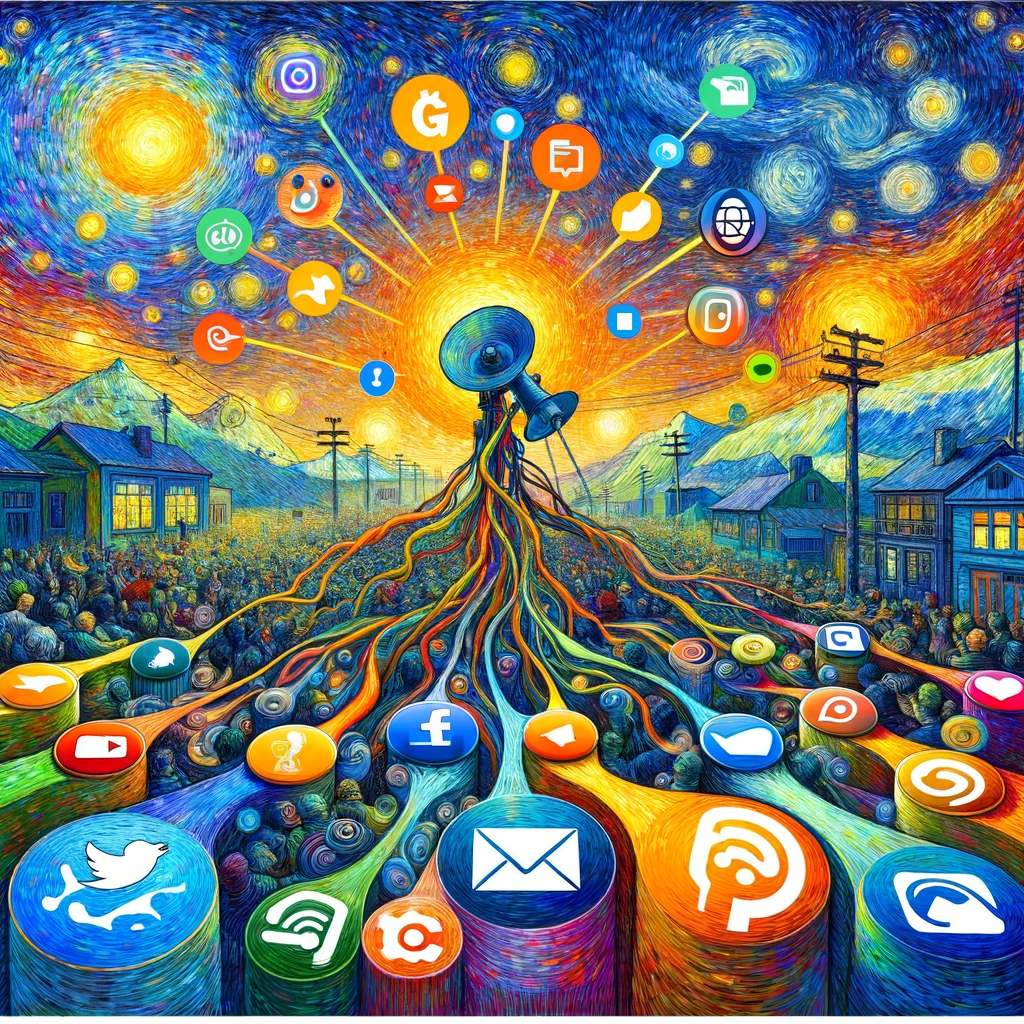
Next up are social media platforms. While some might picture it as the wild west of the internet, it’s continuously evolving into a place for sharing and connection. Facebook, for example, is bursting with opportunities for seniors to share photos, videos, and thoughts with family and friends across the globe. Crafting a post or sharing an album can spark conversations that bridge distances—both geographic and generational. And with privacy settings, seniors can choose who gets to see their stories.
For the more adventurous souls, video creation tools can be a dynamic means to share memories. Whether using smartphones or tablets, applications like TikTok or YouTube offer a canvas to create visual narratives. A well-timed story, combined with the right images or video clips, can capture attention and spark joy like no other medium can.
Then, there are dedicated memory-sharing platforms like StoryCorps or Sworn Story. These websites specialize in helping individuals document their life stories in audio or video format. With easy-to-follow instructions and supportive communities, seniors can embark on a storytelling journey unlike any other.
Finally, let’s not forget the classic, old-fashioned methods. A simple notebook or scrapbook can be just as powerful as any app or website. The act of writing or very literally putting together a visual collection of memories can be profoundly therapeutic. There’s something genuine about holding a physical representation of one’s life—tangible and real.
Ultimately, the best tools are ones that resonate with the individual. Whether through a tech-savvy blog or a heartfelt scrapbook, the essence of sharing memories lies in the stories themselves. So let’s encourage our seniors to dust off those tales and express themselves, one memory at a time.
What Tools Can Seniors Use To Share Memories Effectively?
What Tools Can Seniors Use To Share Memories Effectively?
- Sharing memories connects generations and preserves life stories.
- Personal website blogs allow seniors to articulate thoughts and experiences easily.
- Social media platforms, like Facebook, facilitate sharing photos and stories globally.
- Video creation tools (e.g., TikTok, YouTube) enable dynamic memory sharing.
- Dedicated platforms like StoryCorps help document life stories in audio or video format.
- Classic methods like notebooks or scrapbooks provide tangible ways to capture memories.
- The best tools resonate personally with individuals, fostering authentic storytelling.

What Tools Can Seniors Use To Share Memories Effectively?
How Does Memory Sharing Combat Loneliness In Older Adults?
Let’s face it; for many older adults, loneliness can feel like an unwelcome companion, nipping at their heels like a shivering pup left out in the cold. While there are plenty of strategies to combat this persistent foe, memory sharing stands out as a powerful antidote. It’s not just about swapping stories or reminiscing about the “good old days,” but about building bridges between experiences, fostering connection, and creating a sense of belonging that truly matters.
Imagine a cozy gathering, perhaps someone’s living room filled with the warm scent of freshly brewed coffee. A group of seniors gathers, not to wallow in regrets but to celebrate every wrinkle, every laugh, and yes, every tear that has shaped their lives. Memory sharing takes center stage here, transforming personal narratives into collective treasures. Each story shared is like a golden thread woven into the fabric of community, creating ties that not only bind the participants but invigorate the spirit.
Then there’s the added bonus: authenticity. When older adults recount their memories—whether it’s a tale of an adventurous road trip or that time they tried to fix a leaky faucet and ended up calling a plumber—they’re not just talking about the past. They’re opening windows into who they are today, giving others a glimpse of the lessons, victories, and challenges that have shaped them. Listening to such experiences makes us realize we’re all part of the same human tapestry, each of us with threads of joy, sorrow, and resilience.
Moreover, memory sharing fosters empathy and understanding. When seniors hear their peers’ stories, they might find reflections of their own struggles and triumphs. This recognition facilitates deeper conversations, breaking down barriers that lead to isolation. As they smile at familiar experiences or shed a tear for shared losses, a sense of camaraderie flourishes—latched onto happiness, sorrow, and everything in between.
In a world increasingly obsessed with screens and digital communication, there’s something deeply powerful about face-to-face connection through shared memories. It reaffirms the notion that we are not alone, and our stories matter. This is why memory sharing isn’t just a passing trend; it’s a lifeline for older adults navigating the sometimes murky waters of loneliness. When folks come together to share what’s been etched in their hearts and minds, they combat loneliness with every word—turning isolation into connection, one story at a time.

How Does Memory Sharing Combat Loneliness In Older Adults?
How Does Memory Sharing Combat Loneliness In Older Adults?
- Loneliness is a common issue for many older adults, often felt like an unwelcome companion.
- Memory sharing is a powerful strategy to combat loneliness by fostering connection and a sense of belonging.
- Cozy gatherings of seniors allow for celebration of life experiences, transforming personal narratives into collective treasures.
- Sharing memories reveals authenticity and provides insights into who older adults are today.
- Memory sharing fosters empathy and understanding, leading to deeper conversations and reducing isolation.
- Face-to-face connections through shared memories affirm the importance of personal stories in combating loneliness.
- Memory sharing serves as a lifeline for older adults, turning isolation into connection one story at a time.

How Does Memory Sharing Combat Loneliness In Older Adults?
What Role Do Community Centers Play In Memory-Sharing Activities?
Community centers are often the unsung heroes of our neighborhoods, standing as welcoming hubs where memories come alive and stories take root. Picture this: a modest building, its brick façade worn but steadfast, pulsating with laughter, tears, and the echoes of generations. These centers serve a crucial role in memory-sharing activities, providing a space where community members can gather, reminisce, and keep their collective histories vibrant.
Imagine a cozy room in that community center, adorned with photographs from decades past. Here, local residents come together to share personal anecdotes and historical tales that weave the fabric of their lives. Memory-sharing is more than just storytelling—it’s an act of remembrance that honors the elderly, celebrates the vibrant past, and educates younger generations about their heritage. Whether through structured programs or informal gatherings, community centers facilitate these exchanges, bridging the gap between the past and present.
The beauty of these interactions often echoes outside the walls of the center, reverberating through the community. As participants share their stories, they strengthen bonds and create a sense of belonging. It’s remarkable how a single story can spark a conversation, leading to a chain reaction of shared experiences. When someone recounts a moment of joy or a hurdle faced, the room fills not only with the resonance of their words but with the magnetic draw of shared humanity.
Moreover, community centers often branch out to include diverse groups, hosting events that celebrate various cultural histories and practices. These memory-sharing initiatives become melting pots of identity, where different backgrounds enrich the tapestry of the community. A local potluck or cultural festival can transform into an opportunity for individuals to share their roots, ensuring that each voice is heard and valued.
Digital avenues like a community website blog also play a significant role in memory preservation. These online platforms function as virtual archives, allowing stories, photographs, and historical documents to be shared widely. As more people contribute, the online narrative of the community expands, bridging generational gaps and creating a living record of shared experiences.
In sum, community centers are not just buildings; they are vibrant spaces where memory-sharing flourishes. By fostering connections, celebrating diversity, and preserving histories, they ensure that the heart and soul of the community continue to beat strongly, echoing with tales of resilience and joy.

What Role Do Community Centers Play In Memory-Sharing Activities?
What Role Do Community Centers Play In Memory-Sharing Activities?
- Community centers serve as welcoming hubs for neighborhoods, fostering memory-sharing and community bonding.
- The centers provide a space for personal anecdotes and historical tales, helping to keep collective histories vibrant.
- Memory-sharing honors the elderly and educates younger generations about their heritage.
- Interactions in community centers strengthen bonds, create a sense of belonging, and spark conversations.
- They host diverse events celebrating various cultural histories, enriching the community’s identity.
- Digital platforms, such as community blogs, function as virtual archives for sharing stories and preserving history.
- Overall, community centers are vital for fostering connections, celebrating diversity, and maintaining the community’s heart and soul.

What Role Do Community Centers Play In Memory-Sharing Activities?
How Can Technology Facilitate Memory Sharing Among Seniors?
In today’s digital age, technology has opened up new avenues for memory sharing among seniors, transforming how they connect with loved ones and reflect on their pasts. The challenge isn’t just about having the tools but knowing how to use them effectively. Fortunately, there are various platforms and applications designed to help older adults dive into the rich tapestry of their memories.
First off, consider the multitude of user-friendly website blogs dedicated to storytelling and nostalgia. These platforms often provide prompts and ideas that spark conversation, making it easier for seniors to articulate their thoughts and recollections. Imagine a seasoned storyteller sitting down with a warm cup of coffee and a laptop that guides them through their life’s journey, one post at a time. The beauty of these blogs is that they invite comments and interactions, encouraging family members and friends to engage, share their thoughts, and even contribute their own stories.
Moreover, social media serves as a powerful tool for memory sharing among seniors. Picture your grandmother, posting a photo from her youth, her friends commenting with laughter and recognition, weaving together the threads of their shared experiences. Platforms like Facebook or Instagram empower seniors to reconnect with those they may have lost touch with, rekindling friendships that often serve as a bridge to the past. These platforms provide features like tagging and reminiscing over shared moments, transforming a simple image or post into a nostalgic journey.
But let’s not forget about the practical side of things. Various memory-sharing apps offer easy access to digital scrapbooks, where seniors can upload photographs, write captions, and organize their memories into coherent narratives. These apps often include features that allow for collaboration with family members, who can add their own memories and perspectives to these timelines, creating a rich, multi-generational tapestry of shared history.
Furthermore, video calling platforms empower seniors to have face-to-face conversations with loved ones, facilitating live memory-sharing sessions where storytelling flows organically. Whether it’s a casual chat or a scheduled family gathering, technology brings everyone together, providing the perfect environment for exchanging stories that were once tucked away in the corners of memory.
As we navigate this tech-driven world, remember that technology isn’t just about gadgets and wires; it’s about weaving connections that bring memories to life. For seniors, these digital tools are more than just devices; they’re lifelines to their past, helping them preserve, share, and celebrate their journeys in ways that were once unimaginable.

How Can Technology Facilitate Memory Sharing Among Seniors?
How Can Technology Facilitate Memory Sharing Among Seniors?
- Technology is transforming memory sharing among seniors, enhancing connections with loved ones and reflections on their pasts.
- User-friendly blogs dedicated to storytelling provide prompts to help seniors articulate their memories and thoughts.
- Social media platforms like Facebook and Instagram allow seniors to share photos and reconnect with old friends, sparking nostalgic moments.
- Memory-sharing apps enable the creation of digital scrapbooks, where seniors can upload photos and collaborate with family on shared narratives.
- Video calling platforms facilitate face-to-face conversations for live memory-sharing sessions, enhancing the storytelling experience.
- Technology helps seniors preserve and celebrate their memories, creating connections that enrich their lives.
- These digital tools serve as lifelines, allowing seniors to share their journeys in previously unimaginable ways.

How Can Technology Facilitate Memory Sharing Among Seniors?
Conclusion
As we round out this exploration of sharing memories among seniors, let’s take a moment to savor what these stories truly mean for our communities. We often think of community-building as a vibrant scene: neighborhood cookouts, children playing in the park, and buzzing social activities. But, there’s magic in simplicity— magic found in moments where seniors gather, coffee in hand, and dive into the depths of their individual pasts.
These shared memories are far more than mere reminiscences; they are the connective tissues that bind generations together. Imagine a group of retirees swapping stories about their first cars, cherished romances, or life-altering decisions. In those words, walls crumble, understanding blooms, and camaraderie flourishes. It’s where empathy and experience intersect—a tapestry of collective history that resonates beyond surface introductions or polite chit-chat.
We must not underestimate the power of such exchanges; when seniors come together to share their stories, they cultivate a rich, supportive atmosphere. These gatherings become not just a chance to recount histories but also a vital lifeline against the isolation that so often envelops the elderly. In an age where loneliness can feel like a persistent shadow, sharing memories shines a warm light, illuminating connections that can otherwise feel lost.
But the benefits extend far beyond emotional well-being. At their heart, stories are educational tools, offering wisdom to younger generations and deepening our appreciation of the life experiences that often go unnoticed. This intergenerational exchange is crucial—it bridges the gap between the young and old, fostering mutual respect and understanding. The young can listen with wide-eyed wonder while the old pass down invaluable lessons. That’s the essence of community—learning together, growing together, and finding common ground.
As technology continues to advance, it offers fresh opportunities to amplify these memory-sharing moments. From blogs and social media to video calls, seniors now have tools at their fingertips that can help rekindle connections that might otherwise fade. The old adage rings true here: “A picture is worth a thousand words,” but when those words are shared among friends, they multiply into a chorus of tales that celebrate our shared humanity.
So let’s keep the dialogue going. Encourage our seniors to reminisce, whether face-to-face or through digital platforms. Because in those stories lie the heartbeat of our communities—a vibrant network, woven together by the threads of shared experiences and poignant memories, one conversation at a time. Let’s raise our mugs to the storytellers and the wisdom they impart, and to the stronger, more connected communities we can build through their tales.

Conclusion
Conclusion:
- The act of sharing memories among seniors is crucial for community-building.
- Seniors gathering over coffee to share stories fosters deep connections and understanding.
- These shared narratives help combat loneliness by creating supportive atmospheres.
- Storytelling serves as an educational tool, passing wisdom from older generations to younger ones.
- This intergenerational exchange promotes respect and mutual understanding between age groups.
- Advancements in technology provide new ways for seniors to share their stories and connect.
- Encouraging storytelling enriches communities and strengthens bonds through shared experiences.

Conclusion
Other Resources

Other Resources
Here is a list of other resources you can review online to learn more:
- Hyperwriteai.com
- Mymind.com
- Tldv.io
- Yourmove.ai
- Zaplingo.com
- Arthub.ai
- Artssy.co
- Neuronwriter.com
- Feedly
- Wonderdynamics.com
Use This Prompt To Get More Resources With Your Favorite Online AI Tool: Please provide me with a list of online articles with their URLs in a bulleted list that I can read regarding Can Sharing Memories Shape a Stronger Community Among Seniors?

Other Resources
Glossary Terms
Can Sharing Memories Shape a Stronger Community Among Seniors? – Glossary Of Terms
1. Aging: The process of becoming older, encompassing physical, emotional, and social changes that occur over time.
2. Community: A group of individuals living in a particular area or sharing common interests, values, or experiences.
3. Companionship: A relationship characterized by friendship and support, helping to reduce feelings of loneliness.
4. Memory Lane: A metaphorical path representing nostalgic recollections of past experiences and events.
5. Intergenerational: Involvement or interaction between different generations, facilitating mutual understanding and support.
6. Storytelling: The art of sharing stories, often used as a tool for connection and preserving memories.
7. Socialization: The process by which individuals interact and engage with others, key to building relationships and community.
8. Nostalgia: A sentimental longing for the past, often evoking feelings of warmth and connection when memories are shared.
9. Life Review: A therapeutic process in which individuals reflect on their life experiences, often enhancing self-understanding and emotional well-being.
10. Shared Experience: Common events or moments that create a bond among individuals, fostering community ties.
11. Empathy: The ability to understand and share the feelings of others, essential in building supportive relationships.
12. Resiliency: The capacity to recover from challenges and adversity, which can be strengthened through community support.
13. Cohesion: The bond that unites individuals within a group, often cultivated through shared stories and experiences.
14. Support Network: A group of individuals that provides emotional, social, or practical support, crucial for seniors.
15. Tradition: Customs or beliefs passed down through generations, often rich in memories and capable of fostering a sense of belonging.
16. Group Activities: Organized actions involving multiple individuals, promoting engagement and connection within the community.
17. Recollection: The act of remembering or recalling past experiences, often shared in social settings.
18. Technology: Tools and devices that facilitate communication and connection, useful for sharing memories, especially among seniors.
19. Well-Being: A state of being comfortable, healthy, or happy, often enhanced by positive social interactions and community involvement.
20. Legacy: Something handed down from the past, which can include stories, traditions, and memories that shape community identity.
21. Connection: The emotional bond established between individuals, often strengthened through shared history and experiences.
22. Isolation: A state of being separated from others, which can negatively impact seniors’ mental health and well-being.
23. Eldercare: The care and support provided to older adults, aiming to promote their health and quality of life.
24. Facilitation: The act of guiding or assisting groups in sharing and discussing memories to foster connection.
25. Reflection: The process of thinking deeply about past experiences, which can enhance understanding and connection among seniors.
26. Vulnerability: The willingness to express emotions and share personal experiences, often necessary for building trust within communities.
27. Interactivity: Engaging in reciprocal communication and activities, promoting deeper connections among community members.
28. Social Capital: The networks of relationships among people that enable society to function effectively, highlighting the value of shared memories.
29. Cultural Competence: The ability to understand and respect diverse cultural backgrounds, fostering inclusivity in memory sharing.
30. Purpose: A sense of meaning or significance in life, which can be enhanced through community involvement and memory sharing initiatives.

Glossary Of Terms
Other Questions
Can Sharing Memories Shape a Stronger Community Among Seniors? – Other Questions
If you wish to explore and discover more, consider looking for answers to these questions:
- What specific memory-sharing activities can seniors engage in at community centers?
- How can family members encourage seniors to share their memories?
- What are some examples of successful memory-sharing programs for seniors?
- How do cultural backgrounds influence the stories that seniors share?
- What challenges do seniors face when it comes to sharing memories?
- How does memory sharing impact mental health in seniors?
- Are there specific themes or topics that resonate more with seniors when sharing memories?
- What role do caregivers play in facilitating memory sharing among seniors?
- What resources are available for seniors looking to start their own memory-sharing blogs?
- How can local organizations support memory-sharing initiatives in senior communities?

Other Questions
Haiku
Can Sharing Memories Shape a Stronger Community Among Seniors? – A Haiku
Shared stories unite,
Seniors weave bonds through time—
Mem’ries build strong ties.

Haiku
Poem
Can Sharing Memories Shape a Stronger Community Among Seniors? – A Poem
In a quiet room, where laughter blooms,
Seniors gather, casting away glooms.
With steaming mugs and stories to share,
They weave a tapestry of memories rare.
Once tucked away in silence so deep,
Now hearts come alive, no more solitude to keep.
Their tales of youth, with joy and strife,
Breathe warmth into the fabric of life.
Through shared experiences, bonds begin to grow,
Each story a thread that weaves into a glow.
Empathy flourishes as their voices entwine,
In recalling adventures, both yours and mine.
A digital bridge, a blog or a post,
Preserving their tales, a medley to boast.
From social media to scrapbooks held tight,
Technology blooms into a life-giving light.
Memory-sharing, a balm for the lone,
Transforms old shadows, connecting each home.
In community centers, the heartbeat attunes,
As multigenerational wisdom fills the rooms.
With every laugh and shared sigh,
Connections are forged, and spirits soar high.
So let’s cherish the stories, the love, and the grace,
For in sharing our past, we find our place.
Together we stand, united as one,
Each cherished moment, a bright rising sun.
In the power of memories, we discover anew,
A vibrant community, with threads ever true.

Poem
Checklist
Can Sharing Memories Shape a Stronger Community Among Seniors? – A Checklist
1. Gather Your Group
_____ Identify a diverse group of seniors to participate.
_____ Ensure the setting is comfortable and inviting.
2. Set Up the Environment
_____ Choose a cozy location (e. g. , community center, coffee shop, or garden).
_____ Arrange seating in a circle to promote eye contact and engagement.
3. Choose Memory Sharing Formats
_____ Plan a storytelling session (informal or structured).
_____ Organize themed discussions (e. g. , childhood memories, travel stories).
_____ Include creative activities like crafting or writing memories.
4. Utilize Technology
_____ Set up a personal blog or website for storytelling.
_____ Use social media platforms to share memories and experiences.
_____ Explore memory-sharing apps for creating digital scrapbooks.
5. Encourage Interaction
_____ Create prompts or questions to spark discussion (e. g. , “What was your favorite childhood game?”).
_____ Allow everyone a chance to speak; encourage active listening.
_____ Foster an atmosphere of respect and support.
6. Incorporate Multi-Generational Participation
_____ Invite family members or youth to join memory-sharing sessions.
_____ Facilitate intergenerational activities that promote dialogue (e. g. , cooking classes, storytelling nights).
7. Celebrate and Document Memories
_____ Consider recording storytelling sessions (audio or video) with consent.
_____ Compile stories into a group scrapbook or digital archive.
_____ Organize a memory-sharing event or potluck to celebrate shared stories.
8. Follow Up and Maintain Connections
_____ Set up regular meetings for ongoing memory-sharing.
_____ Create a newsletter or group chat to keep everyone connected.
_____ Encourage participants to reach out to one another between gatherings.
9. Evaluate the Experience
_____ Collect feedback from participants on their experiences and suggestions for improvement.
_____ Reflect on the impact of memory sharing on community ties and emotional well-being.
10. Promote Continued Memory Sharing
_____ Inspire participants to continue sharing stories with friends and family.
_____ Highlight the importance of memory sharing in future community gatherings.
Use this checklist to guide your efforts in fostering a stronger community through the art of sharing memories. Happy storytelling!

Checklist
At WebsiteBloggers, we help website bloggers develop strategies to create content, traffic, and revenue from website blogs based on our experiences and experimentation.
Be sure to read our other related stories at WebsiteBloggers and share this article with your friends, family, or business associates who run website blogs.